A tour through Asia Minor
| Recommended days | 7 |
| Budget | ££ |
| Difficulty | Easy |

OK, hands up here. Although this was a Western Turkey road trip, I wasn’t driving. It was actually a coach trip with Voyage Jules Vernes and that made some things a lot easier and some things very frustrating. However the main element of a road trip – travelling by road with friends – was there, just not the independent travel part.
The trip started off well. Although we had our tickets with Turkish Airlines for some reason they had cancelled our seats. After much arguing between us, them and VJV they eventually relented and upgraded the four of us to business class for the flight – a great result!
Istanbul
We arrived in Istanbul and checked in to the hotel. We had a couple of days to explore the city before the travelling part of the tour started and all the highlights other than the Theodosian Walls were covered.
Istanbul: Valens Aquaduct
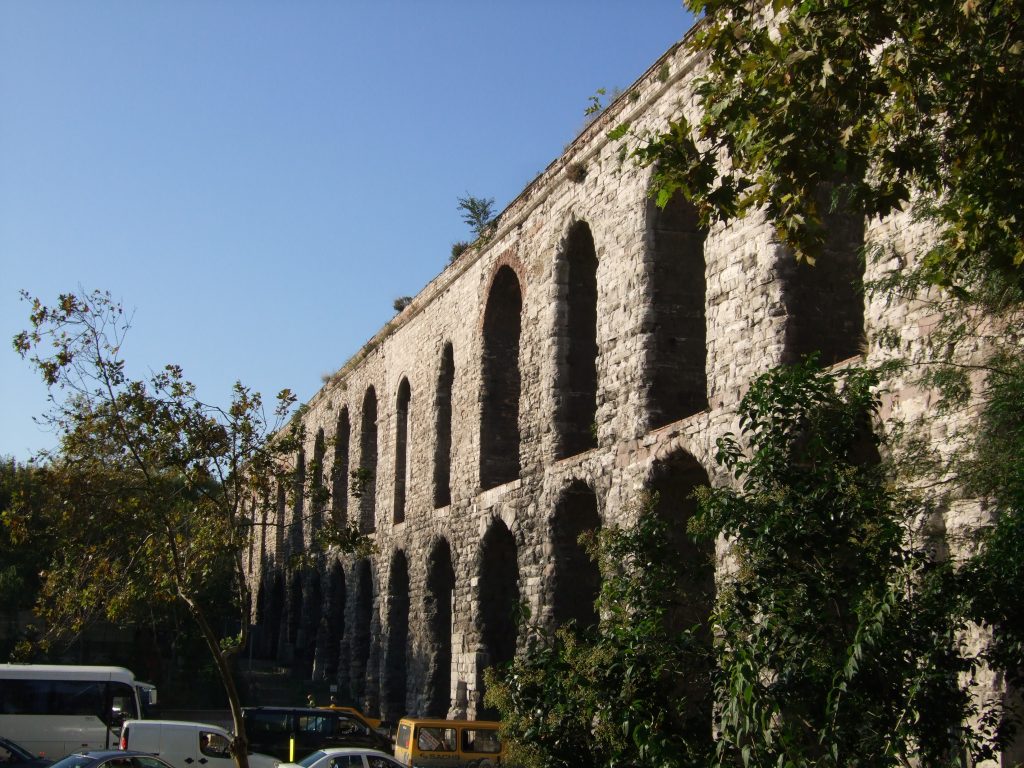
We started off with a short walk to see Valens Aquaduct. This is a huge structure that stretches across 6 lanes of modern road, a far more fitting memorial than just dying at Adrianople (if it’s the same Valens!).
Istanbul: Hippodrome
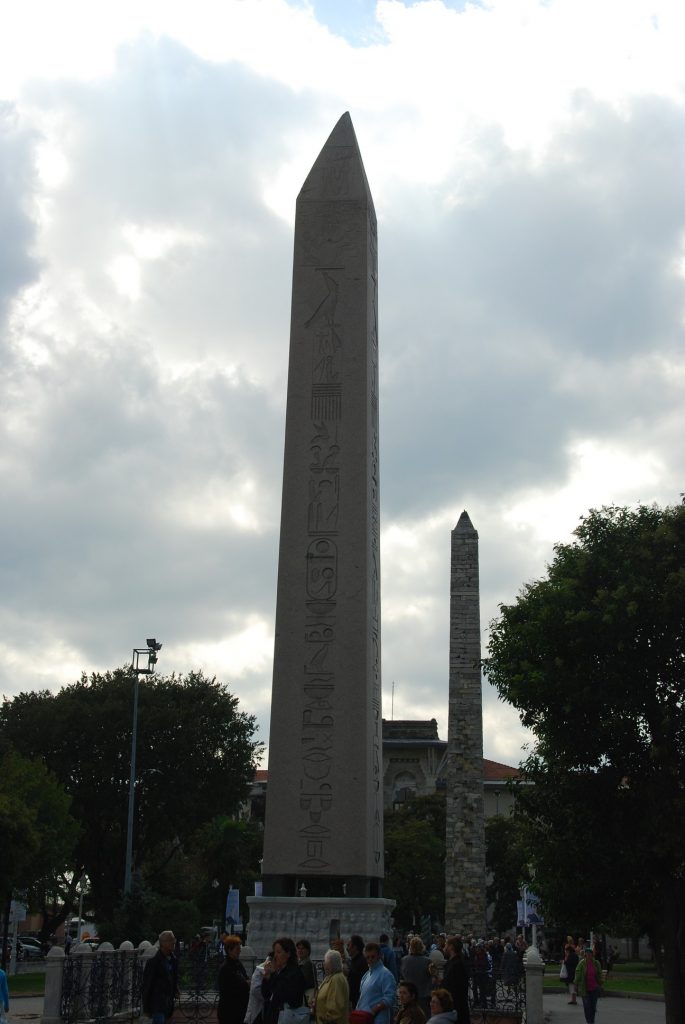
We walked from here down to the centre of old Byzantium, where the most famous remains of this empire are located. First we saw the hippodrome, the huge structure that was the scene of so much drama in Byzantine history. It is now pretty unrecognisable other than as a large open space with an obelisk and the remains of a couple of other inscribed columns.
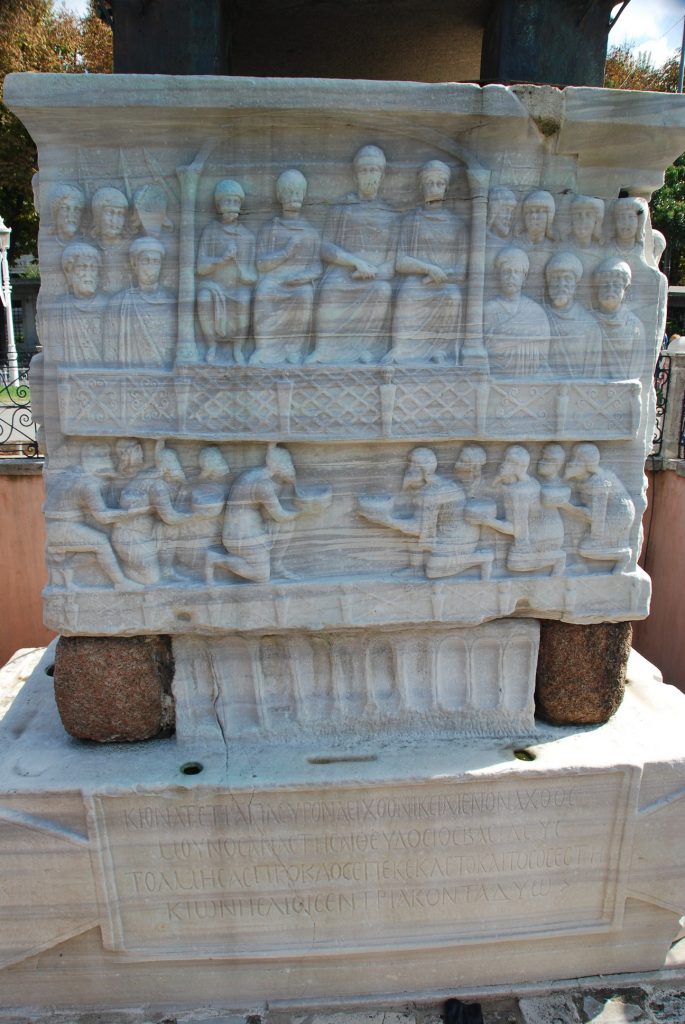
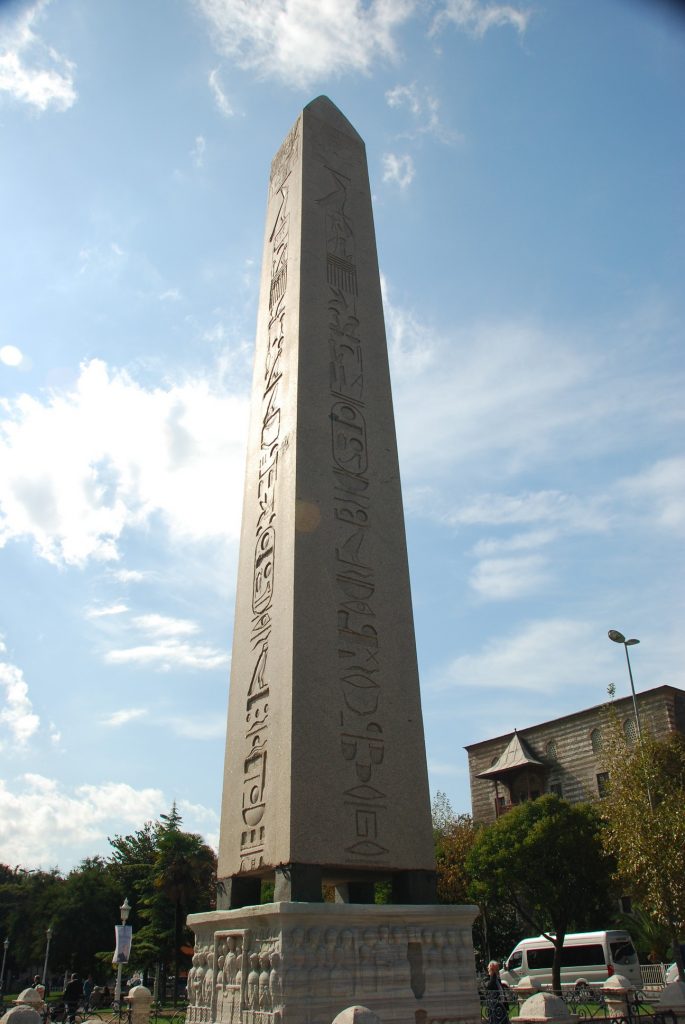
Istanbul: Justinian’s Cistern
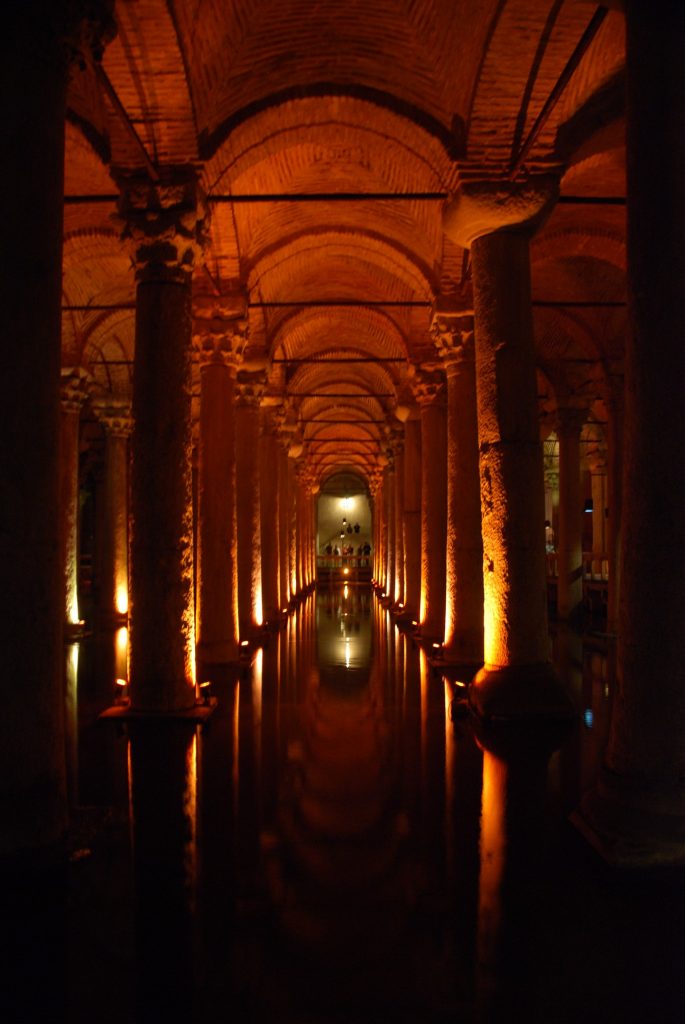
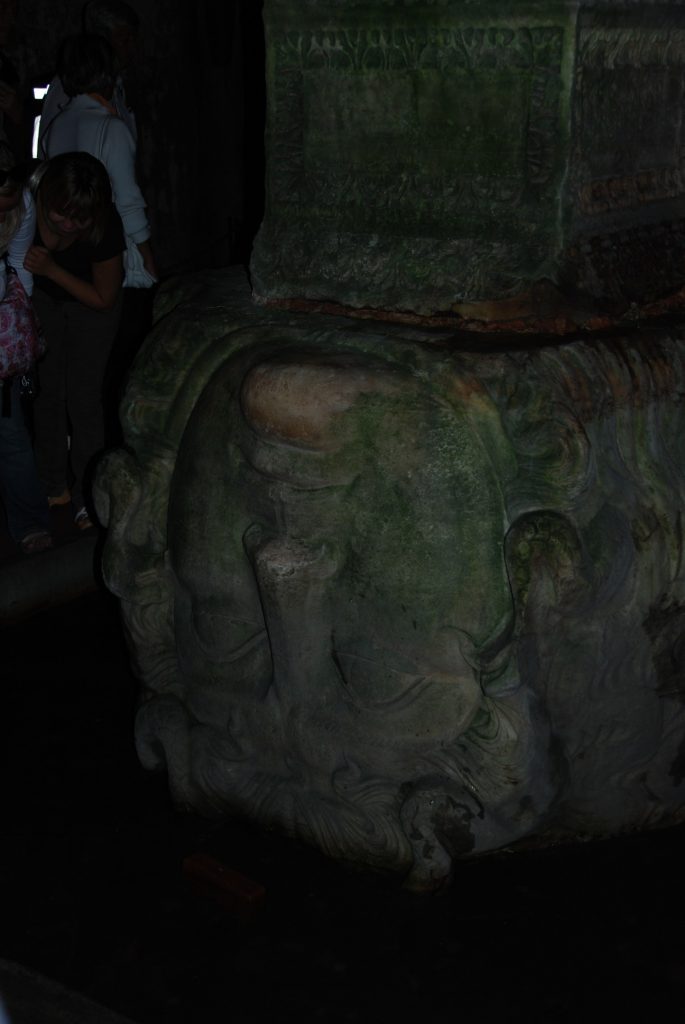
My photo skills were pretty poor then so I cringe when I look at some of these shots! The visit to Justinian’s Cistern was probably one of my favourites in the city. It is a water cistern (hence the name!) and it’s amazing how decorative and ornate it is for such a functional building.

Istanbul: Hagia Sophia
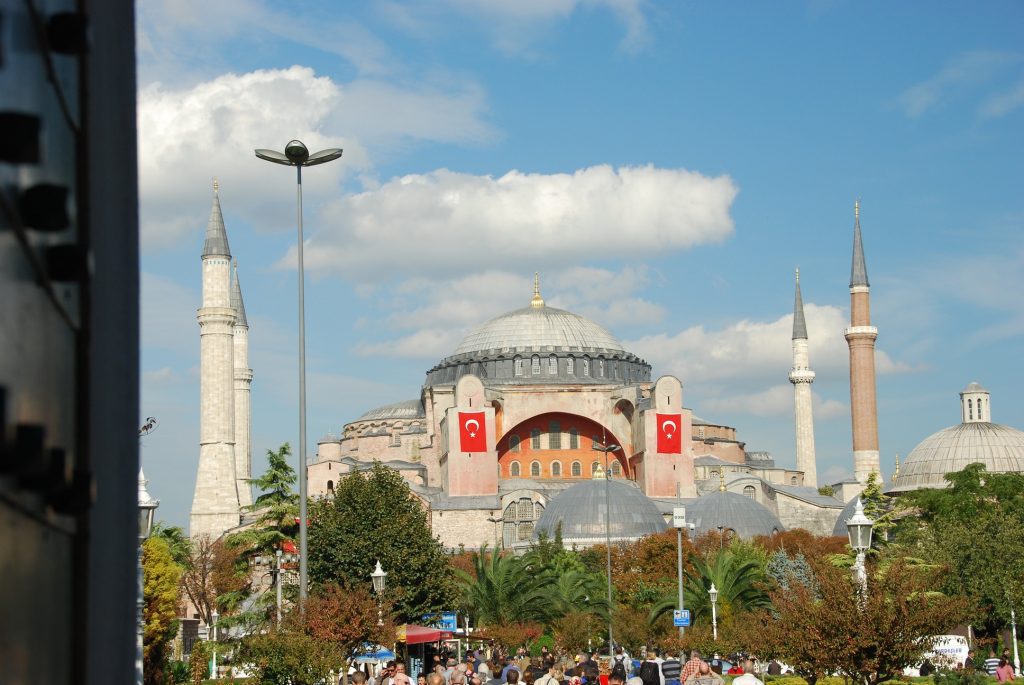
Next stop was the jewel in the crown of Justinian’s Constantinople, Hagia Sophia. This building has suffered over the centuries from both natural disasters, architectural faults and the conversion to a mosque in 1453. Despite all of this it is still a truly awe inspiring building and I can’t really conceive of its magnificence in its heyday.
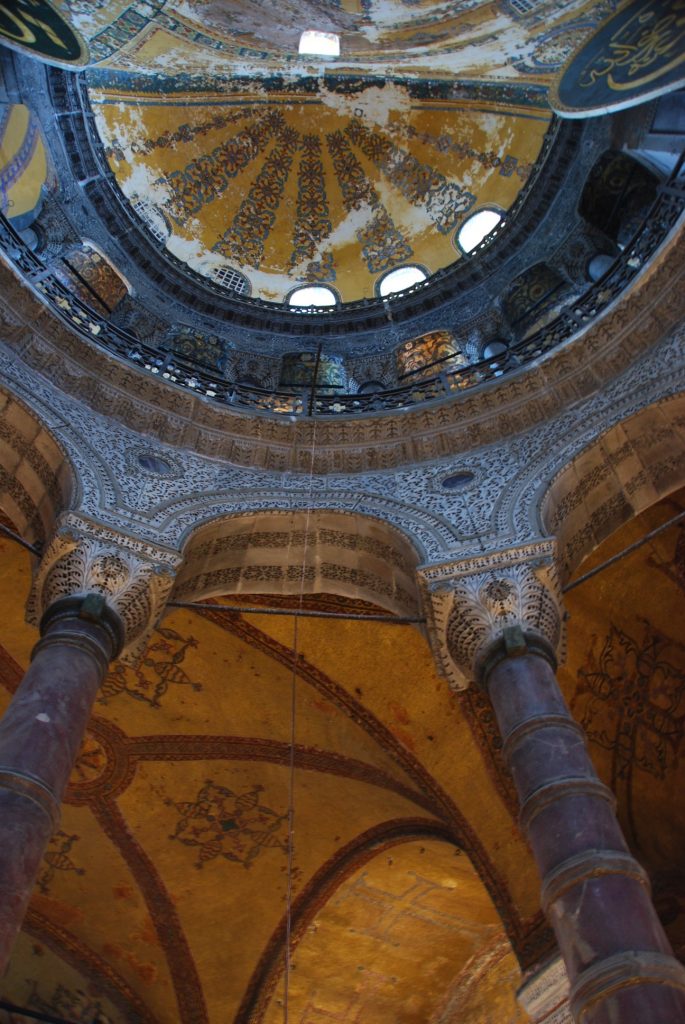
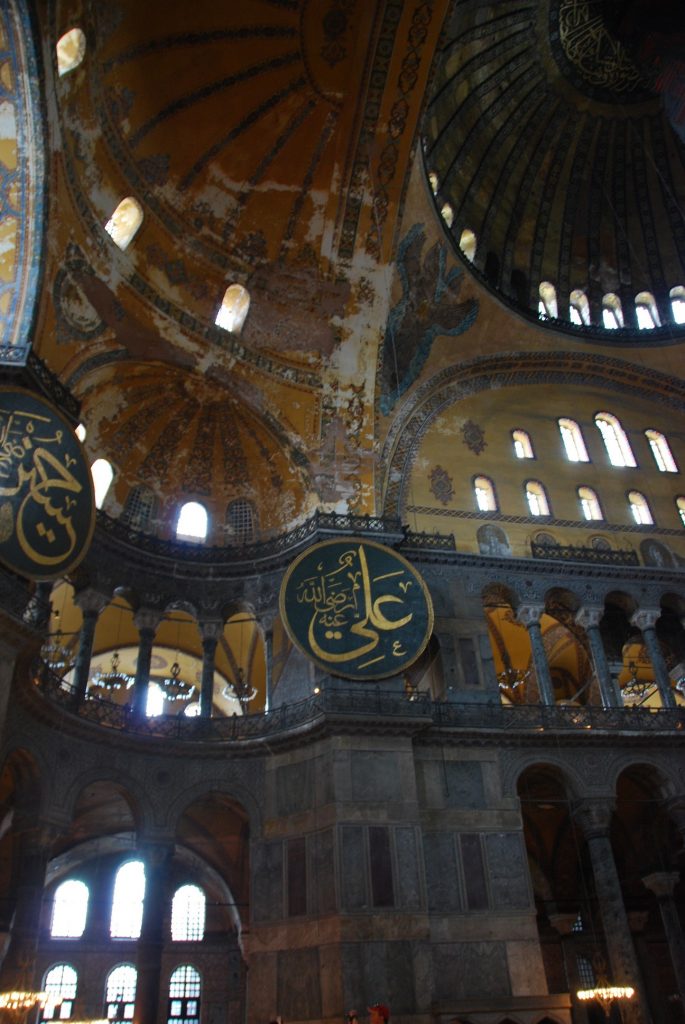
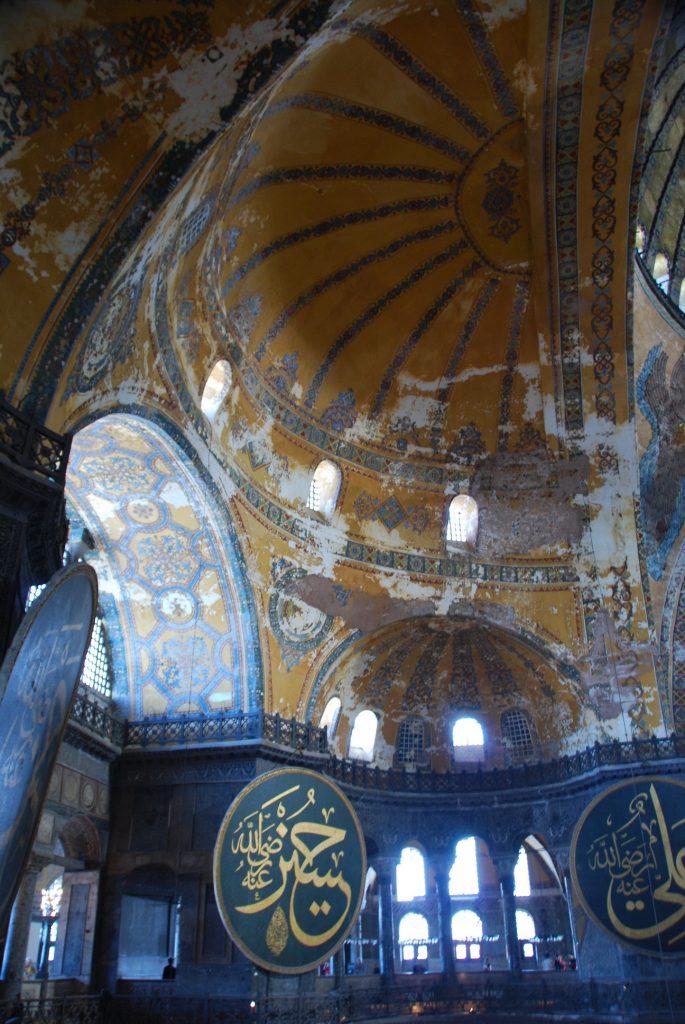
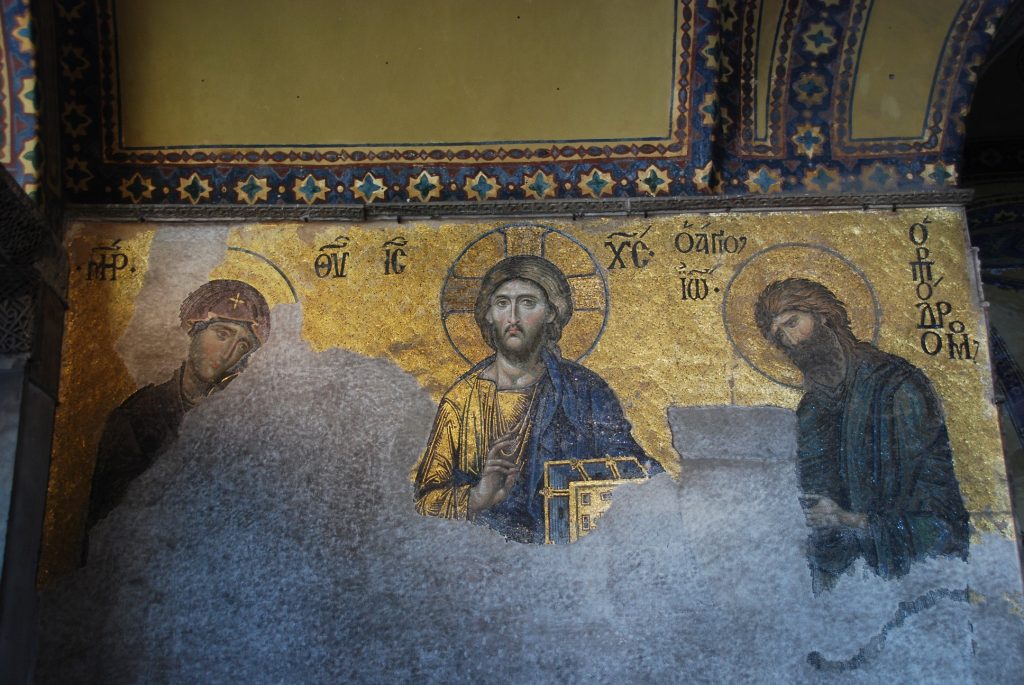
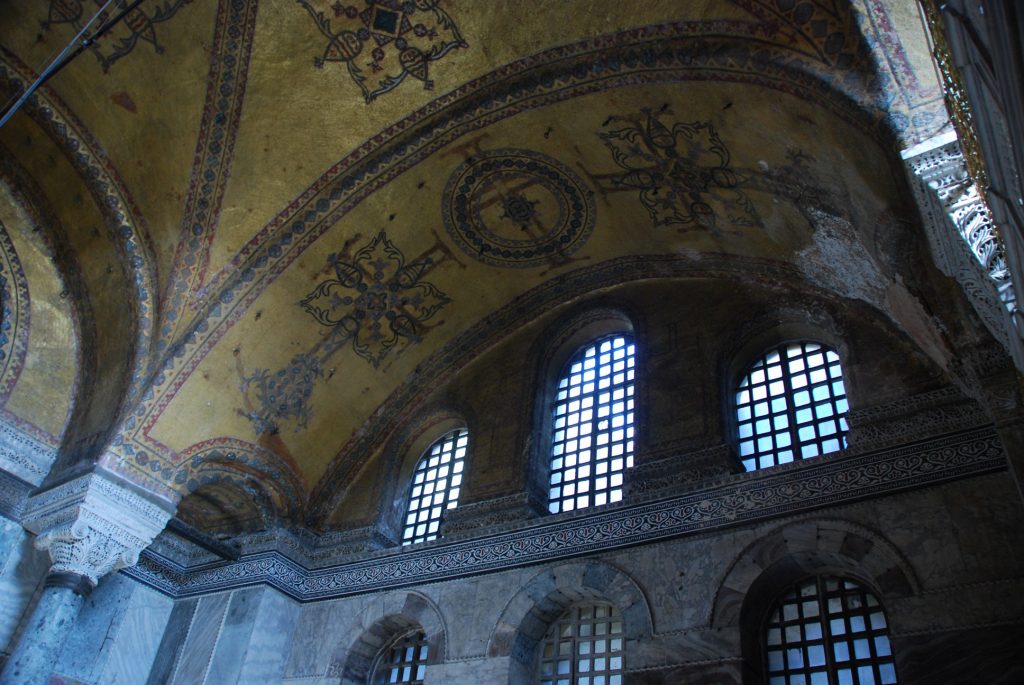
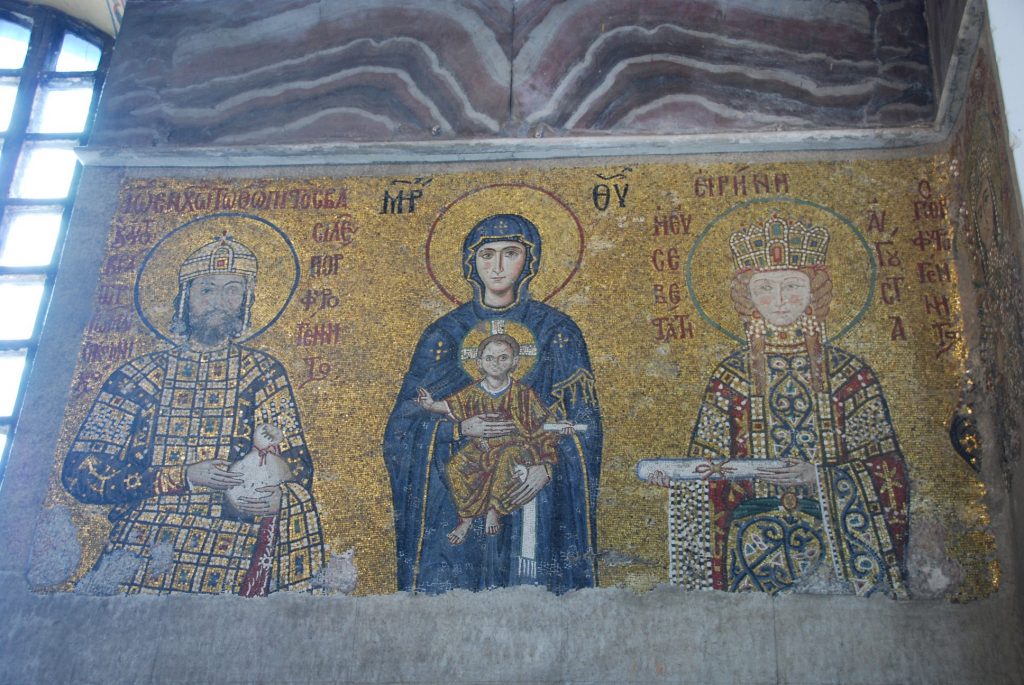
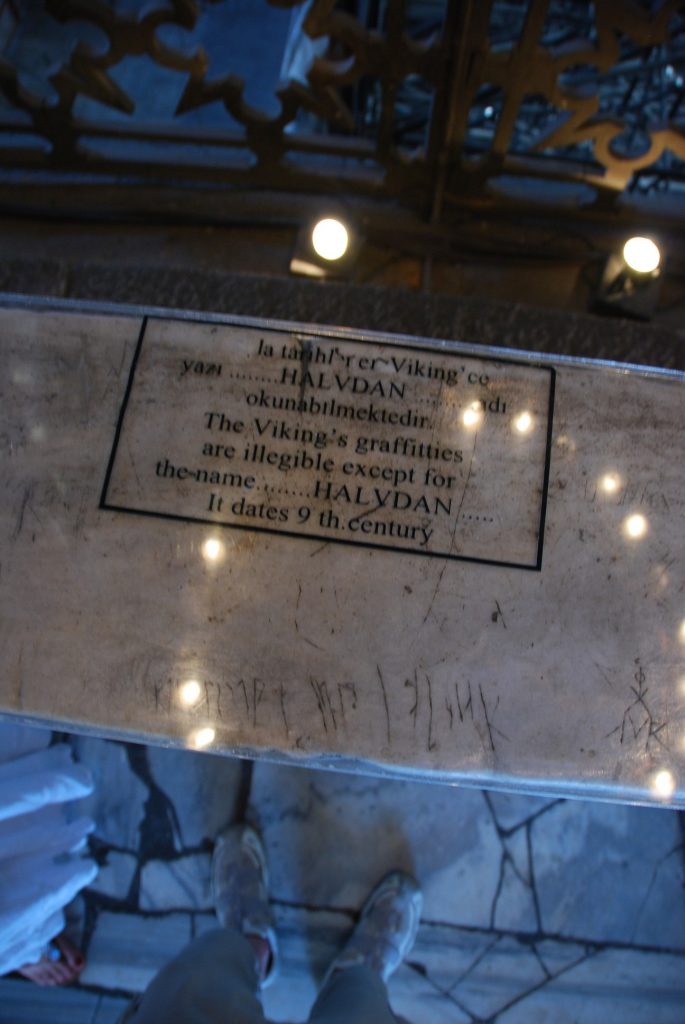
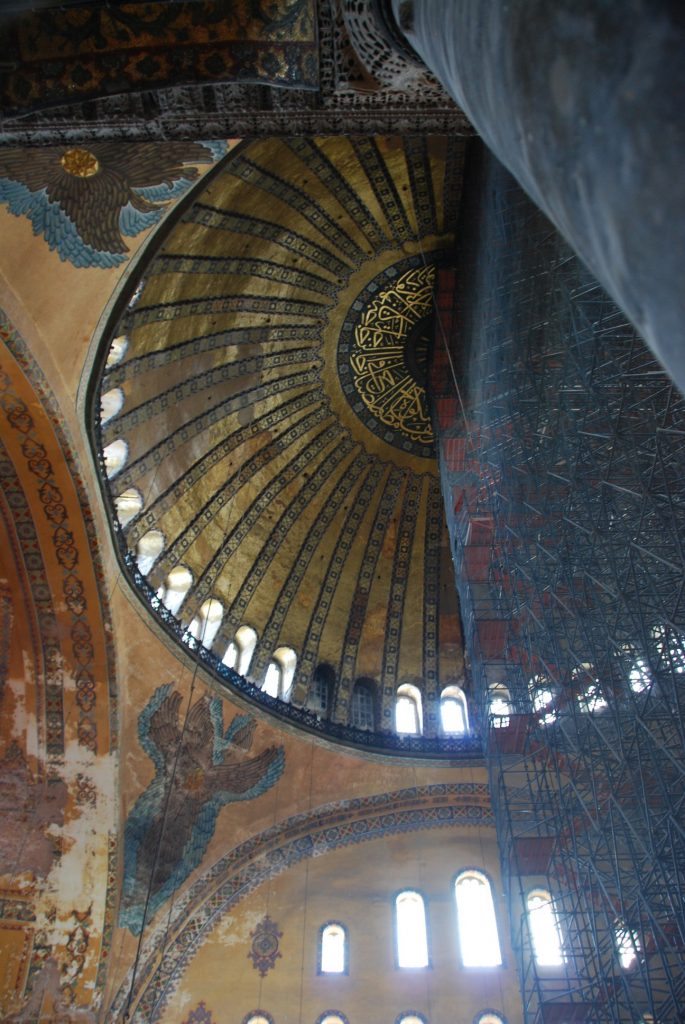
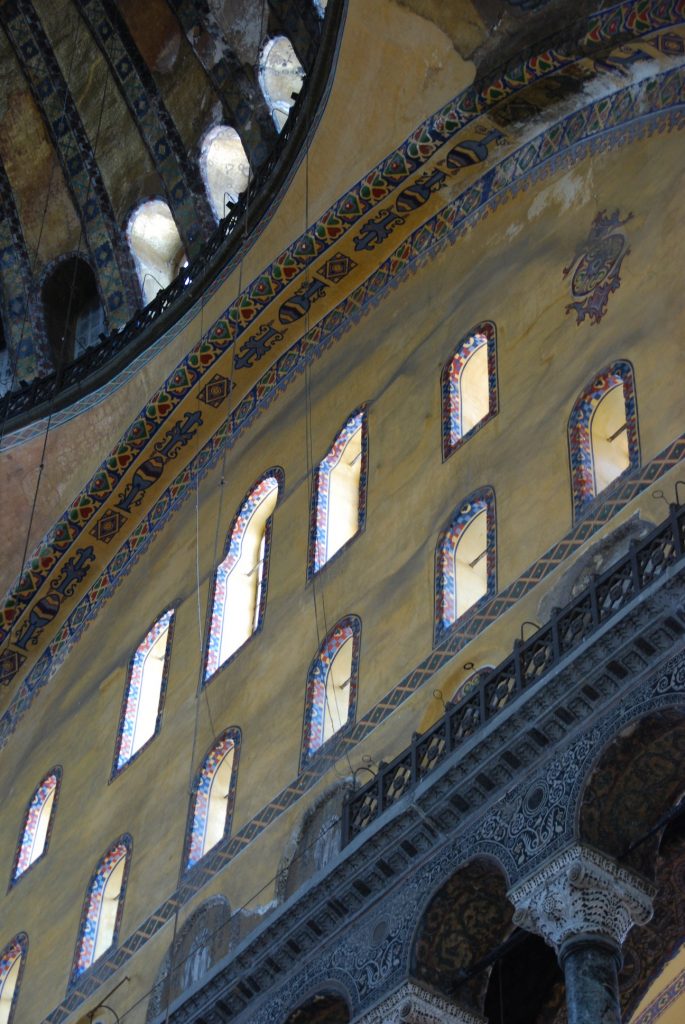
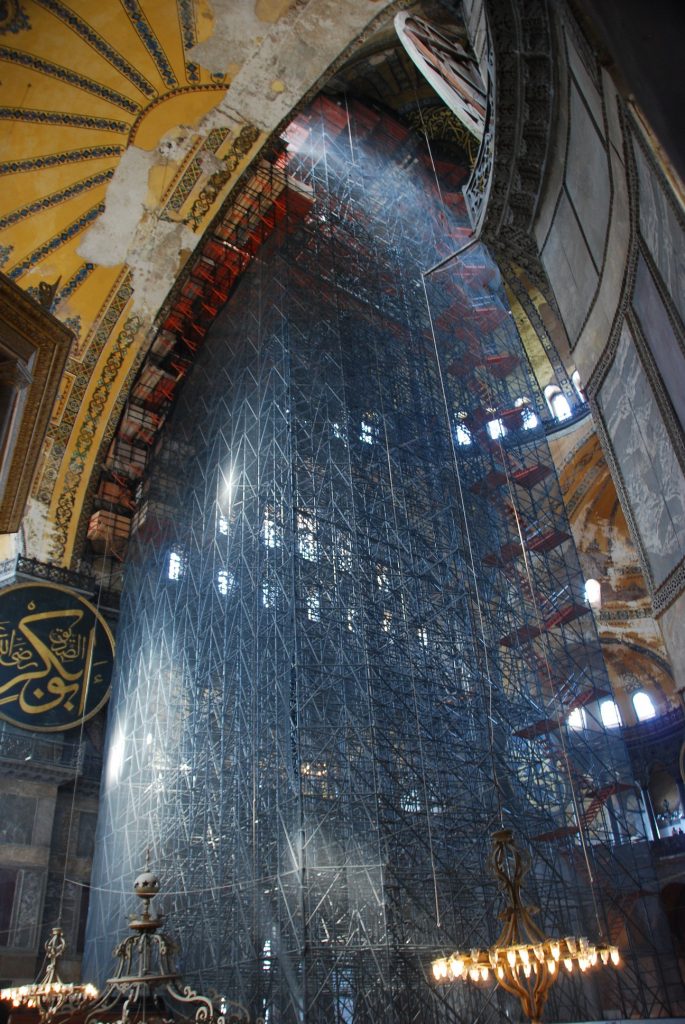
It’s a shame these photos are so bad, there are some better ones from my 2012 visit here . They do give an idea of the scale of the building and the way the light filters through, illuminating the mosaics and paintings of the interior. It still a annoys me that the Venetian Doge who sacked the city is buried here as he did more harm to the city than the Ottomans did in 1453.
Istanbul: Blue Mosque
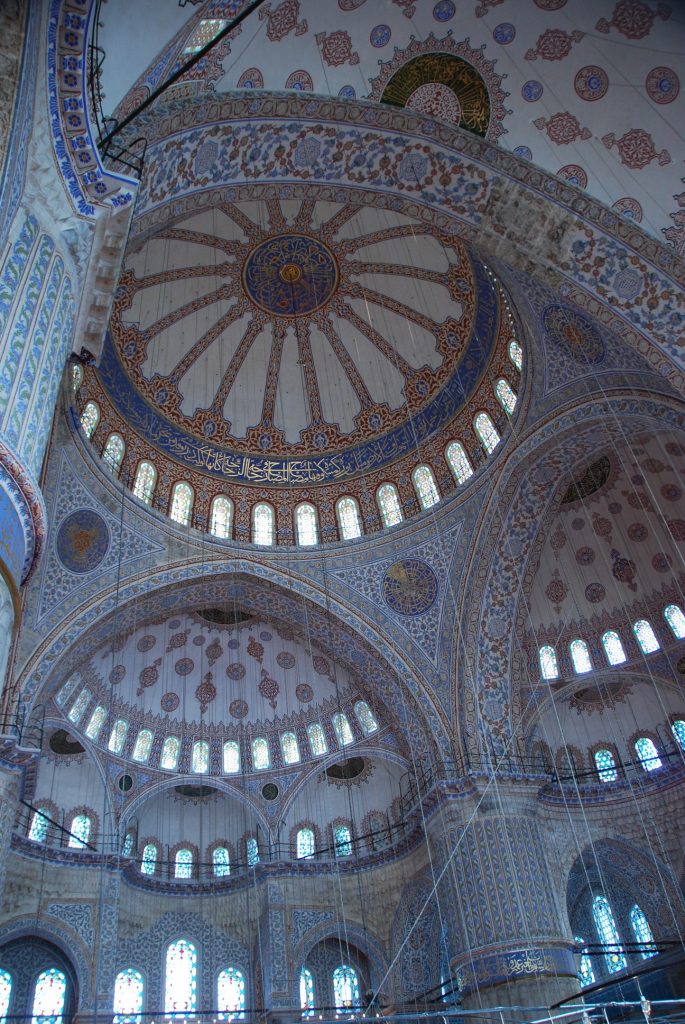
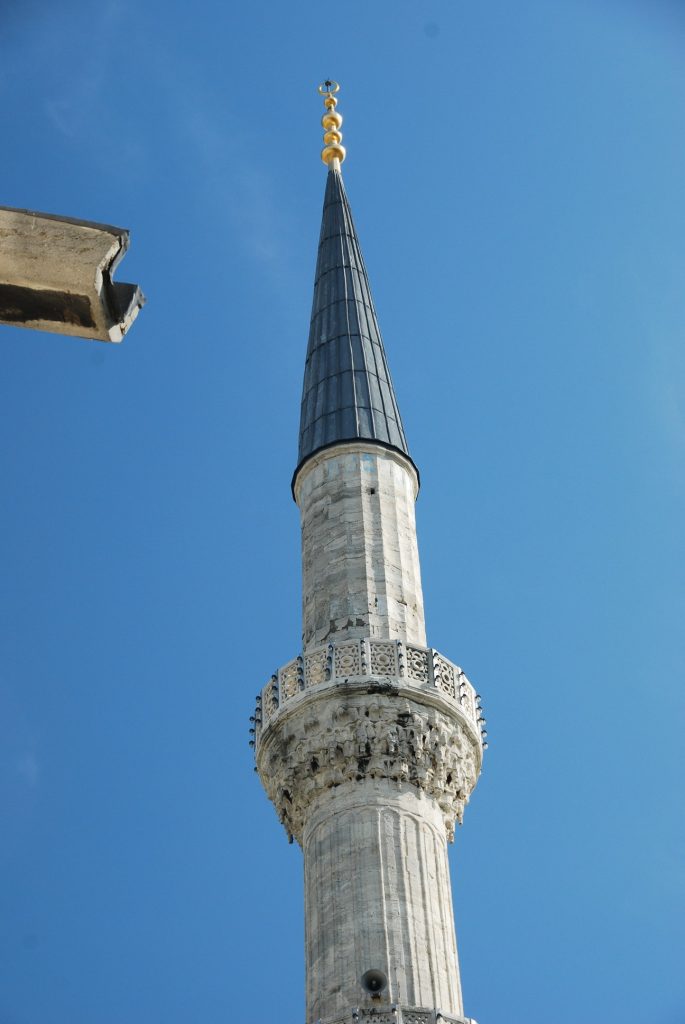
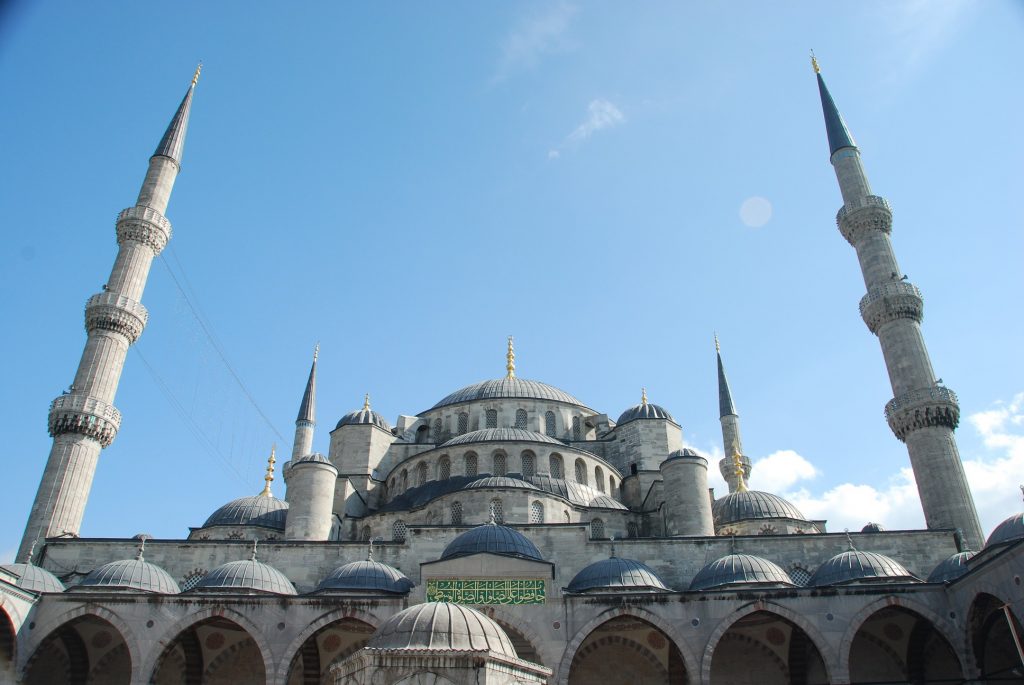
Our final port of call was a wander around the Grand Bazaar and Blue Mosque. The mosque was bought to compete with and overshadow the then thousand year old Haiga Sophia. Unlike the church the mosque has been well cared for and maintained and it’s easy to appreciate the classic simplicity of the architecture.
Istanbul: Rumeli Hisari
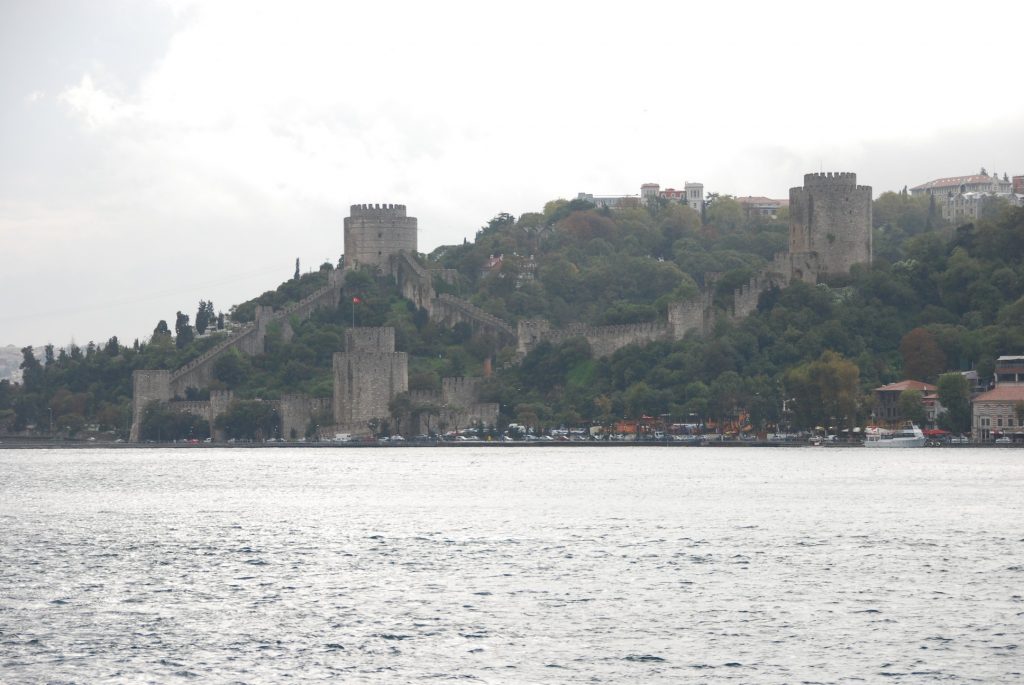
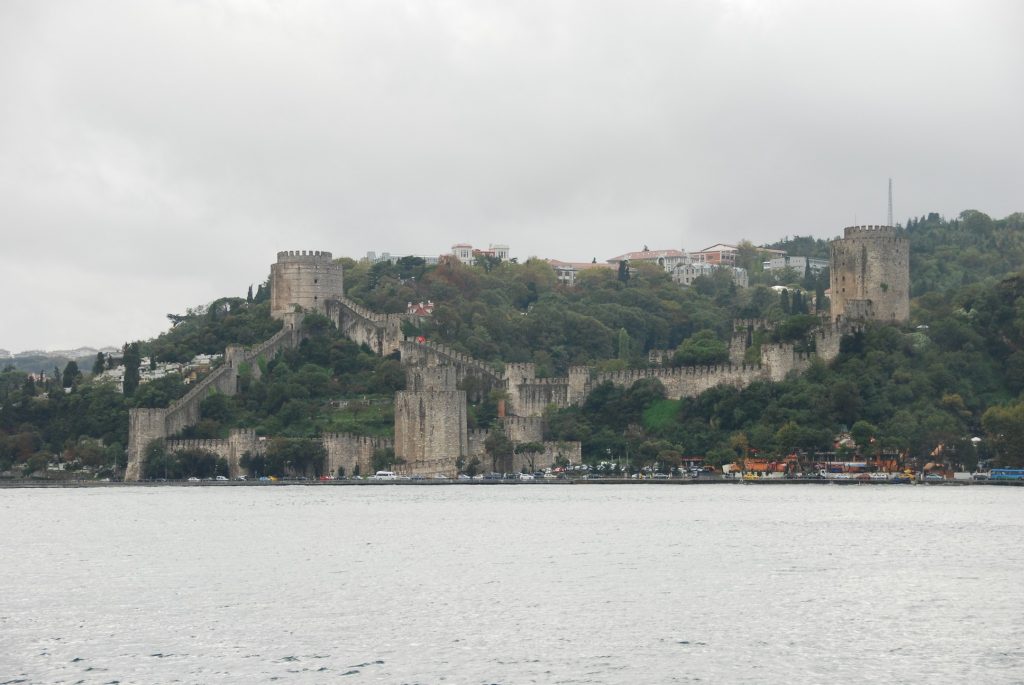
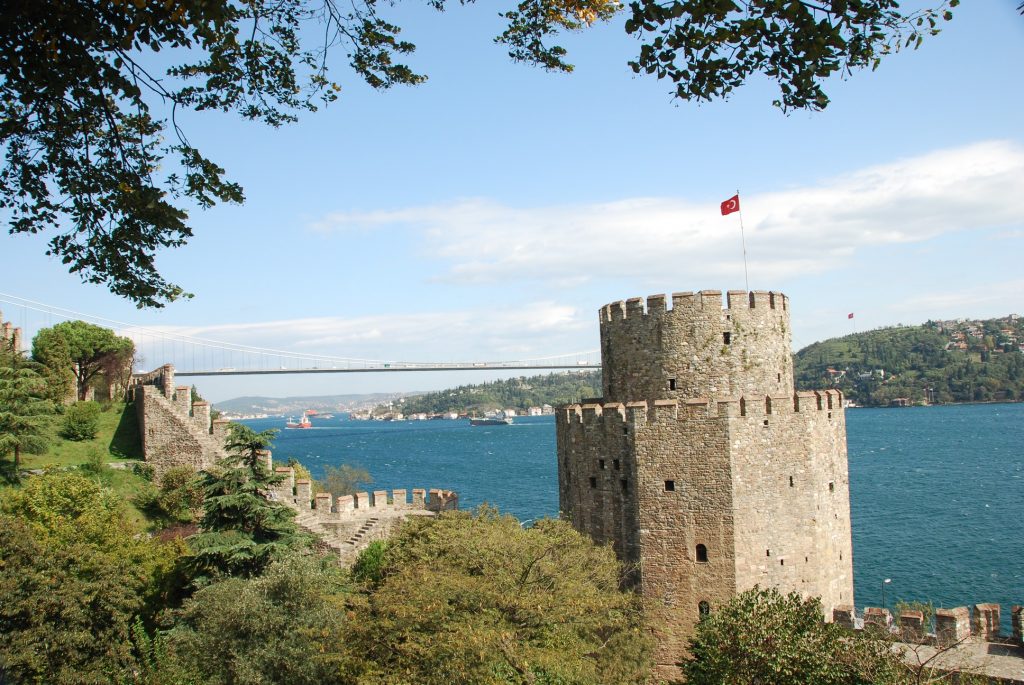
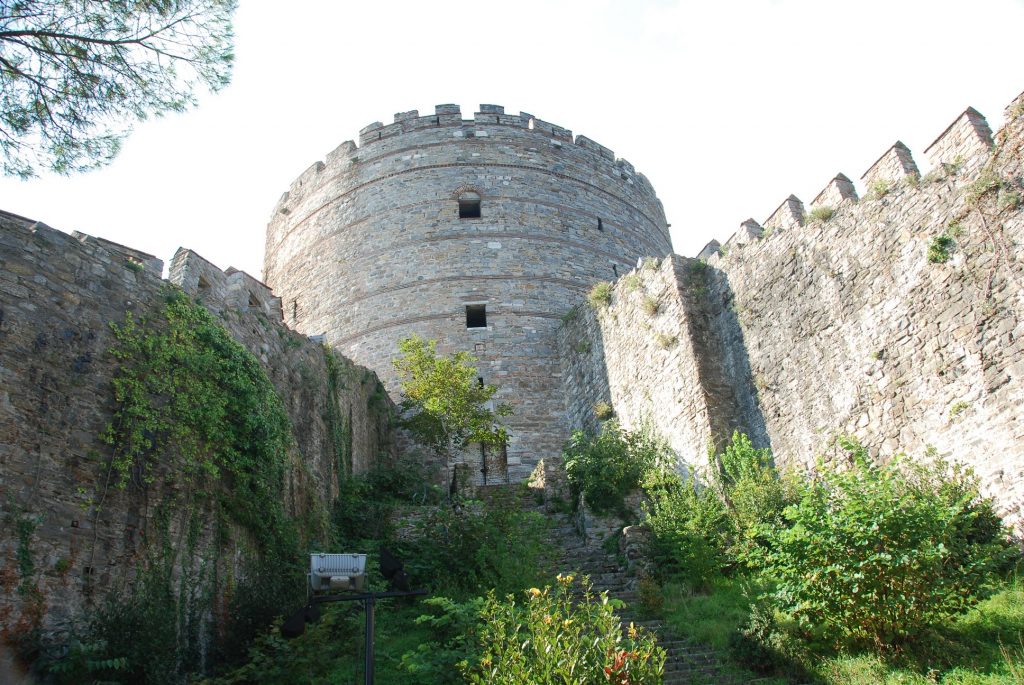
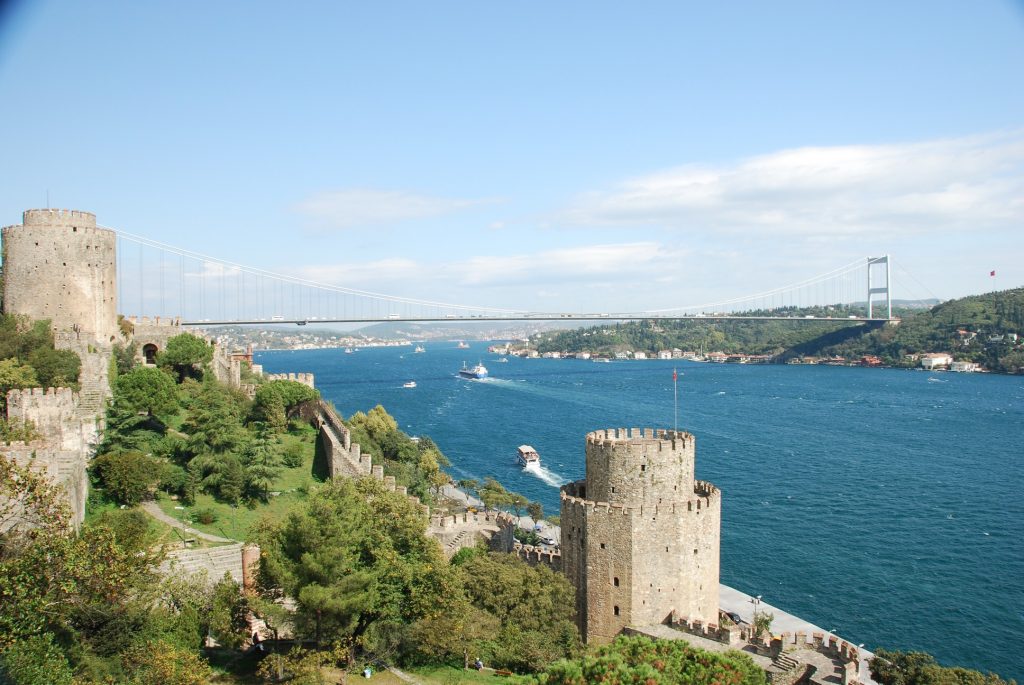
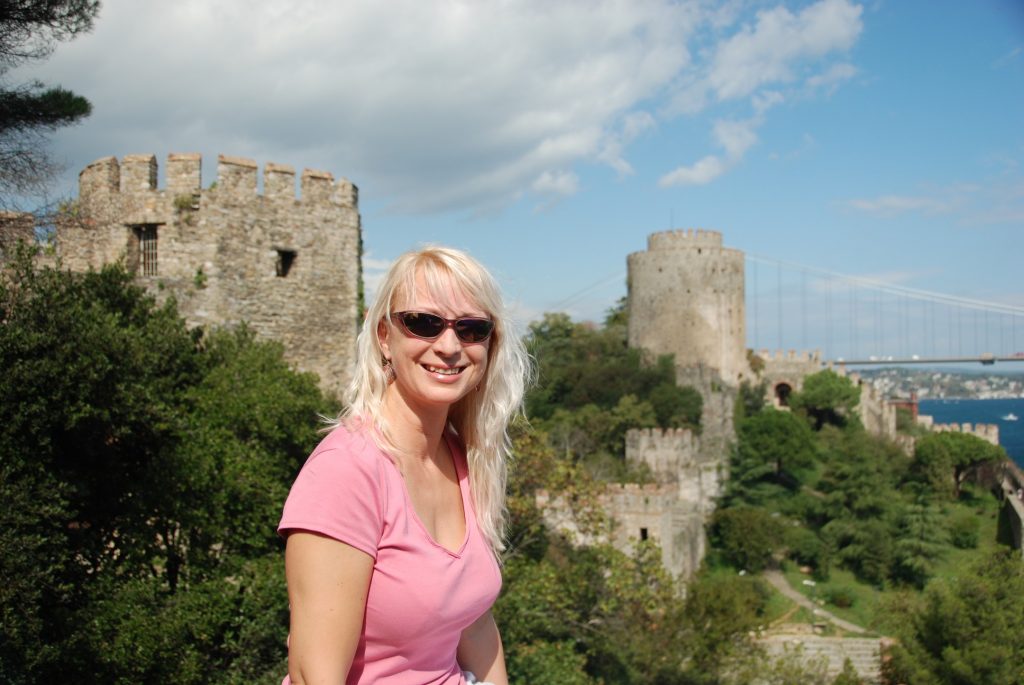
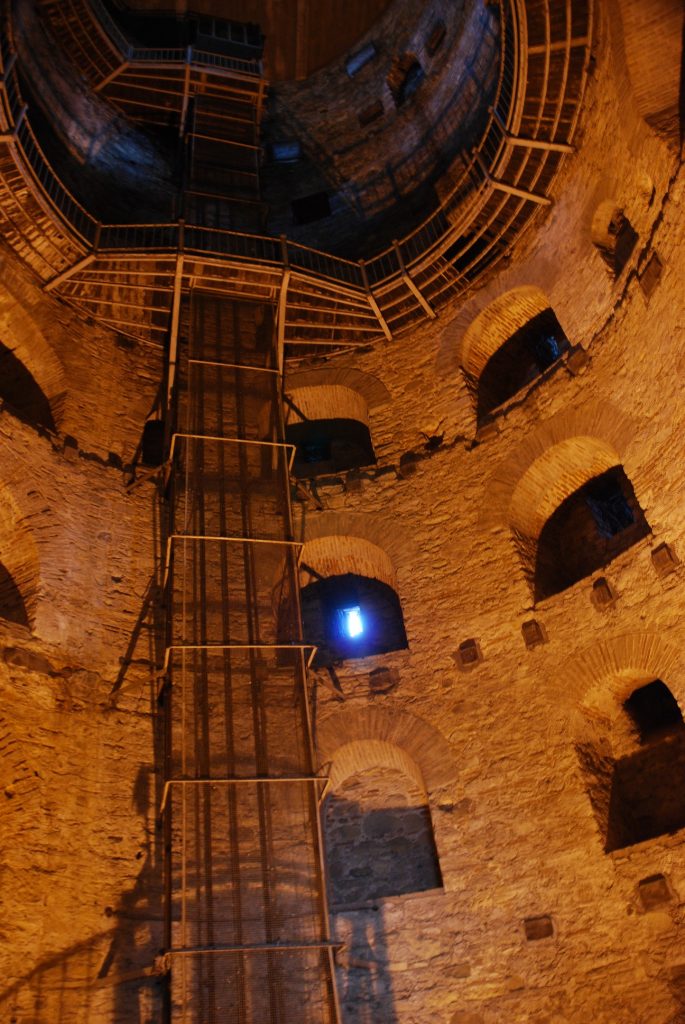
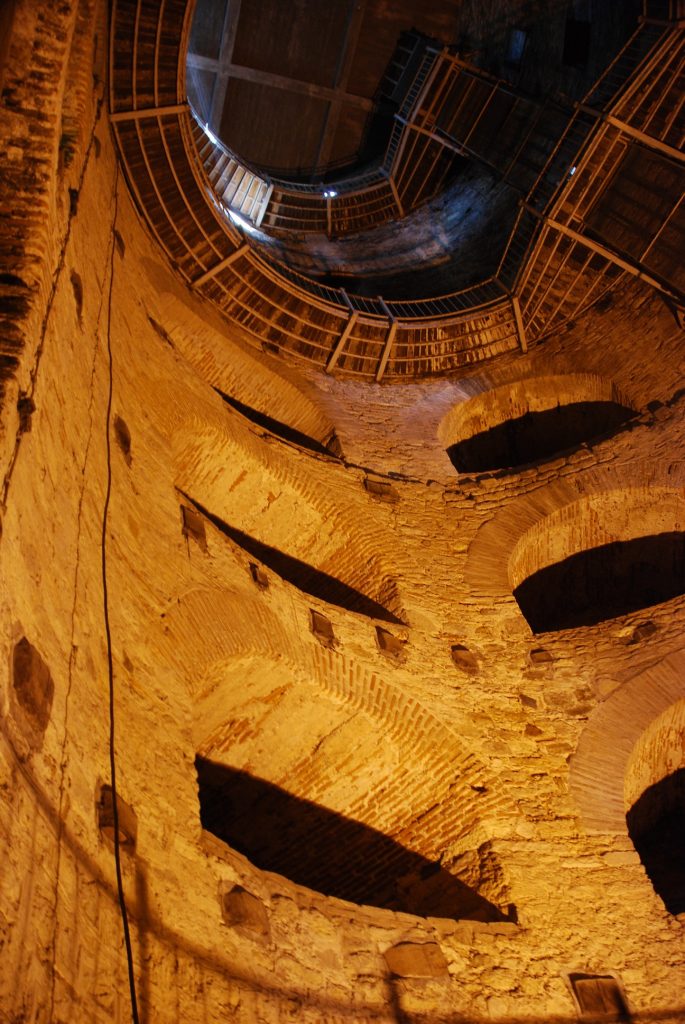
The next morning we headed out to explore the Ottoman fortress that was built to choke trade into the city by blocking the route from the Black Sea. The fortress at Rumeli Hisari is certainly an impressive structure and very modern compared to the Byzantine walls.
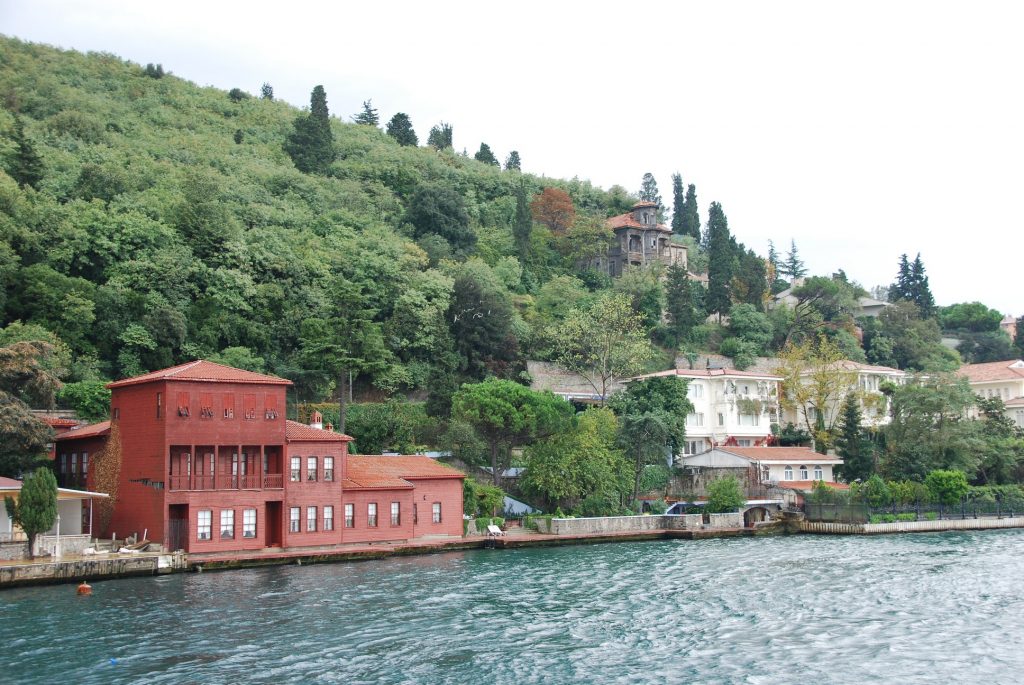
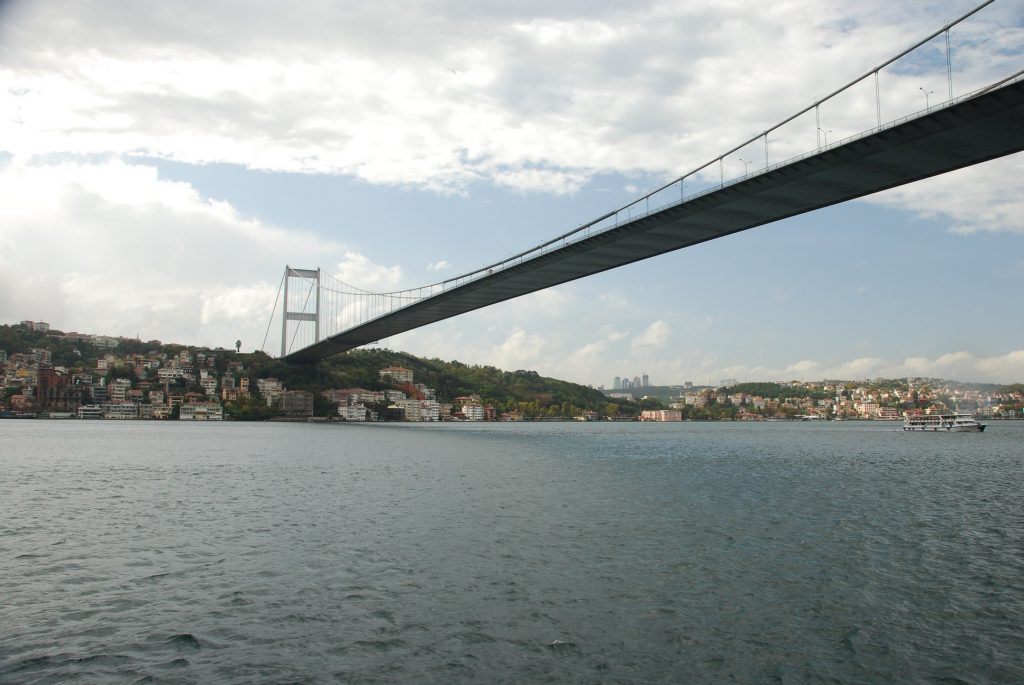
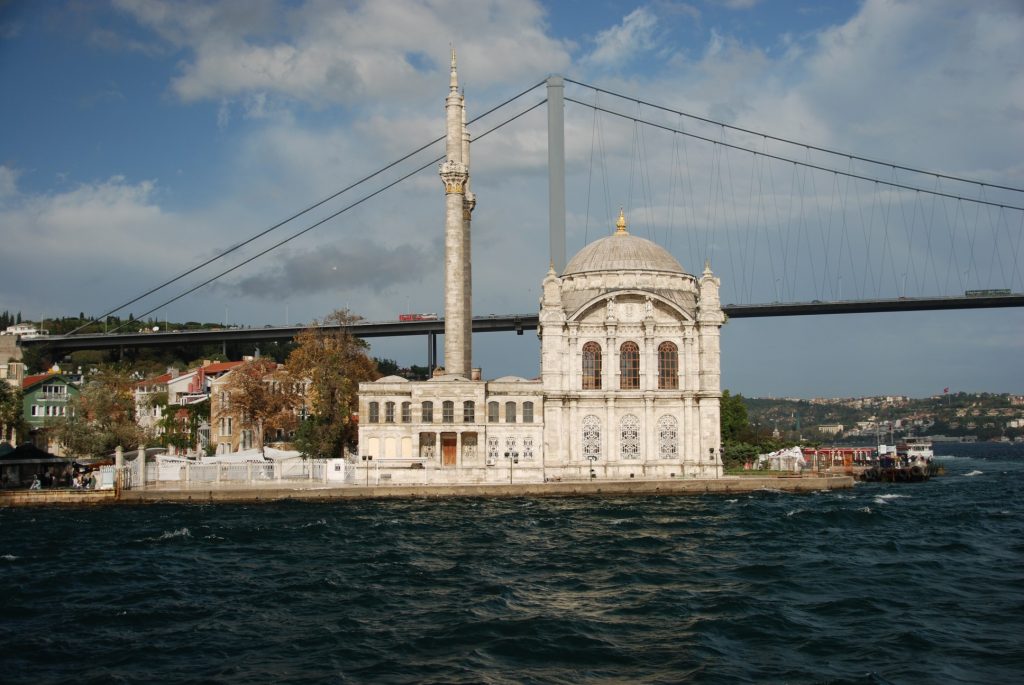
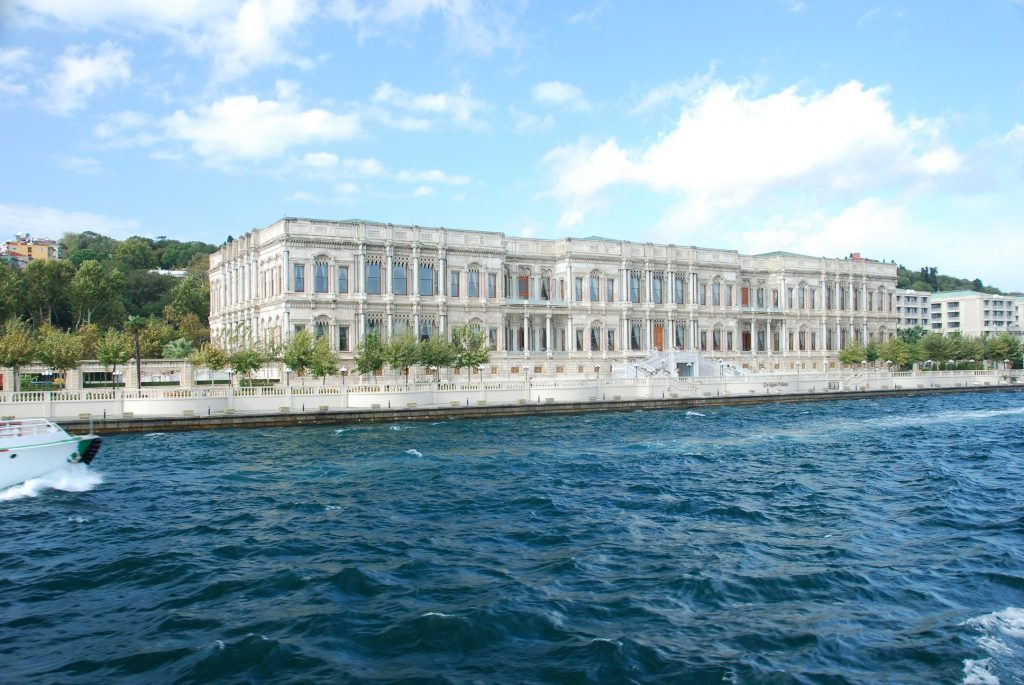
It still saddens me to think of the decline of the city and the betrayal and apathy of the west but at least I got to visit the place. The river trip was lovely too, some very pretty Ottoman buildings along the shoreline.
Istanbul: Topkapi Palace
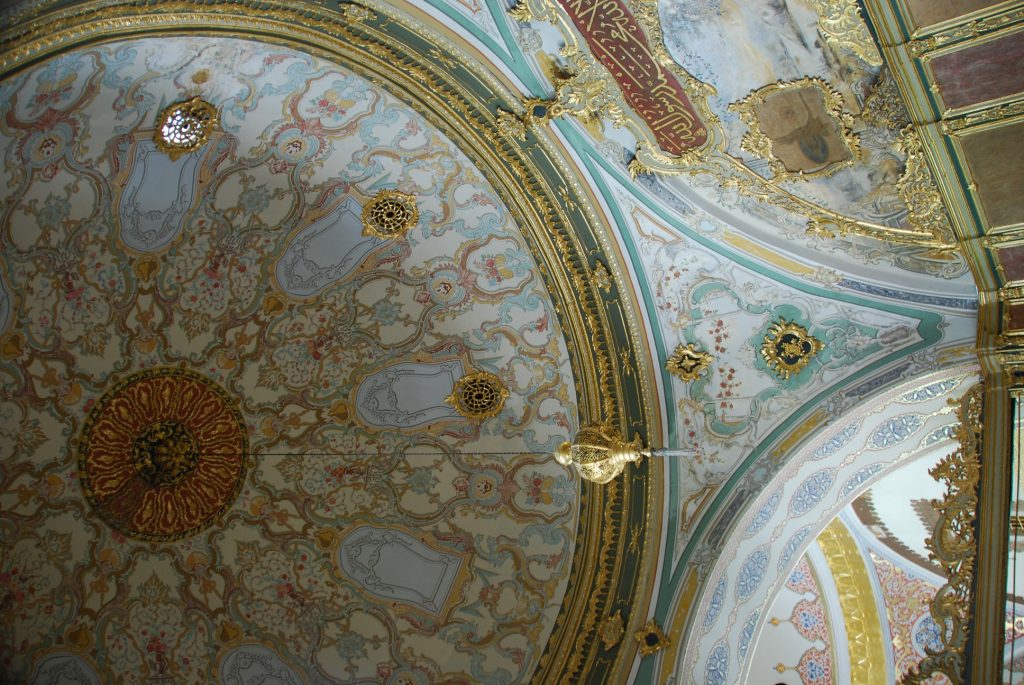
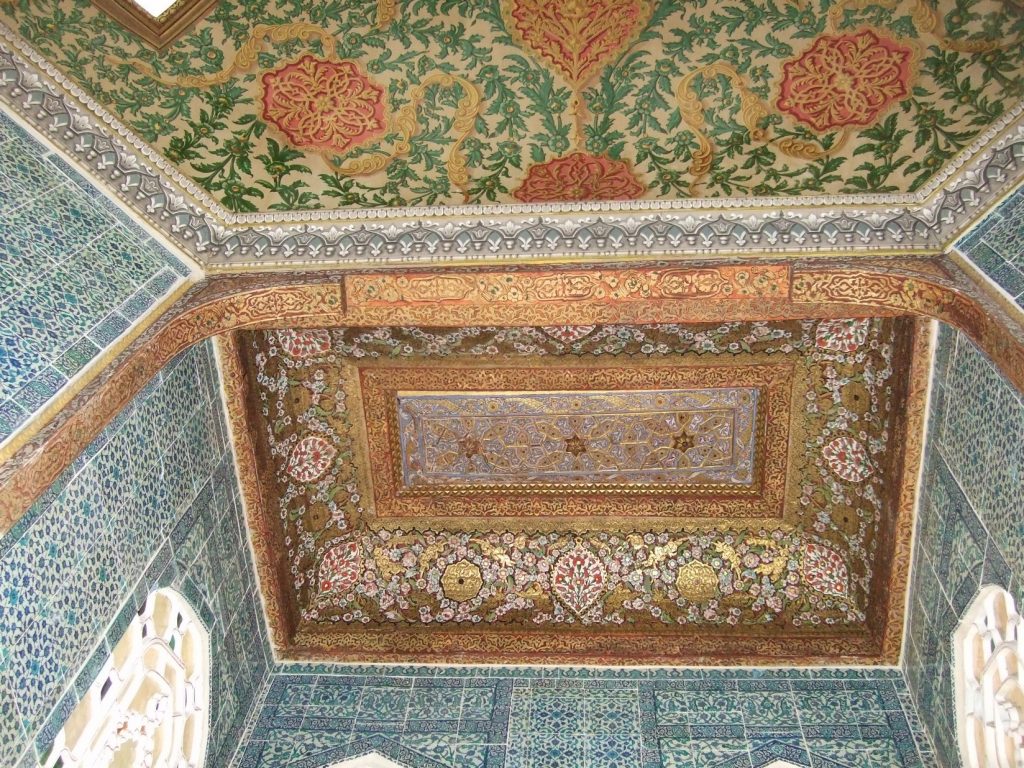
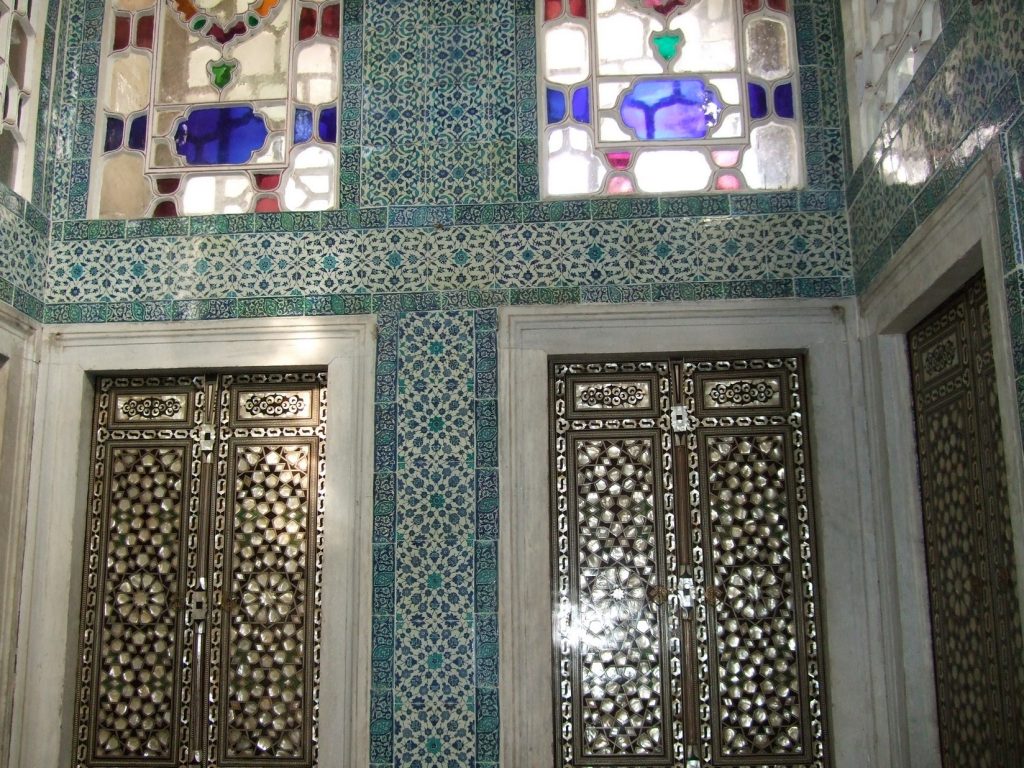
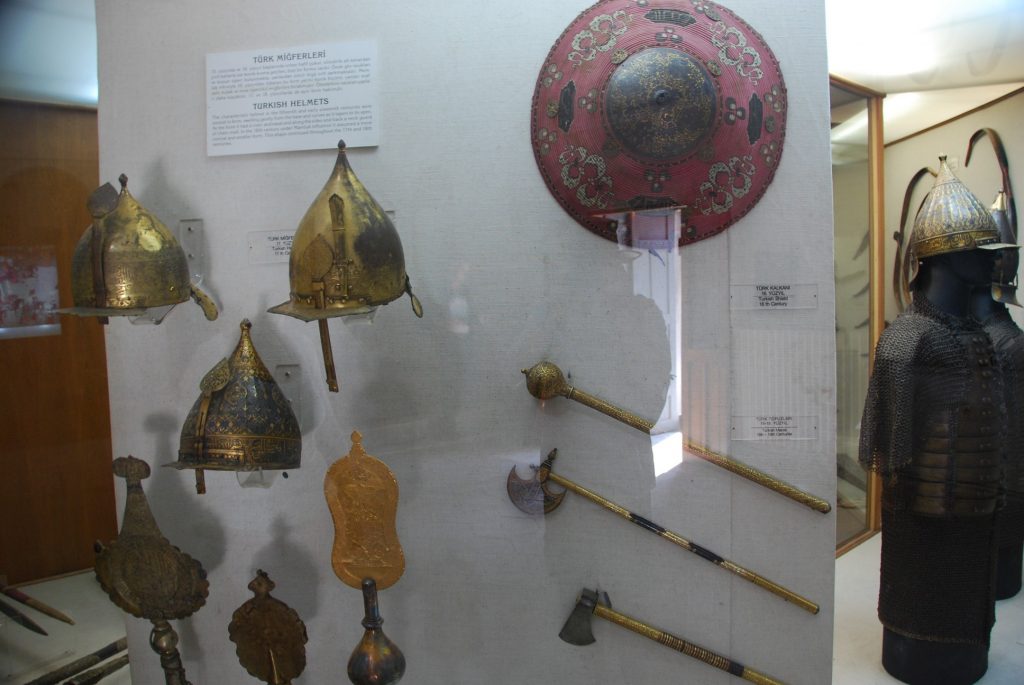
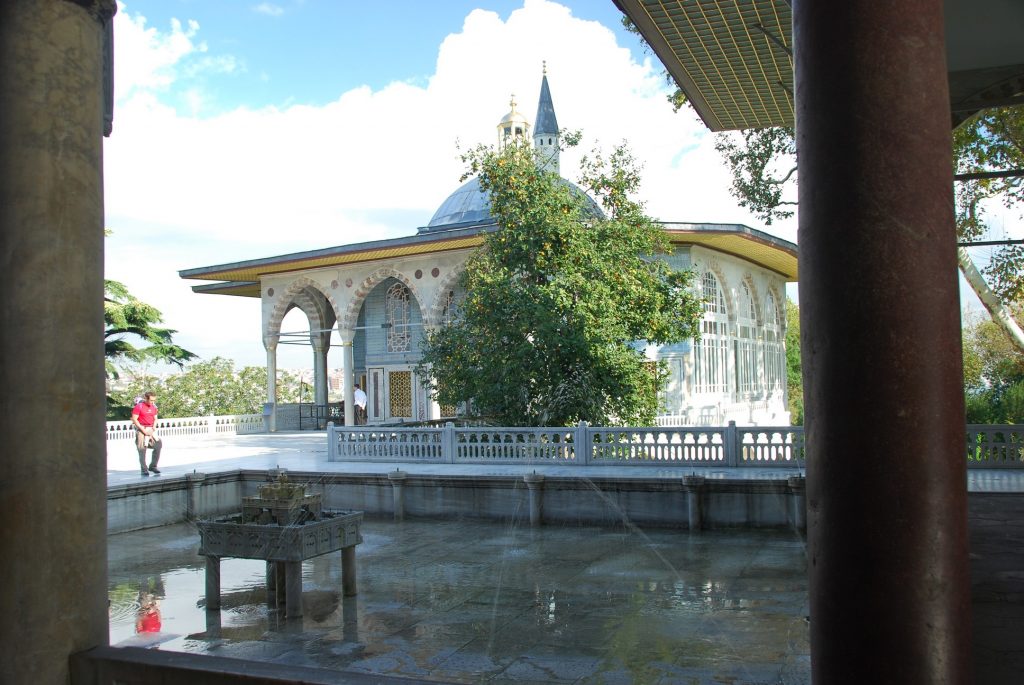
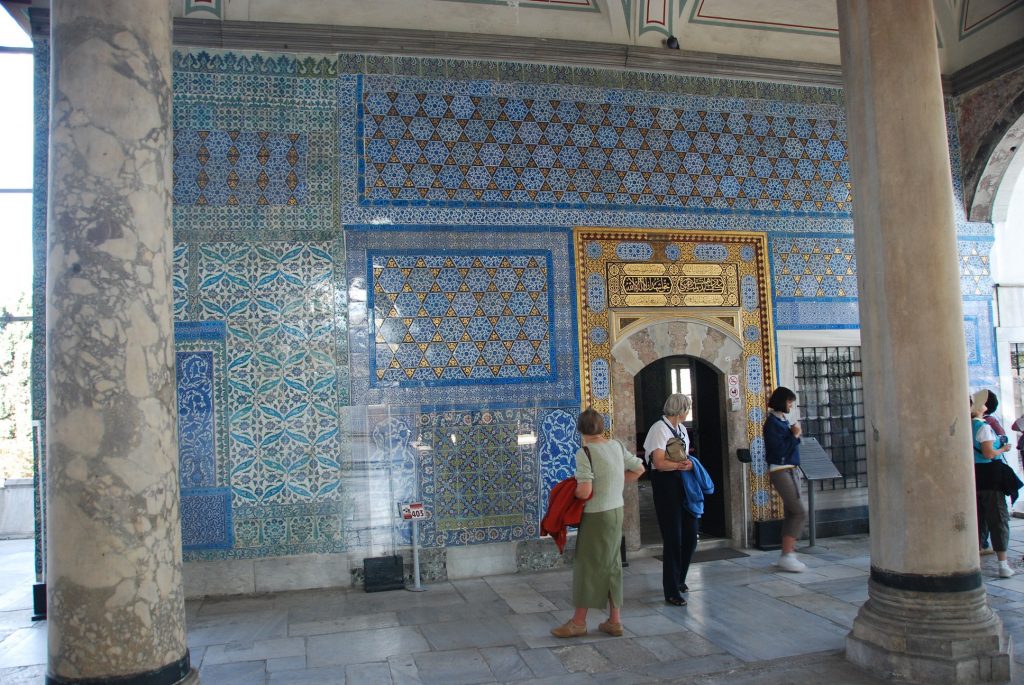
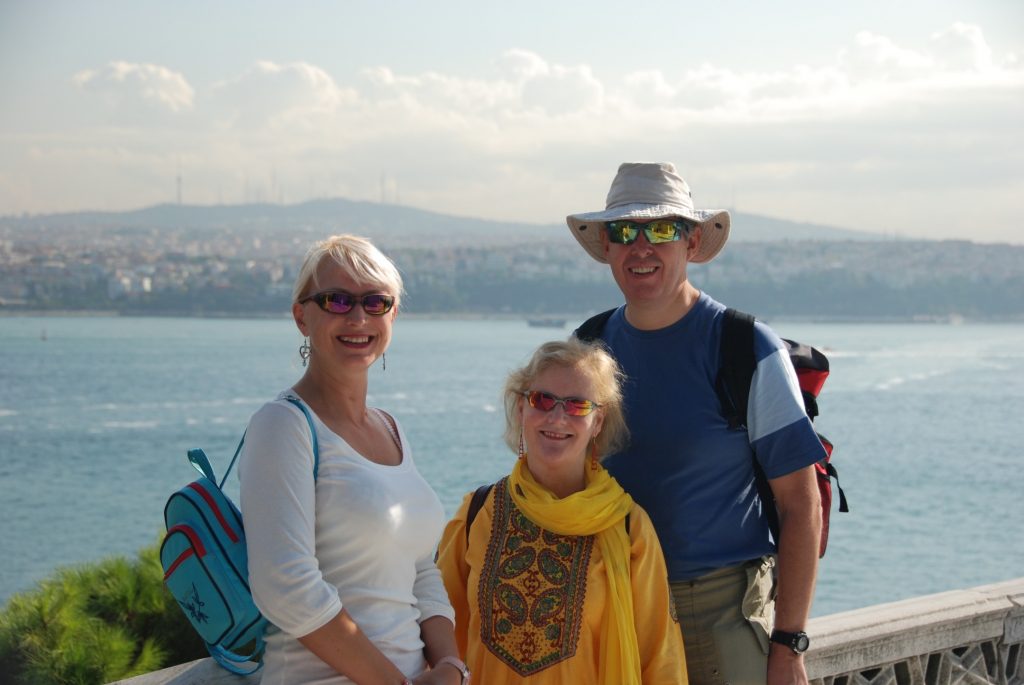
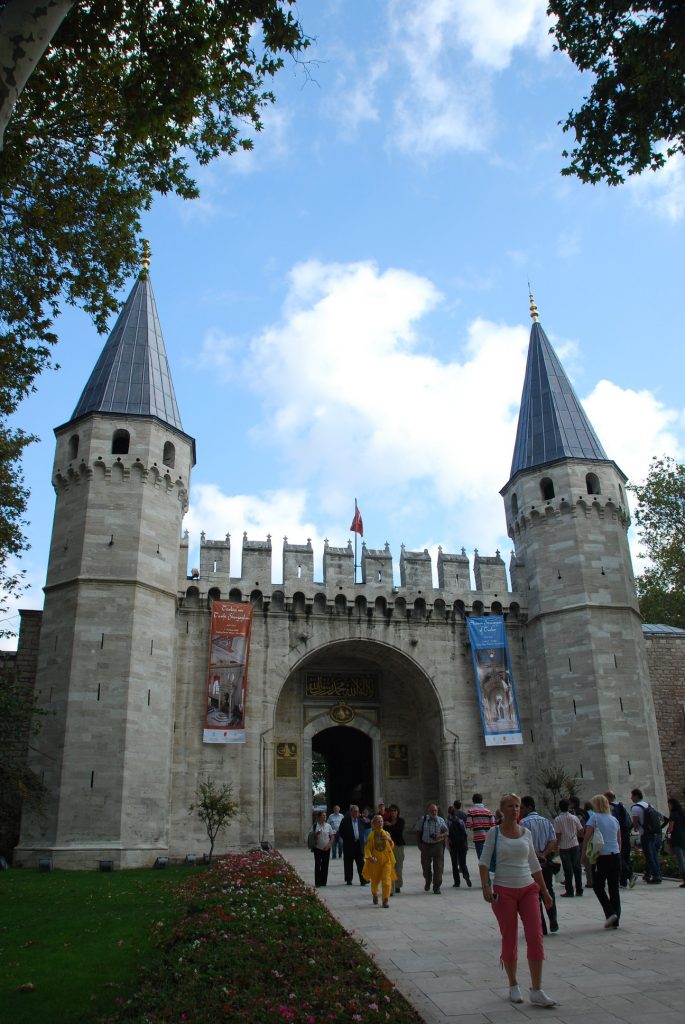
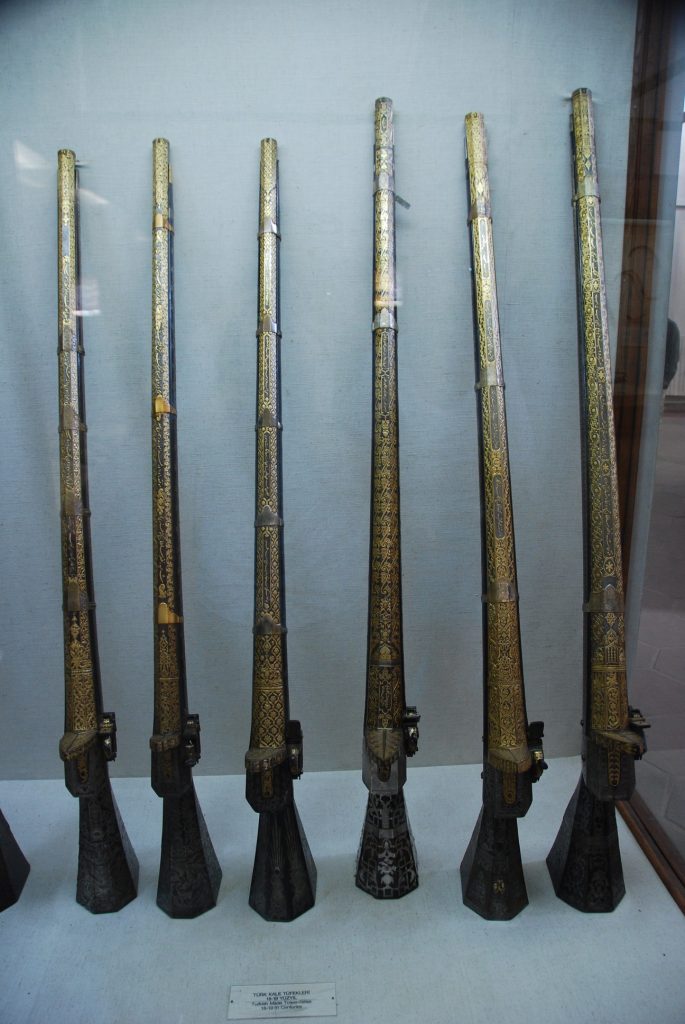
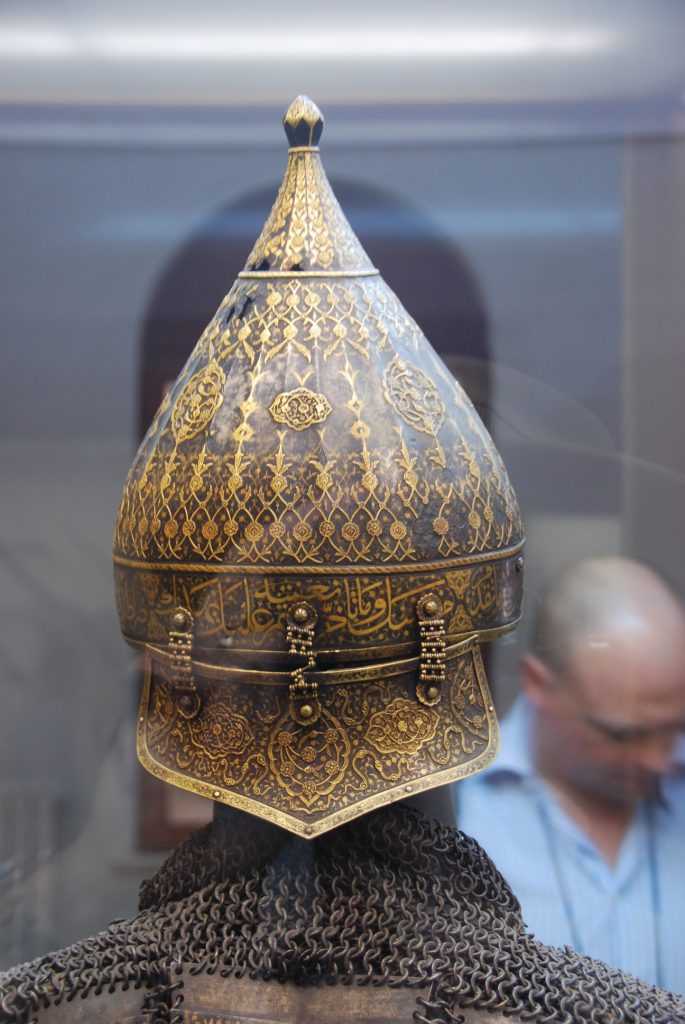
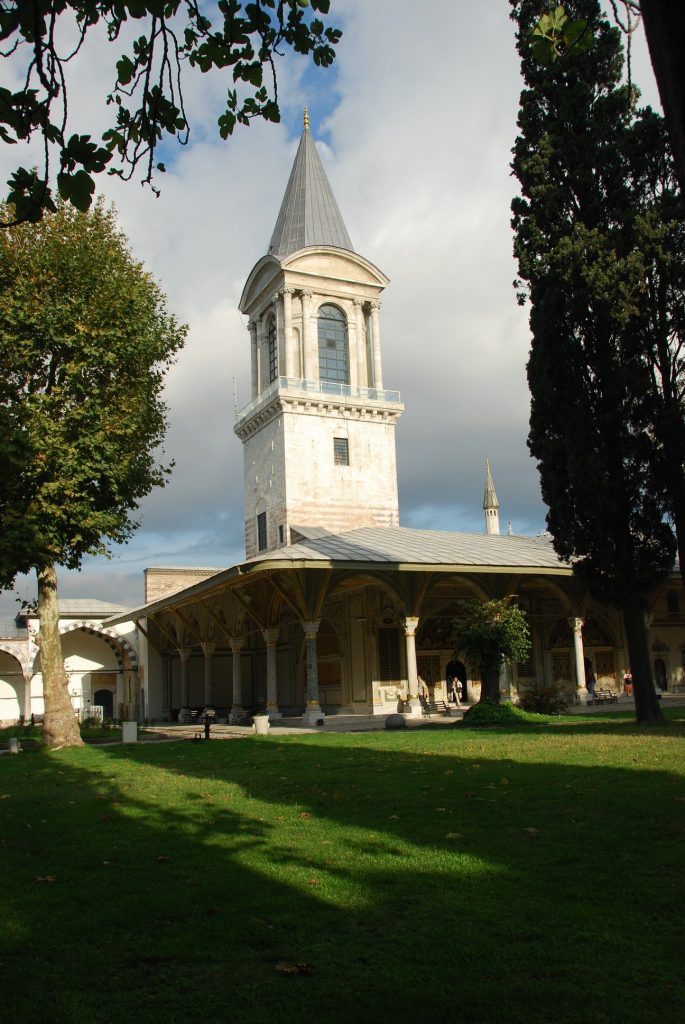
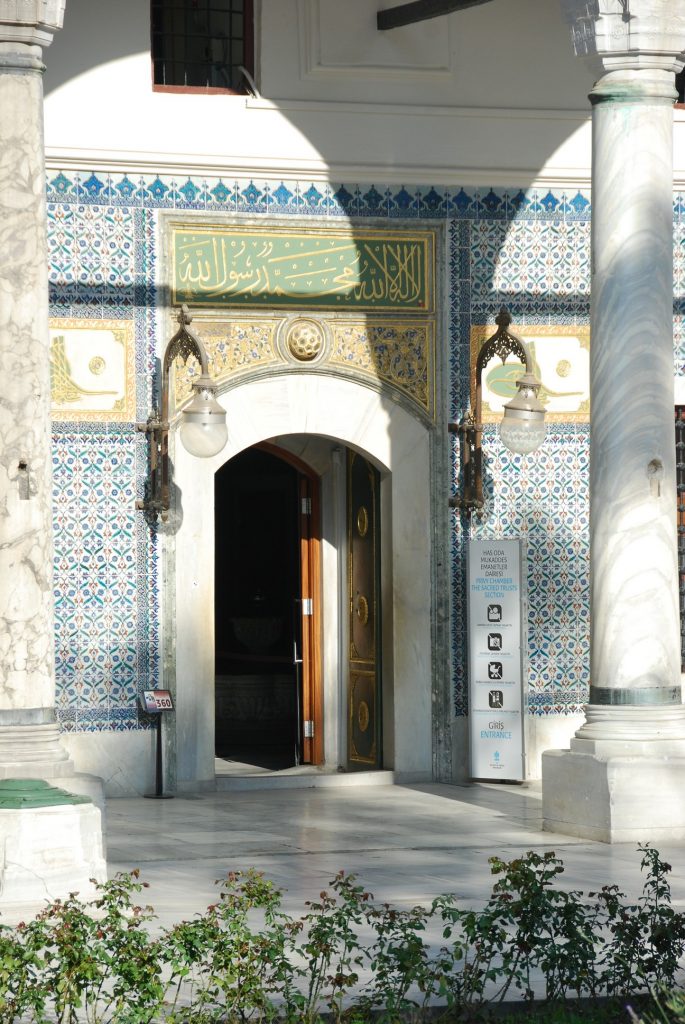
In the afternoon we visited the Topkapi Palace and the assorted museums within the complex. This was another superb visit, there is a huge amount to see ranging from weapons to clothing to glassware to calligraphy. All this in a setting overlooking the Bosporus and the Asian shore of the city.

Bursa
That was the end of our time in Istanbul and the next day we were then able to start our tour proper on the *gulp* coach with other people! We headed to Bursa and after meandering through the huge urban traffic jam that is Asian Istanbul we got on to relatively quieter roads and eventually arrived at the city.
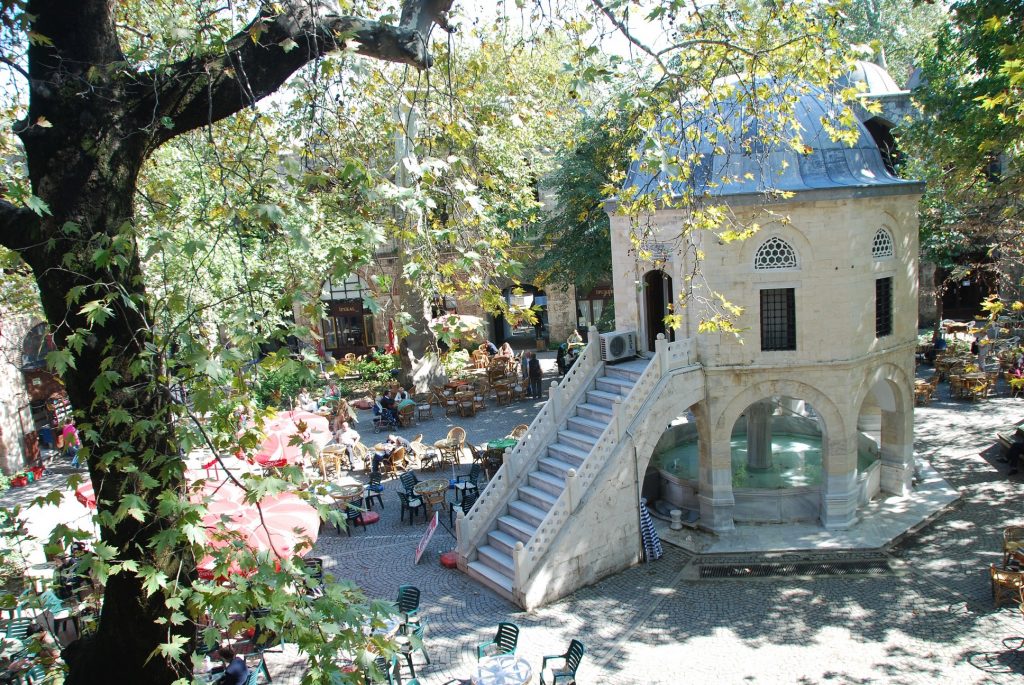
This was the old Ottoman capital and, being a tour rather than an independent itinerary, our time was somewhat limited. We visited the Green Mosque and one of the mausoleums and had coffee in a lovely little square near the silk bazaar after browsing some of the famous silk works of the city.
There was a lot we didn’t see but the great feature of coach tours is they act like tasters for a country so you know where you’d like to revisit.
Silk bazaar 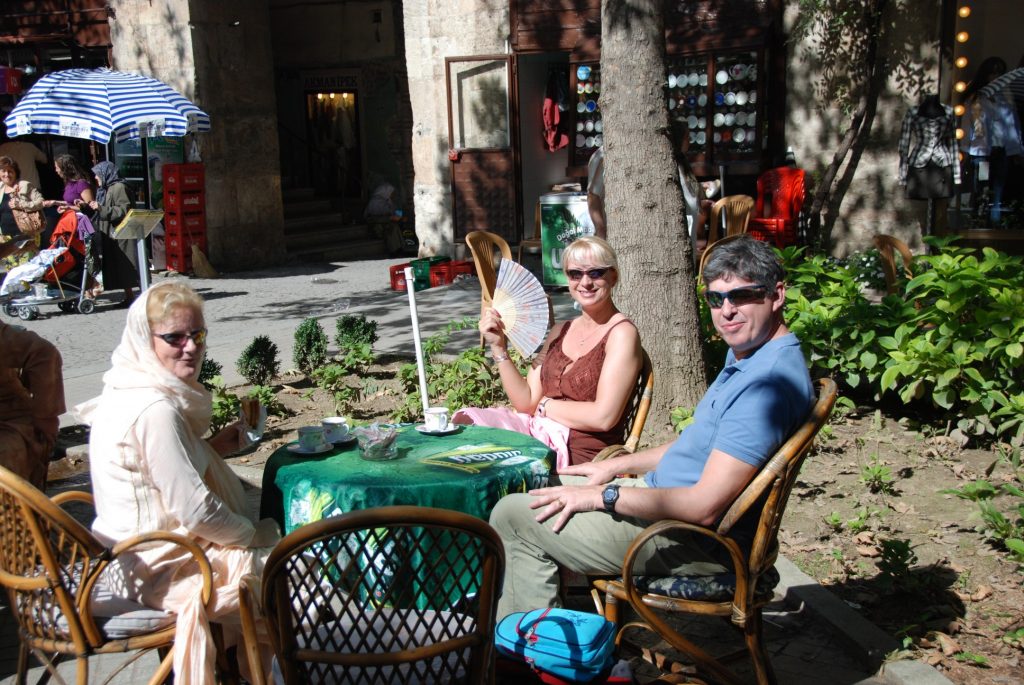
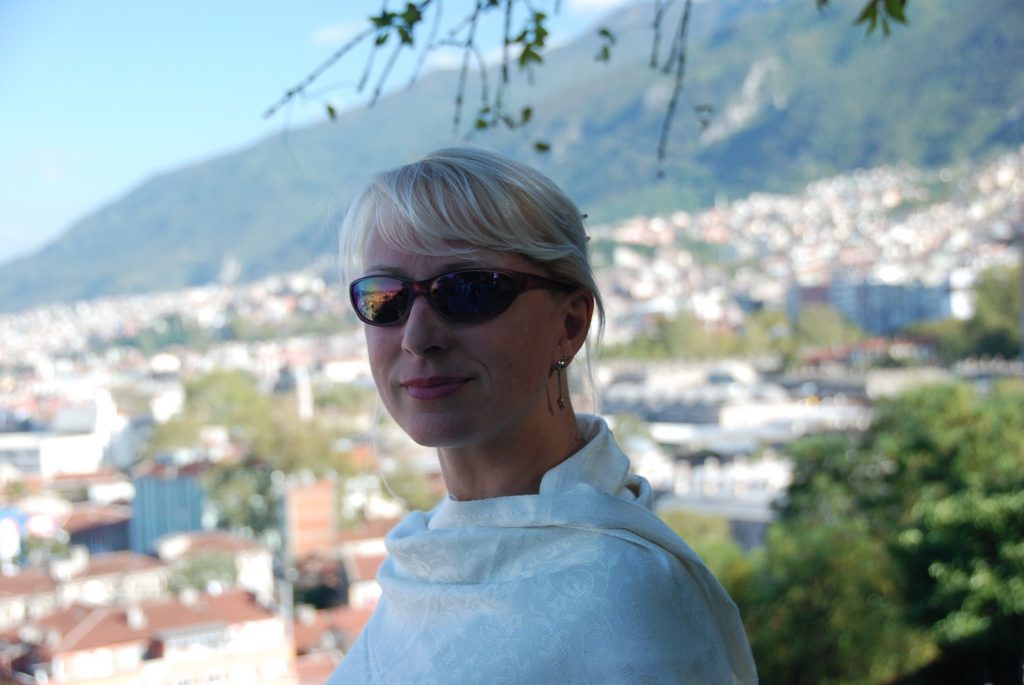
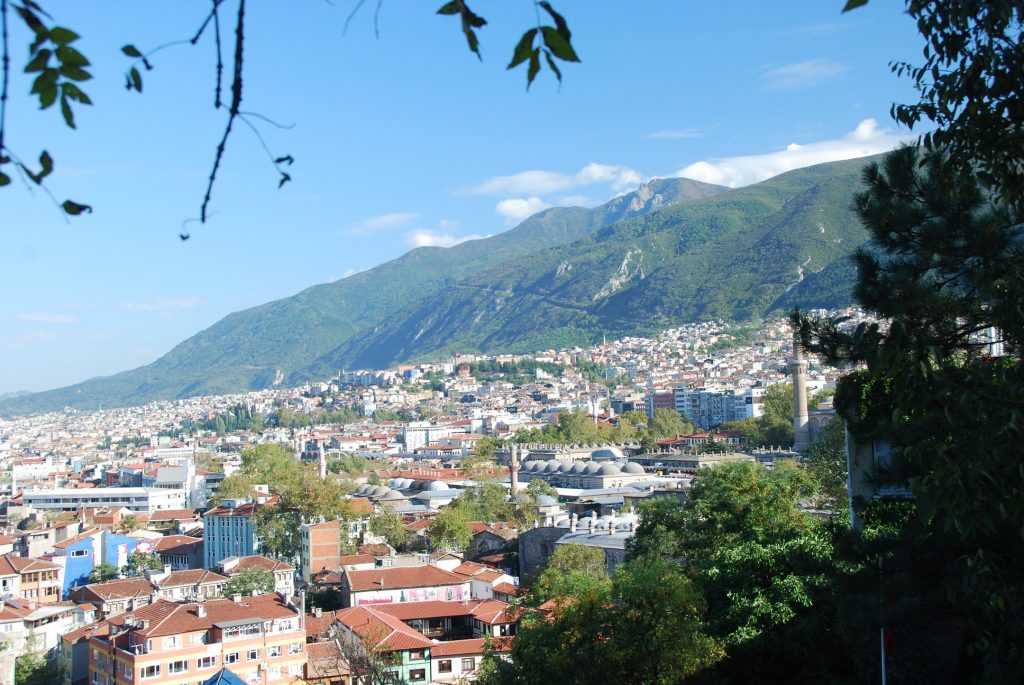
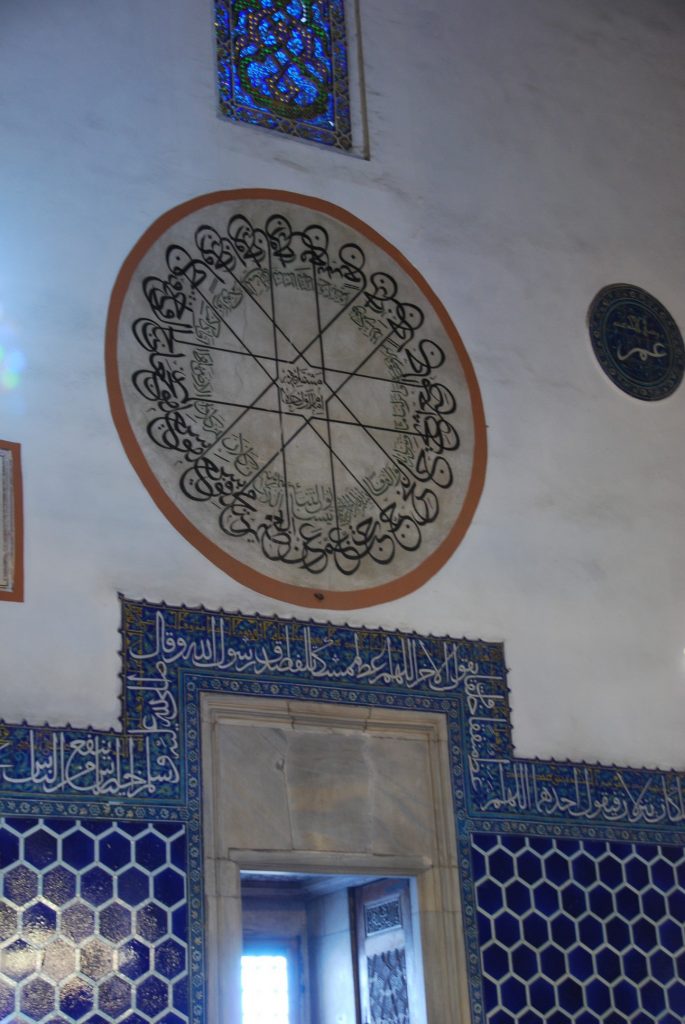
Green mosque 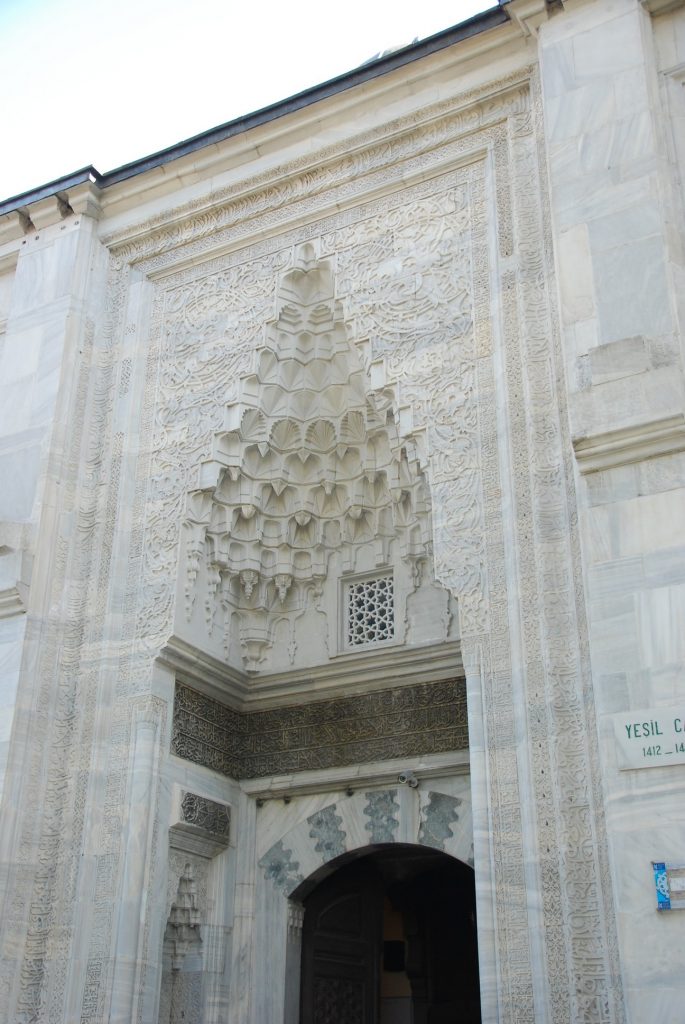
Green mosque
Troy
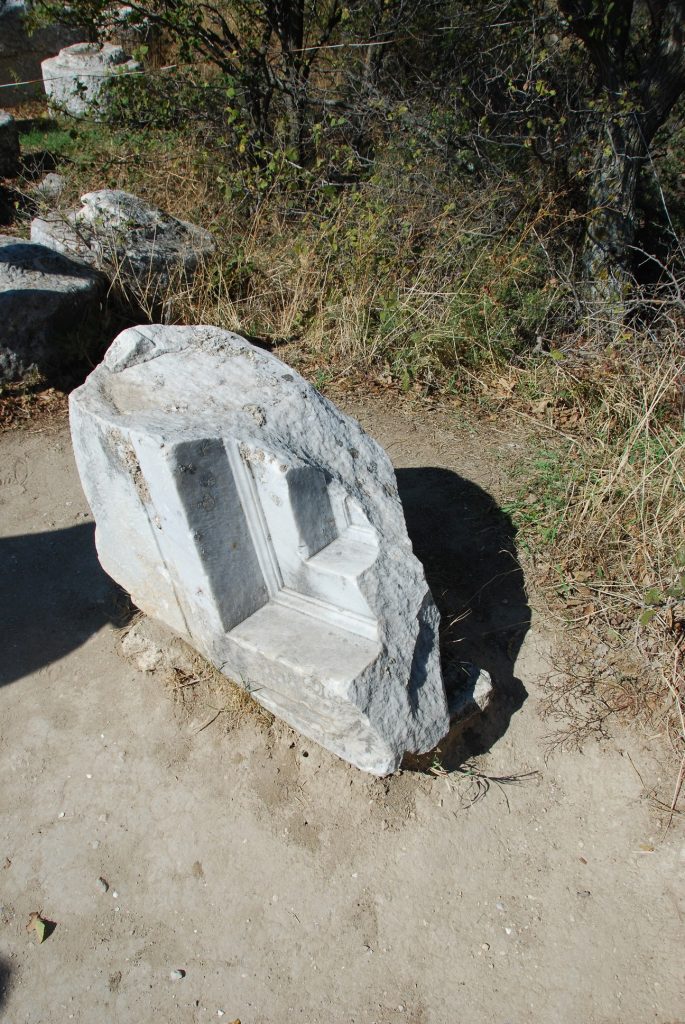
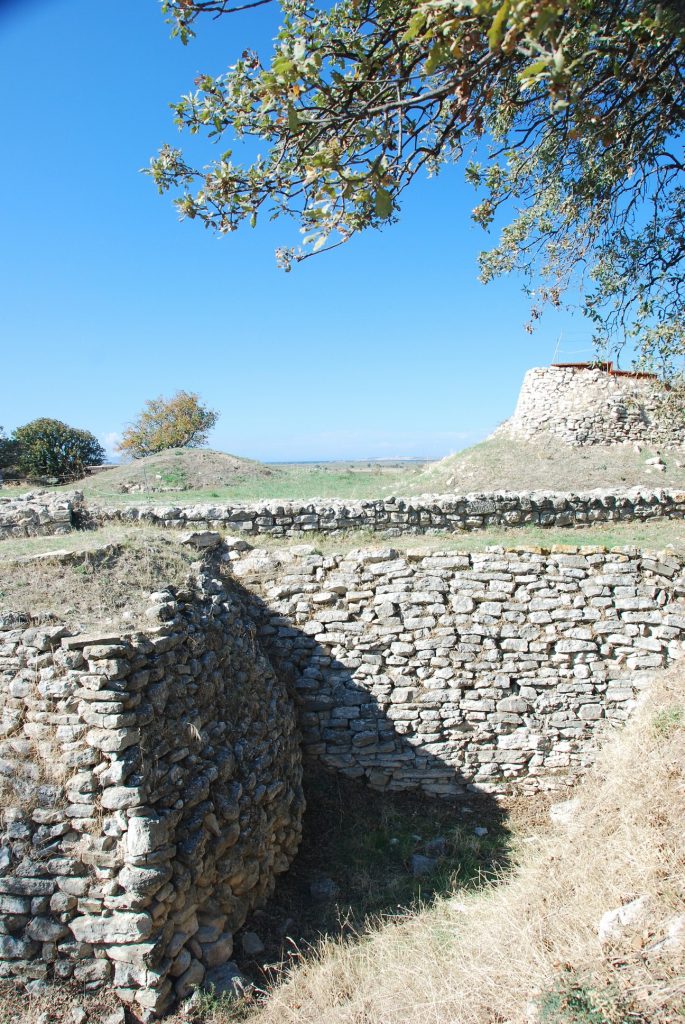
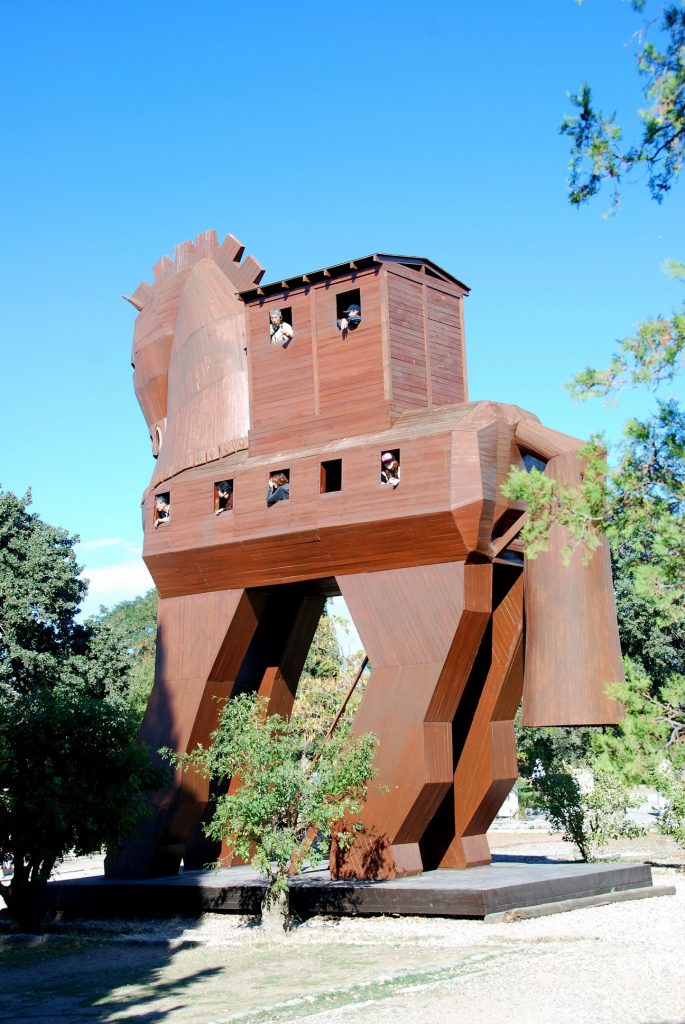
We continued on to Cannakule for the night and watched the sunset before an early start to visit Troy. Now if you’re thinking of the film you’d be sadly disappointed. It’s a bit of a theme park, making the most of the Trojan Horse myth but the actual ruins are mostly just foundations of the various layers of city to inhabit the site. Nice to say you’ve been there but manage your expectations before you go!
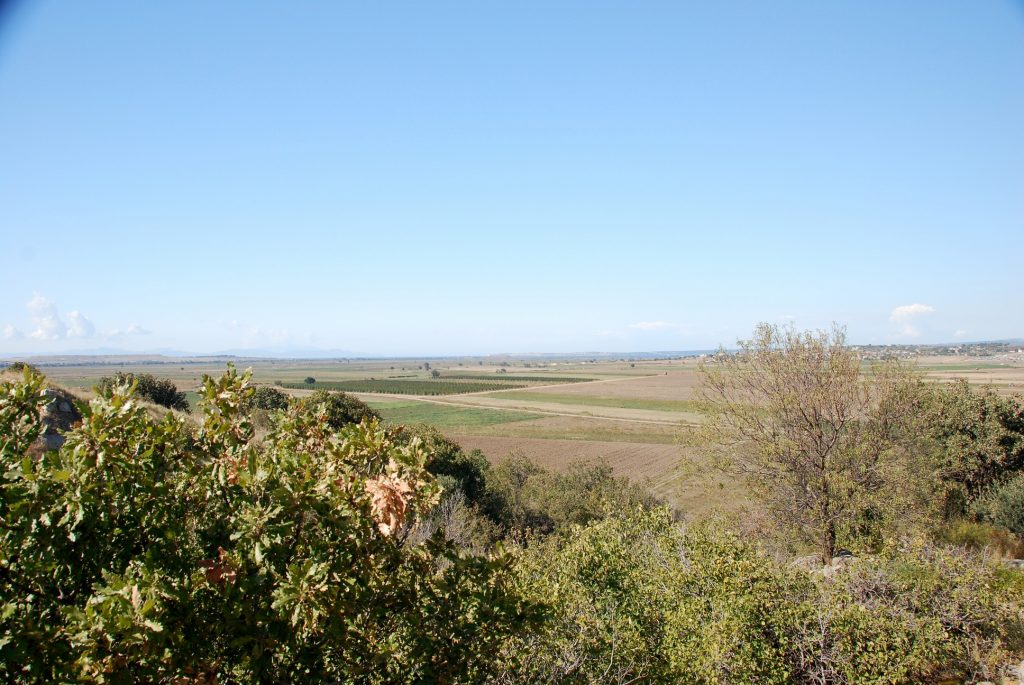
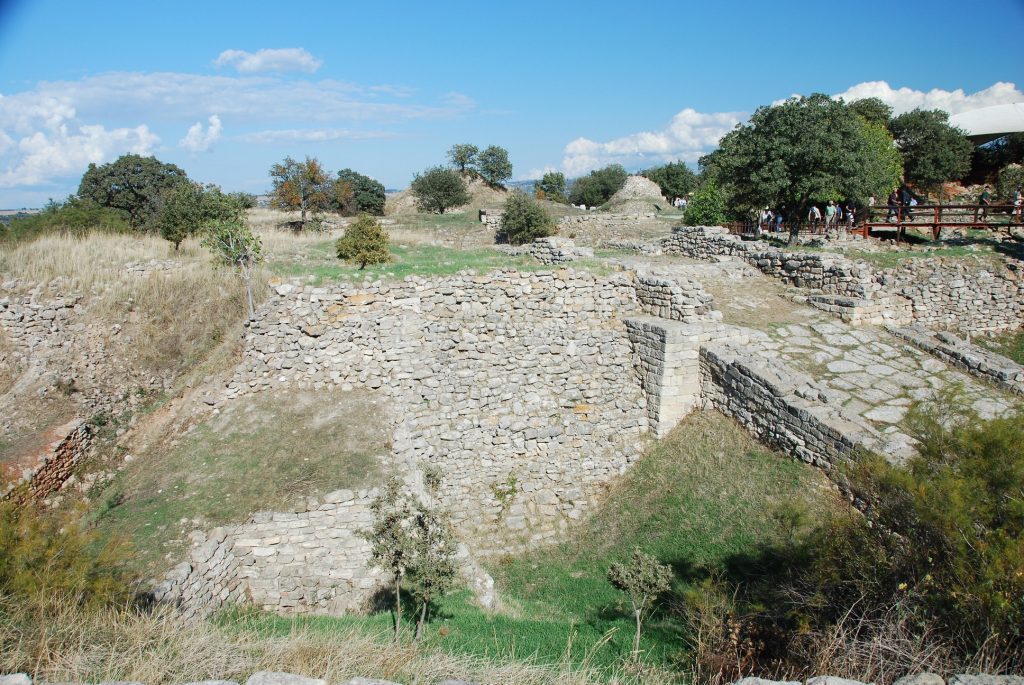
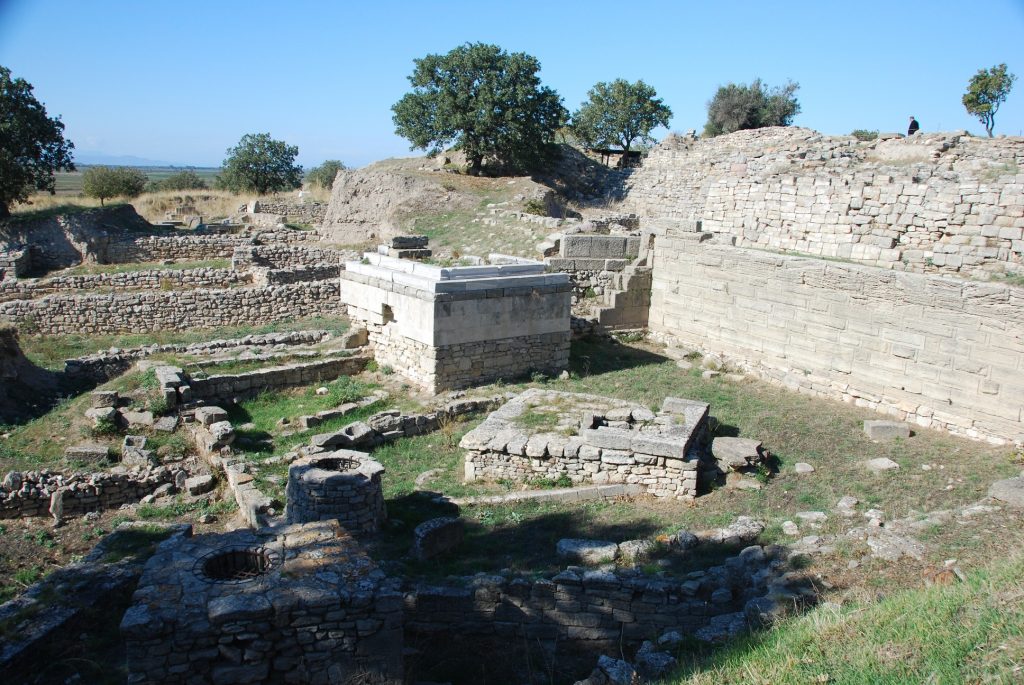
Pergamon
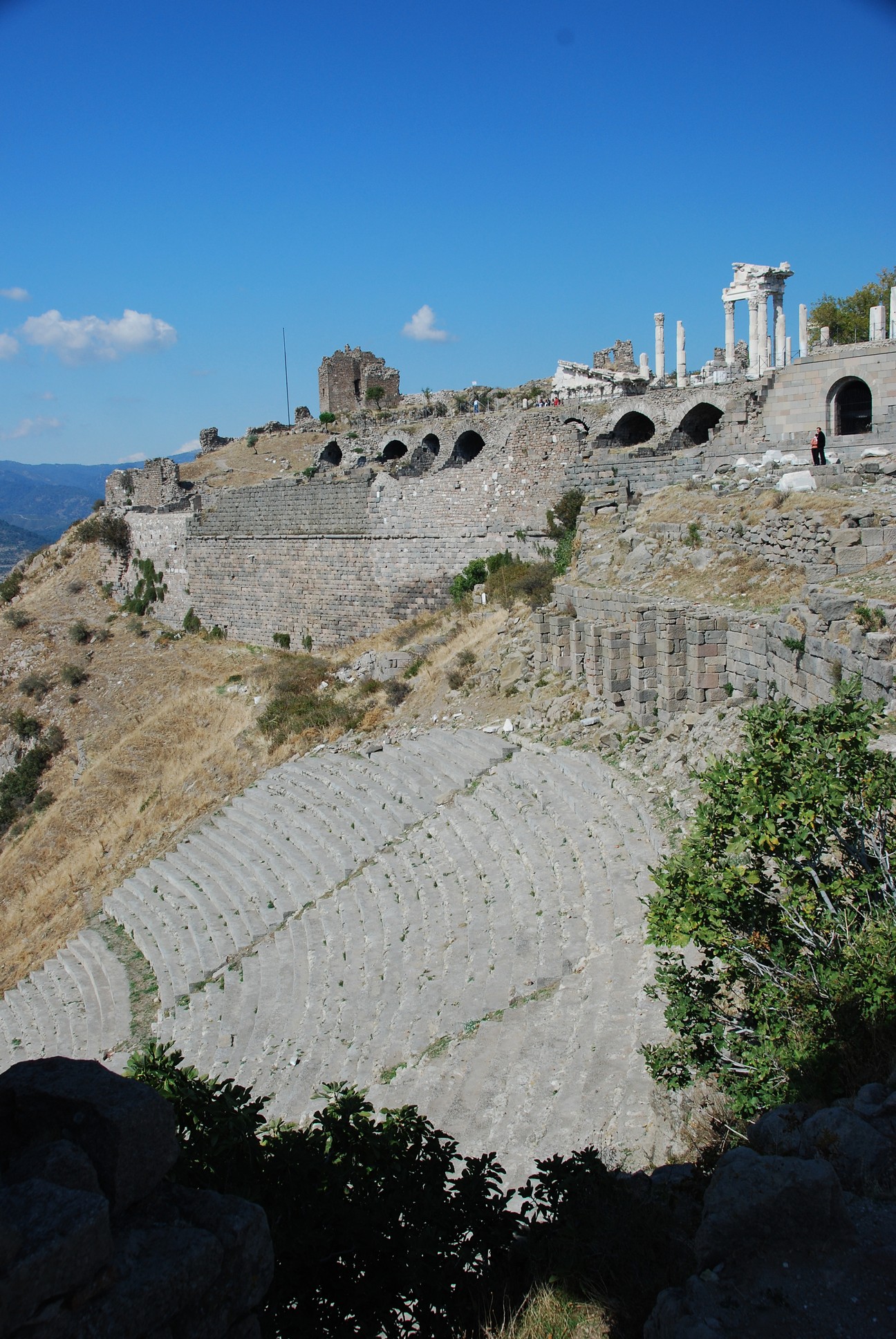
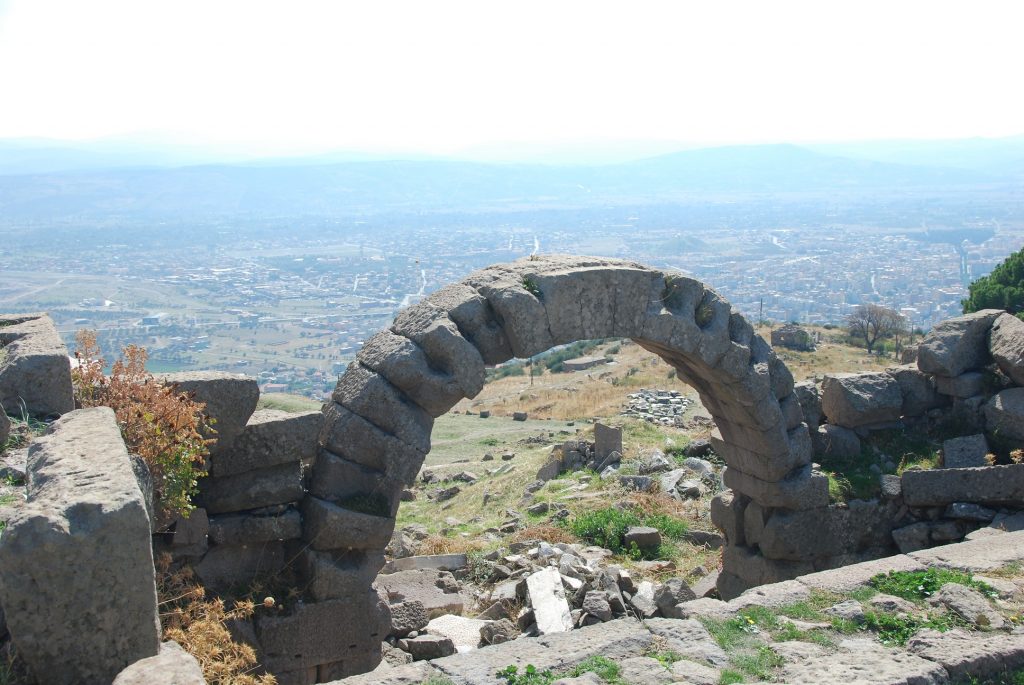
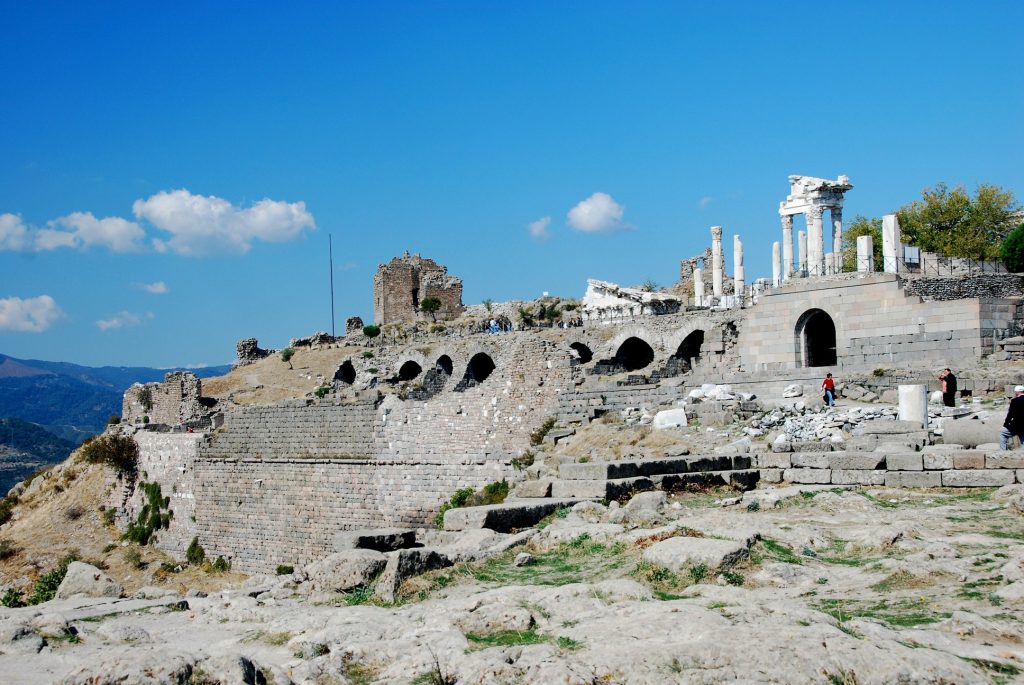
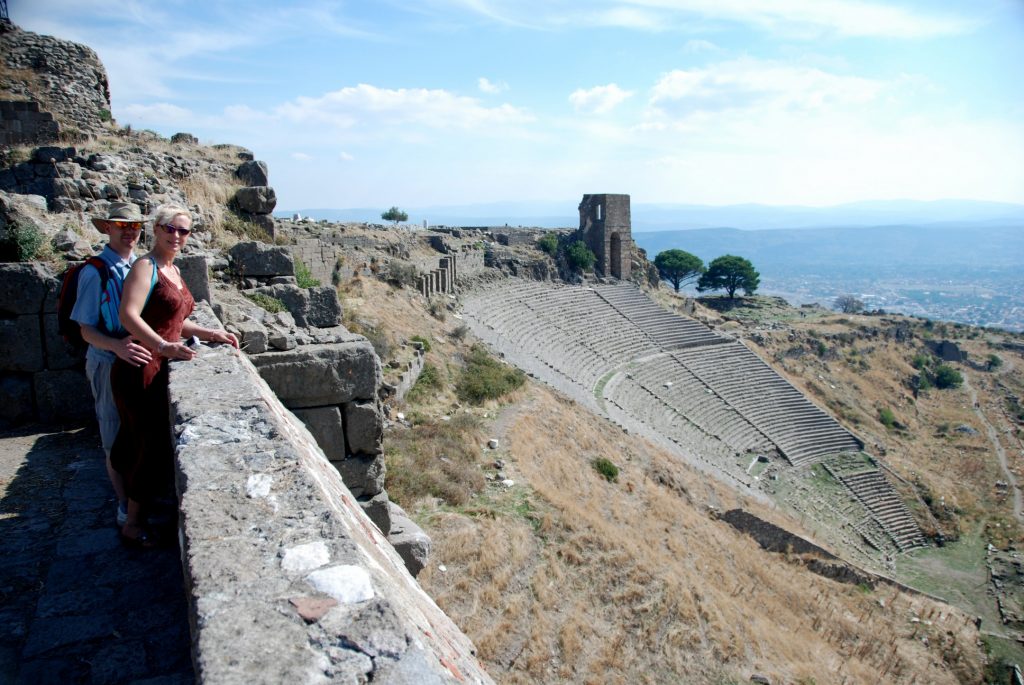
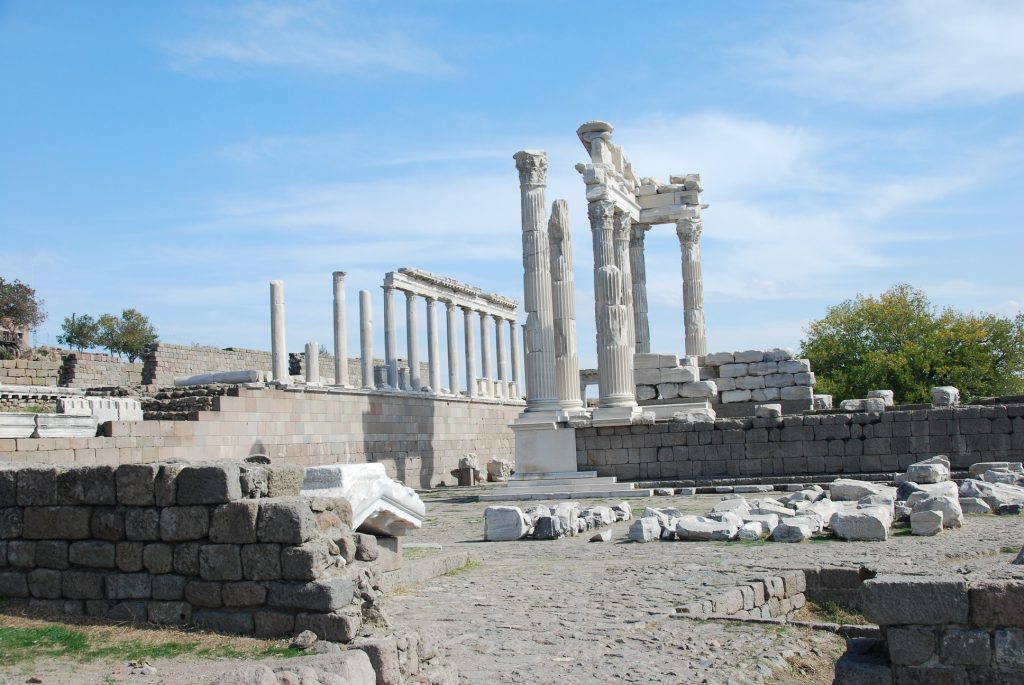
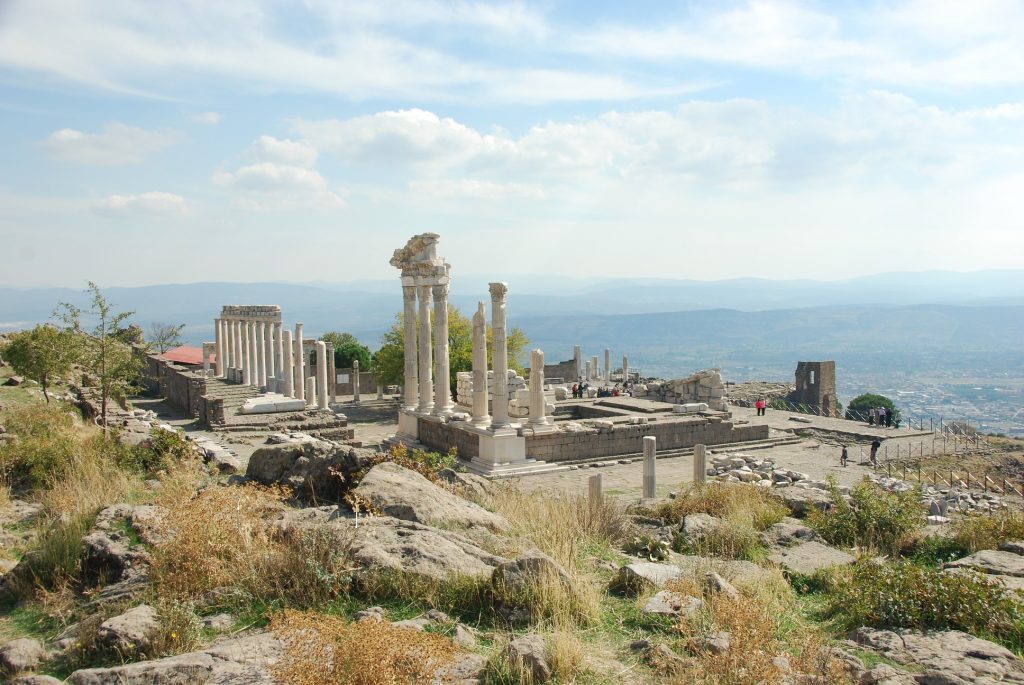
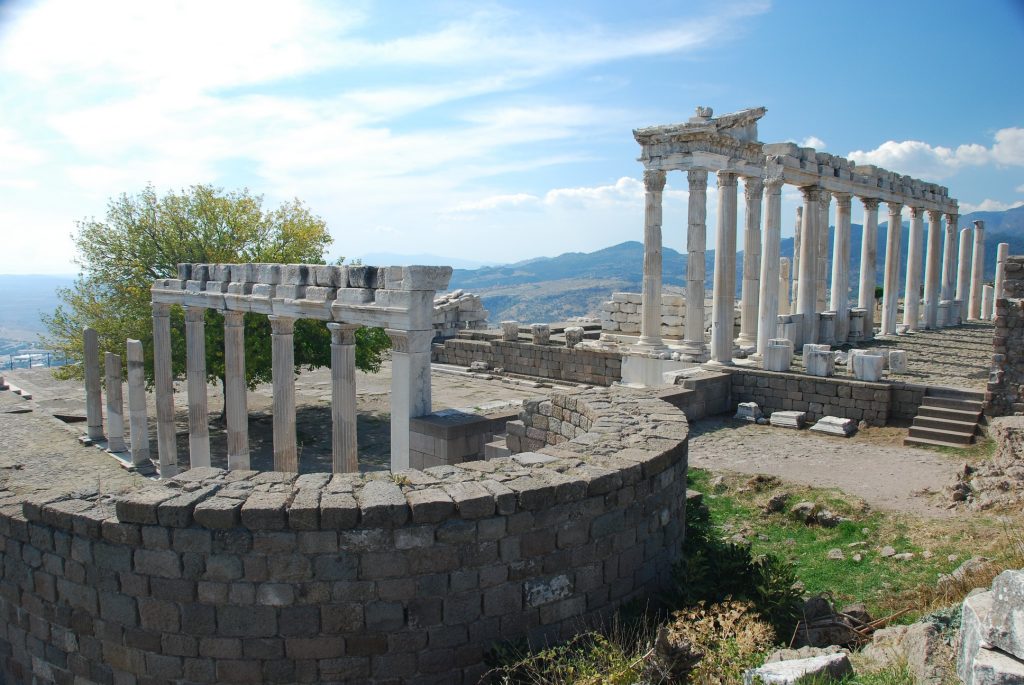
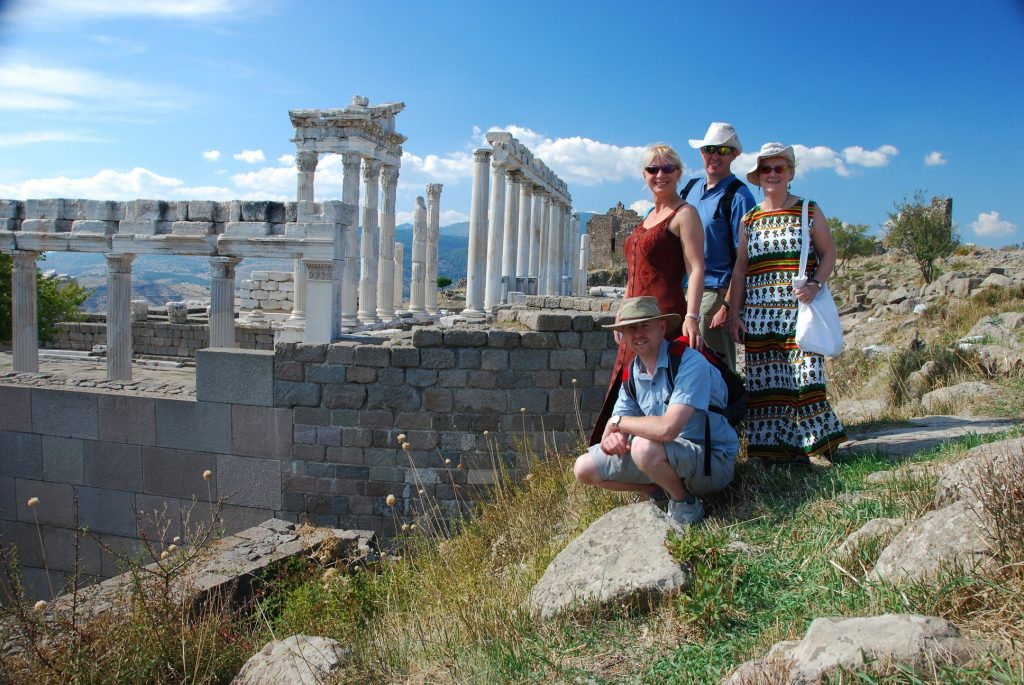
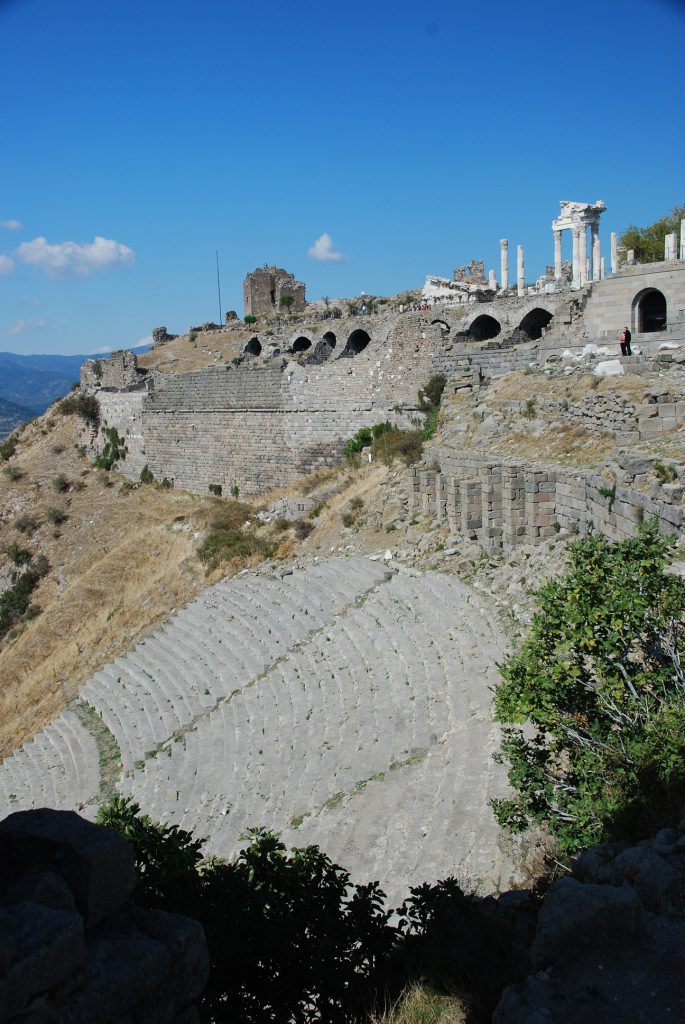
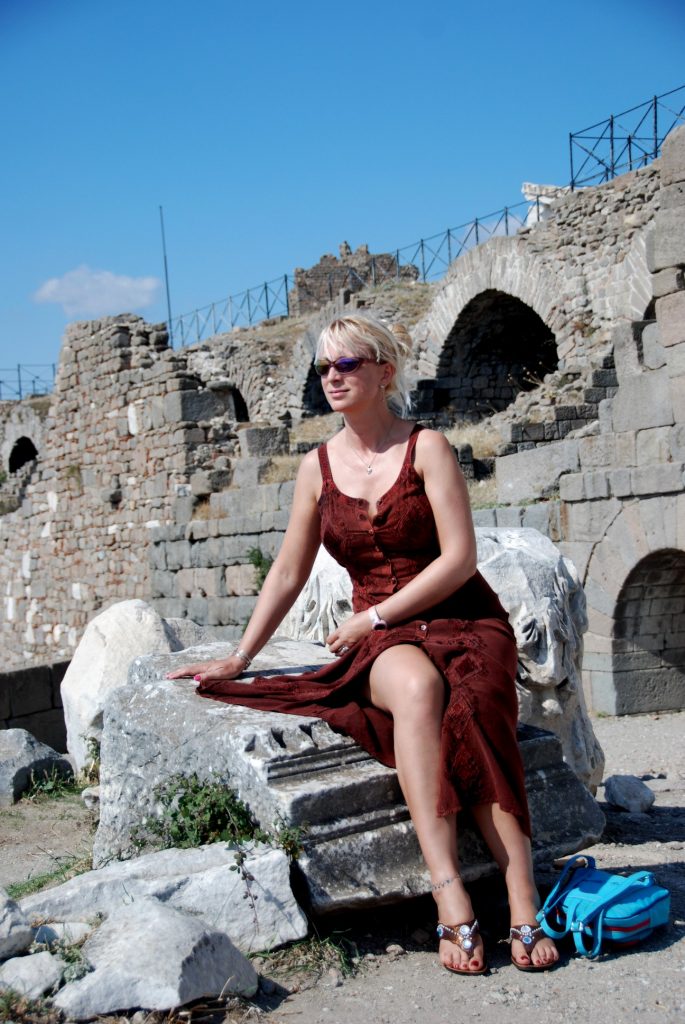
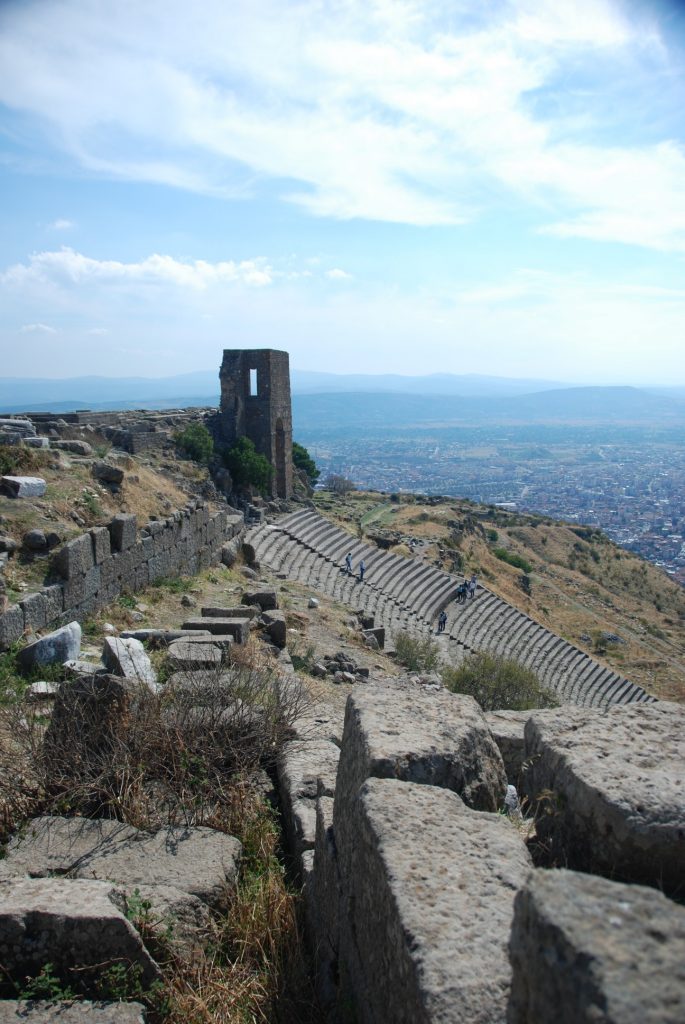
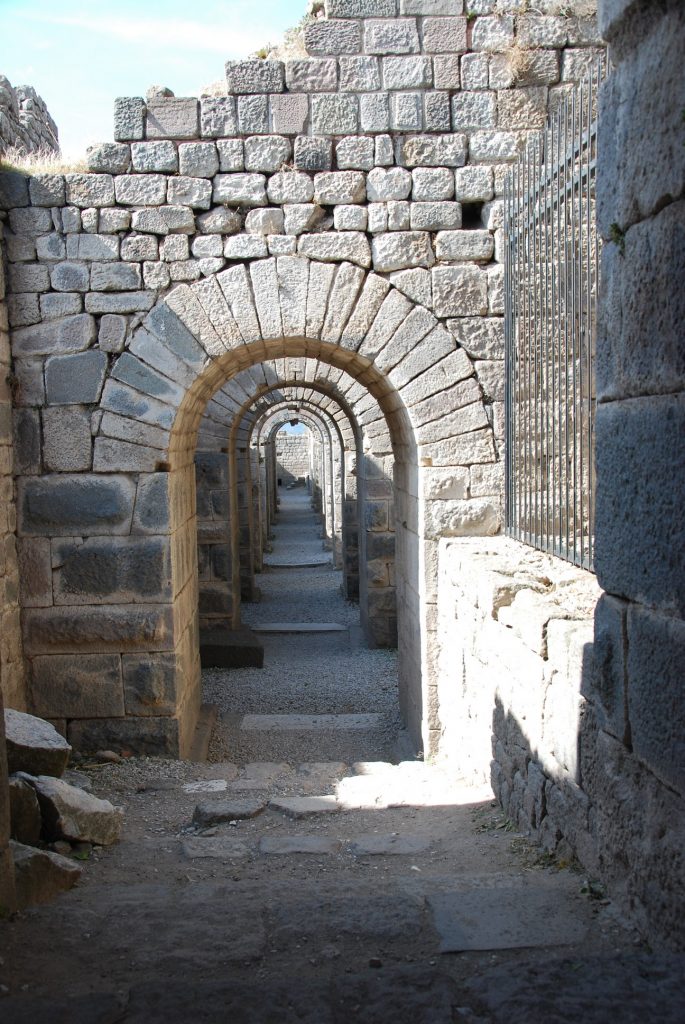
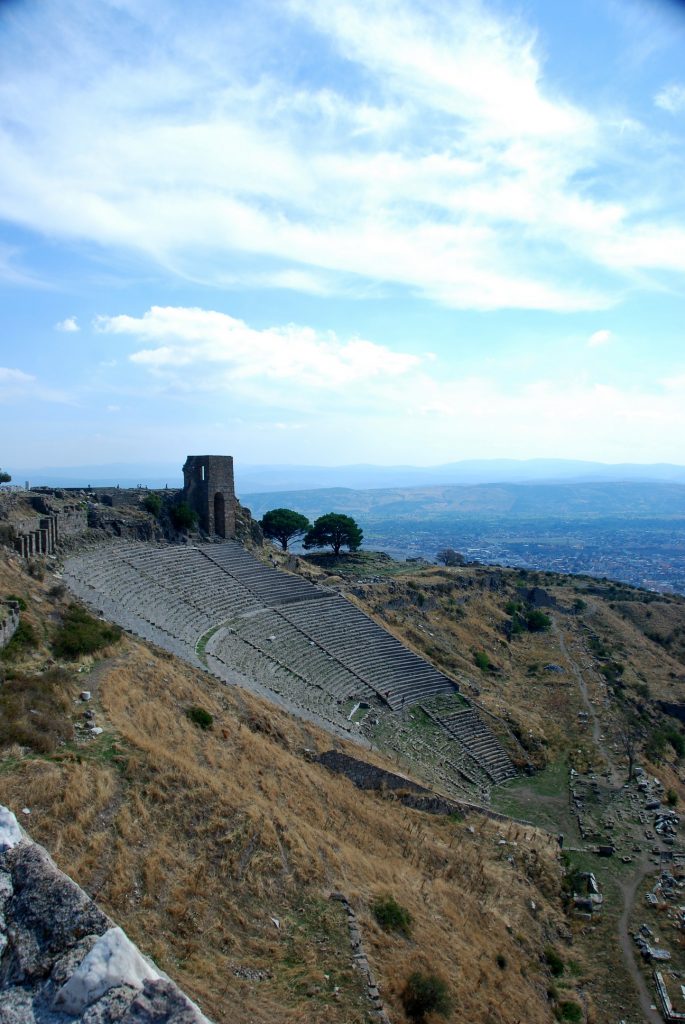
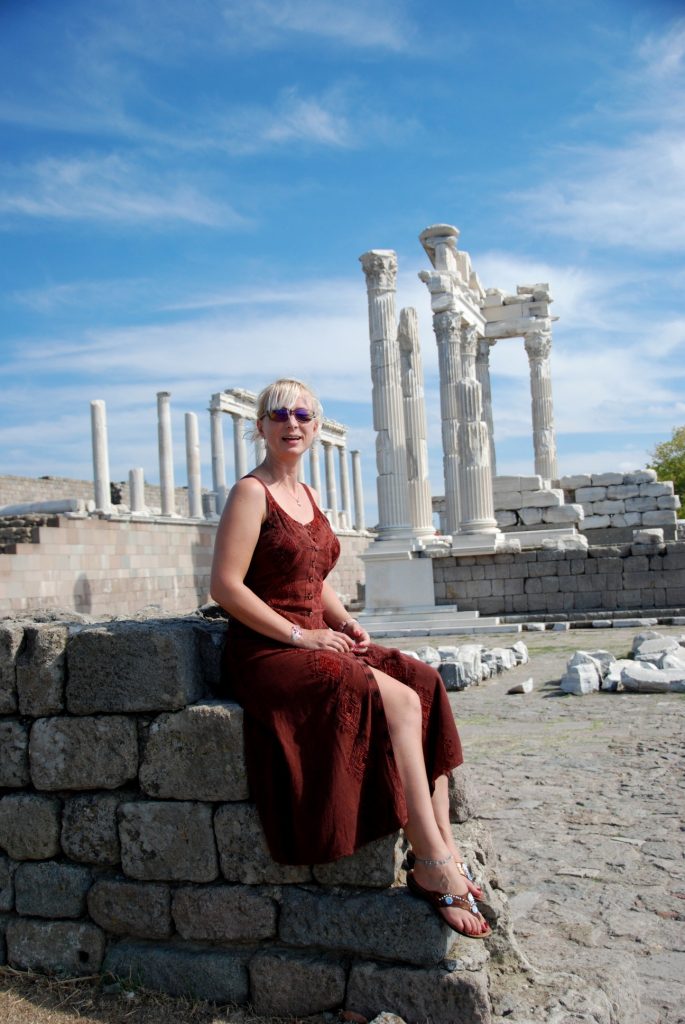
The next stop was one of those breathtaking ancient sites that certainly made up for Troy. Pergamon was an ancient Greek city later taken over by the Romans before declining due to Arab and then Turkish raids and attacks.
The Pergamon altar is in the cunningly named Pergamon Museum in Berlin and is a stunning example of monumental art. The remains still in the city are still awe inspiring, particularly the setting itself.
Kusadasi
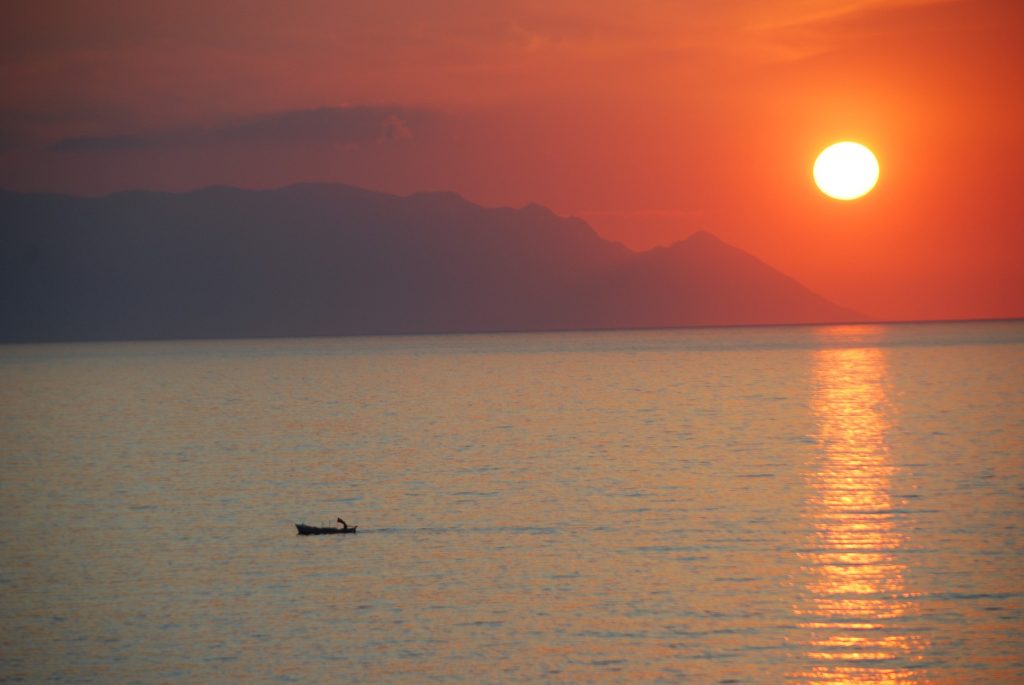
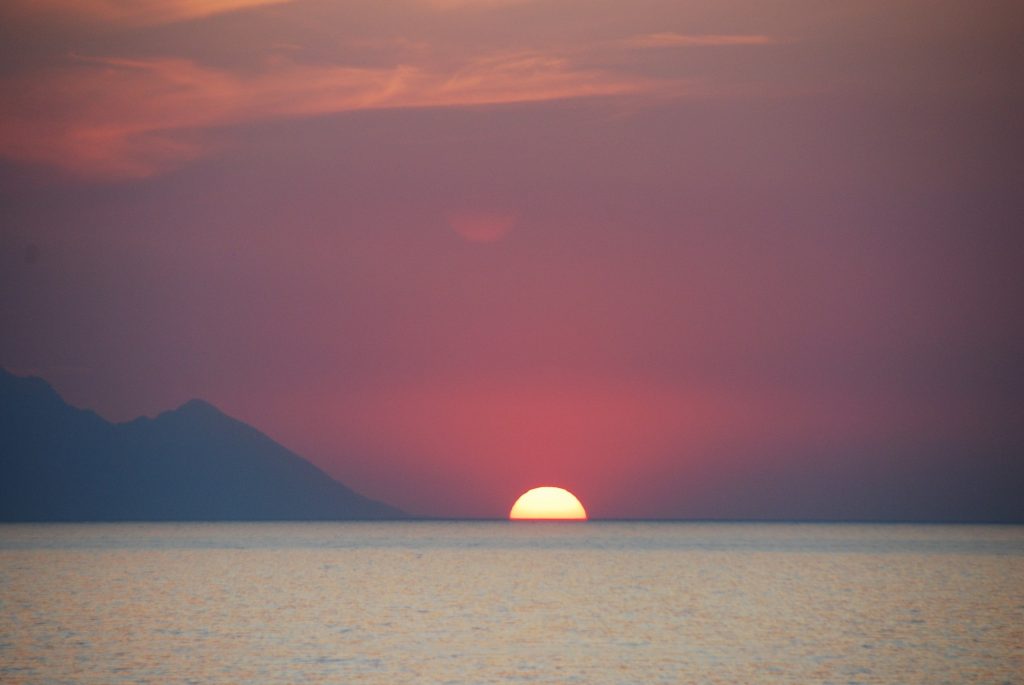
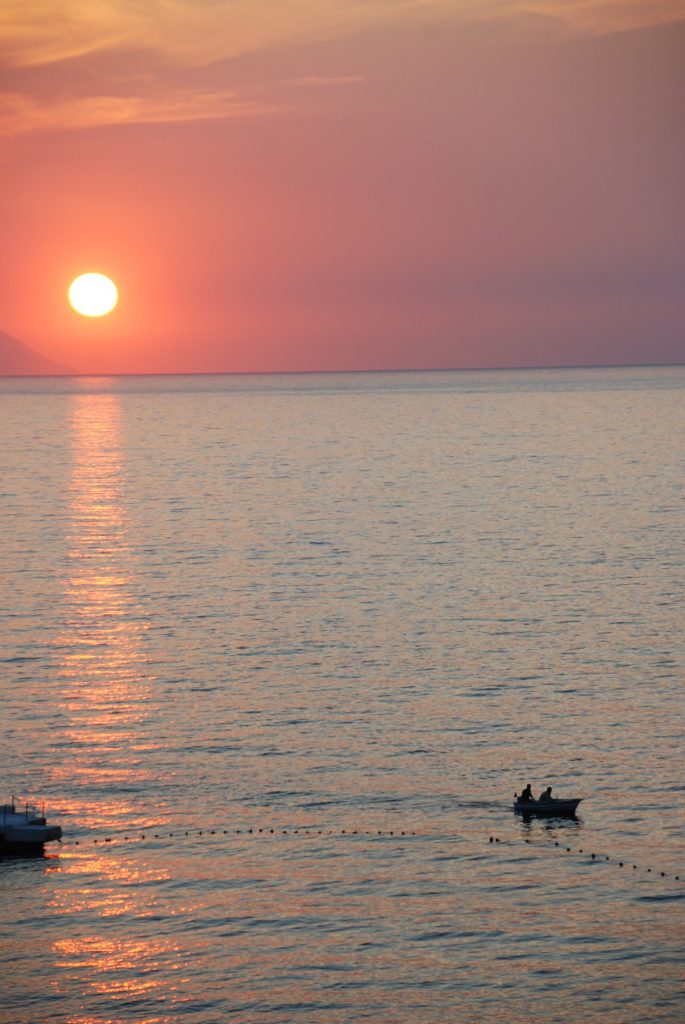
Our overnight stop was at Kusadasi and we saw one of the most spectacular sunsets I have ever seen. There are a huge number of sites in this area (modern Izmir, ancient Smyrna) but the tour skirted round them all to head towards Ephesus.
Ephesus
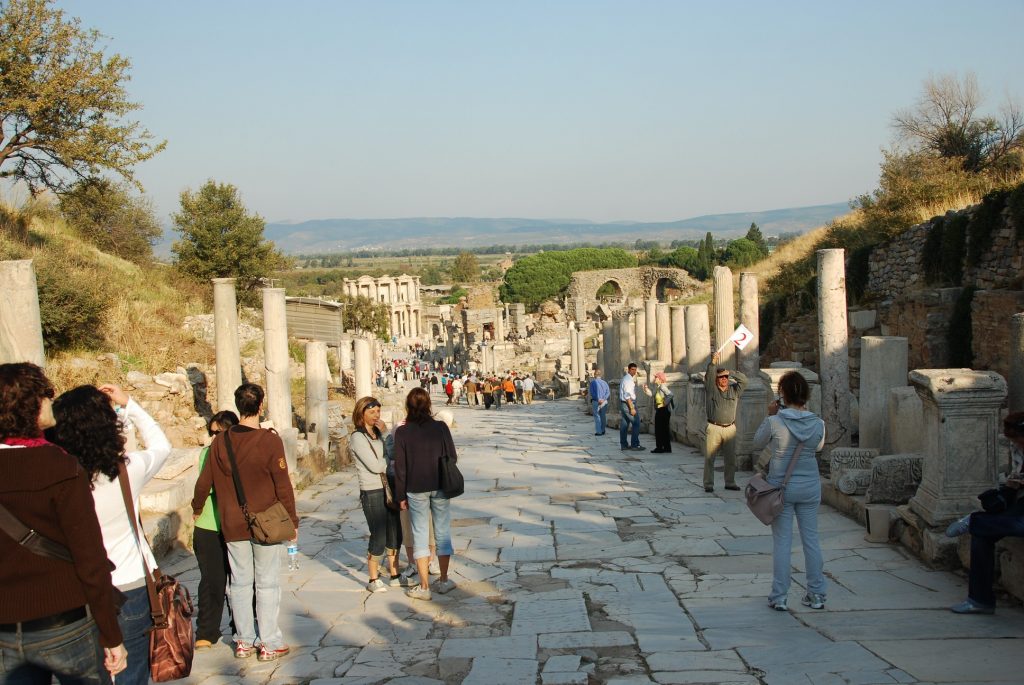
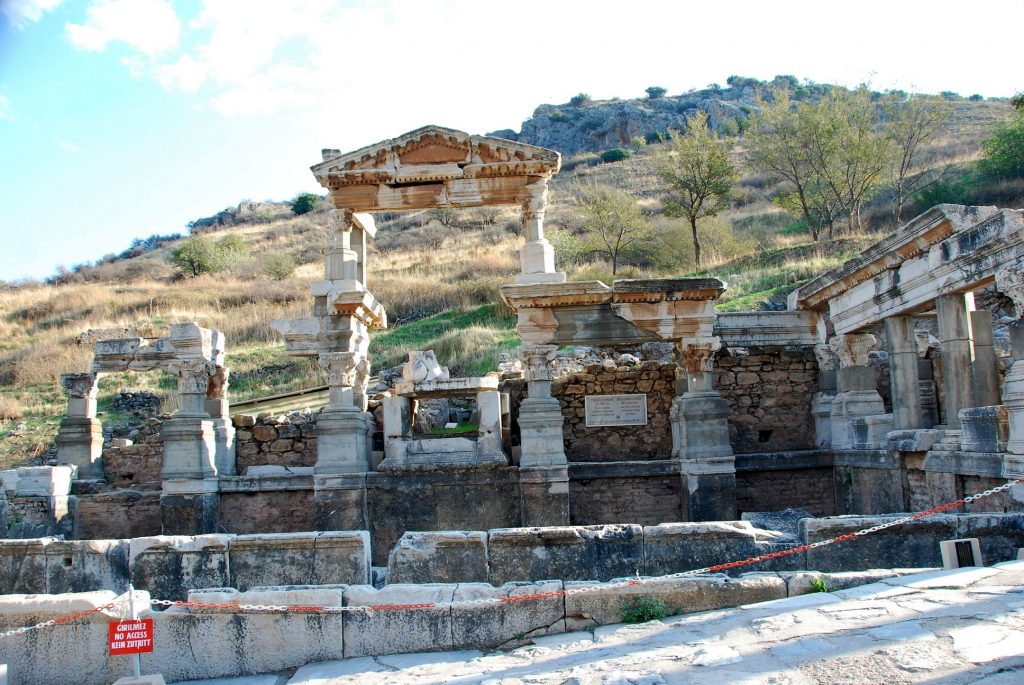
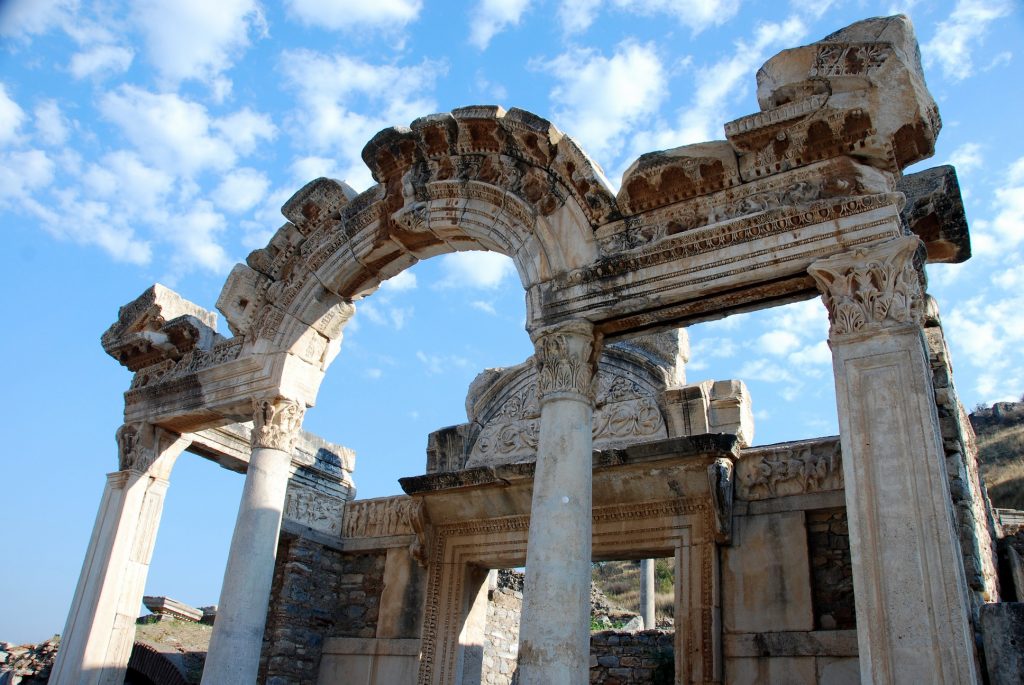
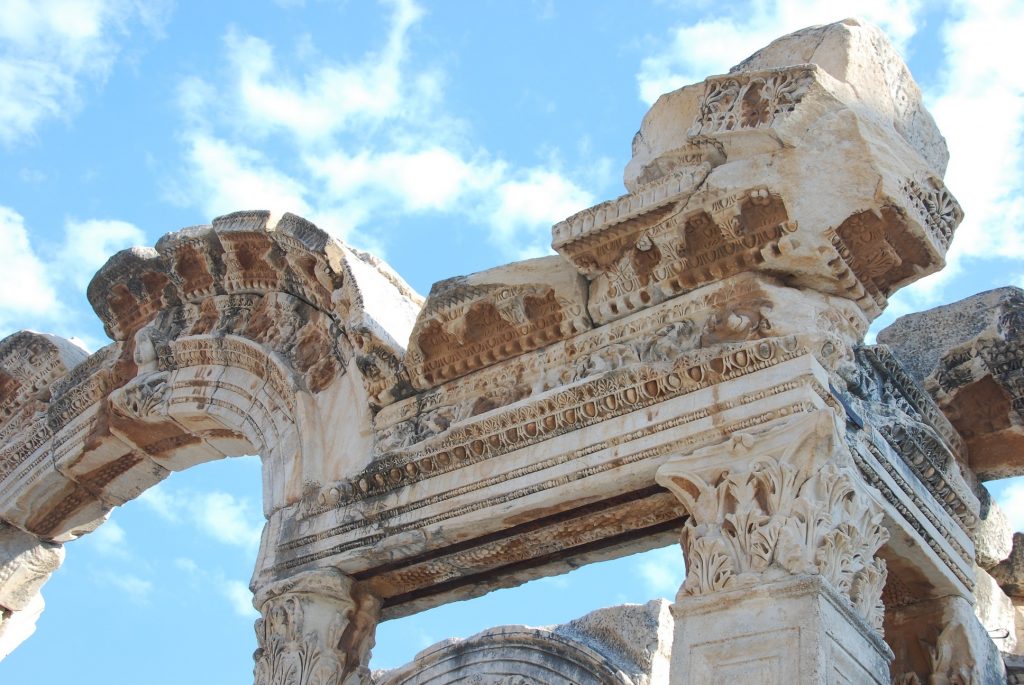
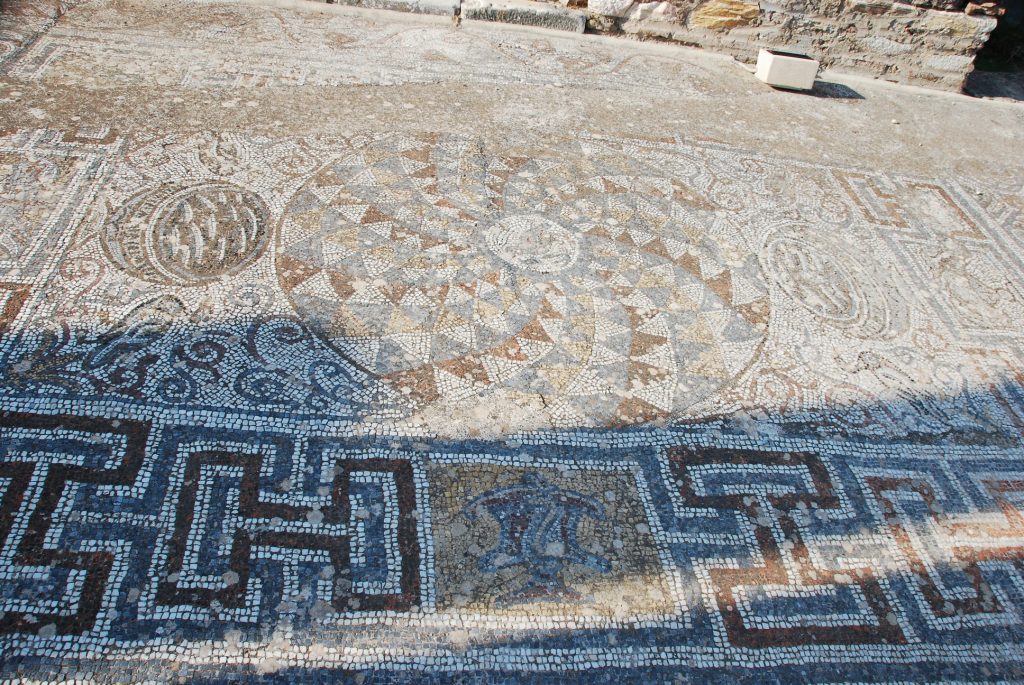
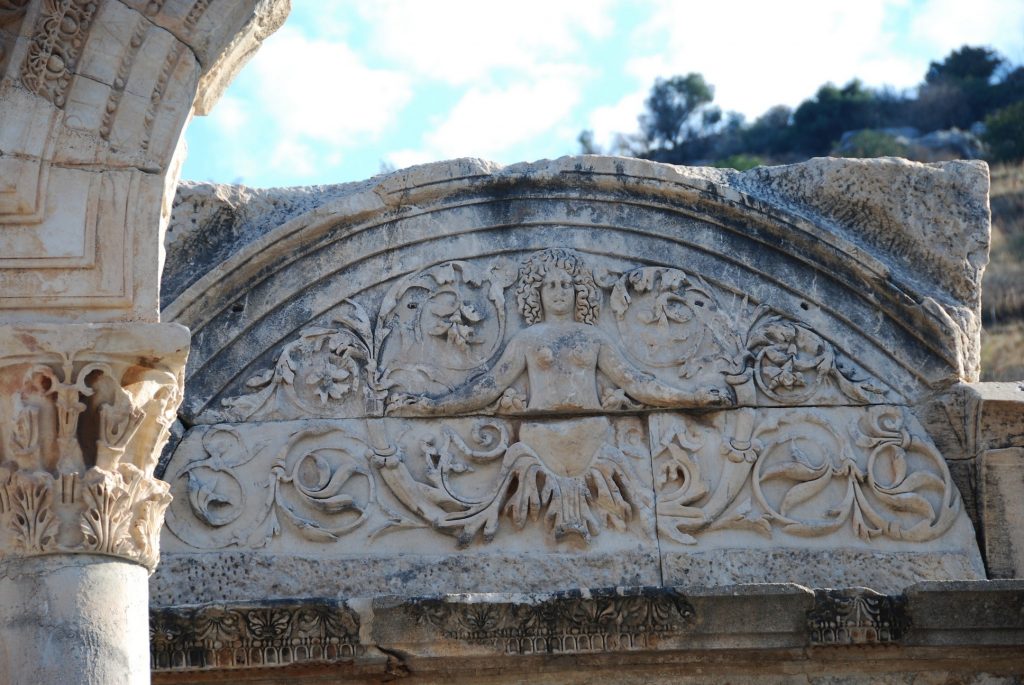
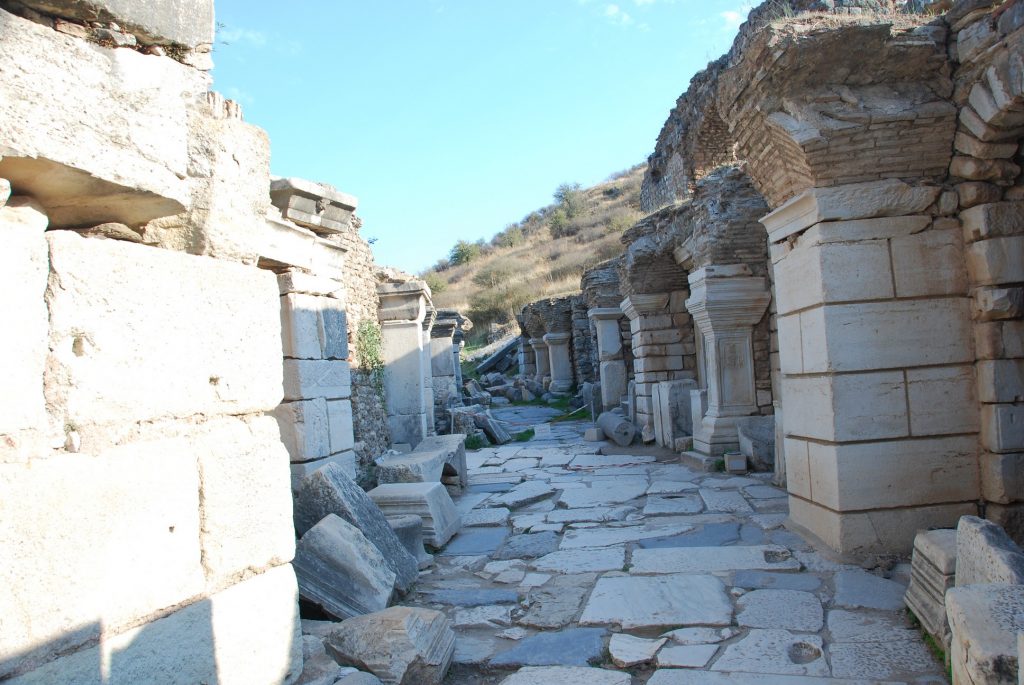
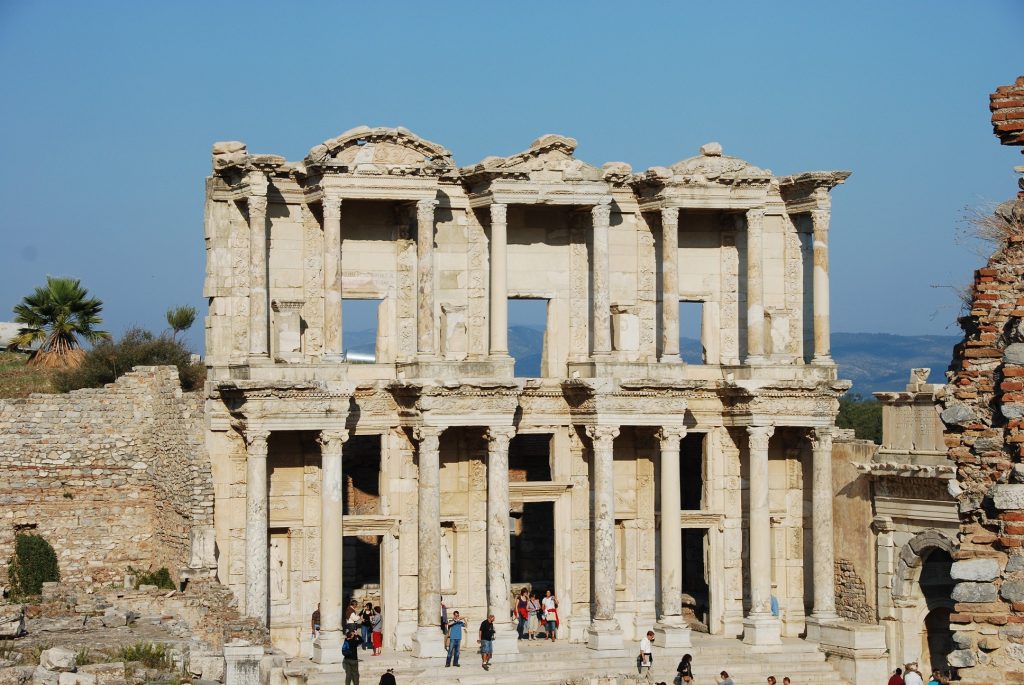
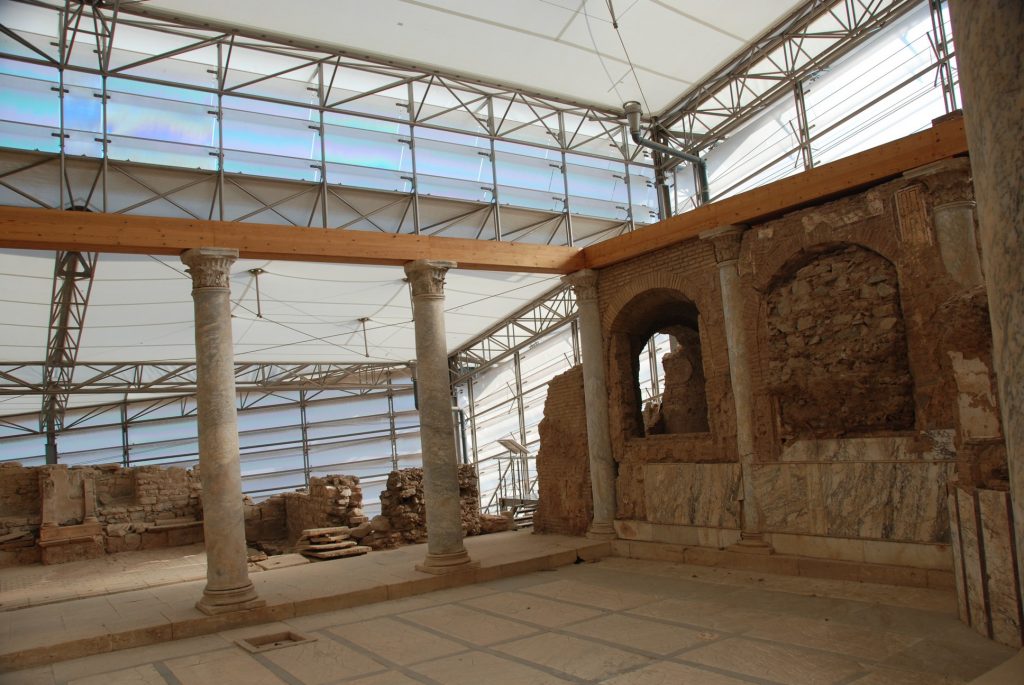
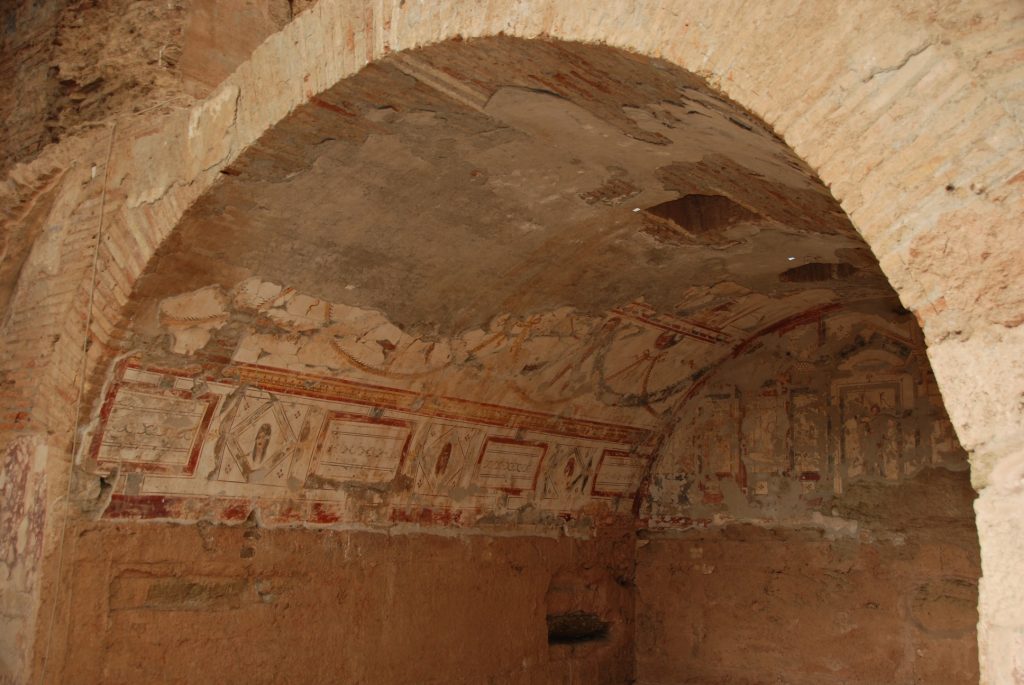
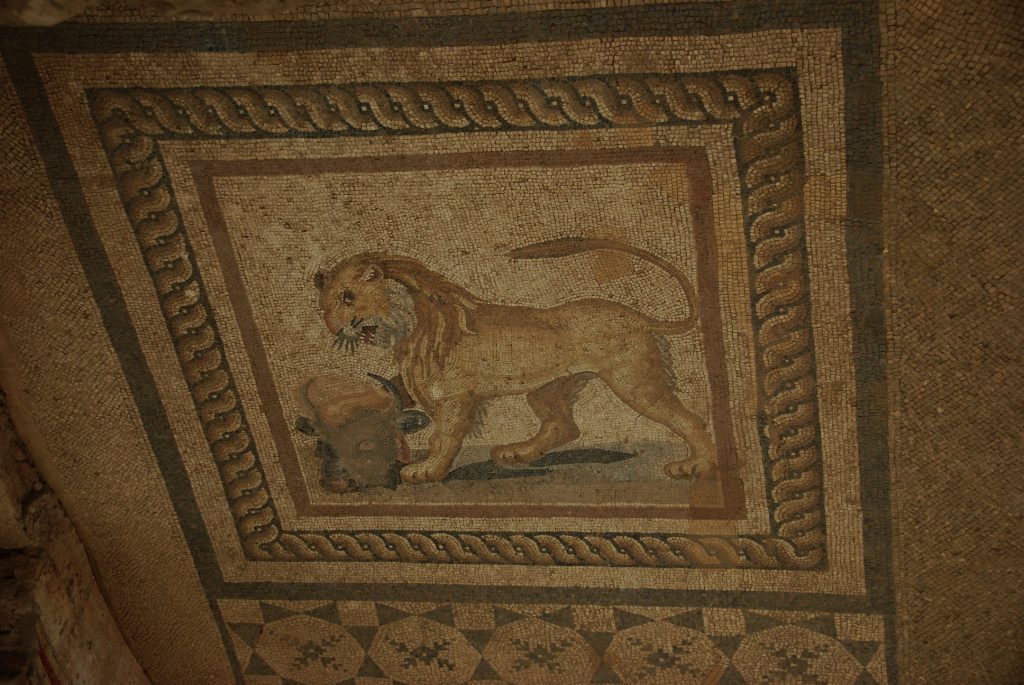
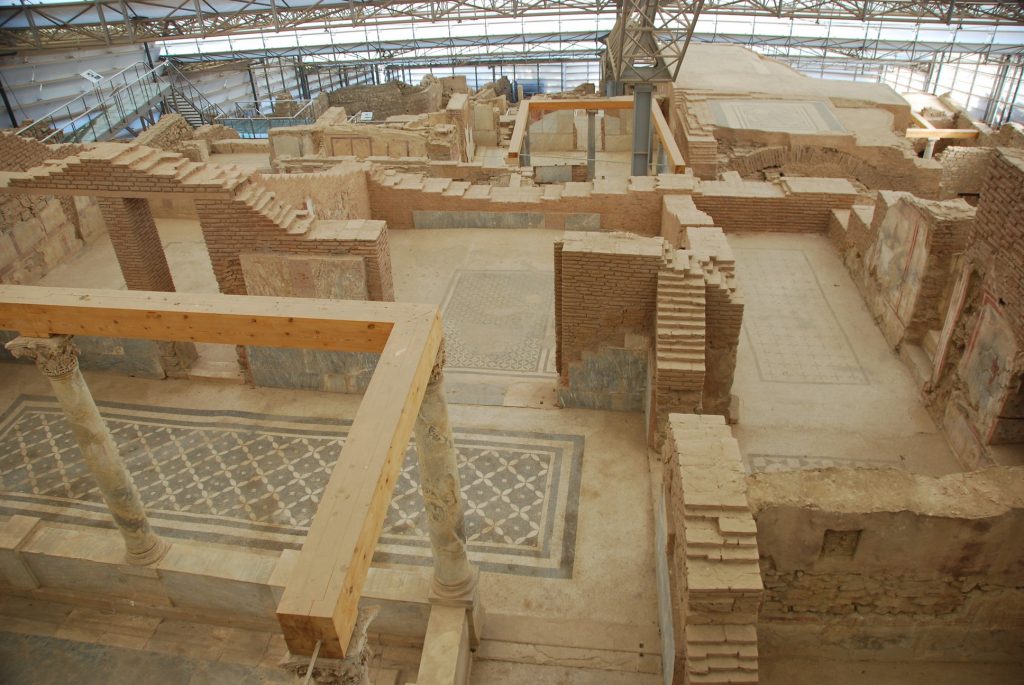
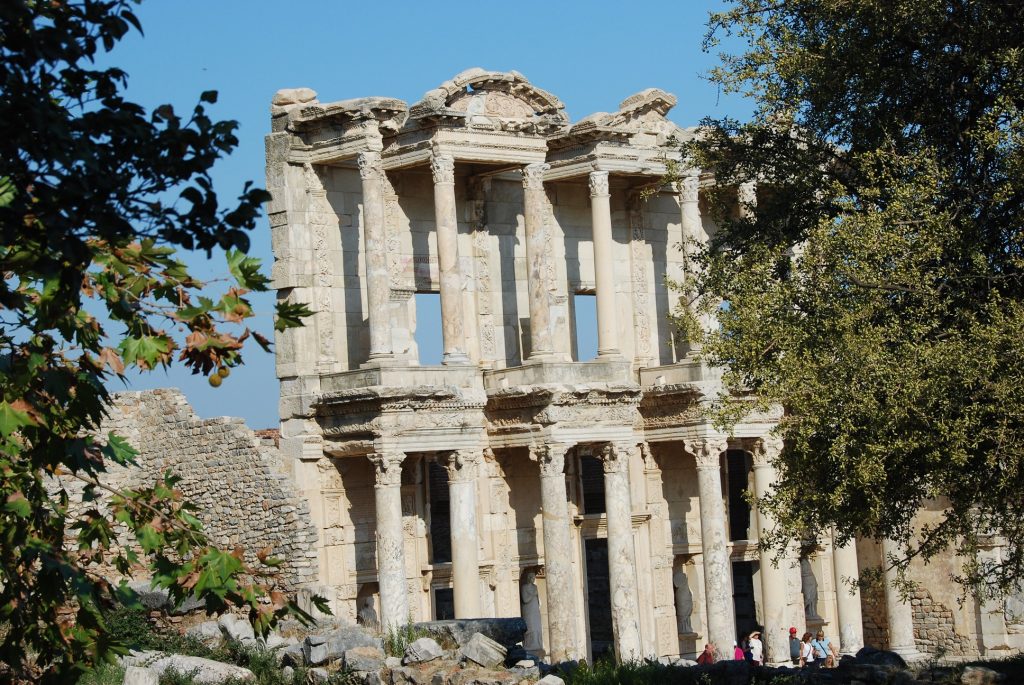
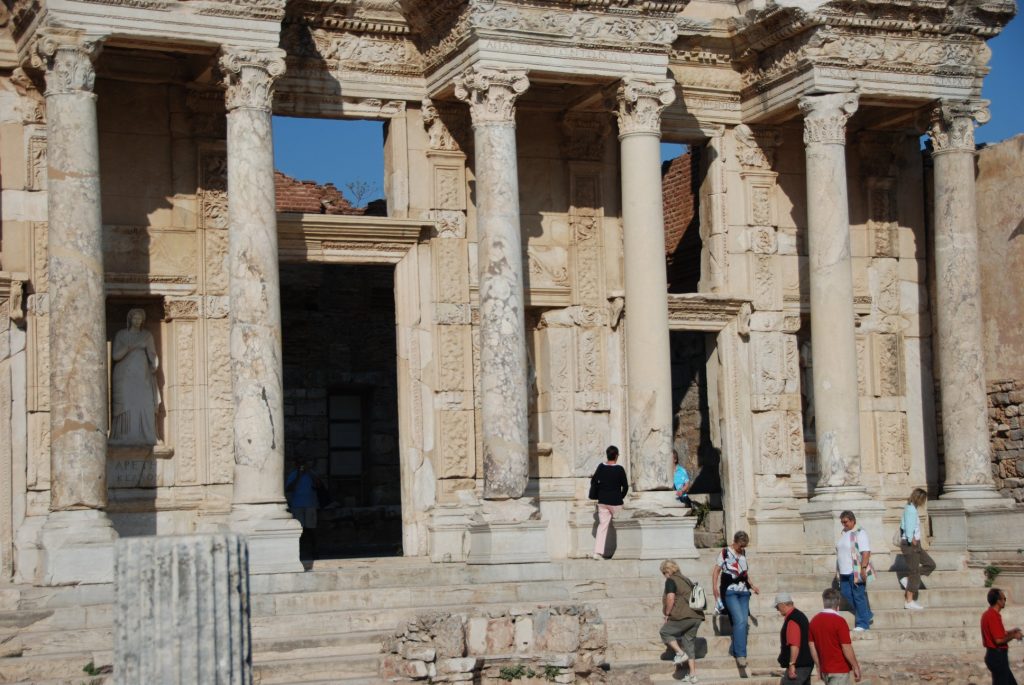
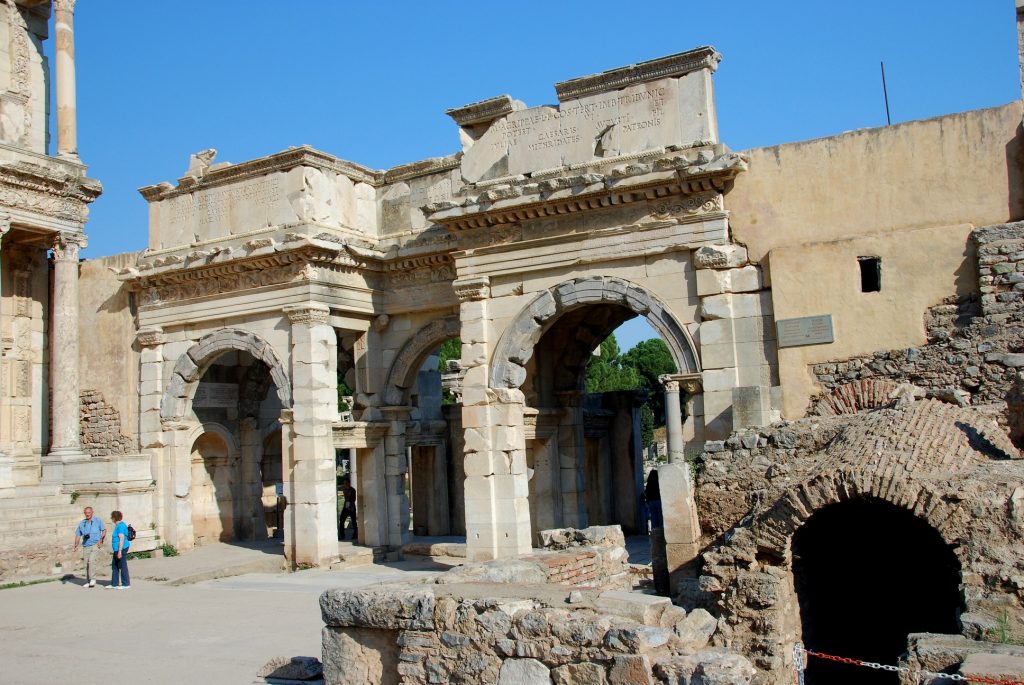
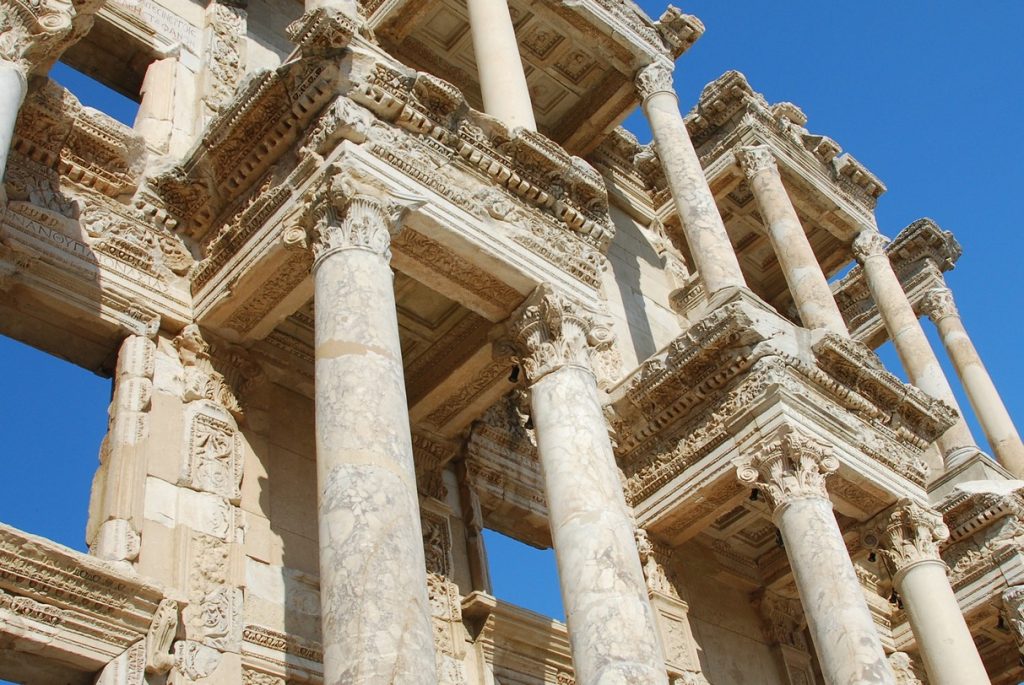
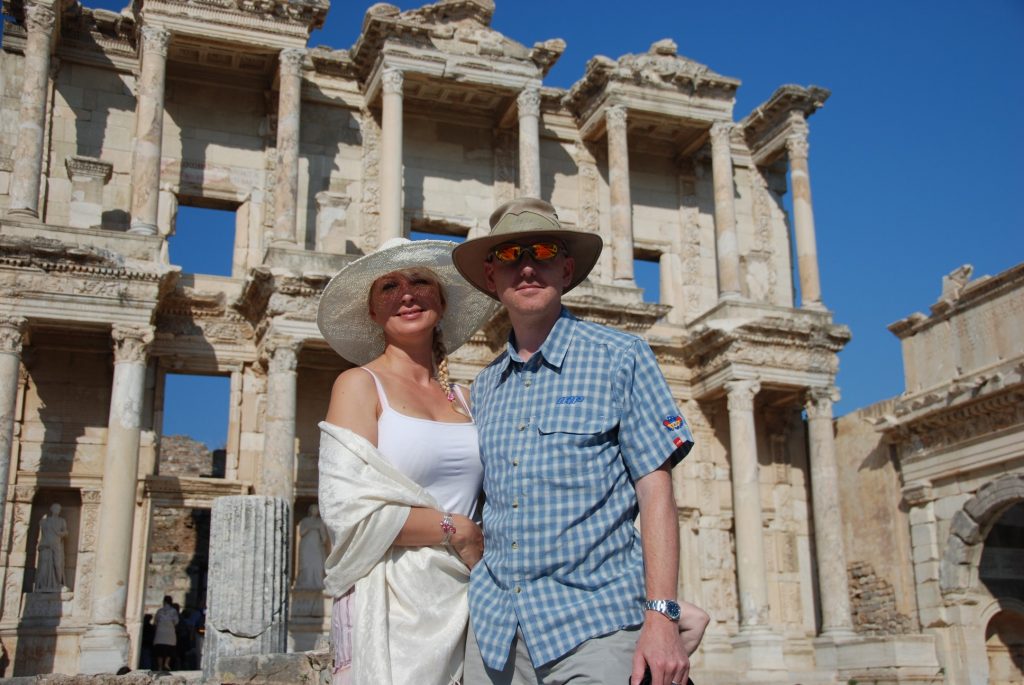
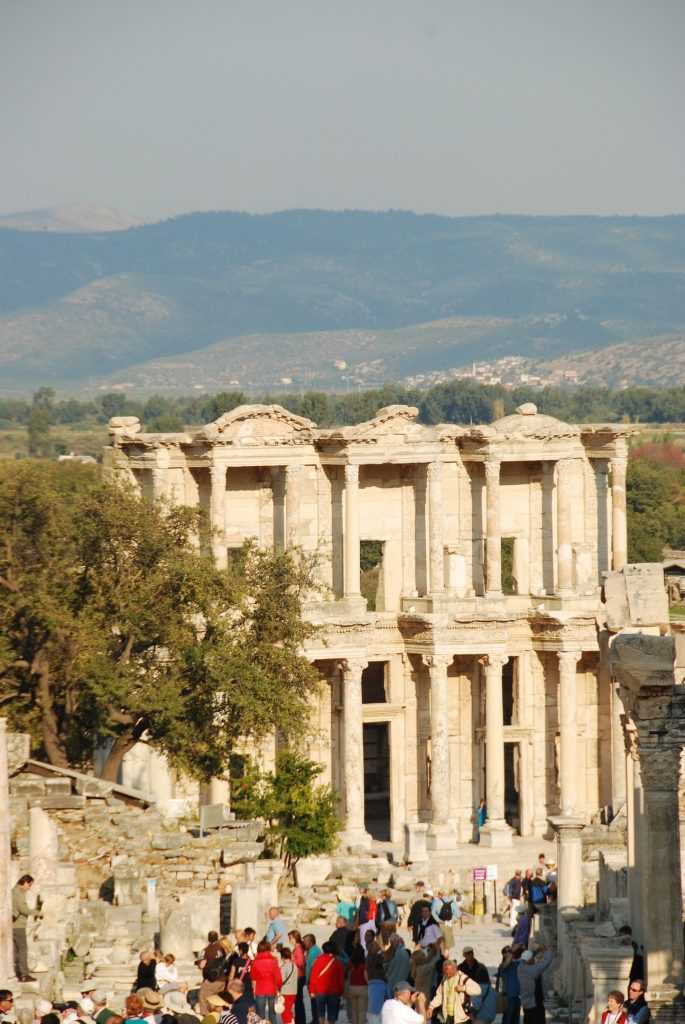
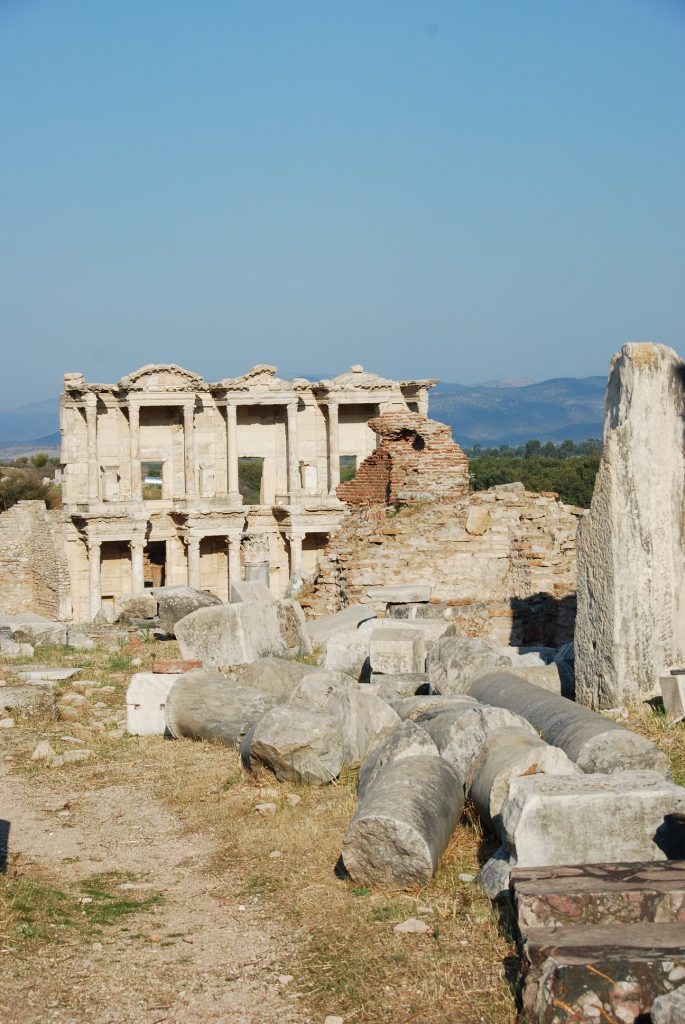
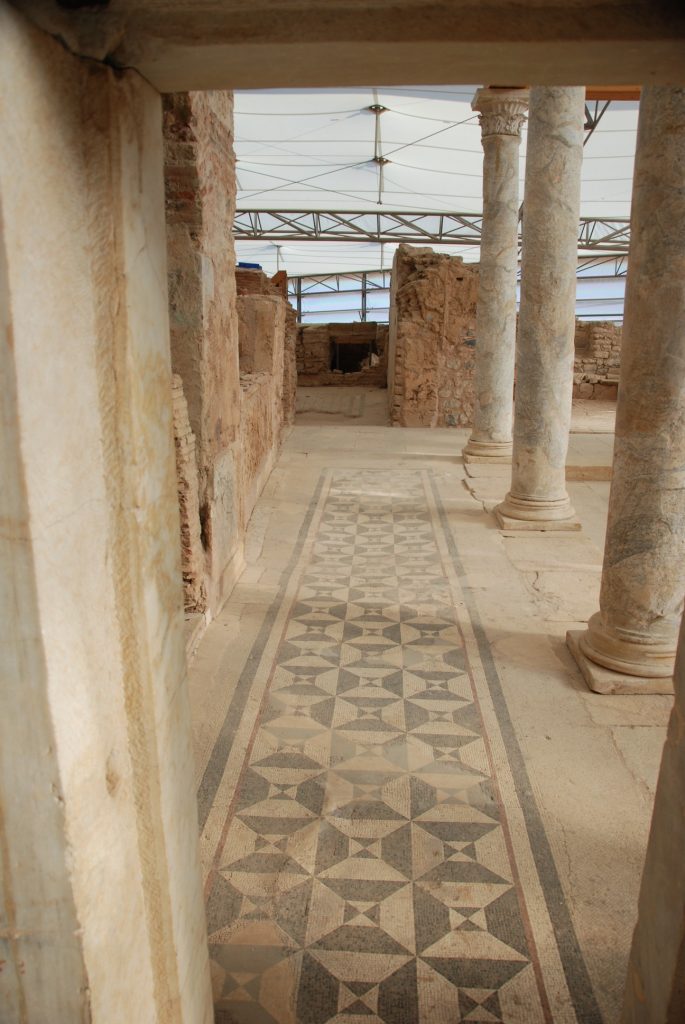
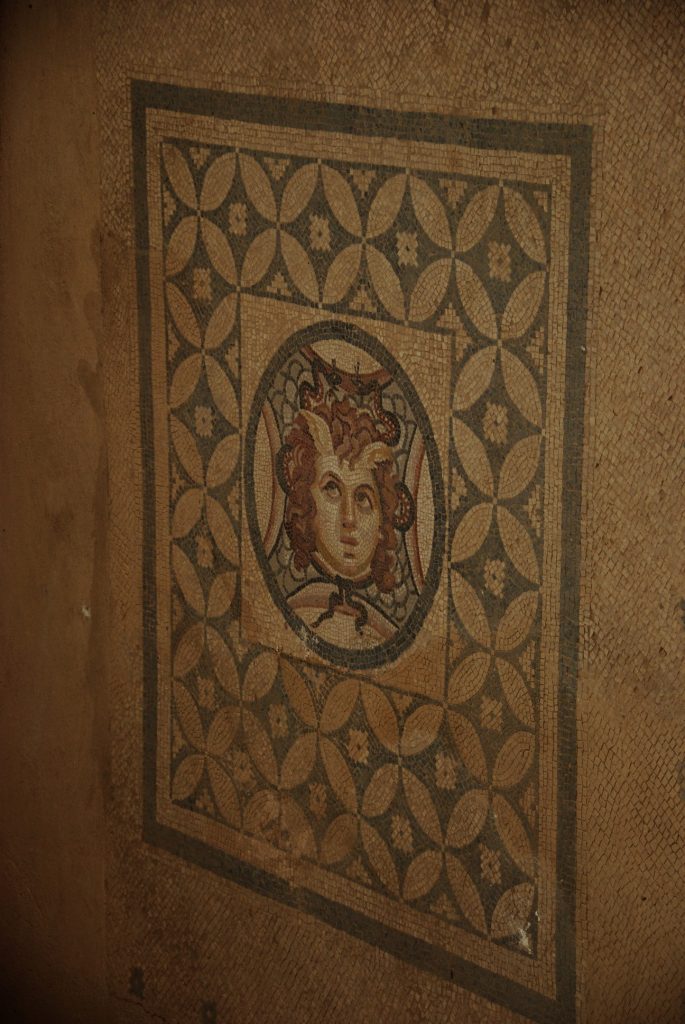
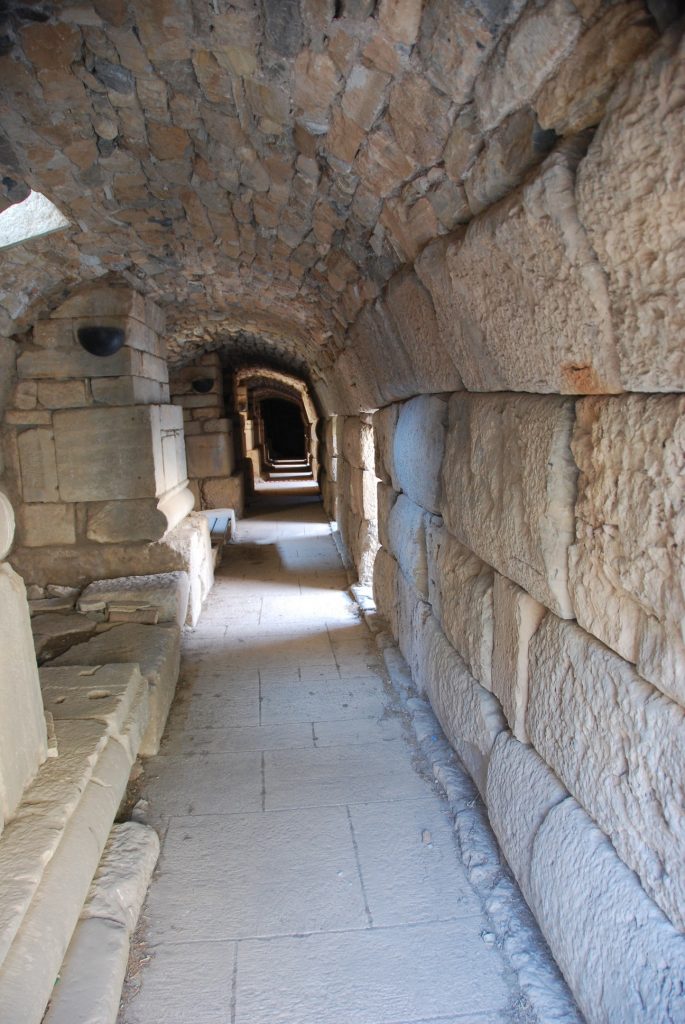
Ephesus has several spectacular remains still visible including the Library of Celsus and the theatre. The Temple of Artemis, one of the seven wonders of the ancient world, has long since been destroyed but you could easily spend half a day on the site looking at the remains and current excavations of the Roman houses. The tour focussed on classical history so we didn’t visit the alleged house of Mary or the tomb of John the Apostle.
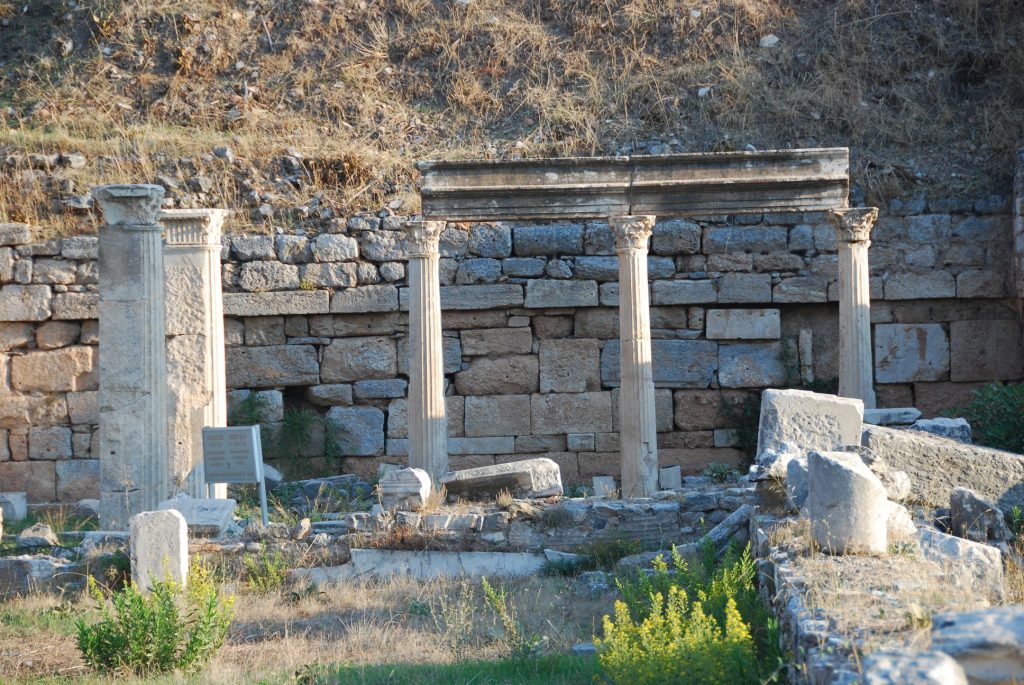
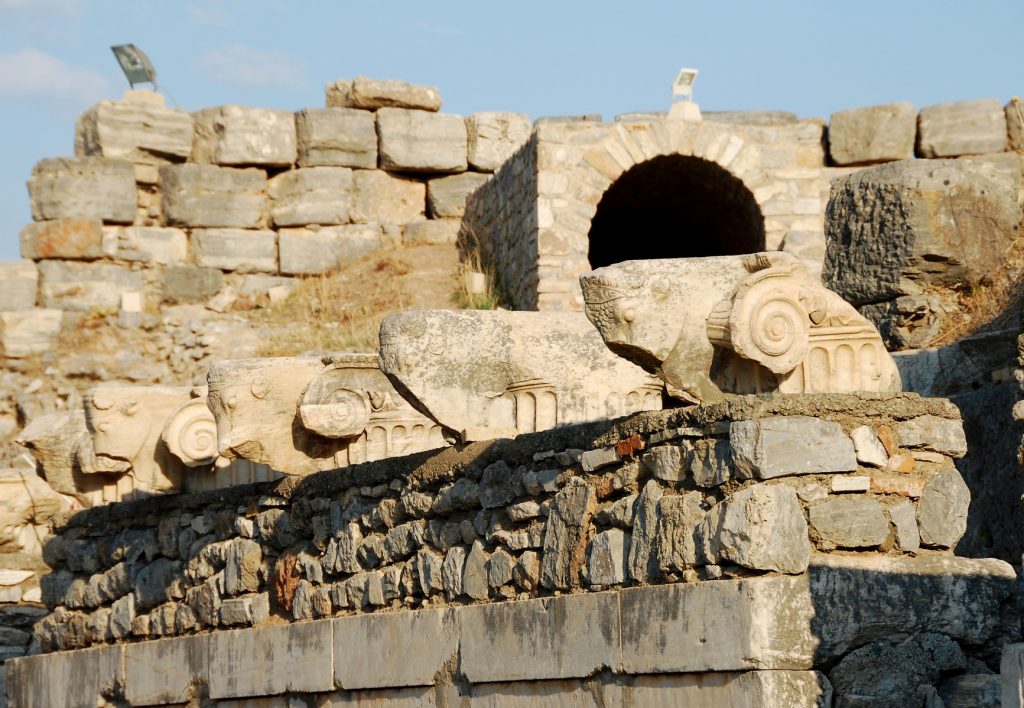
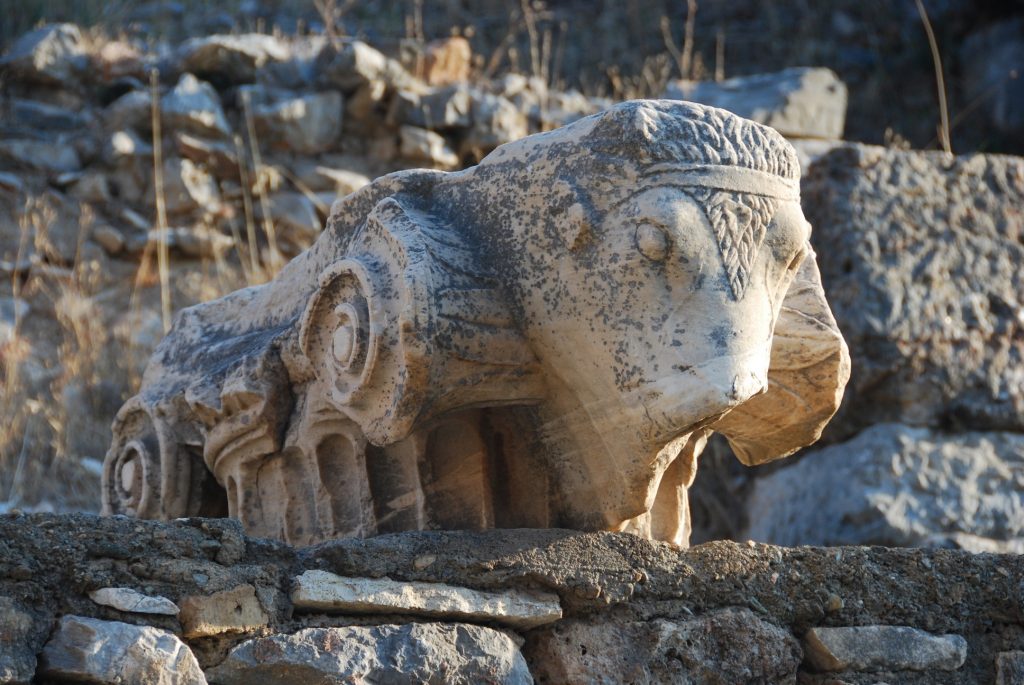
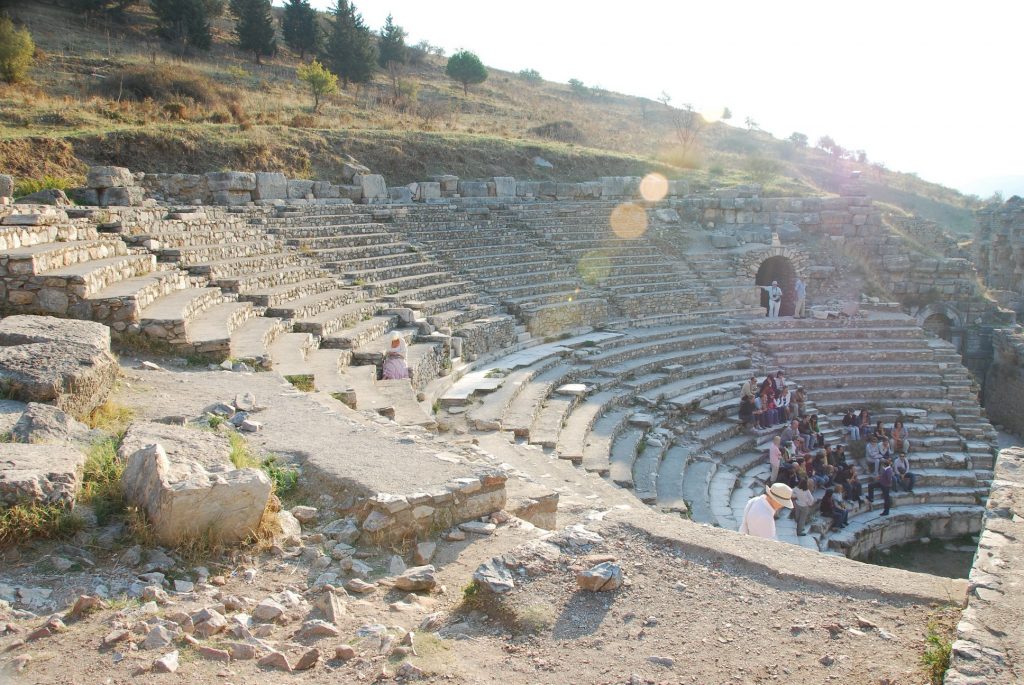
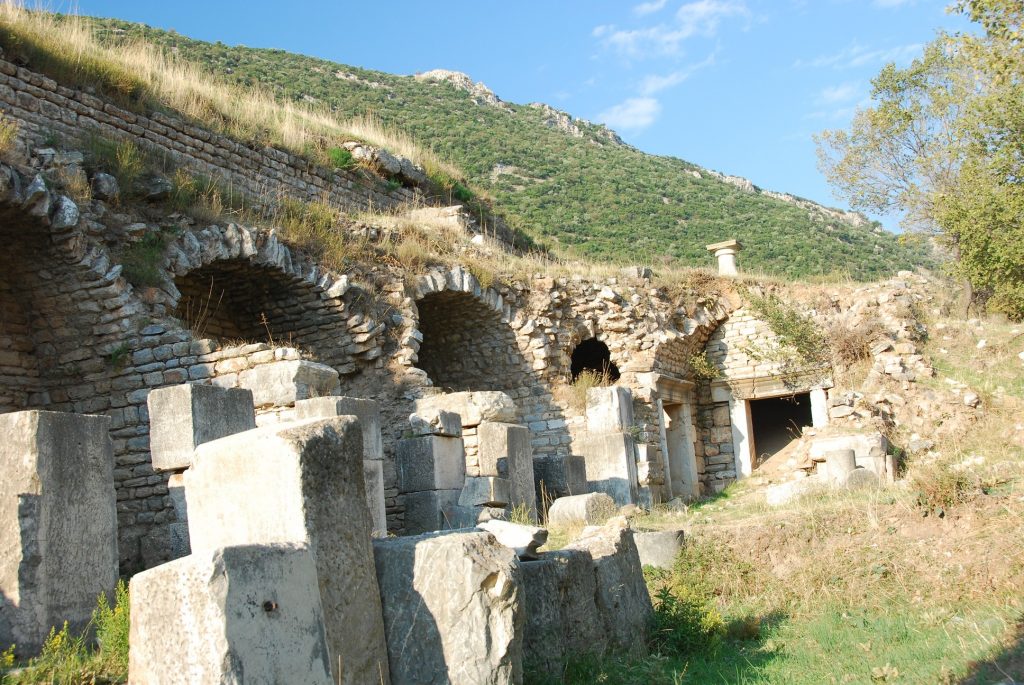
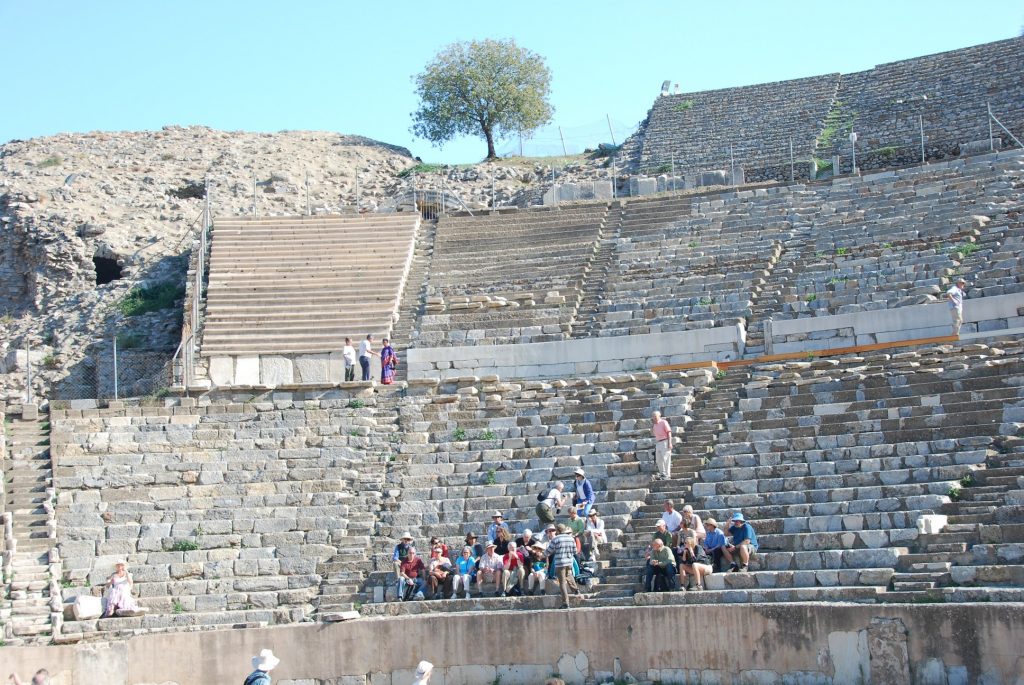
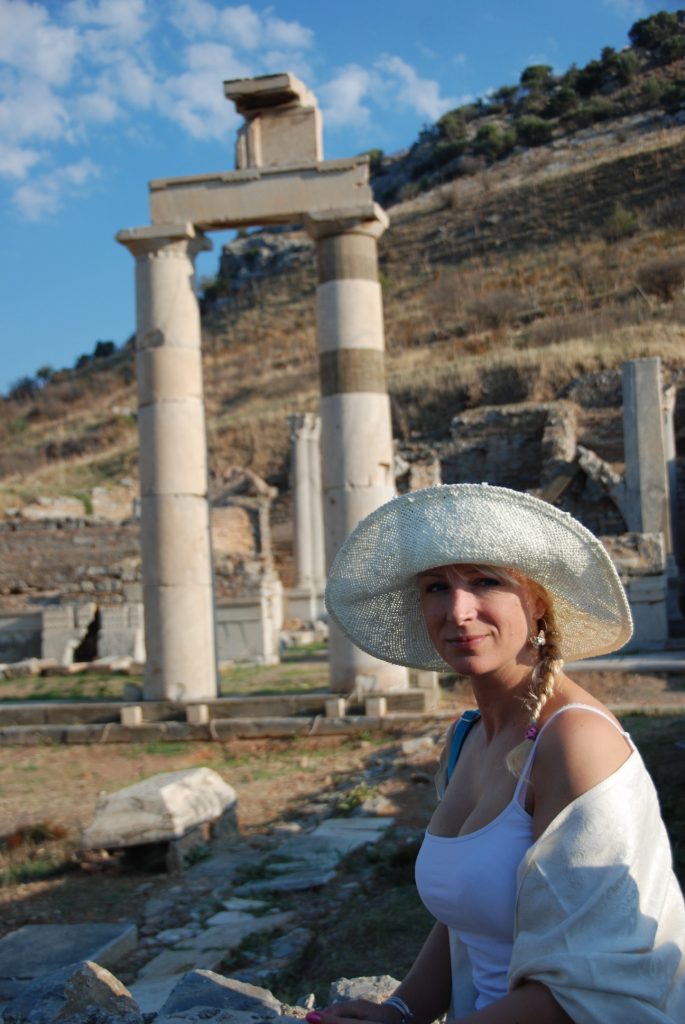
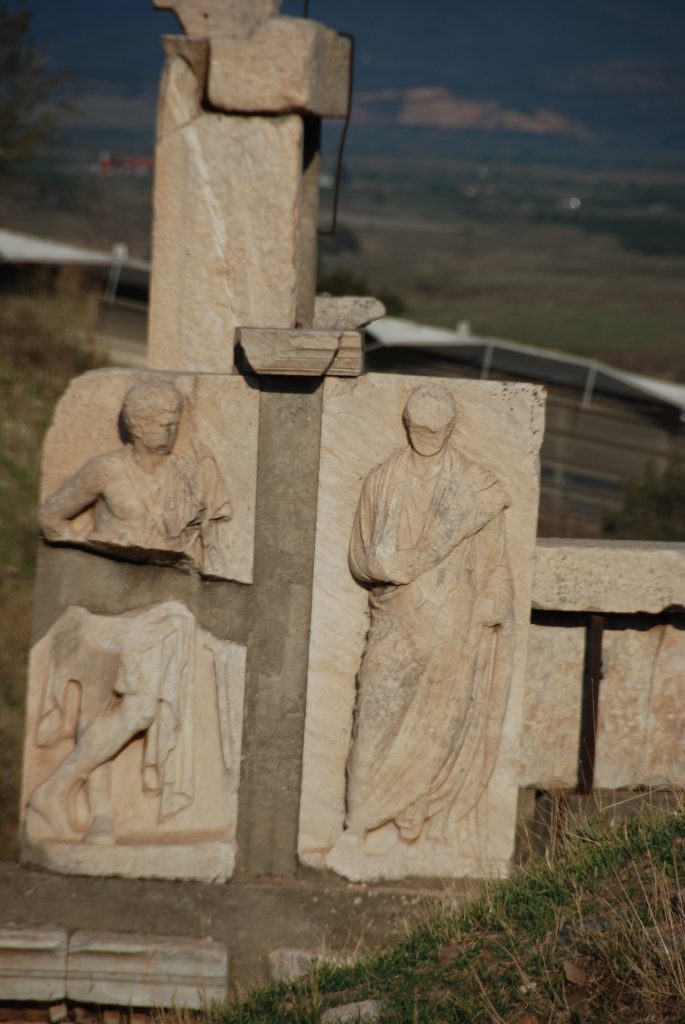
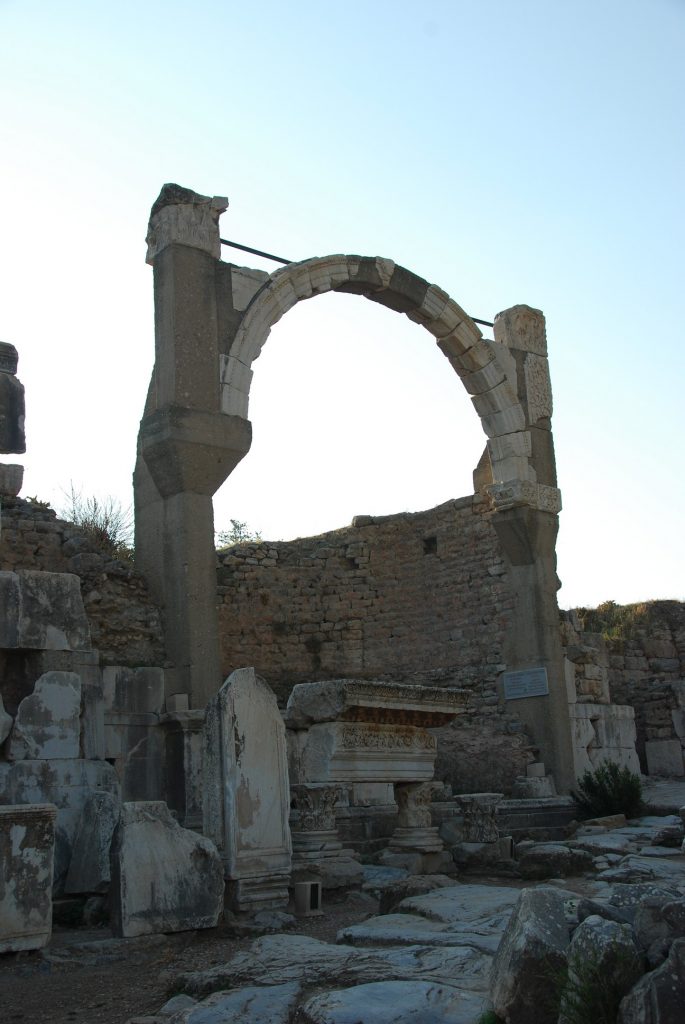
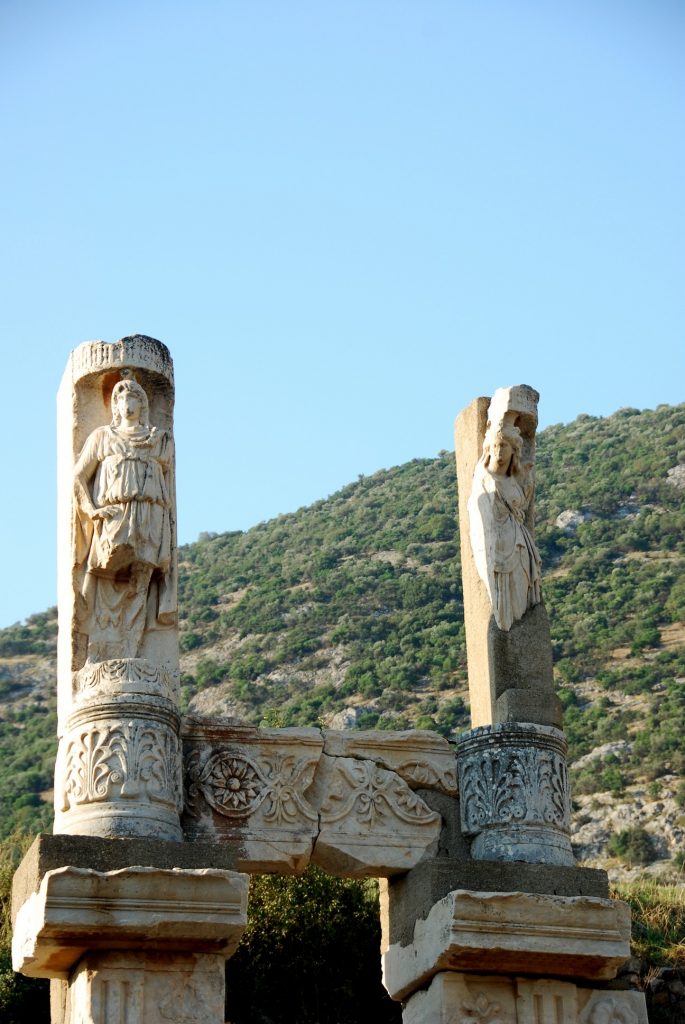
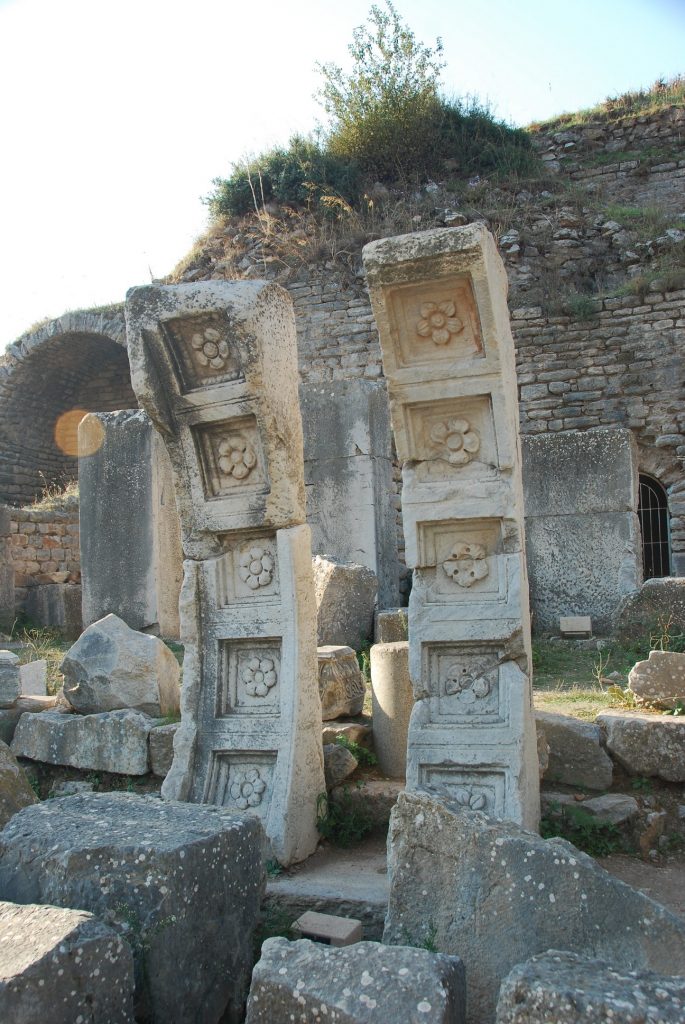

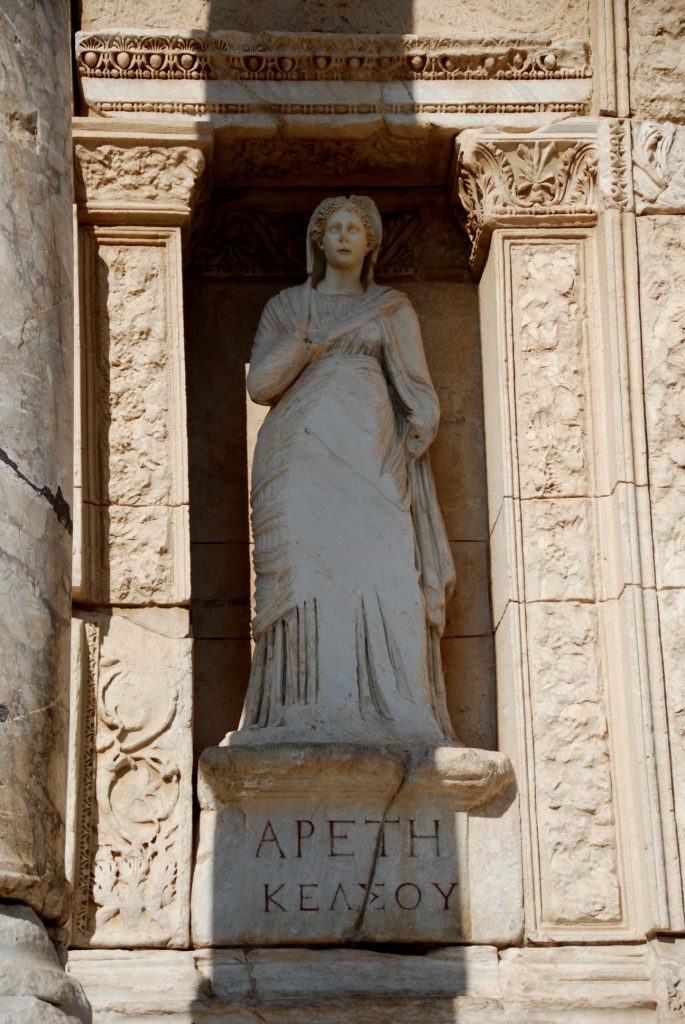
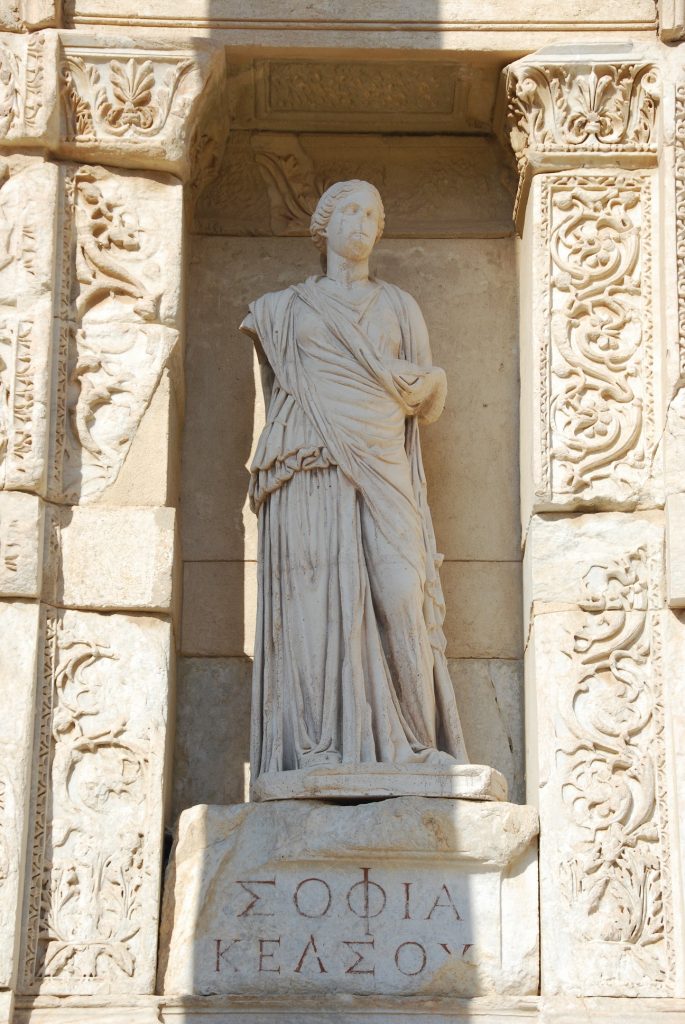
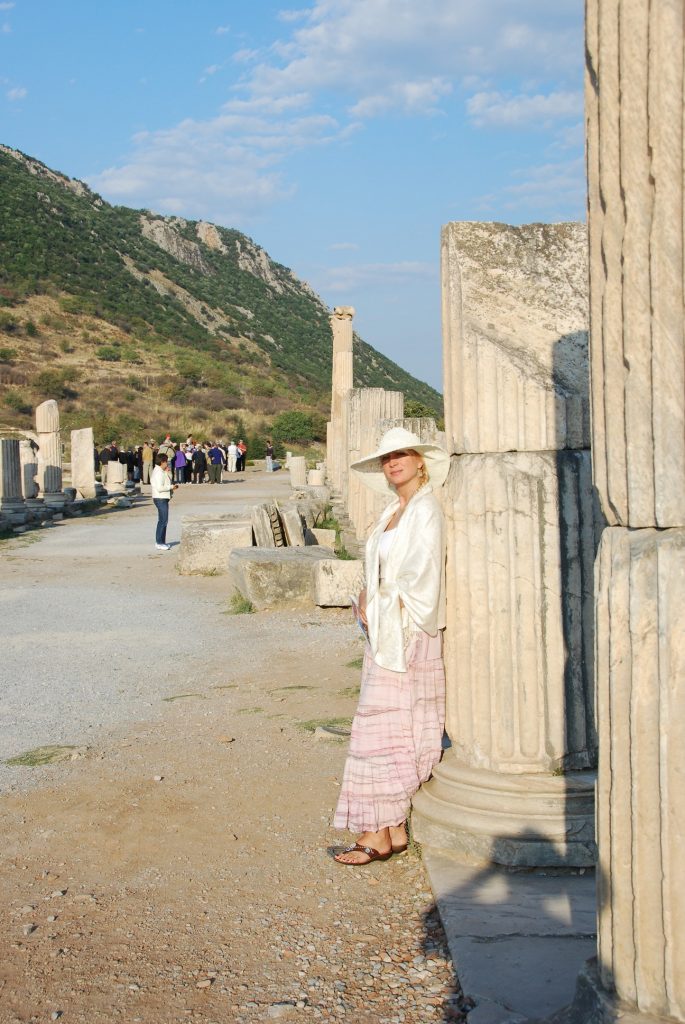
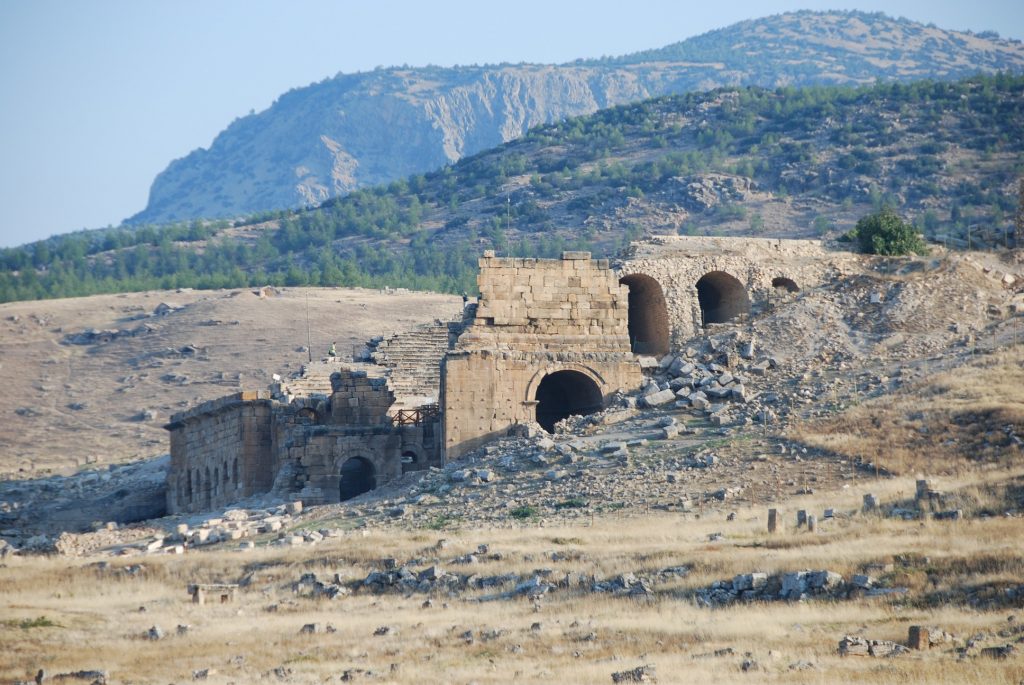
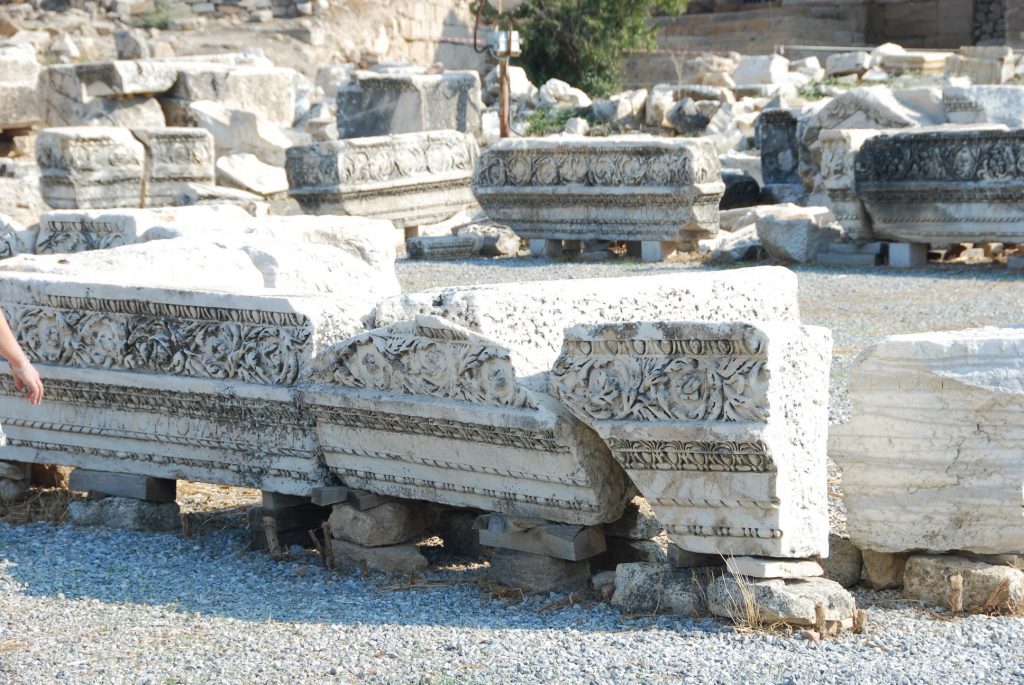
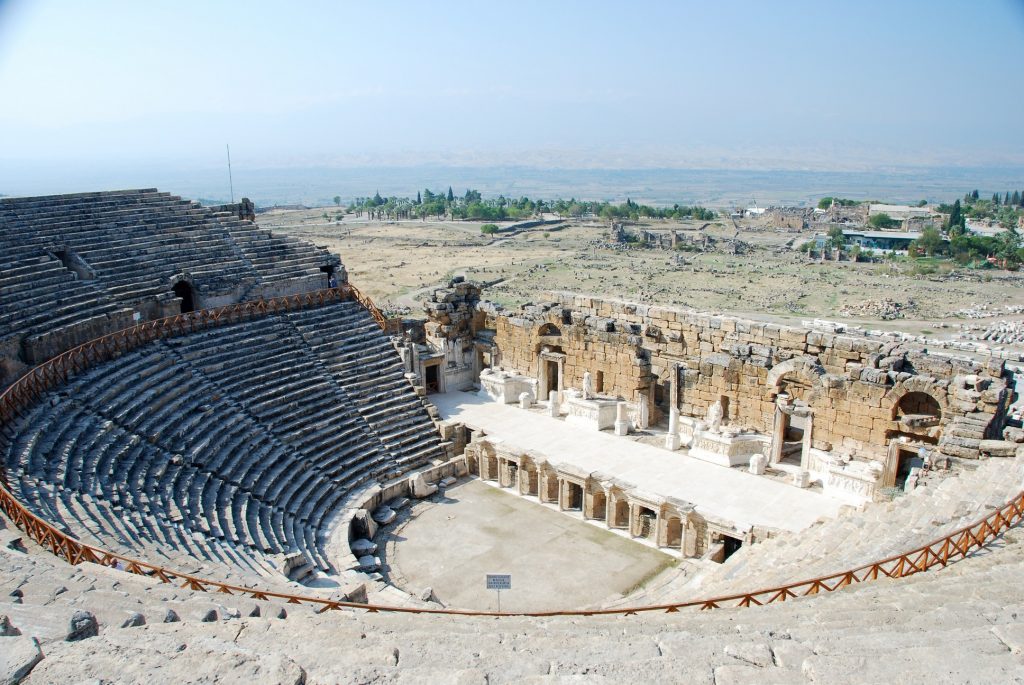
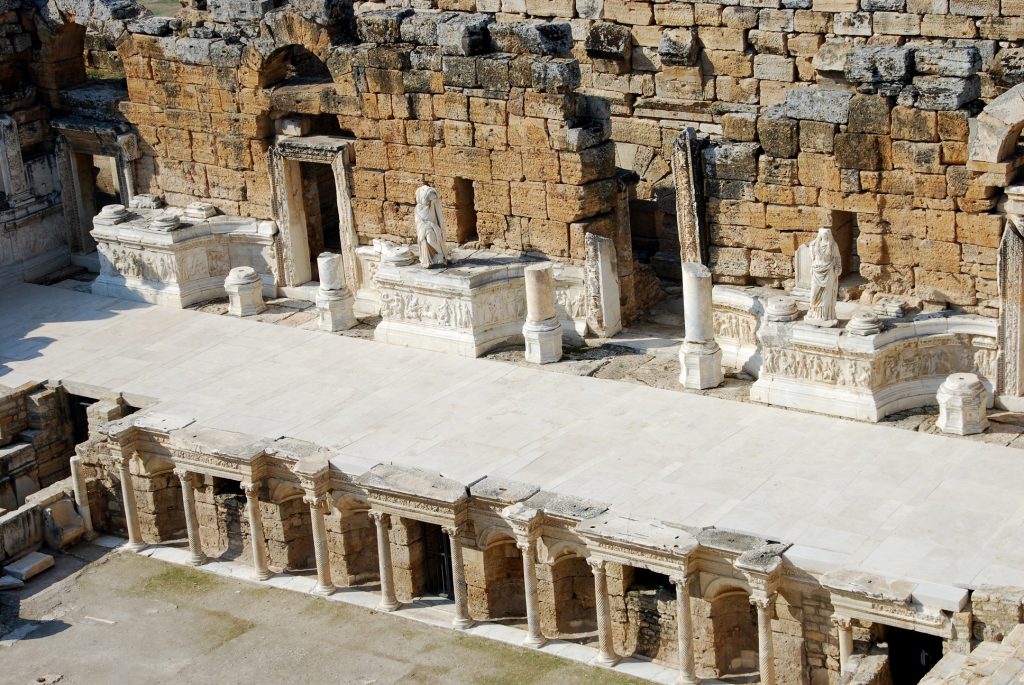
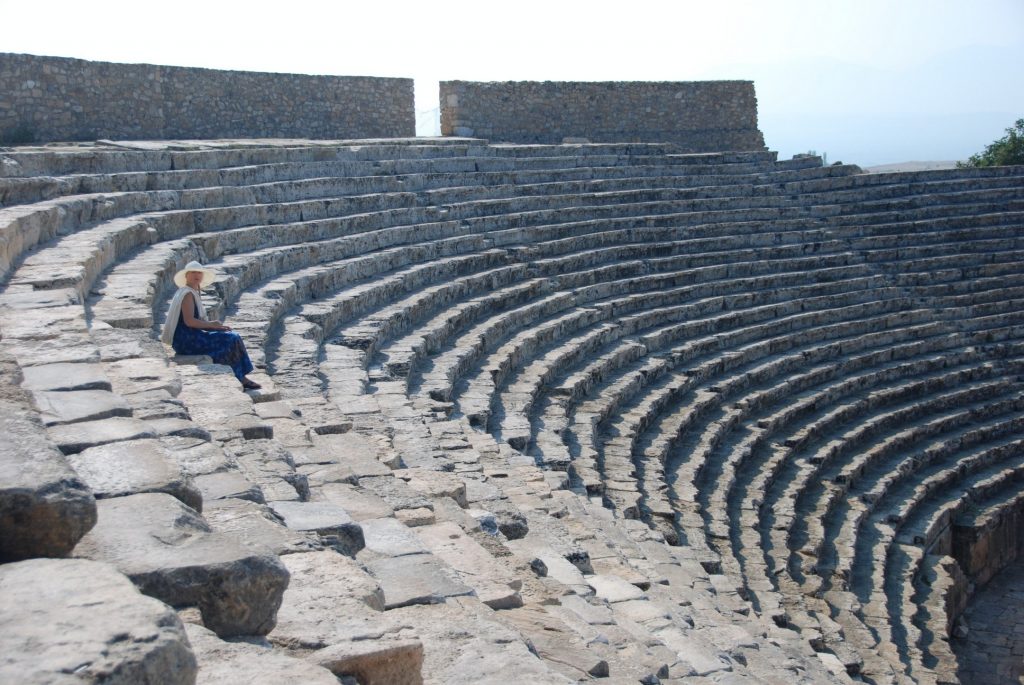
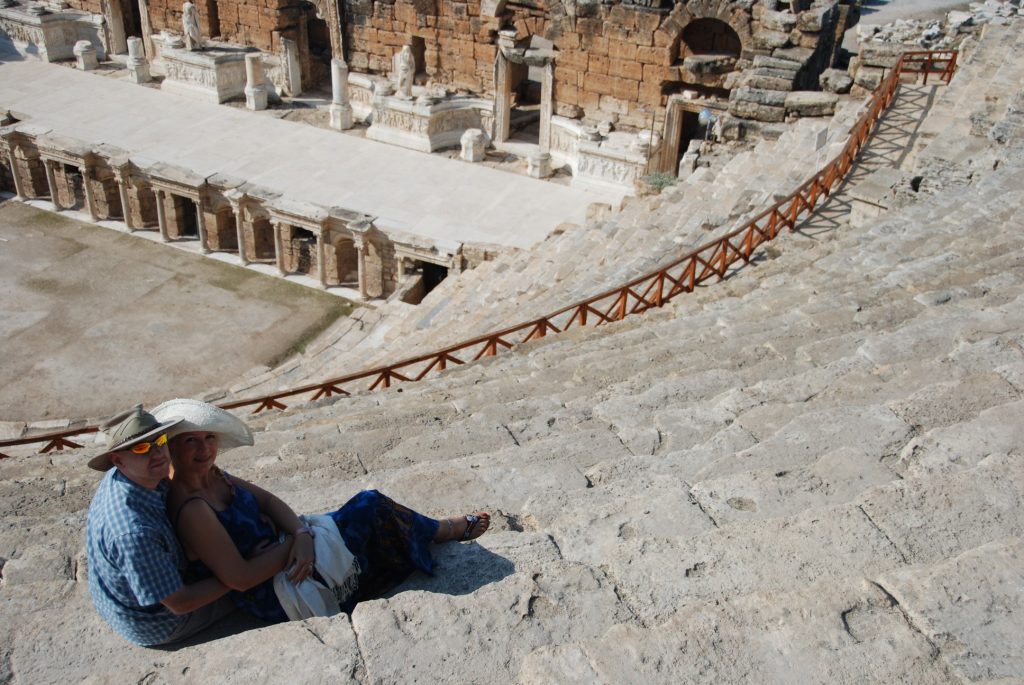
Hieropolis was the next place on the tour but I think it was an afterthought as it is next to the famous cascades at Pamukkale. Hieropolis is a Roman city, built on the remains of earlier Greek cities that were destroyed by earthquakes. The remains are impressive but by this stage we were like “oh look, yet another Graeco-Roman theatre”.
Hieropolis
Pamukkale
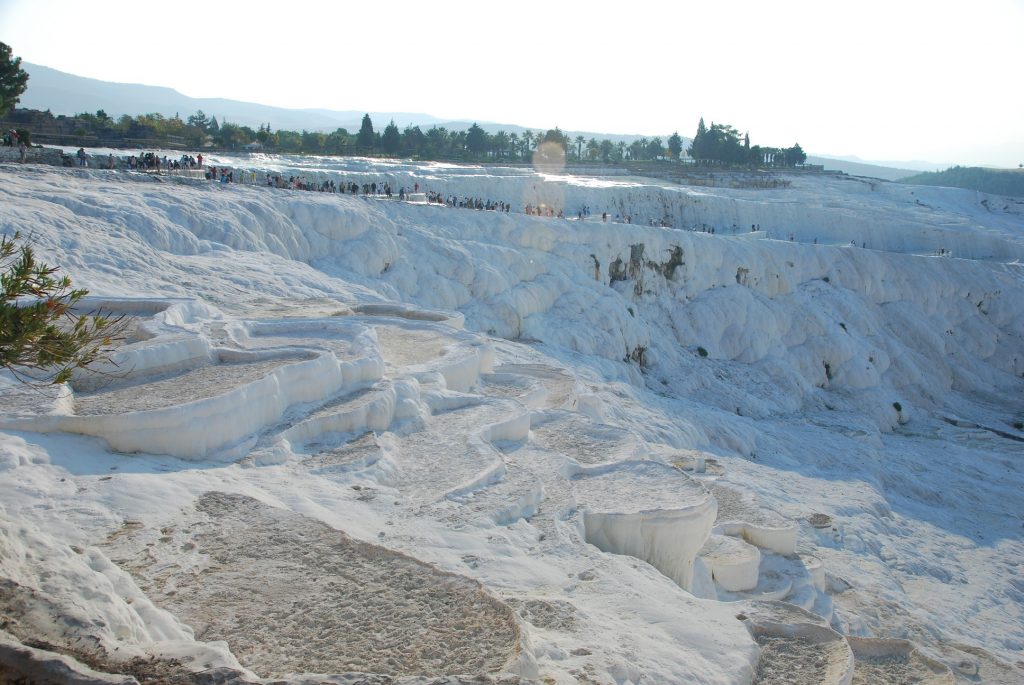
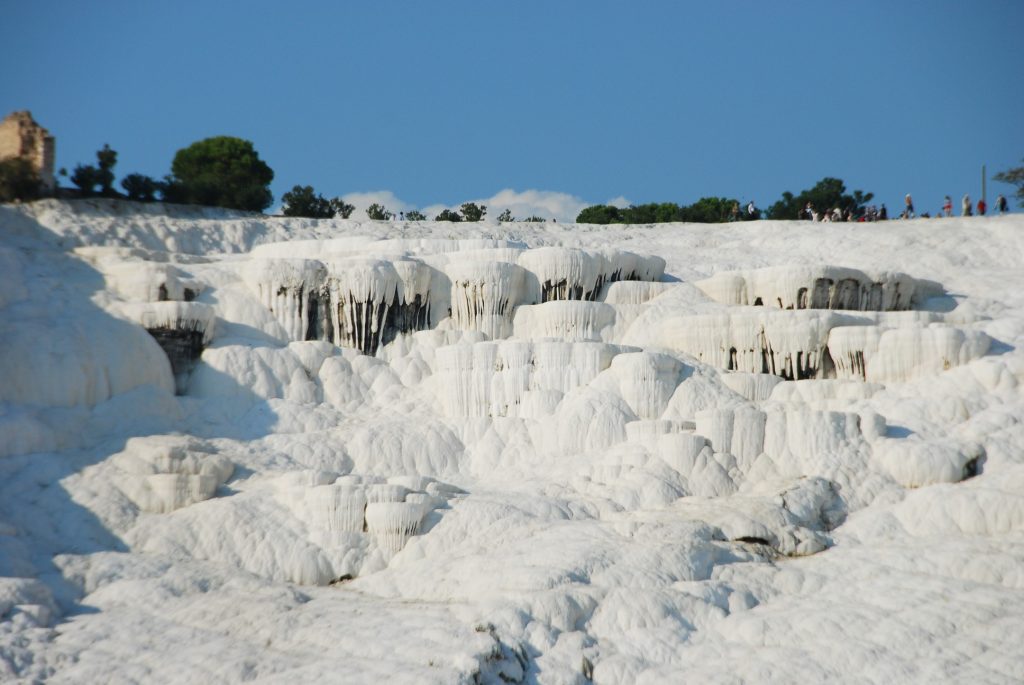
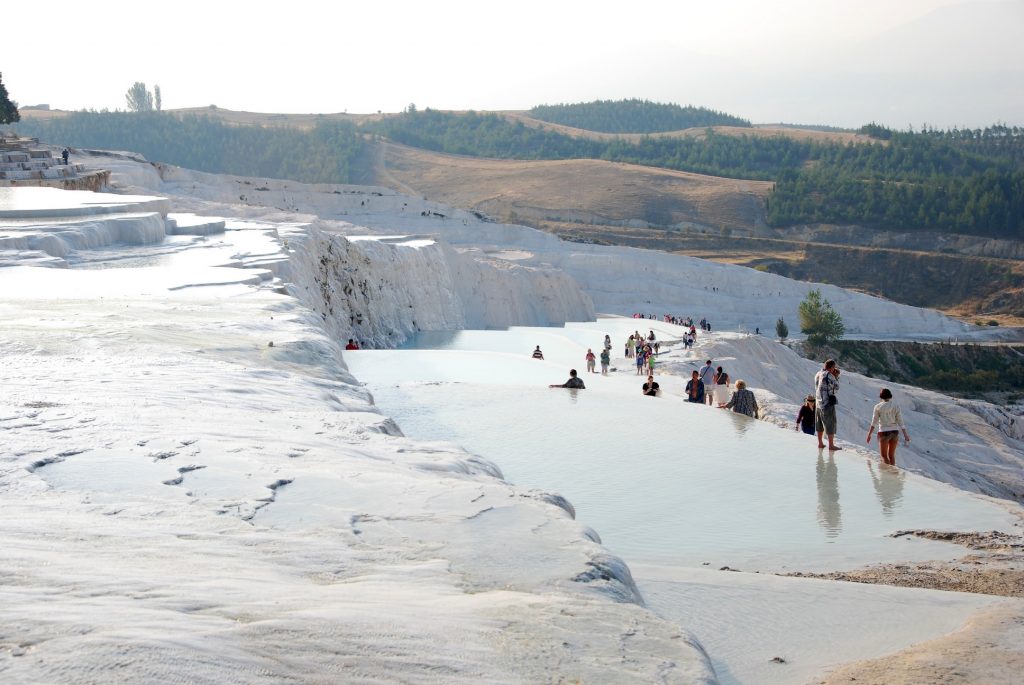
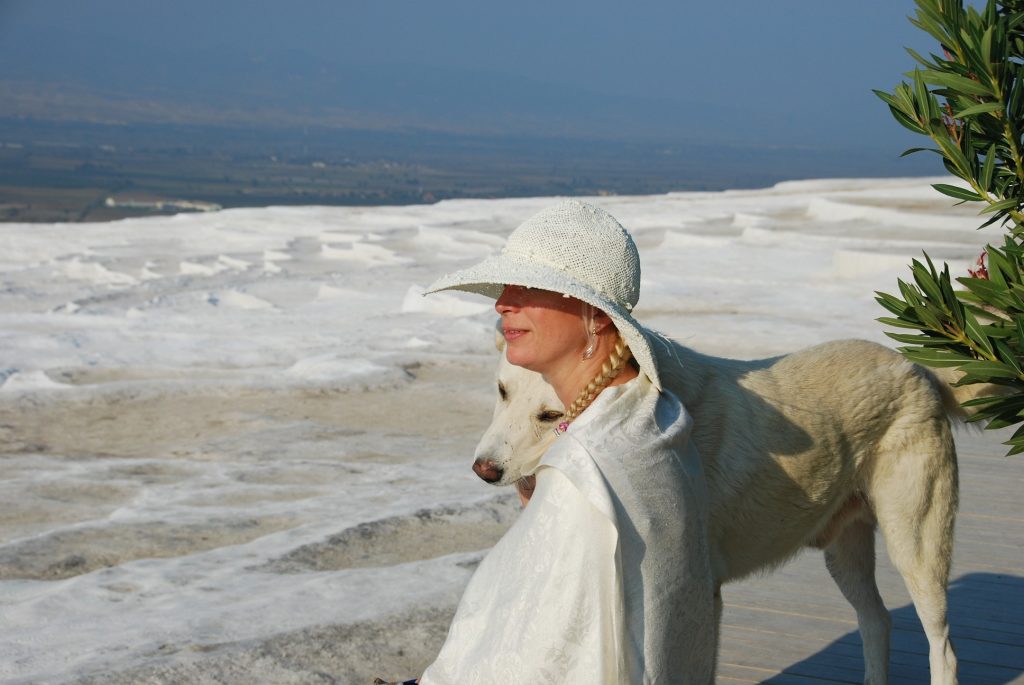
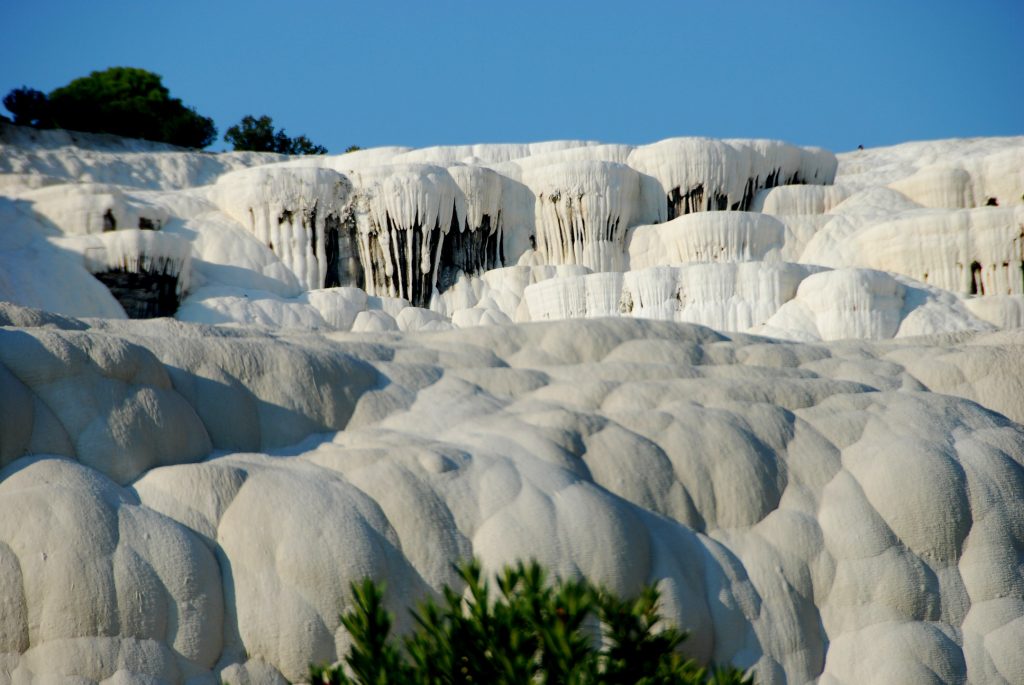
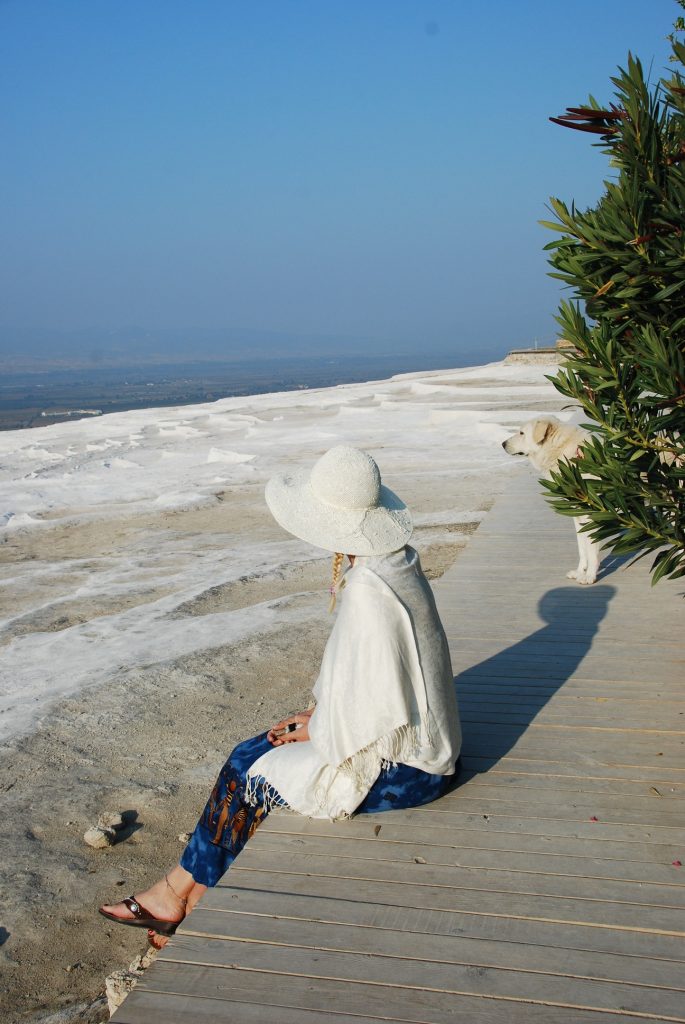
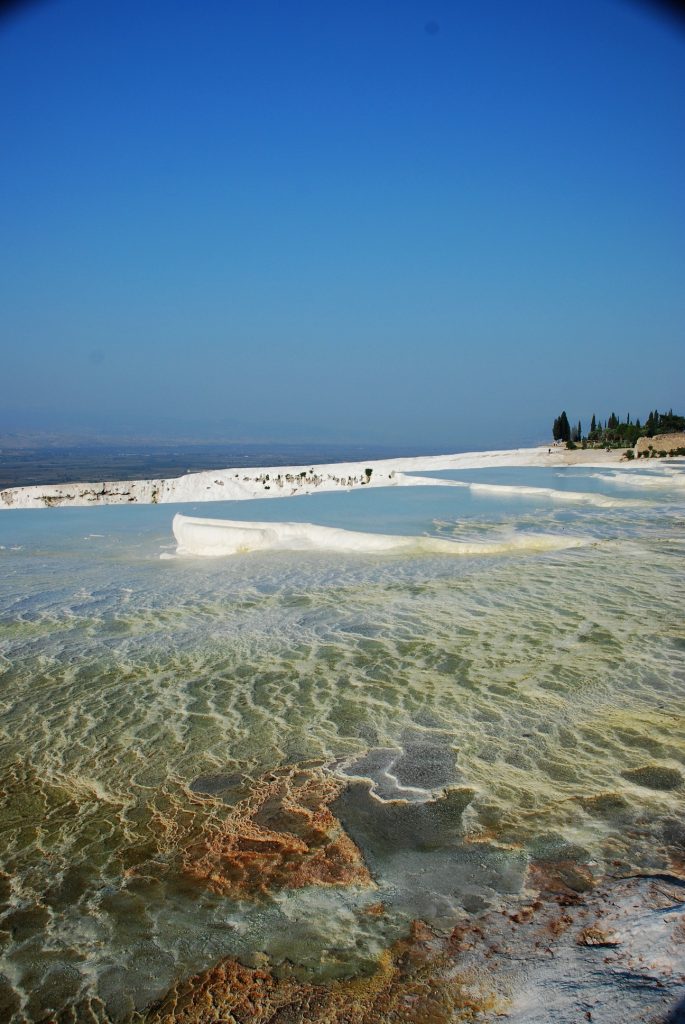
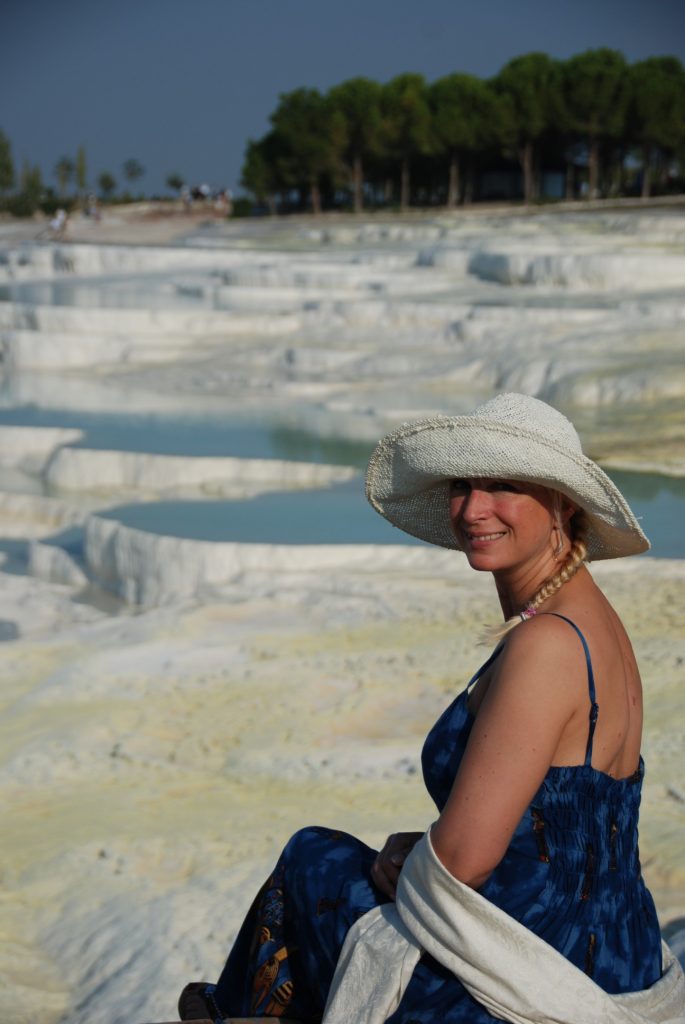
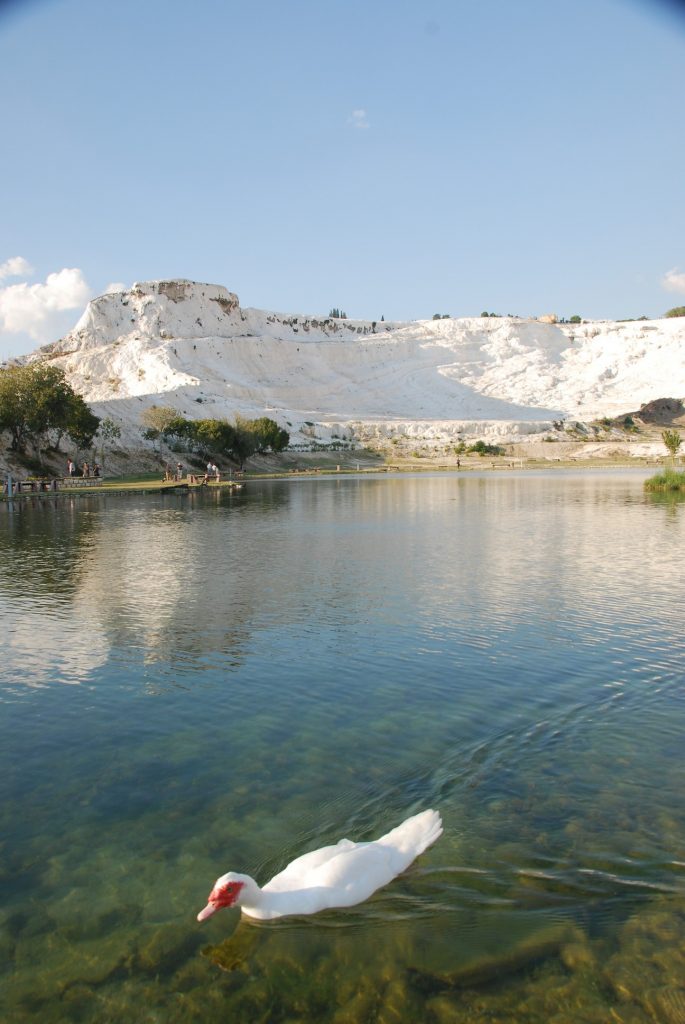
Like many of the other sites we visited, the cascades at Pamukkale are a UNESCO heritage site. The city of Hieropolis was originally a base for people visiting the hot spas and they have been used for at least 2000 years. You can’t swim in the pools anymore but they are still lovely to see and the name (Cotton Castle) is very apt, looking like cotton that the nearby giants draped out to dry (to quote Wiki) .
Antalya
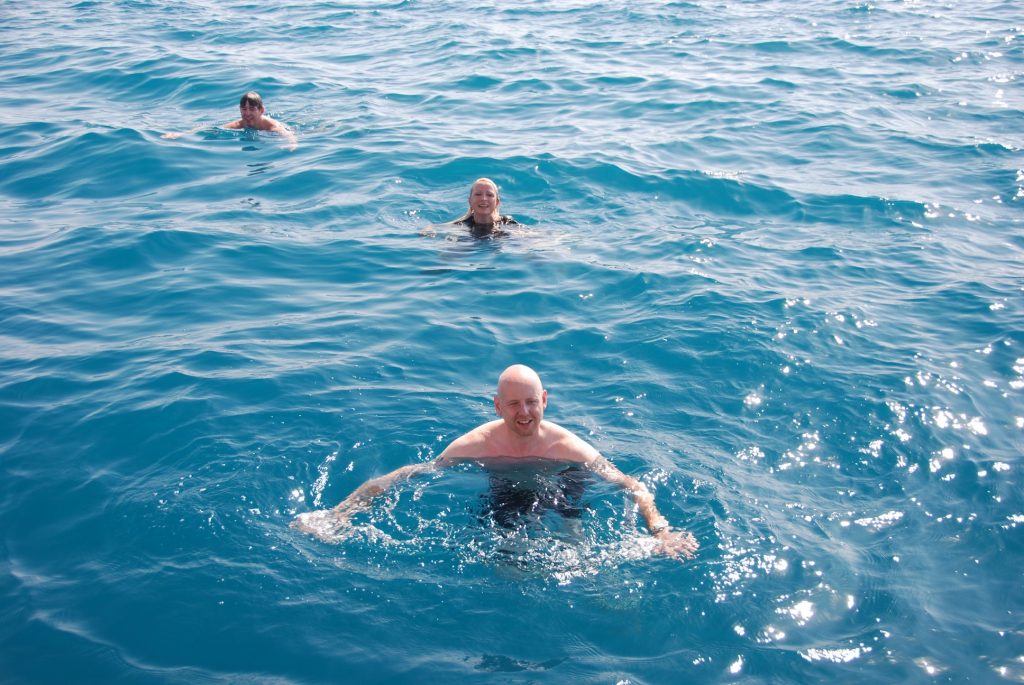
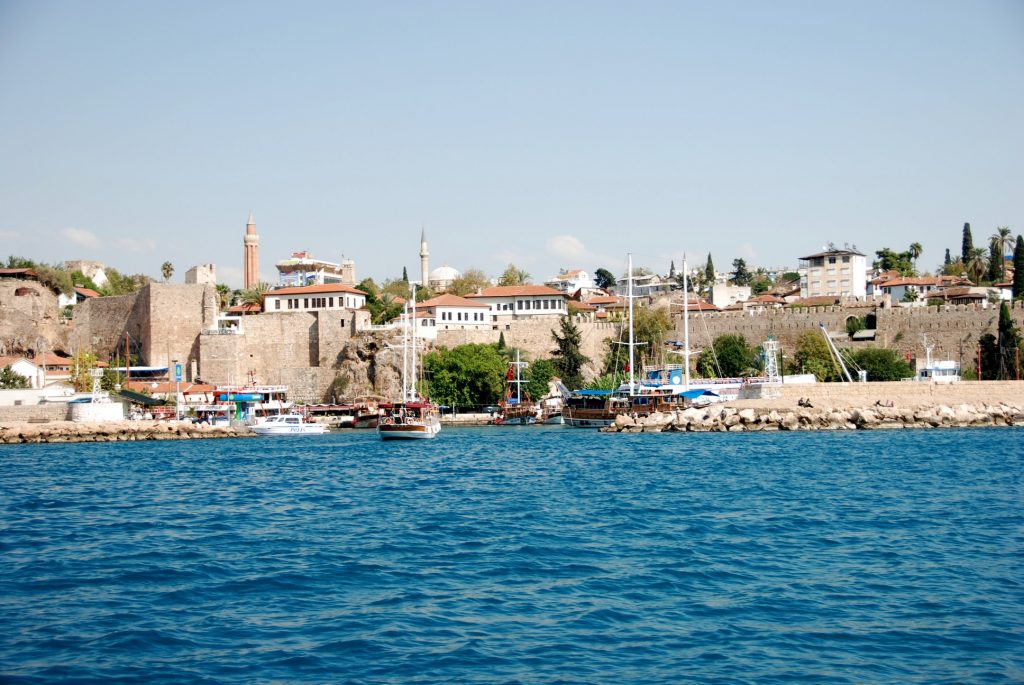
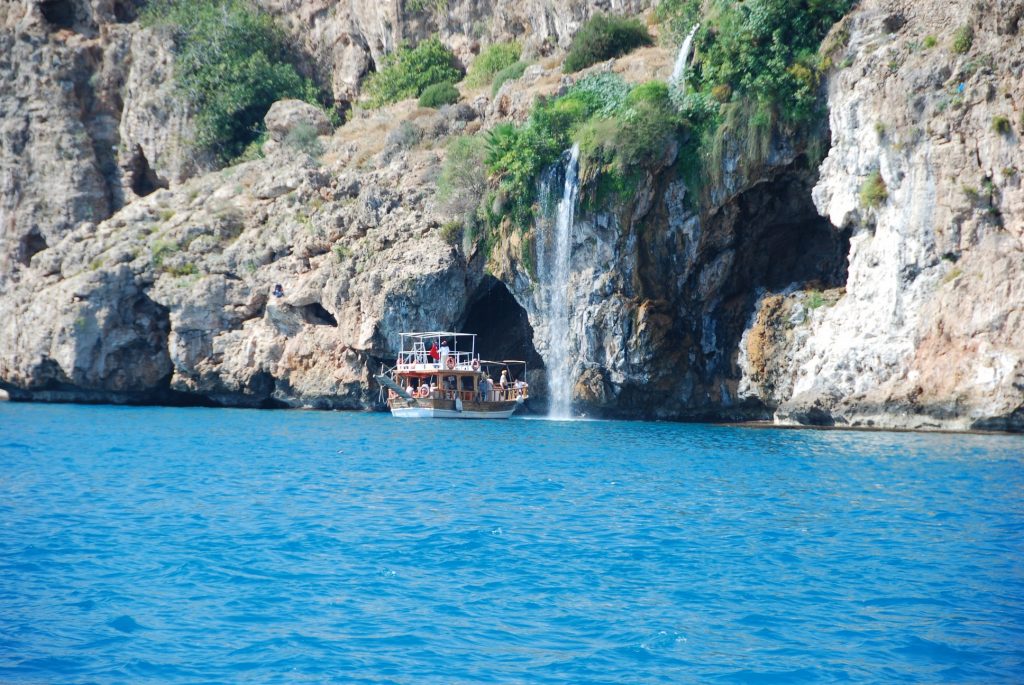
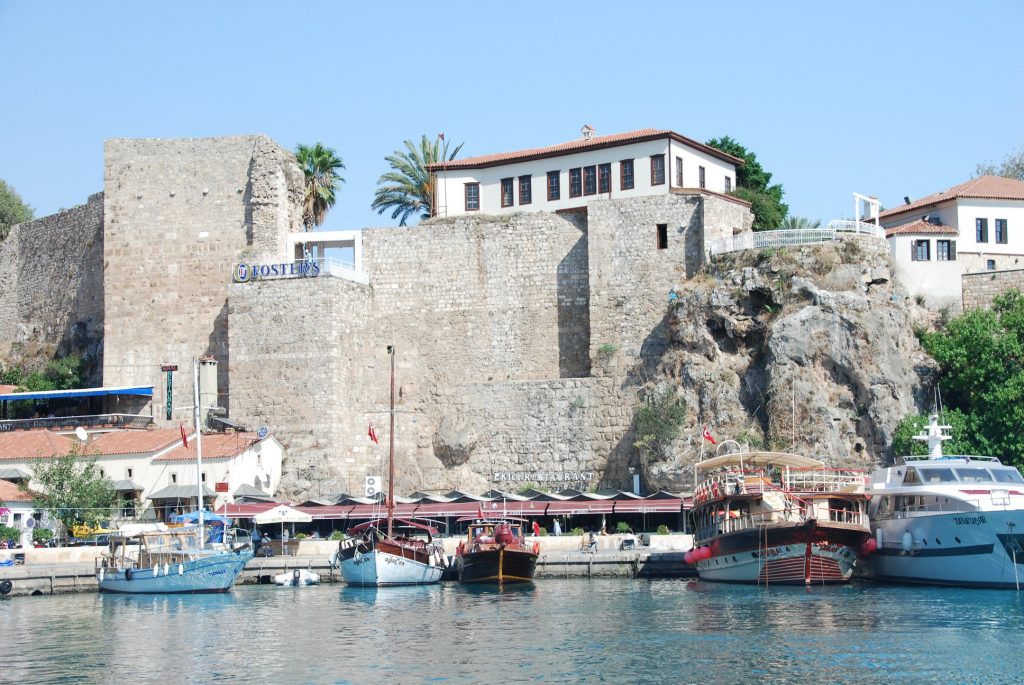
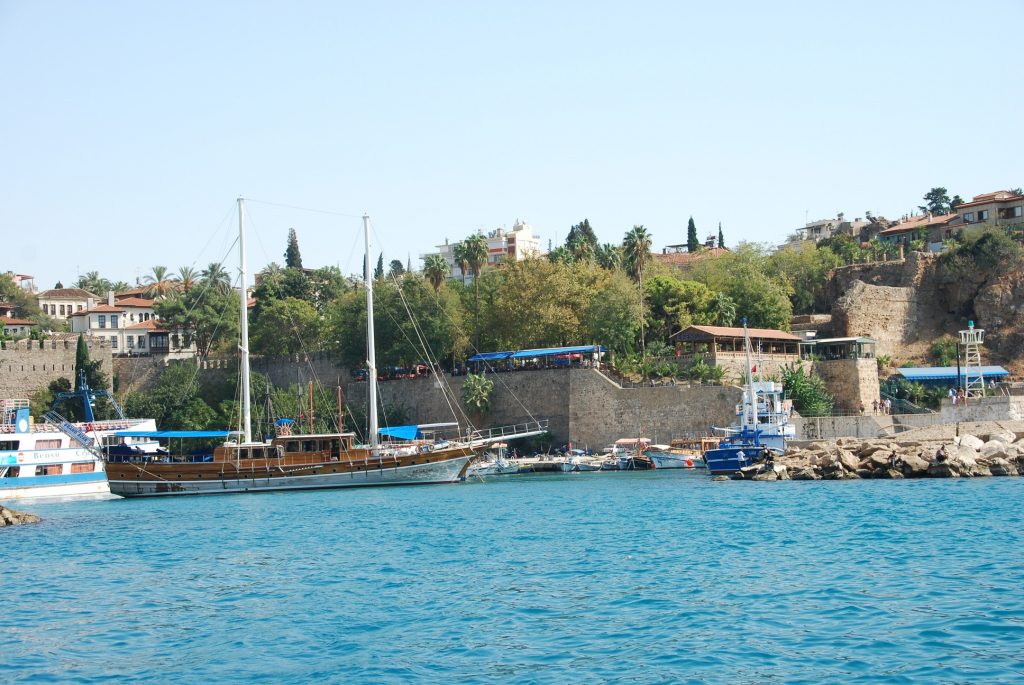
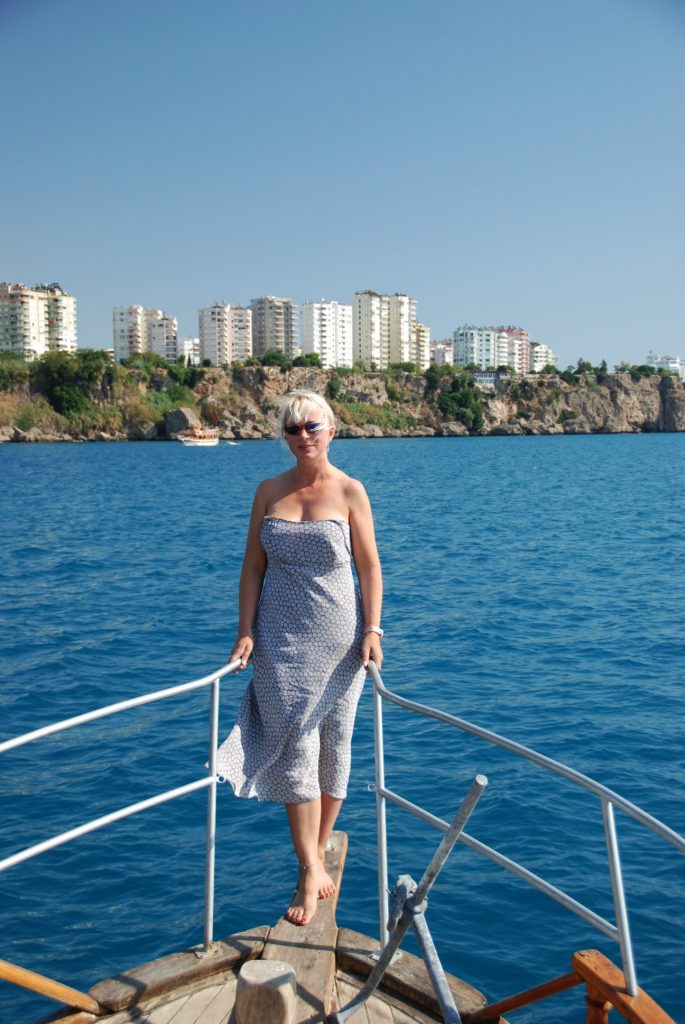
The tour ended in Antalya and the rest of the group flew back from there but we extended it for a few days to spend some time relaxing. We didn’t visit many of the sights of the city but spent a lot of time just ambling around the harbour and even did some swimming!
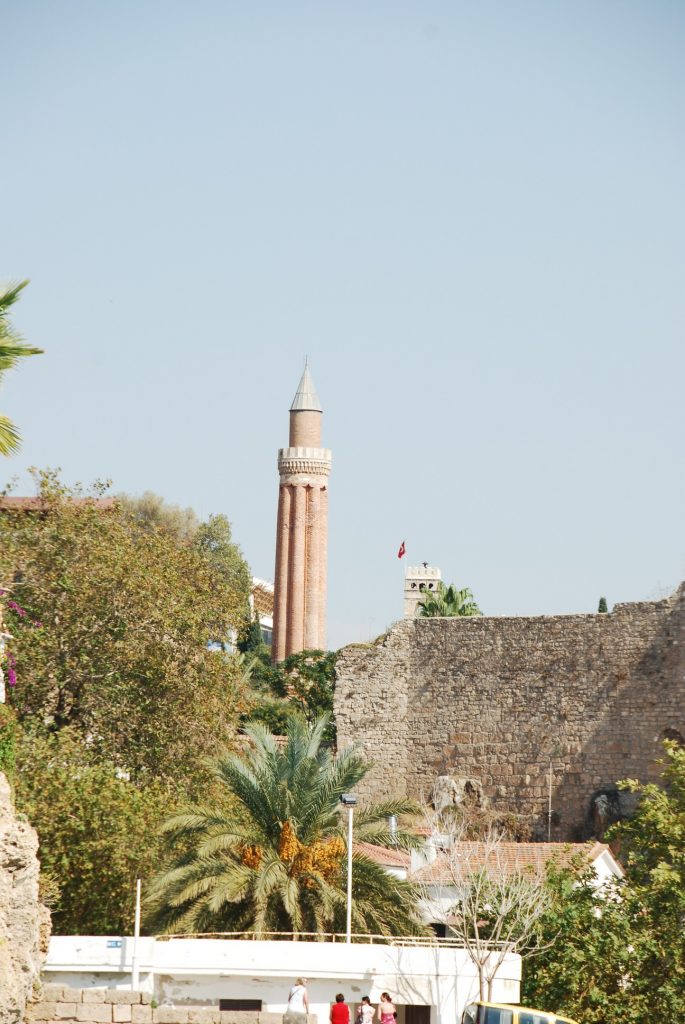
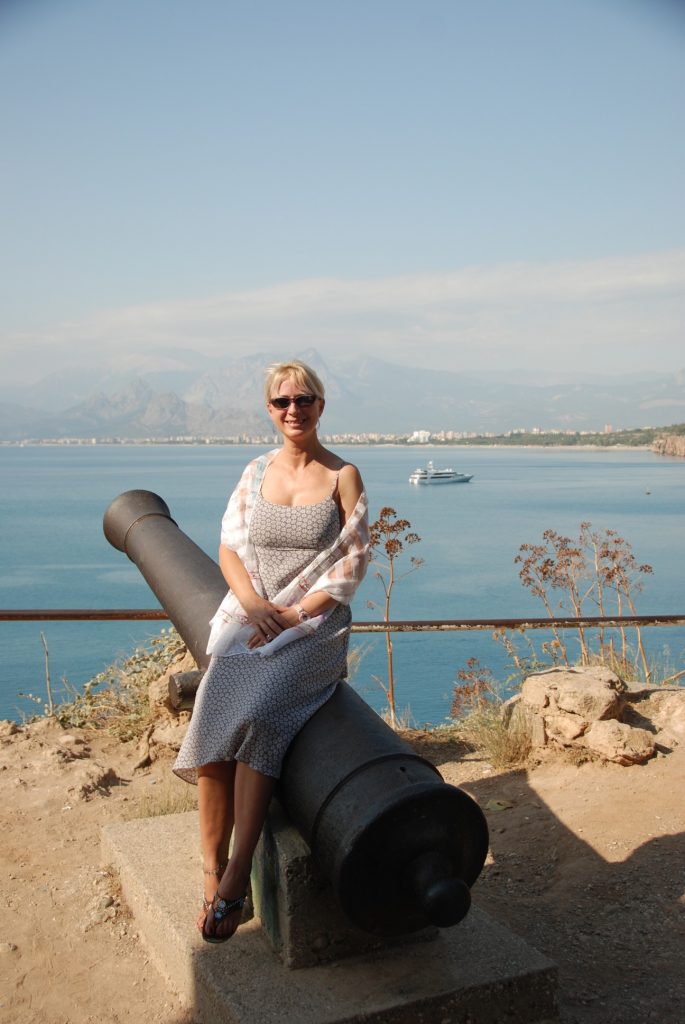
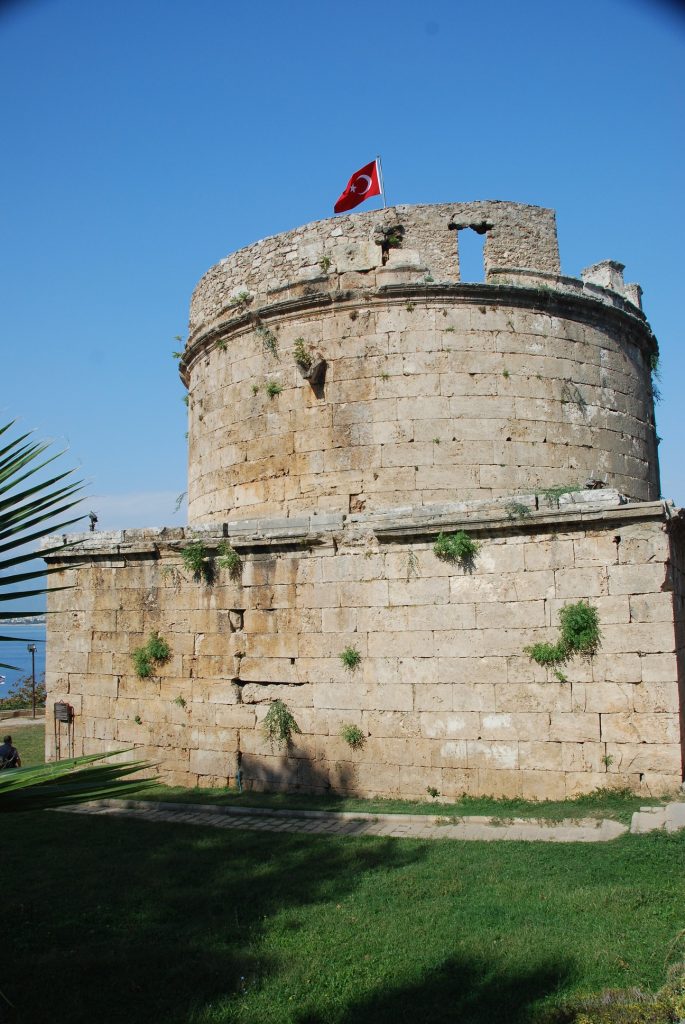
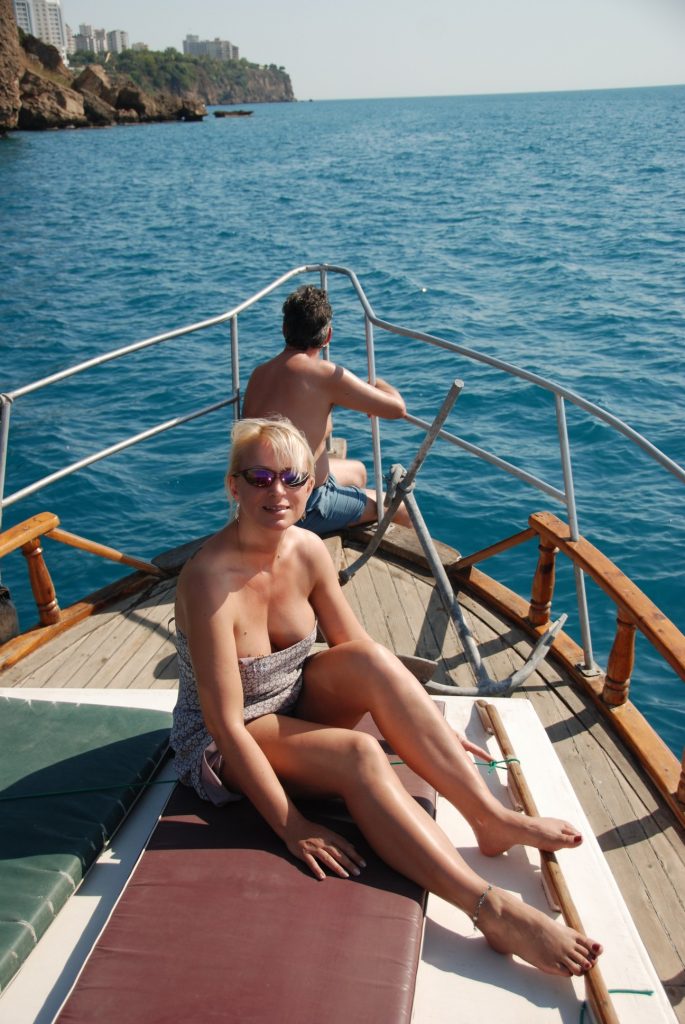
It was a superb tour and a great introduction to the area. It was amazing the number of kingdoms that had risen and fallen in the area and empires that had fragmented or been reborn. We focused on classical antiquity but there were plenty of Crusader and Ottoman sights too. It really has whetted by appetite to return and do a self drive, planned Western Turkey road trip.
2008
Pingback: Berlin 2015 - Realistic road trips and city breaks
Very soon this website will be famous among all blog viewers, due to it’s pleasant content
That would be nice, thank you.
Hi there! This article could not be written much better!
Looking through this post reminds me of my previous roommate!
He constantly kept talking about this. I will forward this article to him.
Pretty sure he’ll have a good read. Thanks for sharing!
What’s up, its pleasant piece of writing regarding media print, we all understand media is a fantastic
source of information.