

Our first trip away after 5 months of Covid restrictions (and 3 cancelled holidays) was a long weekend break in medieval Suffolk and Norfolk. Not quite the weekend in Gdansk we had planned and was cancelled on us the week before but it was lovely to get away. Covid meant that the places we were visiting were by times slots only so we had to plan carefully.
We set off at 8.30 (actually 8.45 by the time Deb was ready 😉 ) and it took over 4 hours of driving to reach our first destination. This as a bit of a shock to the system as I hadn’t done much driving at all in the last few months and we did have a minor panic when the first services we stopped at had closed toilets because of covid. Kinda defeats the point of a services really!
Castle Acre Priory
We arrived about 20 minutes late at Castle Acre Priory after driving through some beautiful Norfolk villages on a typical English summer day with glaring sun and lashing rain in the space of ten minutes. Being an English Heritage site everything was well organised although the car park was small and a lot of visitors seemed to park in the village and walk. There was a marked one way route through the grounds of the priory so we set off to explore.
Built in the decade after the Norman Conquest the priory was of the Clunaic Order and was built alongside the nearby castle. The prior’s lodging was one of the last buildings to be completed and also the only one that survived almost intact. Sadly for our visit, the building is currently surrounded by scaffolding so we couldn’t go inside or see anything of the exterior. After Henry VIII’s dissolution of the monasteries in the 1530’s much of the priory was sold and demolished.
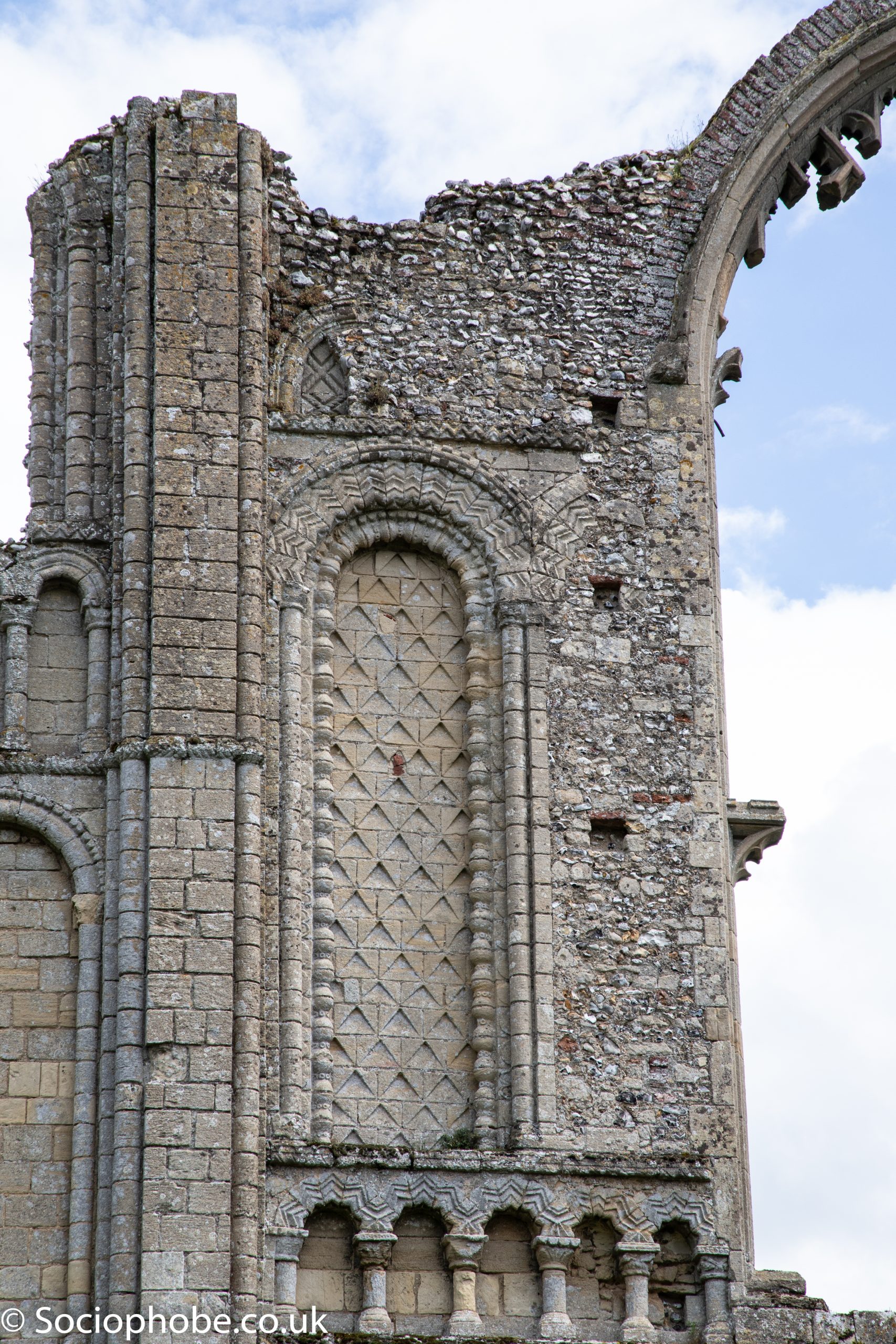
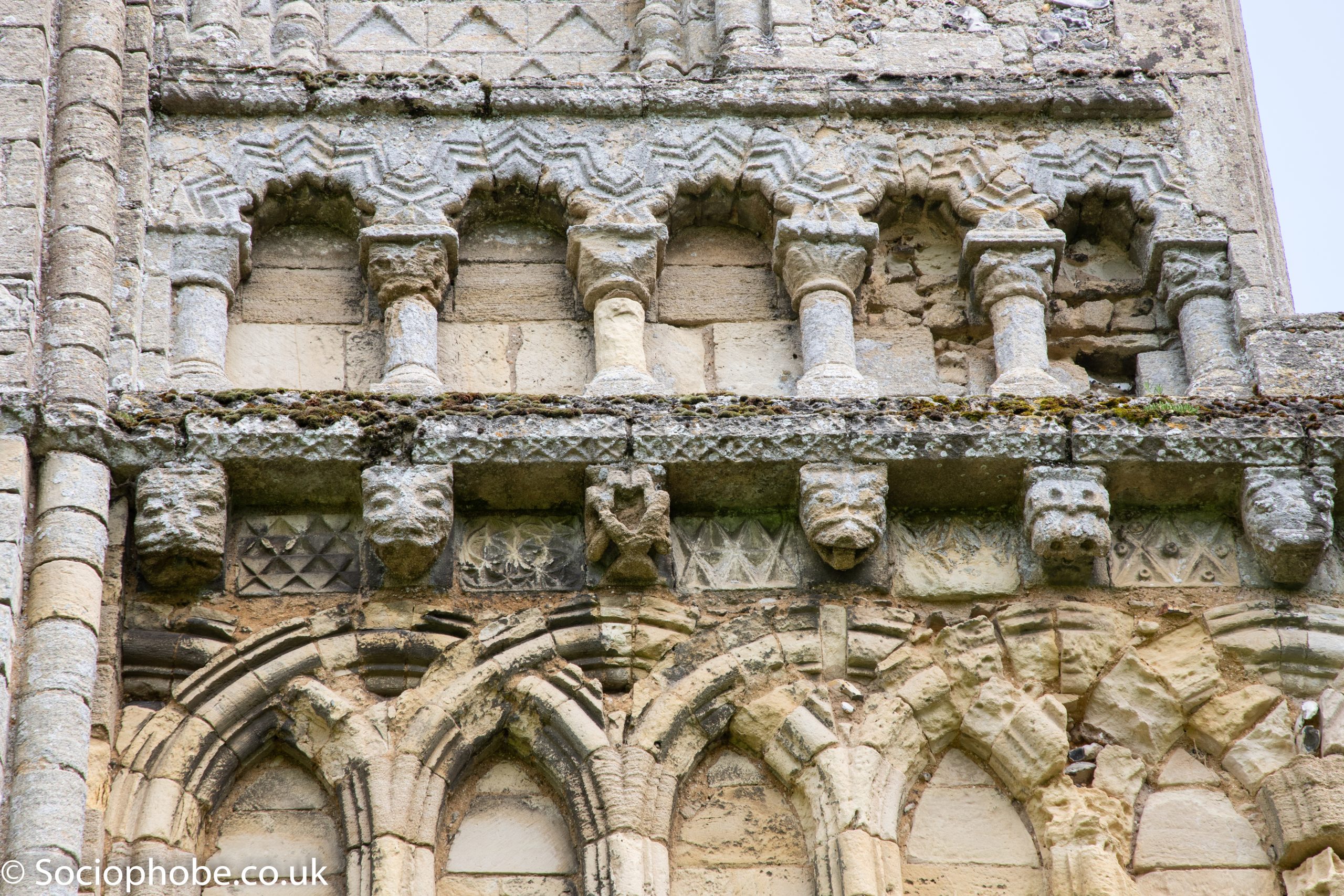
The priory must have been impressively large in its heyday but now almost all the stonework had been looted and there was only one with with some splendid carvings and designs. Most of the rest was just bare flint and it was difficult to get any sense of the original building. Perhaps the best preserved element was the latrines, a 2 story building built over a stream that was probably quite sophisticated for its time and almost equalled Roman hygiene from 1200 years earlier!
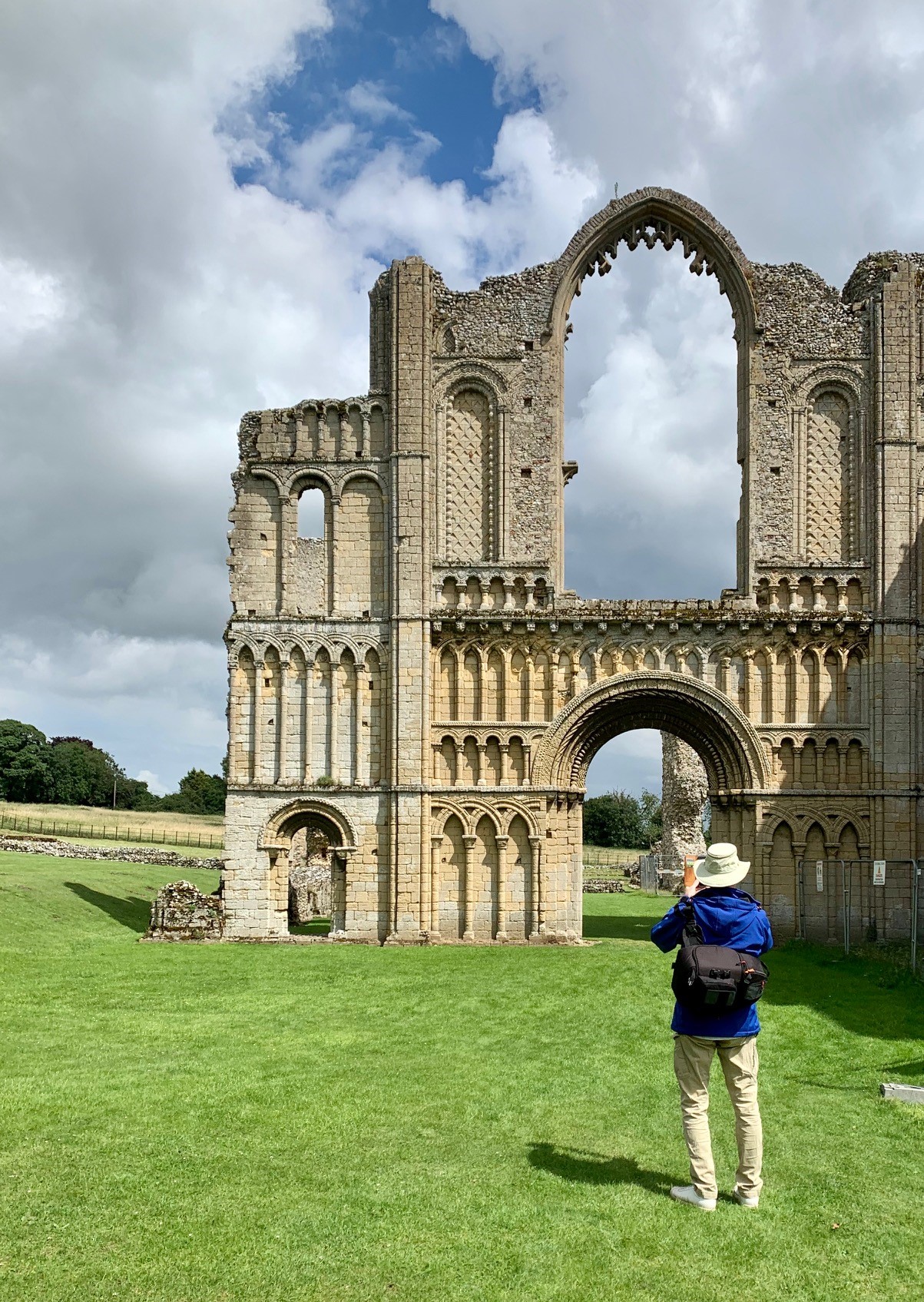


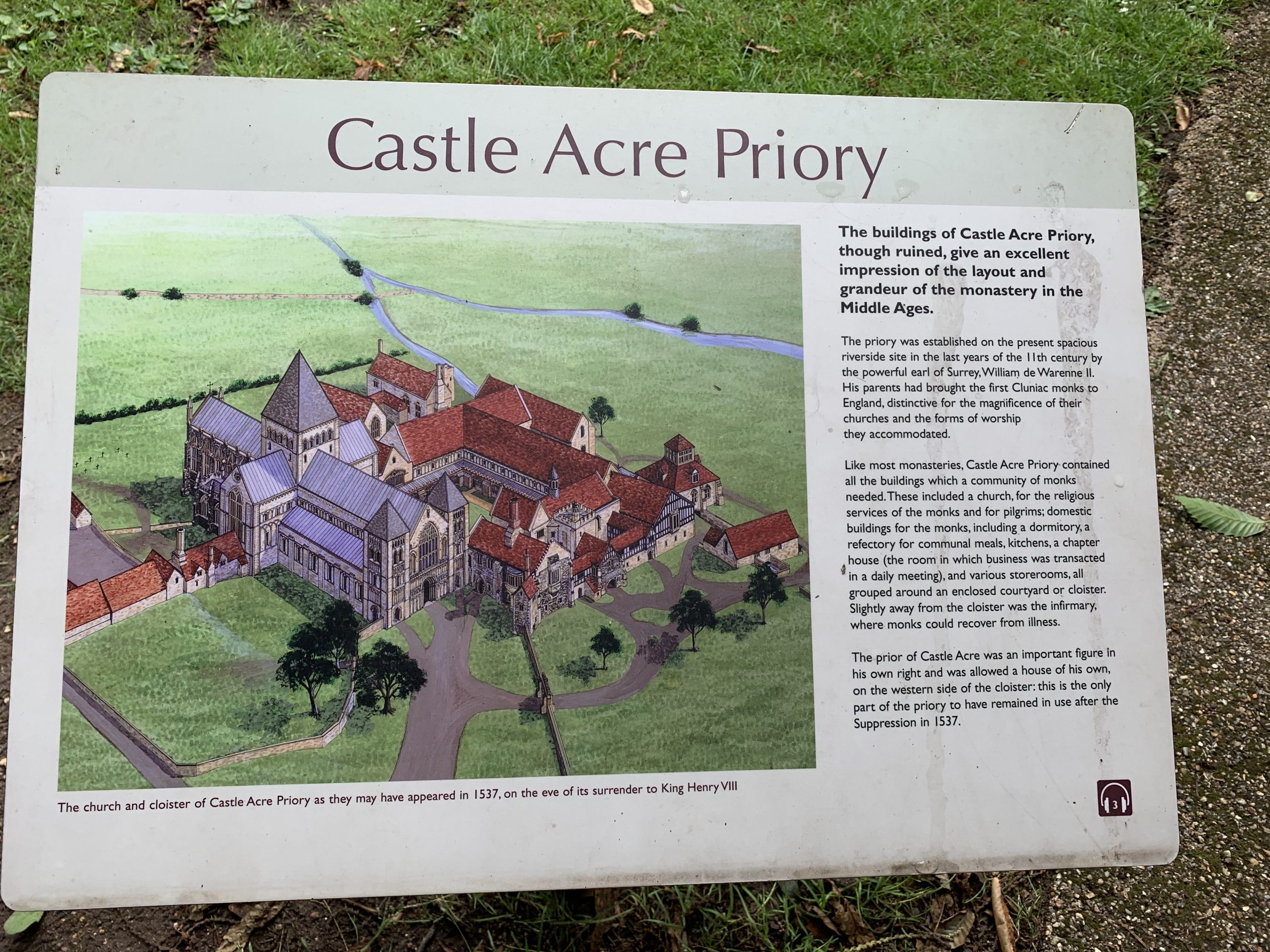
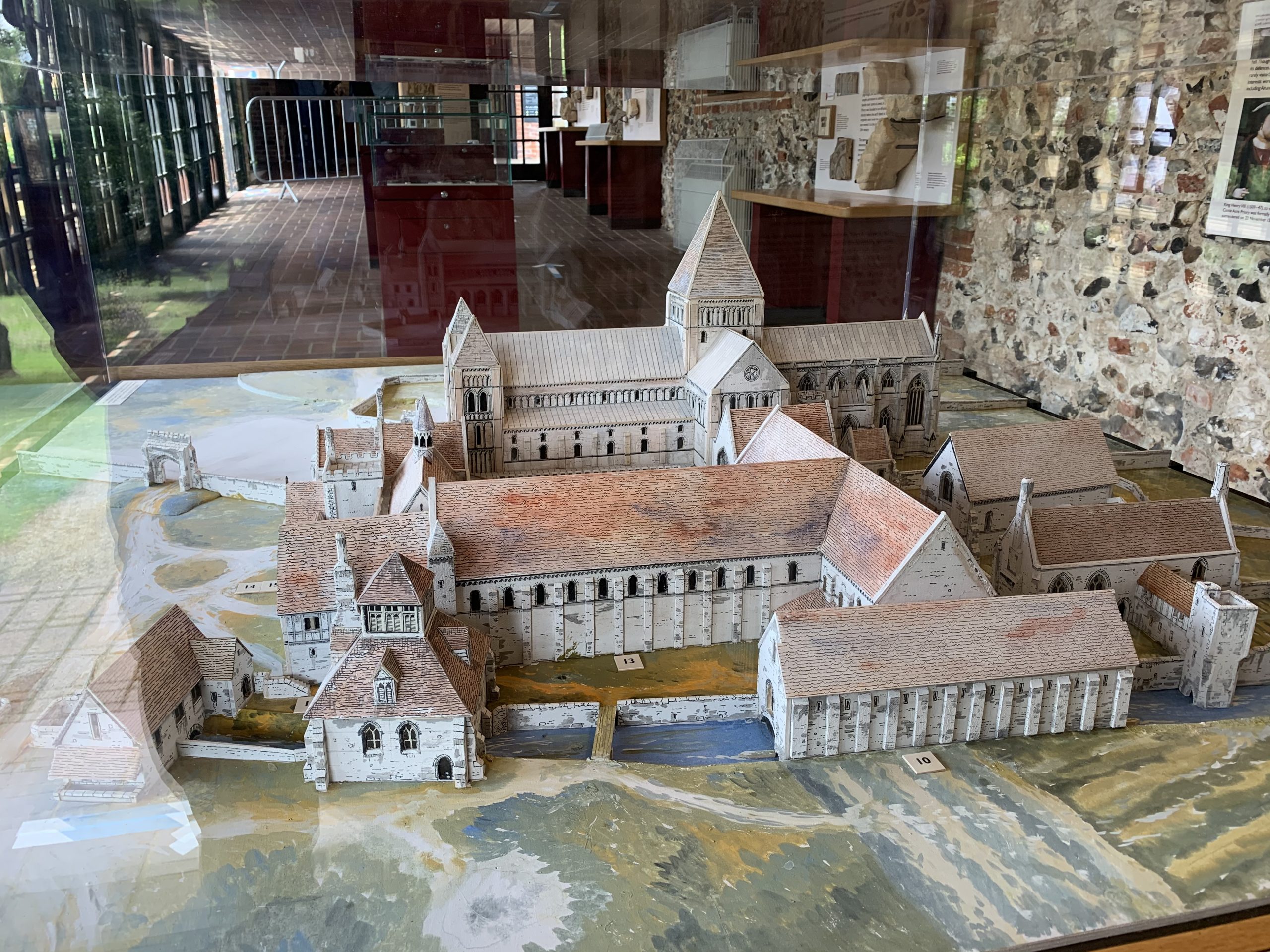


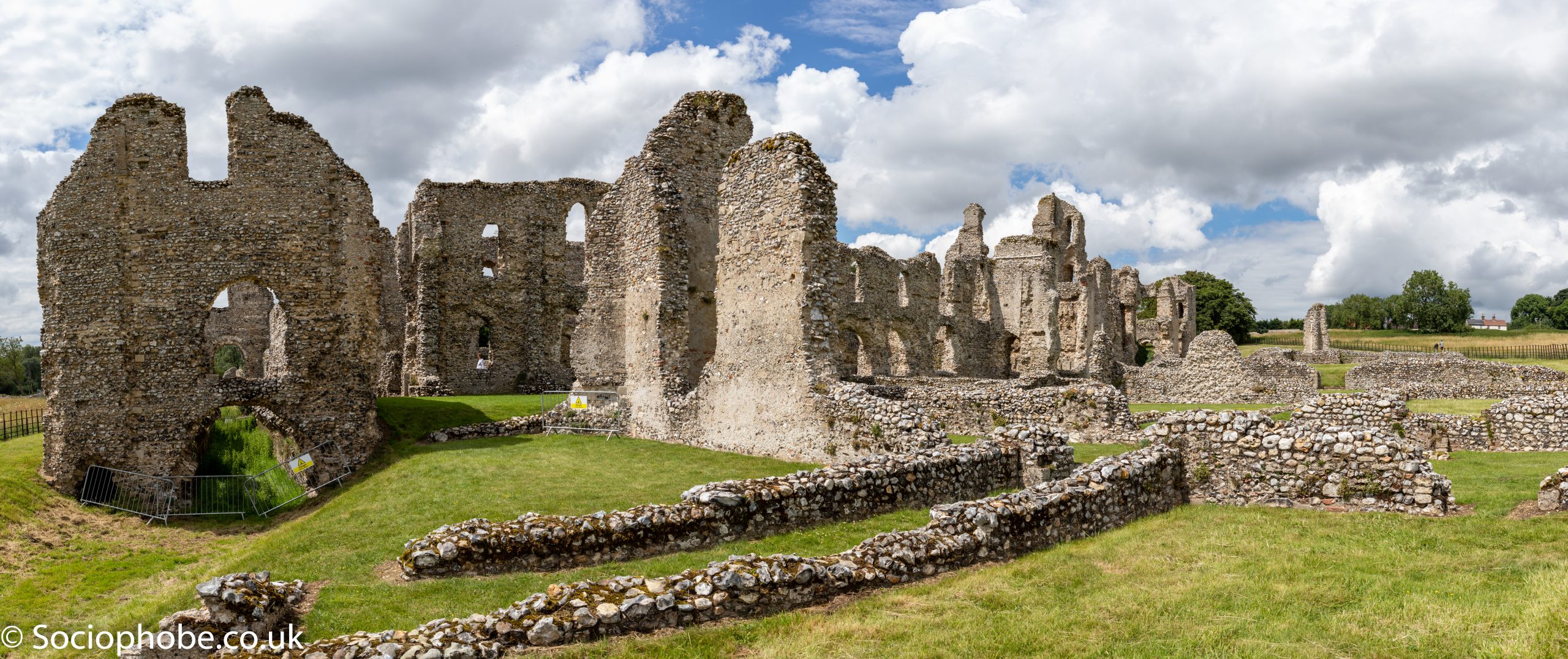
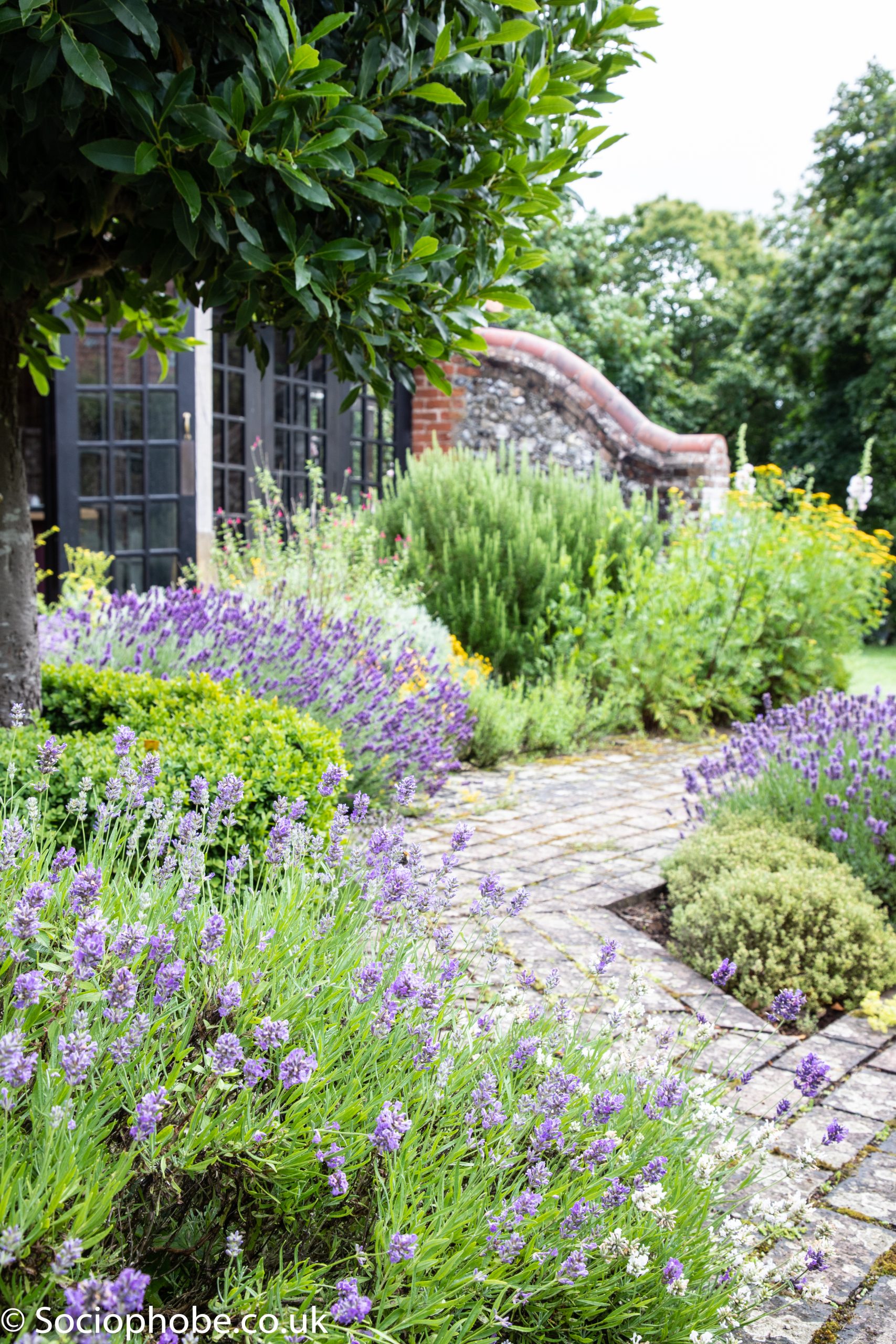

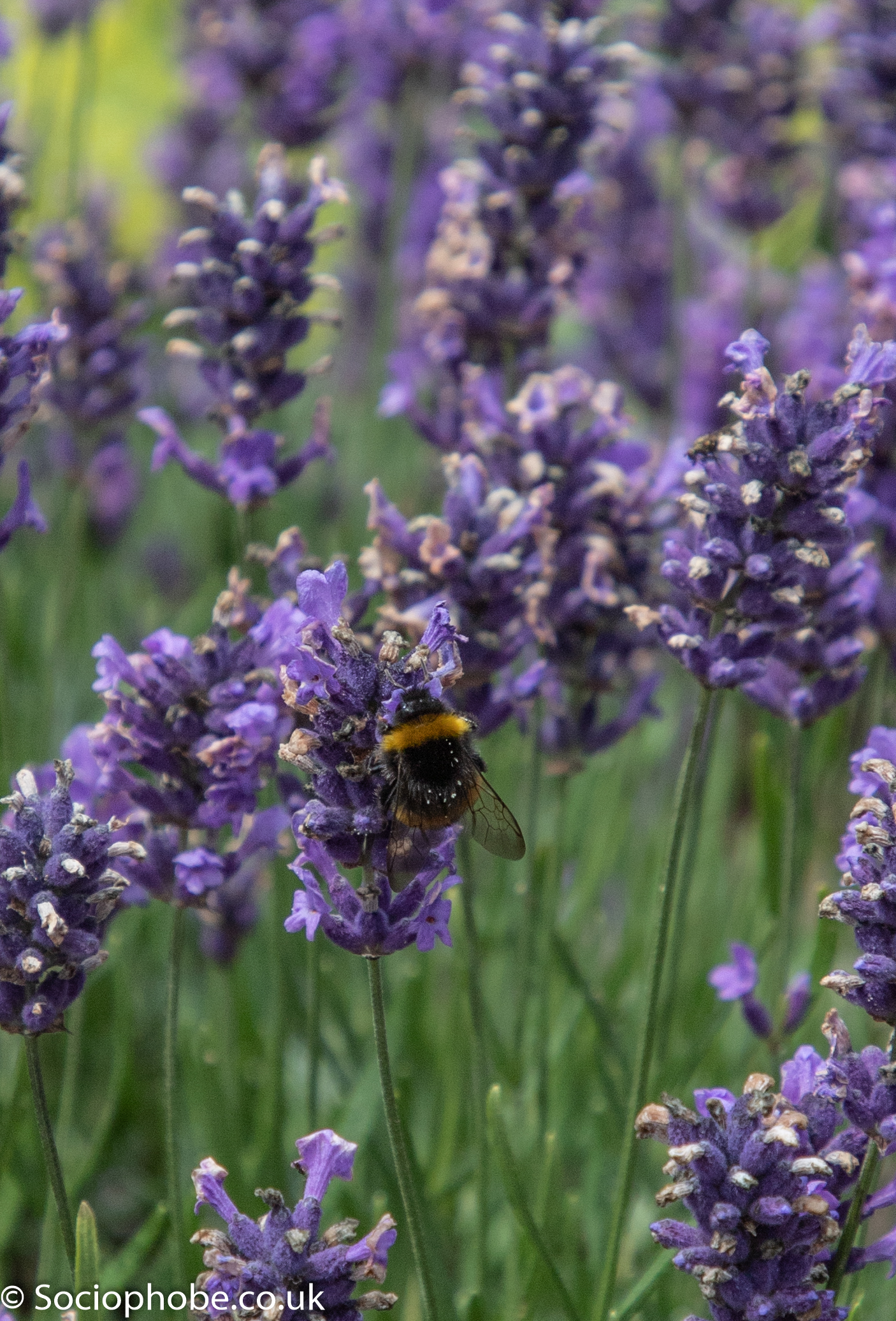


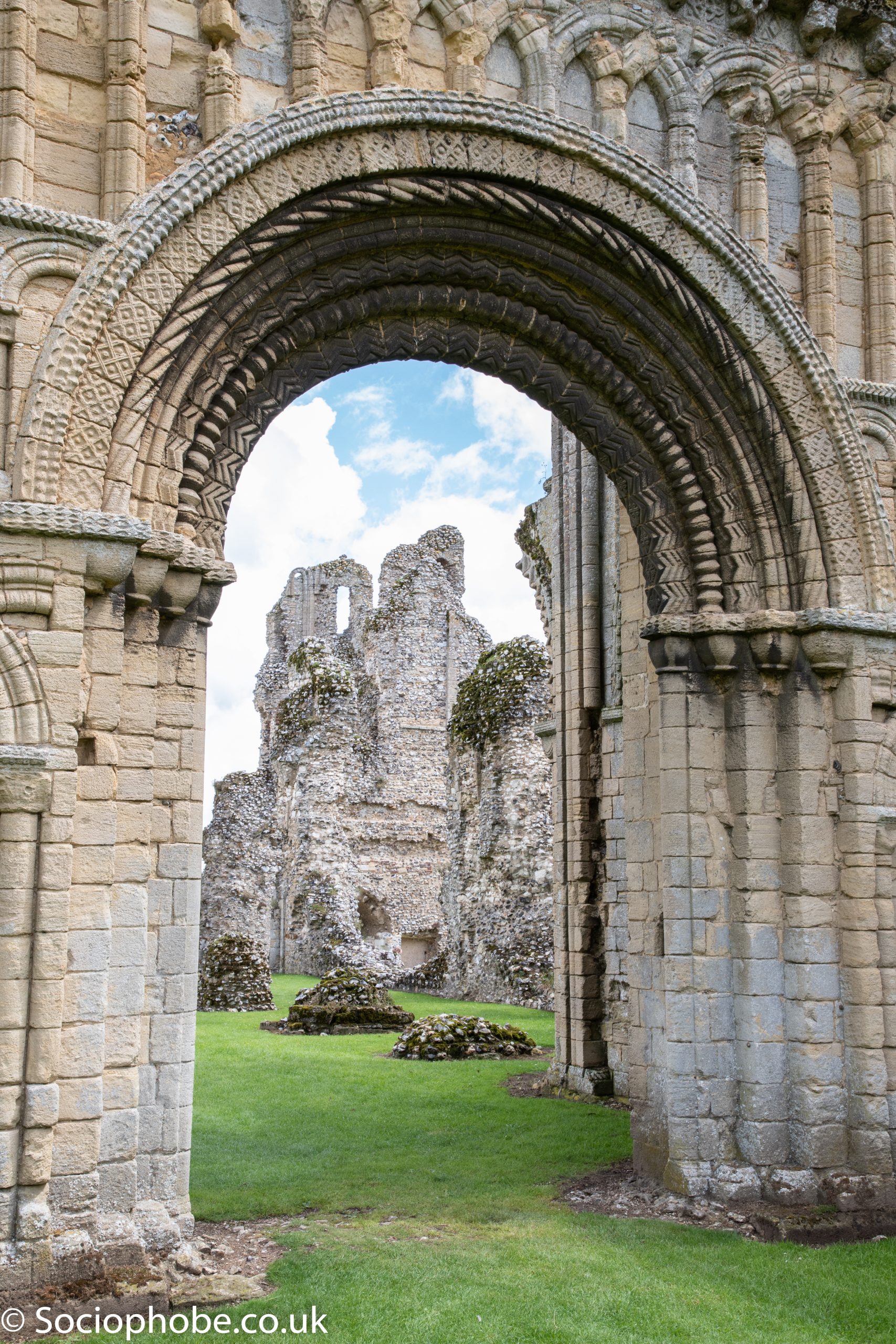
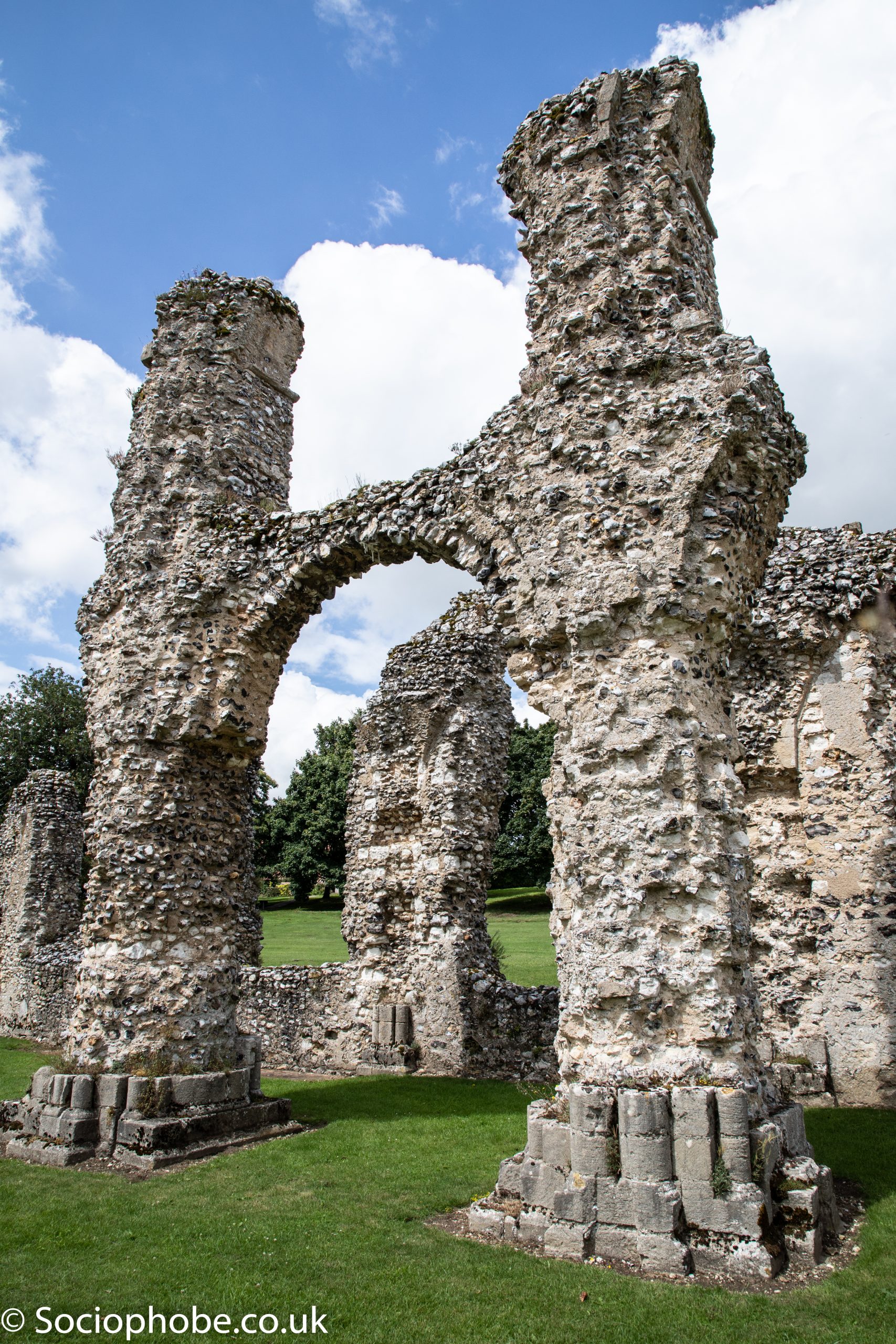
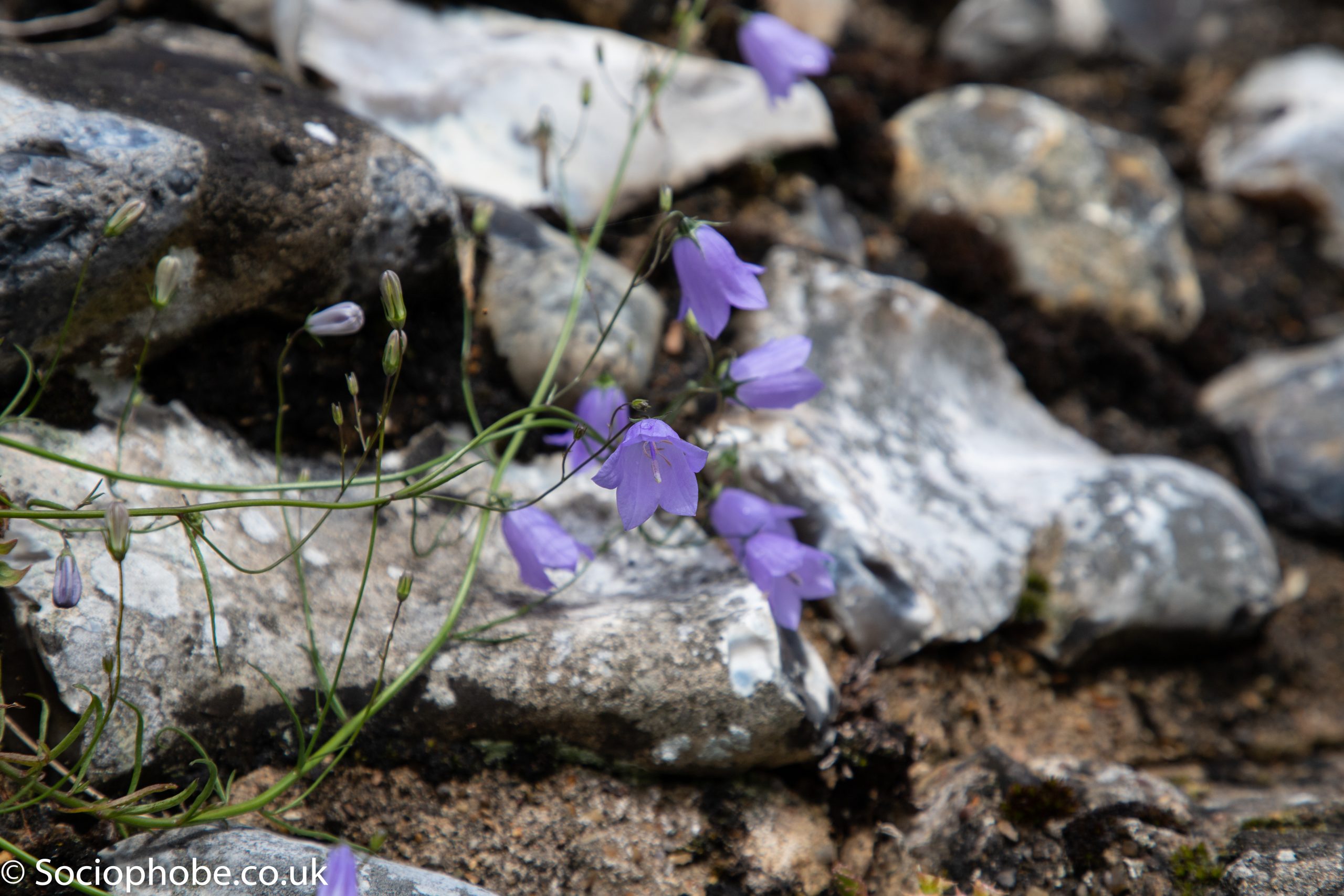
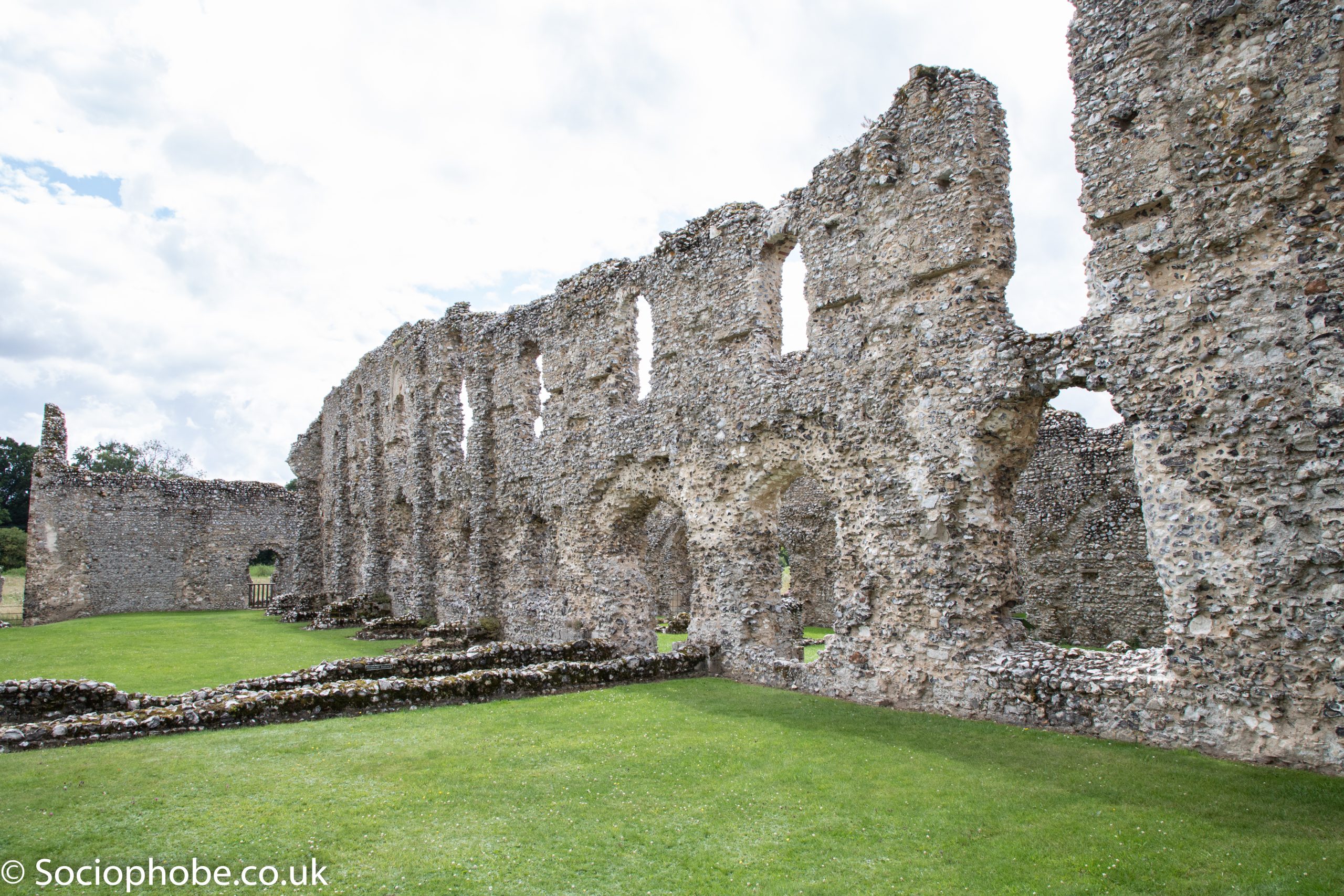
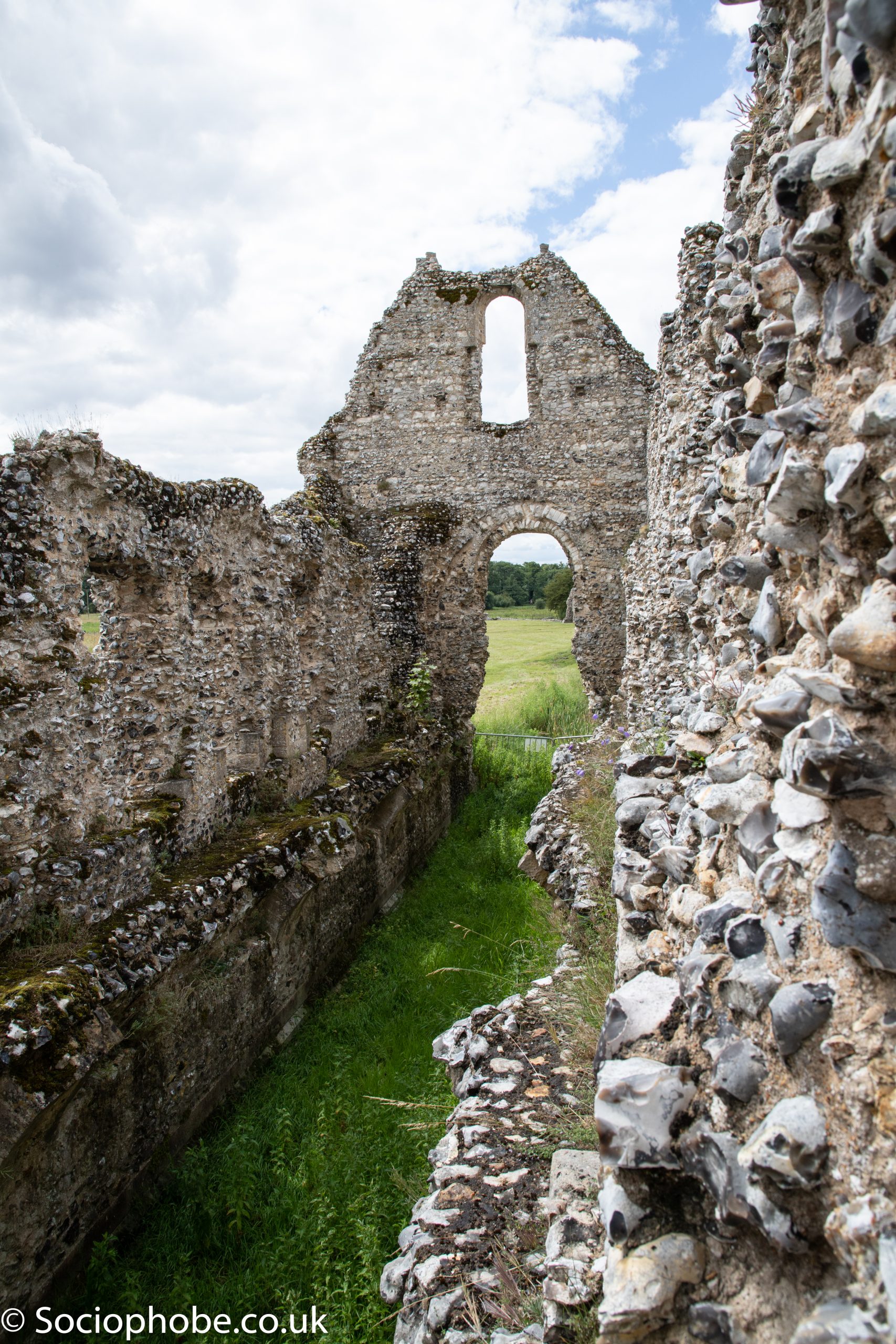
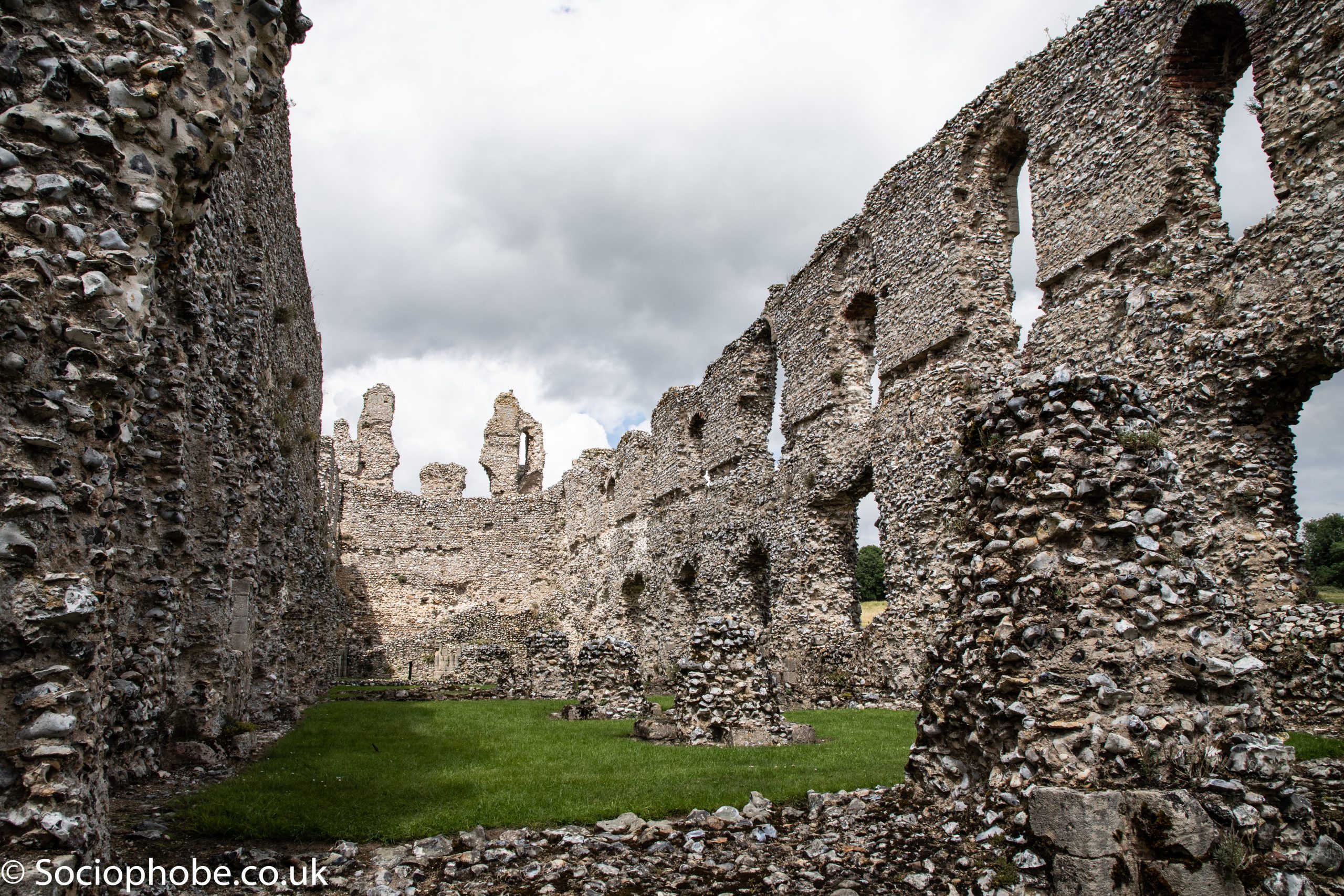
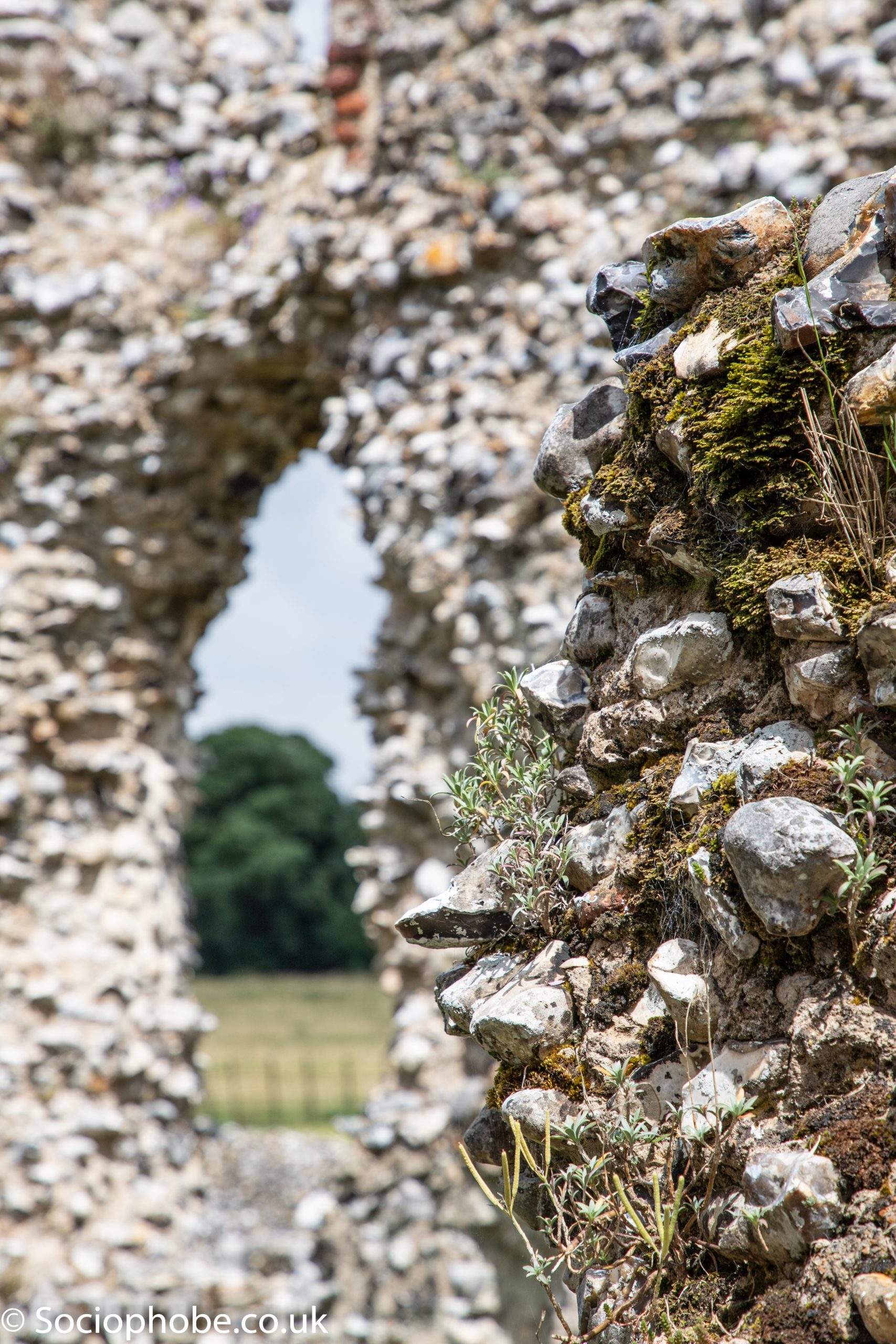
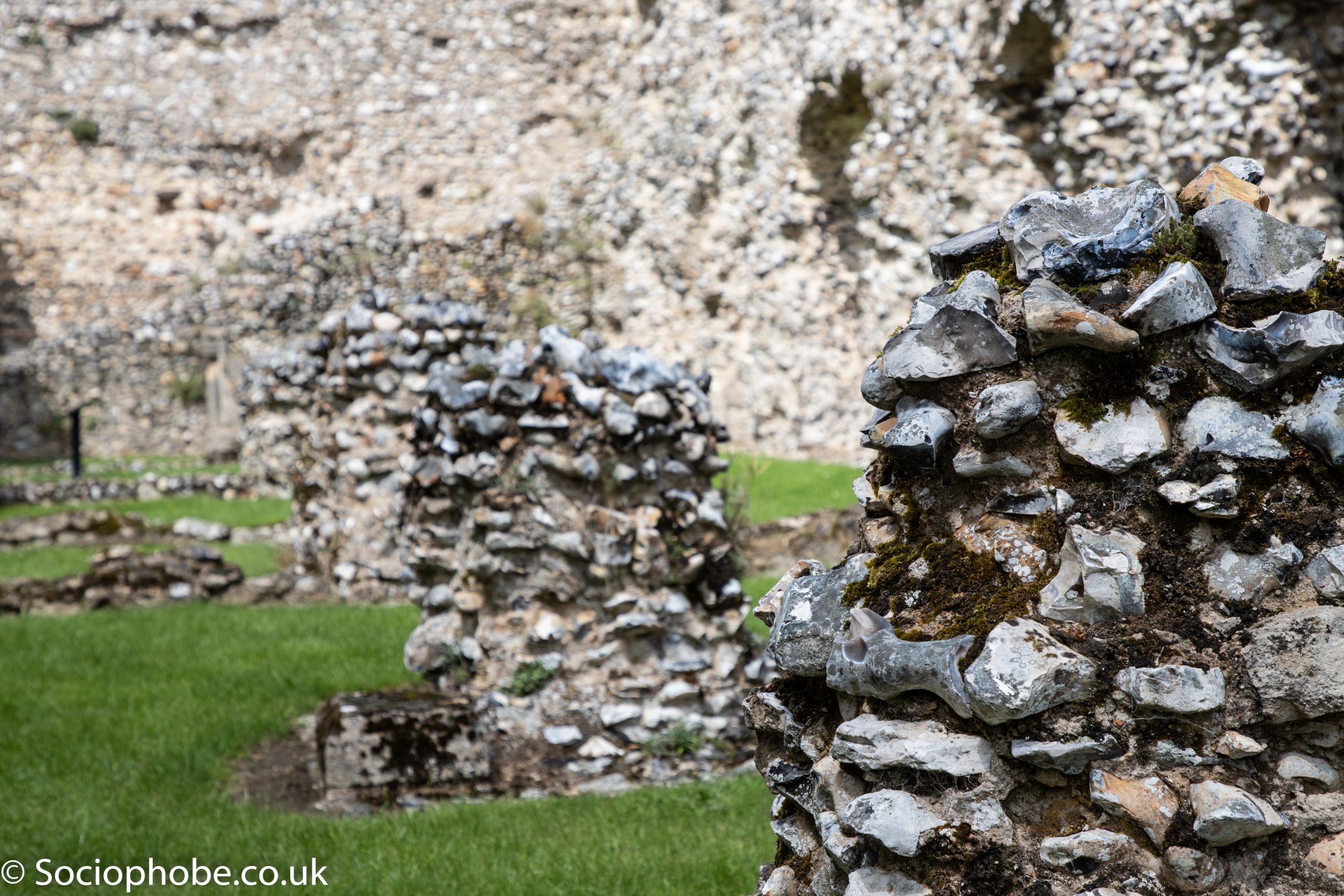
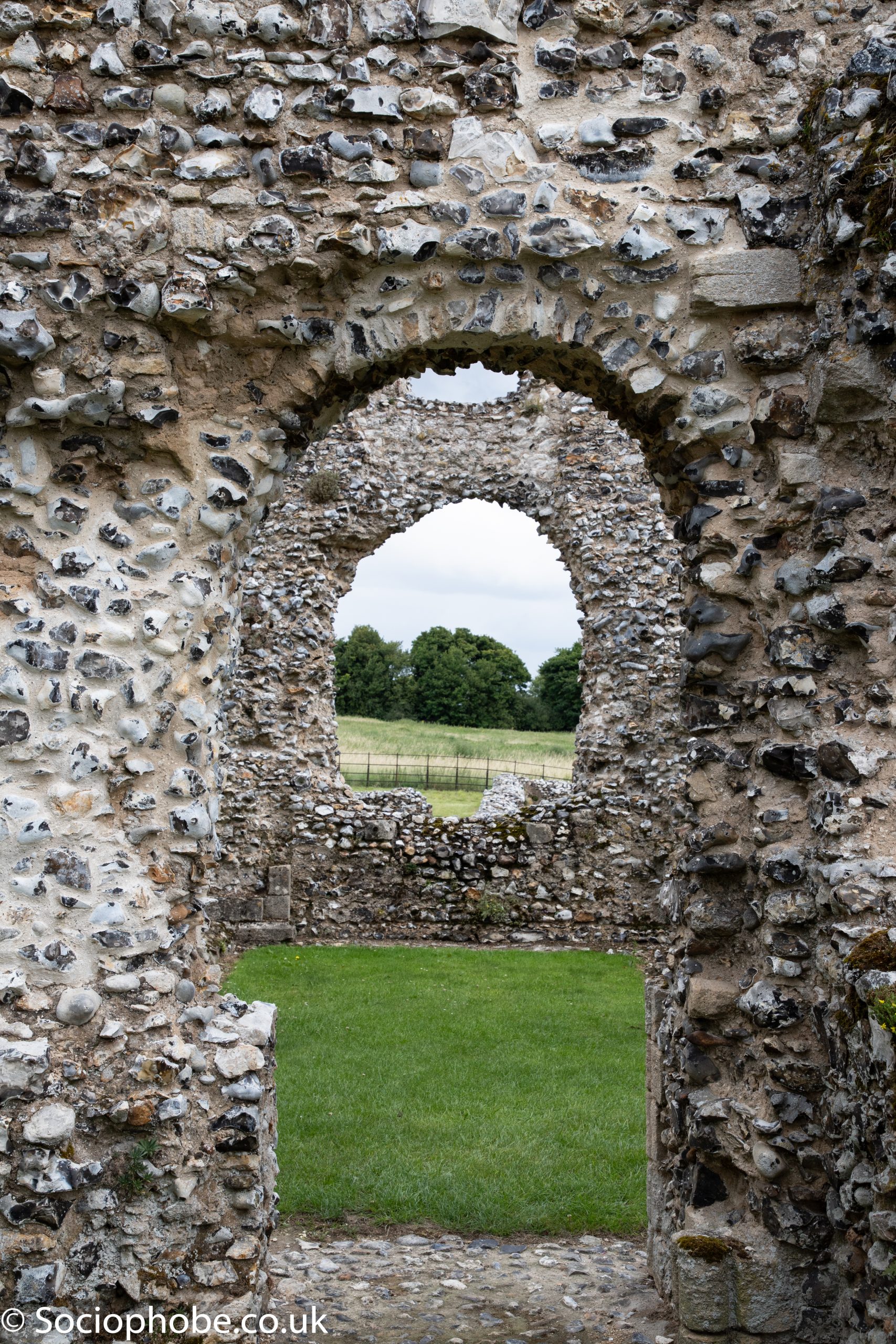
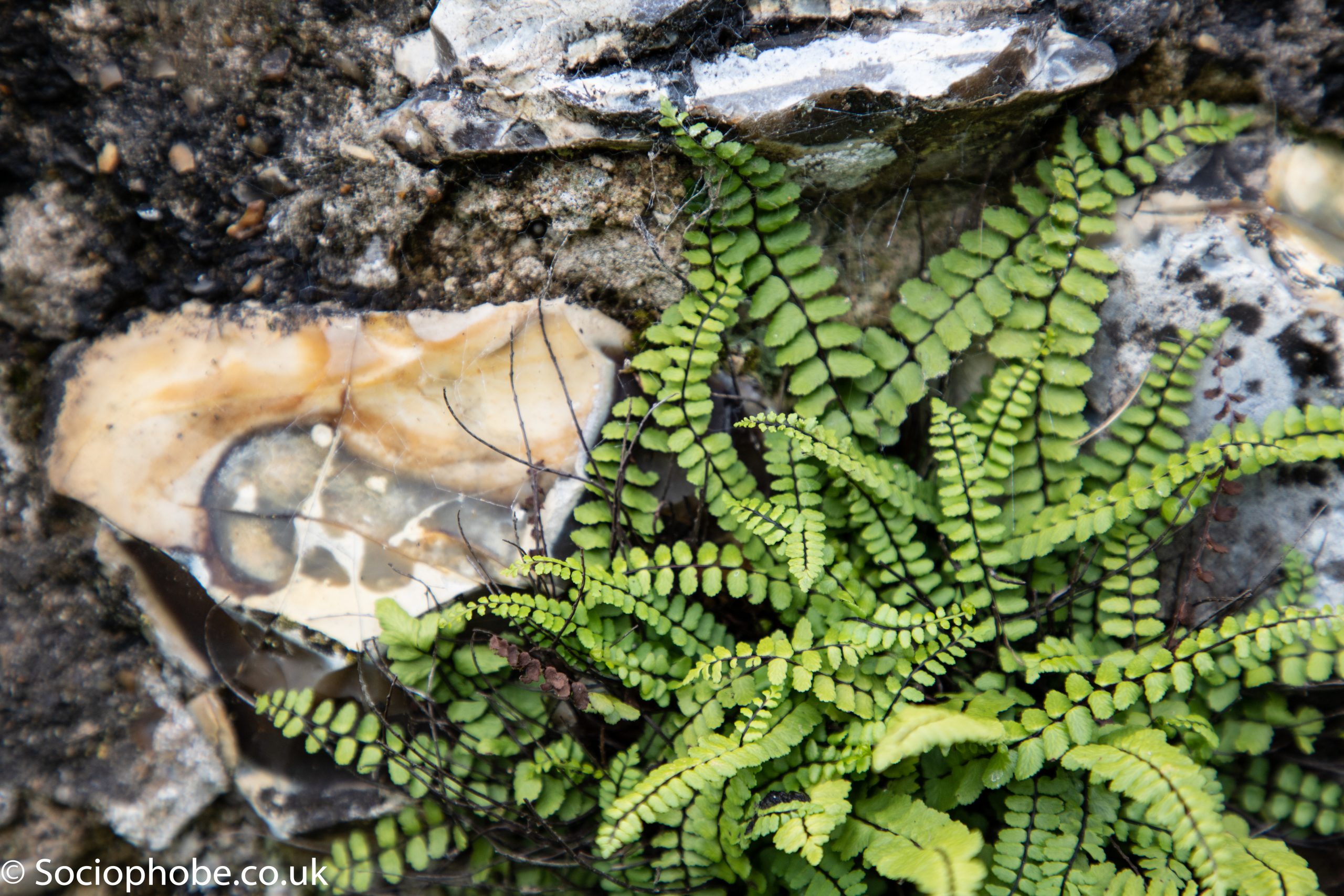
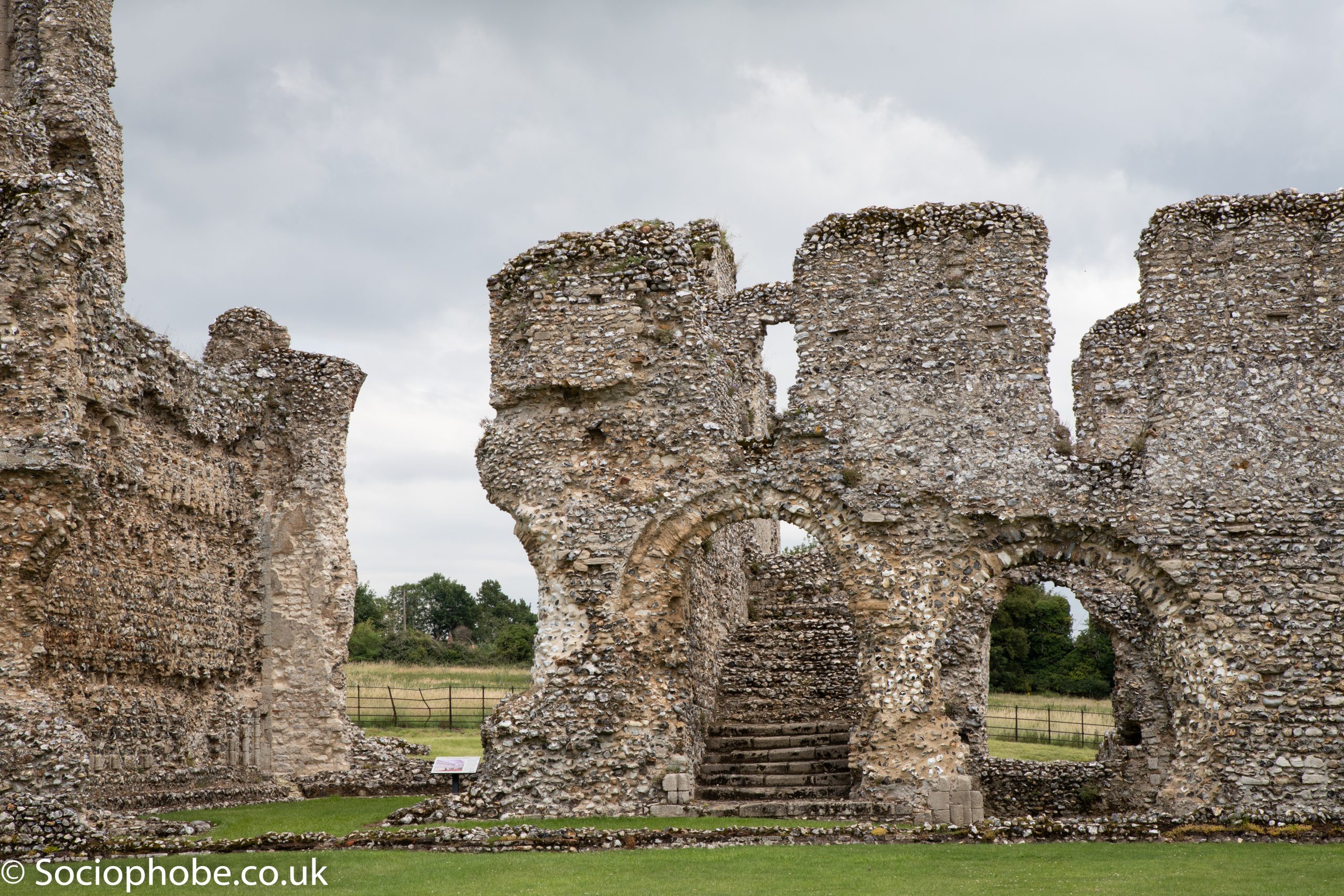
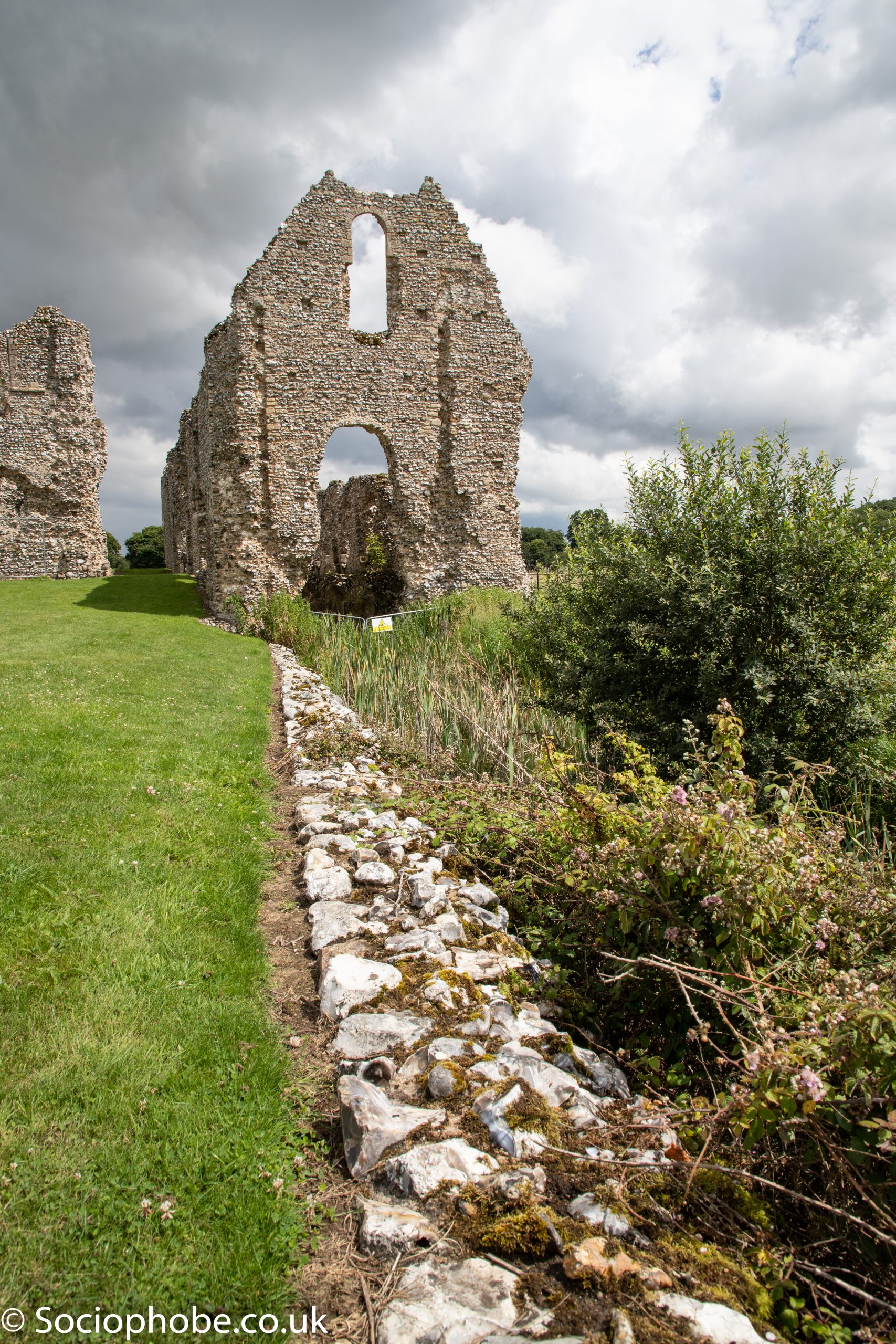
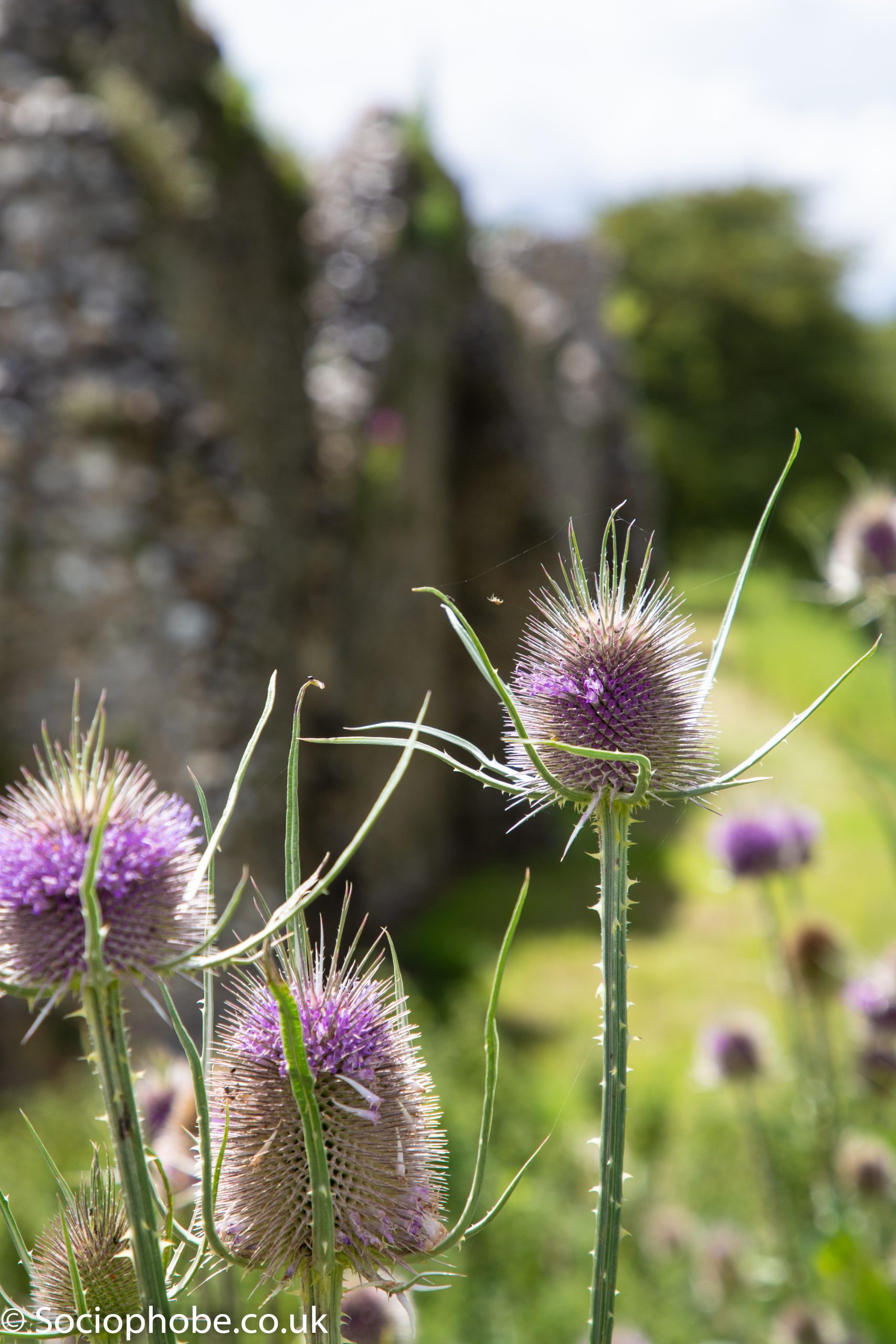
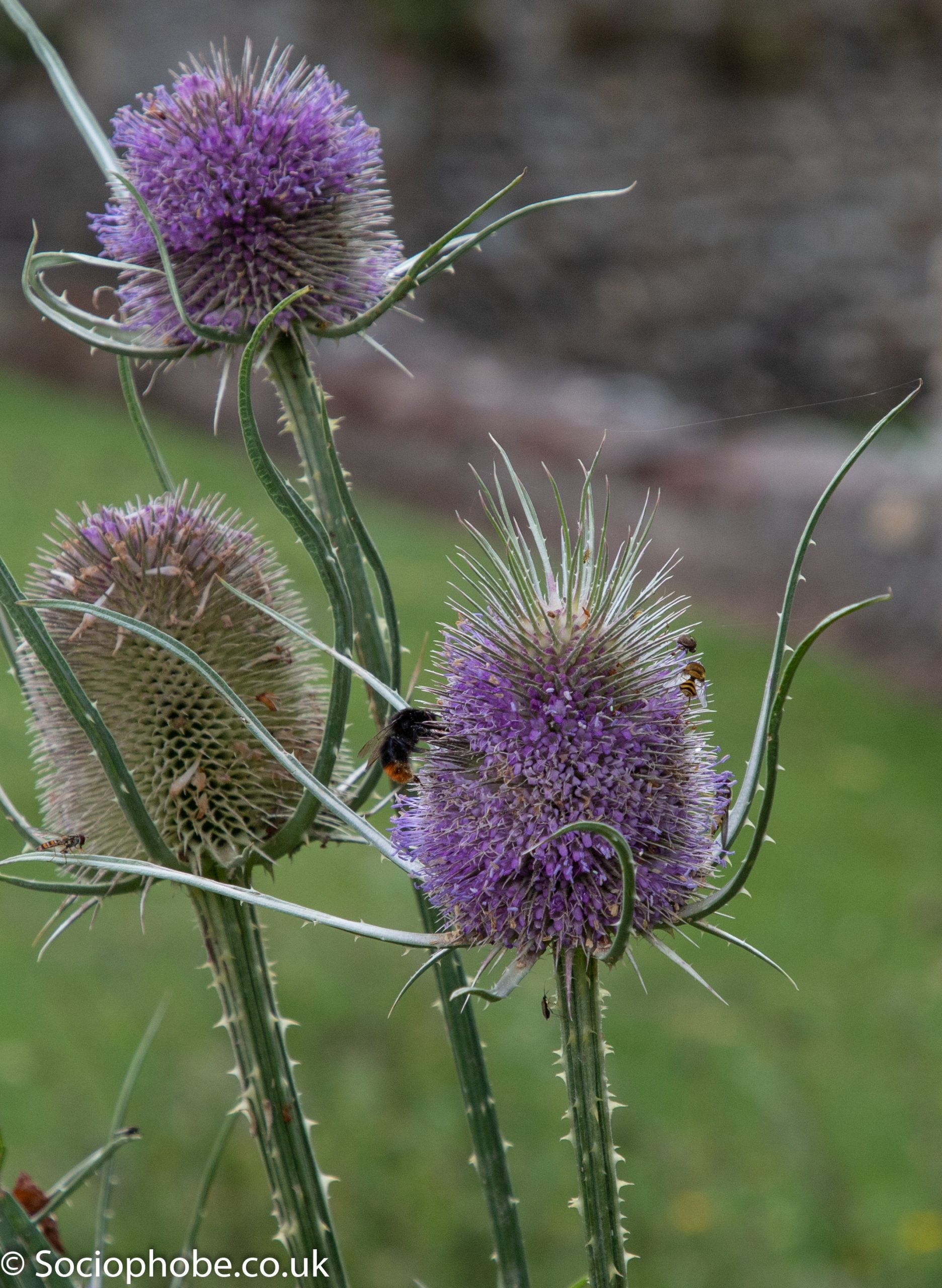
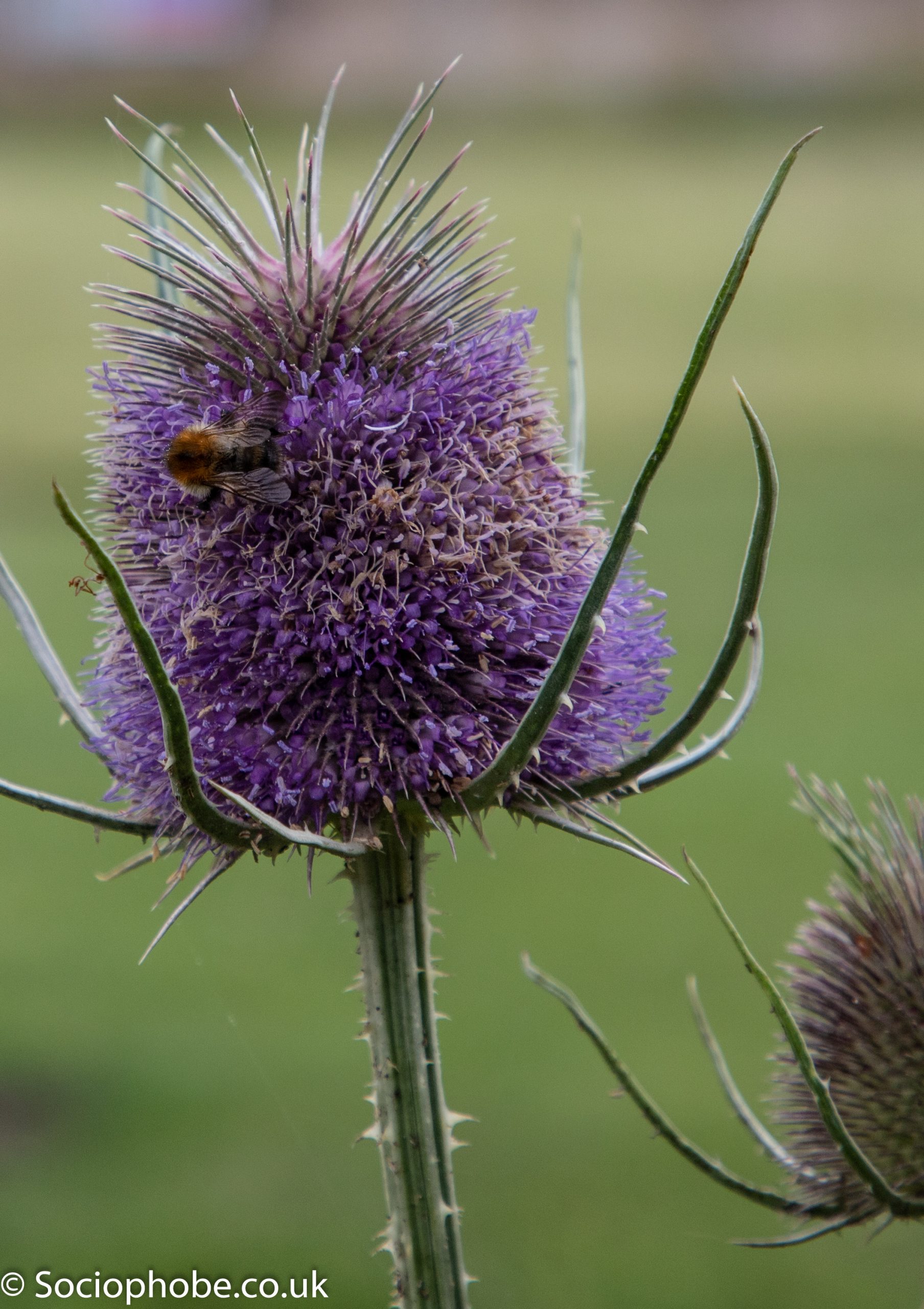


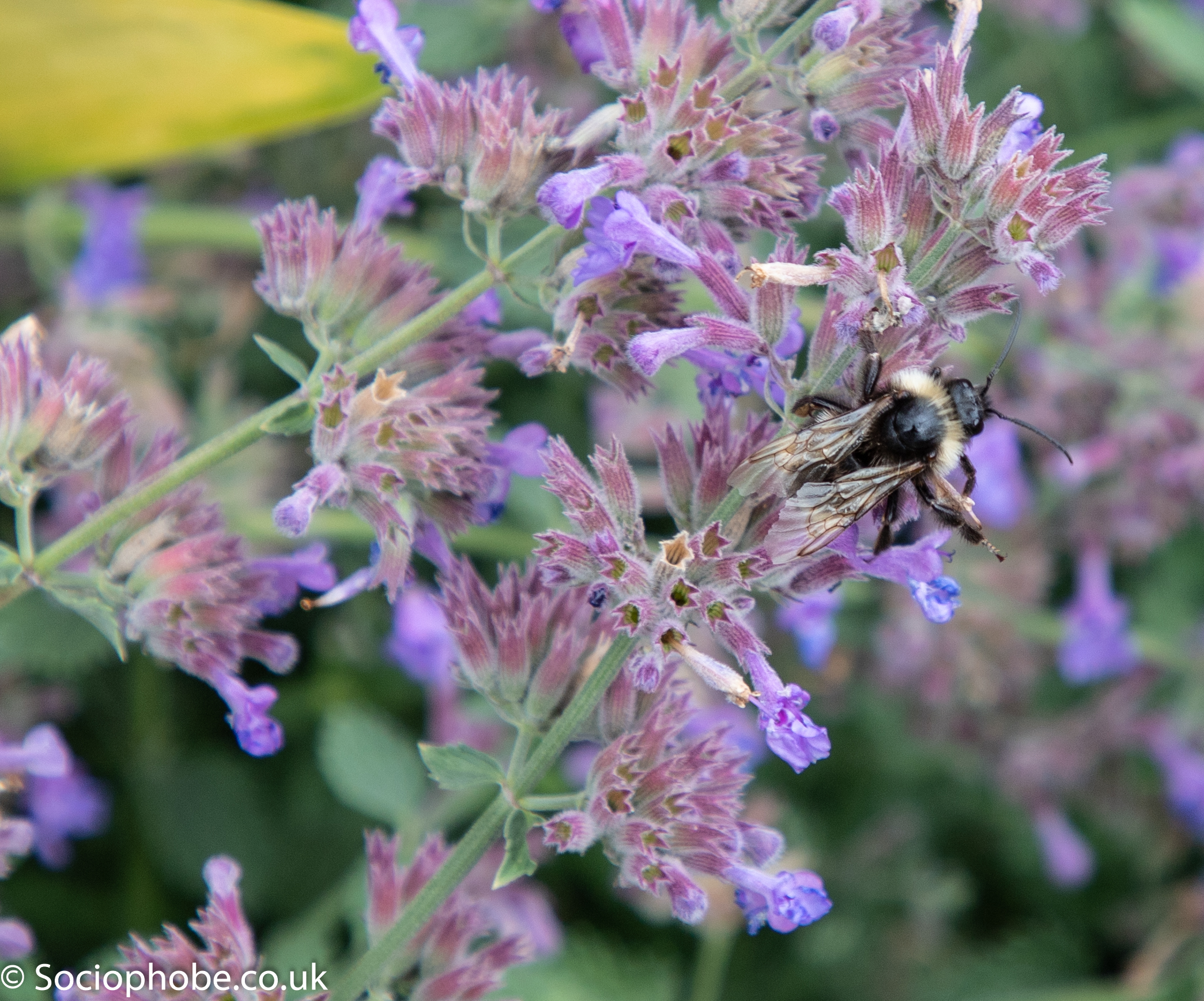
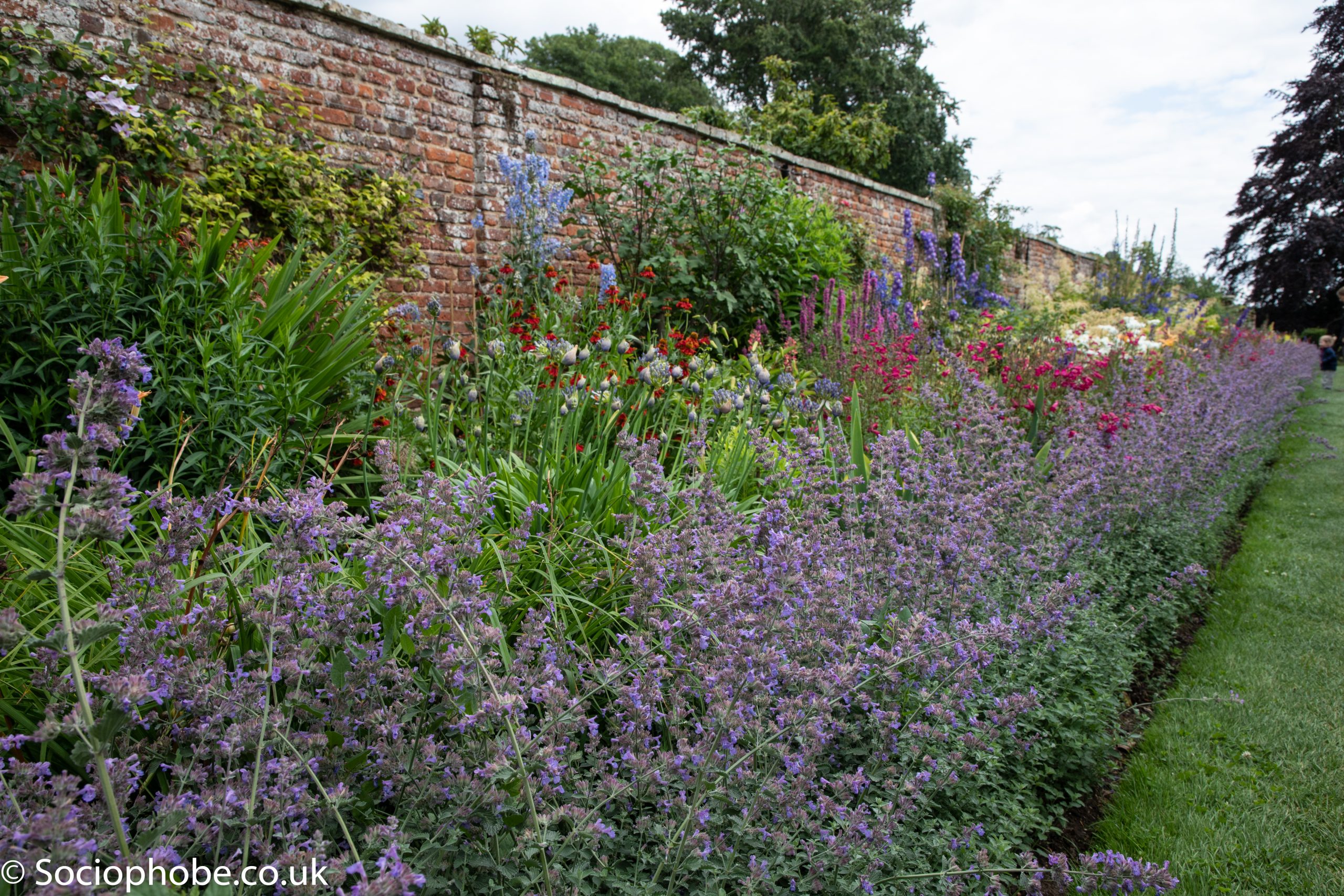
The kitchen garden was lovely to see and it was fascinating watching the bees on the lavender, although I did learn how ridiculously hard they are to photograph and I obviously need a new camera lens! There was also an exhibition on the castle and priory (we didn’t visit the castle this time) including a reconstruction of the priory which really helped put the ruins in context.
Oxburgh Hall
We got in the car and had a 30 minute drive to our next stop, Oxburgh Hall. This is a National Trust property and was undergoing extensive renovations that are going to take 2 years, £6 million and involve replacing most of the roof. Although it is obviously essential work it was a shame as it made the place far less photogenic and obscured the very impressive chimneys on the property. The scaffolding surrounding it was a minor engineering marvel in its own right though!
The property was well set up for post covid visits and also had a one way route, hand sanitiser and an excellent introduction by the NT staff onsite. The house was built as a comfortable residence rather than having any defensive value and has been lived in by the same family since 1482. It has had quite a turbulent history, culminating in the attempt of a potential purchaser to demolish it for use as hardcore in 1951! That kind of person would certainly be on my (very extensive!) hit list! Luckily the house was saved and a deal reached with the NT although most of the original contents were sold.
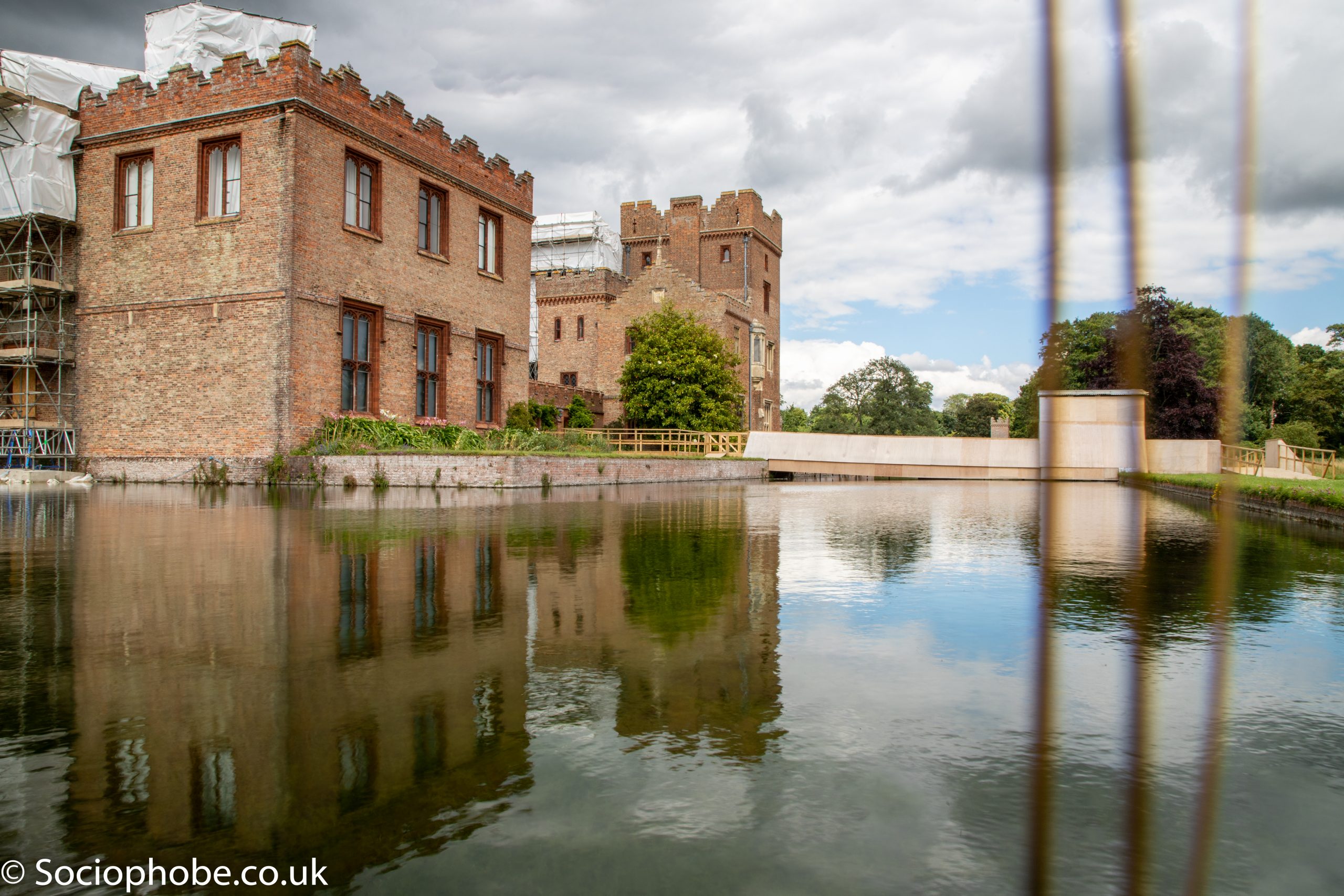
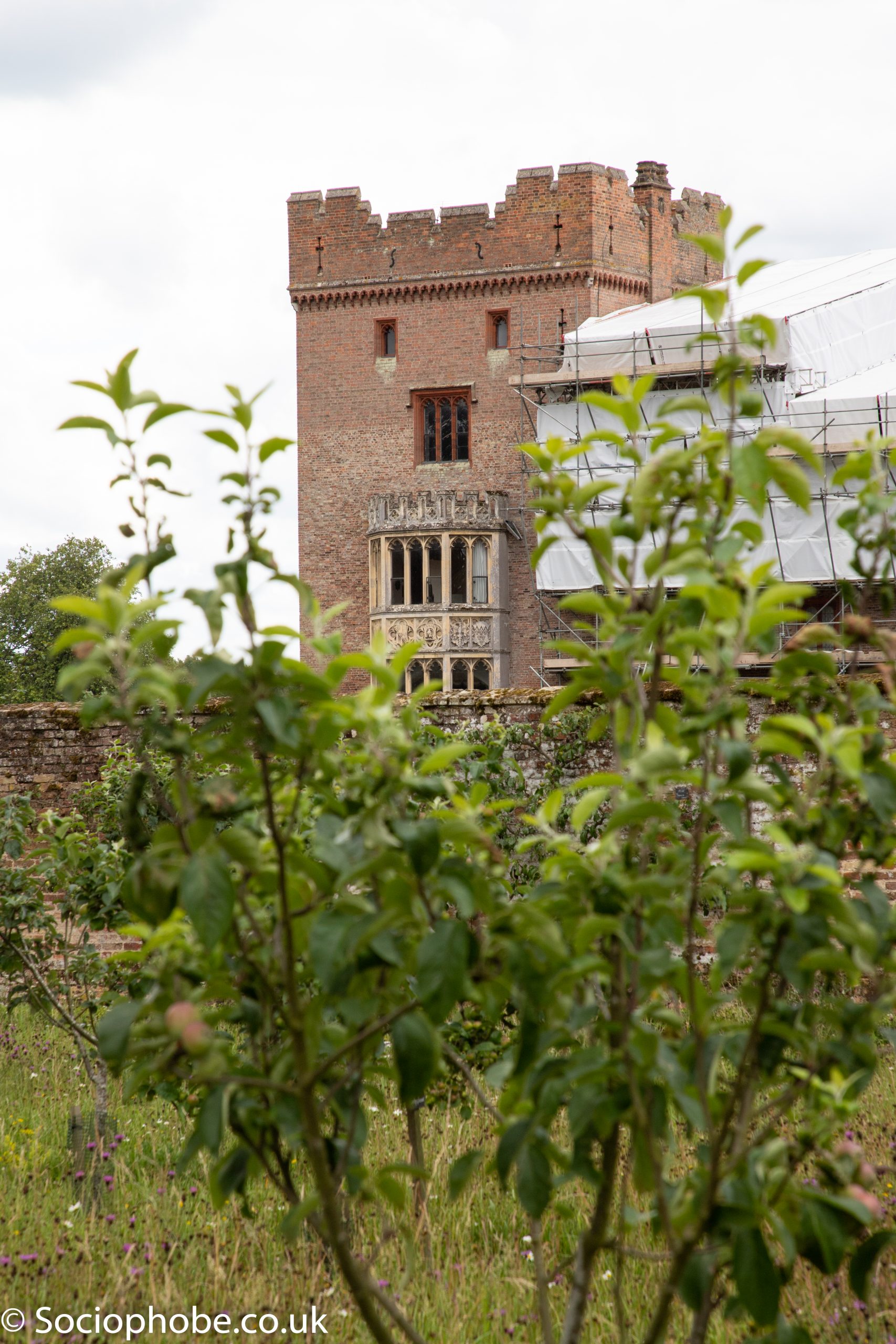
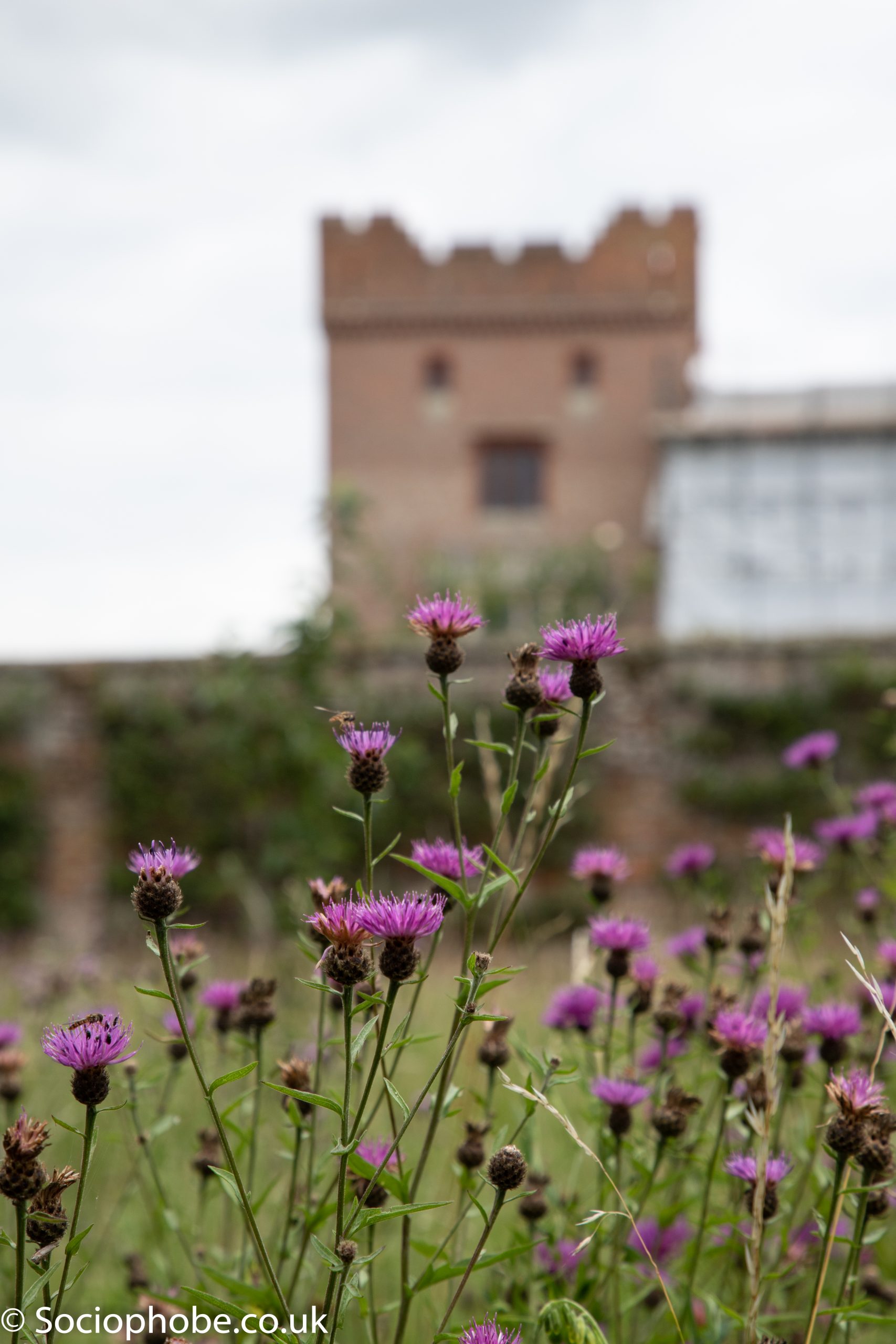
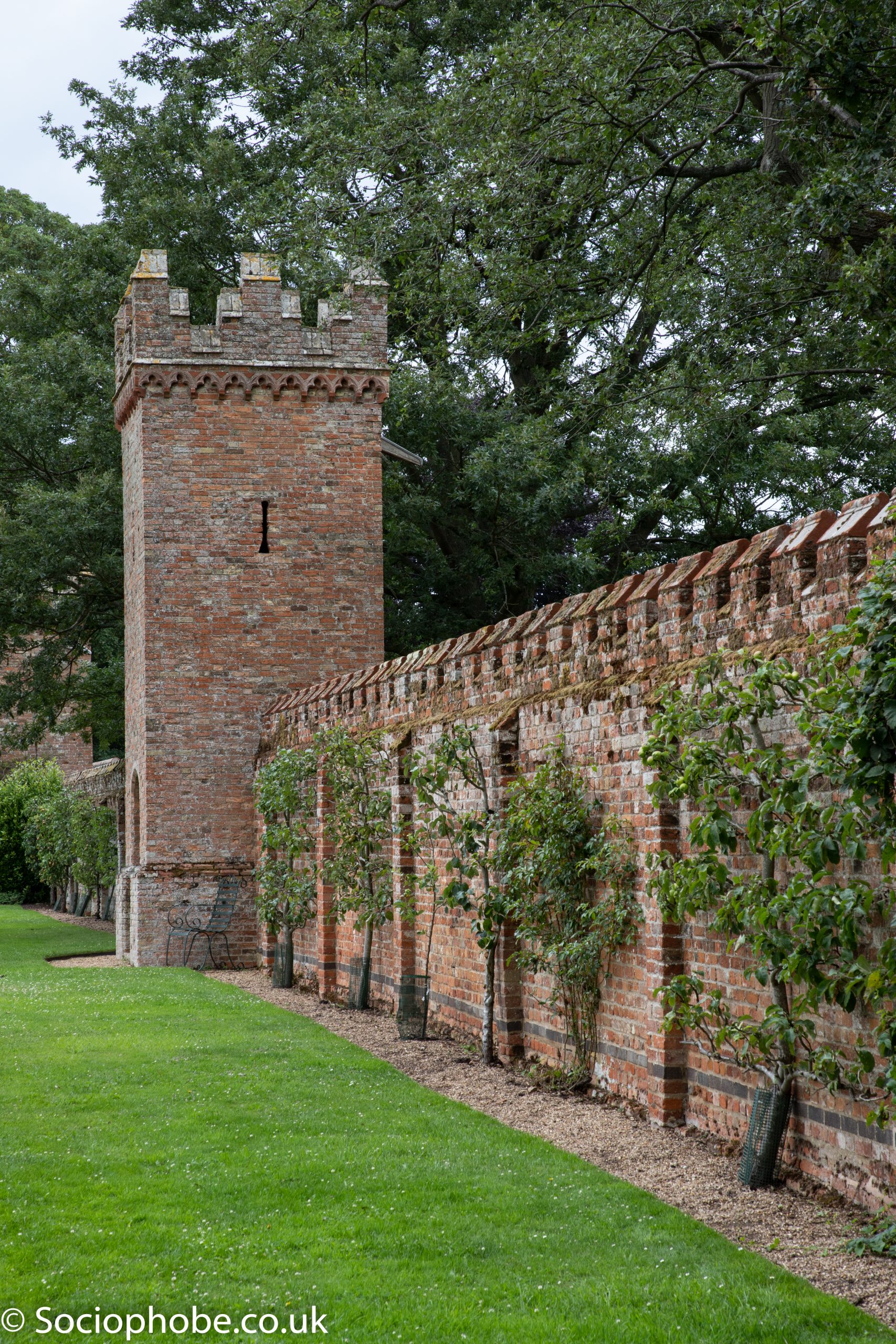
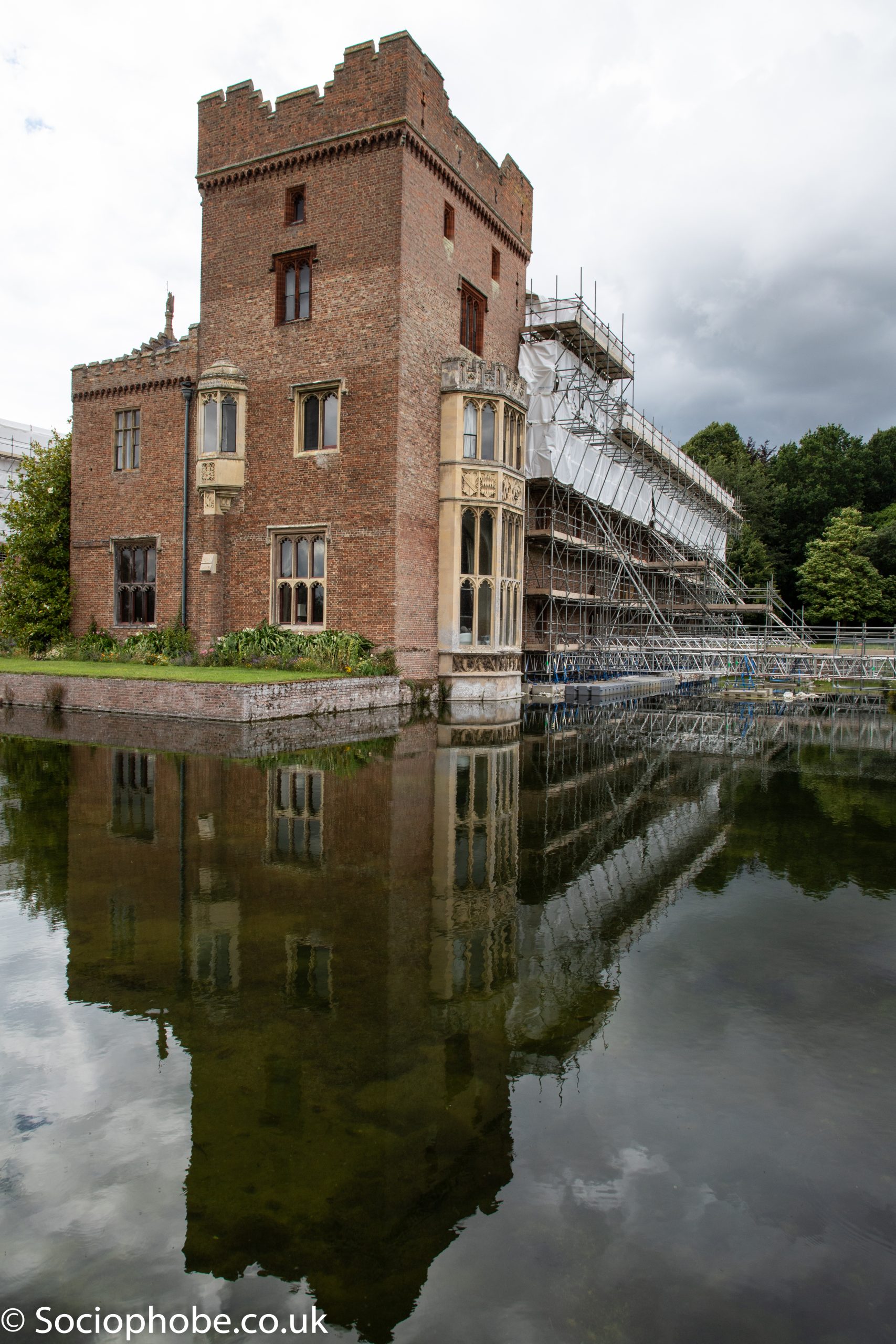
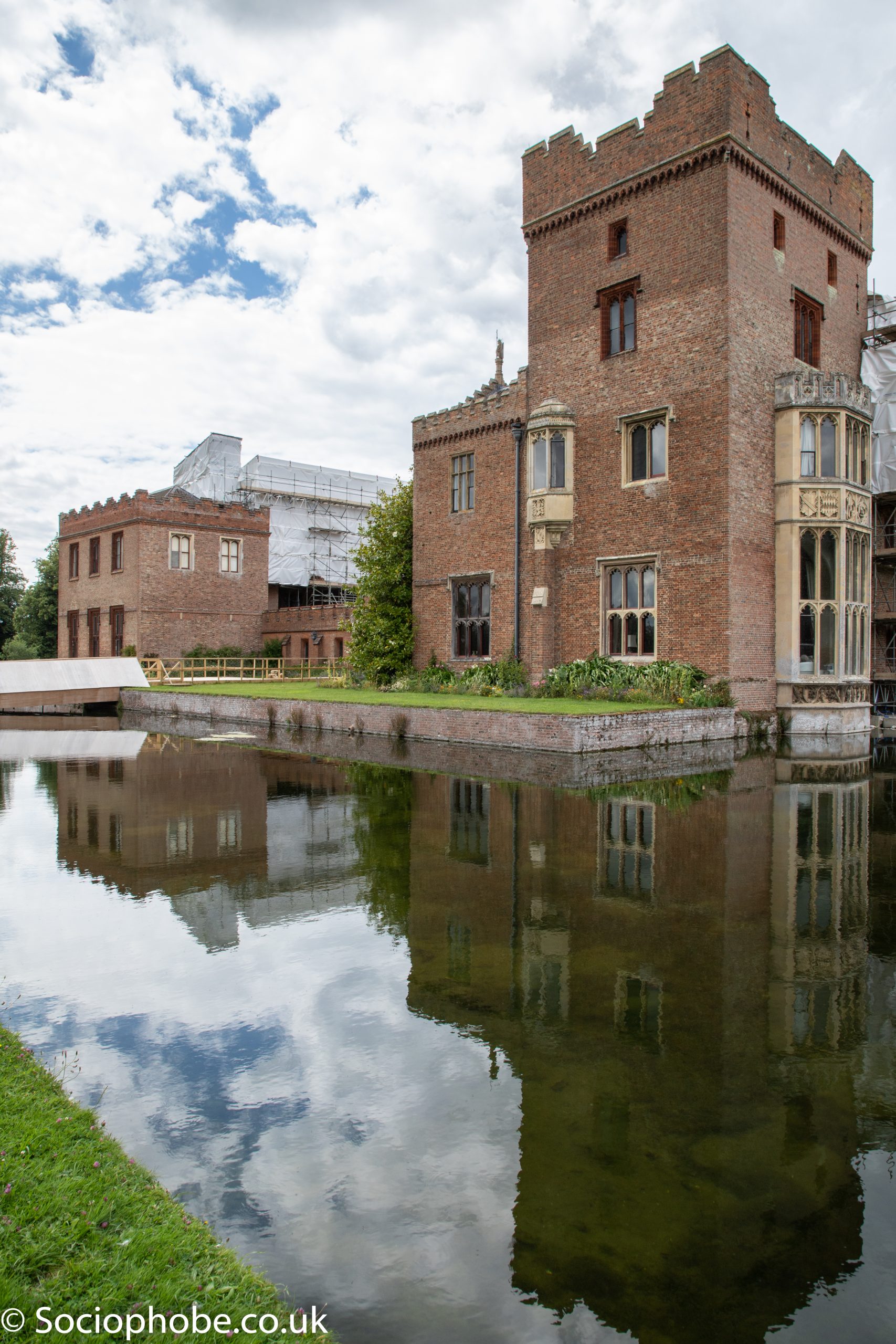

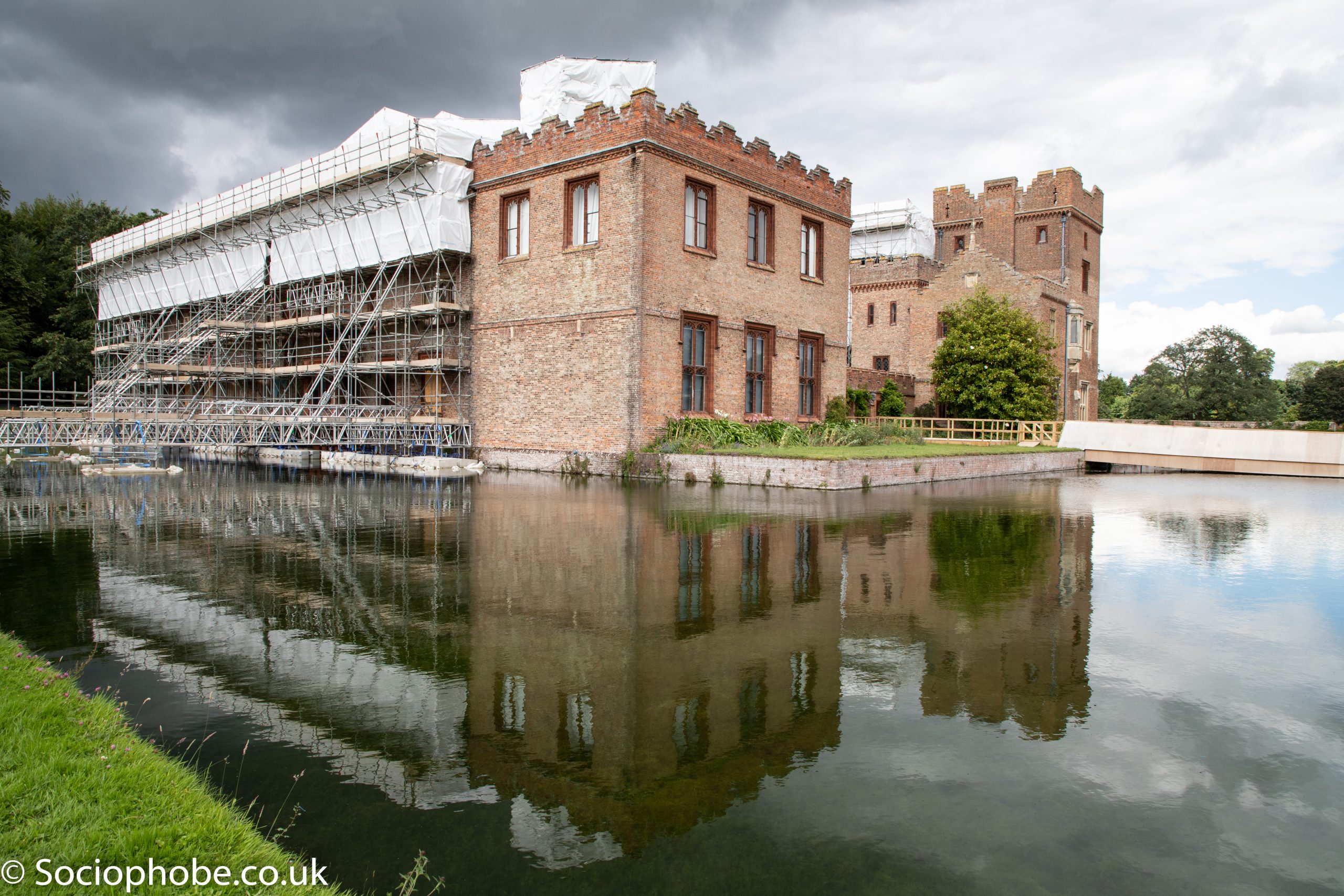
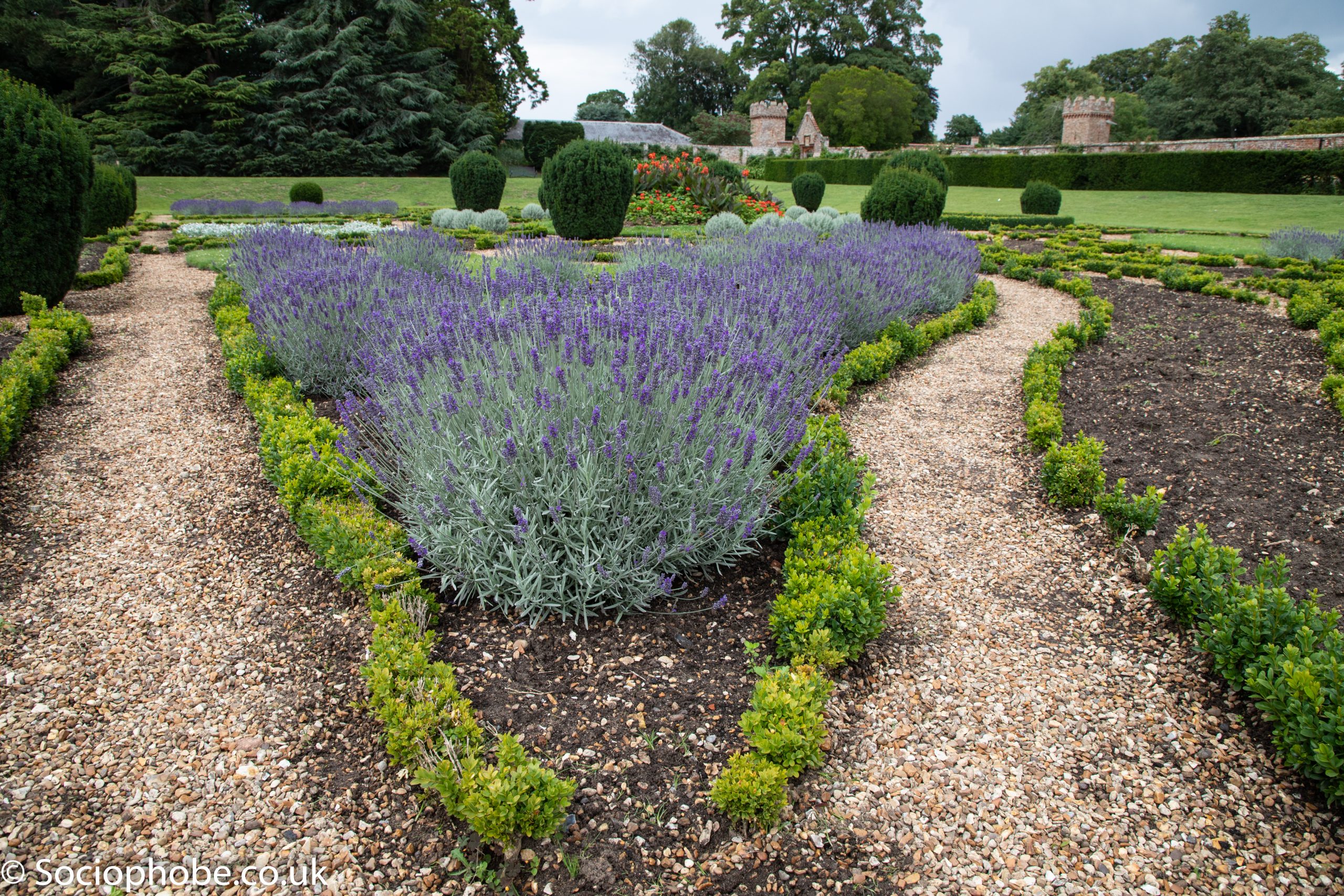
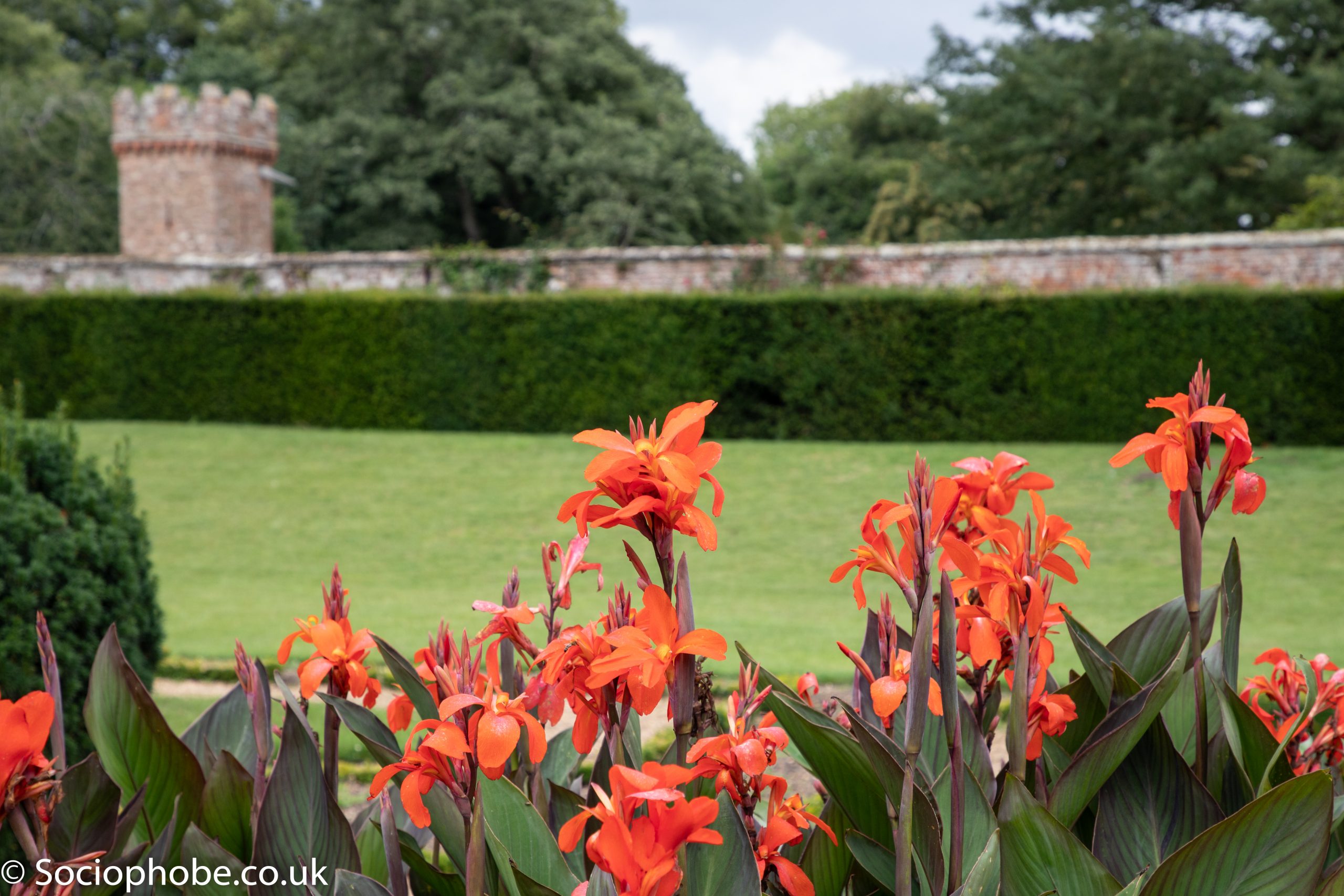
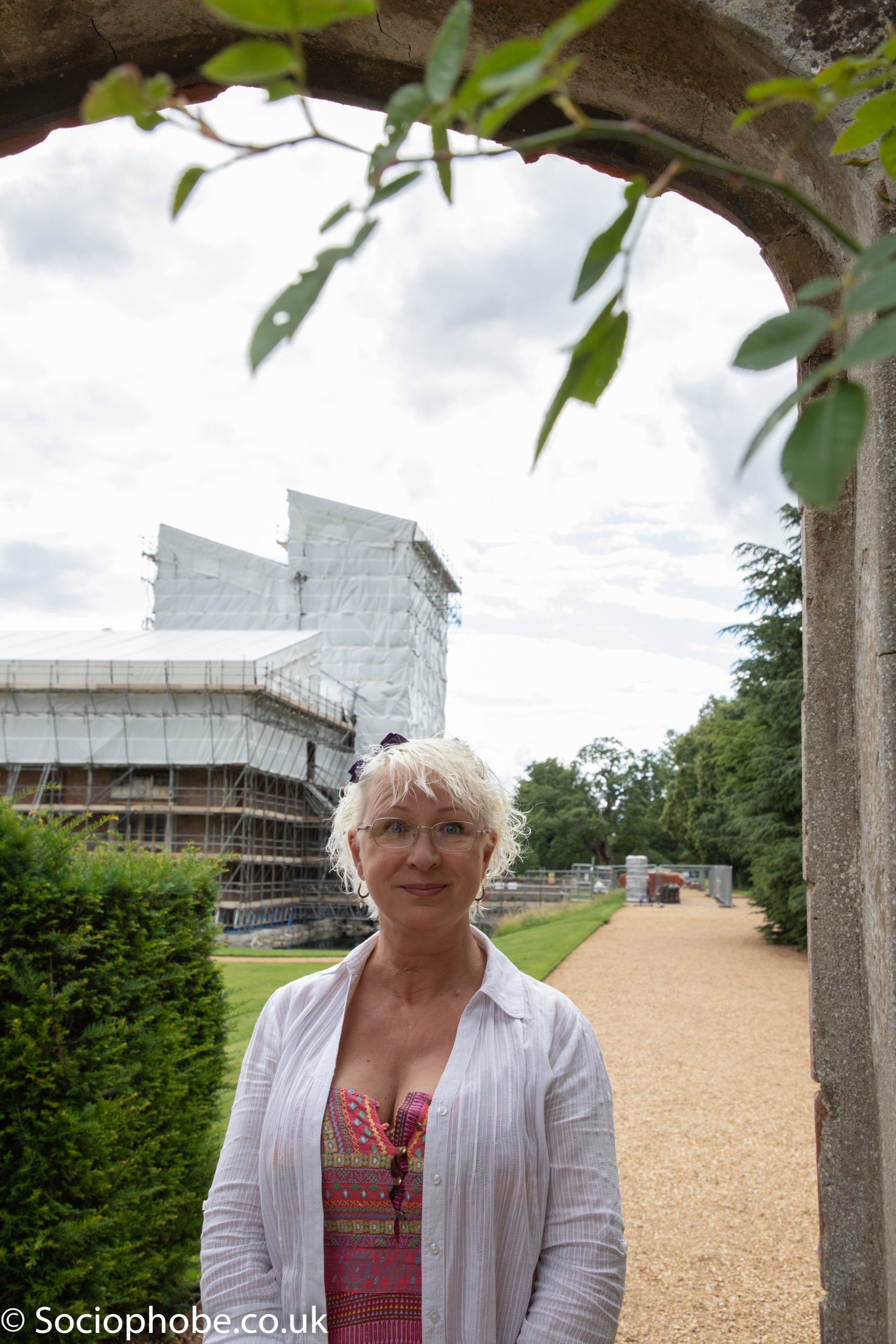
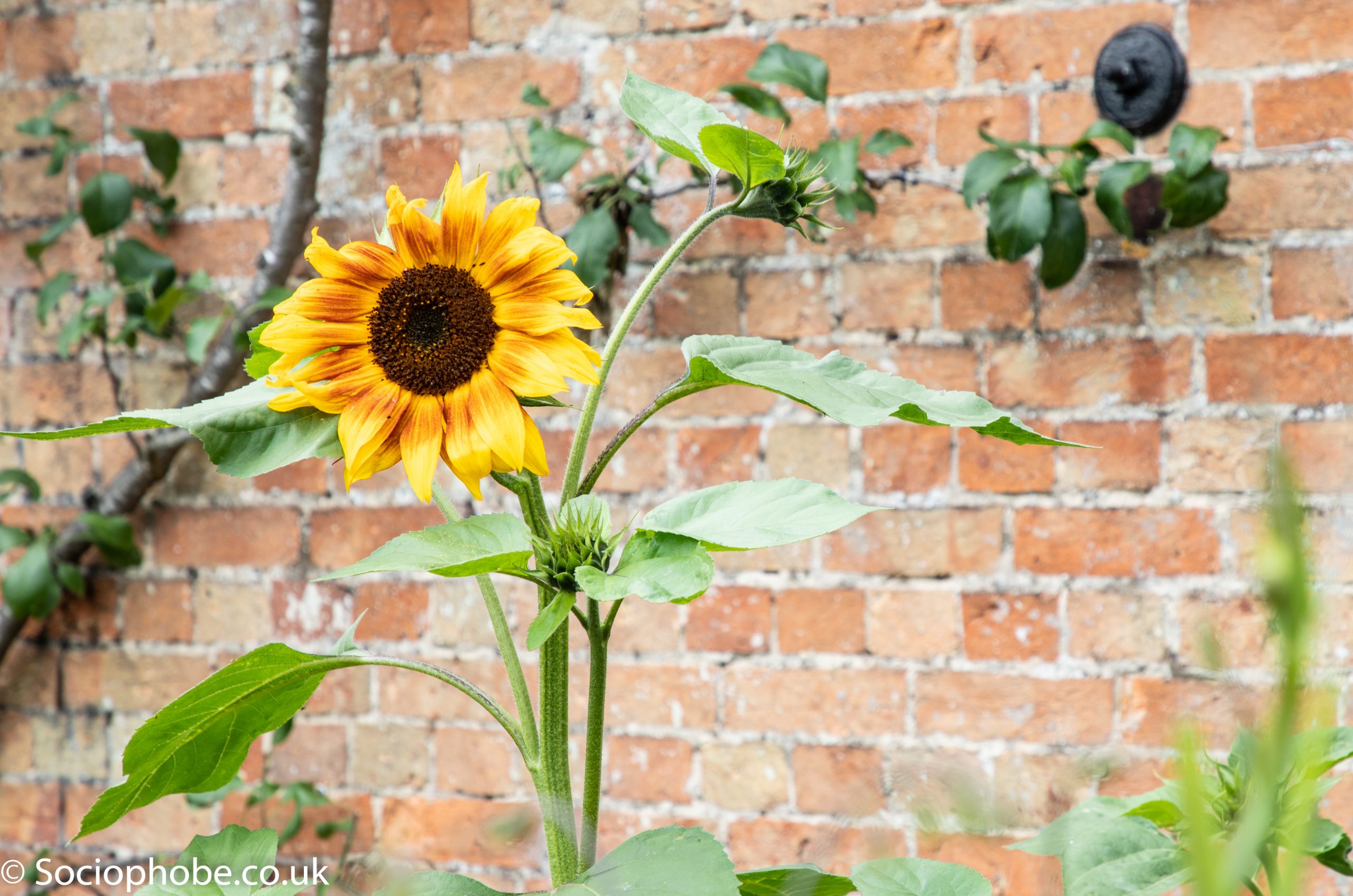
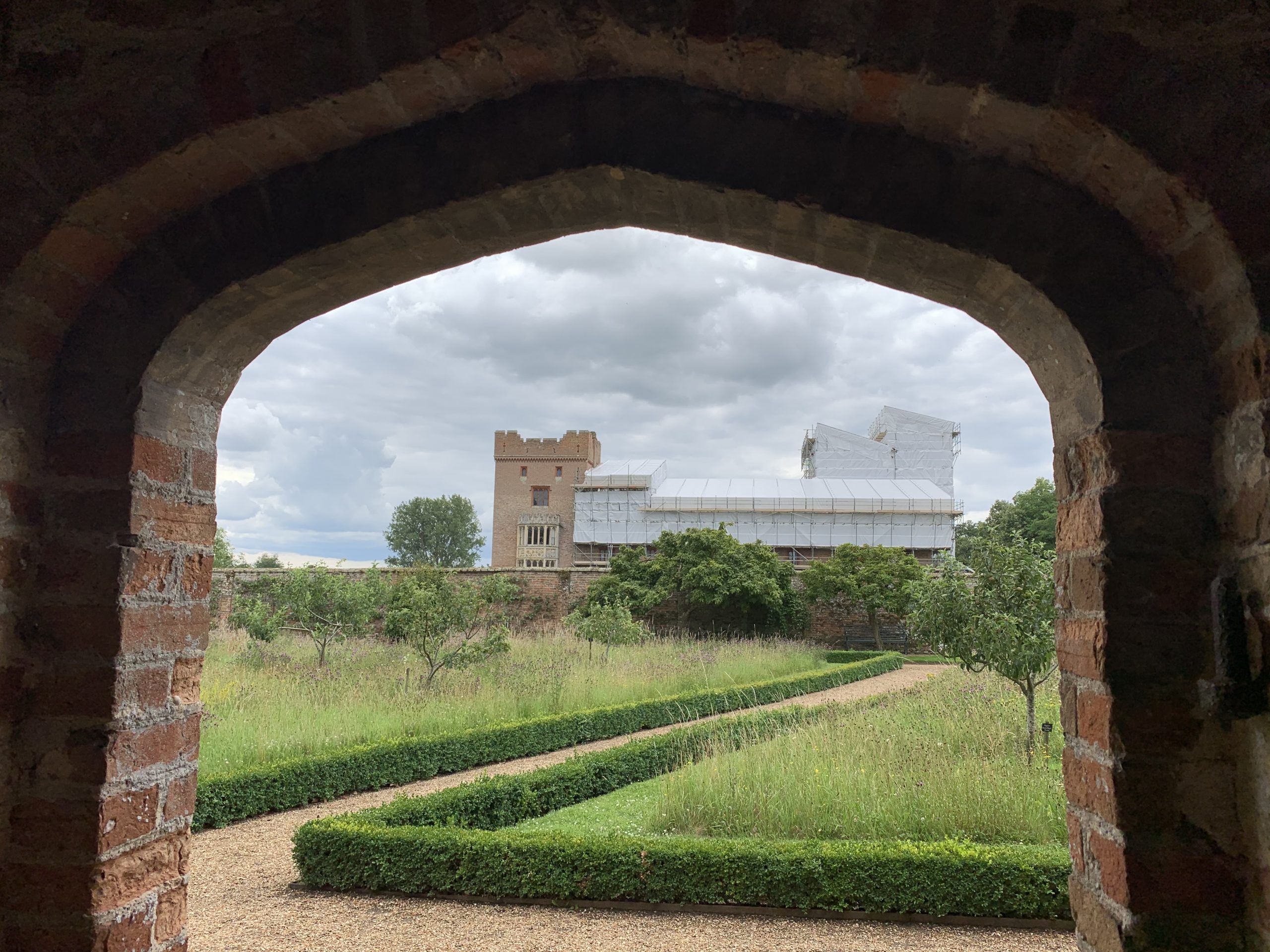
We weren’t able to go into the property but it was very pleasant to walk around and watch the swans and signets in the moat. I’d certainly like to revisit once the scaffolding is off and explore the interior too. After walking around the gardens we sat outside and enjoyed a coffee before a rain shower forced us to run for the car and head to our hotel for the night.
Bury St Edmunds
We stayed in Bury St Edmunds at The Bushel, about 5 minutes walk from the town centre. This was another covid place with all the staff wearing visors and with screens around everything. The staff were very pleasant and we had a nice room in a converted stableblock. I was pretty tired by the time we arrived (not used to 6 hours of driving any more!) and we had an early dinner at 5.30. Gammon and chips with a side of cider was just what I needed and I left Deb in the pub whilst I went back to the room to sort the photos.
I kept up a stream of cups of coffee whilst choosing photos to keep me vaguely awake and the evening turned out to be remarkably pleasant and warm. Hopefully a good omen for tomorrow!
Although the bed was comfortable and the room quiet I had a restless night and woke early. Luckily, Deb did as well so we were both at breakfast by 8AM! I had eggs benedict and yoghurt with fresh fruits and Deb had a full English. The portions weren’t large but it was enough and service was friendly and efficient. After that we walked into the town to visit the remains of Bury Abbey.
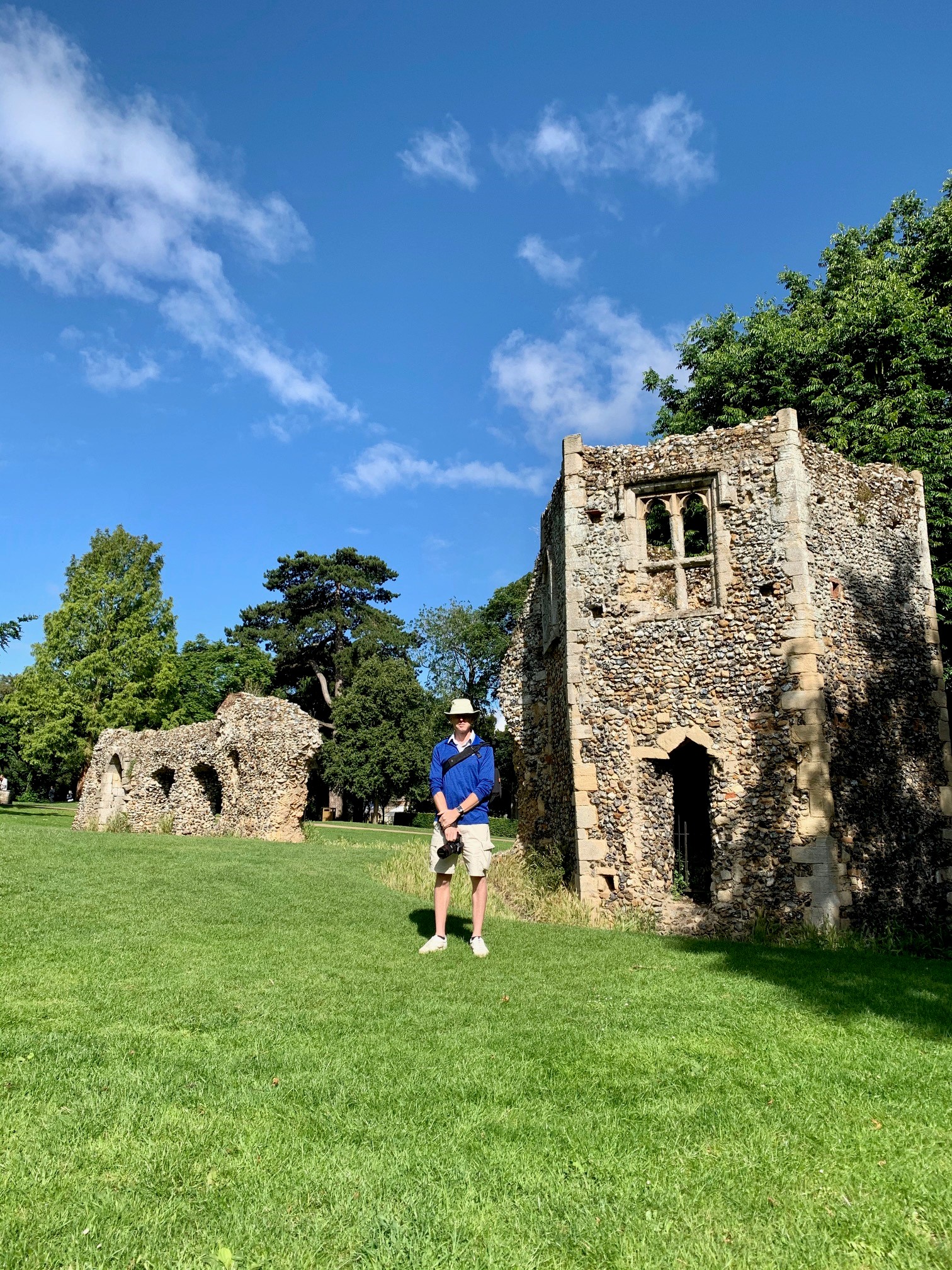
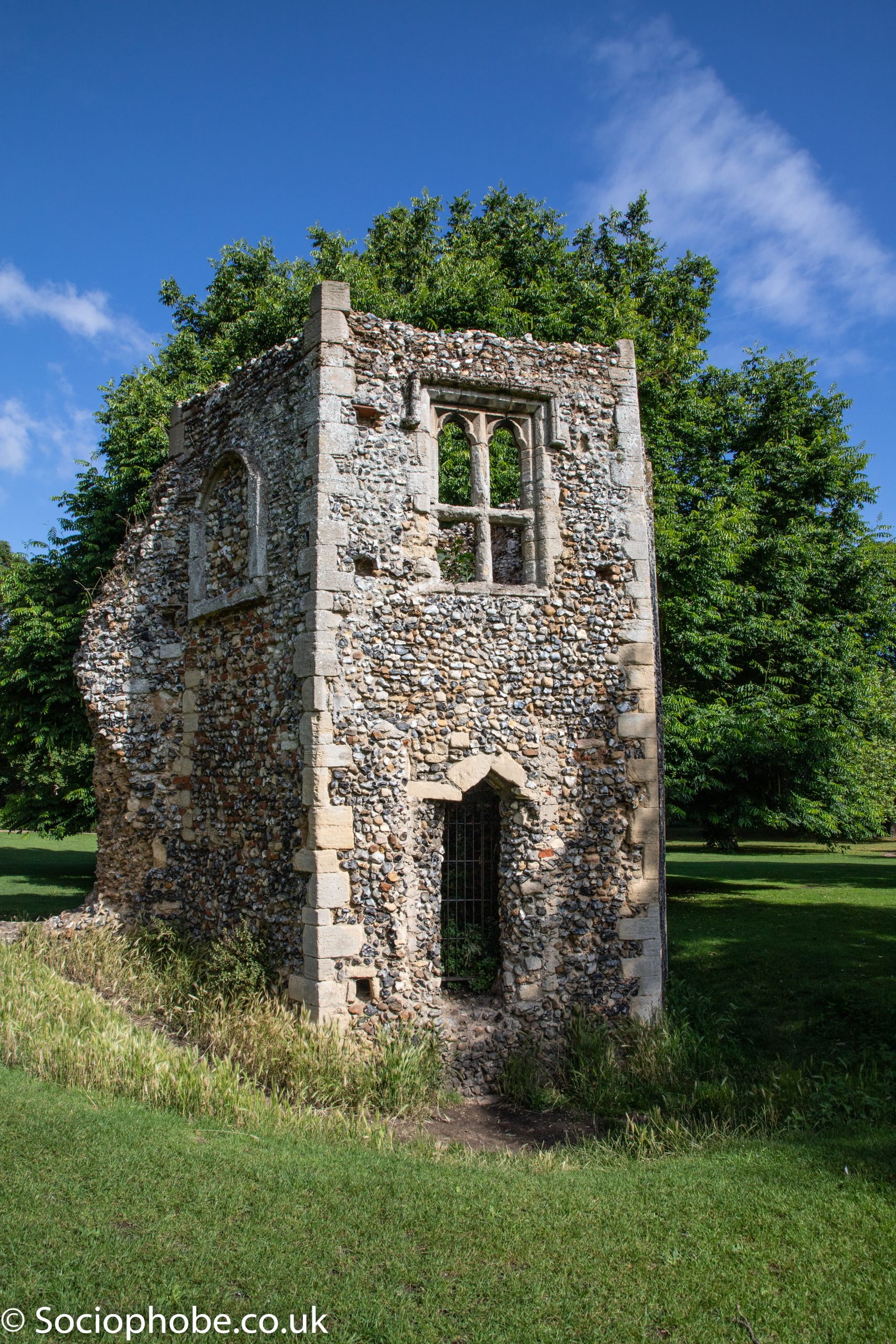
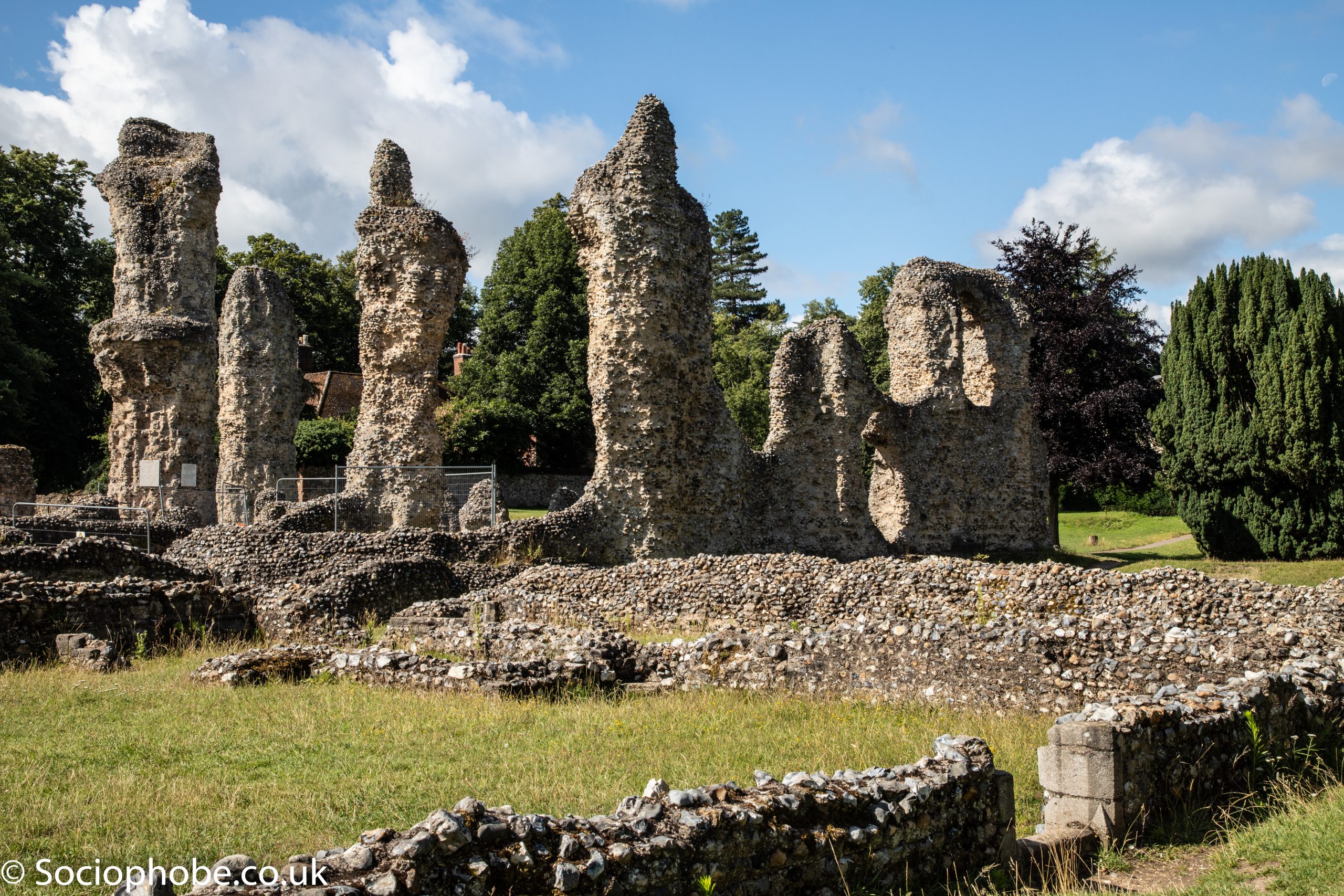
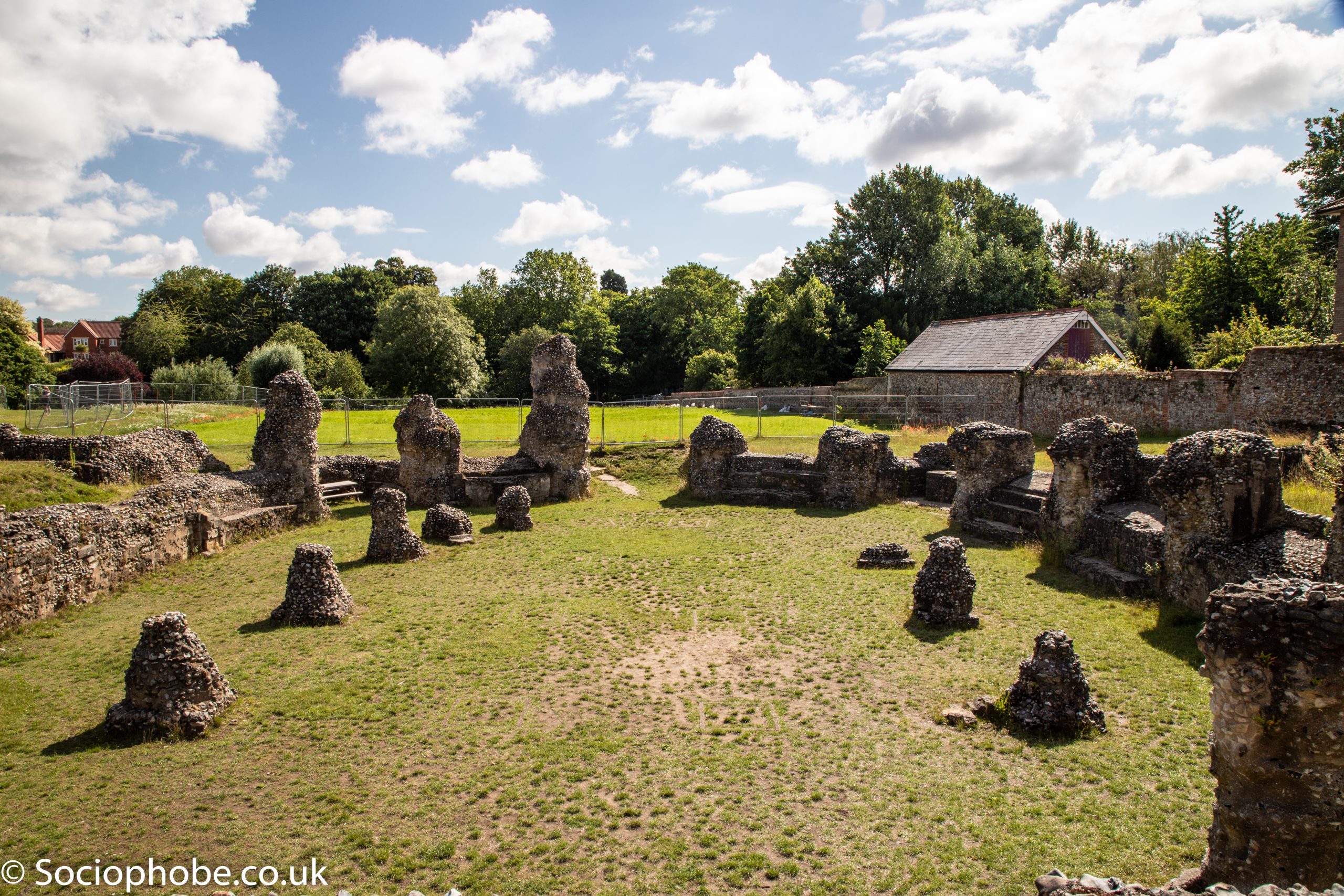
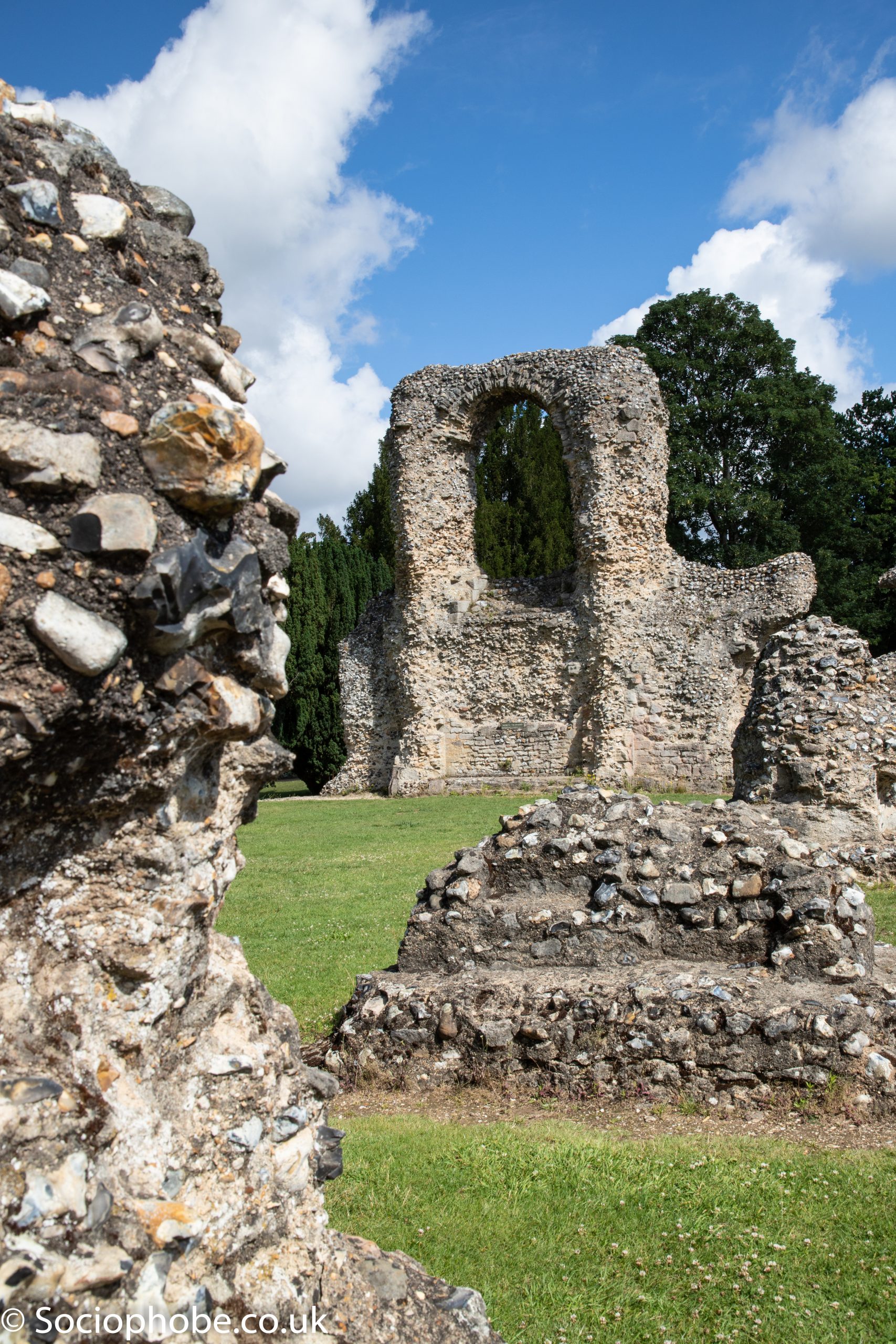
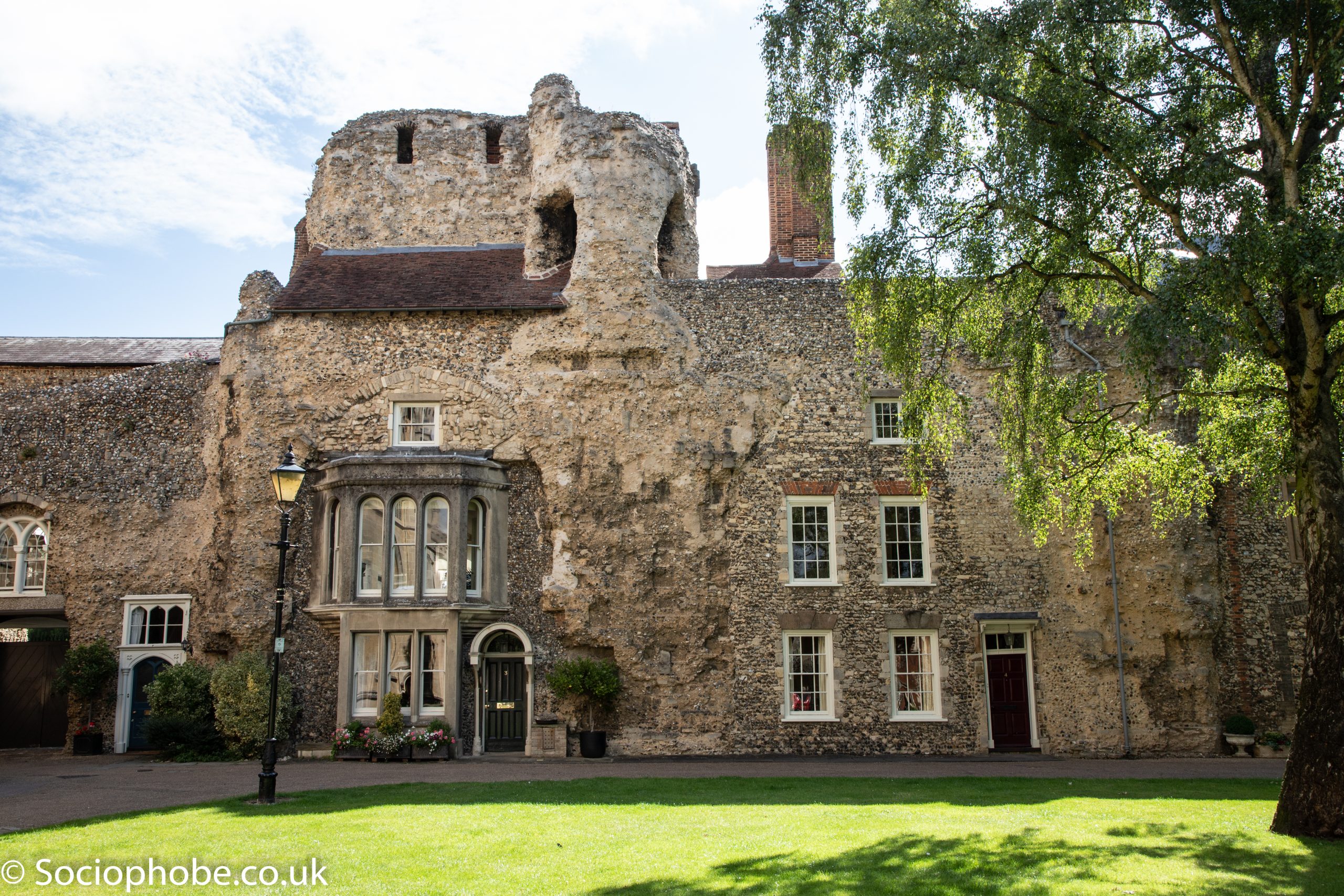
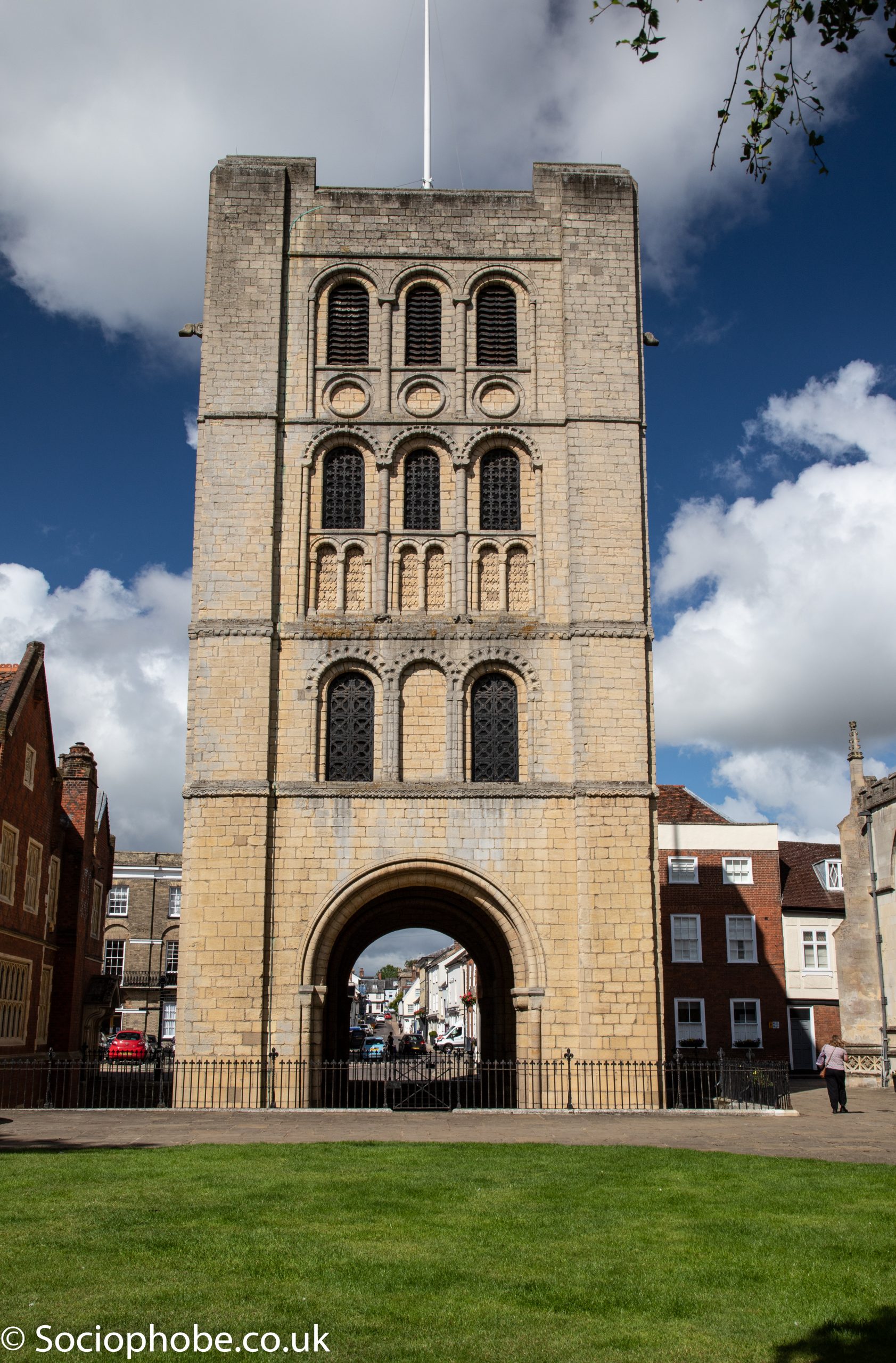
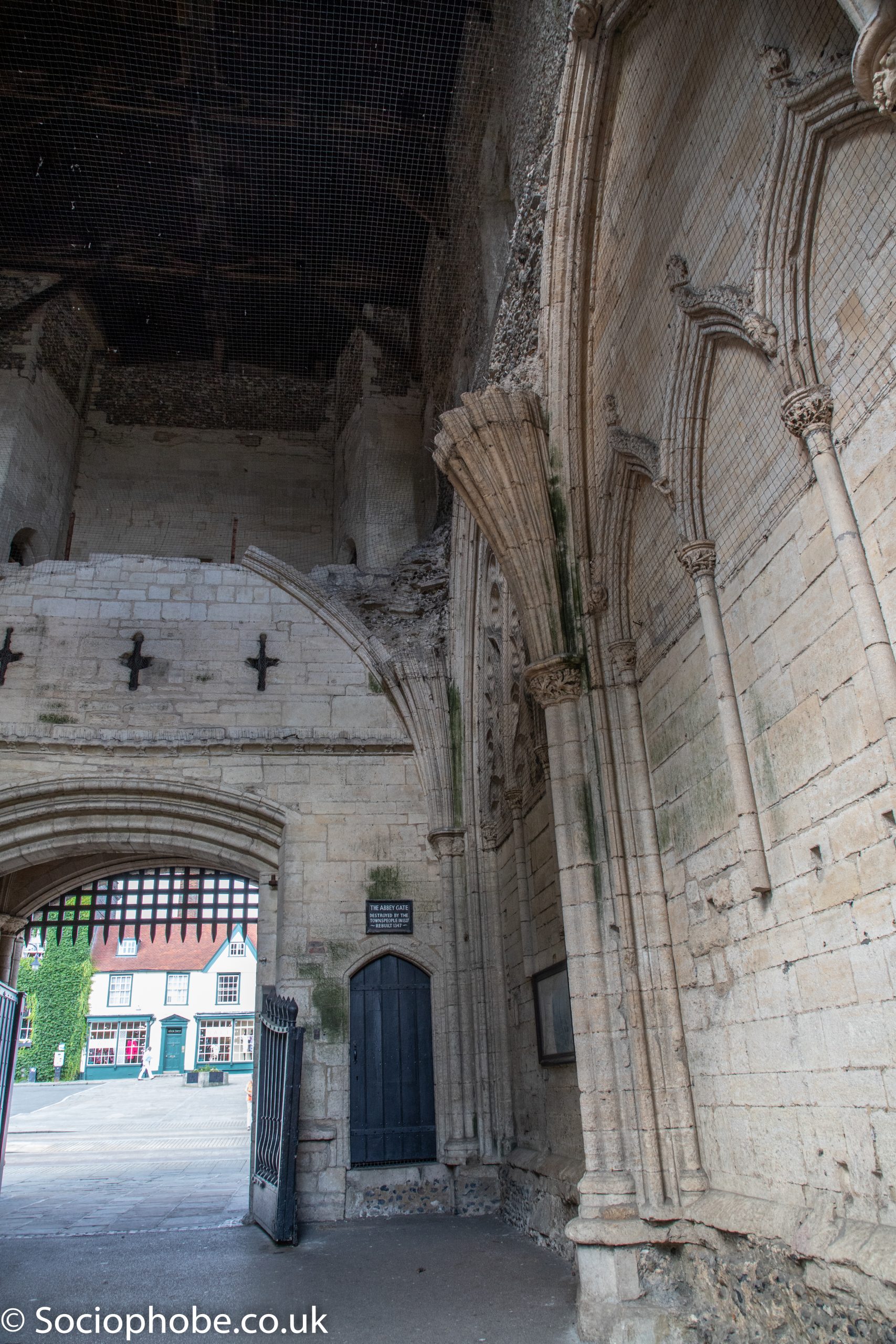
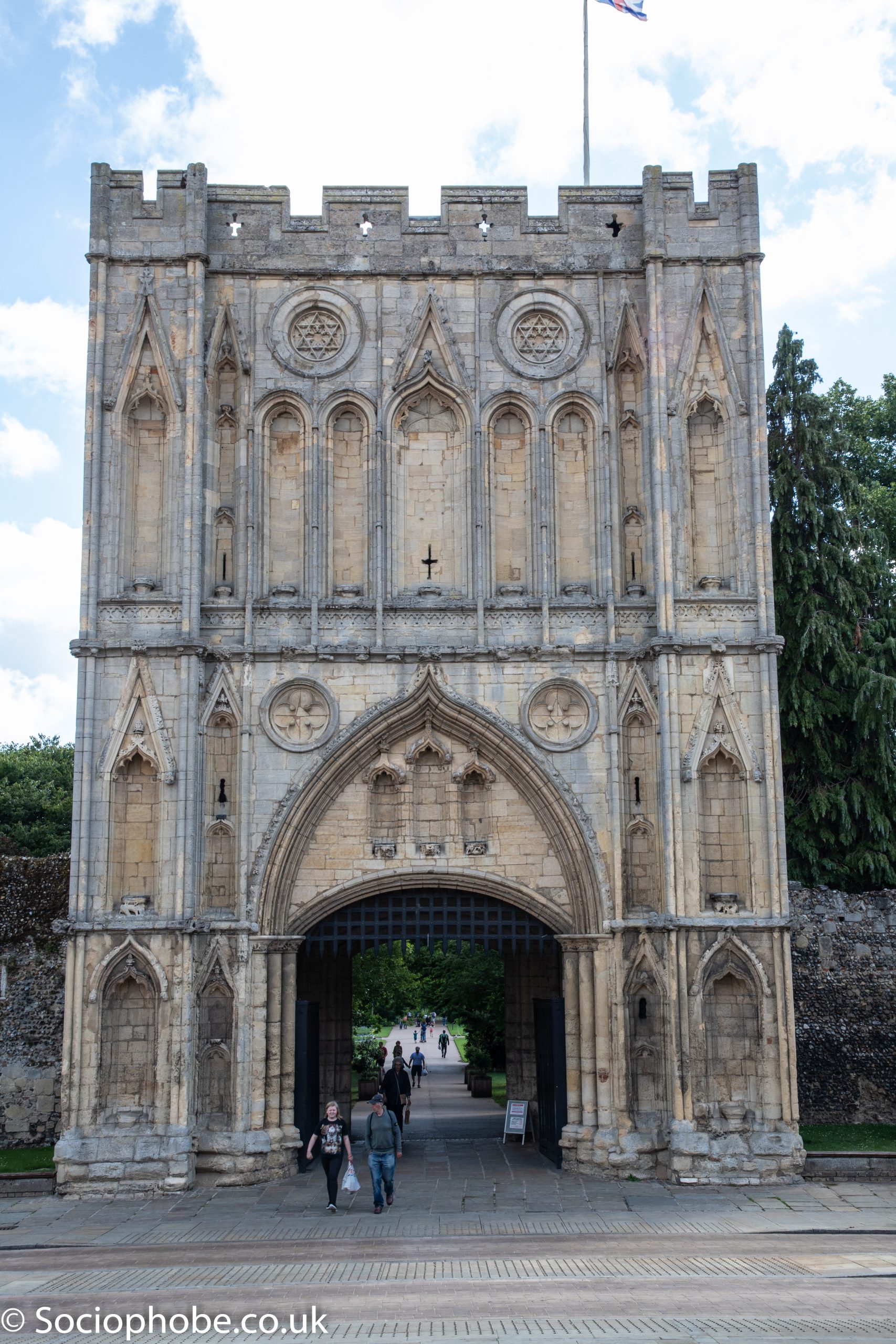
The abbey was actually a Saxon foundation rather than Norman and housed the remains of St Edmund, martyred by the Vikings in 869AD. Edward the Confessor expanded the abbey and the Normans developed it further, making it one of the richest and largest in the country. This made it a primary target for Henry VIII and very little remains of it now. The gatehouse is a restoration/rebuild of the Victorian era and the West front of the abbey has been incorporated into a row of houses. Other than that there is an excavated crypt and various bits of flint wall but little of the splendour that must have existed at one time.
The abbey is now set in the town park and was lovely to walk around the gardens. There were a few information boards too and we spent about an hour and a half walking around the park before heading back to the hotel and checking out. The town of Bury St Edmunds was a very pleasant market town and warranted a longer visit in itself, another time. Our next stop was Framlingham Castle, about an hour drive.
Framlingham Castle
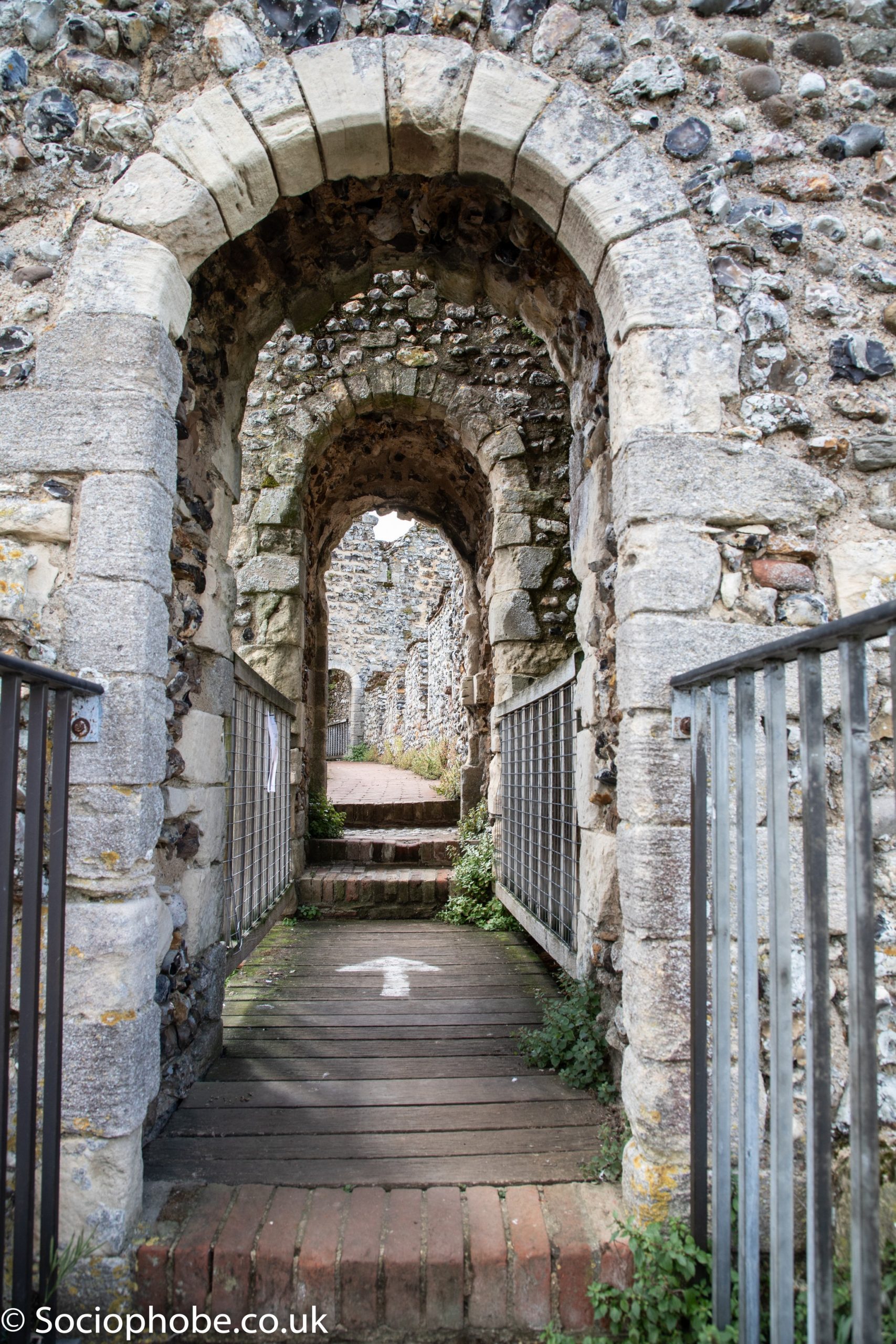
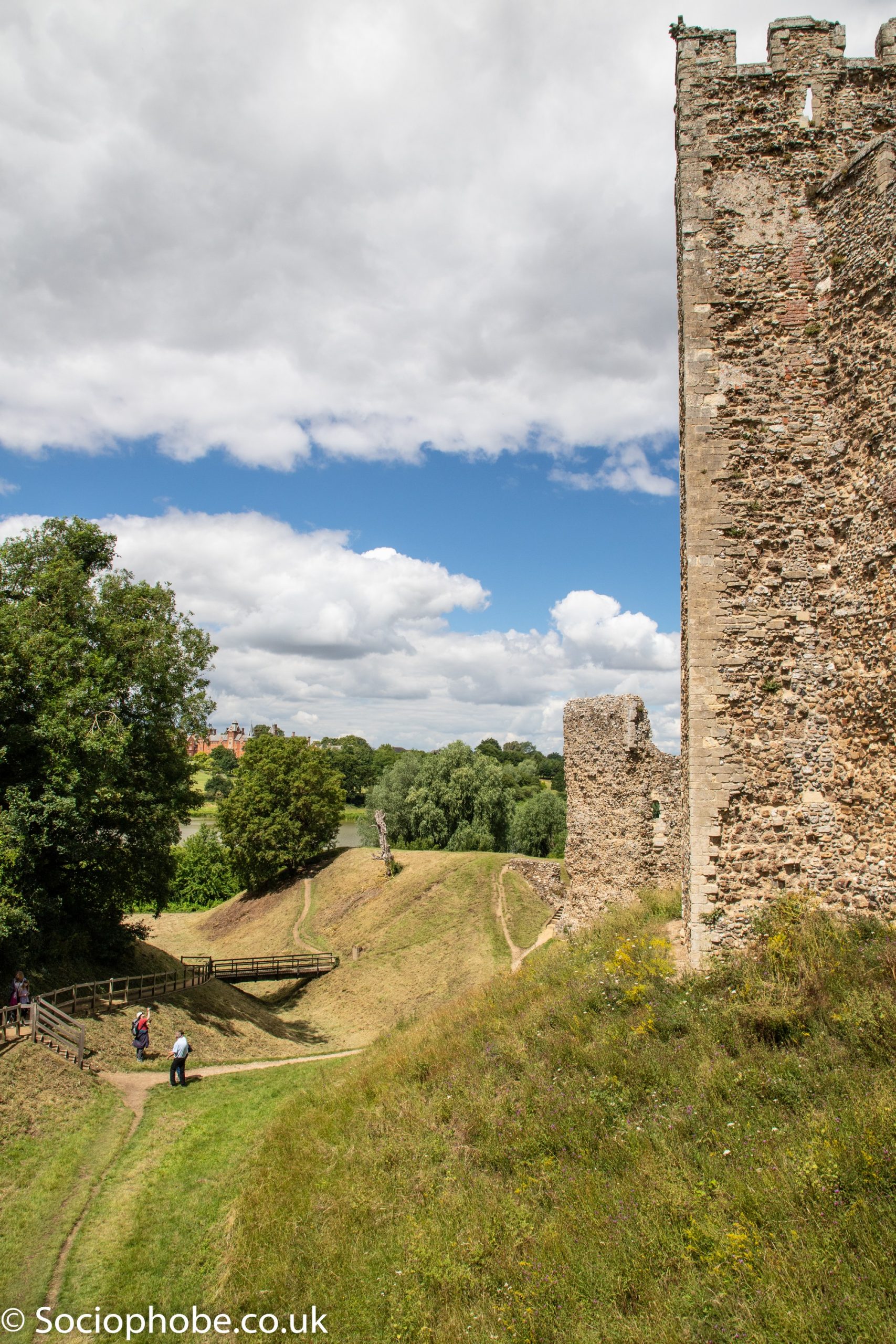
Framlingham is remarkably intact, the walls are complete and unslighted and the original towers still watch over the castle. This was another place with a lovely village that was a worthy destination in its own right with a little market square and lots of delightful buildings. We parked up in the castle car park and walked across the drawbridge into the castle.
There was the usual covid timed entry tickets and one way system in place. Deb couldn’t do the wall walk due to the spiral staircase so she missed the exhibition on the castle’ history too. The wall walk gave nice views over the countryside and close ups of the ornate chimneys but the lack of a keep meant the curtain wall was better appreciated from the outside.
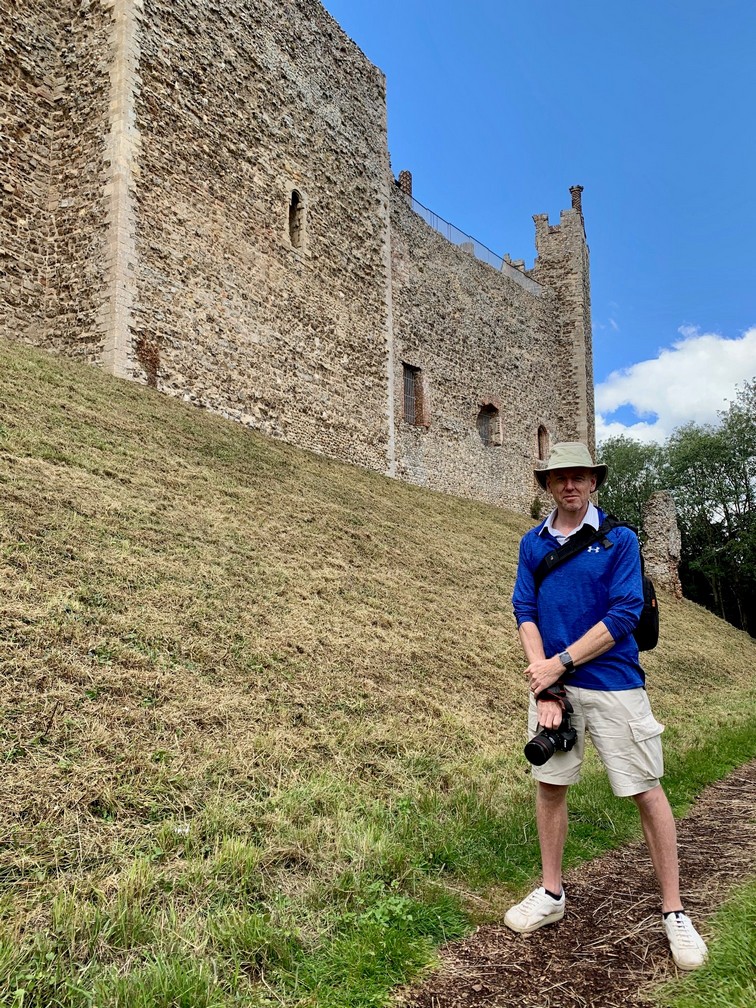
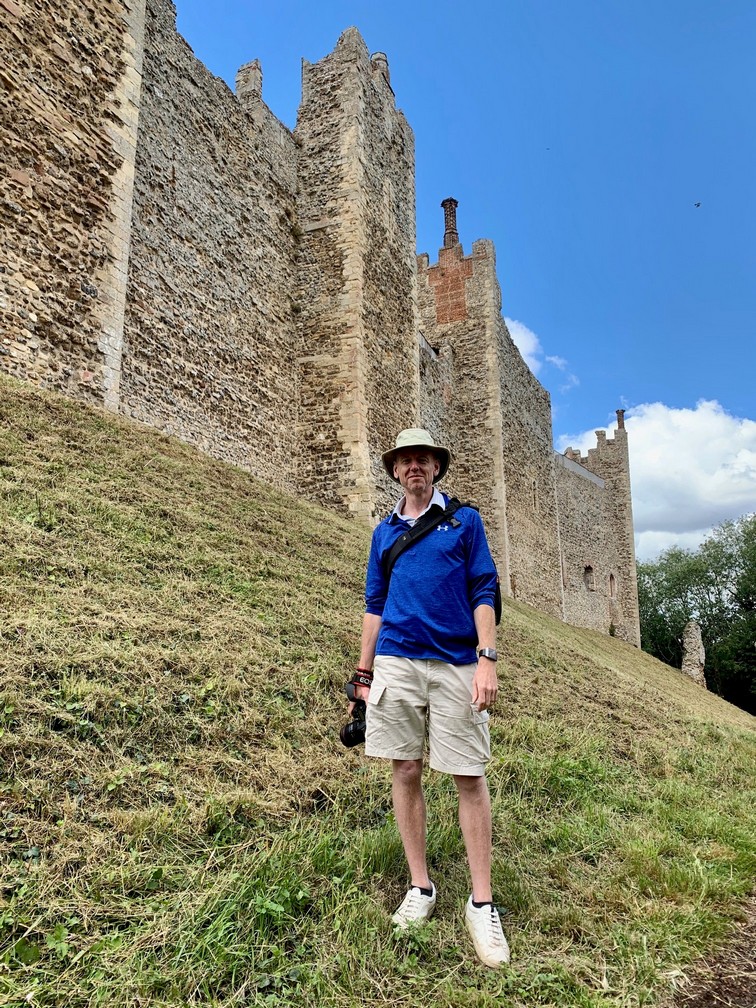
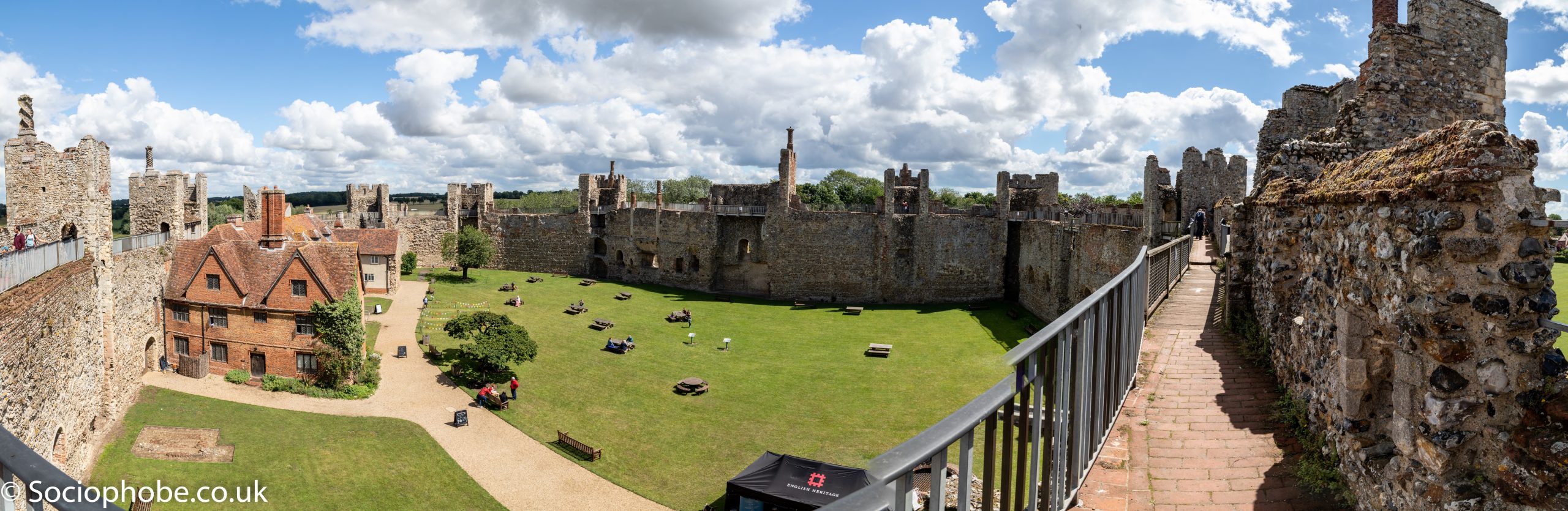


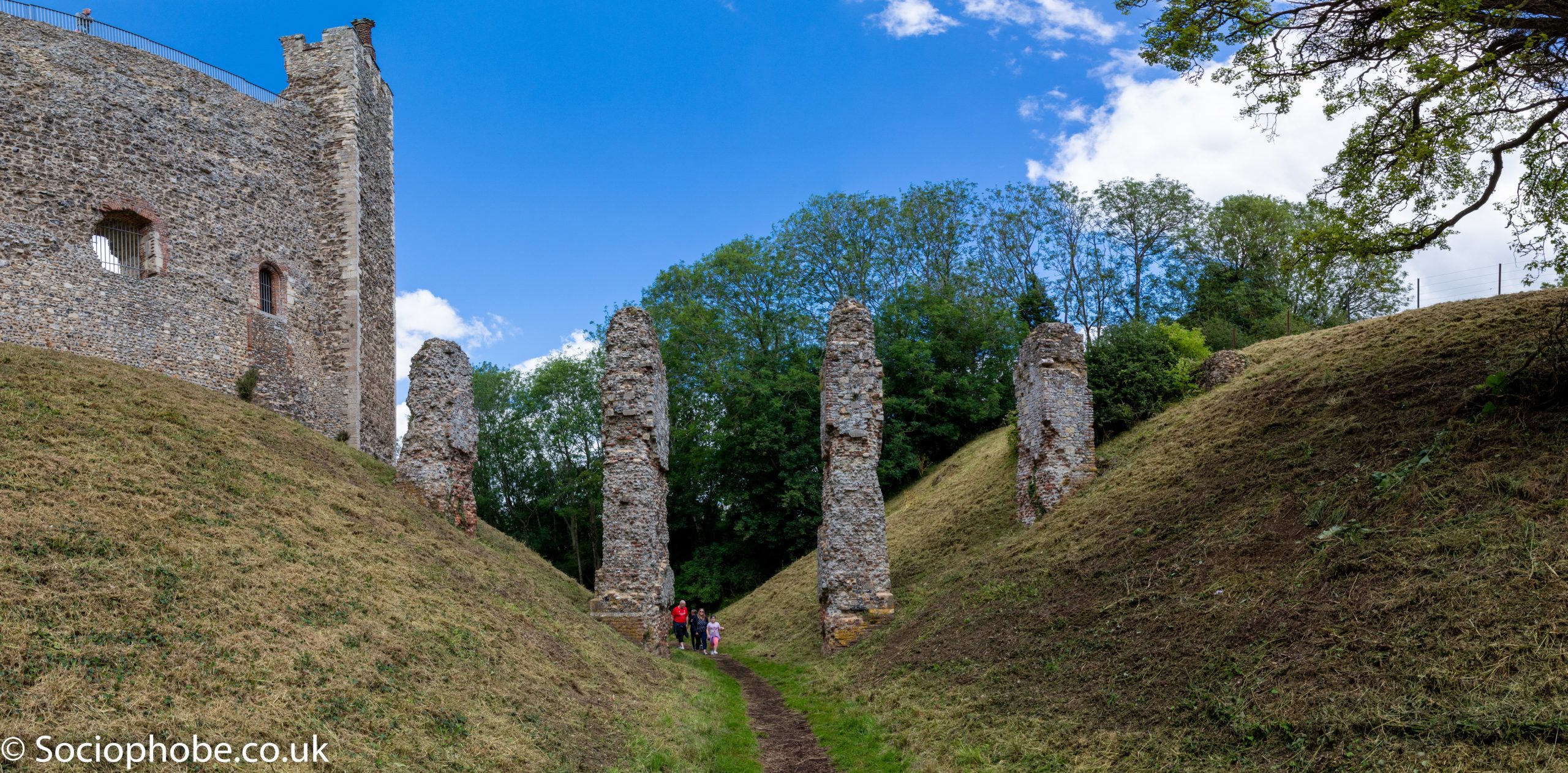




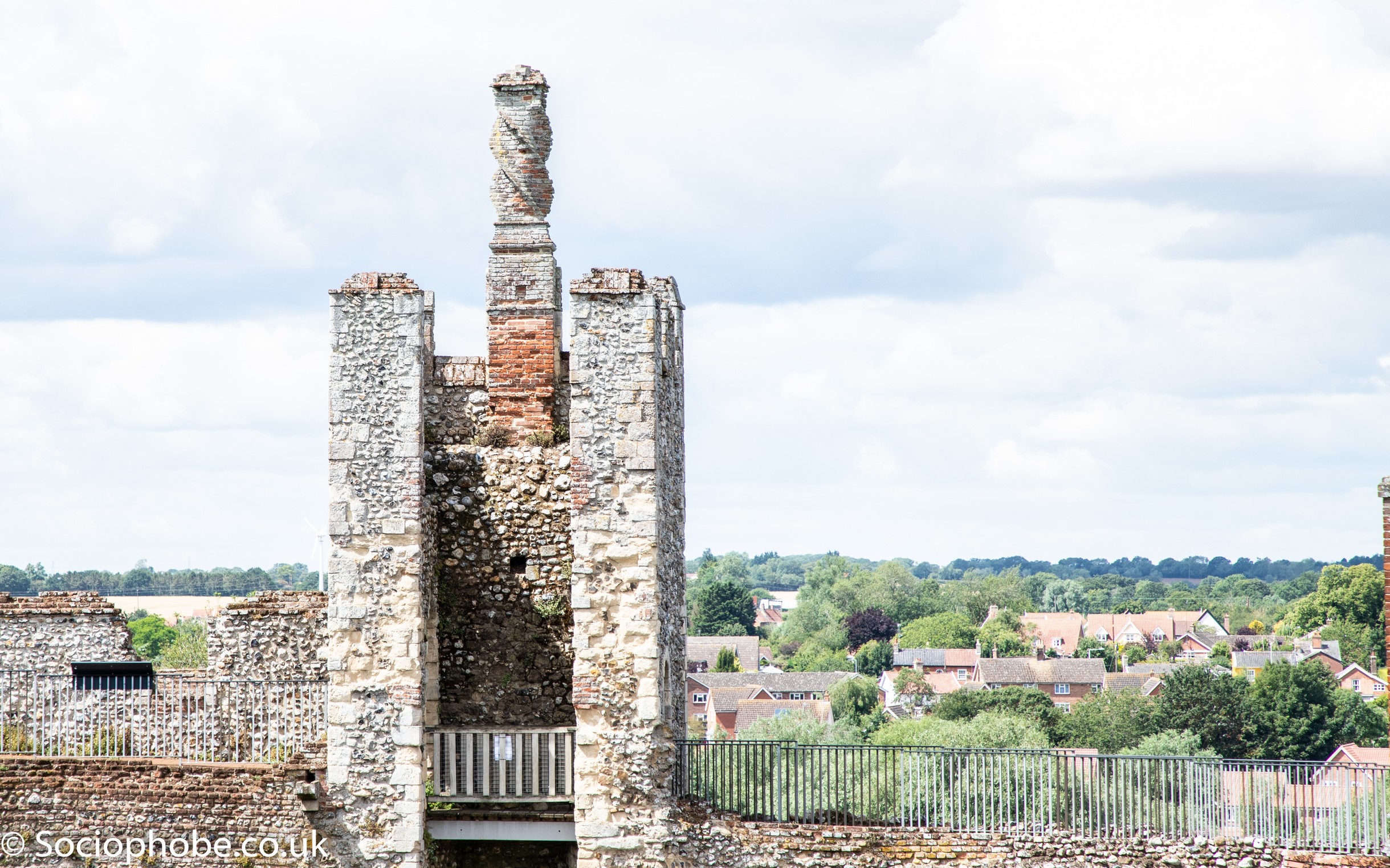
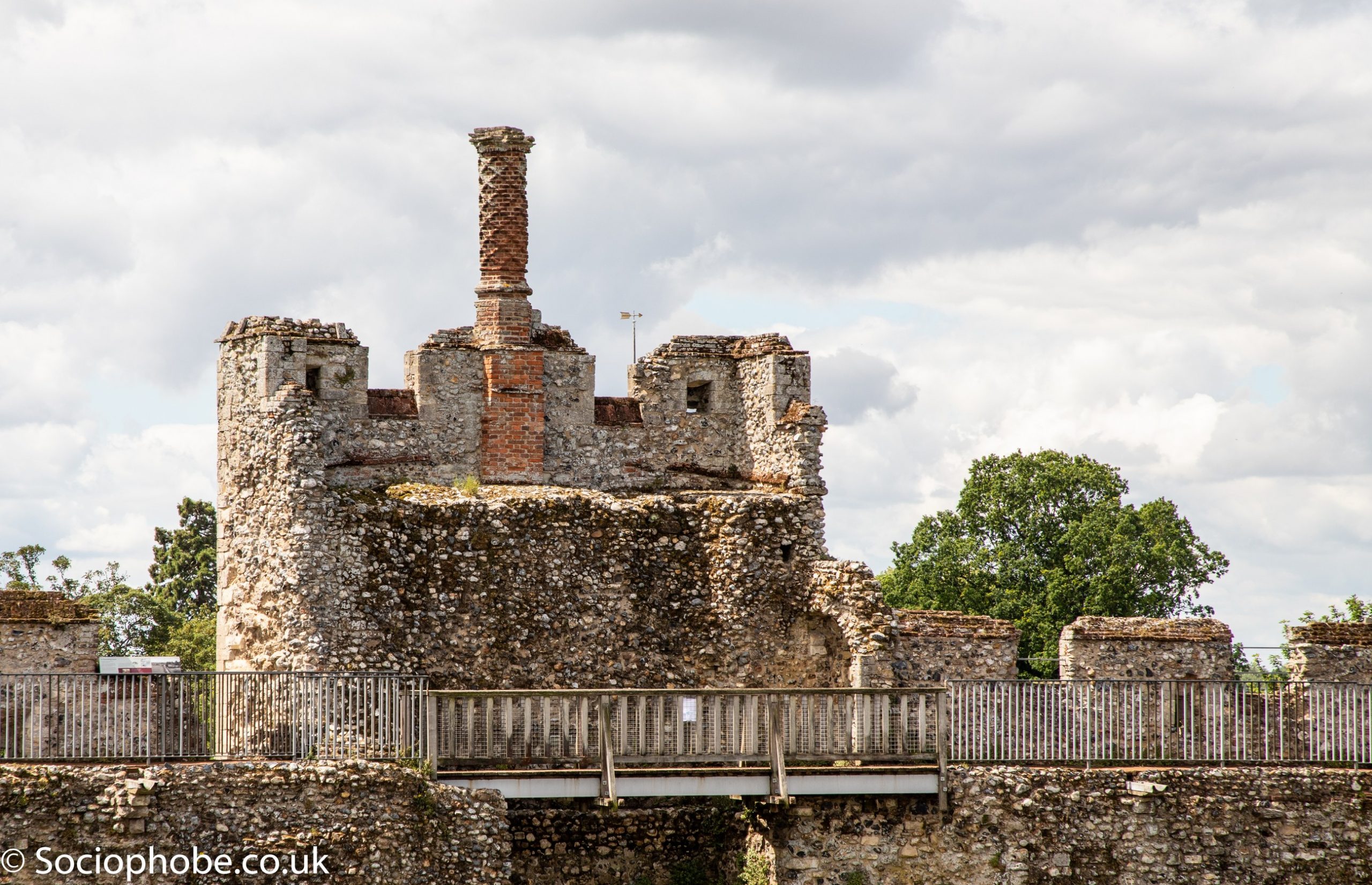
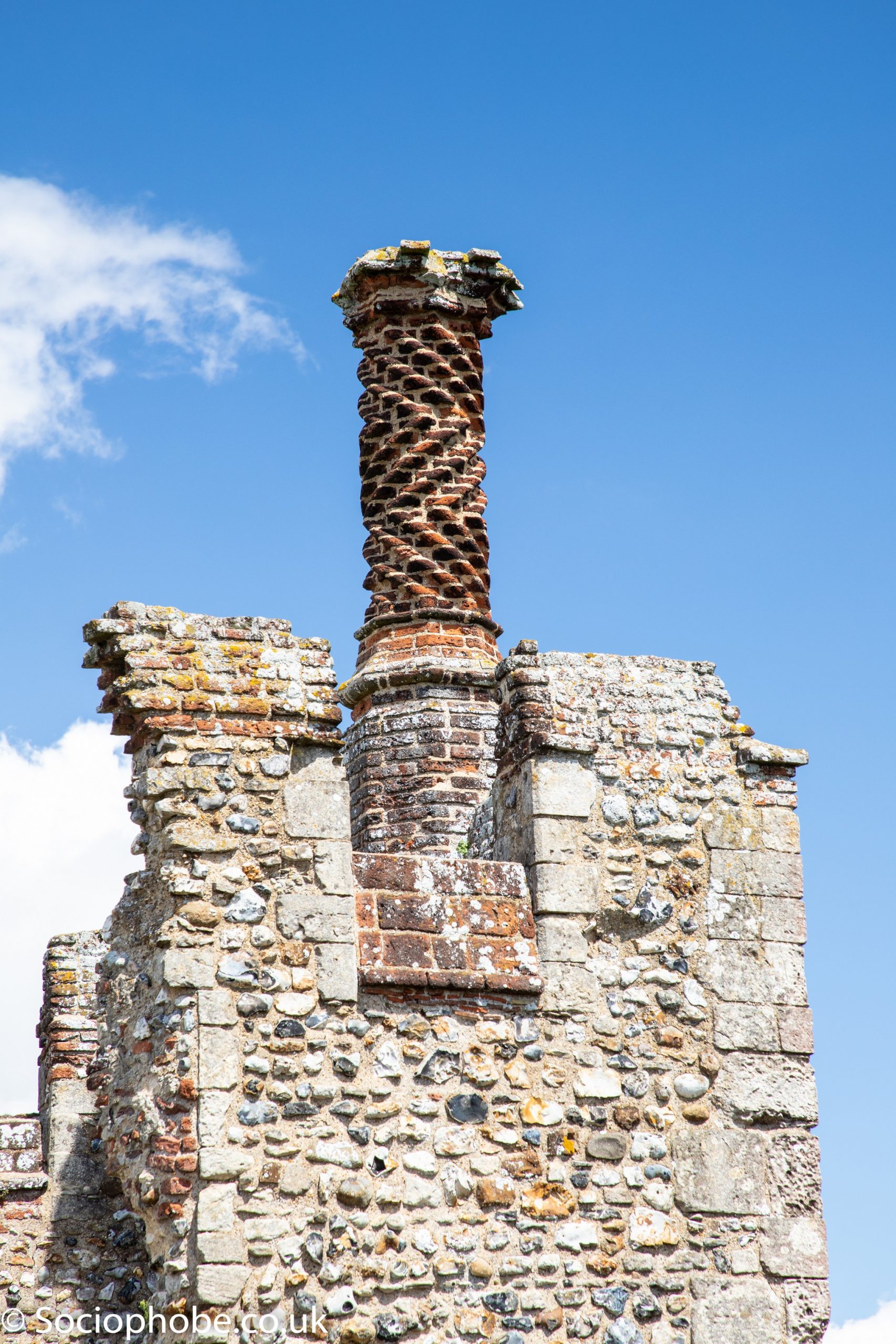
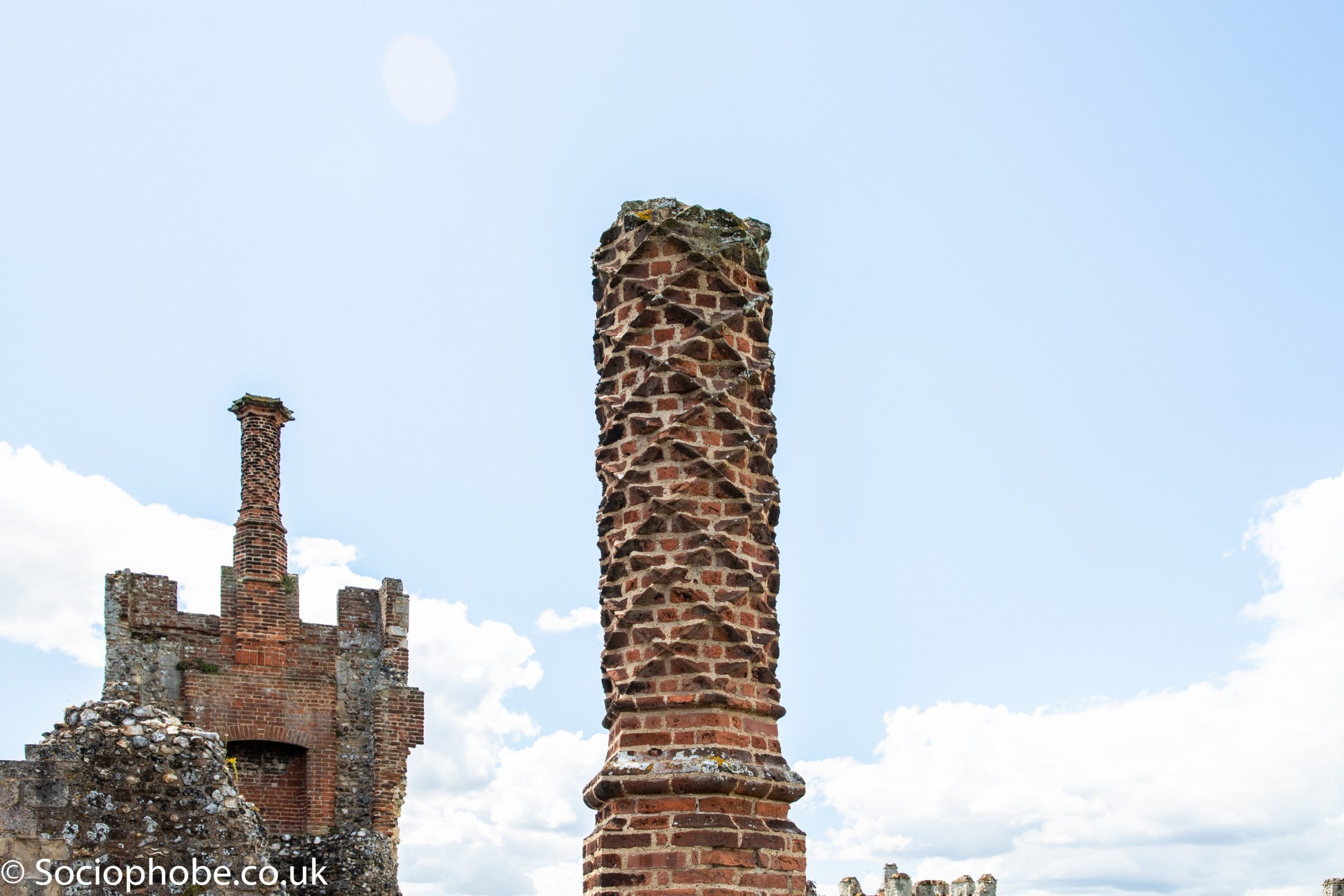
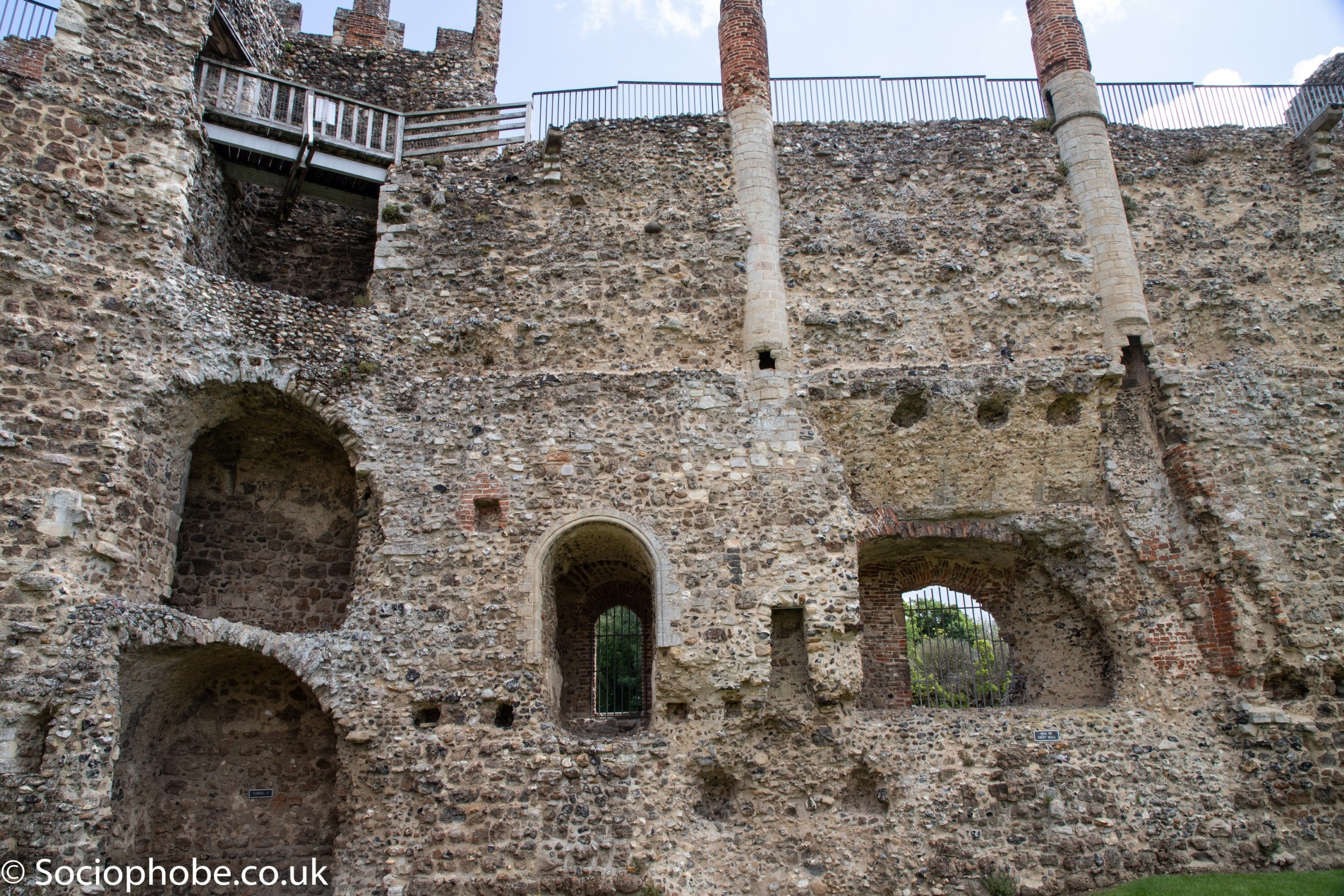
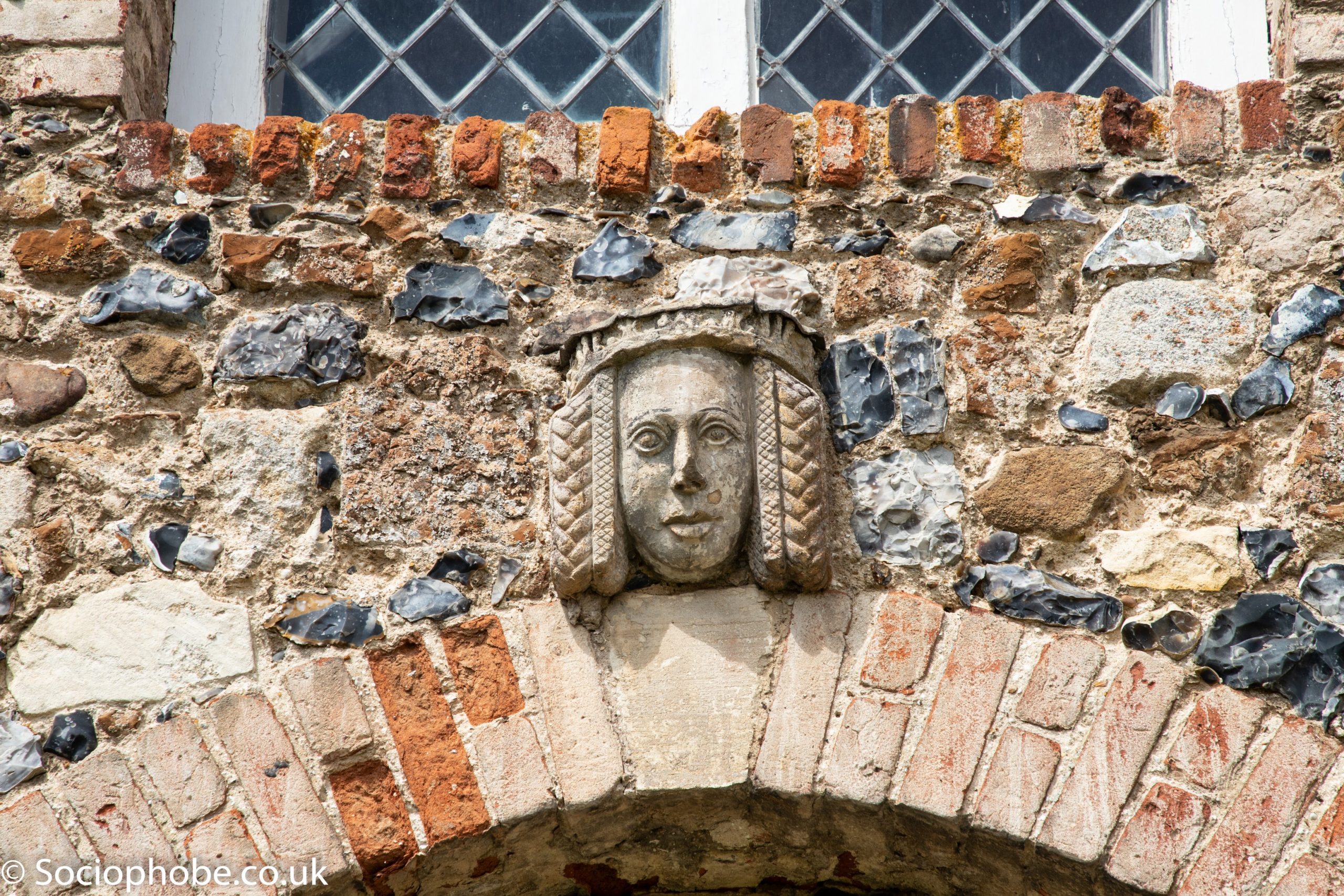

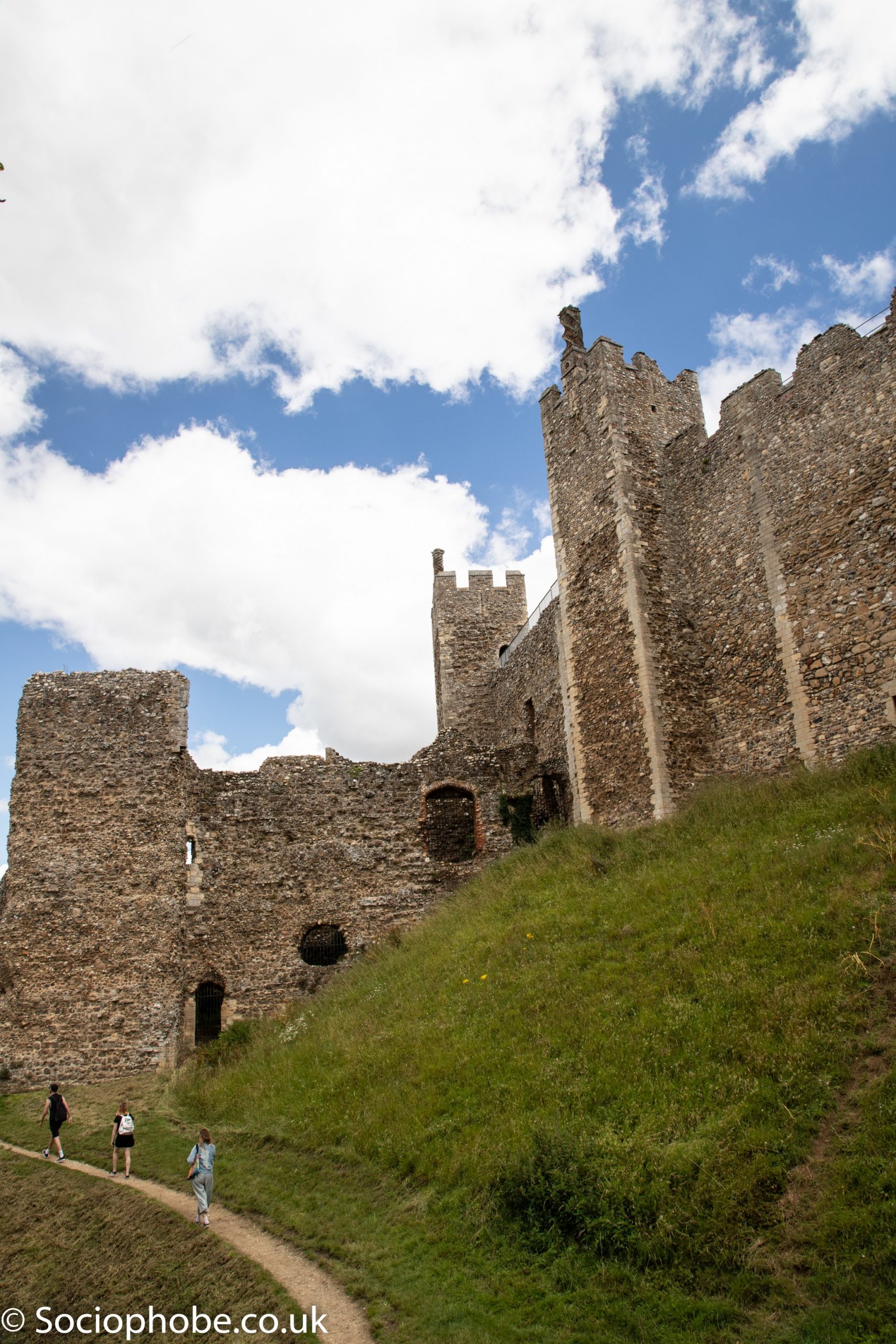
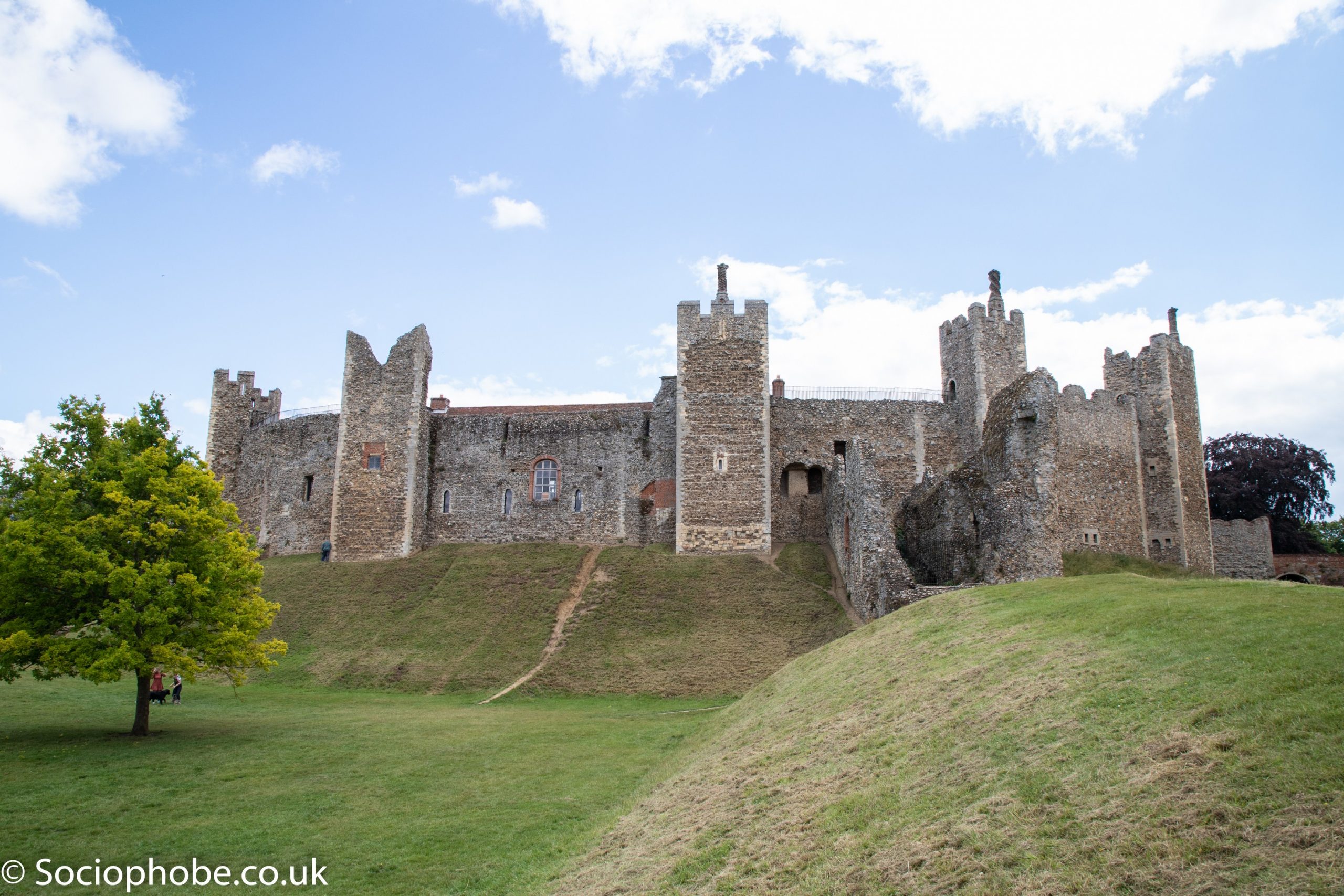
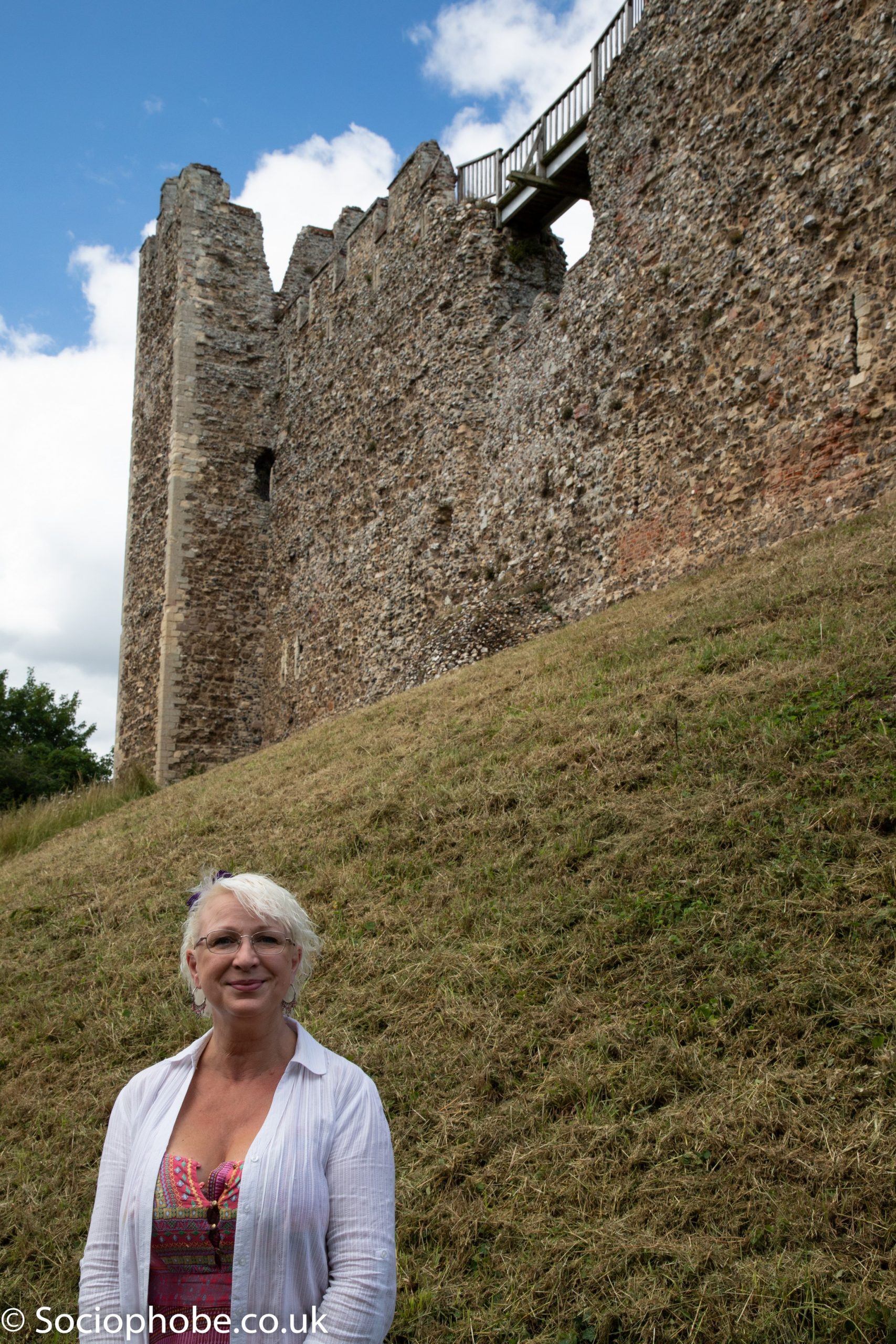
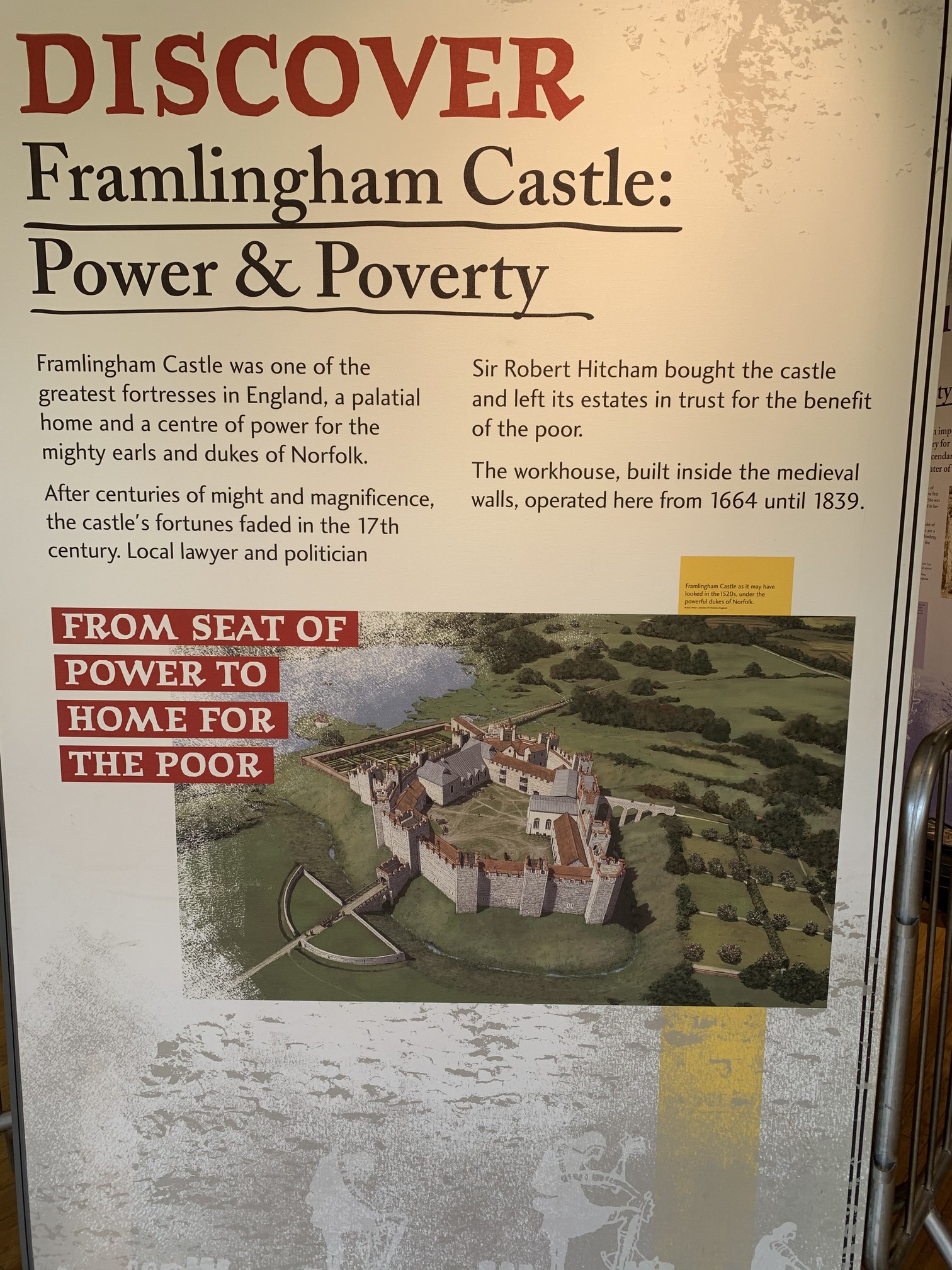
After a coffee we crossed the drawbridge again and Deb went back inside to ask the EH lady about the chimneys and the wall facings as some of the wall seemed to be brick fronted. We were told this was Tudor repairs and the original facing stones were from Caen. The chimneys were apparently so ornate because the builder was due to be executed when he finished them so he took such a long time that the person issuing the order died of old age before the chimneys were finished!
The stone castle was built soon after the Norman Conquest by Hugh Bigod and was besieged by King John, passing in and out of royal control before being granted to John Howard, the first Duke of Norfolk, by Richard III. Both were killed at Bosworth and the estate confiscated and then later restored. The Norfolk’s were staunch Catholics and rallied support for Mary Tudor against Lady Jane Grey. Elizabeth 1st then executed Norfolk for his plot to put Mary Queen of Scots on the throne and the castle slowly declined, being used as a workhouse, prison and military base before being handed to the state and then English Heritage.
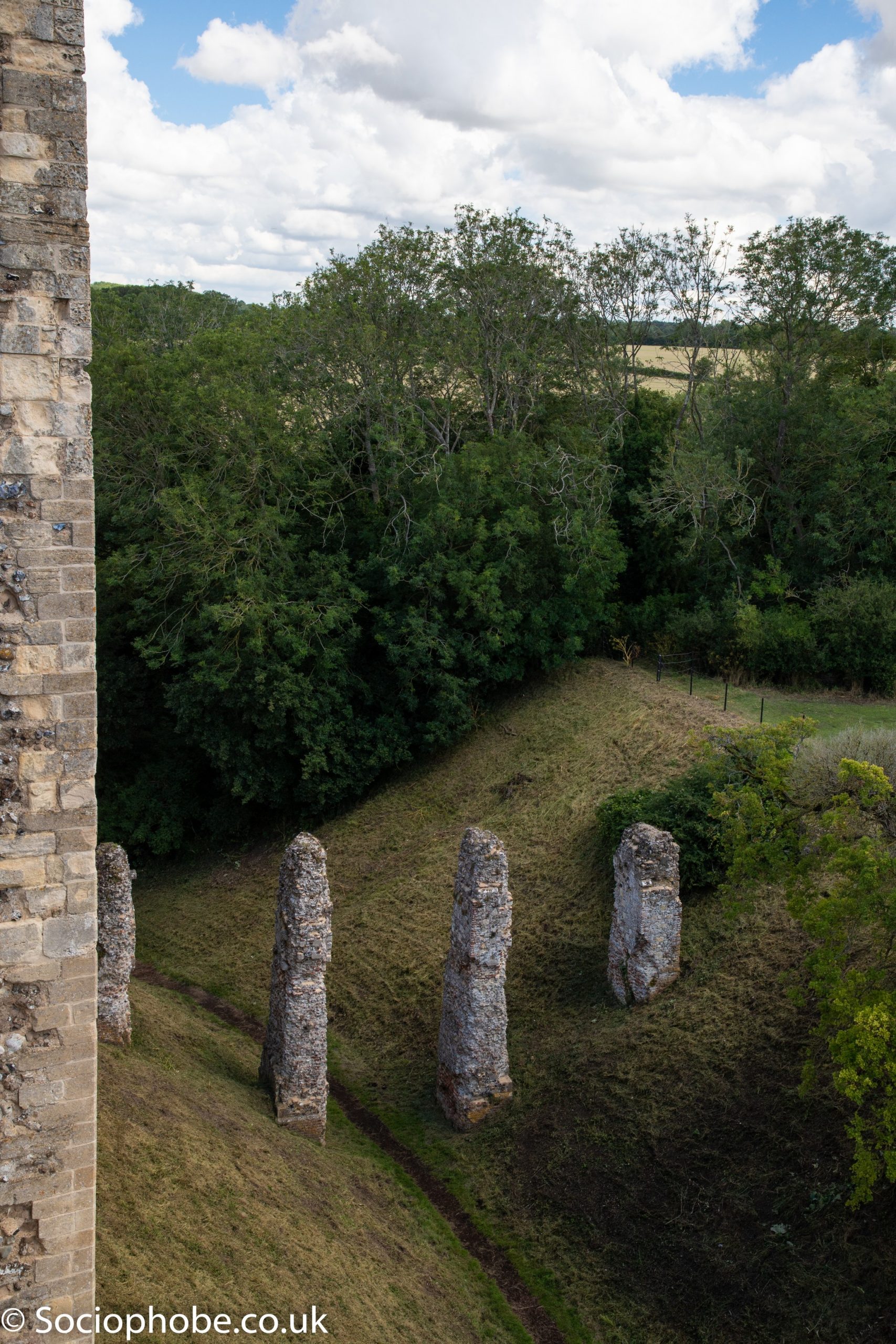
Walking around the outside of the castle gave a far better sense of the strength of it. There was a huge ditch and earthworks and only two bridges across the dry moat, one of which is now ruined. We then walked into the village and I indulged in a huge chocolate brownie while Deb browsed the Farmers Market before we drove to Sutton Hoo.
Sutton Hoo
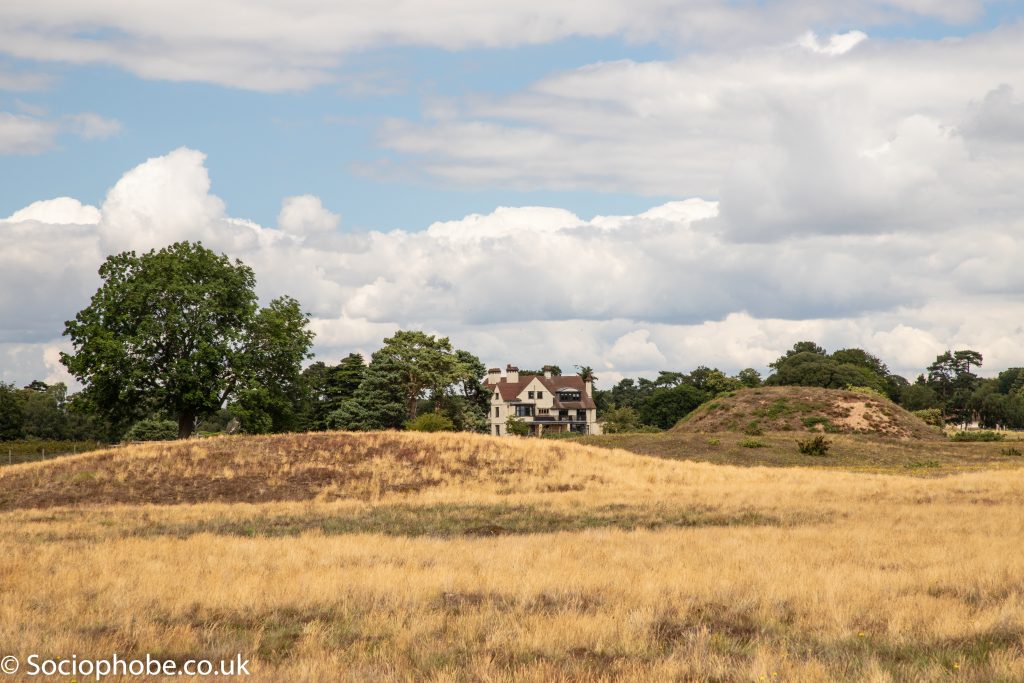
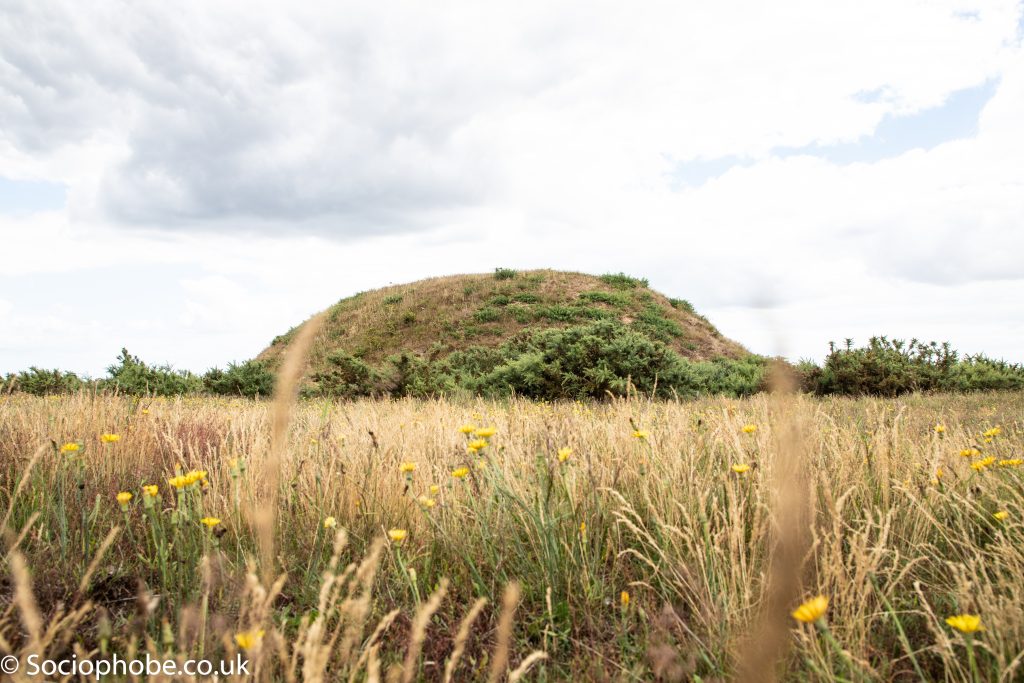
I had expected to spend longer at Framlingham so we arrived over an hour early at Sutton Hoo but we were able to park up and look around. To be honest, without the exhibition being open to put everything in context, it was a bit of a strange one for the National Trust to open. For those heretics unaware of basic English history, Sutton Hoo is the burial site of an East Angliain king and his unlooted (until now) grave was excavated in the 1940’s. This excavation shed new light on this period and the richness of the finds showed that both trade and crafts flourished after the fall of the Roman Empire. Most of the finds are now in the British Museum.
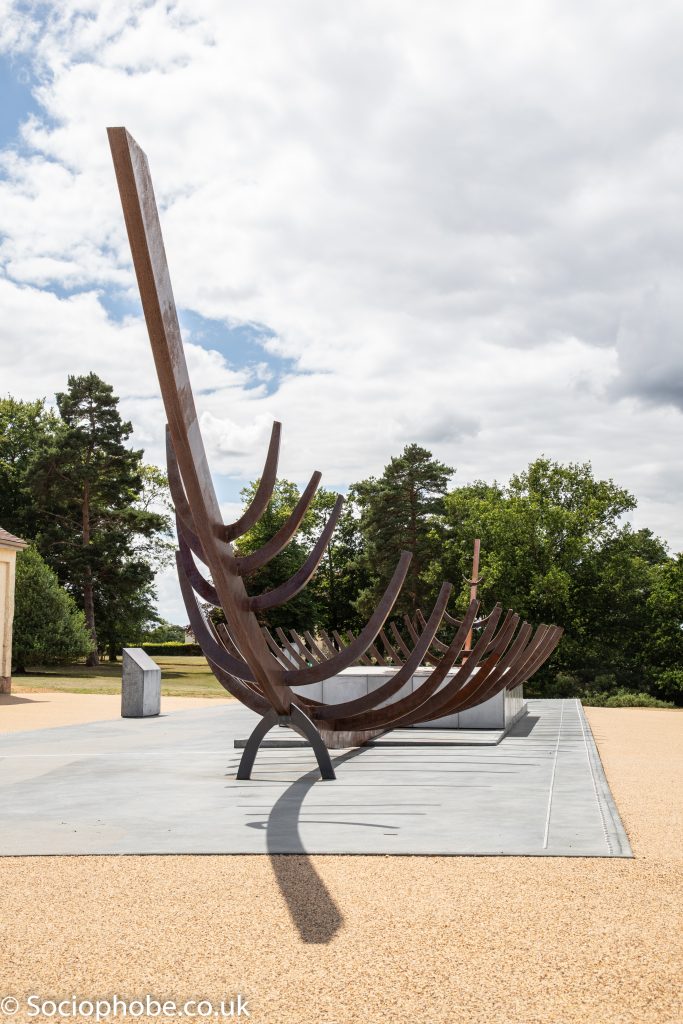
The burial mound where the ship and grave goods were discovered was just, well, a lump of earth. There is a modern sculpture that showed the size of the ship outside the exhibition hall but not much information. We had another coffee and then drove to Harwich for our overnight stay.
We were staying at The Goodlife Guesthouse where, after a very jolly check in, we were shown to our room. The room was huge room and I had a very welcome shower to warm me up before we explored the town. The park and promenade were just opposite where we were staying so we walked through there and along the prom, passing a WW2 radar tower and pill box.
Although it wasn’t a cold day I was still not warm so we ordered our takeaway from Joi Tandoori and went back to our room. Deb went out about 20 minutes later to collect it whilst I sorted through the photos. The food was delicious, nicely flavoured and good portions and value for money. The town was very run down though, lots of places boarded up or for sale.
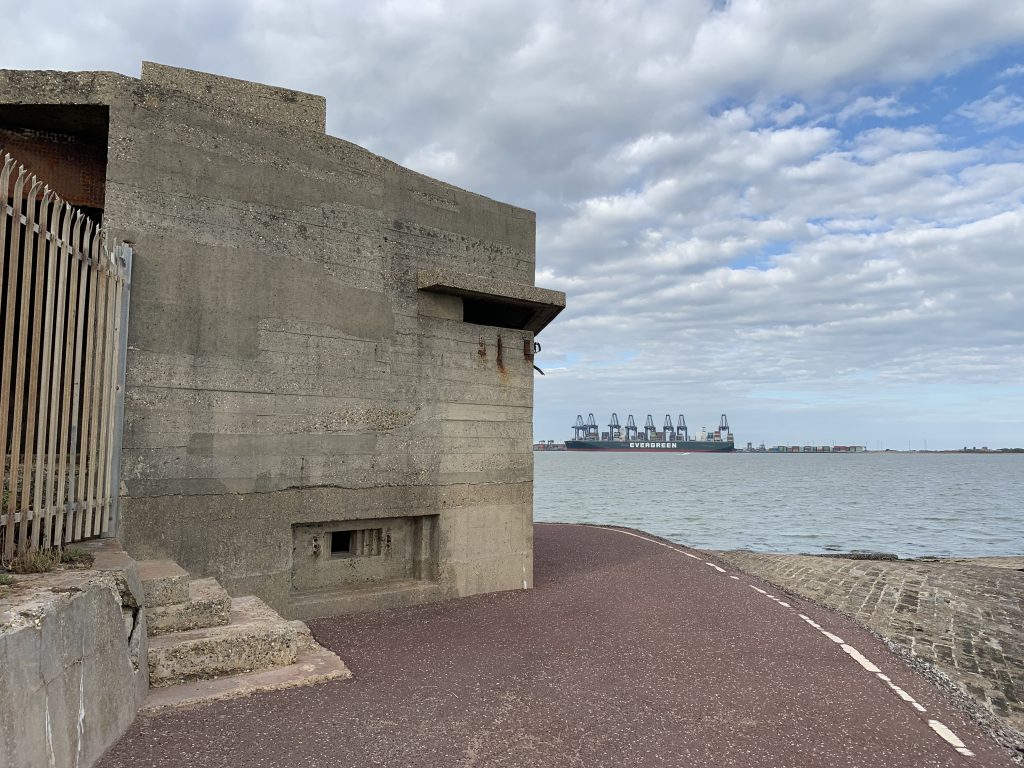
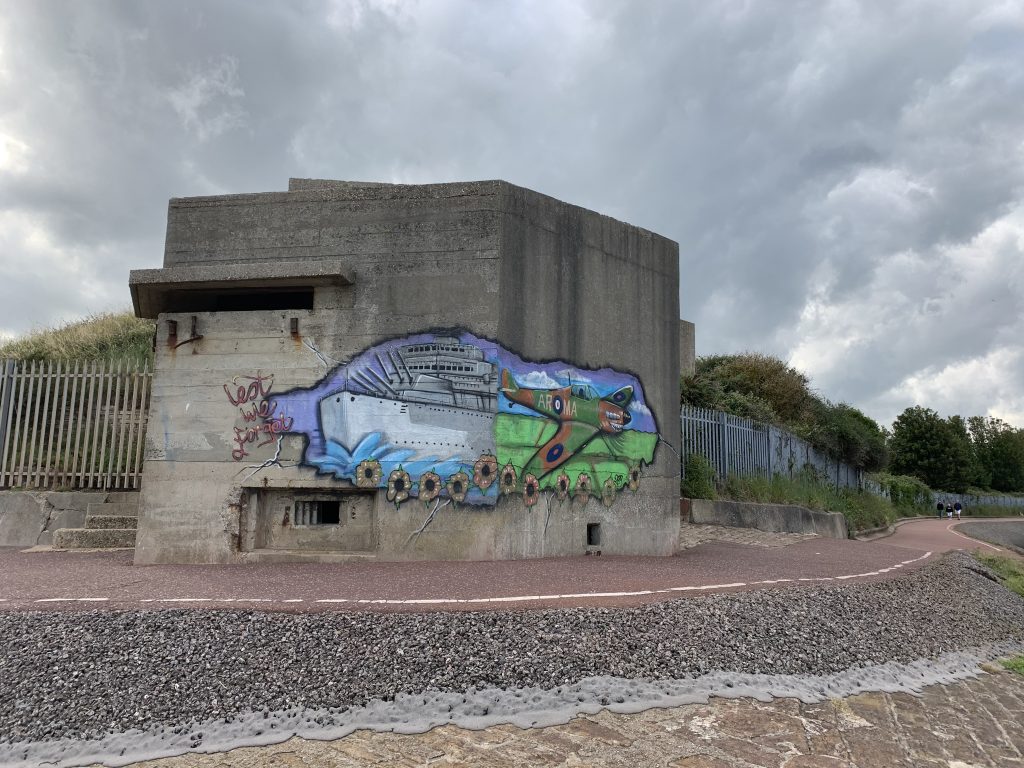
That was pretty much it for the evening, coffee and photo sorting before bed and catching up on the inevitable barrage of correspondence. The room was very quiet and I managed nearly 8 hours sleep, waking to blue skies! Deb woke surprisingly early too so we were stood outside the Station Cafe as it opened at 9AM. Breakfast was filling, excellent value and efficient so we had checked out and were on our way home before 10AM.
A lovely break discovering medieval Suffolk and Norfolk, our first for a long time. The reminders on my phone that we should have been in Poland didn’t really help but we can do that another day. Suffolk was particularly gorgeous and certainly we have another weekend planned there from places that weren’t open or available on this visit.
Like!! I blog frequently and I really thank you for your content. The article has truly peaked my interest.
I am happy to hear that, many thanks!
I like this-Helpful to find, but I am not sure where to start. Which of your articles can you recommend I read next?
Thank you. It depends on your interests, tell me what you enjoy and I’ll try and help.