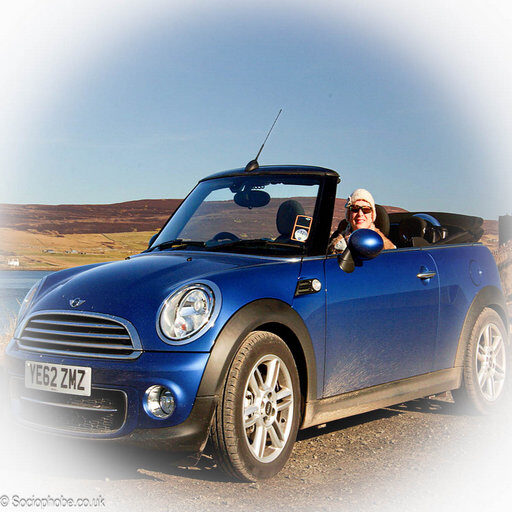
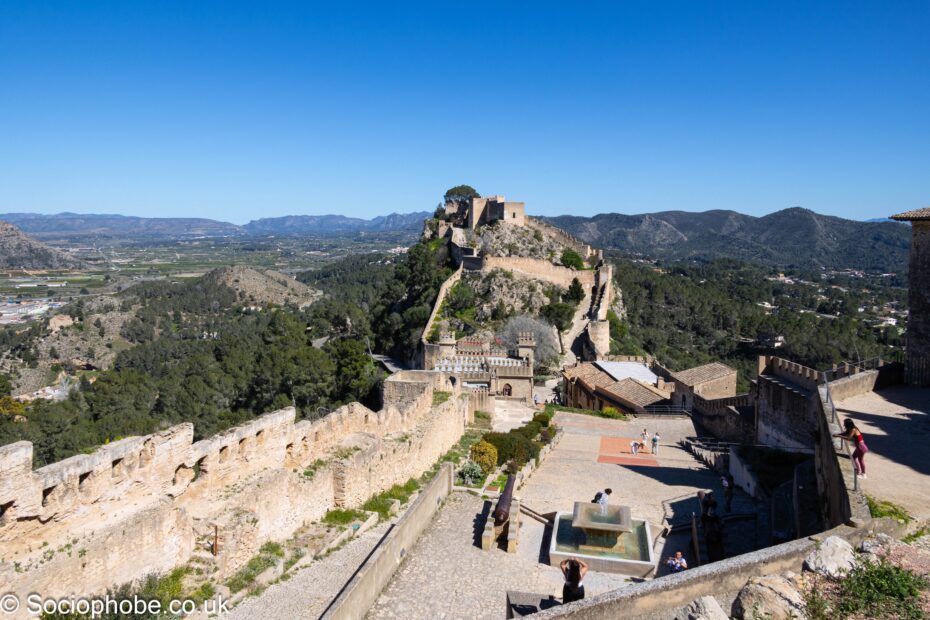
On this long weekend road trip to Spain we decided to explore the area around Valencia to experience the scenery and history of the region. We had previously visited the city of Valencia in 2019, detailed in my blog here, so this trip was to explore the region around the city.
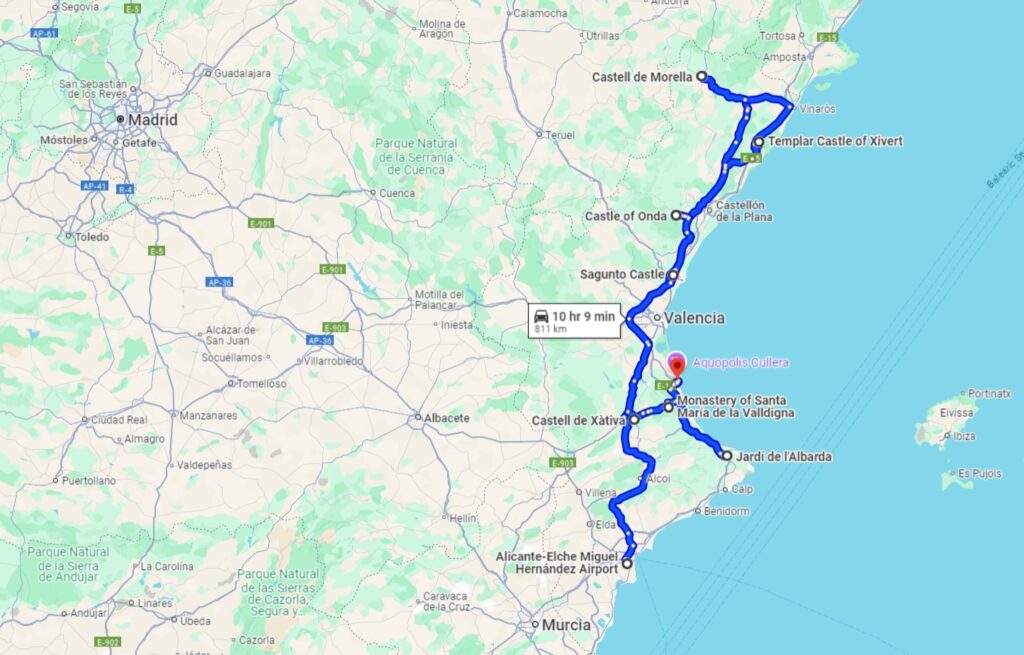
Quick links to highlights:
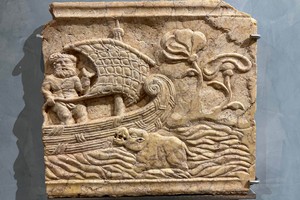
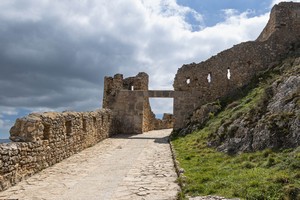
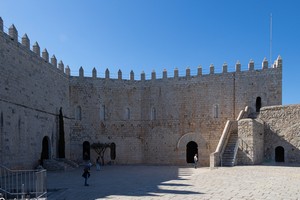
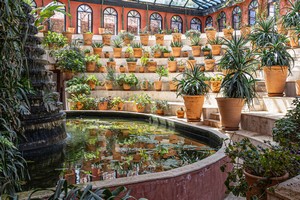
| Holiday Ratings | |
| Recommended days | 5 |
| Budget | £ |
| Difficulty | Easy |
The trip started with us getting up at 2:30 to collect my aunt, who we were escorting on the plane for her to stay with my Mum. We had a long drive to Gatwick and then a pause at security as they had to check her luggage as she had jam, cakes and pies for the starving English residents of Spain!
The flight was smooth and relaxing – BA this time – and we landed on time and met Mum at Alicante airport. After a coffee we handed Kay over to enjoy her weekend in the sun, picked up our hire car from Budget and started the 2 hour drive to our hotel in Sagunto along almost empty roads. Once we were in the old town of Sagunto it was a maze of narrow streets with tall buildings but mostly charisma lacking concrete rather than having any artistic merit.
Our Accommodation in Sagunto
I dropped Deb at our hotel, Domus Atilia, as the parking for the hotel was actually in a public car park 300m away. The lady who ran the hotel (whose name I never got, sadly) was fantastic. She spoke almost no English but was incredibly knowledgeable about the town and its ancient history and with the help of Google Translate she did a good job of educating us. The hotel was in the style of an old Roman house and there was even a little shrine. We had a large room separate from the main building that even had another bed on an upper floor if needed. There was lots of birdsong from the gardens and other than that it was blissfully quiet.
Sagunto
The first stop on our weekend around Valencia was Sagunto, about 30k north of the city and on the main north-south AP7 highway. Sagunto is most famous as being the spark that ignited the Second Punic War when Hannibal captured the city, that was under Roman protection, in 219BC. It was then recaptured by the Romans and became an important city through the Roman, Visigothic and Islamic periods but steadily declined as it was overtaken by Valencia. It was damaged extensively in the Peninsula War against the French in 1811 and the almost intact Roman theatre was plundered of its stone to bolster the castles defences.
Sagunto Roman Theatre
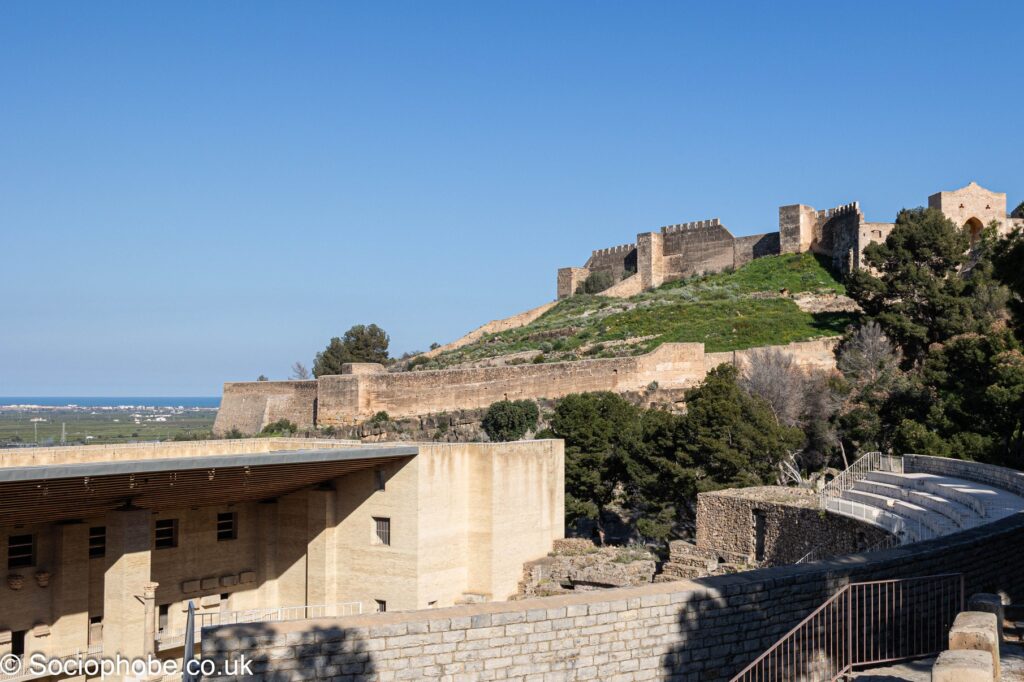
We walked through the town, which was clean but had lots of vacant shops and was certainly not grand or pretentious but the longer we wandered around, the more I liked it. The Roman theatre was free to enter and originally held 8000 spectators but was now about 20% original and the rest reconstructed in modern yellow bricks. I think there were one or two information boards but maybe not and I spent less than 10 minutes walking around the theatre before leaving.
Sagunto Castle
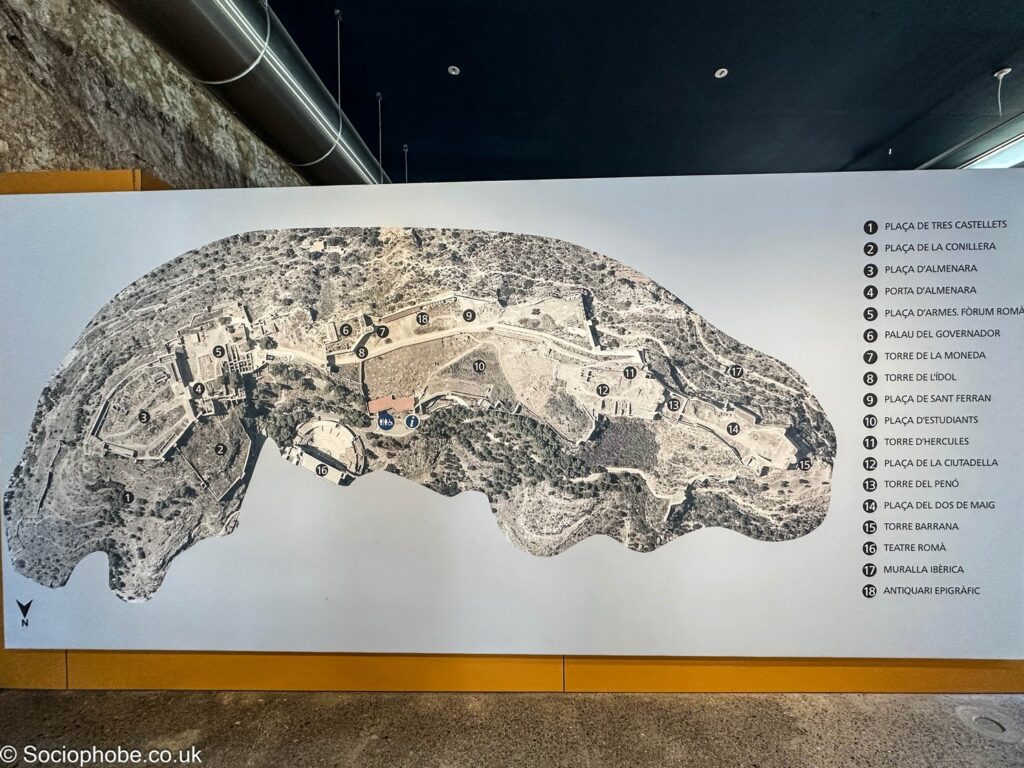
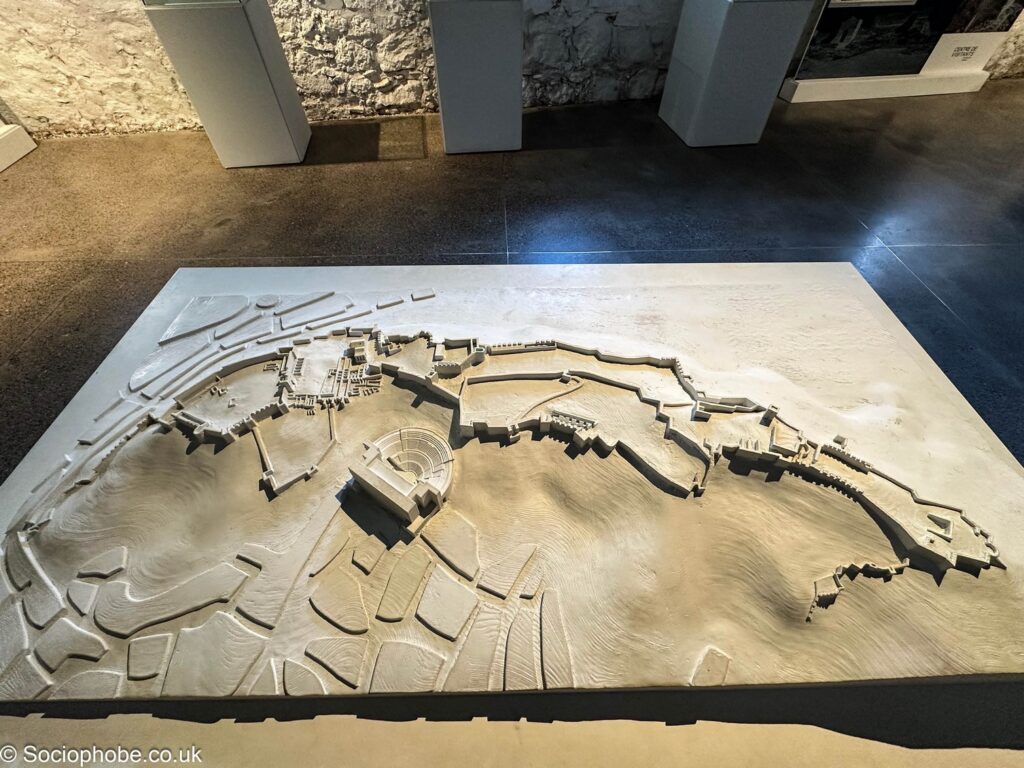
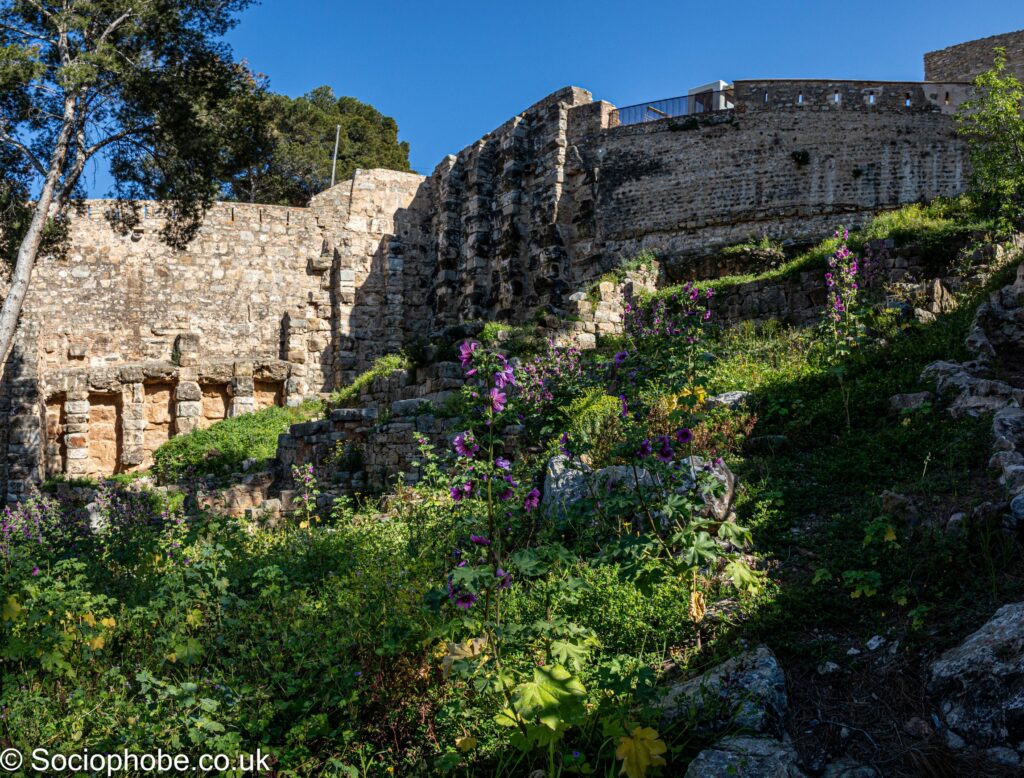
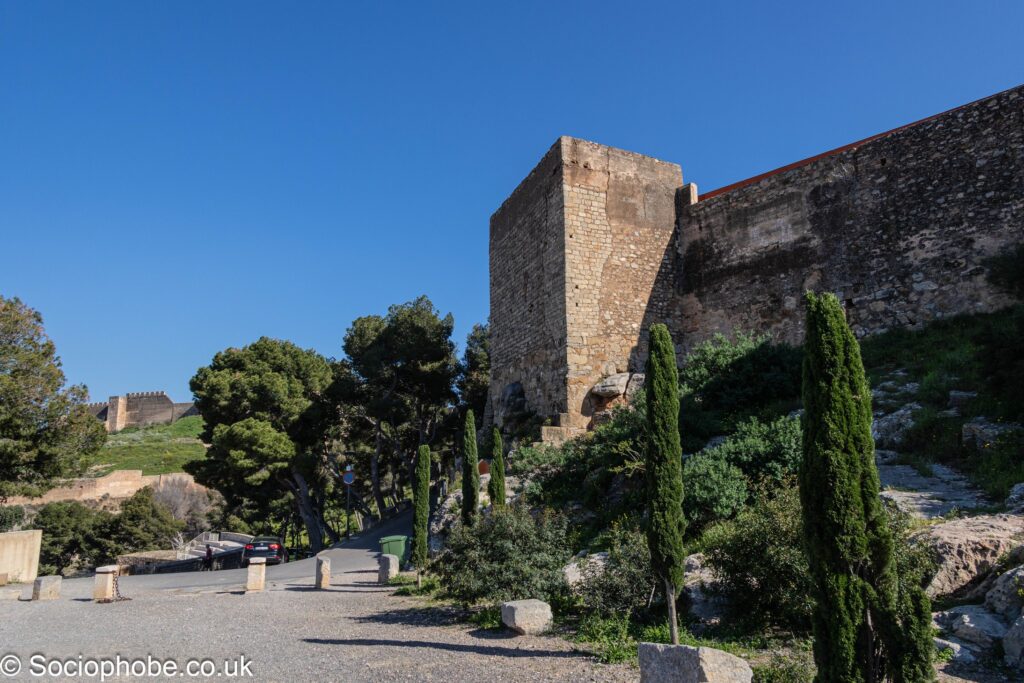
I carried on up the hill, Deb following at her own pace, to the castle. This is actually two castles on the two peaks of the spur with 2km of walls linking them. They have evolved from Iberian, through Roman and Islamic fortifications and then further improvements in each century, culminating in machine gun bunkers being built in the Spanish Civil War in 1936.
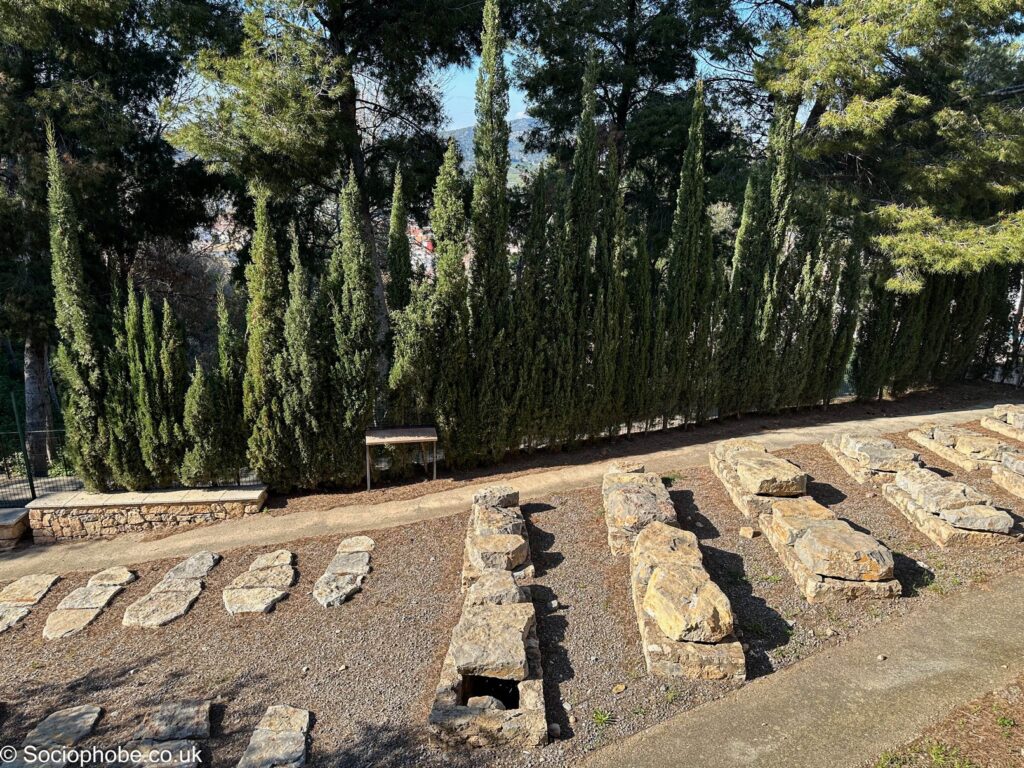
We saw the Jewish necropolis, built into the hillside as we climbed and then entered through the gates into the castle itself to find that it was actually closed and only the information centre was open. This was free and was very good, we probably spent 30 minutes learning about the history of the site and its occupants as well as watching an English language film. I have no idea when the castle itself will reopen and can’t see any definite information online.
We were rather hungry by now but no restaurants were open this early (17:00) so we ate at a cafe and paid €10 for 2 pizza, 2 cakes and 2 coffees!
Morella Castle
We started the next morning with a filling breakfast before walking to collect the car for our 2 hour long drive to Morella through spectacular mountains scenery. The roads were again superb condition and wonderfully quiet which was lucky as the winds were buffeting the car a lot of the way.
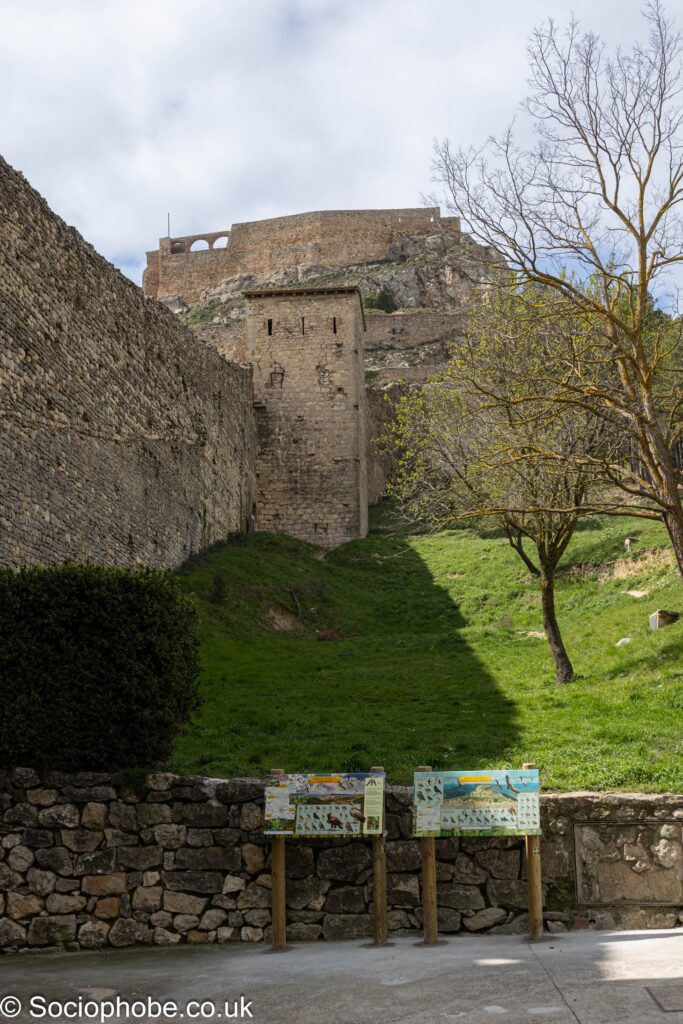
The hilltop at Morella has long been a military strongpoint but the current castle dates from the Arabic period and was rebuilt by El Cid (fighting on the Muslim side as a mercenary) before being captured by the Christians in the 13th century and expanded by James I. Further defences were added over the next few hundred years as weapons changed and the castle saw action right up to the Spanish Civil War. Apparently the last Republican guerrillas in the area didn’t give up until 1956!
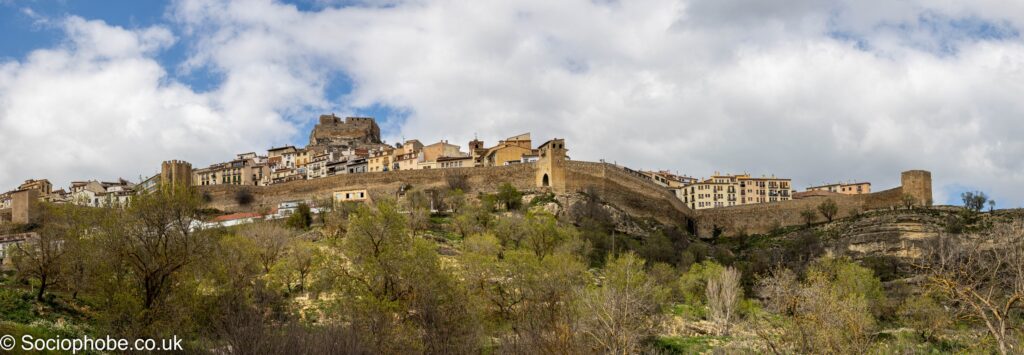
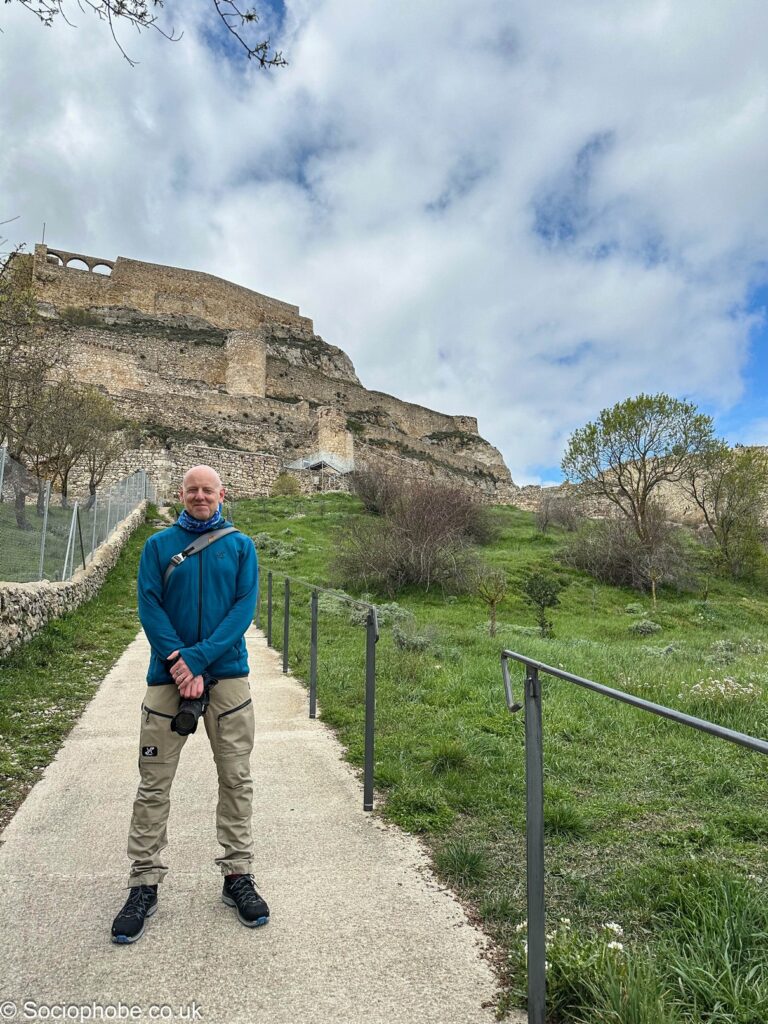
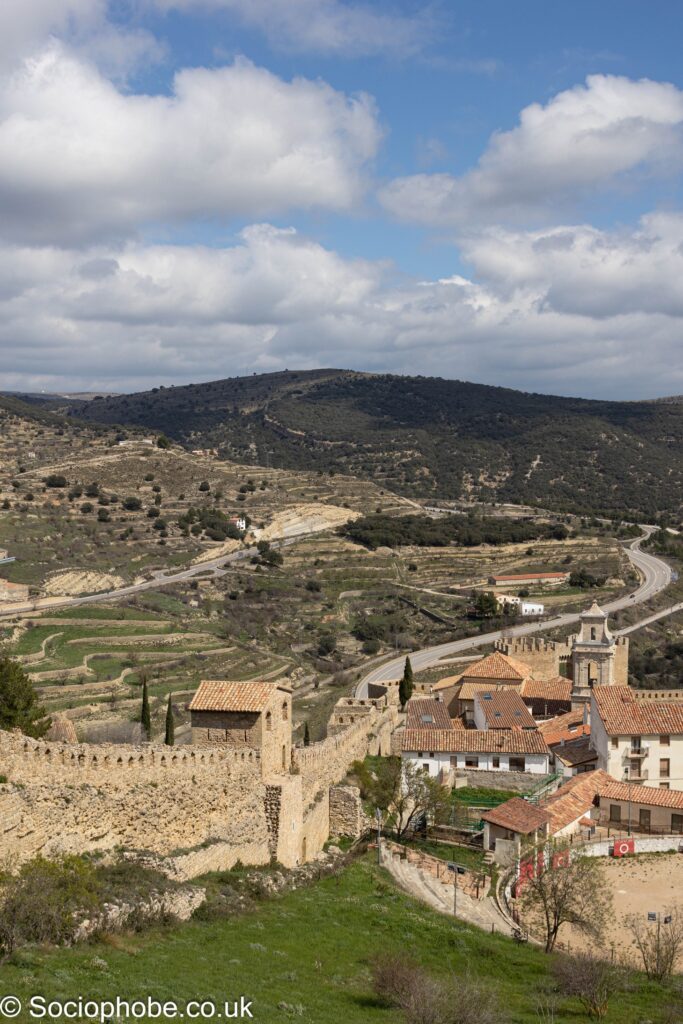
Until our arrival I didn’t realise that Morella was actually a walled town, not just a castle. It looked like a Tuscan hilltop town rather than something from Spain, with a cluster of houses surrounded by walls and towers and a castle on the summit of the hill. We drove through the town gate and parked and then realised we probably should have bought our fleeces as we were 1000m up and it was cold and windy! Once we were inside town walls the wind dropped enough for it to be bearable and we explored the beautiful medieval town with its narrow streets and pretty squares.
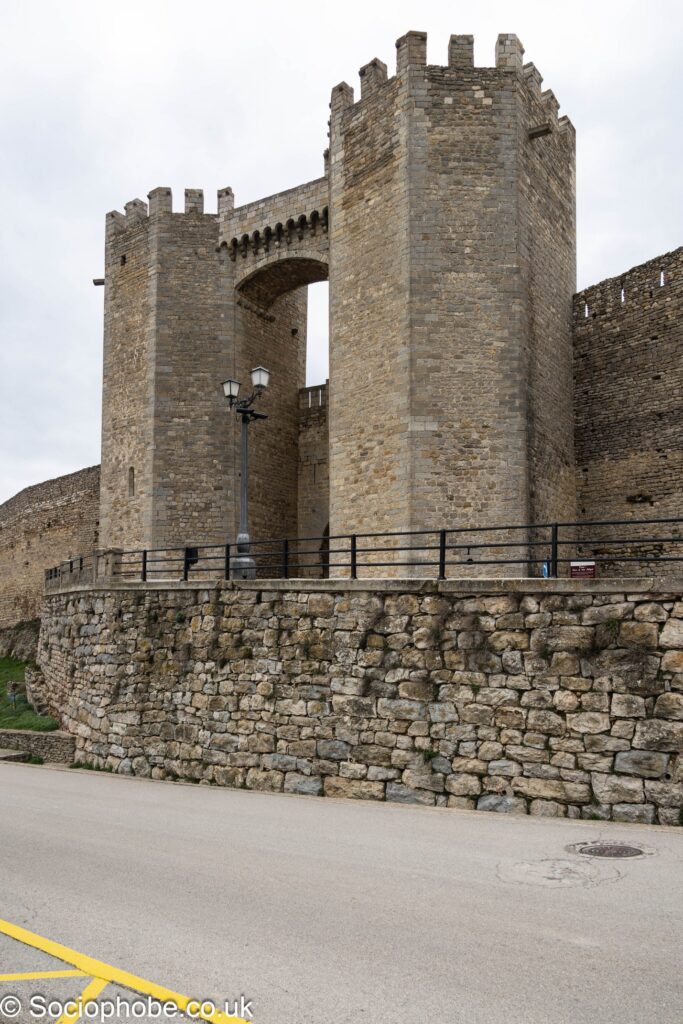
The tourist information office just inside the main gate sold a combined castle/church/gatehouse/dinosaur museum ticket for €11 so we took advantage of that and then visited the Gate of St Michael. The steps inside linking each floor were very steep and there were various artifacts inside but descriptions were only in Spanish, as were the descriptions and plans of each of the city wall towers. There were impressive views from the roof although the wind was rather strong!
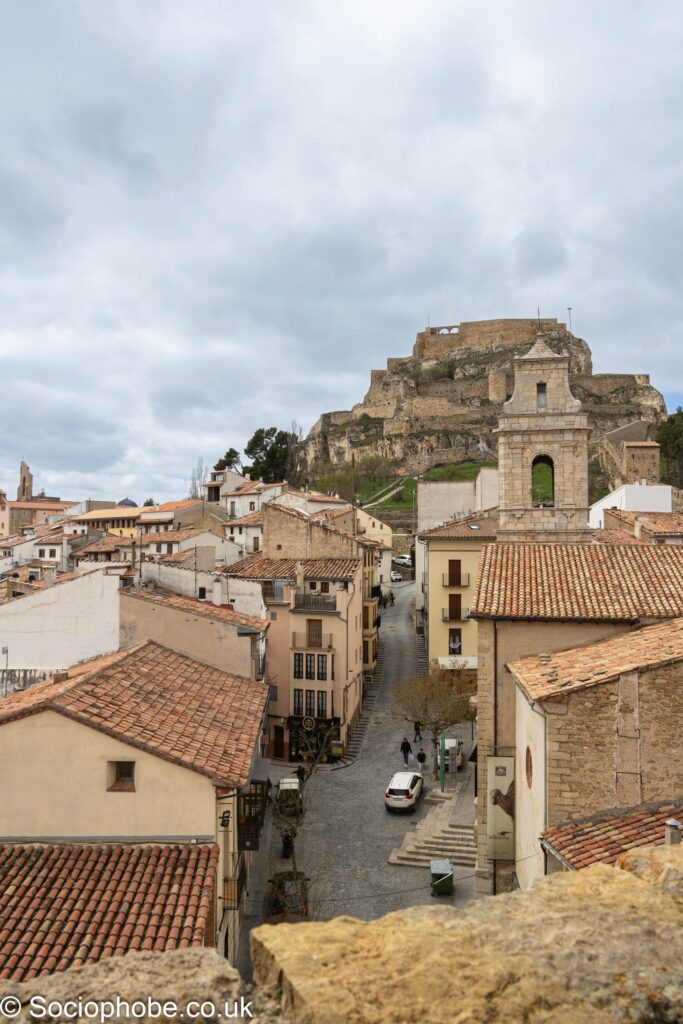
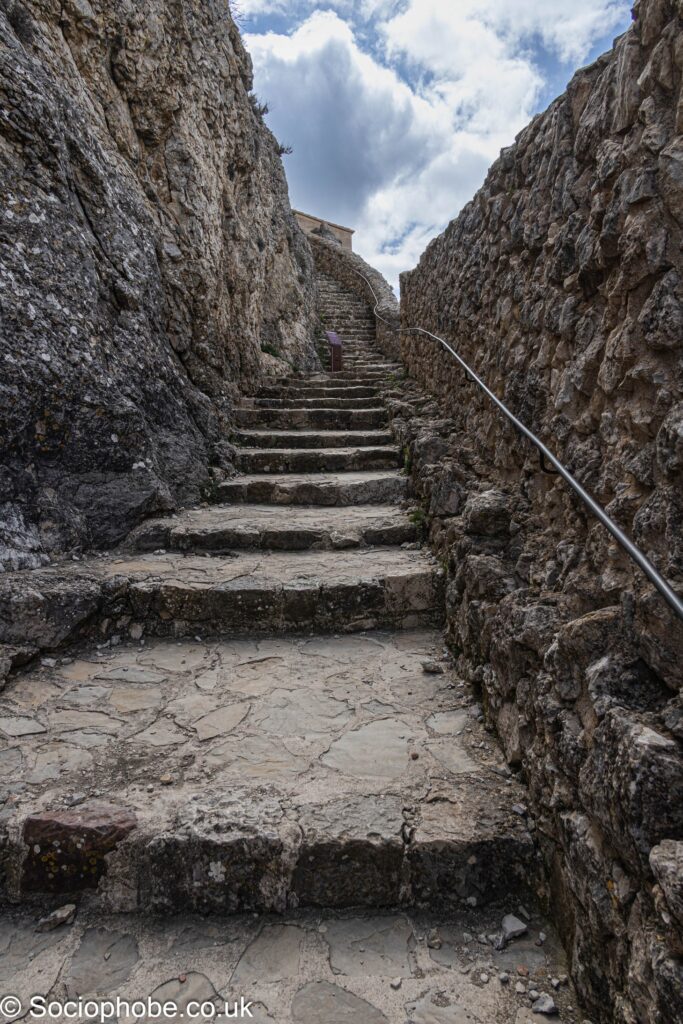
We walked up to the castle which was quite a trek, zigzagging up the hill. Once we got past the metal bridge after the modern bull ring (in use during August each year) I walked along to the left to see the statue of Ramon Cabrera, a guerilla leader in one of the Spanish succession wars and views over the ruined convent of St Francis. Access to the castle from there was blocked so I walked all the way back and carried on up the hill to the main gate.
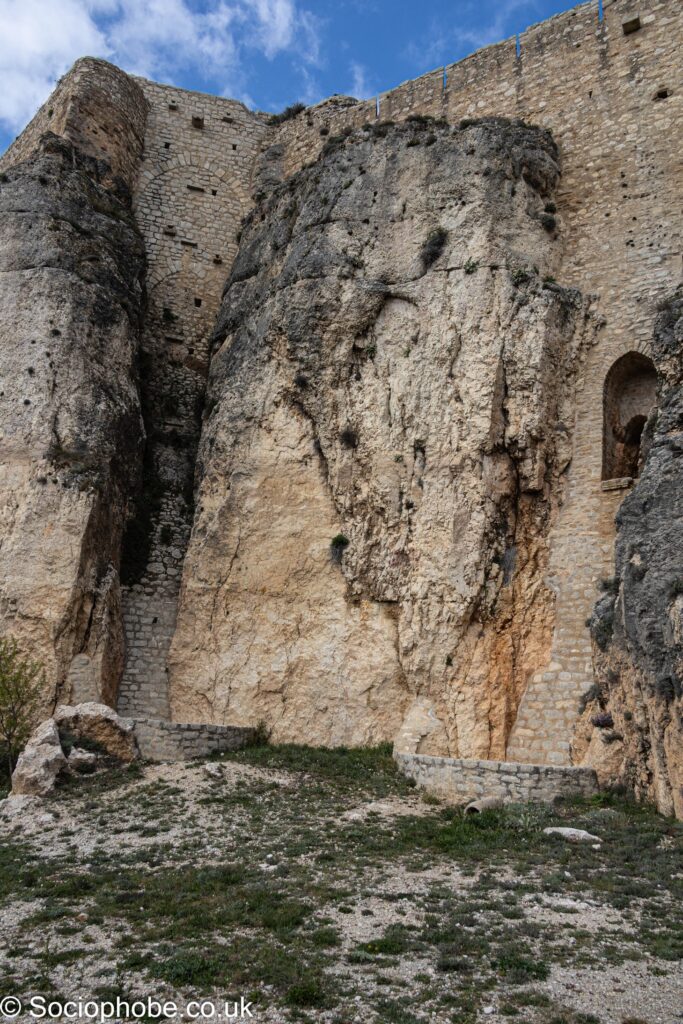
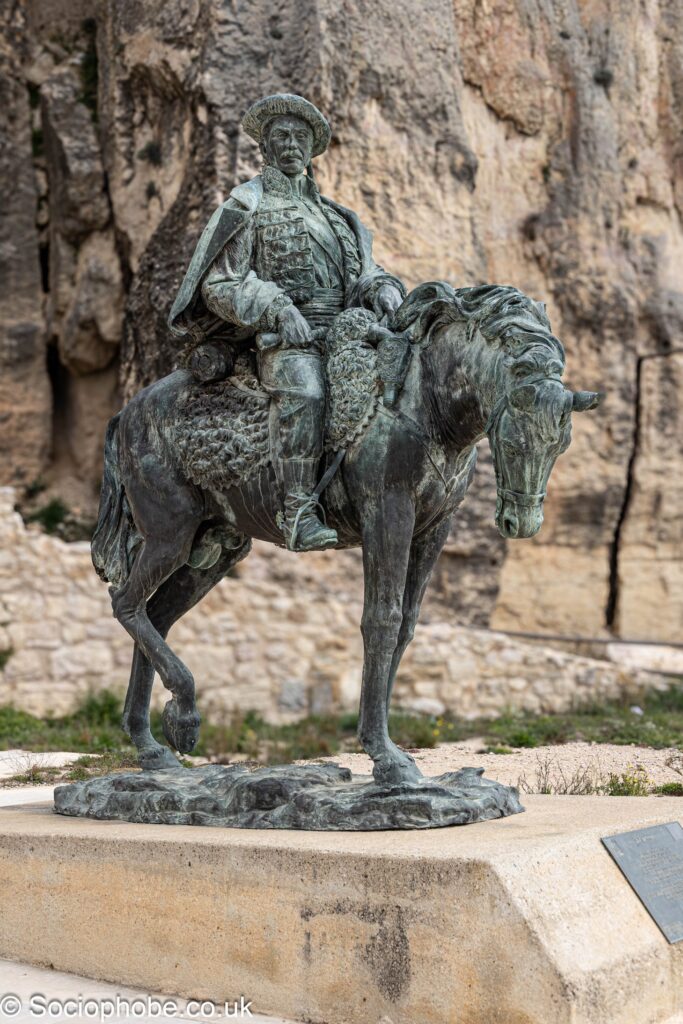
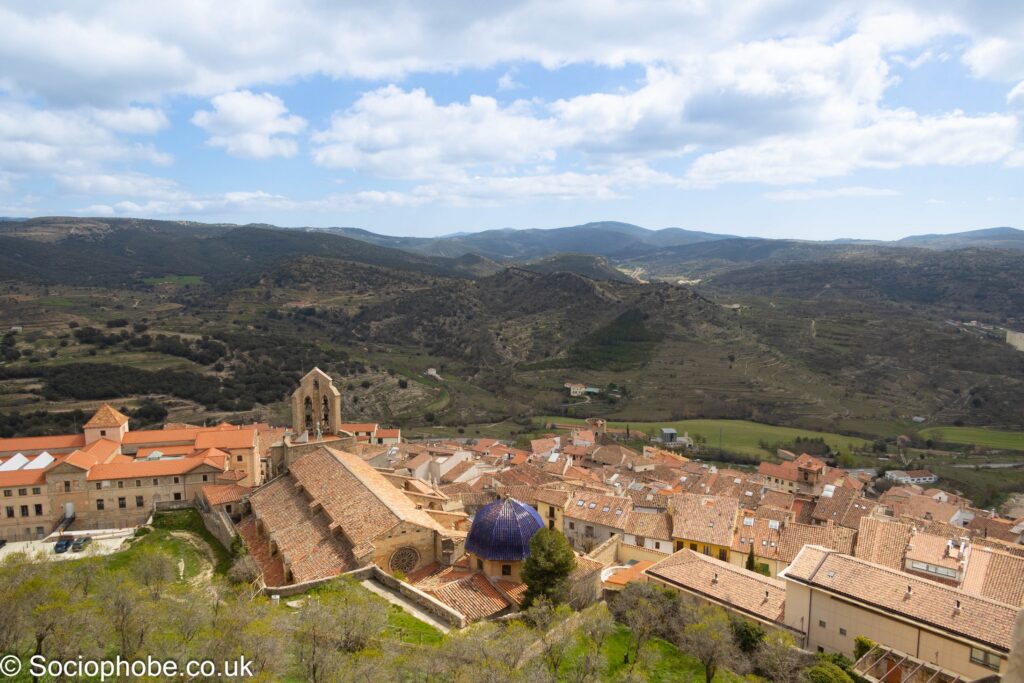
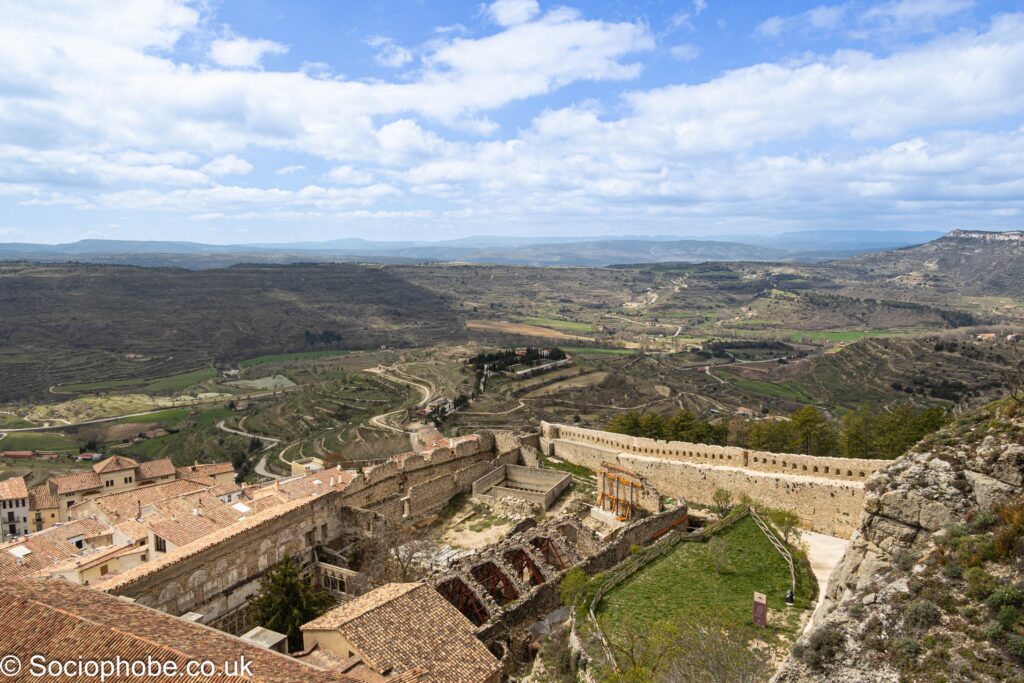
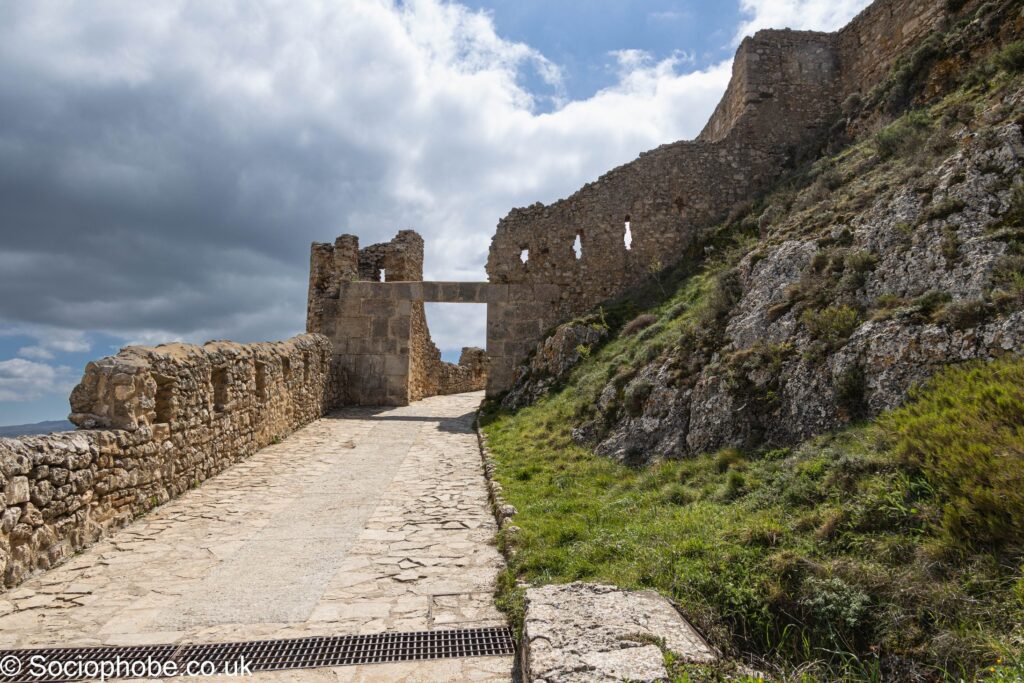
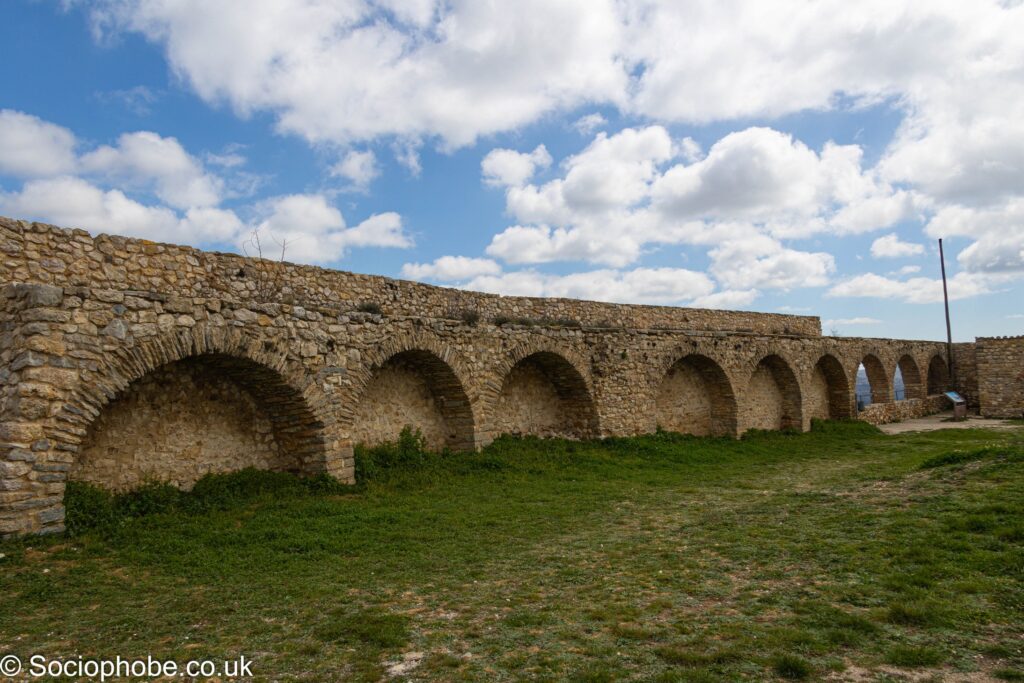
The main gate had obviously been repaired recently but if an attacker even go that far I’d be impressed. The area before the summit contained the governors palace (now housing an exhibition of the town’s history) and various admin, storage and living rooms and a prison.
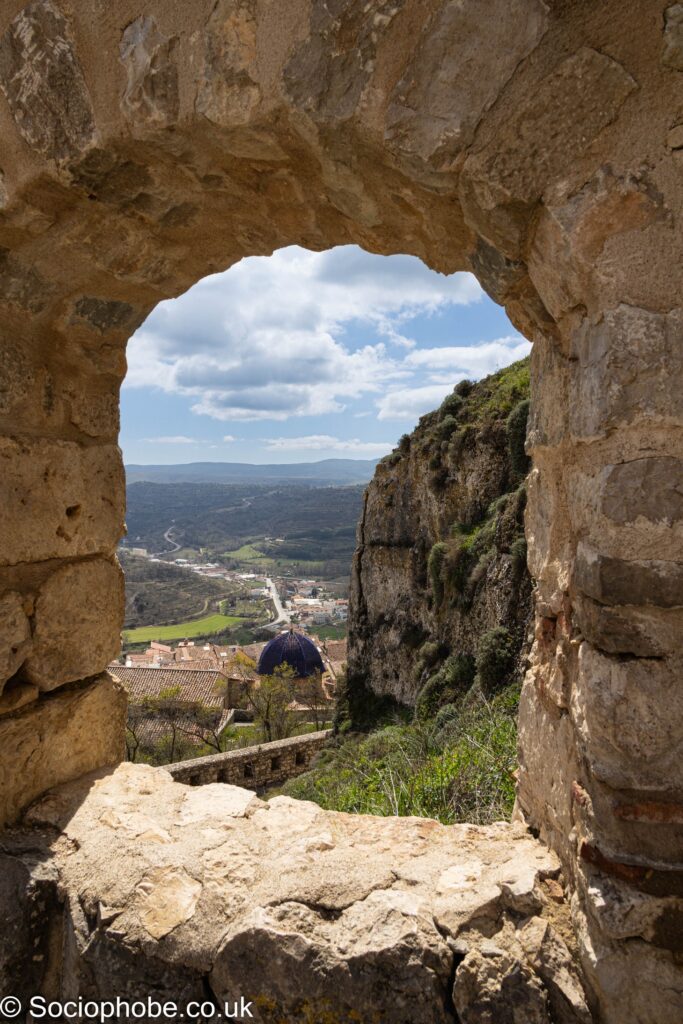
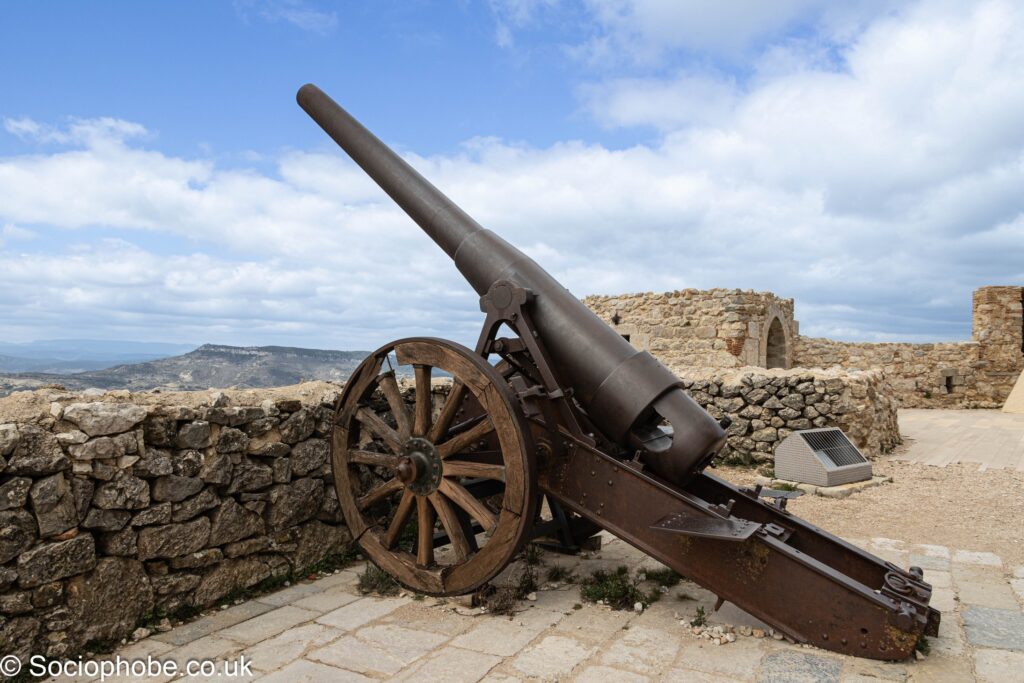
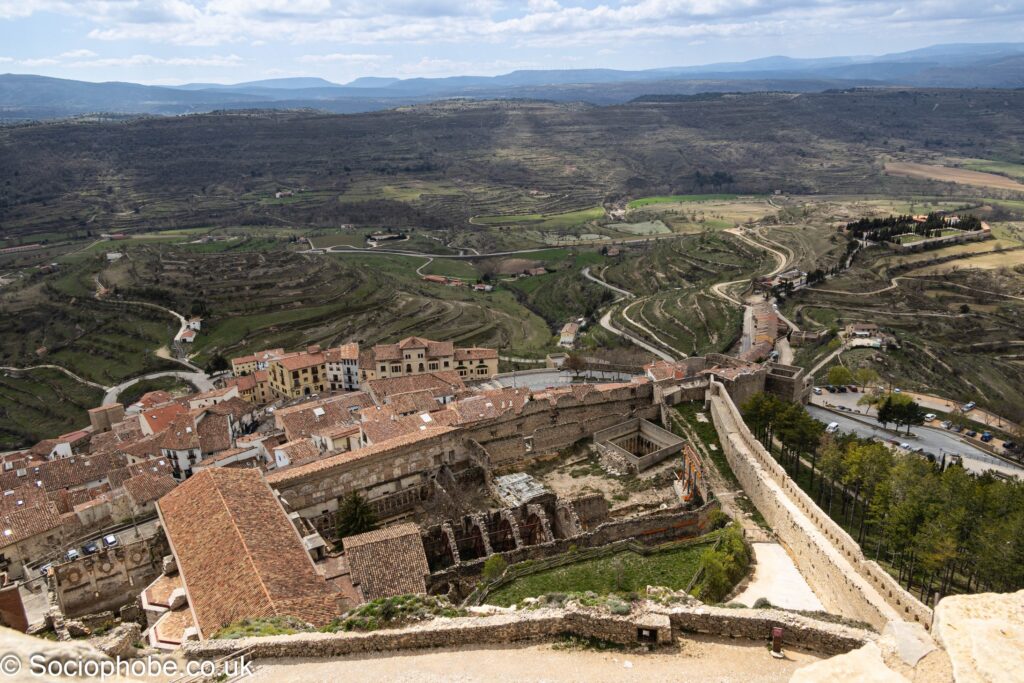
The 19th century improvements were very visible with extra walls and batteries due to the capabilities of modern canon, two of which were added to the castle in the 1950s. The top of hill was very windswept and had lots of rooms with information boards but in Spanish only. The views, as you can imagine, were just fantastic with the lower fortifications, the town walls, the medieval aquaduct and the wider Valencian countryside all laid out.
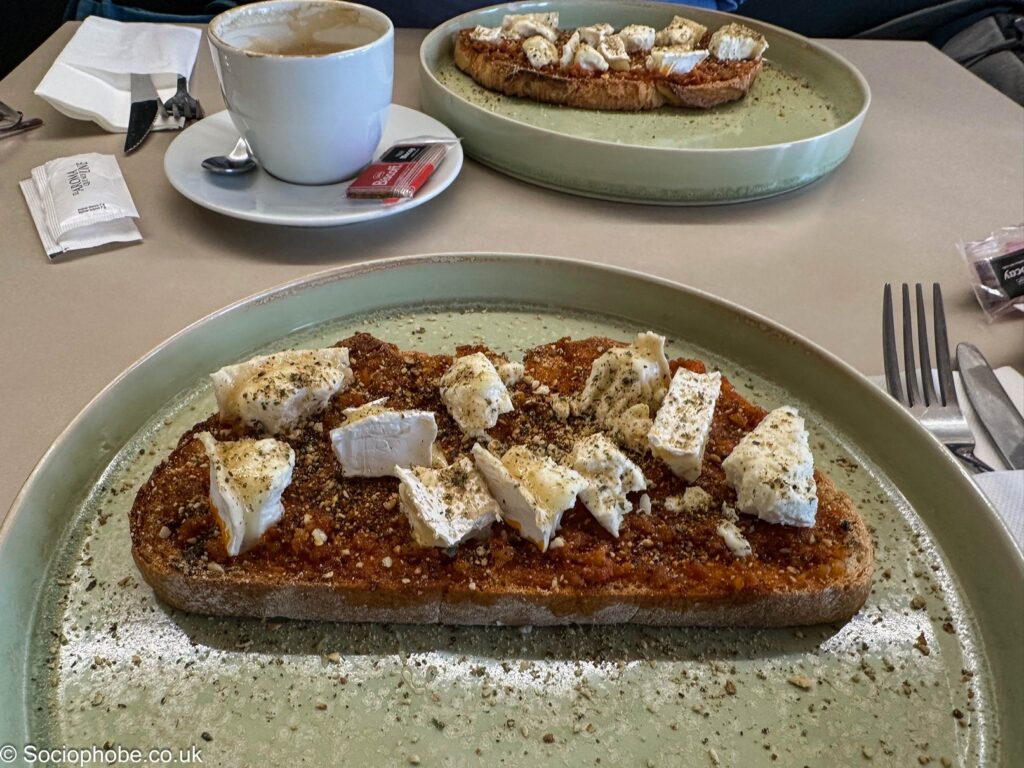
We walked back down in to the town and had lunch at Gastro Bar Sastrería. Service here was lovely and I had goats cheese on toast with something, honey and pumpkin seeds – delicious and much needed after our exertion. Deb visited one of the many local shops and bought a few types of sheep cheese too.
Peniscola Castle
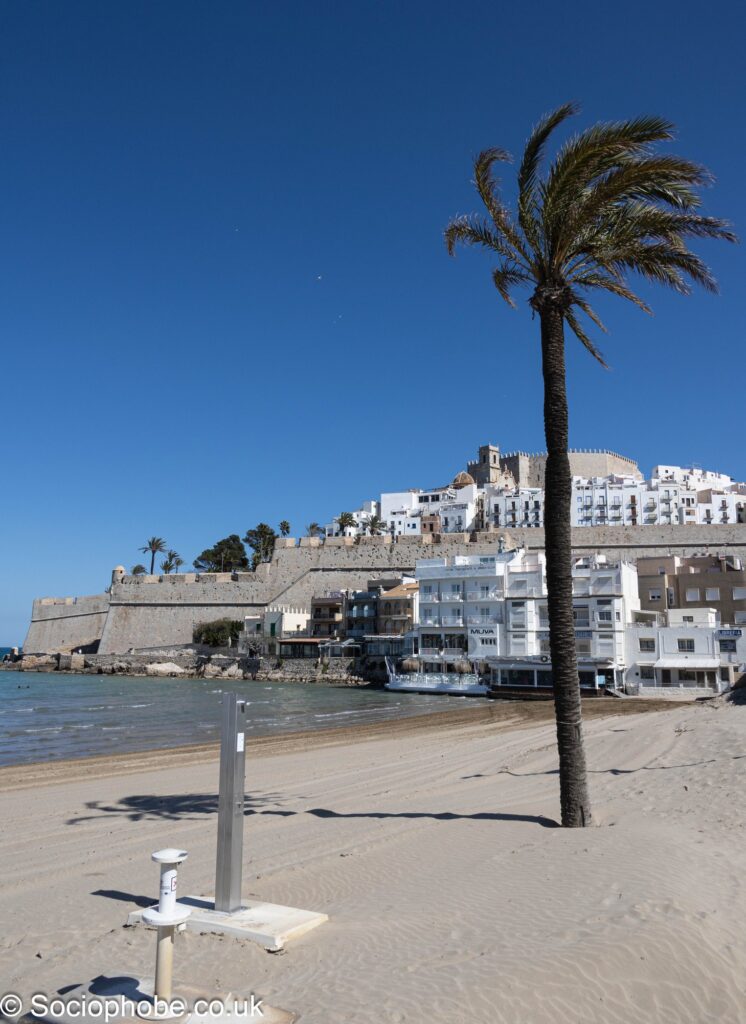
We had various other things planned but Morella was such a pleasure to walk around that we’d spent a lot longer than expected. I therefore decided to drive to the coast instead and visit Peniscola Castle. This took around 90 minutes, driving back through the mountains, but it was nice to see the sea and it was shorts weather by the time we parked. A shame I didn’t bring any!
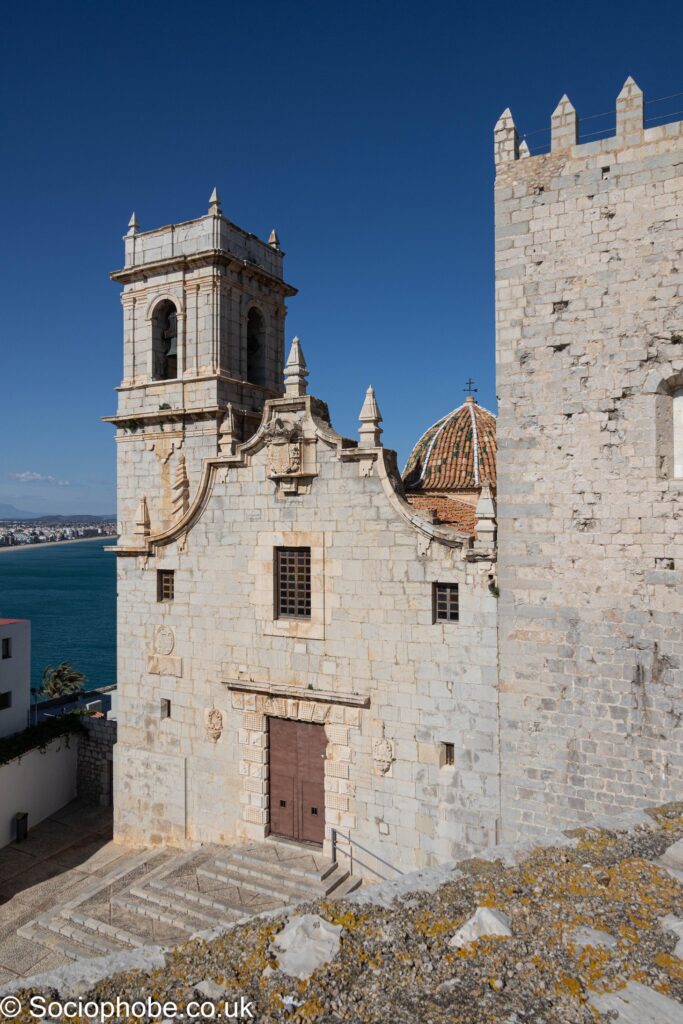
Peniscola Castle was originally a Muslim fort but, after being surrendered to James 1, was handed to the Templars. They demolished the original castle and completely rebuilt it but they only enjoyed the castle for 5 years before they were betrayed by the French king and disbanded. The castle was then lived in by one of the Anti-Popes, Benedict XIII, in the fifteenth century and then extensively remodelled in the sixteenth century to accommodate cannons. Peniscola was used to portray Valencia in the iconic El Cid film.
The town of Peniscola was massively touristy compared to Morello! There were lots of cafes and a lovely prom which we walked along after parking the car. The sea was such a spectacular colour and the beach was almost deserted so it was lovely to meander before heading up the hill to the castle.
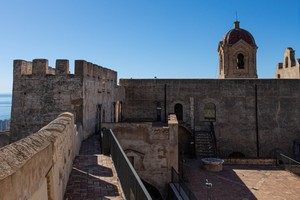
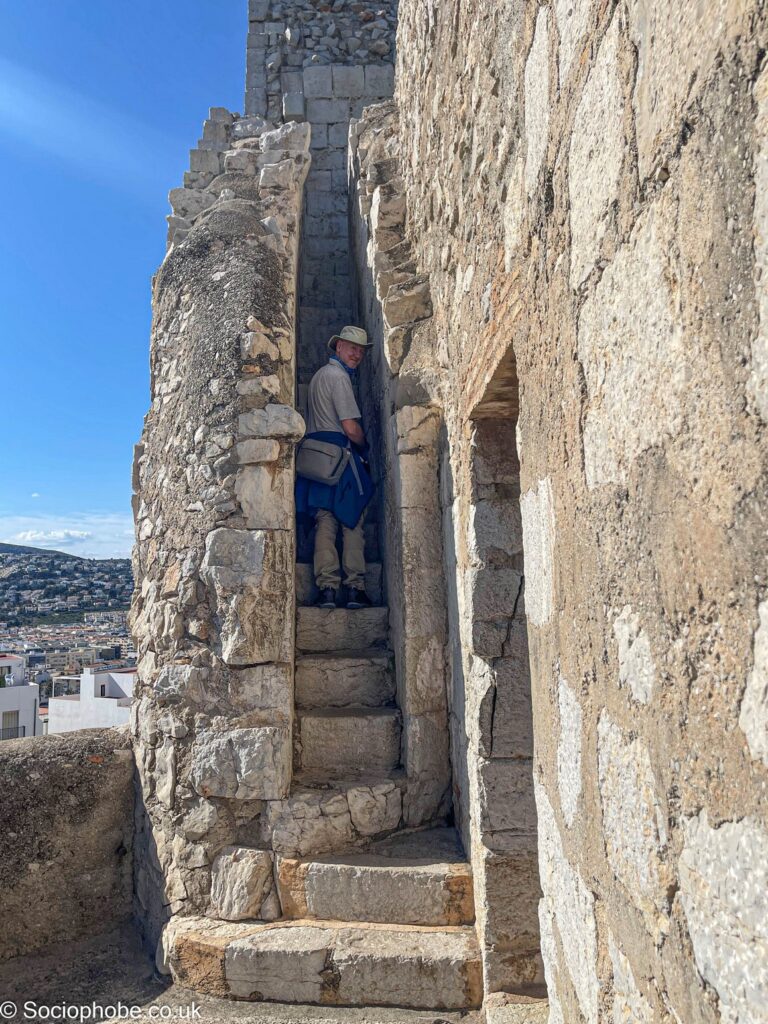
The castle was extremely well preserved and the displays were almost all in English too, which helped. The rooms changed purpose over time as the castle was remodelled to deal with new threats but we saw the stables, gothic hall, church, alchemical study and library amongst others, as well as being able to climb to the roof. Included in the €5 entry was a visit to the Artillery Park, built in the 16th century to counter the continuing threat of Islamic attacks.
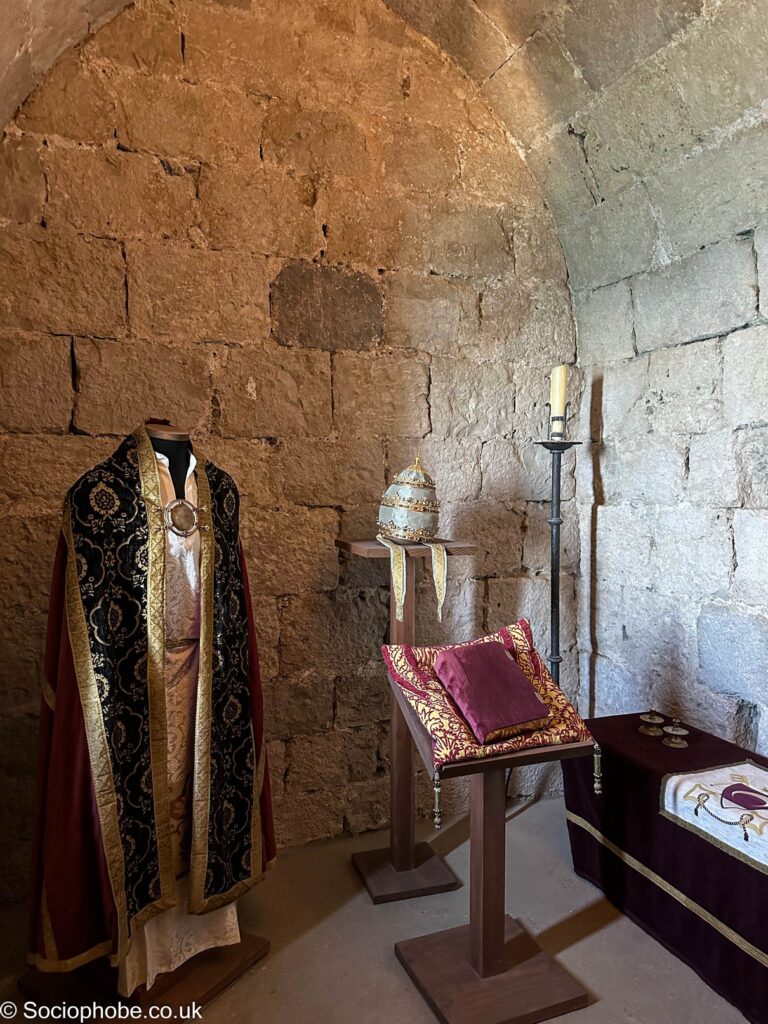
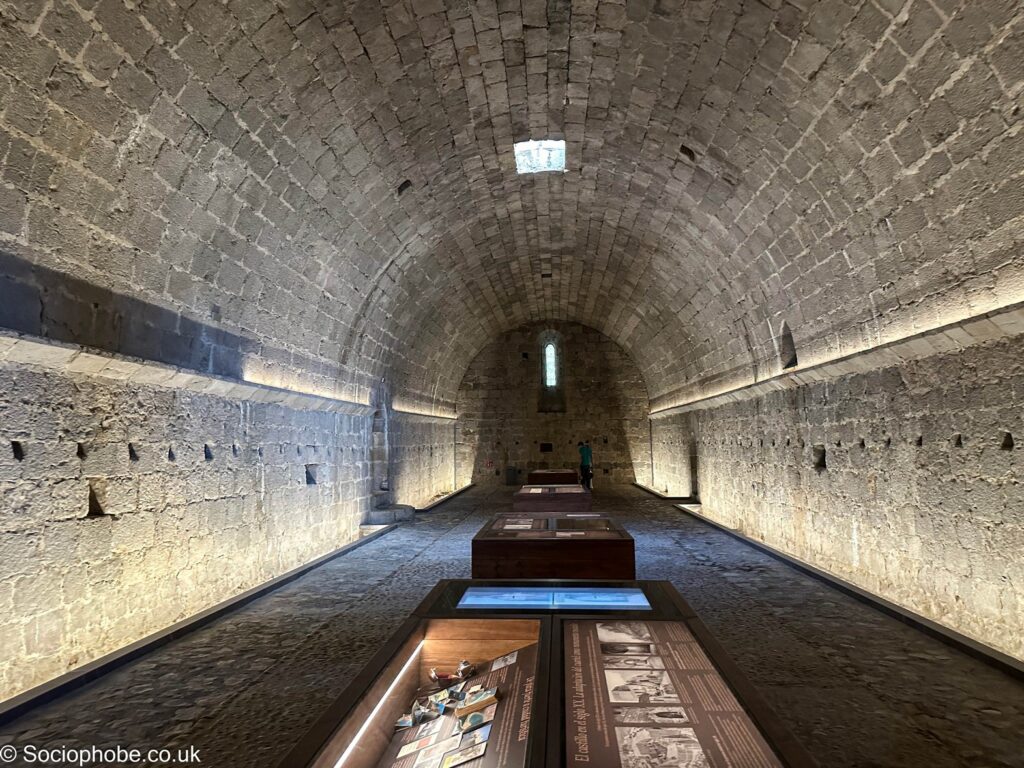
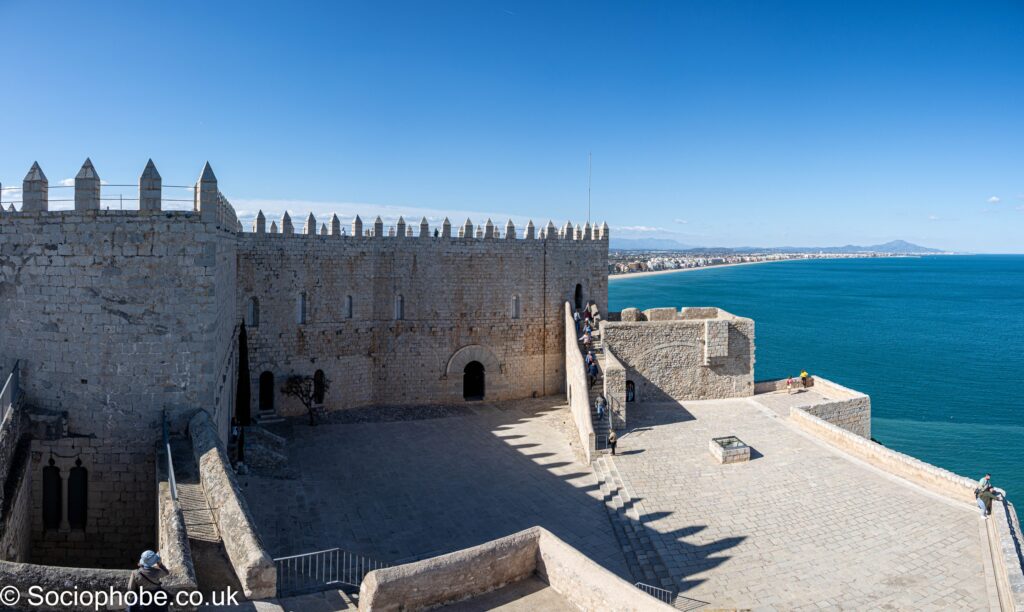
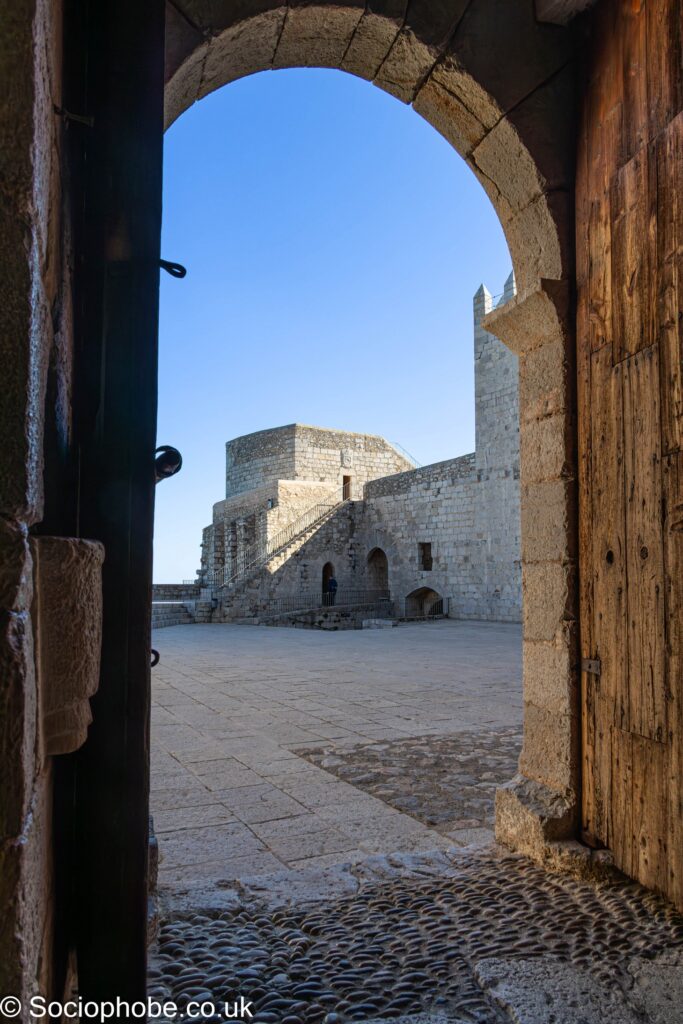
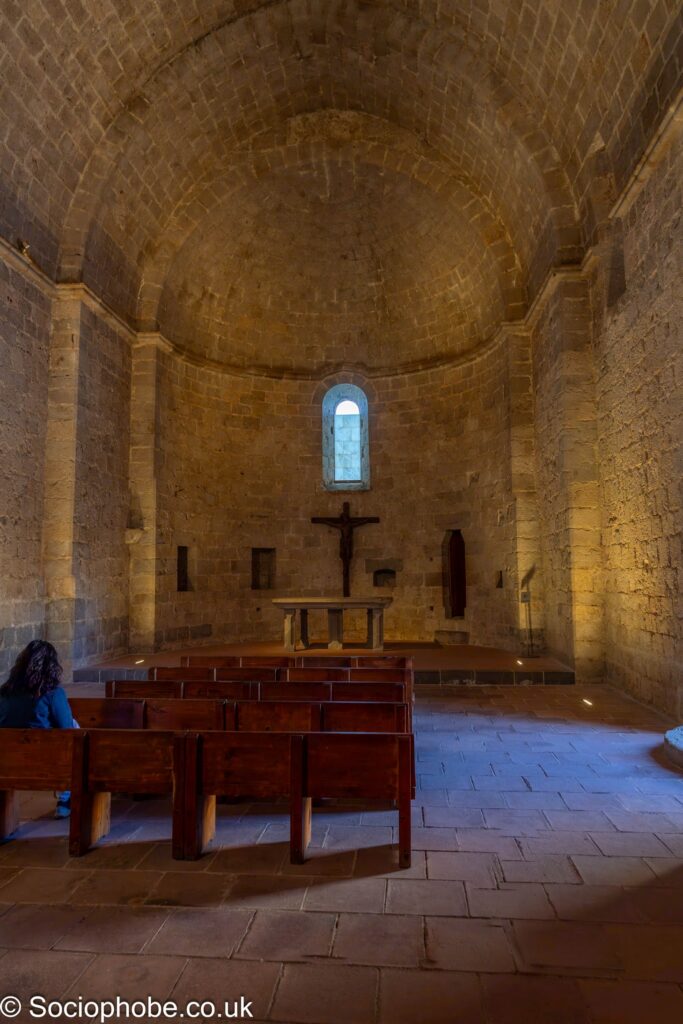
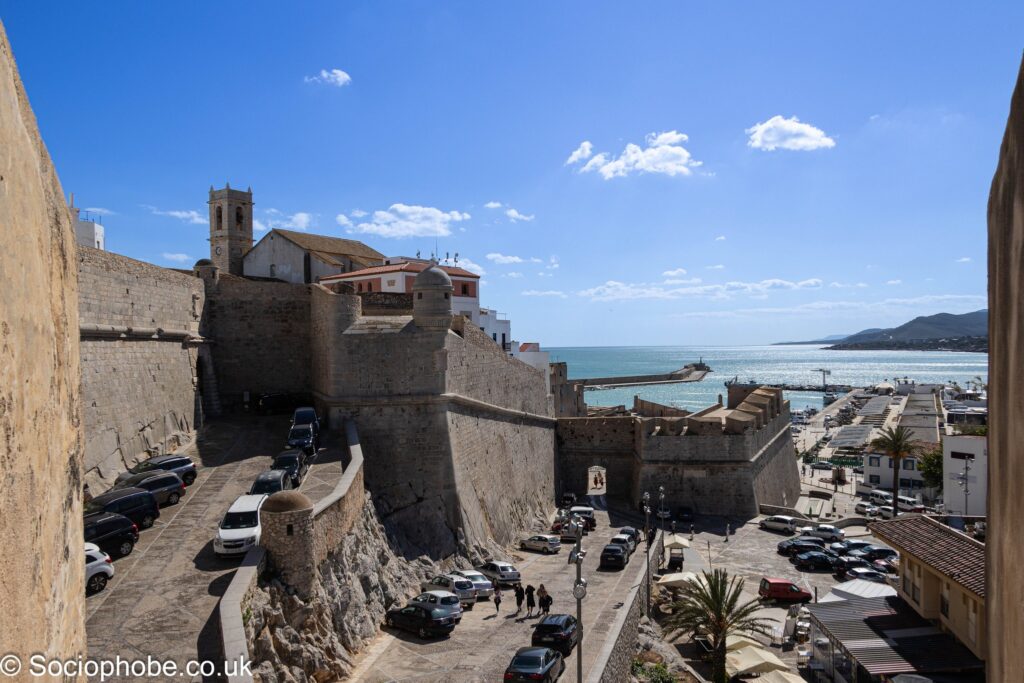
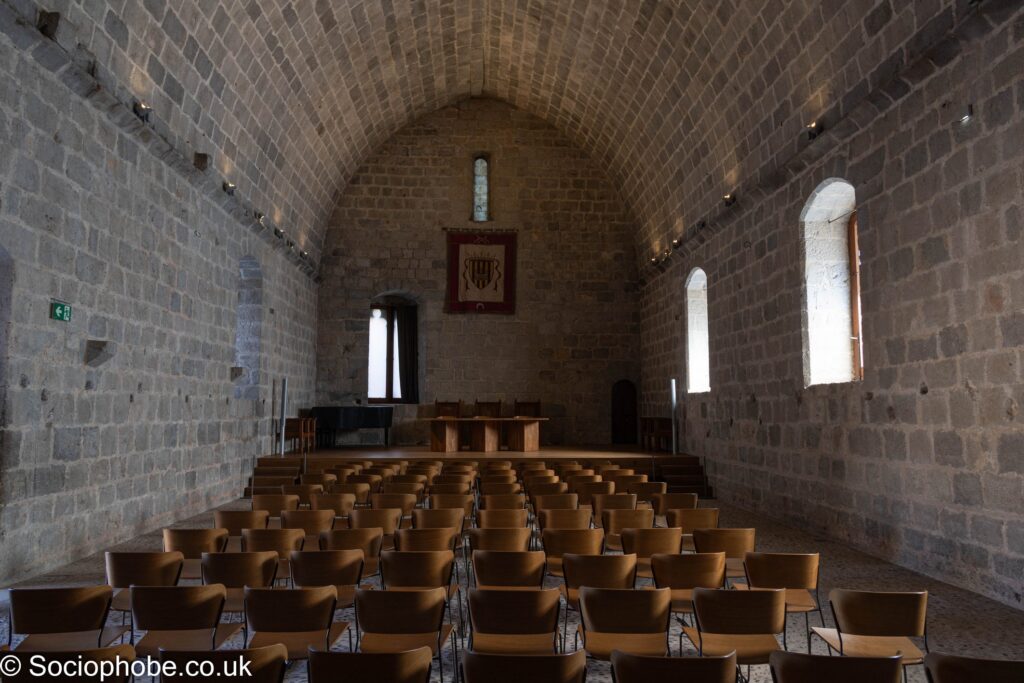
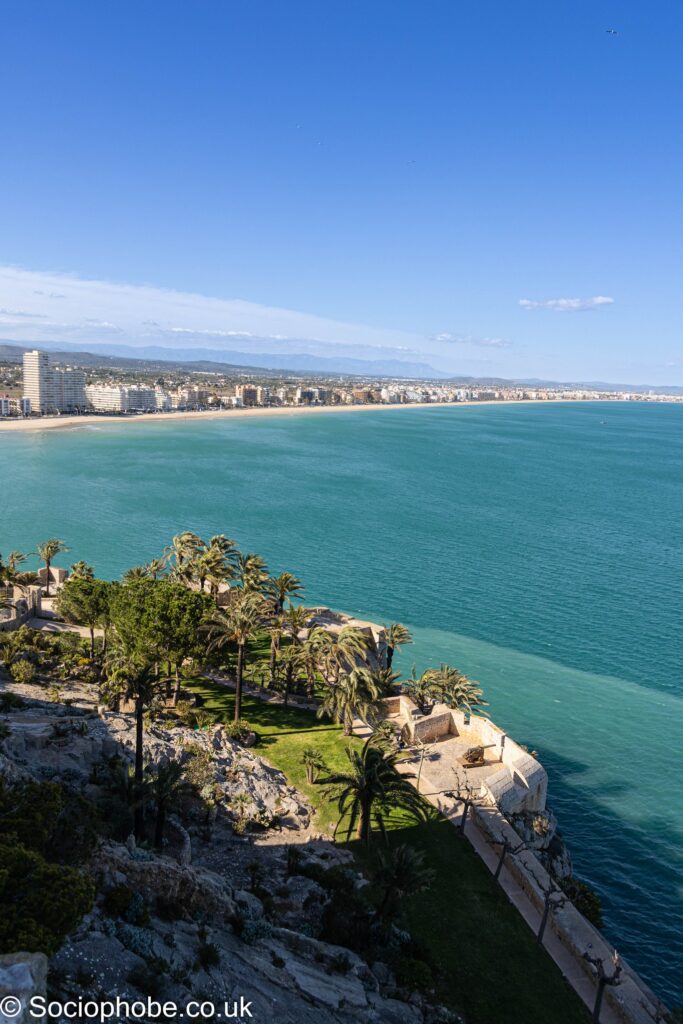
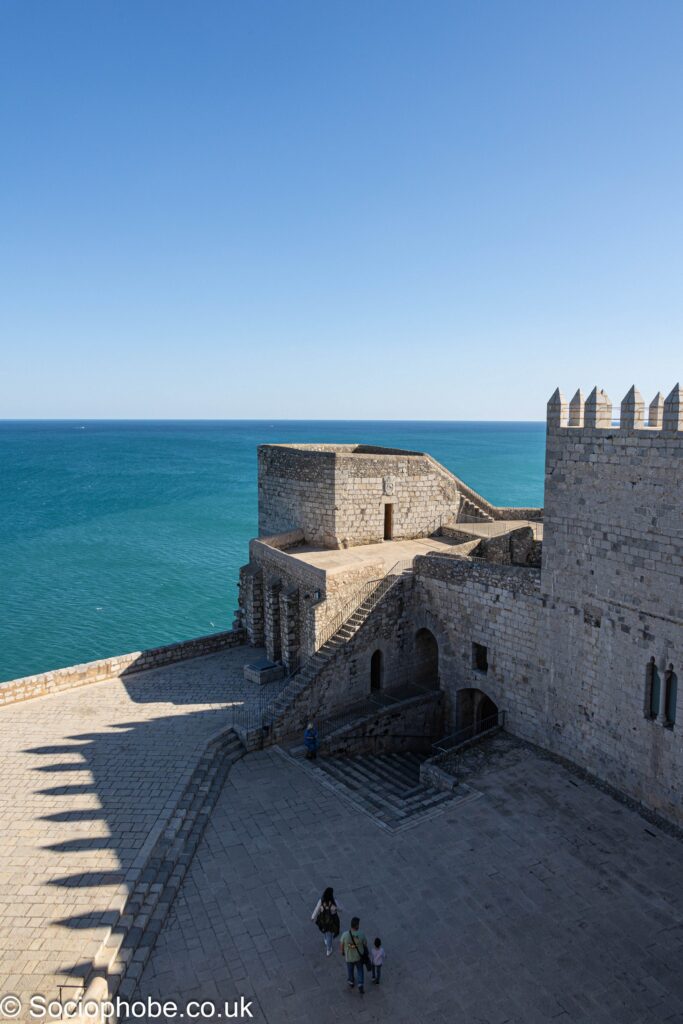
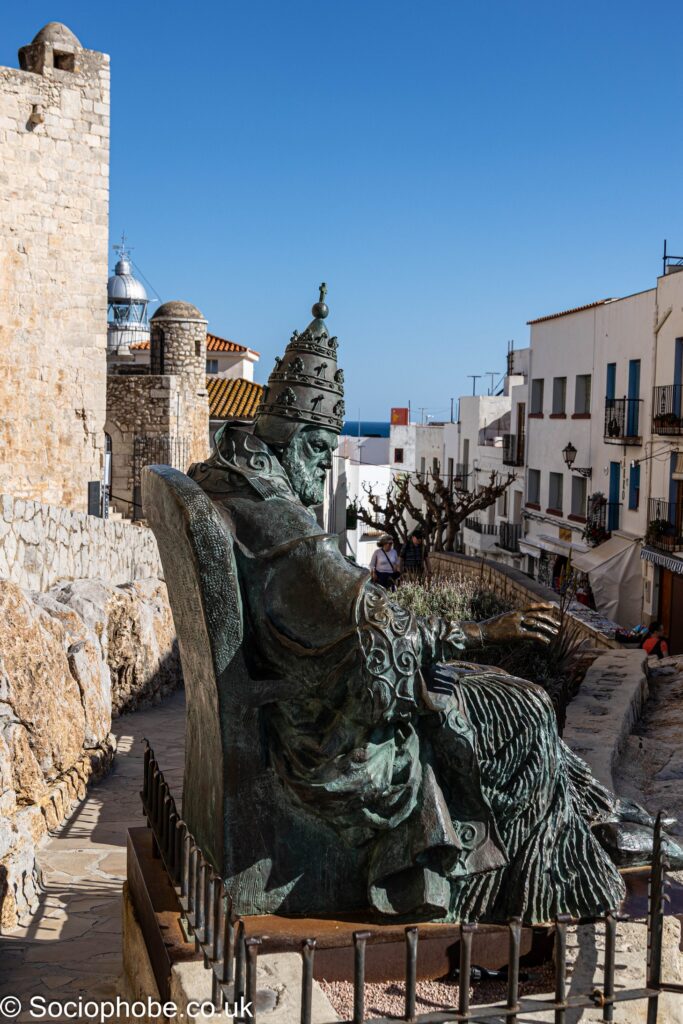
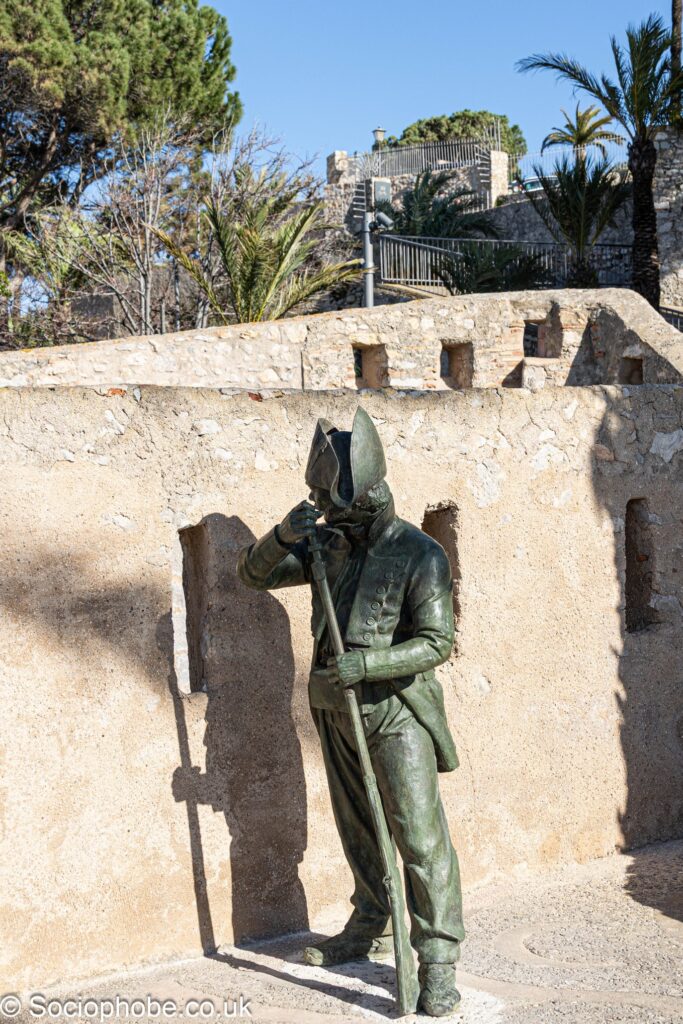
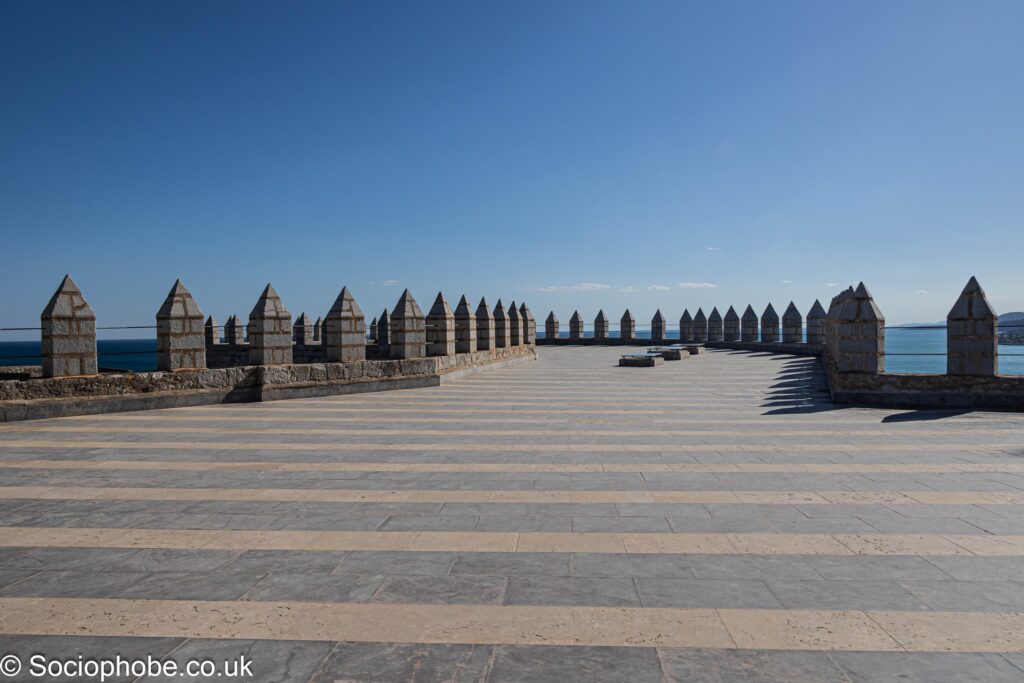
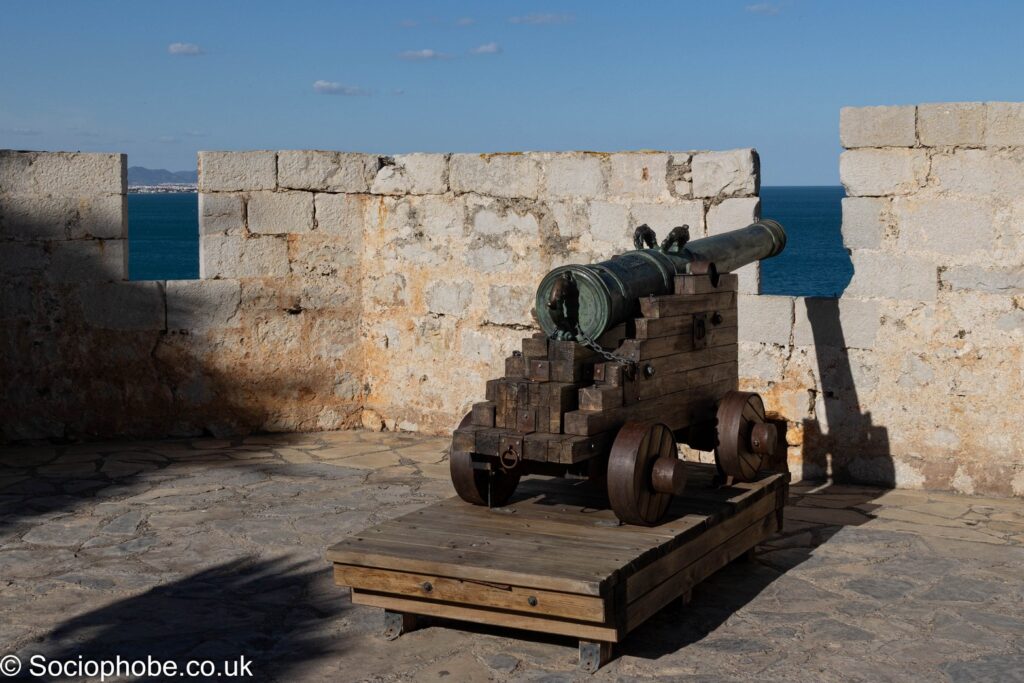
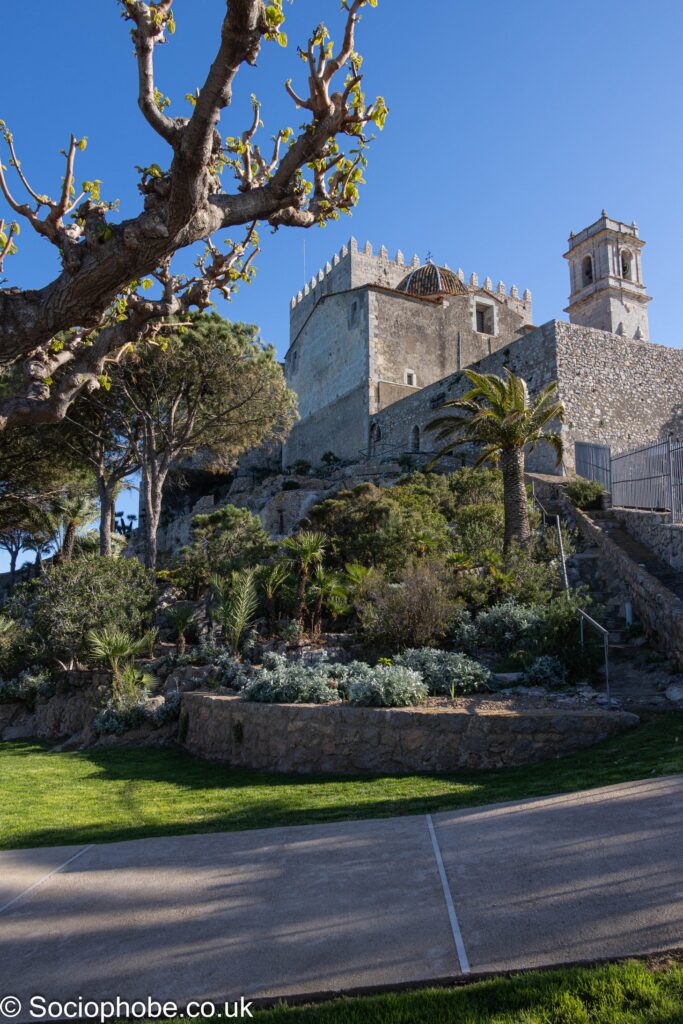
We were intending to visit a nice park before going back to our hotel but I needed to get a charging lead for my phone as I was using it as sat nav and it was down to 10%, the car not having USB A charging. We drove back to Sagunto and arrived on 4% while we parked at a retail park, bought the lead and had a very fast food dinner! Back at the hotel I had 135 photos to sort which took 2.5 hours.
Sagunto History Museum (Museo Histórico de Sagunto)
After yesterdays exertions we both had a good sleep and didn’t wake until 7. Following breakfast, we walked into town but the museums we were intending to visit didn’t open until 10 so we had to have second breakfast. This was a ridiculous bargain and cost €7 for 8 little cakes plus 2 coffees!
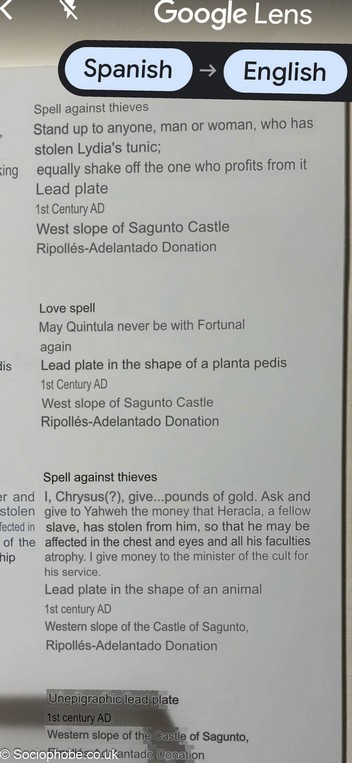
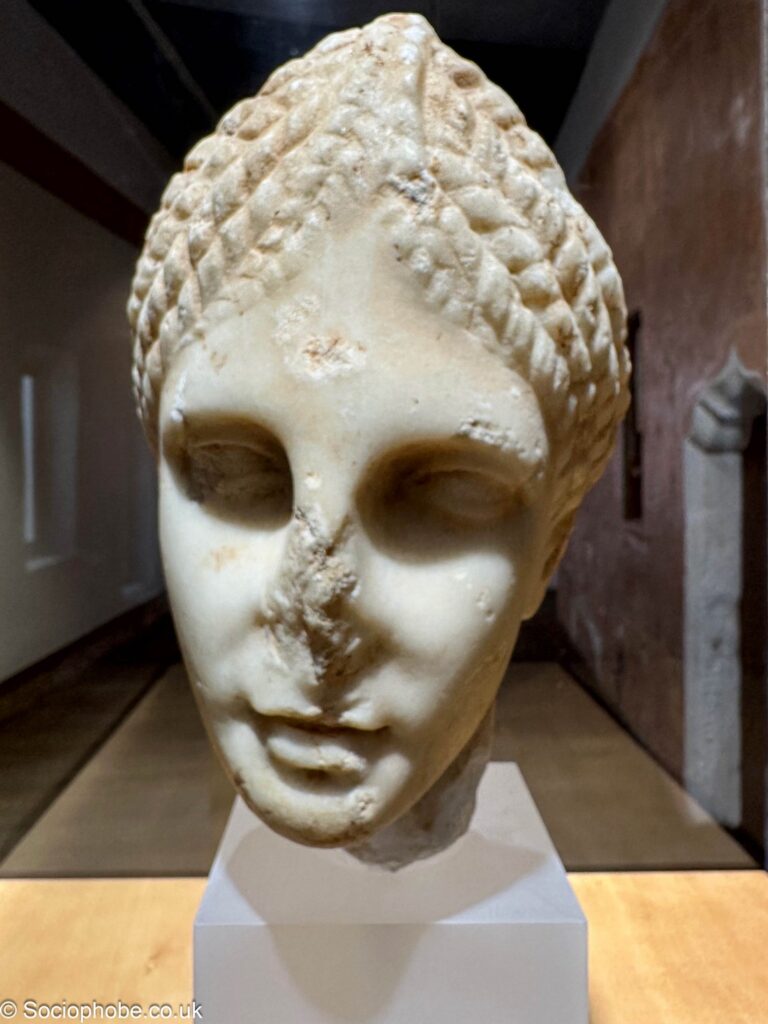
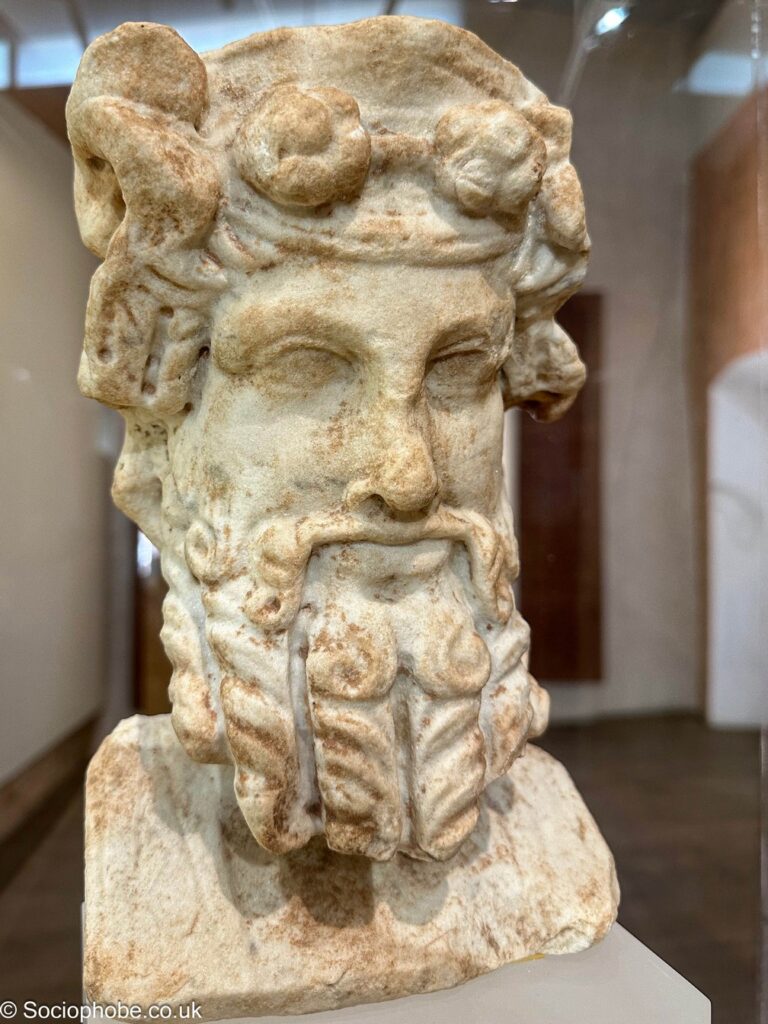
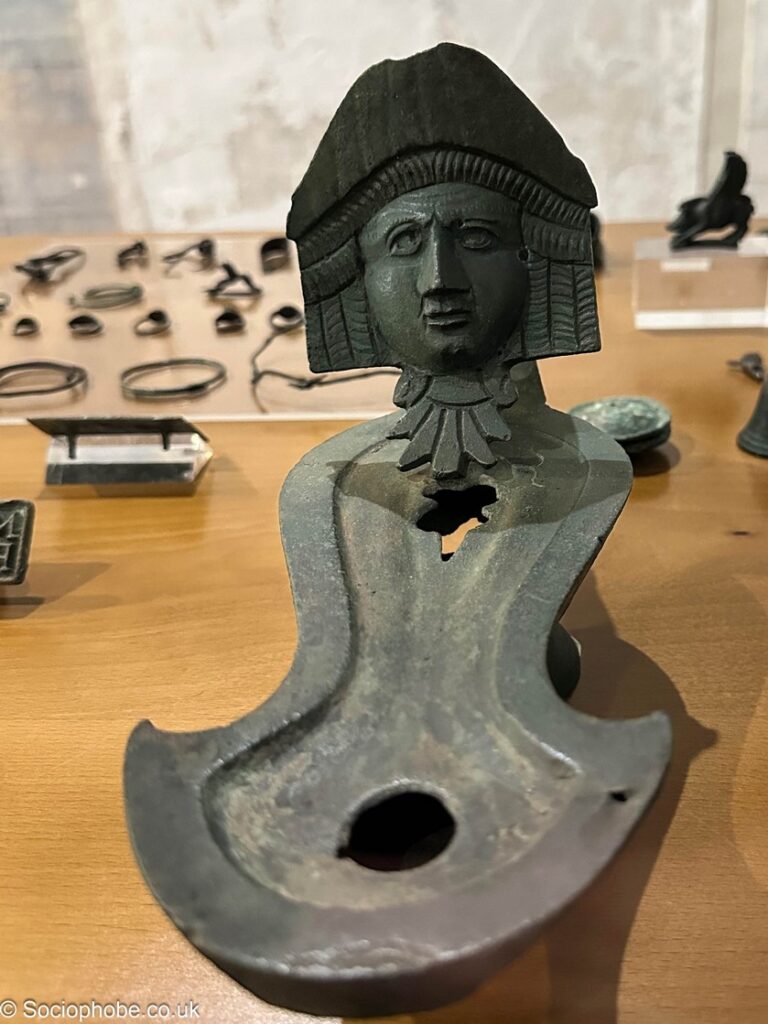
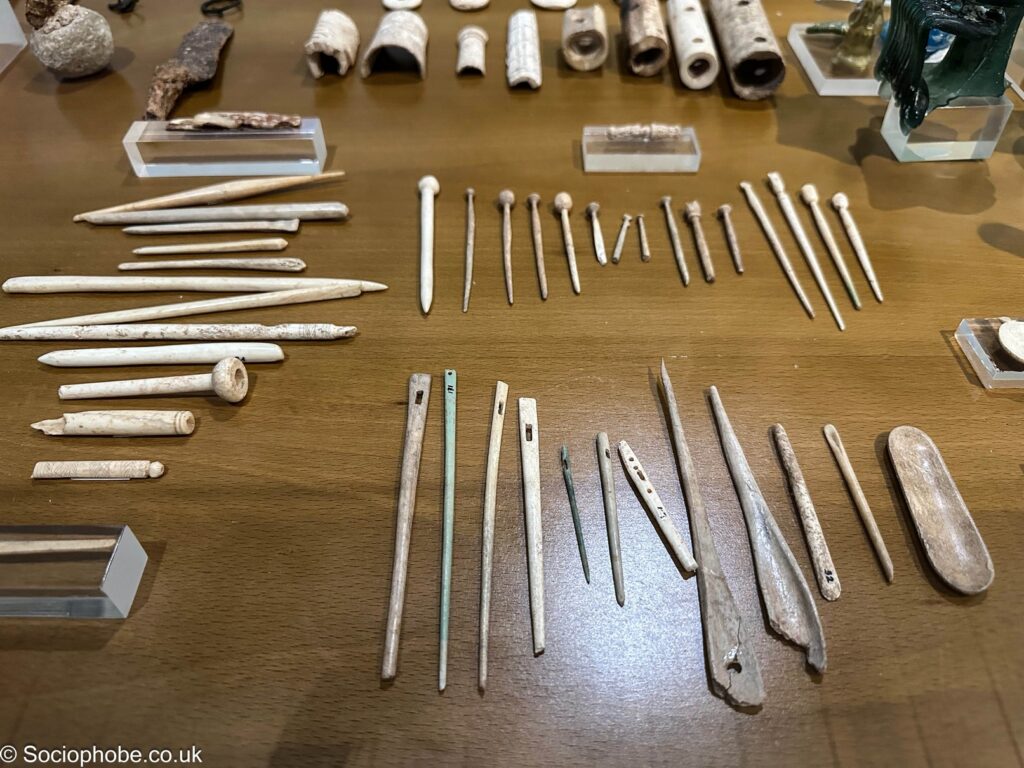
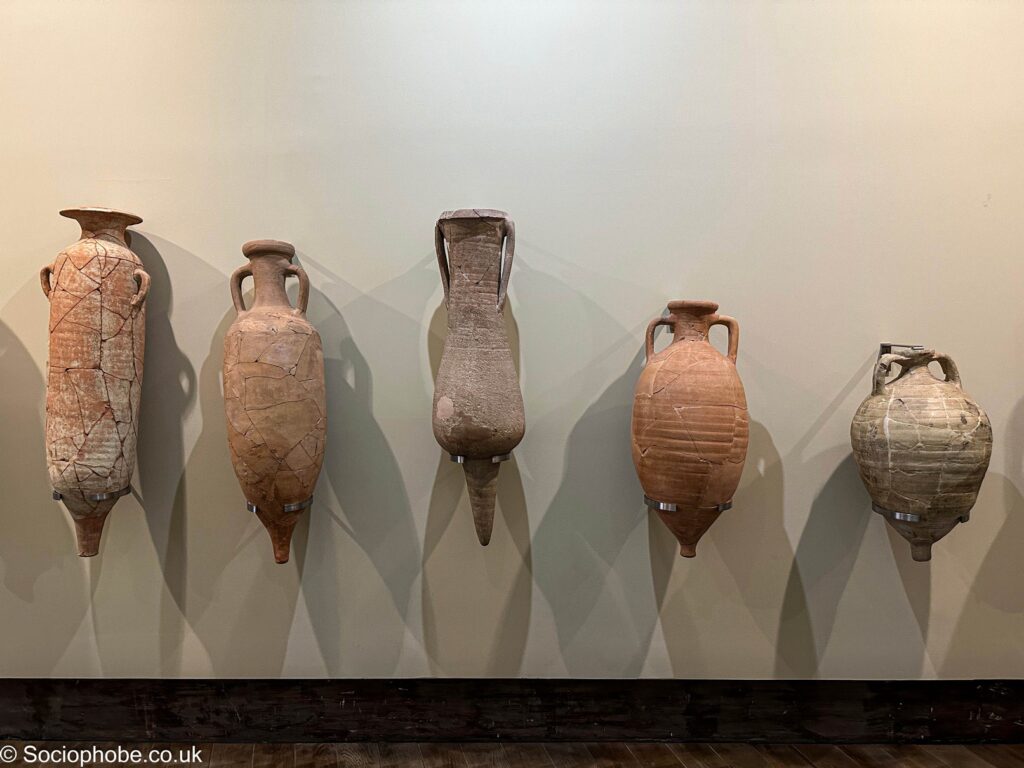
The first museum was the History of Sagunt, from pre-Roman times to the the Islamic period I think. There were some great lead curses, various statues, coins and other excavated artifacts. Some of the rooms were decorated in Roman Imperial style and there were several amphorae that had been assembled from fragments.
Sagunto Archeology Museum (Espai arqueològic Via del Pòrtic)
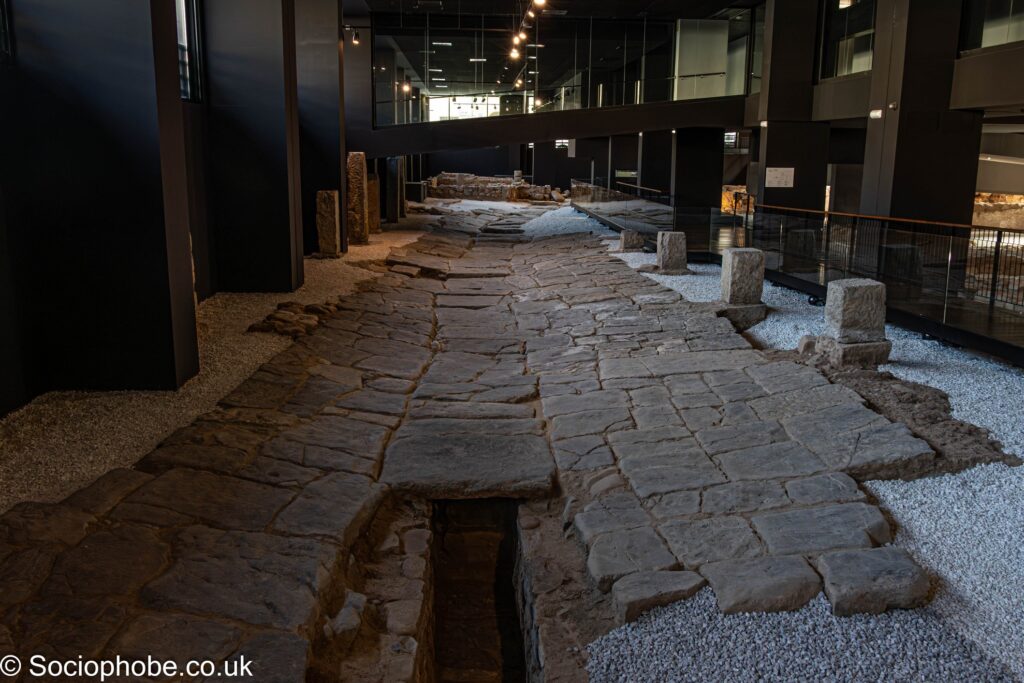
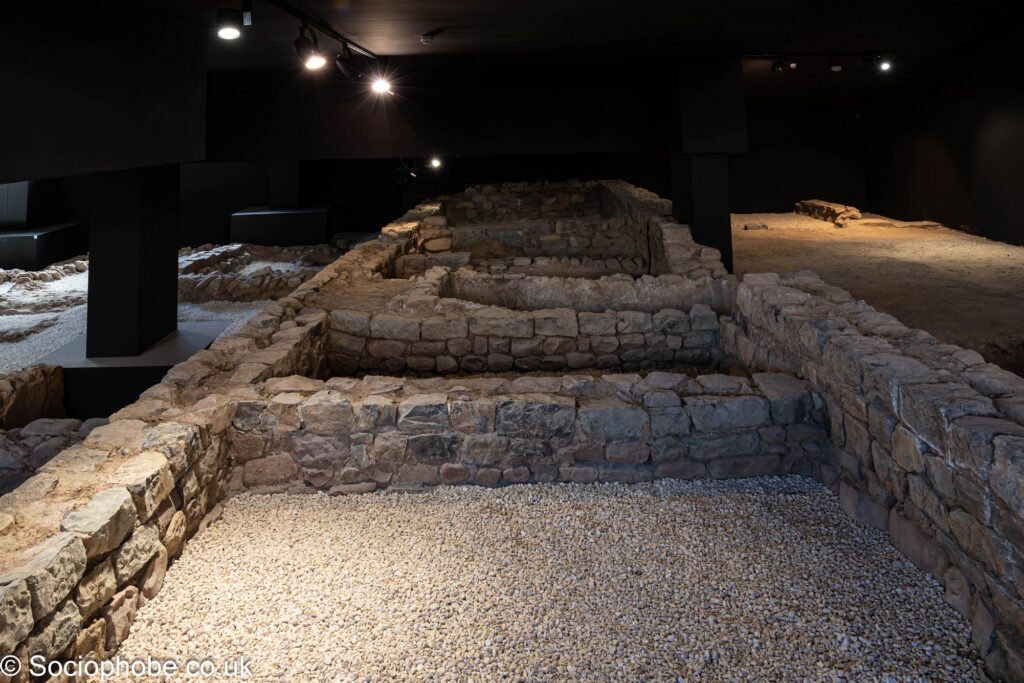
Next museum was the Archaeology Museum which had various unearthed streets and buildings from the late Roman period, all in a custom designed building. I think it was 2€ each which was a real bargain as there was lots to see and excellent English descriptions of all the displays. The information boards went right up to the present day, showing the development of the town and port.
Jardins de l’Albarda
We were due to meet Mum, Kay and Steve at the Jardins de l’Albarda, near Denia to continue our weekend around Valencia. This was a 90 minute drive and south of Valencia through more pretty scenery but a lot busier than the roads further north. We went into the gardens (€9 each) and had a coffee while we waited to find out that we only had an hour there before they closed so be aware they are only open from 10AM until 2PM. Mum had got lost so they arrived 30 minutes after us!
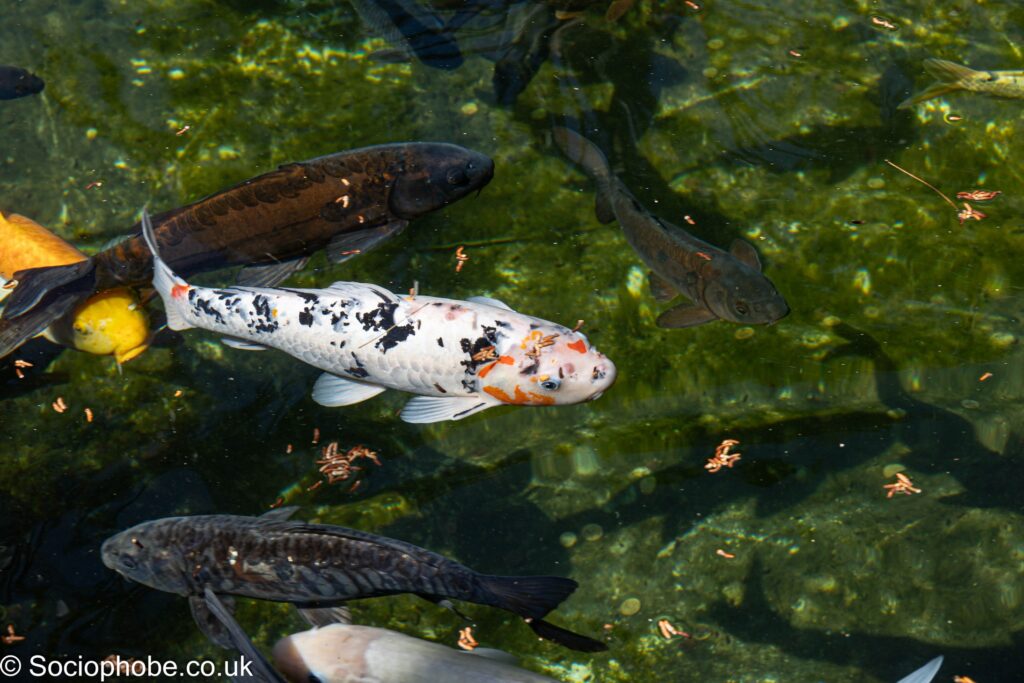
We had a quick wander through the maze of pathways in the gardens, which were very pretty and well tended. There were some particularly impressive koi but I could see no information about who owned the house or when the gardens were developed. There were also some beautiful covered walkways with citrus and wisteria which made a lovely shaded environment.
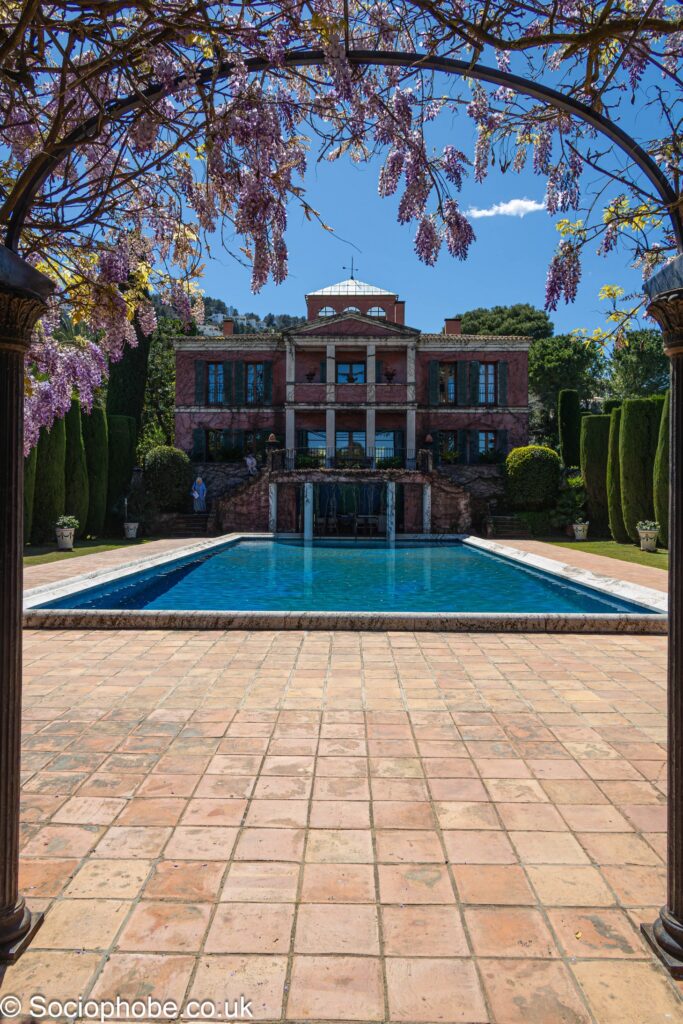
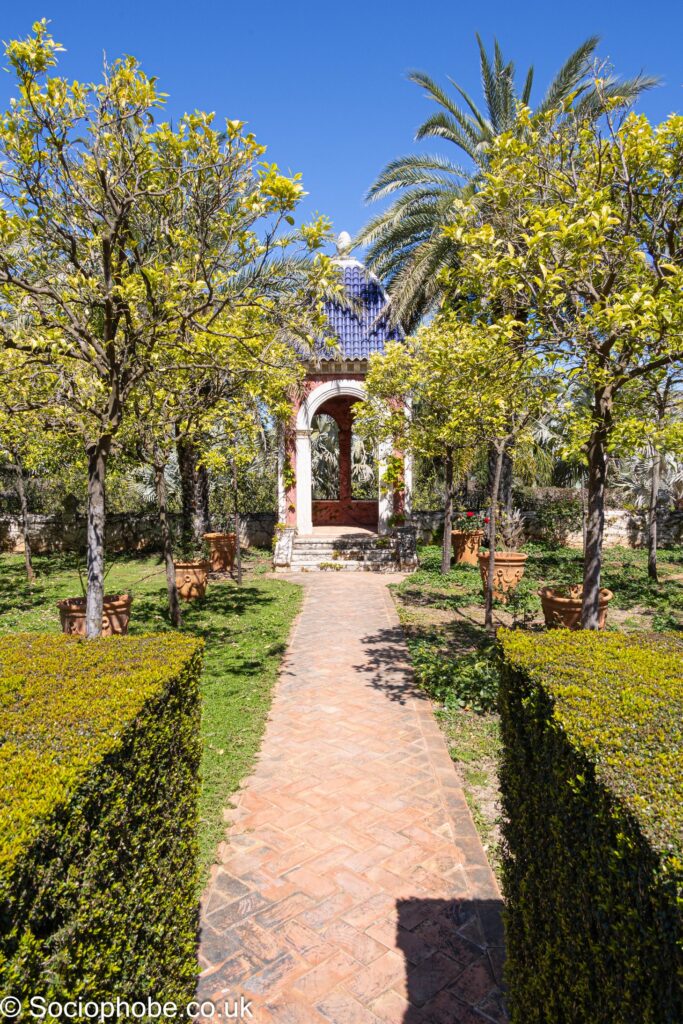
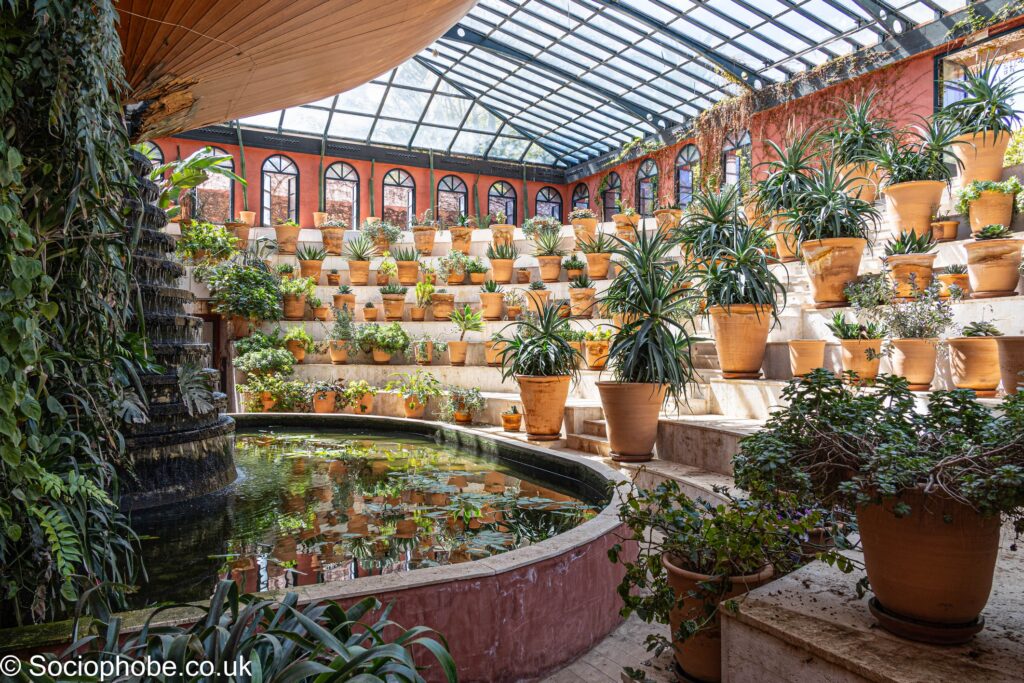
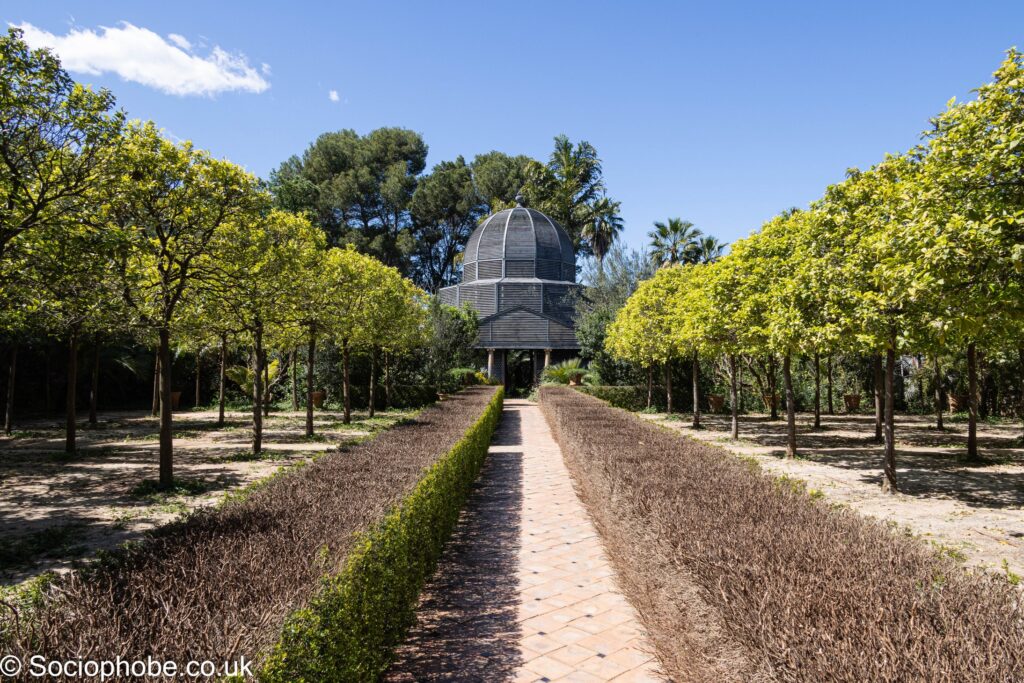
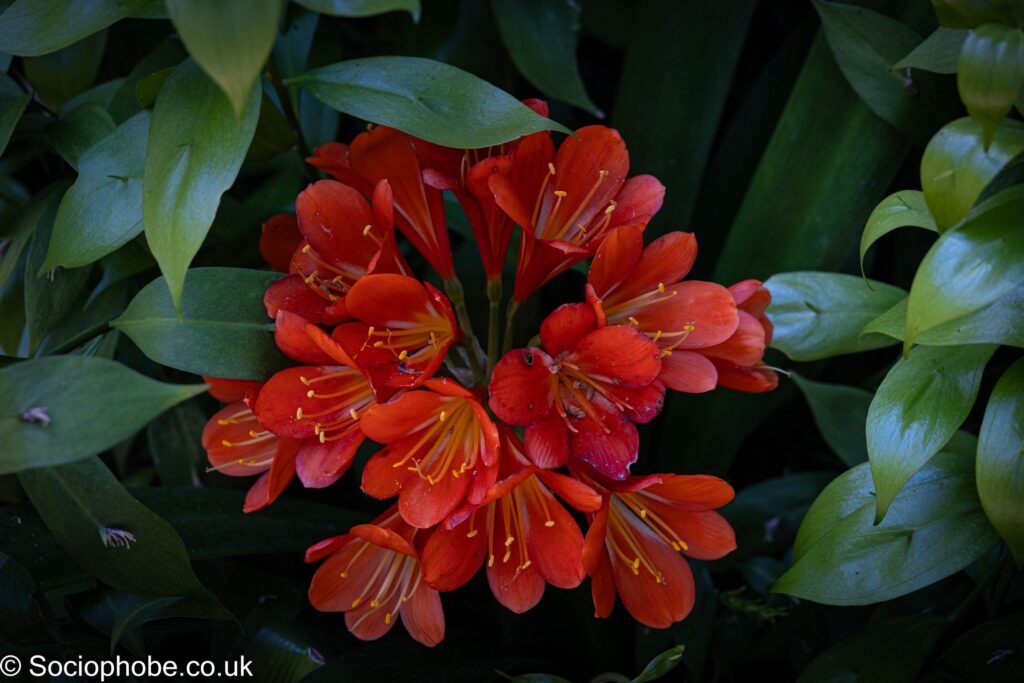
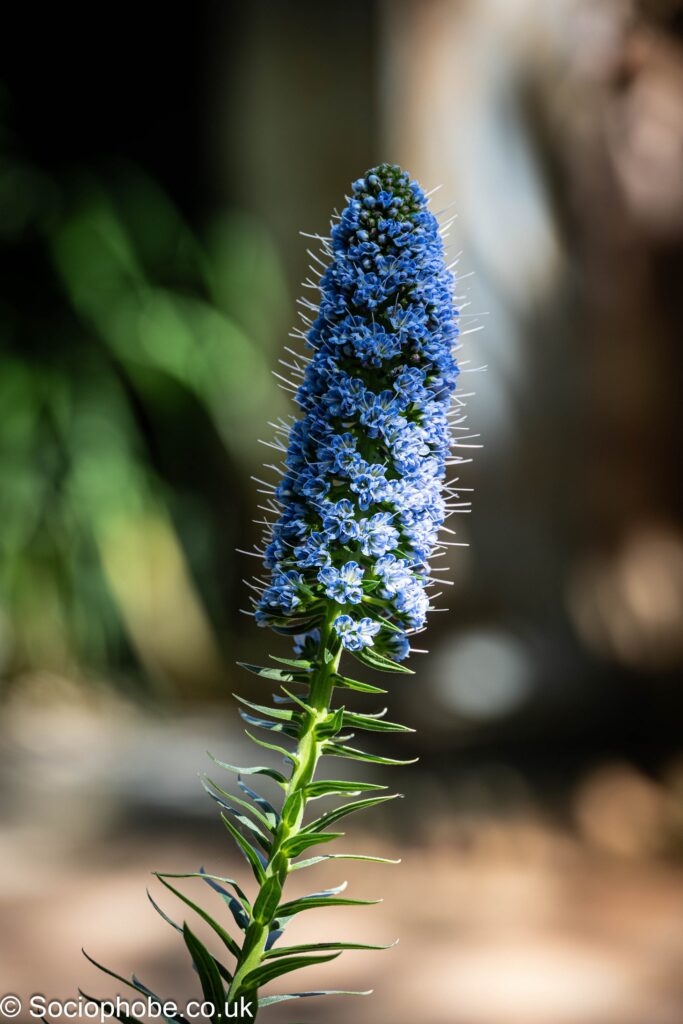
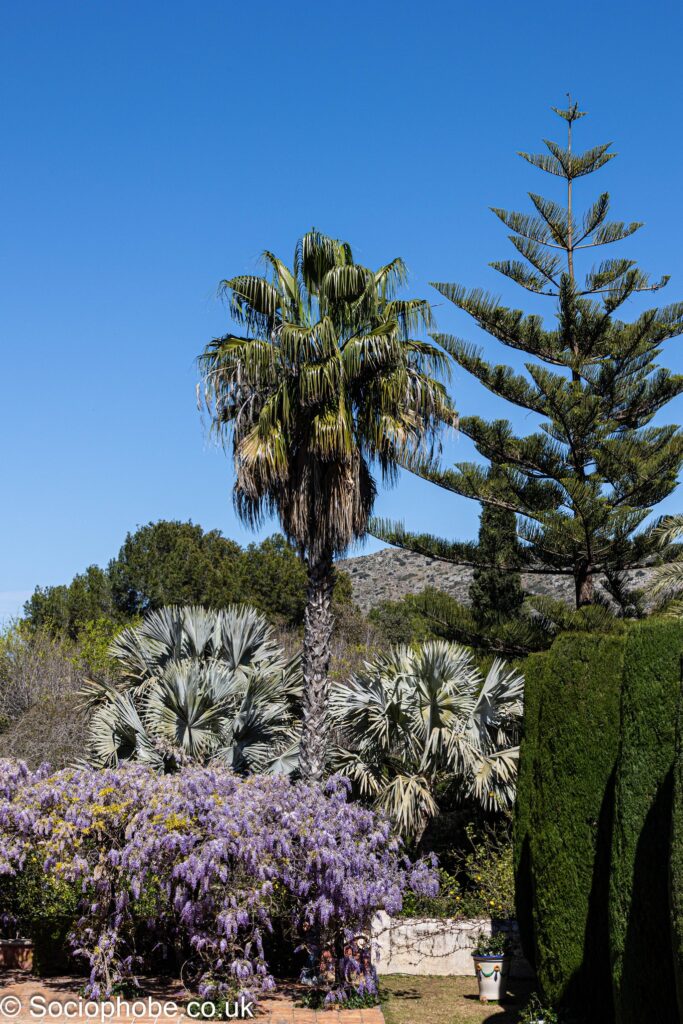
Doing some research I found the gardens were actually created in the 1990’s, with formal Renaissance style central planting surrounded by a more wild and natural display. The pergolas and pavilions were all frameworks for the plants to grow around and there were lots of water features.
As we didn’t have time for lunch at the gardens we found a cafe on the map that was near our hotel for the next 2 nights and also on the way home for Mum. This was an hours drive away on some very interesting roads, one was so narrow I paused before turning in to it as I wasn’t sure if the car would fit! We got to the cafe to find that they had stopped serving food so just coffee for us, again. We had a good chat and catch up and then went our separate ways.
Our Accommodation in Xativa – Hotel MontSant
It was a short drive to Hotel Mont Sant in Xativa, where we were staying for 2 nights. The last part was up some very windy and narrow streets! The hotel is a converted monastery that sits below the castle and our terrace had beautiful views of the castle and mountains. The check in was fabulous and we had a lovely room (Room 1) that actually has a kettle!
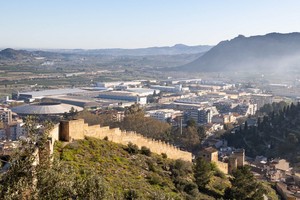
The terrace had views of Xativa Castle and also the town and valley, all framed by pine and cypress trees. Deb had injured her knee so was able to sit on the terrace, read her book and chill as we watched the sunset. We had breakfast both mornings at the hotel and the breakfast was fabulous and we ate far too much delicious food. After breakfast I had a wander around the grounds. The views really were spectacular, especially with the early morning mist and you could see sections of the town walls stretching from the valley up to the castle.
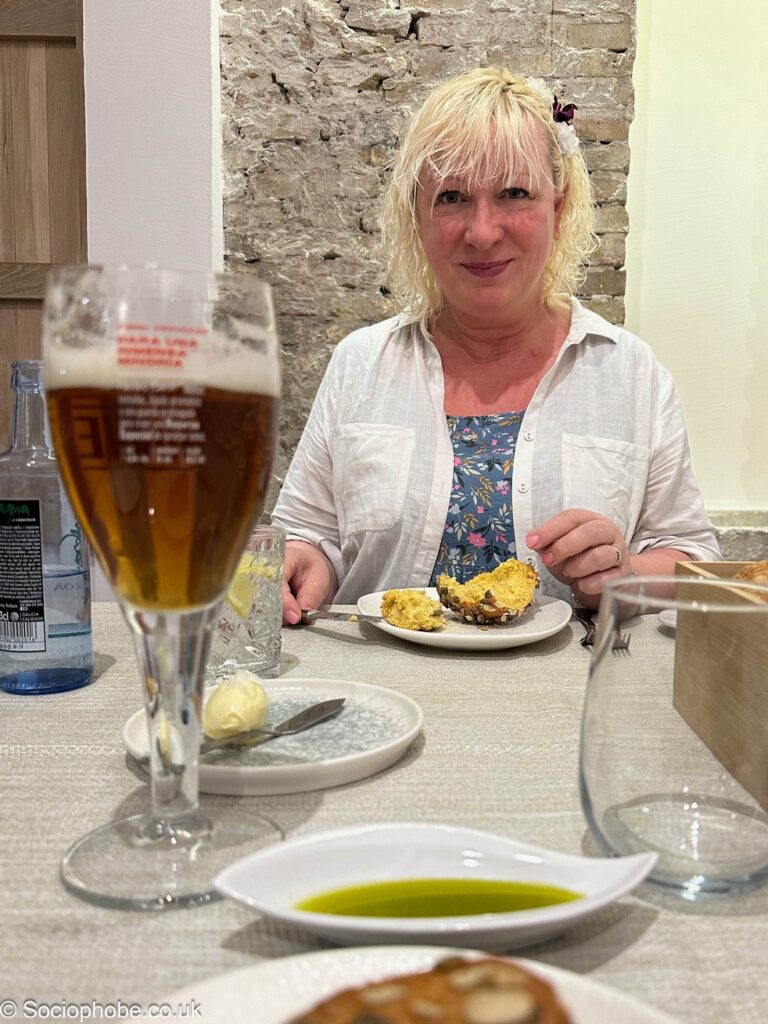
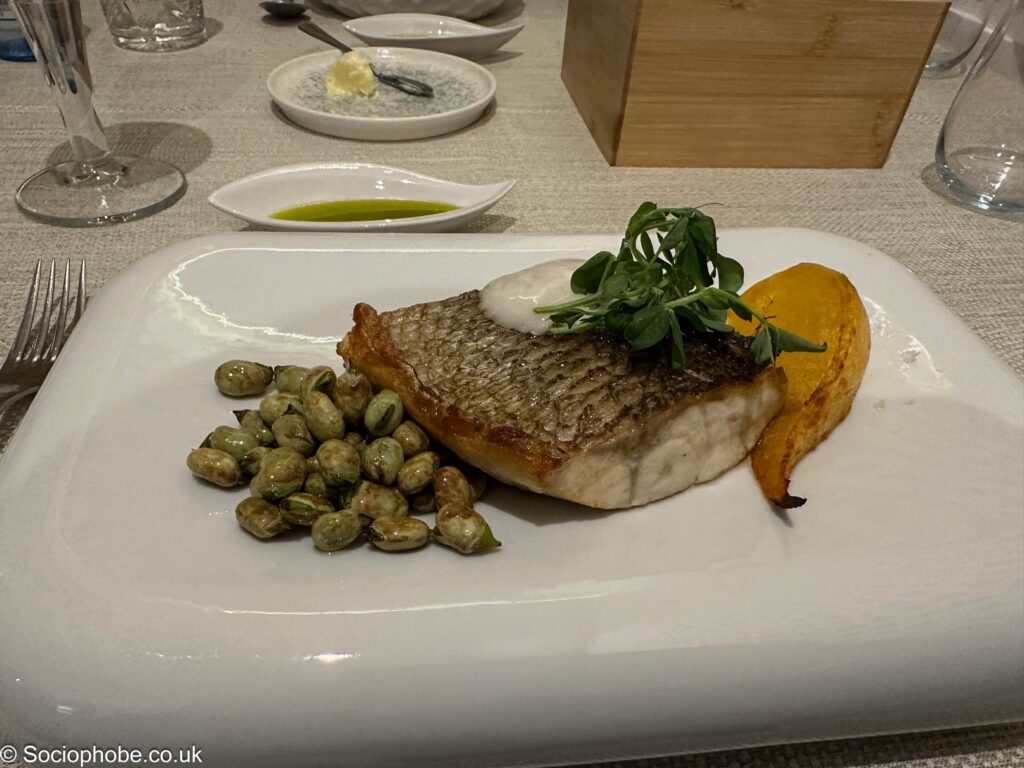
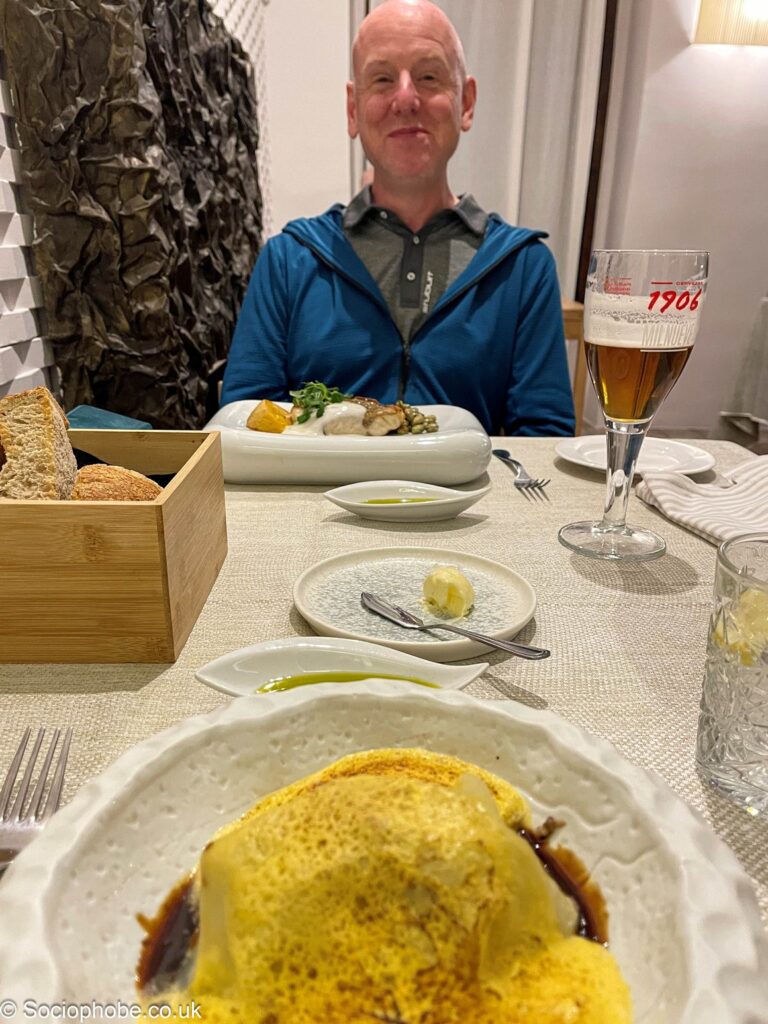
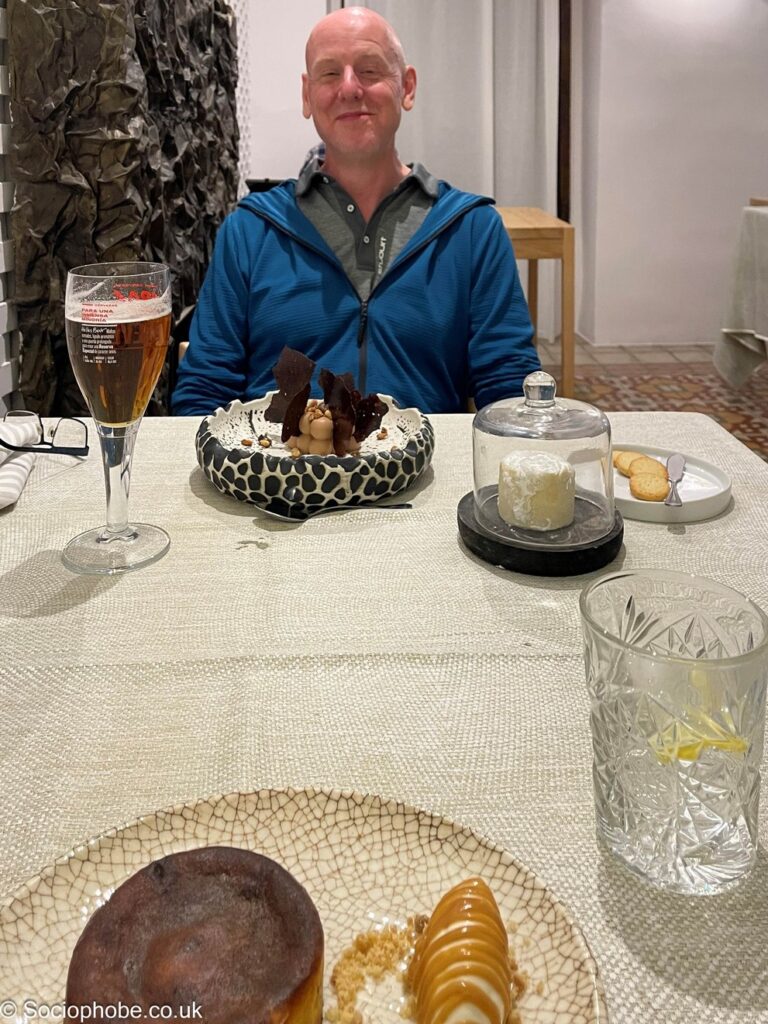
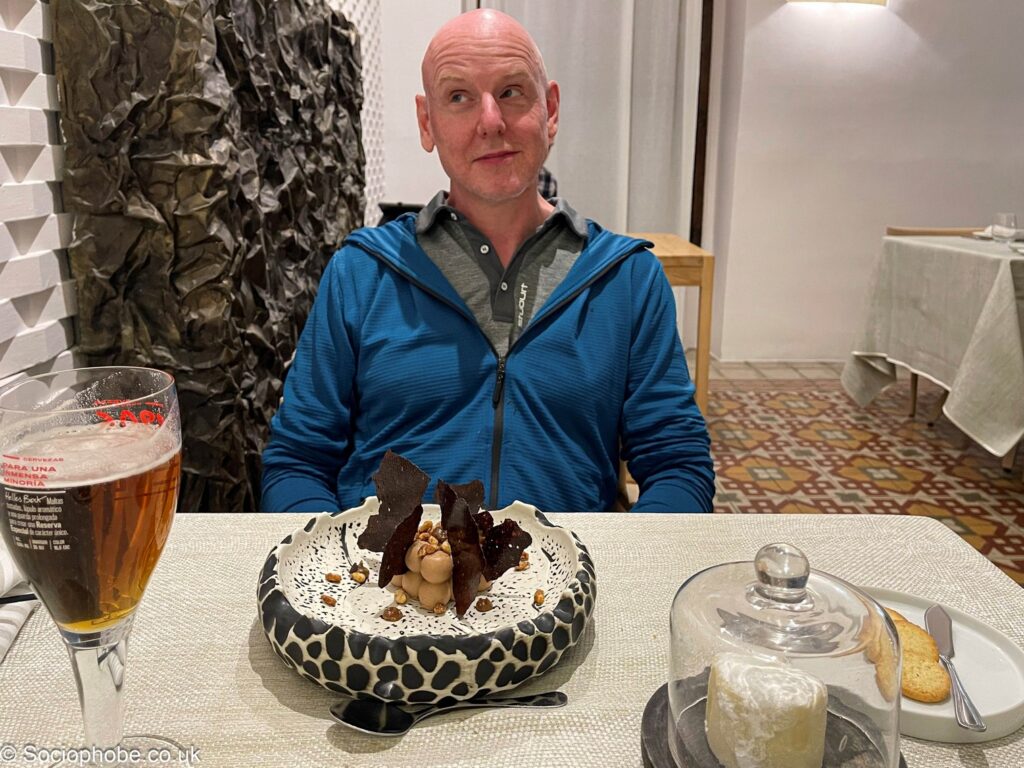
We ate one dinner in the hotel as Deb had already perused the menu, although I was somewhat sceptical. There were weird things like sea urchin, pig’s ear, lamb gizzards and duck liver but I opted for sea bass and Deb had rabbit lasagna. The food was just magnificent. Right from the bread and olive oil, with the type of oil and its characteristics being explained to the main course and desserts there was nothing I could improve upon. I had two desserts – a cheesecake and a hazelnut mousse and both were fabulous. We left feeling full but not bloated, a lovely way to round off Deb’s birthday.
Our room was fabulously quiet, service throughout the hotel was impeccable, the room had modern heating/cooling if needed and a modern bathroom. There was a lovely seating area with panoramic views as well as a private terrace and there was plenty of parking. The lady on reception was wonderfully helpful and the castle is about 15 minutes walk up the hill. A thoroughly enjoyable stay and a hotel I will recommend to friends visiting the area.
Cullera Castle
We both overslept as the clocks had gone forward and I didn’t wake until 7:15, Deb 8AM. As we had breakfast booked for 8 it was a bit of a rush but the breakfast was fabulous and we both overindulged. Deb was still hobbling like a cripple but after breakfast I had a wander around the grounds to enjoy both the views and the peace, disturbed only by birdsong.
As Deb was unable to walk properly we wanted to get to our first stop early so we left for the coastal Castle of Cullera, about an hour away. The route started well but then we seemed to drive miles through orange groves on narrow, single track roads before rejoining proper roads for the last part of the drive. We were able to grab the last parking space at the top of the hill and luckily there was a mini funicular to take Deb the final distance to the castle entrance.
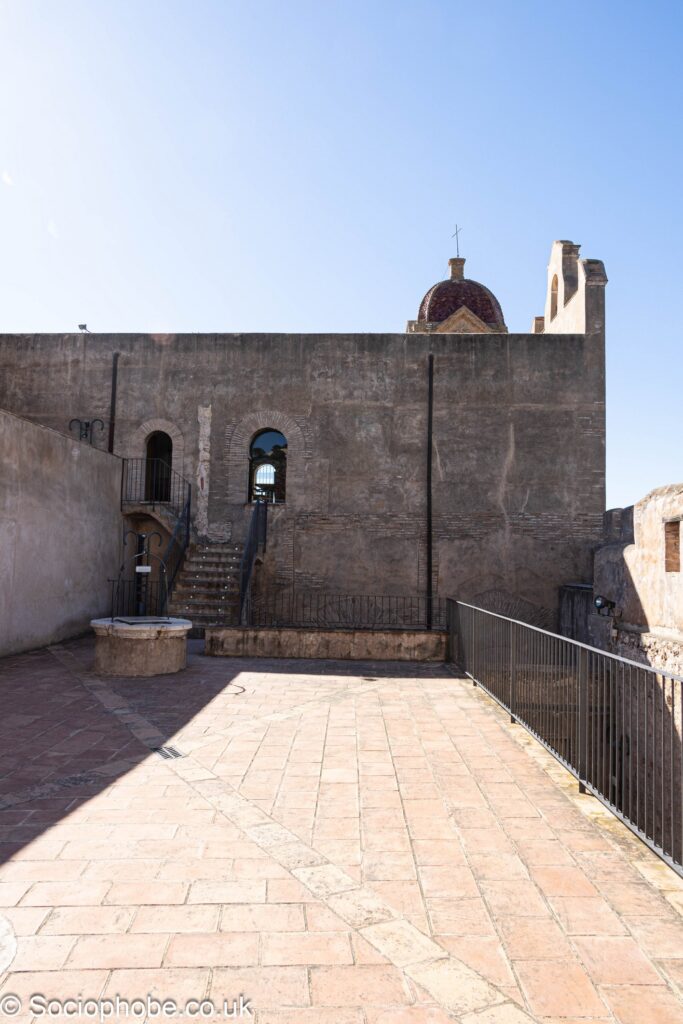
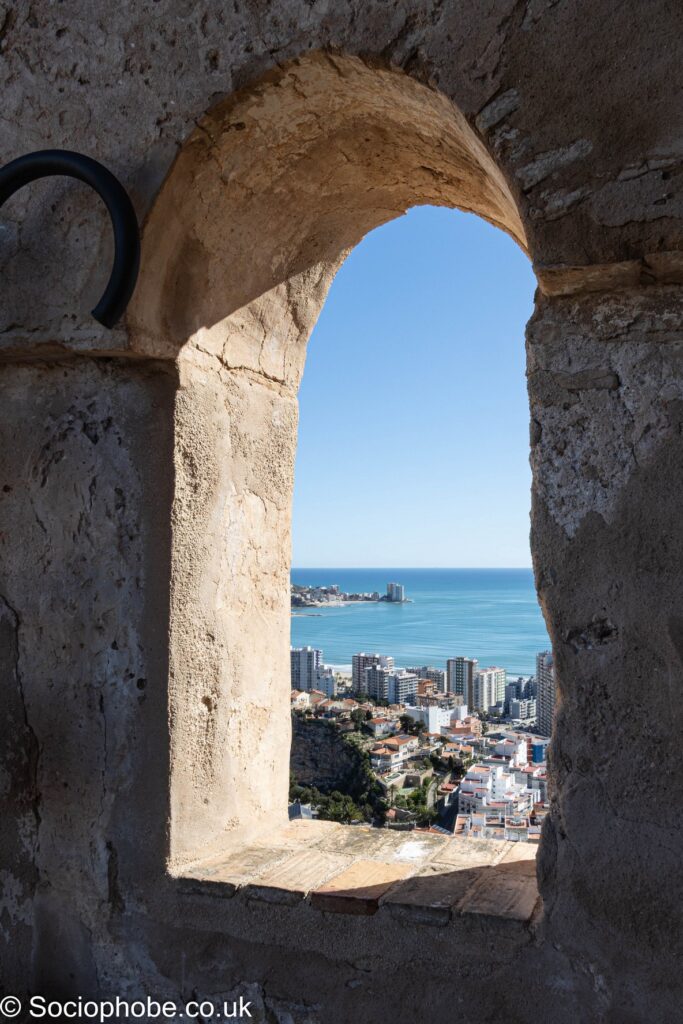
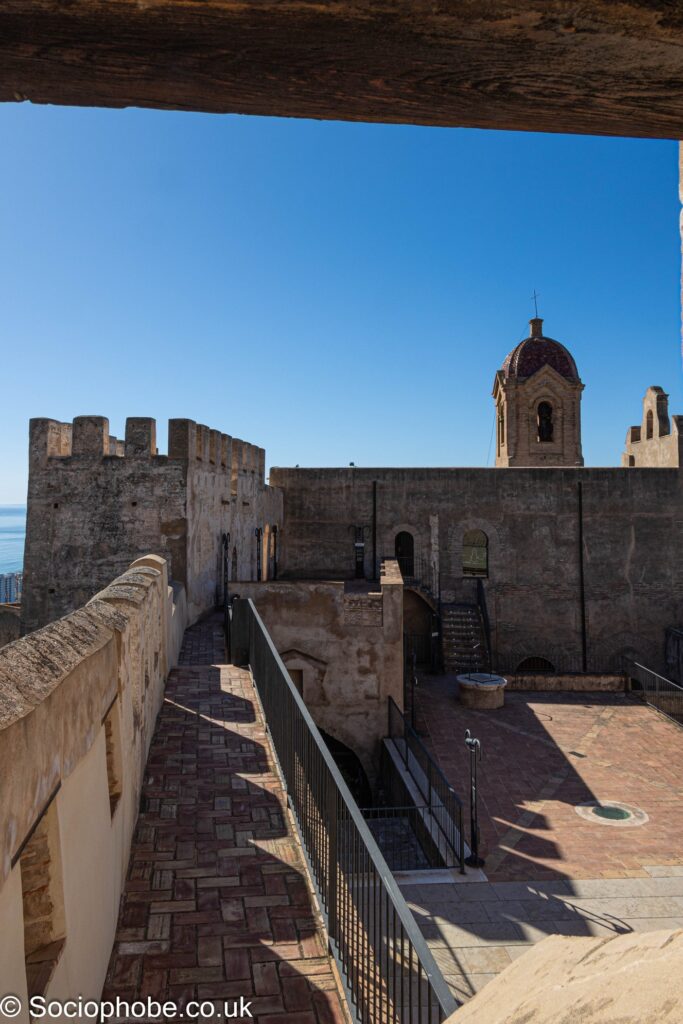
Admission was €3 but it is a small castle so we probably spent less than 30 minutes inside, including watching the 12 minute information film (English subtitles). The interior was unadorned and the battlements were small but with nice views of the coast and the rice fields.
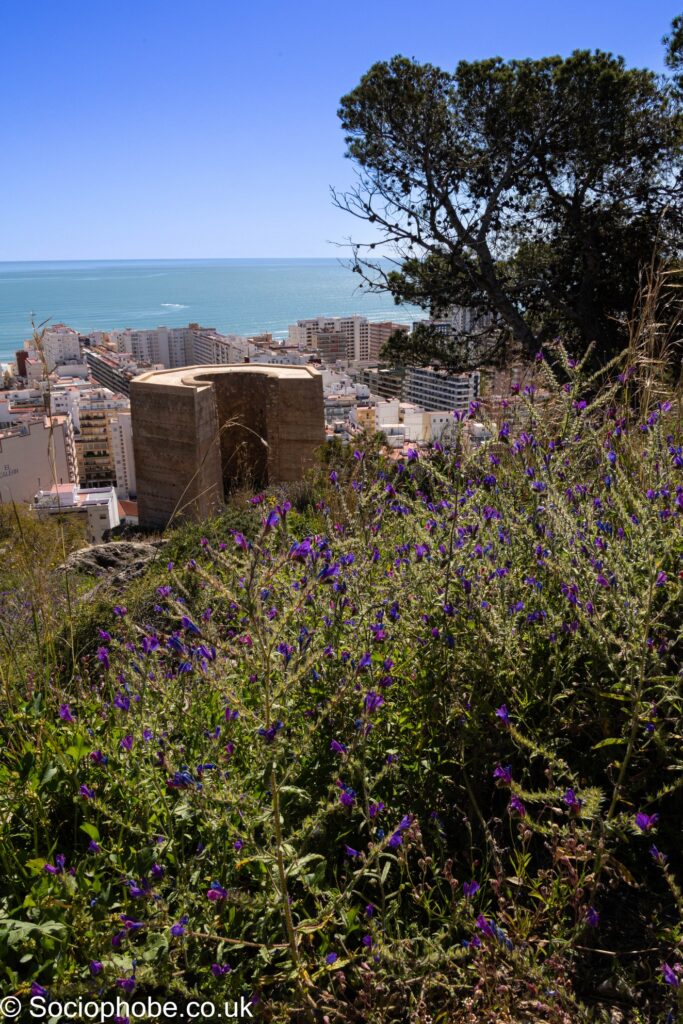
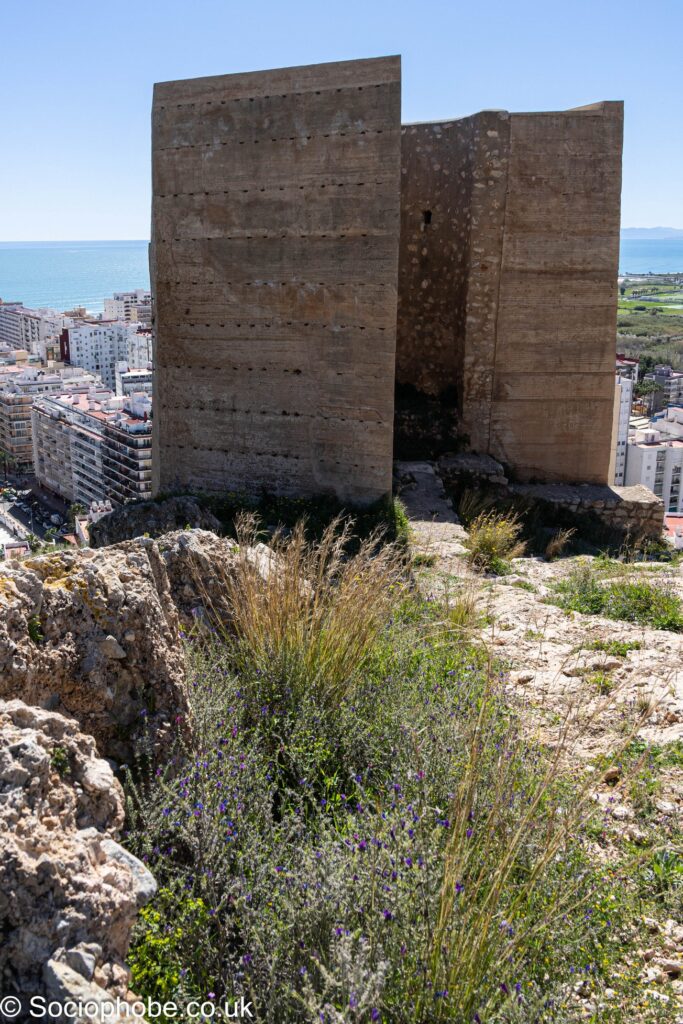
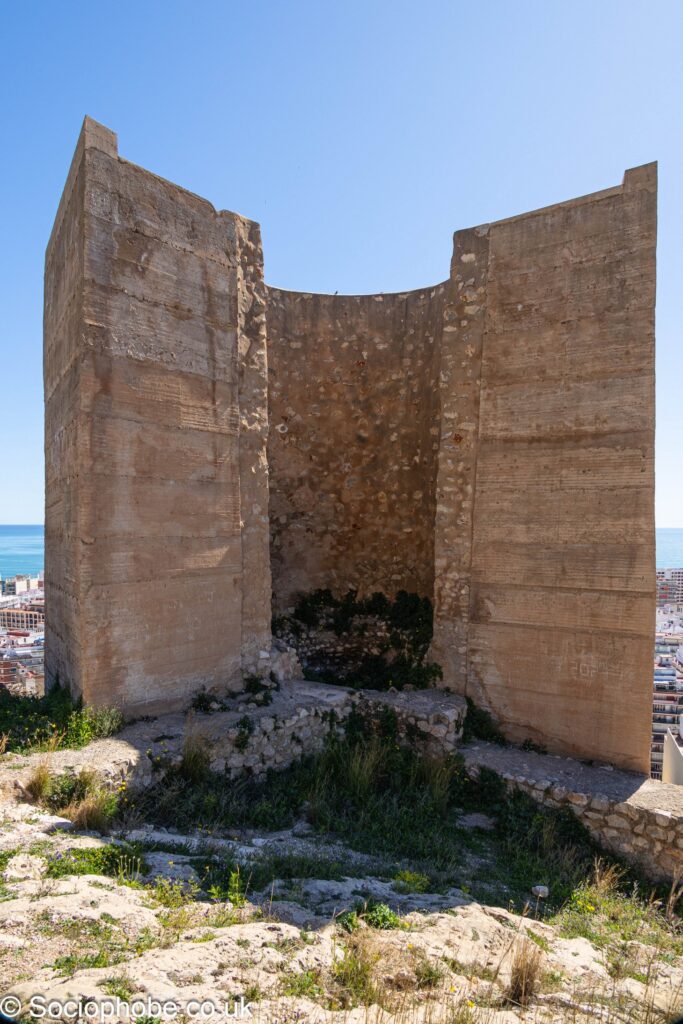
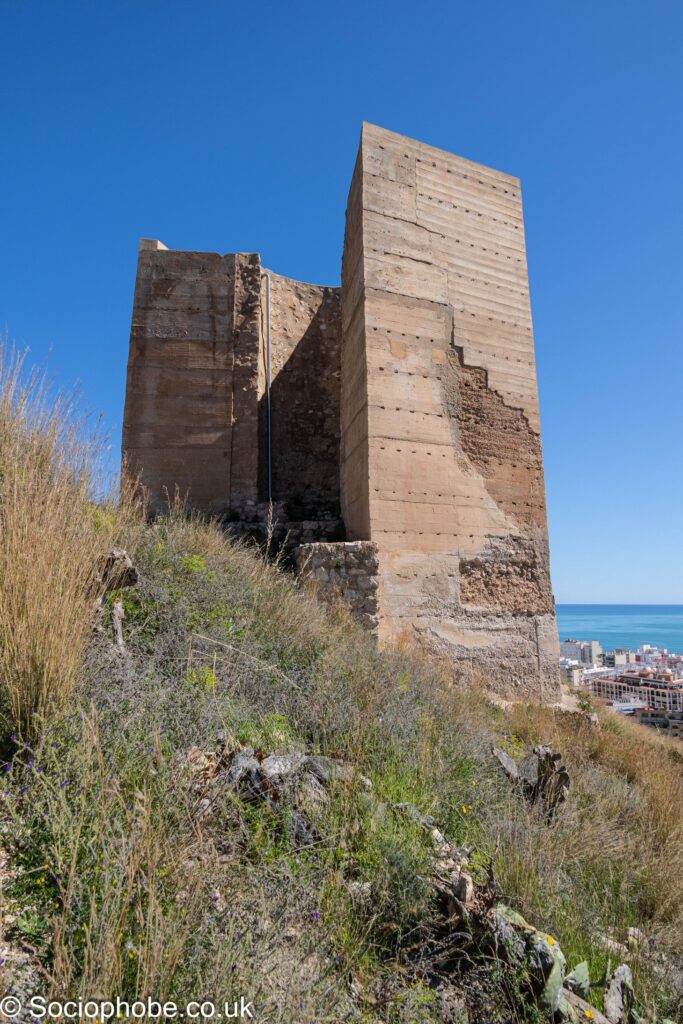
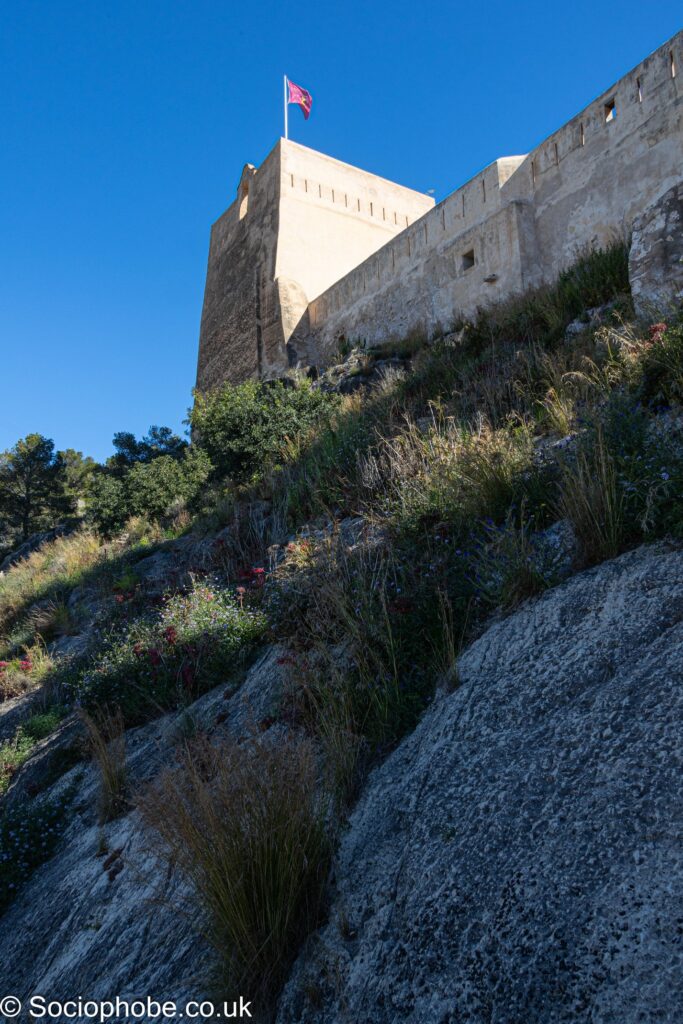
We had an ice cream and a coffee at the cafe terrace (cash only) and then I walked down the steps to view the castle from below and then down a small path to view the octagonal tower and segments of the town wall, built during the Islamic period. The castle itself has an Islamic base and was then updated and expanded after the Christian reconquest in the 13th century. Its next expansion was in the 16th century after Muslim pirates sacked the town and carried the population off into slavery. Although we don’t mention that as it doesn’t fit the white slaver narrative.
Monastery of Santa Maria de la Valldigna
Next stop was the Monastery of Santa Maria de la Valldigna and the road there was another single track, populated mostly by cyclists and walkers. We arrived in the town to find a cycling event going on so a lot of roads were blocked and the town was crowded. We eventually found a parking space near the entrance for Deb to slowly shuffle to.
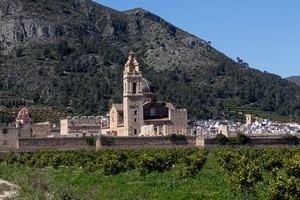
Admission was free and just from the panorama inside the gates it looked awesome. Founded in the 13th century, this was a very wealthy Cistercian monastery and it lasted until the mid 19th century when laws were passed against monastic holdings and the monastery artworks were sold or plundered. The monastery then became a farm and the buildings declined until the Valencian government bought them in 2003 and began the process of restoration.
The first room as you enter had a display of the history of the monastery and the wider political story in the area but this was all in Spanish so we skimmed through it. The gardens were a mix of lavender hedges and orange groves and the main church building had the most incredible interior, polychrome ceiling and the remains of baroque wall paintings. These were quite fantastic to see and most have been mind blowing in their heyday a few hundred years ago.
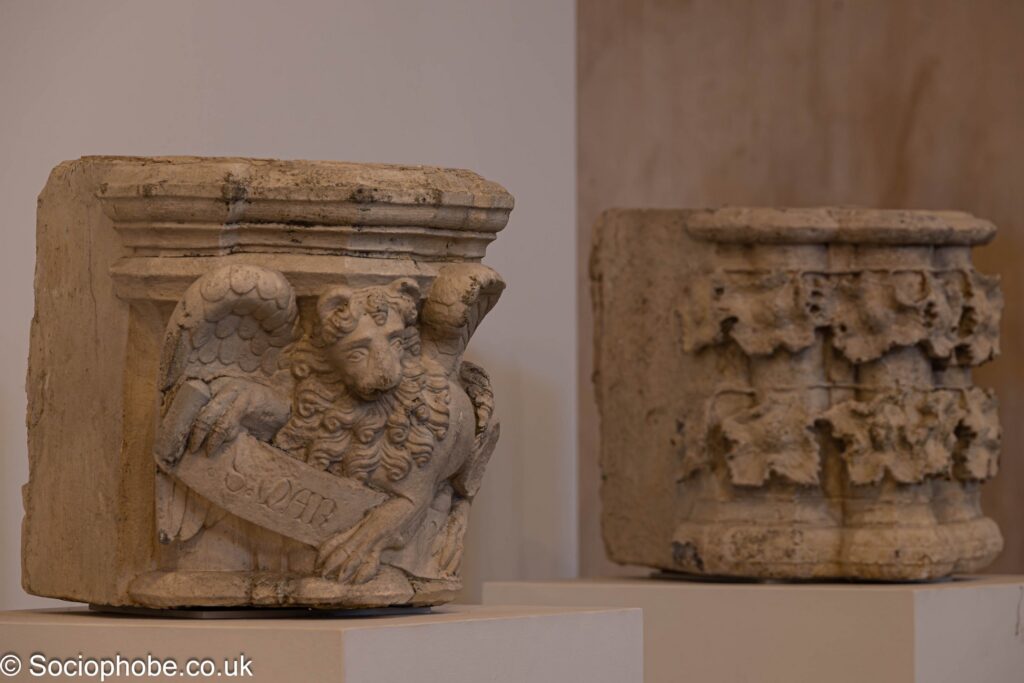
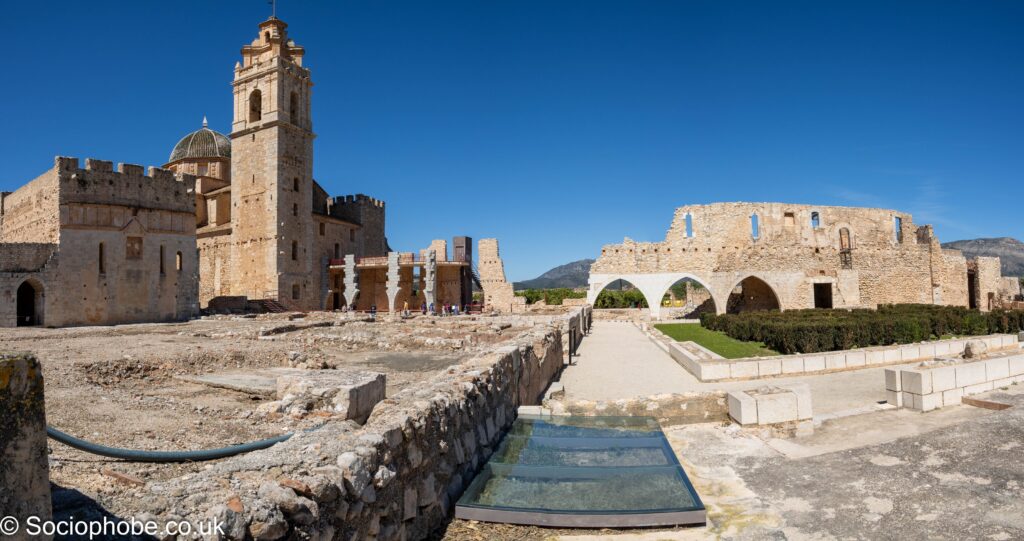
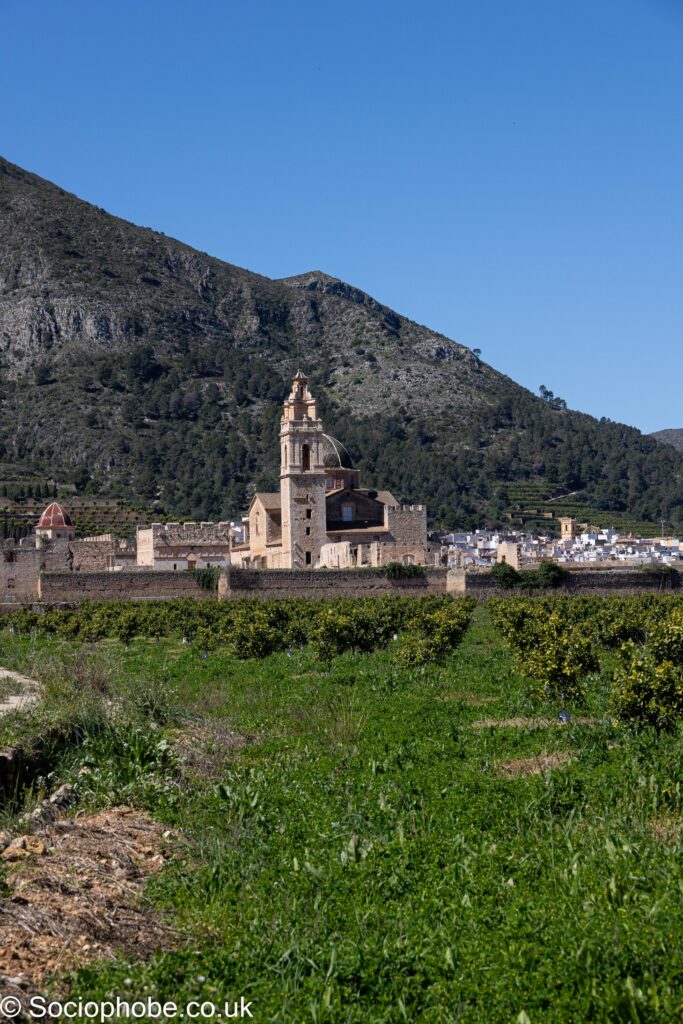
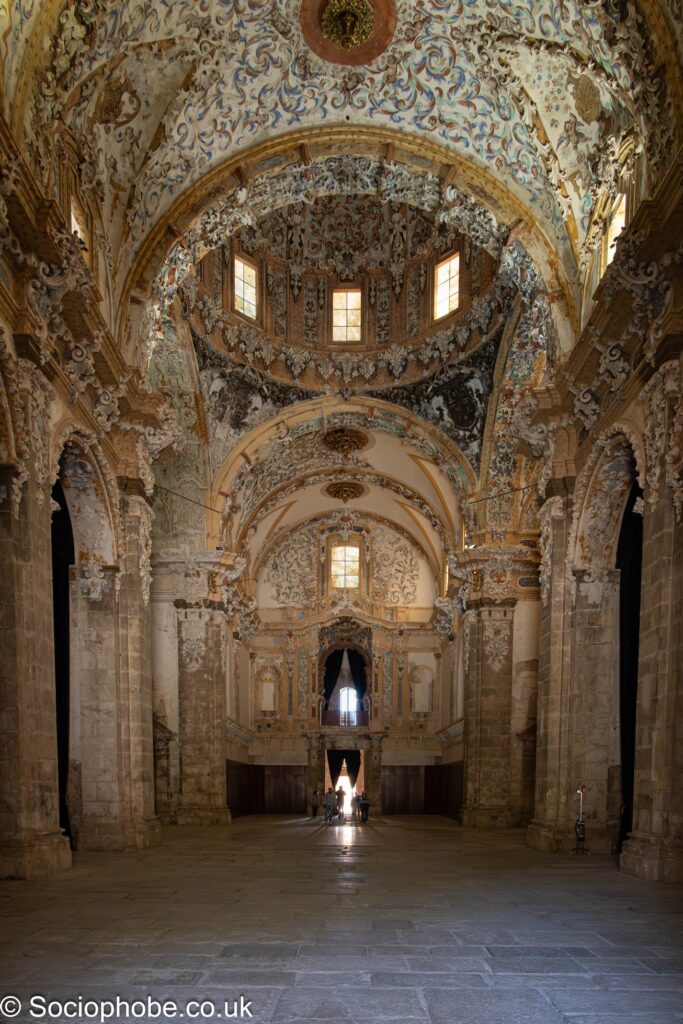
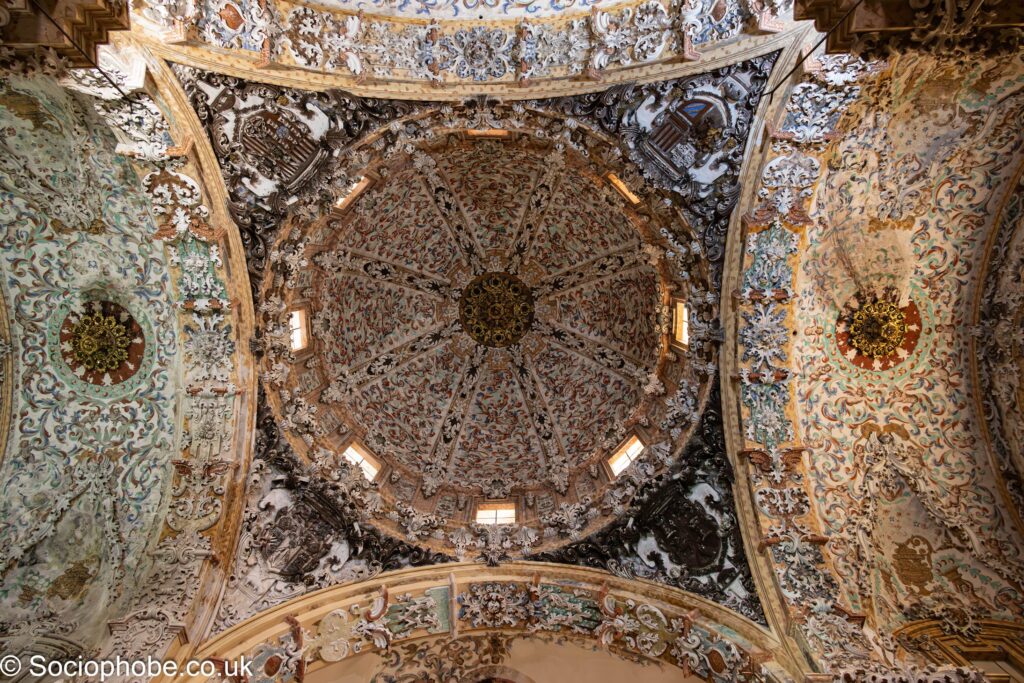
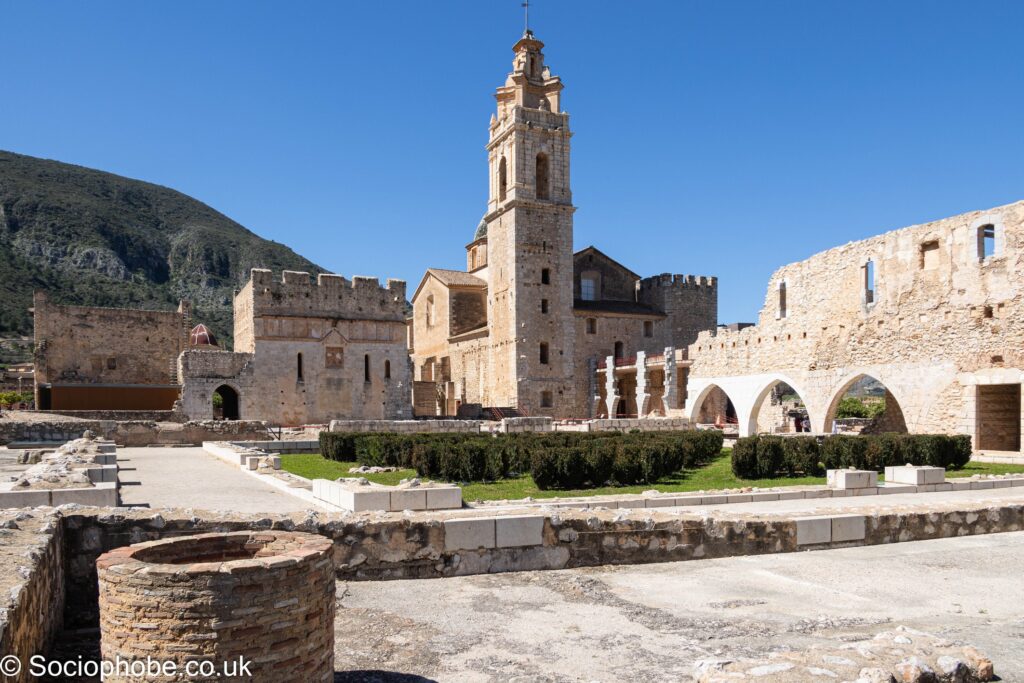

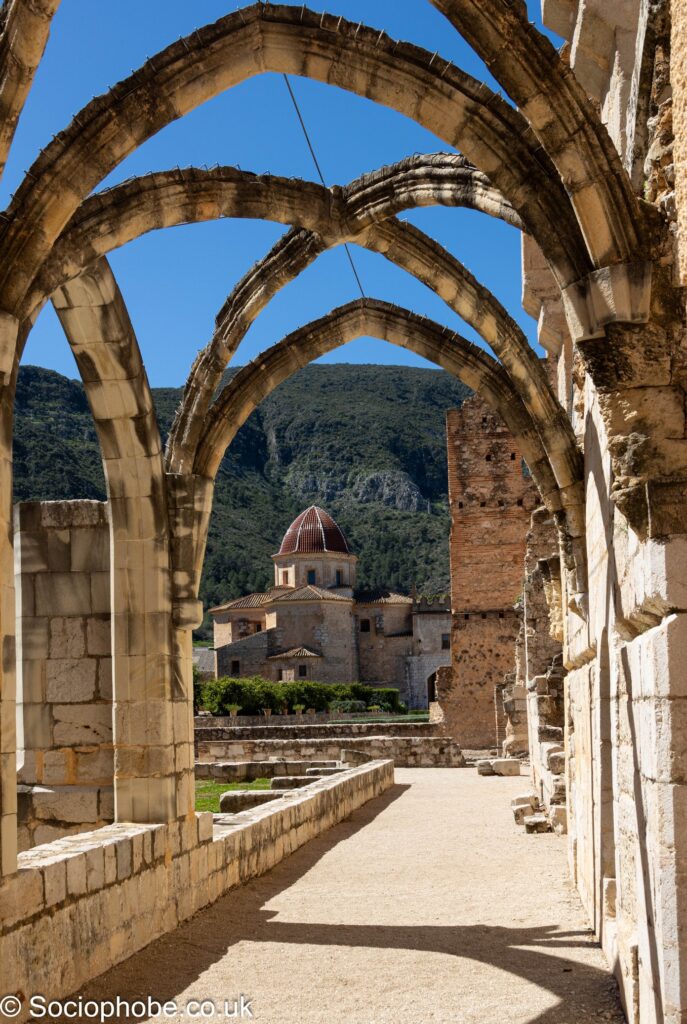


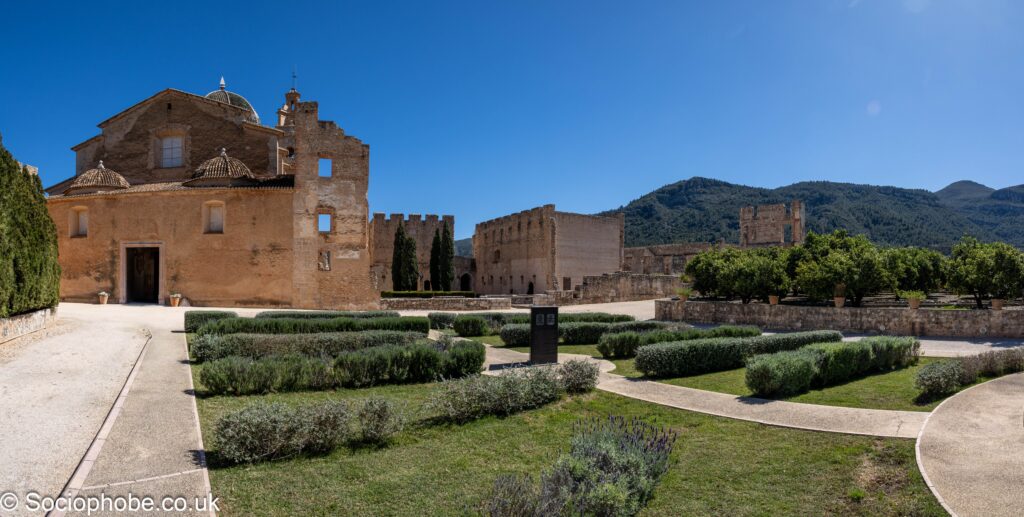
There were several areas we couldn’t enter due to the ongoing restoration but the work being done was quite superb. The cloisters were beautiful, although still a work in progress and there was some vaulting from a ceiling (but no ceiling) that looked fantastic. We spent about 90 minutes at the monastery before the short drive back to the hotel, on relatively normal roads.
Xativa Castle
As Deb wanted a rest I decided to walk up the hill to Xativa castle. The roads were closed on Sunday so I didn’t really have much choice but it was a lovely walk, gently climbing through the pine forests until I reached the castle entrance.
Entry was €6 and I probably spent 90 minutes onsite, there was a cafe and restaurant with a terrace that had wonderful panoramic views but I didn’t visit that. With the ticket you got an excellent map that showed you all the main places to see while there, which was useful as it is a large site and the cisterns were outside the main walls.
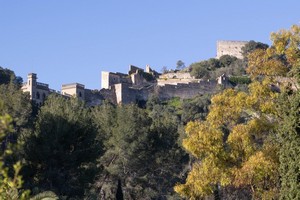
The castle is similar to San Marino, with two sets of fortifications, joined by walls and towers.
Originally a Celtiberean fort, it was captured by the Carthaginians (Hannibal‘s son was born there) and then the Romans, Arabs and reconquered by the Christians in the thirteenth century. It saw action again in the War of the Spanish Succession but was badly damaged by an earthquake in 1748 and abandoned. The original castle was on the lower hill and the later castle on the higher one.
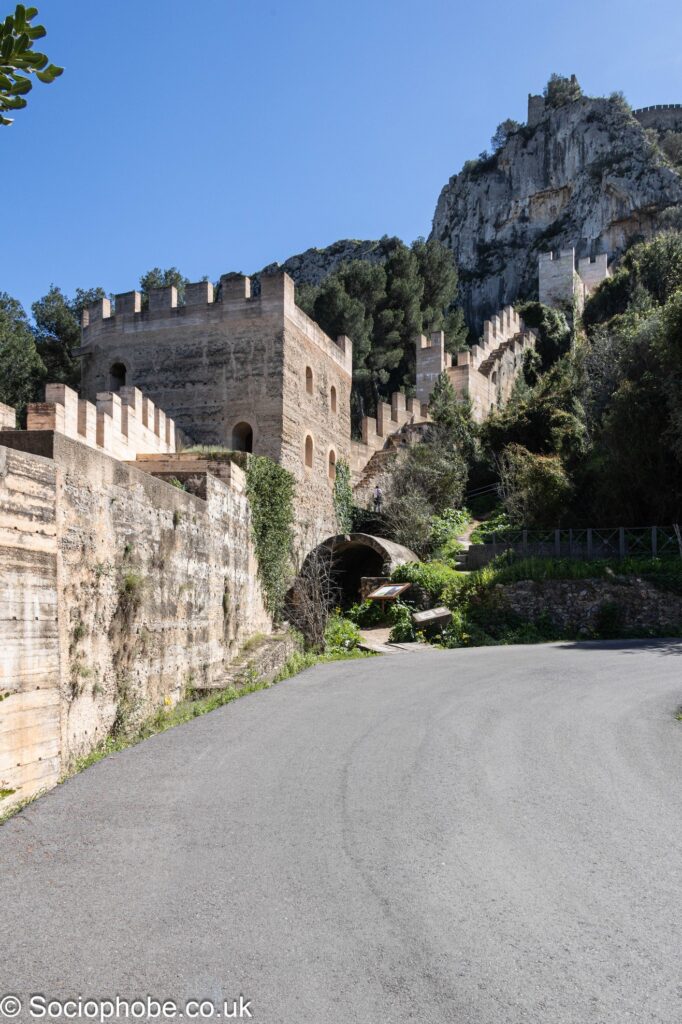
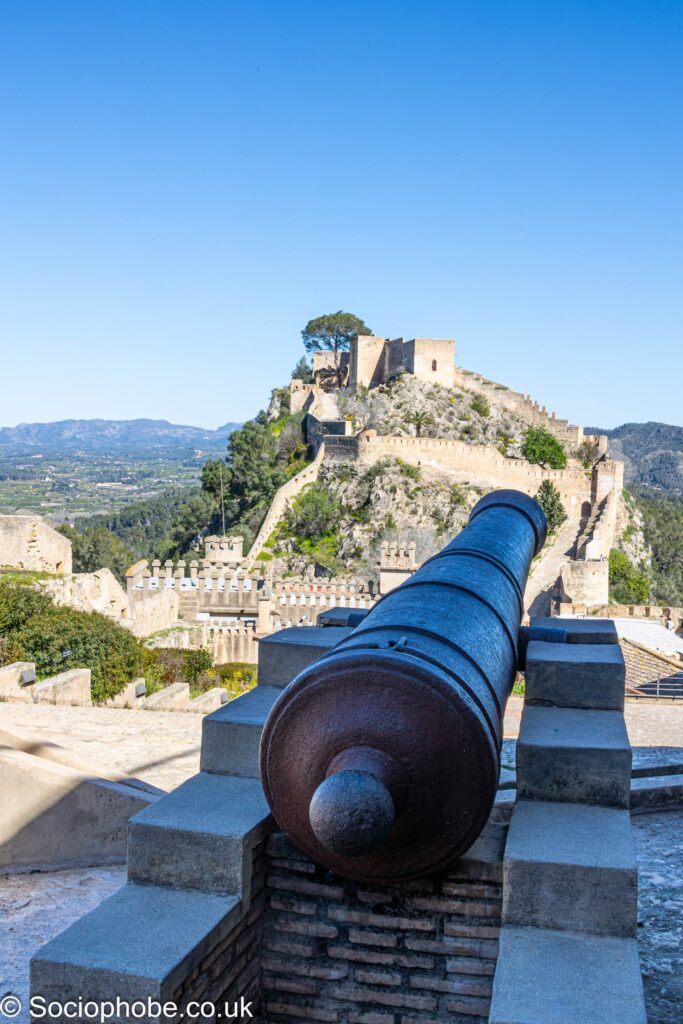
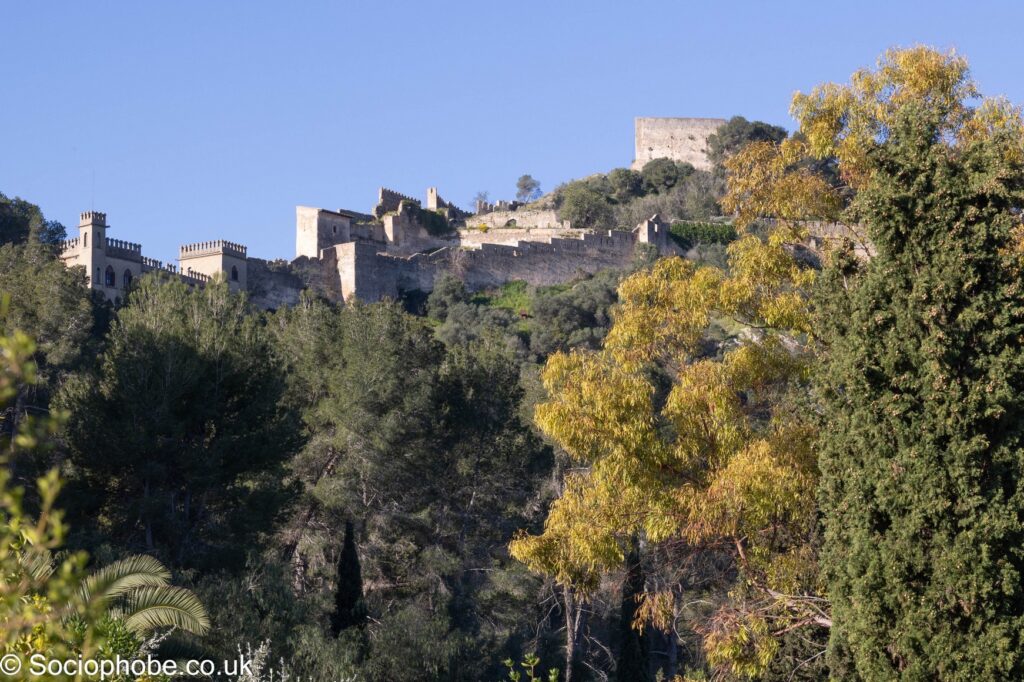
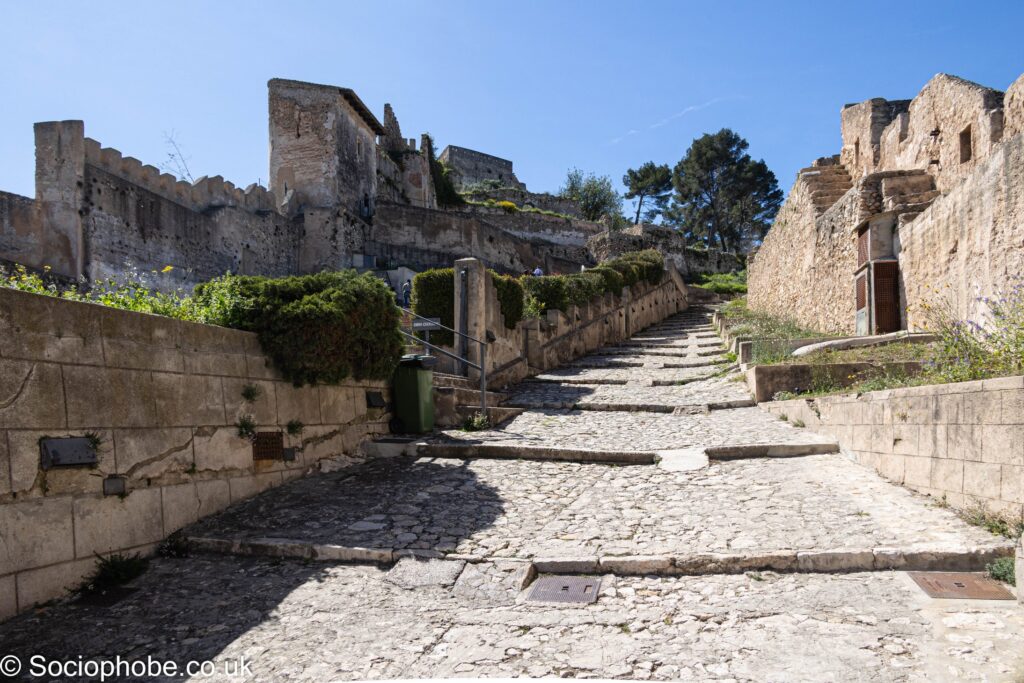
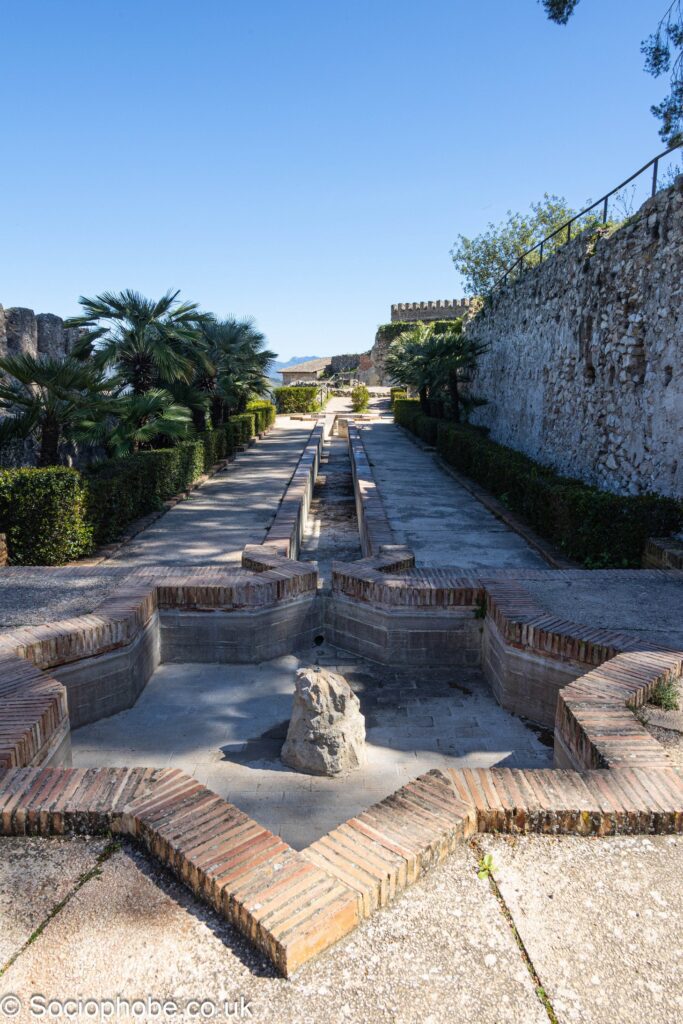
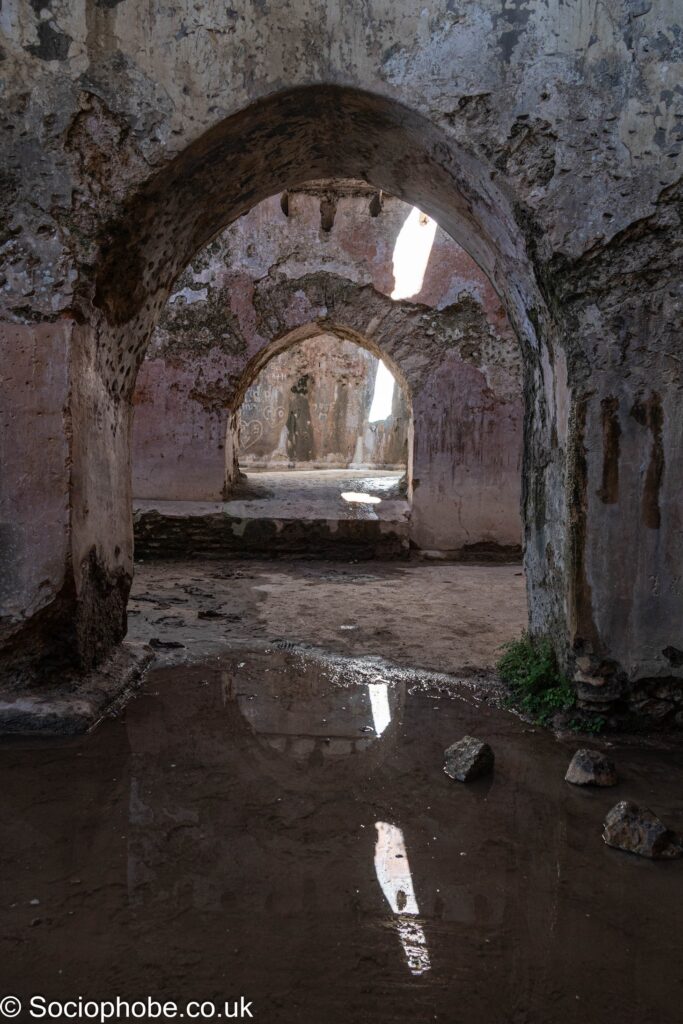
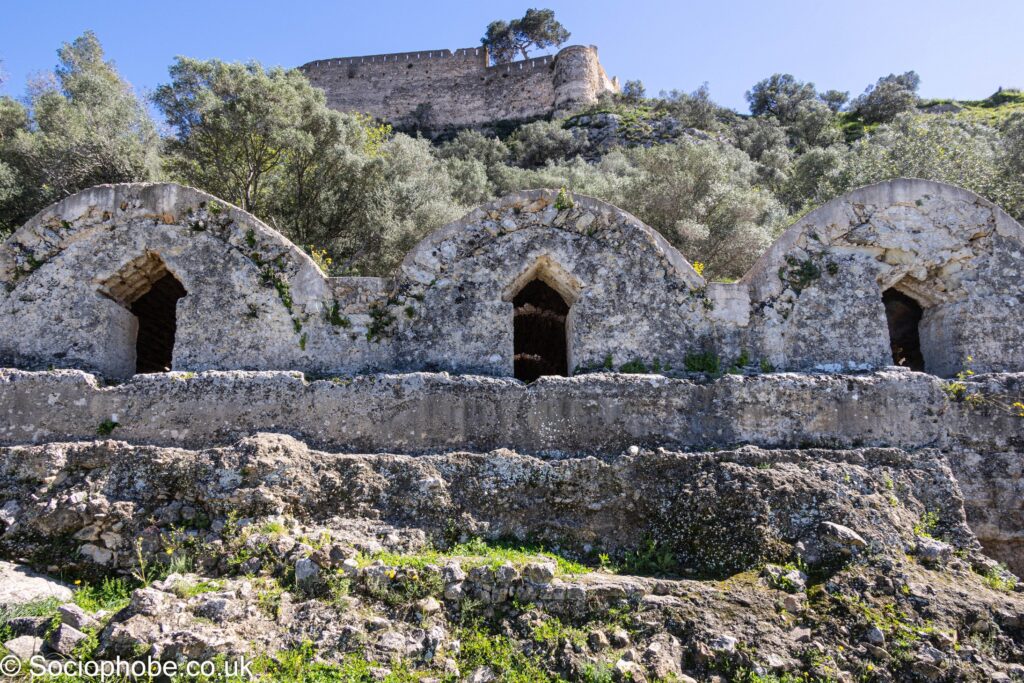
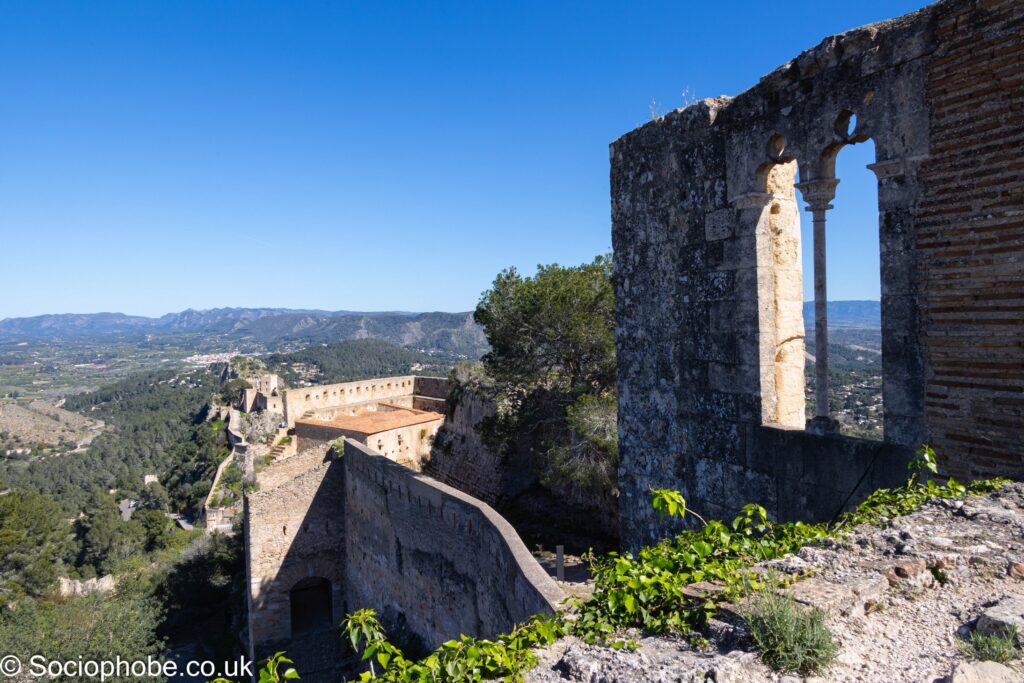
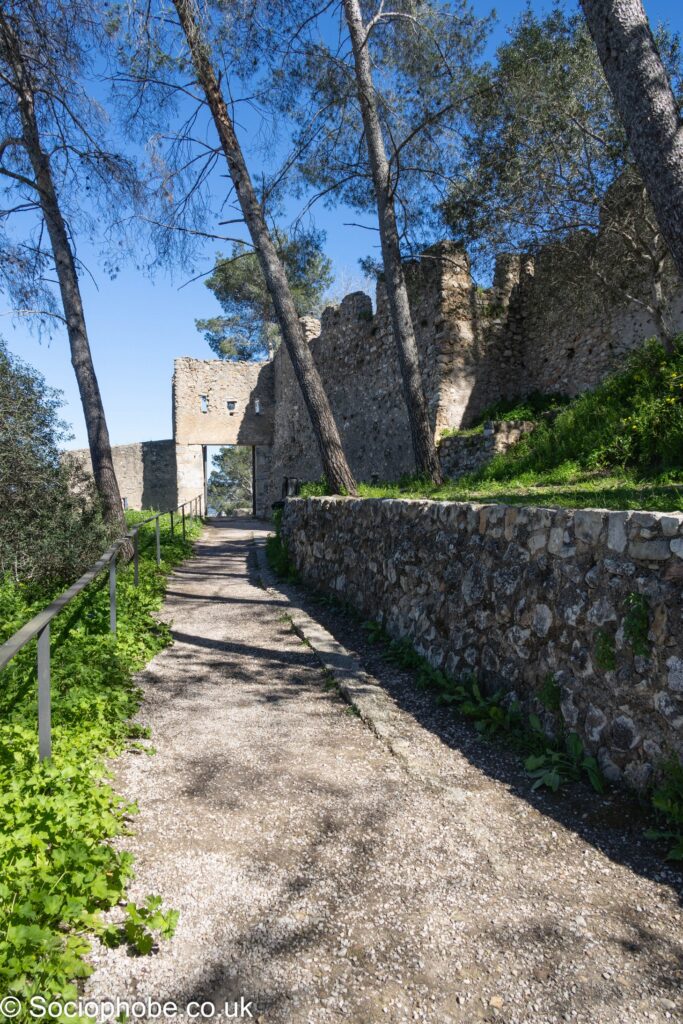
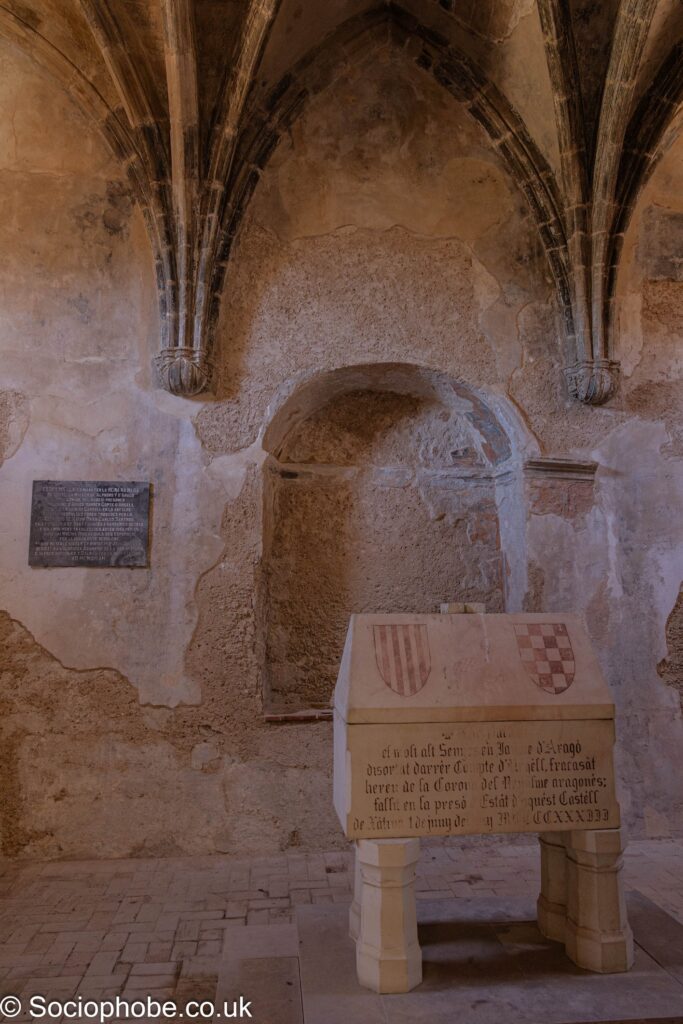
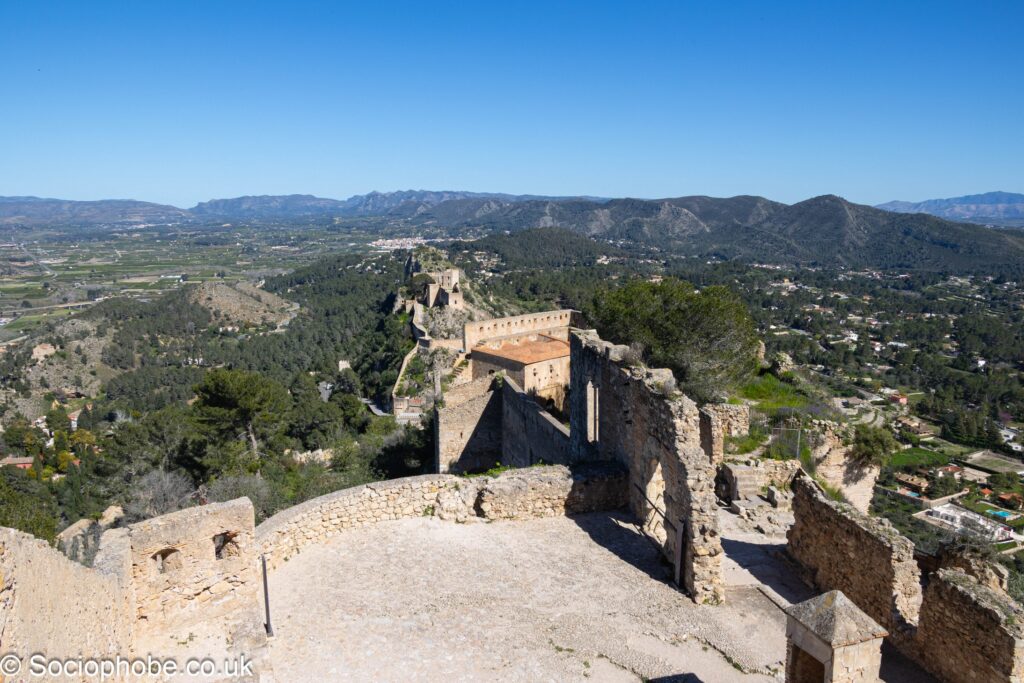
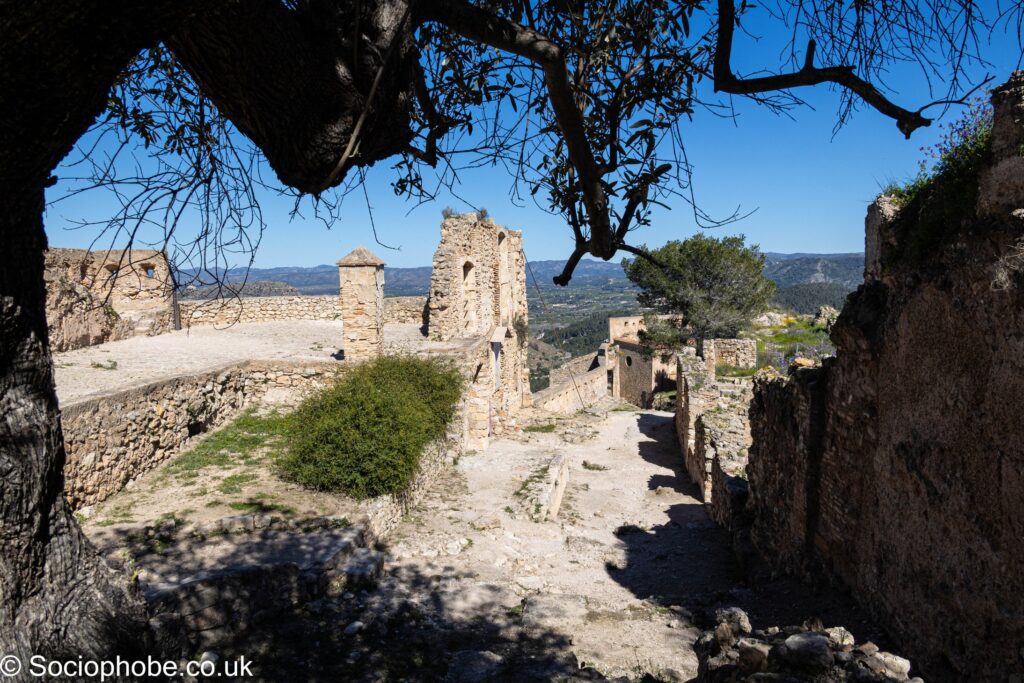
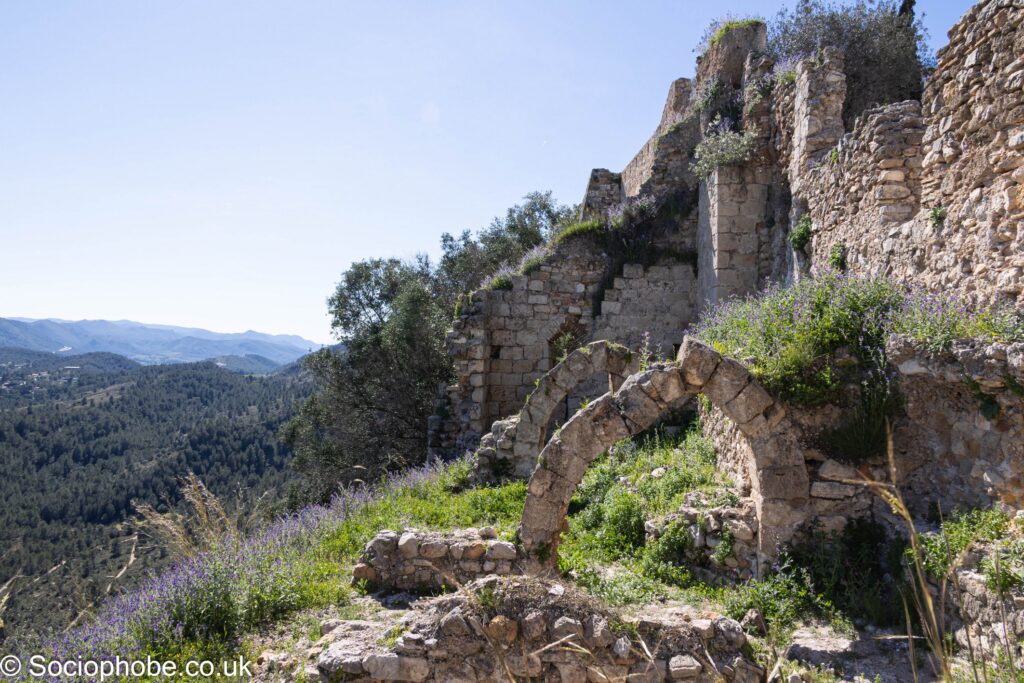
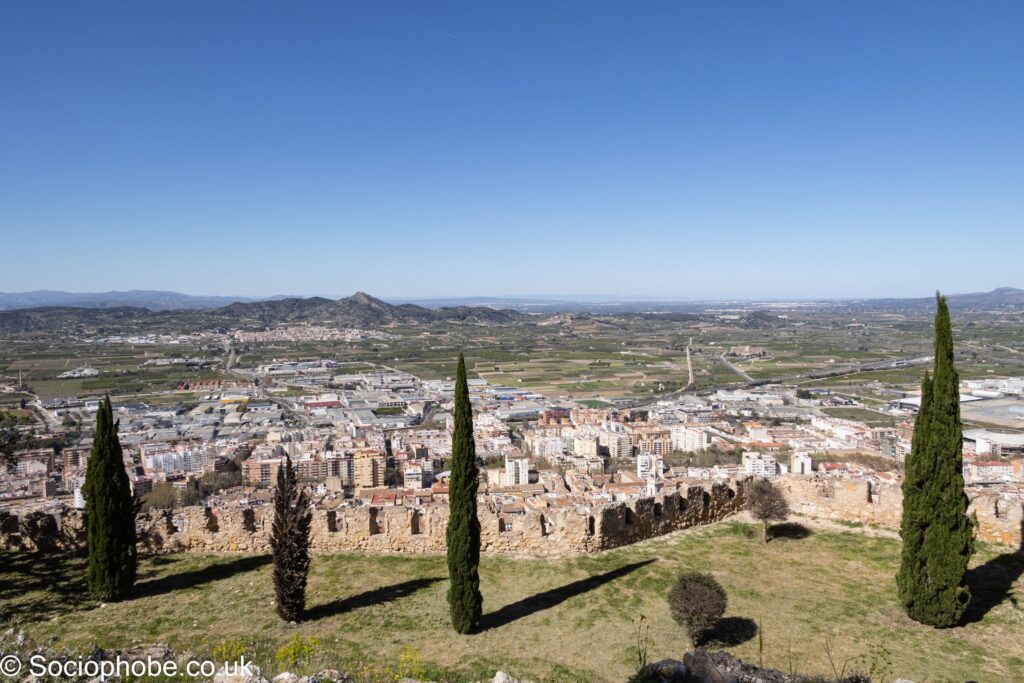
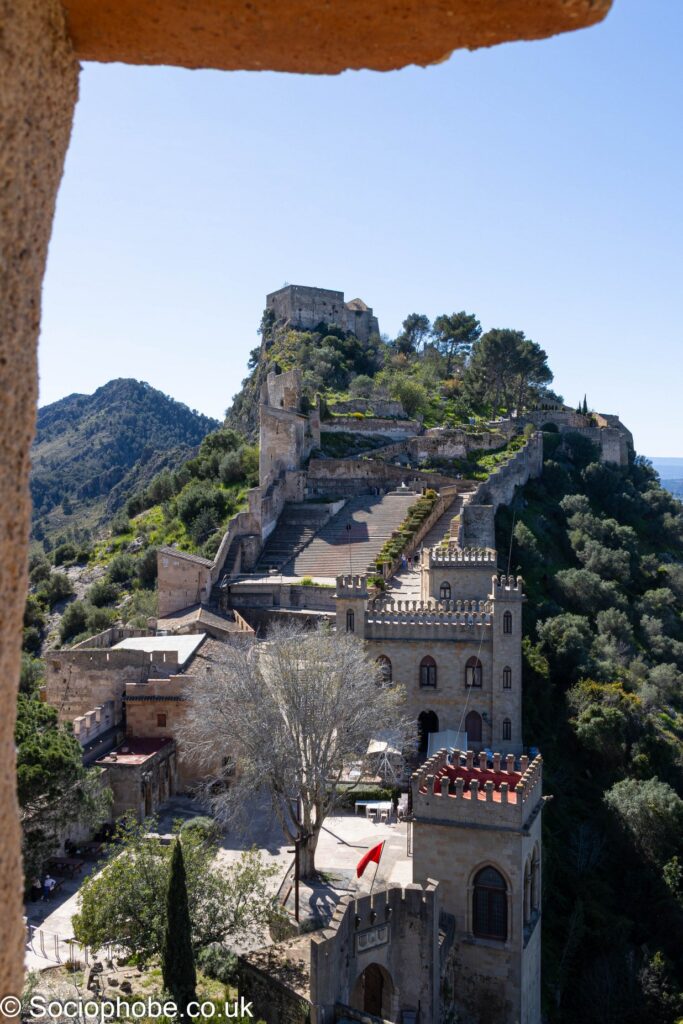
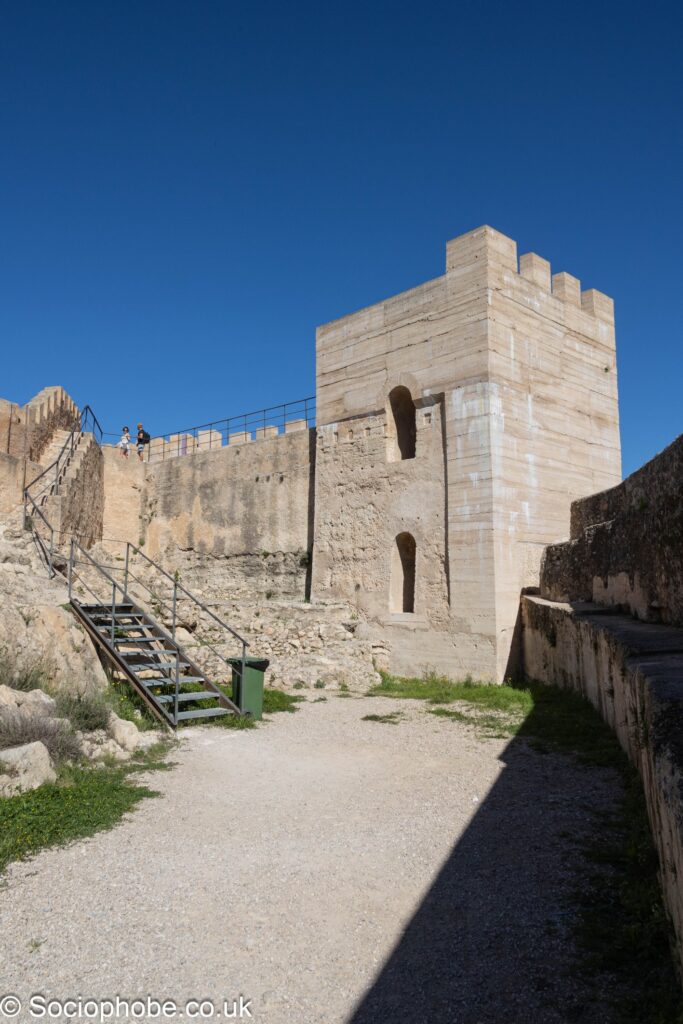
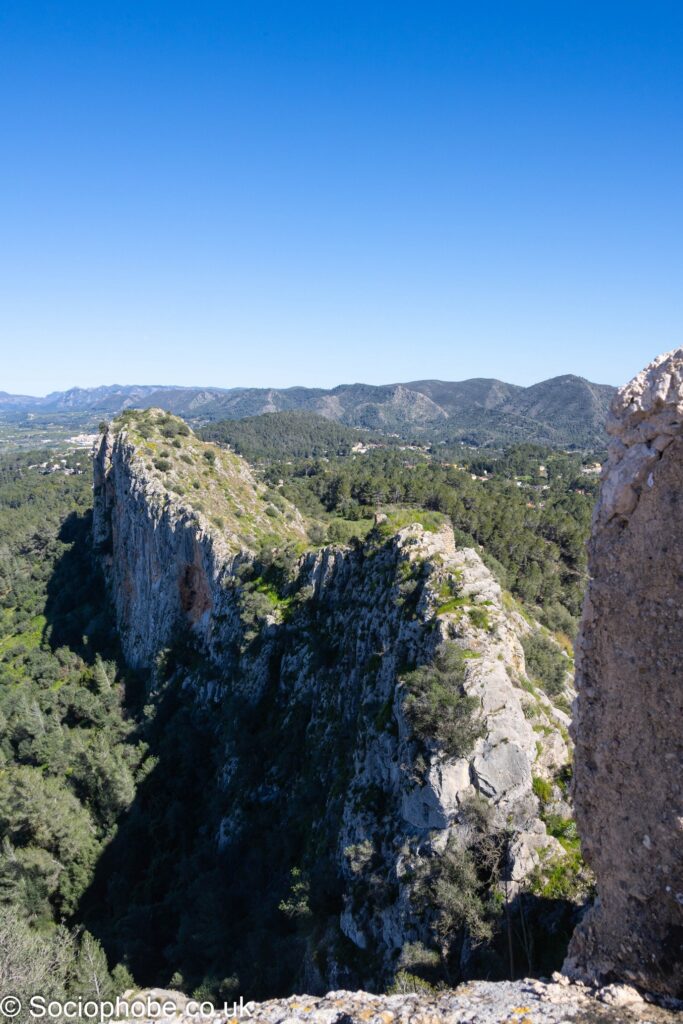
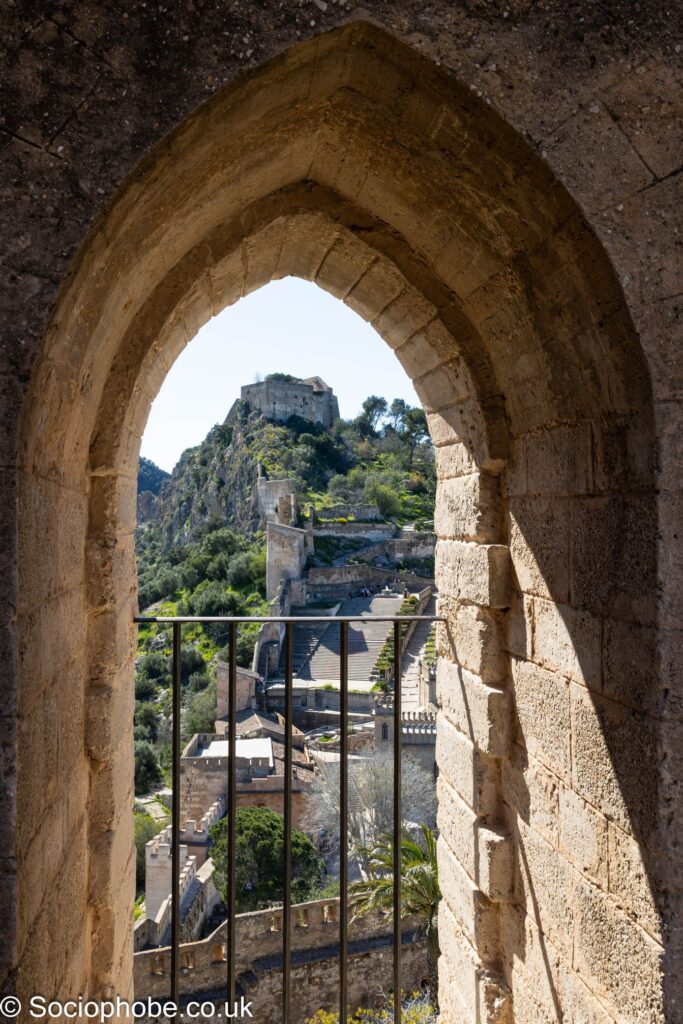
I followed the steps up past the fountains and cannon to the Gardens of Ibn Hazm, a watergarden similar to many other alcazars, although this was empty of water. The views were just awesome and I followed the path out of the Malanyat Gate to the Roman cisterns, which had been recently restored.
Walking back in to the castle, the route took me past a prison, the governor’s rooms and various towers and battlements. There were lots of wildflowers in bloom which added to the spectacle. I then continued down the hill and up again to the lower castle. This was again (as you’d expect) a mixture of towers and battlements with some impressive views back to the upper castle and also to the escarpment below. It was a pleasant walk down the hill back to the hotel Mont Sant and refreshments.
I’d taken 174 photos during the day so that was my next job, before getting ready for Deb’s birthday meal. This was a fabulous experience and rounded off a lovely day.
After another excellent breakfast we took a final walk around the grounds of the hotel, again enjoying the magnificent views as the morning mist slowly cleared. We then had a chilled morning, with Deb resting her leg and me catching up on work and notes, before checking out at midday.
We left Xativa and drove to our airport hotel to unload everything before continuing on to Santa Pola to meet friends for dinner. Santa Pola is another coastal tourist town but was nice to walk around and enjoy the sun as we strolled along the prom. It was a pleasant way to wind up our weekend around Valencia, another fabulous road trip.
This looks a beautiful trip, Marcus-and the photos look spectacular. The weather helped as it was so good when you were travelling. I think I may get Steve to do that whole trip next year-it looks excellent. I think it would be a great thing to put these trips into a book so other people could follow them. With the history and the photos, it would be really impressive 🙂