| Holiday Ratings | |
| Recommended days | 7 |
| Budget | £ |
| Difficulty | Easy |
Why the Italian hills?
We haven’t seen anywhere near enough of Italy but one neglected area is the Italian hills so we thought we’d do a winter break there. The hill towns and villages are beautiful and by visiting out of season you don’t have to contend with crowds or busy roads although the weather is a gamble. Of course covid was still mooching around and there were lots of restrictions due to that.
The tedious stuff
Well, off on another holiday, this time at the end of January 2022. This one almost didn’t happen because of bloody covid again but we managed to get the damned tests done and the huge amount of paperwork before driving to our hotel for the night. The flight was at 9AM so that was relatively sensible and it was all drama free despite being a packed flight.
There was quite a queue for passport control as our flight had landed at the same time as one from Cairo and there was a lot of paperwork to check. Obviously to punish us for Brexit we had to have Antigen tests done 24 hours before the flight then produce those results, vaccination evidence, proof of return flight, hotel details, passenger locator form etc. And they wonder why mass tourism hasn’t resumed yet!
After that we then had to find our budget car hire company which obviously wasn’t where all the signs said it was and the others were but once those hurdles were overcome we were finally in the car and leaving the airport. That was rather an experience in itself as the sat nav seemed to want to take us on a tour of run down industrial estates, the local prostitute in a layby (hadn’t seen that since Romania!) and generally dodgy roads before we reached the motorway.
Driving was certainly different to the UK. Almost no one used indicators, pushing in, overtaking against oncoming traffic and other generally impatient and silly behavior was the norm. I stuck to speed limits and that obviously marked me as a tourist because pretty much everyone overtook me.
Starting to chill ….
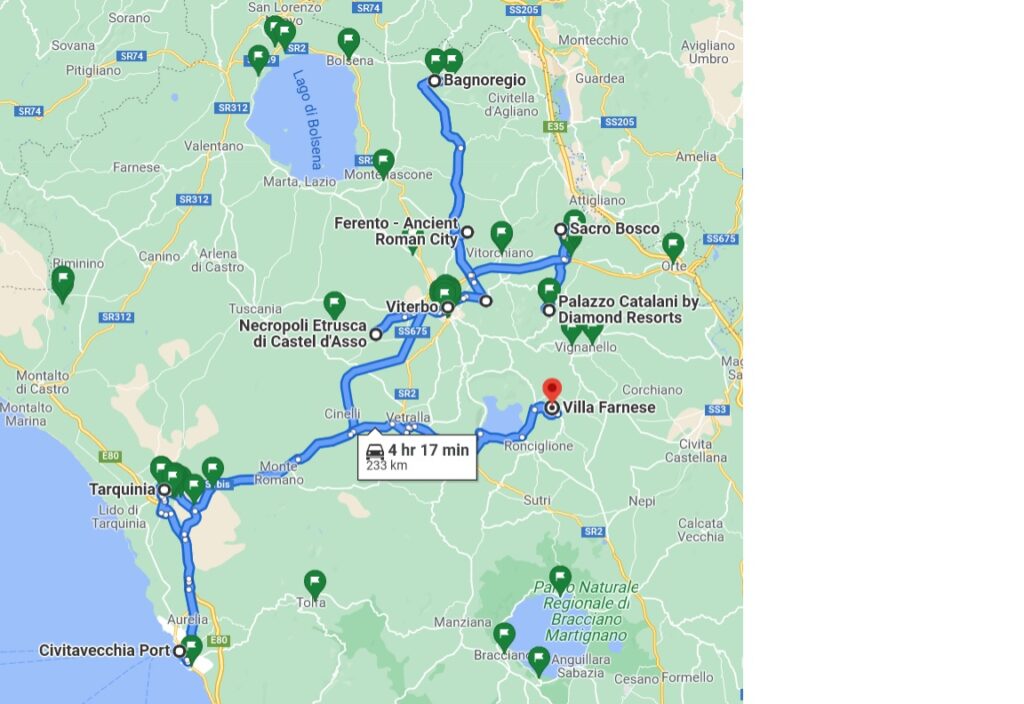
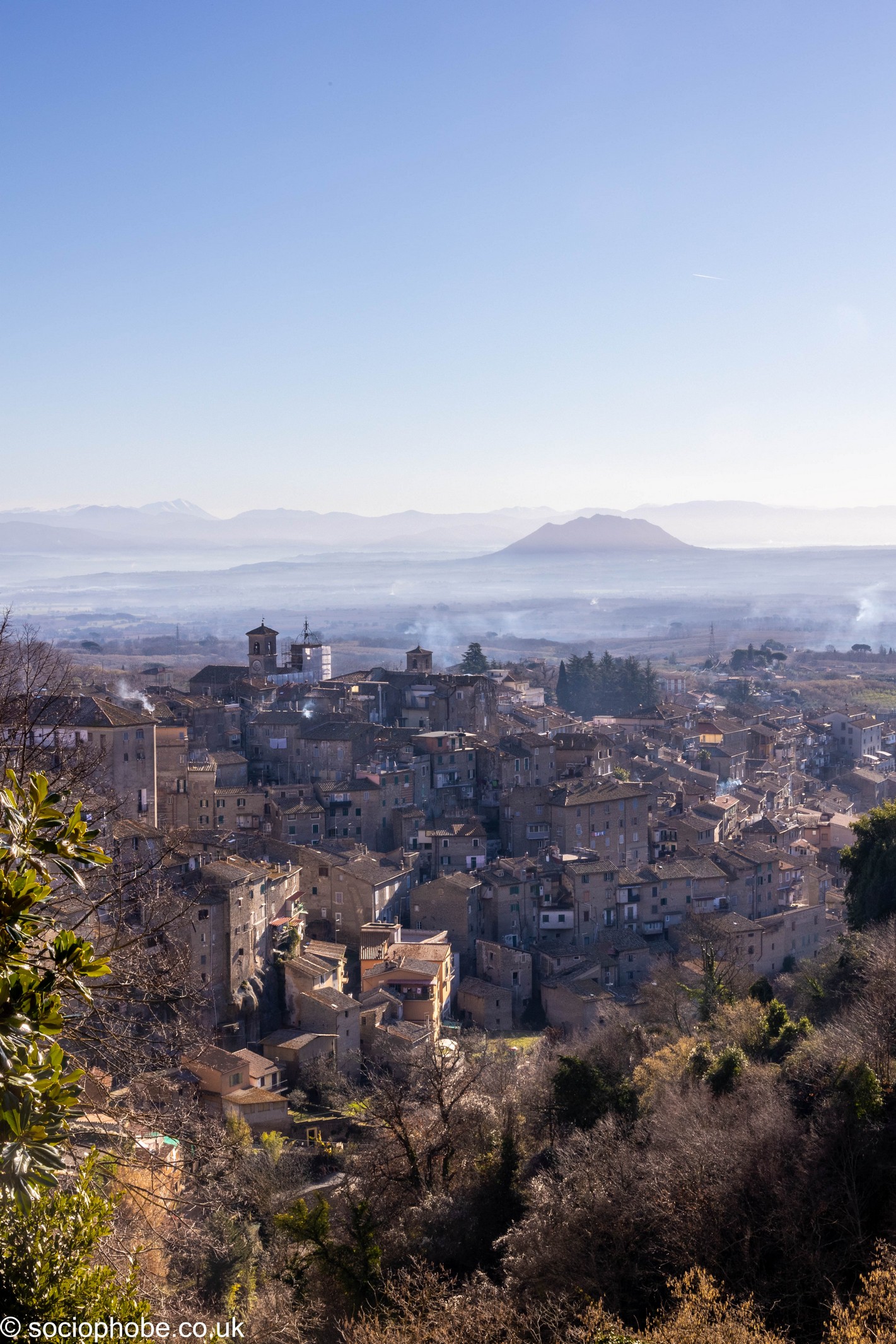
Once out of the environs of Rome we started to see the gorgeous hill towns in the distance and started to enjoy the drive. We were staying in one of those towns – Soriano nel Cimino – and once we had left the motorway and reached the town the downside became apparent. The roads were narrow and very windy, as you’d expect and we had to spiral up the hillside to reach our hotel. There was actually no way a car could reach the hotel so we stopped nearby and one of the guys came and loaded our luggage into a tuktuk before showing me where the parking area was.
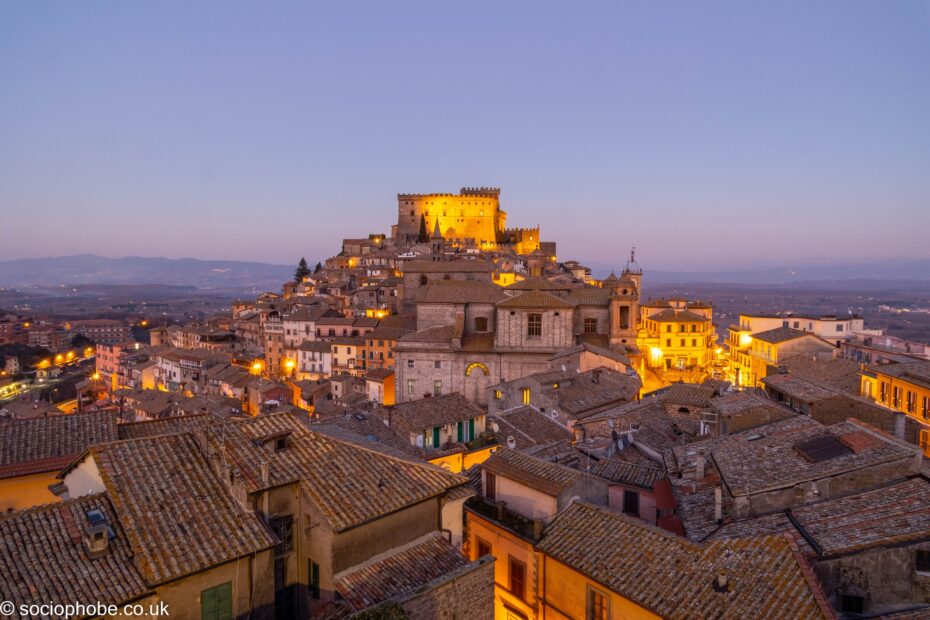
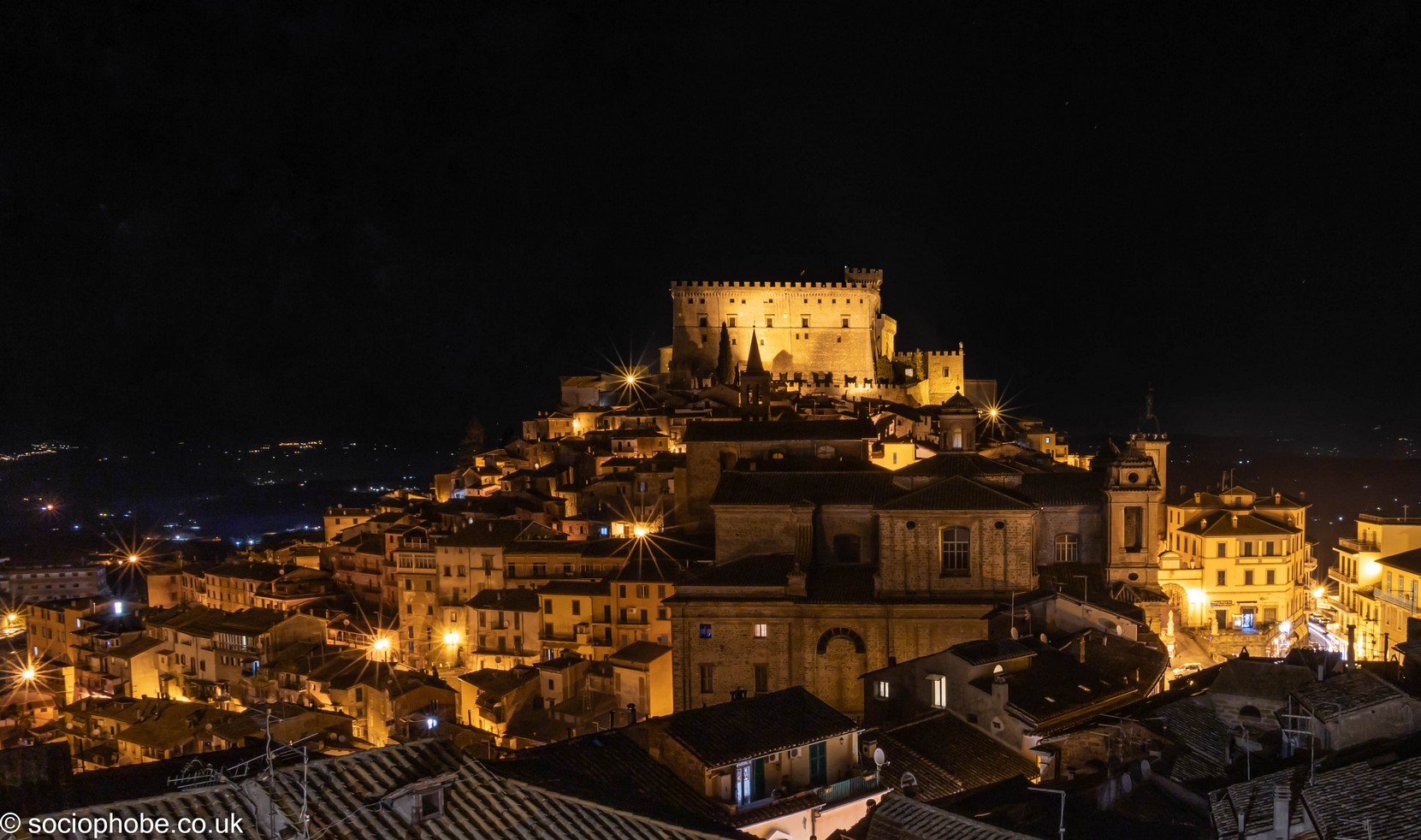
The hotel was/is fabulous – Palazzo Catalani. A 17th century palazzo with views across the town, especially for us as we’re on the top floor. We arrived in time to watch the sunset which was just magical, this is what an Italian winter break is all about! Unpacking etc followed and we are in the hotel for a week which makes a change from the usual road trip.


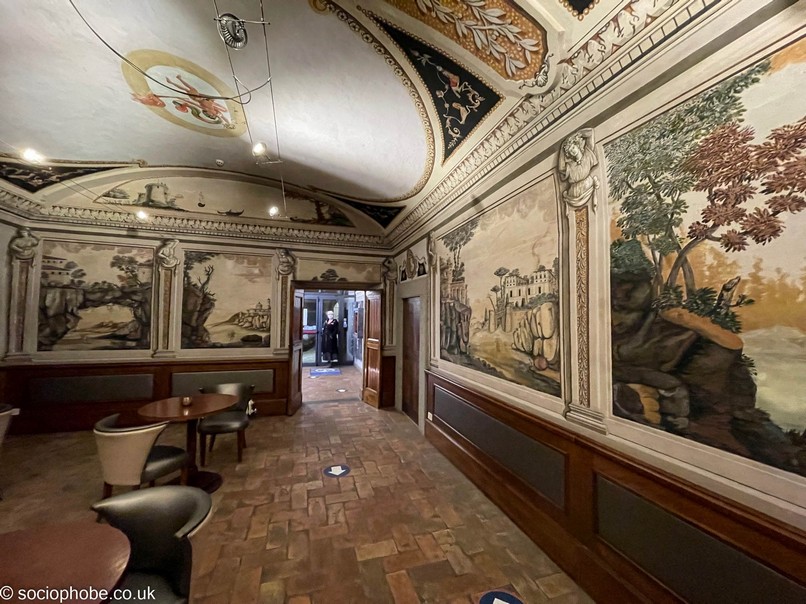
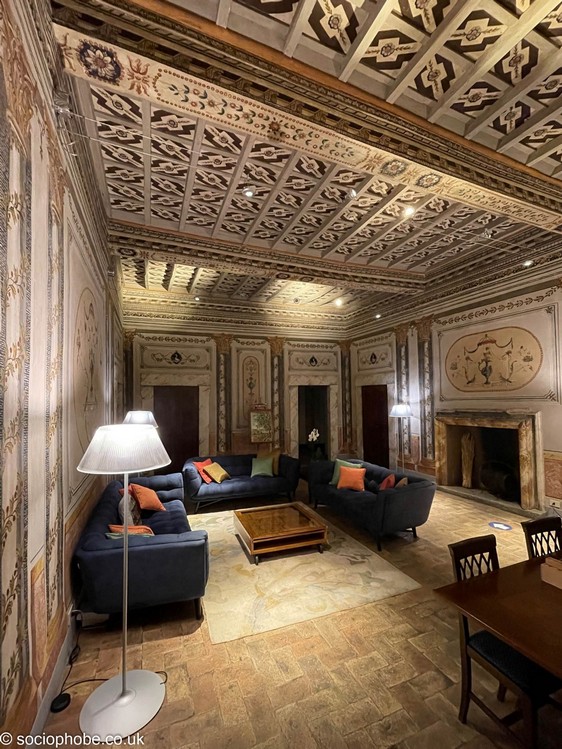
Deb chose our dinner destination and once we’d got out of the speedy service mentality it was excellent. The food was delicious and it’s probably the first time I’ve had fresh pasta. It was also cooked very differently to the UK and the sauce was about a quarter of what we’d expect. By 9PM the restaurant was packed and we’d {Deb} had a litre of wine so didn’t even mind the very vociferous American party on the next table.
Sacro Bosco Gardens
The next day was a Sunday so I didn’t wake Deb and we had a very leisurely start, not leaving the room until 11. We were taking a more relaxed approach and our first stop was a garden that was apparently 13 minutes away. However as were going from one hill town to another that became 30 minutes but the sun was shining and the country was beautiful so no one was stressed.
We had to park in the overflow car park and there was quite a queue but at least people were getting out again. We had to show our proof of vaccination before going in to the gardens and the basic mask rule in Italy is where one all the time unless you are in your own house/room. It did seem strange wearing one in a park but it was actually bloody chilly so kept us warm!
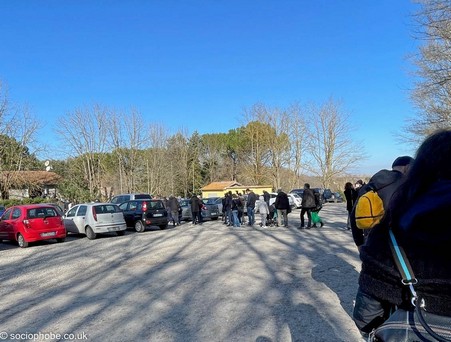
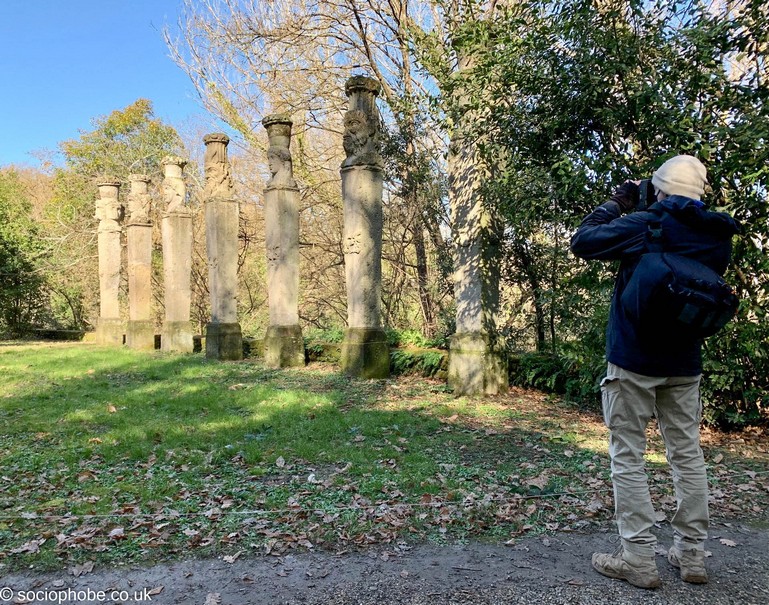
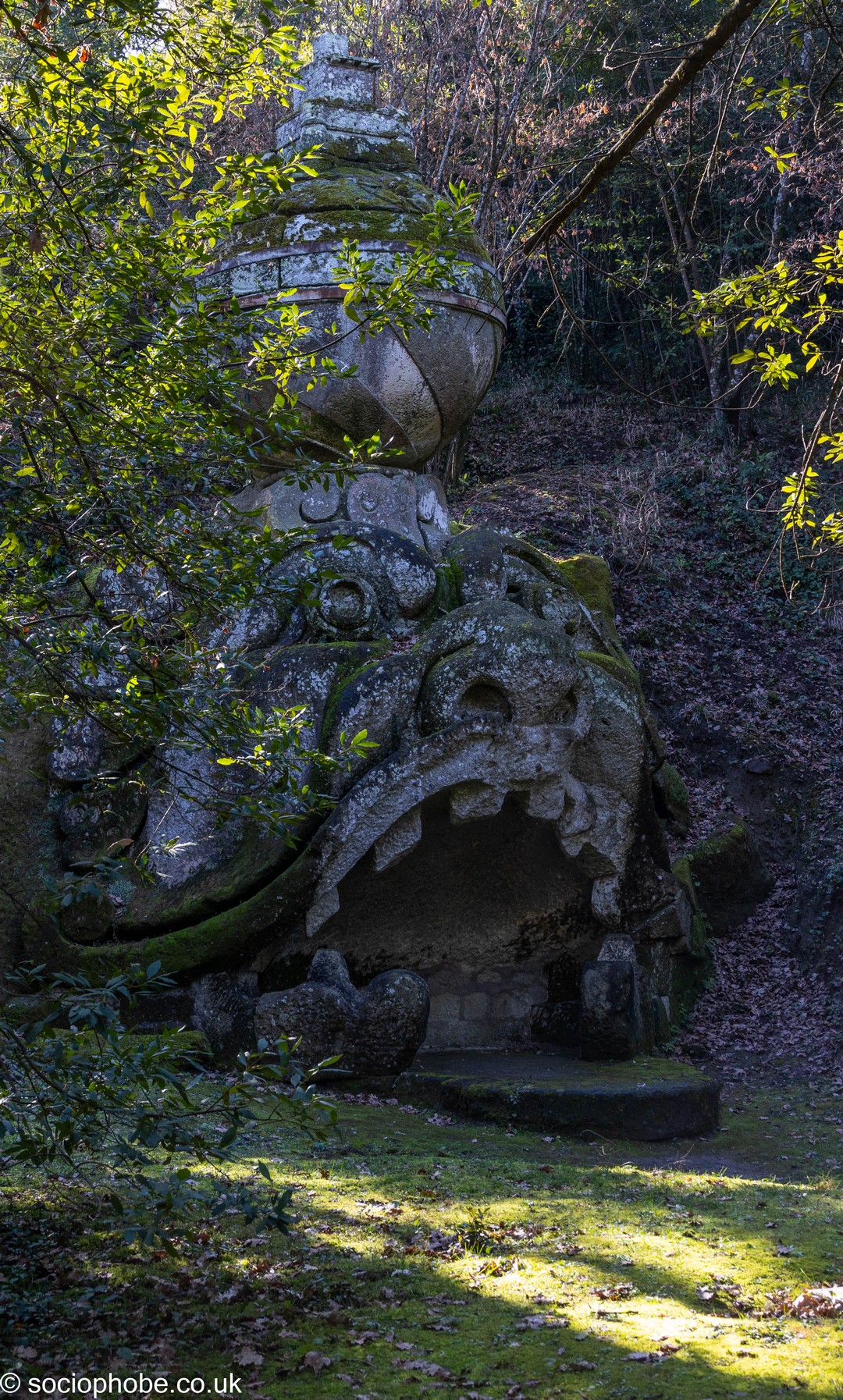
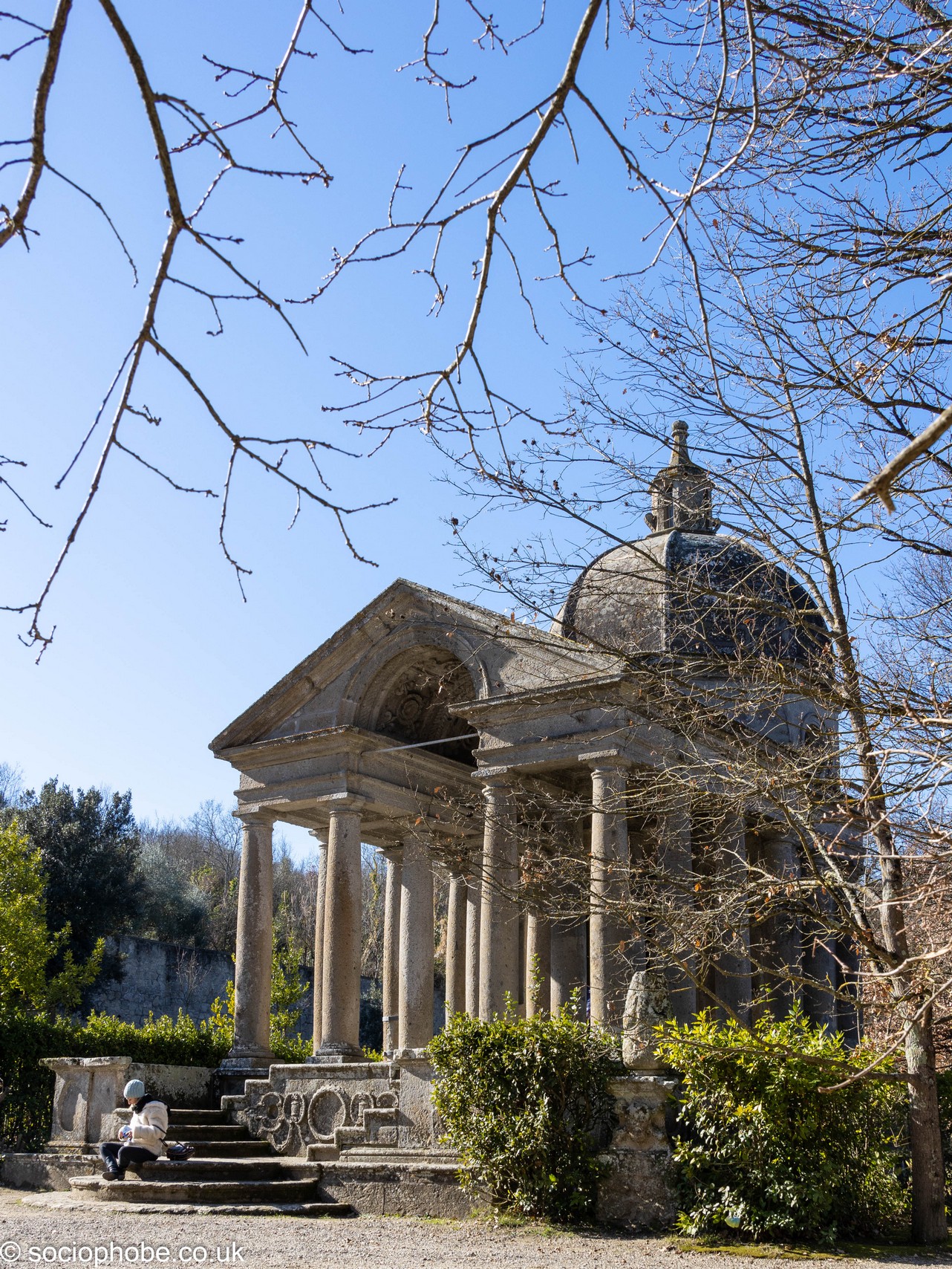
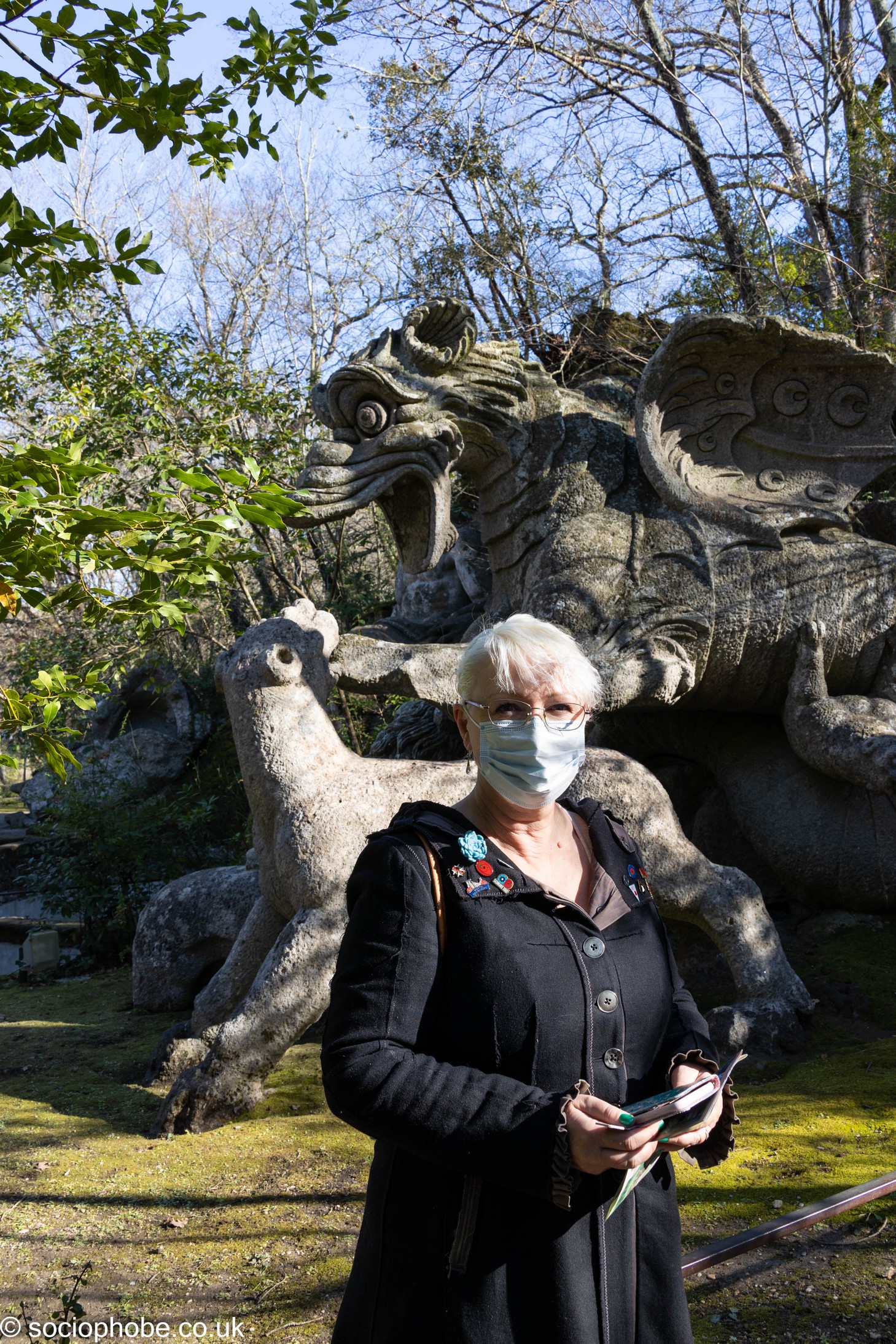
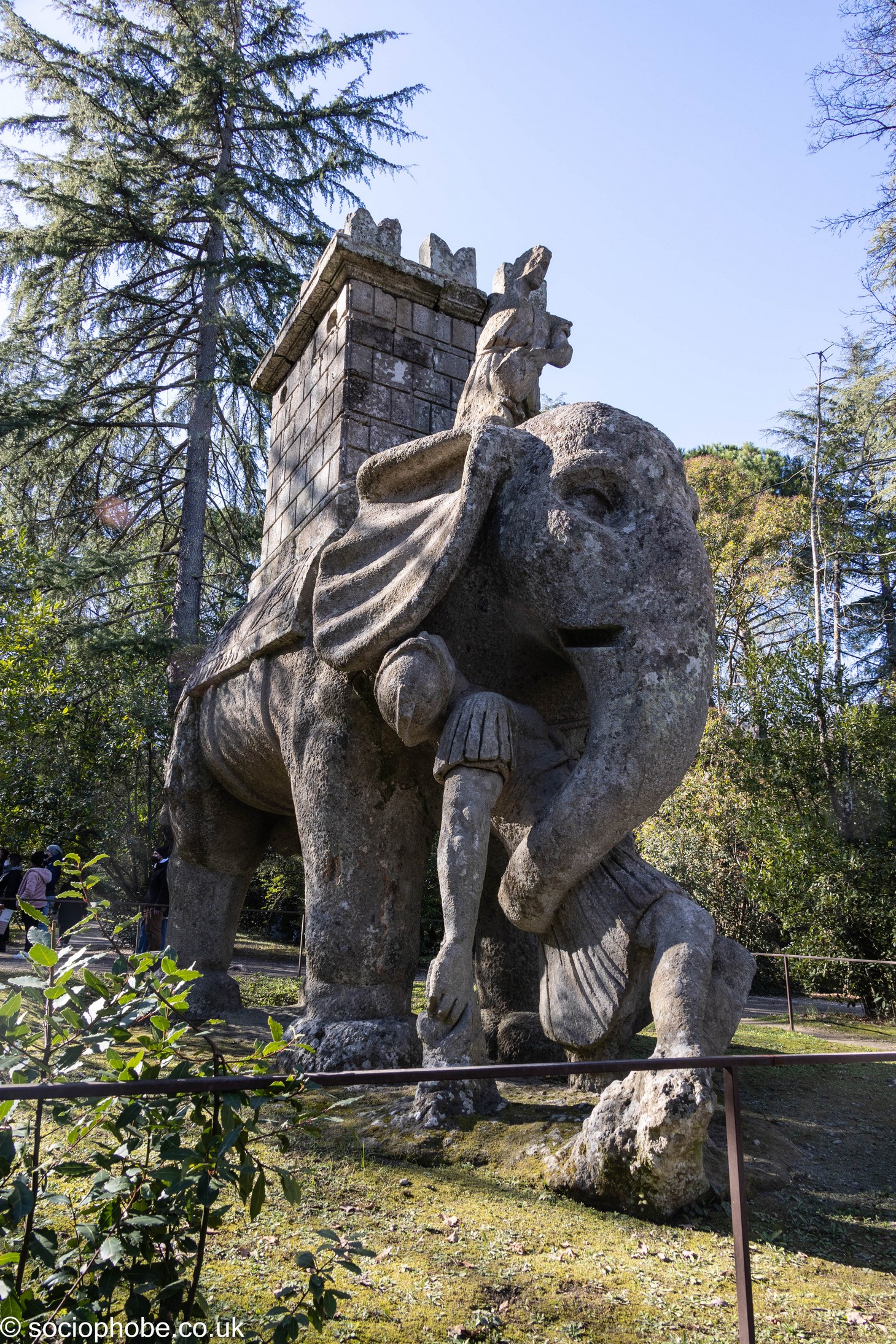
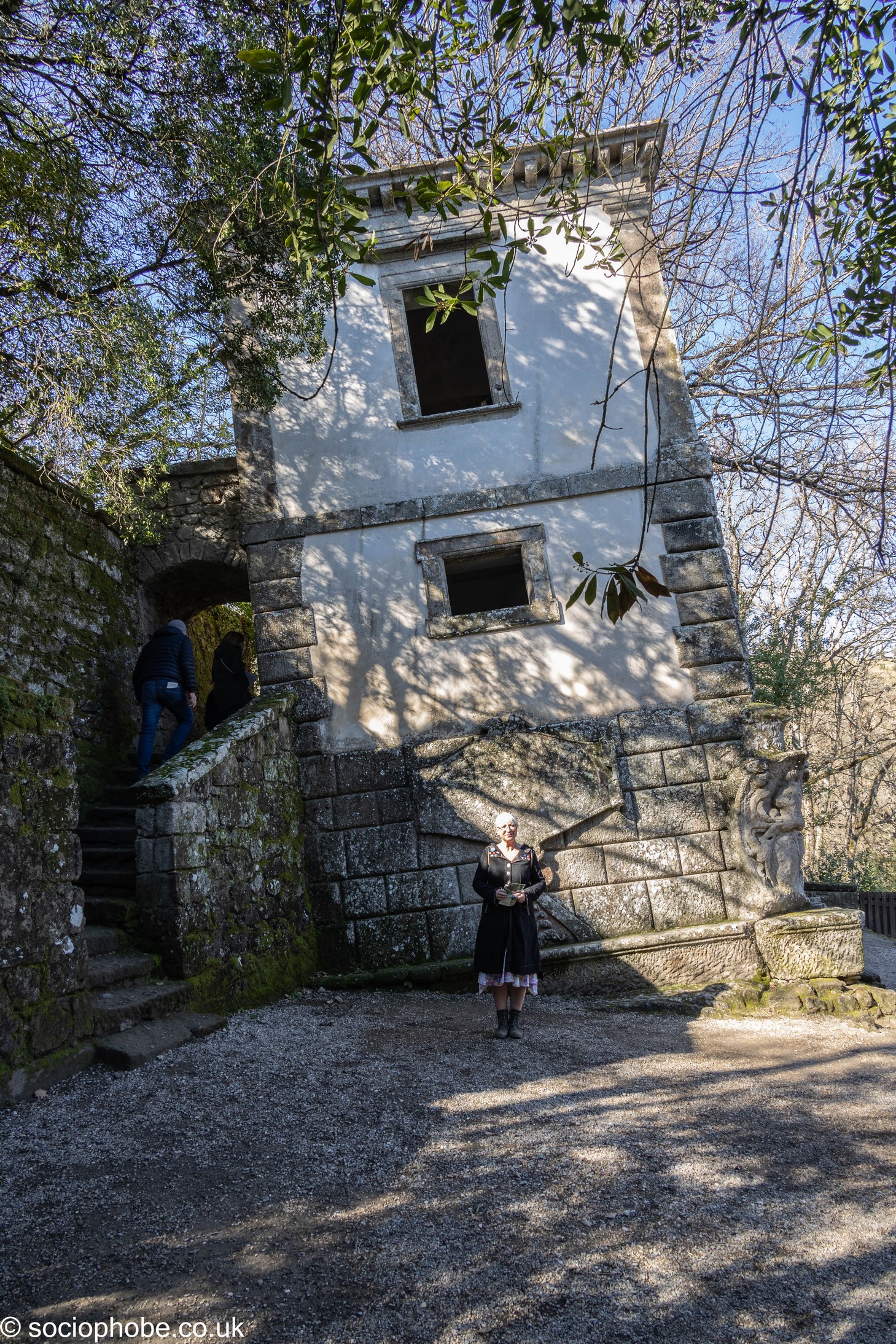
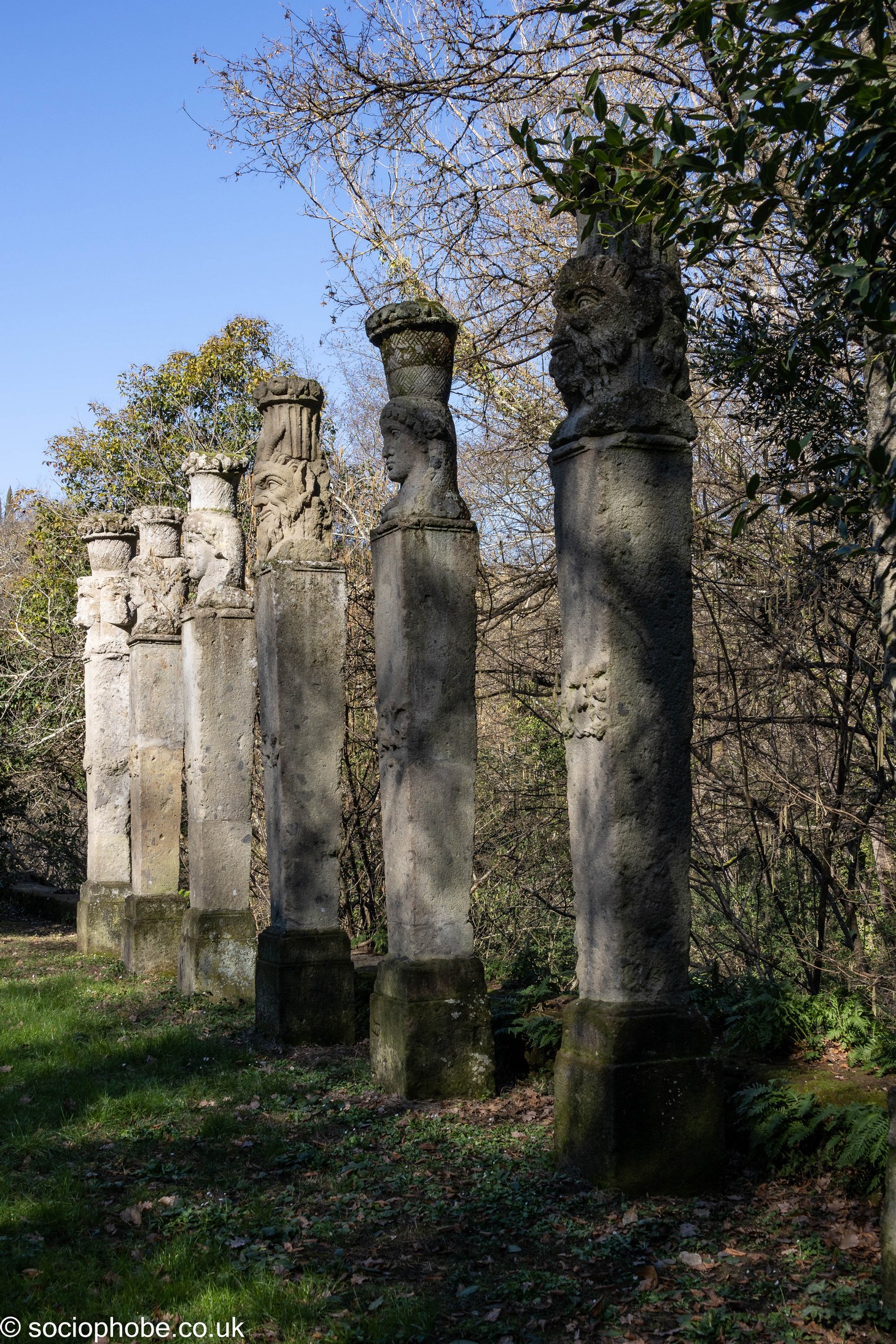
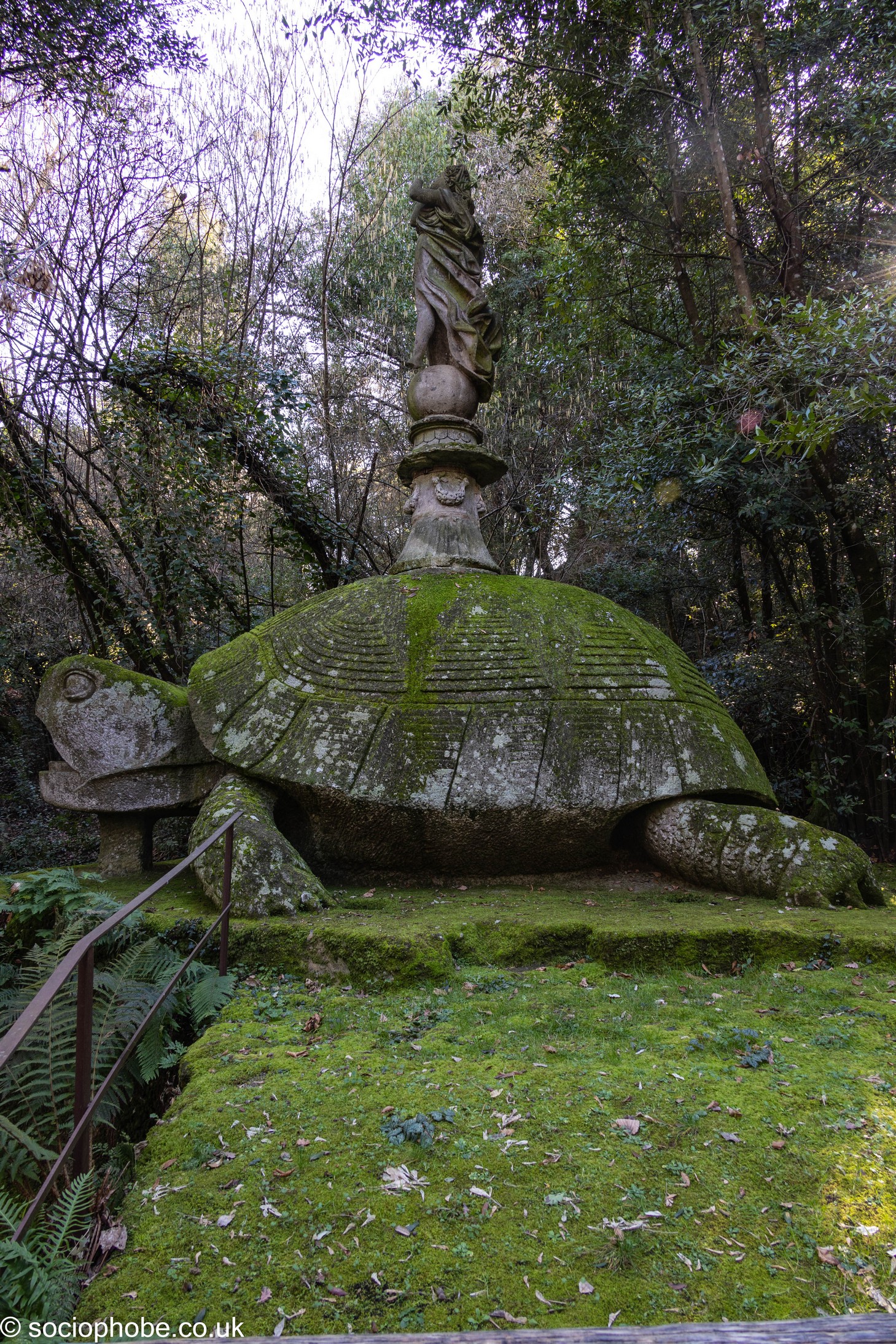
The gardens – Sacro Bosco – were €13 each to get in and were a sixteenth century folly I guess. Basically filled with statues of various mythical or historical scenes and created at the expense of one of the Orsini family – Roman nobility/cardinals. It was then abandoned after his death and restored by the current owners as a tourist attraction. We both found the statues rather crude, in the sense of not being on par with classical Greek and Roman statues and rather basic rather than smutty crude but it was entertaining although there were no gardens as such, just parkland. It was a pleasant hour to meander through the site though and we both felt a lot more relaxed even though we’d been in the country less than 24 hours.
Orsini Castle, Soriano Nel Cimino
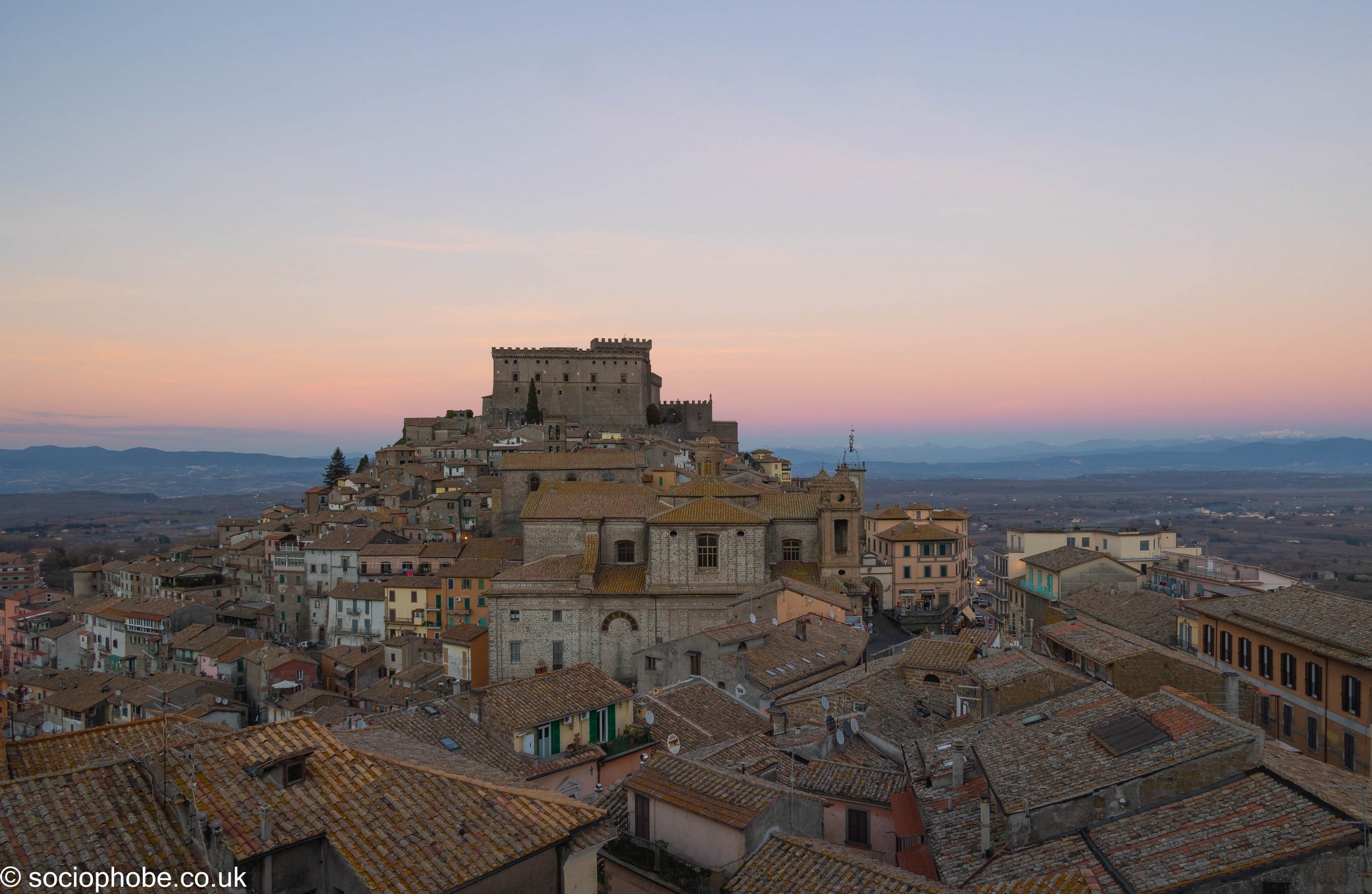
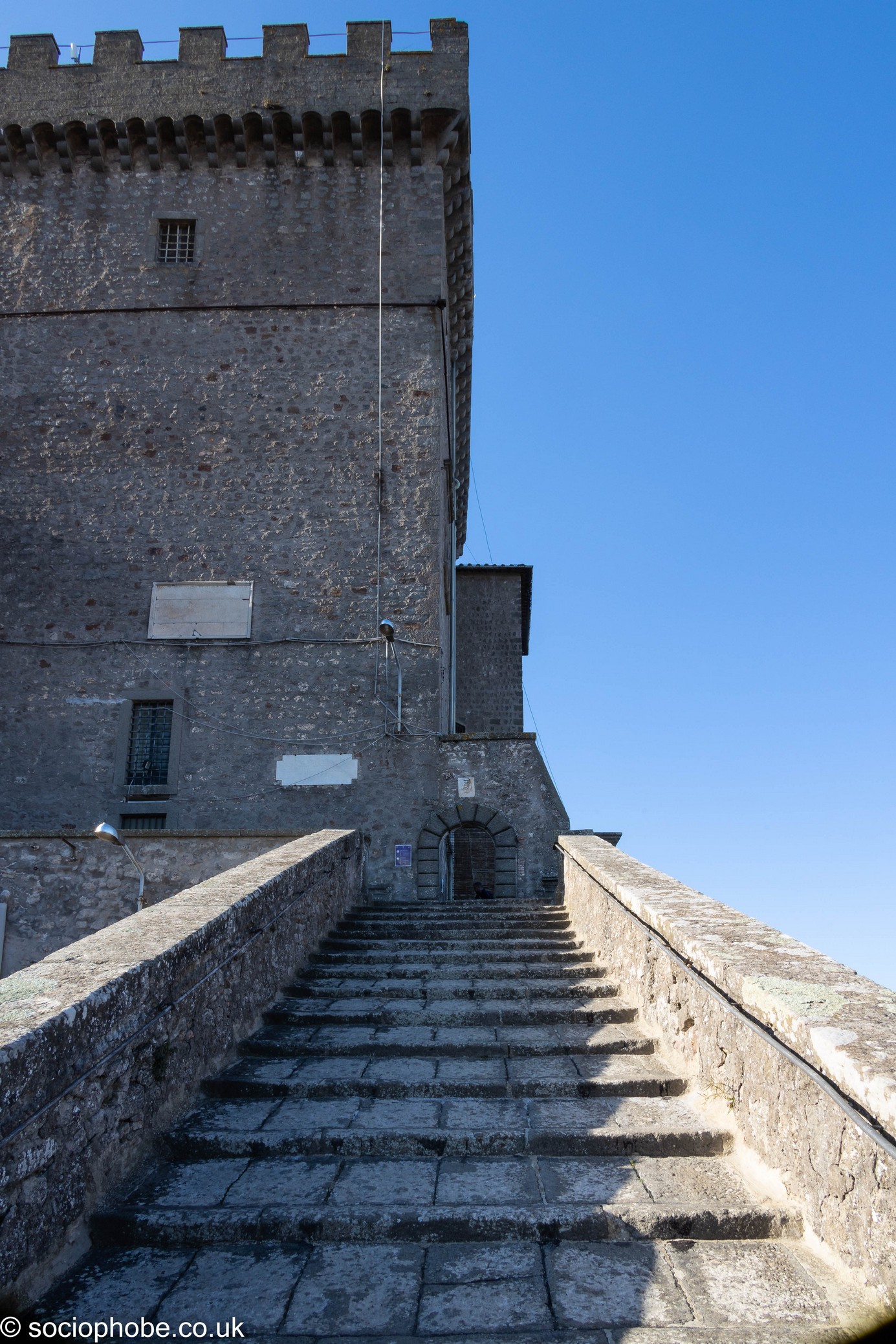
We drove back to our town and parked the car as the next stop was the castle in our town, the one we see every morning with the sunrise from our window. It was only open on Sundays so we had to visit today. The walk up to the castle was steep but fascinating as there an amazing array of tiny streets and steps and so many of them were festooned with plants. Deb was in her element and probably preferred the walk to the gardens we’d just visited.
Once we got to the castle the guy explained a brief history and layout to us and let us get on with it. I climbed to the top of the tower while Deb stayed on the ground floor. It was four flights up a spiral staircase with no pauses as you couldn’t visit any of the rooms in the keep. Once on the roof the views were predictably amazing, you really could see for miles. After walking the circuit of the roof I carefully made my way down the stairs and we then visited the prison. This was a proper detention facility with single cells, no windows and a real sense of losing liberty, even though we knew the doors were open!
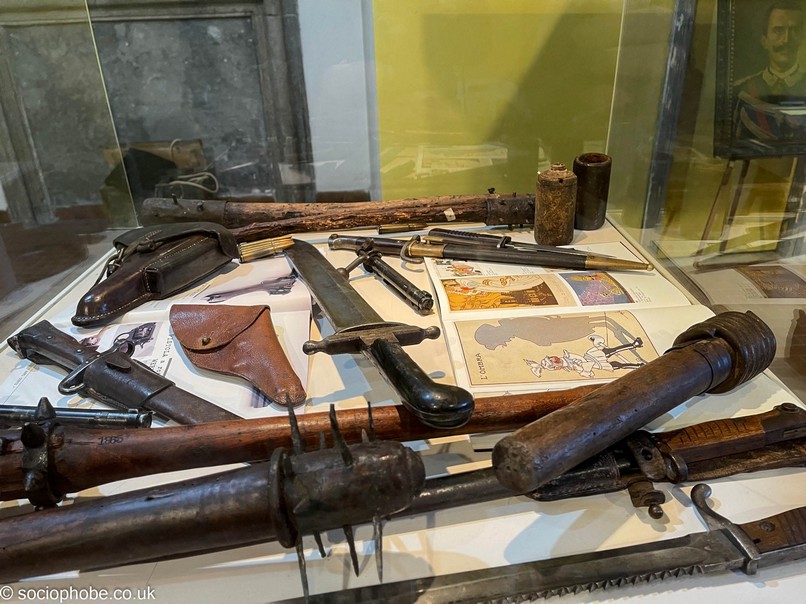
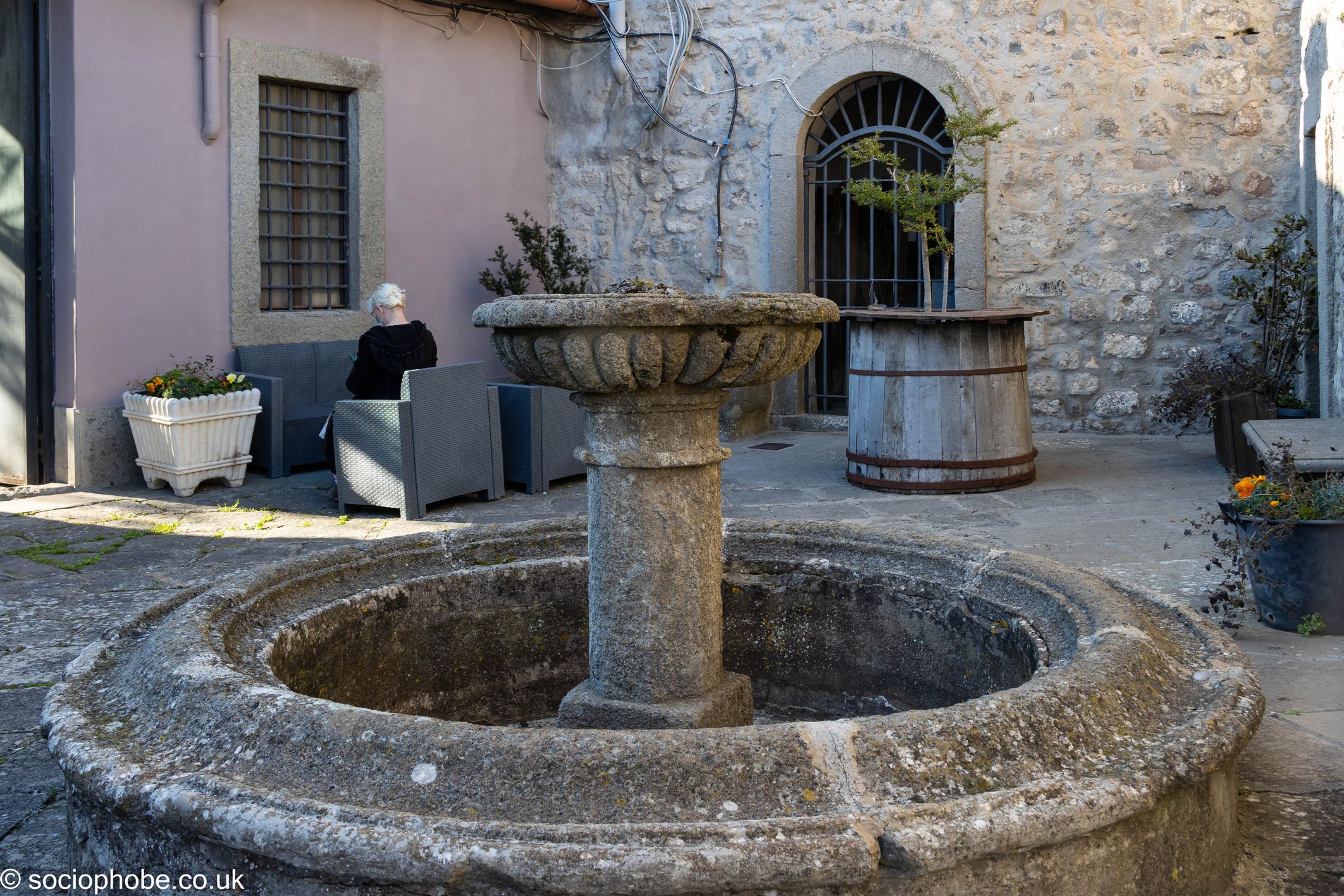
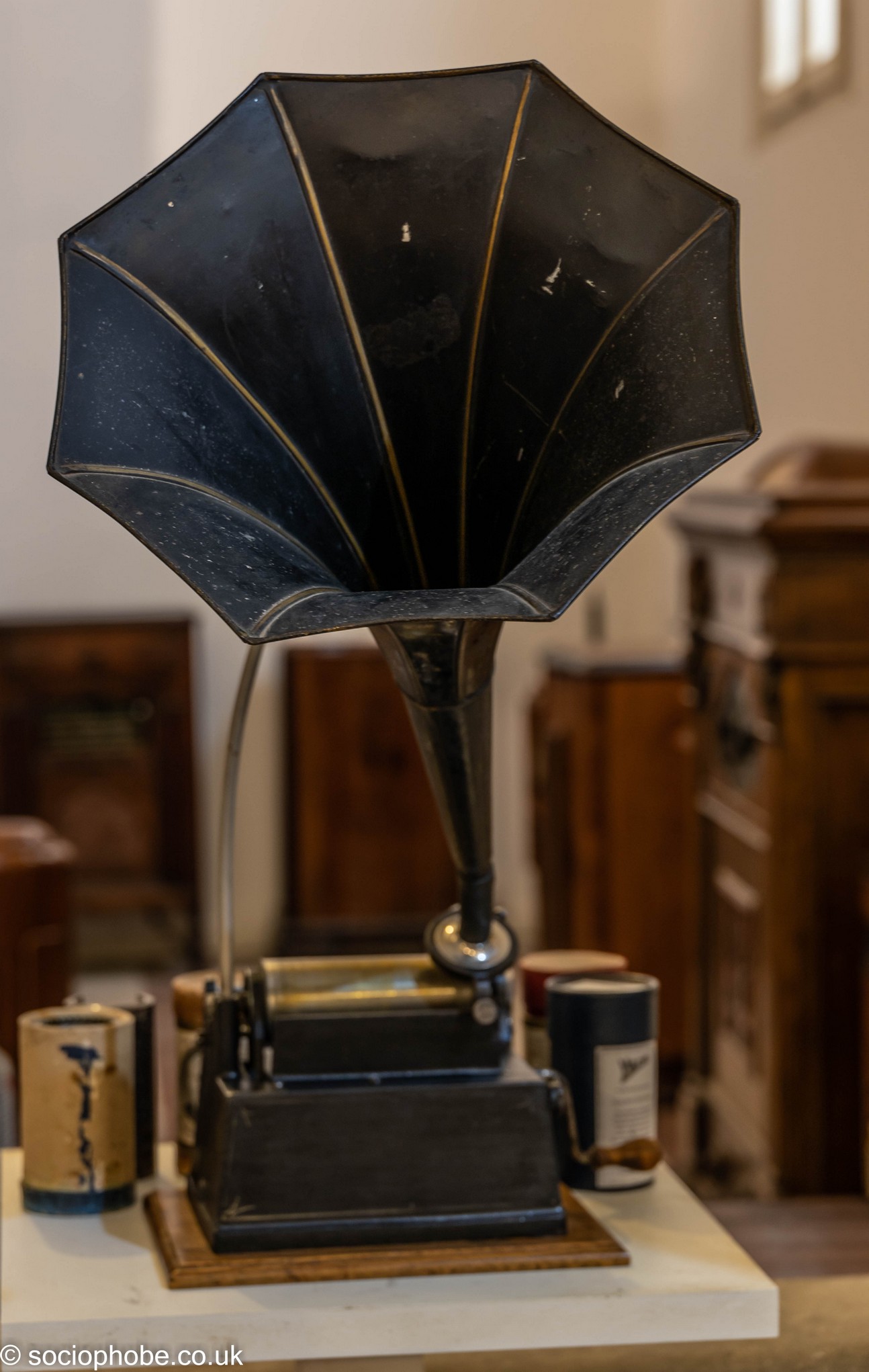
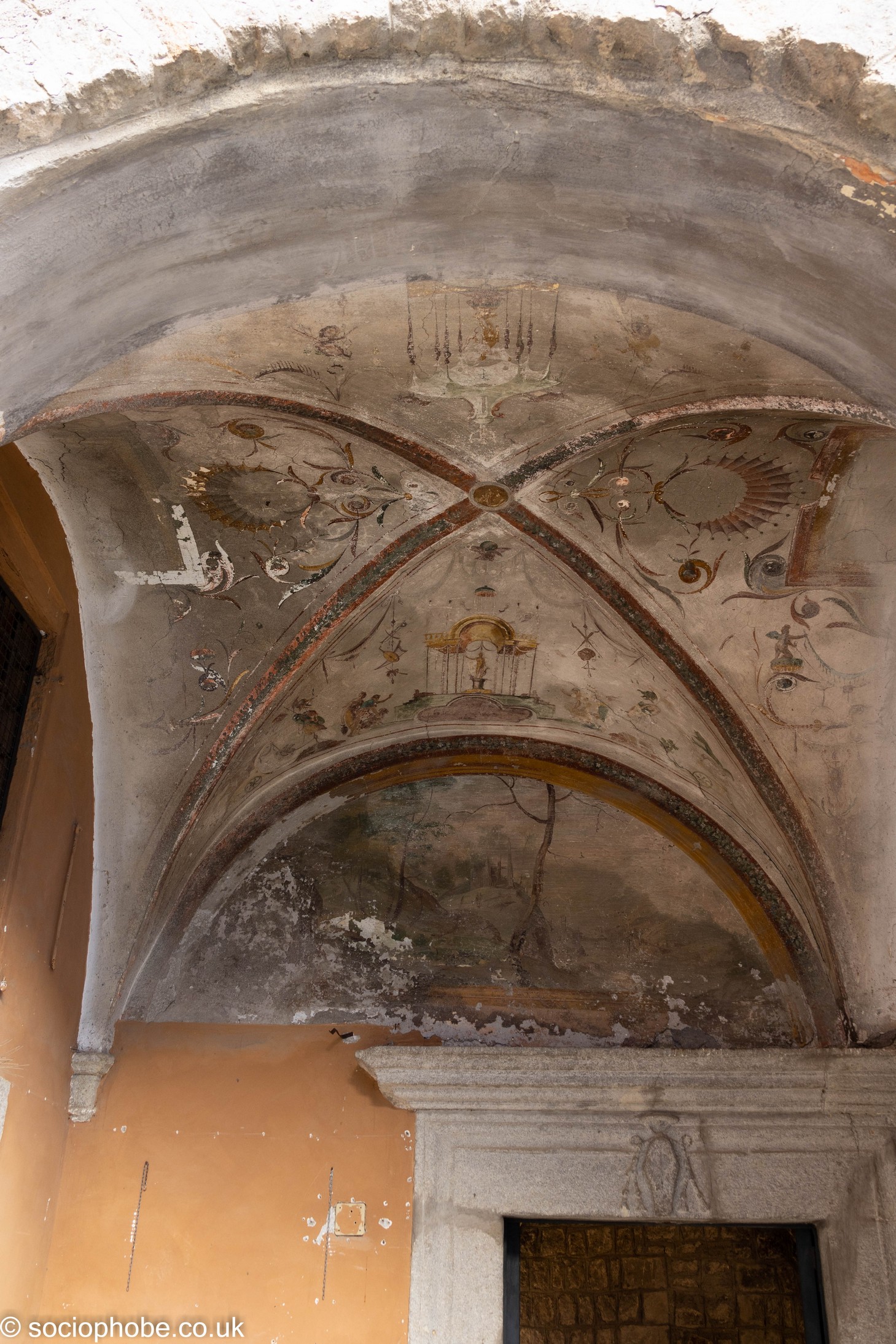
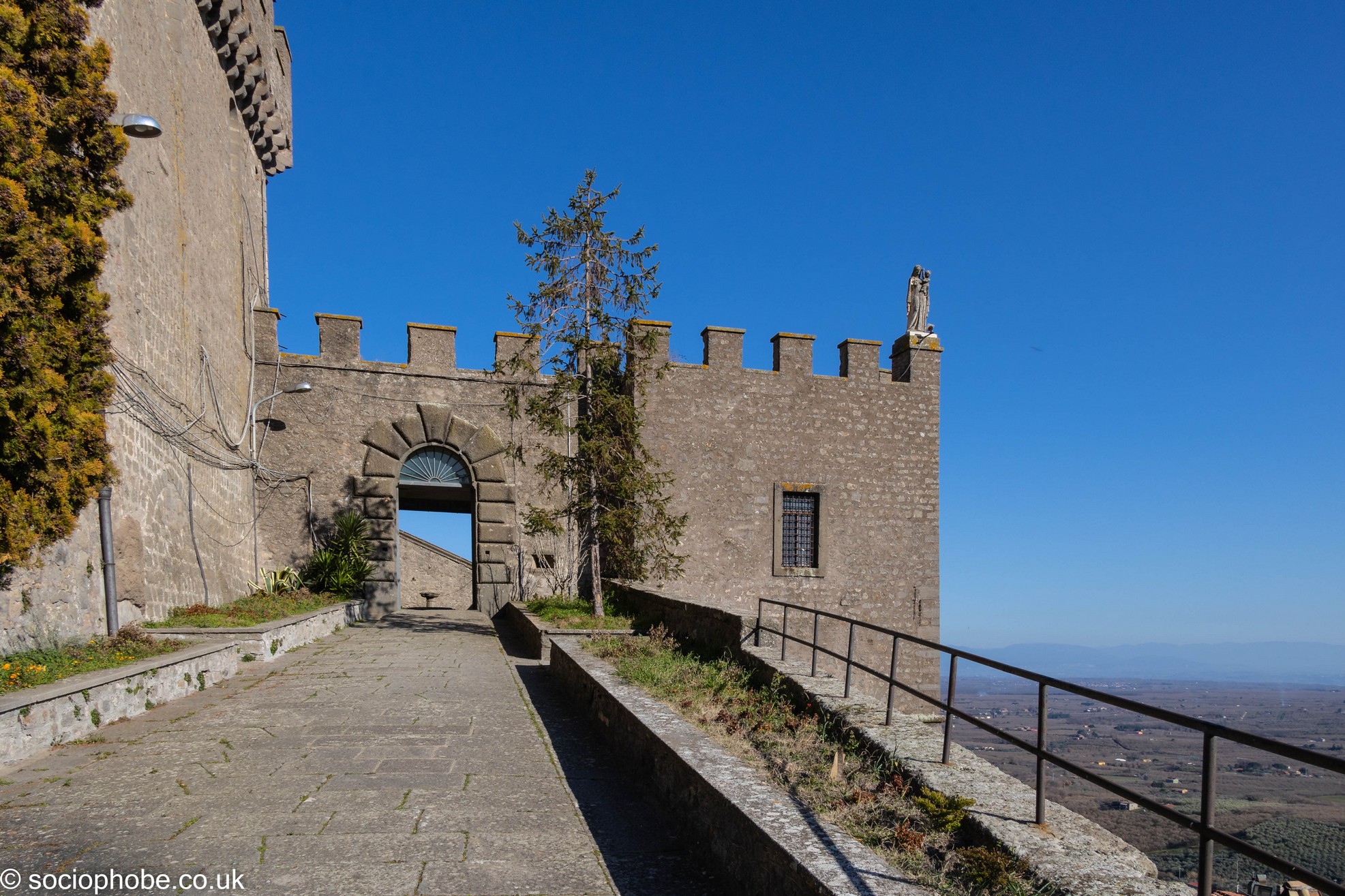
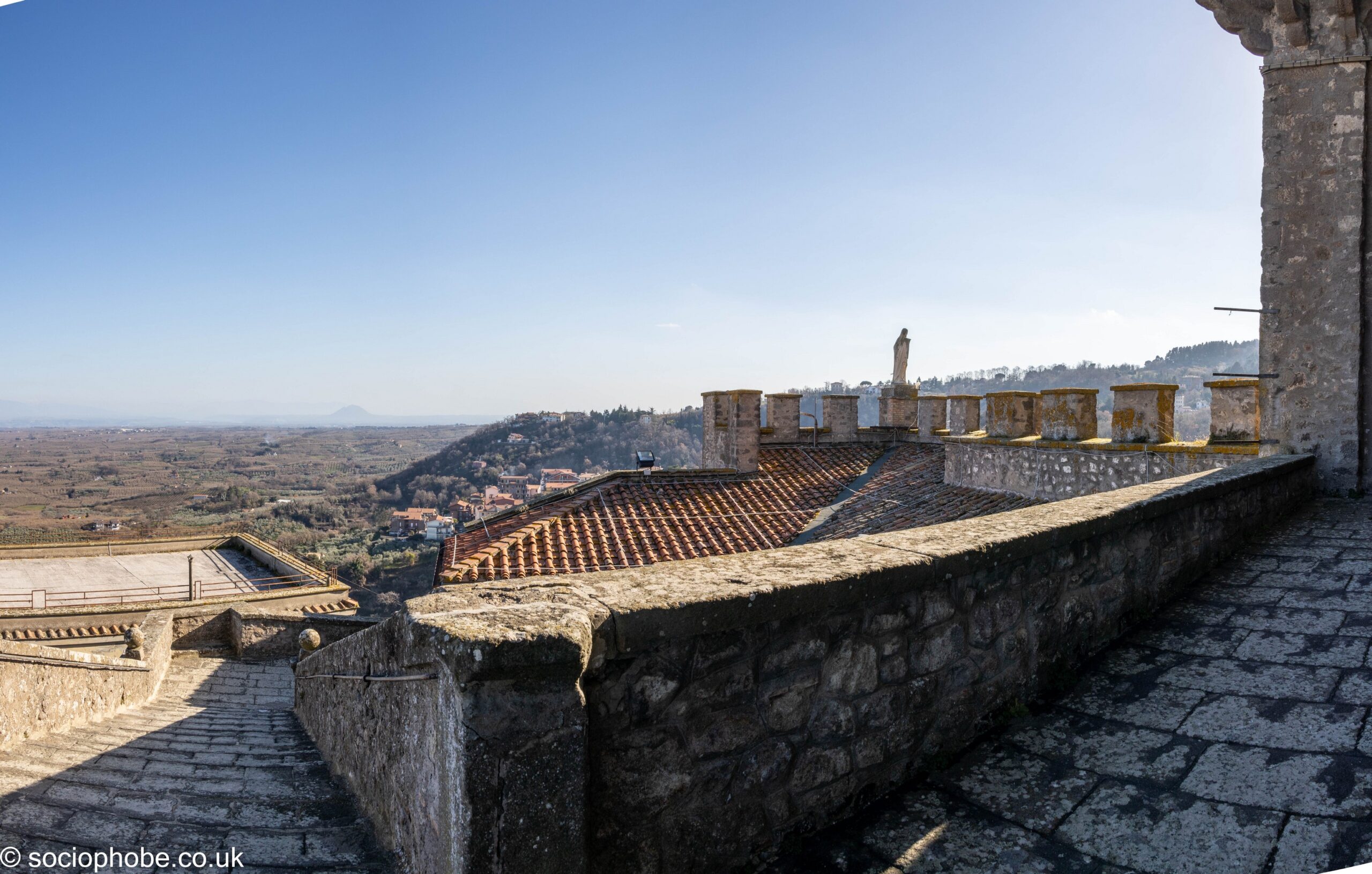
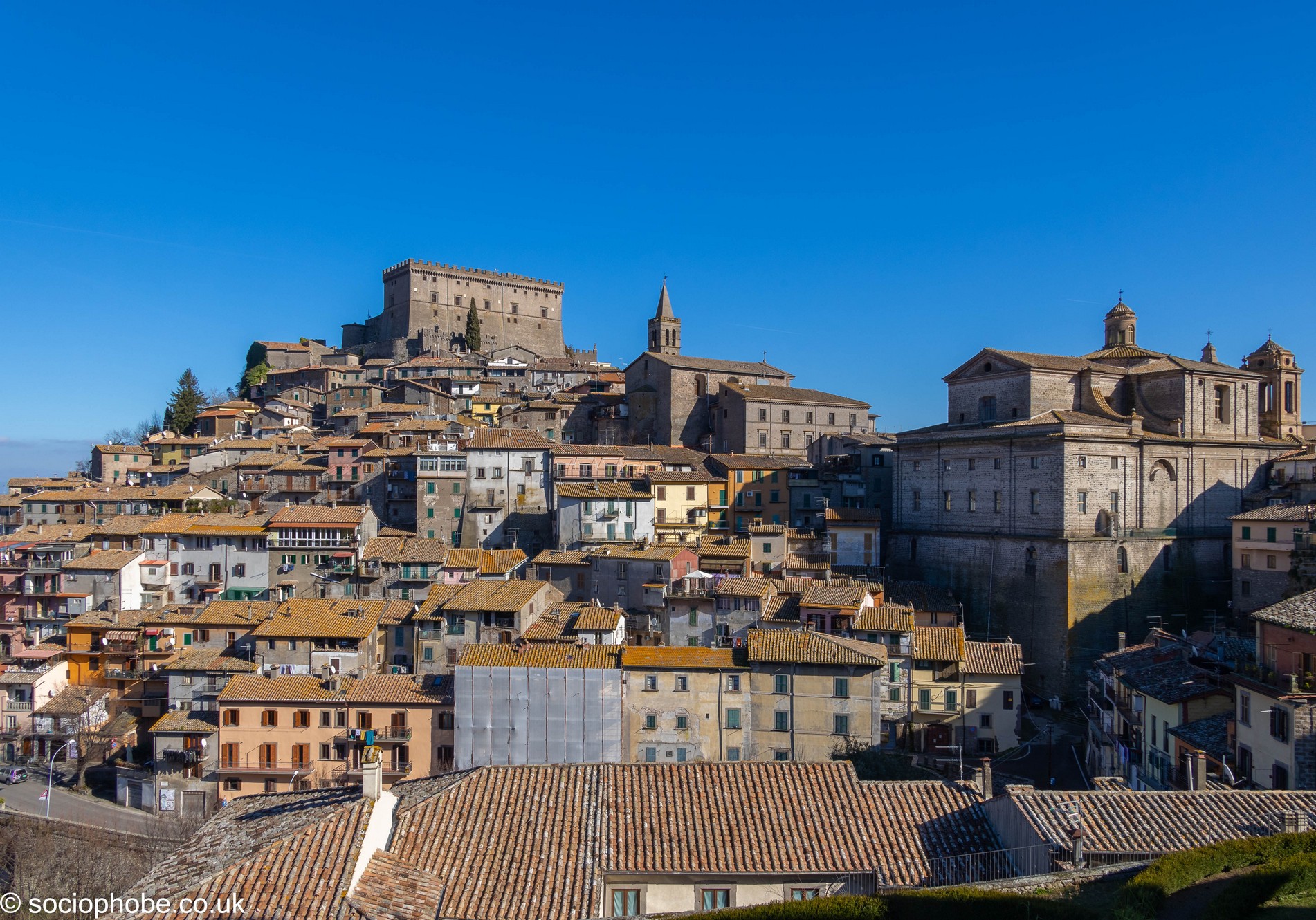
The tour continued with a visit to the armoury where there some mail armour and a few swords on display. There was an exhibition of WW1 memorabilia including some of the horrendous trench fighting weapons but we couldn’t read anything as it was all in Italian. Two rooms were dedicated to photography of the local area which was very good and gave us a couple of idea for other places to visit. We then left the castle and spent more time exploring the side streets before reaching the main square and having a coffee and cake. Well, coffee for Deb and two cakes for me.
It was then a gentle stroll back up the hill to our hotel and relaxing again. I sorted the photos while Deb prepared dinner so not real relaxing I guess but at least it was stress free. We missed the actual sunset but the view of the castle lit up at night was no less impressive the second time.
Viterbo, Palace of the Popes
The weather forecast for Monday was unerringly accurate and we woke to low cloud and drizzle which, for an Italian winter break, wasn’t unexpected. We’d planned to visit nearby Viterbo, originally an Etruscan settlement before being conquered by the Romans and reaching it’s peak in the 12th and 13th centuries. The drive was ok and we navigated straight to the car park I’d selected but the Italian roads really were in a poor state of repair and that’s by British standards!
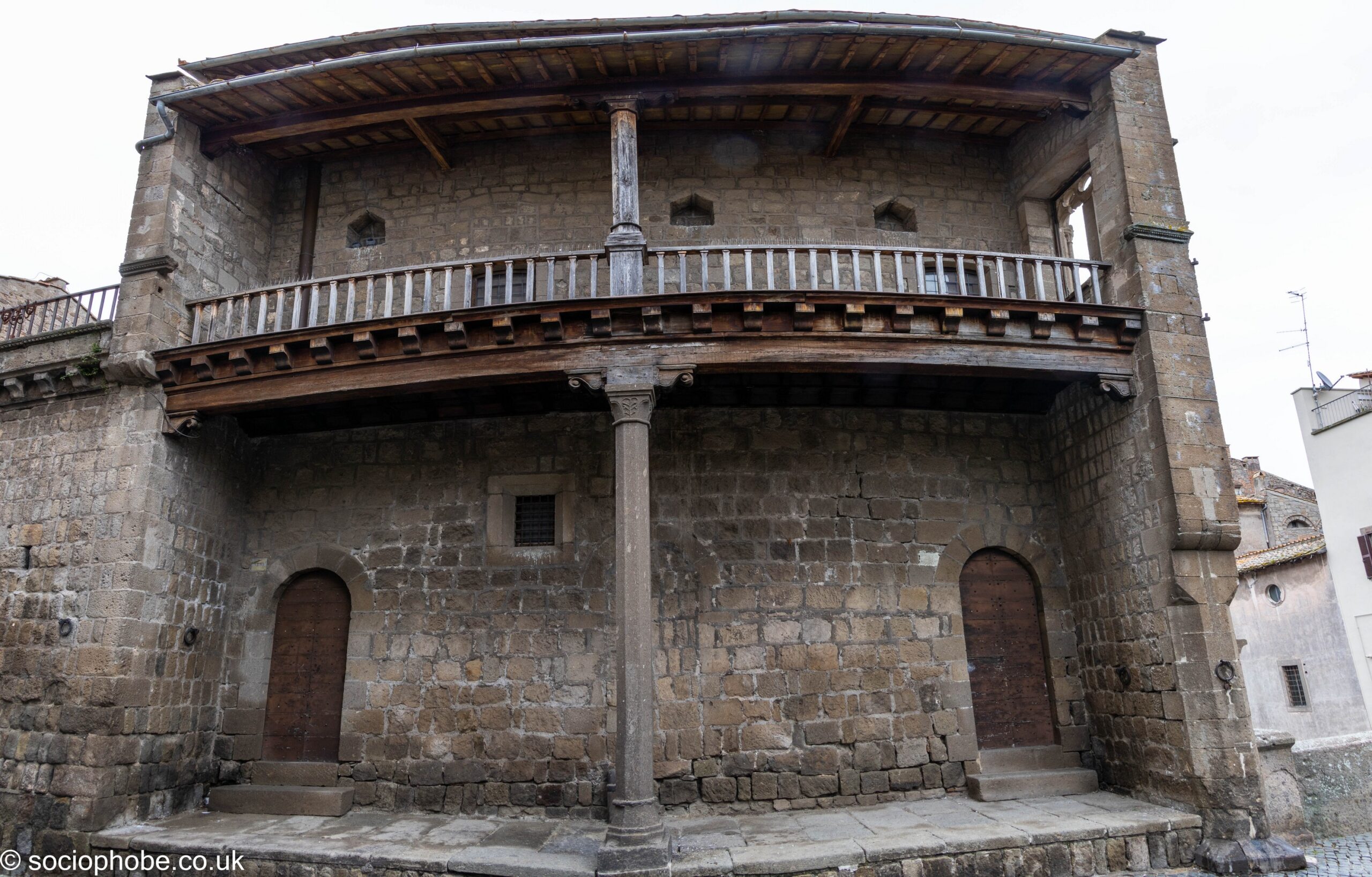
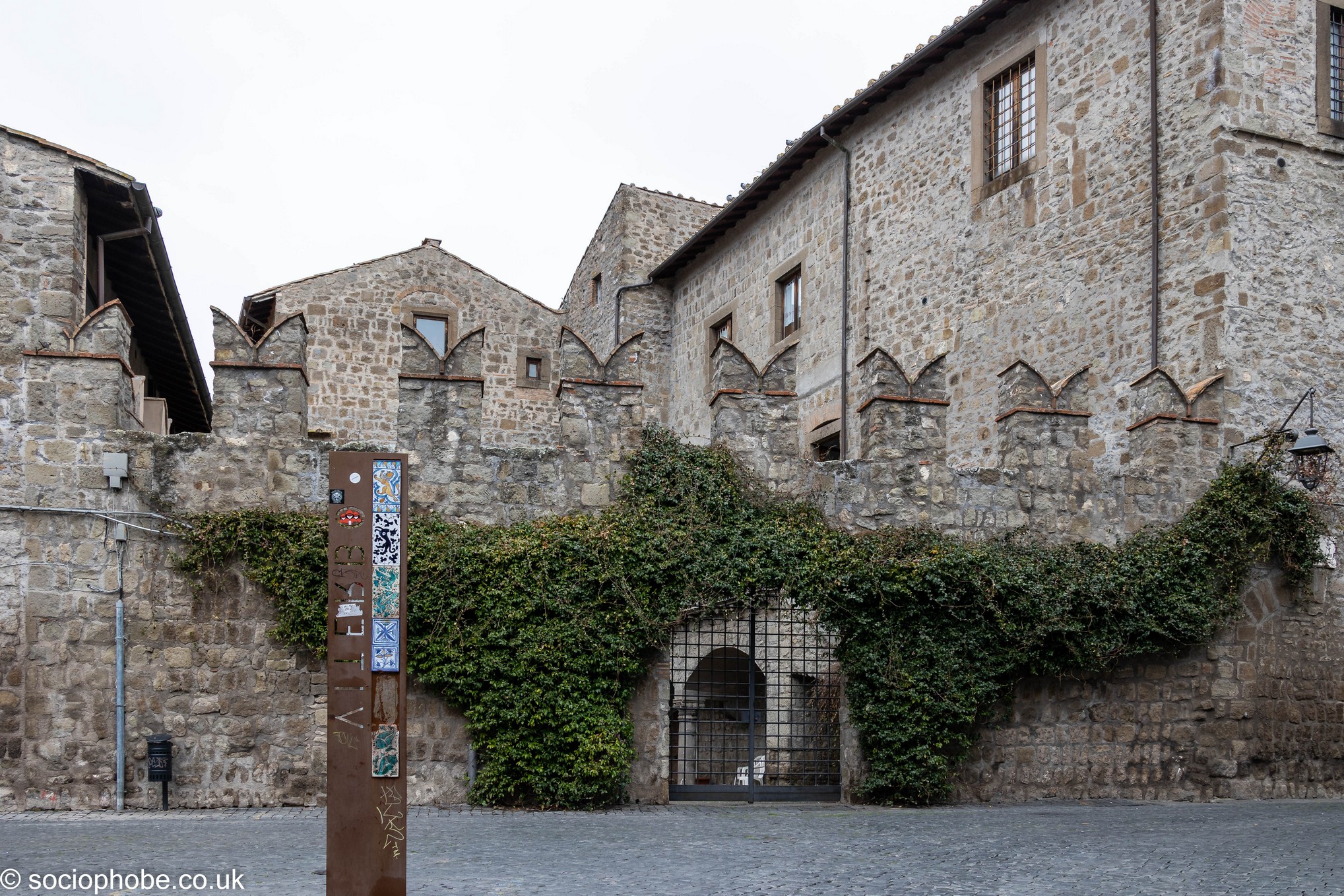
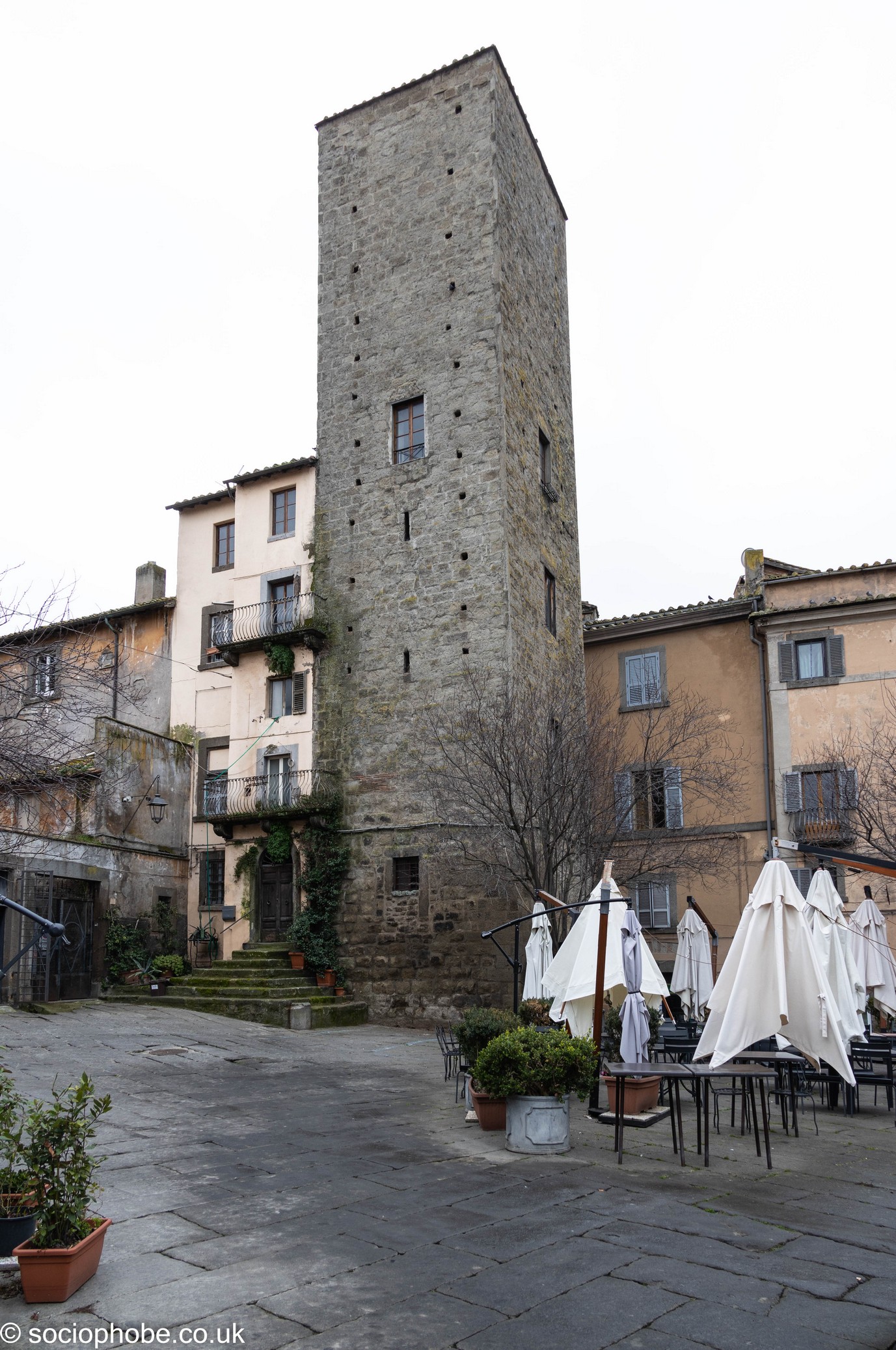
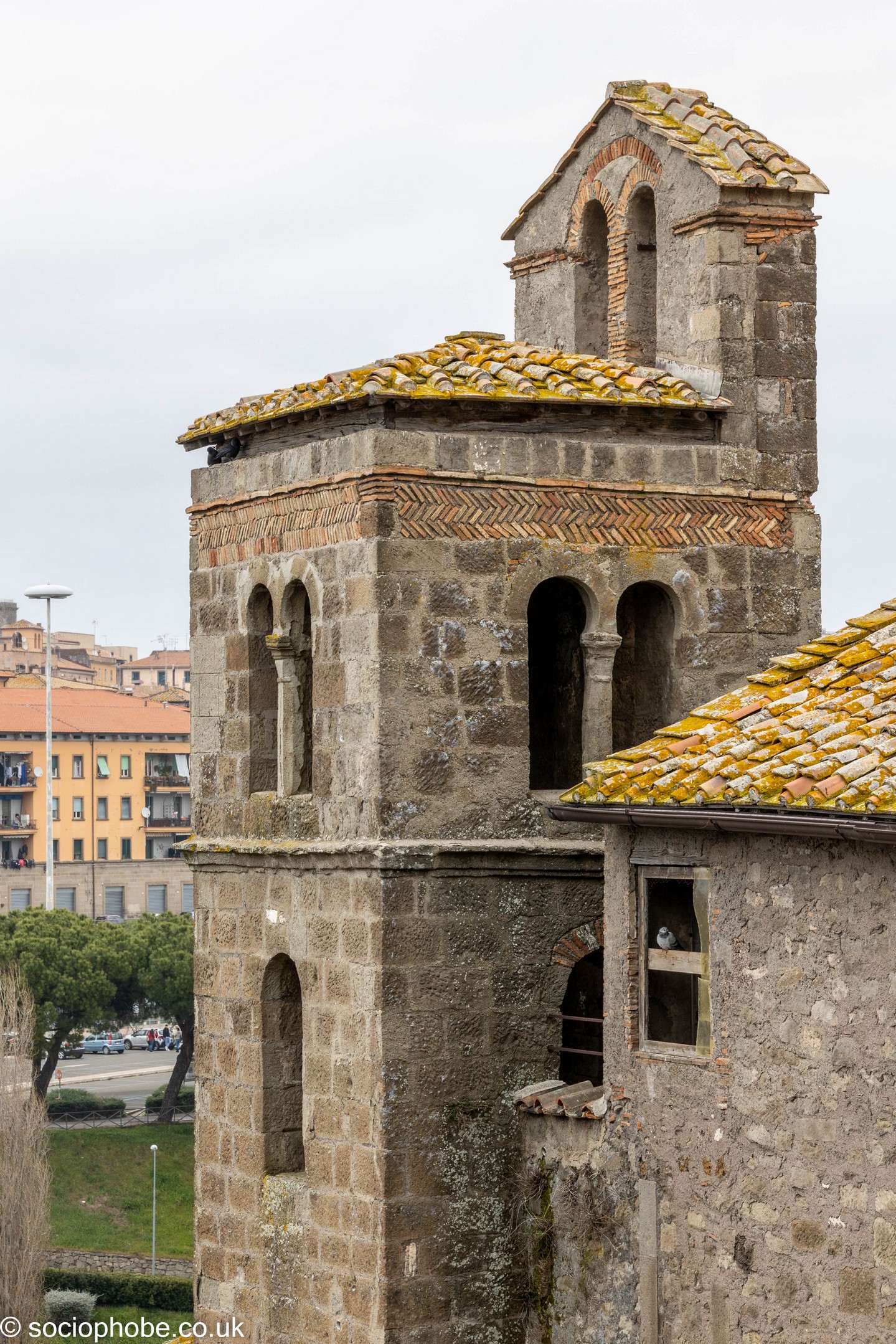
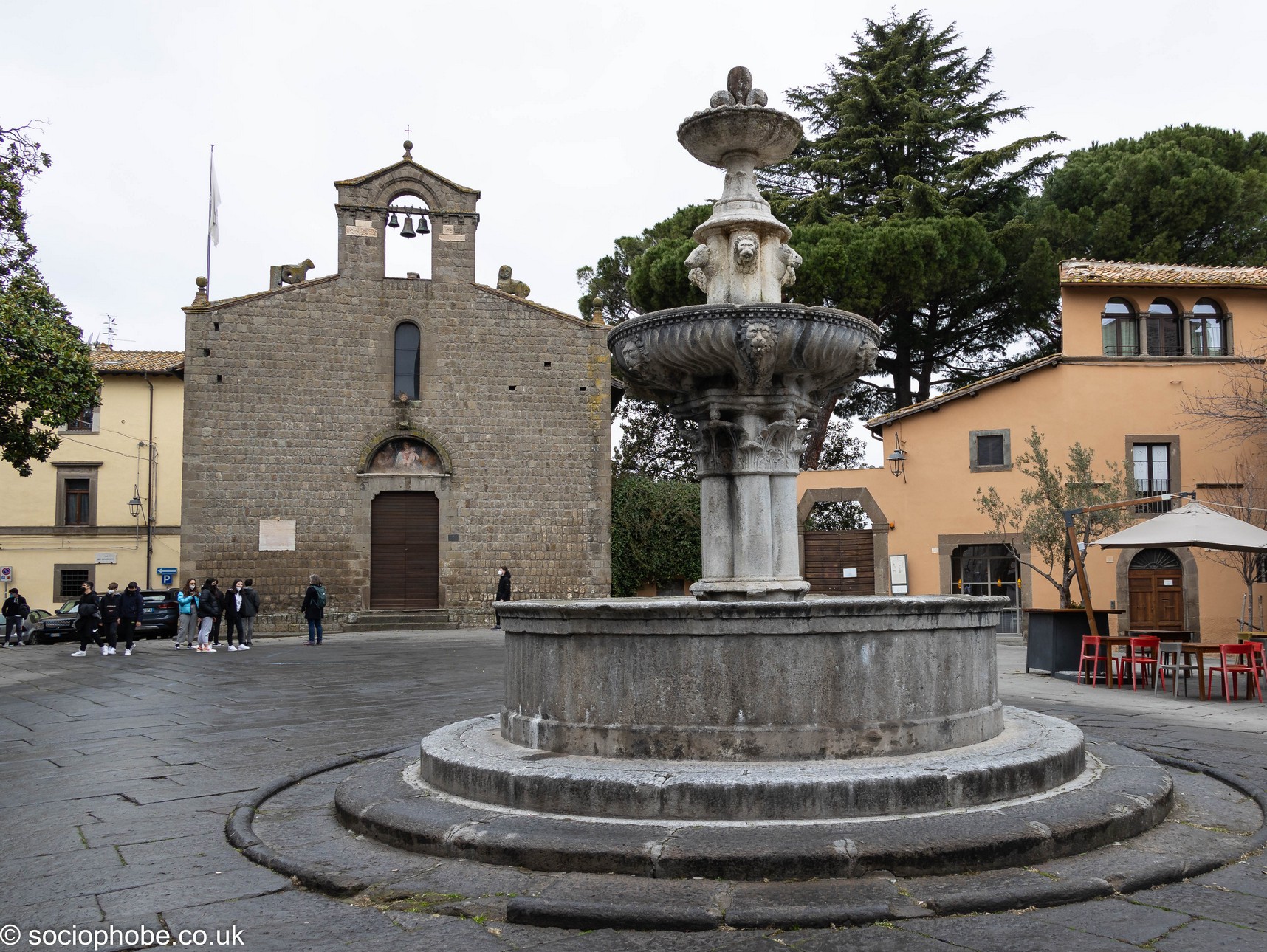
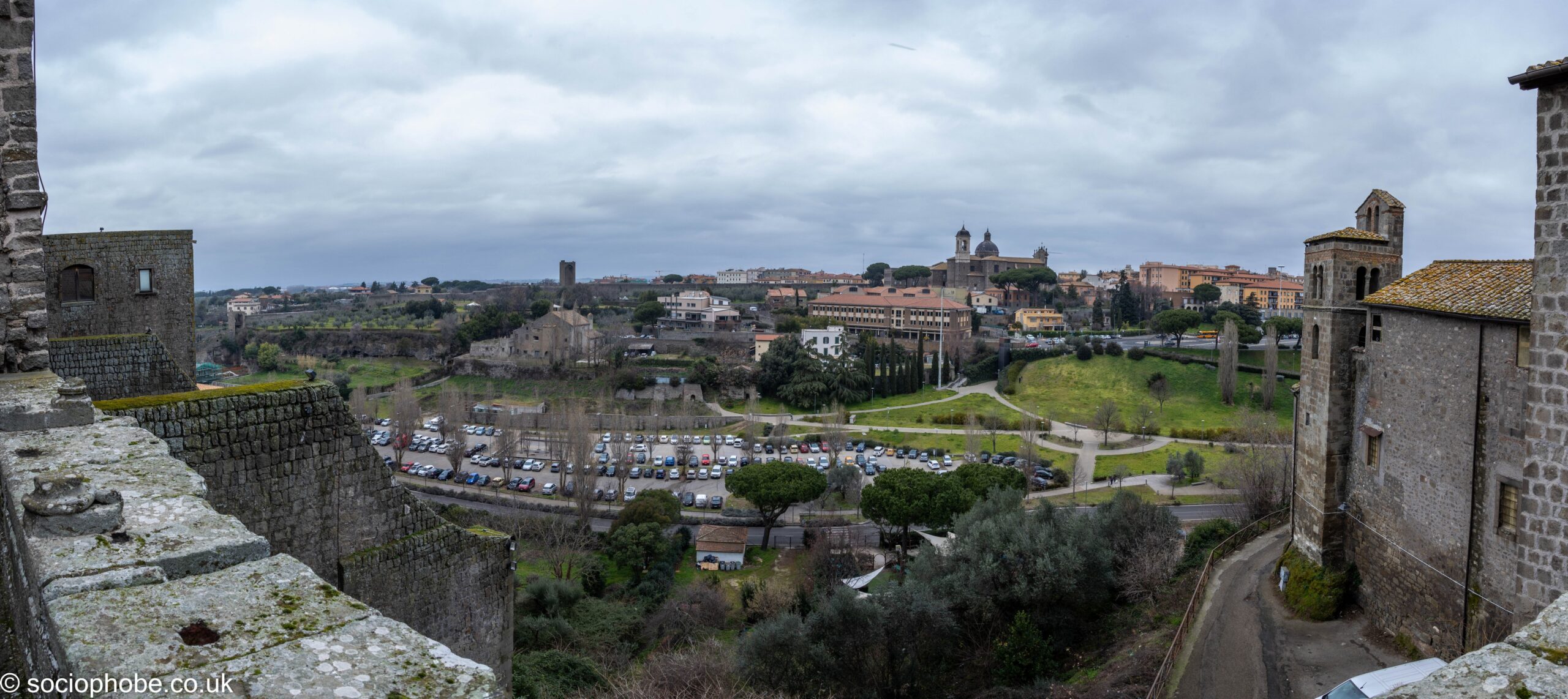
The old town was still surrounded by walls and towers and we drove through one of the gates to get to the parking area. After that the navigation went down hill a little as the high buildings and narrow streets played havoc with Google so we meandered around. That wasn’t really a bad thing as the medieval town centre wasn’t large and we saw some lovely little squares and buildings although there were also a huge number of beautiful old buildings that were just boarded up and decaying.
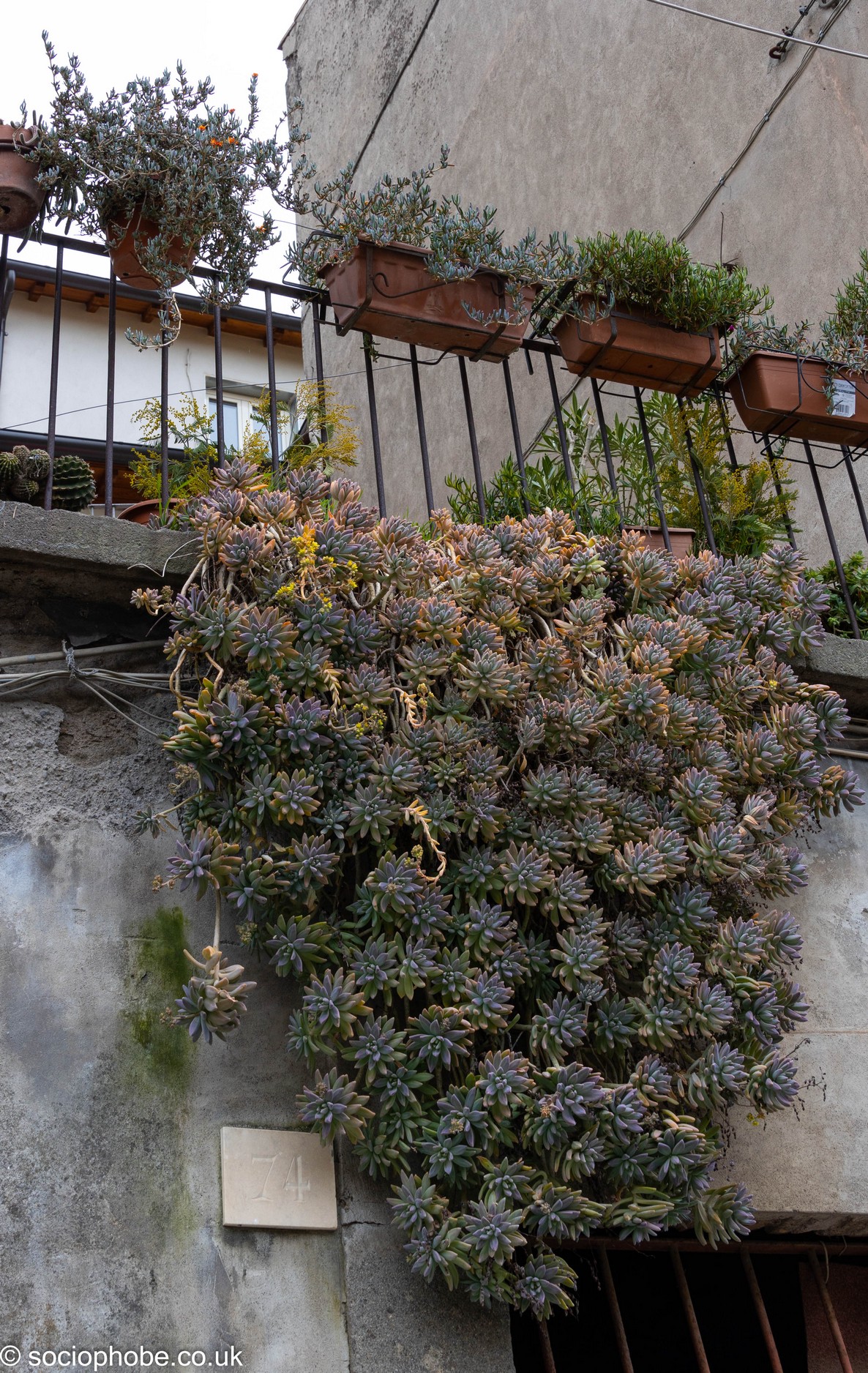
Like a lot of the other towns in this area that we’ve visited over the years, towers were very much a mark of status. Obviously phallocentric Italian nobility felt the need to build bigger 😉 There are 40 towers in the town now, down from about 200 in the 18th century. Each square seemed to have a decorated fountain too which would have been lovely to sit and listen to in nice weather. Lots of the houses had planters outside with succulents in – the old town seemed to be slowly dying though despite a rear action by some houseproud residents. Very few shops were open, I doubt we saw 15 people in three hours and it just didn’t seem lived in.
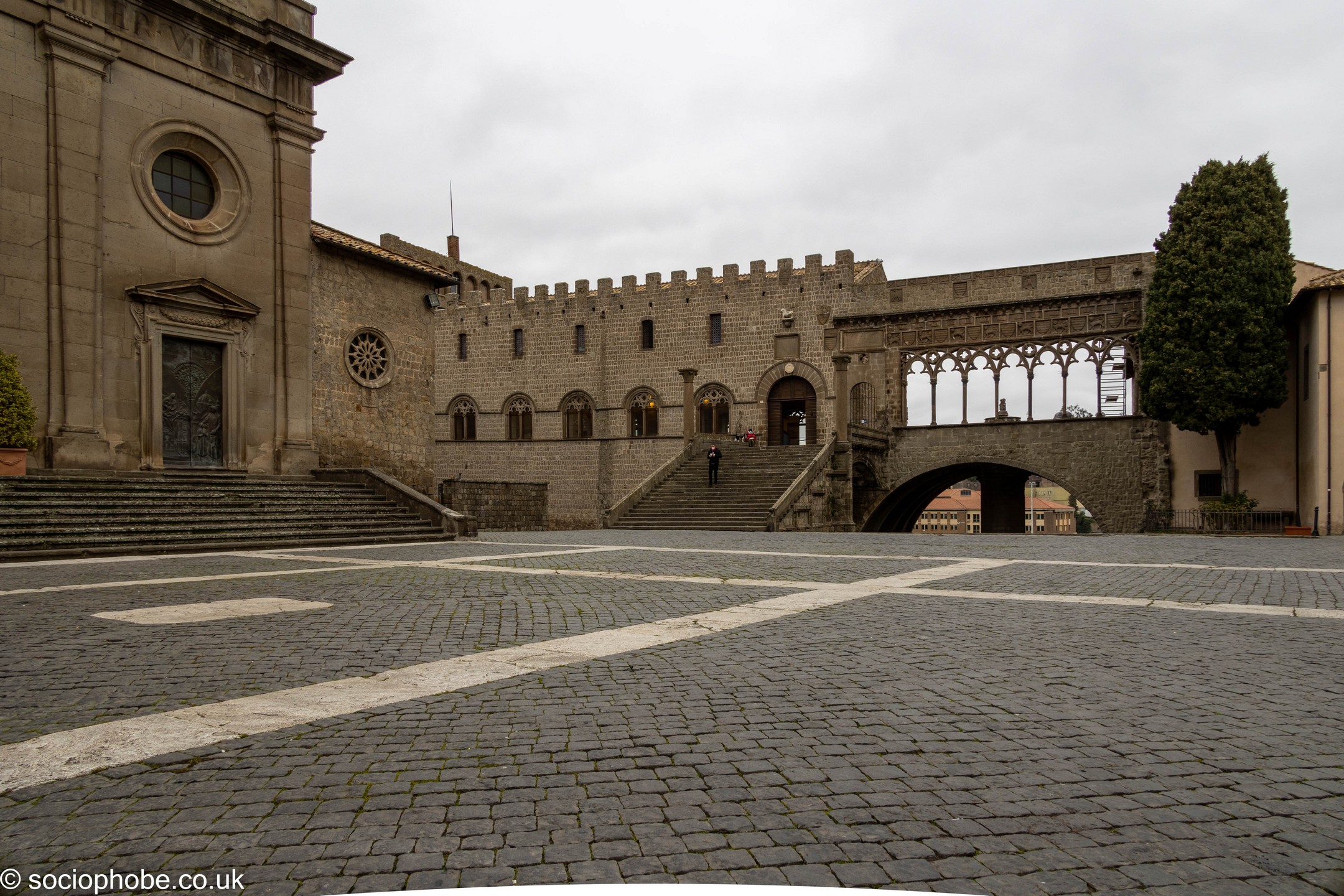
The town has two main attractions for tourists, or those with an interest in history anyway, the Palace of the Popes and the Farnese Palace. The Palace of the Popes is a 13th century building and was used when the papacy had to flee Rome due to urban violence and was occupied for around 30 years before being moved to Orvieto. The Farnese Palace is a magnificent baroque building near the papal palace but is permanently closed and abandoned. Which was a bummer.
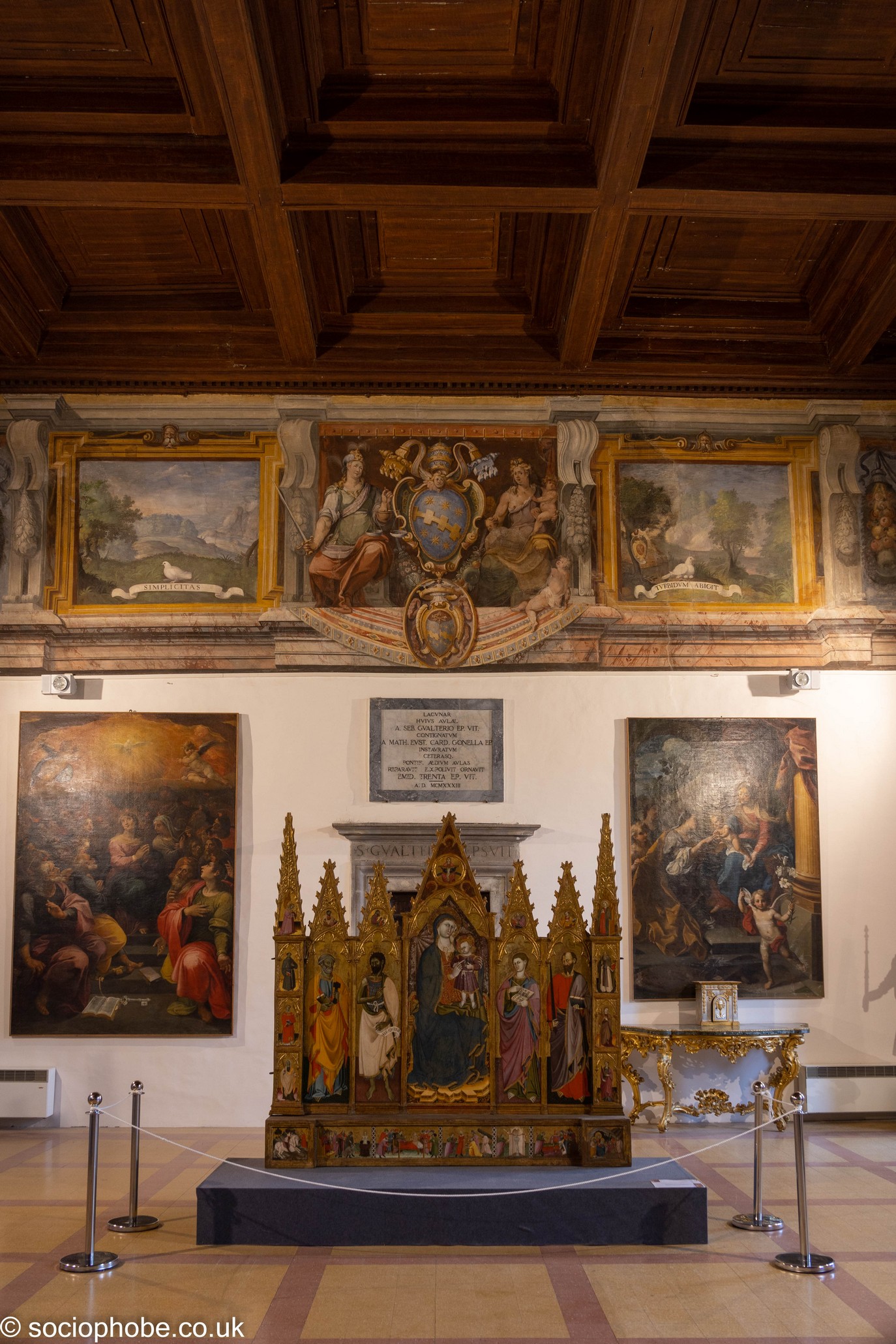
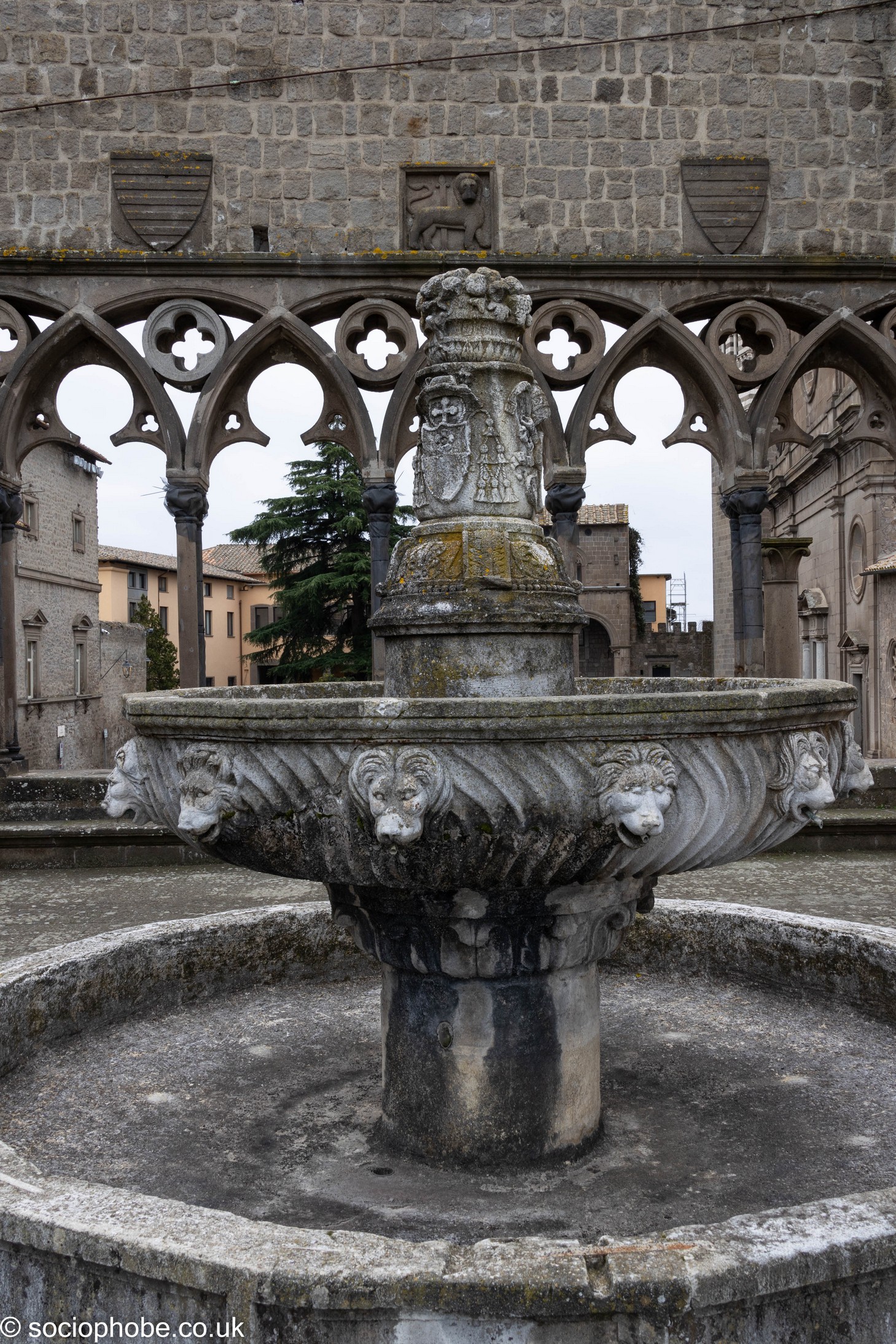
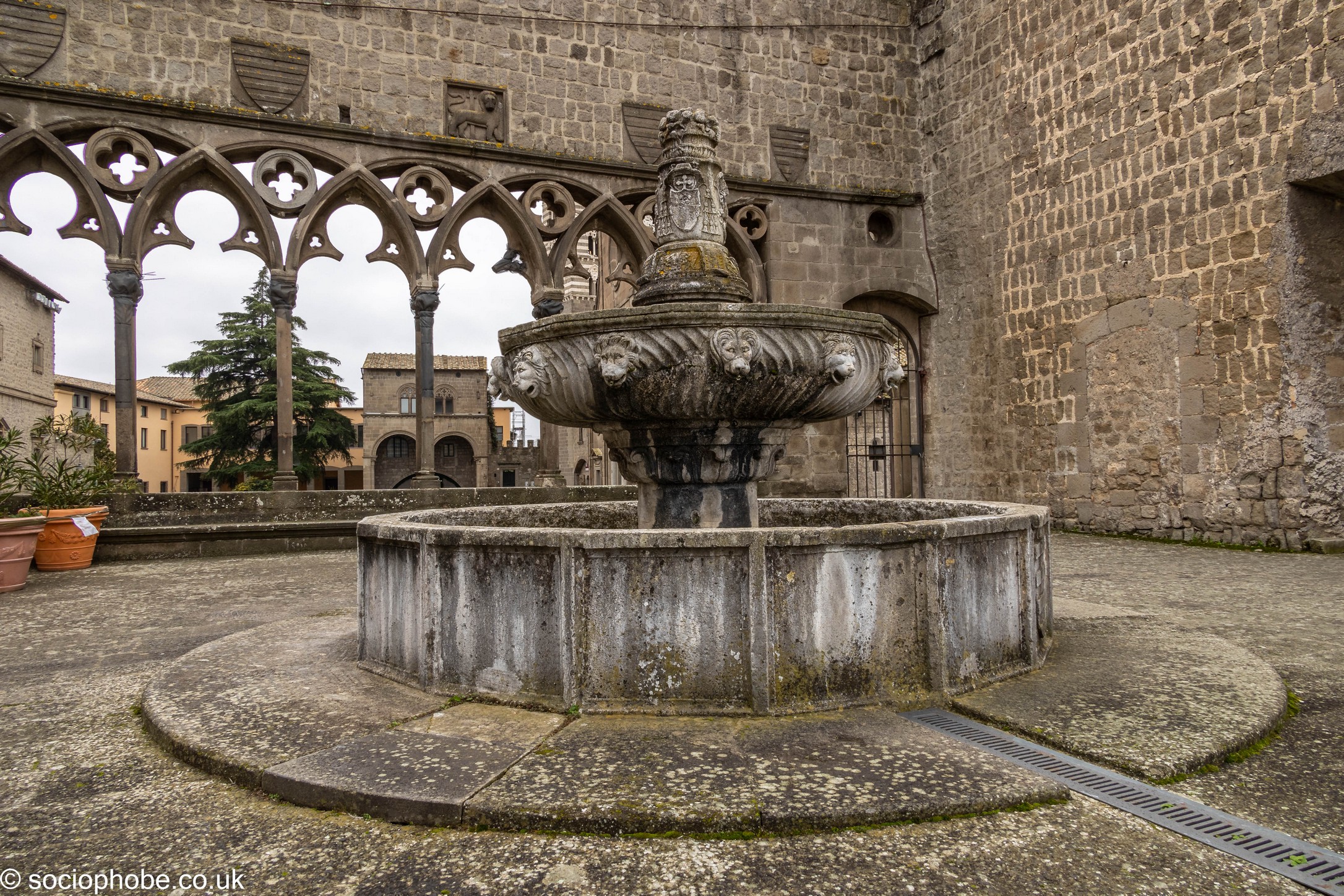
We bought tickets for the Palace of the Popes and this included the Cathedral of San Lorenzo and the Archeology Museum too. The loggia of the palace was beautiful – an open air colonnaded building with a fountain in the middle and views across to the city walls. The other side of the loggia is now lost but what was there was still impressive. The main hall detailed all the cardinals involved in the Papal Conclave as well as some old music books saved from the library after we bombed the city in 1944.
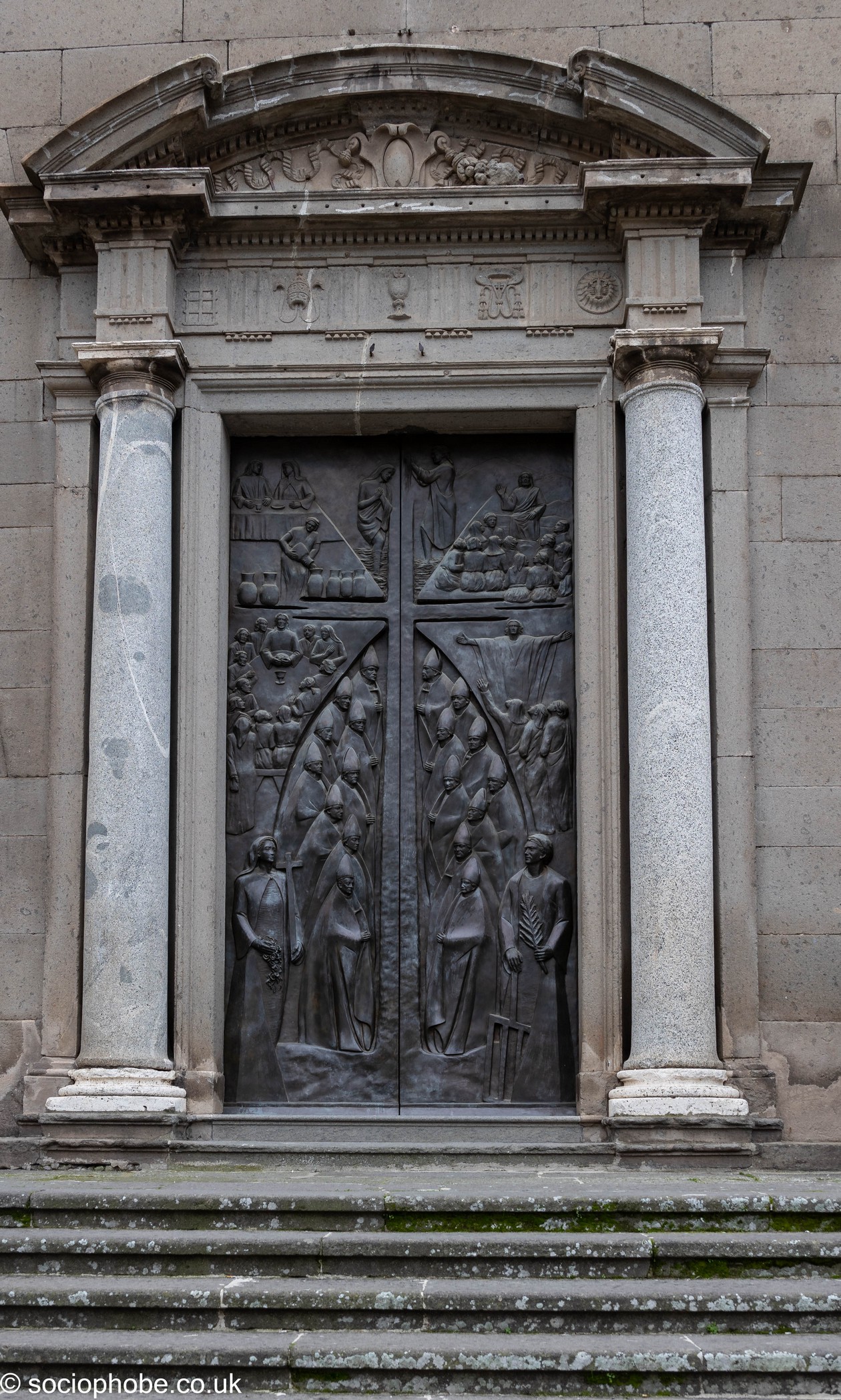
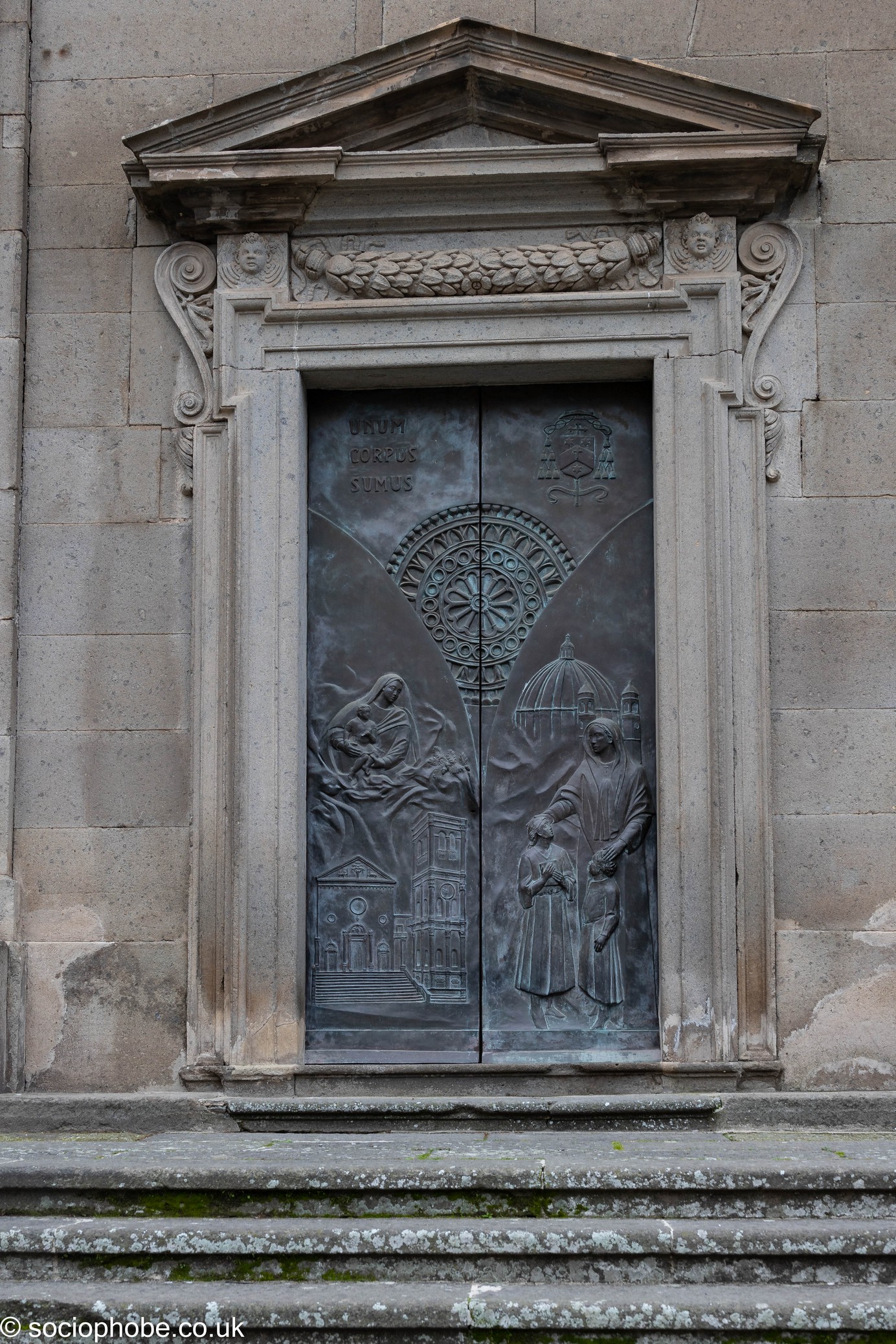
The cathedral had a gorgeous ceiling although the building itself was surprisingly plain. There were the remains of some wall frescoes by the altar and one of the chapels had the best example of trompe l’oeil we’d ever seen. The bronze plated doors were impressive too. The statues in the archeology museum really showed how poor the ones we’d seen at Sacro Bosco actually were and even the Etruscan effigies from 500BC had more realism and proportion. The number of reliquaries was impressive too, a particularly strange feature of Catholicism.
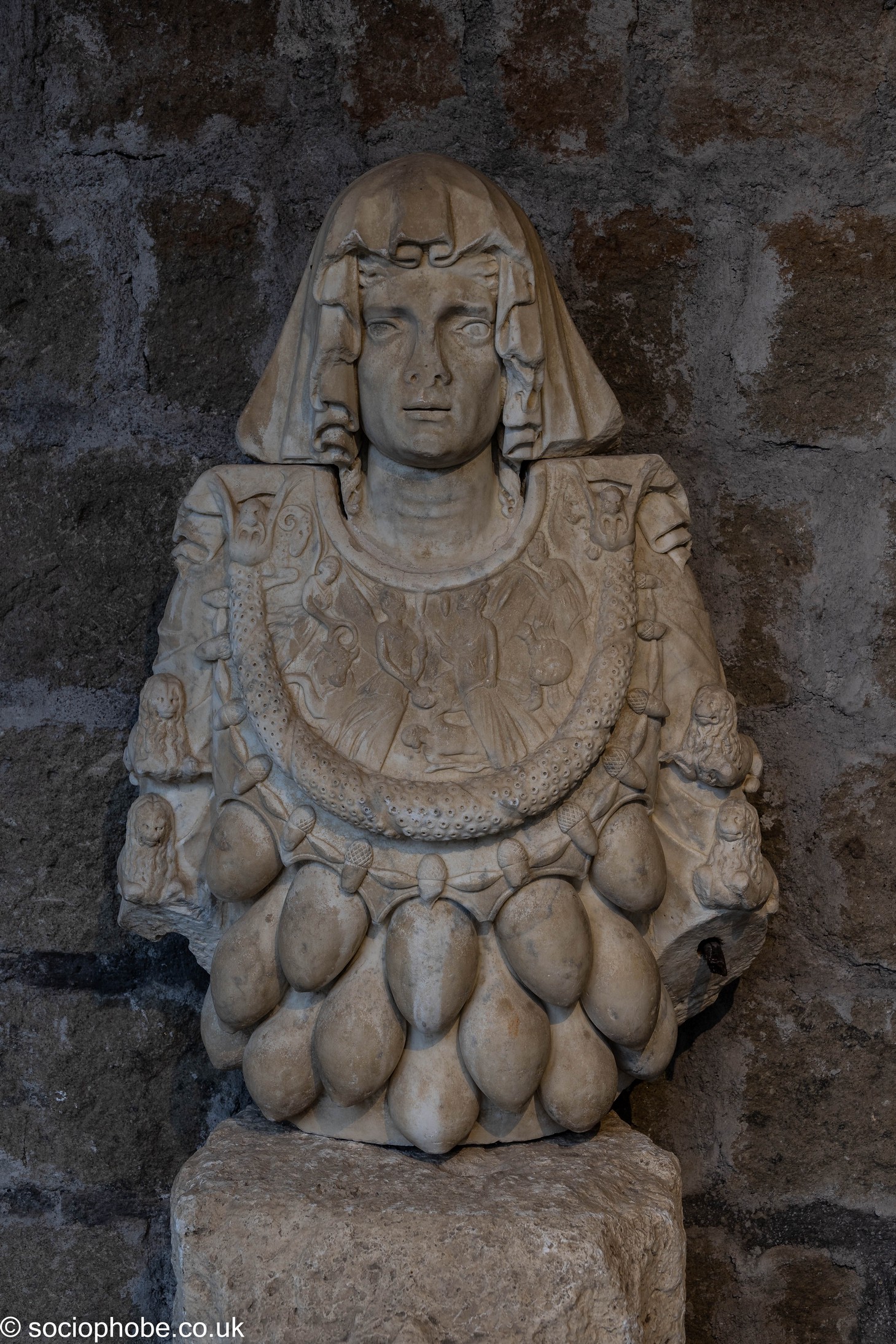
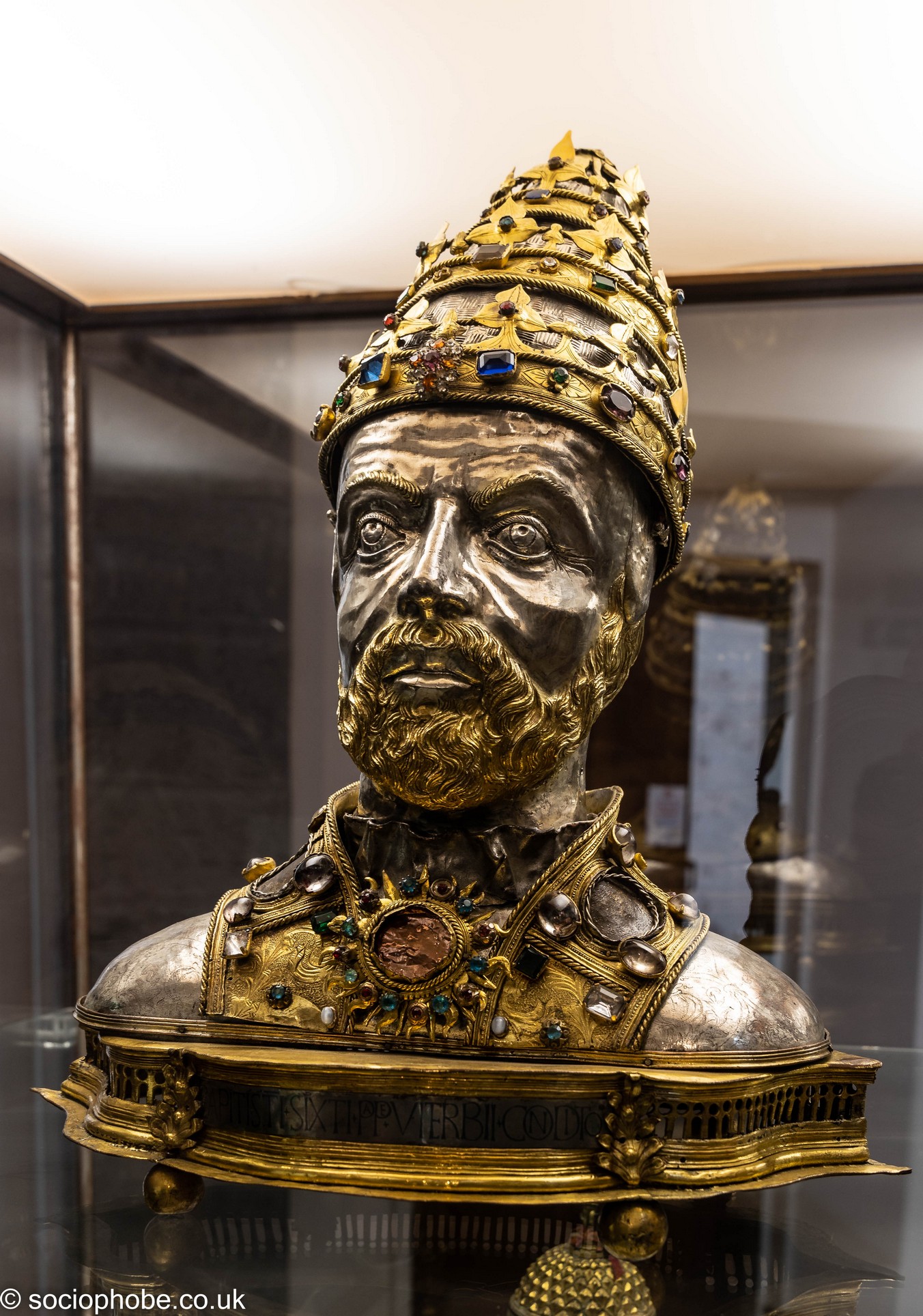
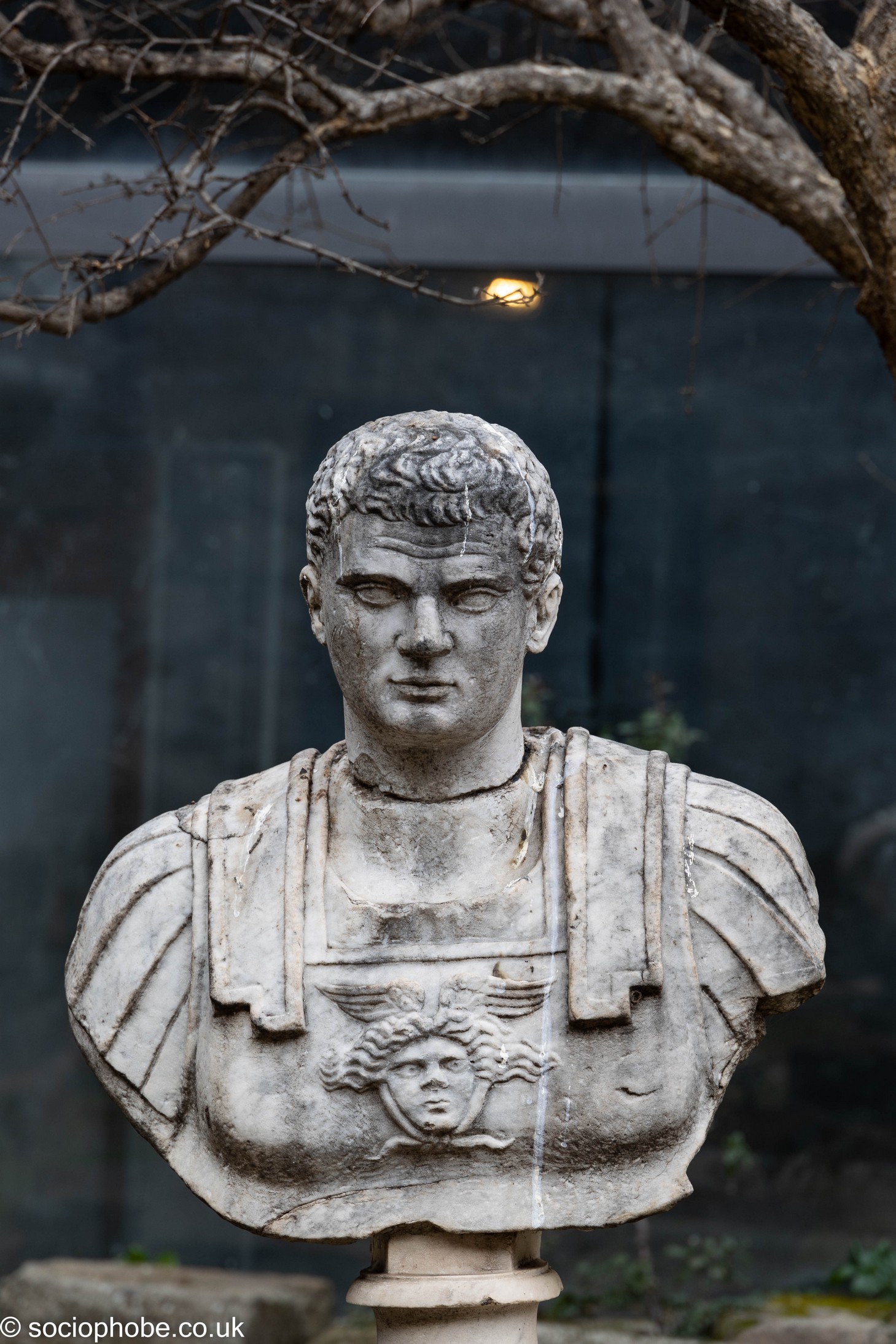
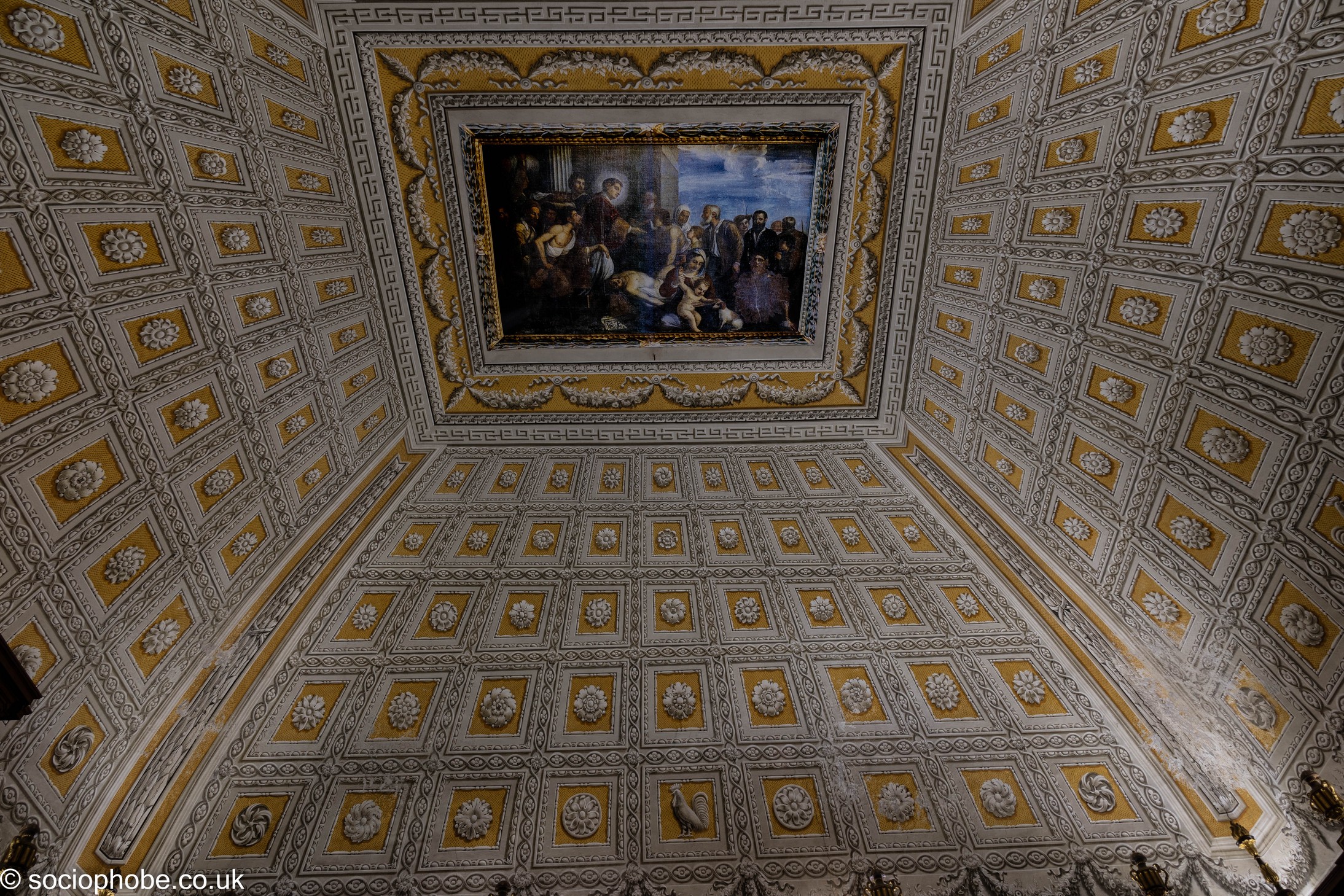
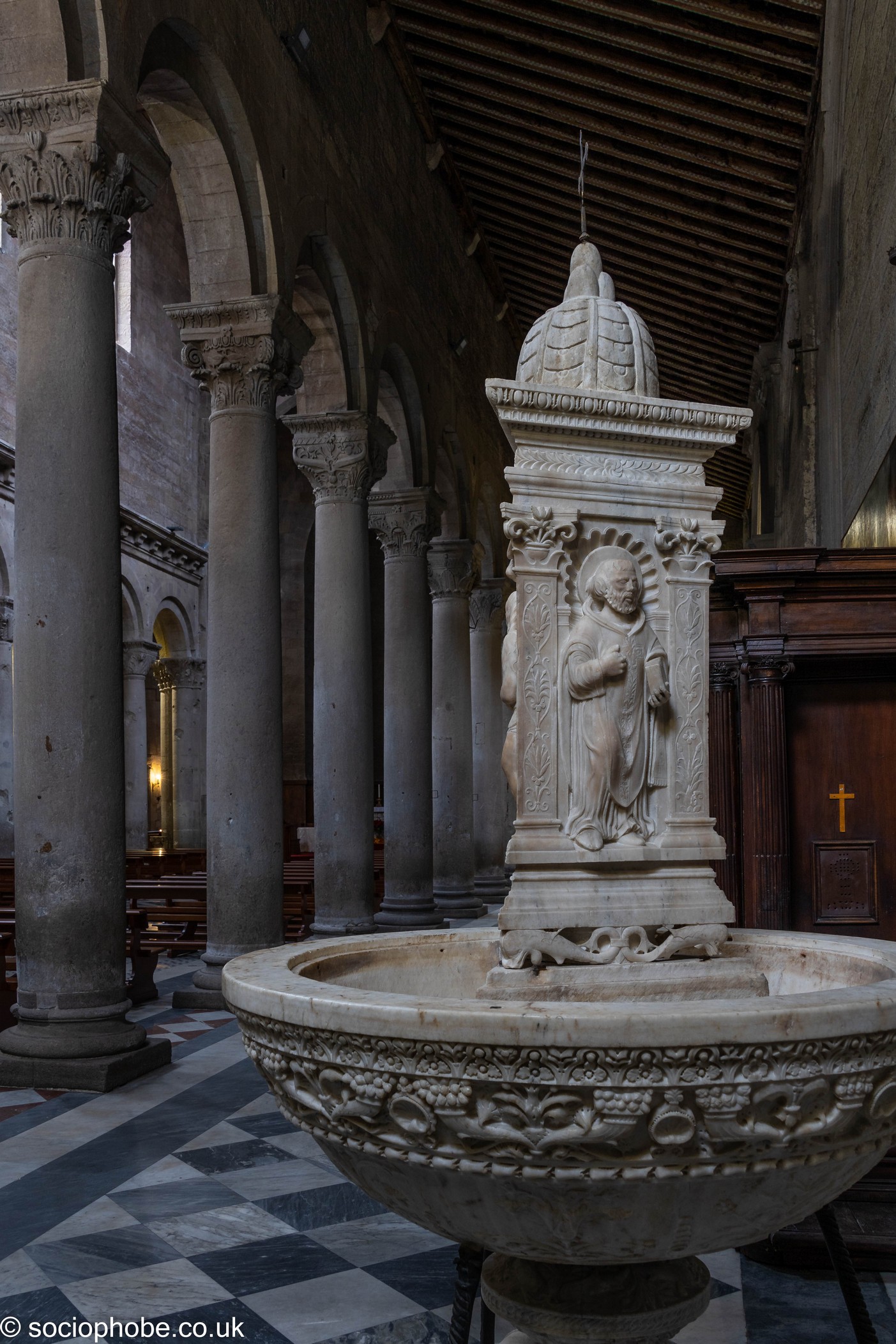
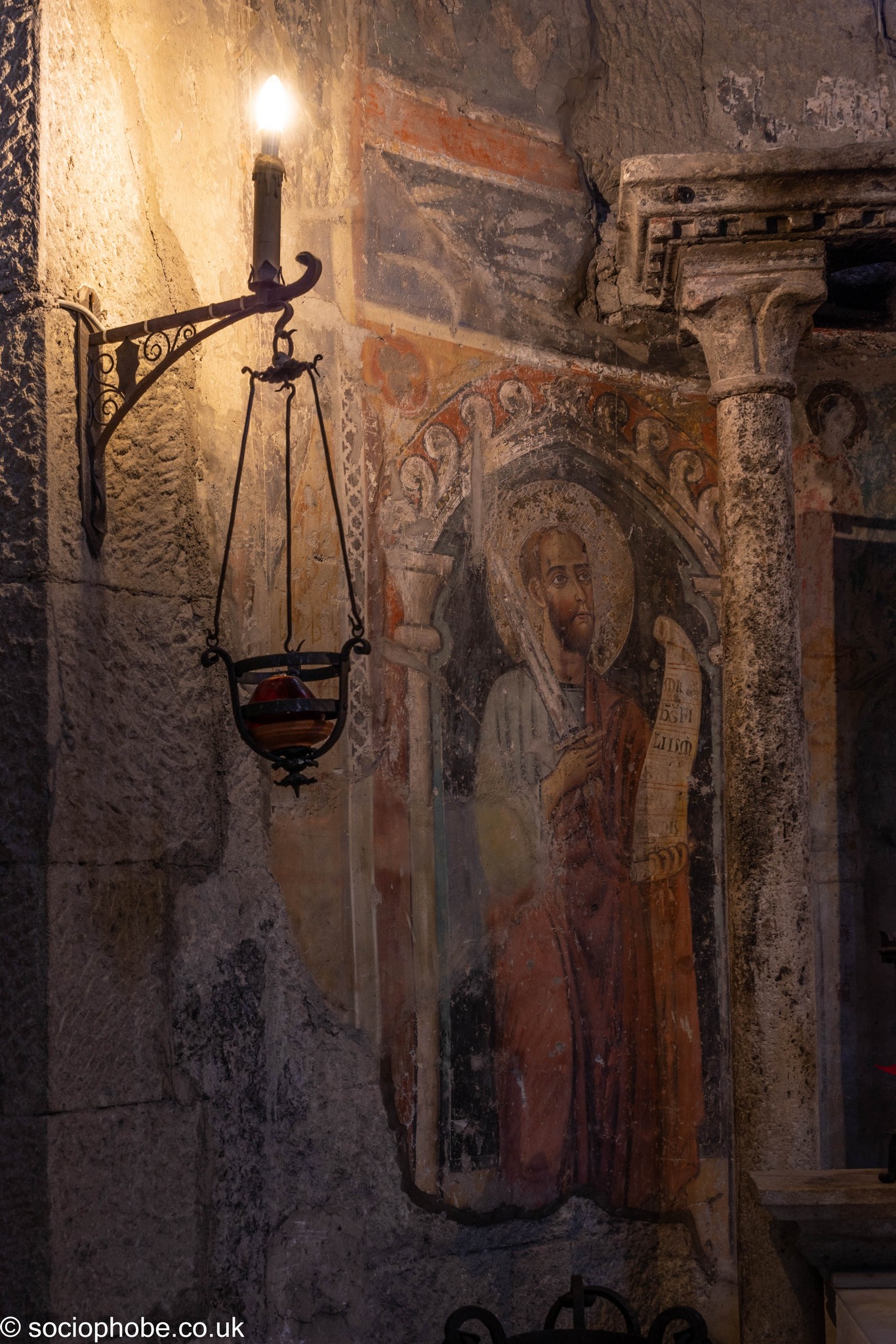
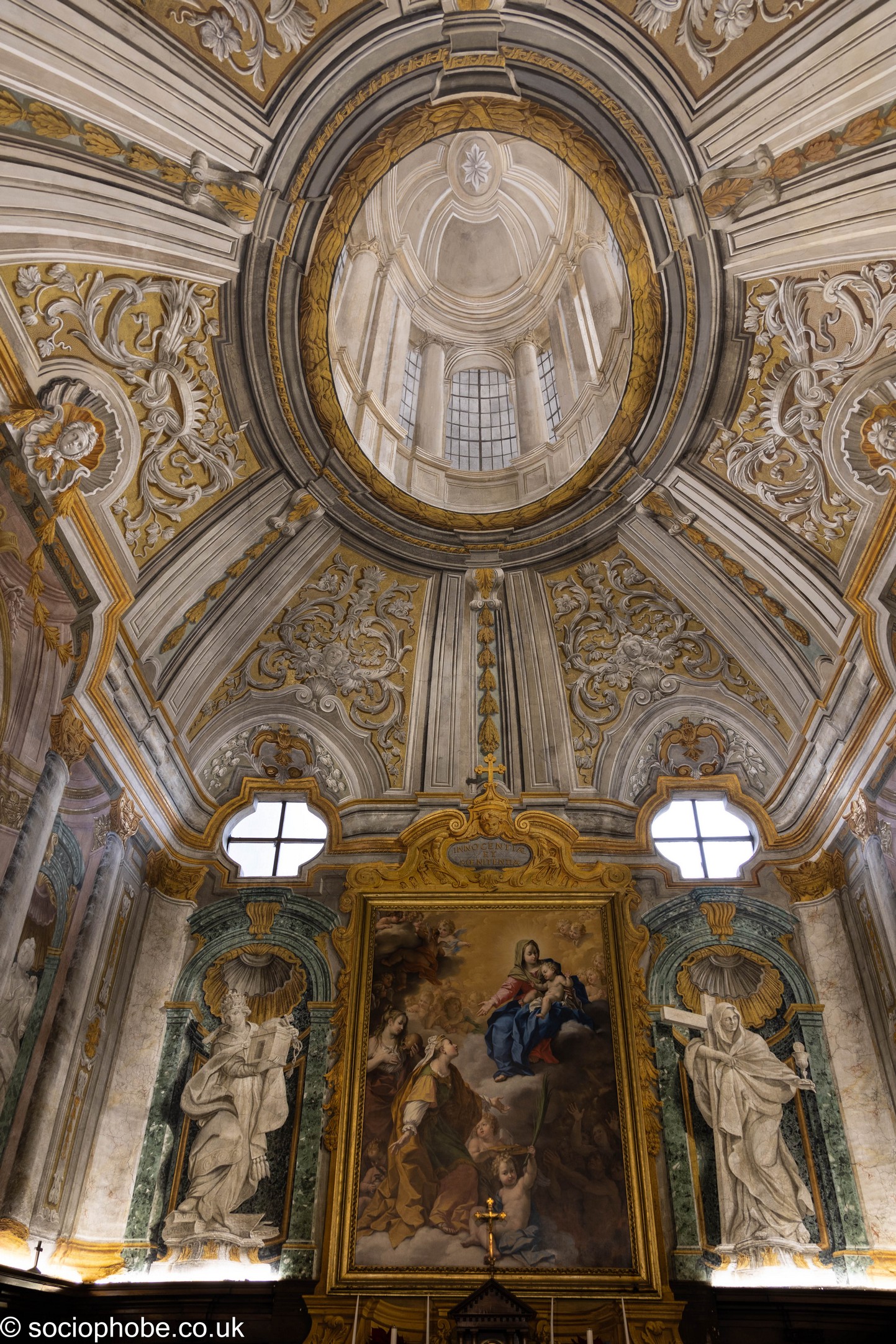
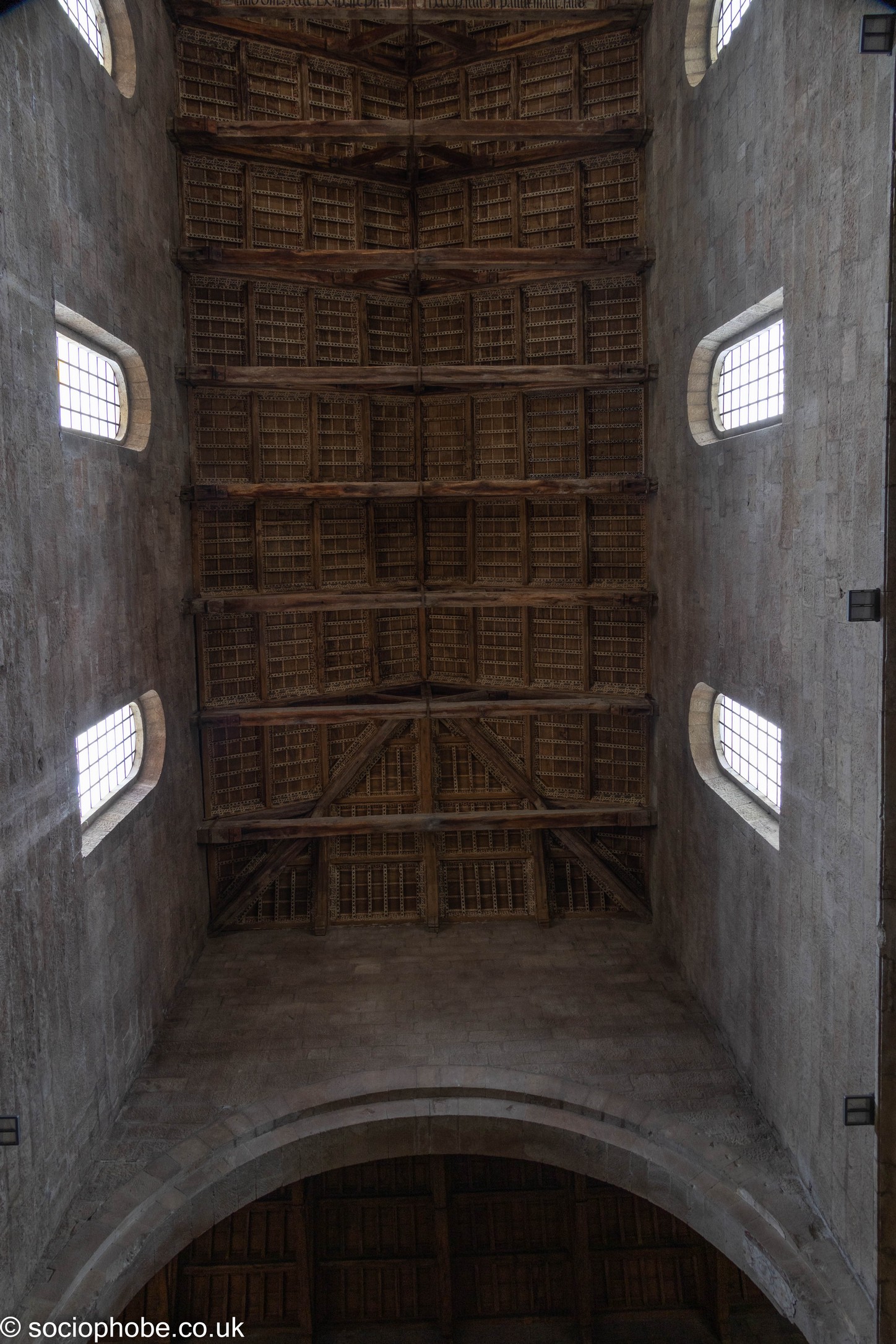
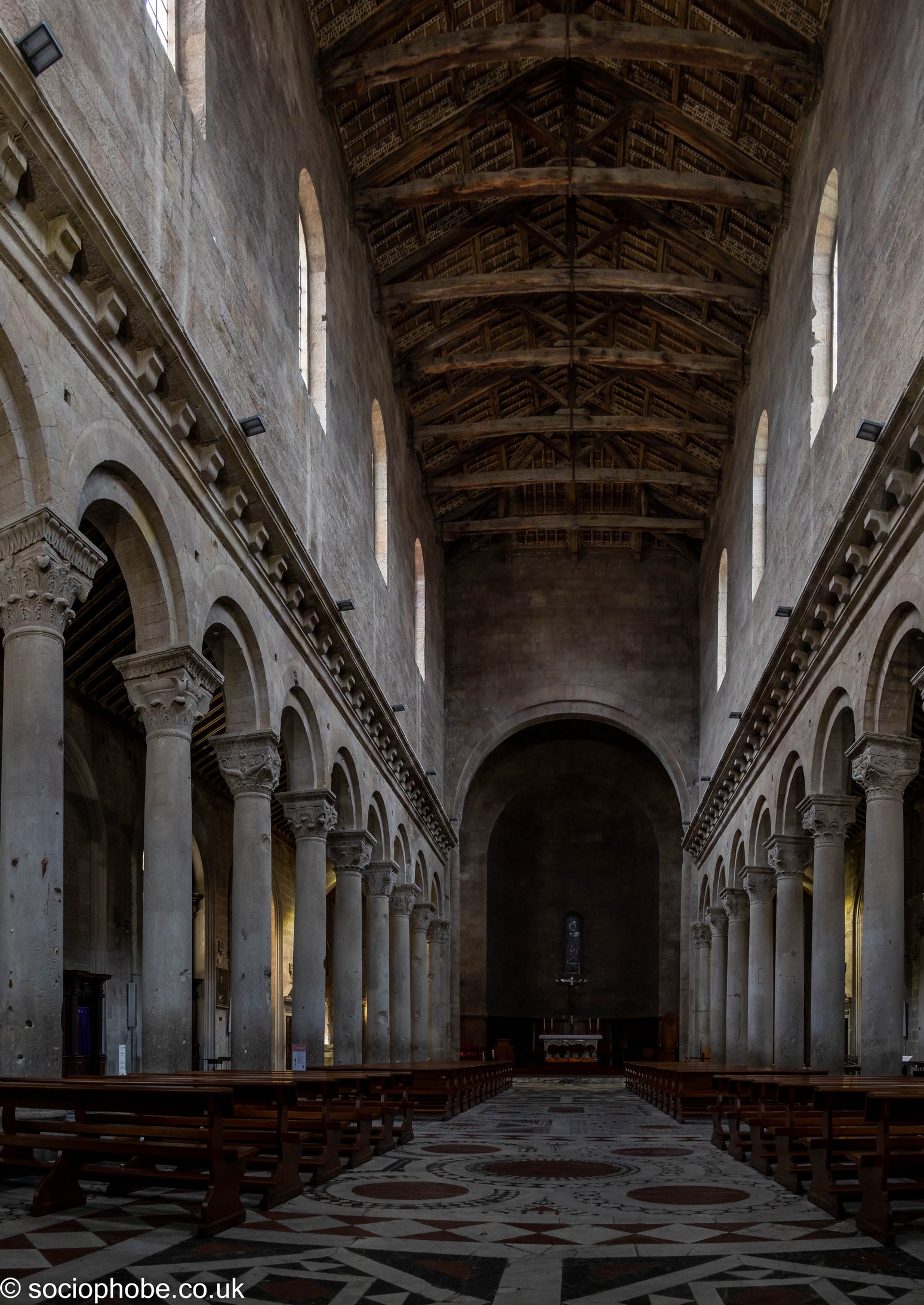
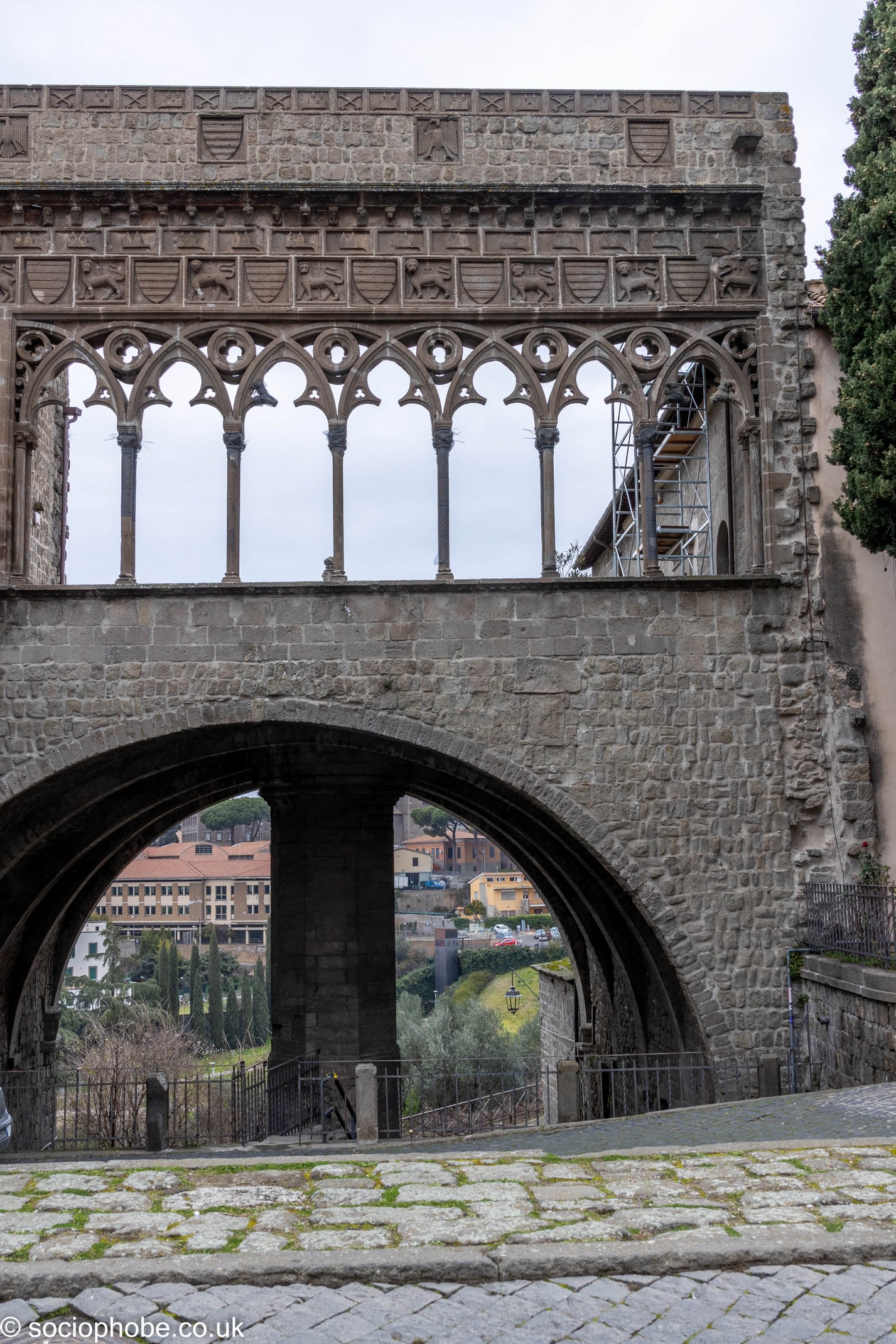
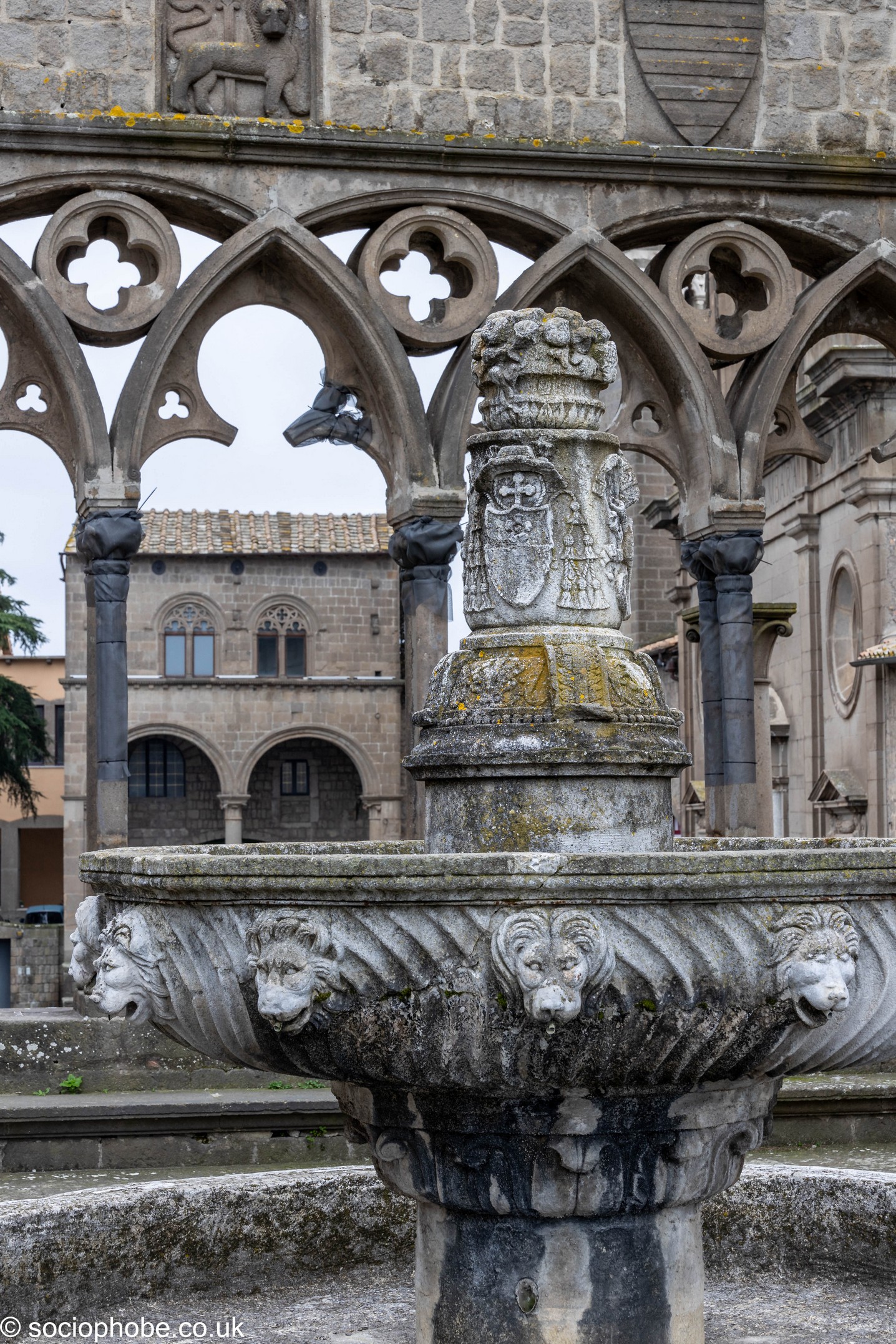
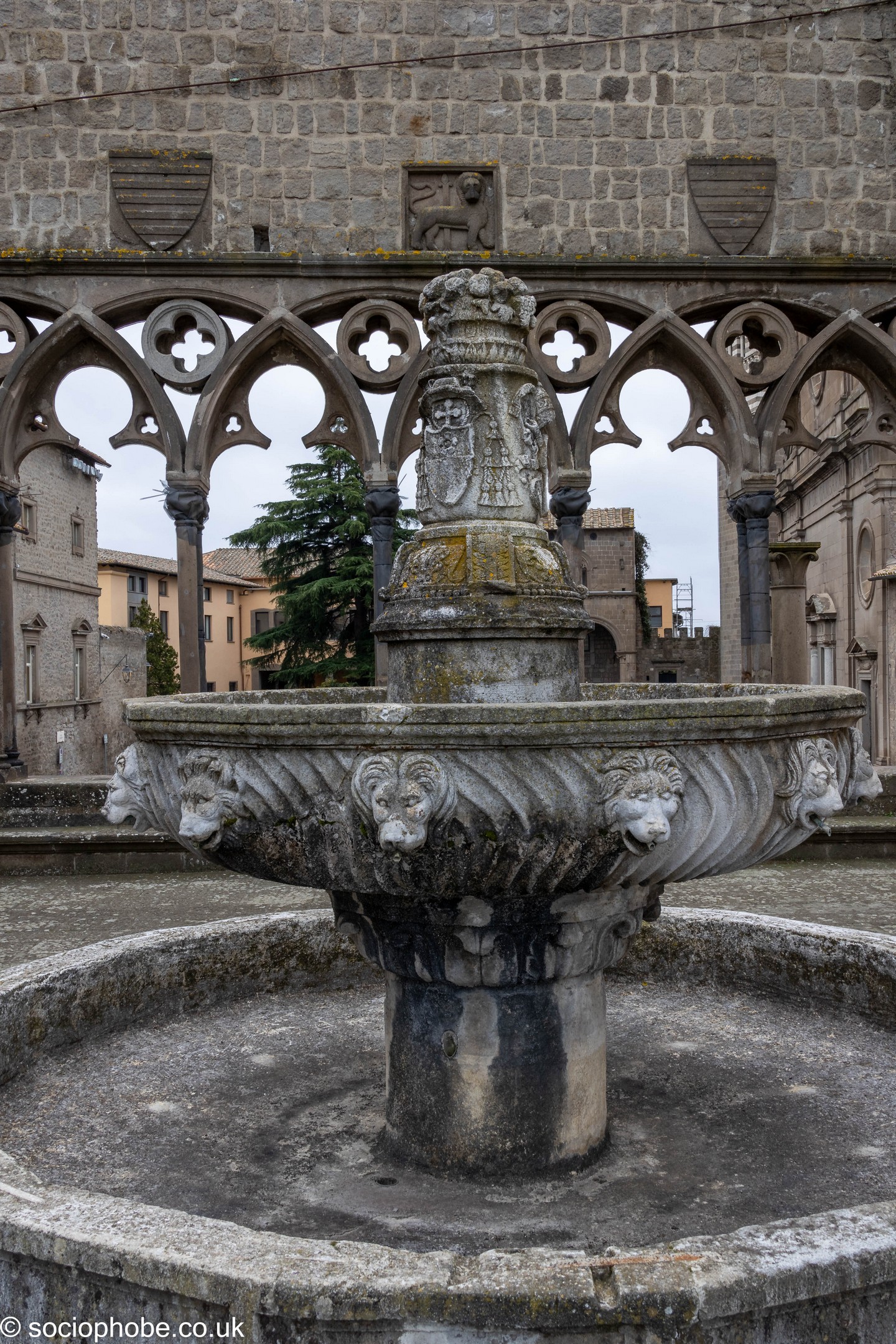
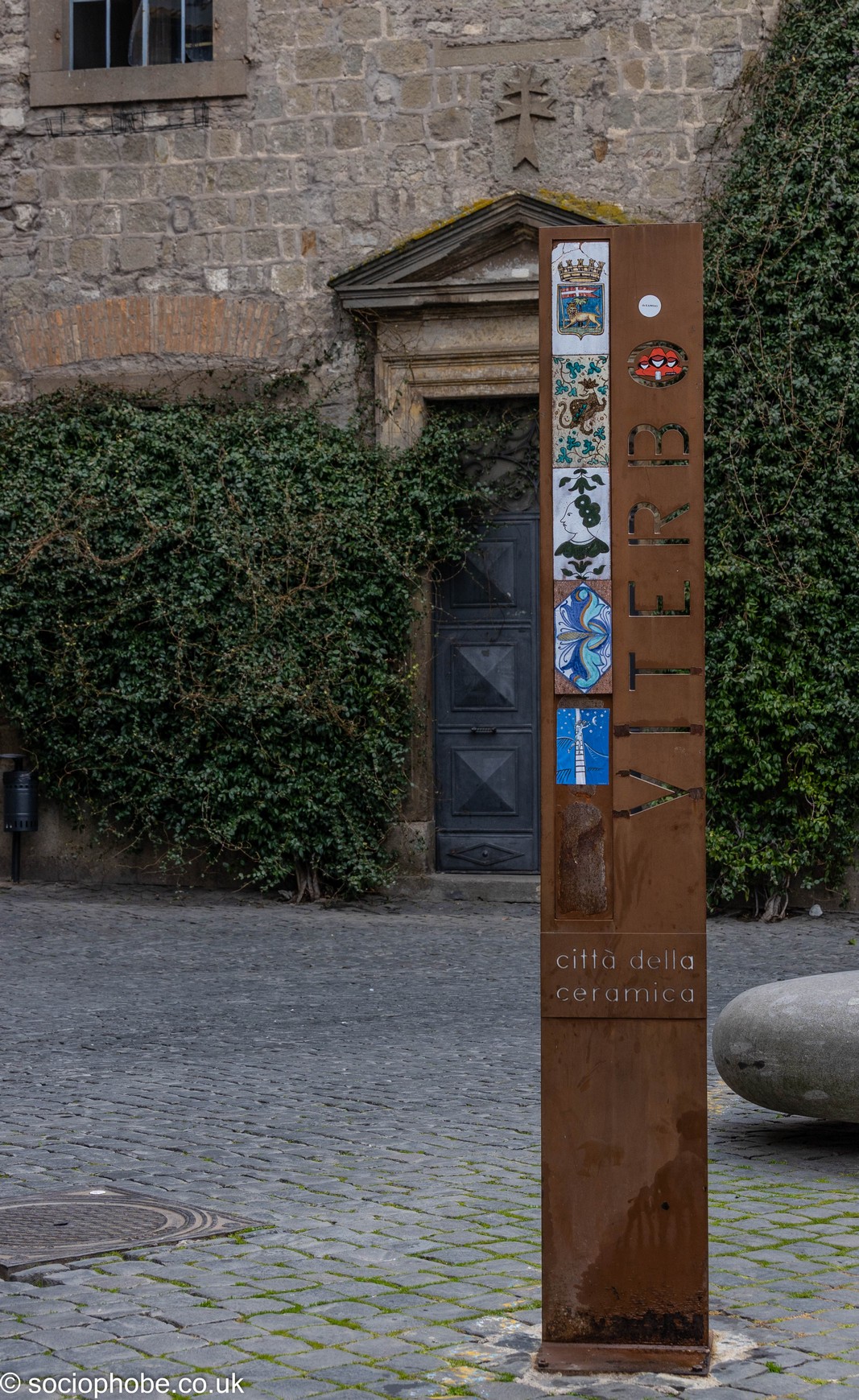
After we left the museum the rain began to get more persistent so we looked for a cafe but we couldn’t find anything open by the time we’d got to the car park. We drove through the town gates and there, like a sign from the divine, was a McD’s! We sat down to extremely clean tables, the service was excellent and unlike an English version, the clientele were respectful too. Which brings me back to my usual observation that the biggest problem with England is the English. We had a decent meal and coffee and a cake in my case before driving back to the hotel in the rain.
When we arrived back the cloud was so low that we couldn’t even see the Orsini Castle opposite our room so we spent the rest of the day just relaxing, sorting photos blah blah blah.
Castel d’Asso Etruscan Necropolis
We had a busy day planned so we were actually out and organised just after 9. It was damned cold and the sat nav refused to recognise our destination but after about half an hour on minor roads we arrived at our first stop, Castel d’Asso Etruscan Necropolis. This was more by luck than judgement as the signs seemed to peter out but there was an area just off the road where we thought we should be so we parked up. After a quick look around we were none the wiser but we headed down the track in a beech lined valley.
I was worried it would be a bit of a let down but to be honest, it was the nicest place we visited all day. The tombs themselves (about 70 of them, cut into the stone of the hillside) had varying degrees of decoration and some were small enough for a couple while others could cater for an extended family. These tombs were dug out between 2500 and 2700 years ago. We were the only people there and we really felt like explorers, clambering over rocks to see what the next part of the hill would reveal. We were able to go inside a few tombs but most of the entrances were so small we’d have had to crawl and I wasn’t prepared for that!
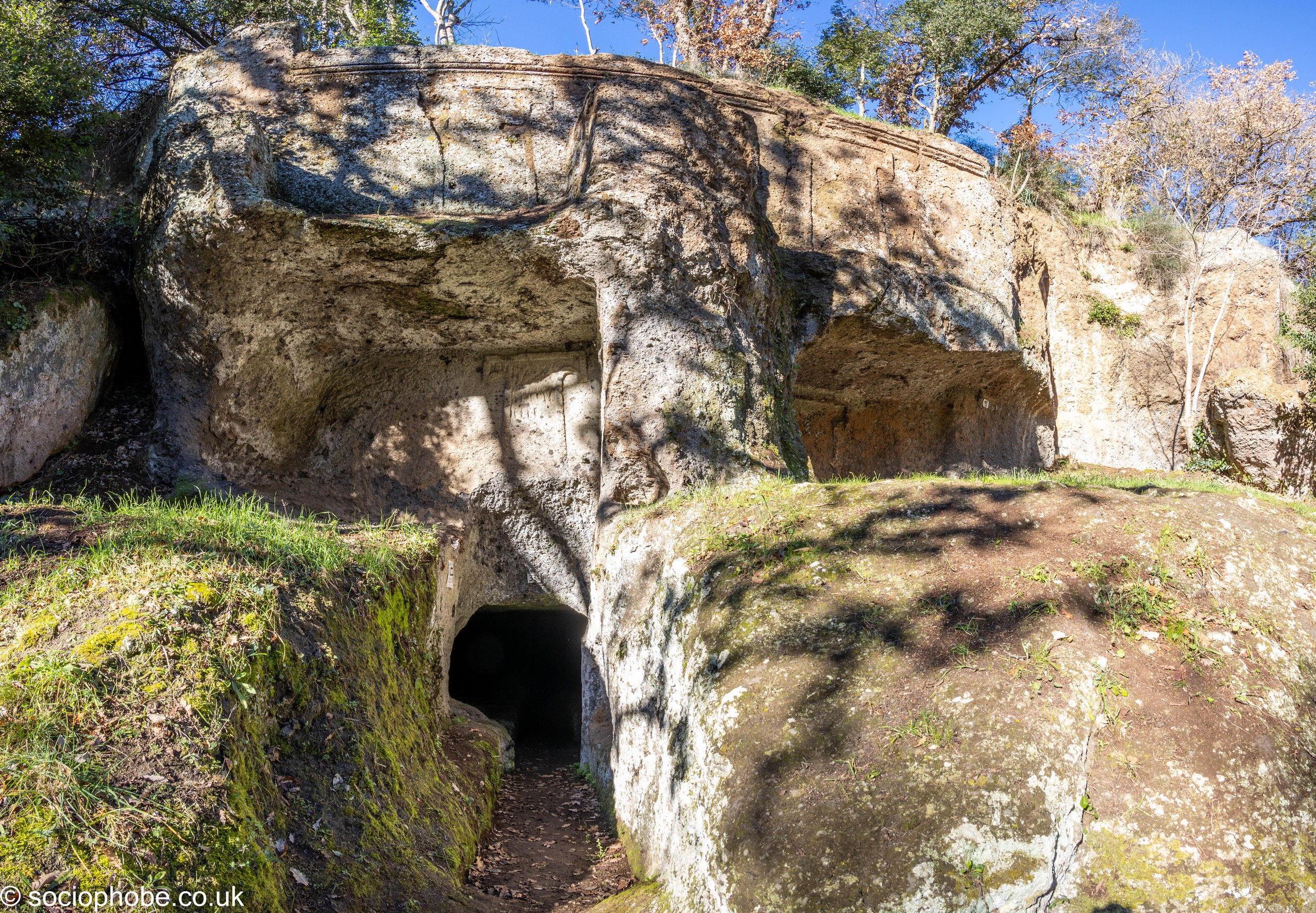
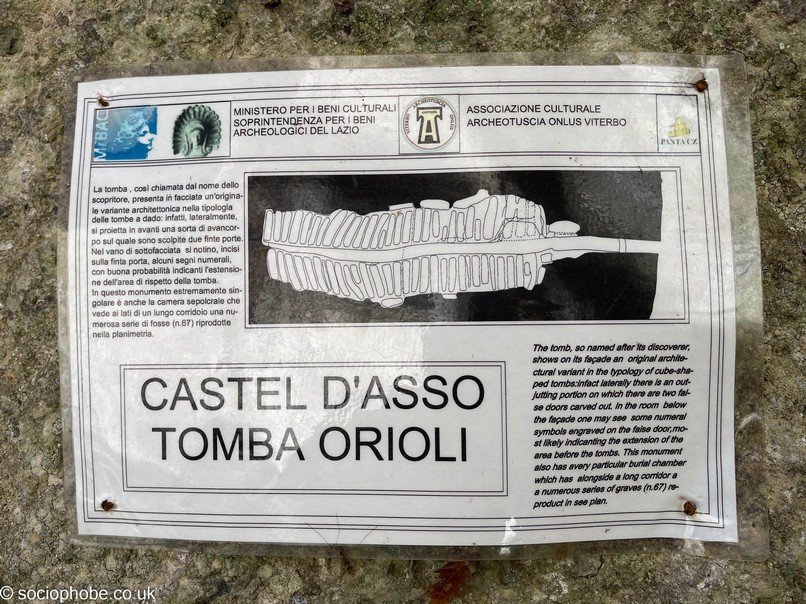
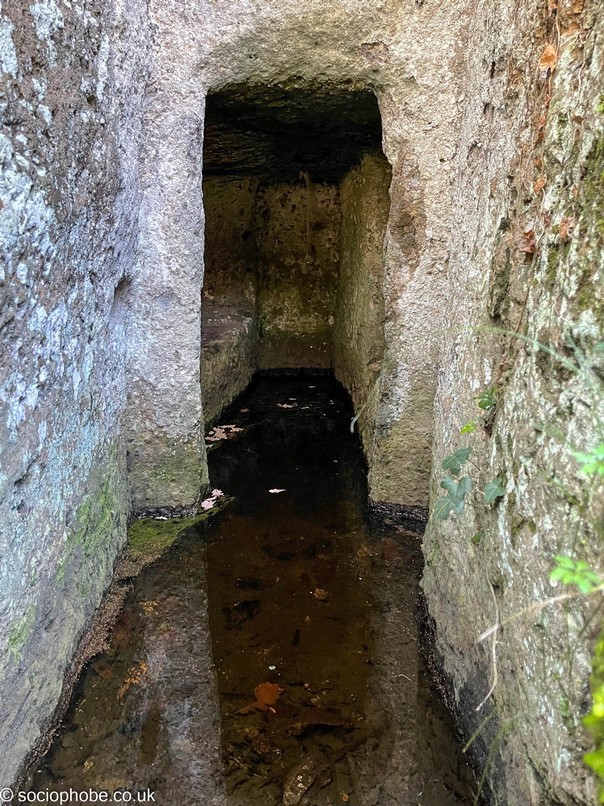
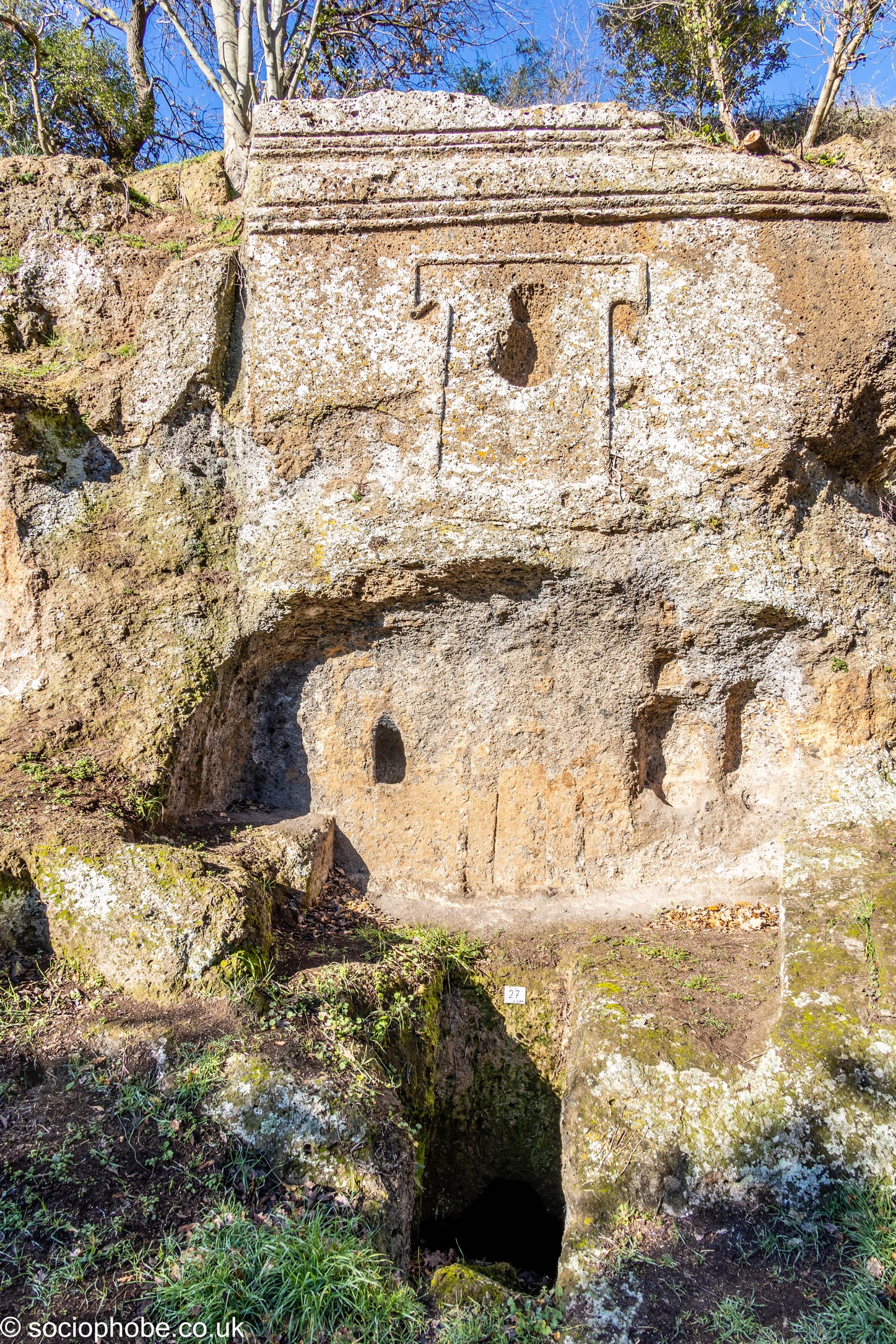
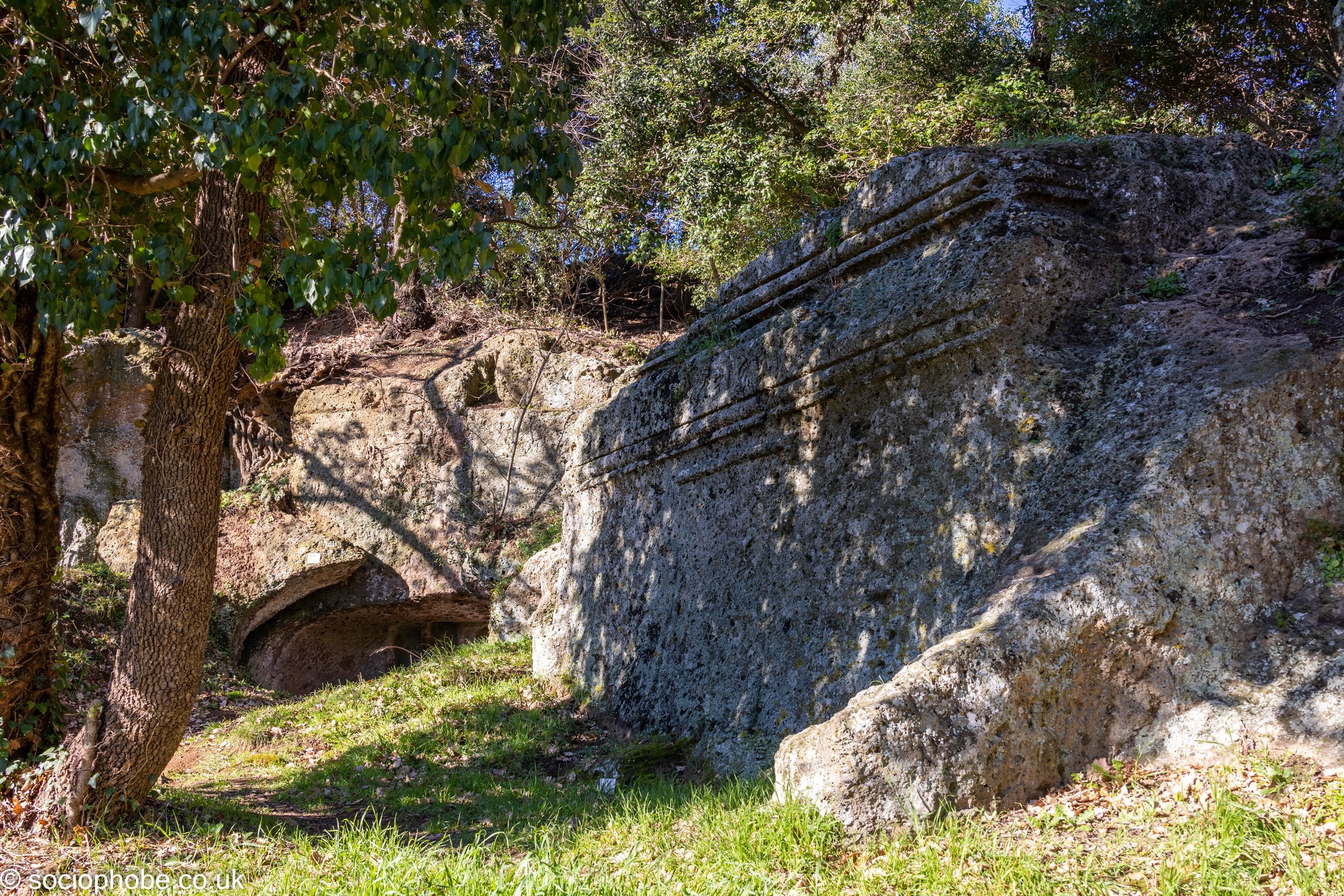
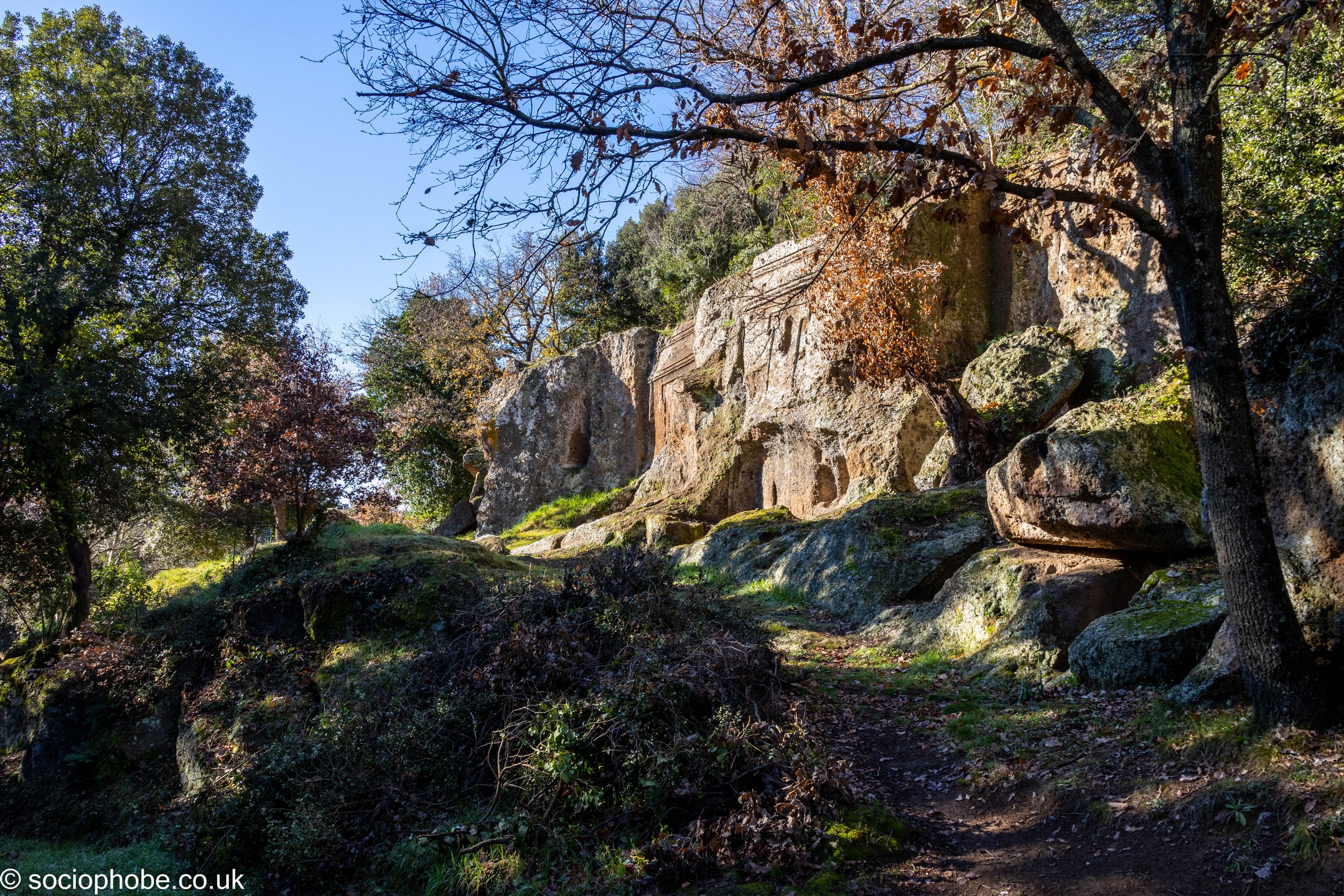
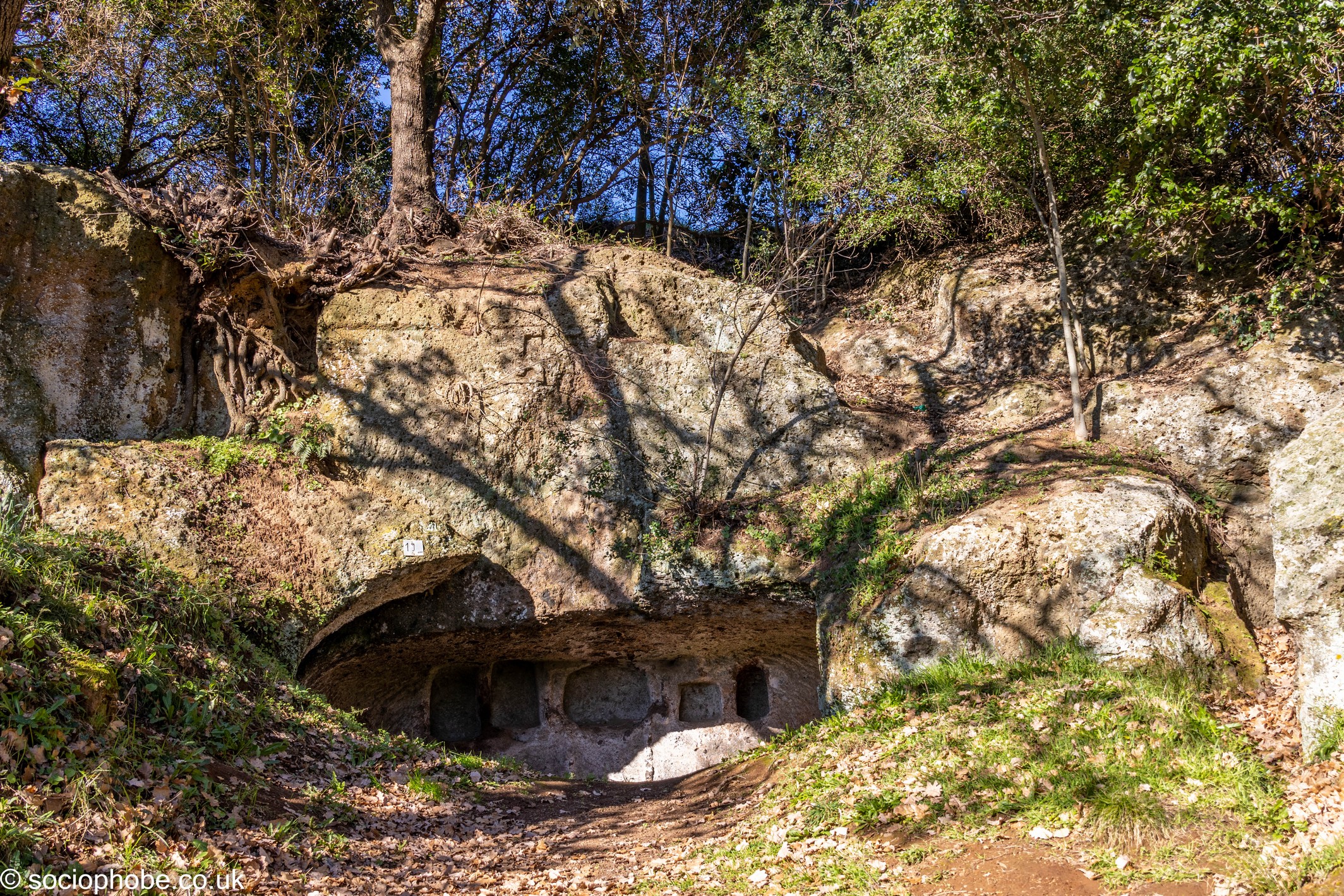
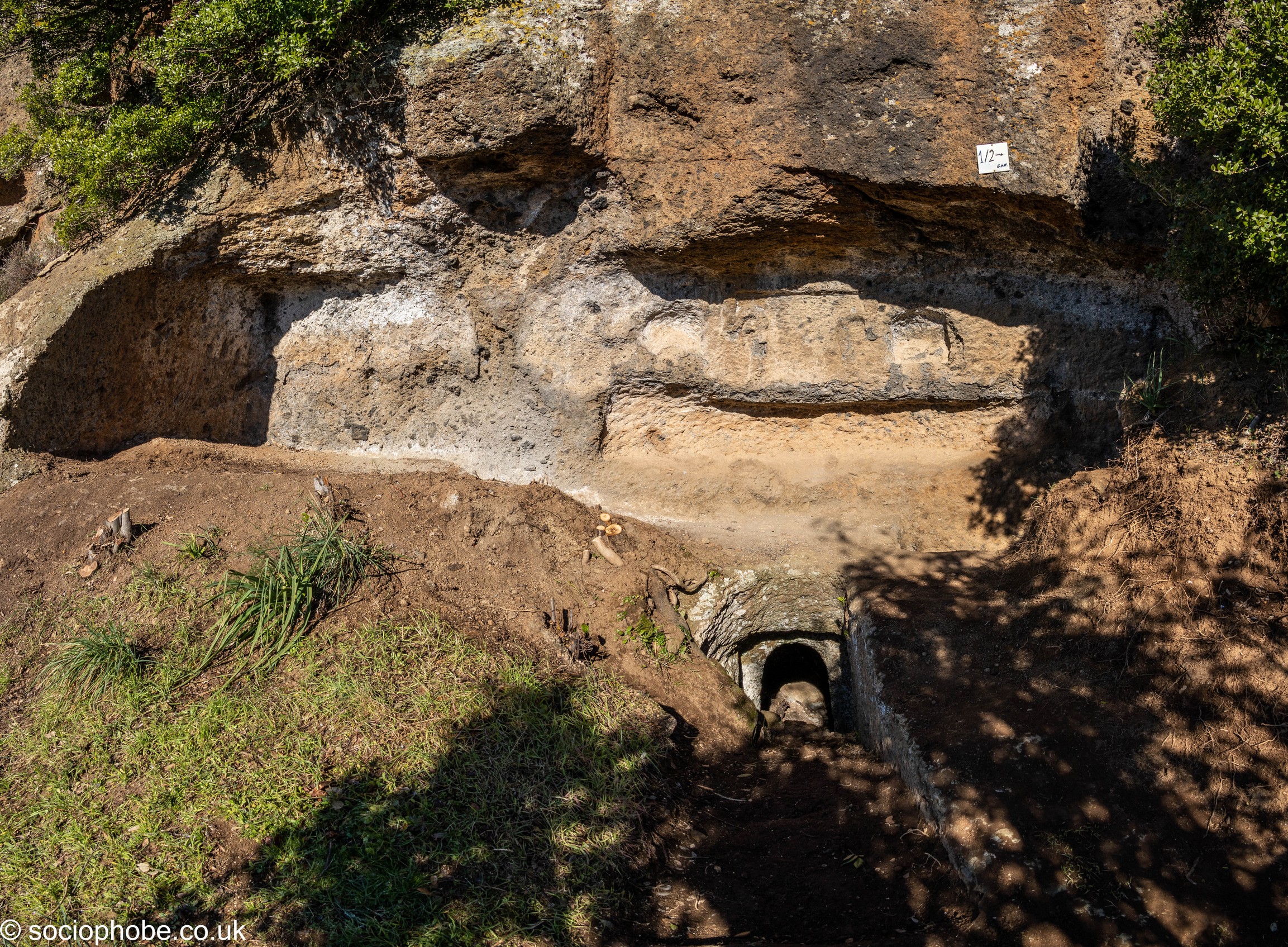
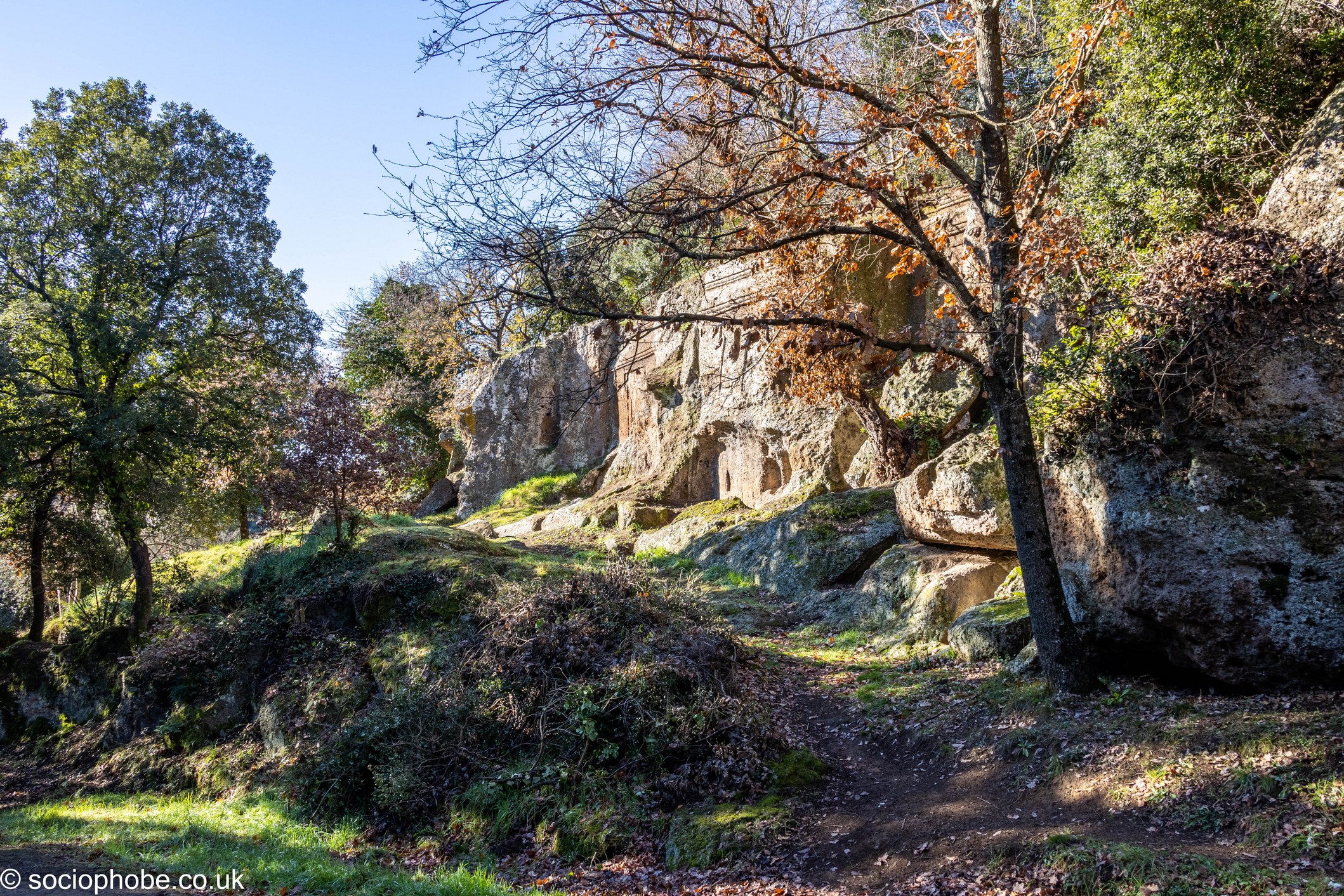
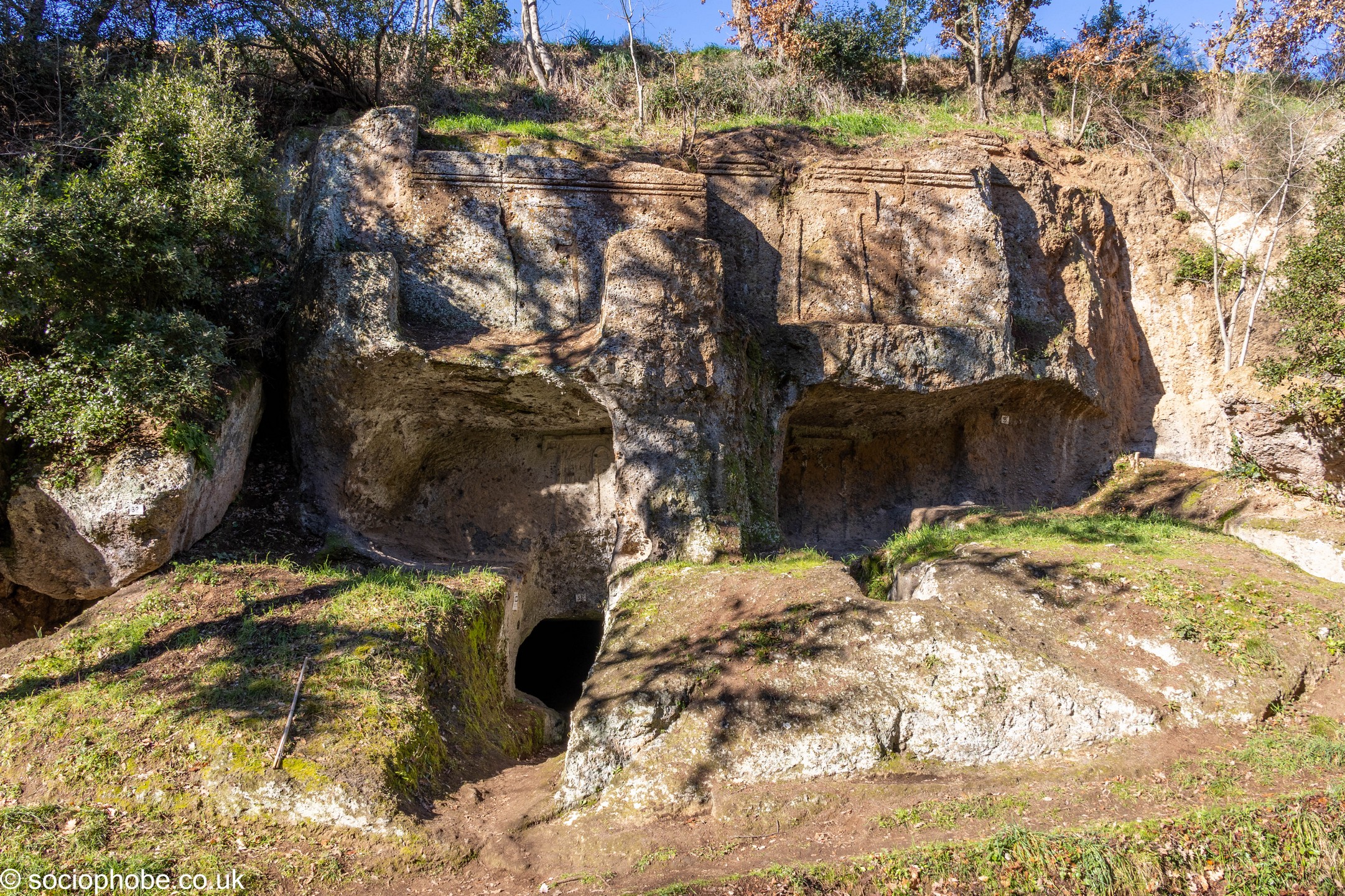
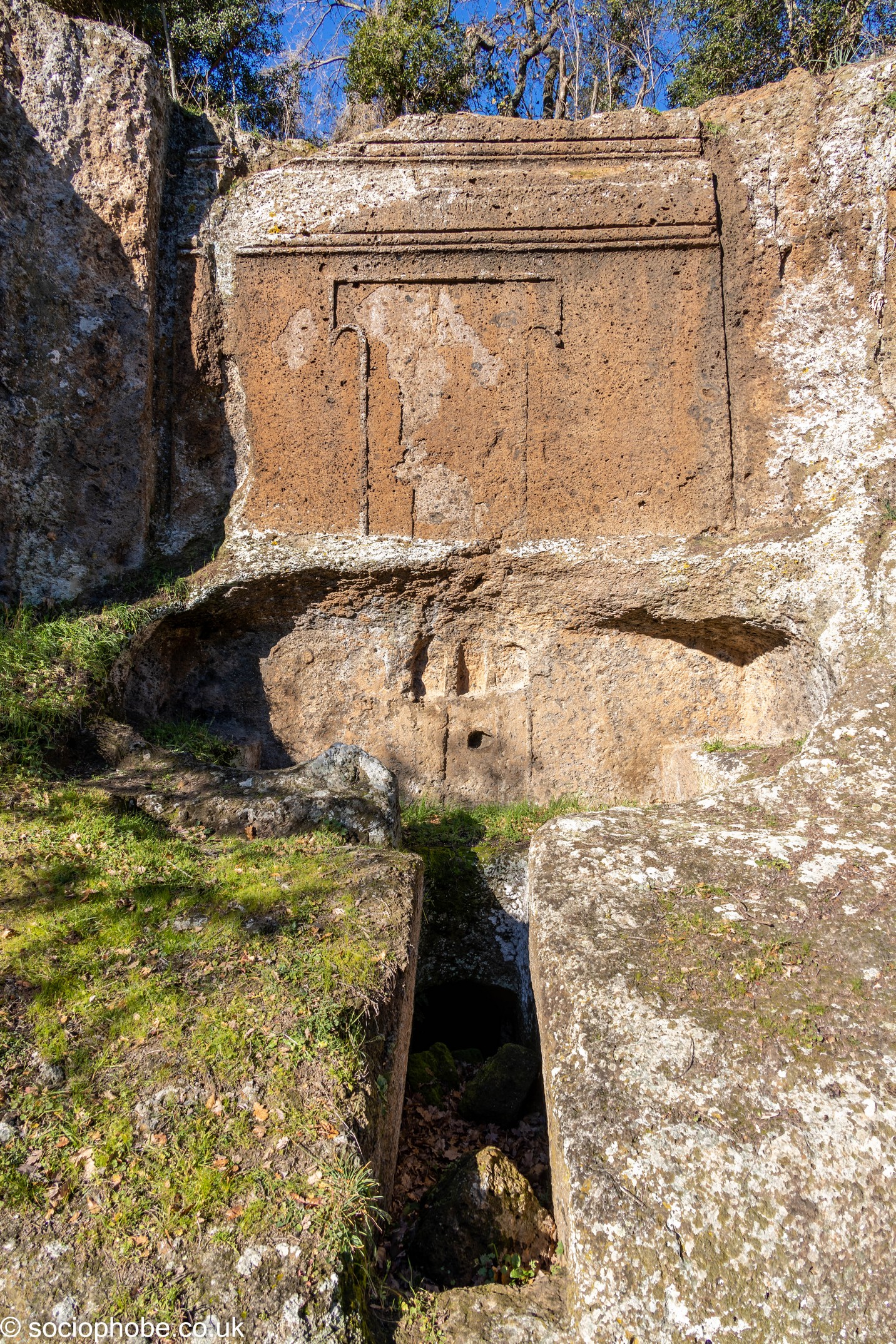
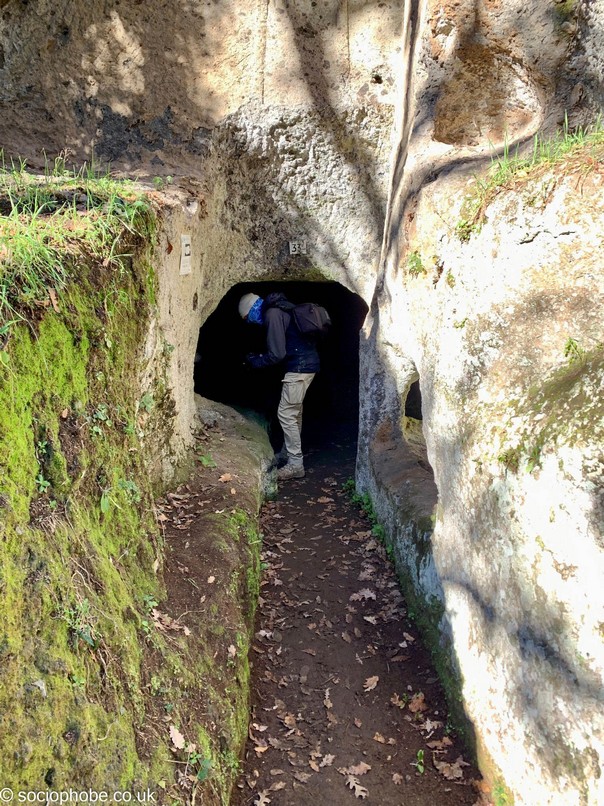
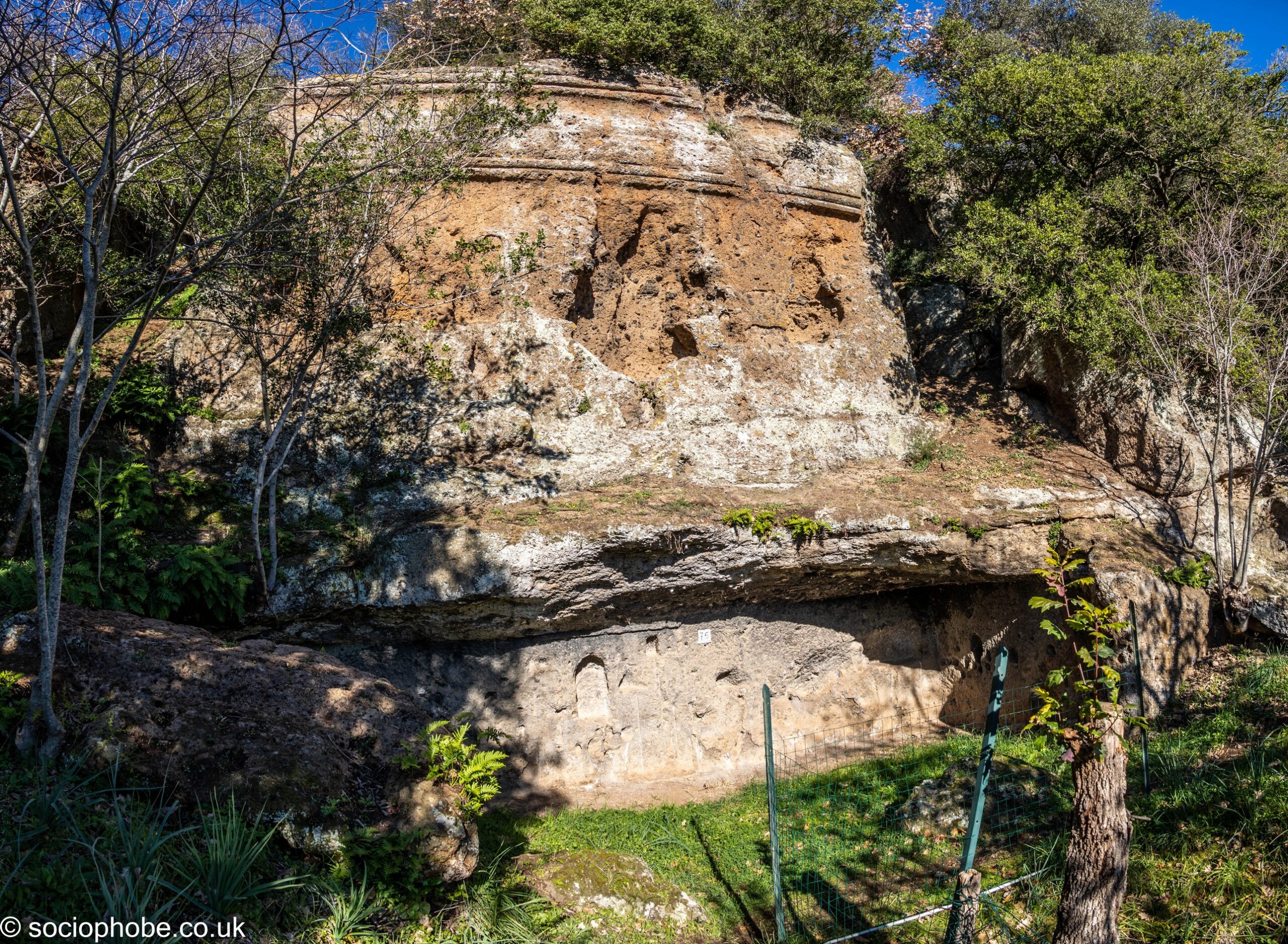
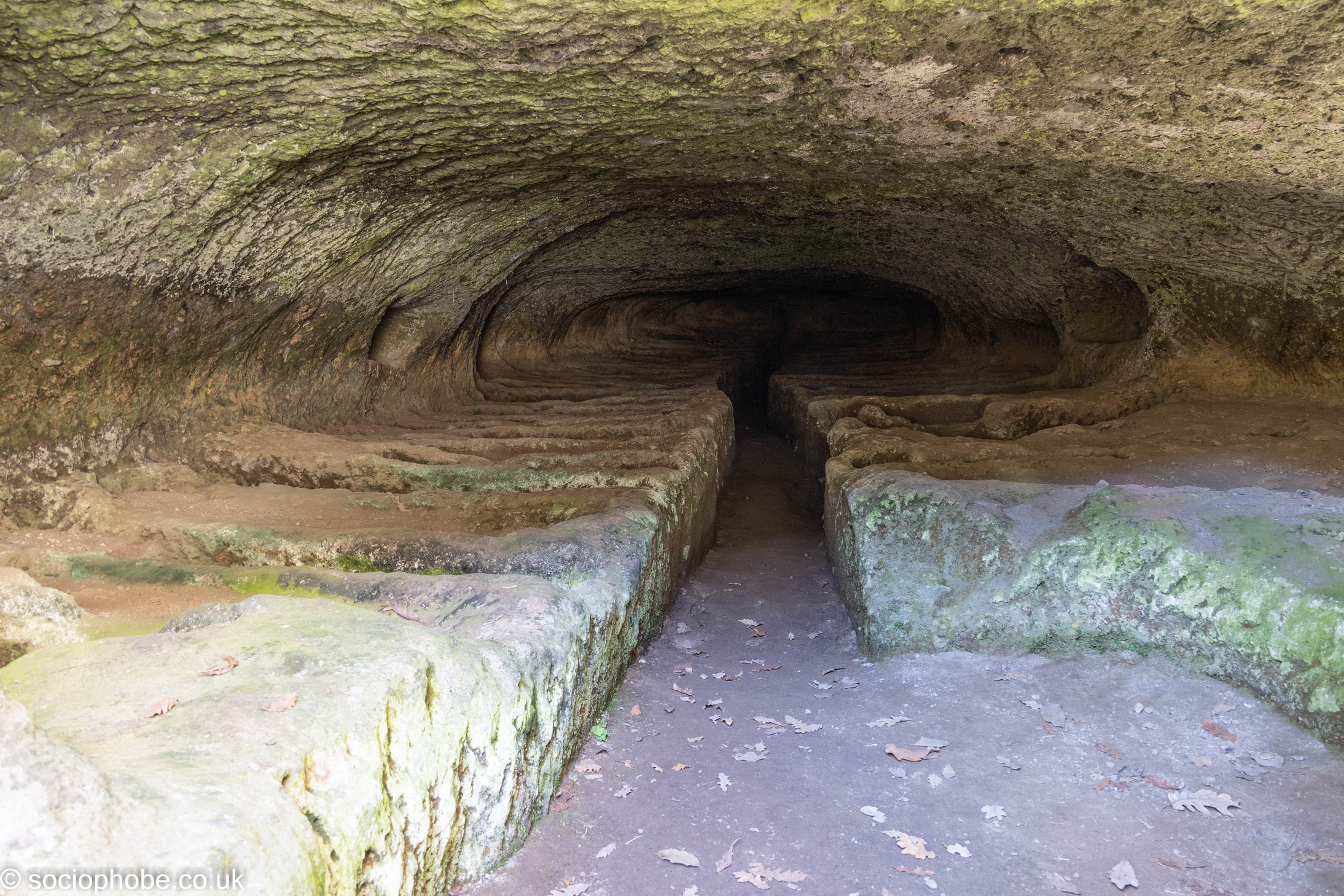
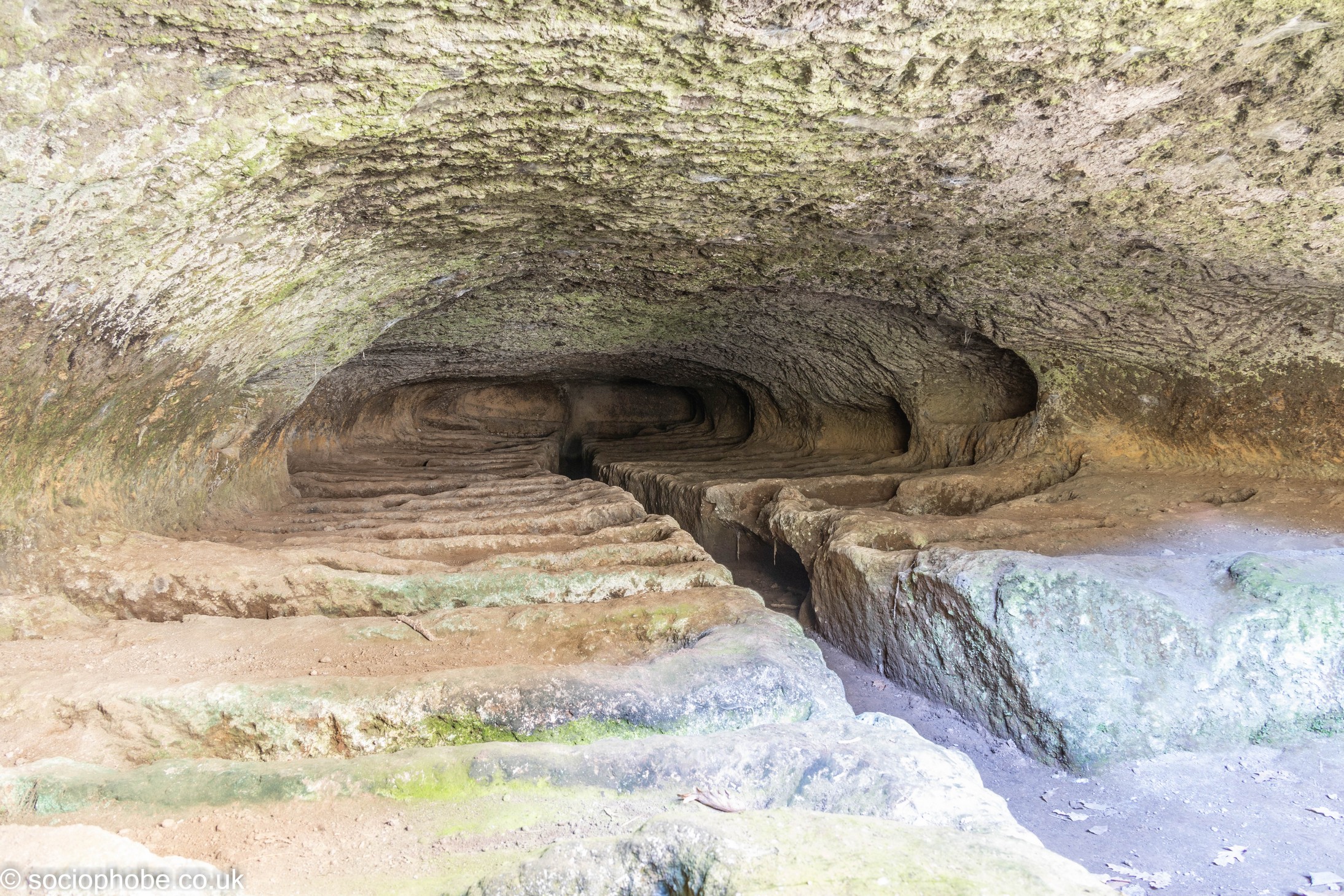
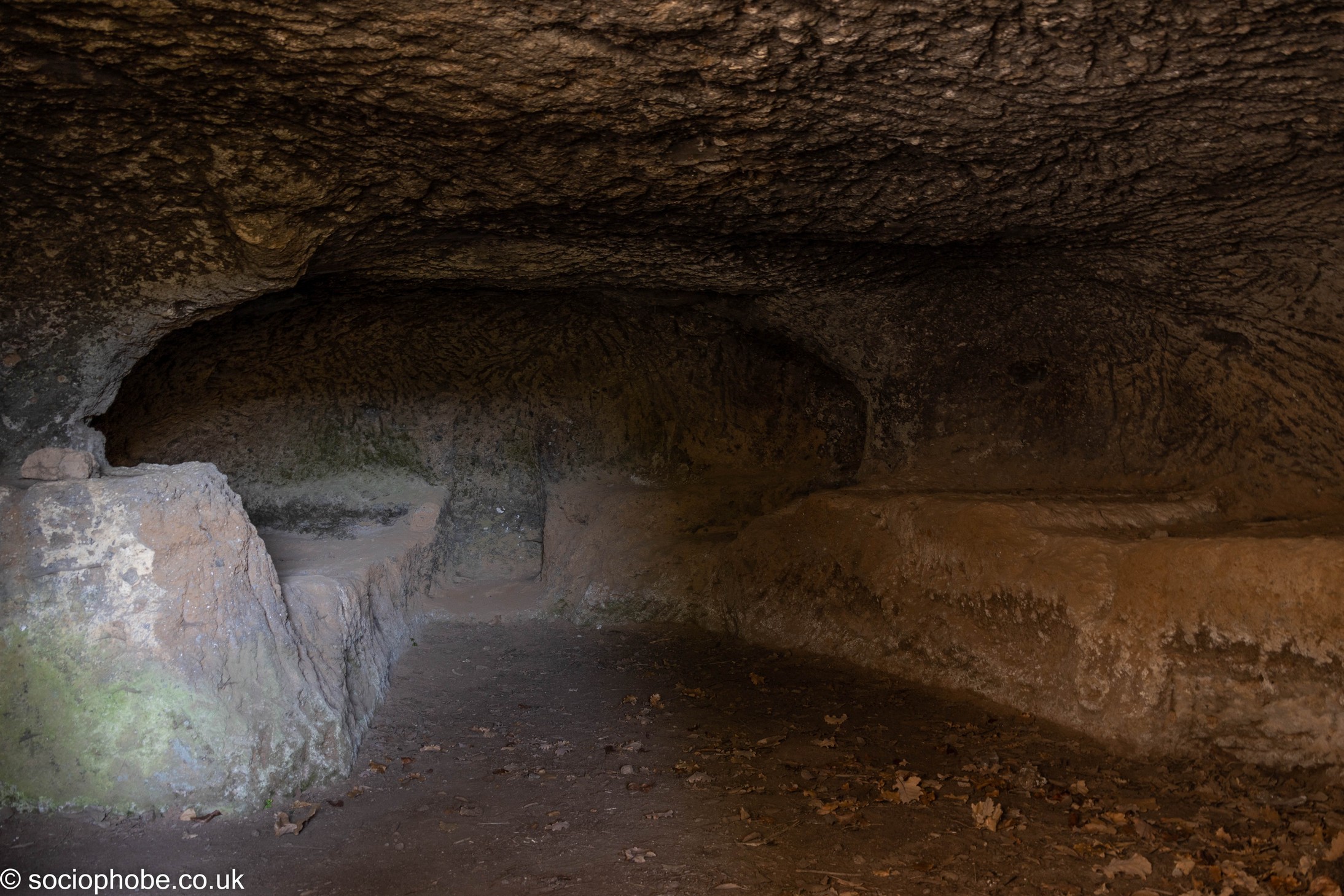
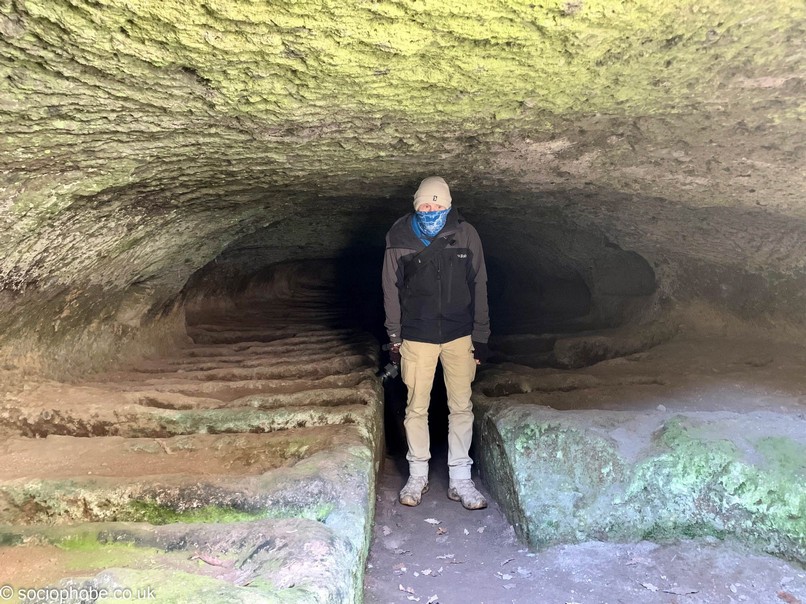
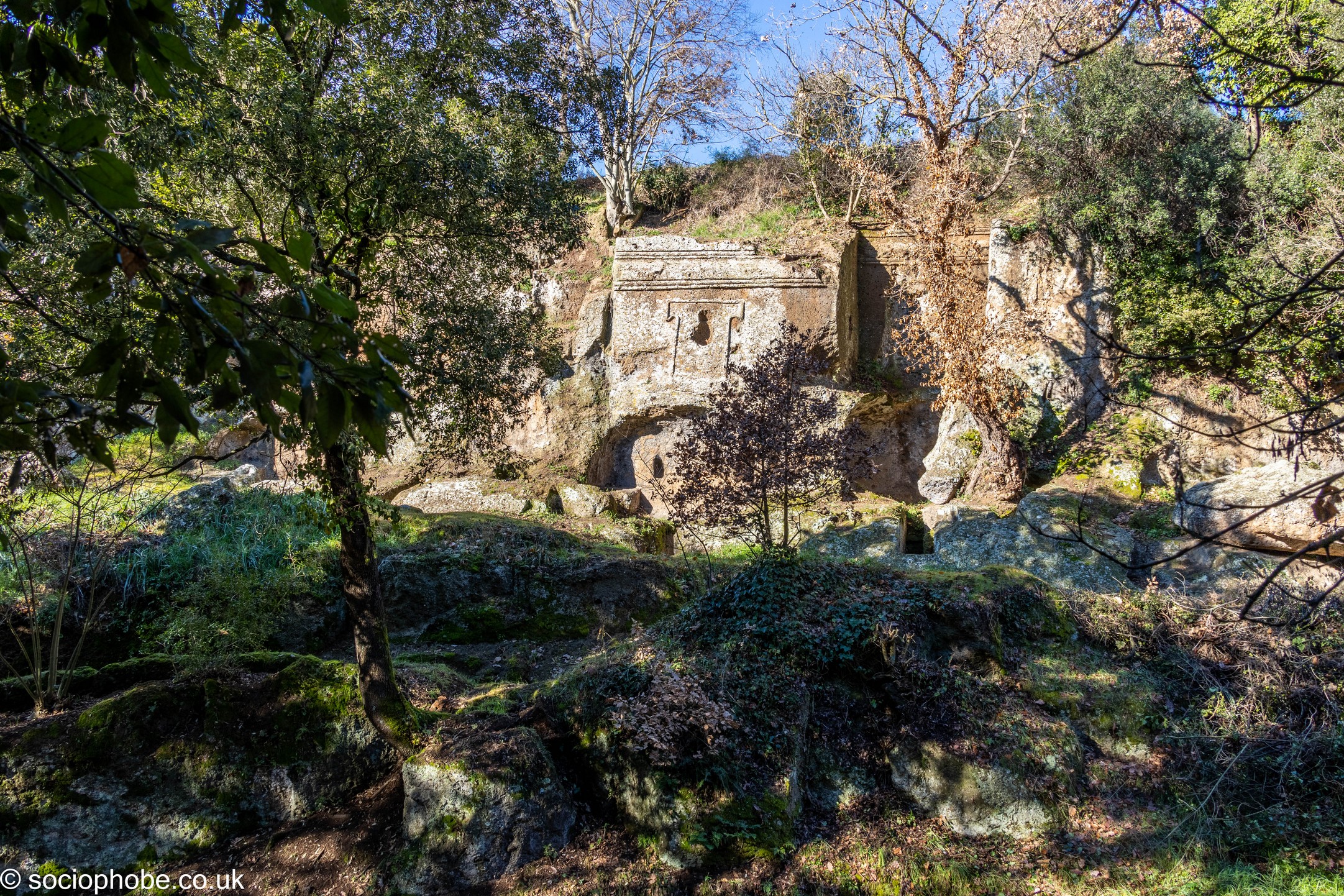
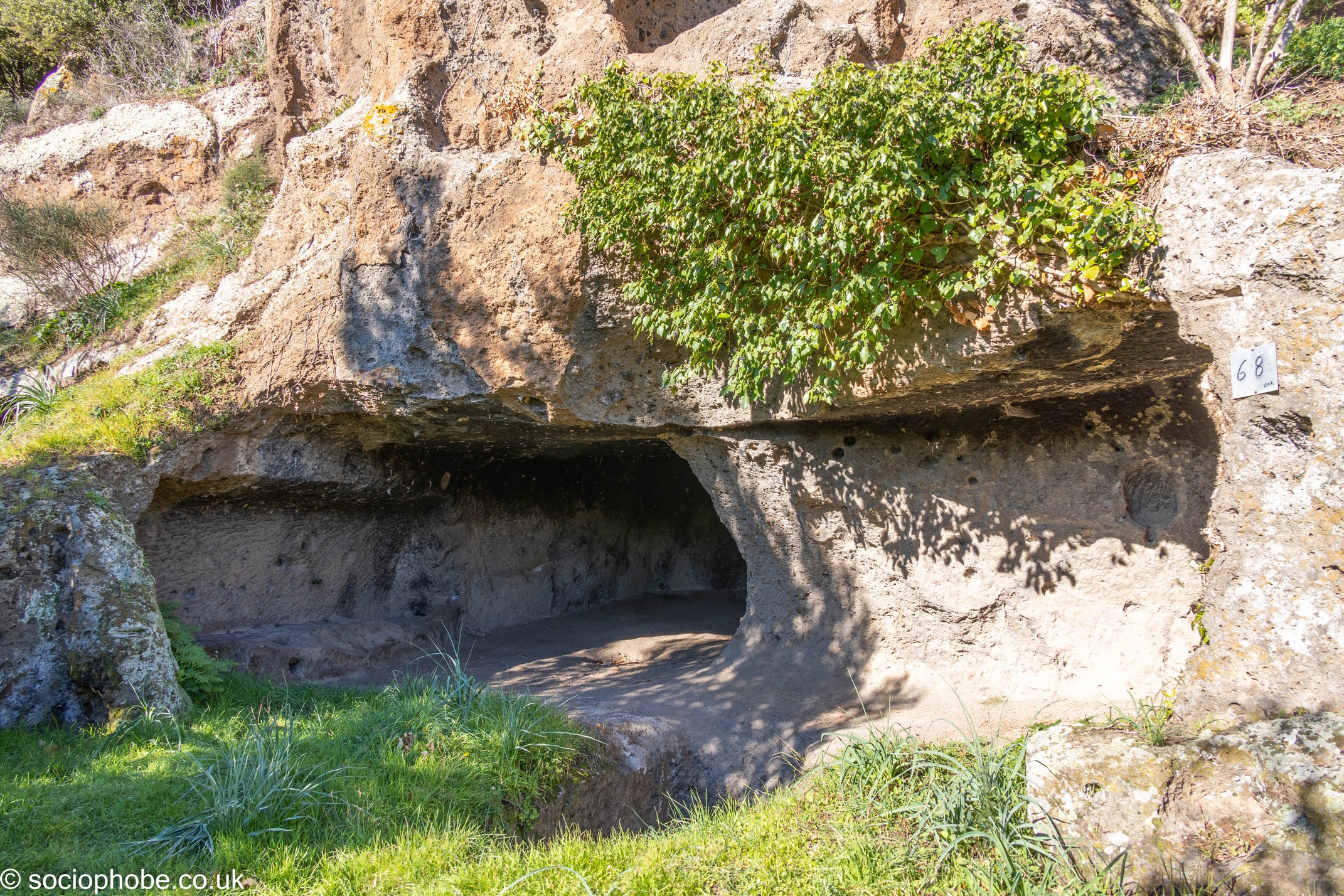
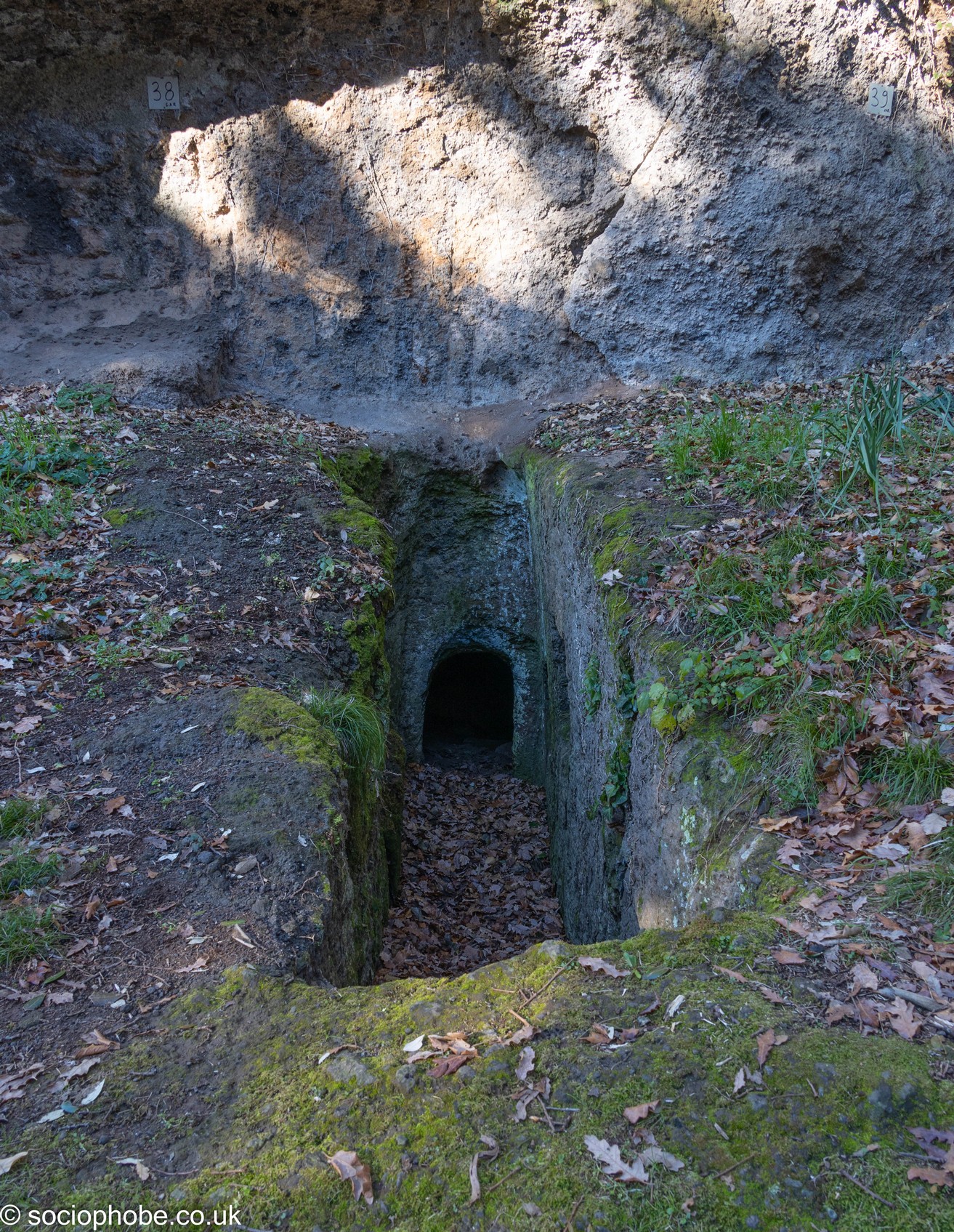
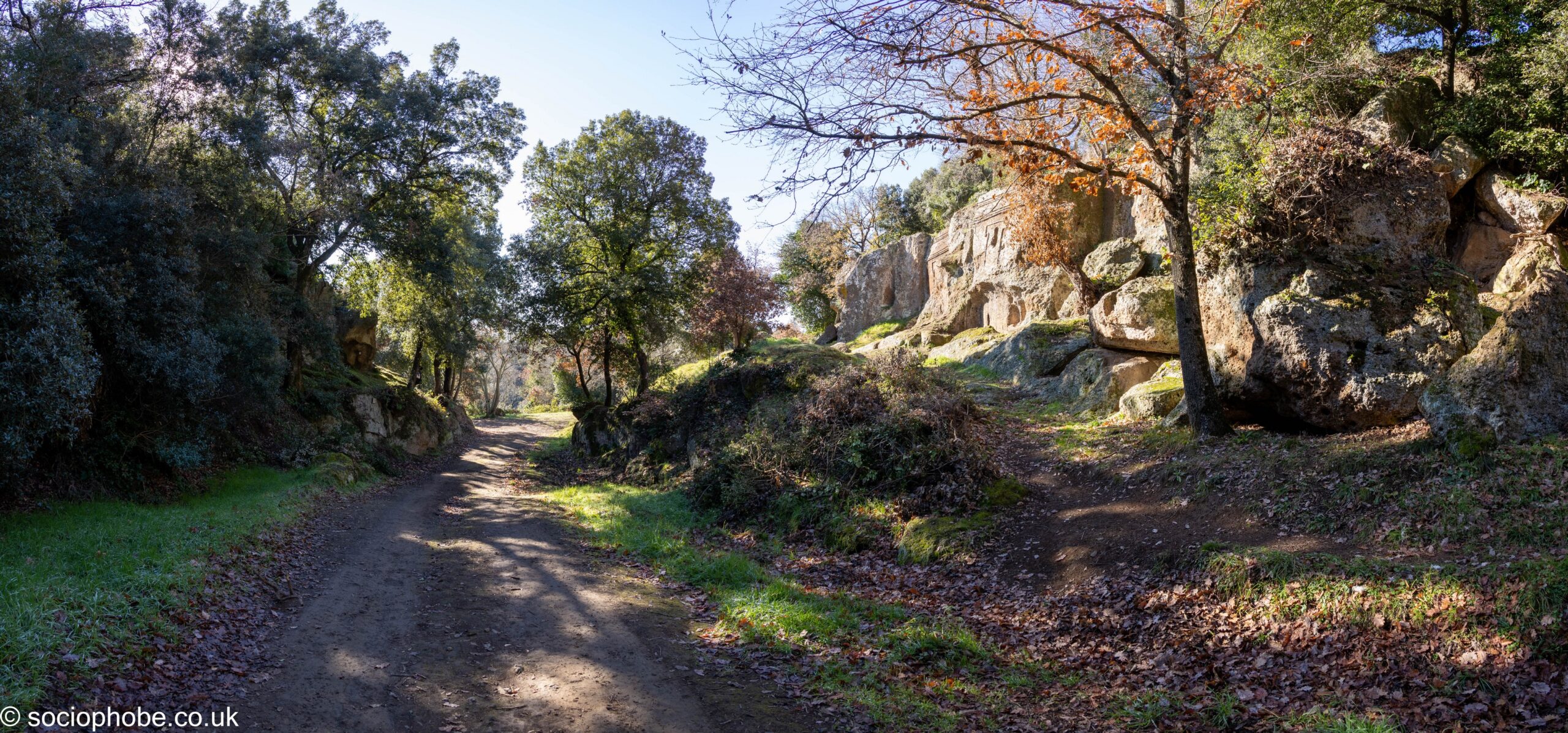
The setting was just lovely too but it was a shame that there was almost no information – we saw just one board on the tomb with the largest interior, all the others were just numbered and the site itself was totally devoid of information. We spent a couple of hours there, which was a lot longer than I’d expected but the weather and setting were gorgeous, even without the tombs.
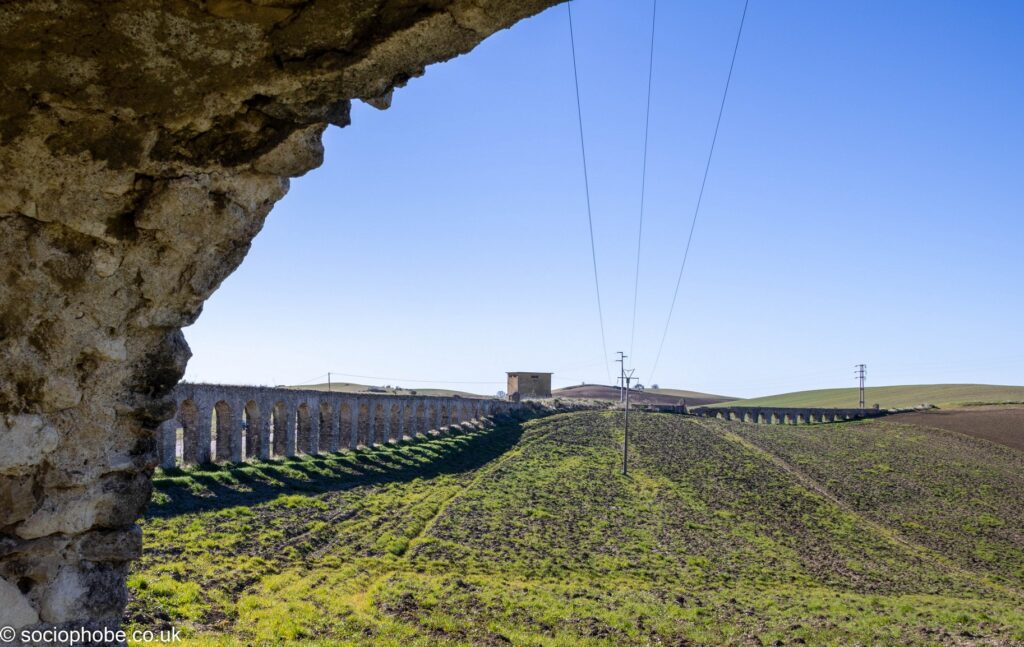
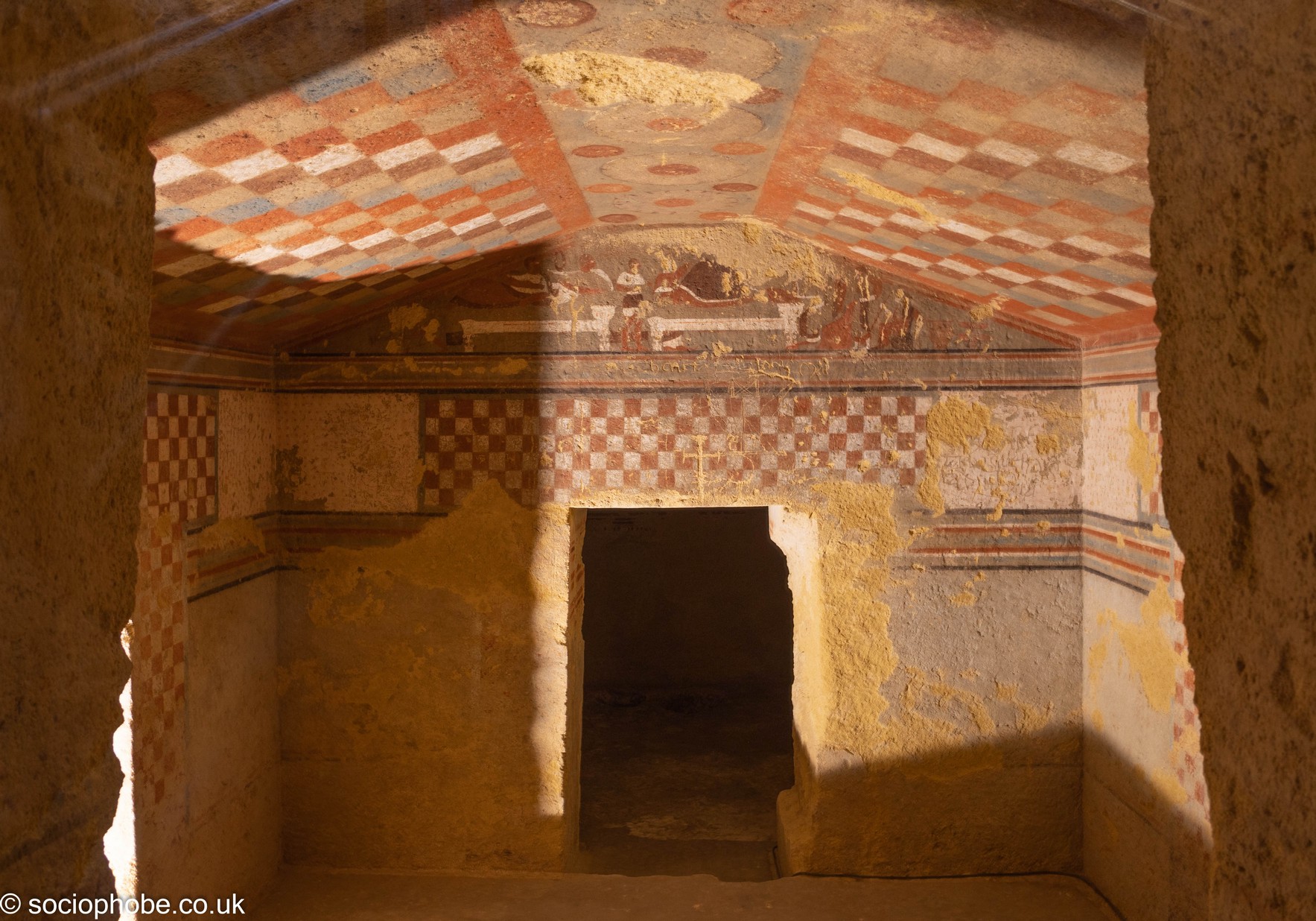
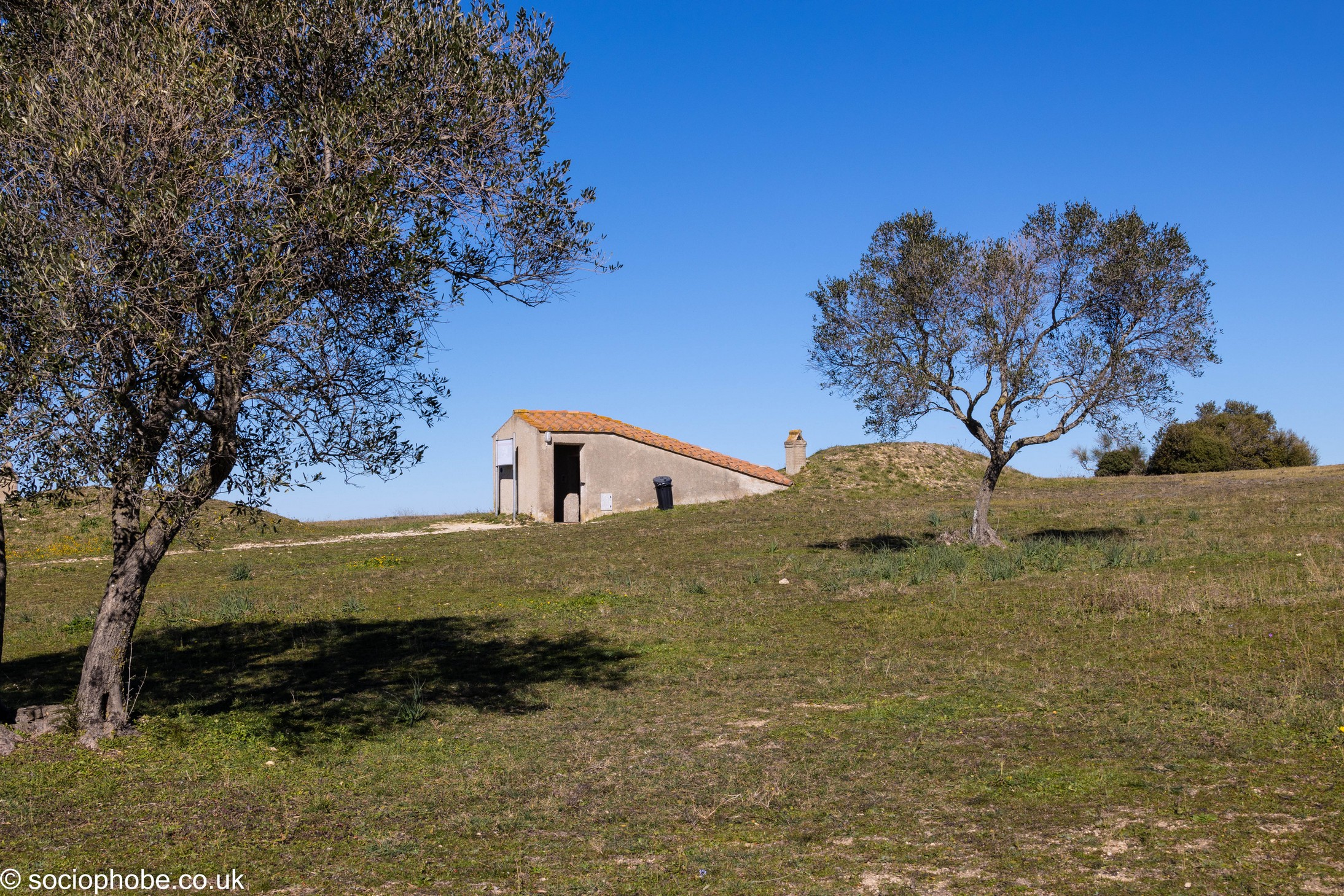
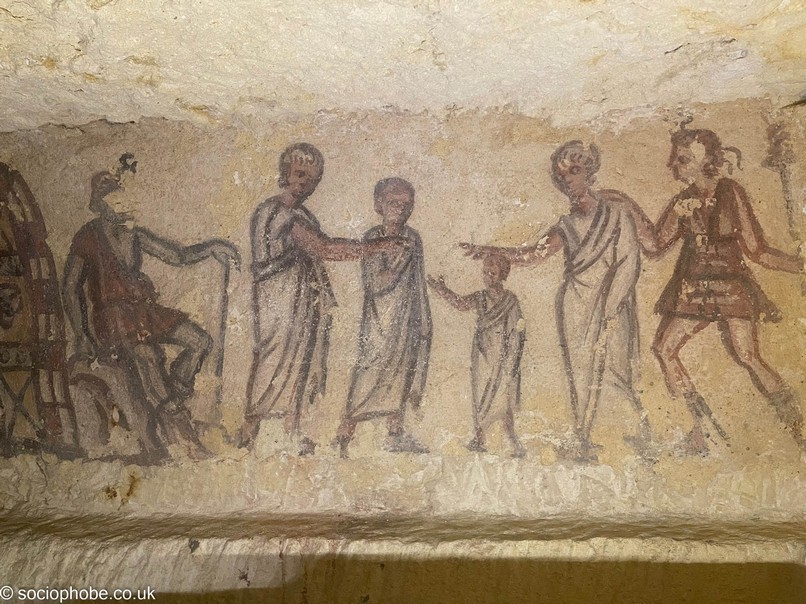
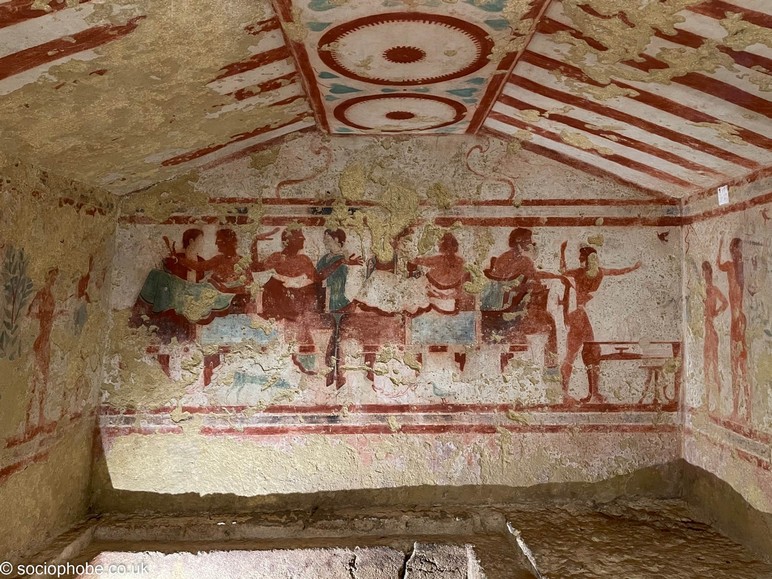
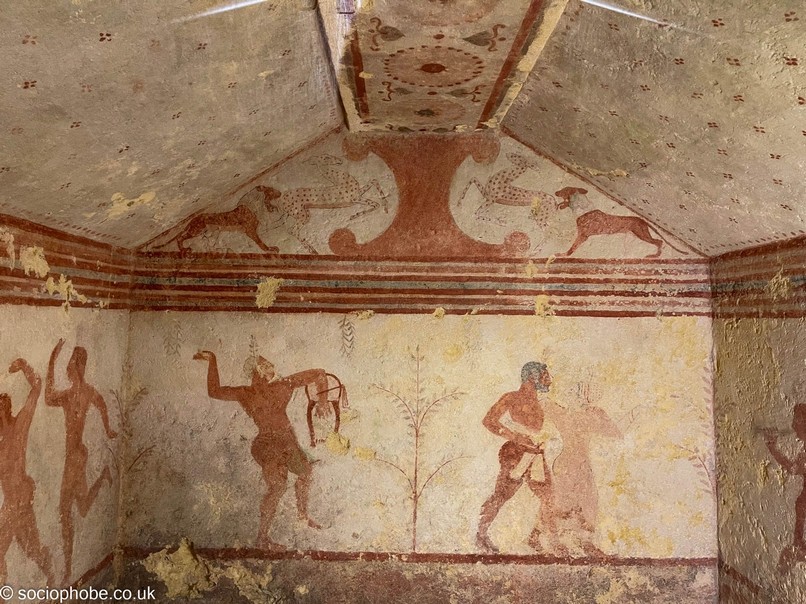
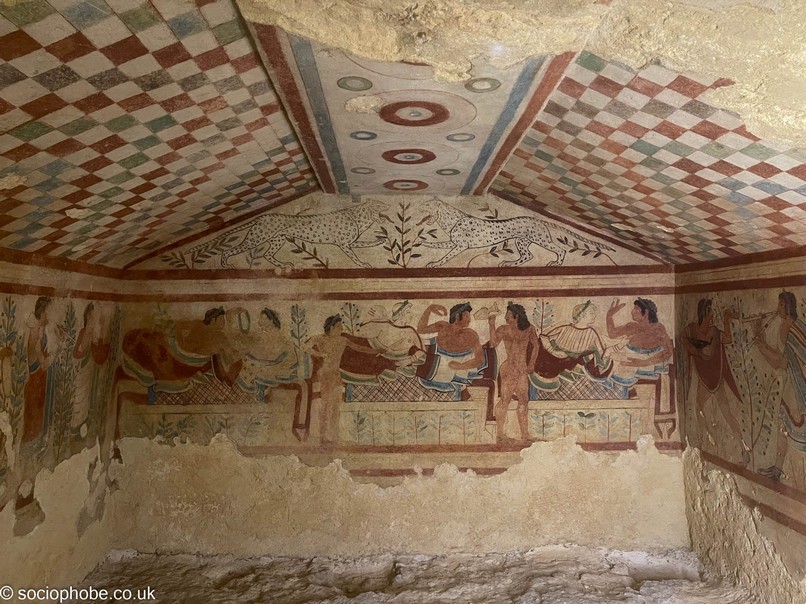
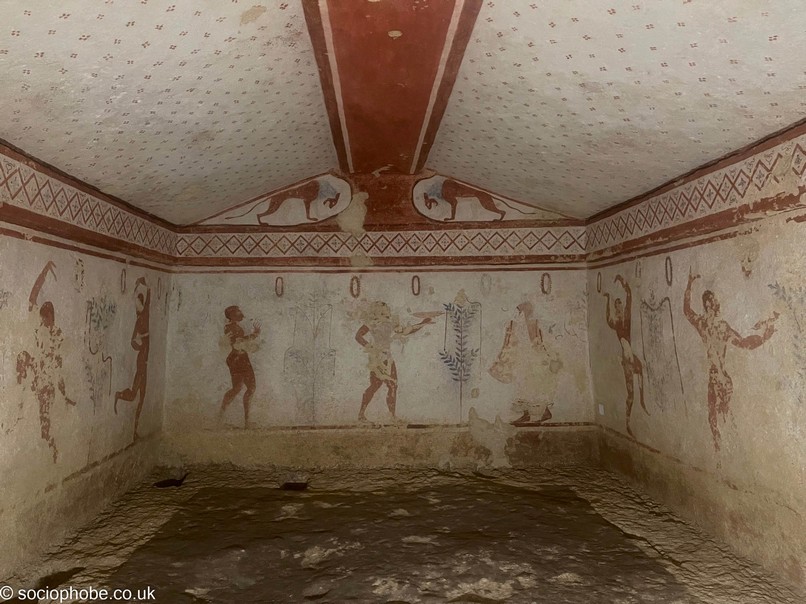
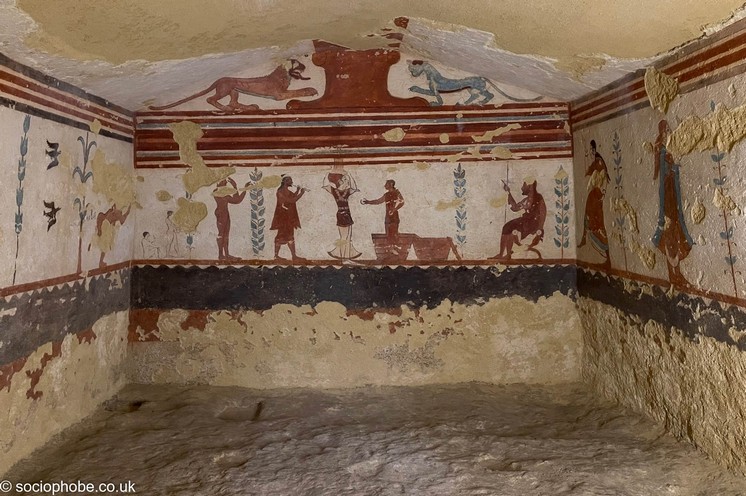
Once we got back to the car we drove towards the next batch of Etruscan tombs (I know, Deb is spoiled!), pausing briefly to look at an aquaduct (actually only 18th century). The main settlement of the Etruscans was near Tarquinia, before the Romans destroyed it and the area has yielded some incredibly rich tombs. This necropolis is a World Heritage Site but again, is poorly sign posted, there is no car park and it isn’t even really clear where the entrance is. We eventually got in and paid our cash (no cards) to explore the tombs.
I think there were about 40 tombs that you could visit and these had proper stairs and the tomb itself was behind a glass door. You could illuminate it once you got there and the idea was to protect the frescoes from light and humidity. Some of the doors had condensation on the glass so you couldn’t really see much and some of the paintings were so decayed they were severely open to interpretation. However there were a solid core that still had vibrant colours and designs that gave a glimpse into the people and society of pre-Roman Italy. The engineering involved in building the tombs also showed where the Romans got that particular skill from.
From the necropolis we drove the short distance into town, past another largely intact town wall and then parked outside the main town gate. The old town was, like Viterbo, full of beautiful buildings but incredibly quiet and deserted. The buildings seemed in a better state of repair though but we couldn’t find any cafes at all in the old town. There was some sort of filming going on at the church and castle gate so we couldn’t get up on to the wall walk or get photos without vans and equipment in them. We wandered around for a while without any real plan, basking in the 20 degree sunshine in Feb and then walked back to the new part of time to find somewhere actually open for food.
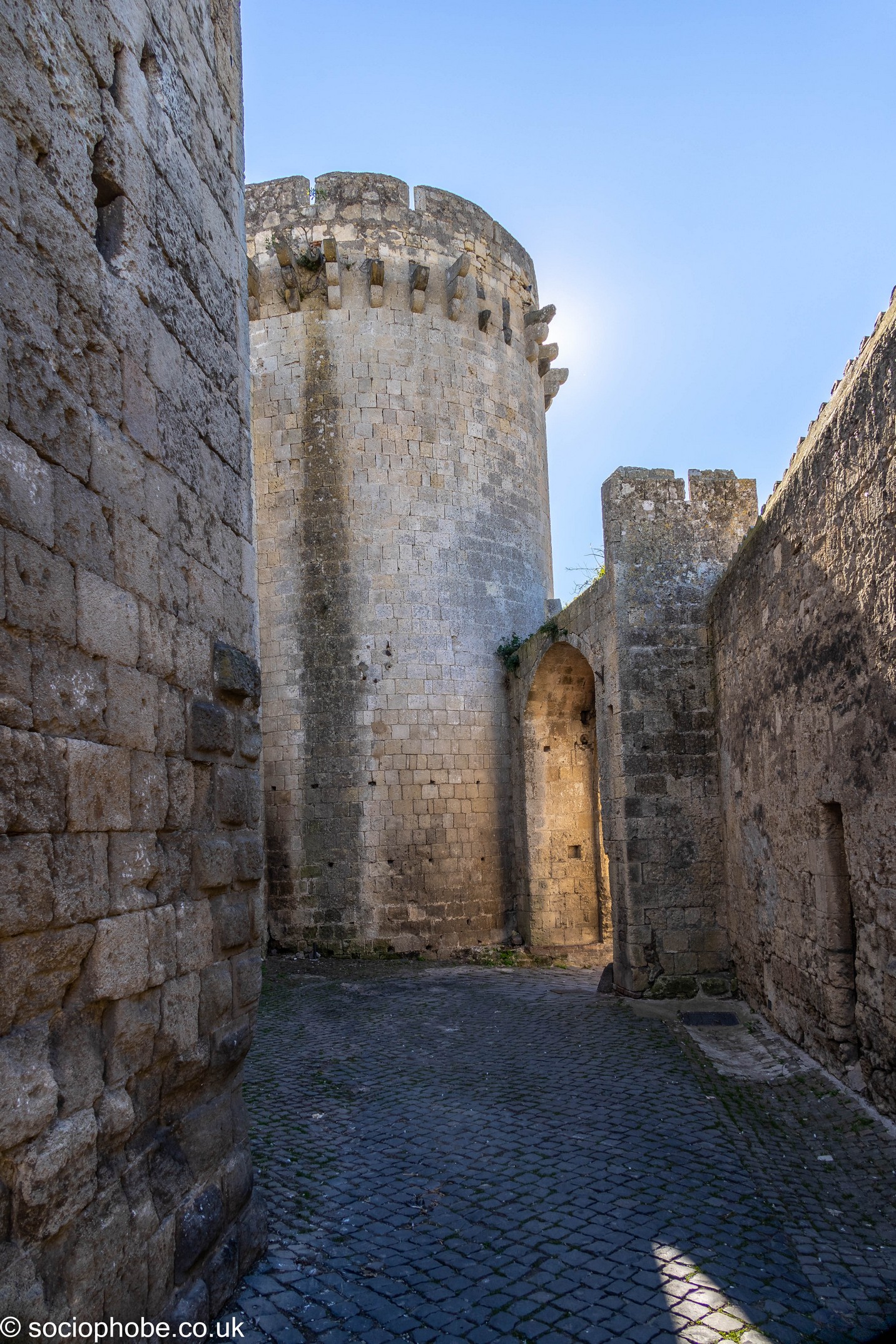
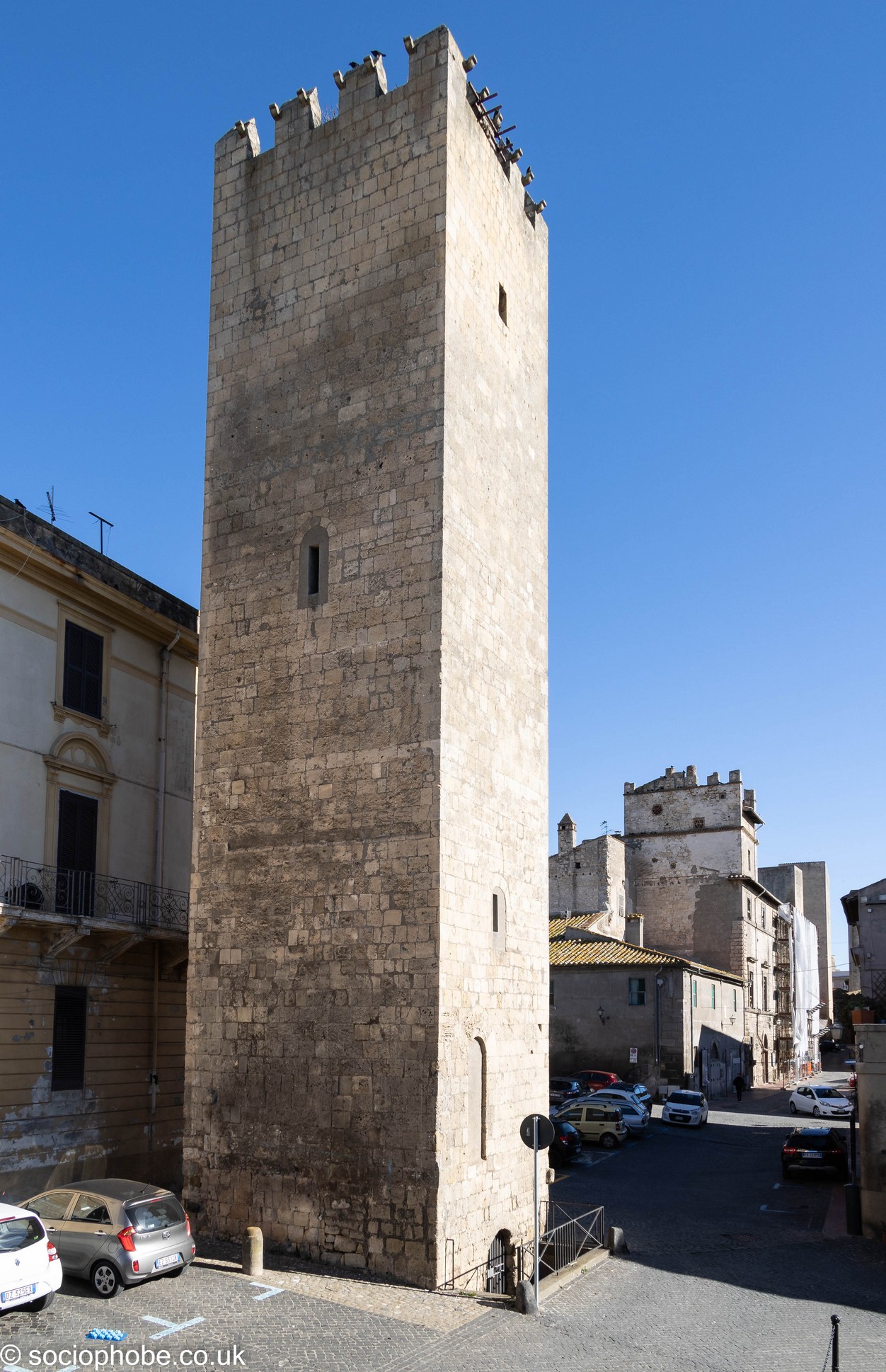
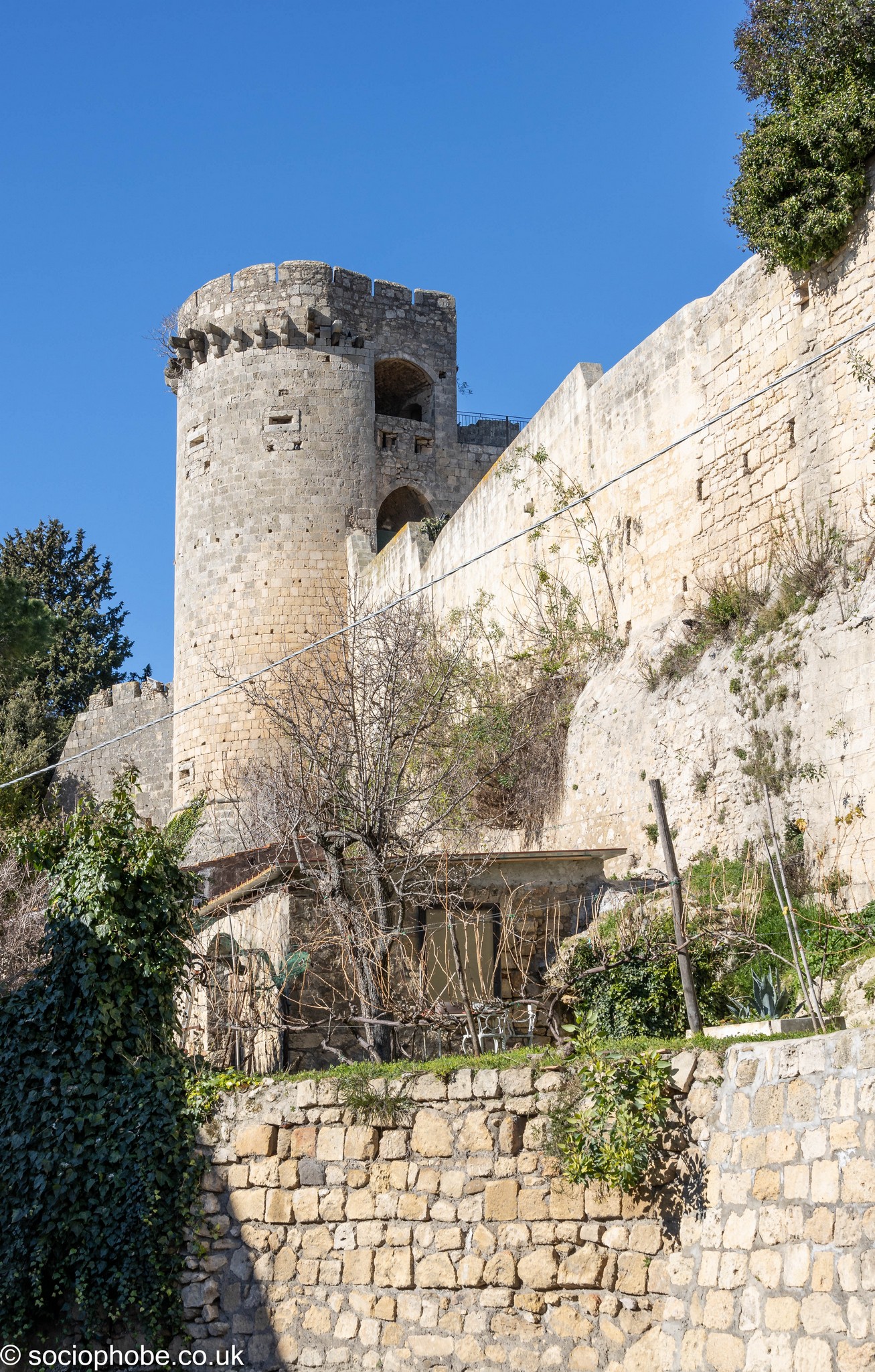
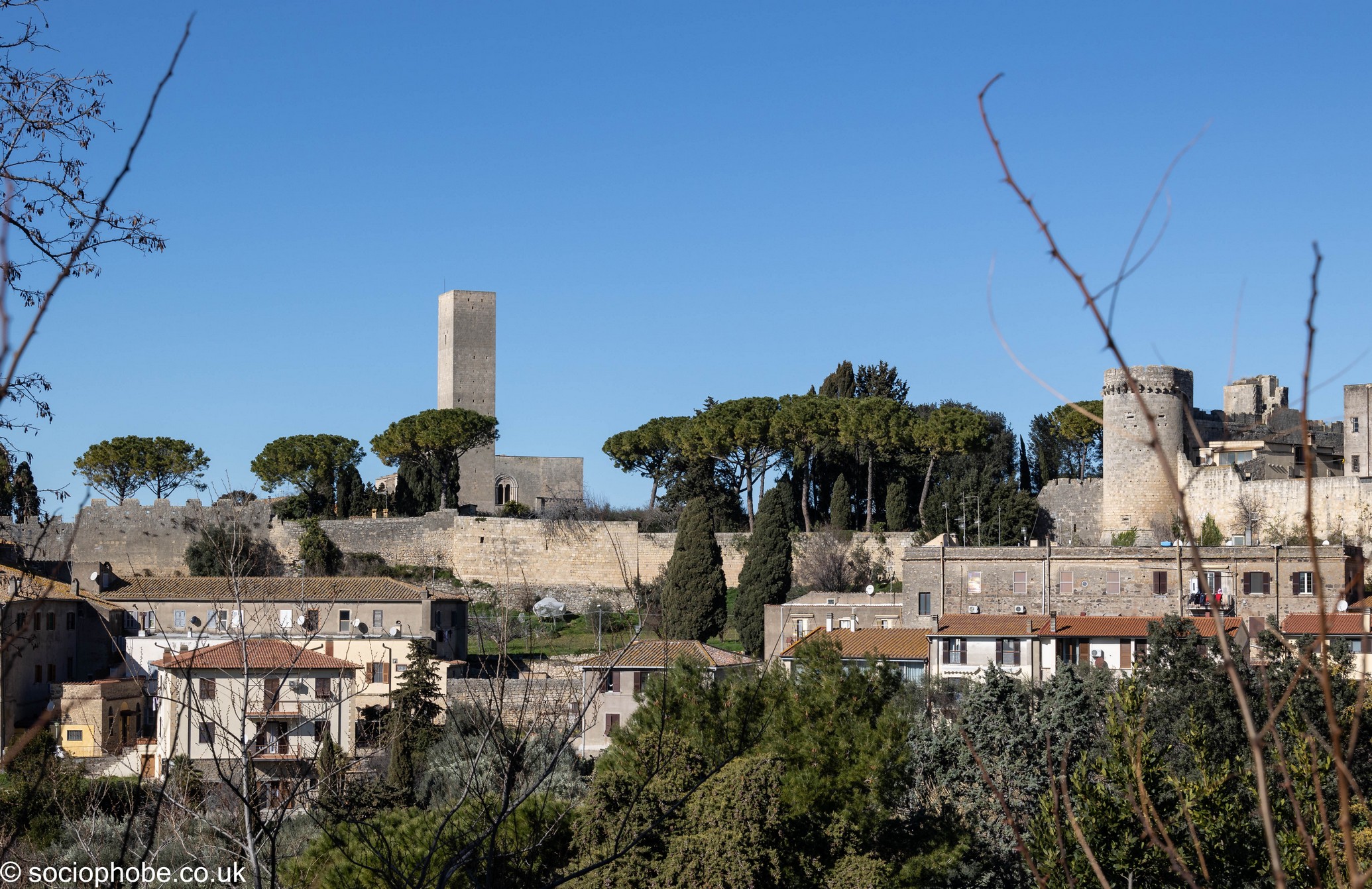
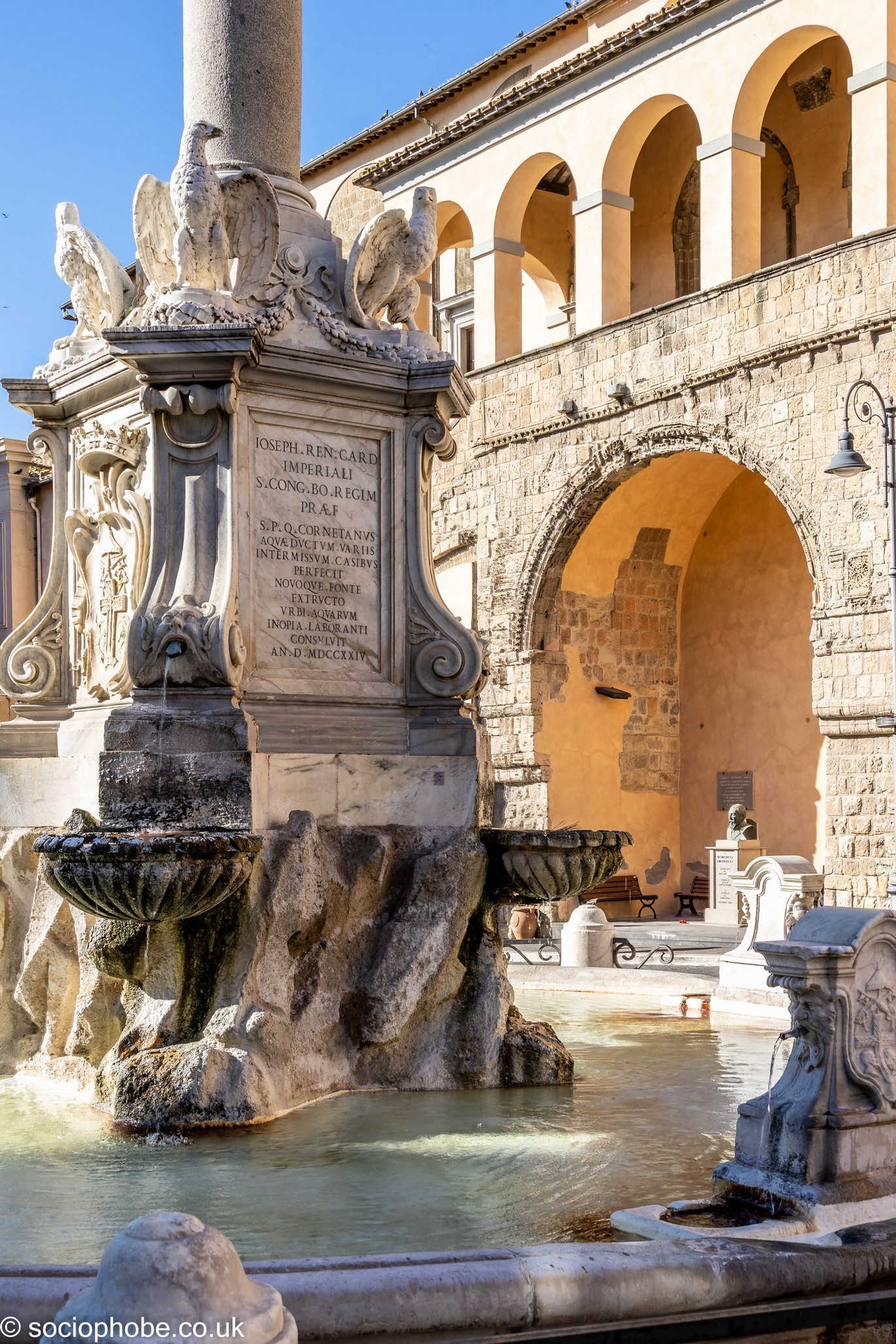

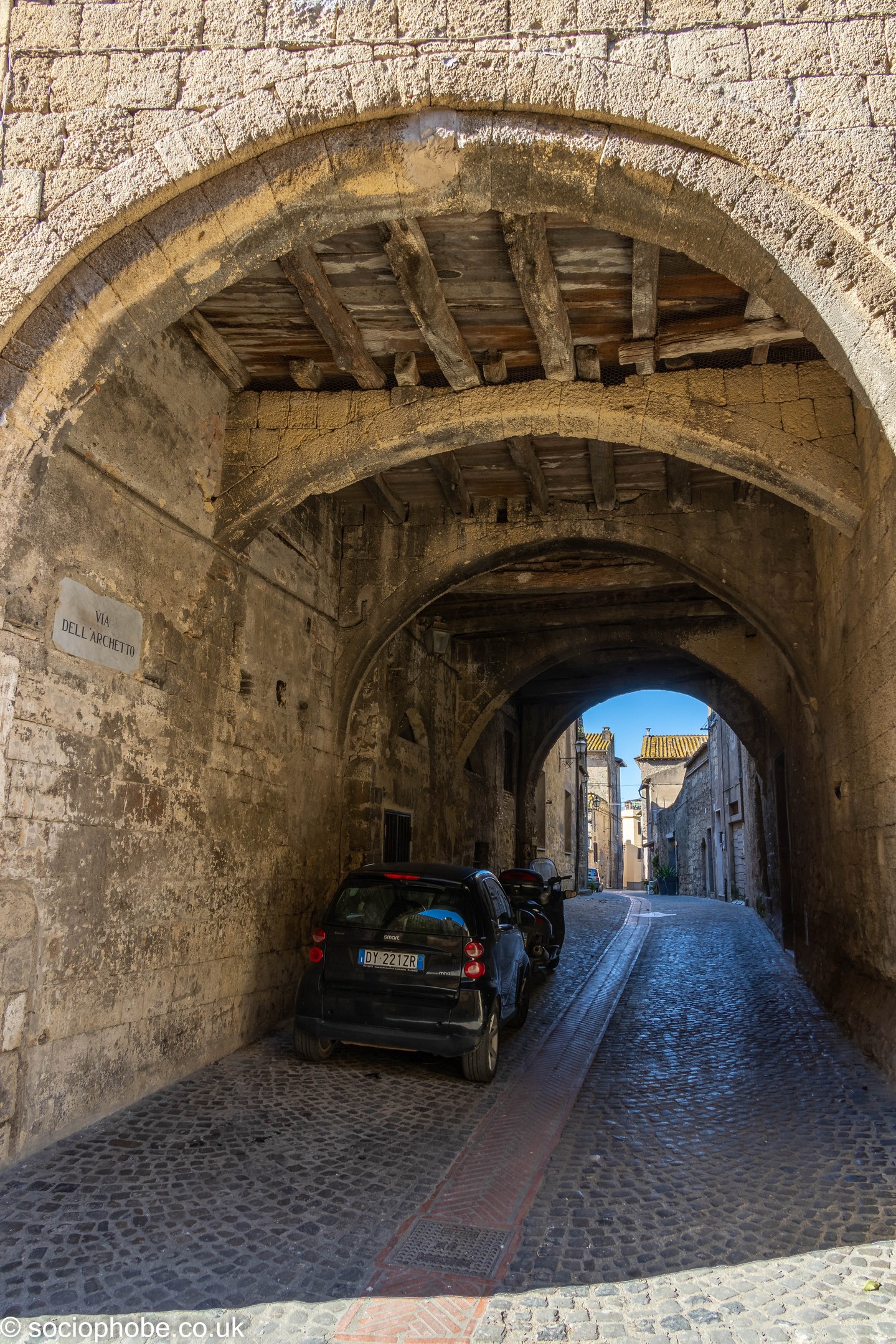
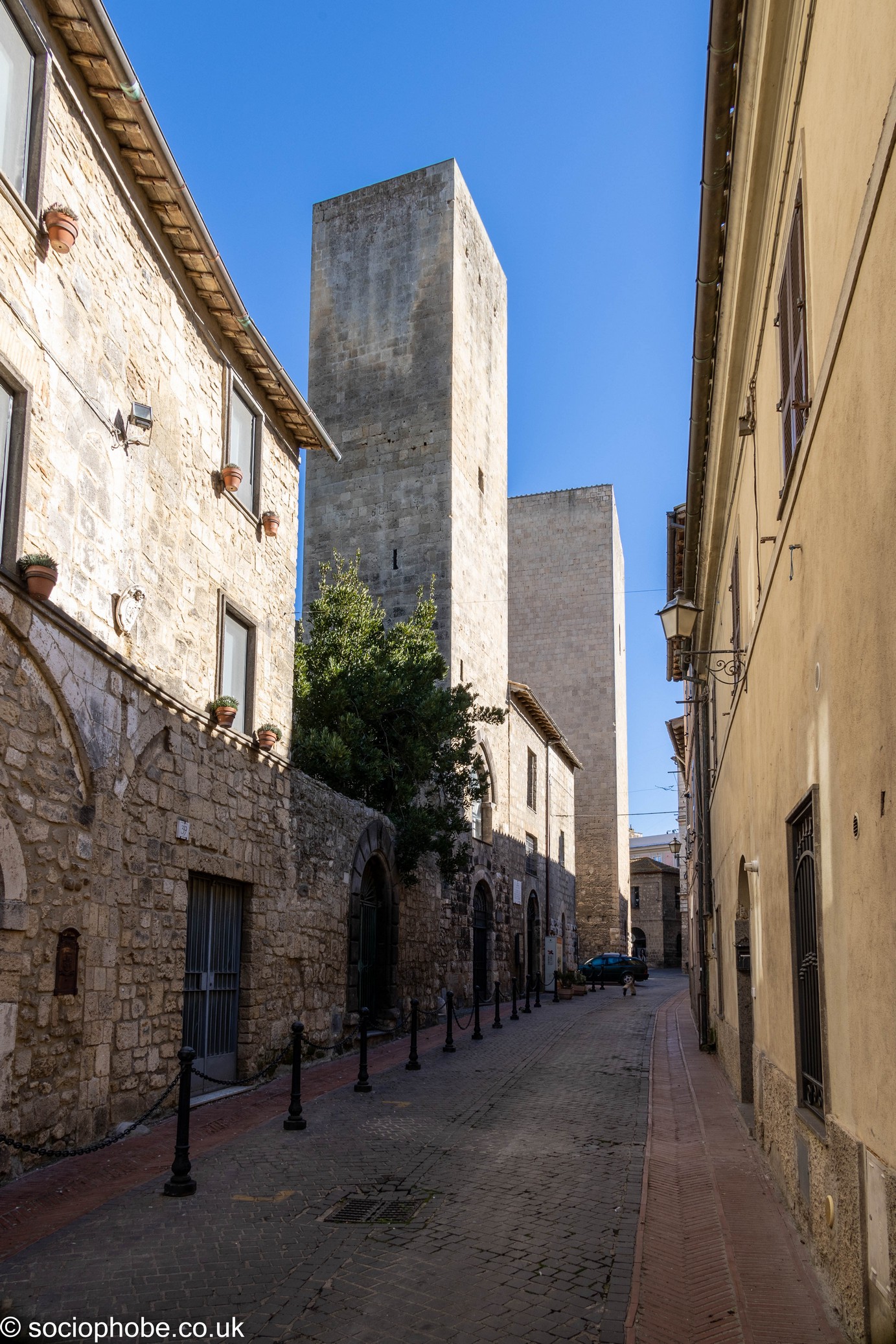
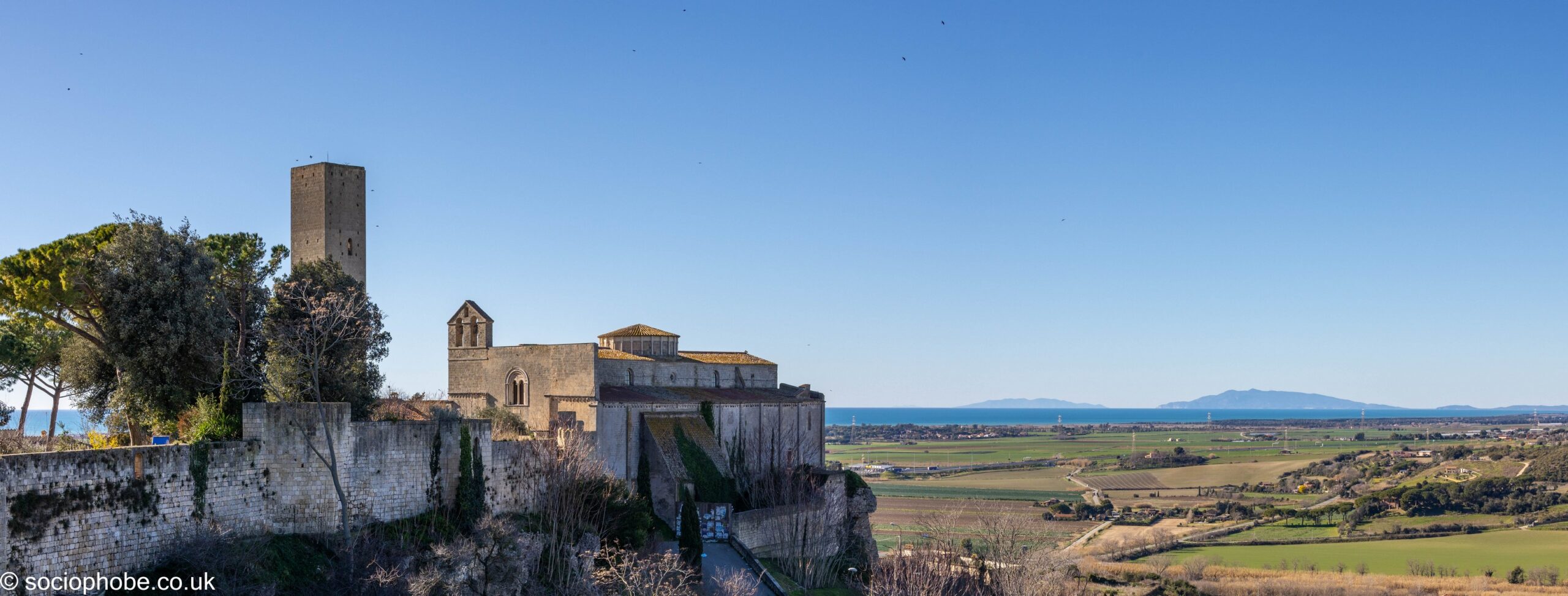
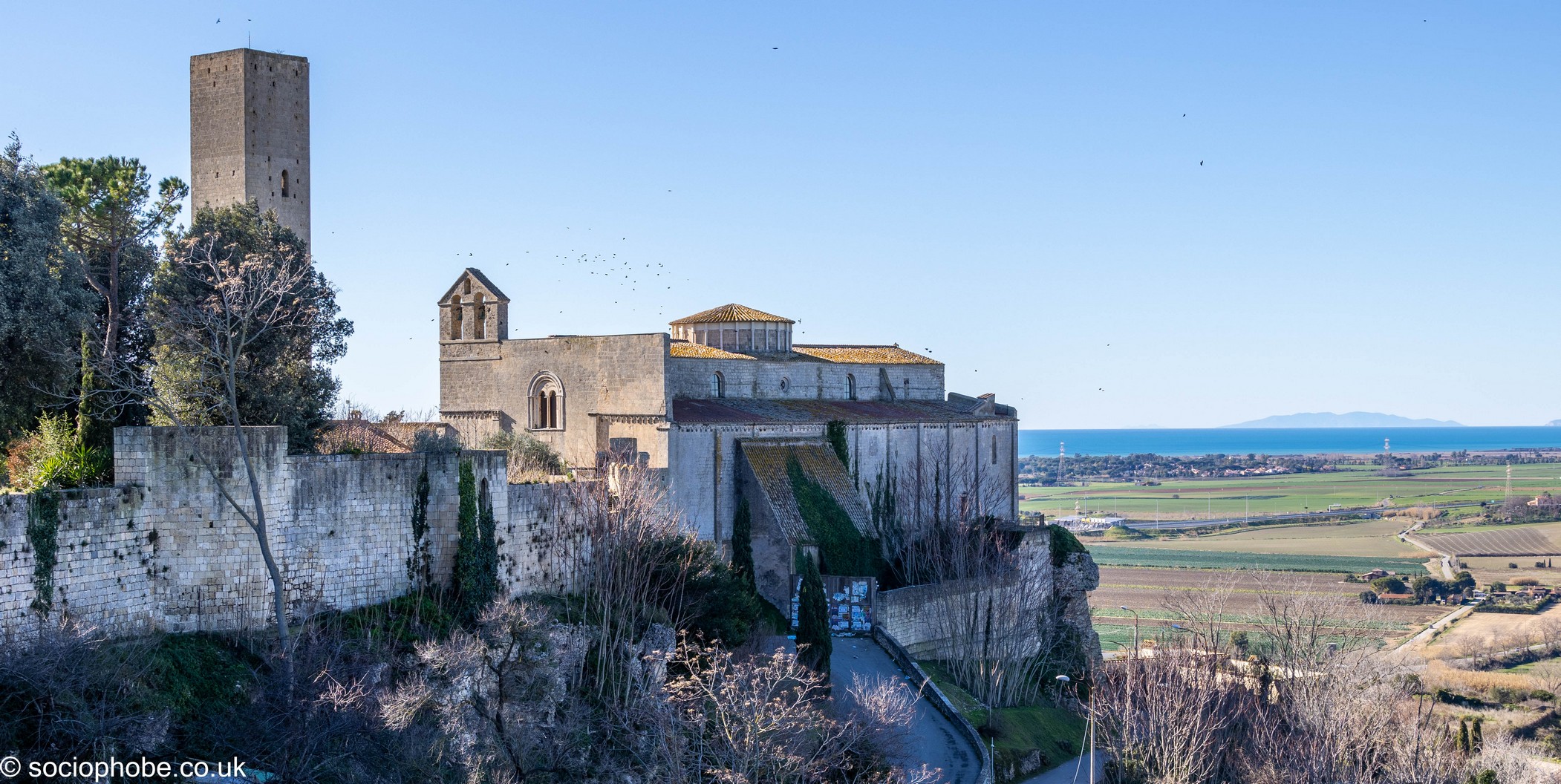
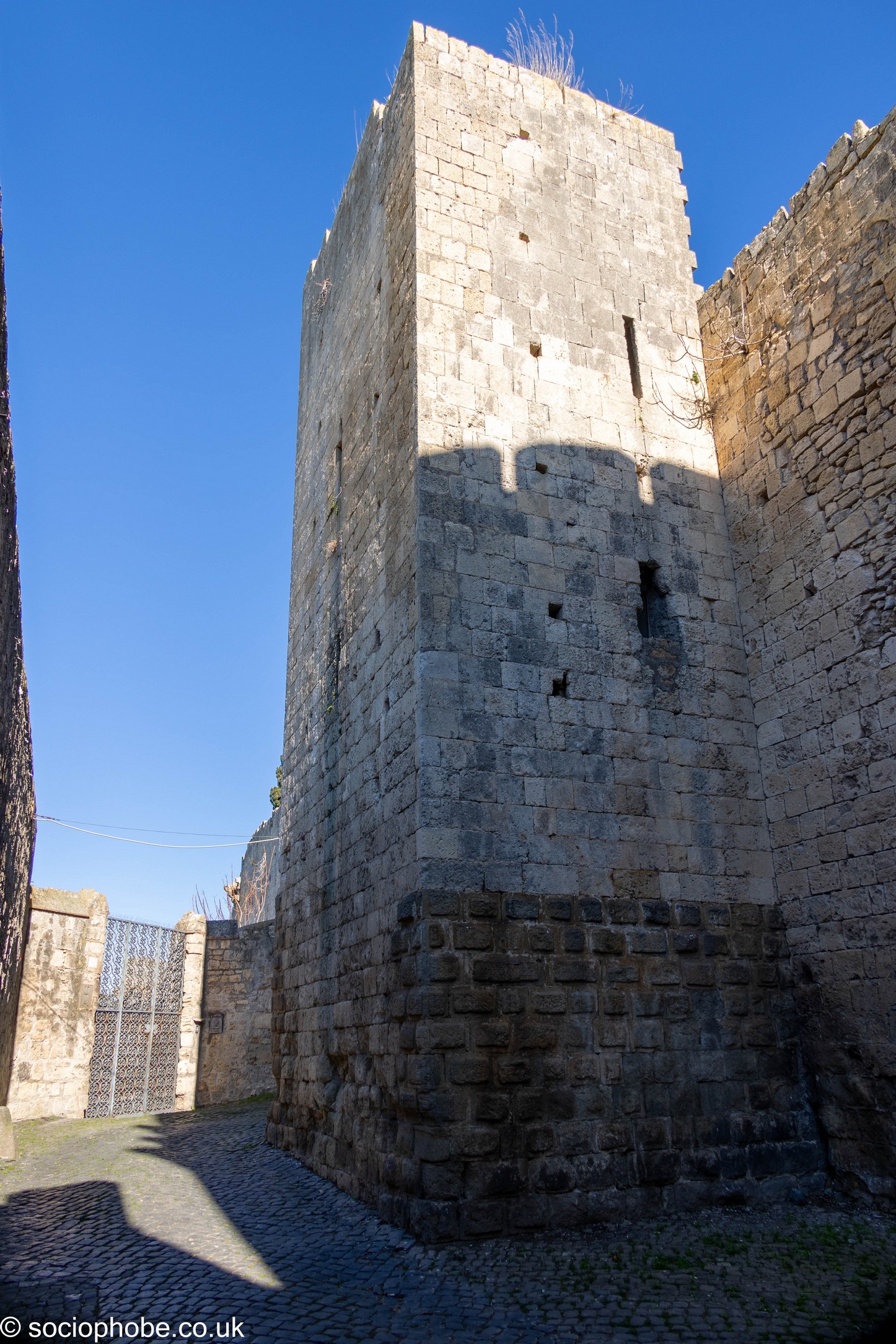
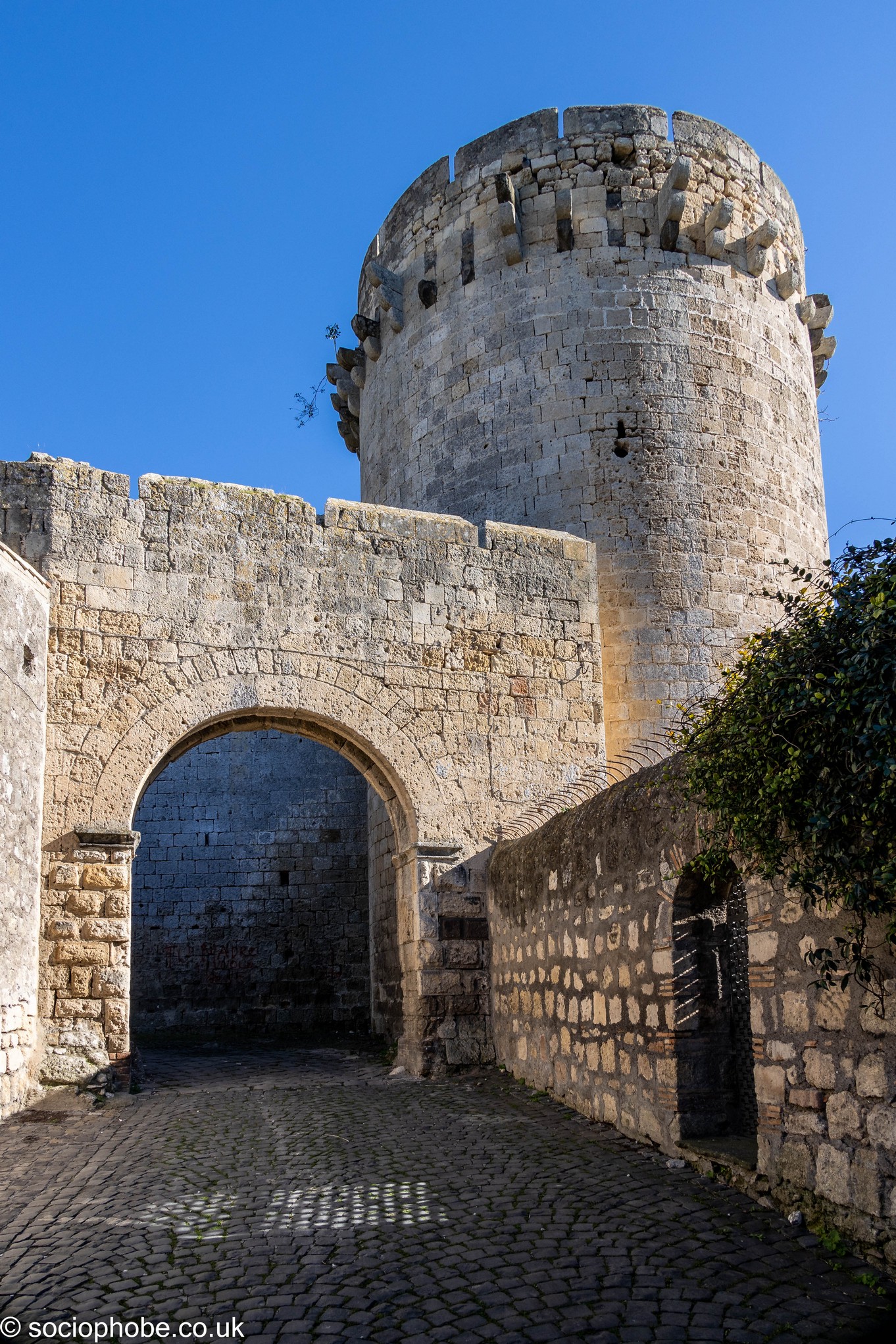
By a process of elimination (we didn’t see anywhere else open) Deb found a little restaurant and we had a lovely authentic lunch and listened to Pink Floyd, which was a bit surreal! We walked back to the car with a few minutes left on our ticket which was lucky as the attendant was on the prowl. We had the smug self righteousness of someone who actually had a ticket so we took our time setting up the sat nav, packing our coats into the boot etc before leaving.
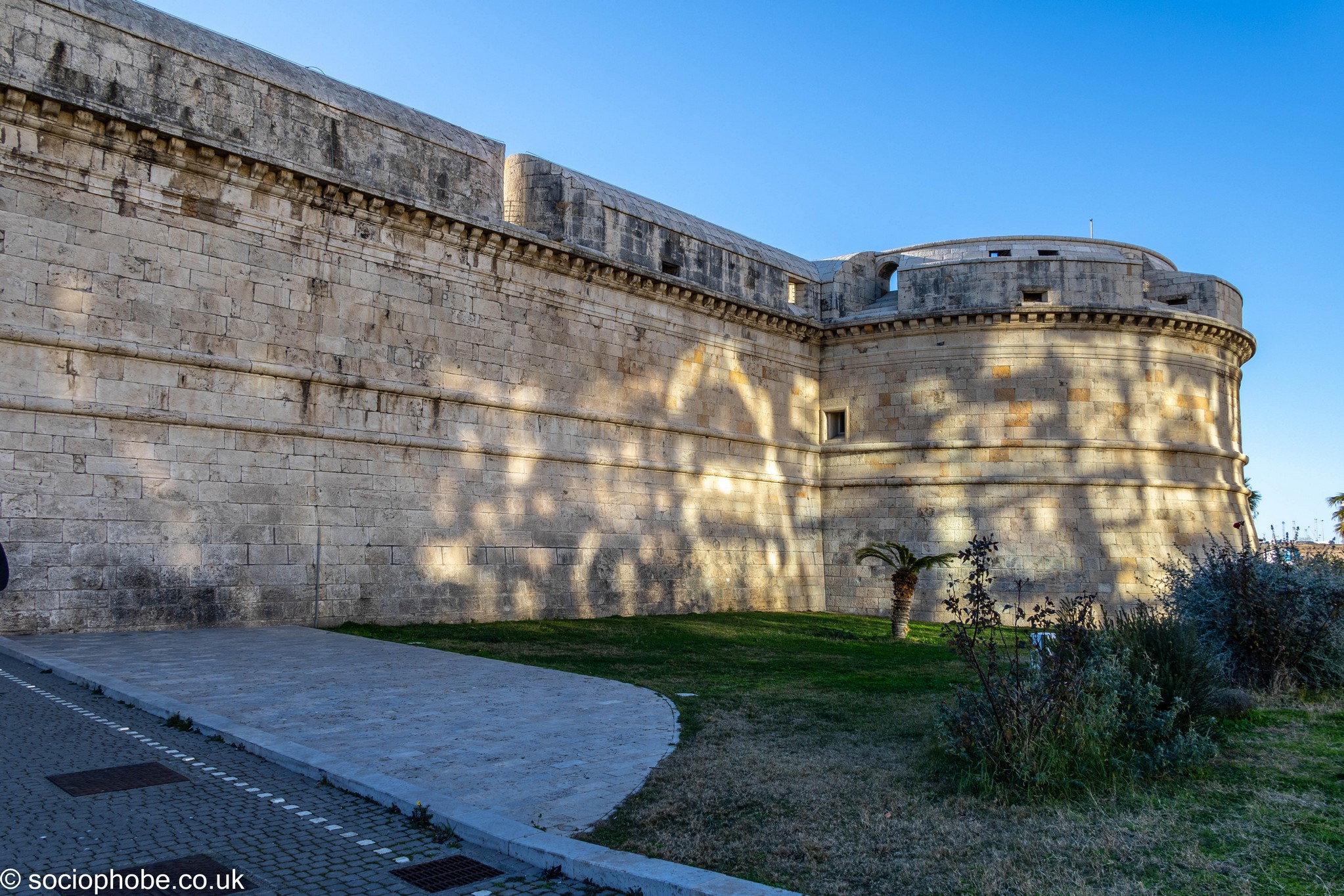
Our final stop for the day was Civitavecchia, the port of Rome. This was a bit more industrialised than the little seaside town we were expecting! The parking area I’d chosen was a little way from the sea but we navigated across various roads before eventually passing through a town gate in the restored walls. These had been very nicely incorporated into some modern apartments which was good to see. We walked past the huge Fortress Michealangelo, currently still in use by the Italian military, before reaching the prom.
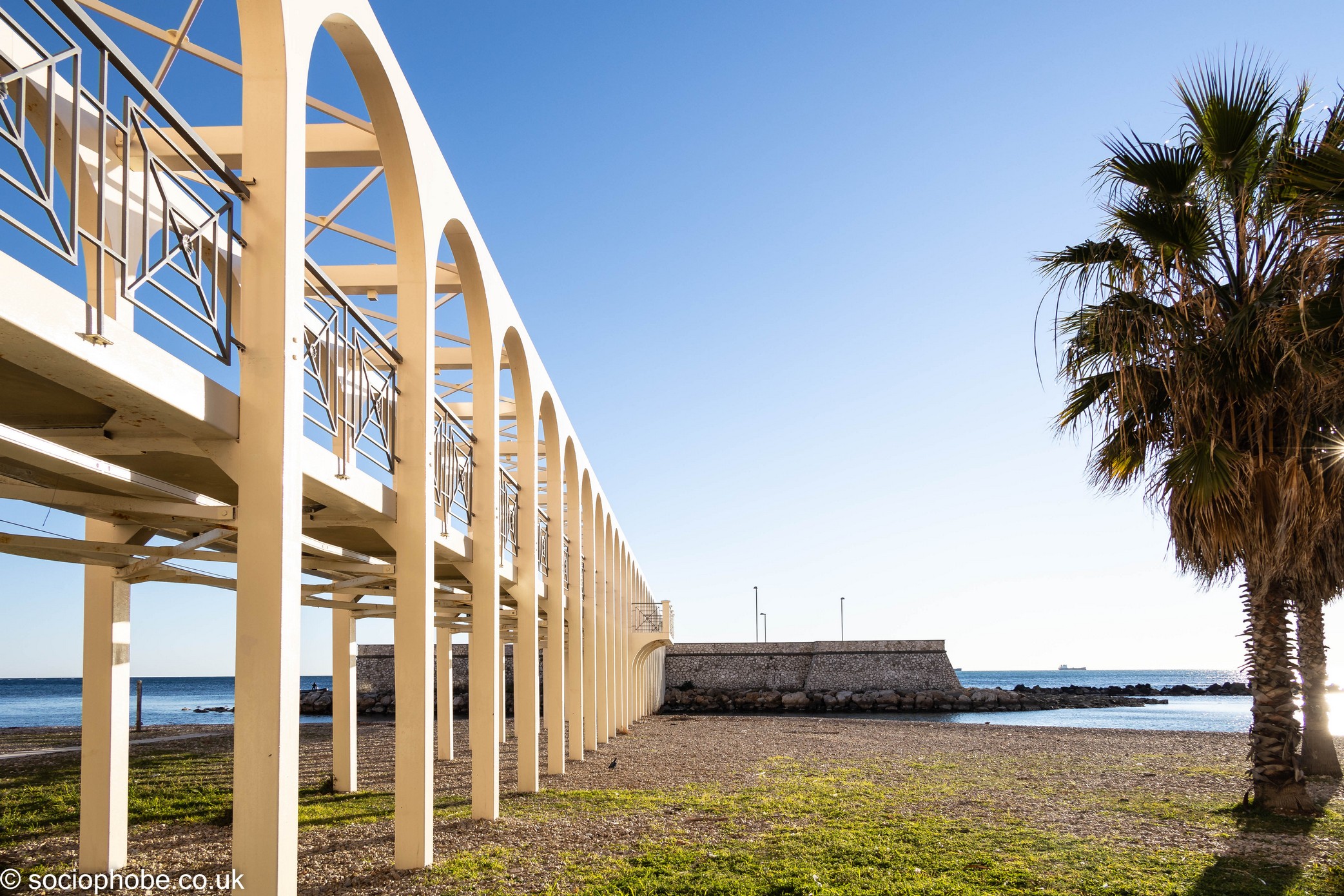
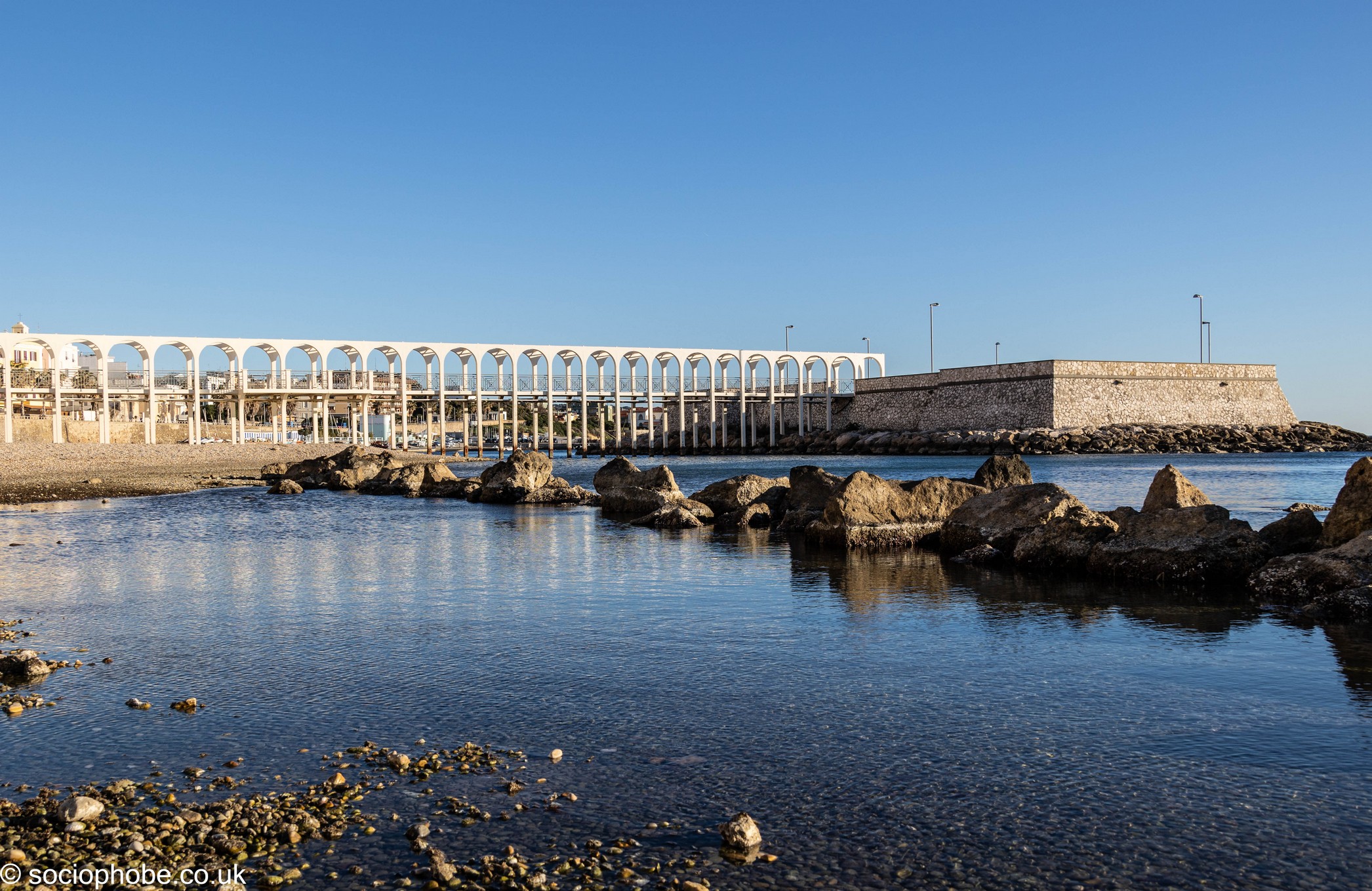
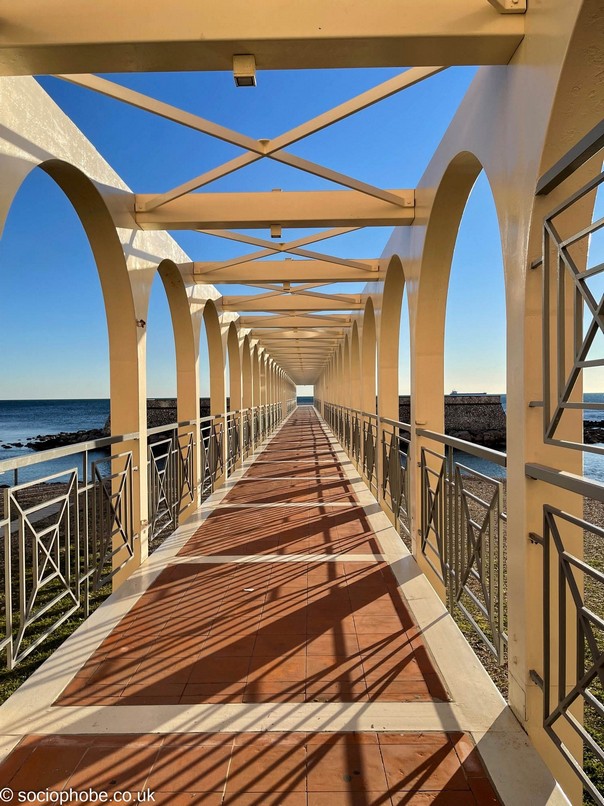
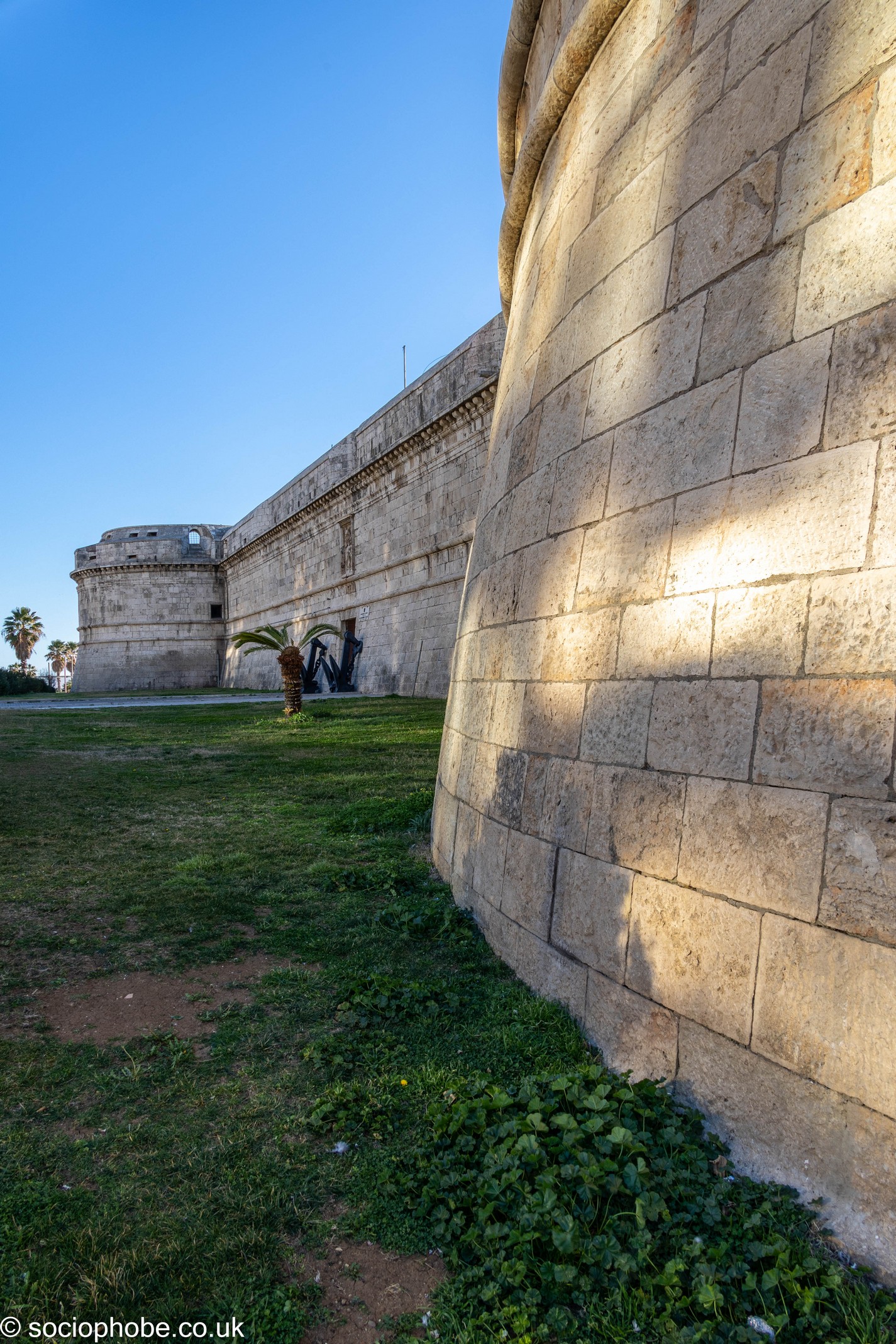
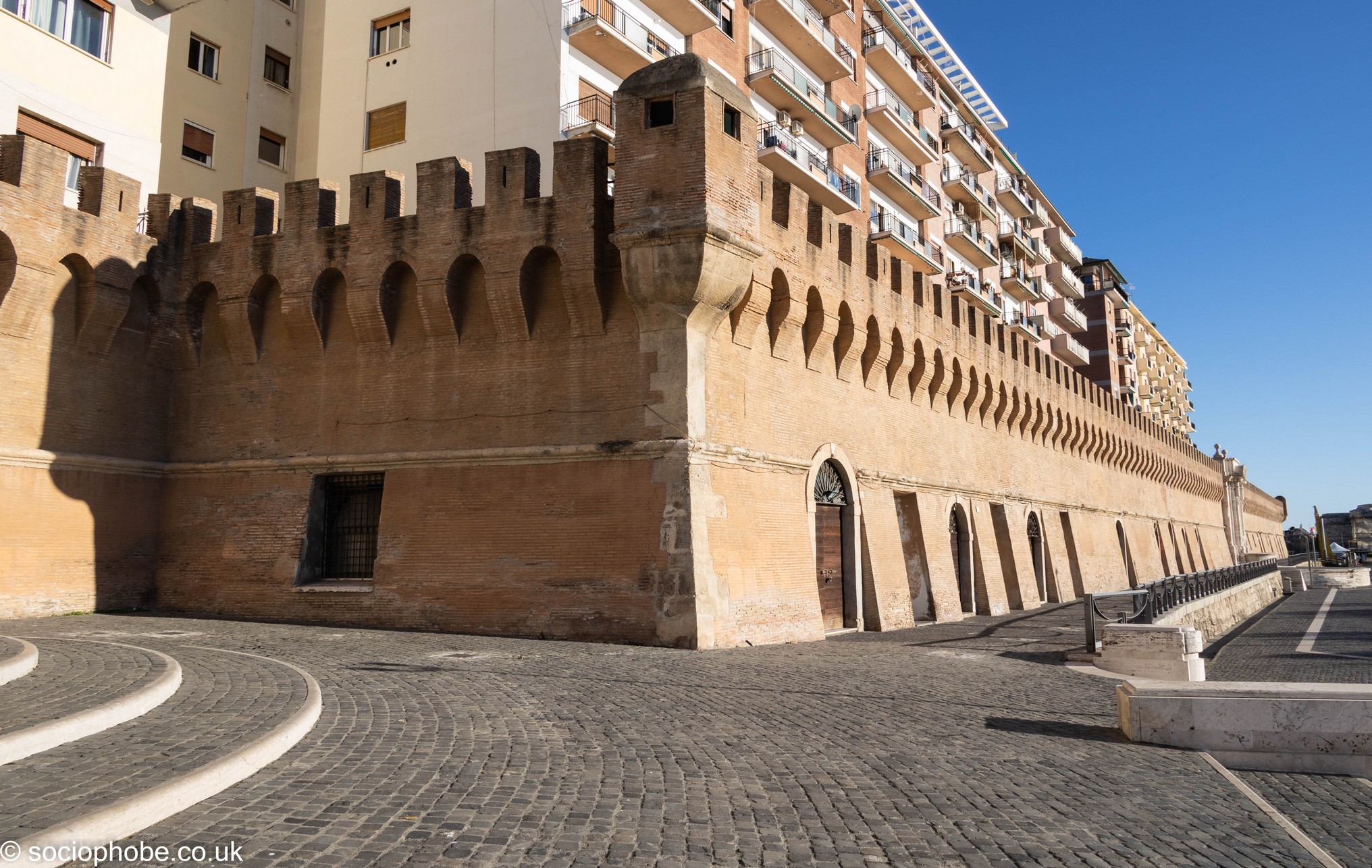
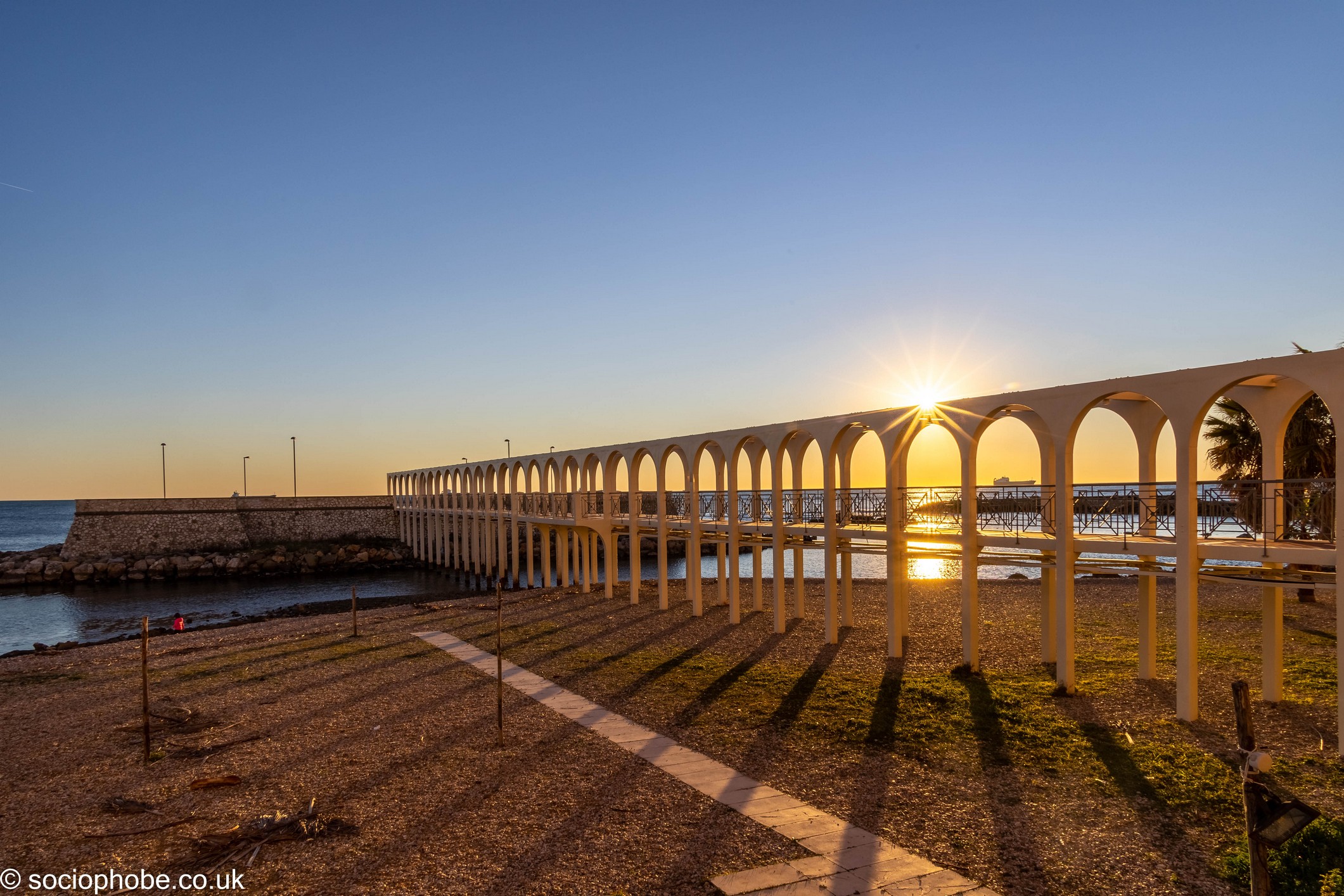
The walkway looks to have taken a battering from erosion and vandals with a lot of graffiti and lights broken but it was lovely to be by the sea and in sunshine. We followed the prom to the sight we’d come to see, the Victorian Walkway, only to find it closed due to covid! That was somewhat of a shame although the walkway was a lot less ornate and certainly not Victorian wrought iron as we were expecting. We had a coffee in a little cafe next to it and watched the sun start to set before deciding we’d better head back to the car as it was around 30 minutes away.
The drive back started well as the sky changed from pink to orange but when the sun sank the combination of poor lights on the hire car and decrepit roads meant it was somewhat taxing. It took about 90 minutes to get back and was almost freezing by the time we parked the car – what a contrast! Back in the hotel it took nearly 3 hours to sort the photos while Deb prepared dinner but that’s the norm now. Tomorrow will involve less driving!
If today is Wednesday this must be Palazzo Farnese
I actually slept in until Deb’s alarm went off today which was damned frustrating. We weren’t in a rush to get out but we did want to arrive before other people as one of the places had very limited parking. After a quick breakfast we started off towards Palazzo Farnese, higher up in the hills than us and on some very windy roads, enjoying gorgeous blue skies although it was still damned chilly.
We were able to park right next to the palace but were already in the overflow car park although I have no idea where everyone else was as we only saw one other couple in the almost three hours that we were there. The palace is in a superb location with quite incredible views and well outside the hustle of Rome for a busy cardinal!
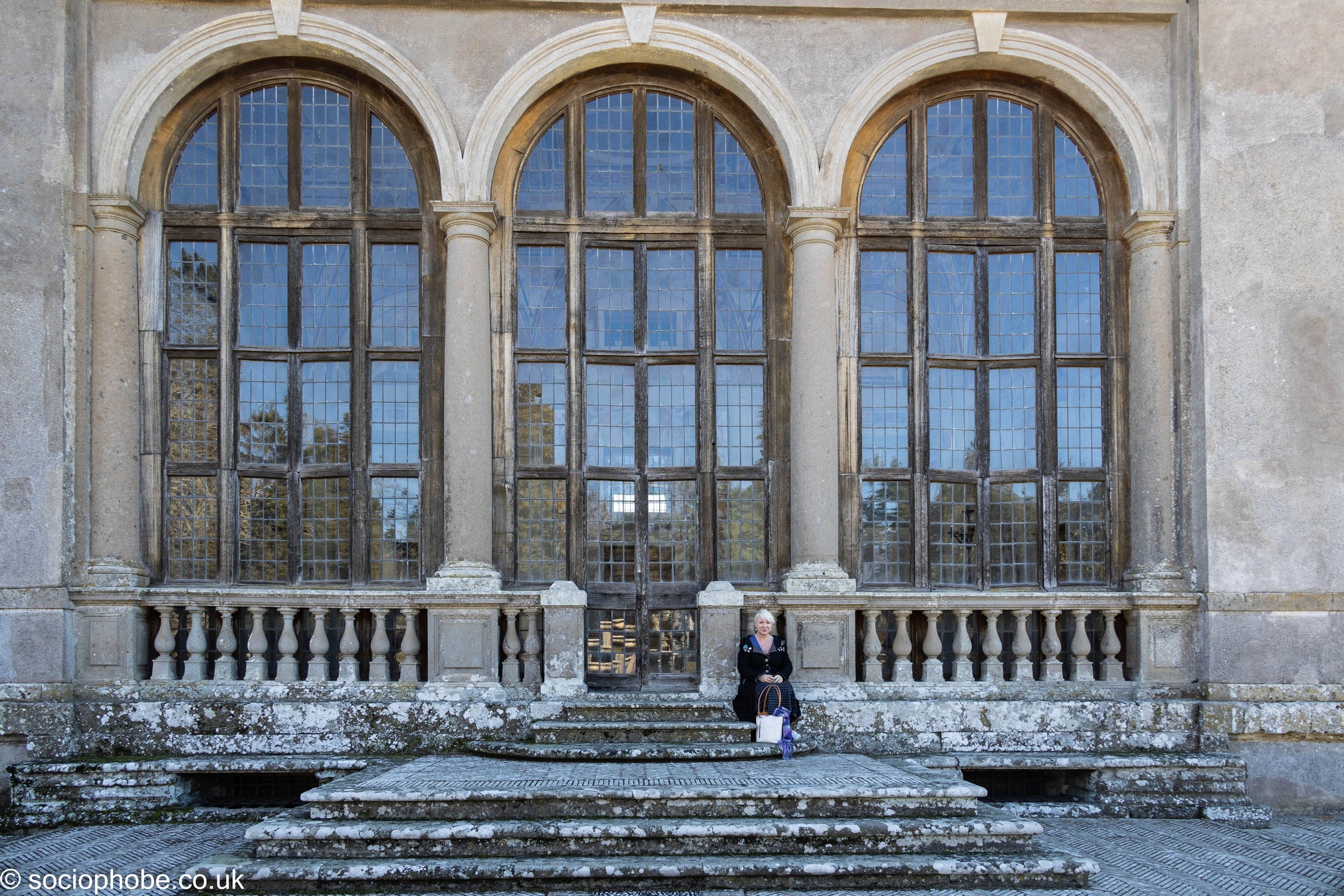
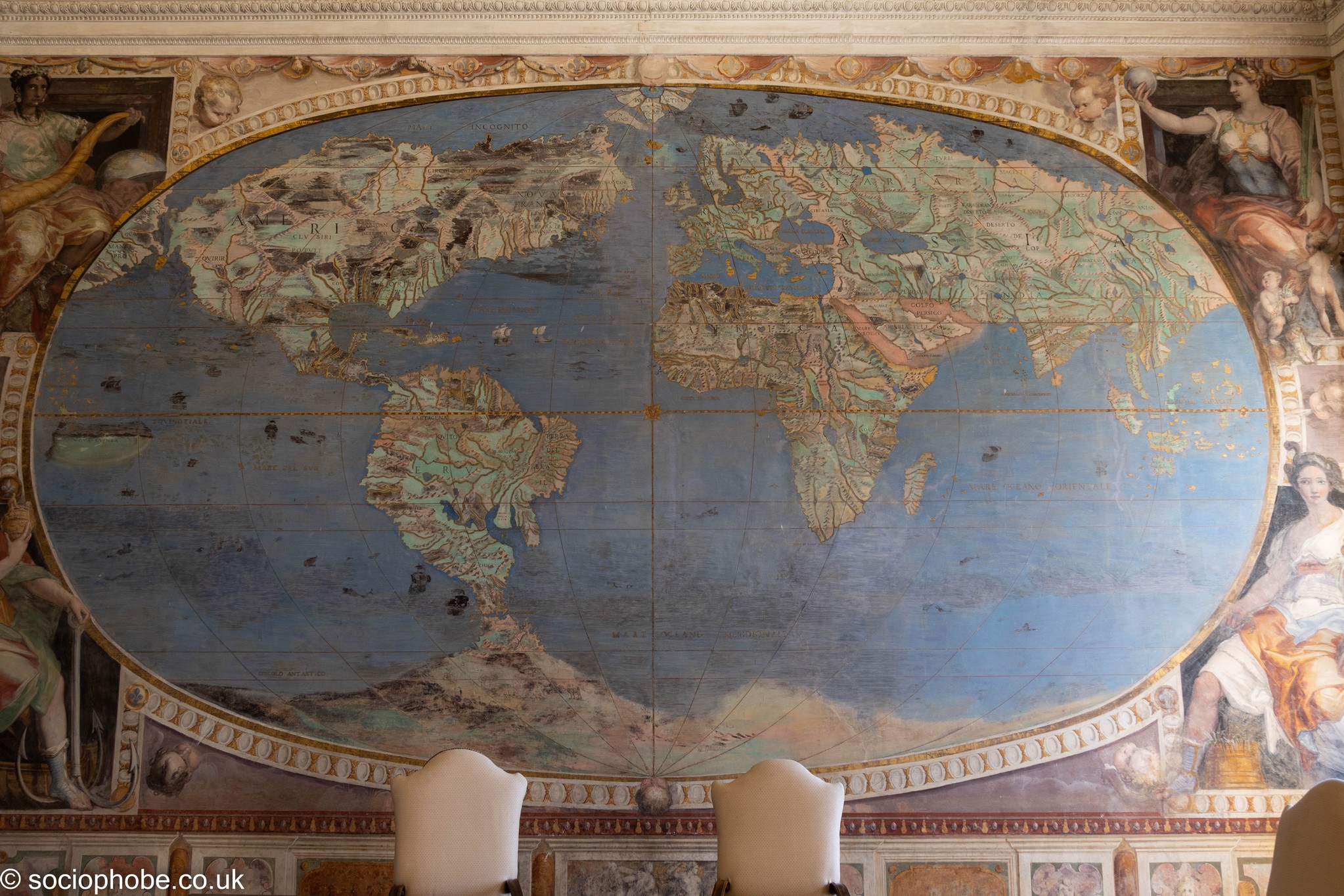
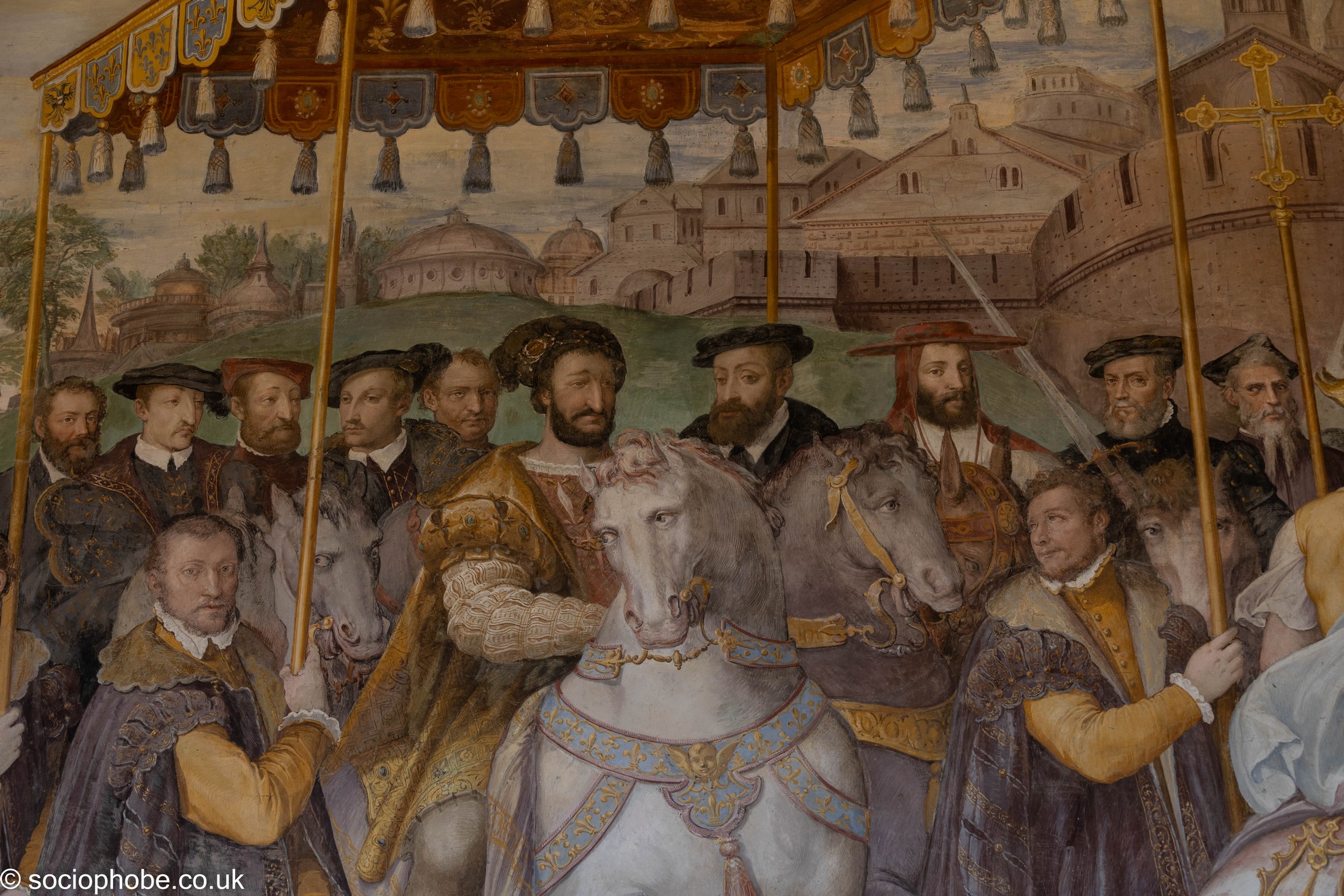
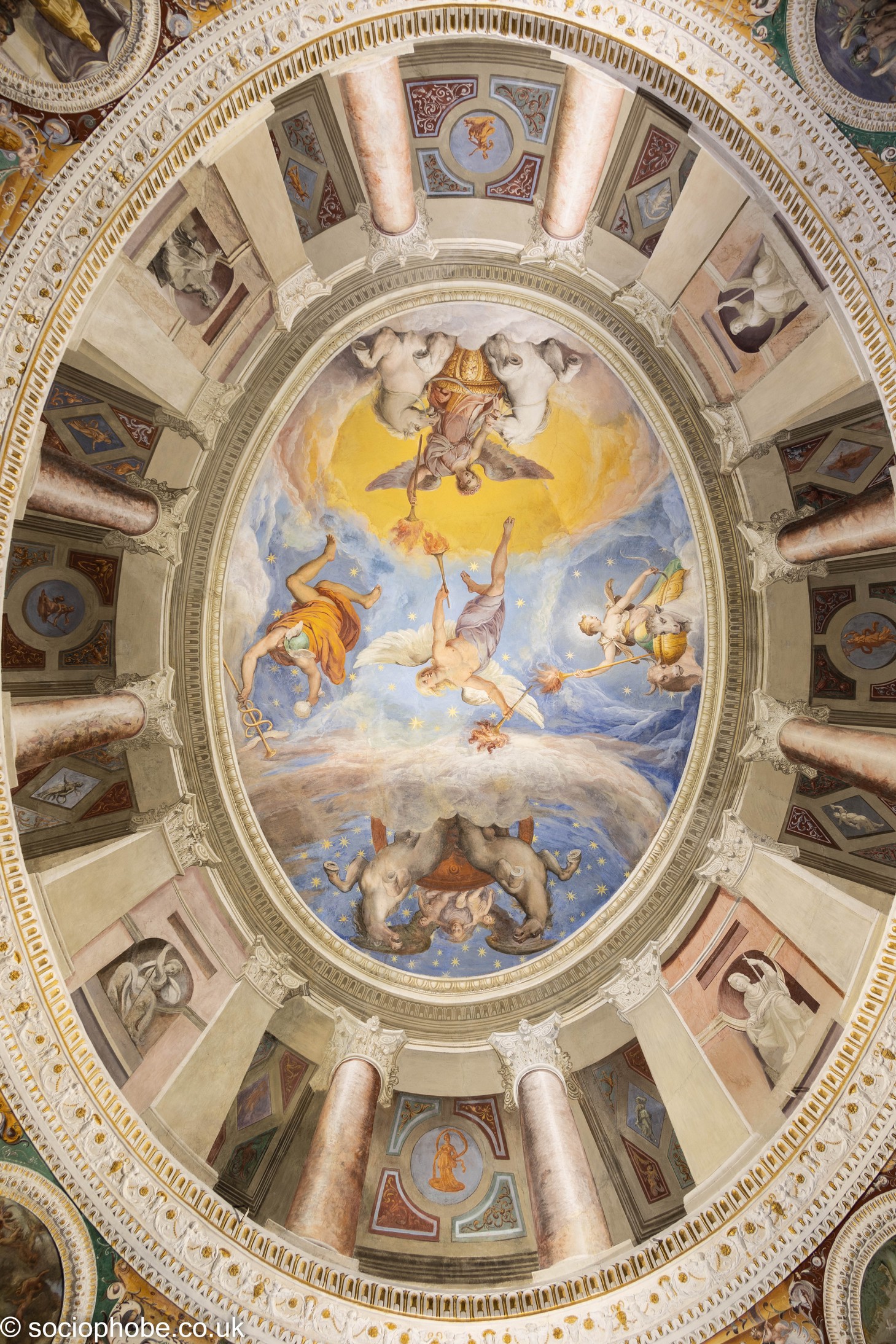
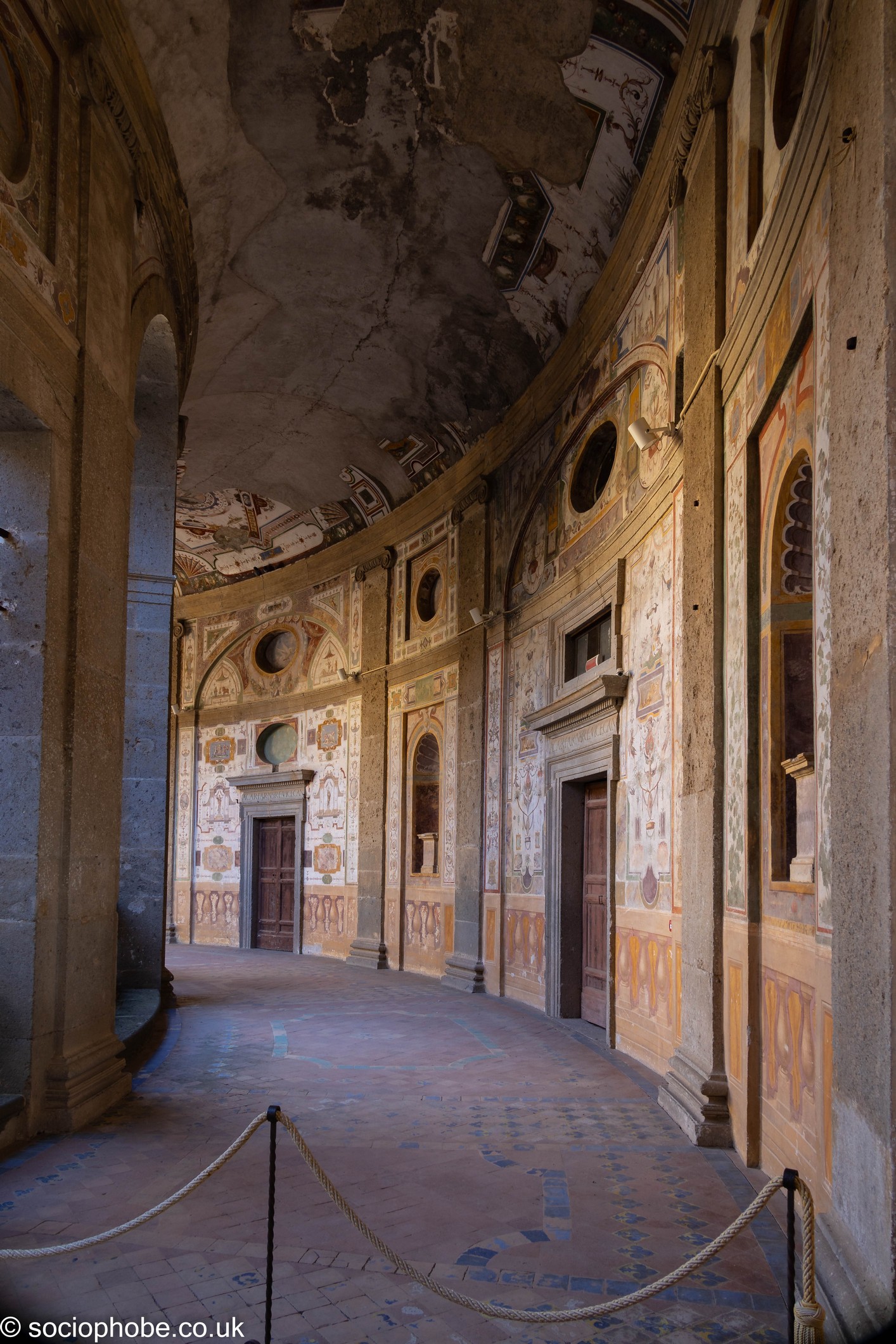
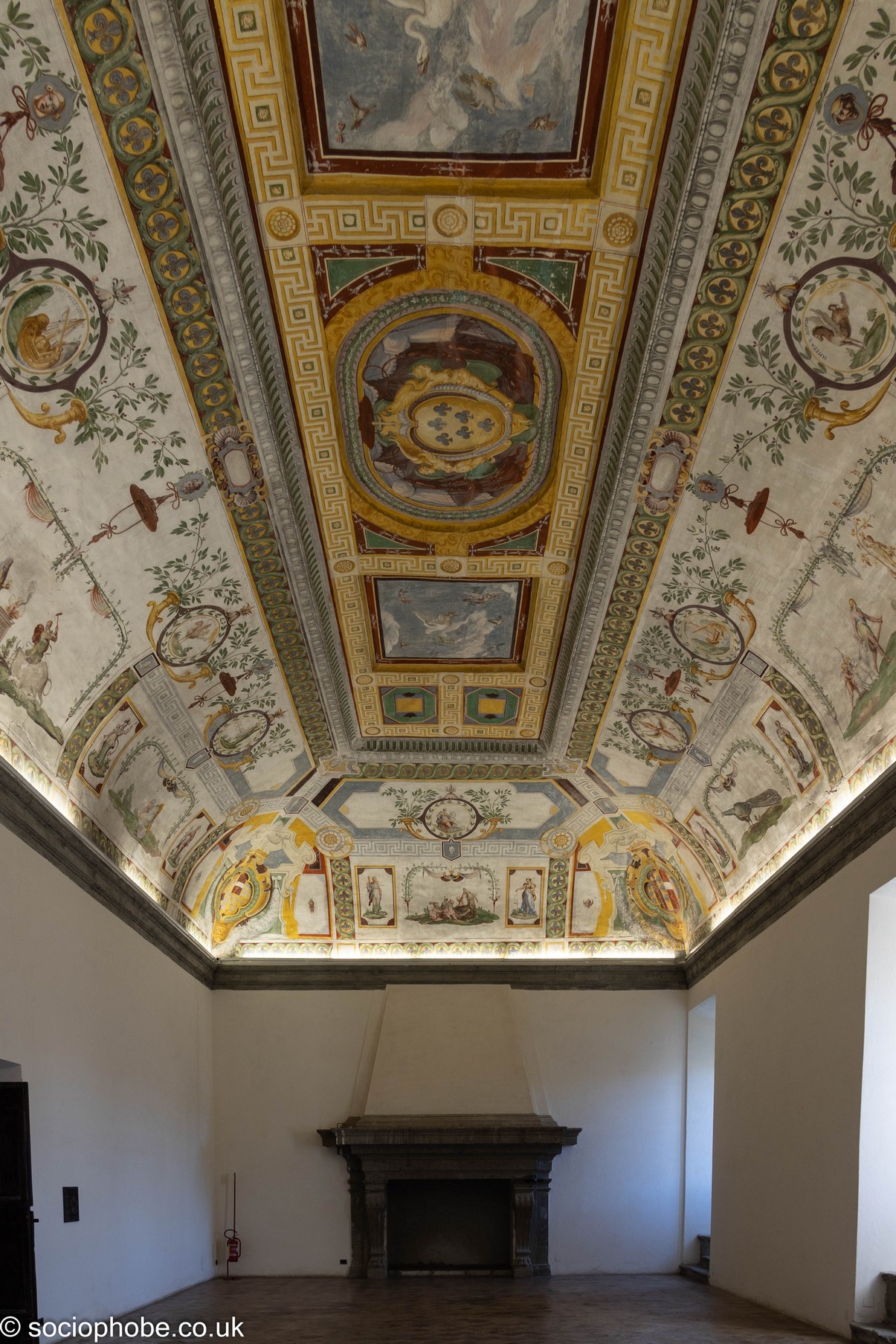
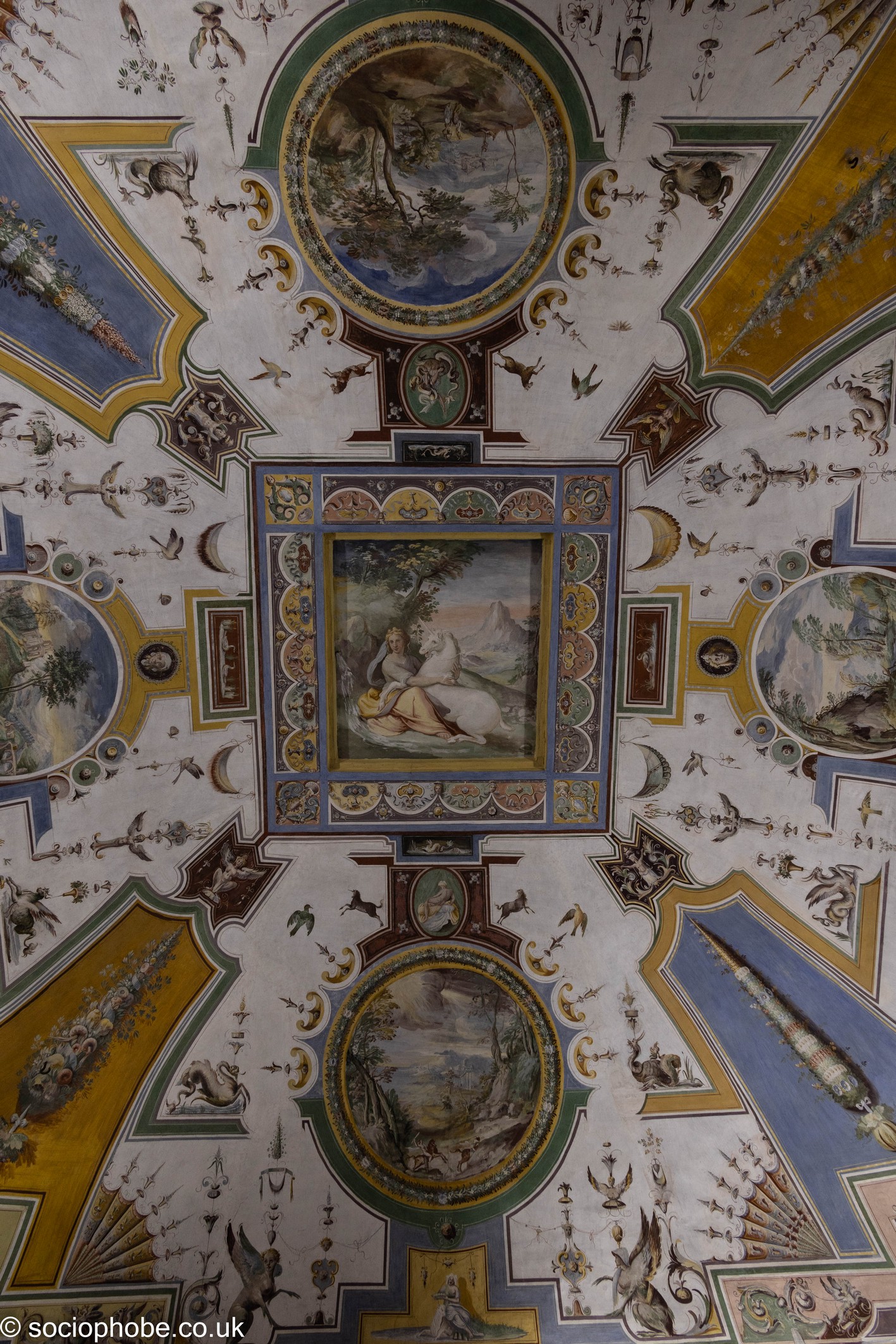
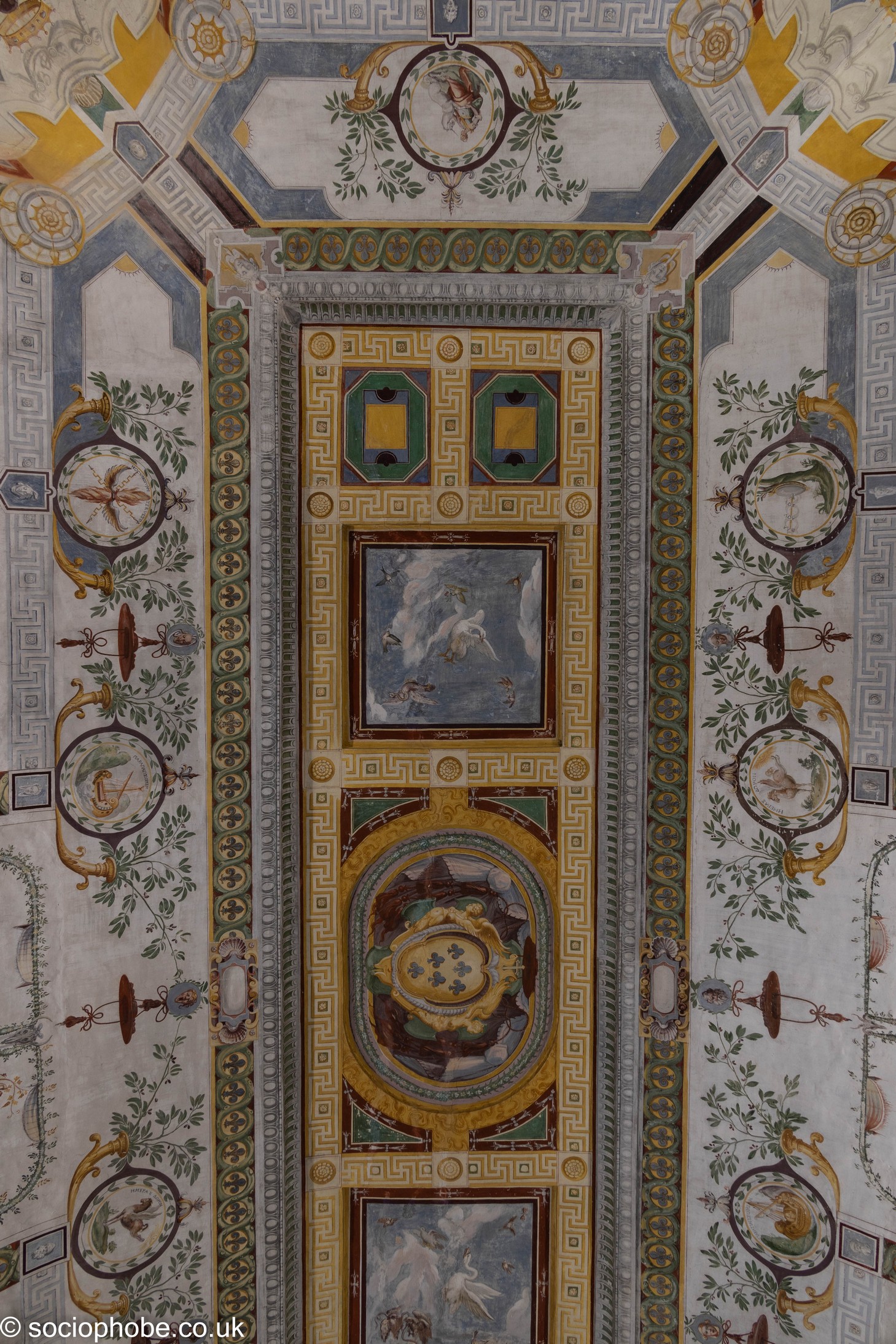
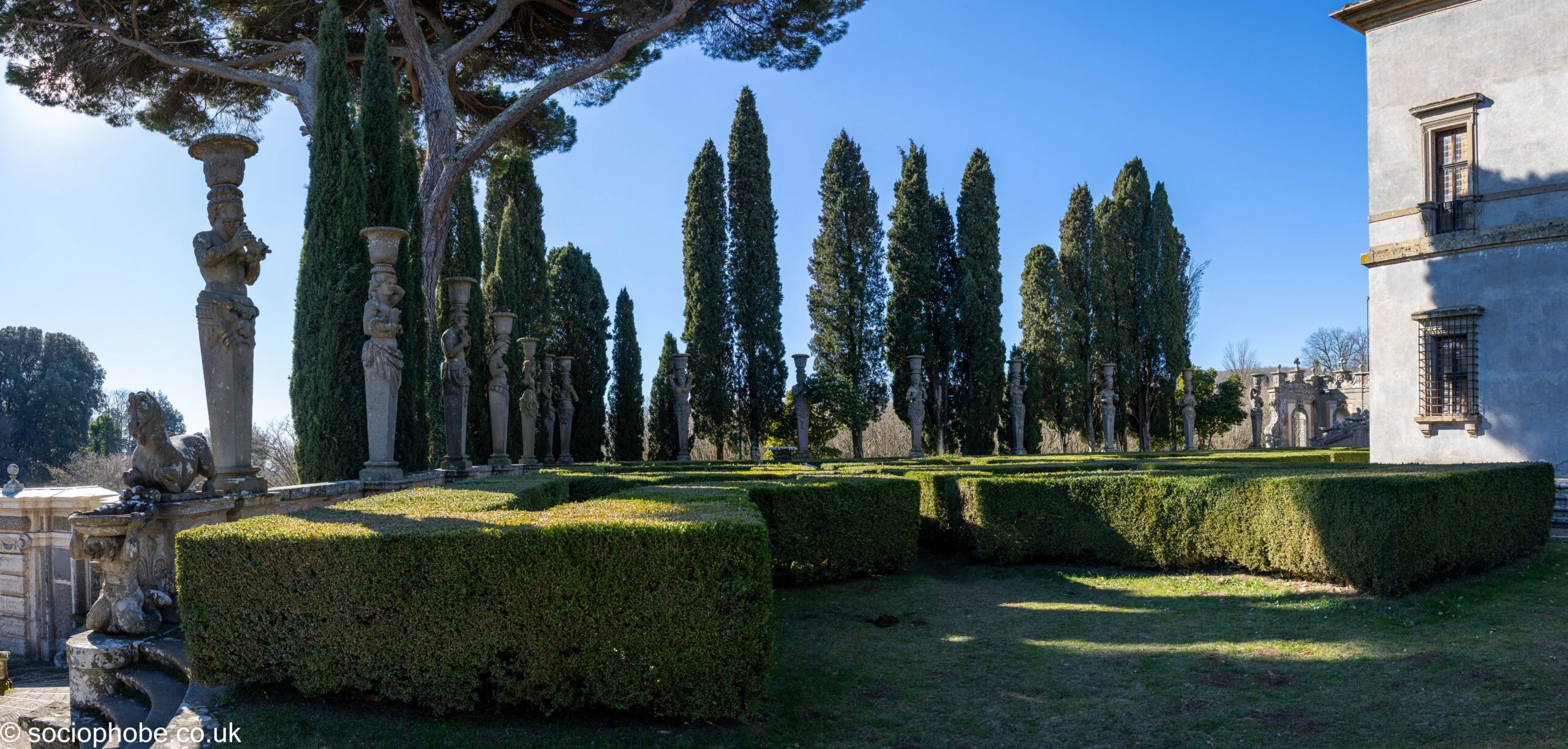
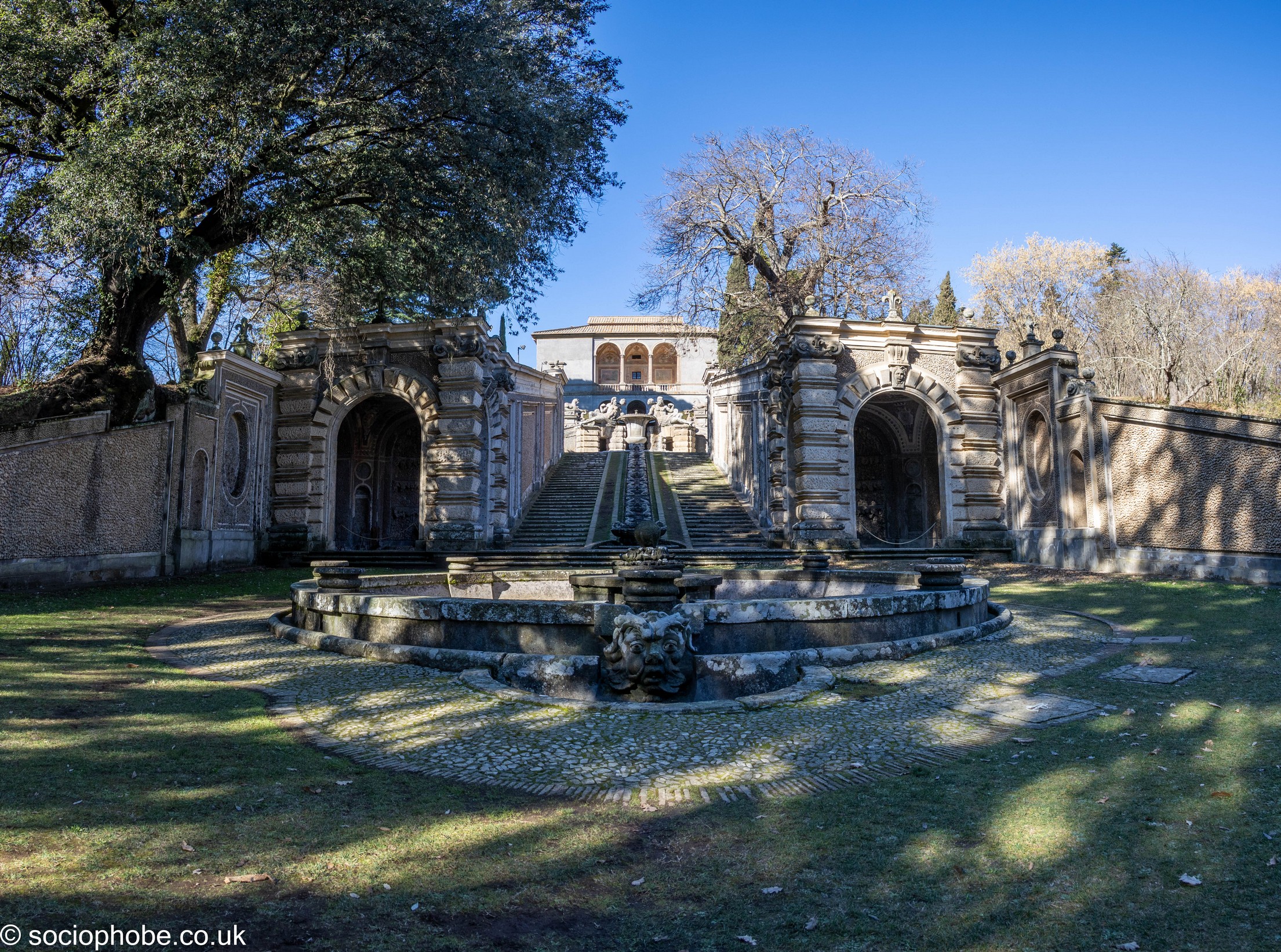
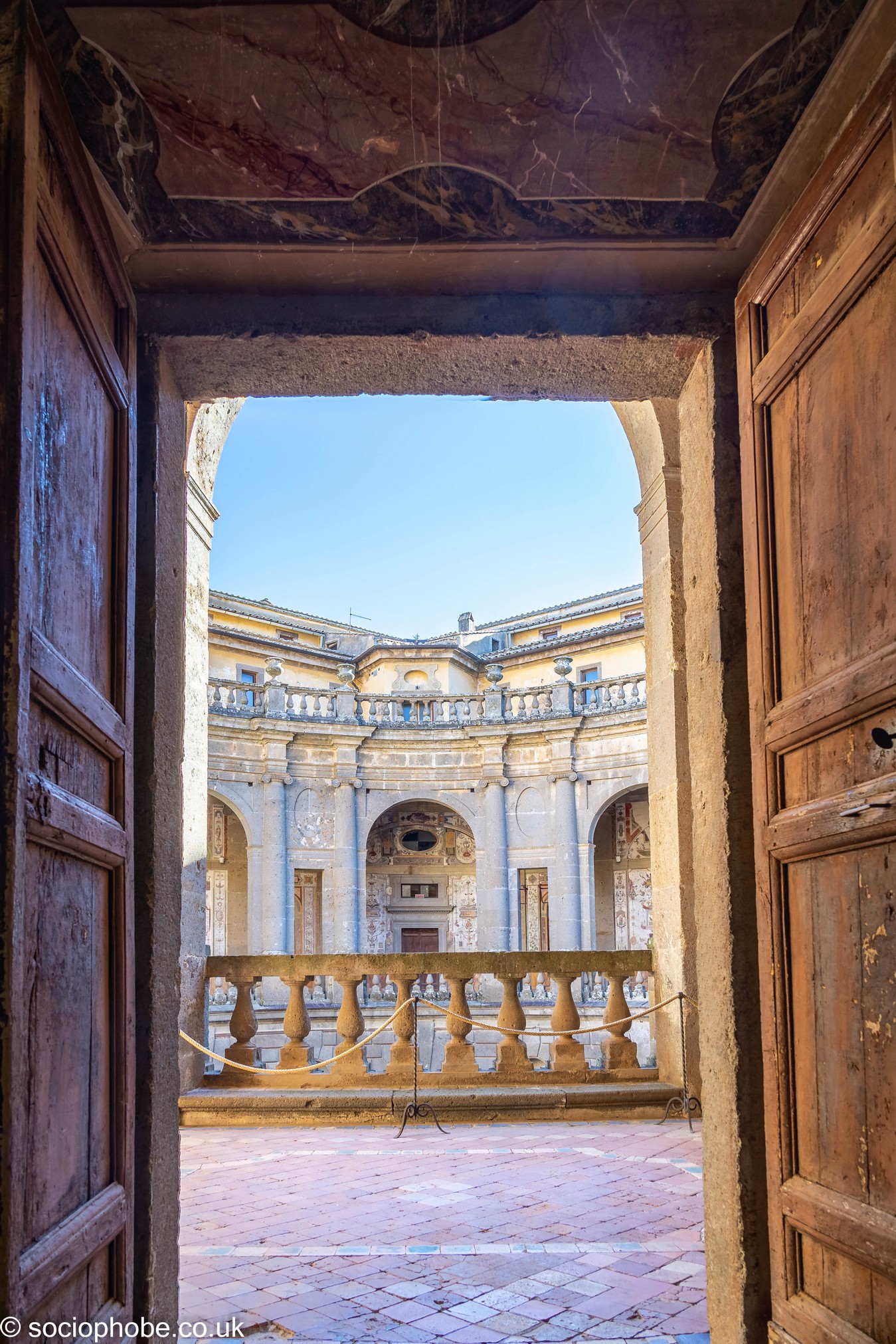
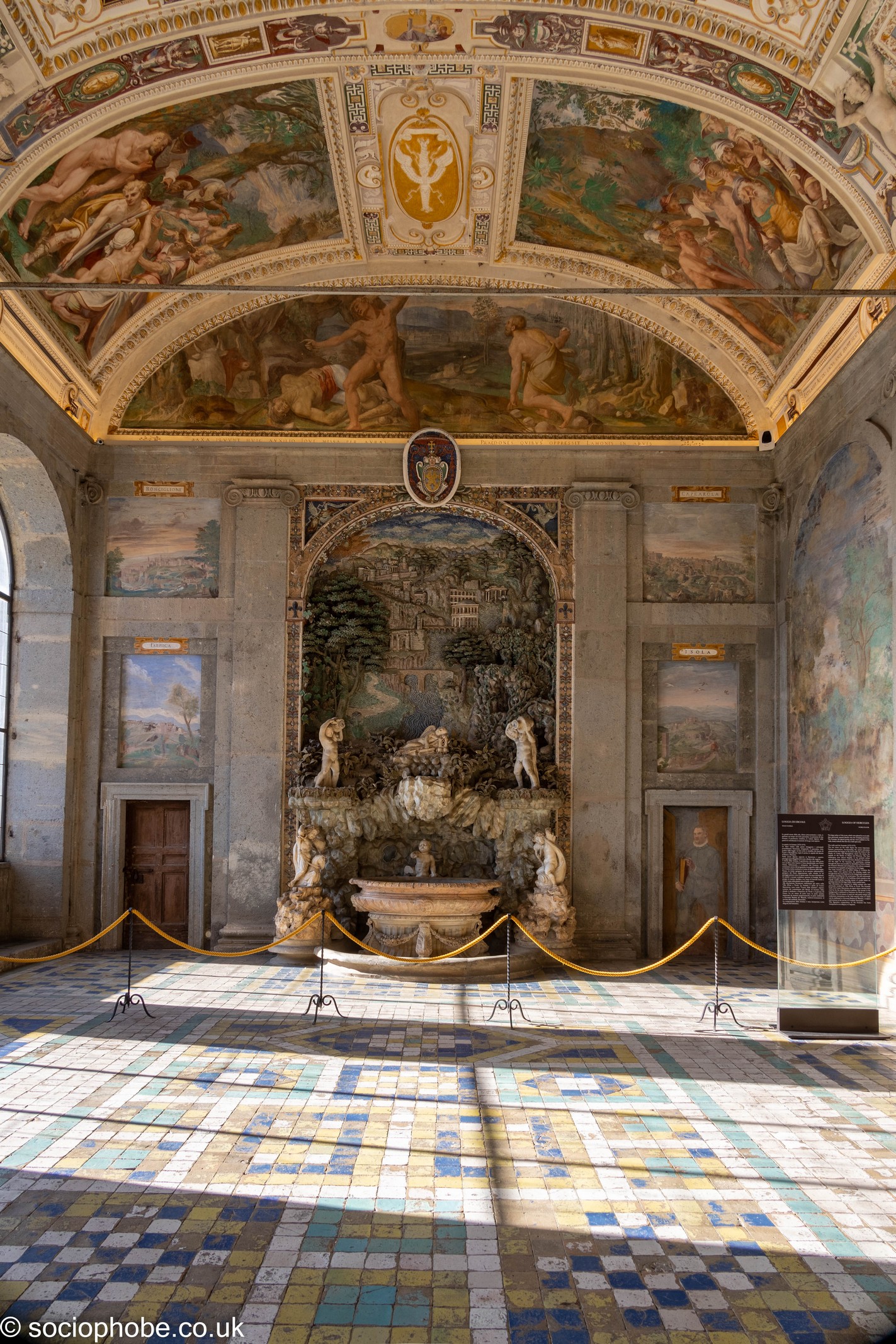
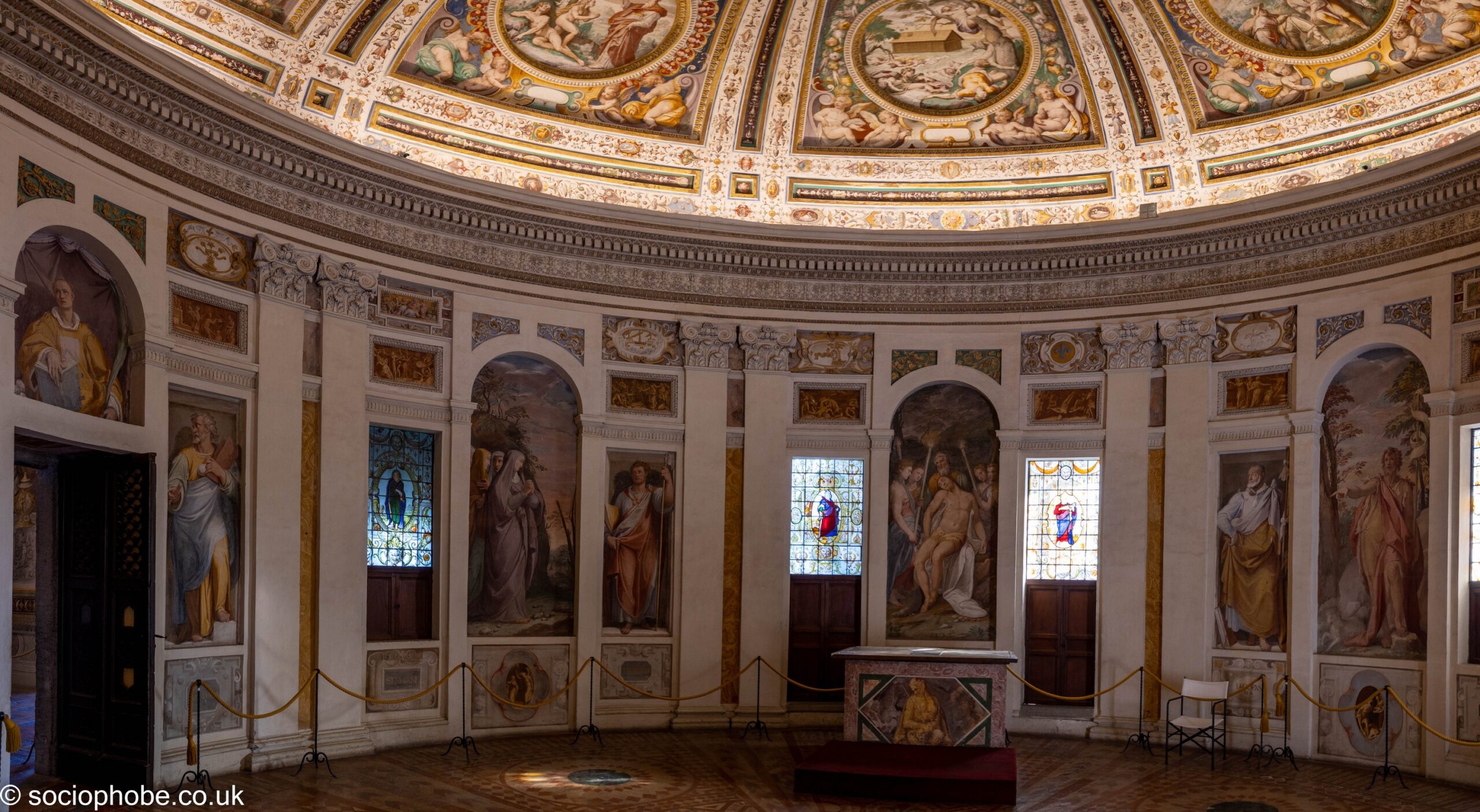
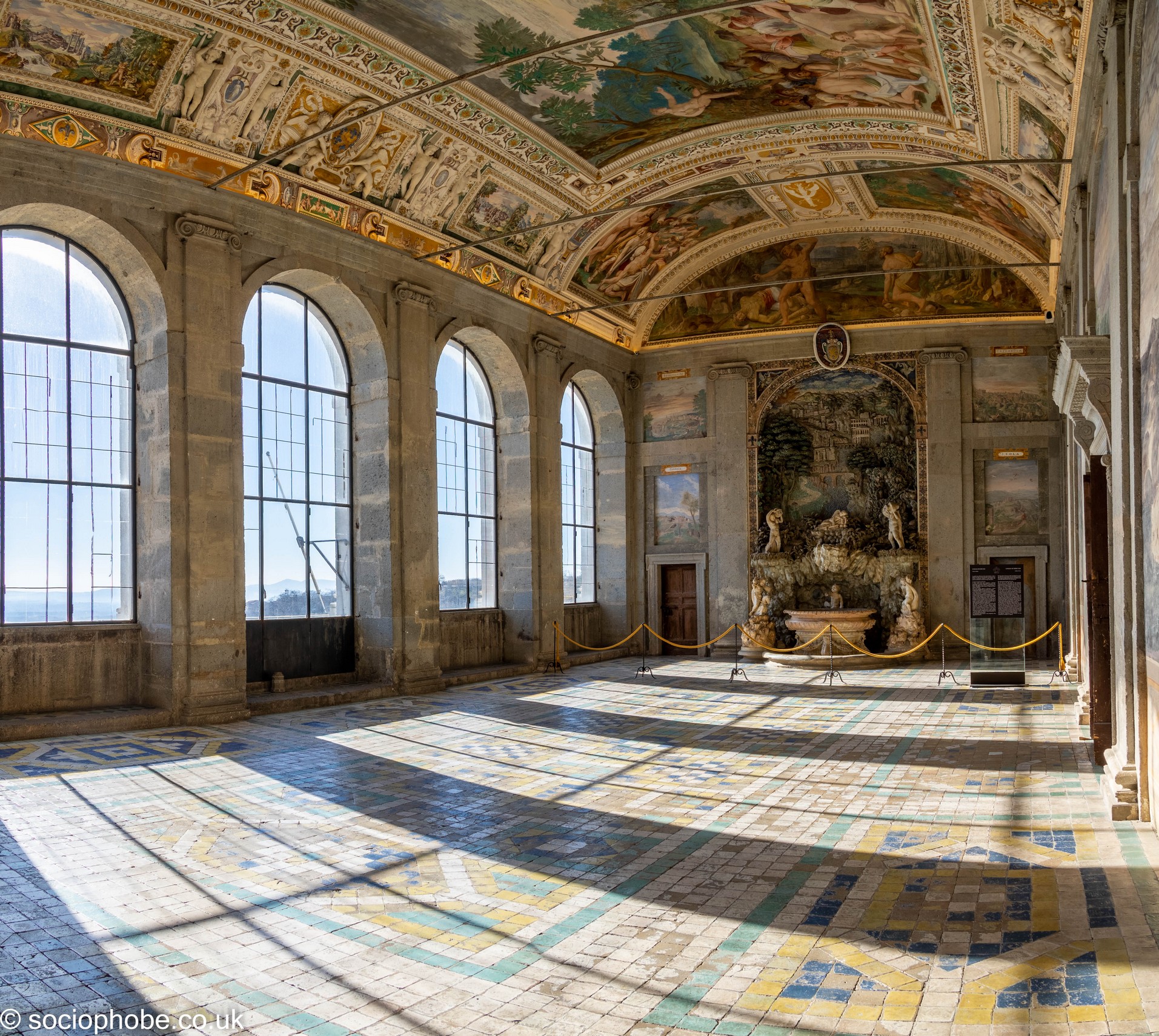
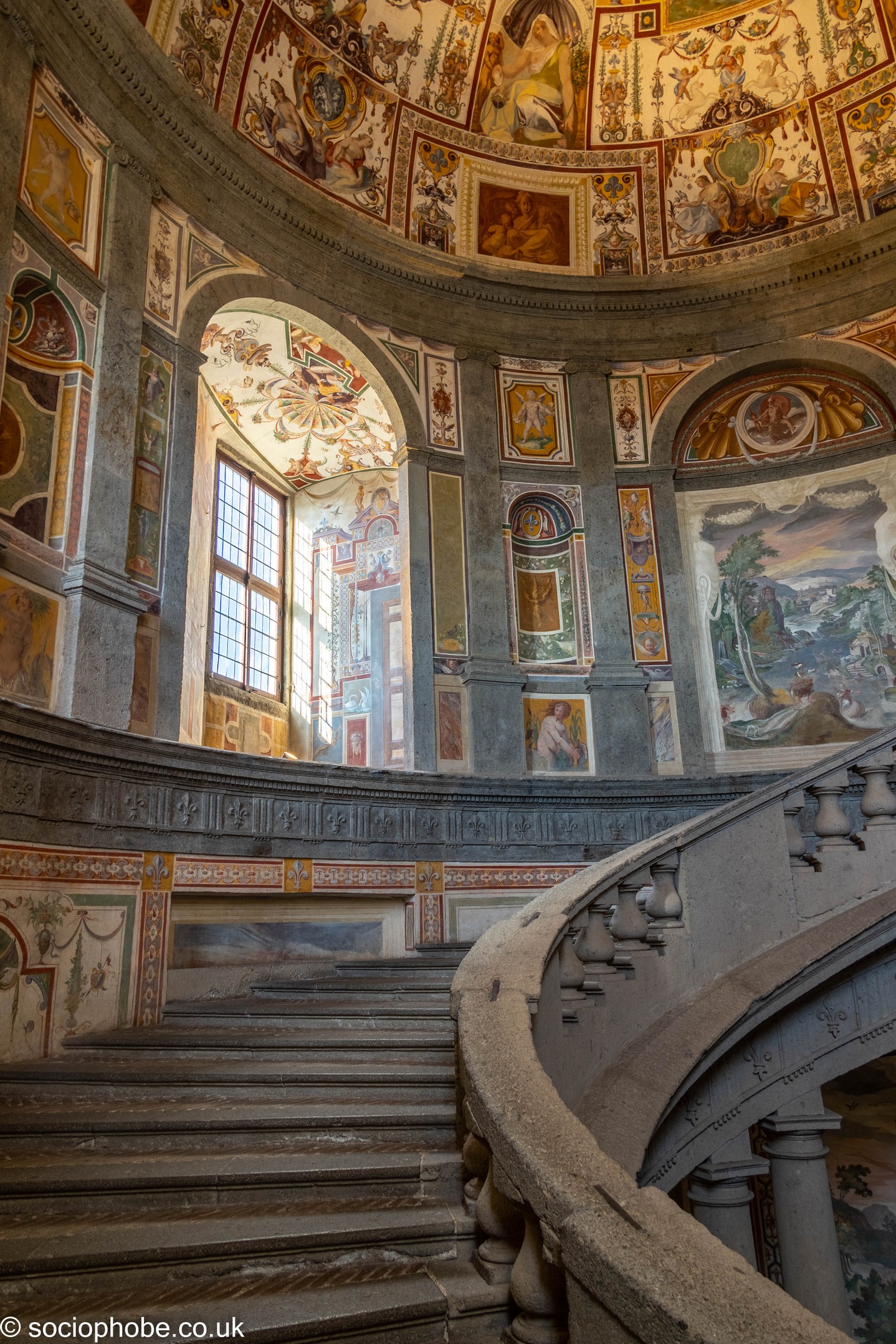
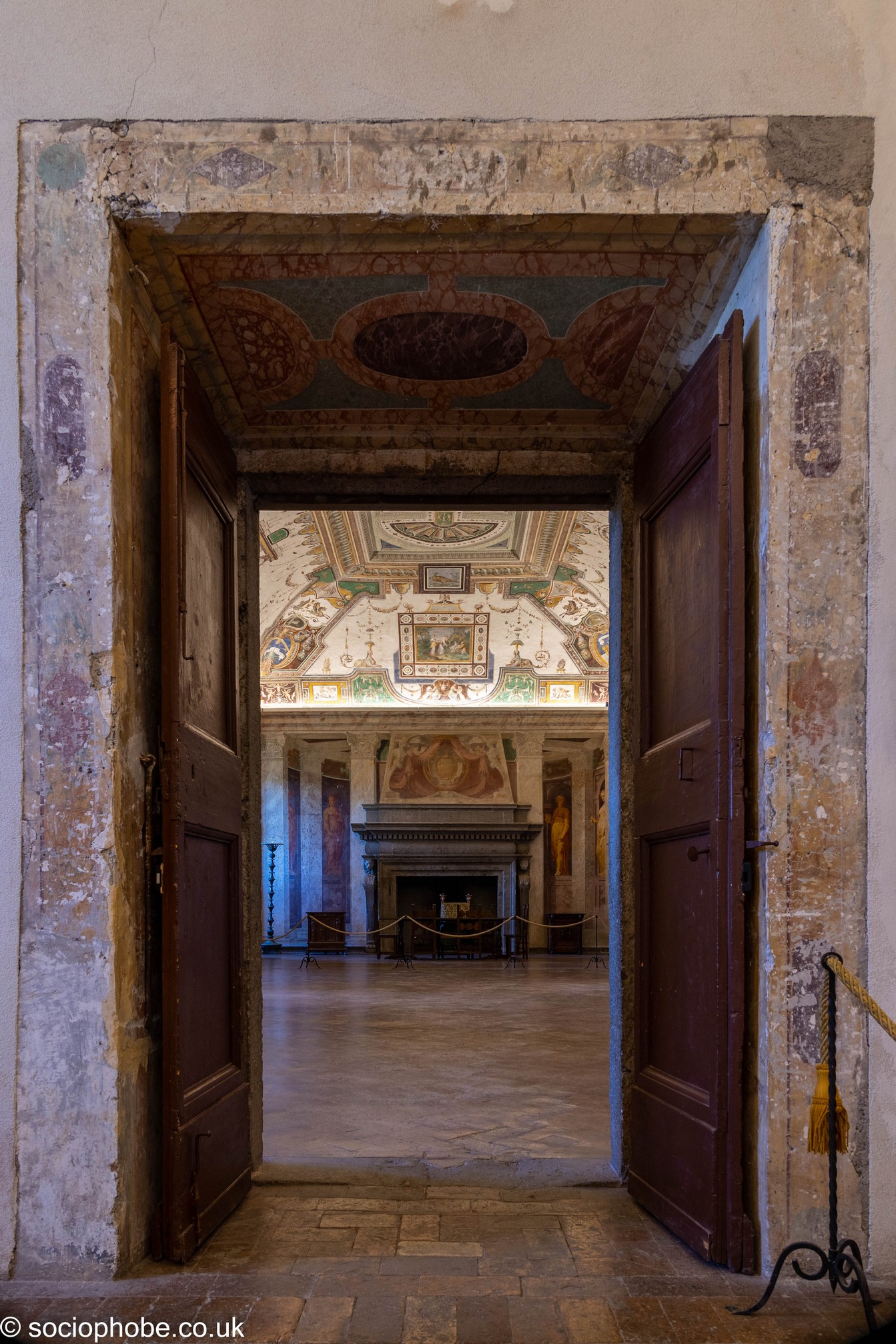
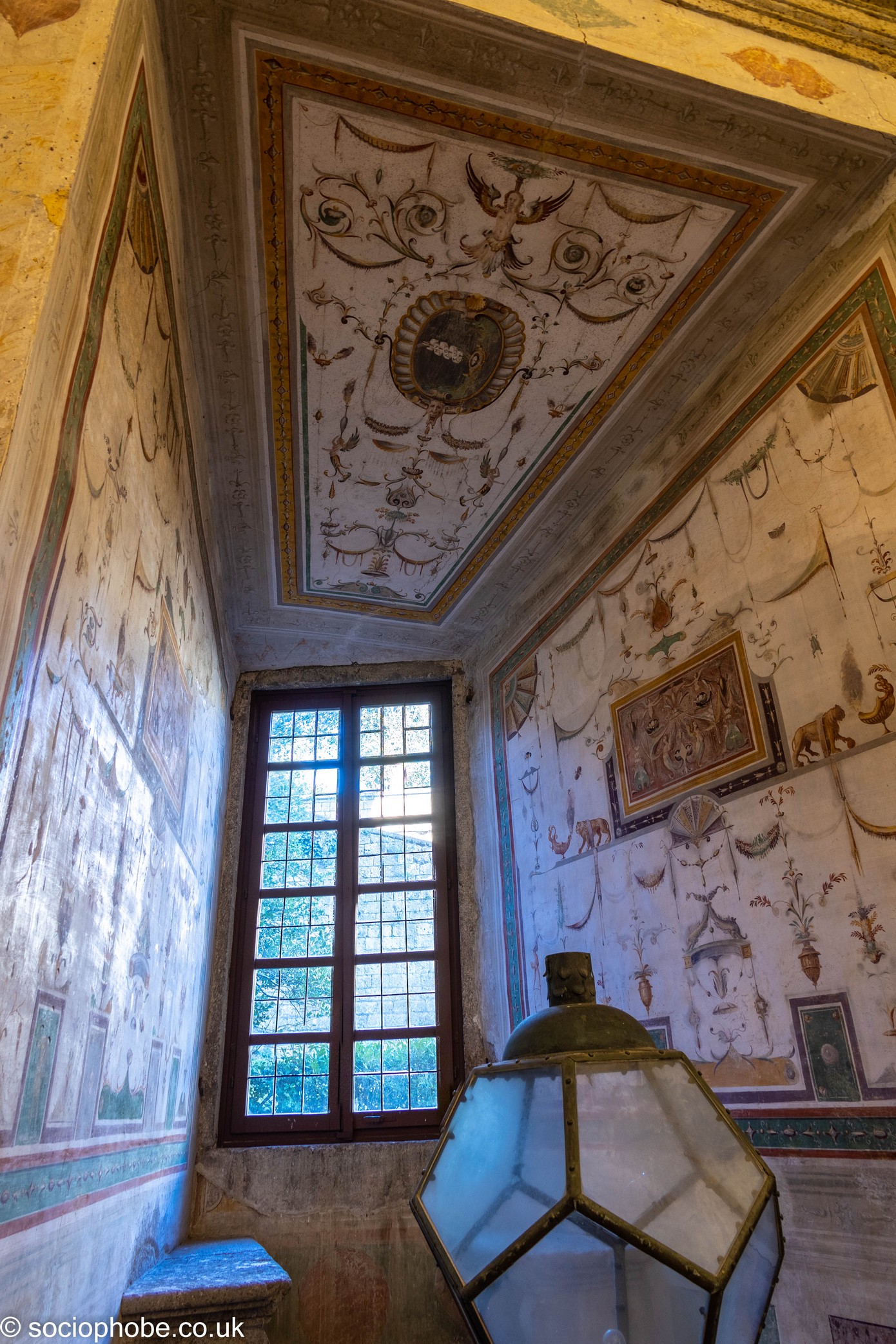
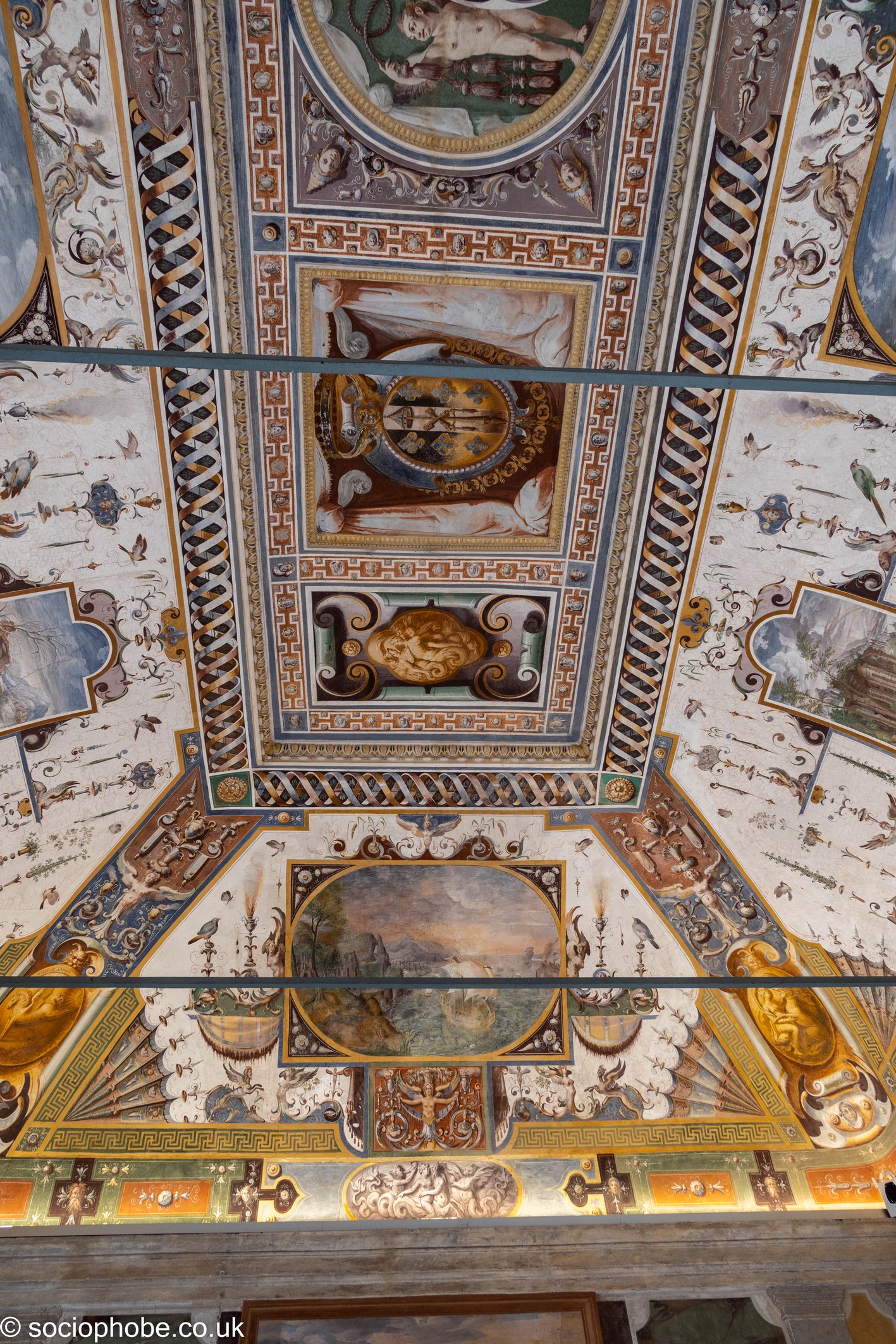
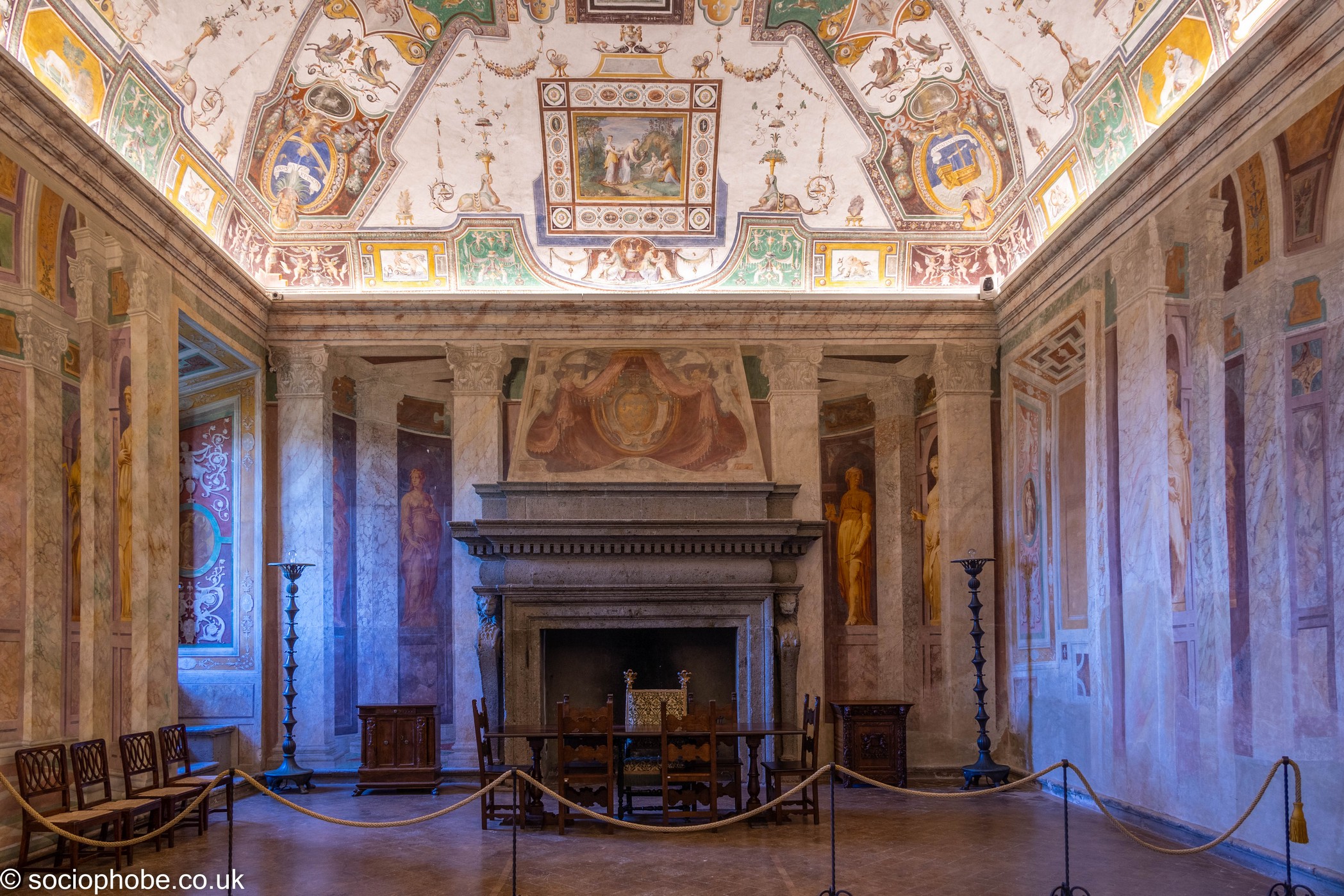
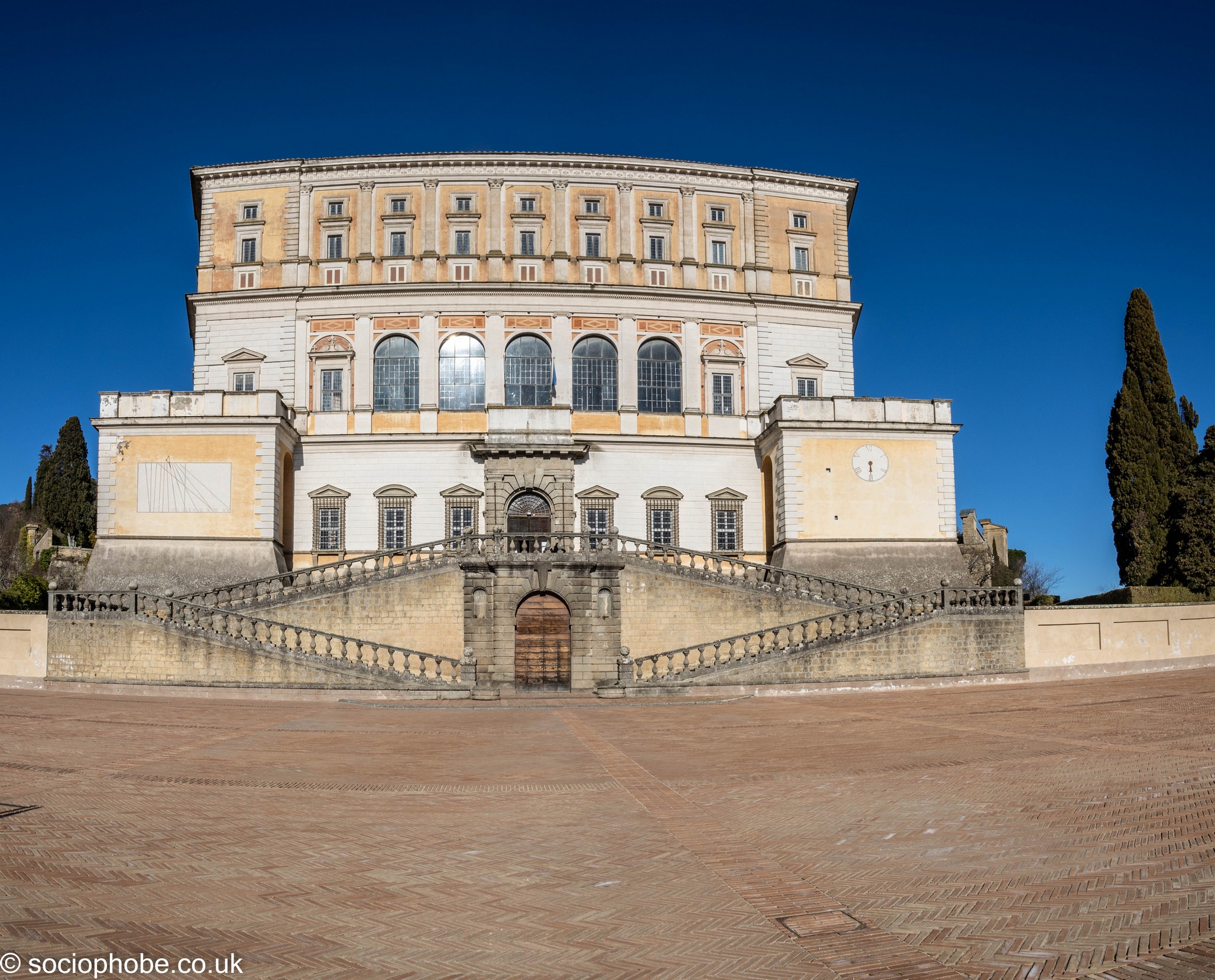
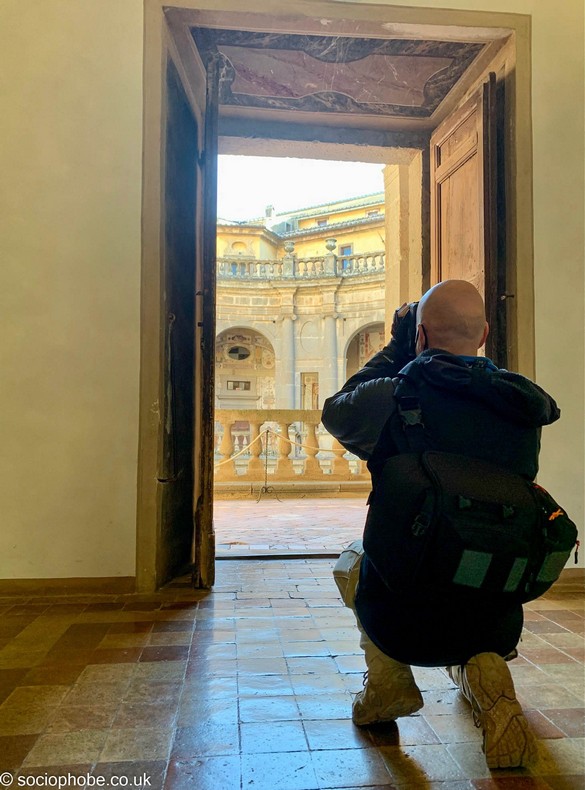
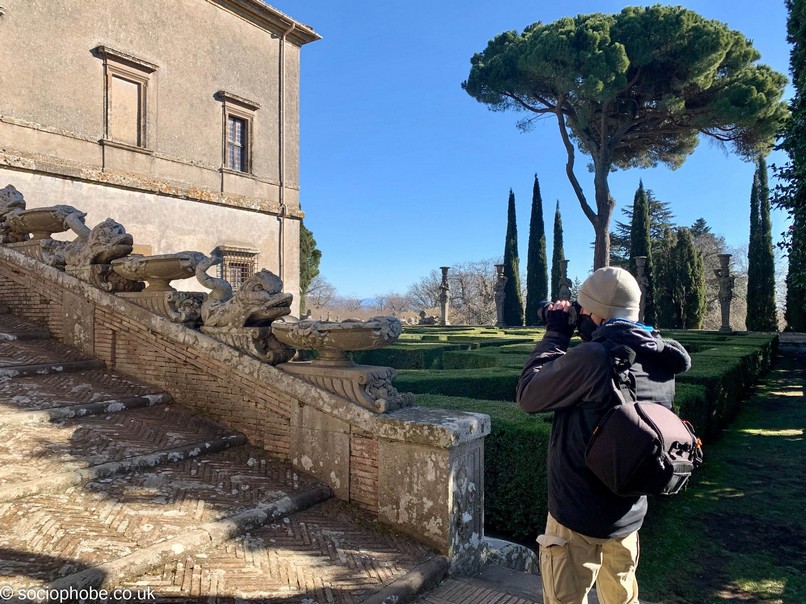
I had heard of Farnese but didn’t know any detail – Alessandro Farnese, who had most of the work done on the palace – was made a cardinal at 14 and ended his long career as Vice Chancellor. He used his position to amass wealth on a staggering scale and his income was 1% of the entire GDP of Catholic Europe in the sixteenth century. On the plus side though he was a notable patron of the arts and sciences and an antiquarian as well as being a doting father.
The palace stayed in the Farnese family from 1521 until 1731 when the Bourbons of Naples inherited it. in 1941 it was appropriated by the state and has been publicly owned since then.
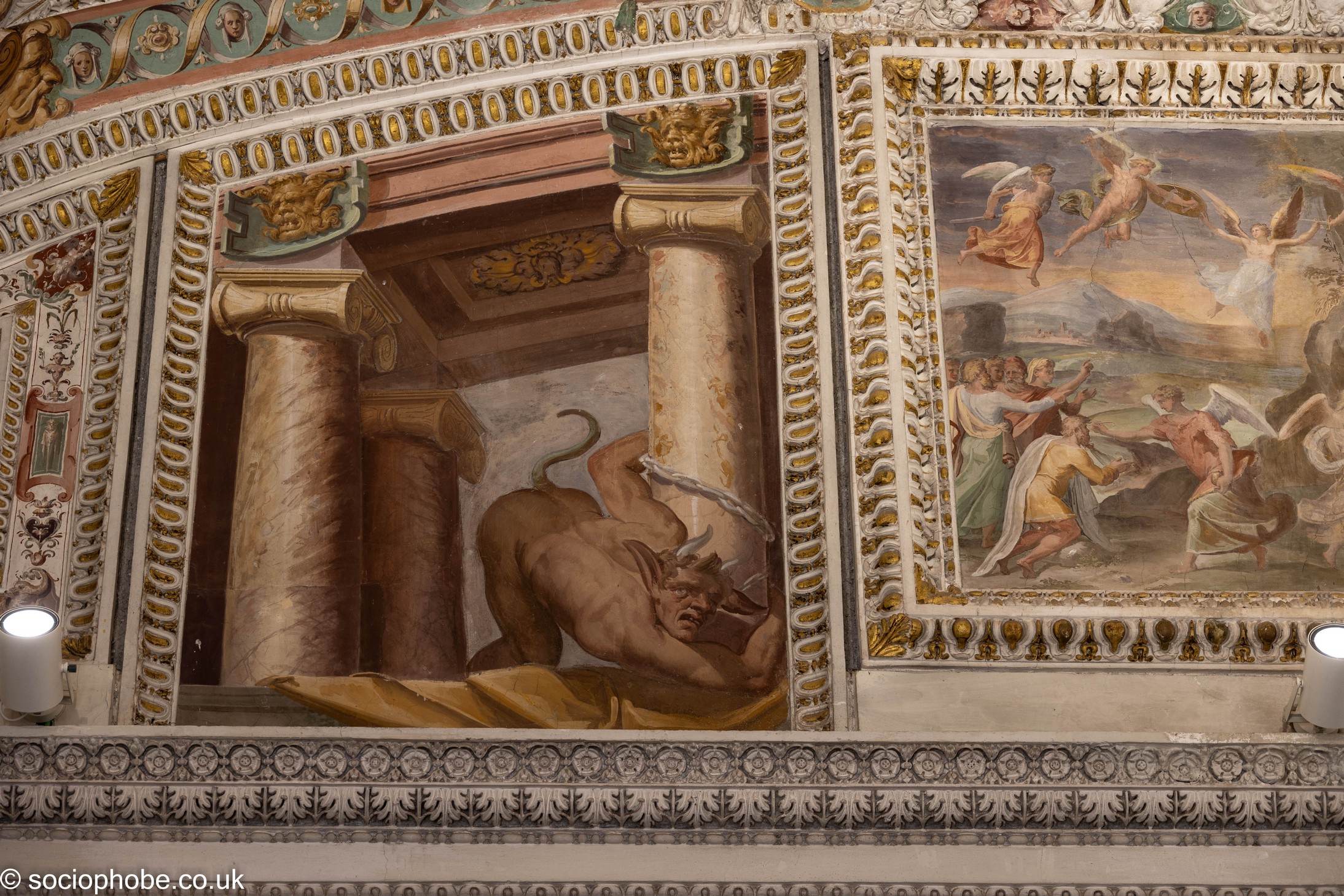
Entrance was €5 each, cash only of course, and we were then given free reign to explore. I’m not usually into these kinds of buildings but the art work and design of this place was stunning. Probably not surprising considering the resources but wealth and taste don’t always go together. The map room was certainly my favourite, a world map and then continental maps, based on the latest scientific knowledge at the time.
The design of the palace was based on a planned fortress so it was hexagonal in shape with a circular courtyard. The route through was excellent with detailed explanations in every room and we just took our time wandering through. The staircase was particularly amazing but very difficult to photograph without a tripod. After a couple of hours we exited the building into the gardens.
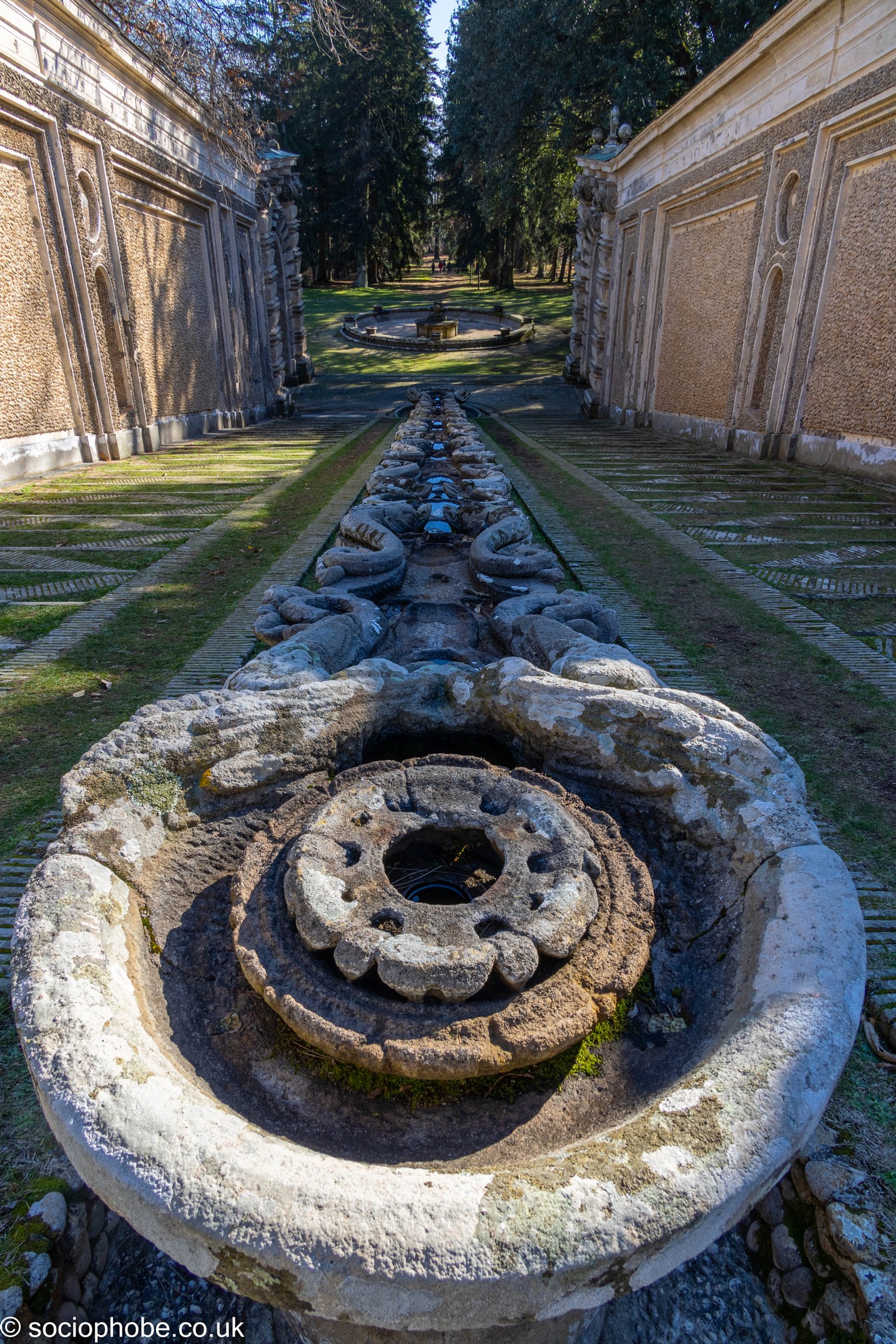
The first part of the garden was a formal box hedge design and we didn’t spend long there but the High Garden consisted of a 5-10 minute walk through beech forest before reaching another ornate building. Anywhere else this building would have been impressive on its own but here it was just a summerhouse. There was long water feature and more hedges along with lots of classical statues. As we were walking back we saw other visitors for the first time!
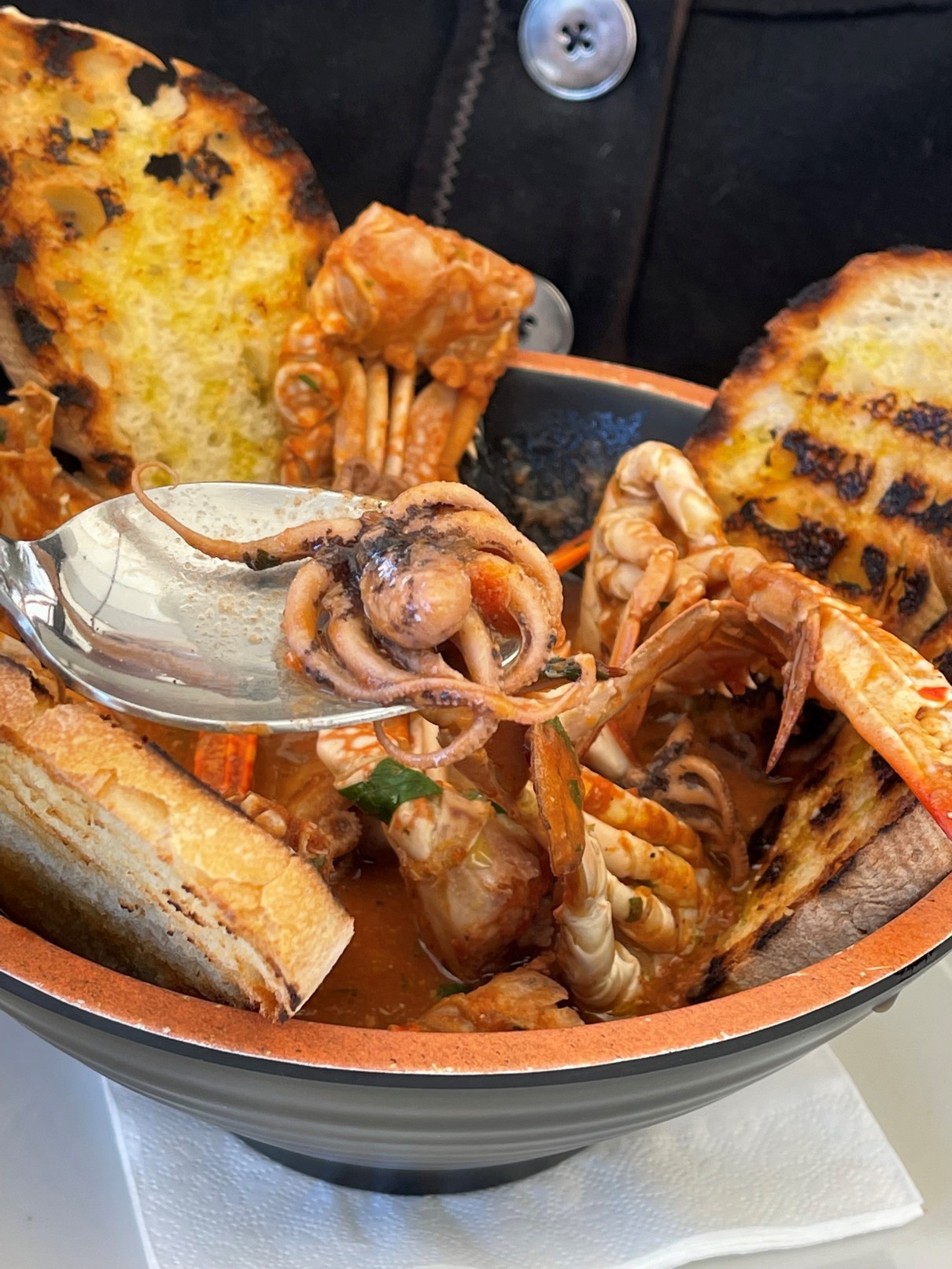
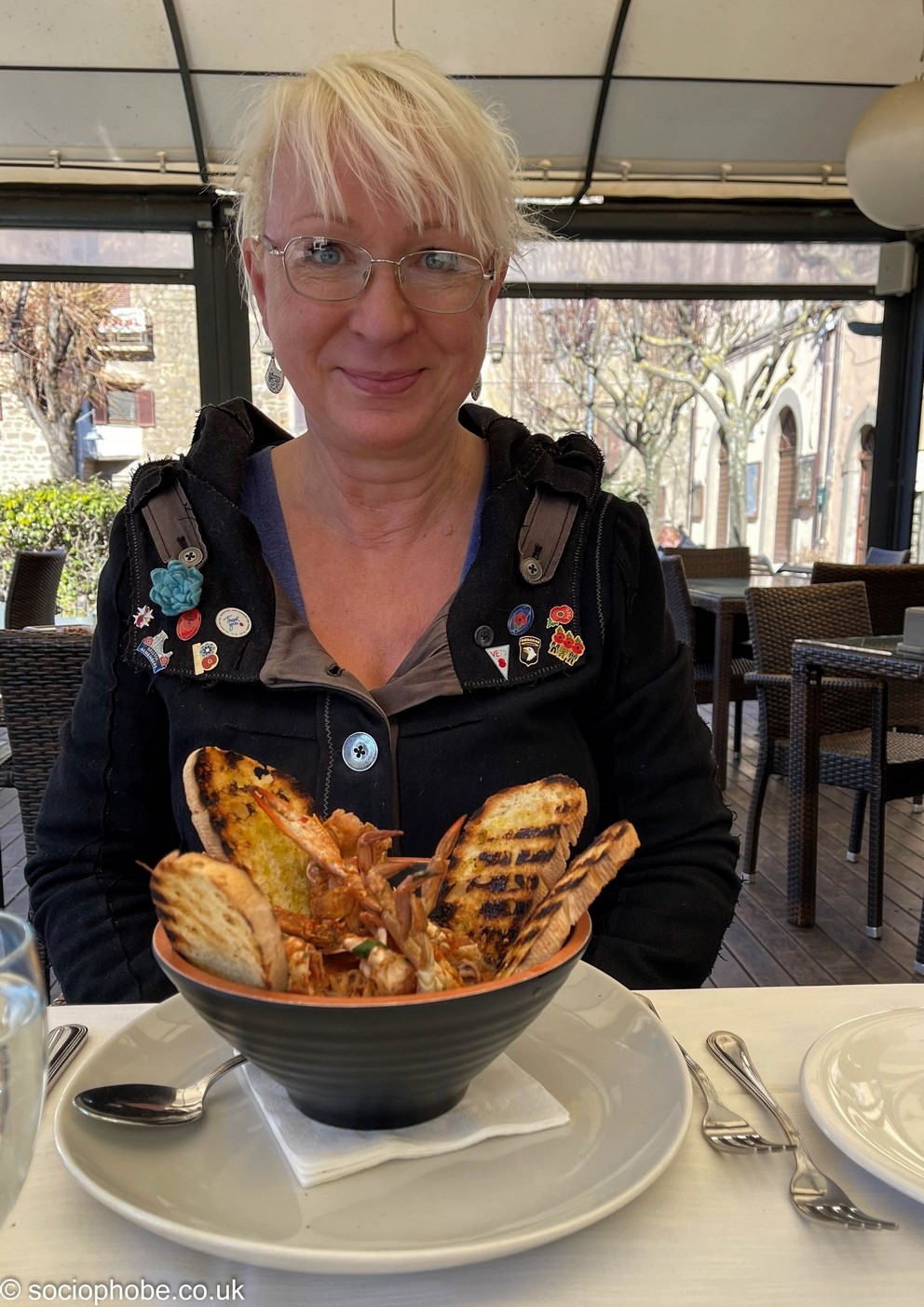
Our next stop was about 20 minutes drive away and we parked in the town of Bagnaia. First stop was lunch. There was a nice looking restaurant, Il Borgo, on the town square so we sat down and Deb perused the menu, trying to translate the Italian. I’m not sure how successful she was – I had pumpkin ravioli which was superb. I think she was expecting fish soup but a bowl arrived festooned with crabs claws and a whole family of baby octopoii floating in the sauce. I didn’t actually look until I’d finished mine as I’d probably have chucked but Deb is made of sterner stuff and ate the lot!
Villa Lante
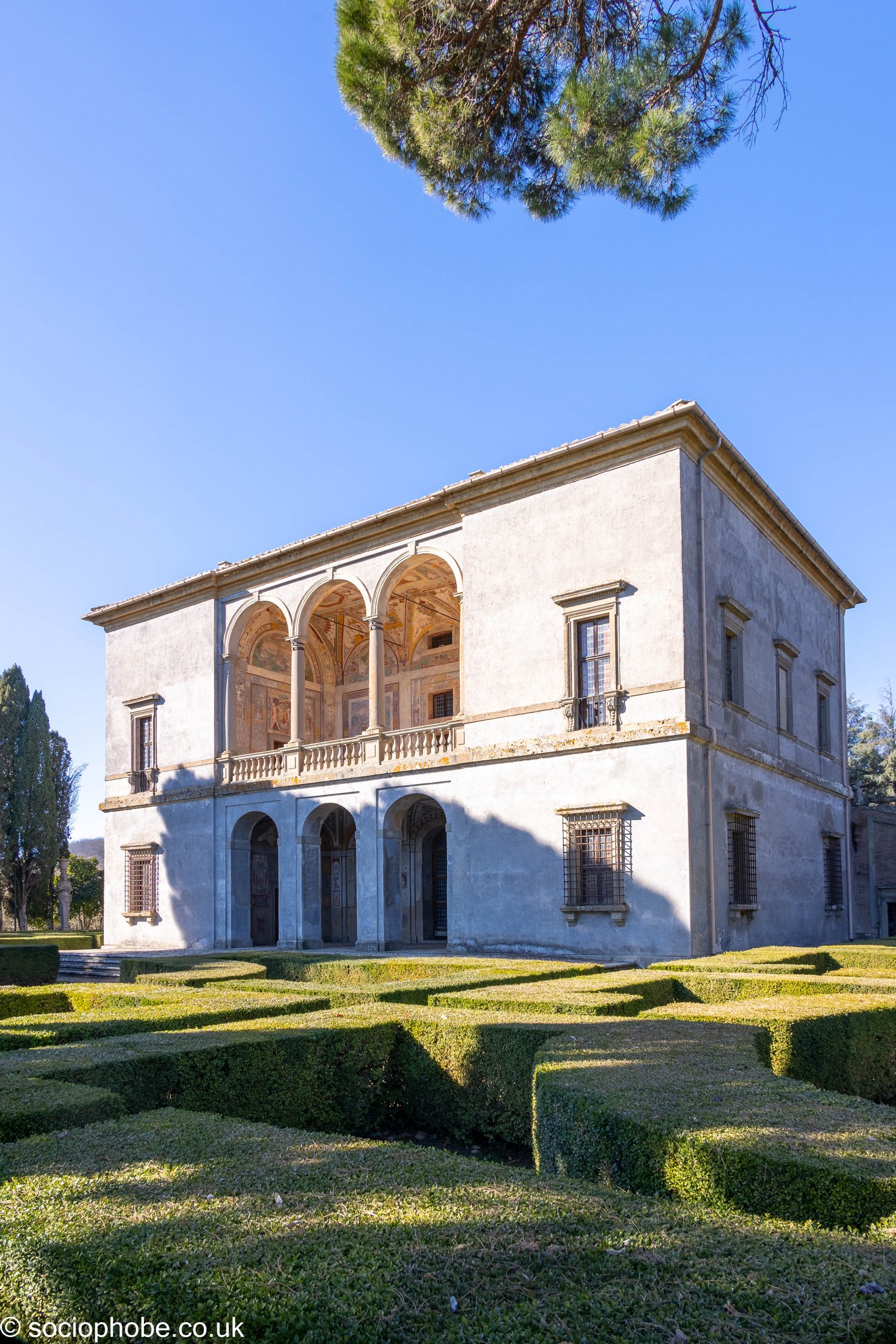
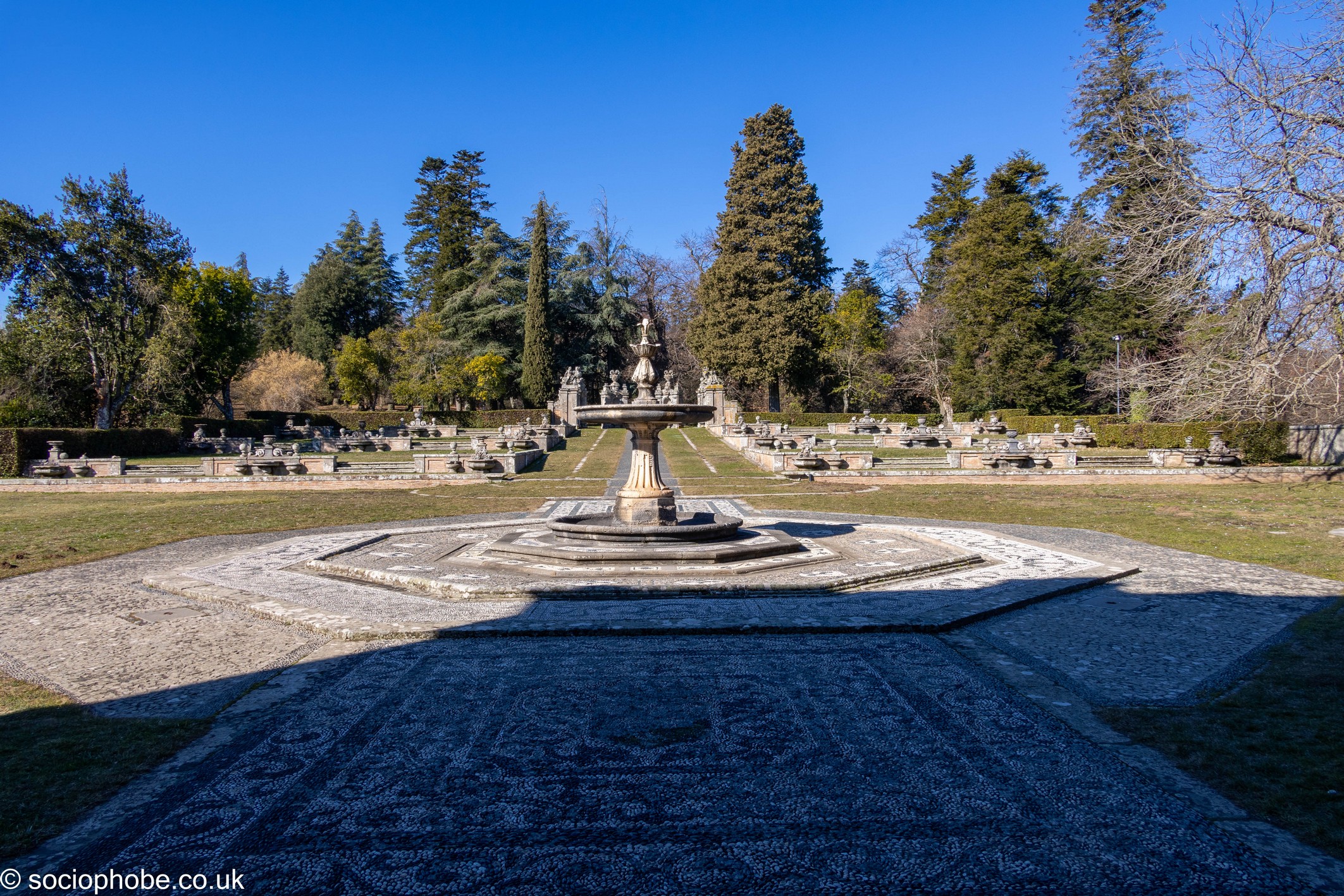
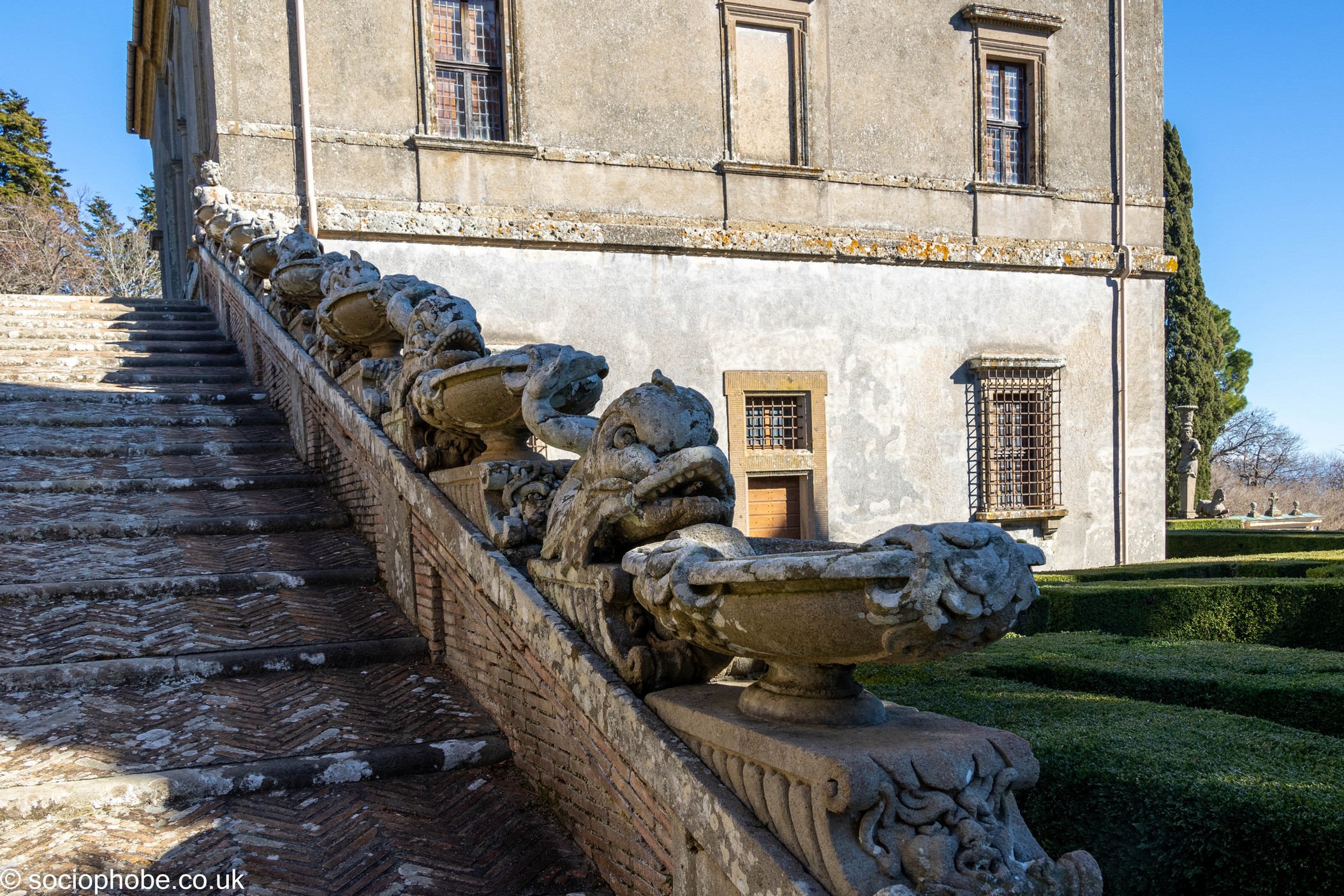
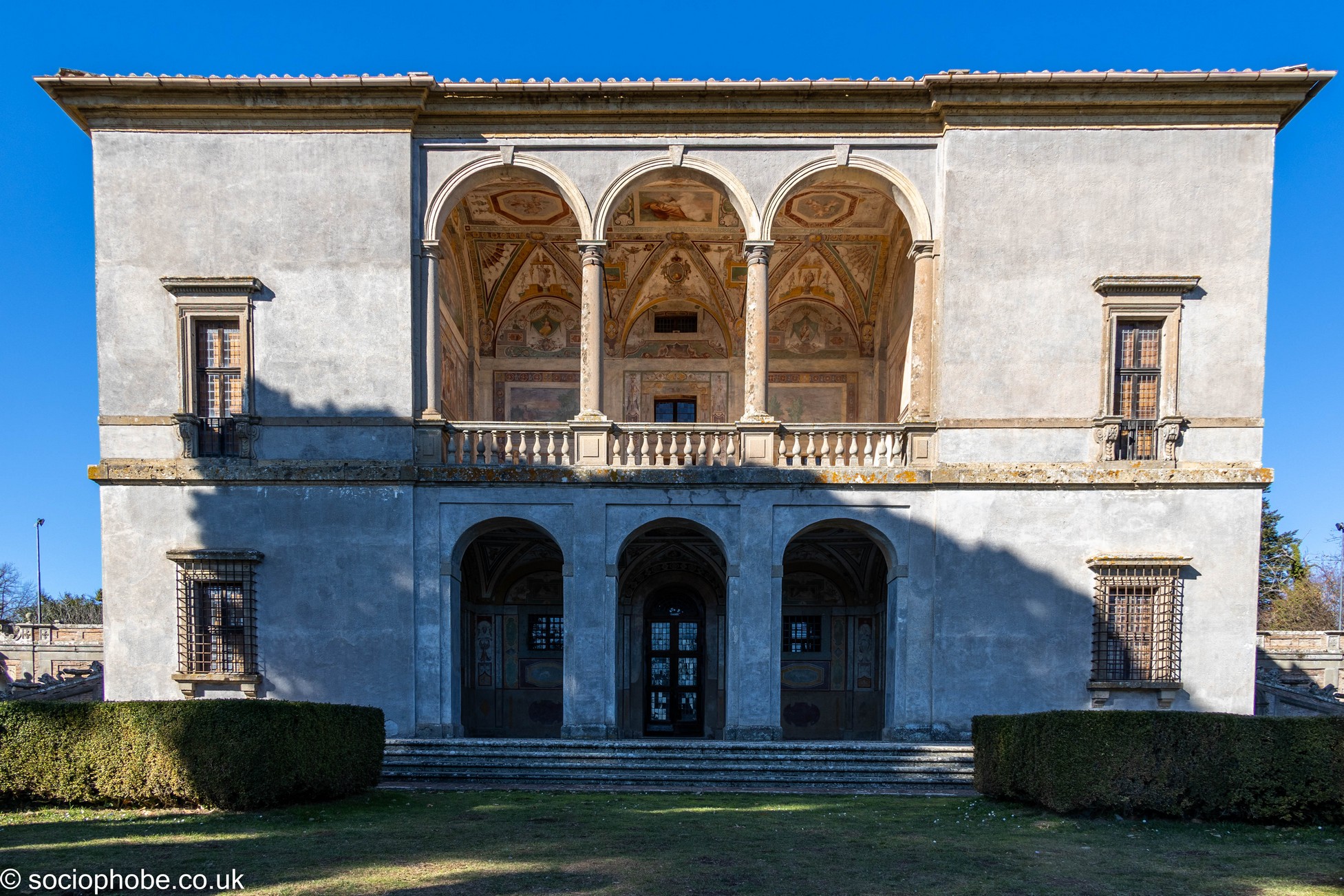
After coffees we walked the short distance to Villa Lante and paid the standard €5 cash to get in. This was also built by a cardinal so that was obviously a wise career choice for the Italian nobility. We couldn’t go into the villa itself but there were two summer pavilions, each decorated in a similar style to the Palazzo Farnese. The main attraction though was the gardens, specifically the water features and fountains. These were cleverly designed to link each of the three terraces together and were absolutely beautiful, both visually and aurally.
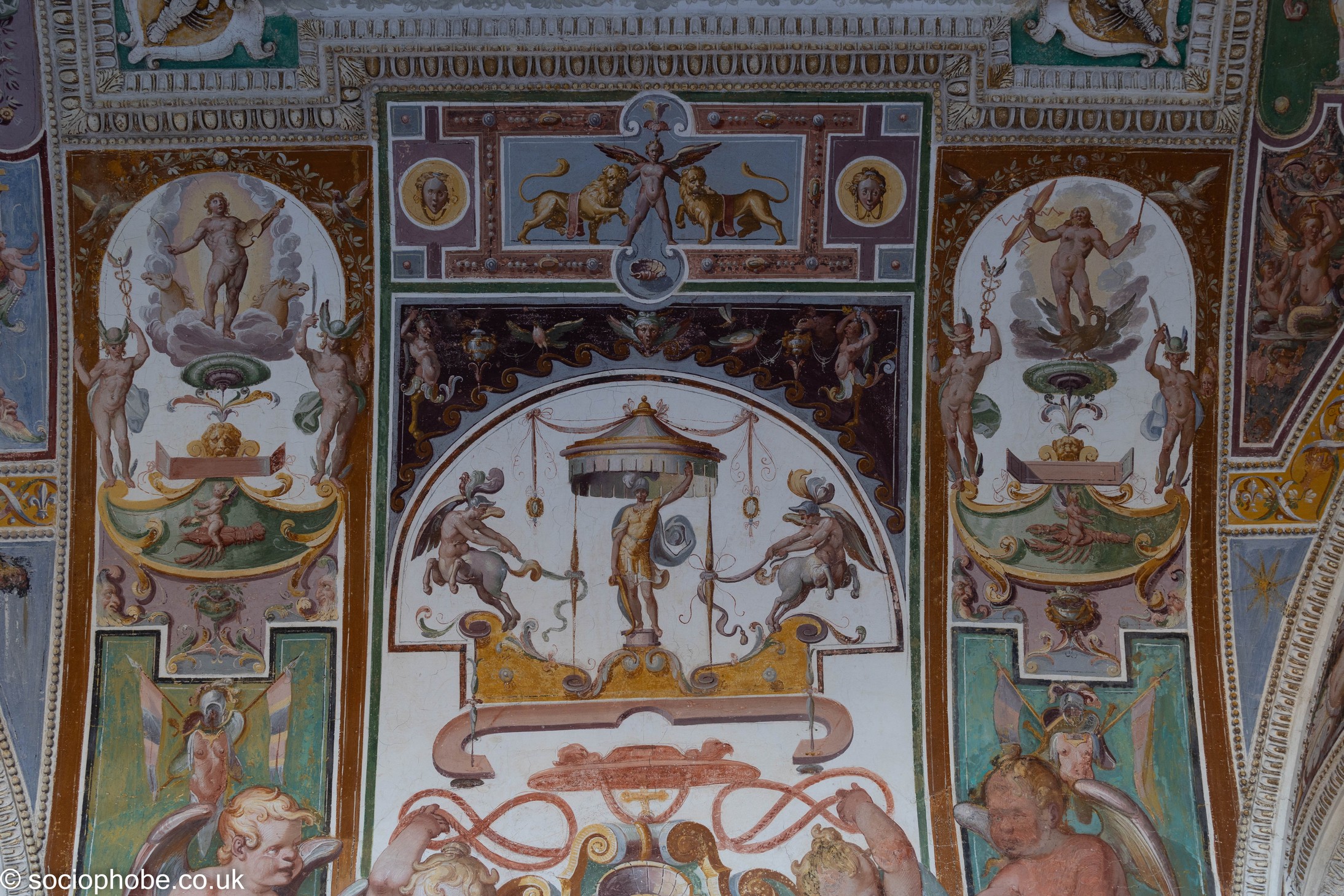
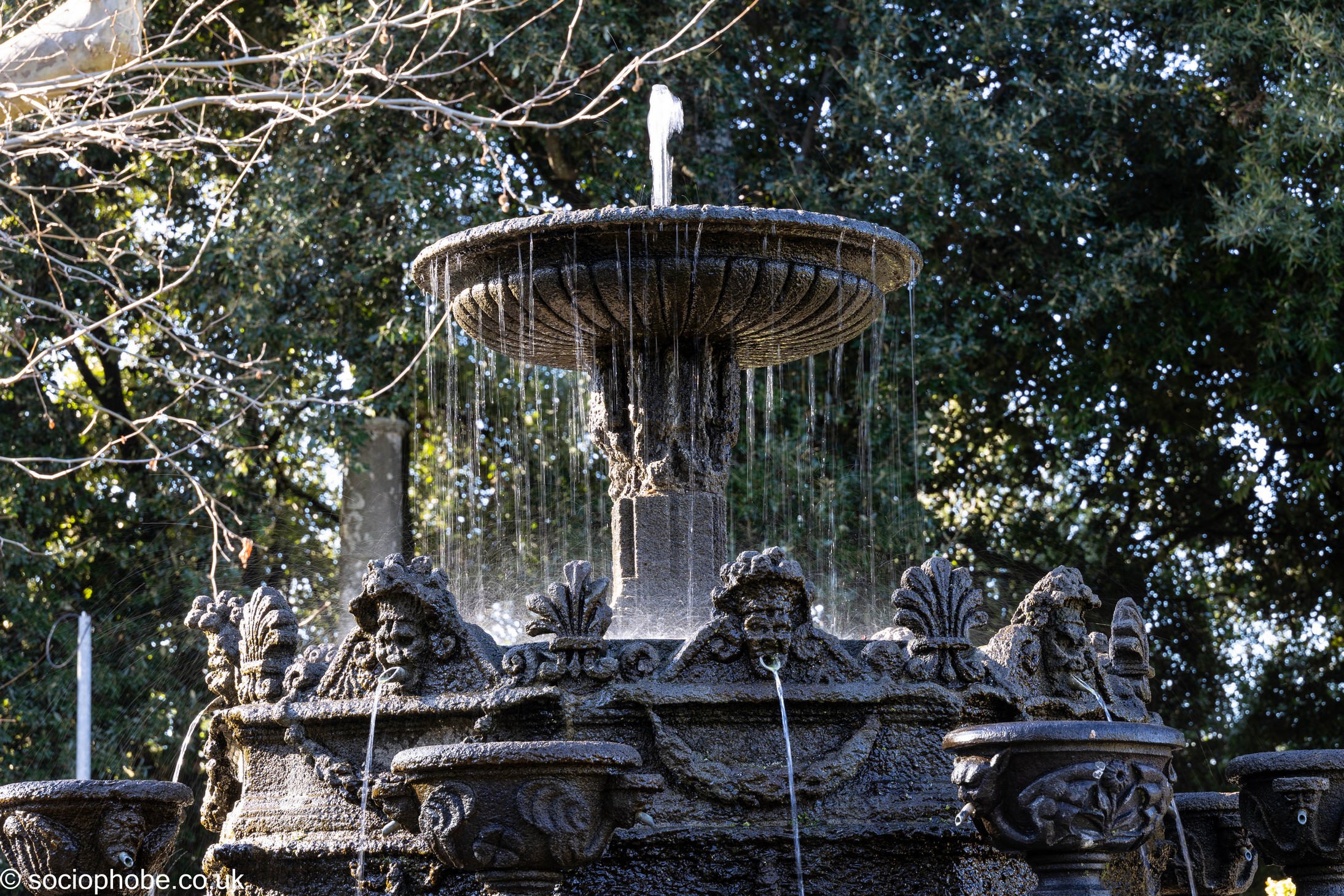
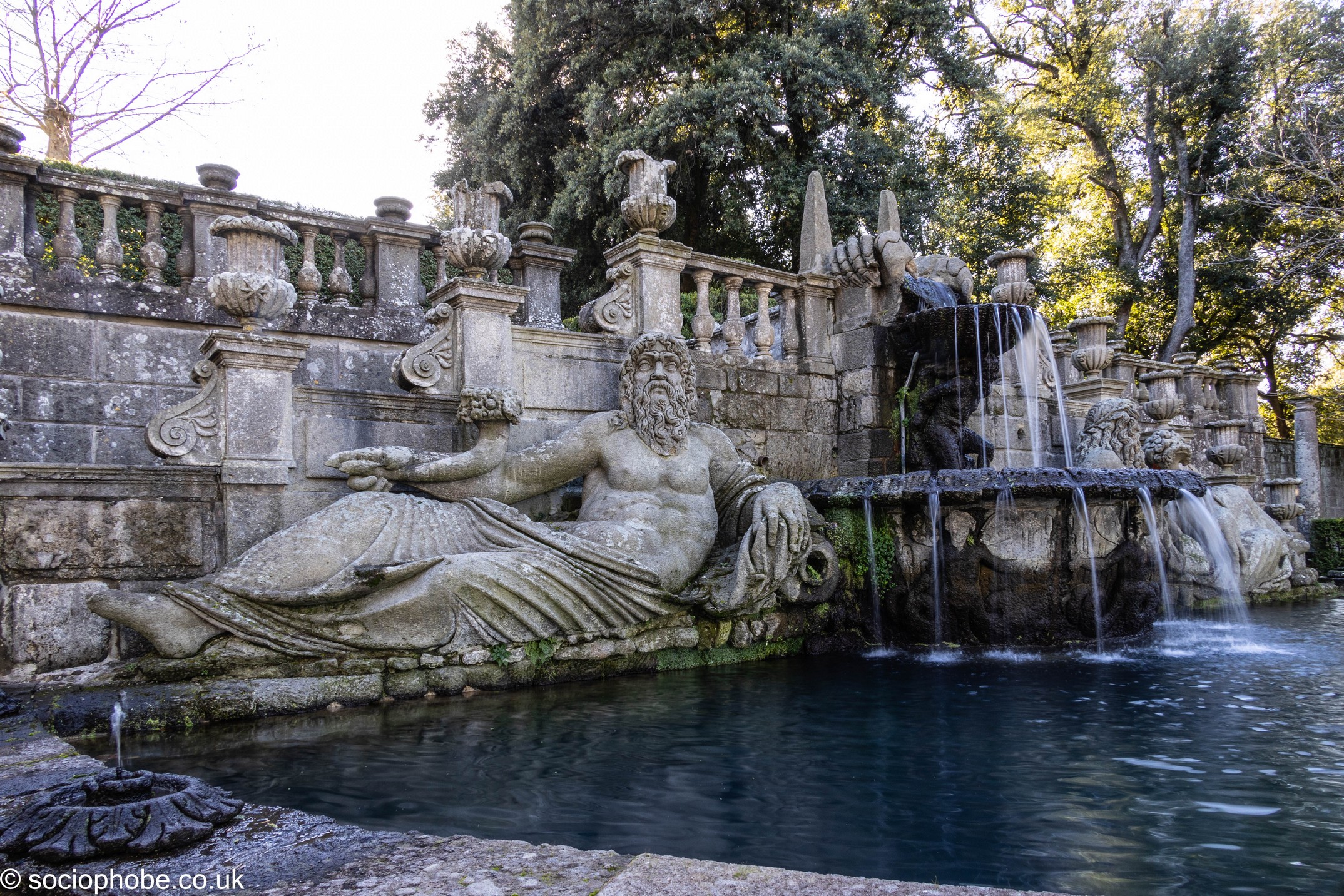
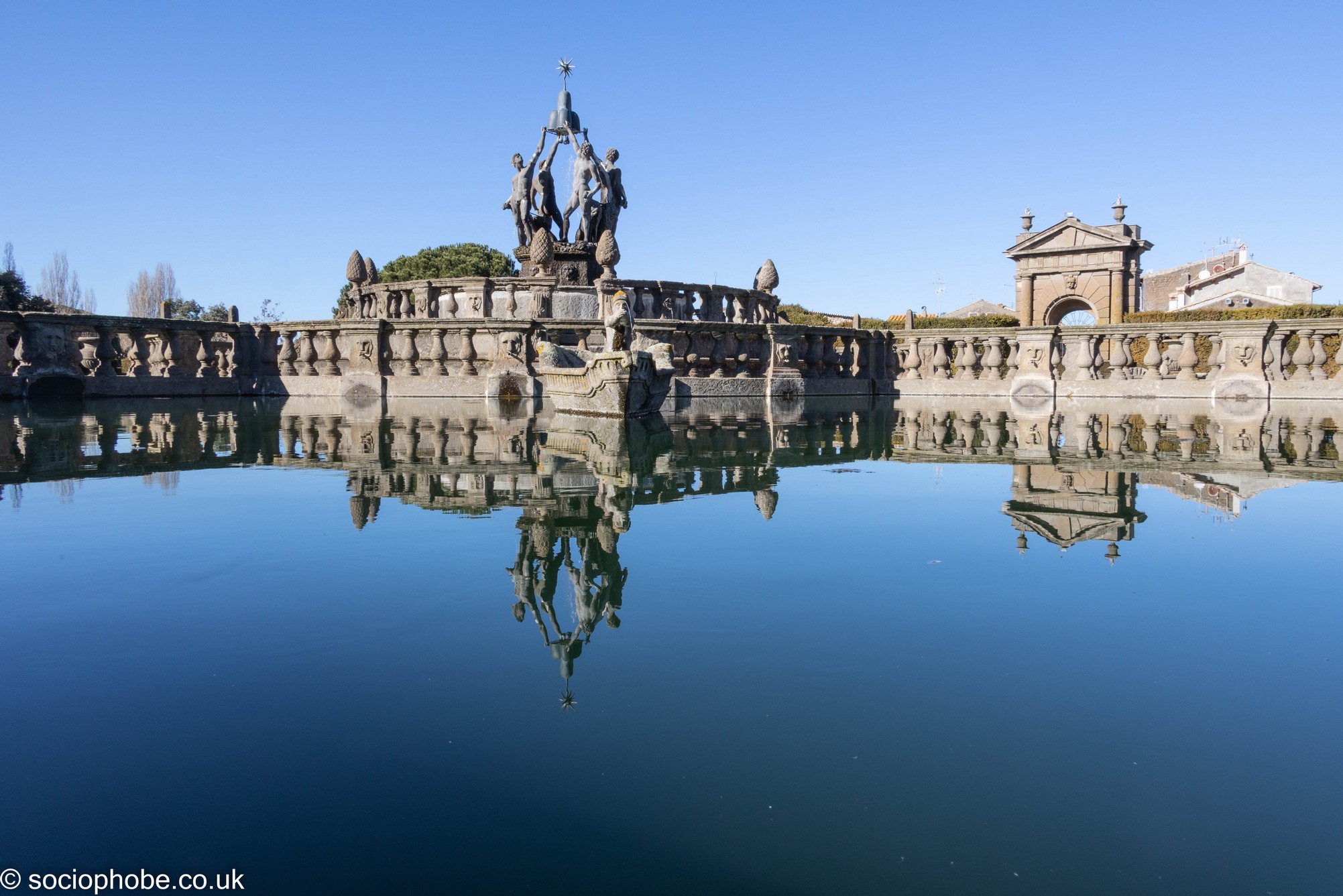
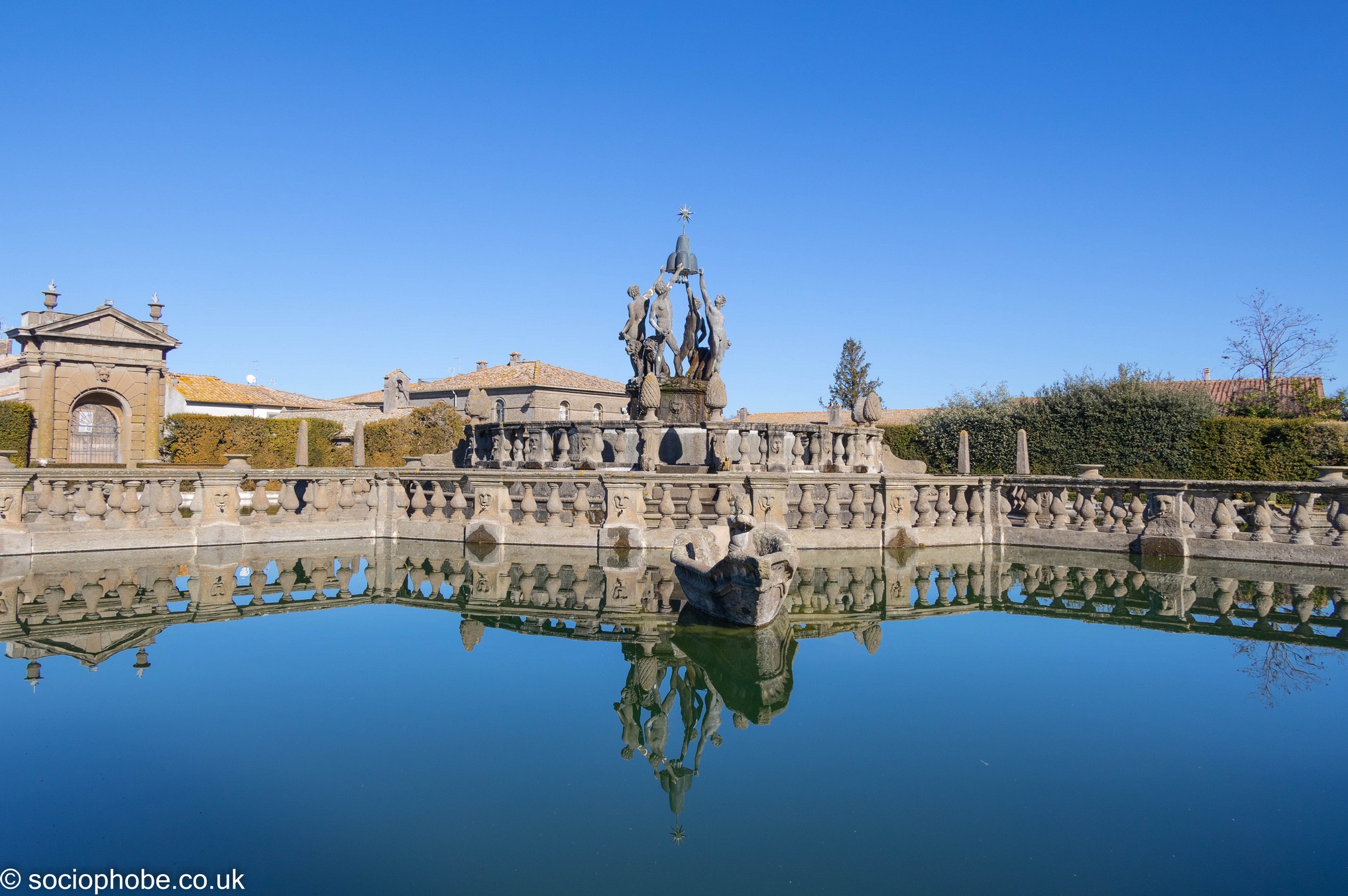
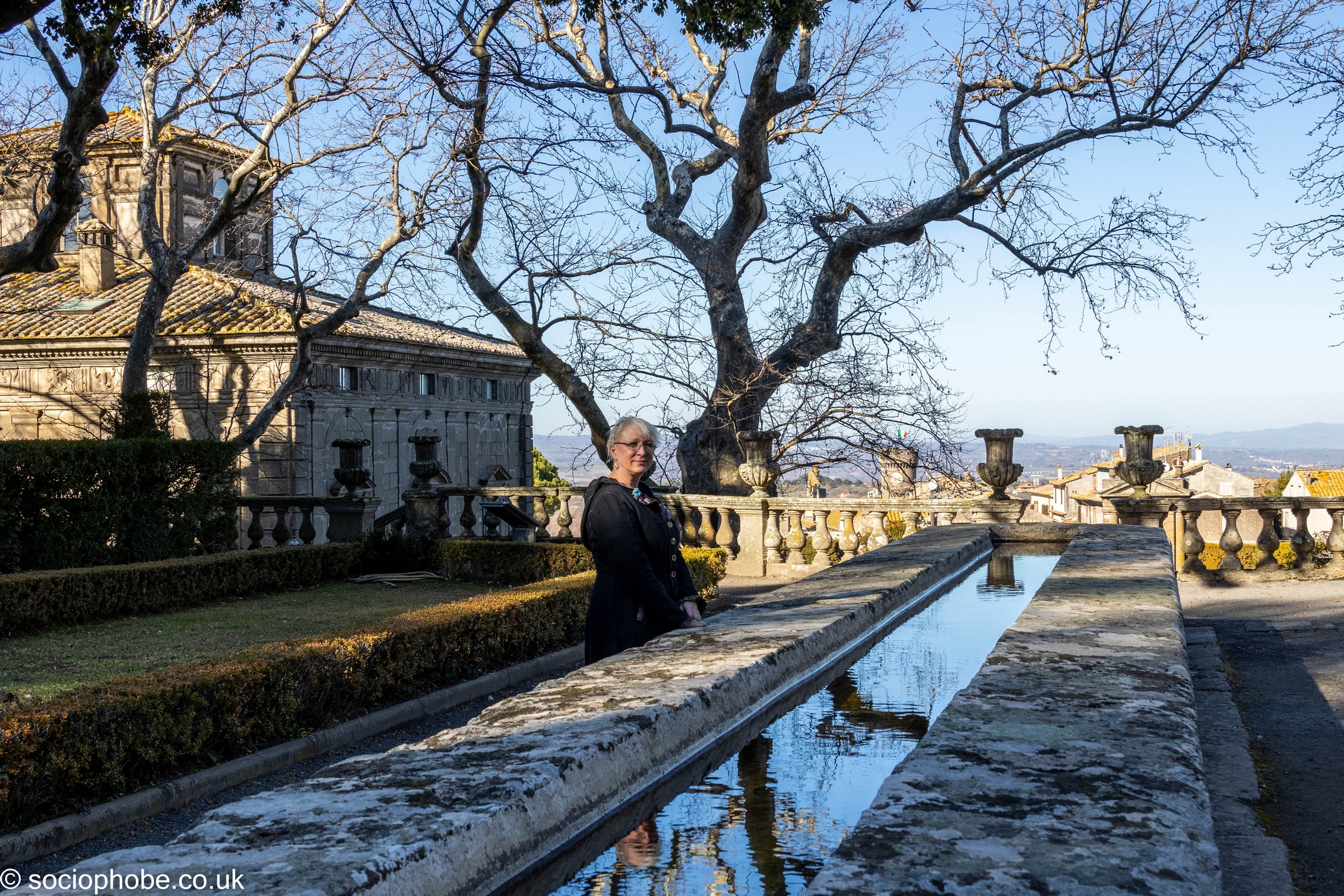
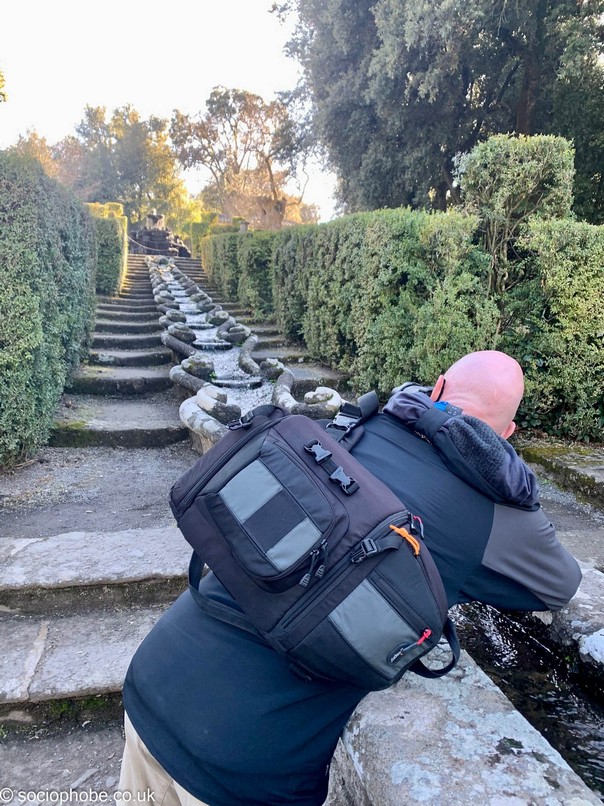
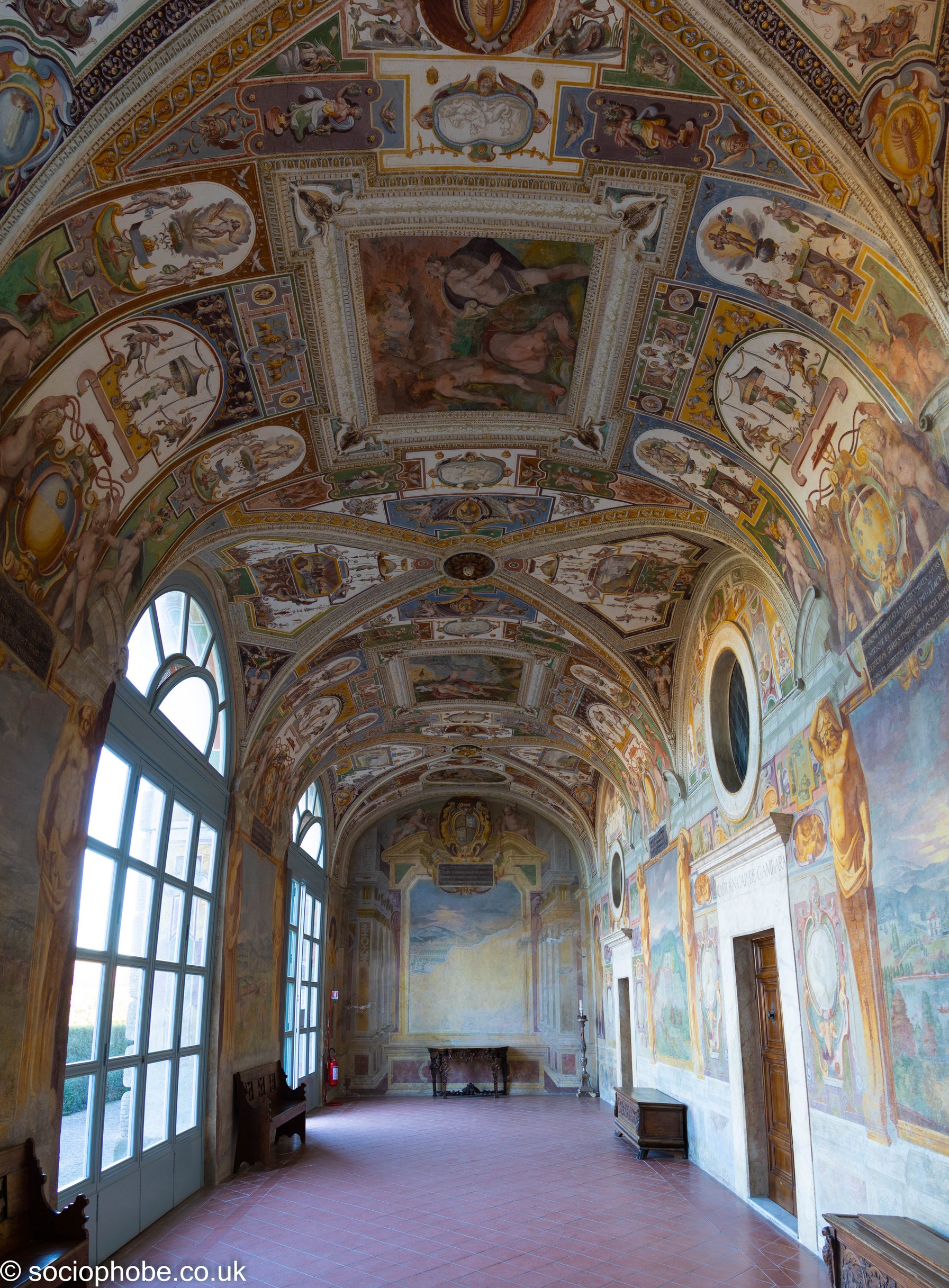
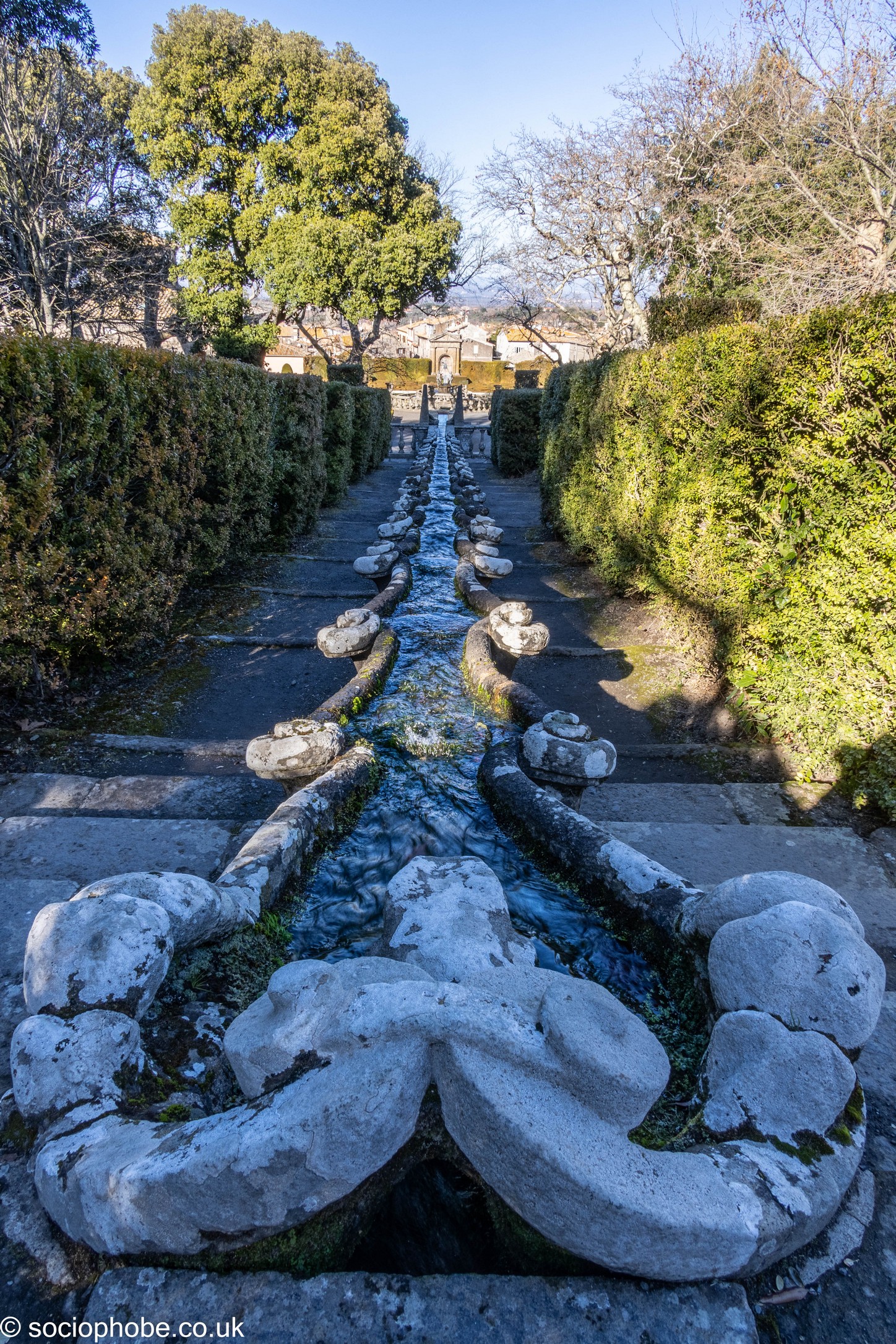
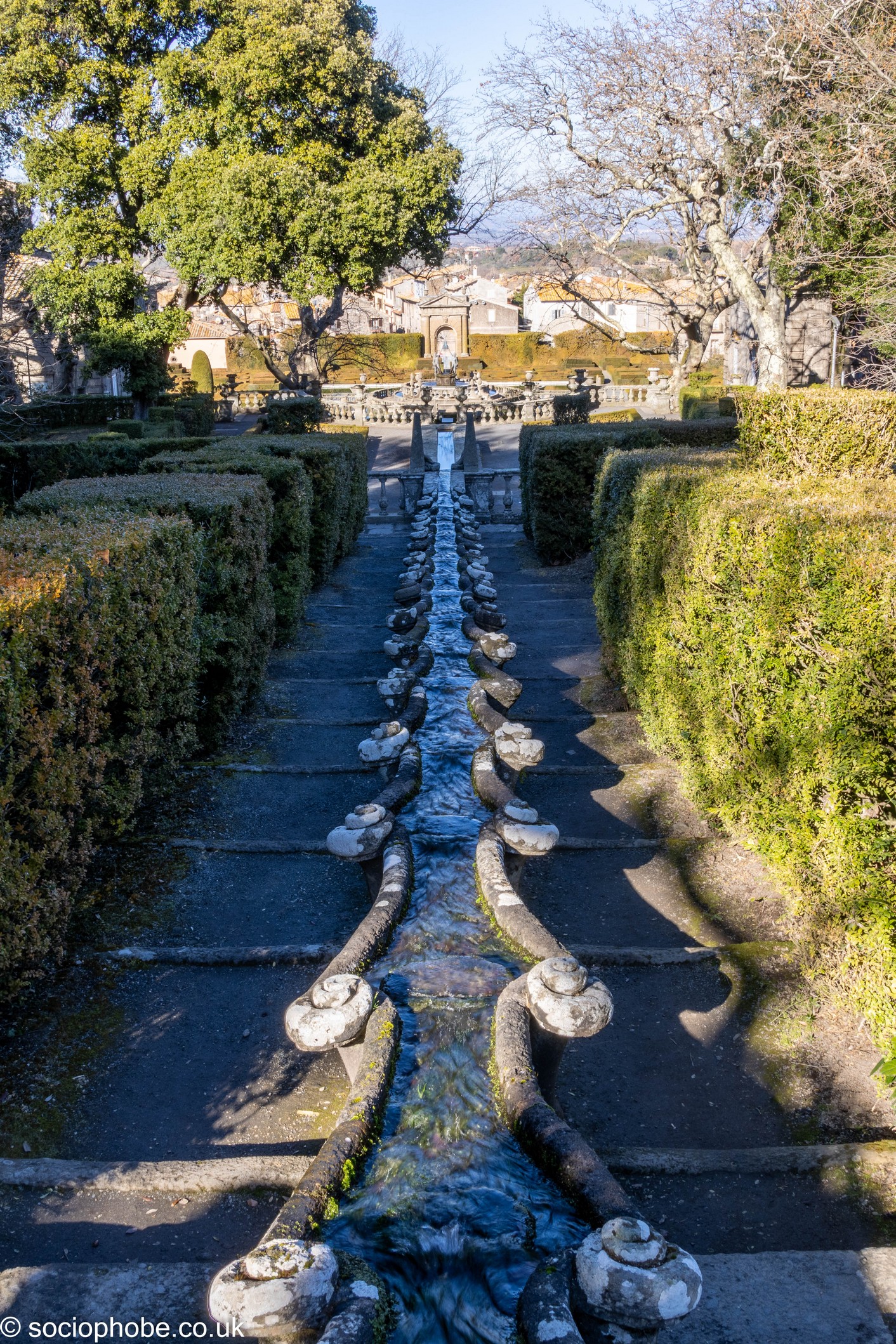
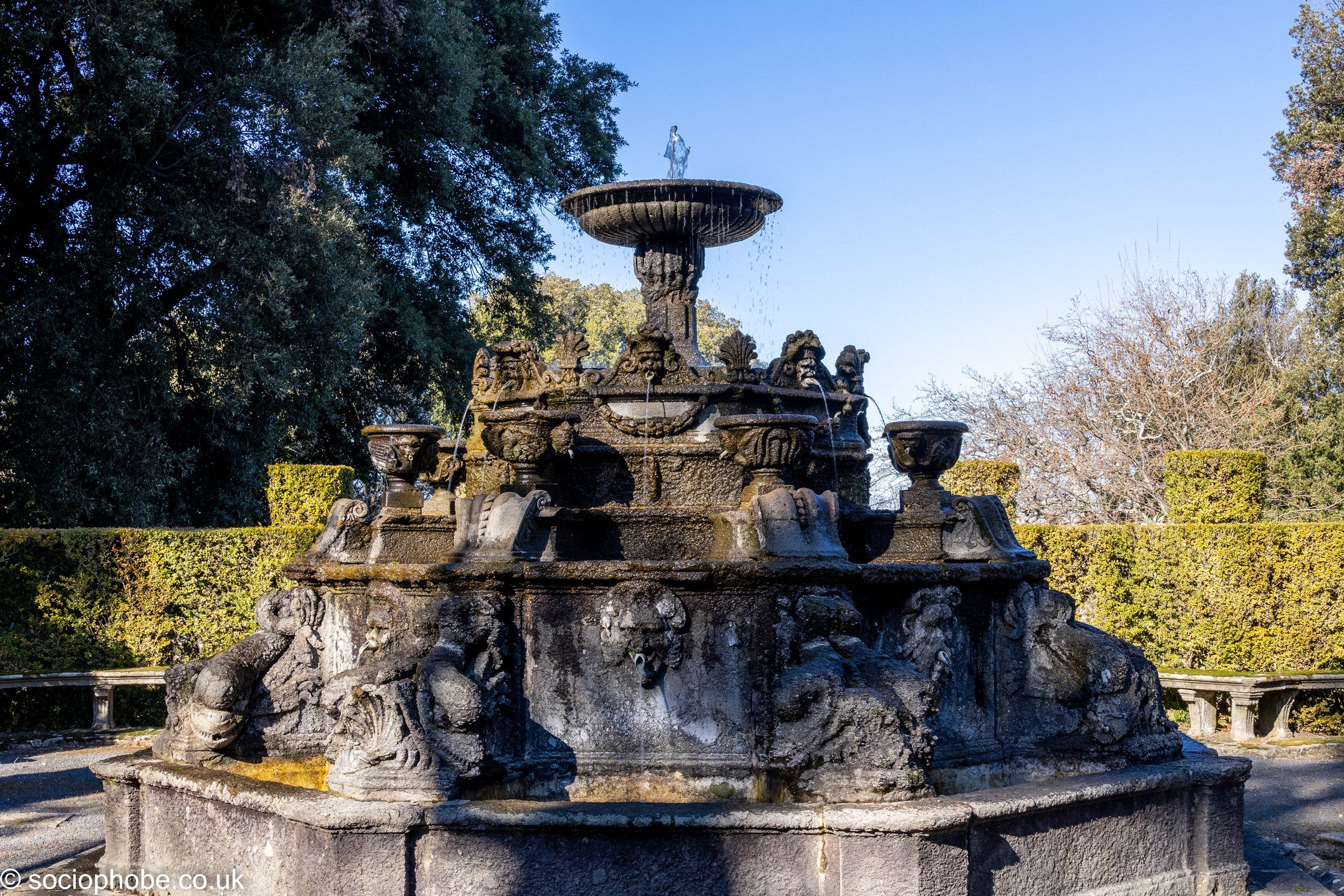
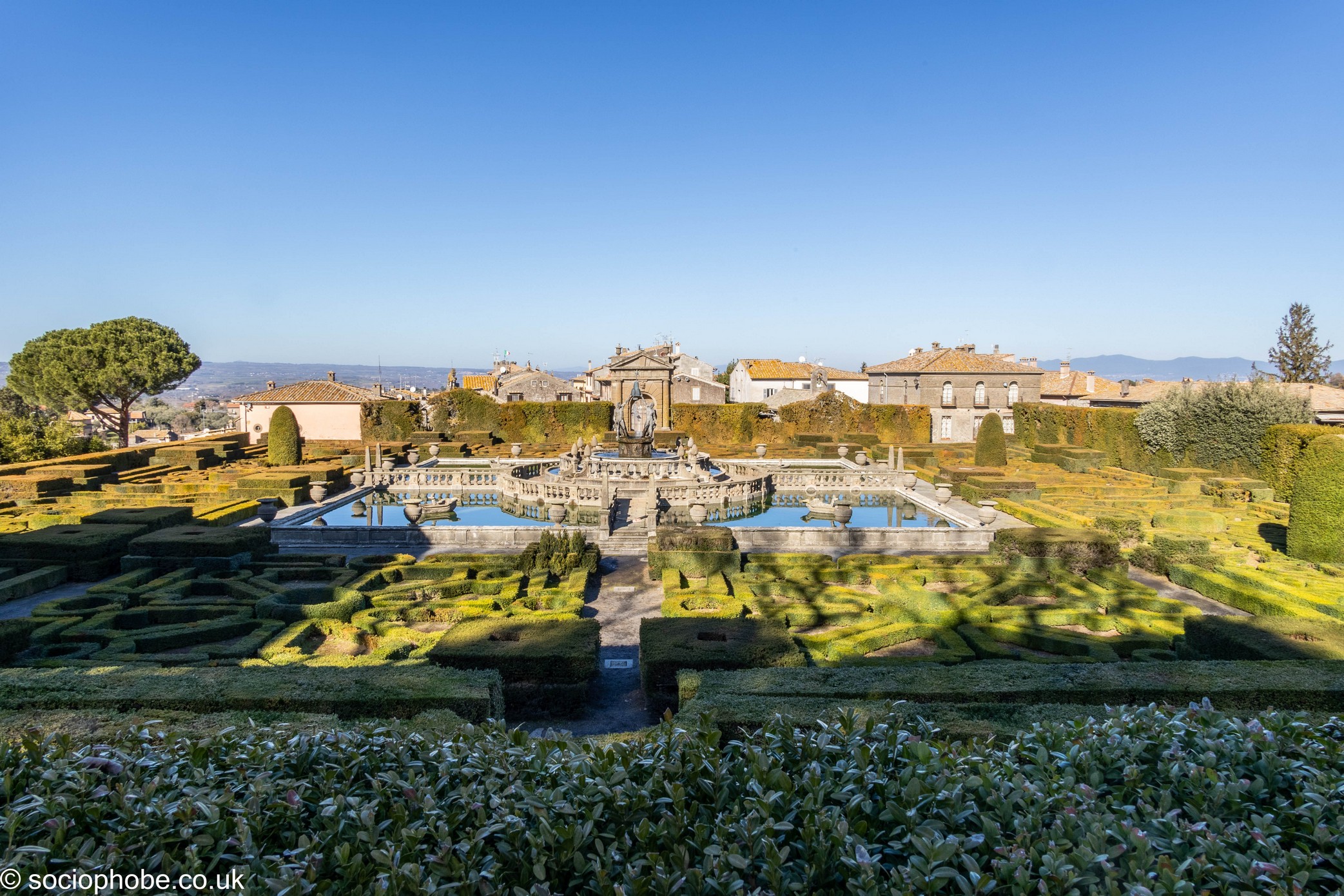
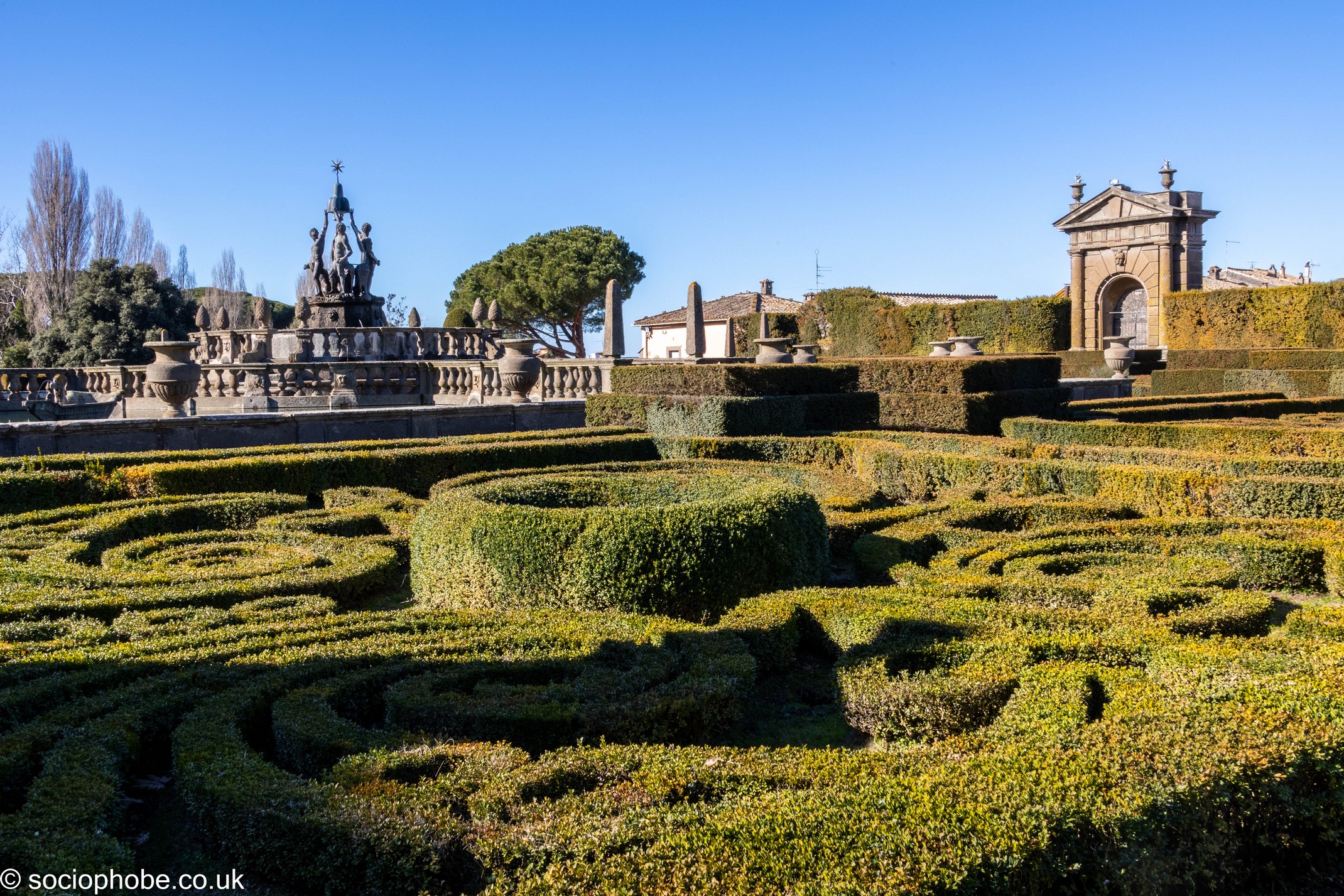
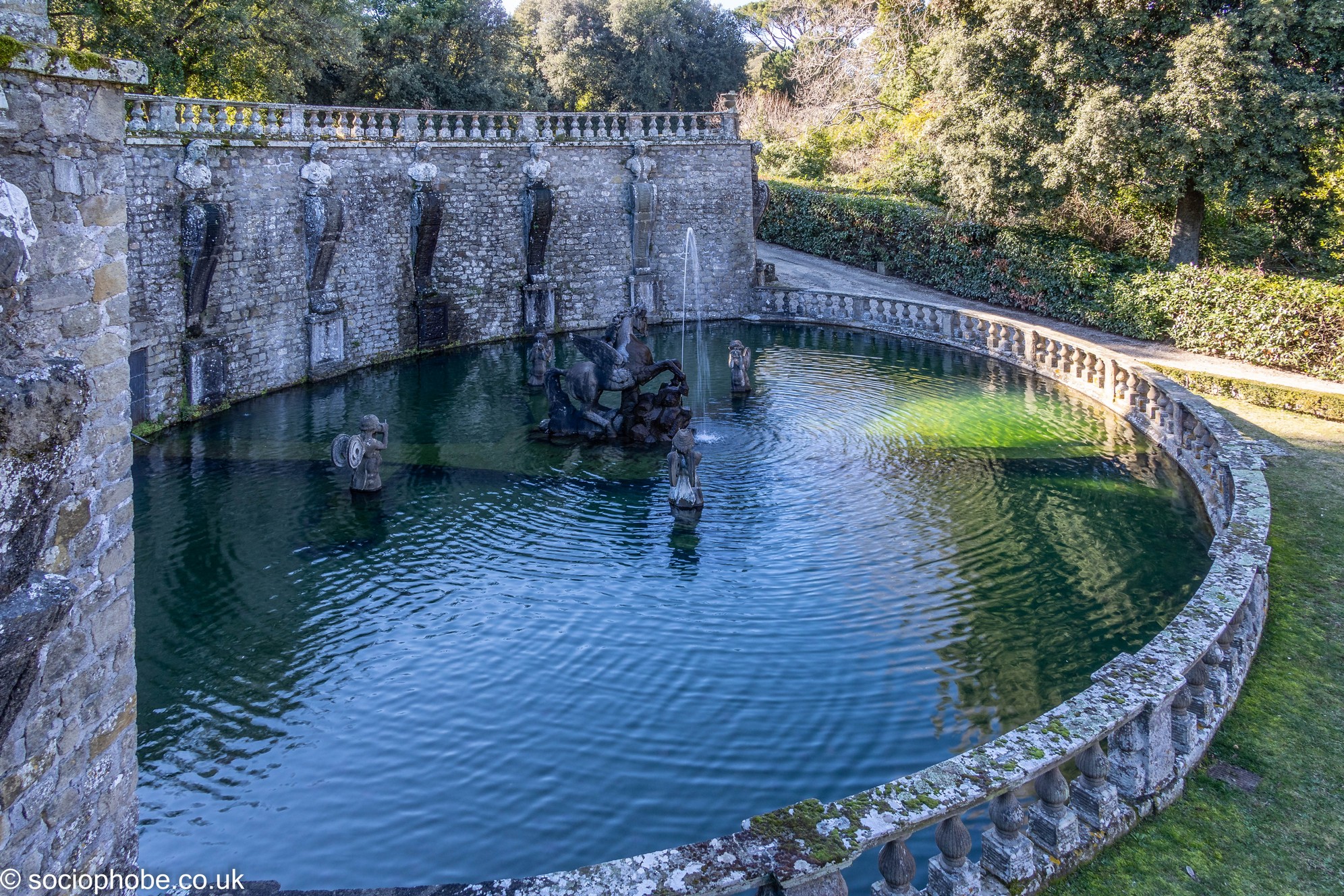
We spent almost two hours in the gardens and it was lovely just taking in the new view as we climbed each terrace. Each layer and fountain of the garden had an excellent information board so there was no shortage of stuff to read too! We walked back to the car park via a passageway with a mural detailing the procession of the Sacred Fire of St Anthony of Bagnaia, a local festival.
It was a short drive back to the hotel to start the joyous photo sorting task. 276 pictures reduced to 40 that I actually kept after about 3 hours work! I did pause to watch another fantastic sunset though, with pink sky and the snow on the distant mountains illuminated. Deb tried to work out where to eat, her hunger barely satiated after eating a small ocean worth of cephalopods.
The meal we had was ok but overpriced really. Deb had wild boar which was delicious, my polenta was ok but a bit dull and drinking wine to make up for it wasn’t the best idea!
Bagnoregio, the dying village
I actually woke at a sensible time which allowed me to footle, read the news etc before we had breakfast and left before 9. Today I had various stops planned but it didn’t really go to plan as we spent a lot longer than expected at the first place. Our first stop was the hilltop village of Bagnoregio, about an hour away.
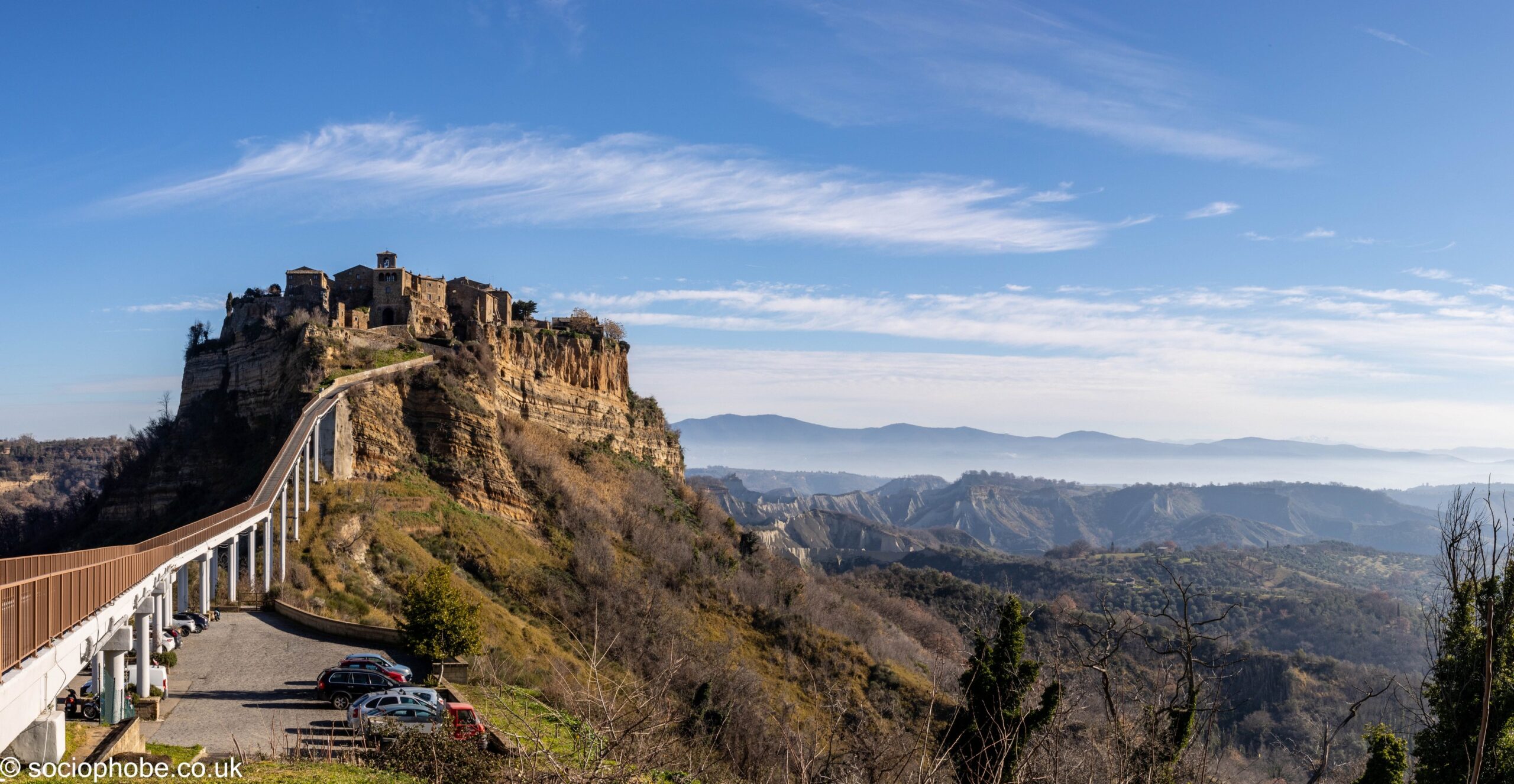
Bagnoregio has been called the “dying village” because the hill it’s built on is slowly being eroded, causing the village houses to collapse into the gorge. It is an incredibly photogenic place and the only way to access it now is by a modern walkway built above the valley floor. Oh bloody joy. Well we parked up nearby and walked a few minutes to the viewpoint. Wow. The mist surrounded the village and the hills next to it were so sharp they seemed unreal. After a few minutes just absorbing the view (and taking some photos) we walked down the steps and then followed the road to the ticket office.
Entry to the village was €5 each and we crossed the bridge and started the climb up. This was fine until the very last bit where my vertigo kicked in and the last 50m or so was a real effort! The entrance to the village has an ornate gateway and was guarded by a variety of cats, laying in the sun. Once inside the place was a warren of tiny streets and alleys, some leading to viewpoints, others to private dwellings. The buildings were lovely but the view was the real attraction.
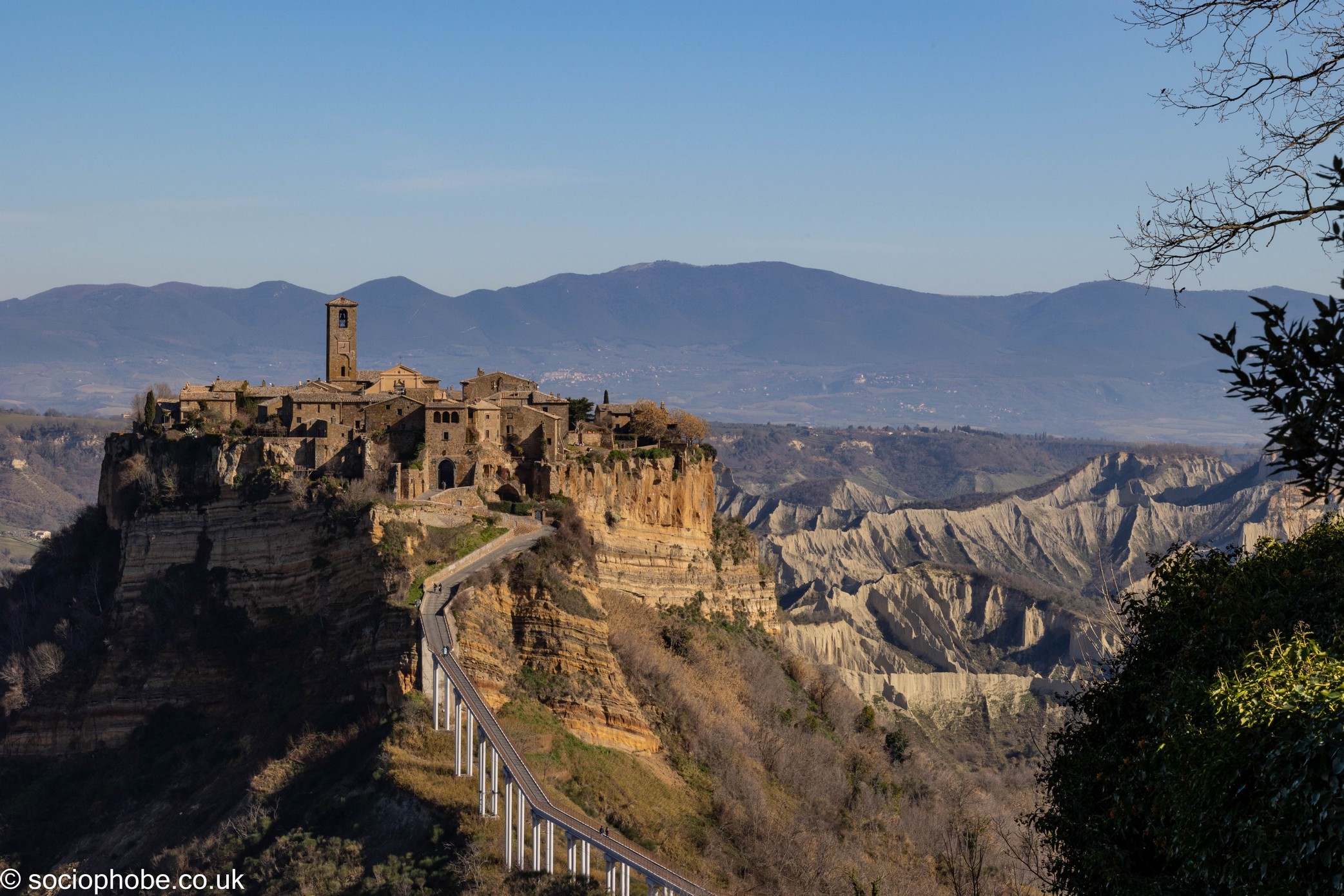
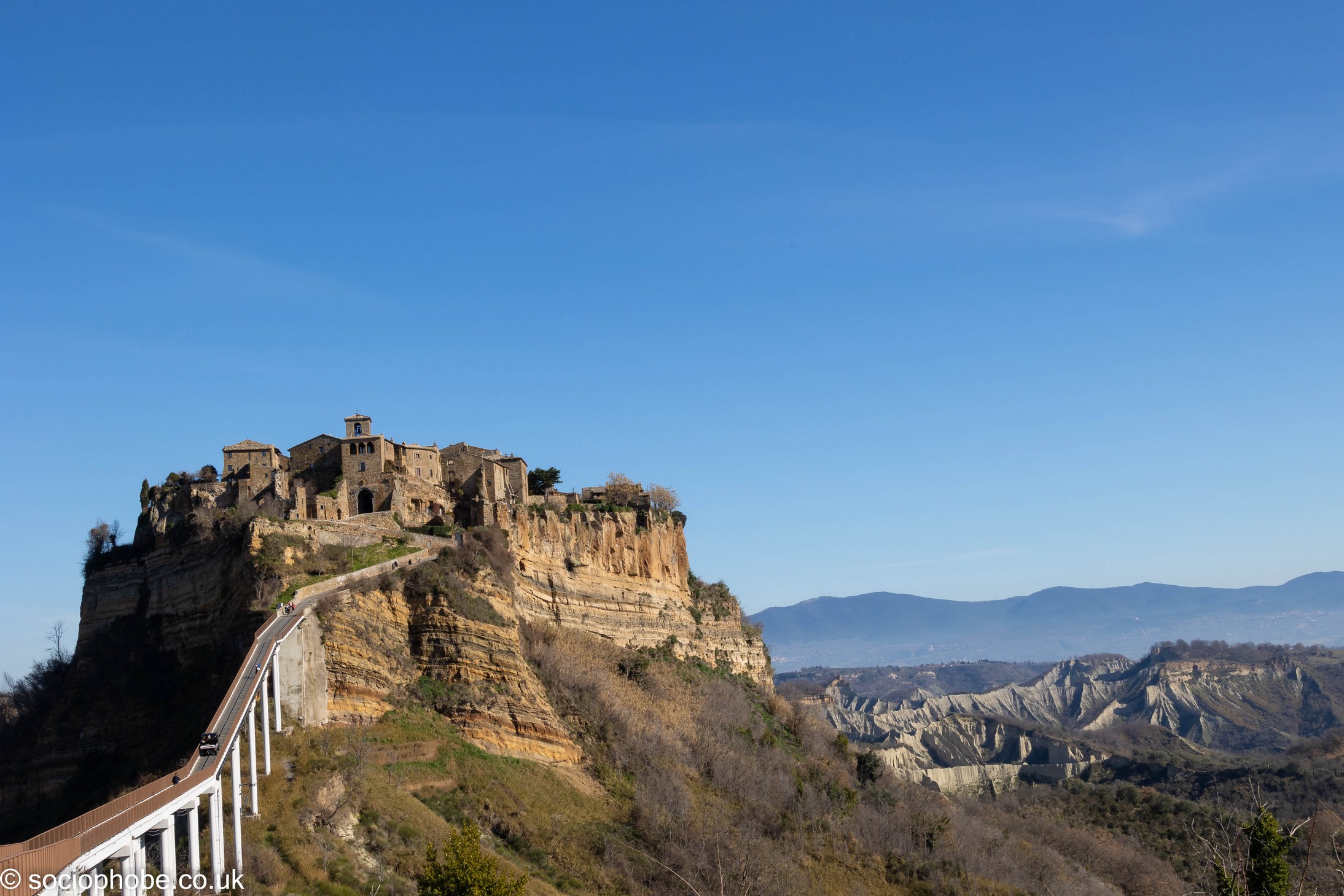
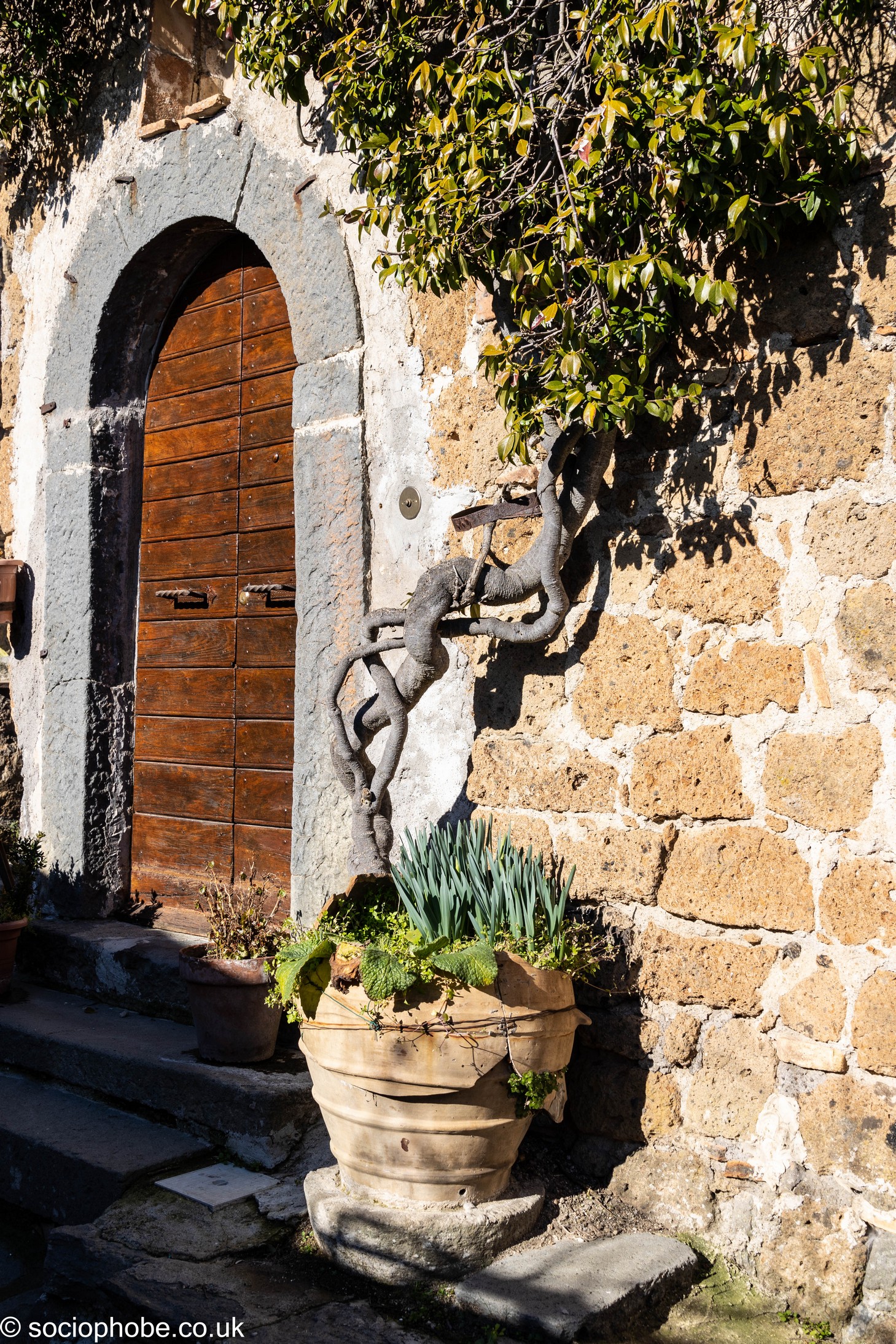
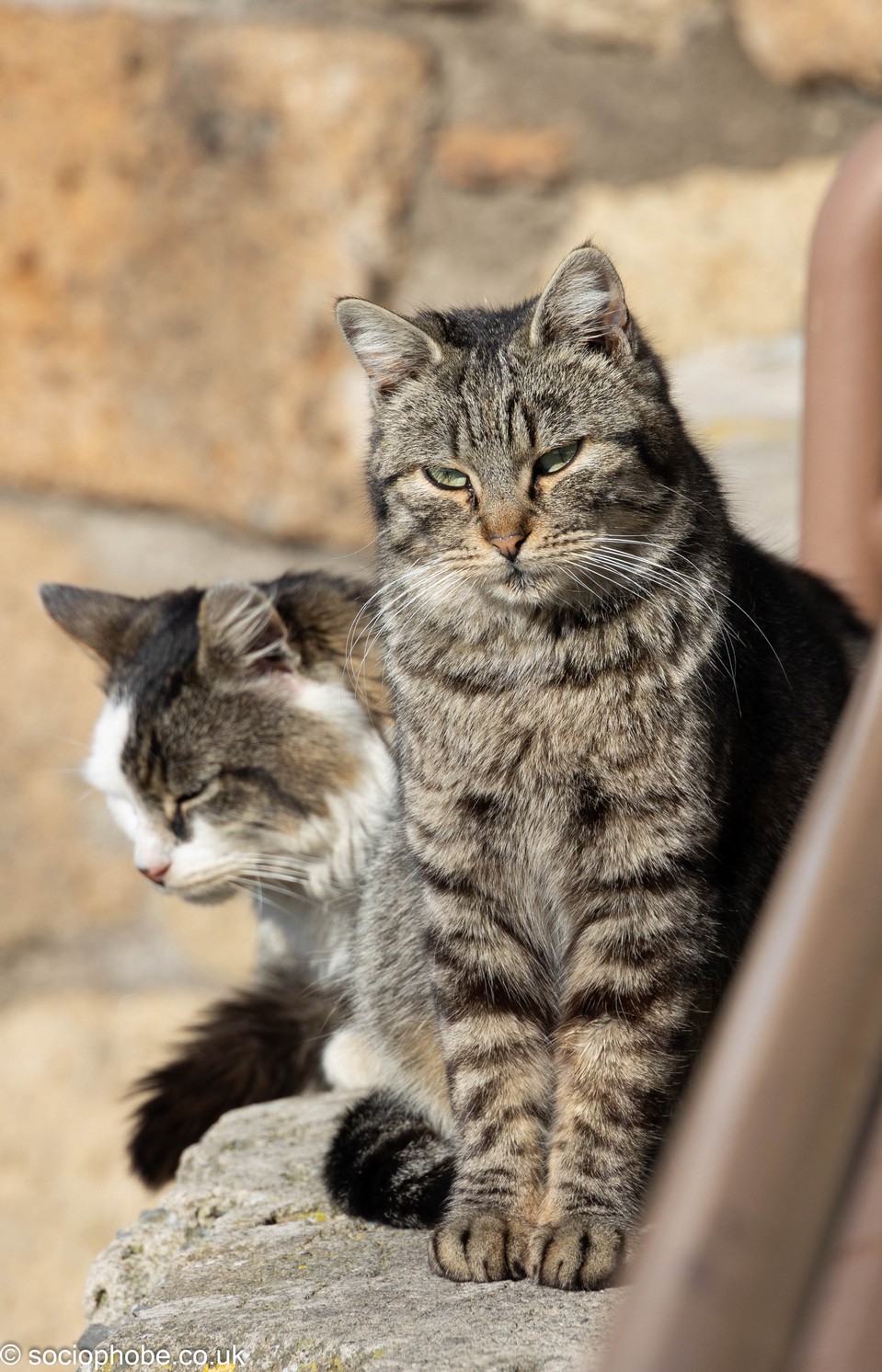

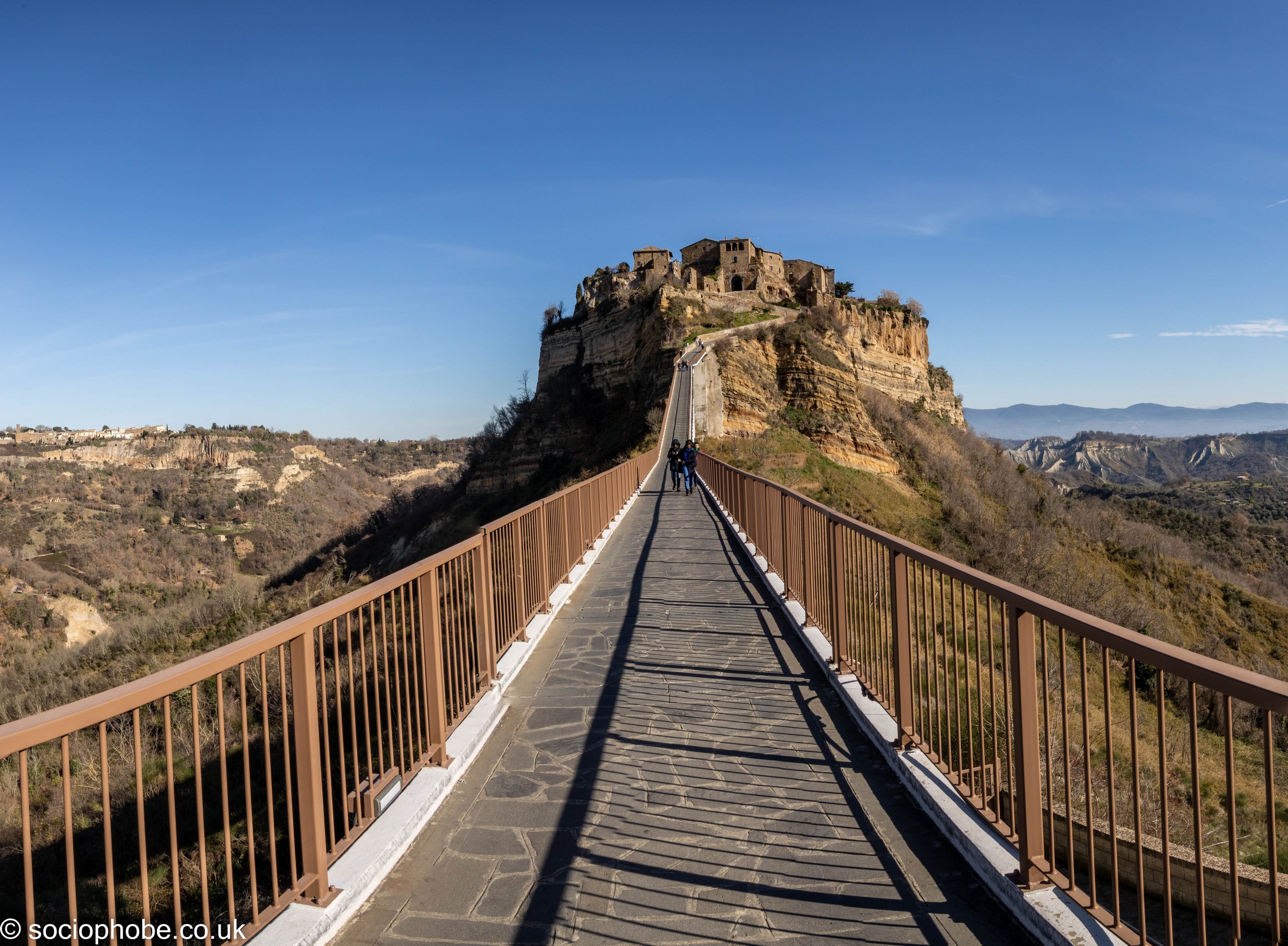
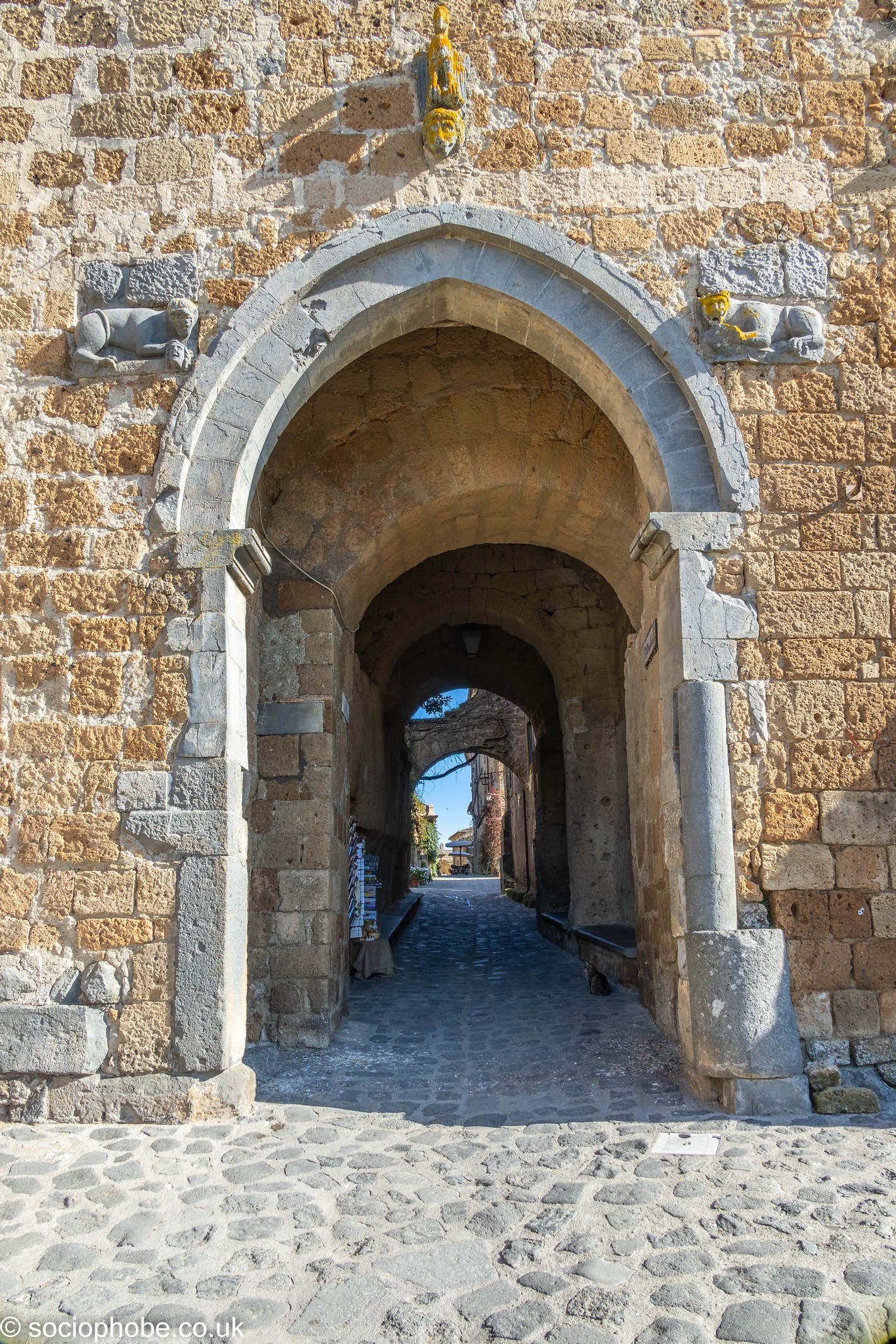
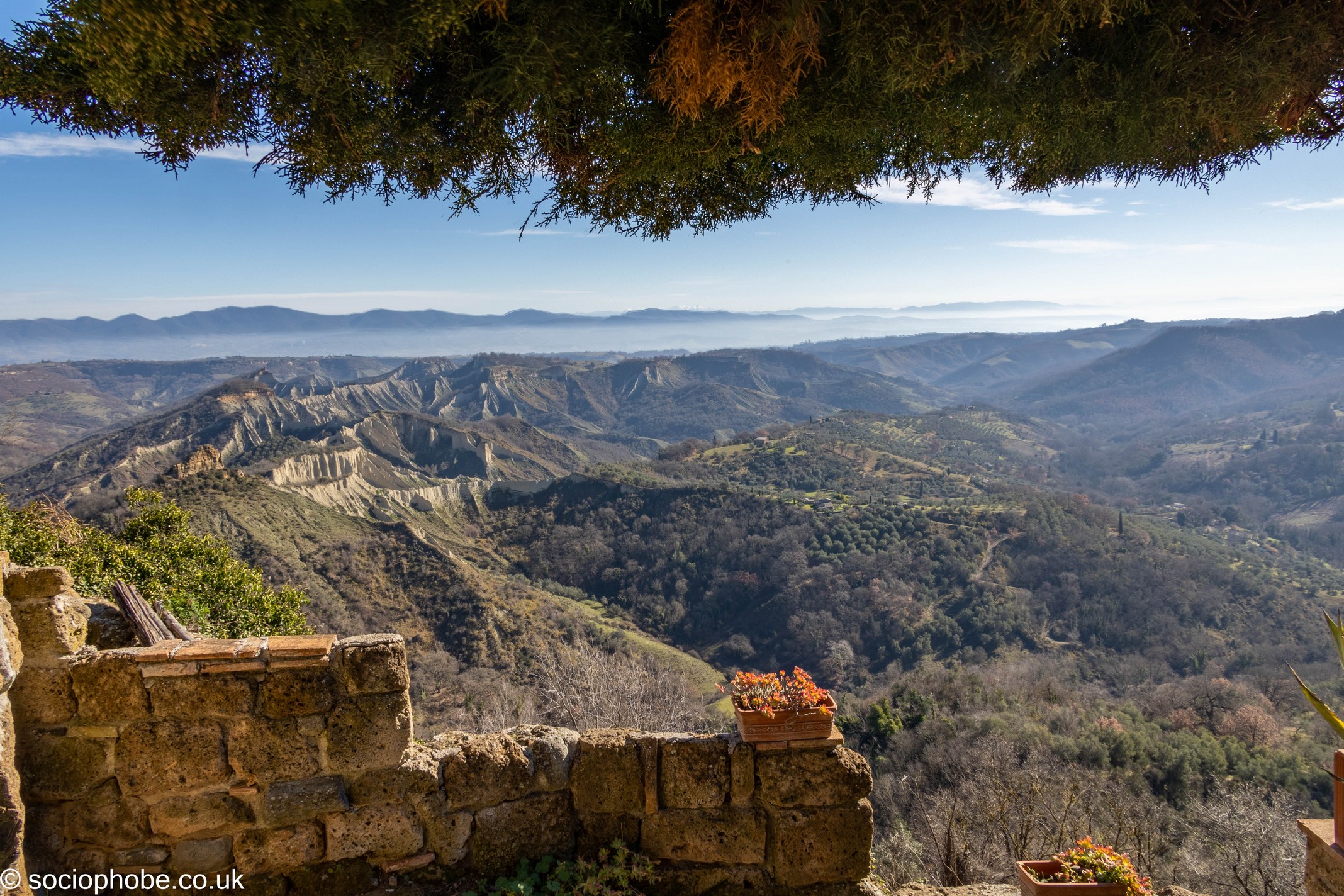
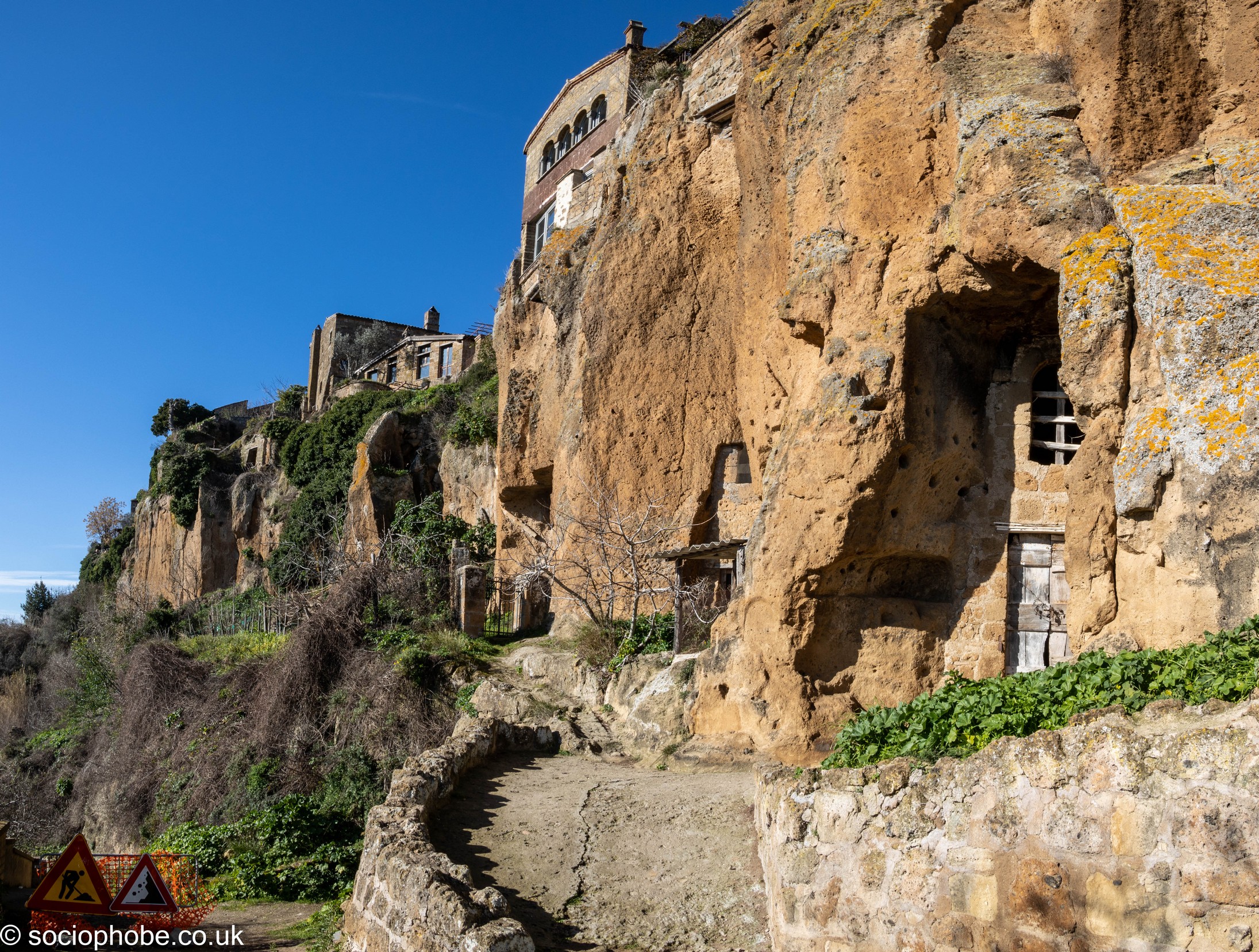
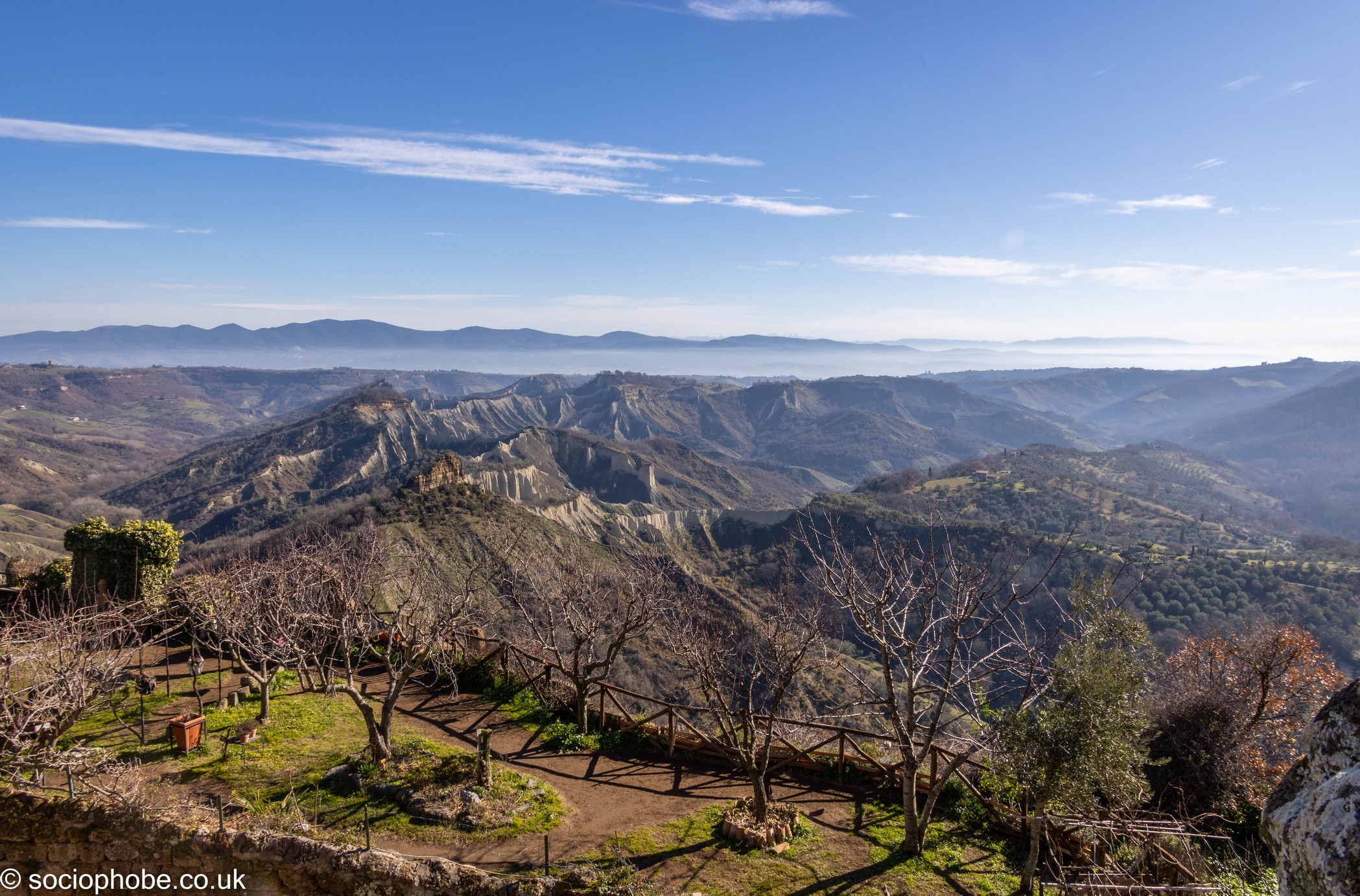
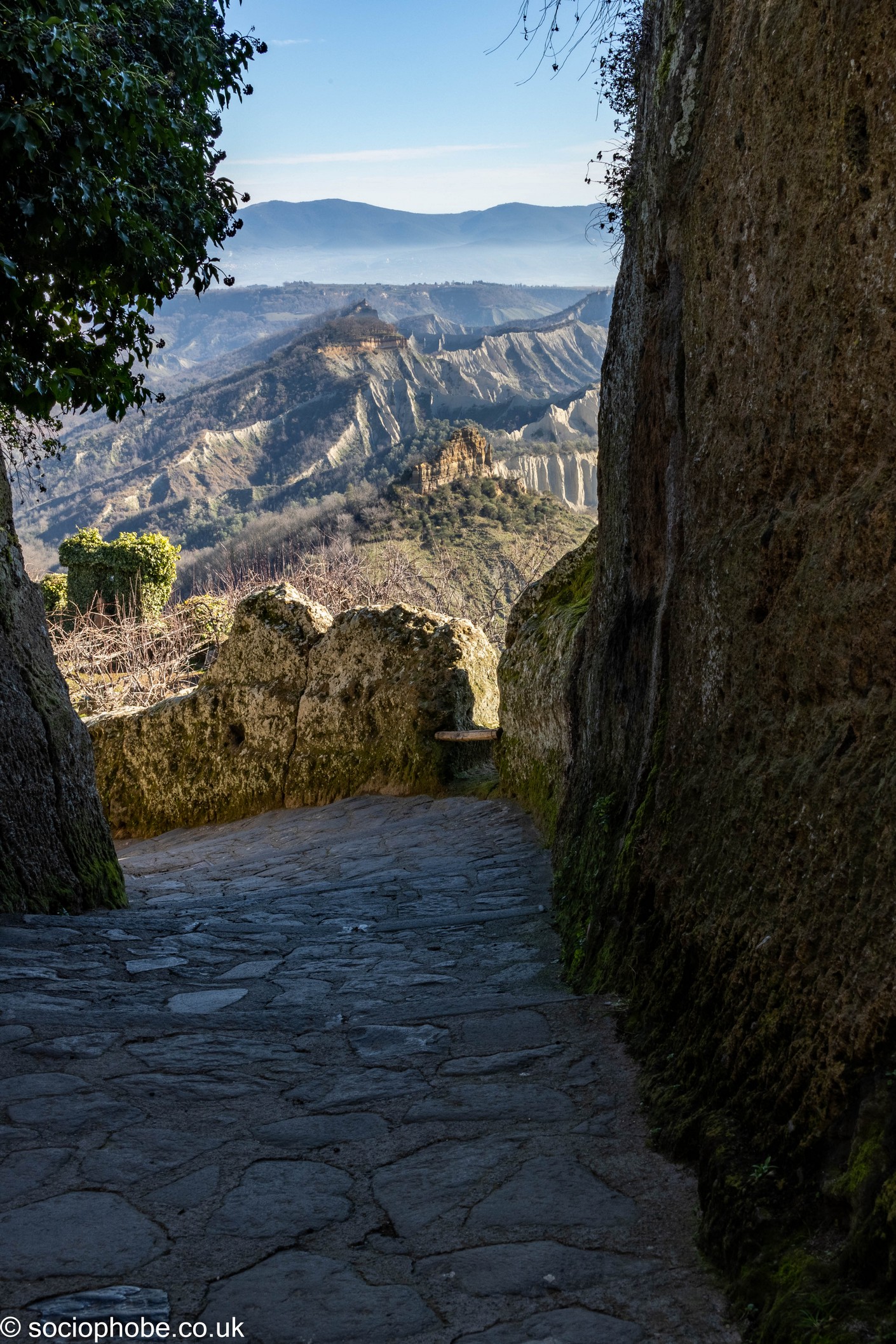

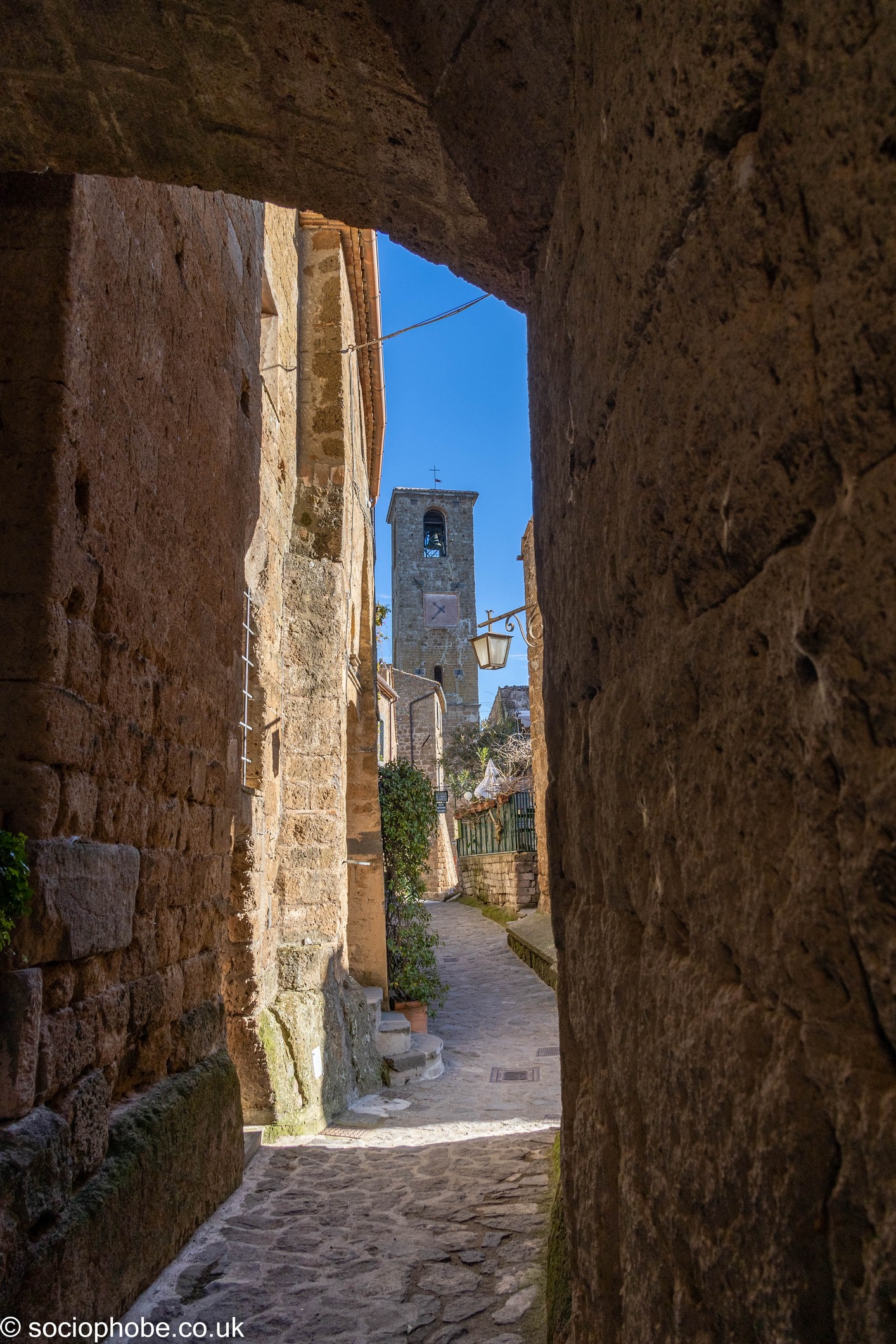
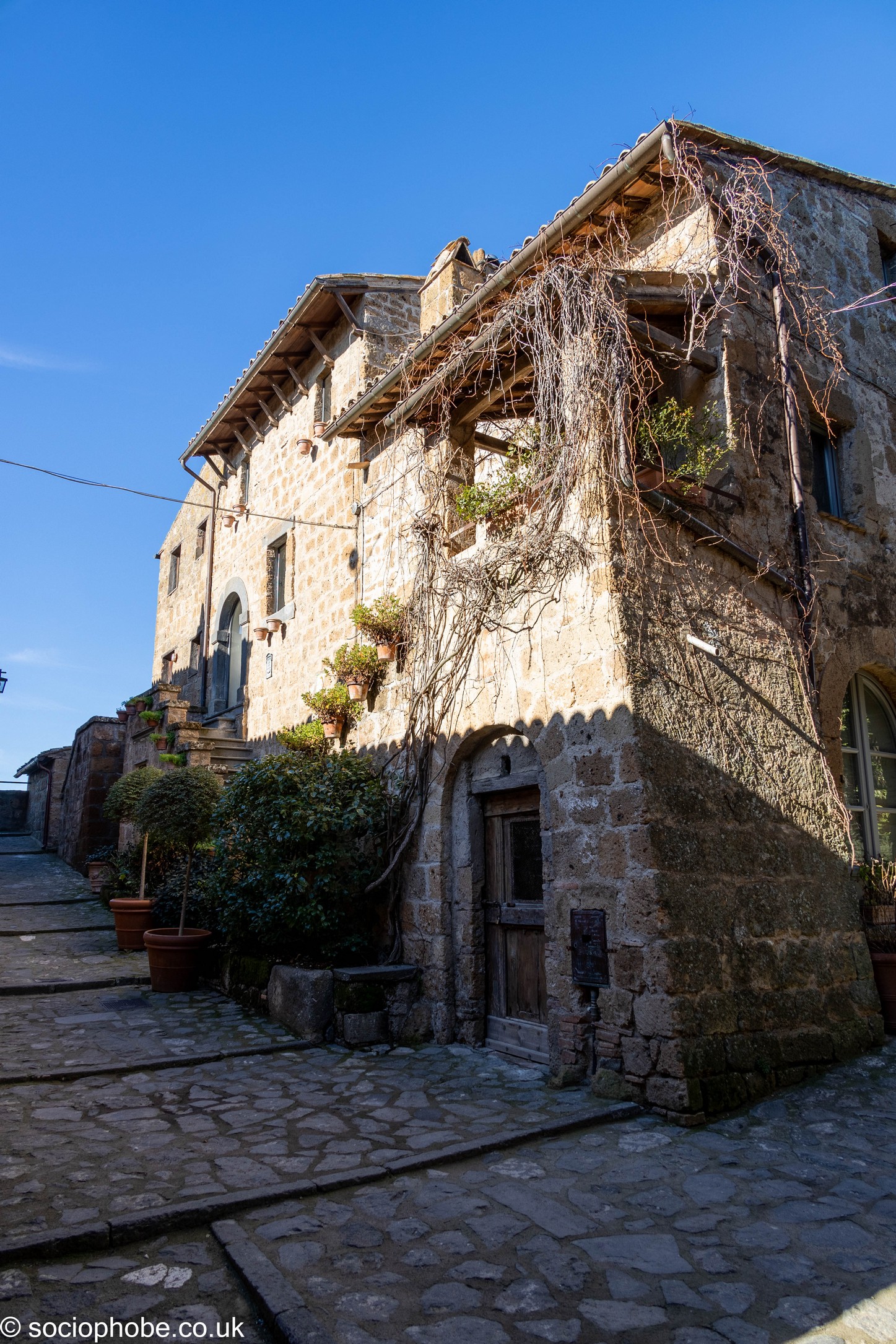
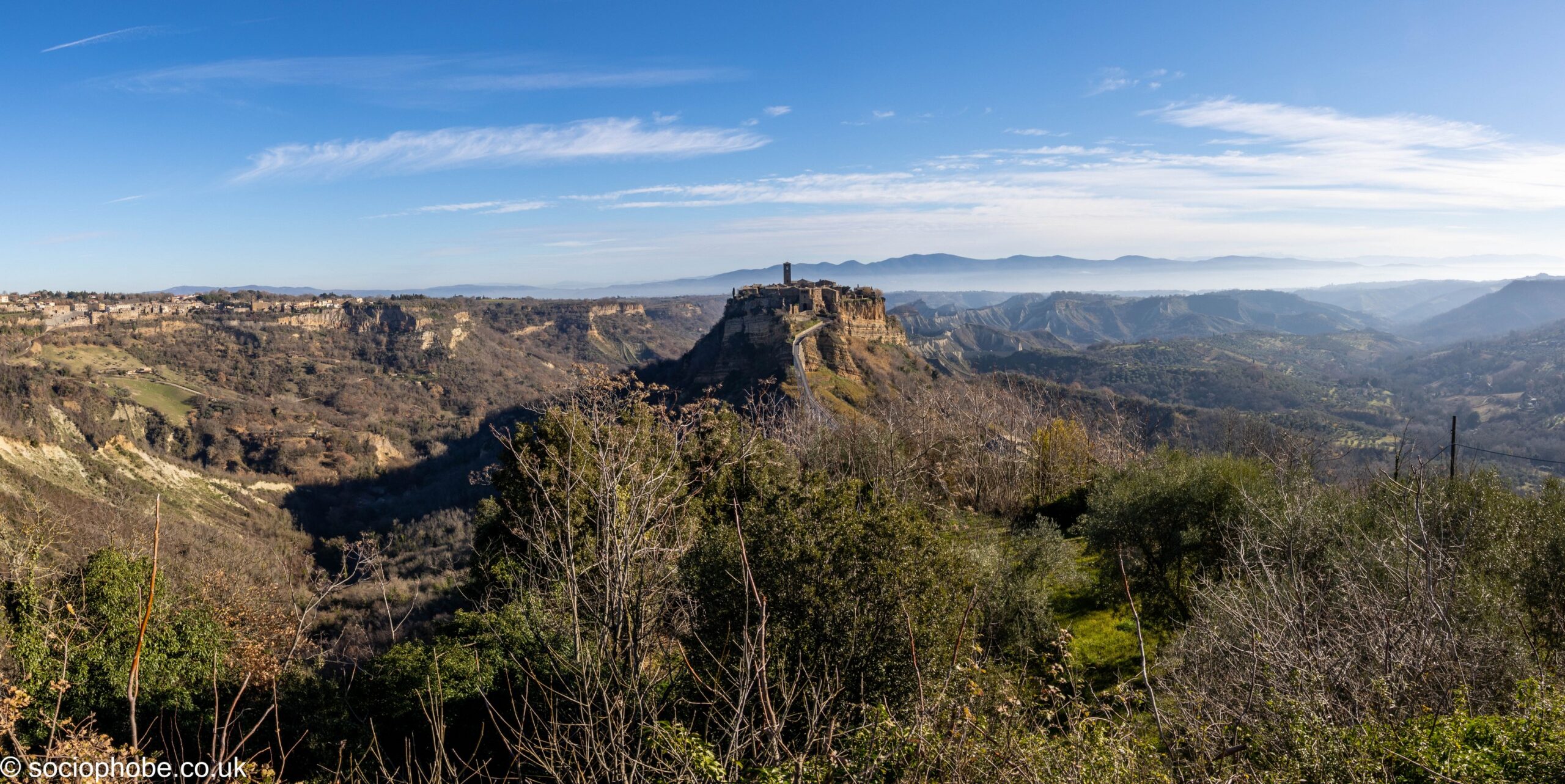

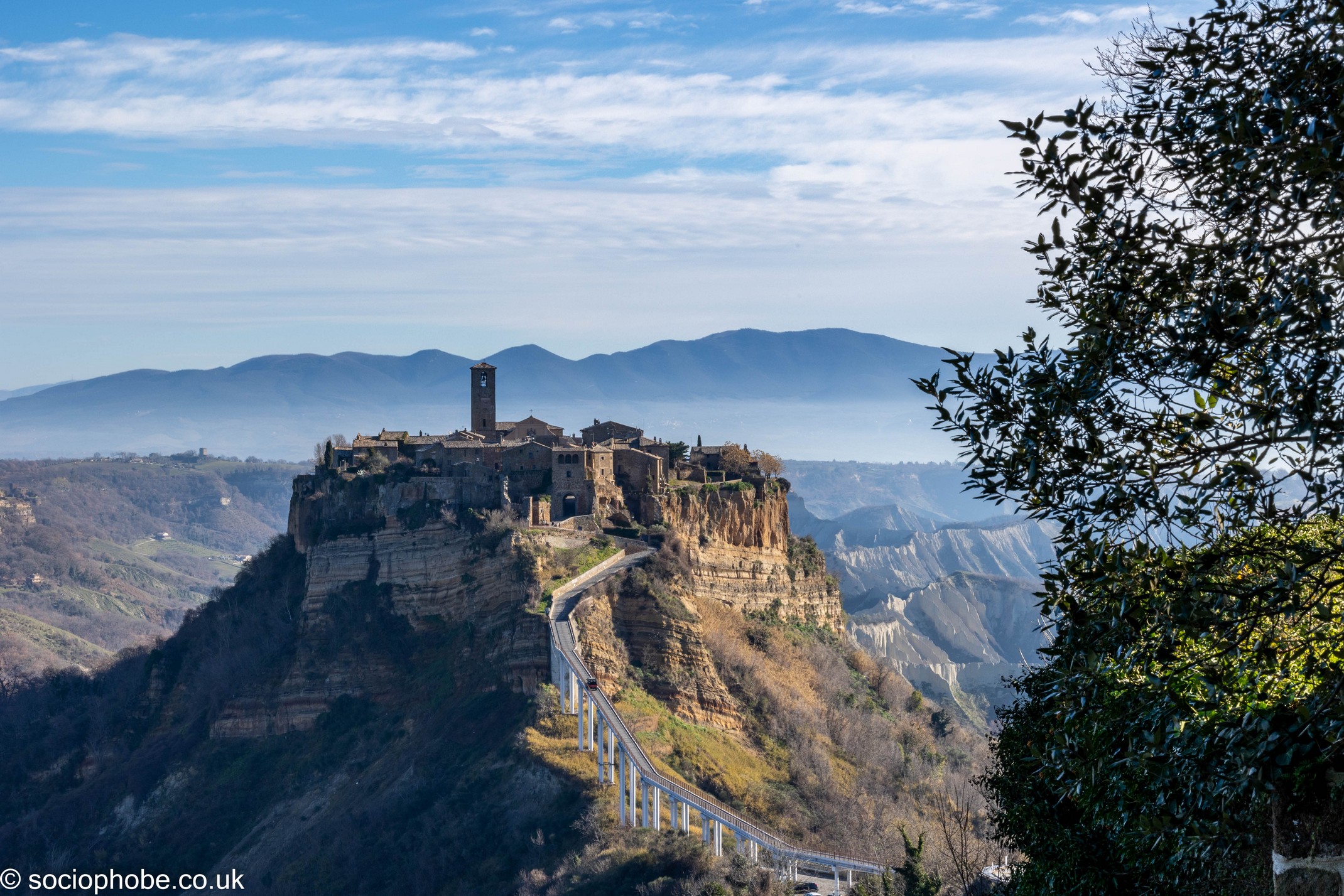
We walked through the village and down the original access road until it was blocked due to rockfalls. From there we could look back up at the village and see some houses cut into the rock. We walked around a bit more, pretty aimlessly really. I went into the church as they had an exhibition on the renovation work going on there which was rather good and detailed the different surveys they’d done to see what could be saved and how.
The museum had a lot more information on the problems facing the village and how they were analysing the earthquakes and landslides to work out how best to stabilise the buildings. There was also information on the village’s history and that of St Bonaventura, who grew up in the town and went on to be a Papal Legate, humanist scholar and philosopher.
After all of that physical and mental effort we needed a coffee! Deb chose a lovely little cafe in the main square that doubled as a deli so she bought various local products while I indulged in a delicious chocolate muffin. We had a lovely coffee each before leaving the village and walking across the bridge again. The first part, where the gradient is steep, was horrible and involved looking at my feet and walking like I was onboard a ship but it didn’t take too long to cross!
We climbed the steps again and had another pause at the viewpoint (and a medicinal coffee at the little cafe there!) before walking back to the car. I had intended to go on to Orvieto but couldn’t really be bothered as the time was later than expected so we drove to the ruined Roman town of Ferento instead.
Roman Ferento
We arrived just after 1PM and the site was locked up so we walked up and down the road and decided it was impressive enough to wait until it opened at 2. Deb had a snooze while I caught up on emails and then we went to the entrance just after 2. The site is run by volunteers from the Tuscia Archeology group and the lady that was there was fantastic. She explained about the site and how they had excavated different areas and the sheer size of it before telling us about the history and eventual destruction of the city. It really bought it to life and such passion was lovely to see.
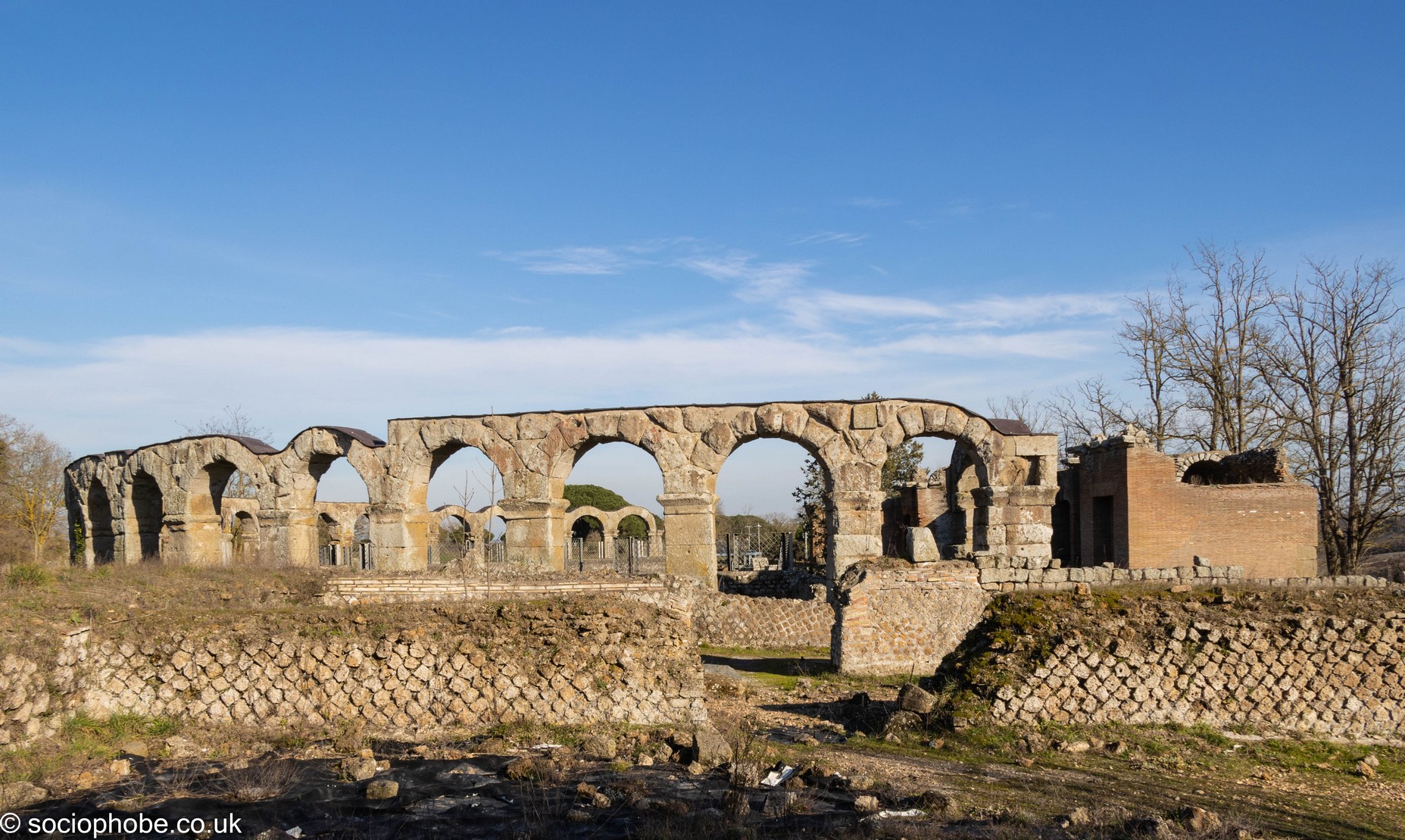
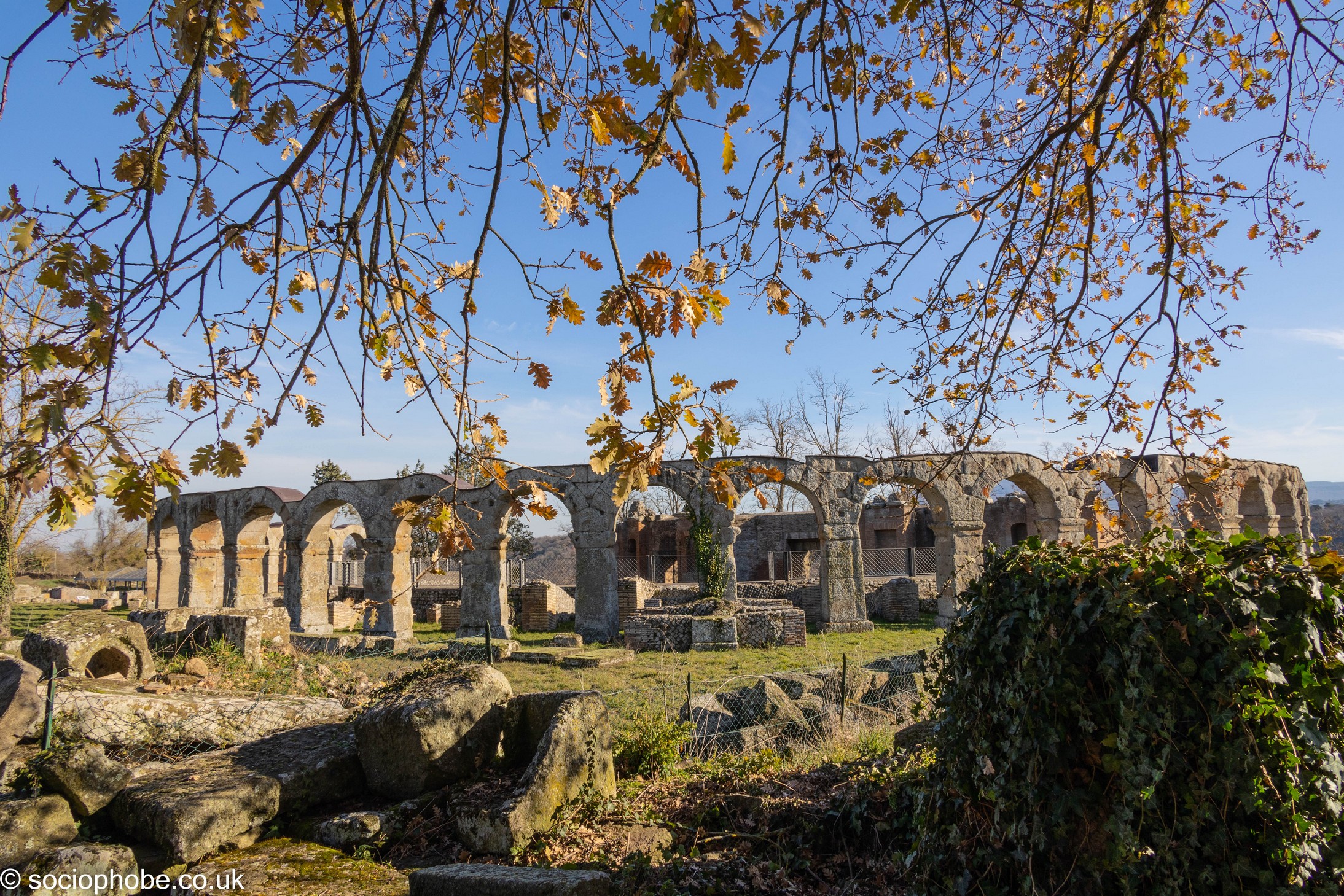
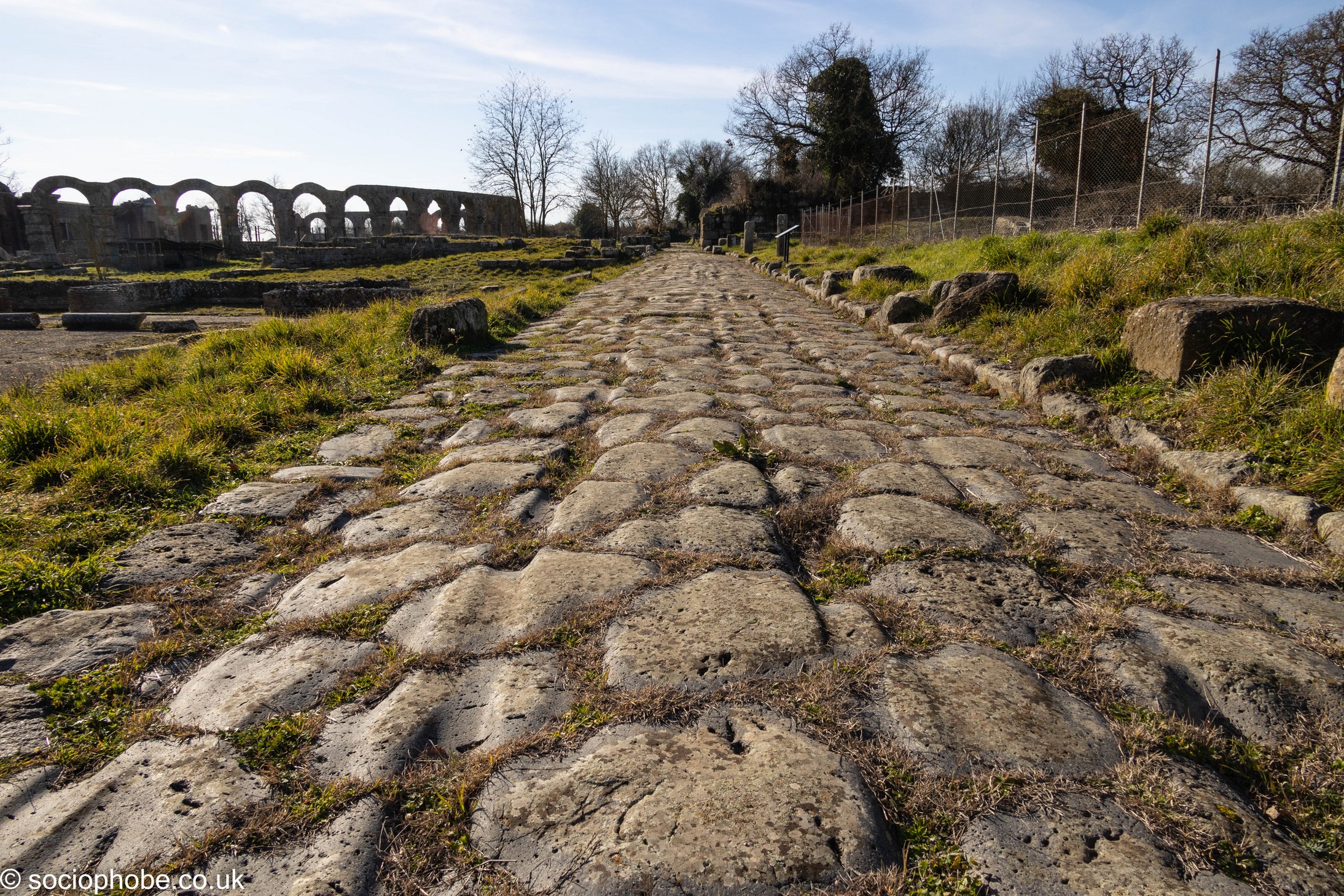
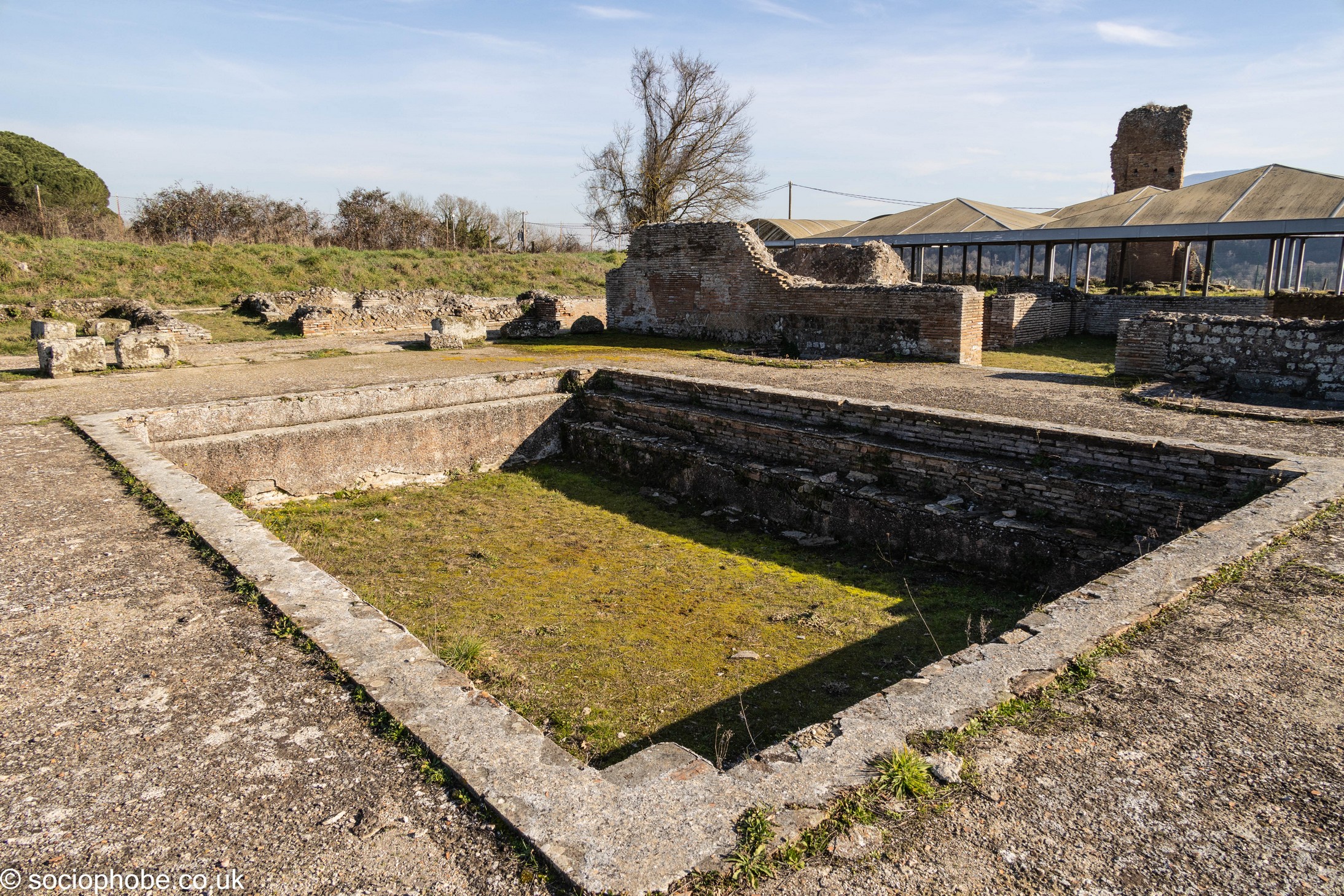
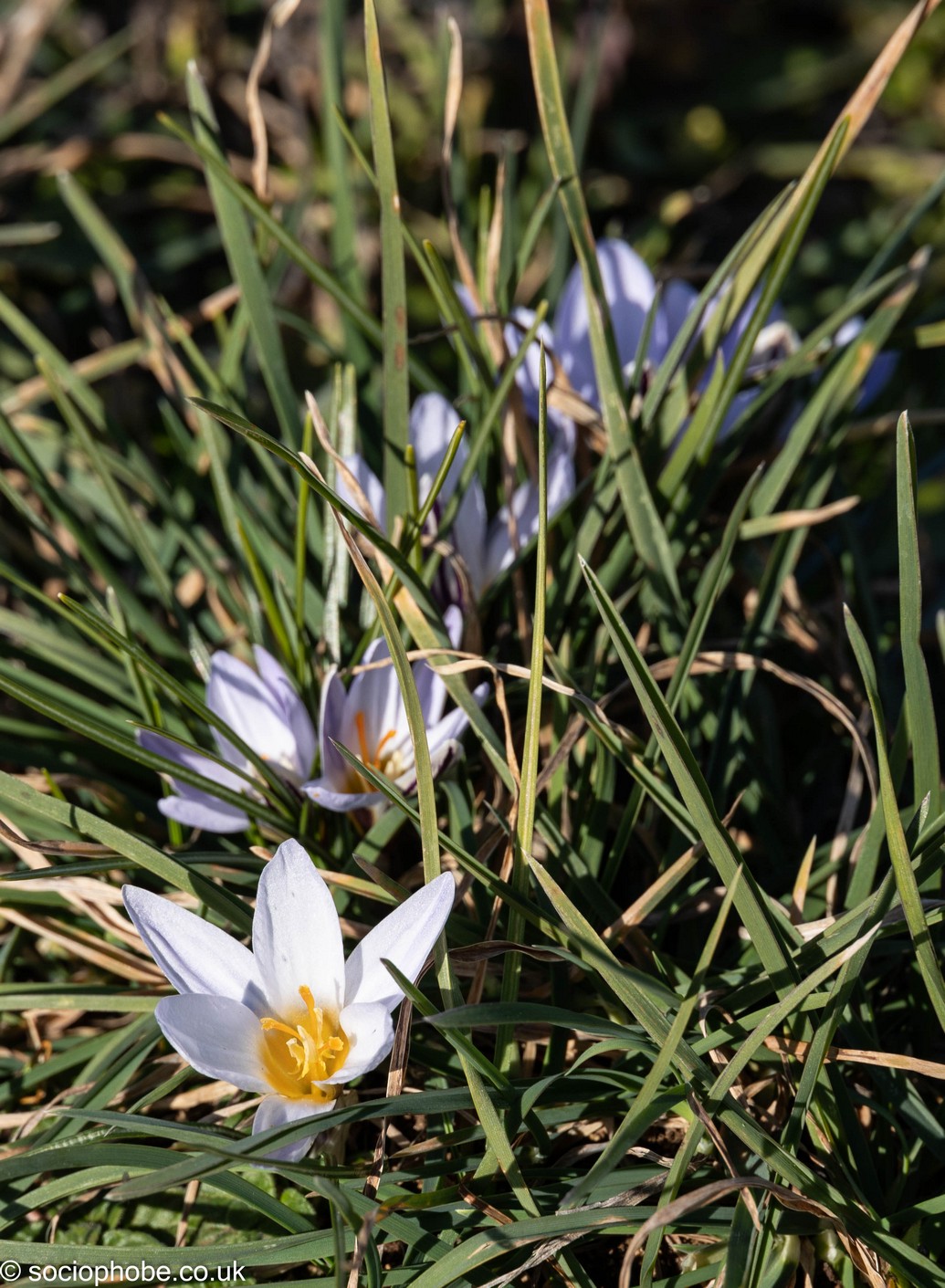

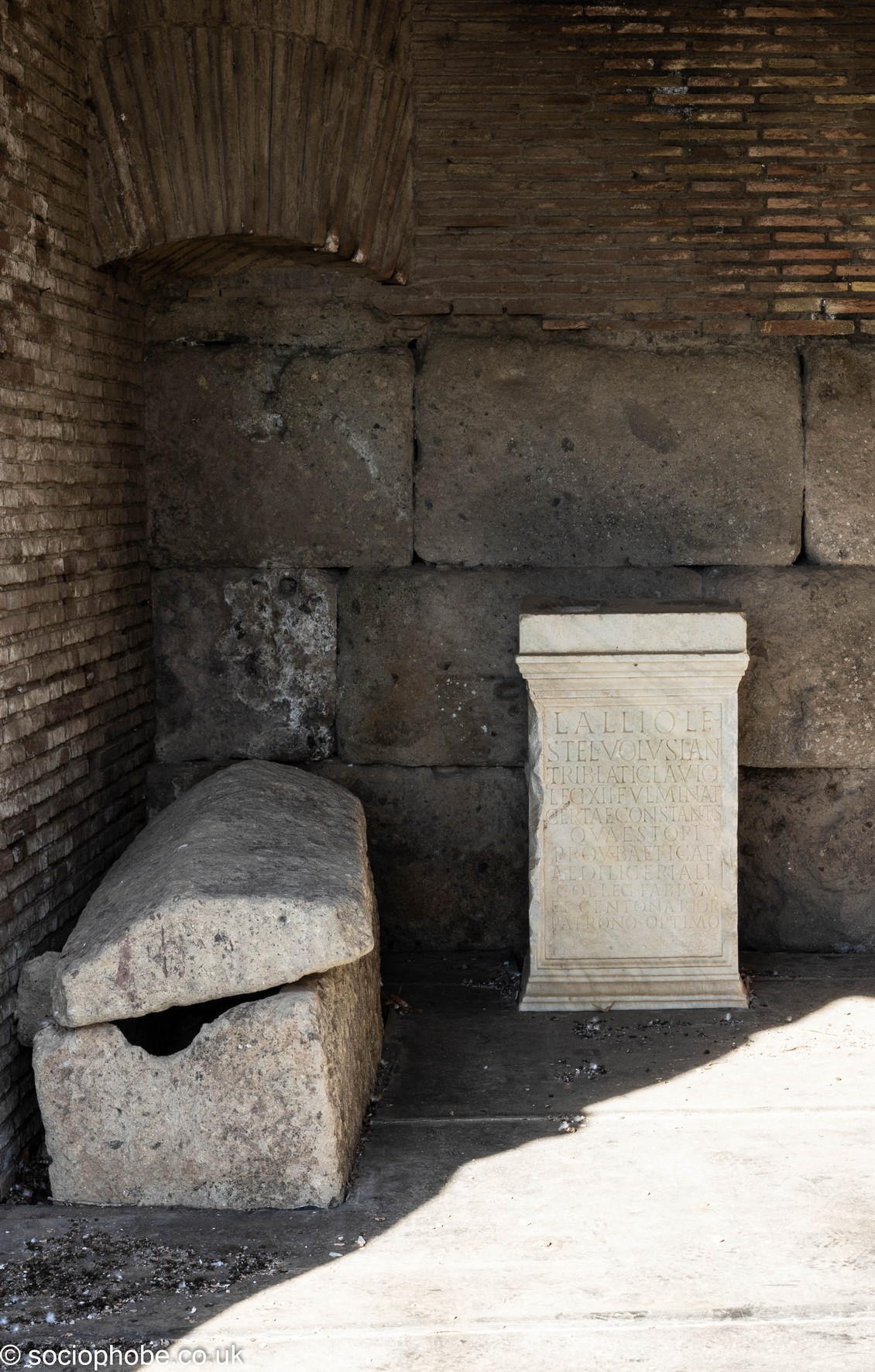
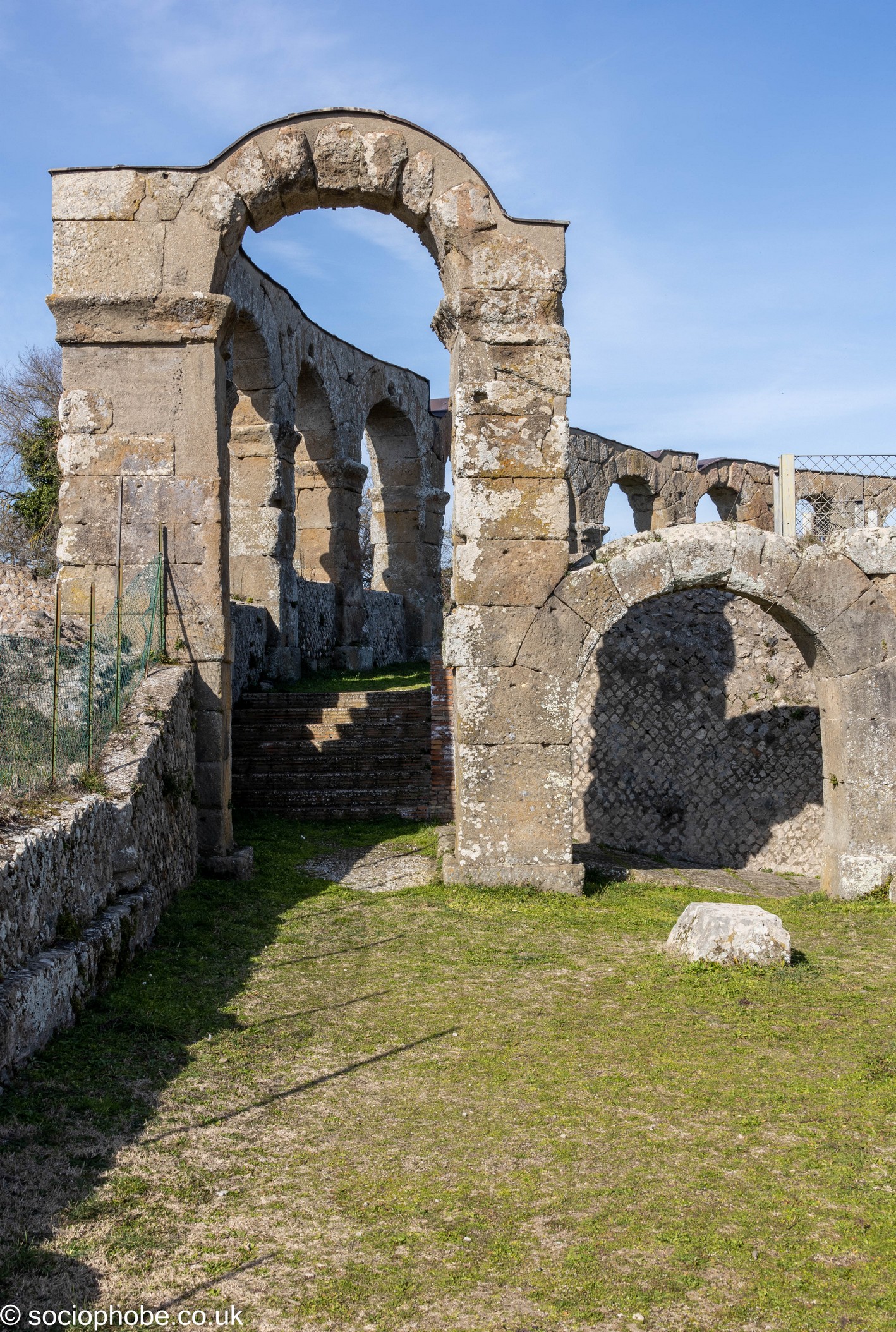
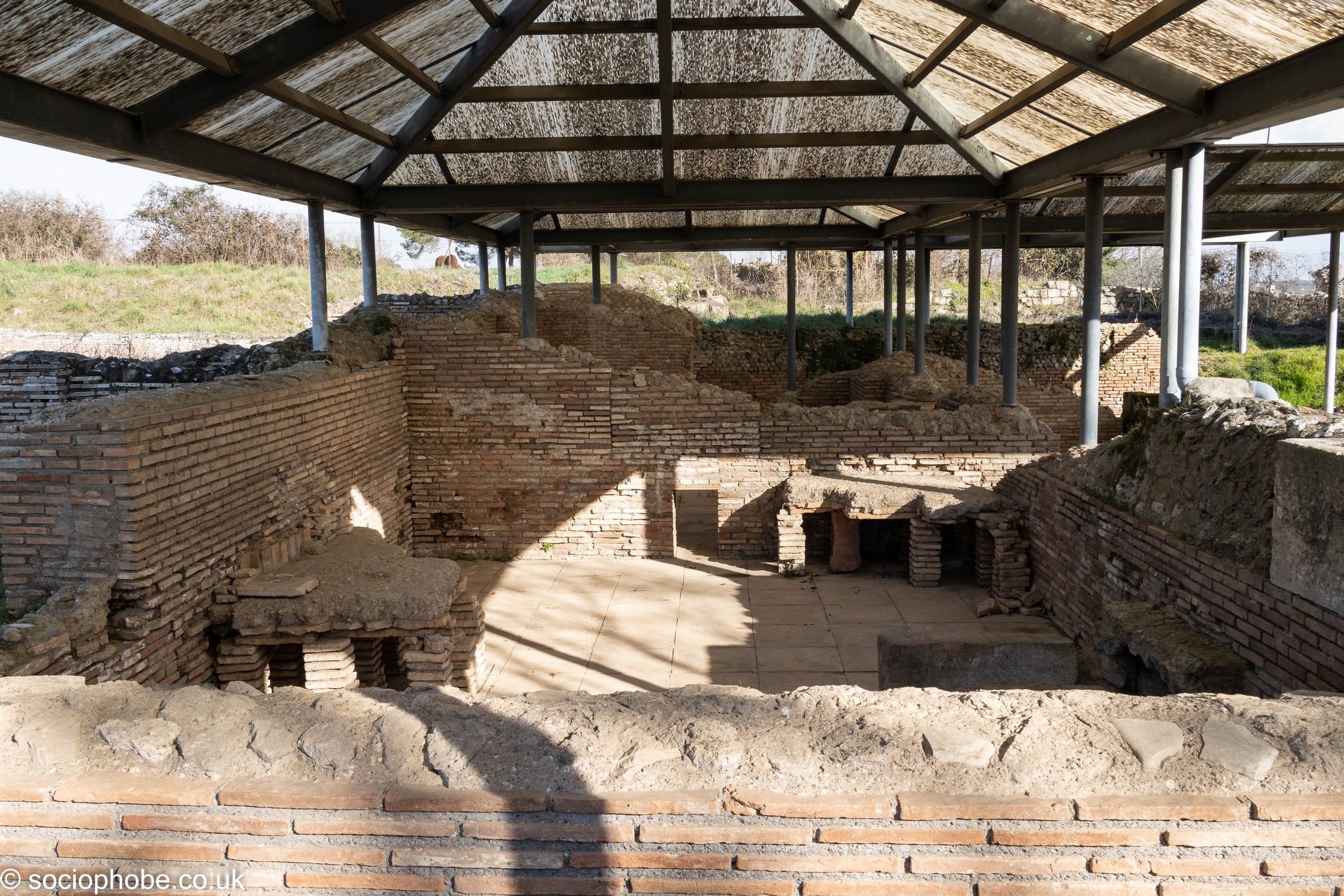
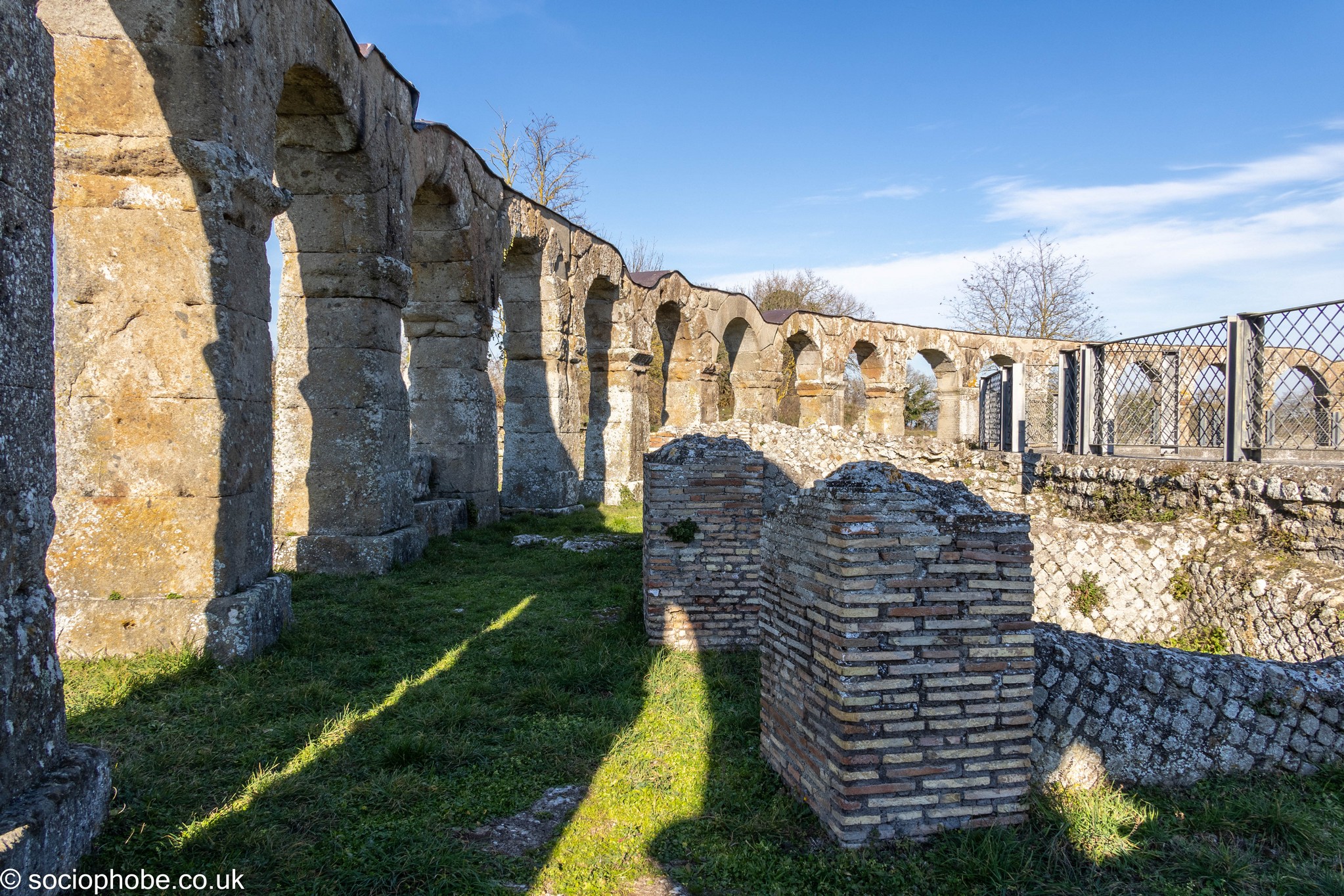
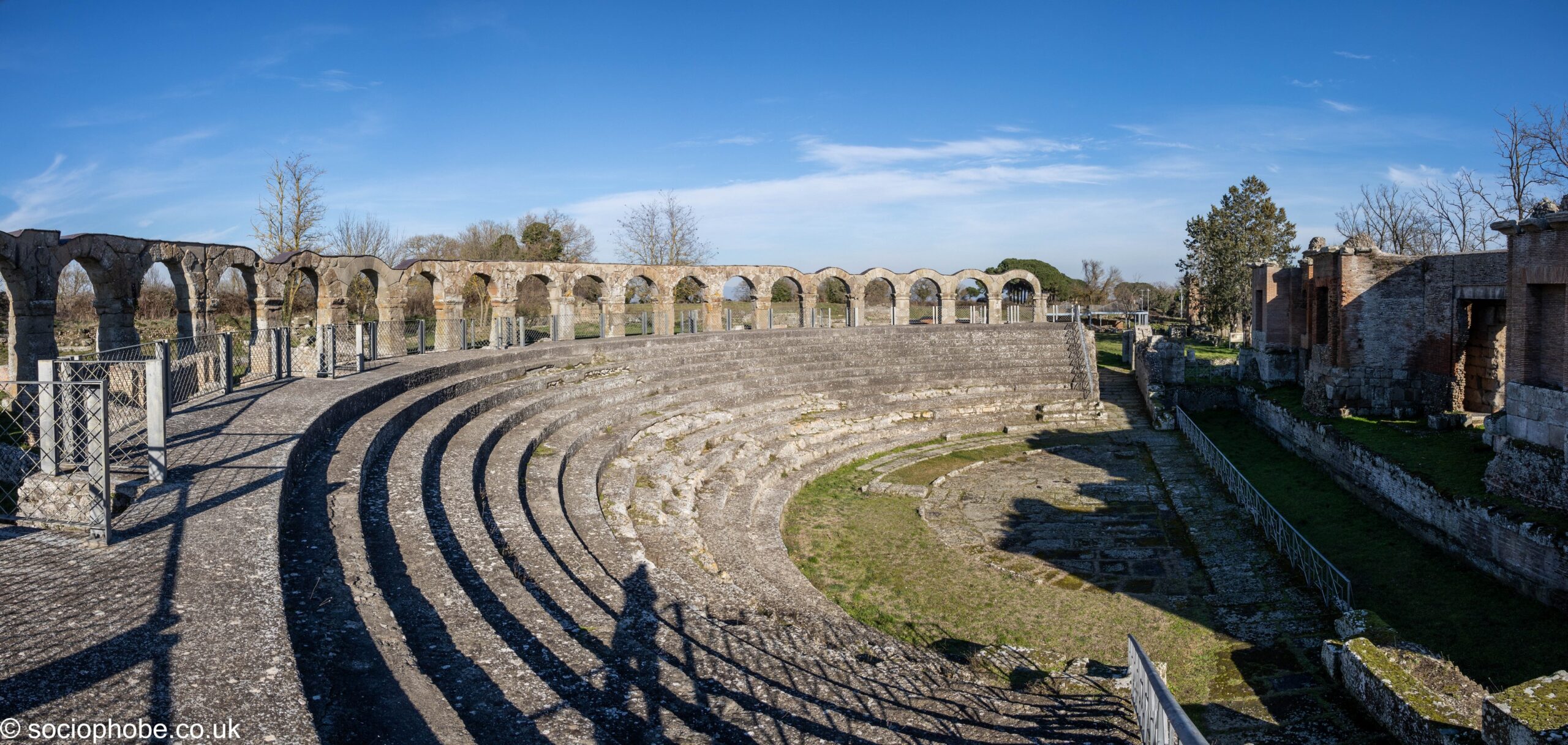
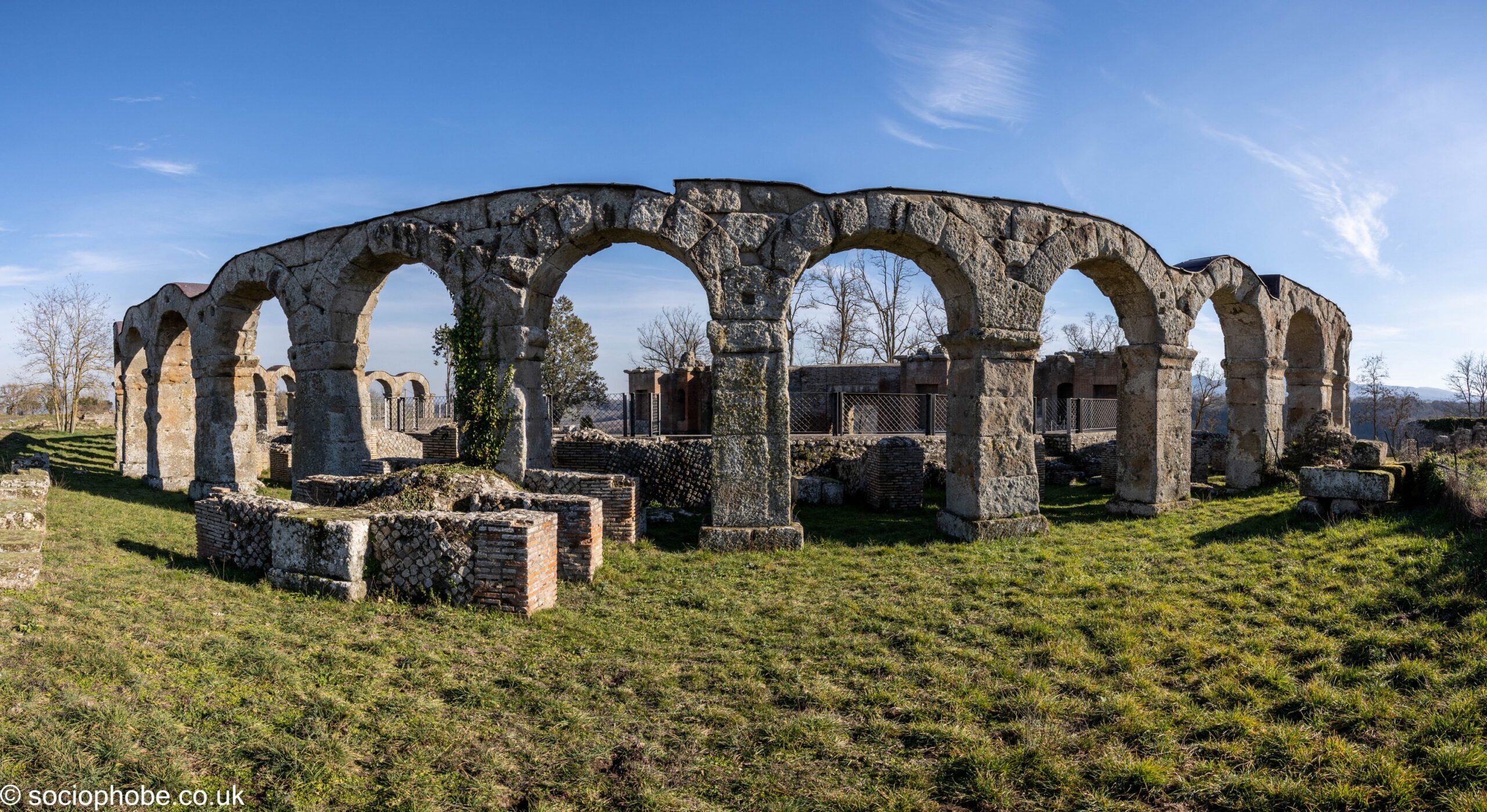
The whole time we were there we were the only visitors which is rather tragic for such a well preserved site. It could certainly do with having a higher profile as we only knew of it due to me browsing Google maps. The theatre is still in use for summer concerts and was designed to seat 3000 people. The bath complex has also been excavated but the rest of the city is on private land so is still buried.
We left the site for the short drive back to the hotel and after parking I decided to treat myself to another coffee and cake, this time in a lovely little cafe overlooking the hillside. After that it was a brief walk and then sort photos before dinner.
Friday was a bit of a weird day, I woke at 3AM with a splitting headache and Deb snoring away next to her lump hammer 😉 After a couple of tablets and an hour or so I went back to bed and we both slept until gone 9 and then chilled until midday.
Viterbo revisited
We drove into Viterbo to see more of the town and this visit was a lot better. We saw more of the beautiful medieval buildings but also had time to appreciate the personal touches – the rows of plant pots along the steps, platers around the front doors and yarn bombing around some of the buildings. It was strange that people can leave planters around without them being stolen or vandalised but so many walls were covered on graffiti or tagging.
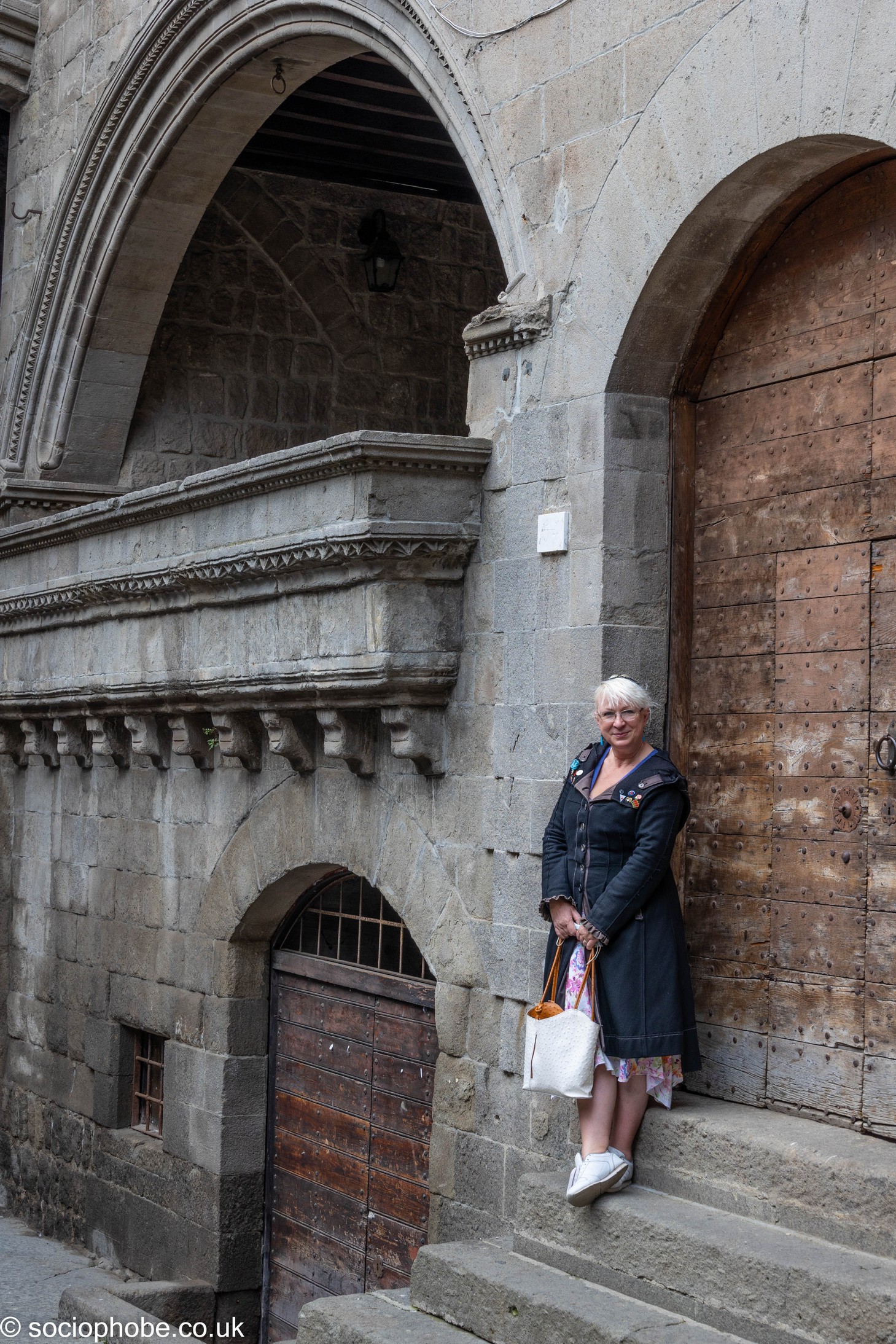
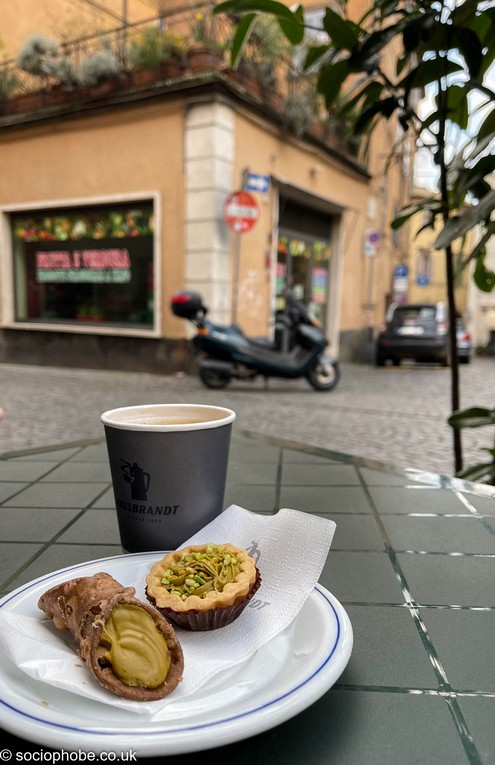
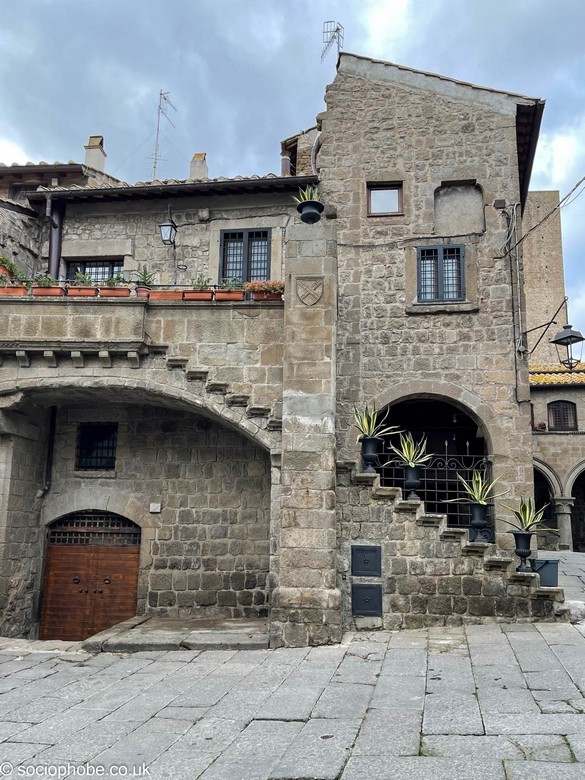
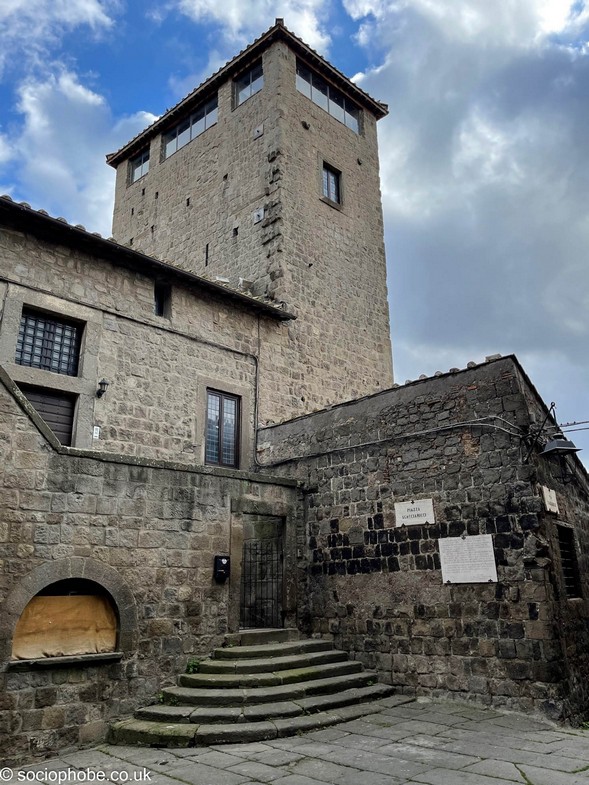
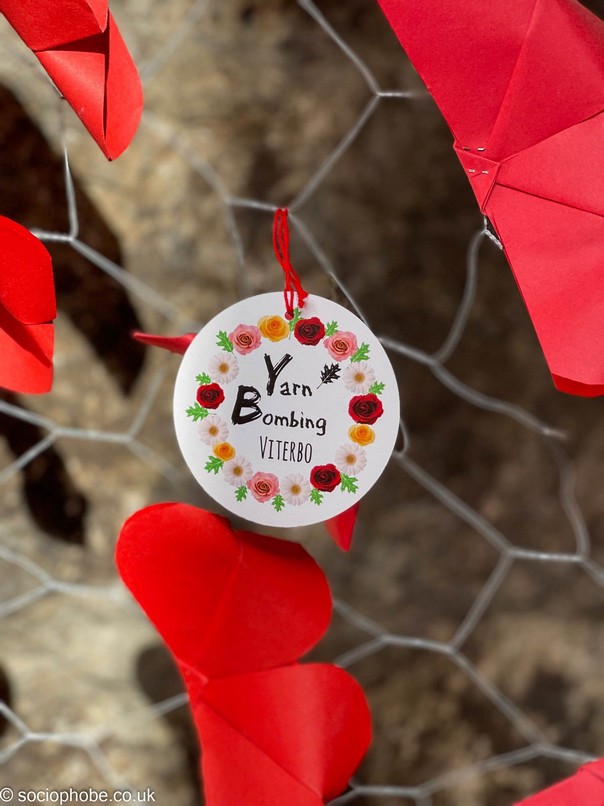
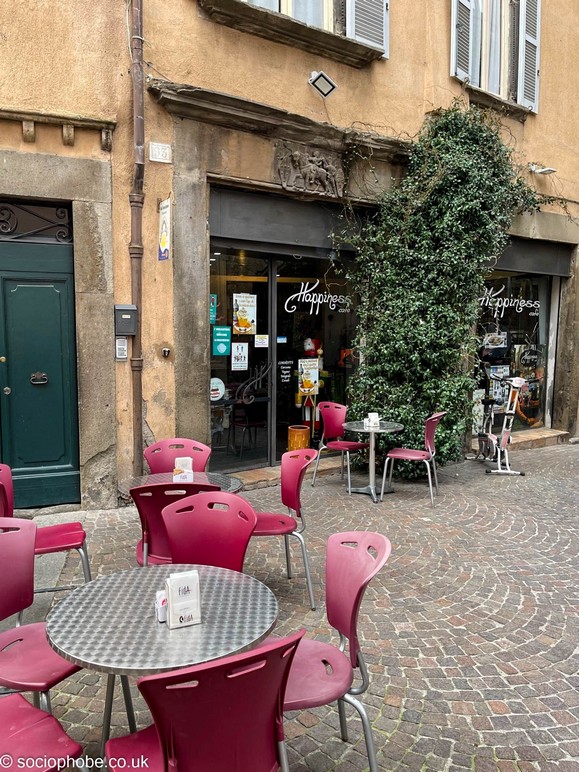
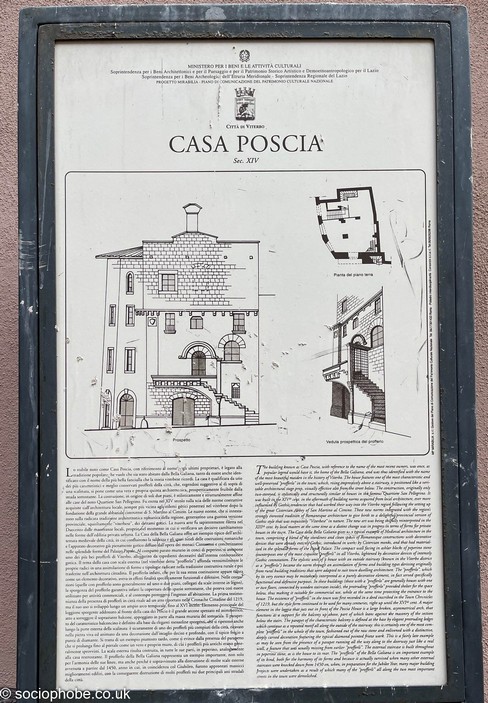
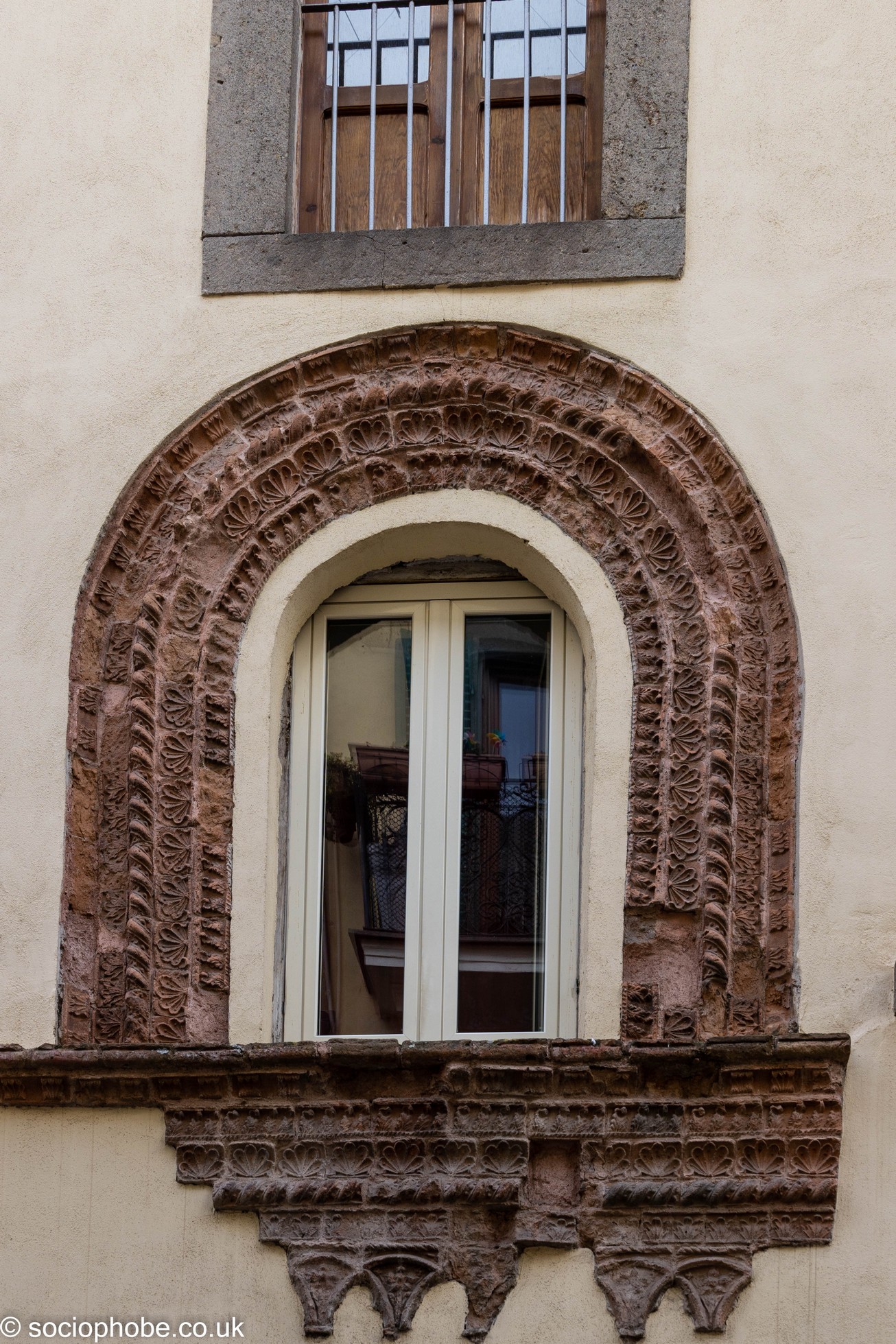
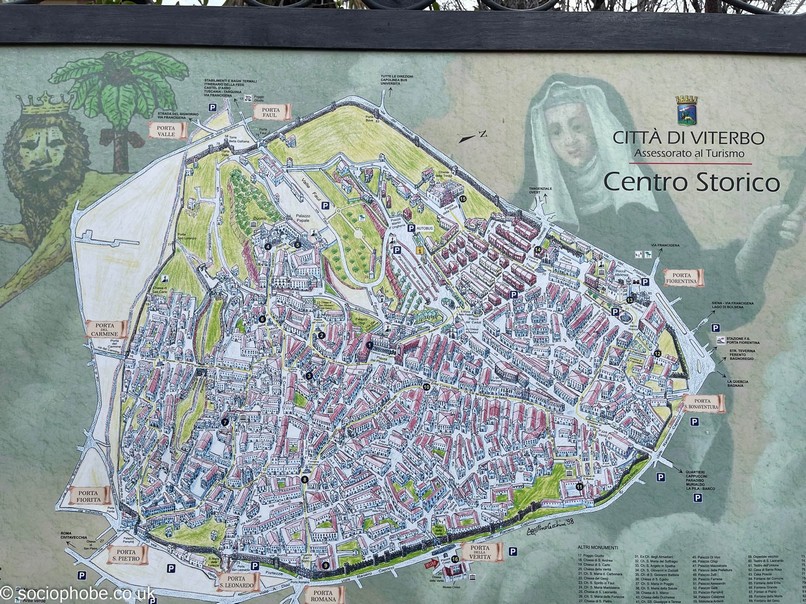
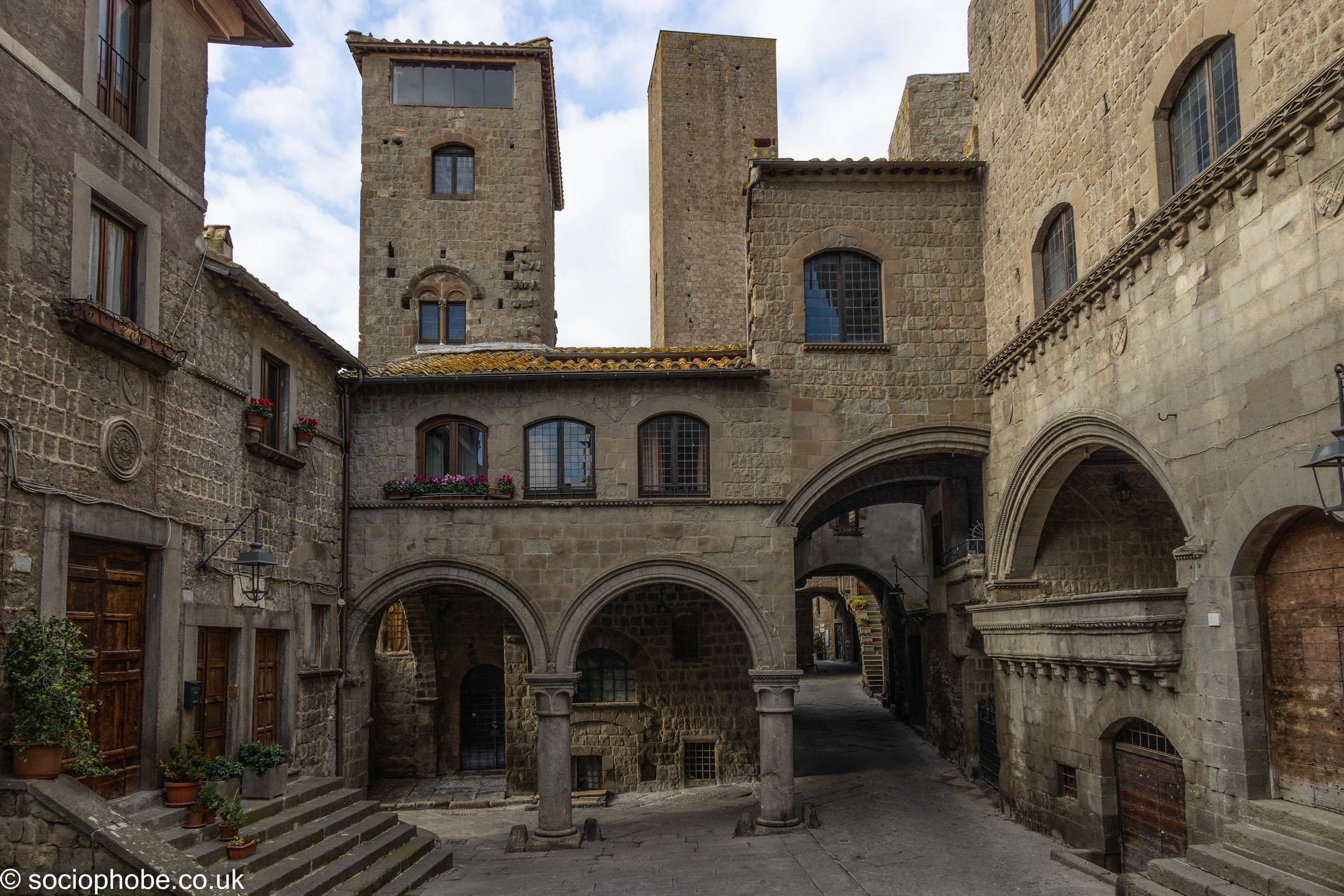
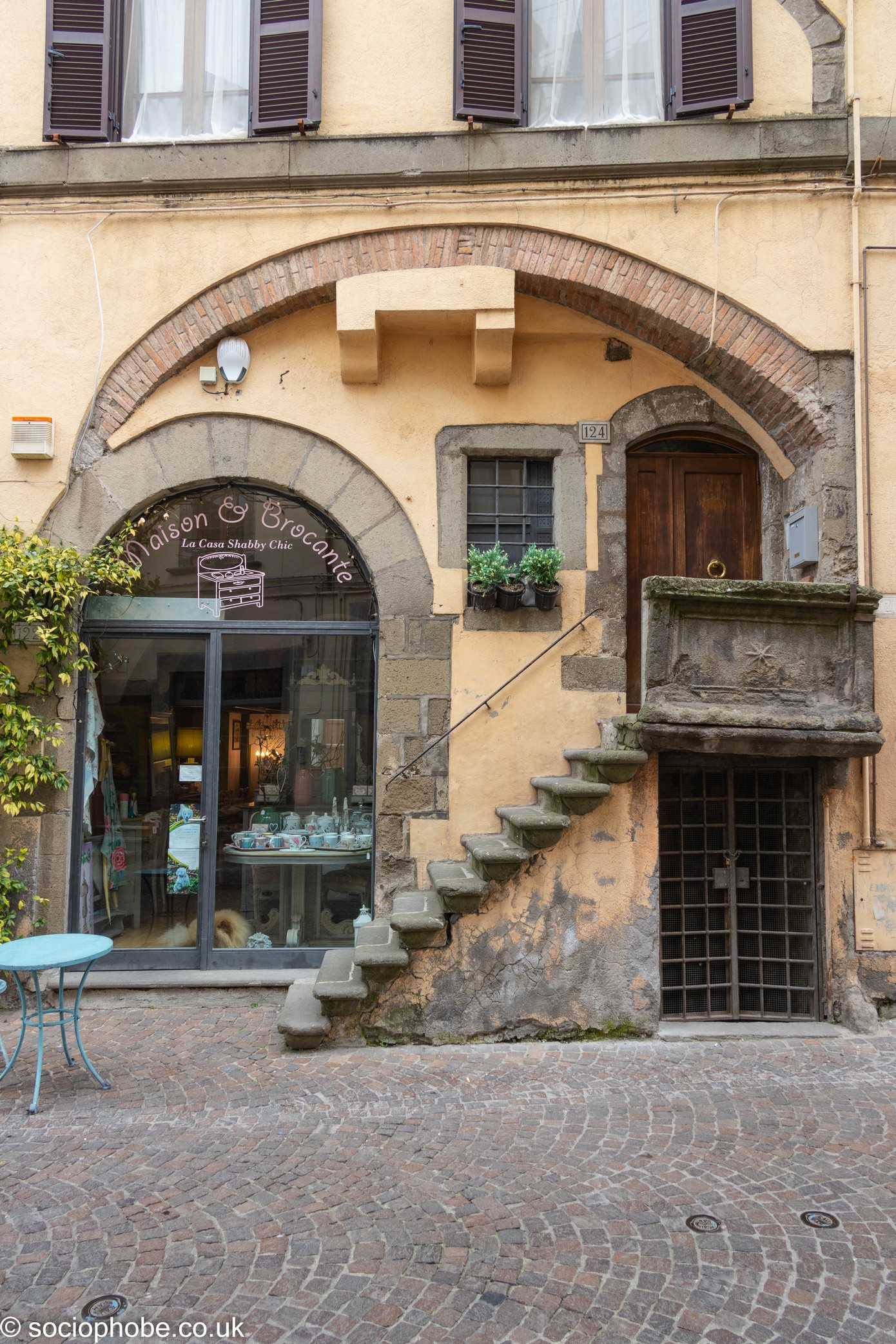
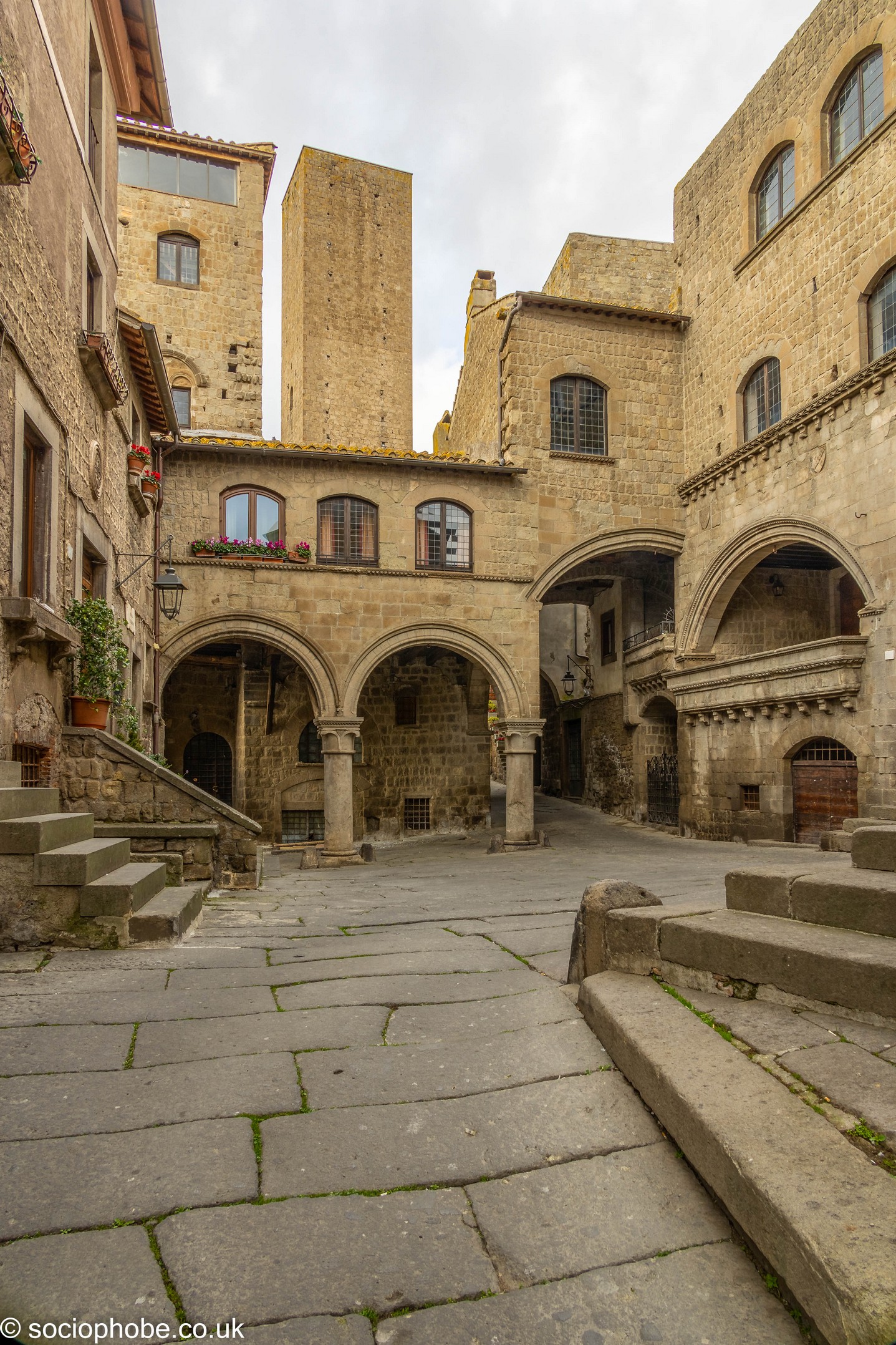
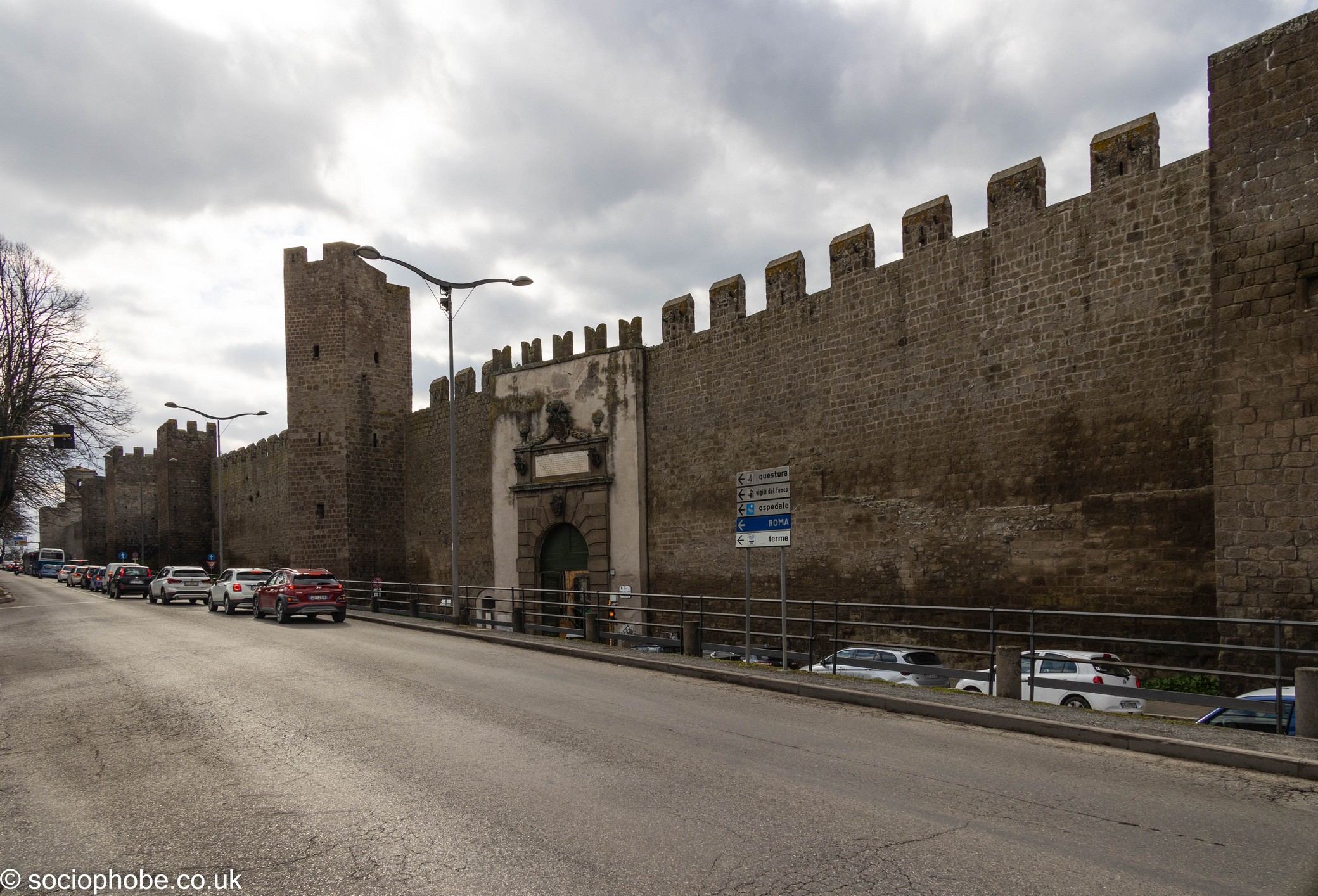
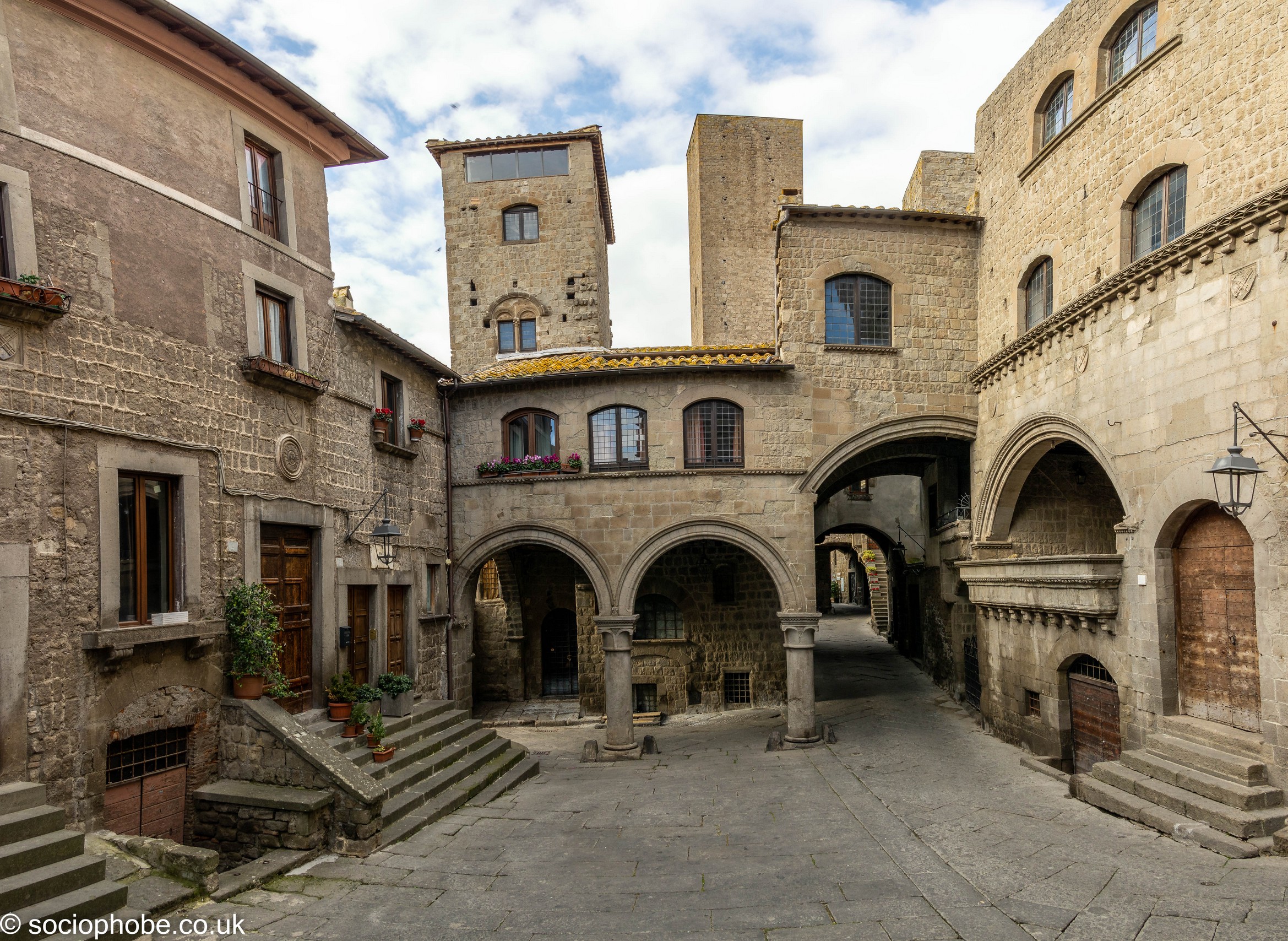
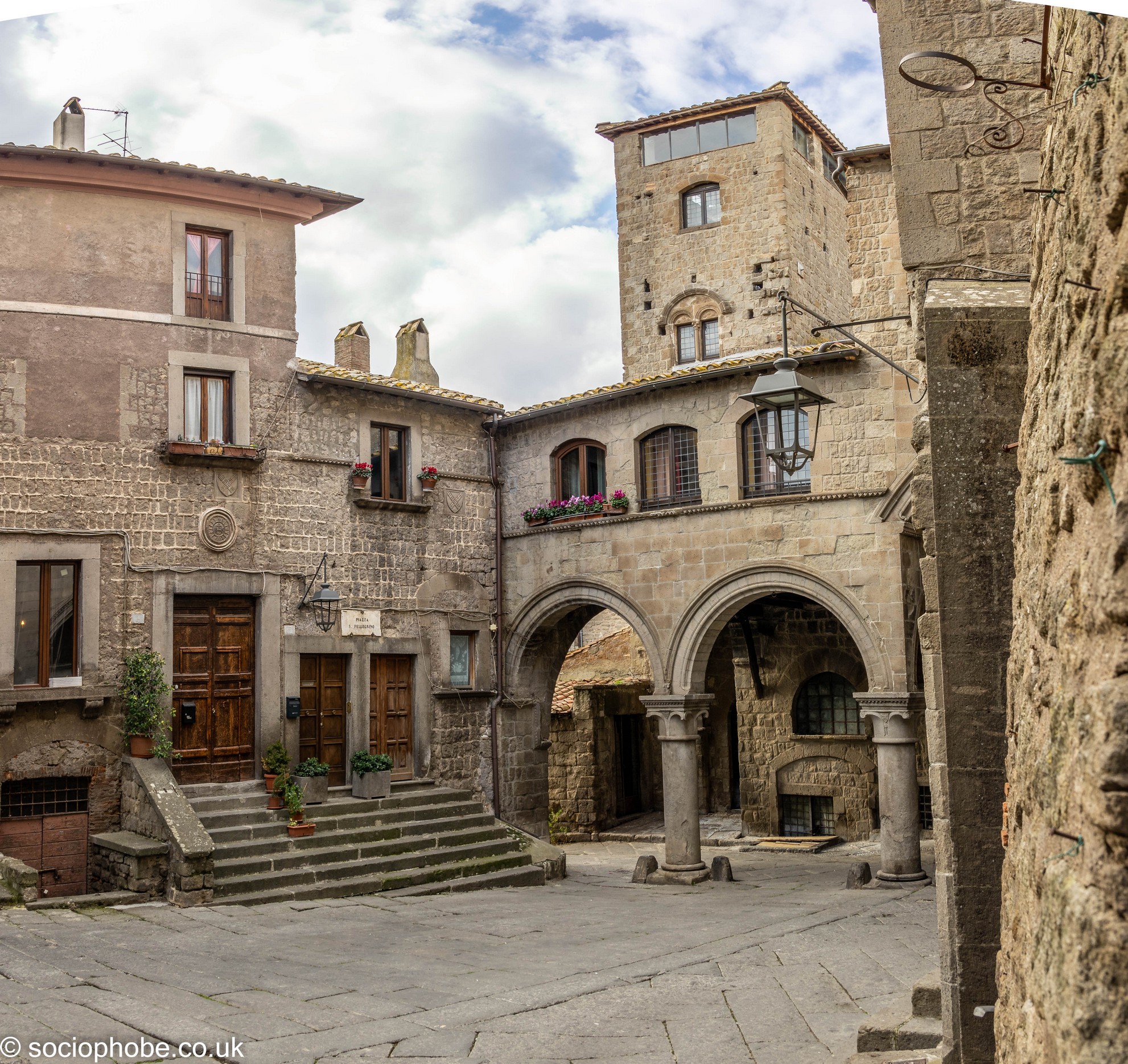
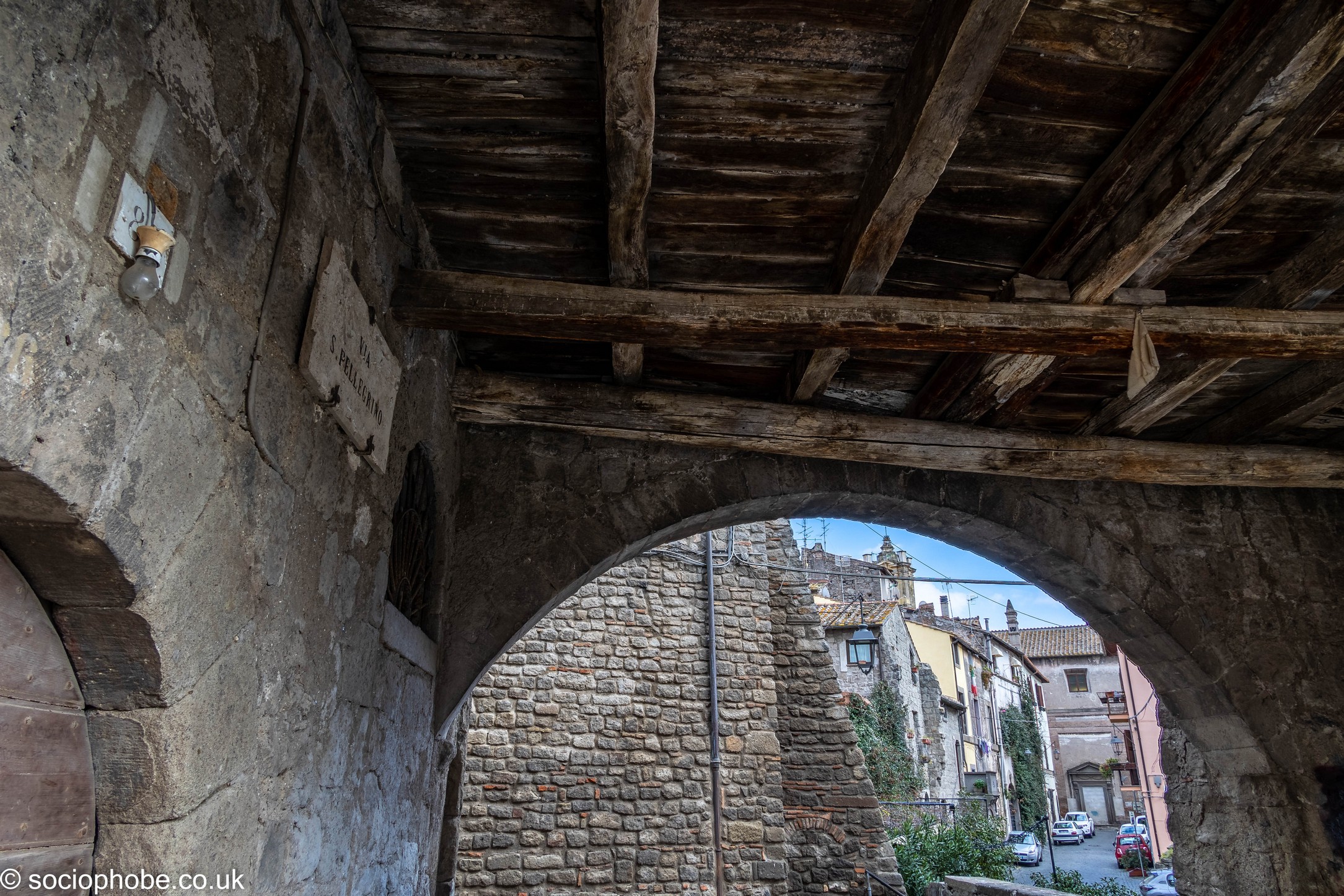
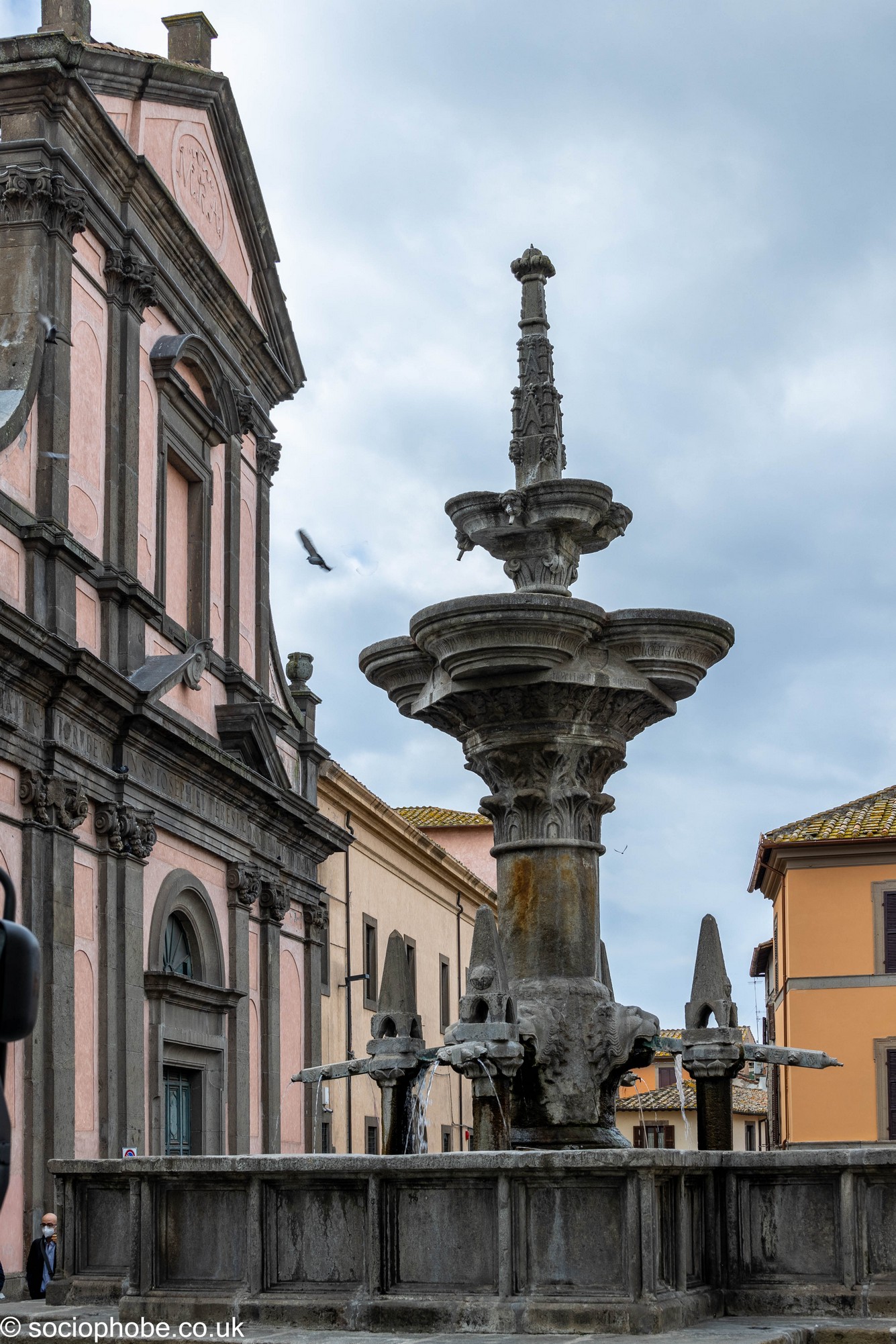
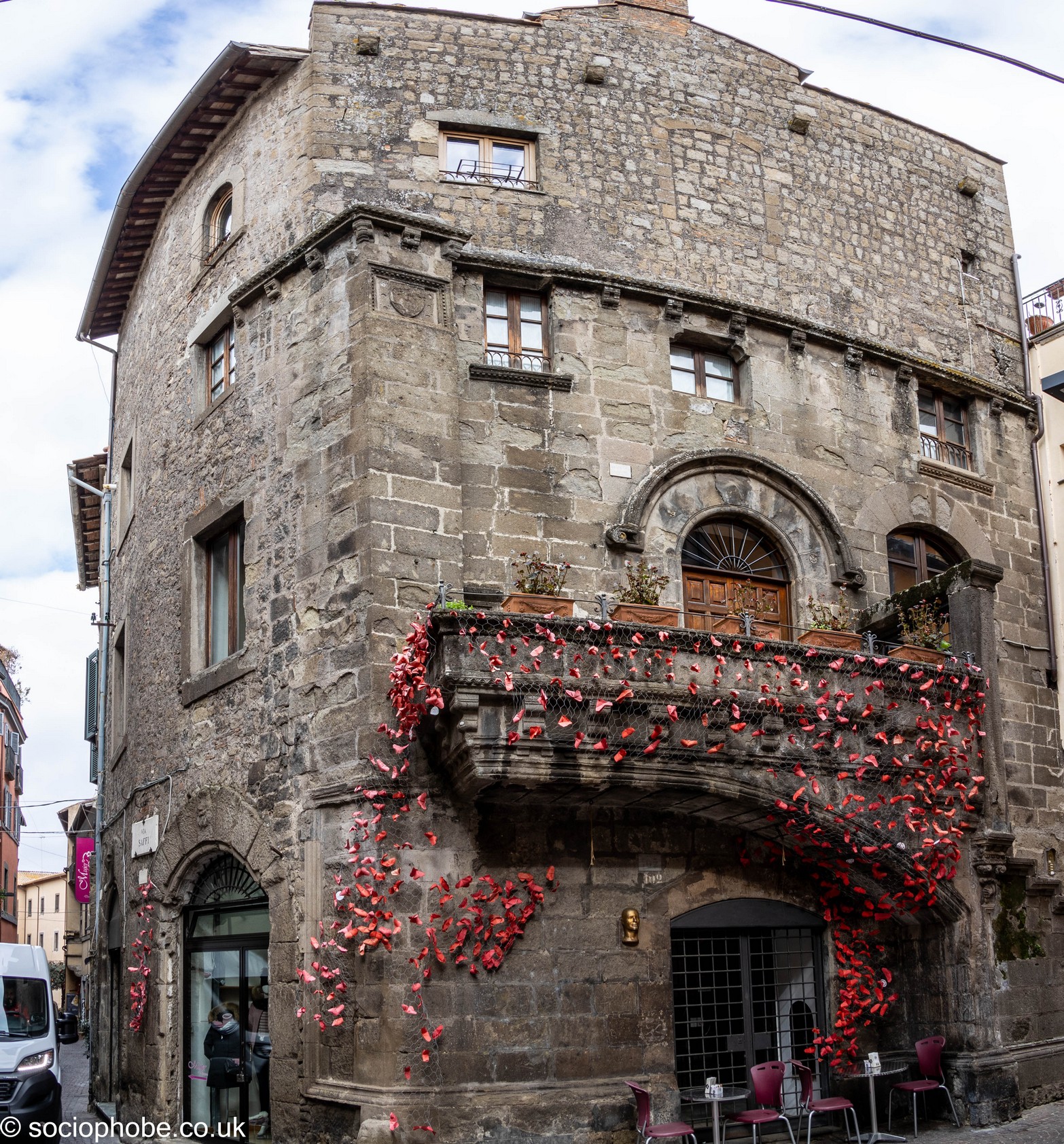
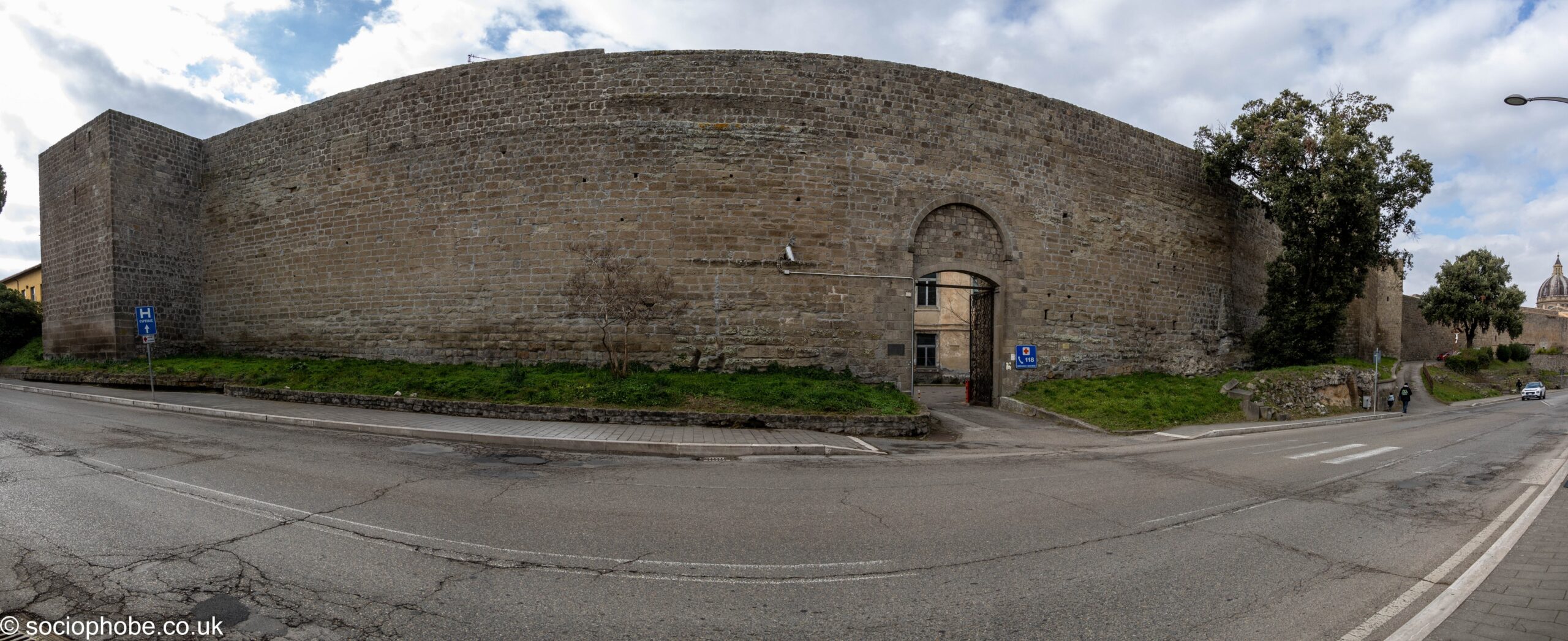
We walked alongside part of the town wall before going in through the Porta della Verita (Door of Truth) and just wandering. It’s a shame more isn’t made of the town walls as they are in a good state of repair so a wall walk would let visitors get a different perspective on the town. We stopped at one of the beautiful buildings, Casa Poscia, and I indulged in 4 cakes while Deb just had coffee and was sad. The building had been yarn bombed and looked lovely with the red petals all over it.
We did find the fountain this time which was nice and also a medieval window. I know, Deb was thrilled to bits! We then continued on to San Pellegrino and looked around the area there again. Although it is the most famous area of the city it was almost deserted. We saw one guy walking and photographing his collie so we had a chat with him but that was pretty much it and we only saw a couple of other tourists the whole day.
We walked back towards the car and stopped for another coffee and two more cakes for me before driving back. Once at the hotel I sorted the pics and Deb did dinner and then we went out for our final coffee in the town. We sat and listed to about 5 Queen songs while the sun set on the Italian hillside which was quite lovely.
We had 4 nights in Rome booked after this so the Italian winter break could continue in a new location. The hill country was fabulous though and certainly there was enough within an hour’s drive of where we were staying to keep us occupied for another week. The hill towns are a unique feature of the area and beautifully charismatic, although I wouldn’t want to live in one.
What a lovely holiday again, Marcus. You do seem to find the most amazing and interesting places. The photos are gorgeous and such a lot of history there. Really enjoyed reading it and it sounds as if it was quite a stress free break apart from the airports and Italian driving! So glad you both had a great time.