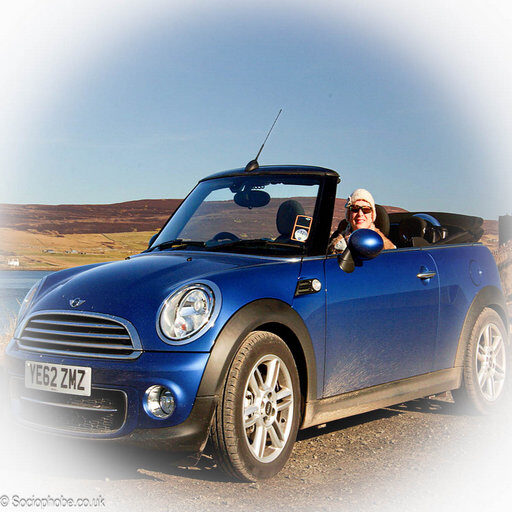
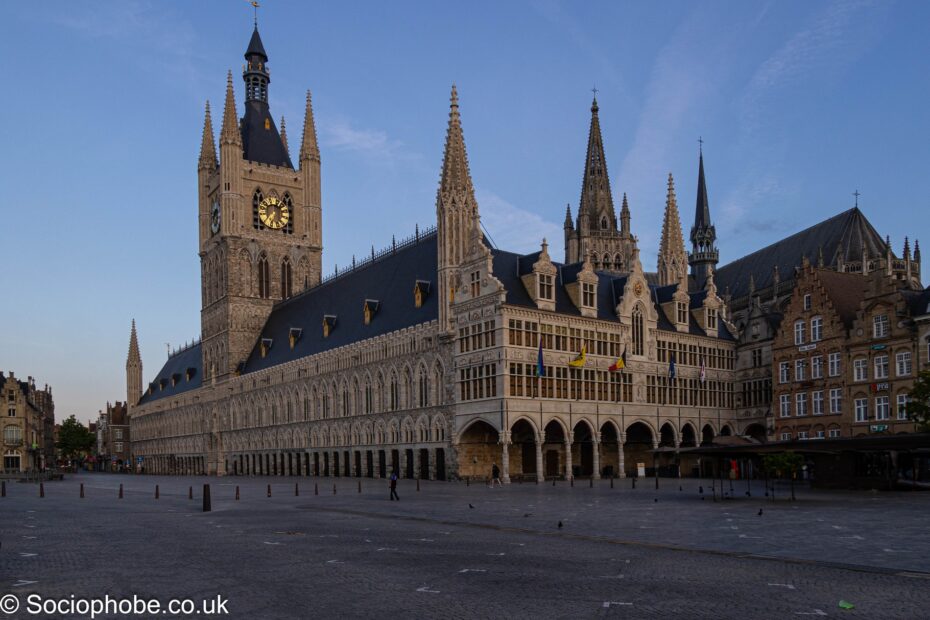
Belgium has been called the “Battlefield of Europe” and this road trip was to visit several Belgian battle sites and historic fortifications. This was also my first trip on Le Shuttle and a final chance to visit Natalya in Brussels before she moved to Toulouse.
- Recommended days 7
- Budget £
- Difficulty Easy
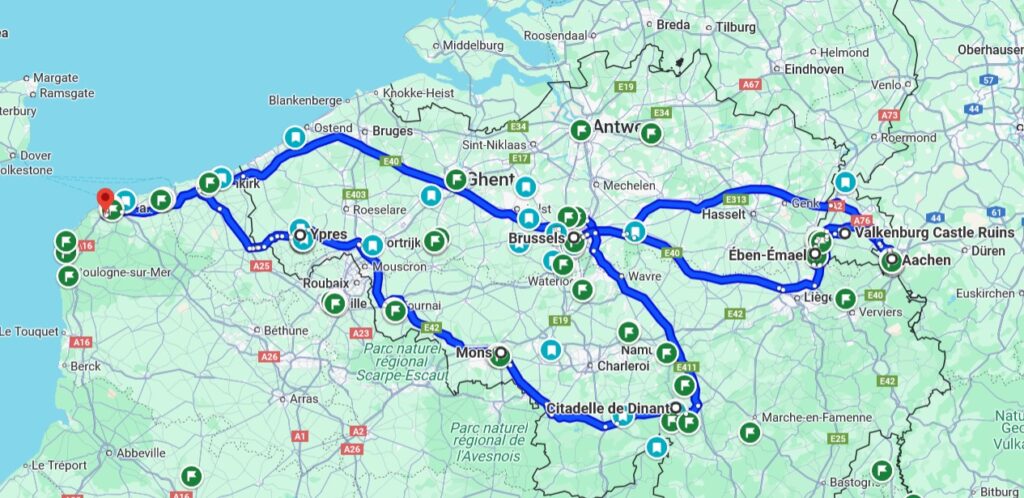
This trip was taken with Mum and Steve and was to celebrate my upcoming 60th birthday and his 67th birthday and a chance to spend sometime together as we now live in different countries. We’d planned to visit:
Aachen, where Charlemagne was both crowned and buried
Eben Emael, a Belgian World War 2 fortress captured by glider assault
Valkenburg, a vast medieval fortress with caves underneath
Brussels, to visit Natalya and some gardens
Waterloo, scene of Napoleon’s final defeat
Dinant, site of a huge citadel built after the Napoleonic Wars
Mons, the site of various World War 1 campaigns
Ypres, a Belgian town that rose from the ashes of World War 1 and site of many campaigns
Highlights
This was my first time on Le Shuttle and I was impressed. Wait time was minimal and we were offered an earlier crossing which was an excellent idea. When it was our turn we drove onto the train and then followed everyone towards the end of the carriage. I then tried to doze in the car but with only 23 mins crossing time we were soon in France.
From the port it was an easy drive until we got towards Brussels then just a slog with very heavy traffic and seemingly constantly switching lanes to head where we wanted to go. We met Mum and Steve at Vilvvorde and had a beautiful meal by the canal, which we certainly needed as it was 1PM and we hadn’t even had a cuppa until then! We continued driving through Belgium and then into Germany for our first stop of this road trip.
Our Accommodation in Aachen
We had two nights at the Hotel Am Marschiertor and it was a fabulous location within easy walking access of the old city and next to one of the old city gates. We had a spacious room on floor 4 although it was bakingly hot, until we worked out the portable AC unit needed water!
The wifi was good, there was a decent desk for work and the shower was excellent. The staff were friendly and helpful, the breakfast had plenty of options and was a great start to the day The hotel was 10 mins walk to the cathedral, straight down the road so it was easy to navigate! Decor was a little dated but it was clean, well organised and a pleasant and good value stay.
Aachen
The city of Aachen is currently in Germany and is very close to both the Belgian and Dutch borders. Originally a Celtic settlement, it was greatly expanded by the Romans and became famous for its thermal spas. With the collapse of the Western Empire in the 5th century the city was occupied by the Franks and in the 9th century the Palace and Cathedral of Charlemagne were built.
With Charlemagne’s death his empire was divided amongst his sons. Otto 1 was crowned in Aachen and then the Holy Roman Emperors were all crowned there for the next 600 years. With the Wars of Religion in Europe in the 16th century, Aachen was heavily involved, eventually being sacked by the Spanish and then largely destroyed by fire in the 17th century.
The Baroque rebuilding was set back by the occupation of the French Revolutionary troops and the city then bounced between French and German (Prussian) control after the Napoleonic Wars and again after World War 1. The final indignity was the Allied assault on the city in World War 2, where is suffered yet more extensive damage.
Exploring the Old City of Aachen
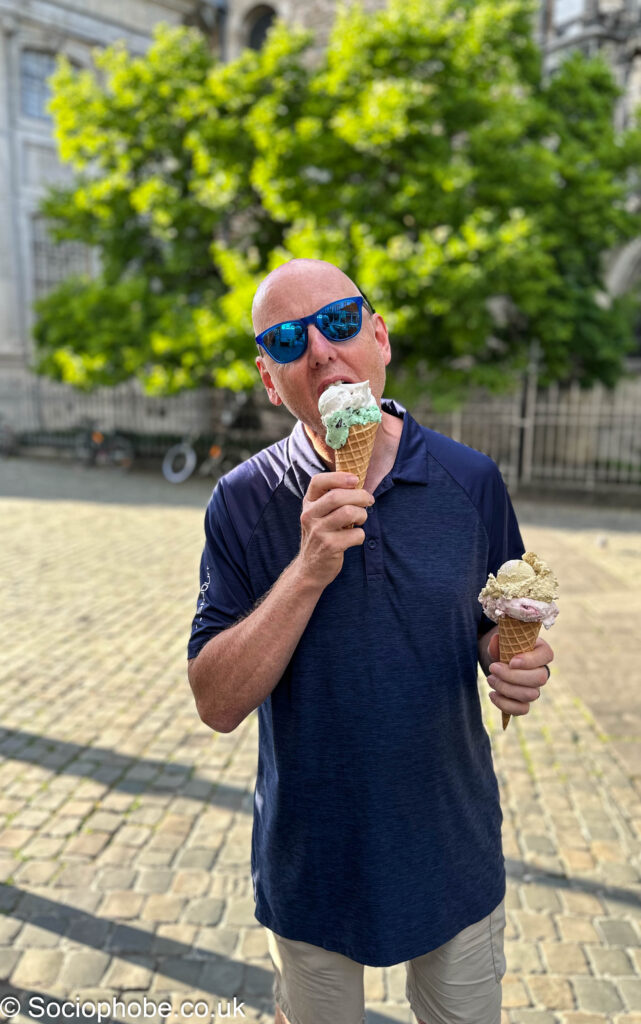
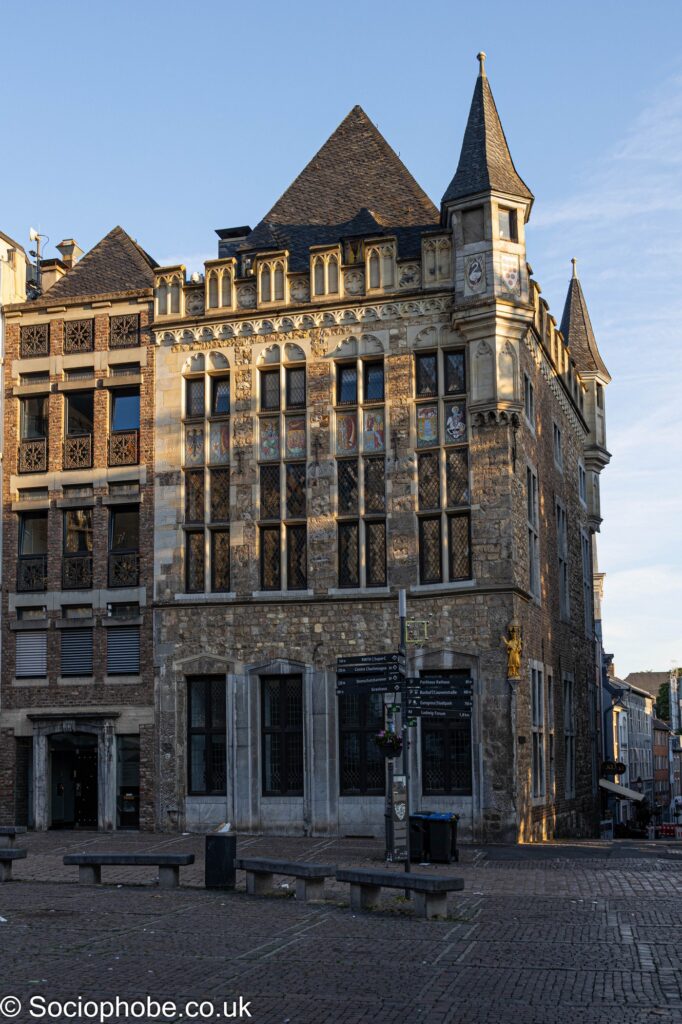
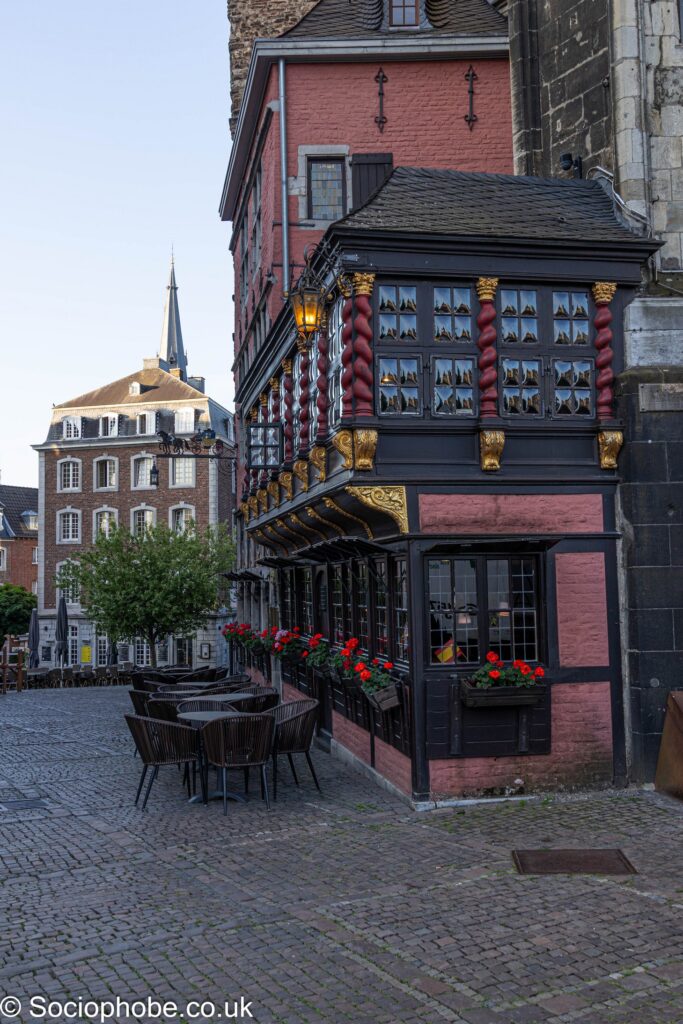
After unpacking and catching up on interminable messages we walked into Aachen, towards Charlemagne’s Cathedral. It took about 10 minutes to reach the historic centre of this beautiful city and after a quick dinner we explored some of the nearby streets and squares, revelling in the wonderful architecture and atmosphere. There was some kind of festival on and lots of people out, enjoying the evening sunshine. We indulged in a gelato for dessert before walking back to the hotel for a probably much needed shower!
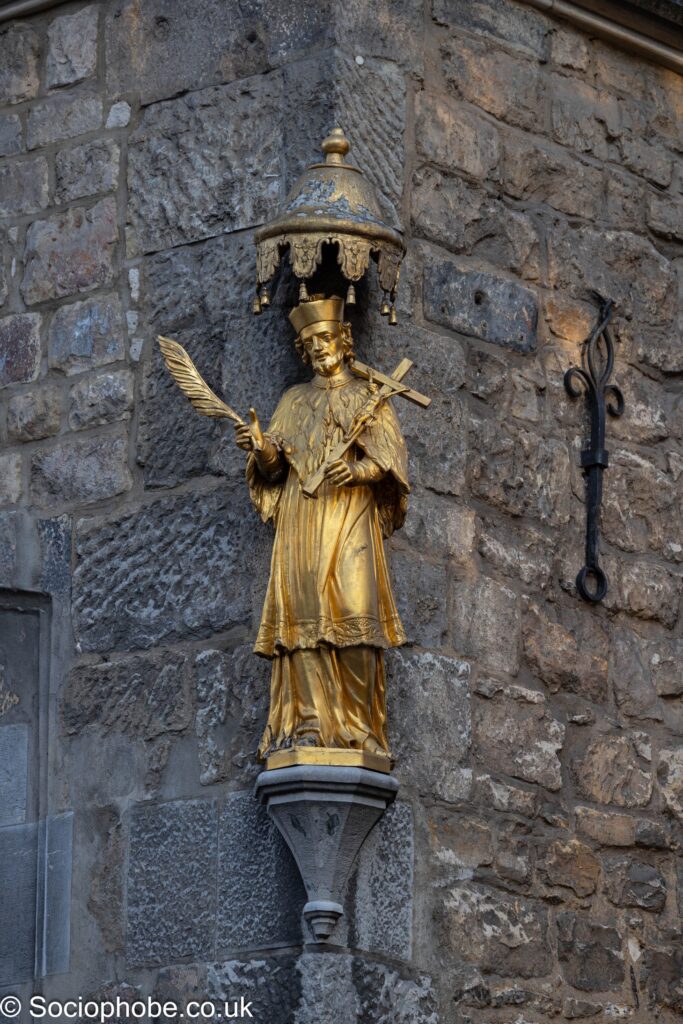
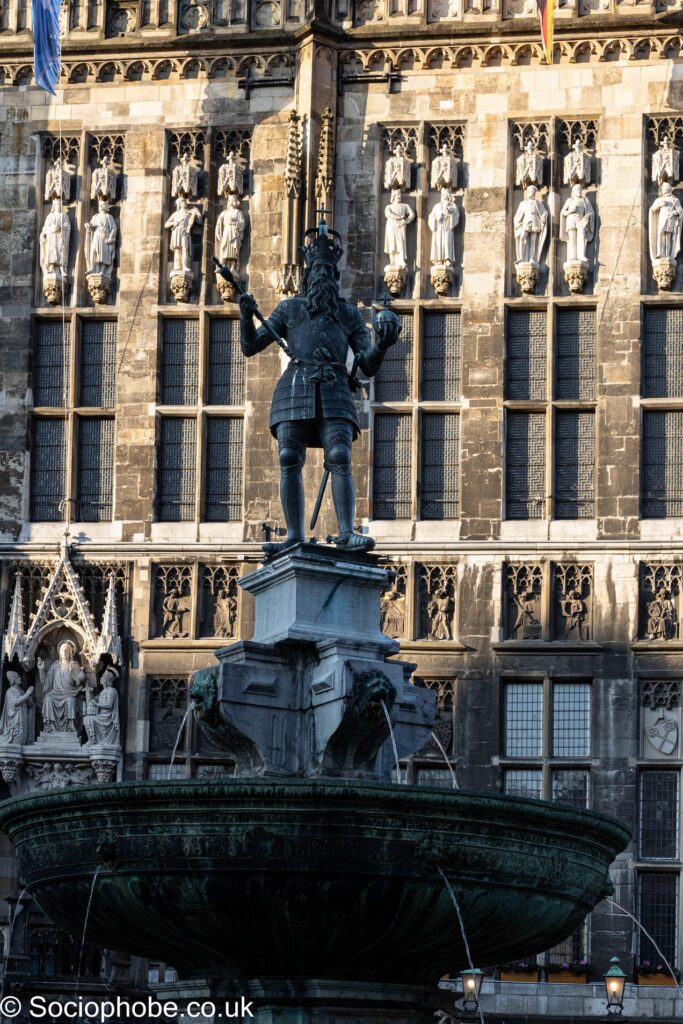
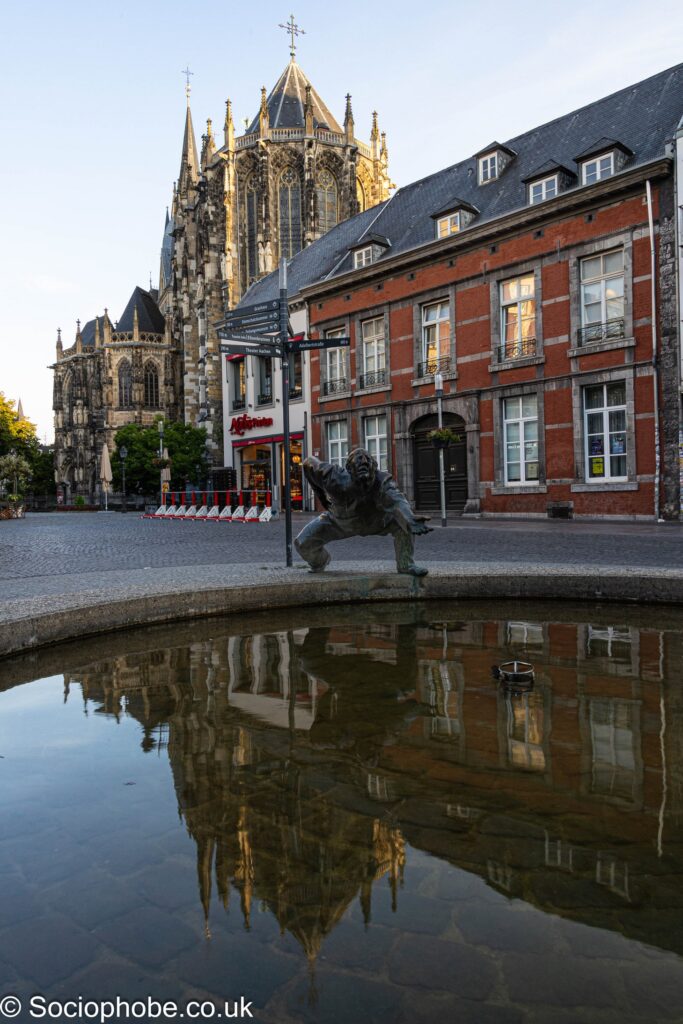
The next morning I got up at 5:30 and went for a walk to the centre. The air was blissfully cool and there were no people around so I had a long meander to some of the places we saw last night and some new ones. It was great to be able to get some people free photos although the early morning light wasn’t ideal in the city. Just being up and about was wonderful though rather than getting frustrated with the heat in the room.
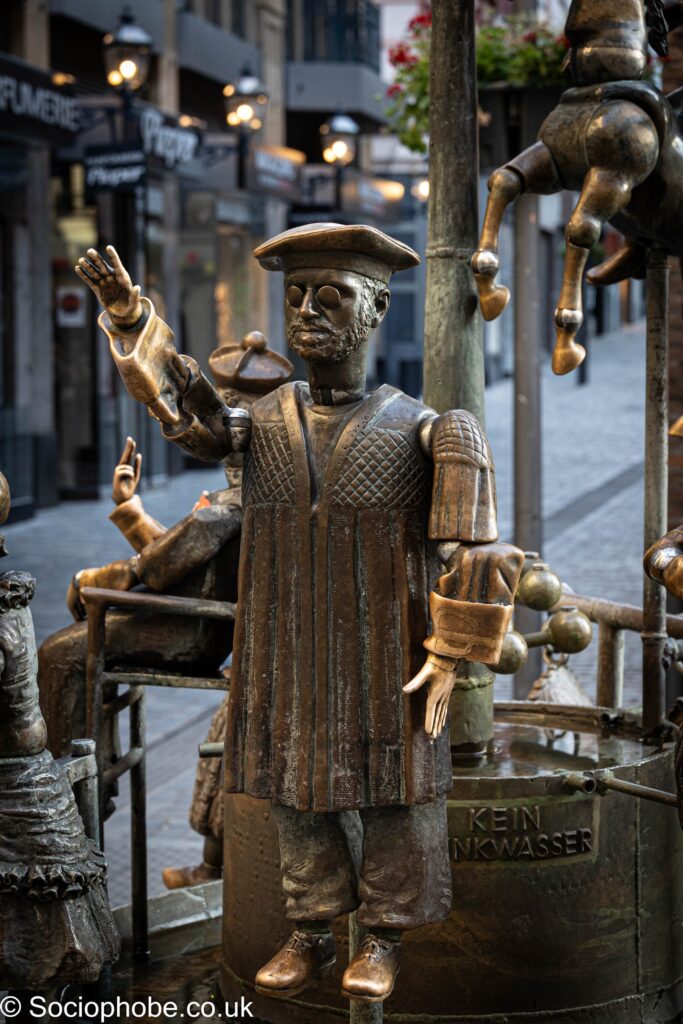
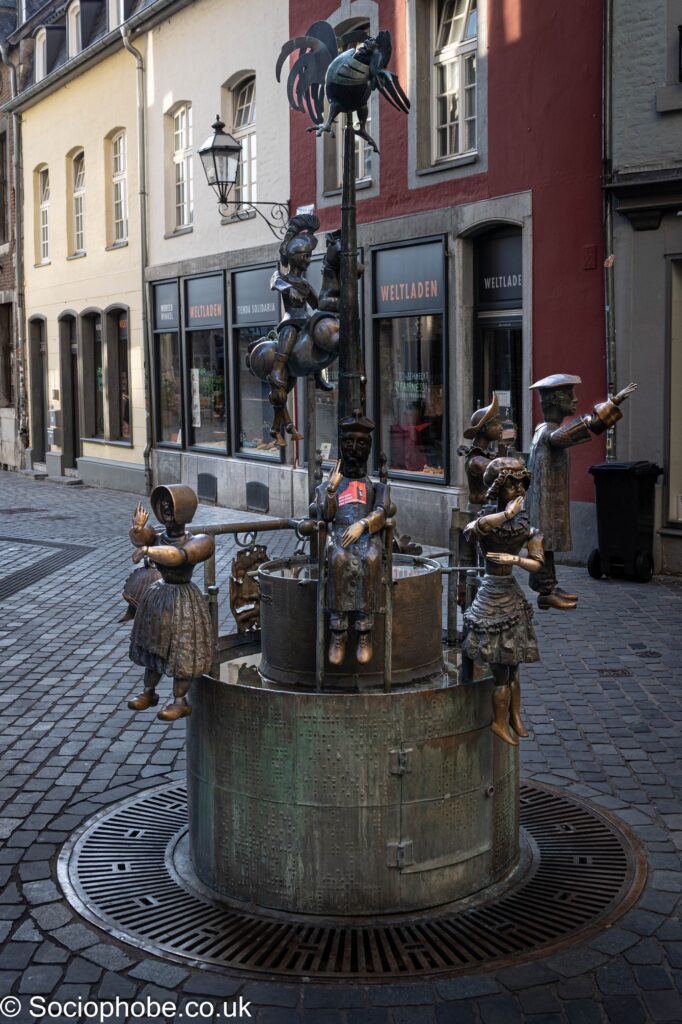
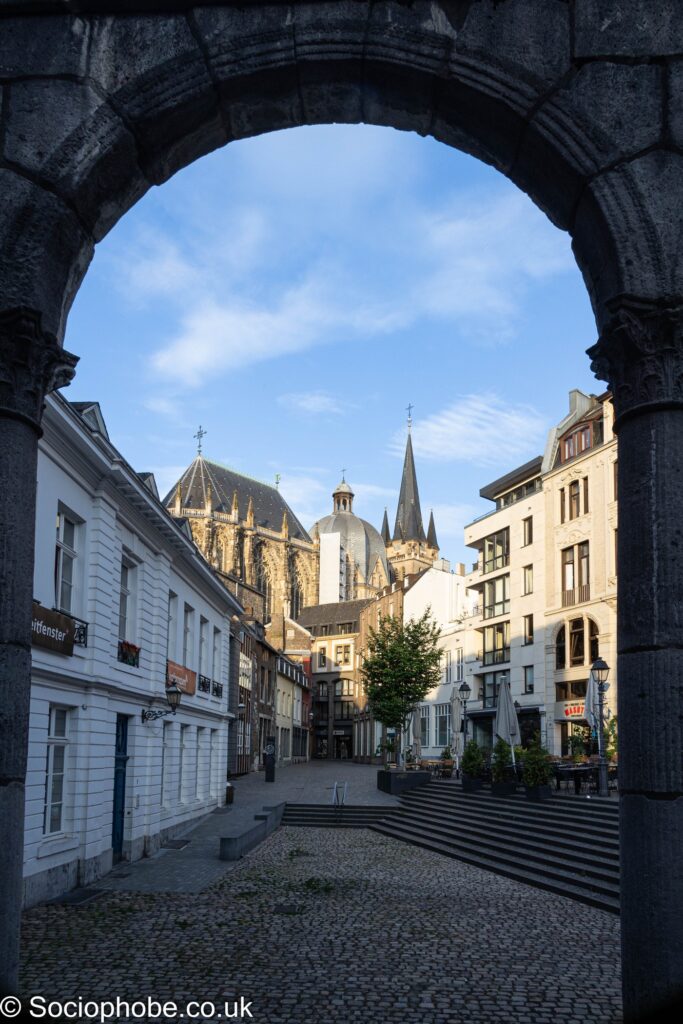
The city has lots of public art and fountains with buildings dating back to the Roman period although lots are heavily reconstructed after damage in WW2. The street cleaners were out in force, tidying everything from the previous evenings entertainment. It is great on one side, the city cares enough to spend on cleaning but bad that people can’t clear up after themselves and it needs the council to do it. I got back to the hotel at 7:30 and Deb was up and ready which was a bit of a shock.
Charlemagne Centre
After a large breakfast in the hotel, with the quark chocolate mousse being very interesting we then went our separate ways as I wanted to see some of the museums and Mum and Steve opted for the open top bus tour. I retraced my steps from the morning to our first stop, the Charlemagne Centre. This museum showed the history of the city from pre Roman times through to the eighteenth century I think.
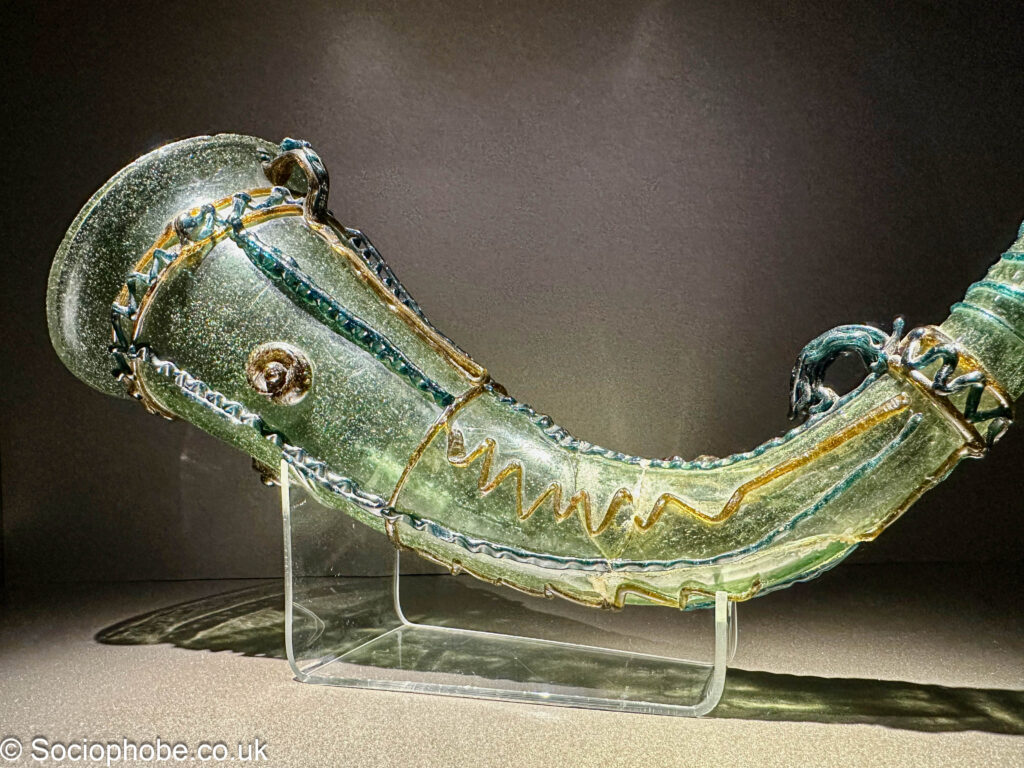
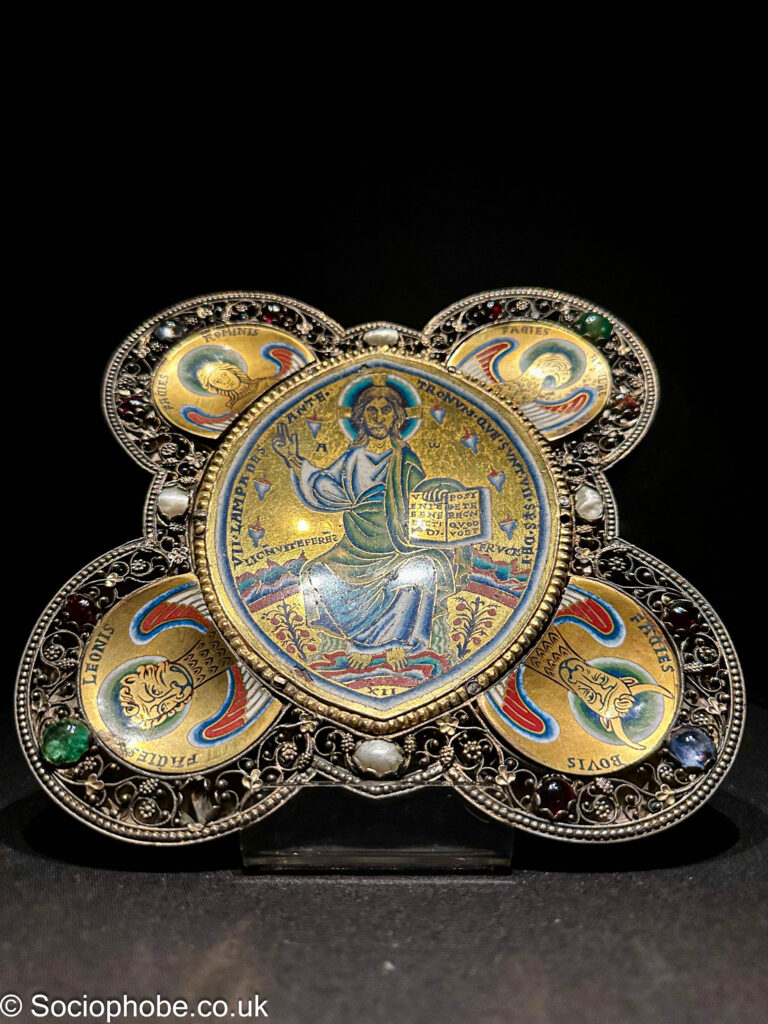
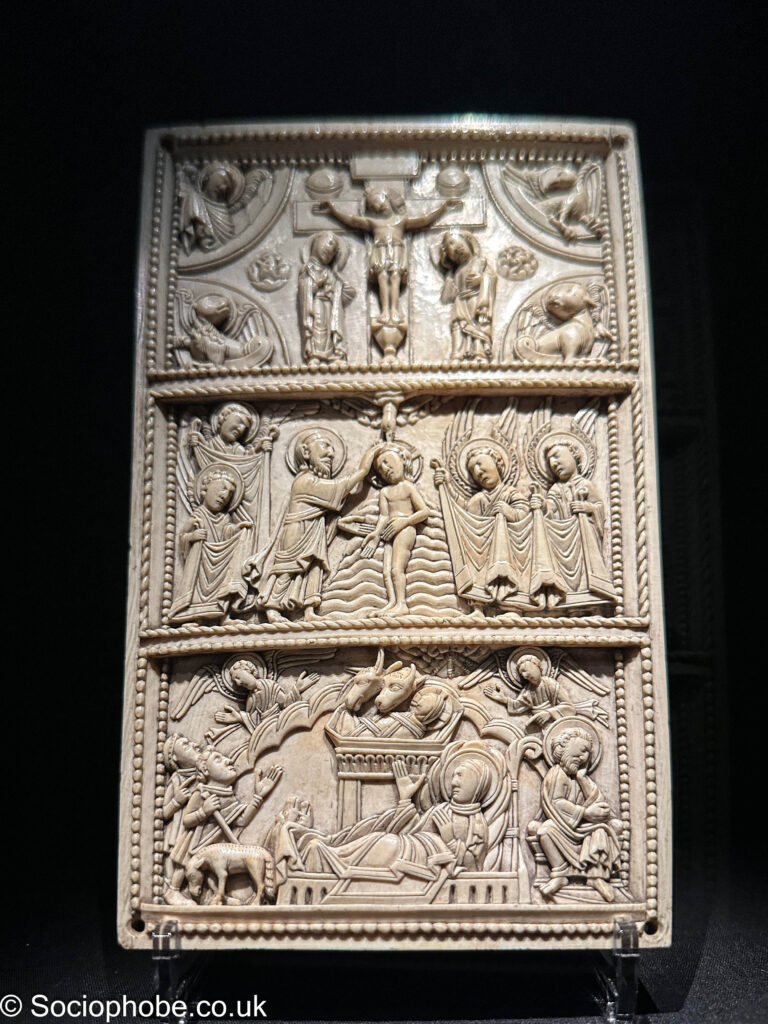
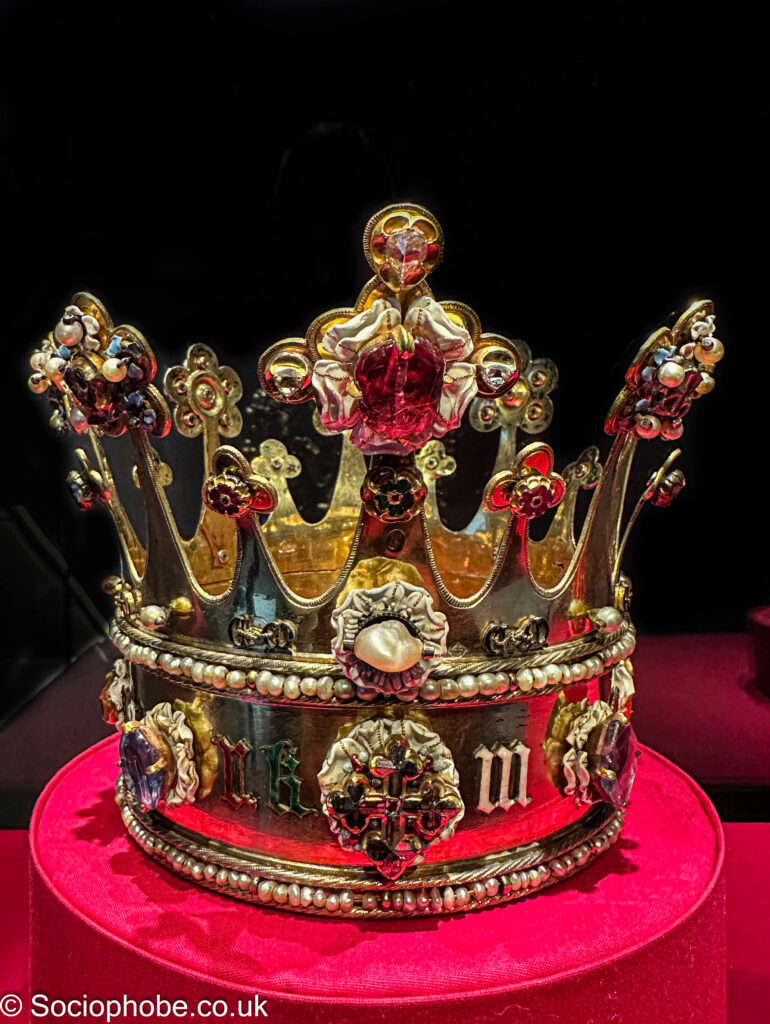
There were some wonderful exhibits including a Roman glass drinking horn and Roman ear tweezers, a medieval crown, Arabic and Byzantine coins and some gospel covers. As well as exhibits there were various displays on events in the city such as the sack of the city by the Spanish to expel the Protestants in 1598, the 1656 fire that destroyed 90% of the old city, the change of borders in 1801 and 1815 and then 1918 and 1930 where the city moved between French and German control.
The bombing and siege of the city in 1944 caused yet more large scale destruction. There were also sections on the importance of the city as a centre for scholarship and manuscript production and another section on Carolingian arms and armour. All good stuff!
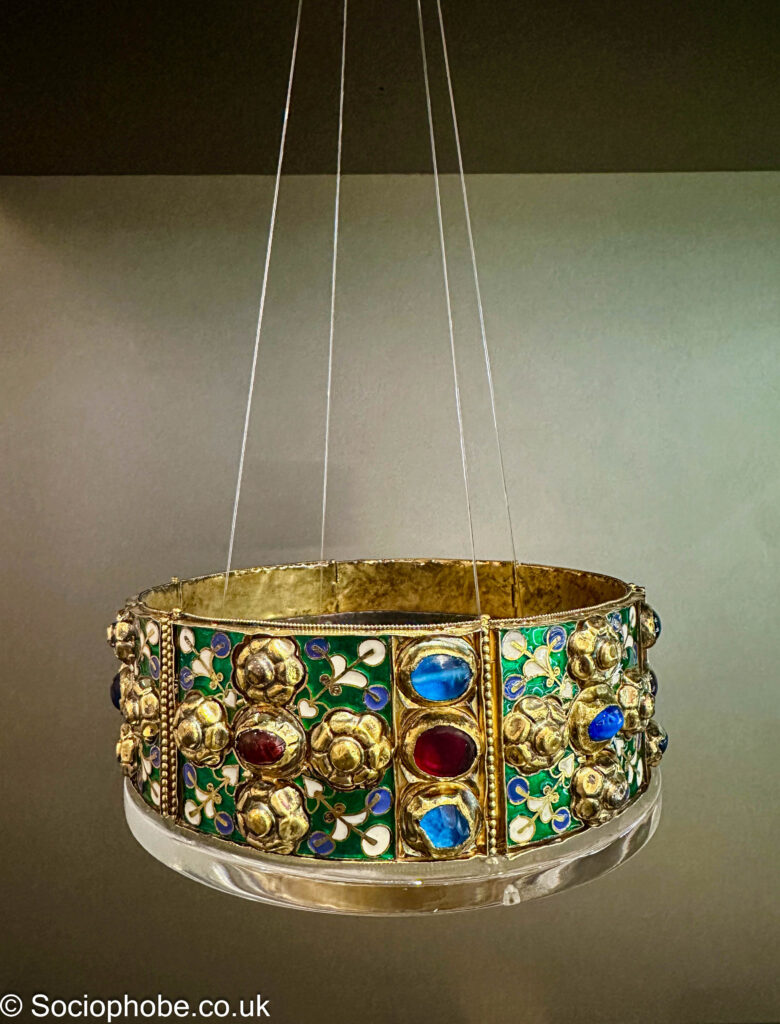
Cathedral Treasury
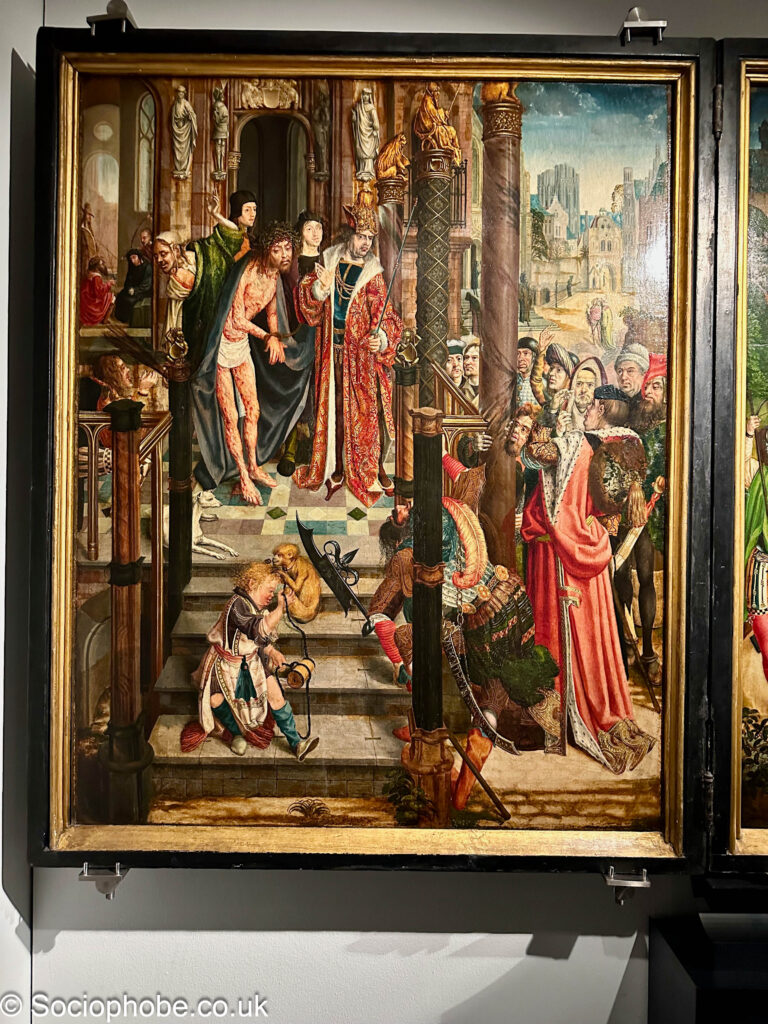
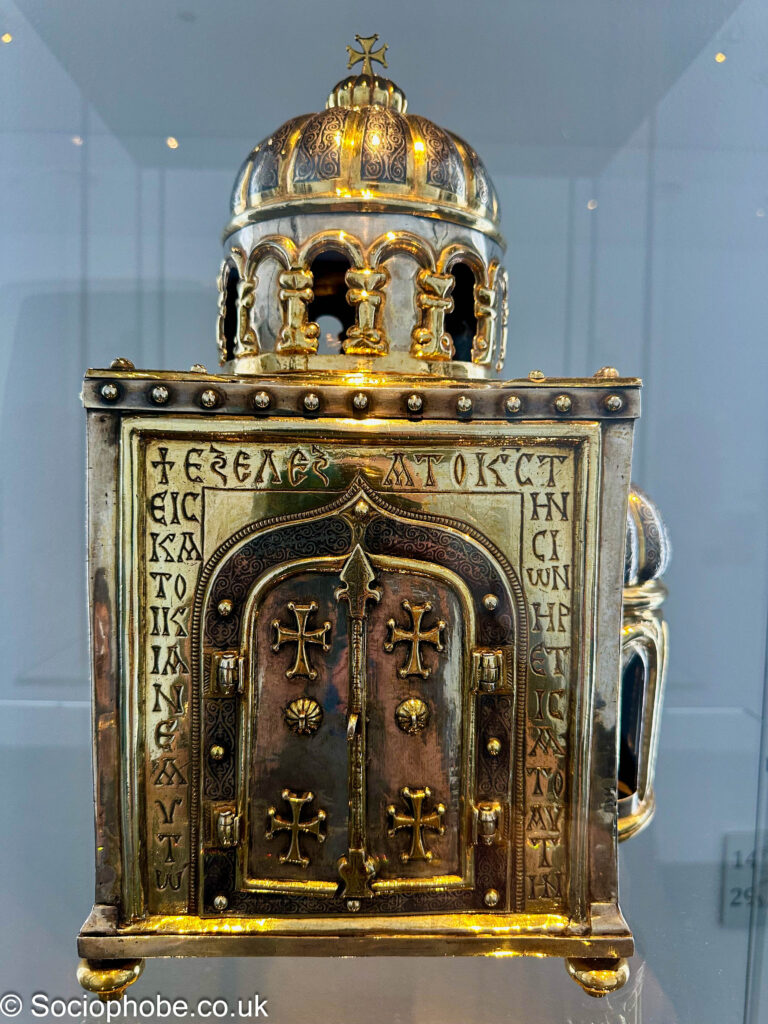
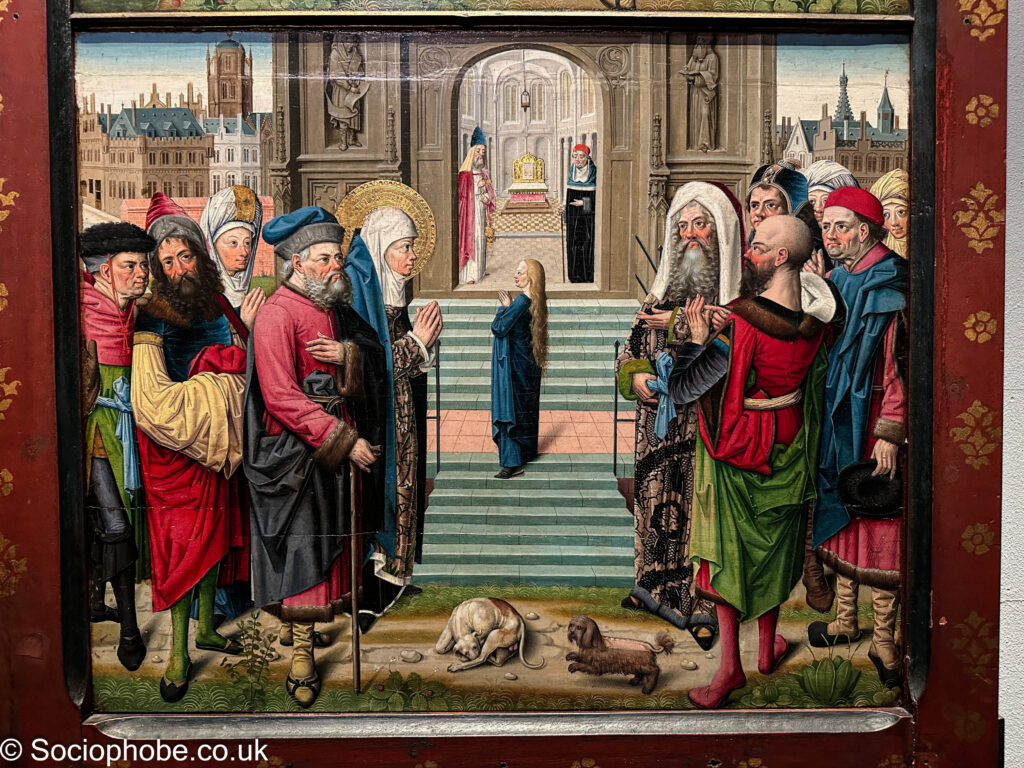
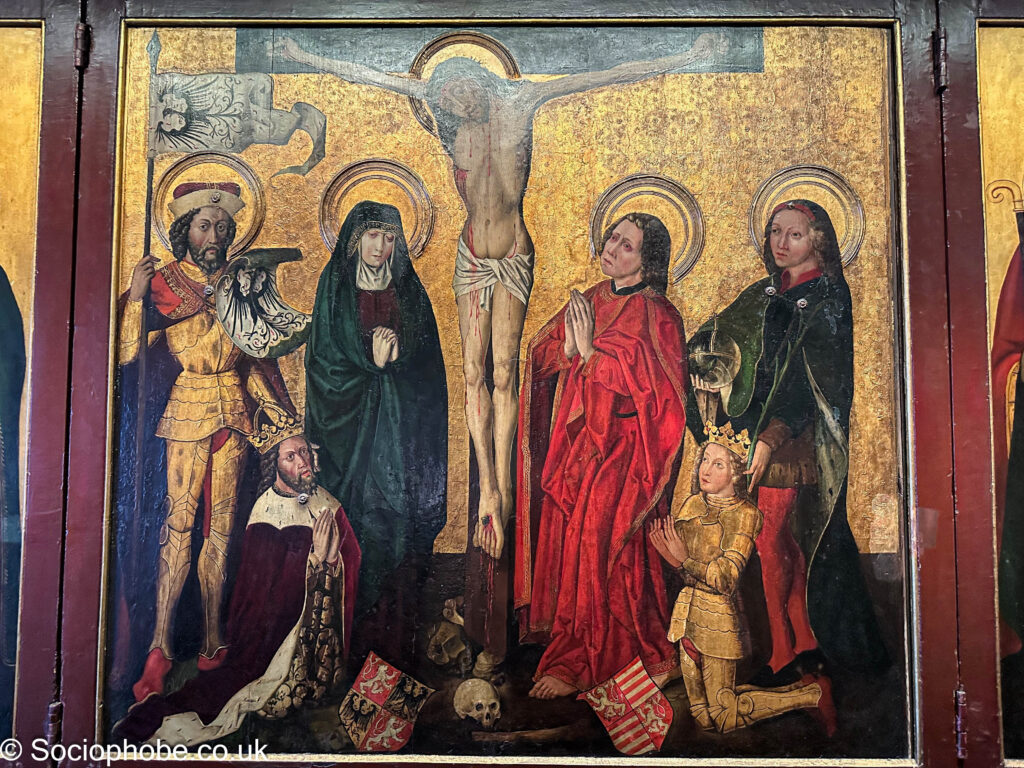
After this excitement Deb was gagging for more so I took her to the Cathedral Treasury, I do spoil that girl! As the name suggests, this building holds various artifacts from the cathedral ranging from reliquaries to triptychs to ceremonial accessories and also statues, ornamental jewellery and book covers. We probably spent 45 minutes inside and some of the art works, particularly the oil painted triptychs on oak were just awesome – every figure painted was an individual character and the detail and skill was just wonderful.
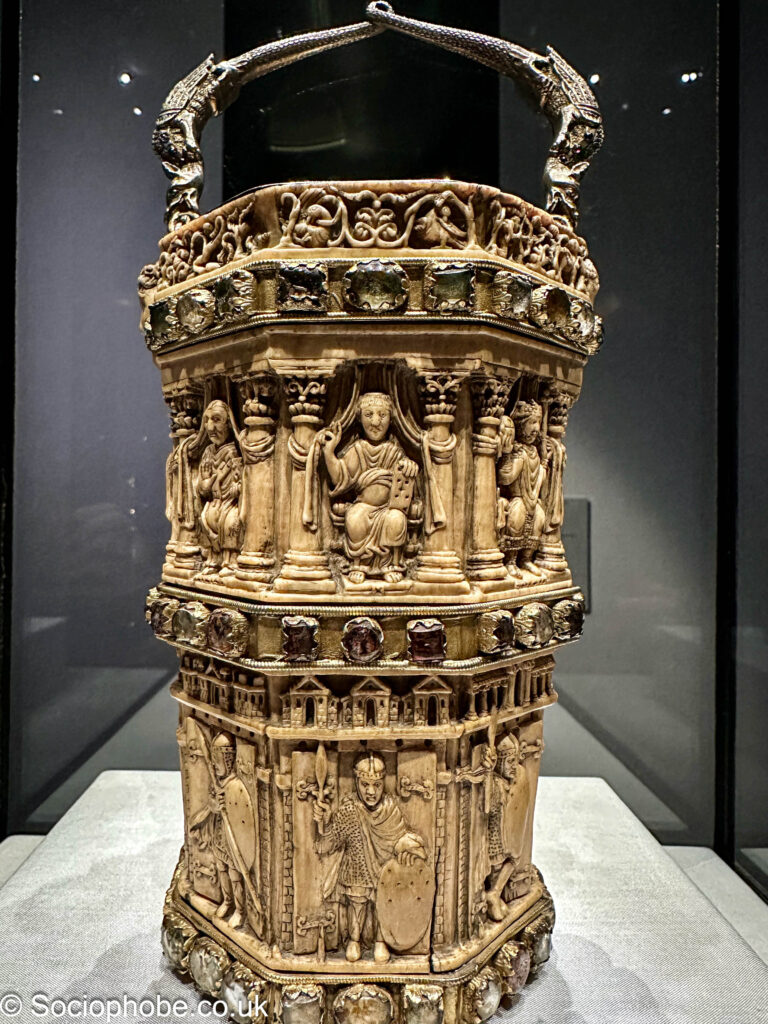
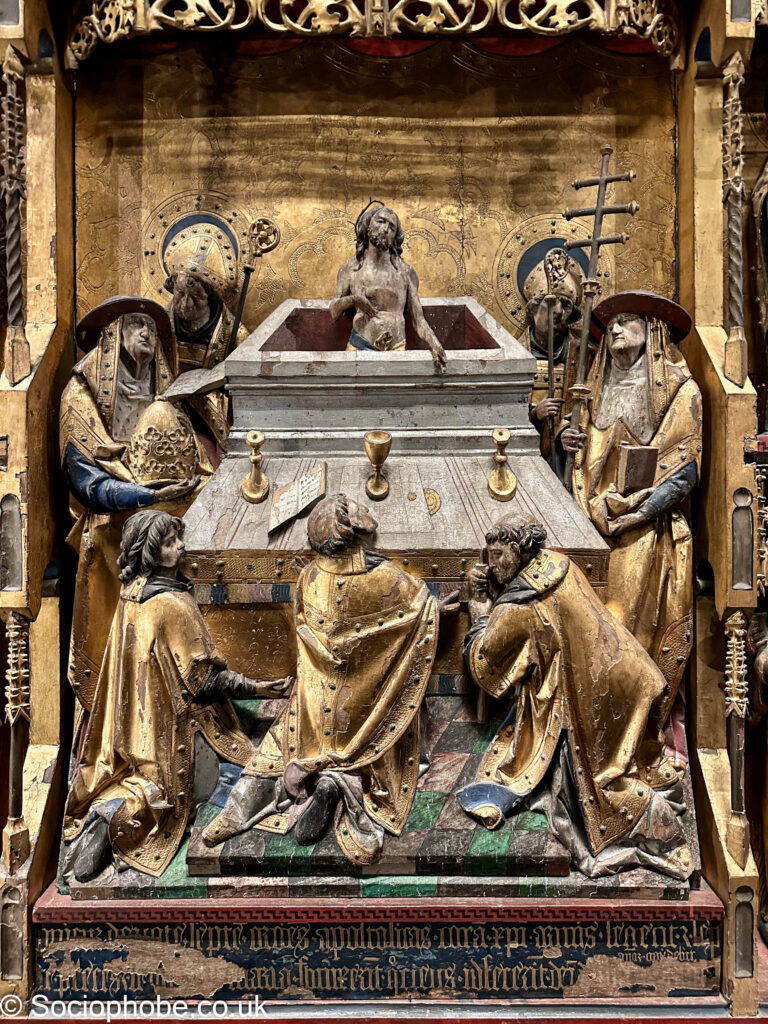
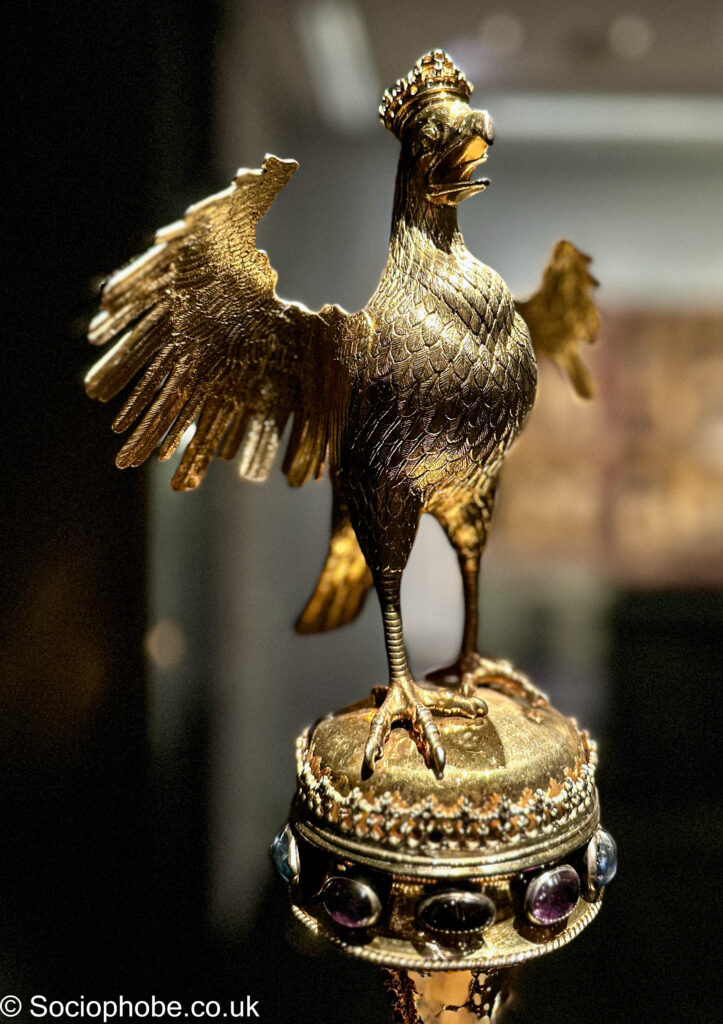

Aachen Rathaus
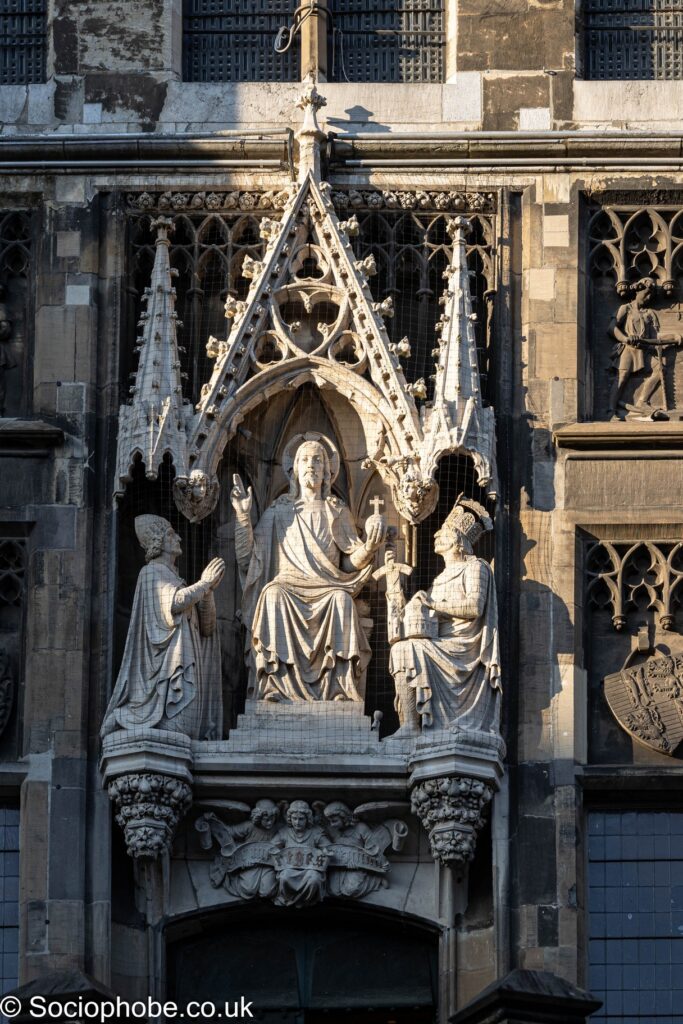
Our final stop was a quick visit to the Town Hall, Rathaus, an incredibly ornate 14th century Gothic building that incorporated some parts of Charlemagne’s Palace and an earlier Roman building. There were weddings taking place while we visited but the rooms we saw were beautifully ornate and largely 19th century decoration.
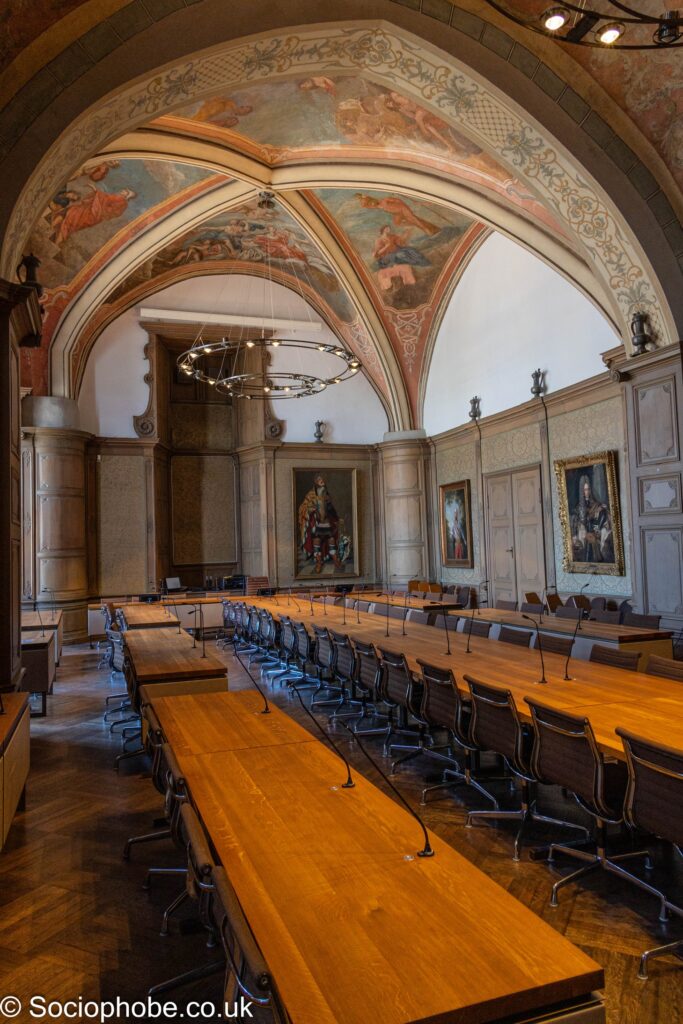
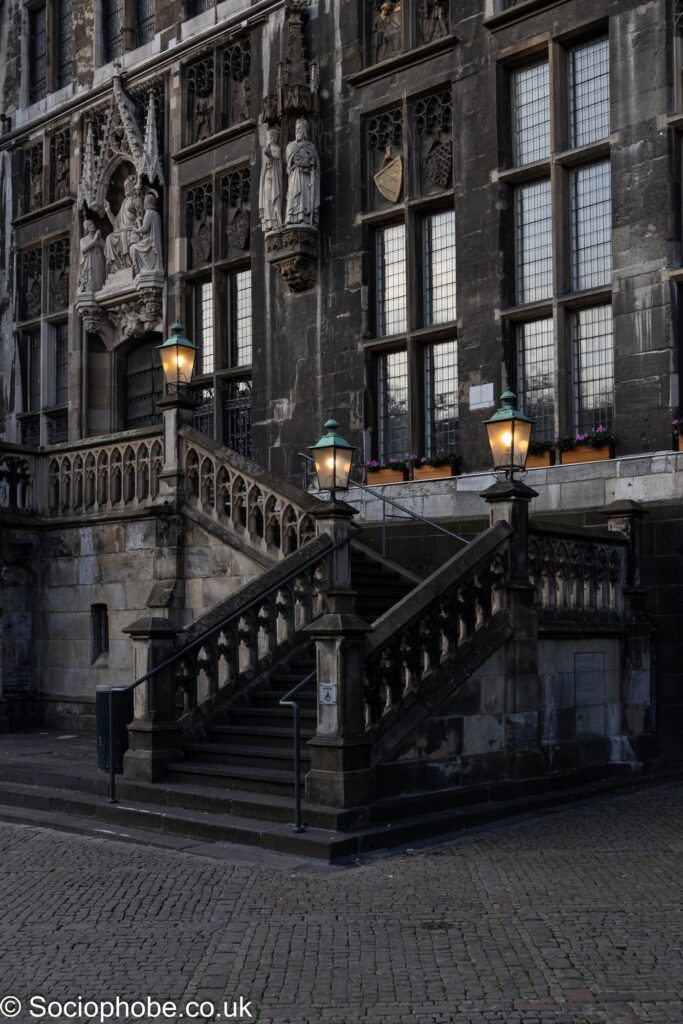
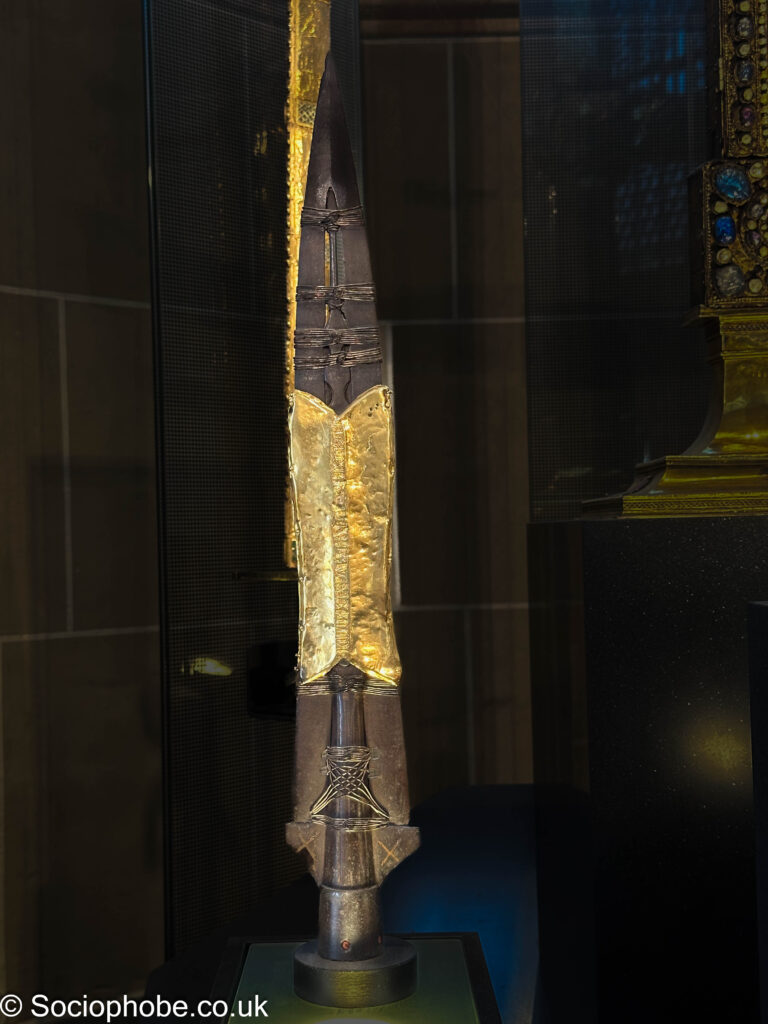

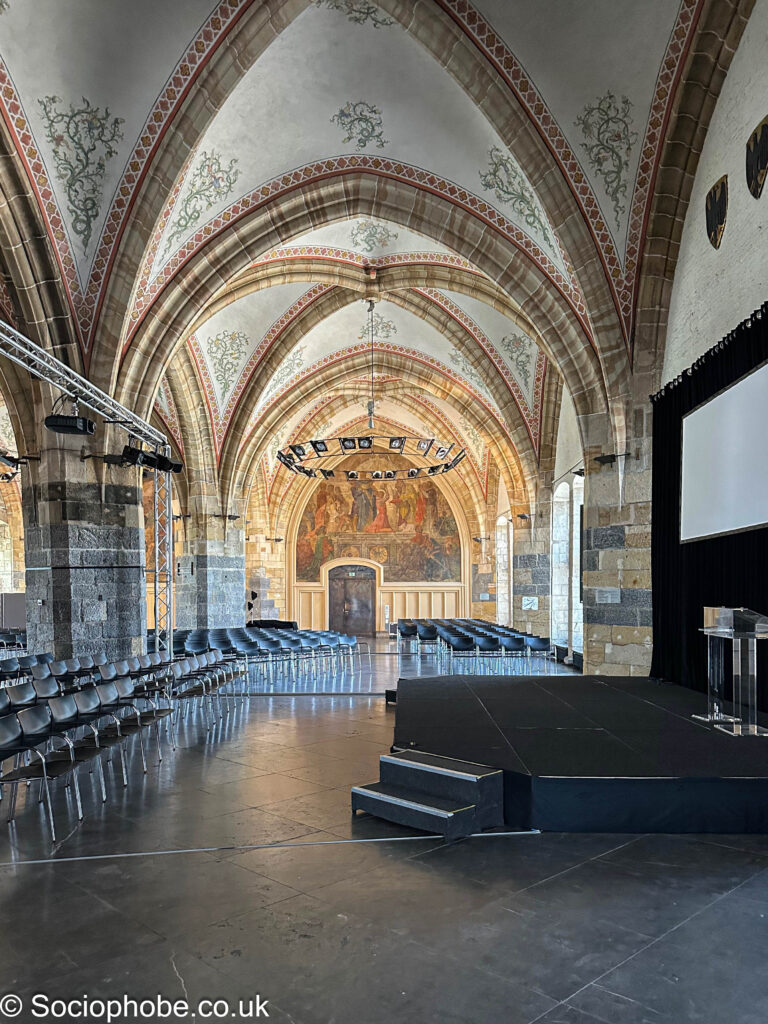
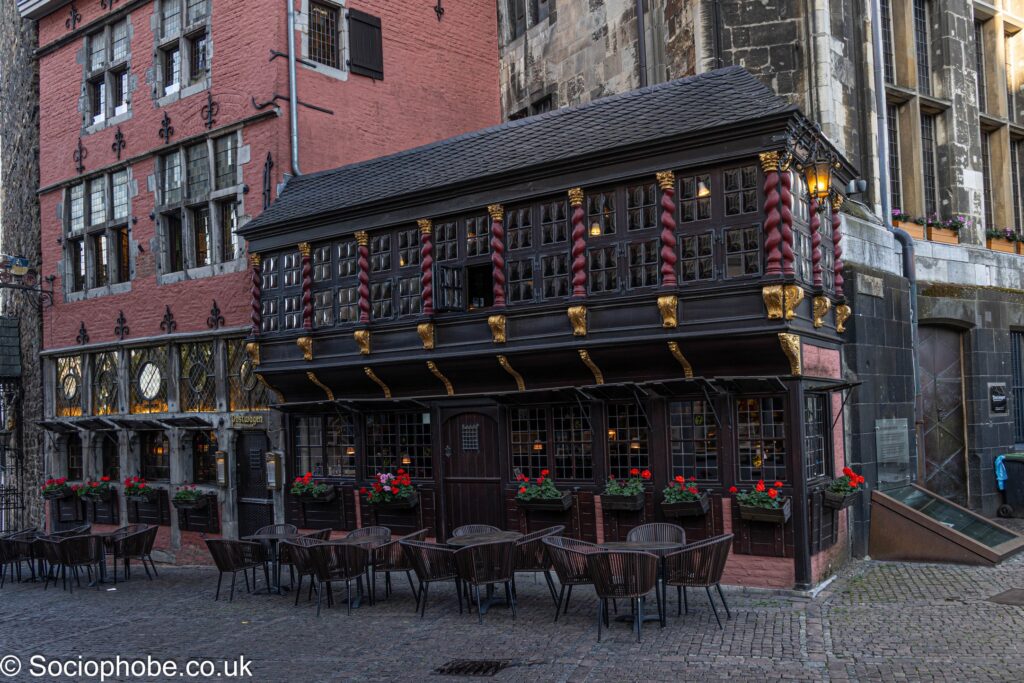
There were great views across to the cathedral and replicas of the Imperial German Regalia that are currently held in Vienna, including the Holy Lance, allegedly the spear of Longinus that was used to stab Jesus. We also watched archive footage of the results of Allied bombing in WW2 and the subsequent siege of the city until the Americans liberated it in 1944. I can imagine the restoration work was stupendous and the cathedral still bears the scars of war today.
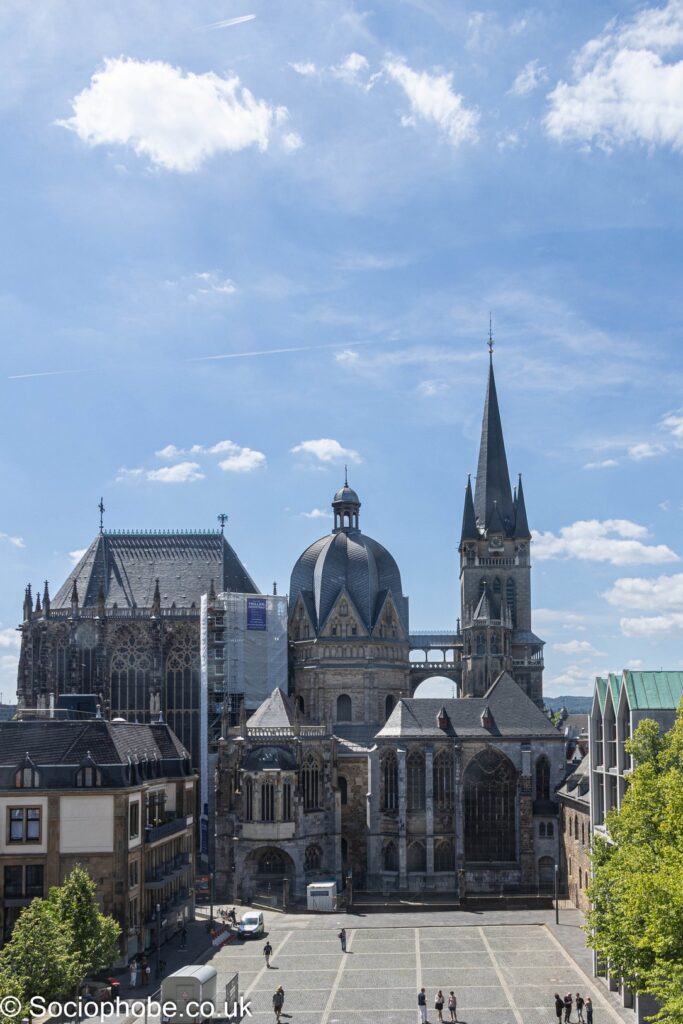
Aachen Cathedral
We then met Mum and Steve – whose bus trip had taken them into the Netherlands and Belgium before returning to Aachen – at the Aachener Cafe Haus where I had spotted some fabulous cheesecake. We ate far too much, especially as I had to finish the two eyes-bigger-than-their-bellies females portions! From there we carefully waddled down the hill together to our final attraction of the day, a guided tour of the cathedral and Charlemagne’s throne.
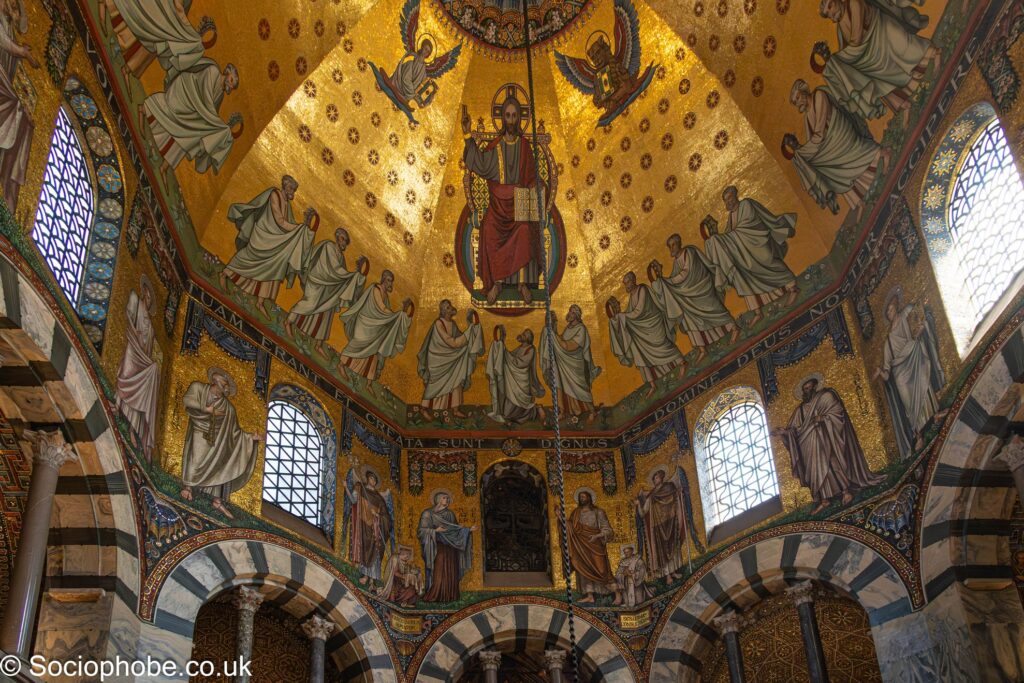
The cathedral interior looks like a miniature Hagia Sophia, with a central dome and arched galleries below, all covered in imitation Byzantine mosaic iconography and sunlight streaming through the upper gallery windows. We had a quick overview of the history of the cathedral – Charlemagne’s original was completed in 805 and used 24 columns looted from Rome. This was damaged in the 1656 fire and replaced with a baroque design which was then extensively looted during the Napoleonic occupation between 1801 and 1815 . The late 19th and early 20th century saw the building being returned to the imagined style of the earlier church with its heavy Byzantine influence. The huge chandelier was gifted by Fredrick Barbarossa in the 12th century and there was an ornate pulpit with pagan Roman and Hellenic items surrounded by Christian iconography from around 1012.
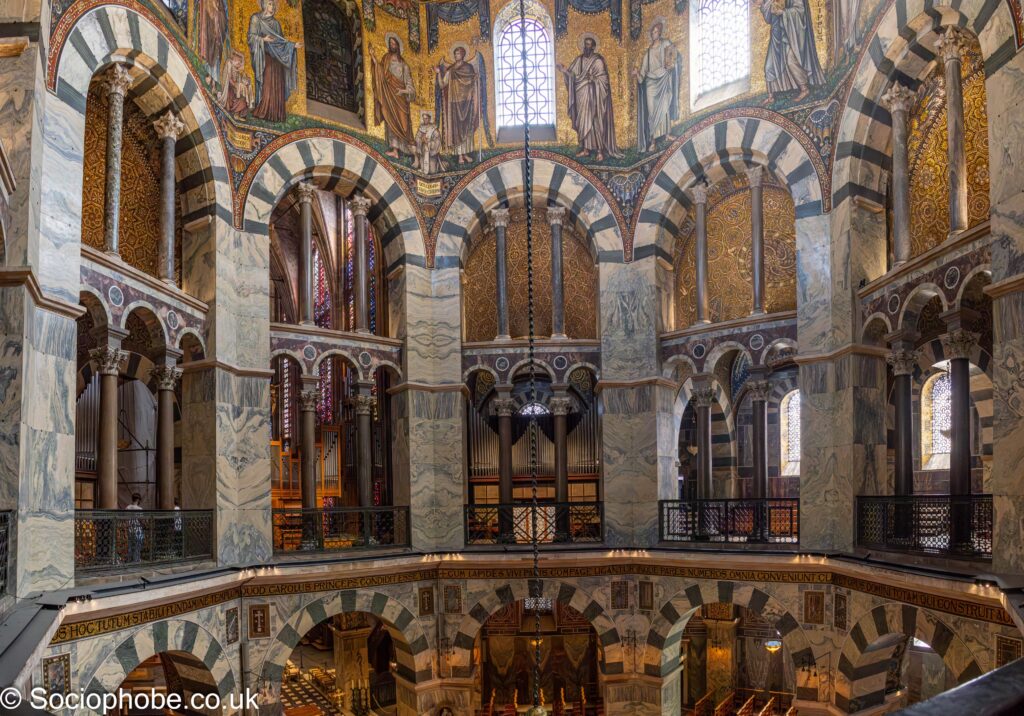
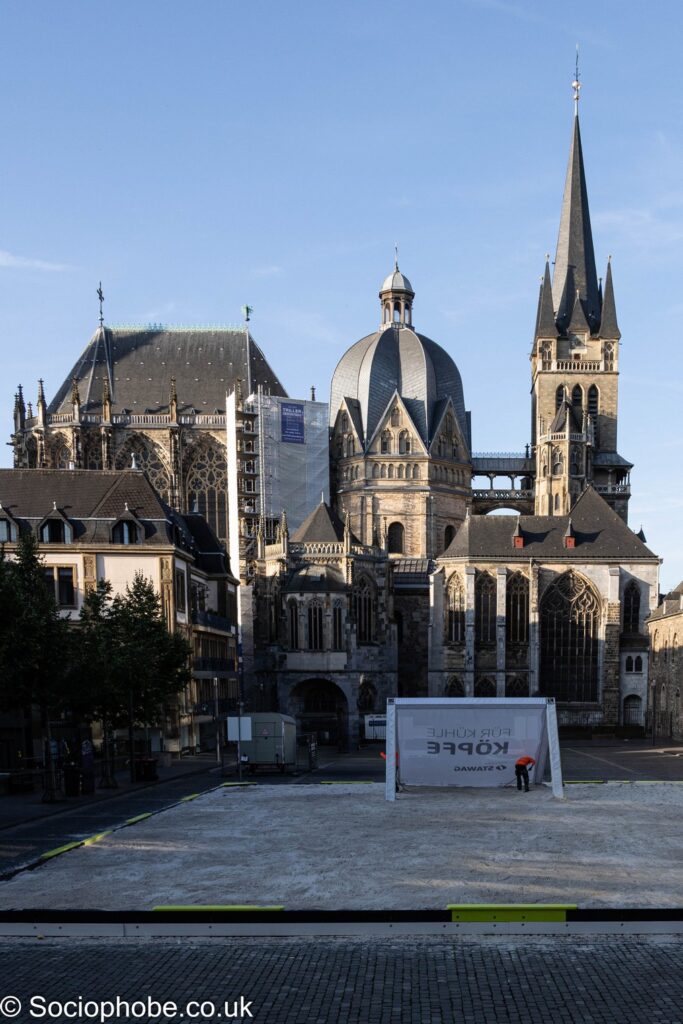
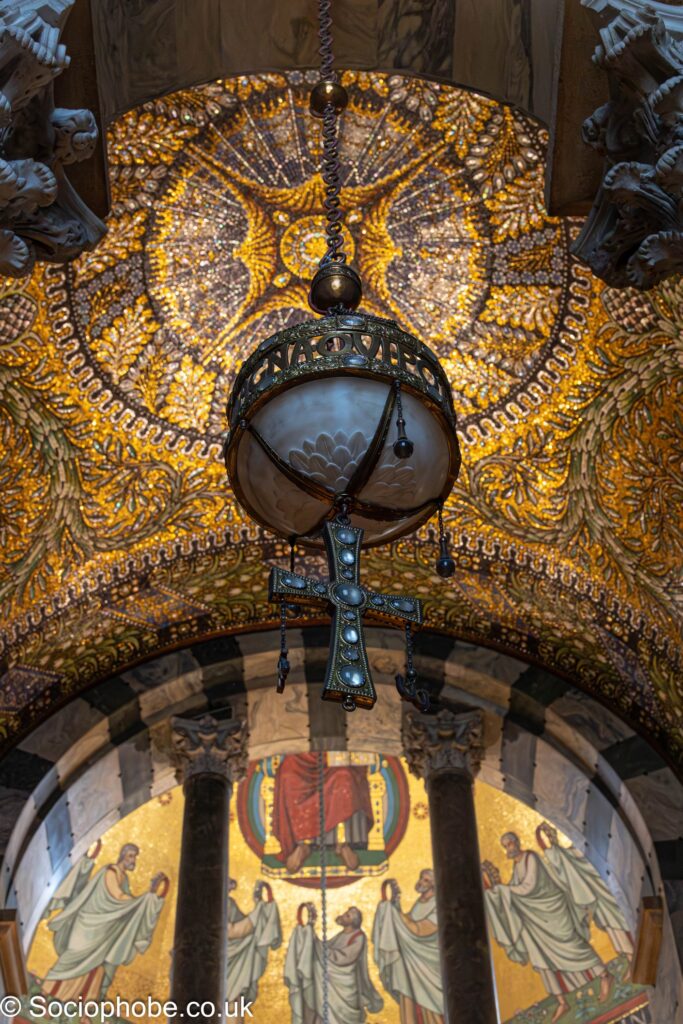
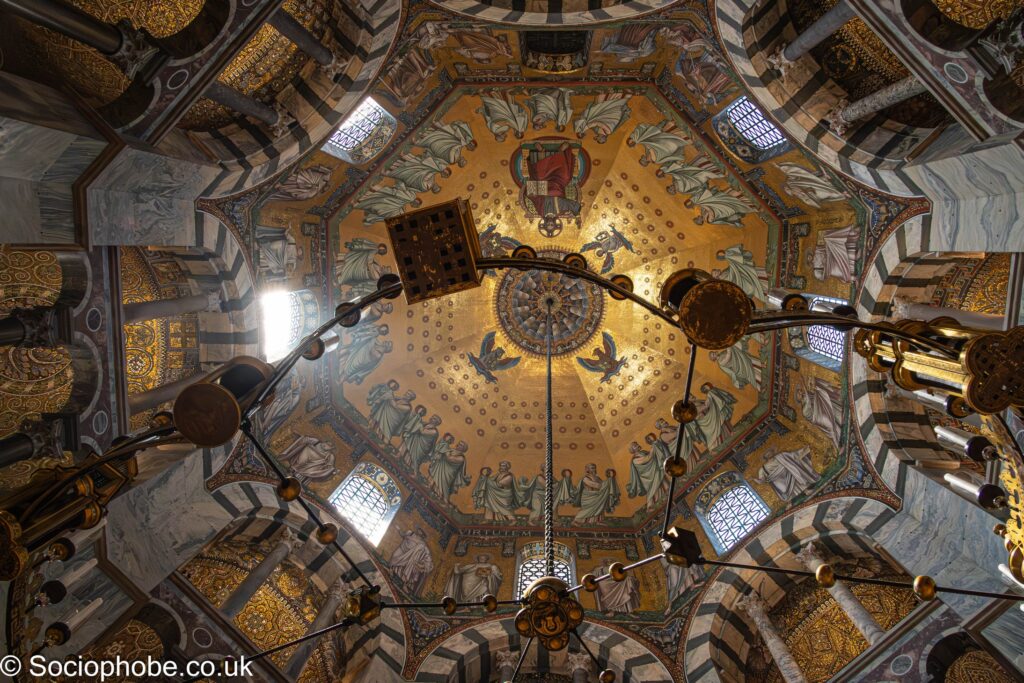
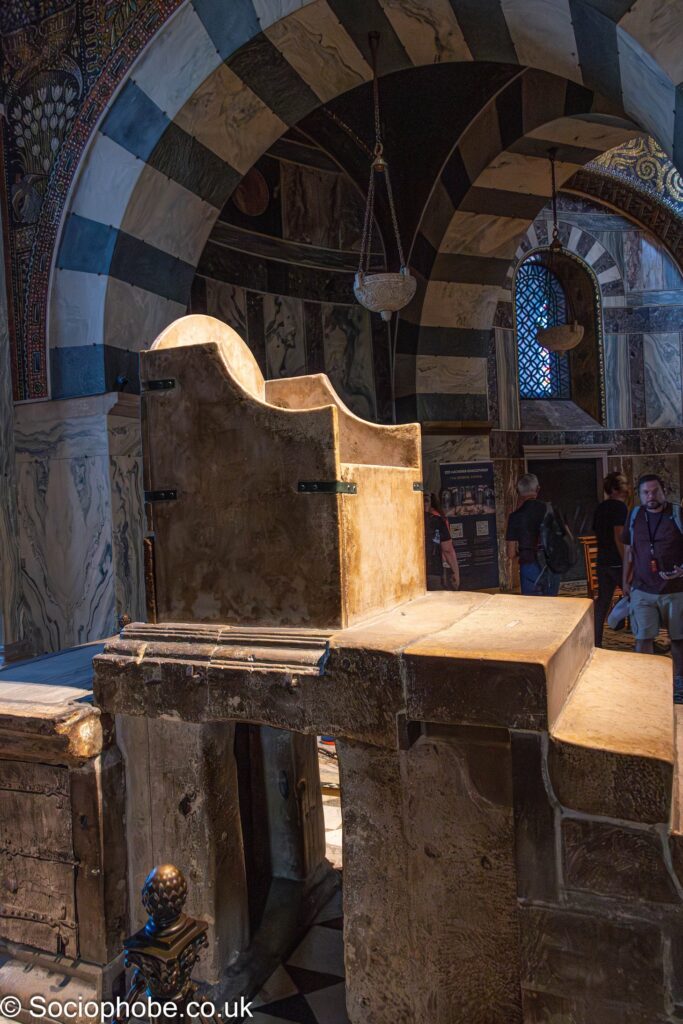
The throne of Charlemagne is on the first floor and is rather a sorry sight now. It is just a few slabs of marble in a roughly chair shape, having lost any ornate embellishments over the last 1200 years. The marble apparently comes from the original Holy Sepulchre church (the one founded by Constantine’s Mother, Helena) in Jerusalem and there was also a section below the throne to hold relics, used during the coronations of all the German emperors until the 16th century.
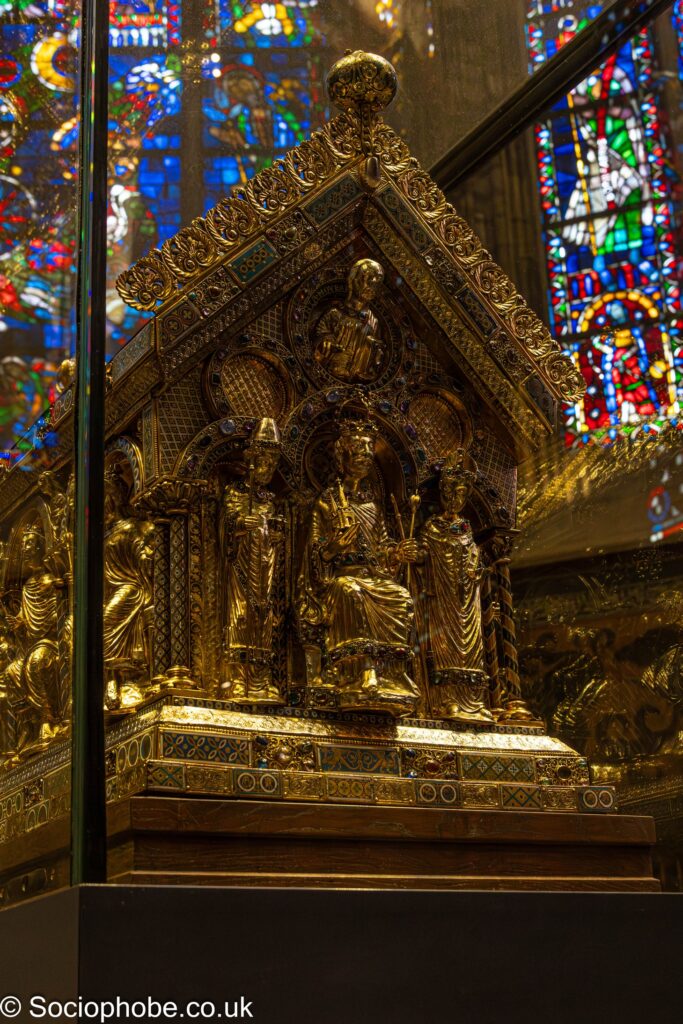
The ground floor held a chapel, all the glass of which was lost in WW2 so now has a mix of medieval styles and abstract. There were two beautiful gold relics in the chapel – one sacred to Mary and one that now holds most of the remains of Charlemagne. It was an interesting visit and the interior of the cathedral was certainly worth seeing, a wonderful sight and a credit to both Carolingian vision and modern craftsmanship.
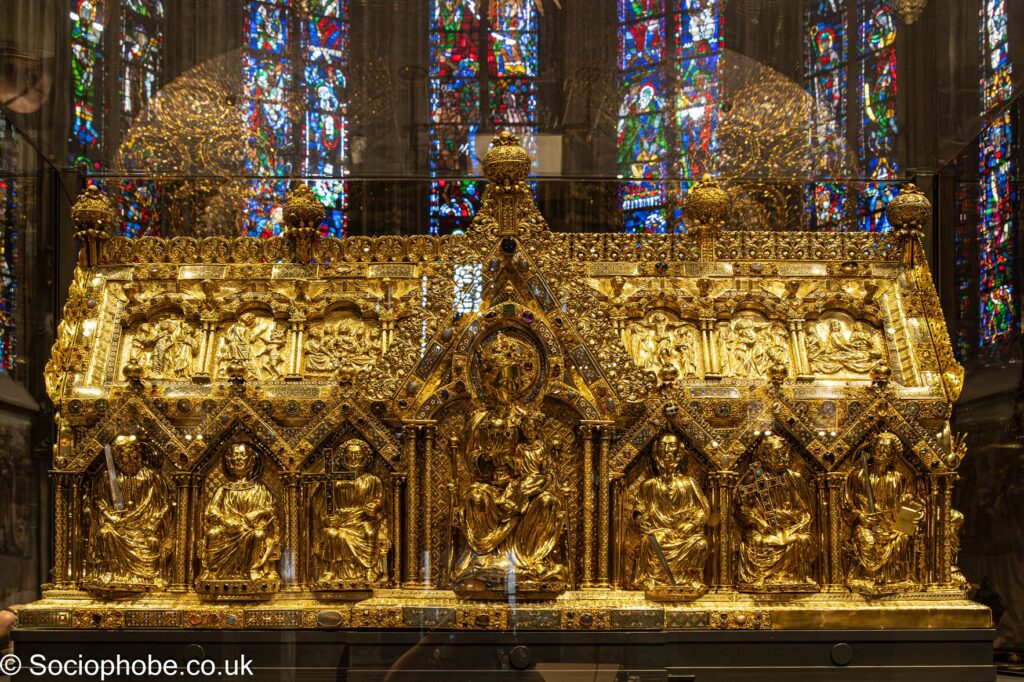
We left Mum and Steve at the cathedral and walked back to our hotel while they actually got to look around the city. In the early evening we all met up and walked the short distance to Beytna Lebanese restaurant where we had a fabulous meal at a bargain price. It was less sweltering than yesterday so it was a pleasant walk back to the hotel.
The next morning I met Mum at 6 to do a final circuit of the old city. We saw various things that she hadn’t had time to see the day before – some of the bronze artworks and also the Roman portico. I also wanted to look at the war damaged to the cathedral and the 8th century bronze doors.
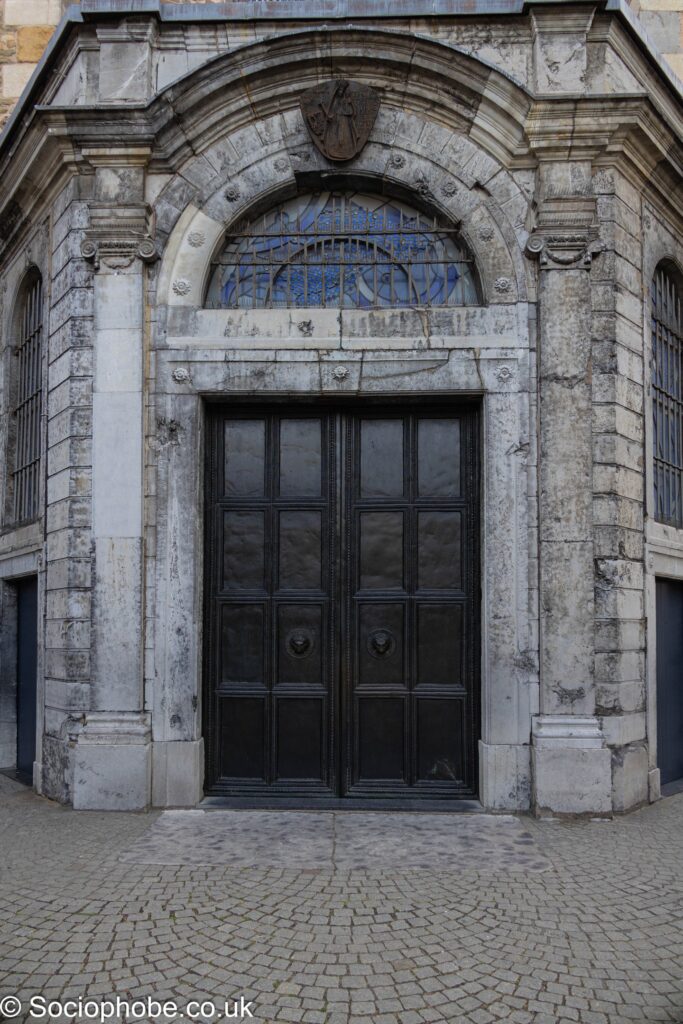
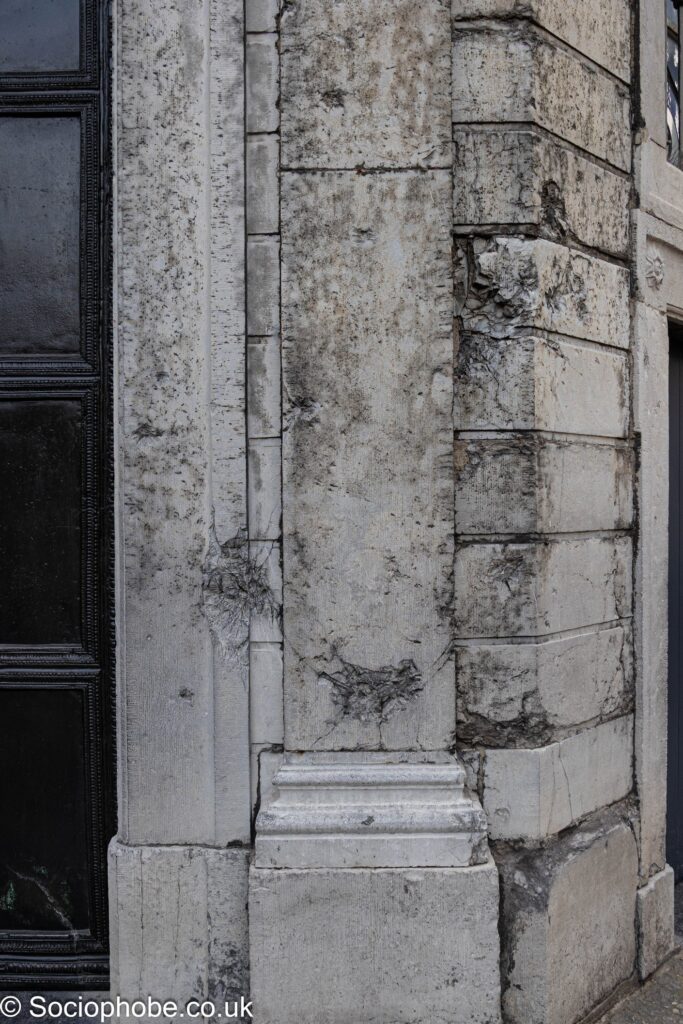
Eben Emael Fort
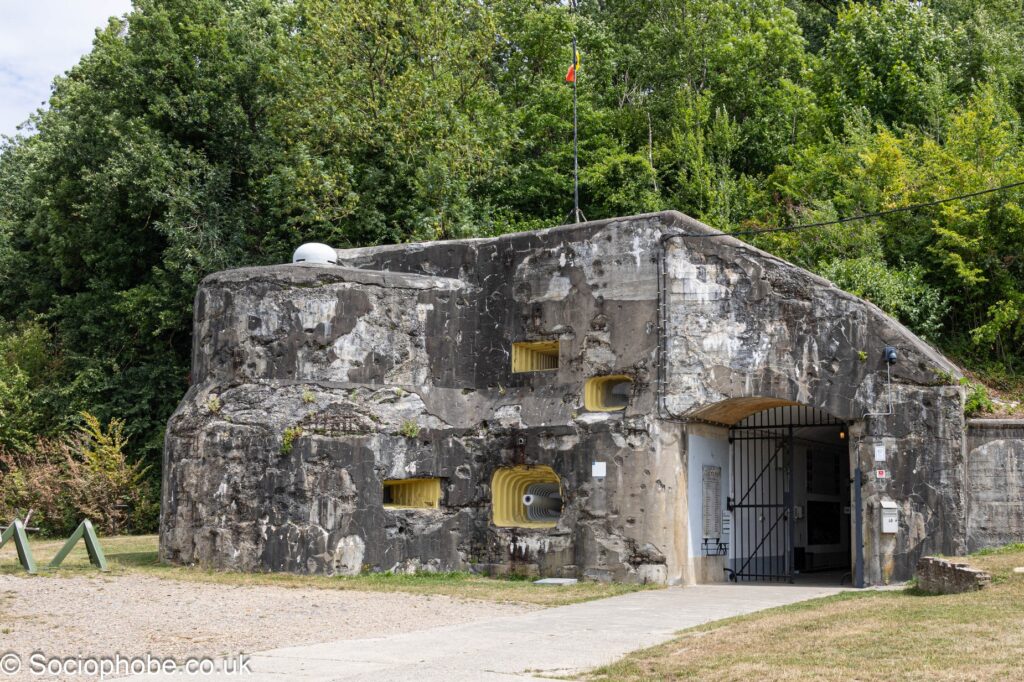
After breakfast we collected the car and drove to Eben Emael, a Belgian fort built in the 1930s to protect the bridges across the Albert Canal and the Meuse, the route the Germans used to invade the country in 1914. Eben Emael was captured in a spectacular assault by German glider troops in 1940, coordinated with glider assaults on the three bridges, capturing two of them intact.
The fort was designed in the most modern way but everything seemed to be based on keeping the enemy at a distance. The Germans realised this and planned a glider assault, the first time they had been used in this way so there were no mines, obstacles or barbed wire on the roof of the fort. German innovations in demolitions meant the hollow charge weapons could penetrate the turrets of the fort and within about 30 minutes of landing, most of the observation points and weapons were disabled.
We had a 2 hour tour of the fort, led by Sven, that was very interesting. The guide explained about the Belgian troops that lost their lives in each position of the fort, mostly conscripts and some as young as 19.
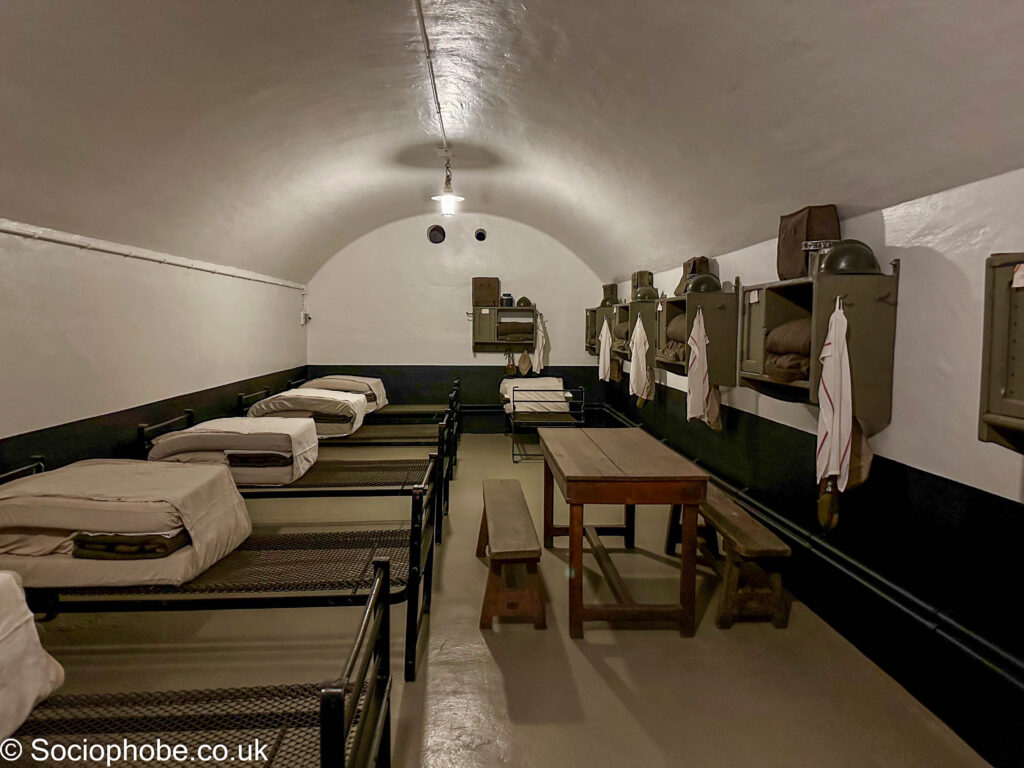
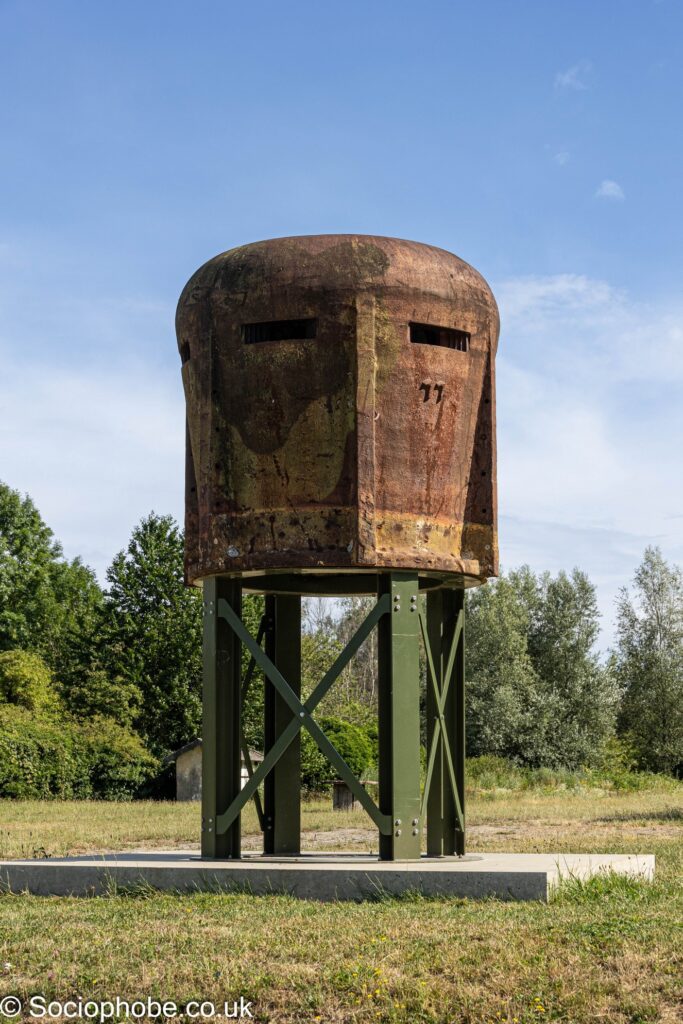
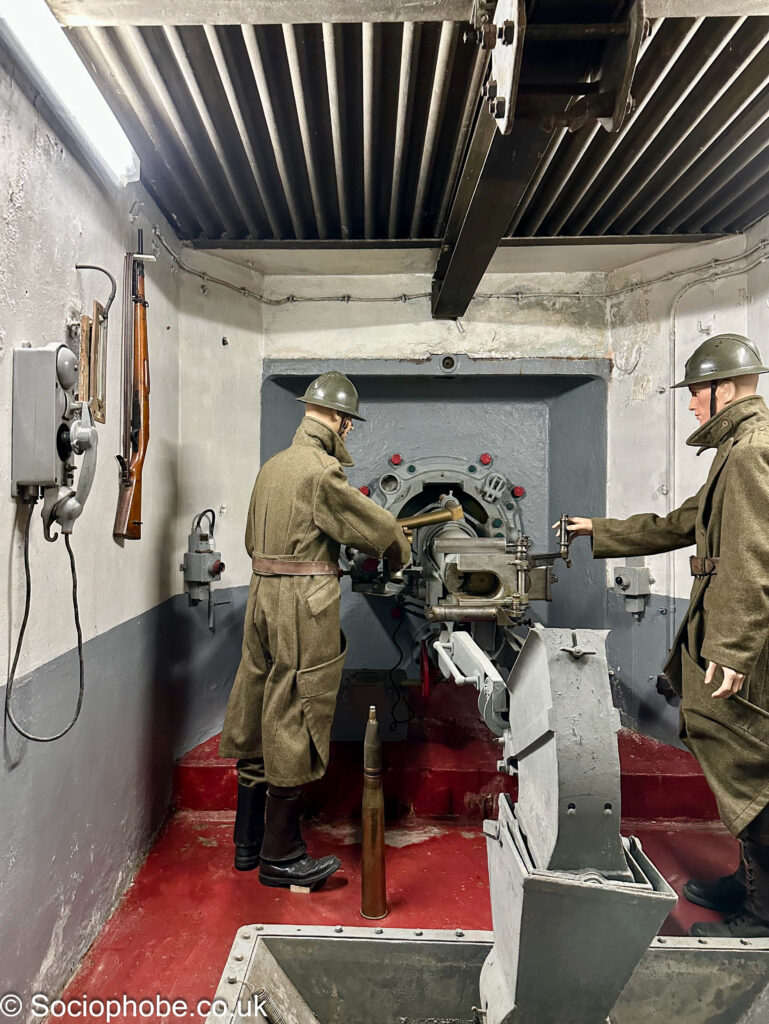
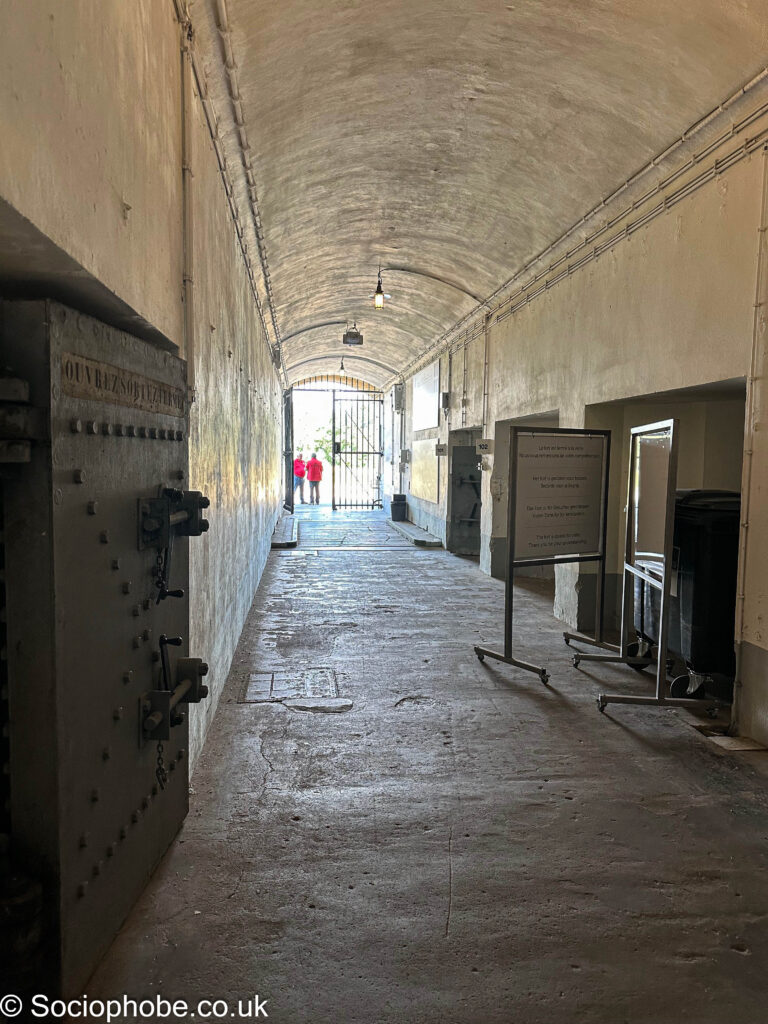
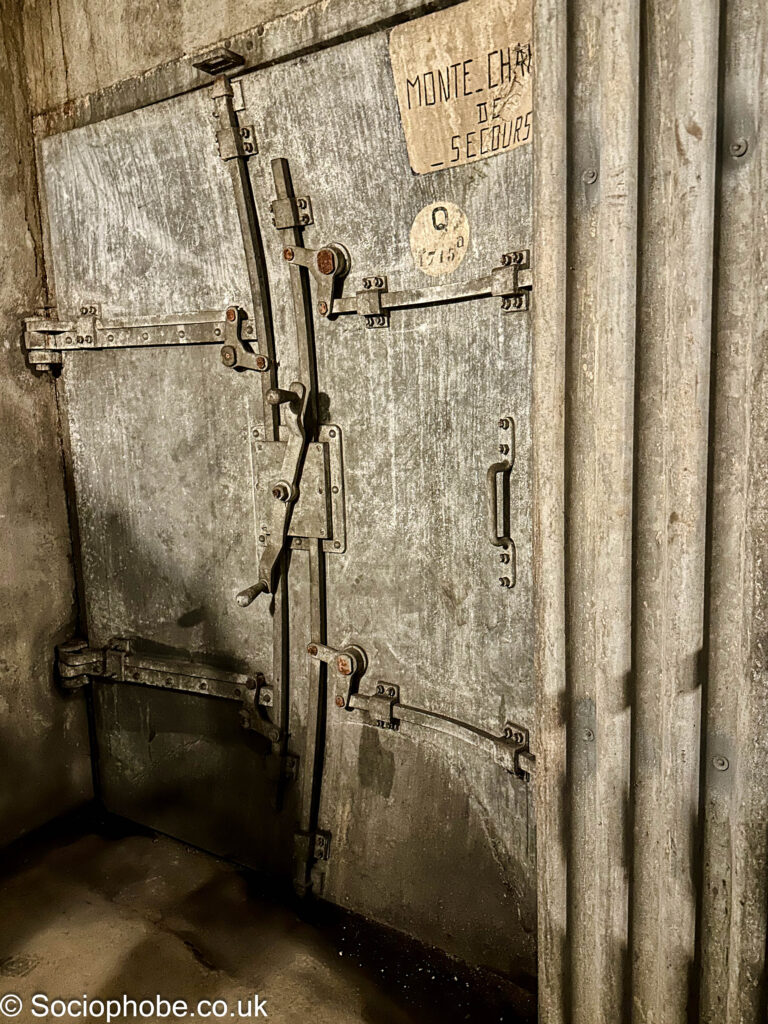
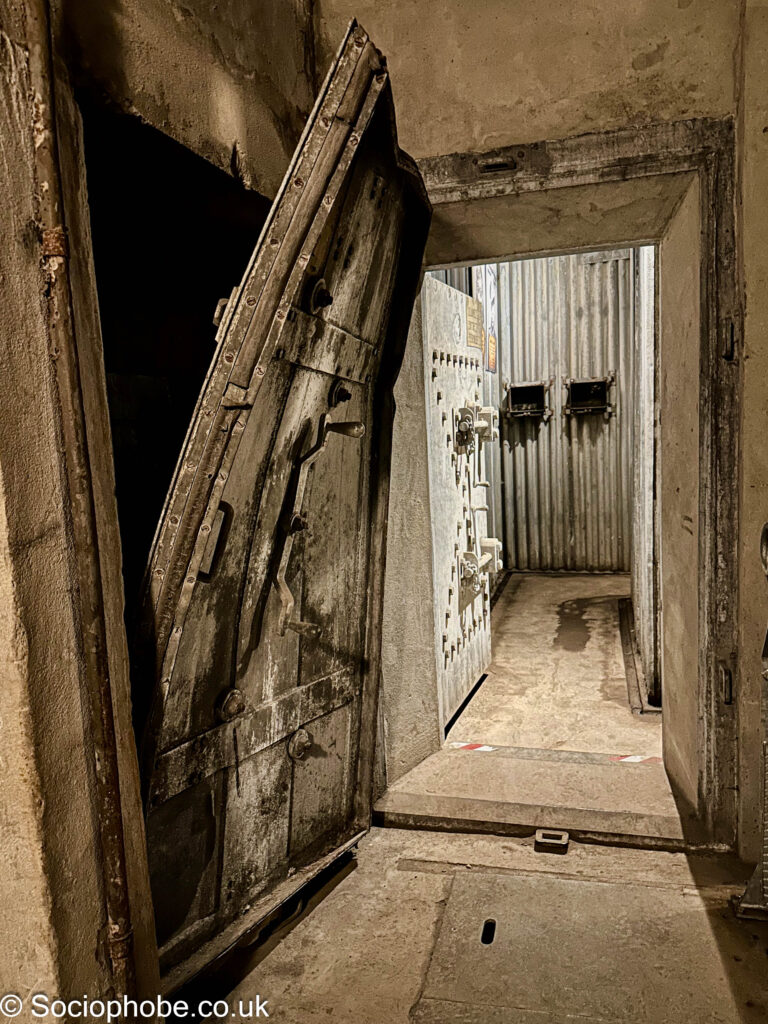
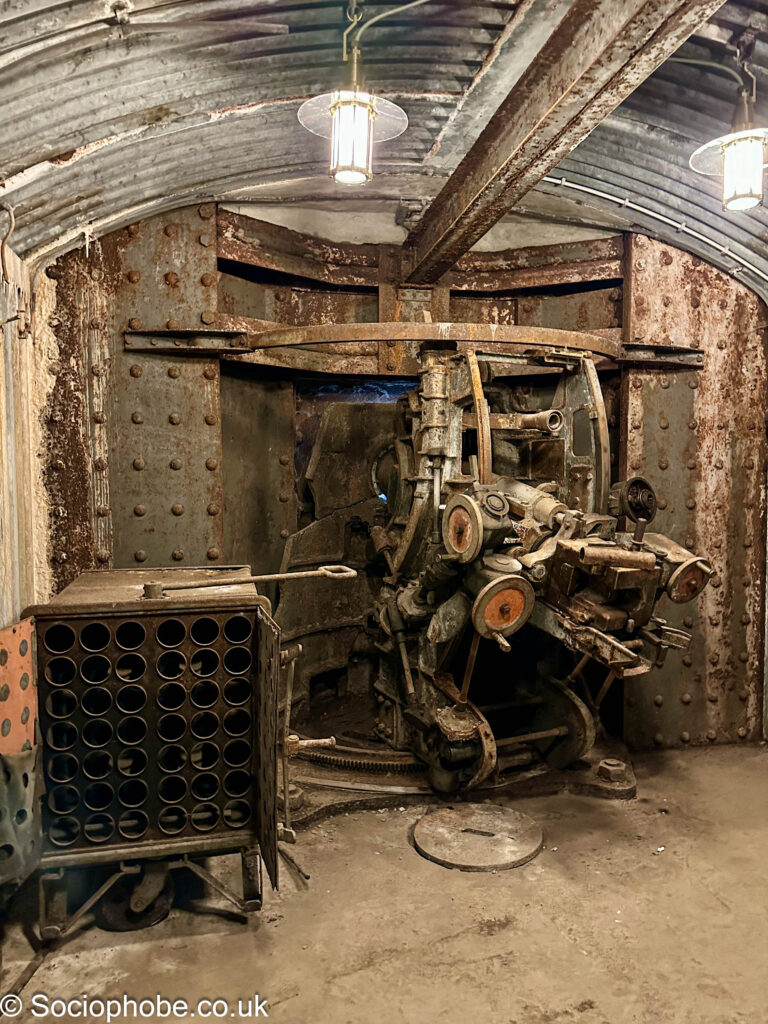
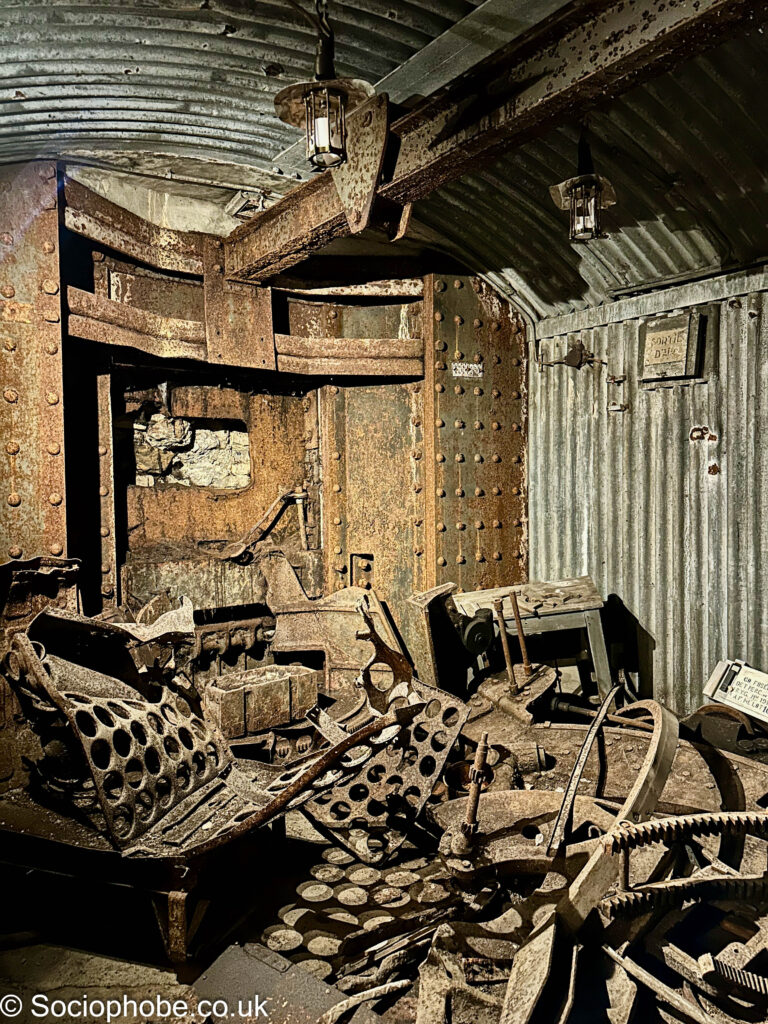
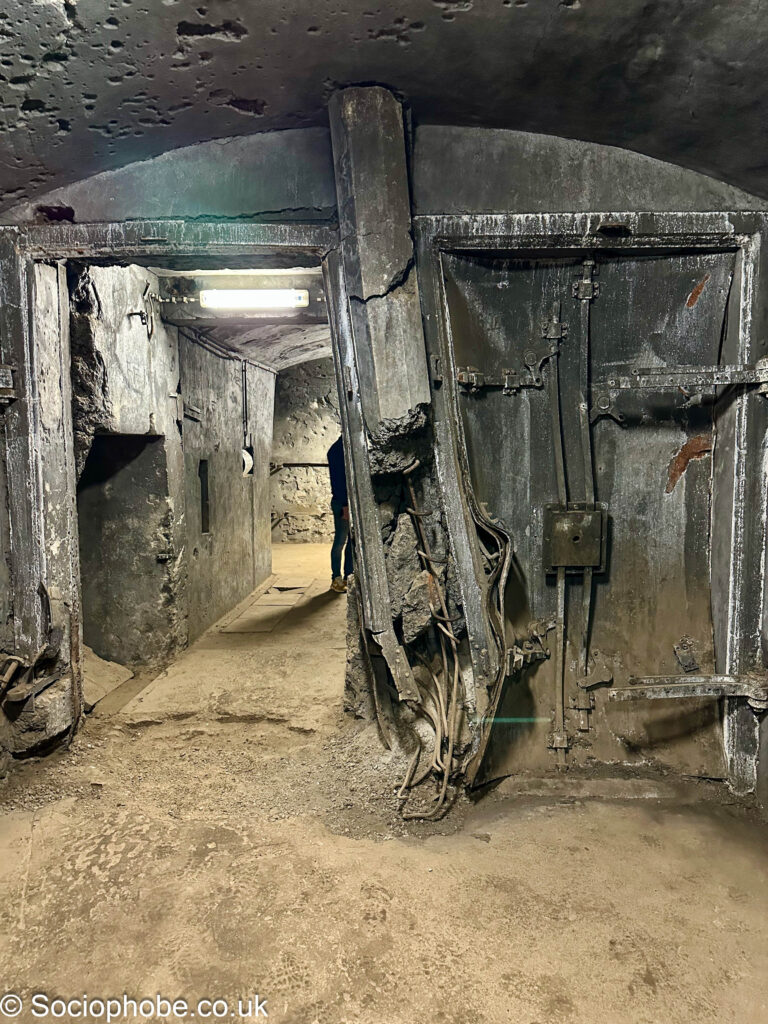
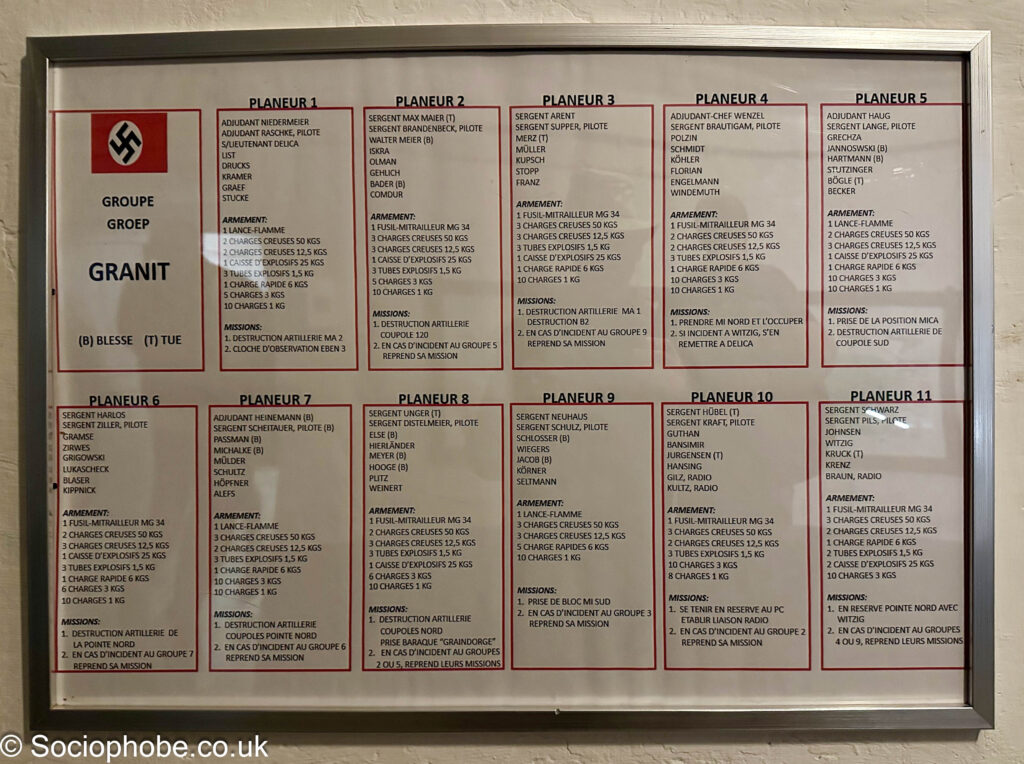
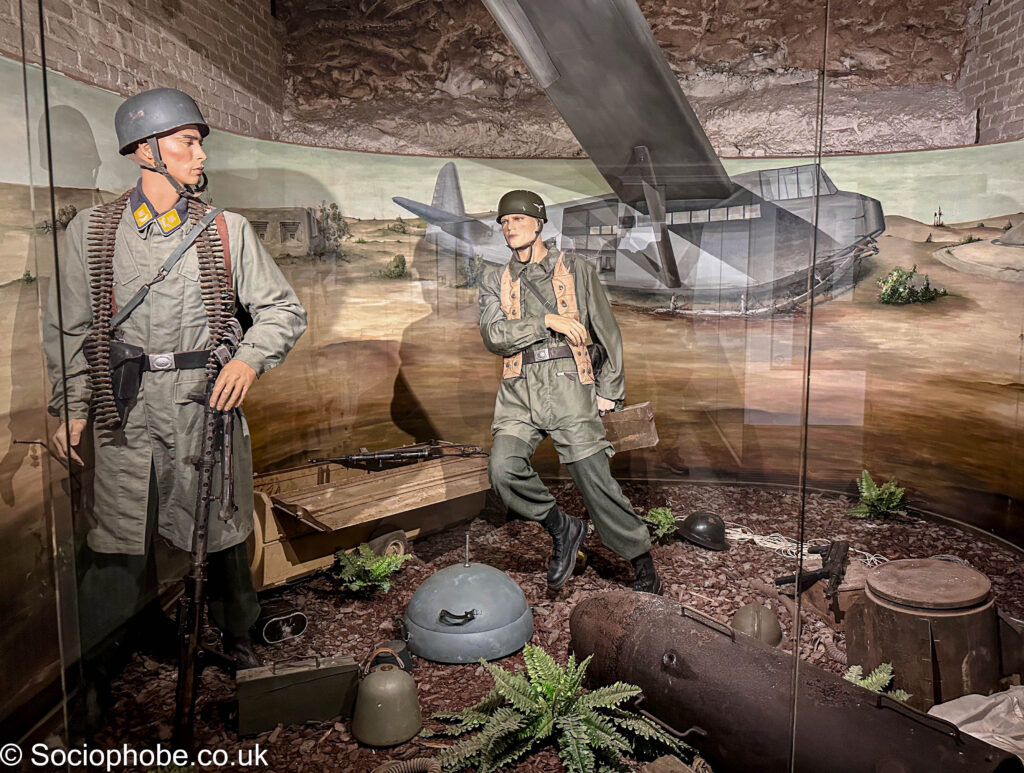
The scale of the fort was vast, far larger than I expected and there were 5km of tunnels with electric lights, gas doors on the corridors, ventilators, and everything needed for the 1200 strong garrison to function. The Germans managed to capture it with 72 men as once the guns were disabled the fort served no purpose and the Germans were already able to cross the Albert Canal and Meuse bridges that the fort was built to defend.
Valkenburg Castle
We emerged into the sunlight and drove to our next stop, Valkenburg Castle ruins and the Velvet Caves. Valkenburg was a beautiful, and very touristy, little town and I wish we’d spent longer there but poor research on the part of our travel planner meant we couldn’t! The town was so touristy that the car park was full so we had to sit and wait at the barrier until someone came out.
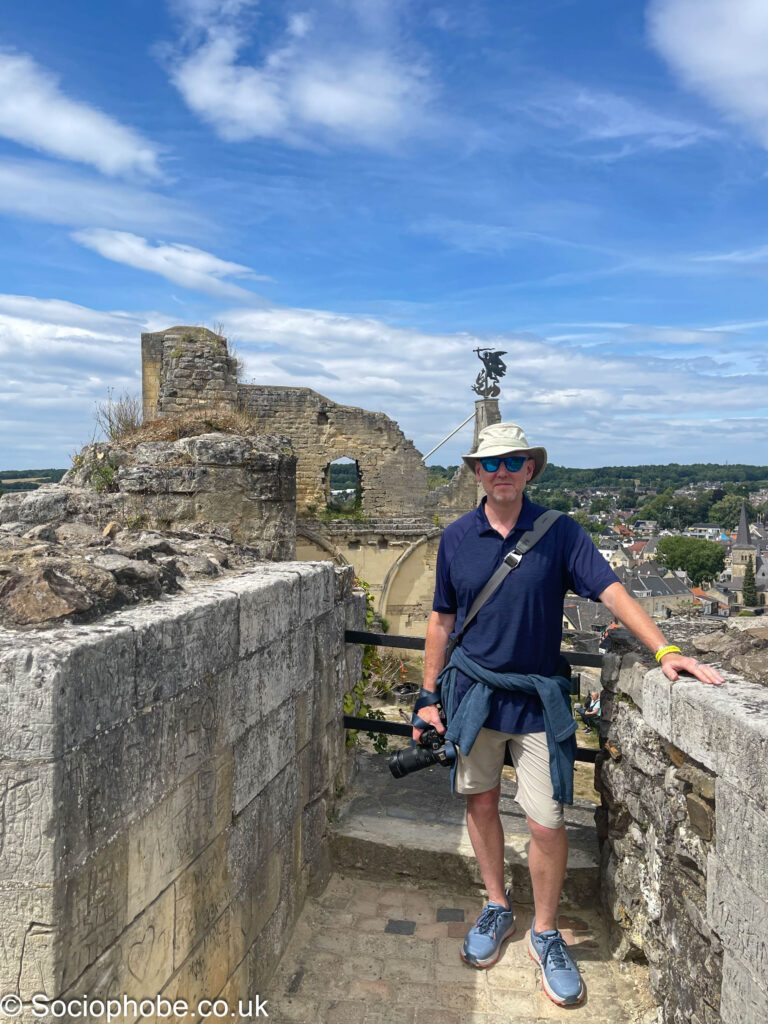
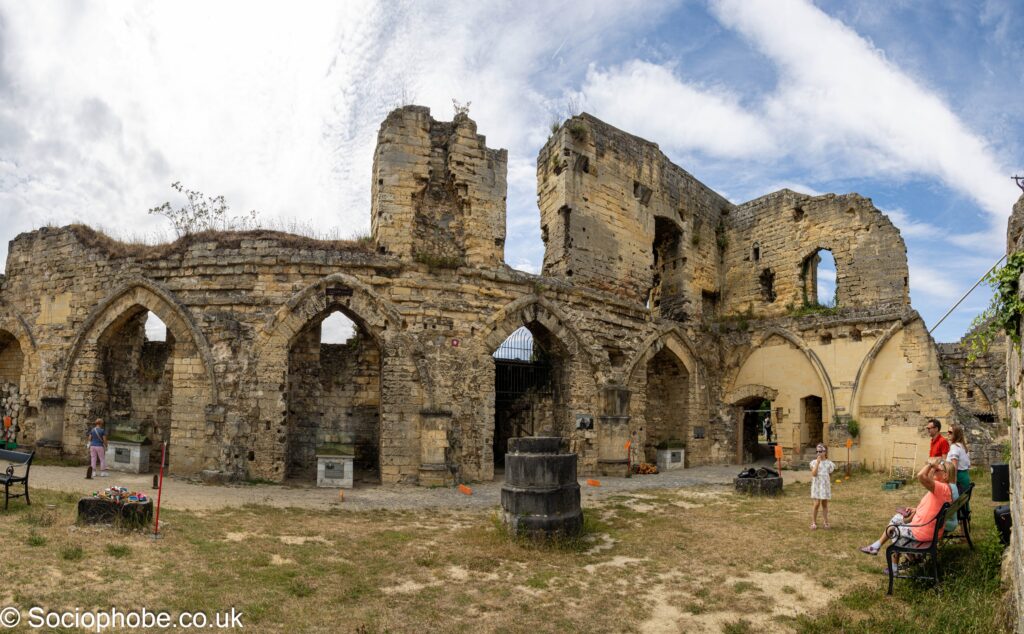
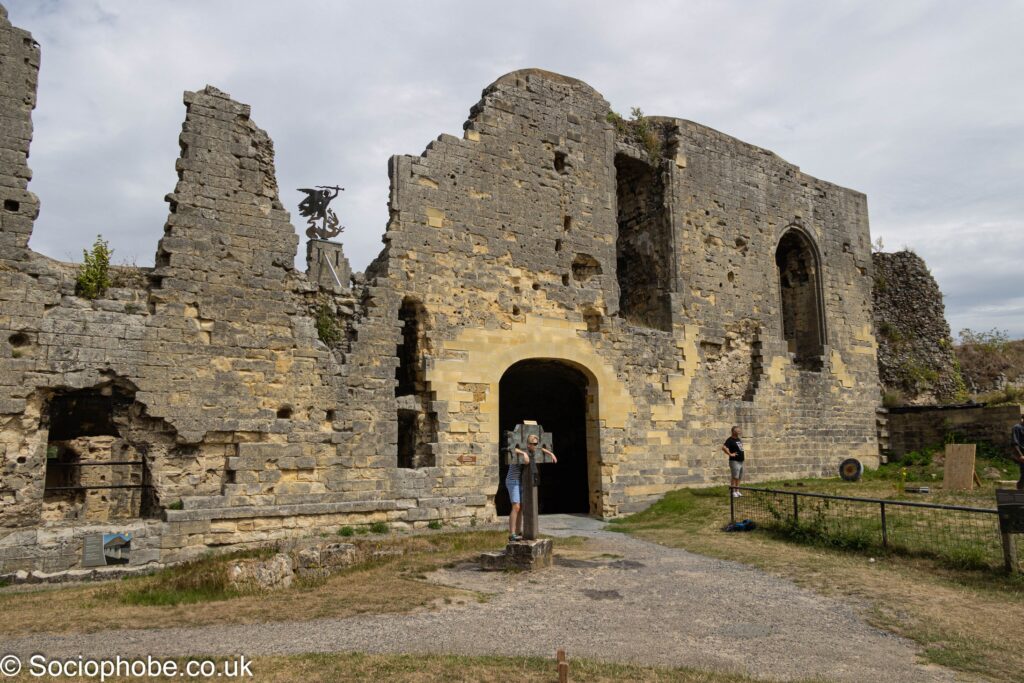
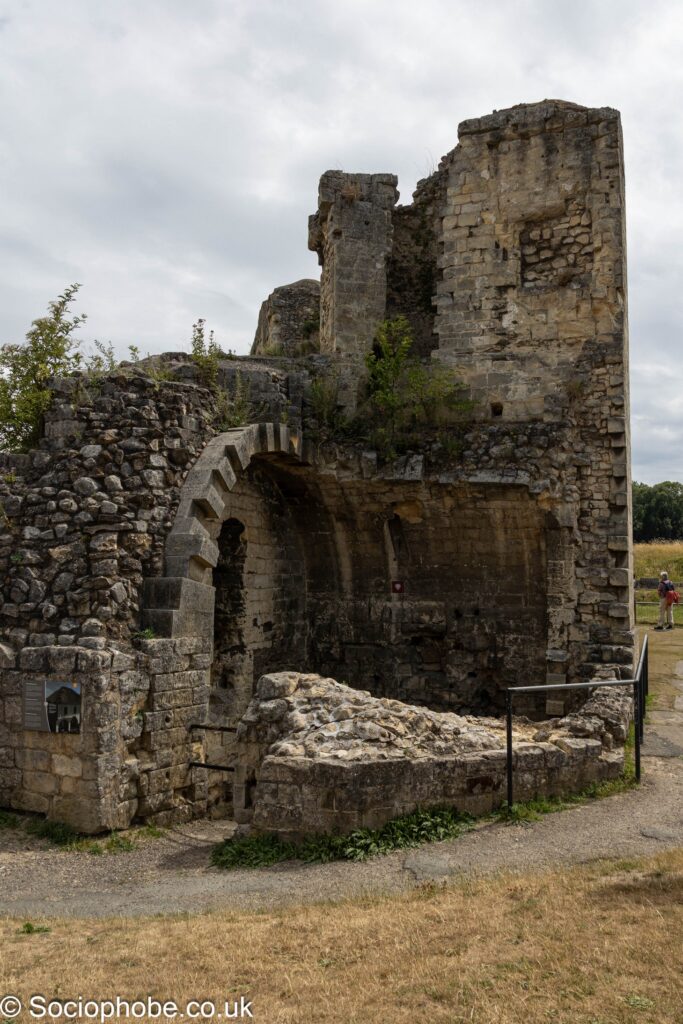
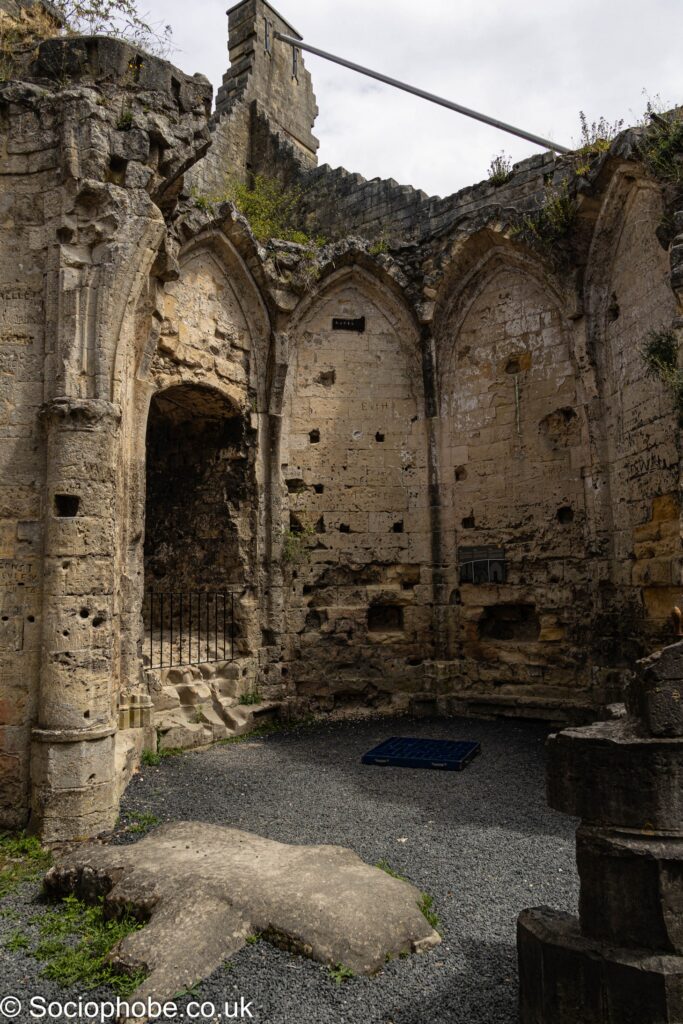
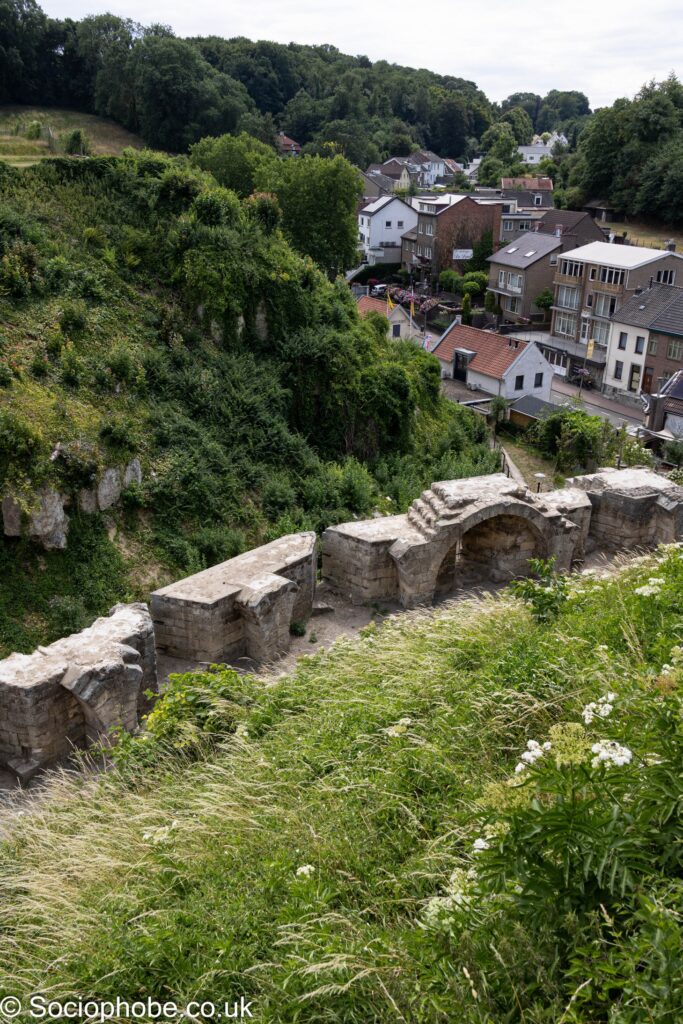
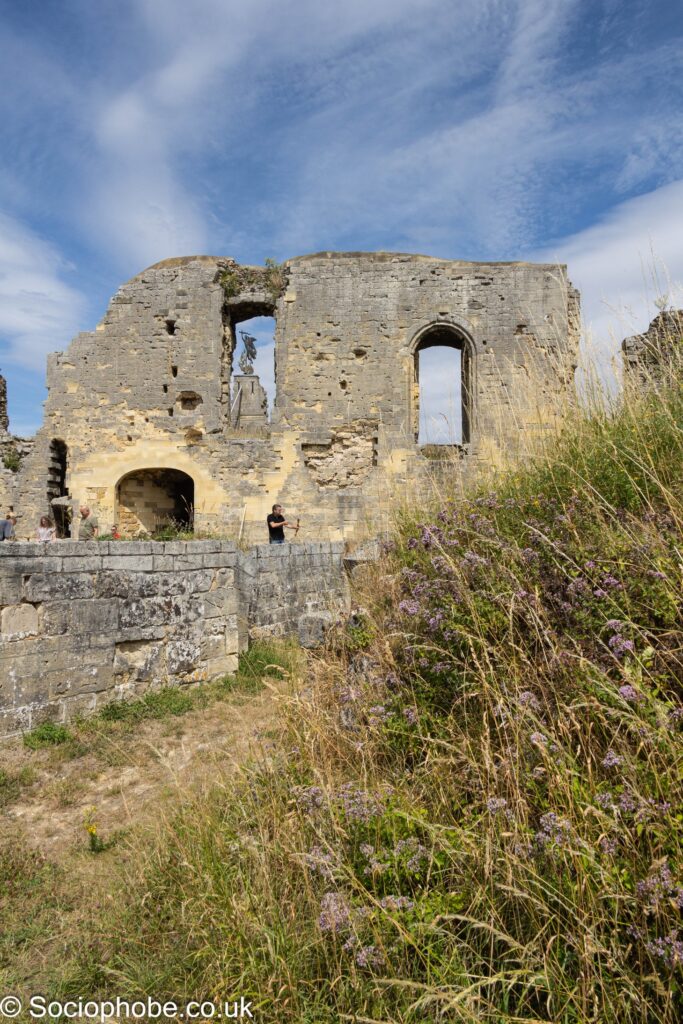
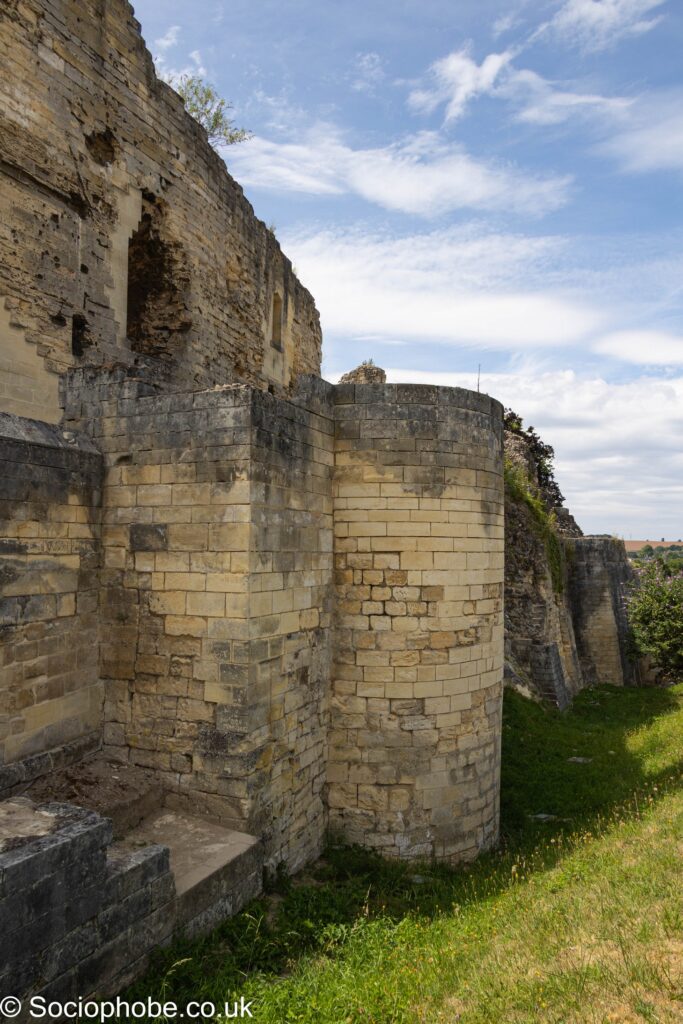
We visited the castle which looked like it was magnificent at one time and certainly covered a large area but was slighted in the 17th century and then steadily plundered for stone by house builders in the town. Now it was a hugely popular family destination and when we visited there was some living history displays as well as archery and some games.
The Velvet Caves
After the castle we did struggle to find the caves for our tour but eventually found a sign and followed the route, a little way out of the town centre. We had missed our tour slot (my fault again!) but we were able to slot onto a Dutch language tour. The caves were excavated from Roman times and as well as being a quarry were used as a chapel during the Revolutionary Wars when the French Republic tried to erode the influence of Catholicism.
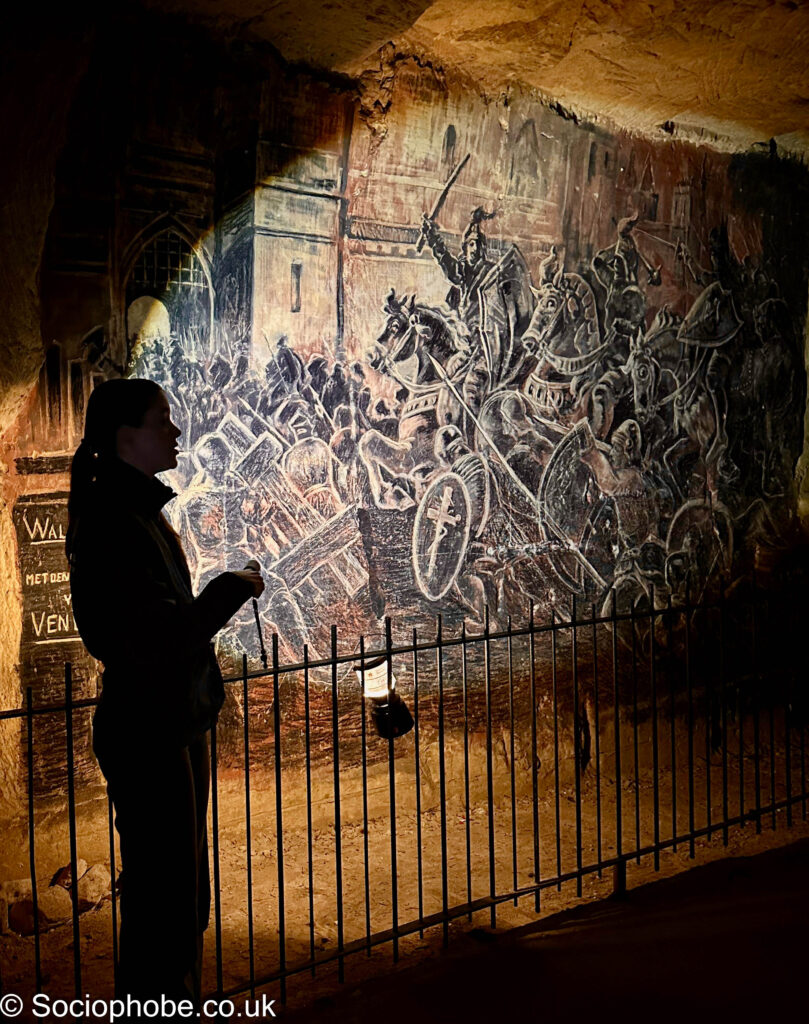
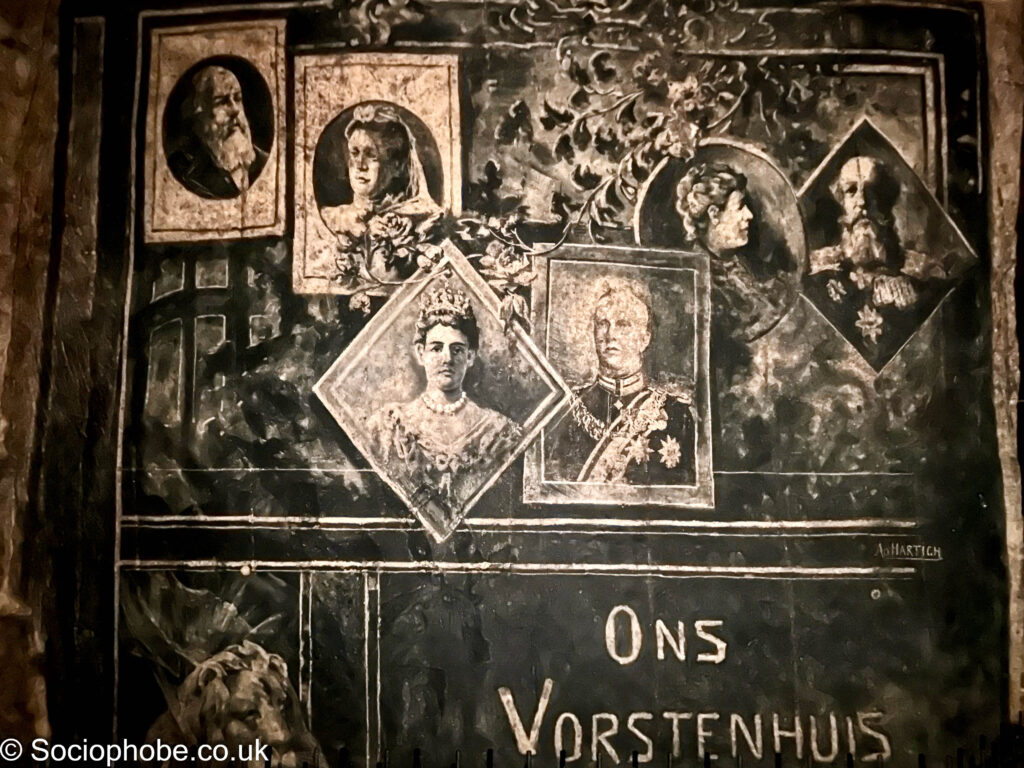
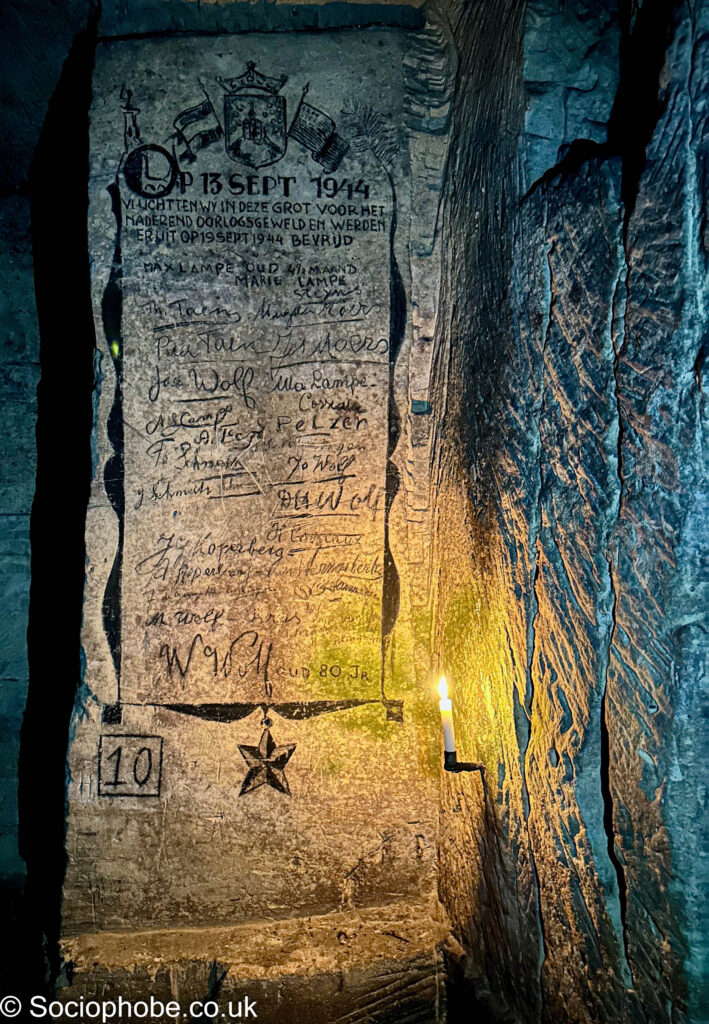
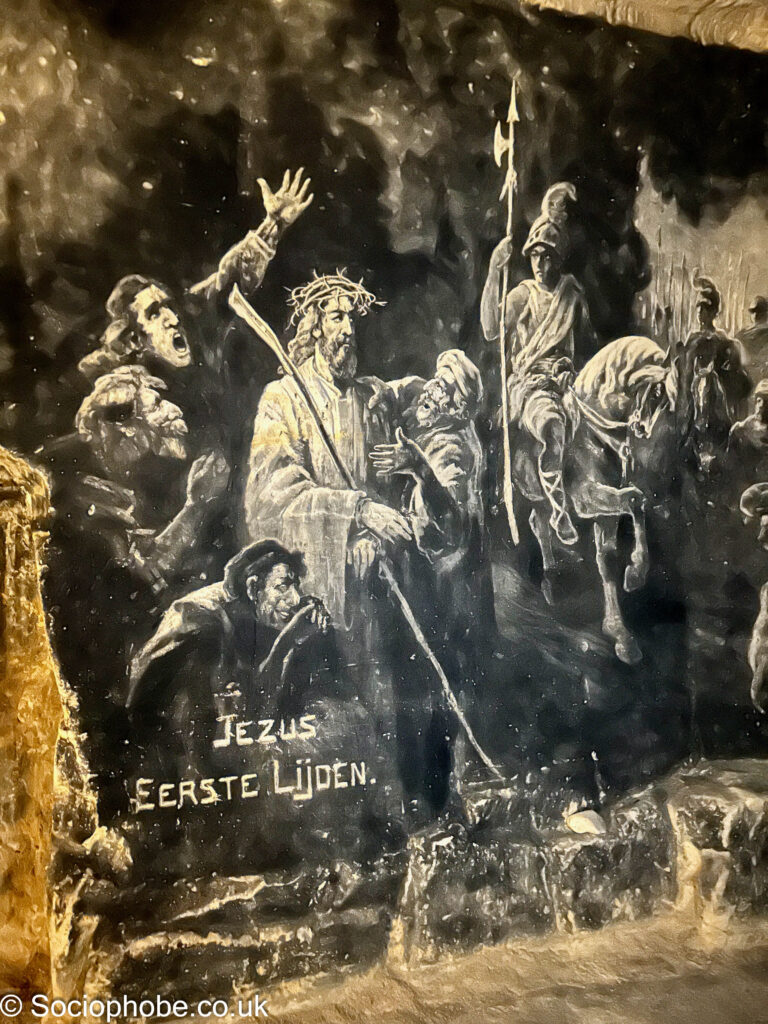
The tour lasted about 45 minutes and we saw some beautiful artwork done in the caves. We had an English print out of what each stop of the tour was so that certainly helped and the guide gave us a quick run down in flawless English too. The tour exited at the castle so we had done them in the wrong order!
As we had not stopped for lunch and the hotel for the night did not have dining options we decided to have a dinner in the town and settled on Montagna Delmondo, mostly because it was near the castle exit. Service was efficient and the waiter spoke Dutch, Farsi and perfect English, once again shaming us completely with our monolingual education. I had some fabulous salmon and followed that with delicious lava cake. Everyone ate well and Steve had a few beers just to ensure he could sleep in the car.
Our Accommodation – Wolfrath Castle
Our hotel for the night was Wolfrath Castle although I was a bit unsure as we drove down the track leading to it, past a huge industrial estate! We soon saw the blue and white chevrons on the castle gates and the surrounding wall and parked the car before heading inside. The castle was a real oasis of calm and Annet made us feel very welcome.
Our rooms were in the main castle building and were incredibly spacious, tastefully decorated and wonderfully equipped. We really should have booked an extra night and taken advantage of the rest period but sadly I had booked too many activities and visits for us. After settling in to our rooms we went downstairs and crossed the moat to the courtyard where we enjoyed the cool evening air and sat outside enjoying the drinks and company. A lovely way to end the day.
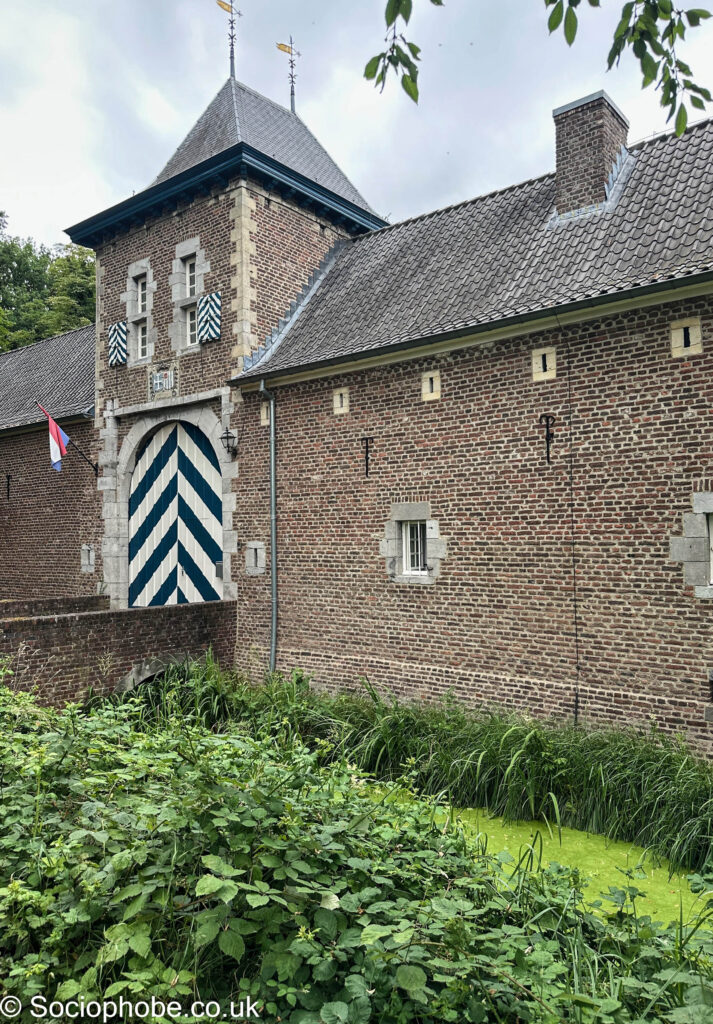
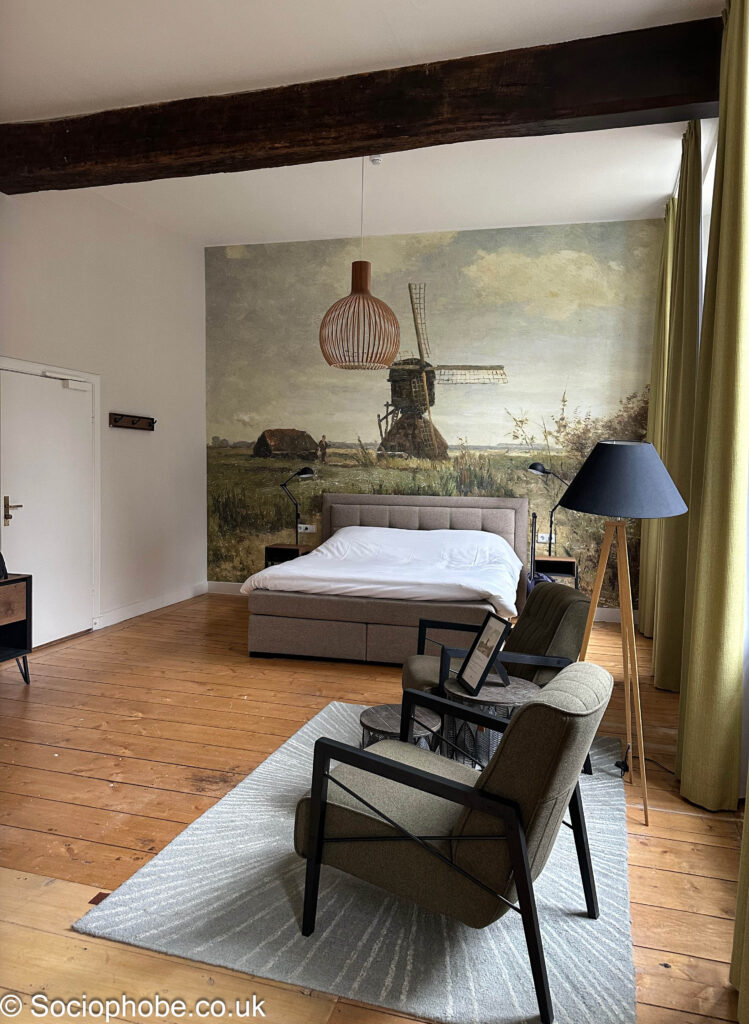
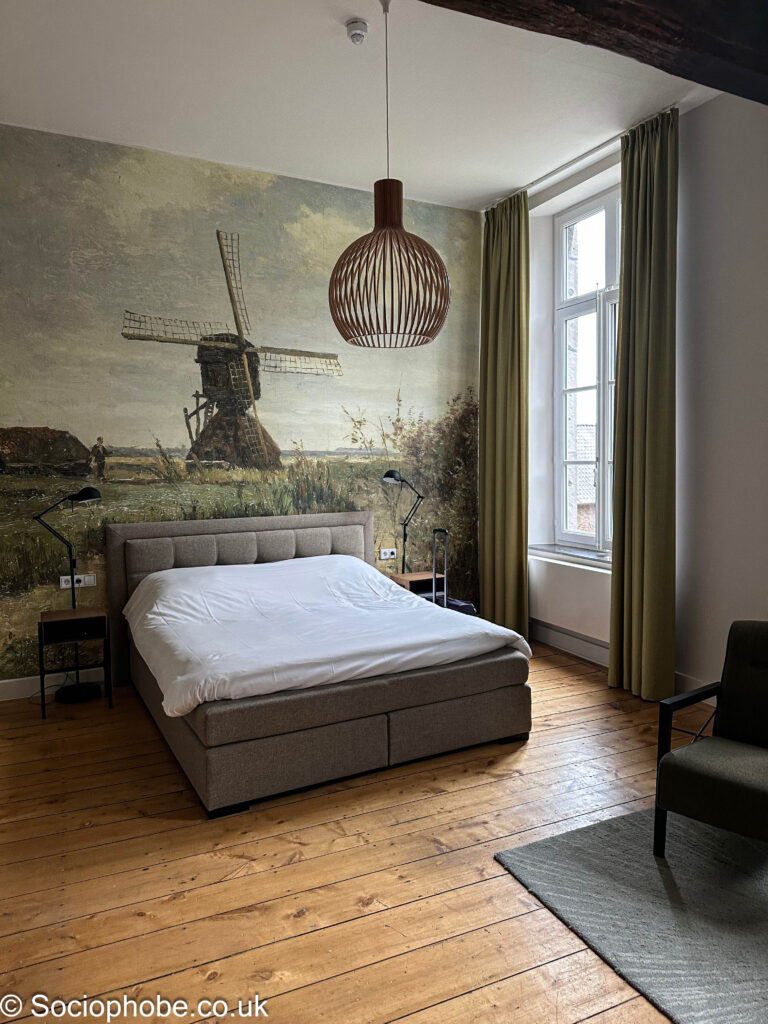
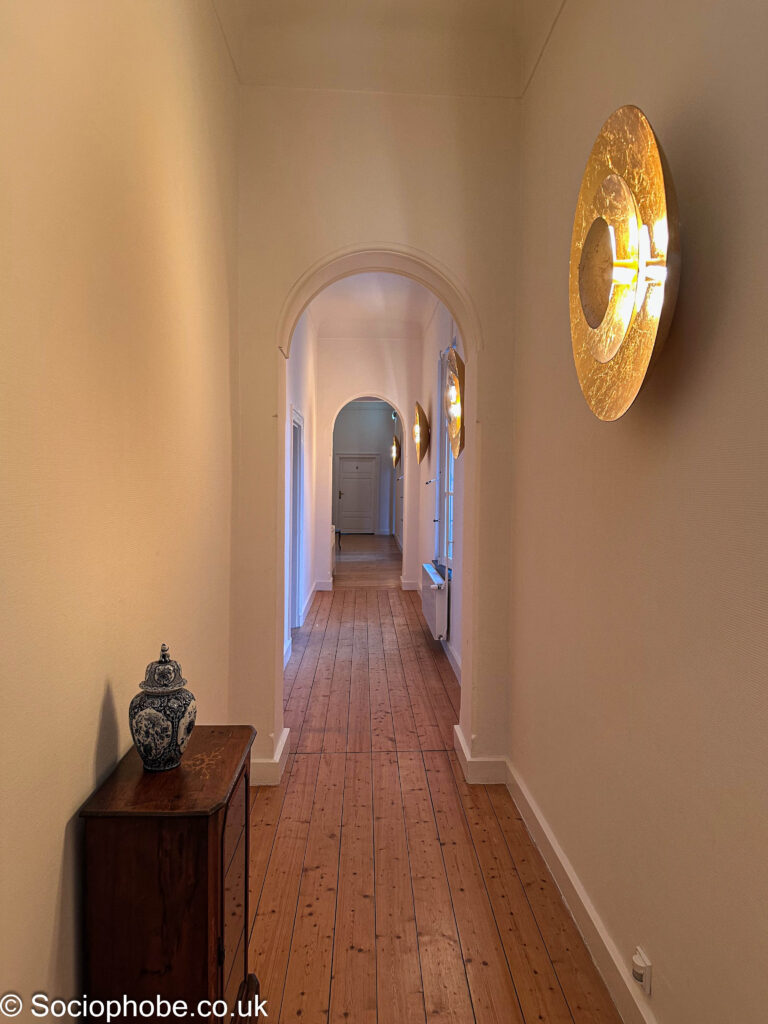
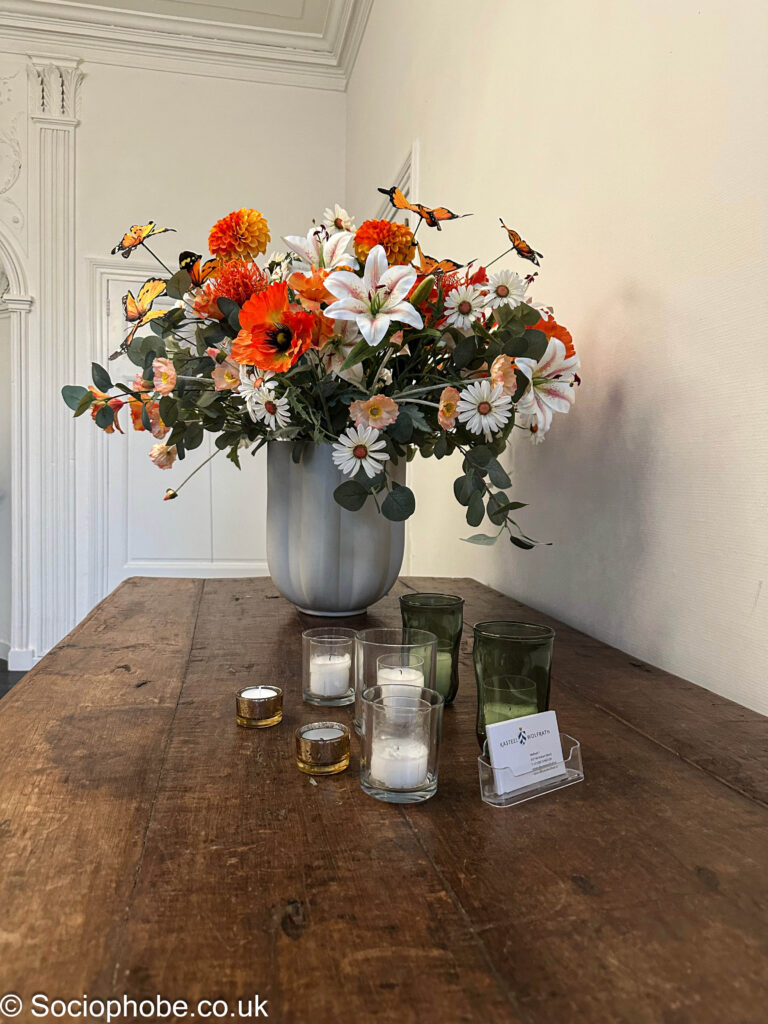
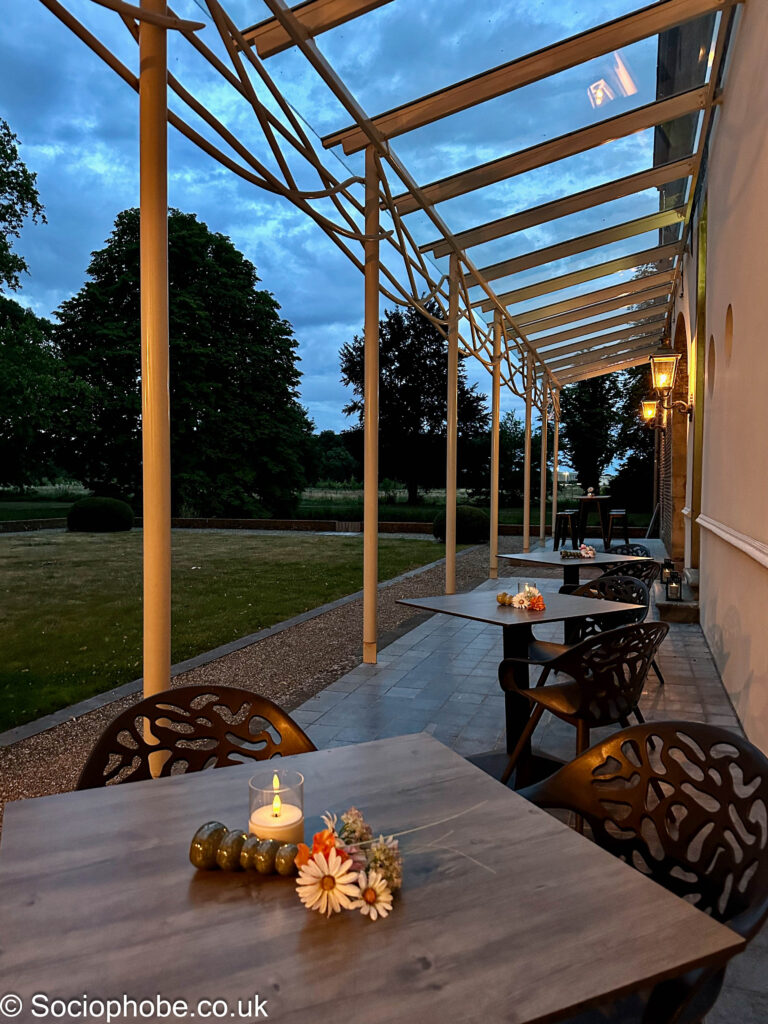
After another restless night I eventually got up at 7:30 and missed the planned 6km nature trail Mum and I were intending to do so we took a walk around the castle grounds instead. The castle is beautiful, both inside and out and we walked a circuit around the moat and then went through the garden and beech tunnel, listening to the birdsong as we walked. If the sun had been out it would have been lovely to take advantage of the numerous seating areas but there was a light drizzle so we went back inside to get ready for breakfast.
The breakfast at the hotel was fabulous and the host was great to chat to with flawless English and a very practised and engaging manner. The food was, where possible, local and we had a filling and varied meal before packing up and checking out. Our original plan was to visit three botanic gardens near Brussels but as we got closer to the city the rain got heavier until it was just a deluge. We decided to go straight to our hotel, the Radisson Park Inn, and then make plans from there.
Brussels
It was the usual horrible drive through Brussels, not helped by the torrential rain and surface water but we found the hotel, got thoroughly confused by the parking lift and Deb had to go and get help through the downpour. The guy explained the lift was broken so needed his key so we sorted that and eventually checked in so we could relax, once Deb had dried off. The room was very pleasant, recently decorated, well laid and out and surprisingly quiet.
I left Deb to have a nap while I walked to see Natalya who lived about 30 minutes away. The area by the hotel is, frankly, third world. Graffiti, litter and human detritus litter the streets and I kept to the main roads other than a quick diversion to buy a waterproof jacket before meeting Nat at Franks coffee shop, one of her favourites. We had a good chat for an hour then I walked her back to her flat before going back to the hotel to clean up ready for dinner.
Dinner was at La Porteuse d’Eau, an art noveau restaurant serving Belgian cuisine, near Natalya’s flat in the Saint Gilles district. It was an interesting walk there but we arrived safely and the food was lovely and waiters were entertaining. The chicken vol au vents were popular and we also had Belgian waffles for dessert, very healthy! The building was quite spectacular and we had a lovely evening, the first time Mum has seen Natalya for a few years and the entire purpose of our visit to Brussels.
The next morning was torrential rain again but I arranged to meet Nat for breakfast so that was a good test for my new Gore-Tex jacket! It took about 30 minutes to get to the Hinterland Cafe but my upper body was still dry when I arrived, unlike the rest of me. We had a good chat over breakfast and it’s always nice to see her. We won’t be meeting again until late September when we have a break in north eastern Türkiye booked.
I walked back through yet more rain and then we left the hotel. The car lift still wasn’t working but the reception guy was fabulous and waited for us to get the car and than manually operated it all so we could leave. Brussels was tedious to drive through with the rain, tunnels, people etc but we managed to make our escape and drove to our main visit of the day, the Waterloo Battlefield Experience.
Waterloo Battlefield
Waterloo was actually a series of battles fought over three days, culminating in the Waterloo site we went to visit. There were numerous signs to battle markers on the way but we followed the ones to the Lion Monument. There was a surprisingly small car park at the site but we managed to find a space and by then the rain had stopped so that was a bonus.
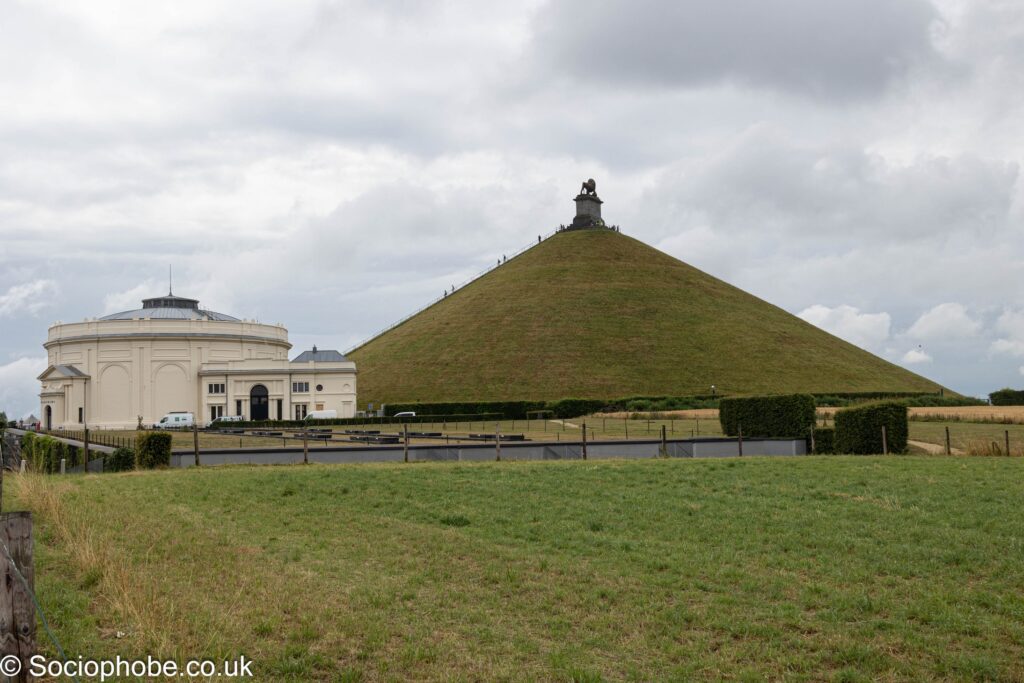
We had a coffee in the café and then went in to the exhibition, which cost €23. The diorama displaying the battlefield was breathtaking. It had taken 30 years to make and had 10,000 figures on it, displaying the battlefield in late morning, before the main action started. Continuing through the museum we saw displays of weapons, uniforms and equipment and a timeline of the events of the 100 days between Napoleon escaping from Elba and the end at Waterloo. There was a 3D film which showed the main events of the battle as a soldier on the ground rather than a general’s or strategic view and that was excellent. Far more sobering was a collection of sketches made by one of the English surgeons of battle injuries he treated.
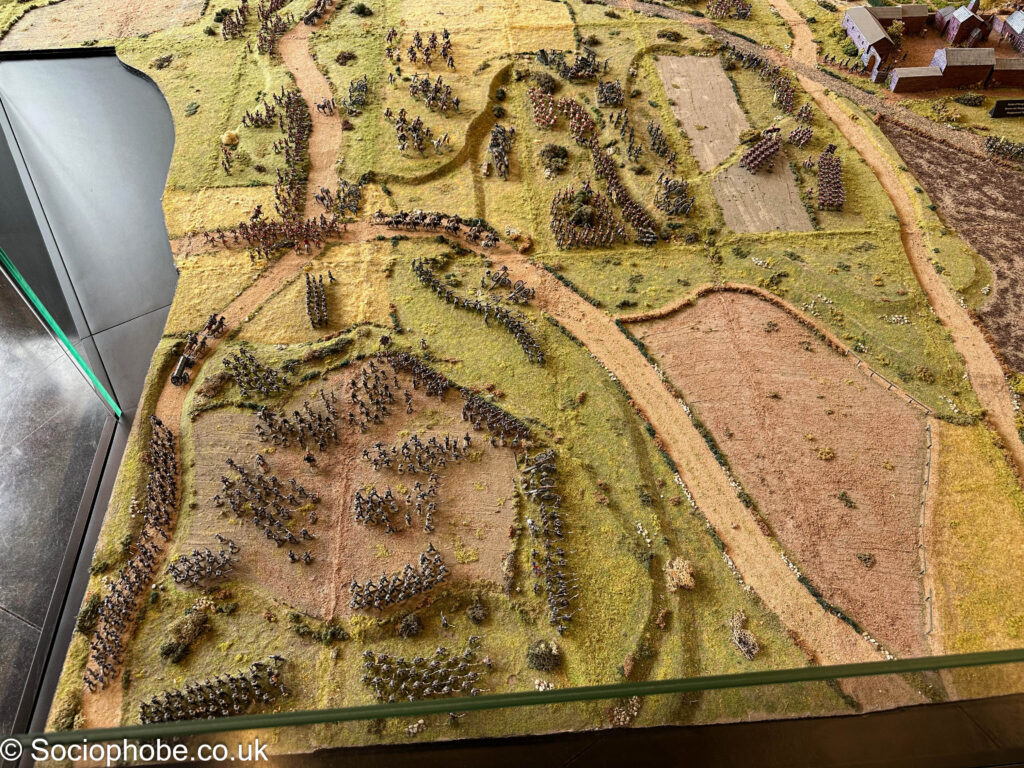
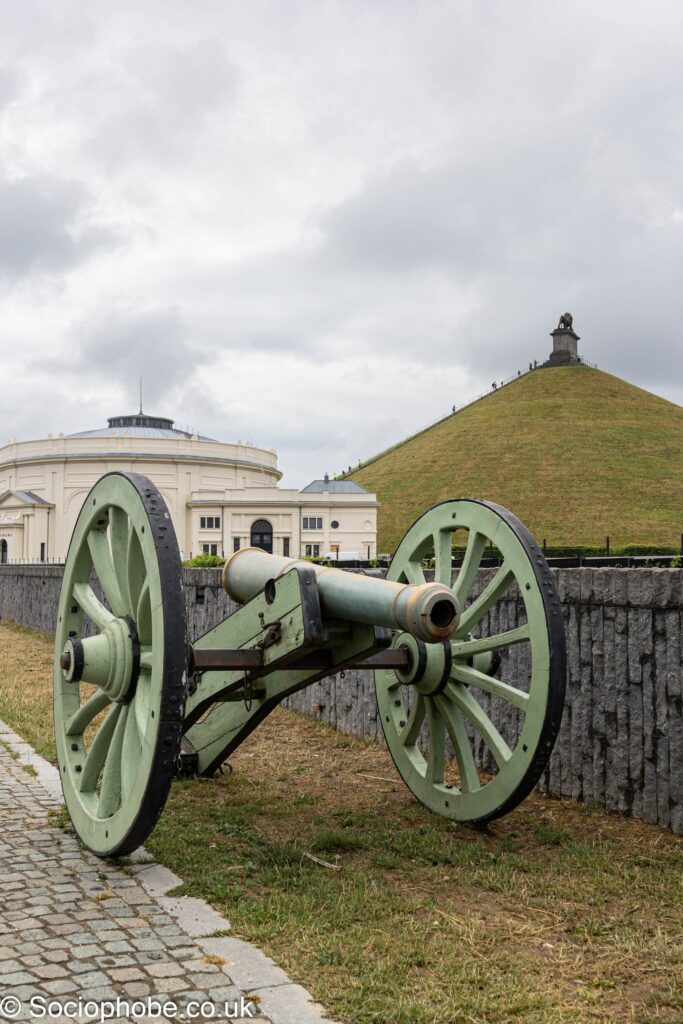
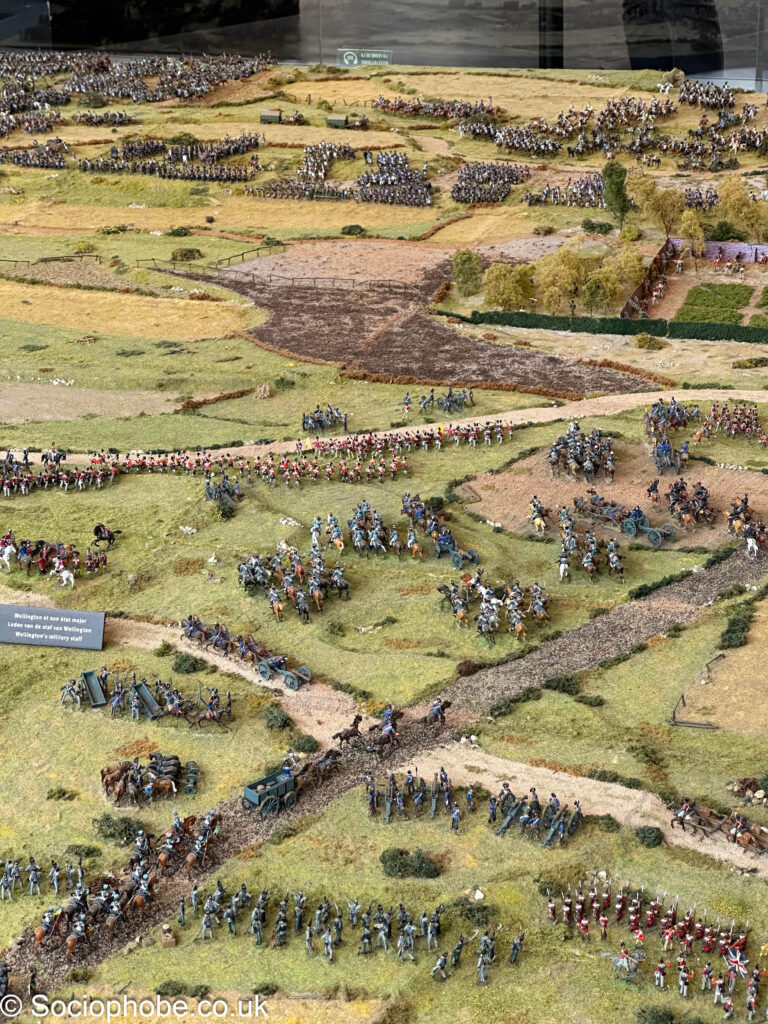
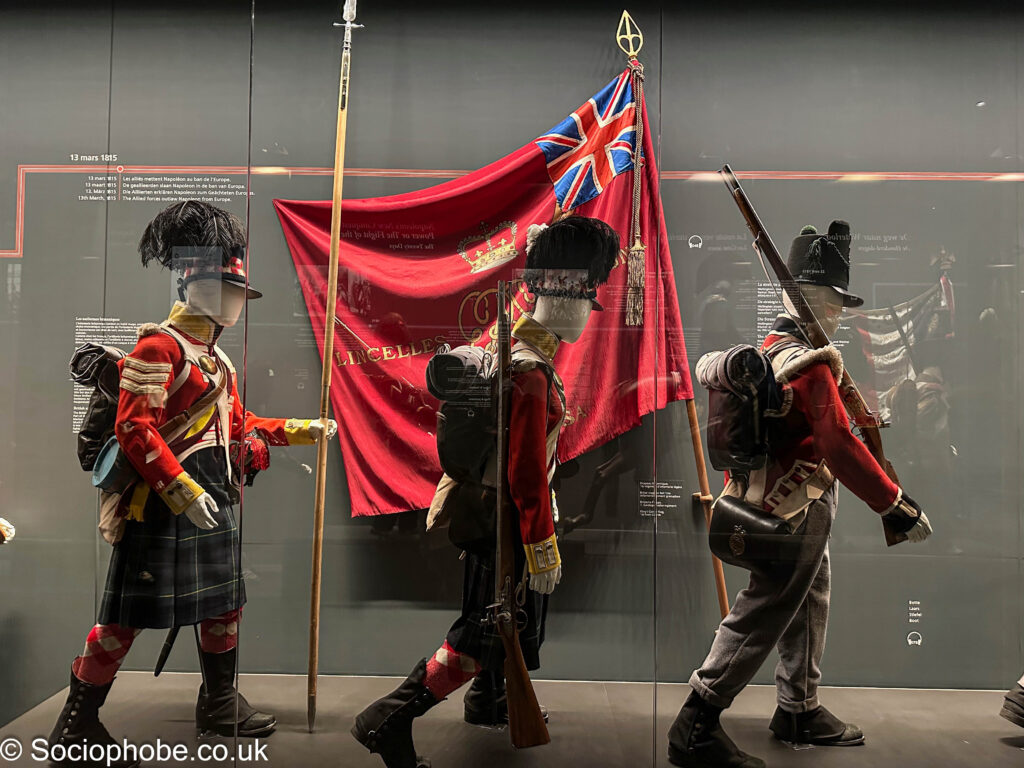
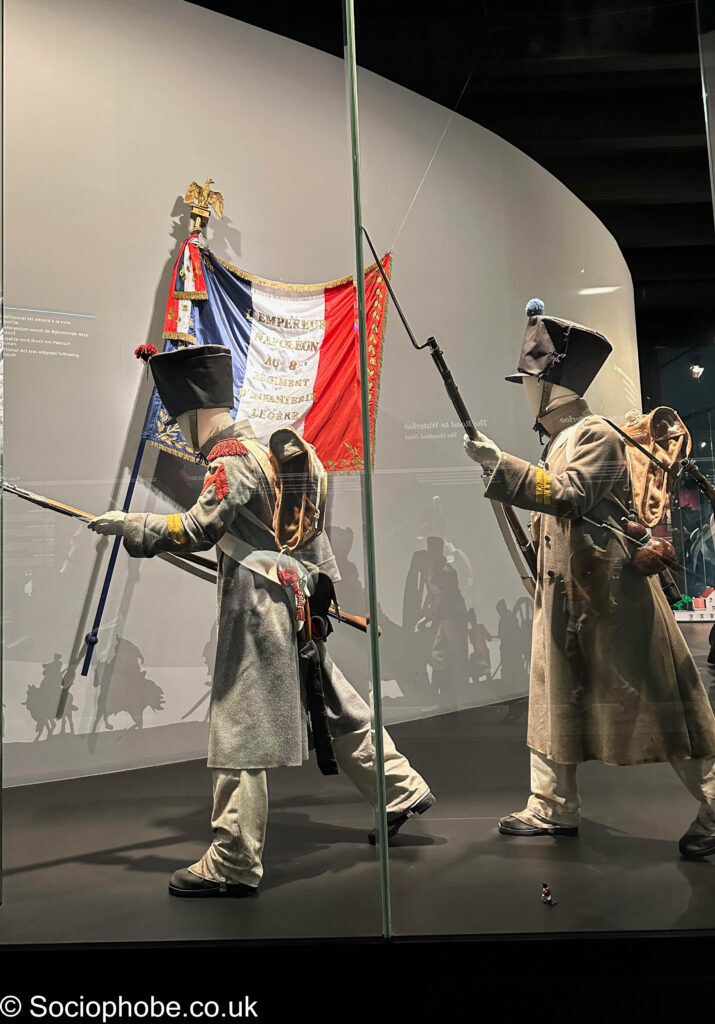
Panorama’s are a great way to depict the scale of events such as Waterloo and we saw a photo montage created from the 300 year anniversary re-enactment where 6400 people took part and also a 1913 (maybe, can’t remember to be honest) painting of the battle where you could walk around and look at different actions, in context. Once we left the exhibition itself we had the option of climbing the Lion Mound. This is the memorial to the battle, built on the site where William of Orange (not the original, this one was the Prince commanding the Dutch-Belgian forces) was wounded in the shoulder. The monument was contentious for many years and the Belgians wanted to destroy it when they gained independence from the Dutch in 1830 and the French vandalised it in 1832.
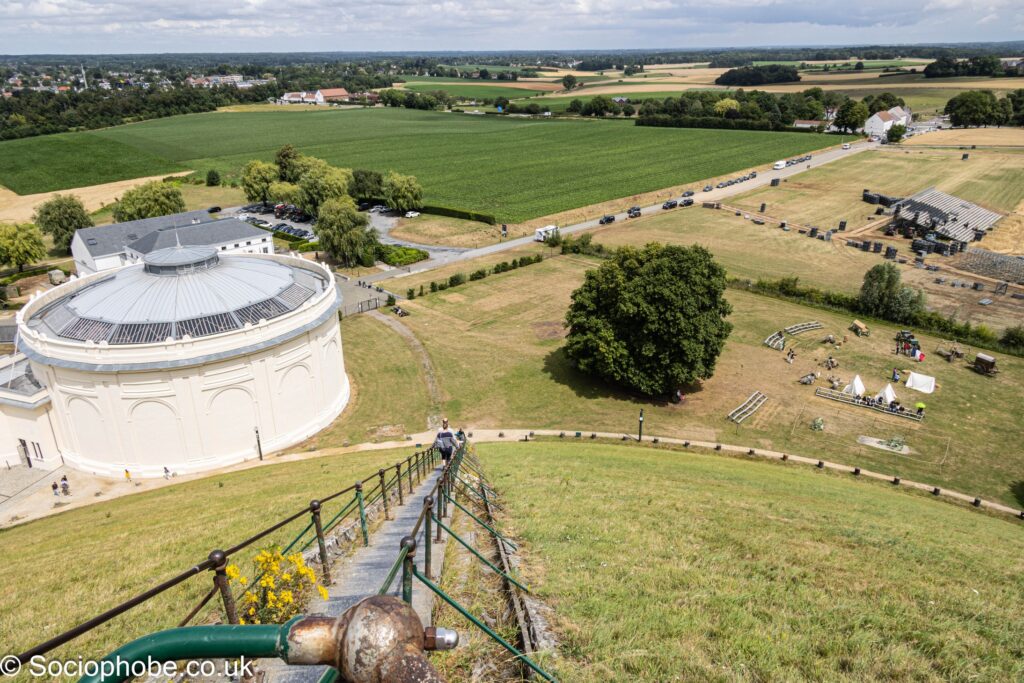
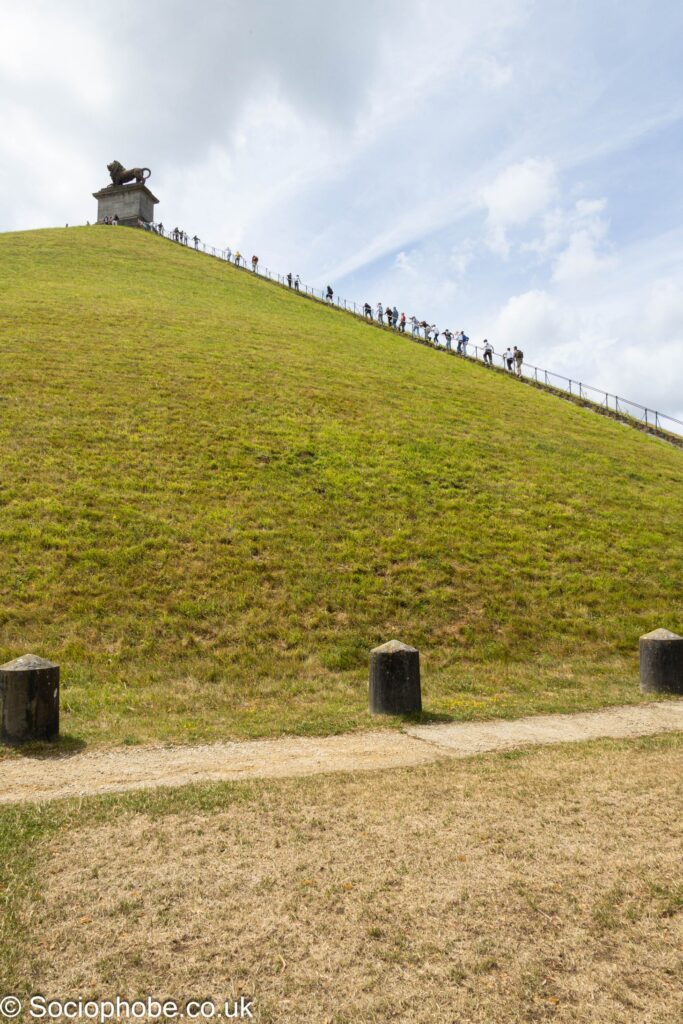
Muggins decided he could run up, it was only 226 steps after all. About 2/3 of the way my body reminded me I was actually 59 years old and if I wanted to see 60 then it was time to grow up and unusually, I listened. I continued a sedate walk to the top of the monument and the view was impressive with the wheat fields and farms still there and generally unspoiled. Deb was far more sensible and sat on a bench at the bottom of the hill.
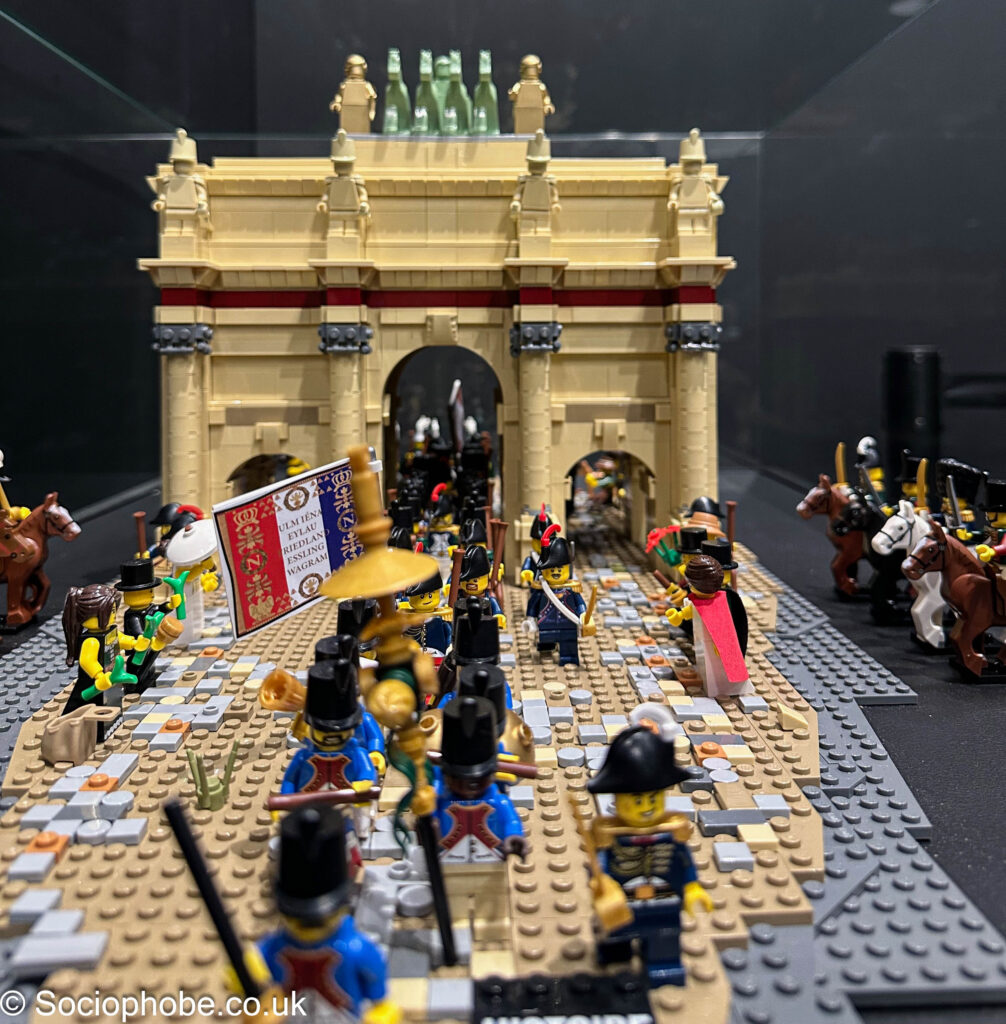
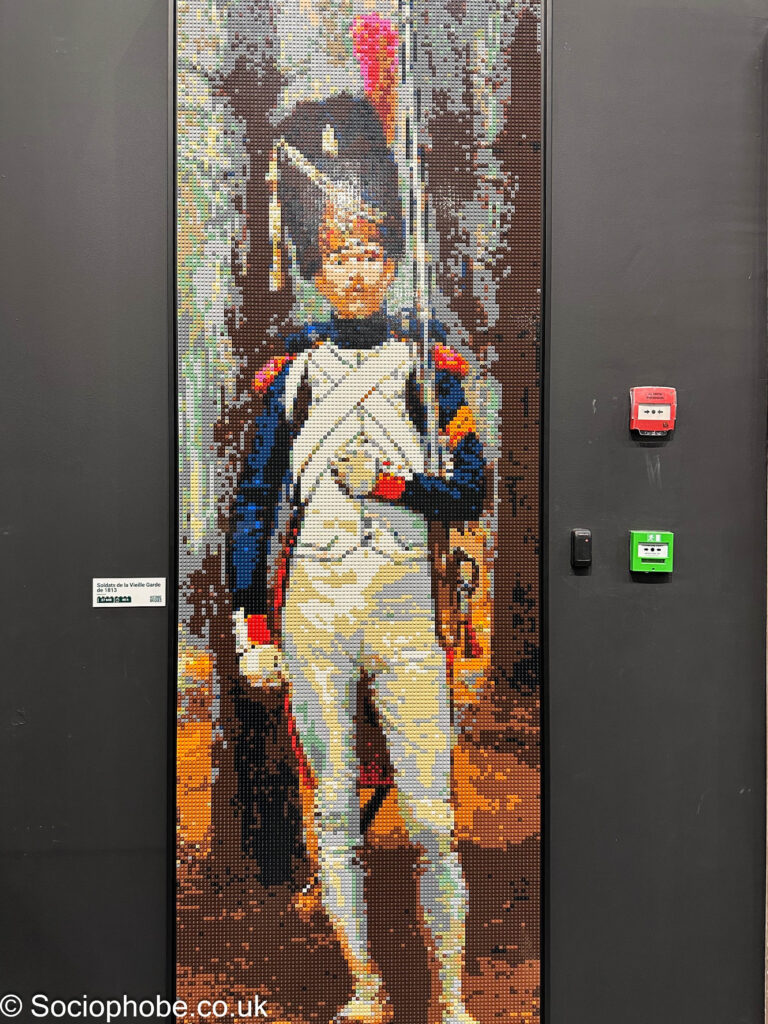
The final part of this visit was the Lego exhibition. This cost an extra €4 but rounded the trip off lightly as a bit of fun. The models were wonderful and each had a sticker showing how many blocks were used and how long it took. They displayed all the significant events of Napoleon’s career and the collection was brilliantly executed, the planned invasion model of England being my favourite but his Imperial coronation and the fight at Hougoumont Farm were close seconds. After a visit to the gift shop, naturally, we ended our tour having spent around 3.5 hours on the site.
Dinant
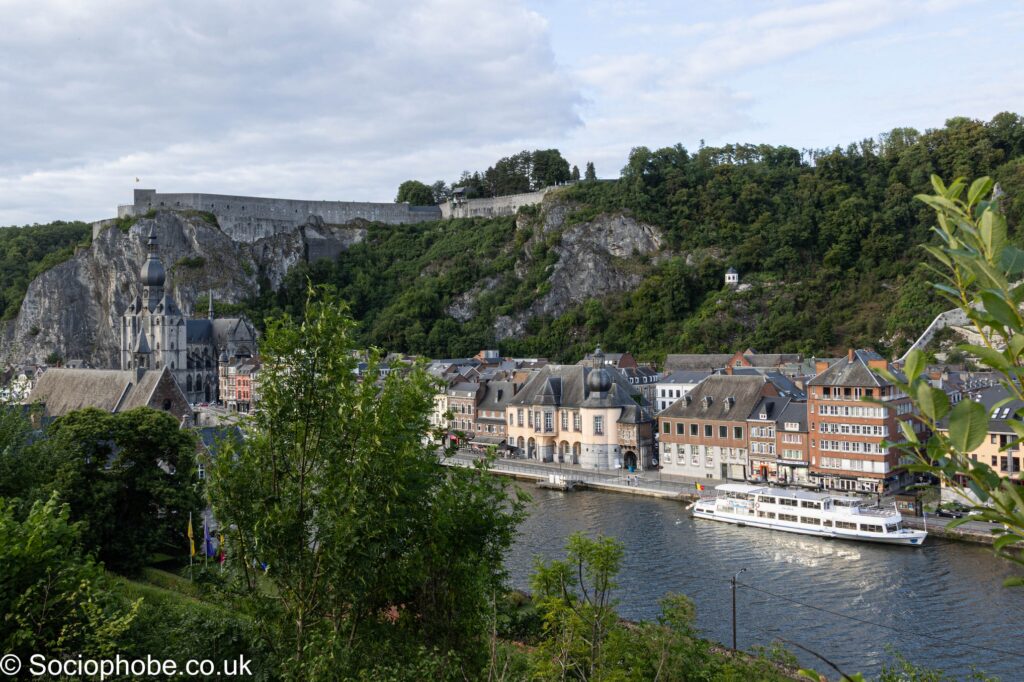
The drive to Dinant should have taken about an hour but due to roadworks and queues it took twice that. The countryside changed from flat farmland to deep wooded valleys which at least made the scenery more interesting. Dinant looked beautiful, sheltering under the cliffs along the banks of the river Meuse but as we arrived so late we had no time to visit anything in the town.
Accommodation in Dinant
We were staying at La Merveilleuse, a restored monastery that used to be used for the brewing of Leffe beer. The hotel is in a lovely location, just outside the town and with views over the Meuse. There is a large parking area behind the hotel and the casino and fitness area are in the building next to the hotel. Check in was efficient and our rooms were lovely with a good shower, plenty of space and very quiet.
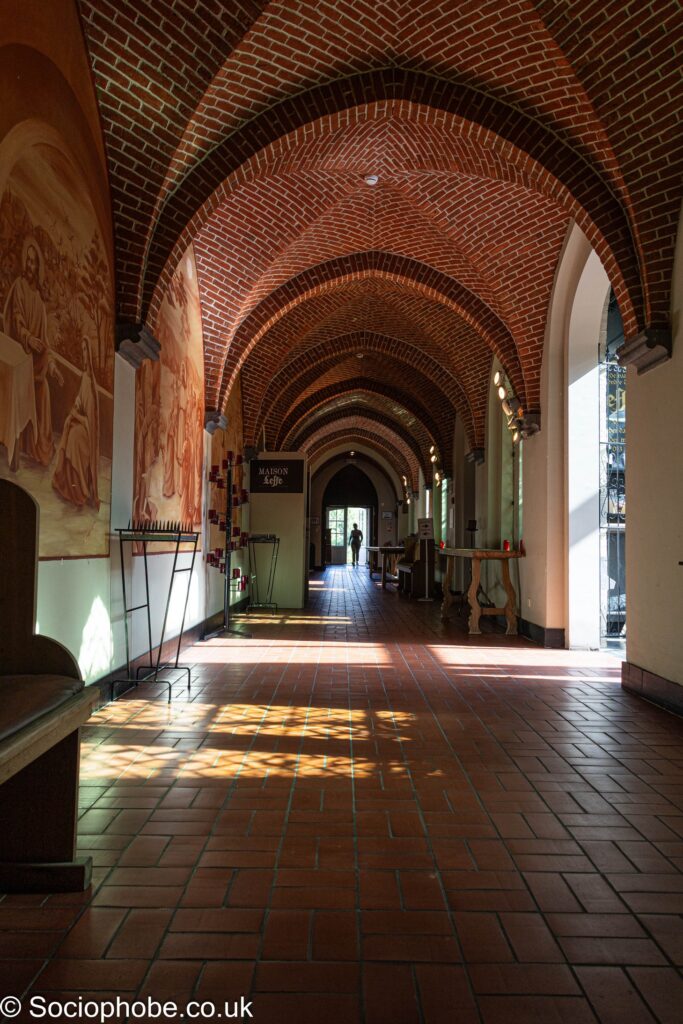
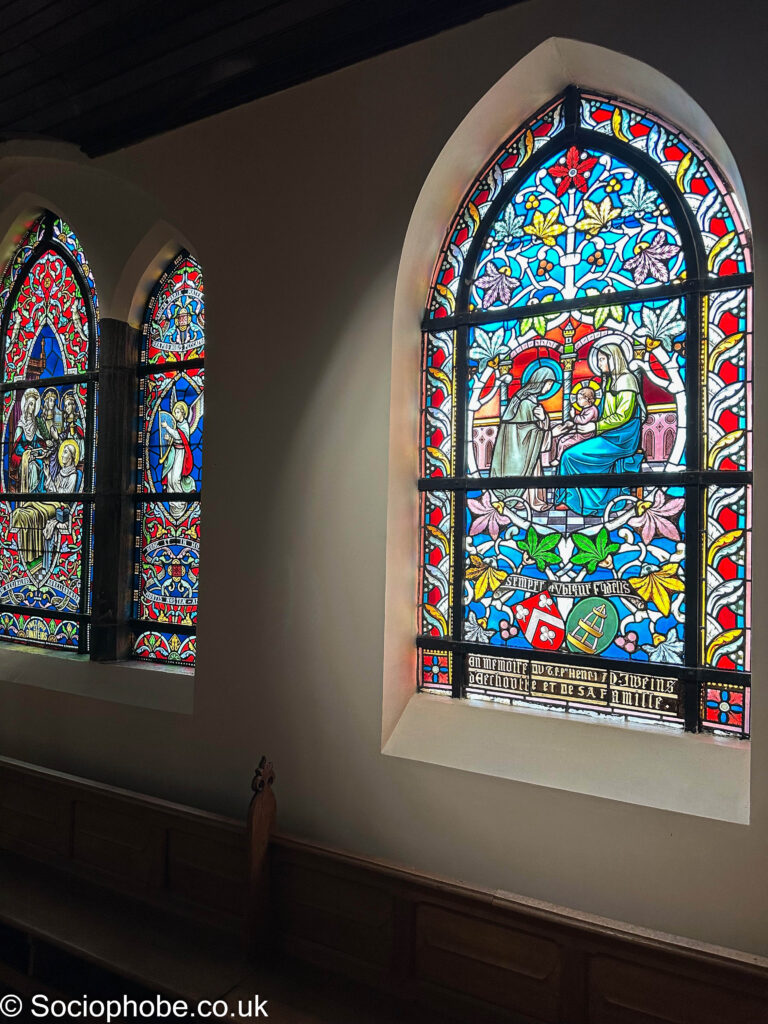
Wifi performance was good. The architecture of the building was part of the reason for choosing it and the cover atrium and the cloisters were beautiful. We had pizza in the hotel for dinner (they don’t offer a full dinner service but do bar snacks) which was actually excellent and the guy on the bar was very helpful throughout our stay. After dinner two of us walked into the town, maybe 5 minutes walk, and had a look around – it is a very pretty town and well looked after. Breakfast in the morning was very good with a lot of options, nice food and plenty of space to sit and chat.
Leffe Museum
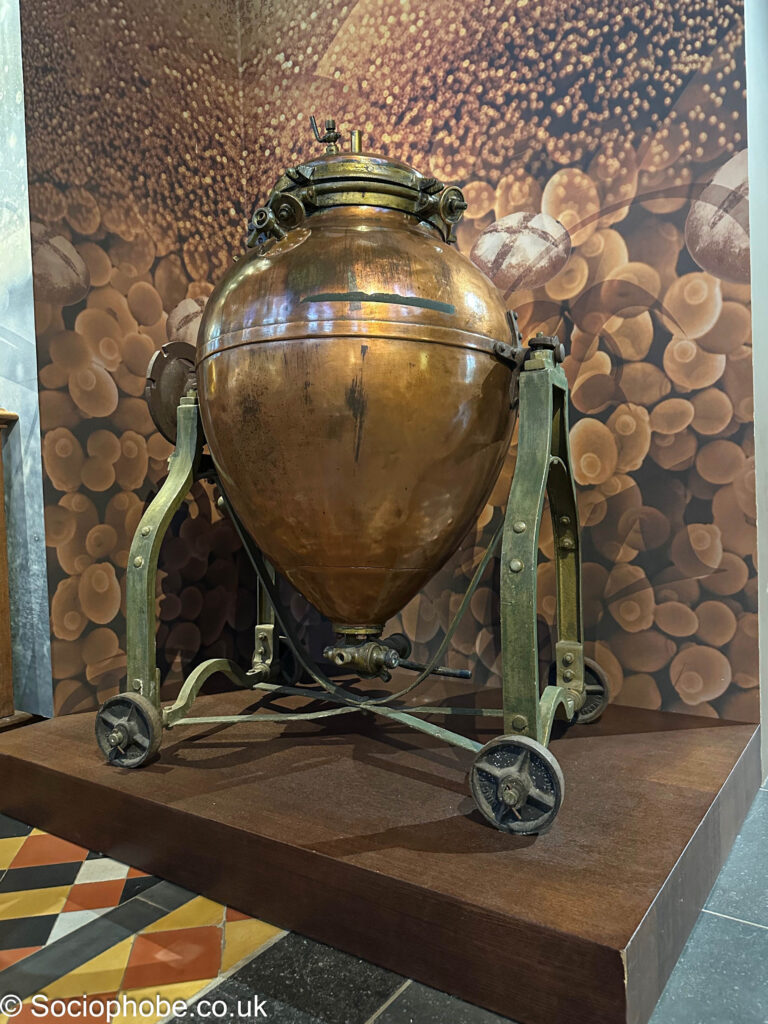
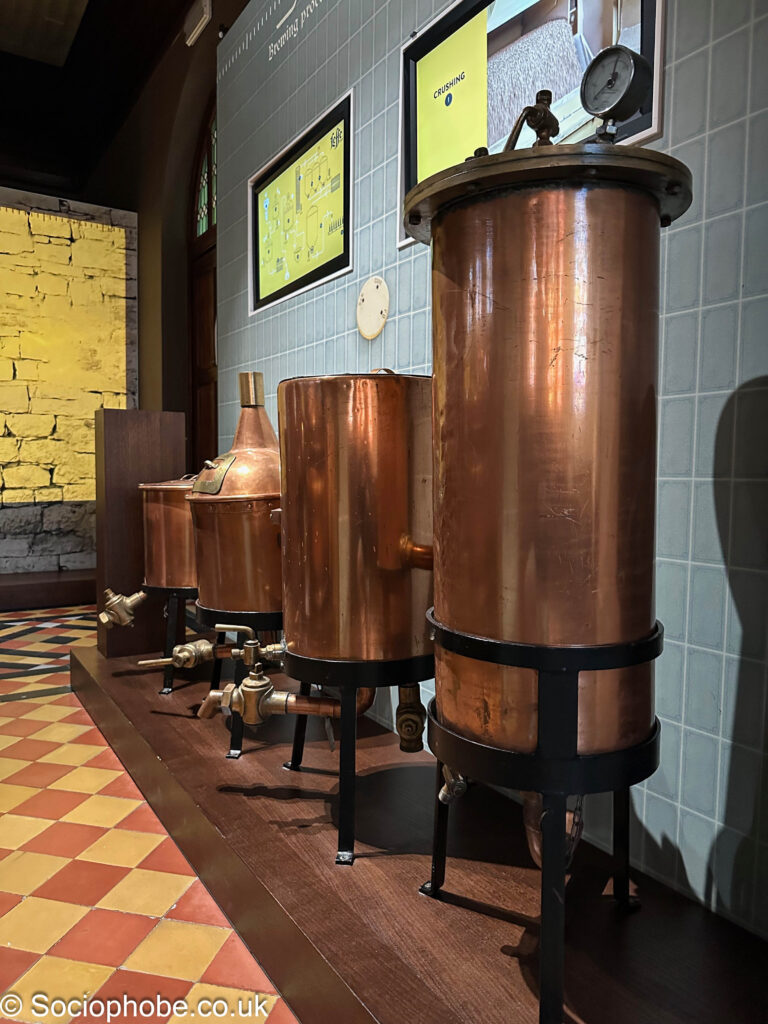
When we checked in we discovered that the Leffe Museum was onsite and open until 7PM so we took advantage of that and went for a visit. Entry was €15 but we got a free drink and a Leffe glass too so quite a bargain really. The museum was very interesting, showing the history of beer making by the monks for around 800 years as well as the process, hop cultivation, flavouring of beer, the story of the monasteries in Dinant as well as a potted history of the town up to the end of World War 2. This was all done by multimedia screens that included aroma vents so you could smell the different ingredients and was surprisingly engaging. We spent about an hour in the museum before visiting the bar for our reward.
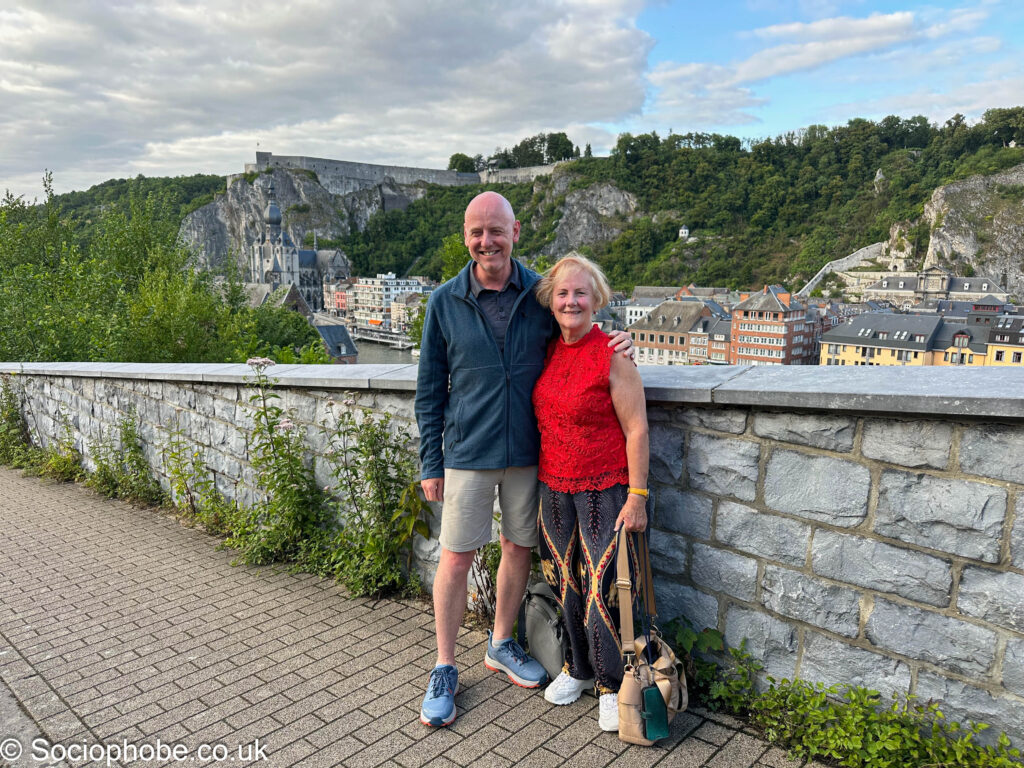
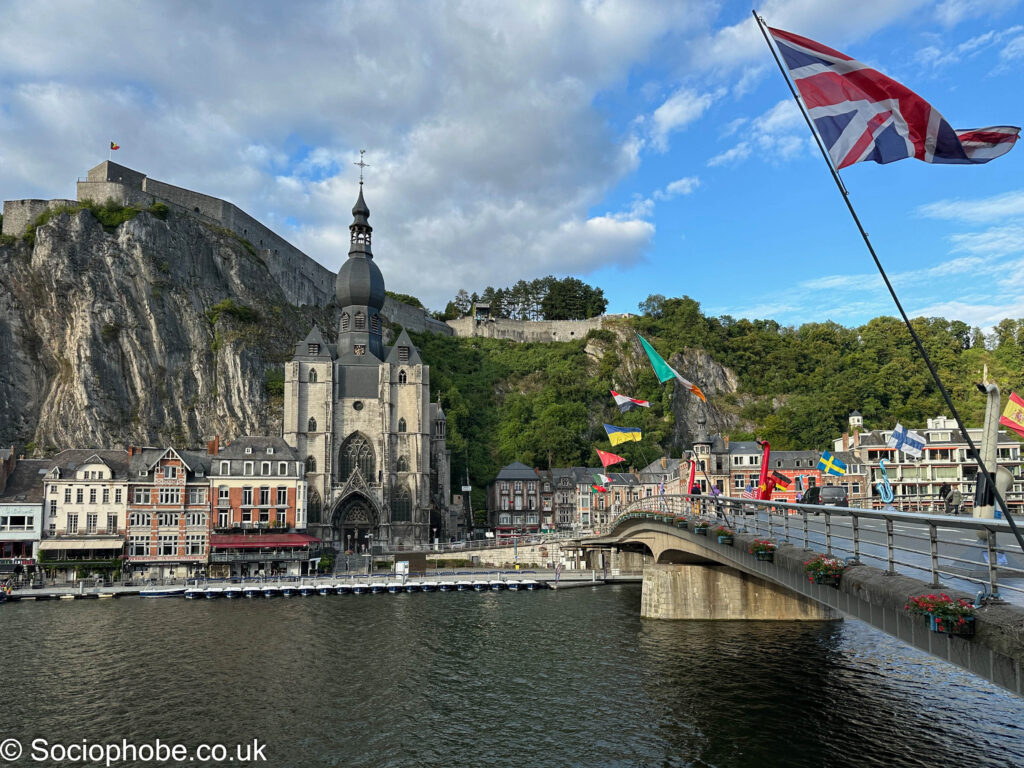
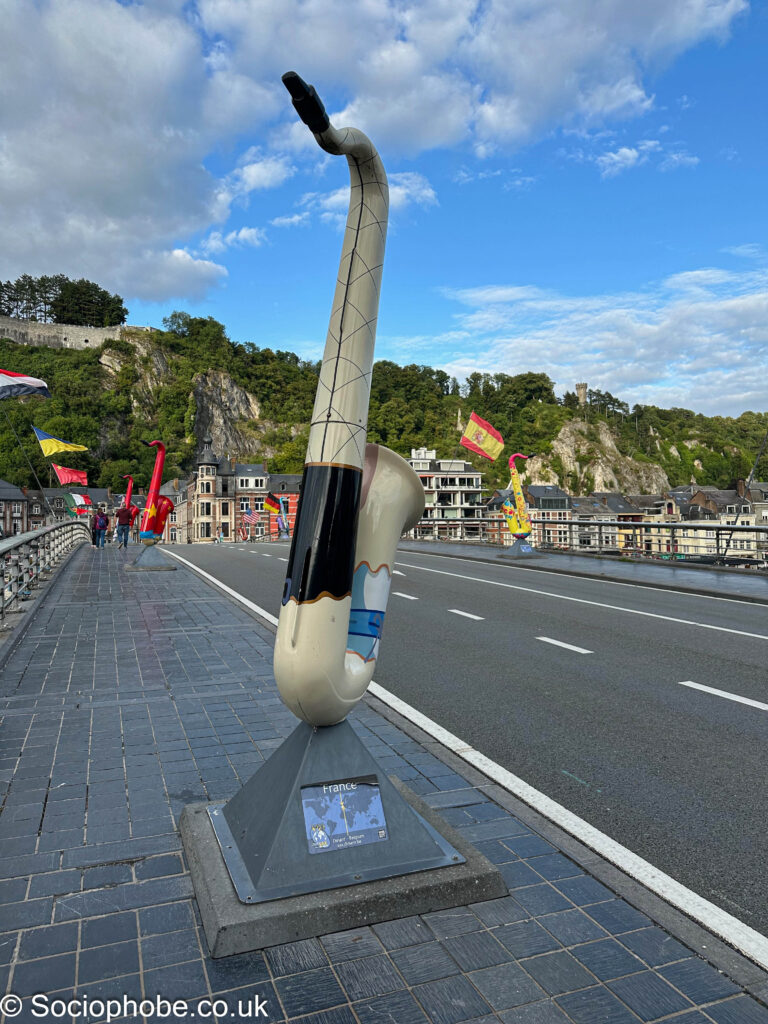
About 9PM Deb and Steve decided they’d had enough so Mum and I did a quick walk down the hill to the town and across the bridge, festooned with model saxophones in honour of Adolphe Sax who was born in the town. We continued along the riverbank for a while in each direction and then recrossed the bridge and climbed back up the hill to the hotel. By now the sun was out and it was a lovely end to the day.
Dinant Citadel
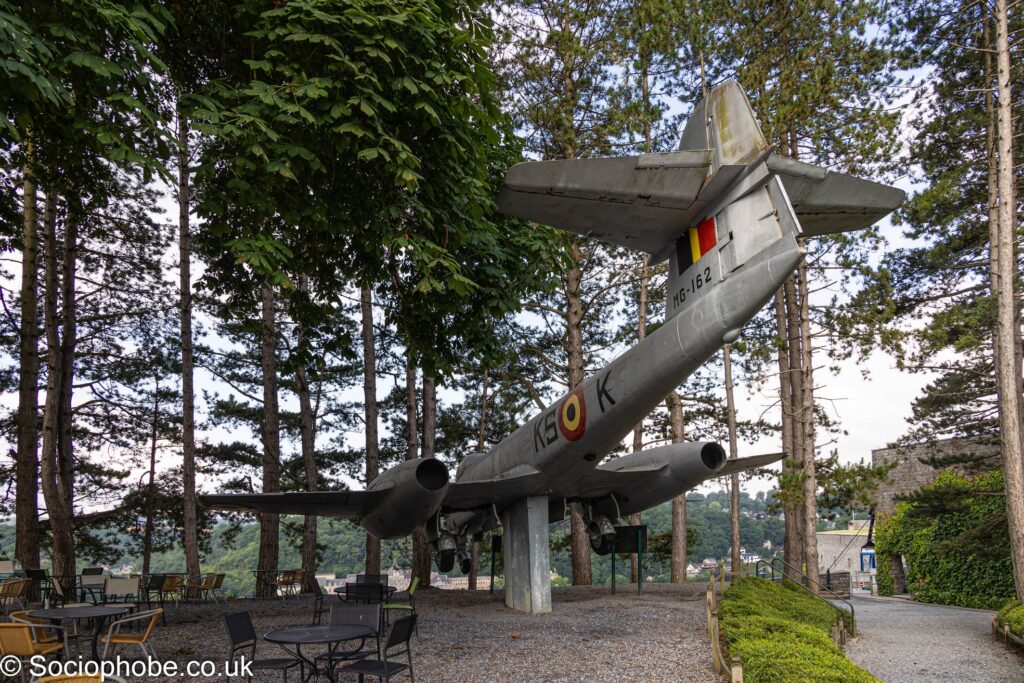
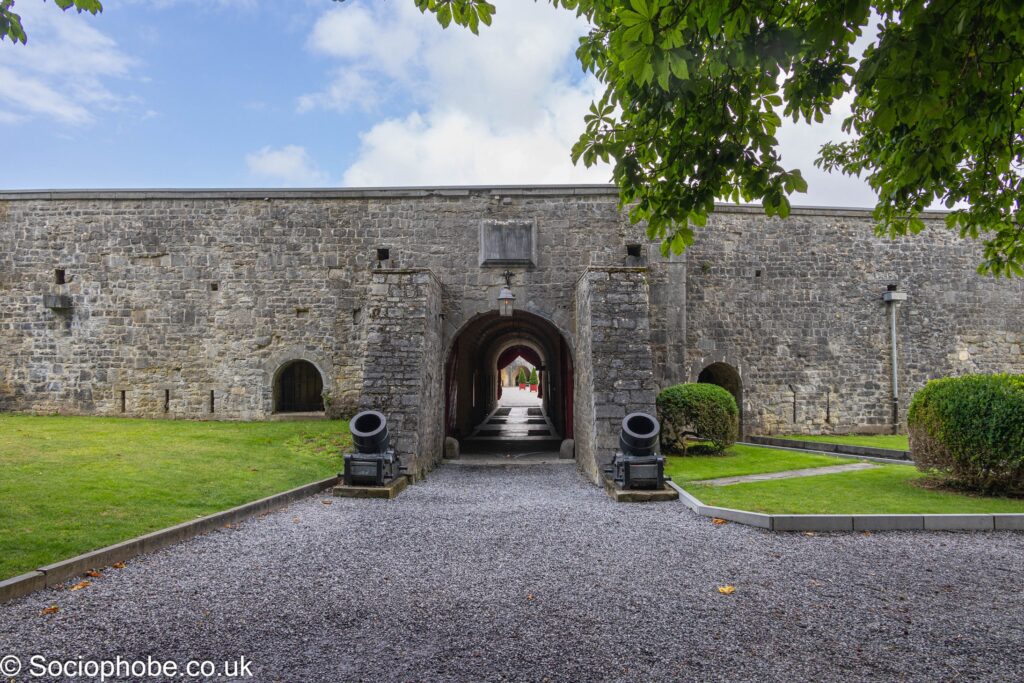
I actually slept in late, probably due to the beer, and Deb woke me at 8. We had a marvellous breakfast in the hotel and then walked in to town, across the bridge and to the cable car station for the Citadel. I think we paid €23 each and that included a river cruise so it was a good value introduction to the town. The cable car only took a few minutes and we reached the top, saw the Gloster Meteor incongruously parked in the trees and then looked at the views across the river. It was then a short walk down a ramp to the citadel entrance where the exhibition began.
We learned about the castle being rebuilt in the 16th century after the sack of the town by Charles the Bold and then the fortifications being rebuilt by Vauban after the French capture of the citadel in the 17th century. Following the French defeat at Waterloo the town was handed to the Dutch Republic and they rebuilt and modernised the fort in its current form before it became part of Belgium in 1830 and was then sold in 1878 and became a tourist attraction.
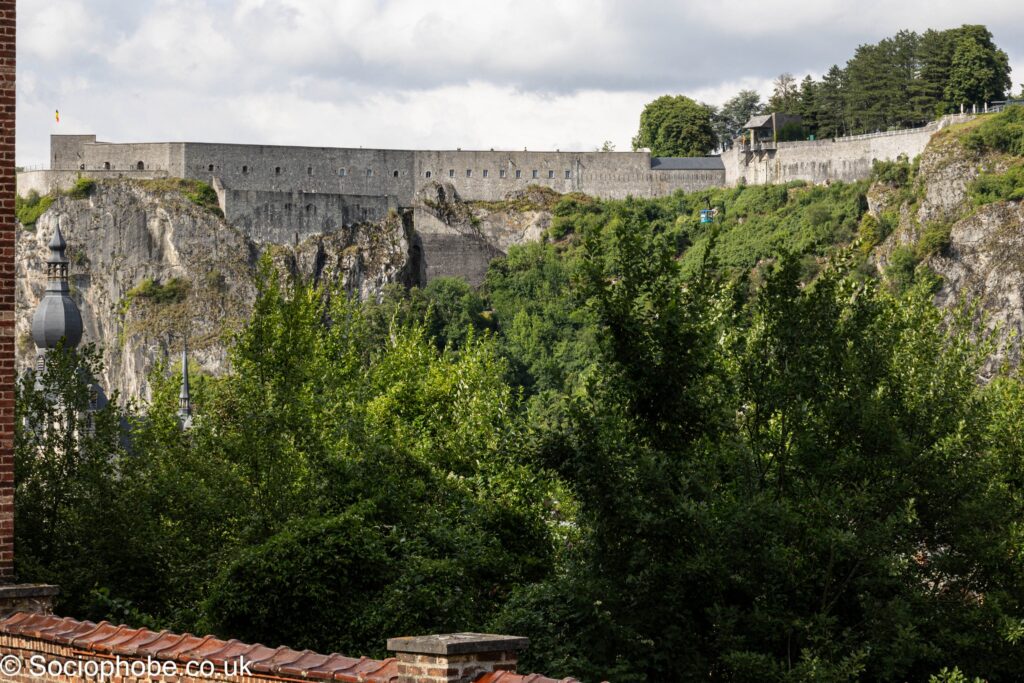
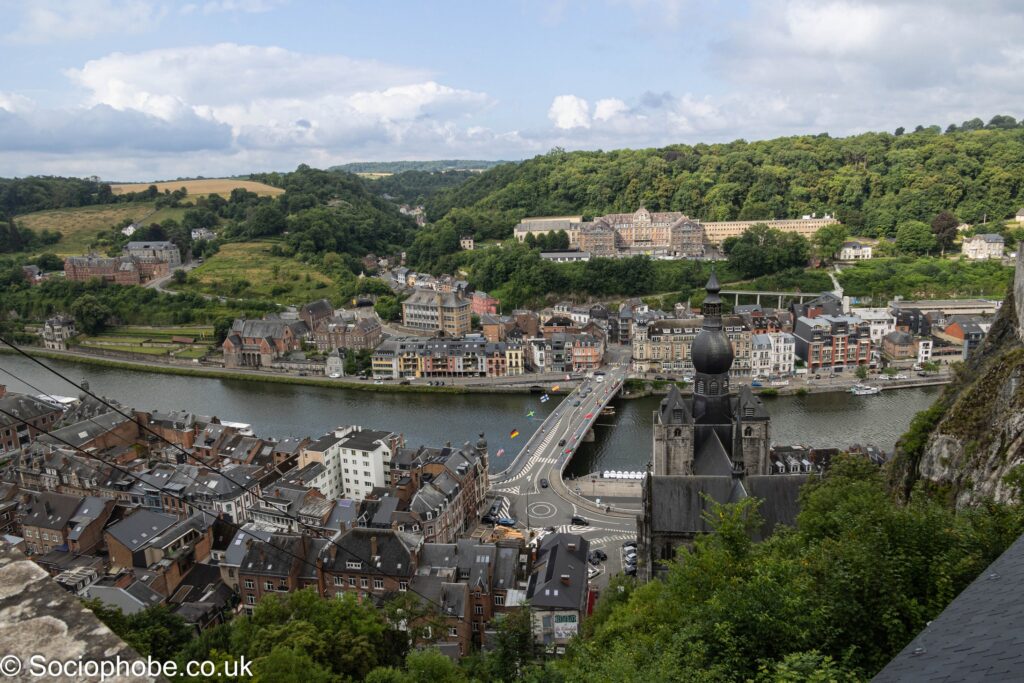
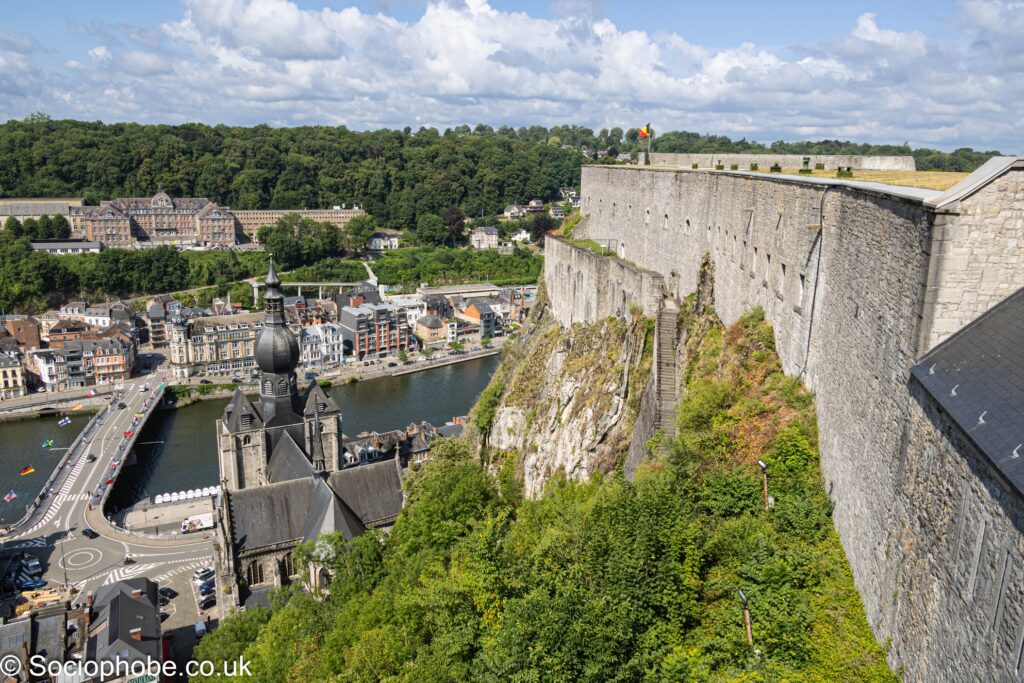
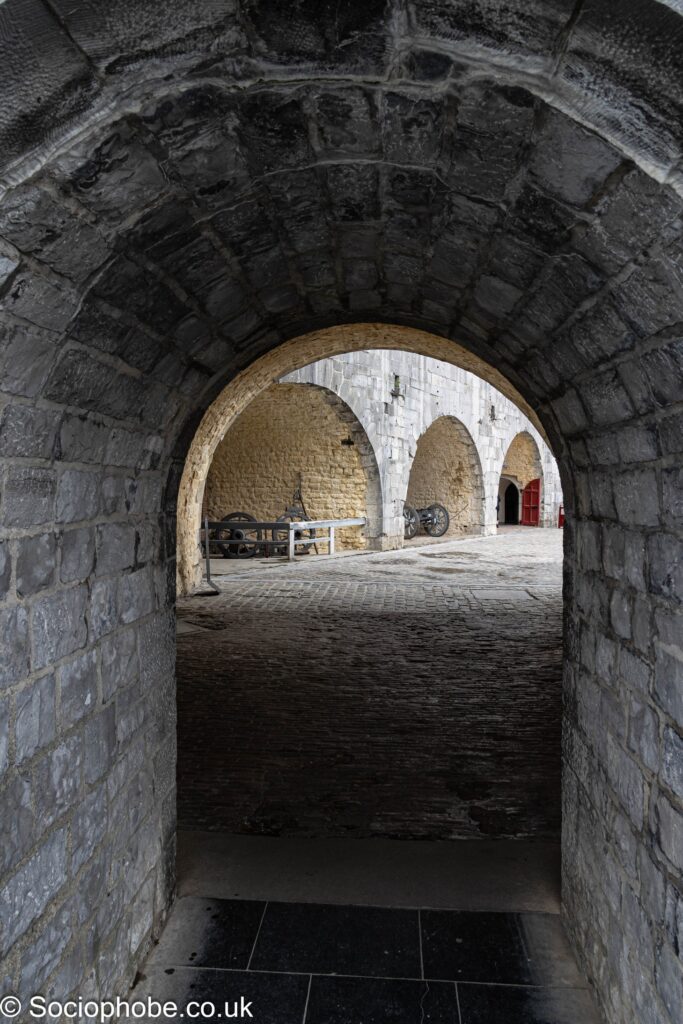
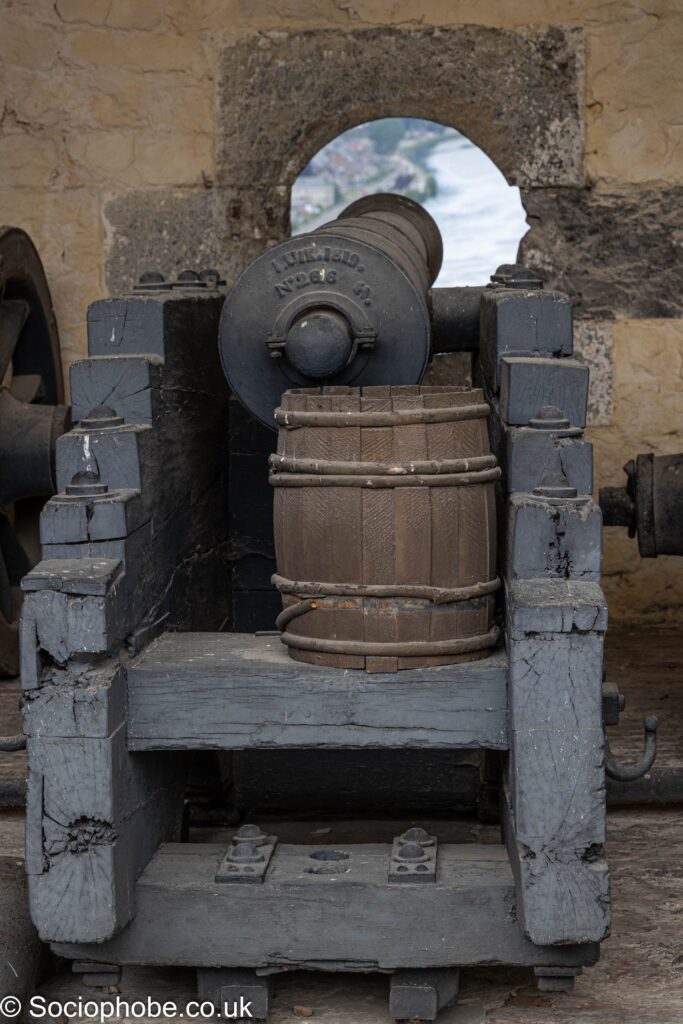
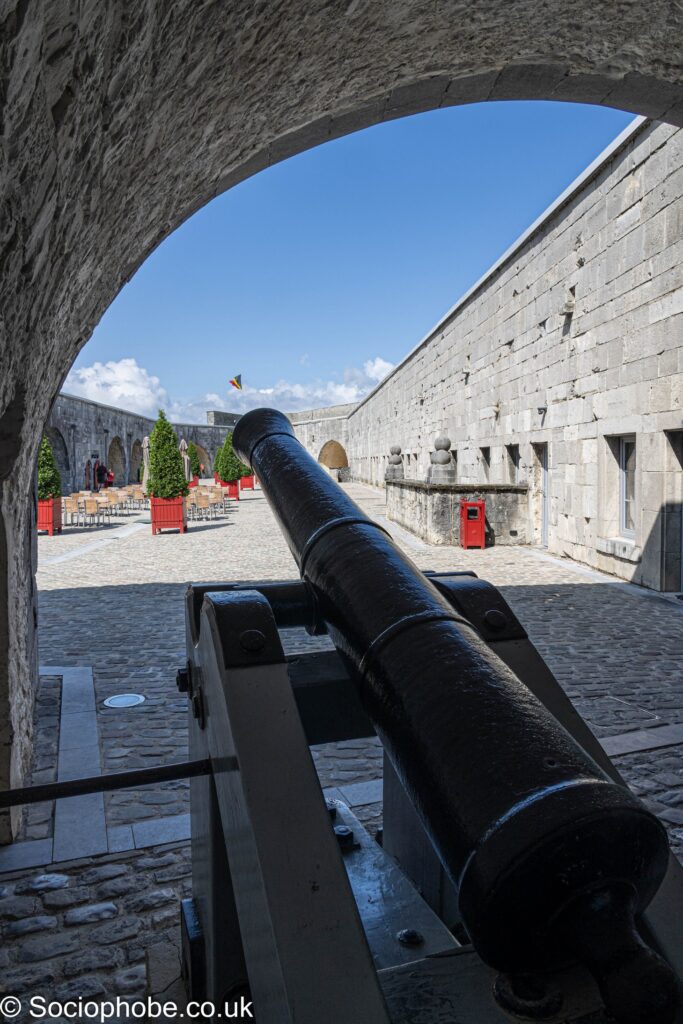
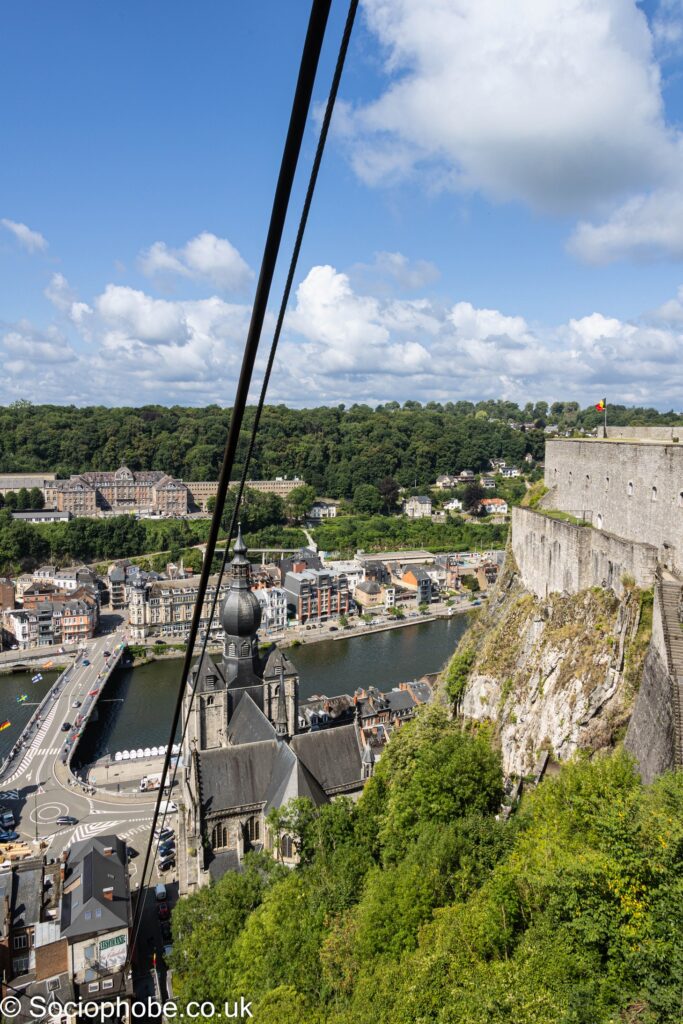
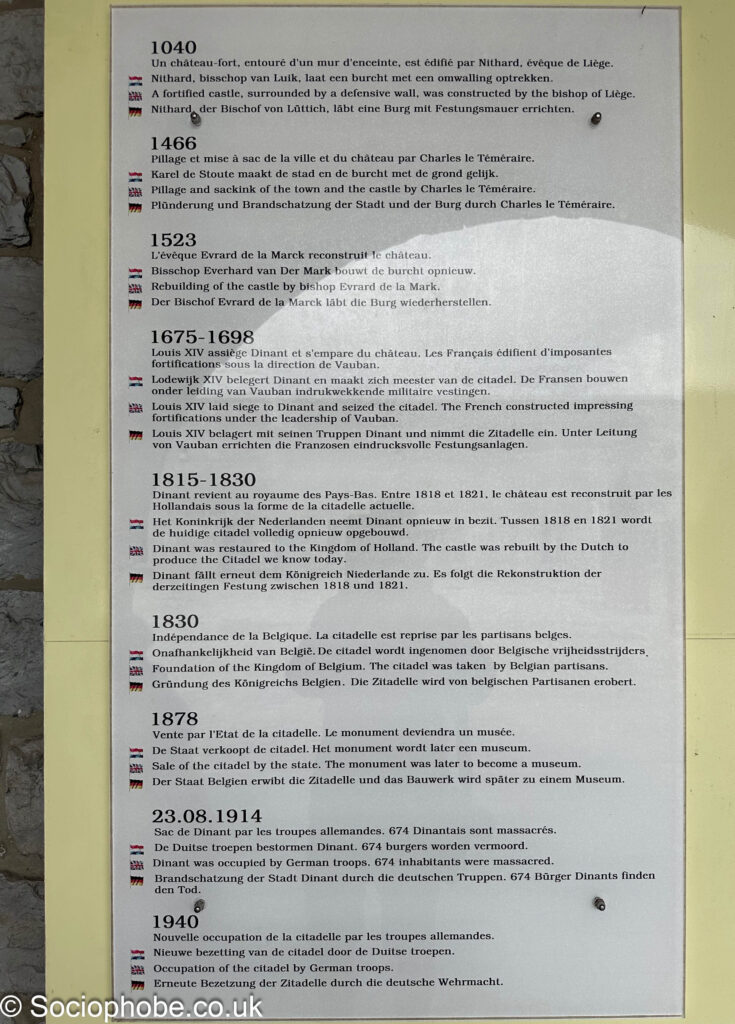
In 1914 the town was in the path of the German invasion of Belgium, despite Belgium being declared neutral and nearly 700 civilians were massacred by the Germans amid widespread looting, destruction and murder. The citadel was again occupied by German troops in their 1940 invasion. There was also a section to hear the actual accounts of the 1914 massacre by those involved and the German commander claimed they were fired upon by “shrews” and his troops responded accordingly. I’m not sure the 3 week old baby killed in this action could be considered a shrew and the commander was never charged with war crimes.
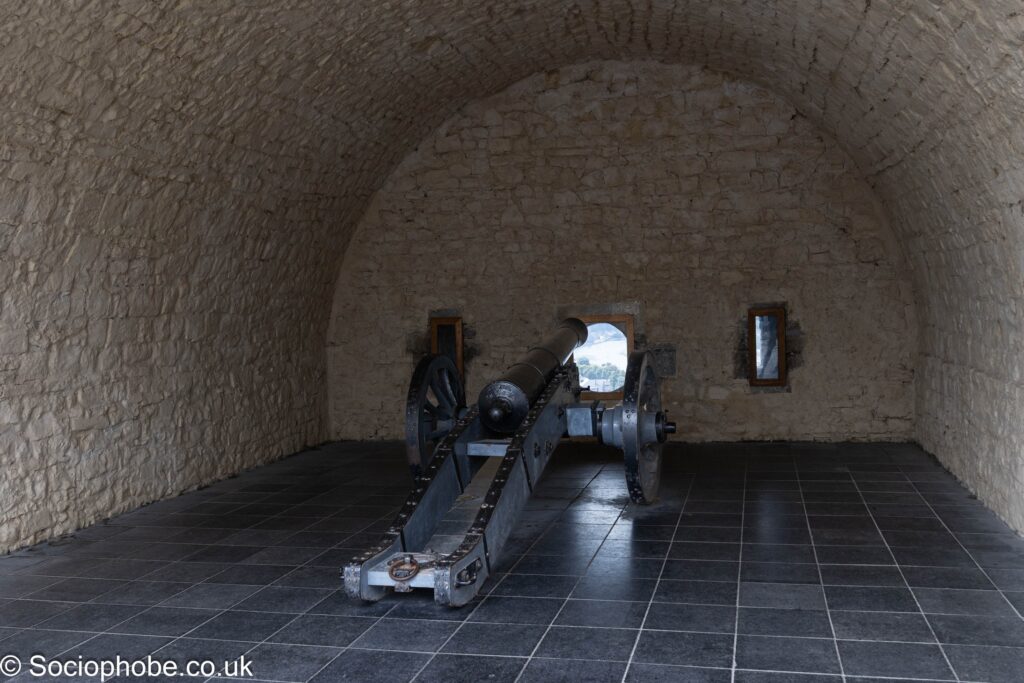
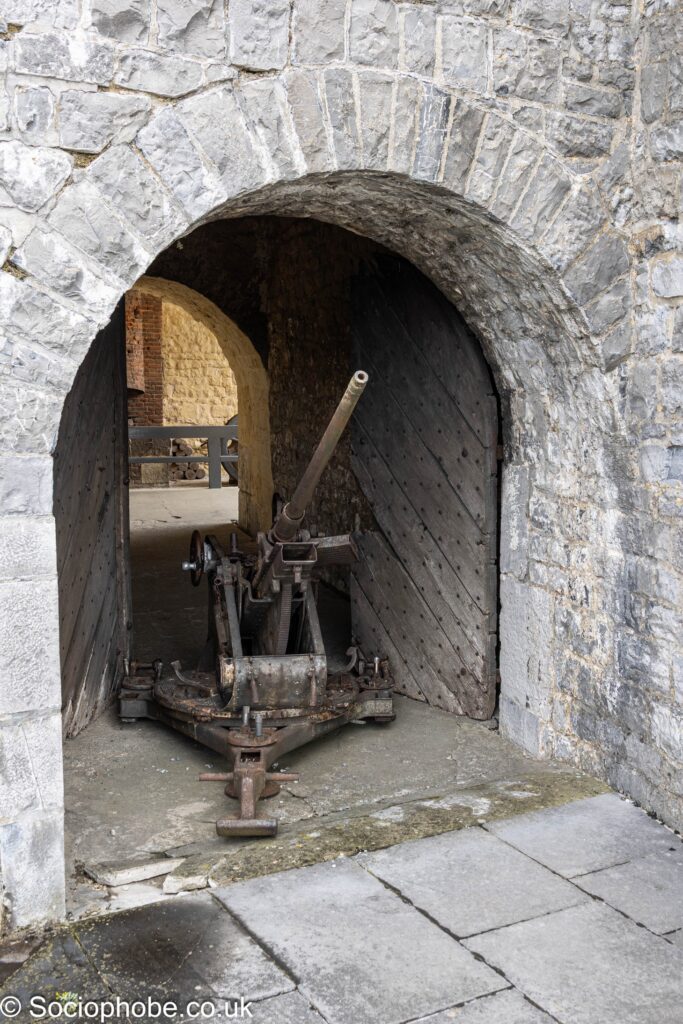
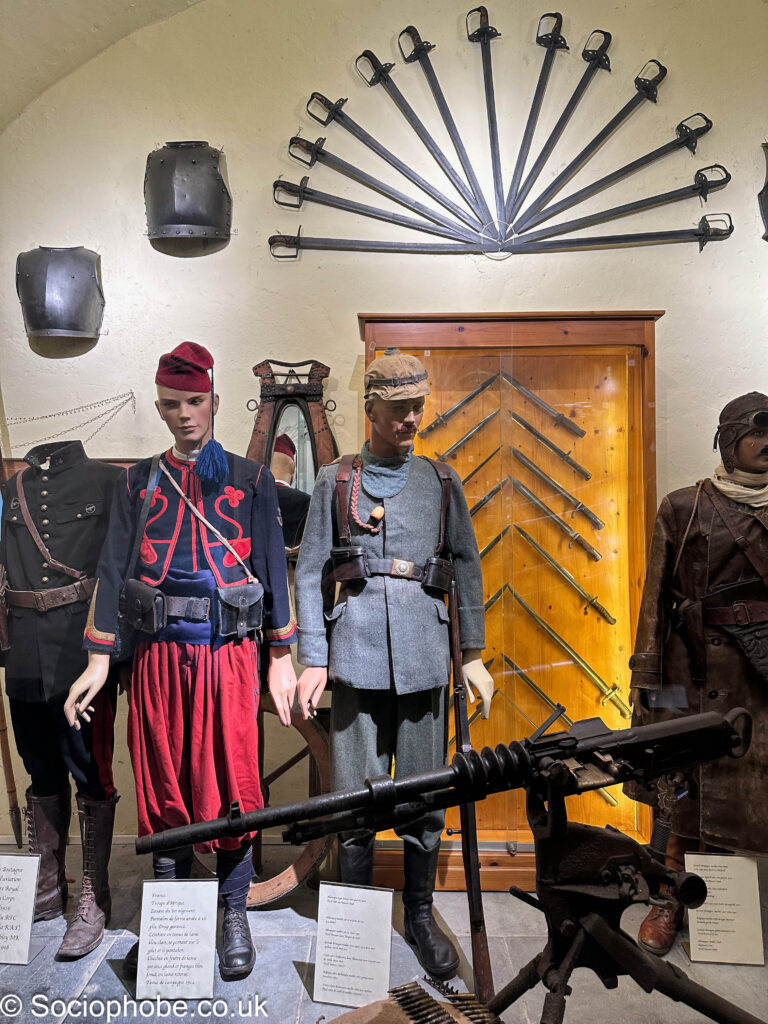
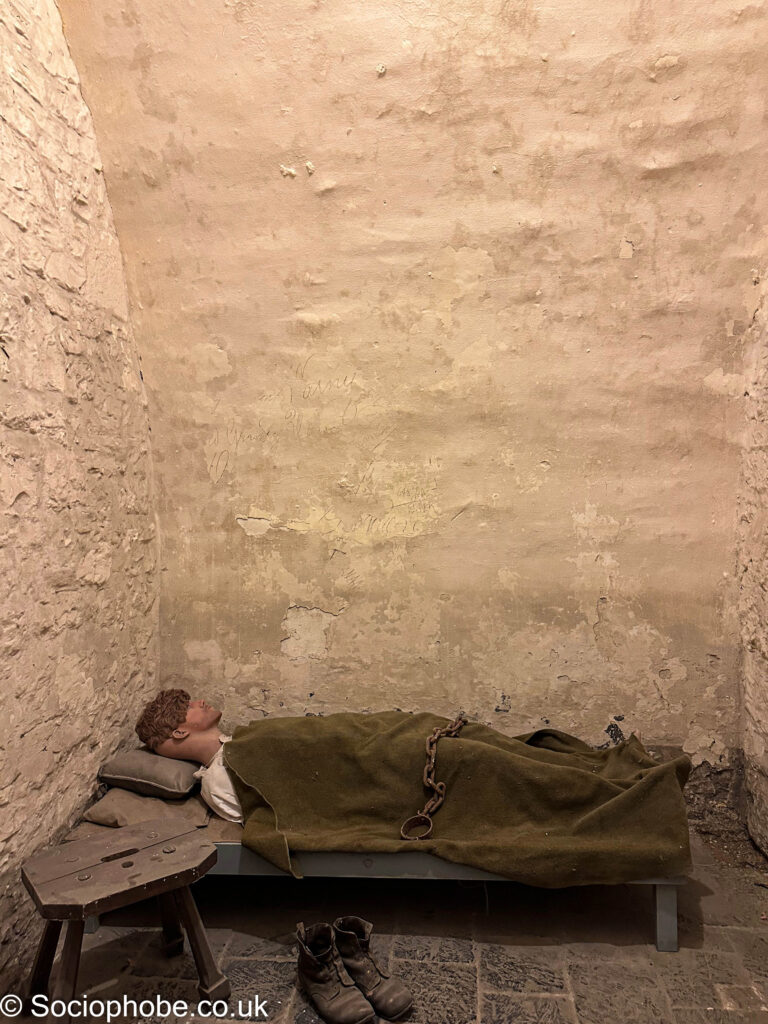
The route then led us to the gun batteries of the citadel and you could use media screens to give you information on each section of the self guided tour. There were a variety of cannons on display and also hand weapons and uniforms of the 19th and 20th centuries. There was also an exterior terrace which gave you more views up and down the river valley. One very strange part was a damaged casement that had been created at a 30 degree angle, a challenge to walk around and there was also a recreated trench system to see. The final part was the cells from the time the Citadel served as a prison for disobedient troops in the 1920s and 30s. We then took the cable car down the hill and walked along the riverside for our river cruise.
Dinant River Cruise
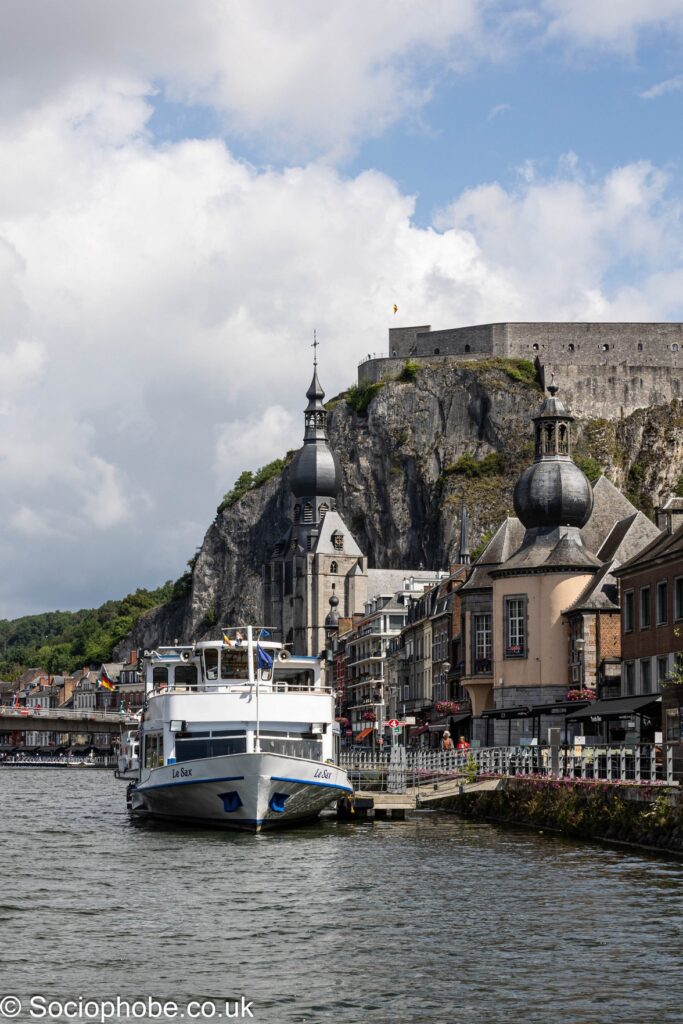
The boat was not at all crowded, the crew were pleasant and we actually had sunshine for part of it so were able to sit on the top deck. It was a lovely 45 minutes trip along the river Meuse, partly sightseeing and partly relaxing as we enjoyed the scenery and architecture.
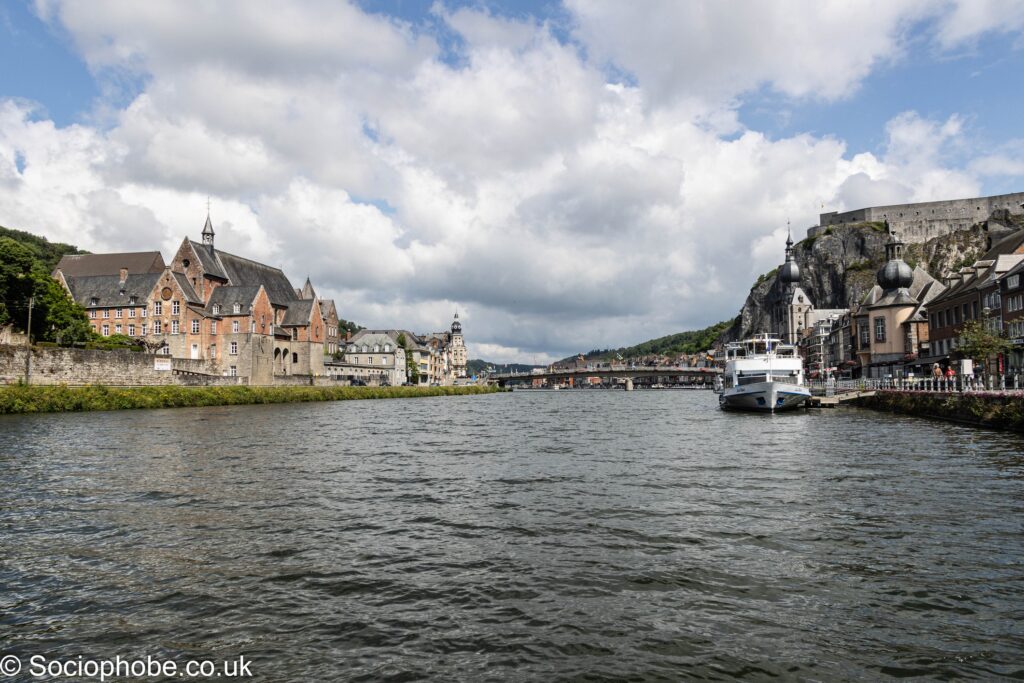
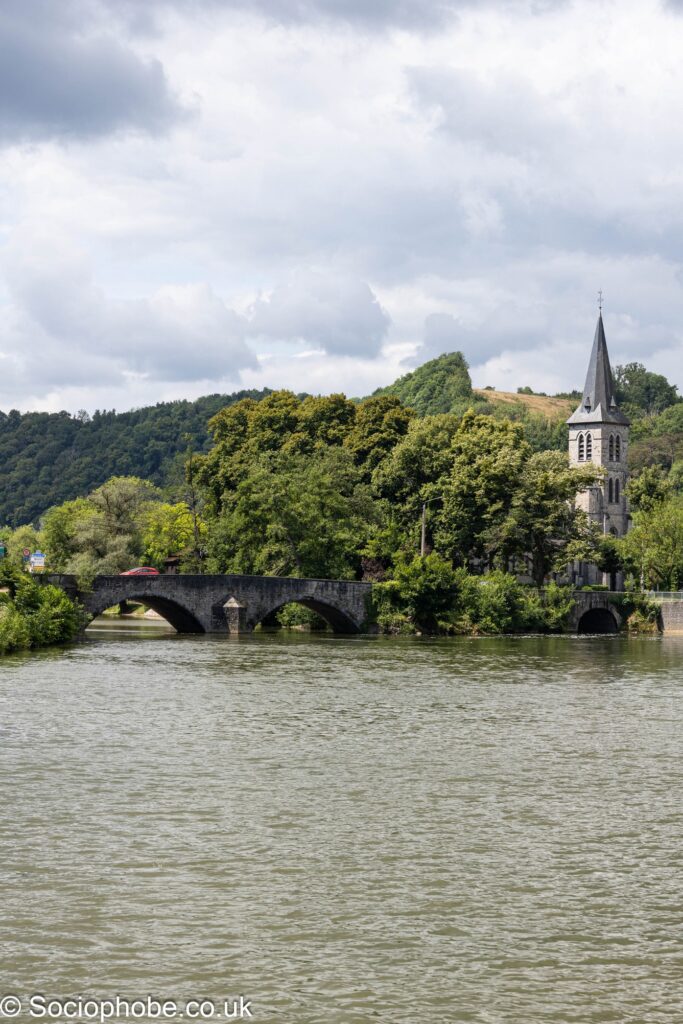
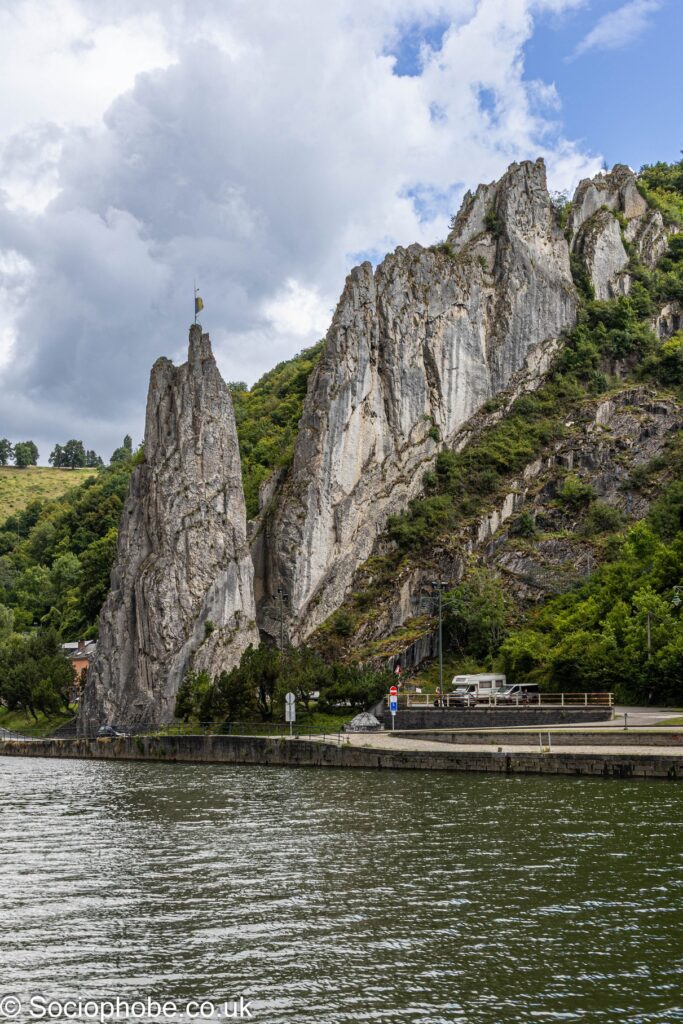
After disembarking, I walked up the hill to collect the car and then picked up my passengers, who were too lazy to walk with me, for the drive to Mons. This took longer than expected due to congestion and the Belgian roads seem to have the highest concentration of freight traffic anywhere in the world. For a federation that prides itself on eco credentials it does seem strange that river and canal transport is not used more.
Accommodation in Mons
Arriving in Mons we were met by Marc and guided to our accommodation for the evening, the Dragon House. We had two lovely and spacious rooms and a decent kitchen too. The place was blissfully quiet even though it was only 5 minutes walk from the Grand Place. There was plenty of space for a laptop, the shower was good and it was a very convenient stay. Parking was on road and free 6PM – 9AM I think. We got breakfast from the Au Millefeuille bakery round the corner. The kitchen was very well equipped so we could have eaten properly if we were staying longer.
Mons Belfry
After sorting ourselves out Mum and Steve headed off to the Mons Memorial Museum and we walked through the Grand Place to the Belfry. The cobblestones in the Grand Place are being replaced so there are a lot of areas barricaded off with excavations underway. It looked pretty though with some nice buildings and cafes around the edge but we carried on through a strangely confused to route to buy the Belfry tickets. Obviously these couldn’t be bought from the Belfry itself so we had to walk a little way and buy the ticket, written out by hand, from the UNESCO house and then walk up the winding path to the castle park and enter that way.
Once inside the Belfry you take the lift to the fifth floor and then climb a further three floors on a metal staircase to see the clock operating mechanism. And that’s it, no balcony to see the views. Climbing down one floor you can look through windows to see a panorama of the city but they were so filthy it spoiled the experience.
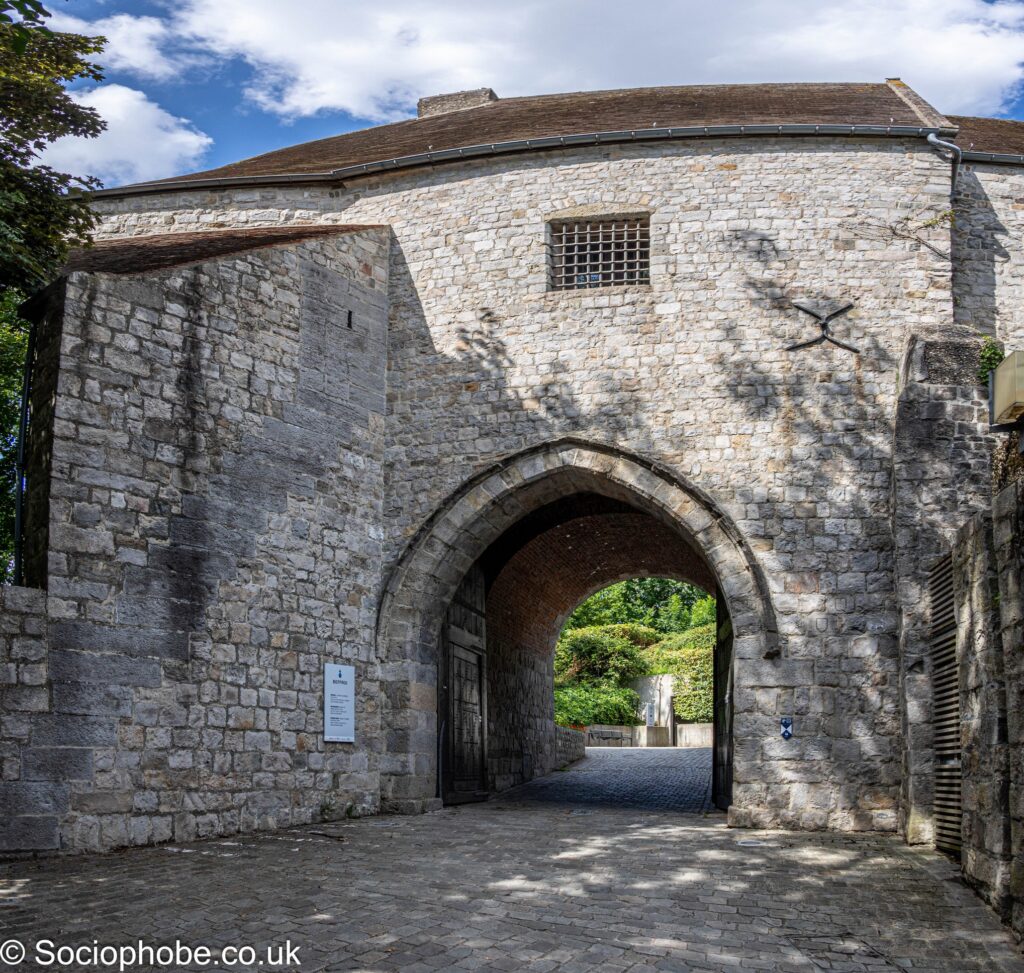
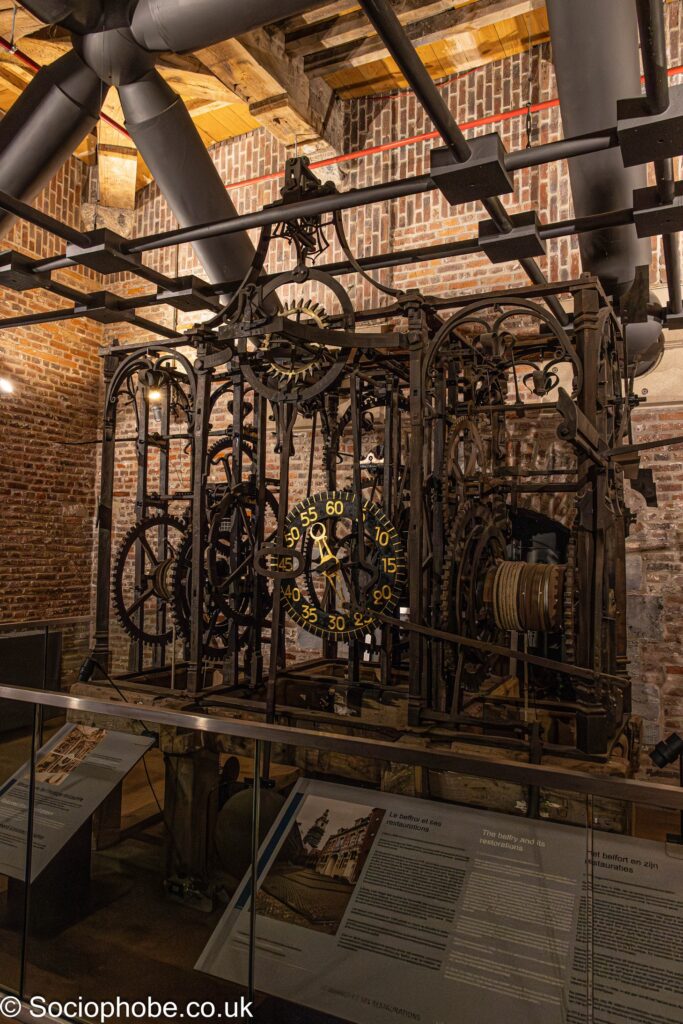
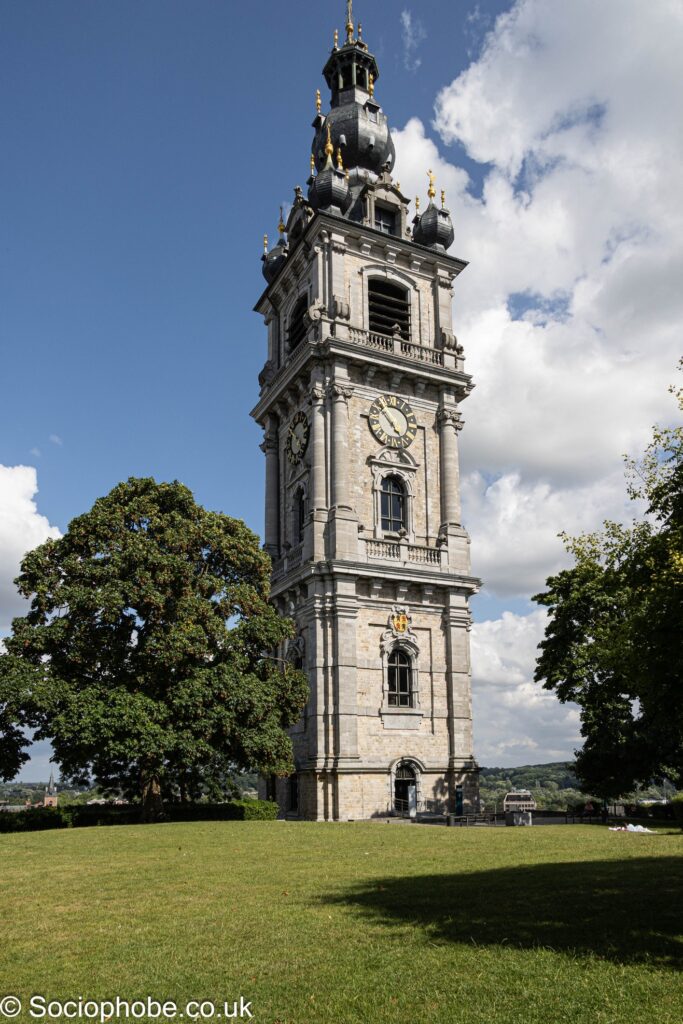
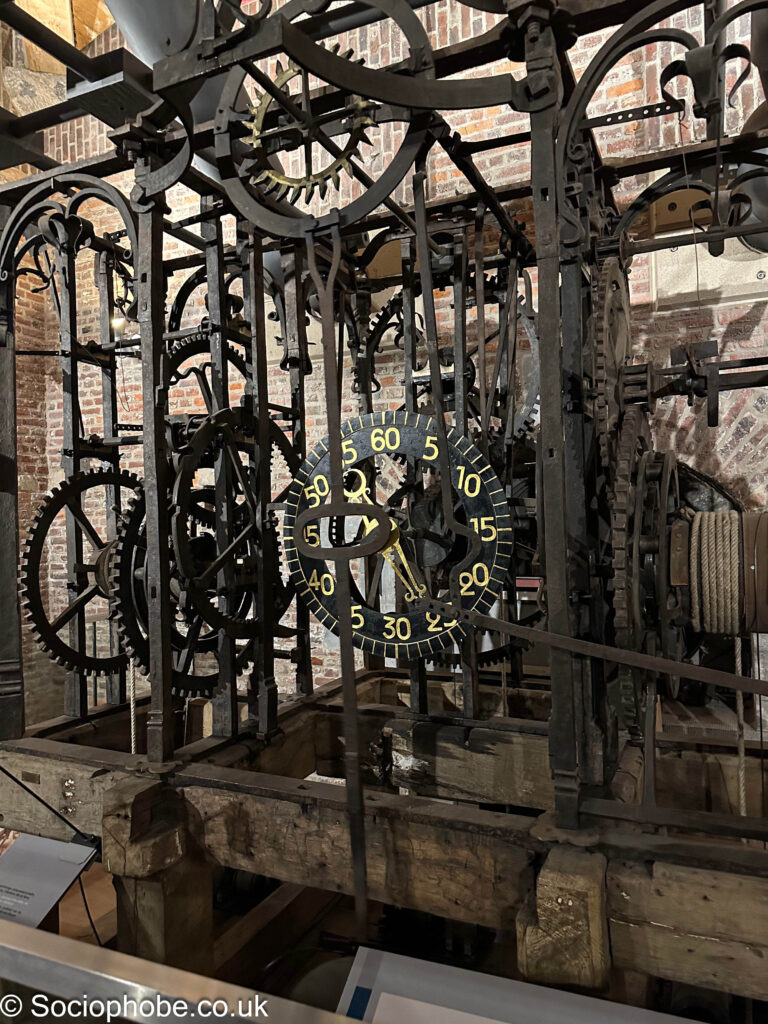
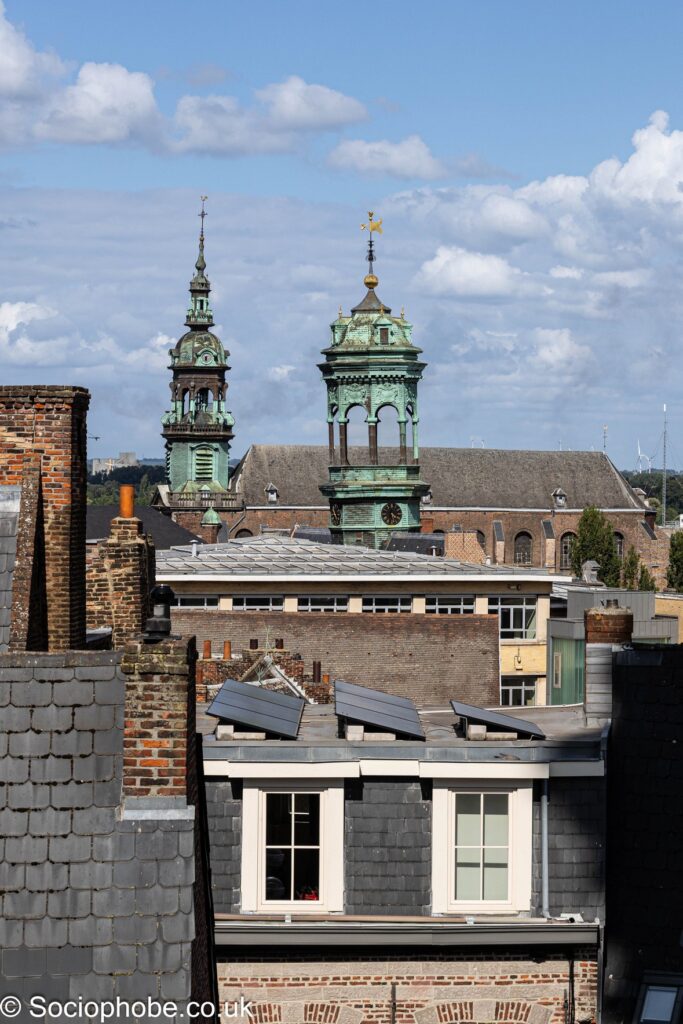
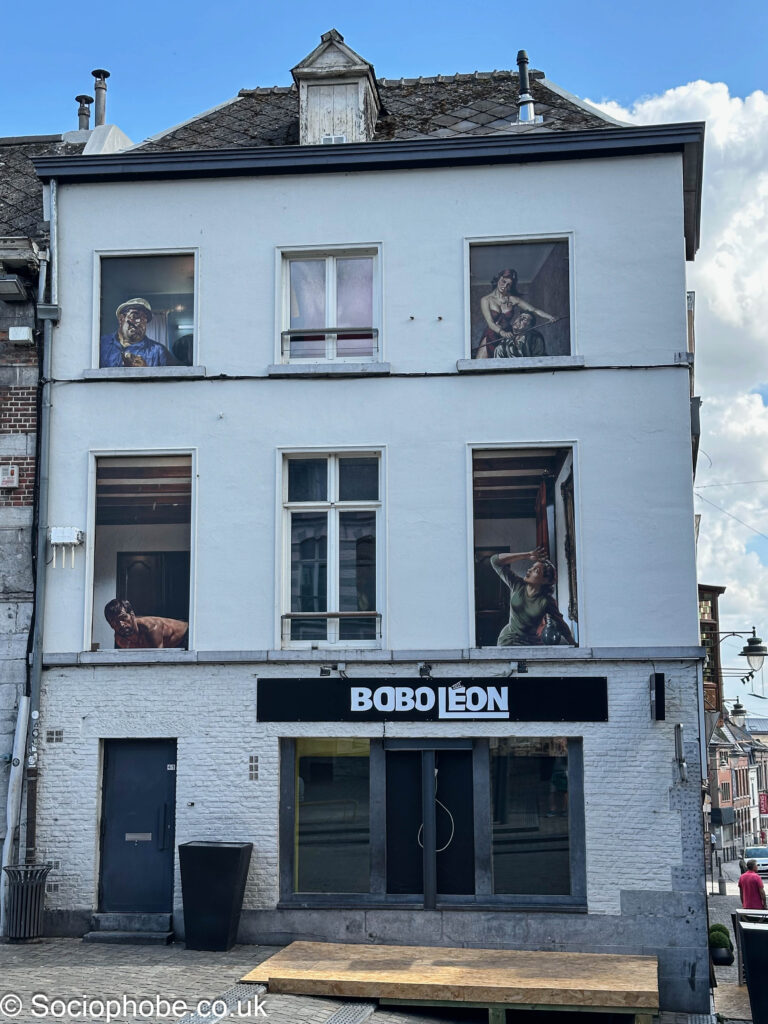
I walked a circuit of the small castle park and then we walked back through the town. Some beautiful architecture but some buildings also very decayed, some wonderful street art and some buildings covered in tacky posters. So a definite town of contrasts and with the money being spent on art initiatives hopefully that will lead to regeneration for the older fabric of the town and a general clean up.
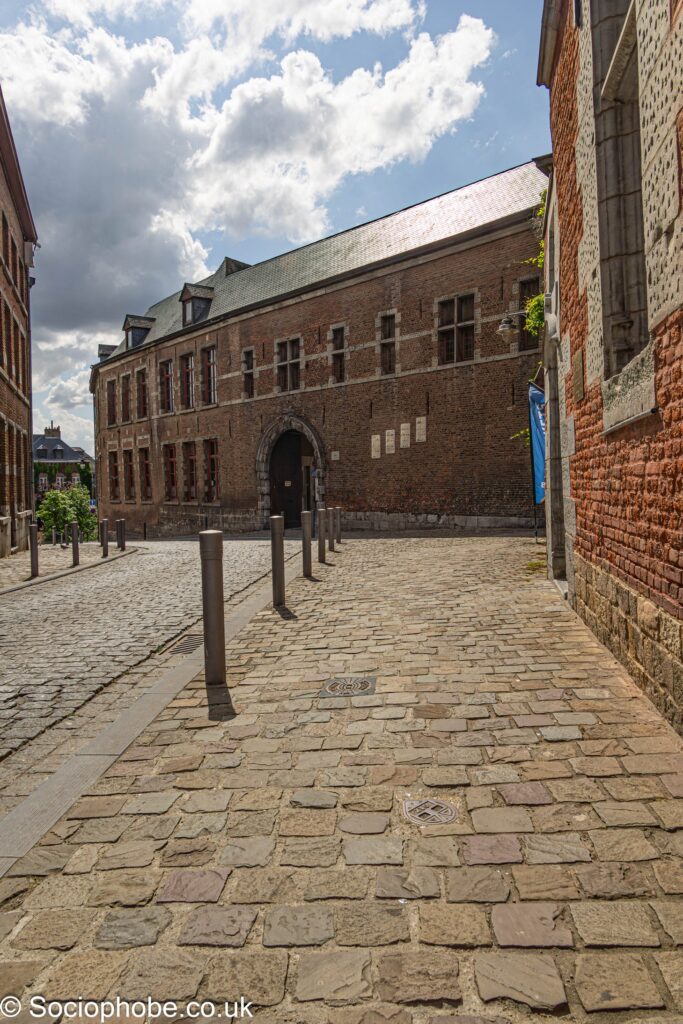
Mum and I did an early morning walk around the town so I got a chance to see the Sherman tank outside the Mons Memorial Museum and we walked through the Grand Place when it was people free. Once the work has finished it will be very pretty again but it’s currently full of diggers, sand and fences so lacks photogenic appeal. On the way back we picked up some pastries from the bakery and had a very unhealthy breakfast, like pretty much every other meal of this holiday!
Tyne Cot Cemetery
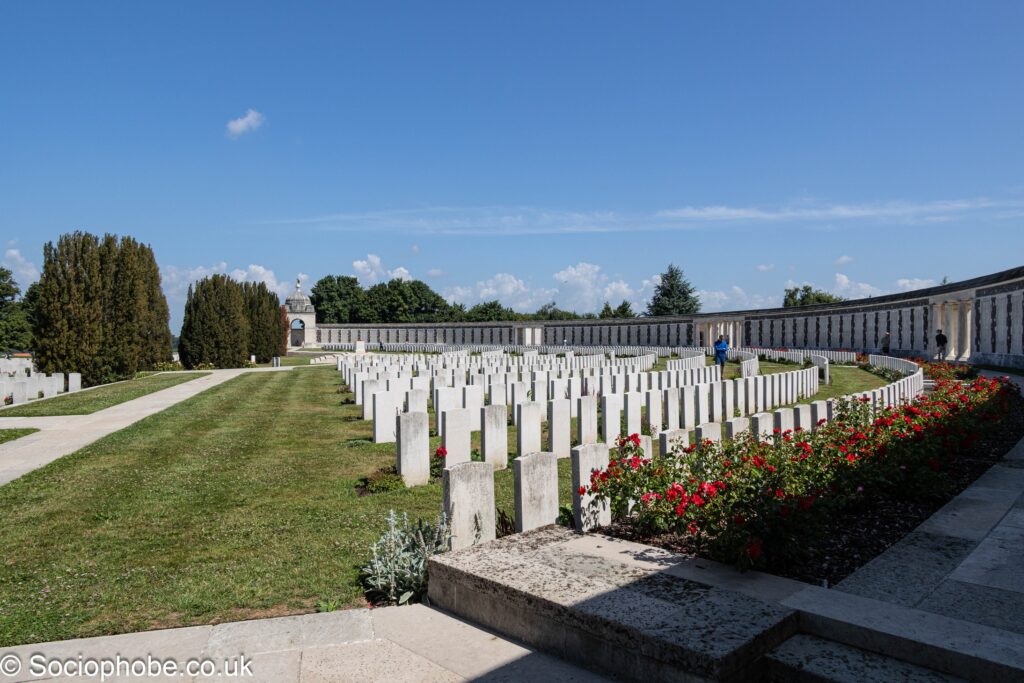
We packed up and left the property and drove an hour or so through Belgium to the Tyne Cot Military Cemetery, home to the bodies of thousands of British and Imperial troops whose lives were squandered in World War 1. This is the largest British Commonwealth military cemetery in the world with 12,000 marked graves and a further 35,000 names on the memorial plaques, where the bodies of the missing could not be found.
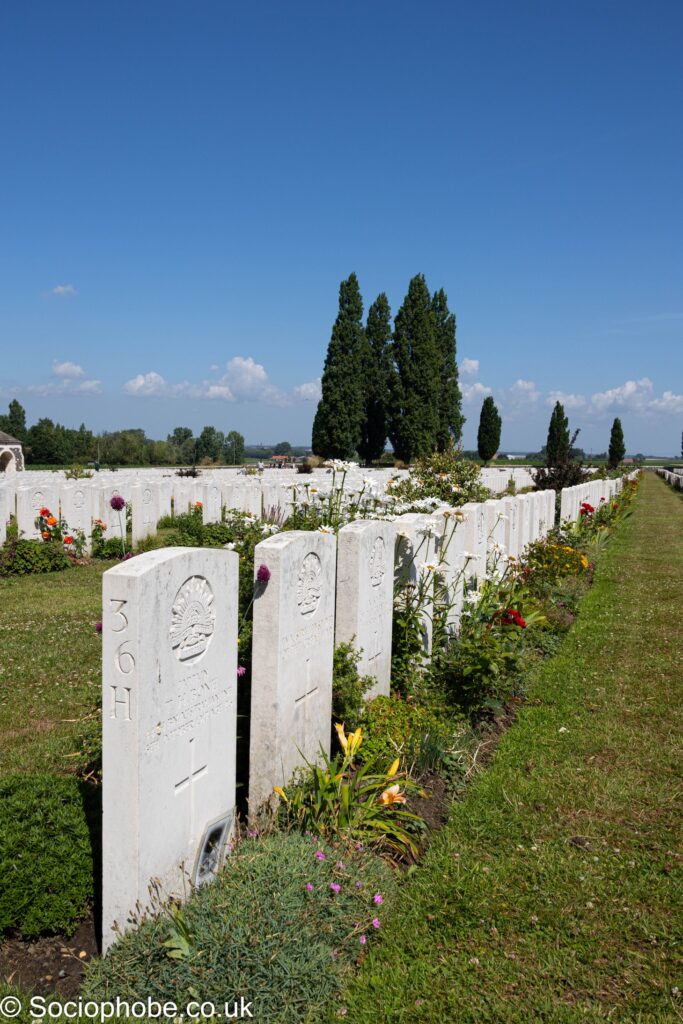
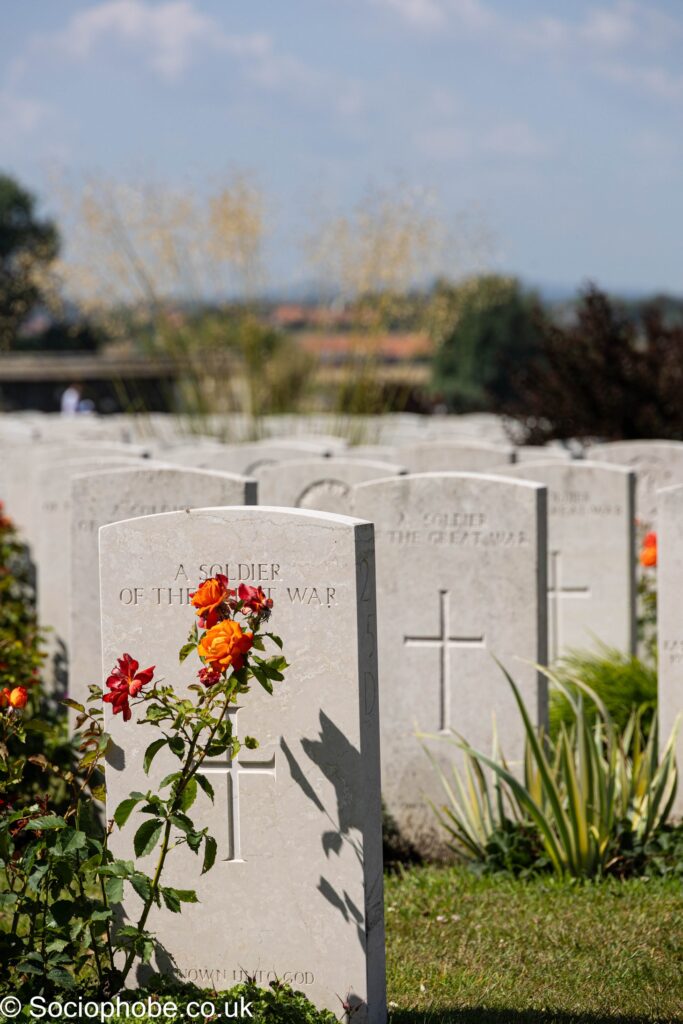
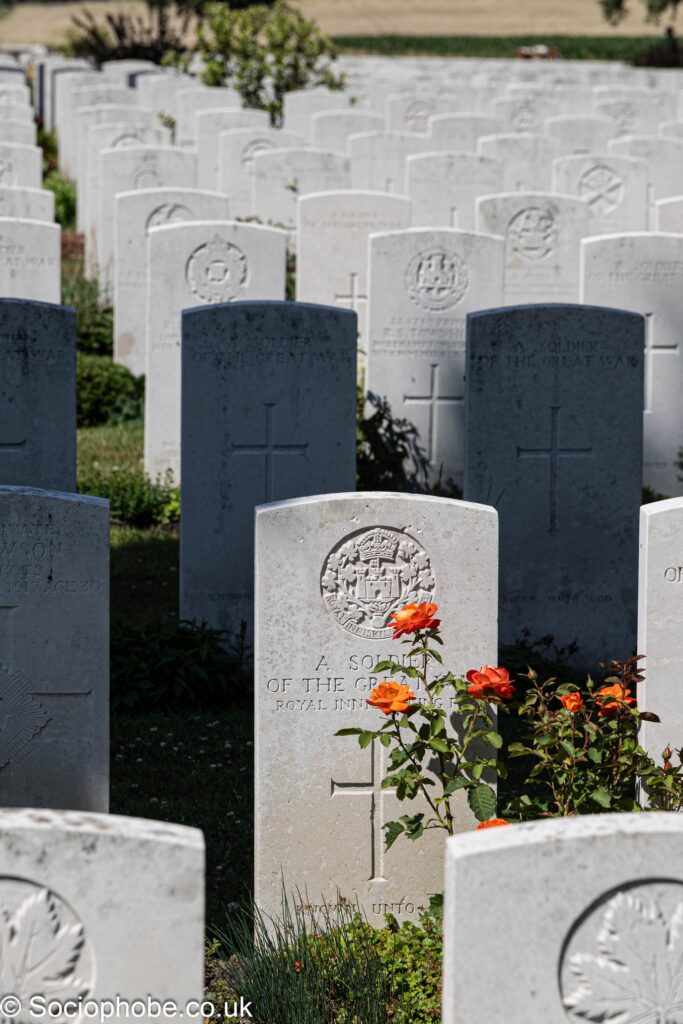
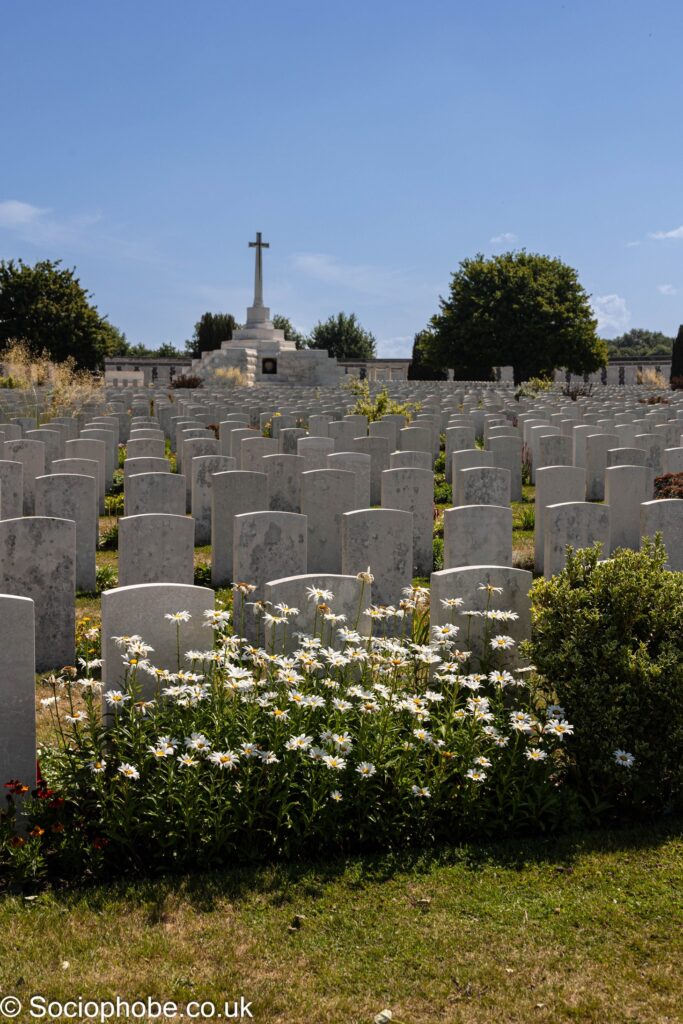
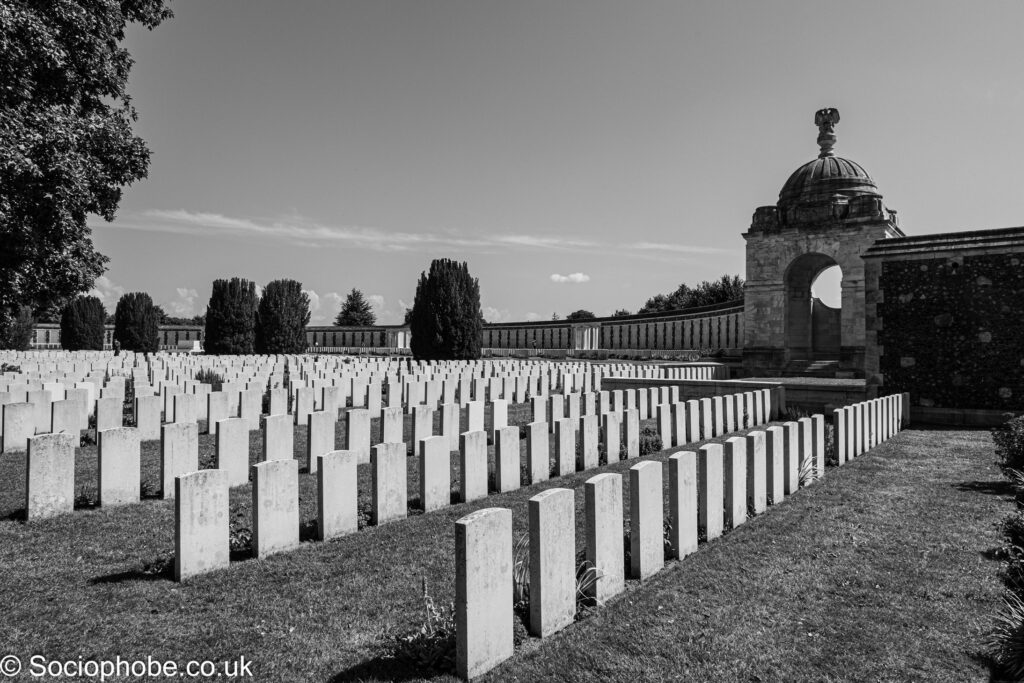
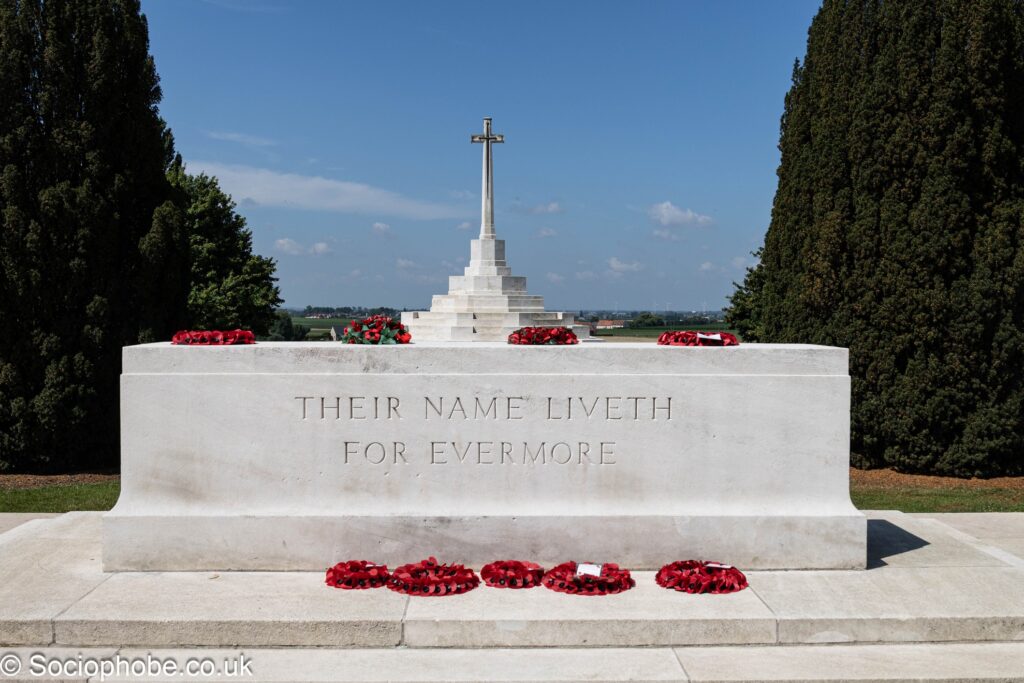
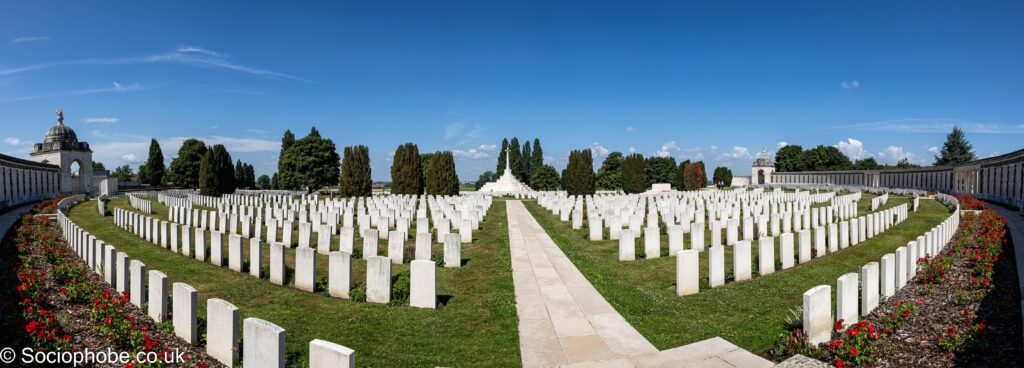
Tyne Cot is the name of the German blockhouse, painted to look like a cottage, that was part of a defensive line responsible for so many deaths. It is now the base of the Remembrance Cross. The graves are very well tended by the CWGC and there were lots of visitors including two coach trips of schoolkids. We probably spent an hour in the Visitors Centre and Cemetery and also looking at the terrain that was being fought across and it was a very sobering experience. Luckily, as we left, there was a spaniel that was the happiest dog in the world so that injected some much needed positivity into the morning.
Yorkshire Trench and Dugout
It was a short drive on from Tyne Cot to the Yorkshire Trench and Dugout. This was discovered and excavated when they were building the nearby industrial estate and the dugout, 10m underground and formerly the Regimental Command Post, was like a time capsule with original artifacts still intact.
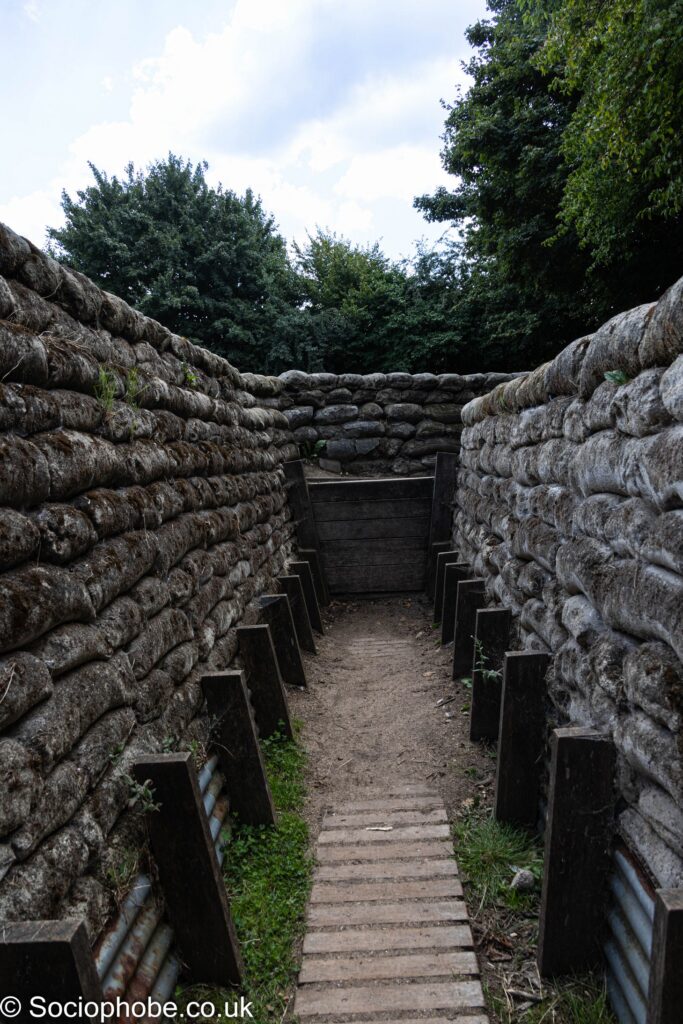
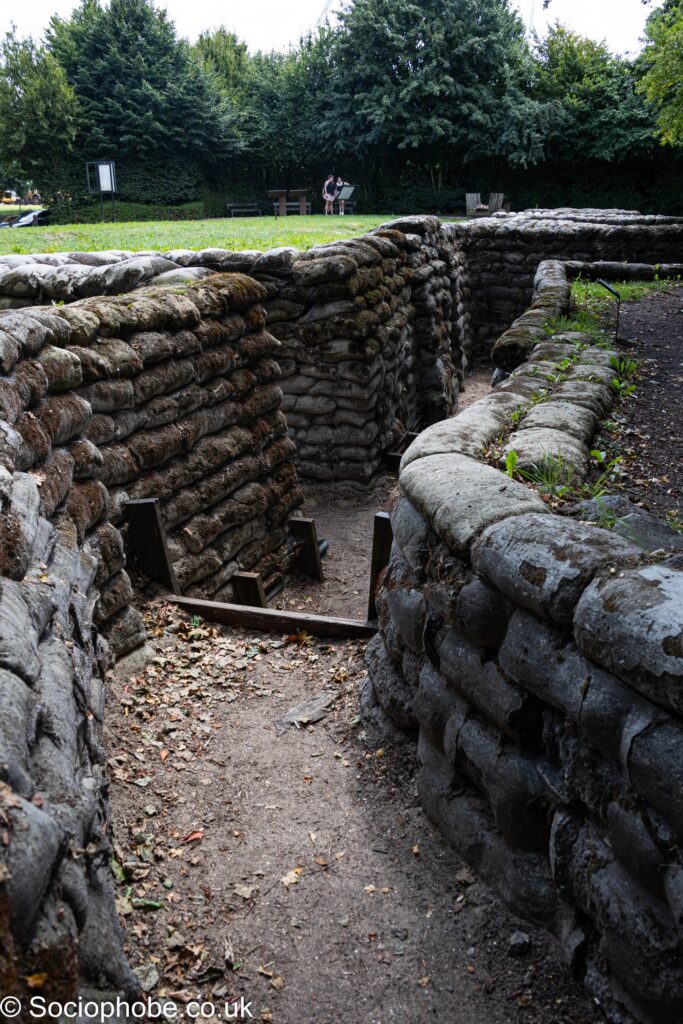
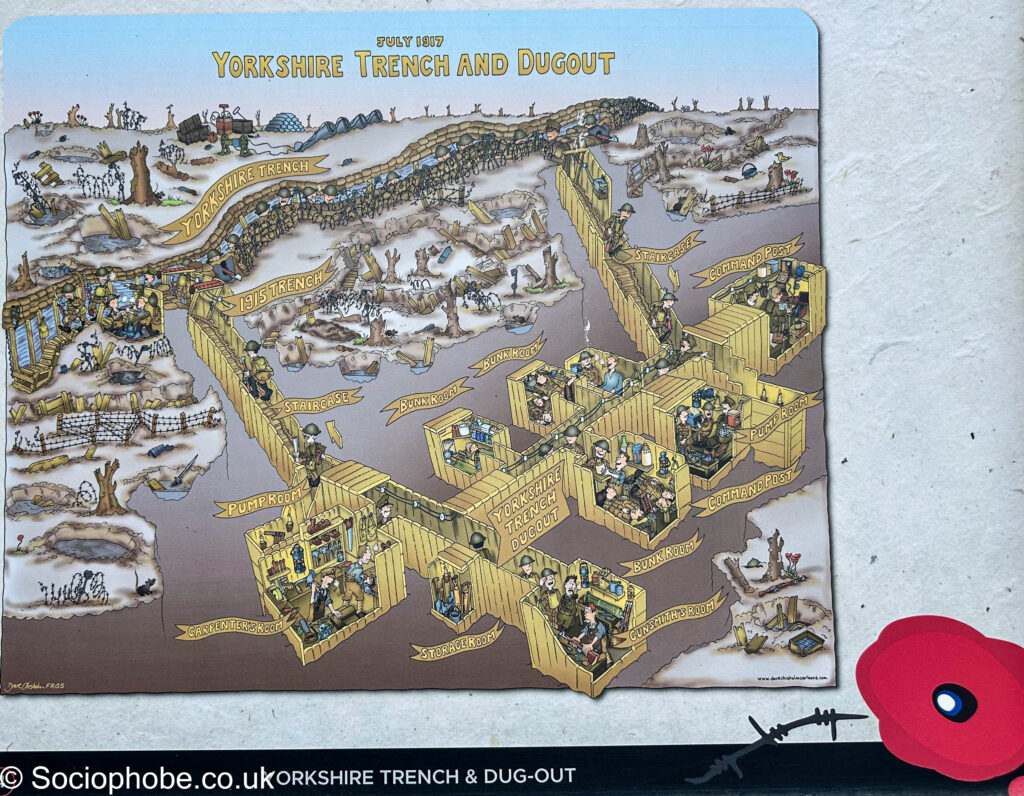
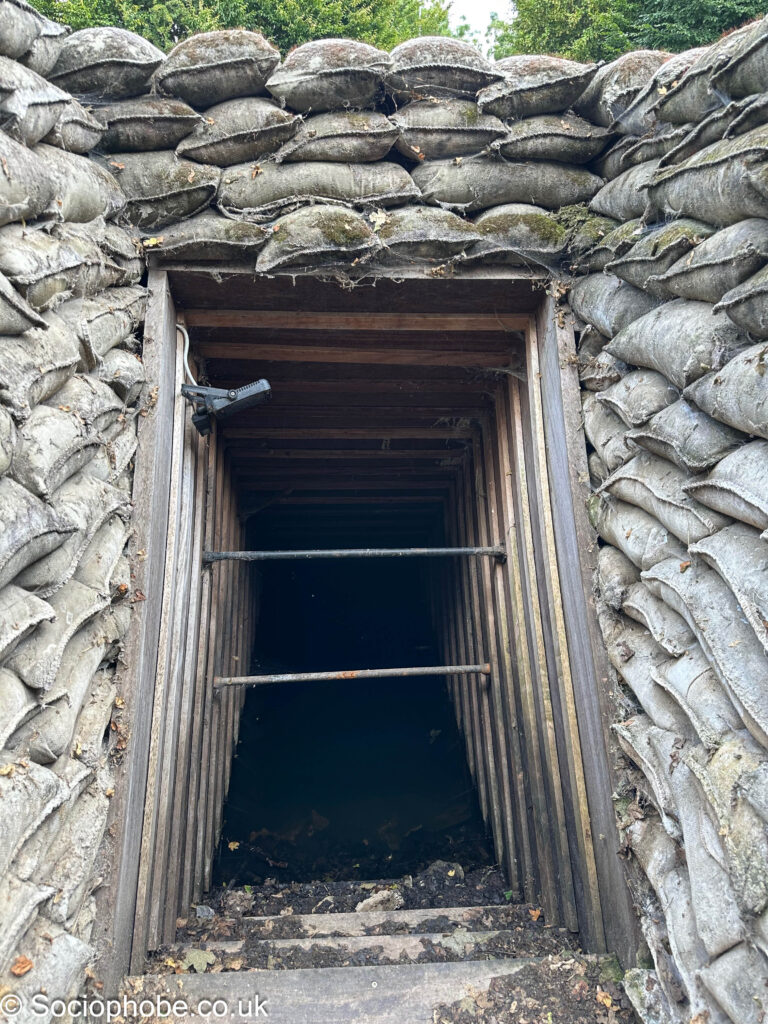
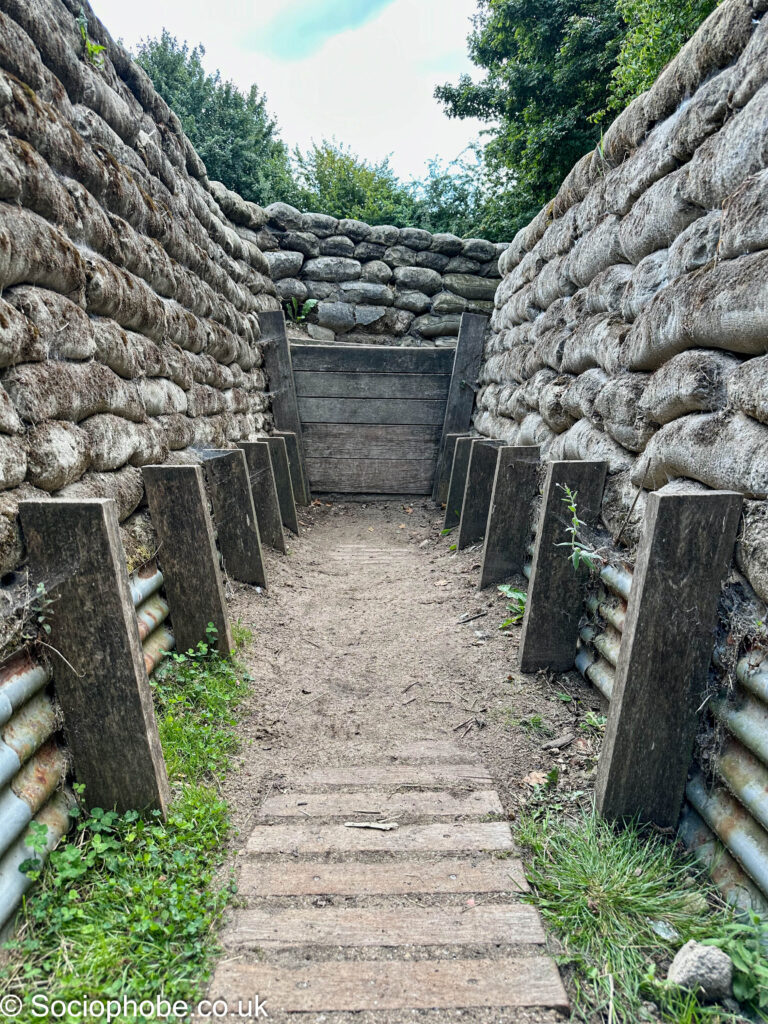
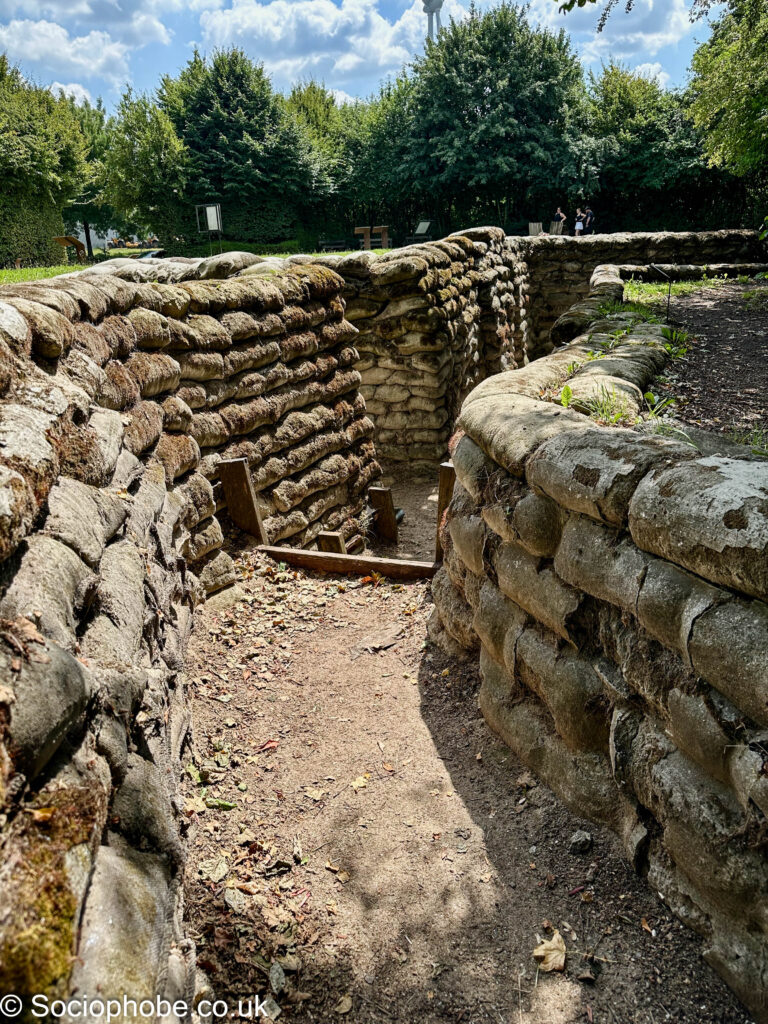
There were also 200 bodies discovered during the building of the estate, showing the scale of the death and destruction even 100 years later. The dugouts are now flooded so we couldn’t go in but we walked through the trenches and saw how they were made as well as how they fitted in with the Allied lines using original air reconnaissance photos.
Ypres Accommodation
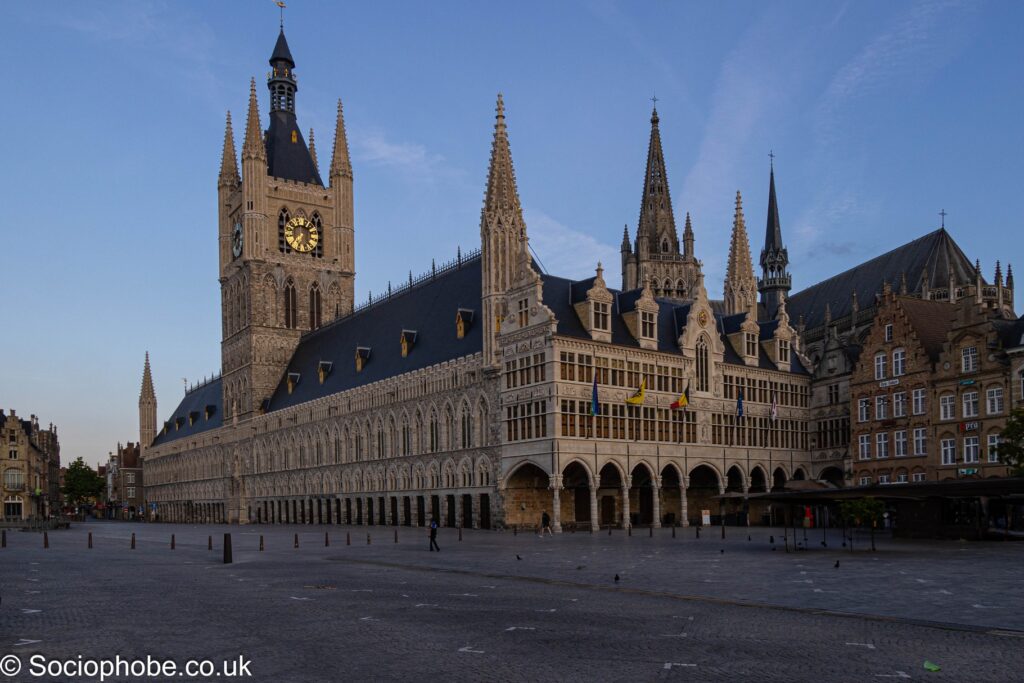
The Hotel New Regina is right on the Grand Place, opposite the restored town hall, symbol of Ypres. The rooms are very modern and functional with a small desk, modern ensuite and they have AC. The lady on reception was very helpful. Breakfast started at 7AM which was very useful, there was a good selection of cooked and cold options and the breakfast area was nicely spaced out. Wifi was good although spare plug points were limited in the room but there was a kettle which was very welcome!
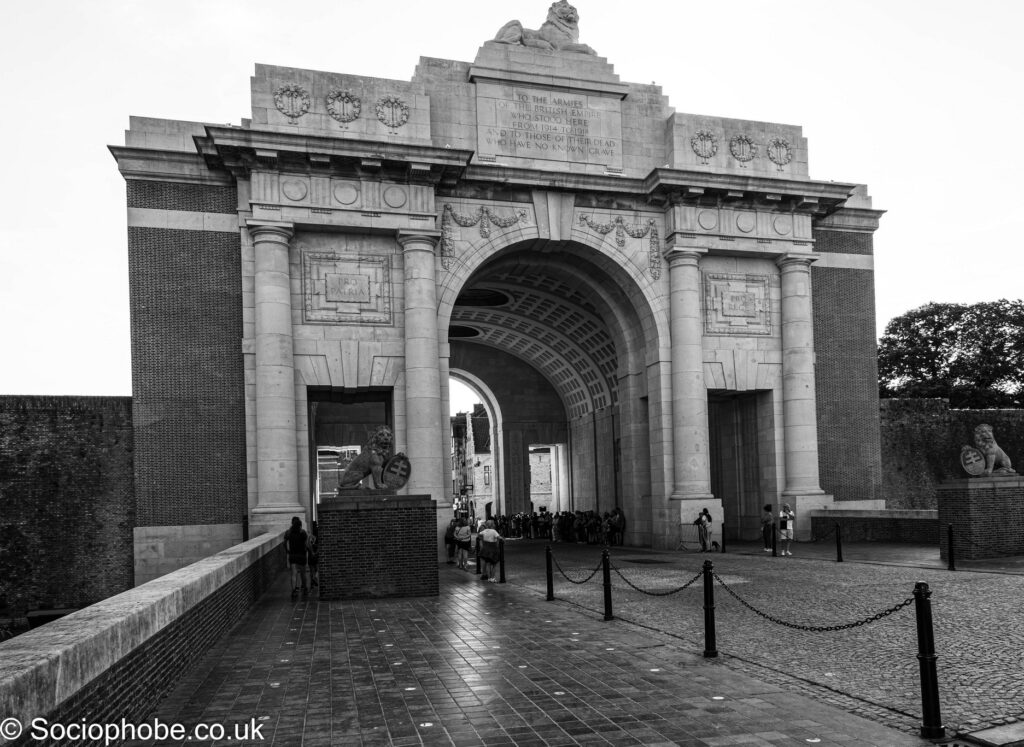
The location was fabulous, literally walk out the hotel door on to the main square. Menin Gate was a 5 minute walk and the town was beautifully clean and safe. The only two negatives were the fact they still use disposable containers for toiletries instead of a refillable dispenser and the towels were probably the thinnest I have ever seen. Parking was available just outside for about a Euro an hour or there were free spaces 5-10 minutes walk away.
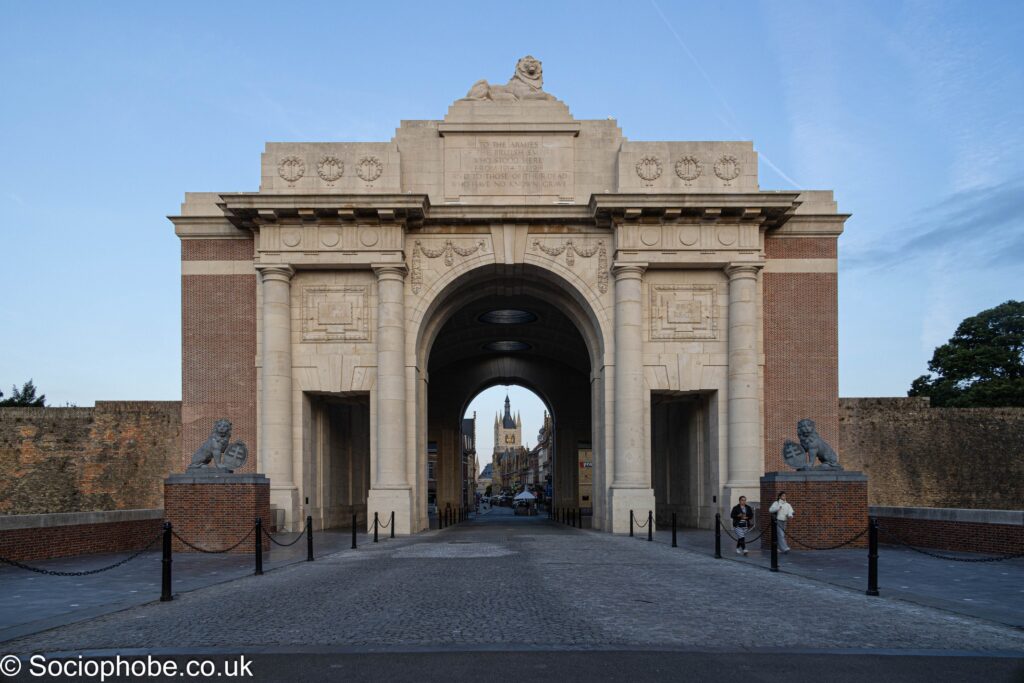
The Menin Gate
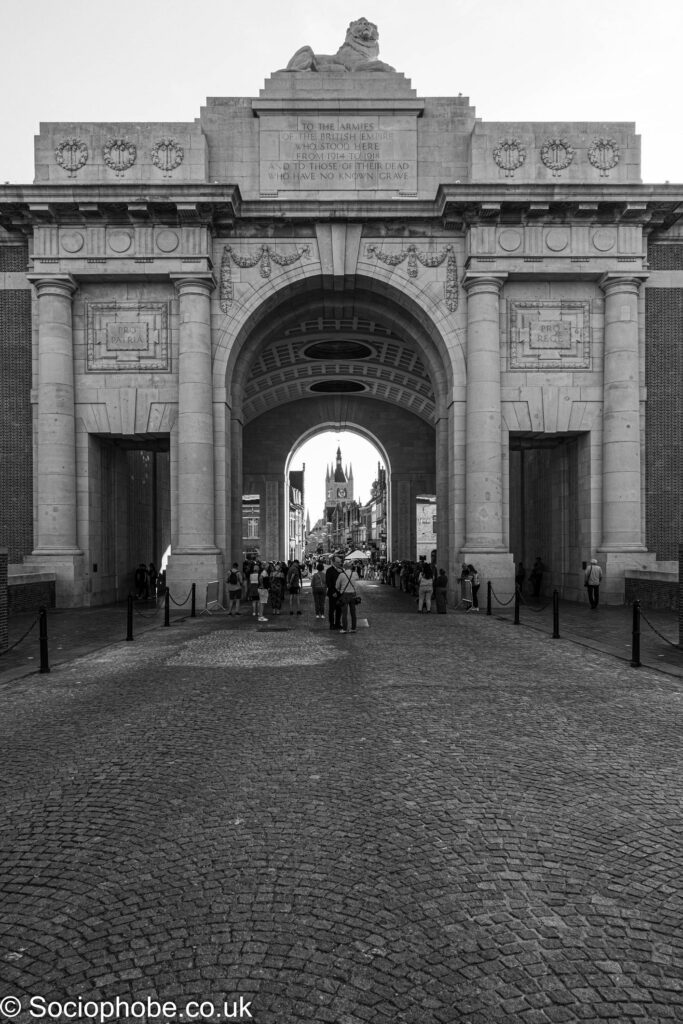
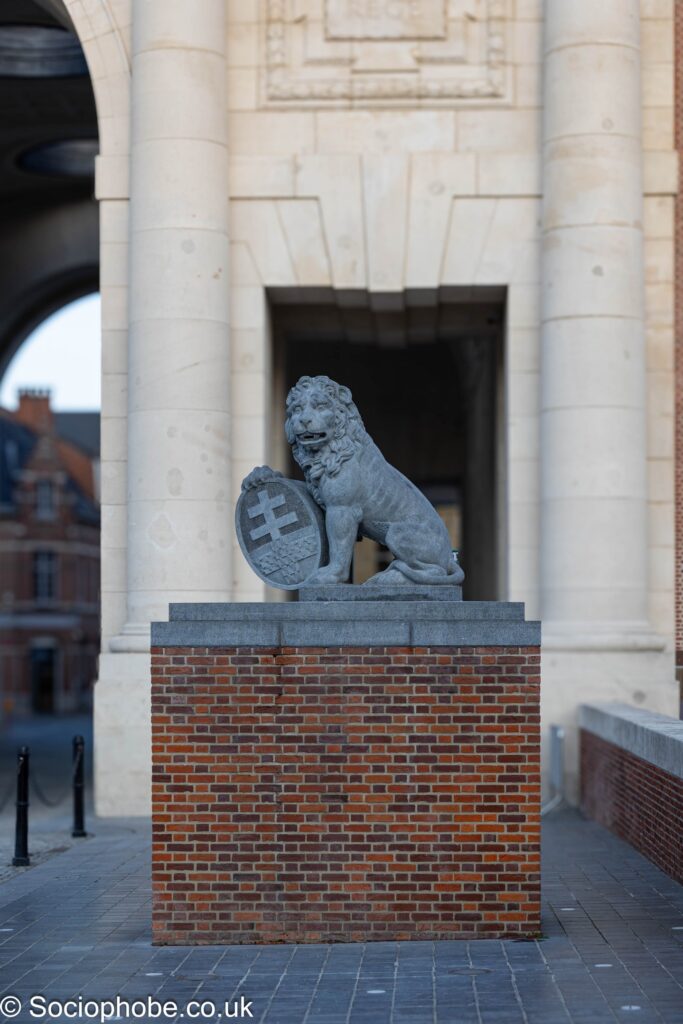
Mum and Steve then went off to one of the museums and I had a 90 minute nap! Deb and I then had a wander around the town, pausing for gelato, before continuing on to the Menin Gate. We read the information boards and walked through the galleries with the names of the fallen before joining the crowds to listen to the ceremony. I was surprised at how busy it was and the ceremony itself lasted about 15 minutes but the colonnade was full 45 minutes before it started. It was a lovely ceremony with the Last Post and then two songs sung by St Anthony’s Catholic Girl School from Market Weighton. We then made our way back to the hotel through the pretty and sunlit streets while Mum and Steve went hunting for yet more food.
Ypres Ramparts
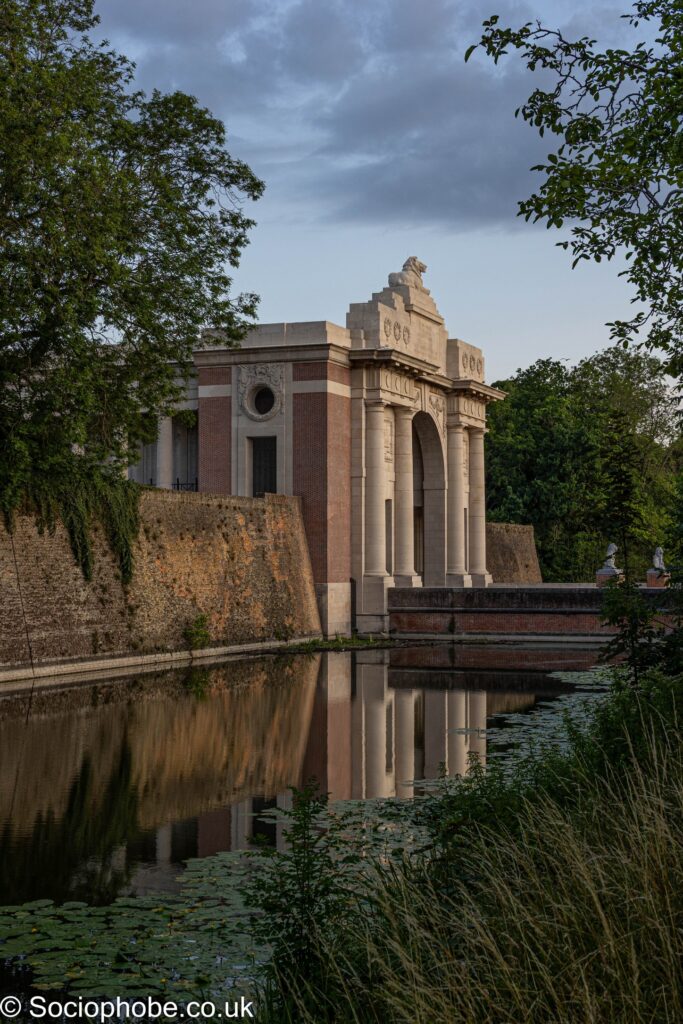
I’d arranged with Mum to do an early morning walk at 6:30 and we managed a complete circuit of the town, walking along the ramparts from the Menin Gate to the Lille Gate, on through the Ramparts Cemetery and then once the fortifications ended back through the town. The town walk was beautifully clean and it was a gorgeous morning, warm and completely still. The fortifications and water defences, erected in the 1680s and modernised in the 1820s, were very photogenic and we saw moor hens and mandarin ducks as we walked around.
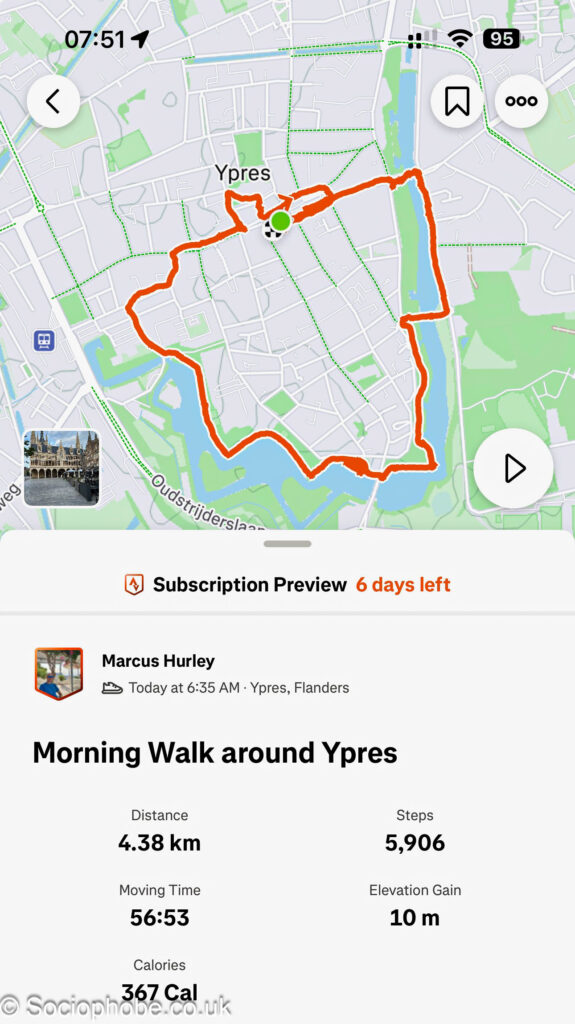
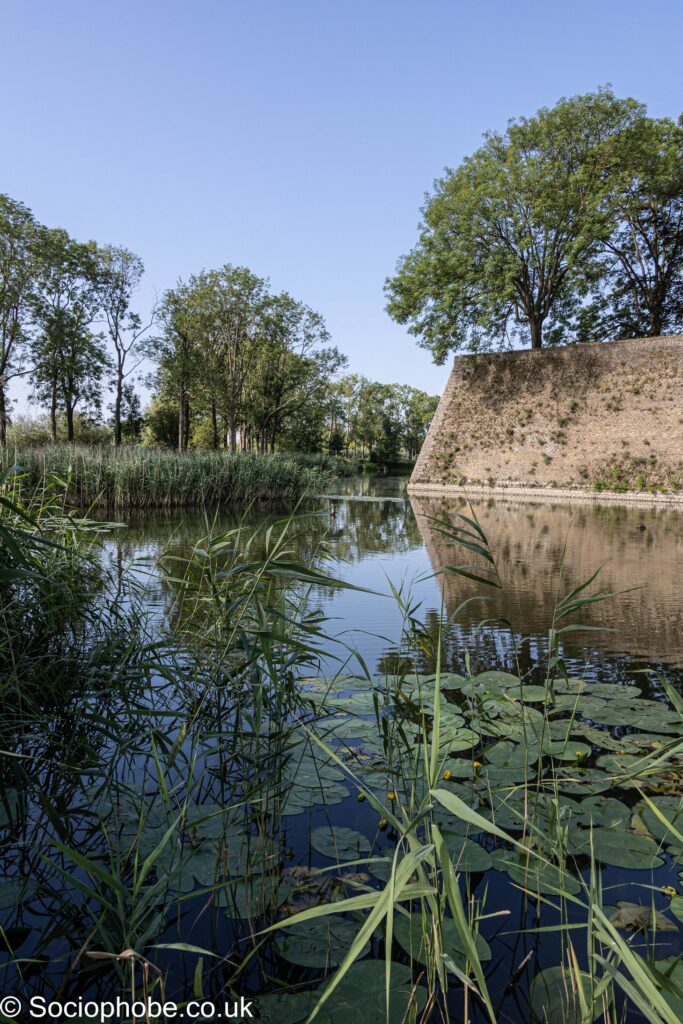
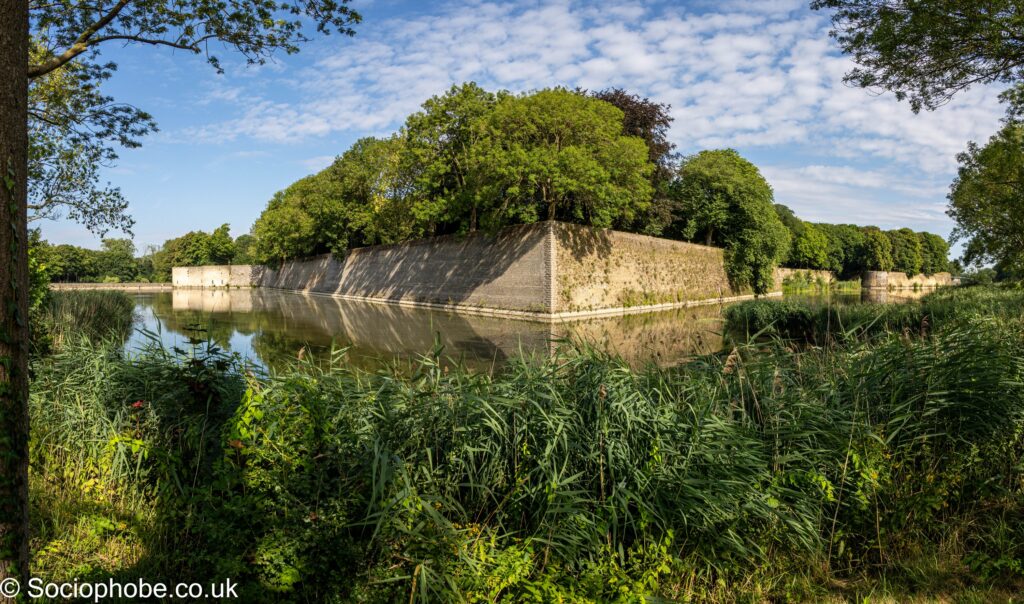
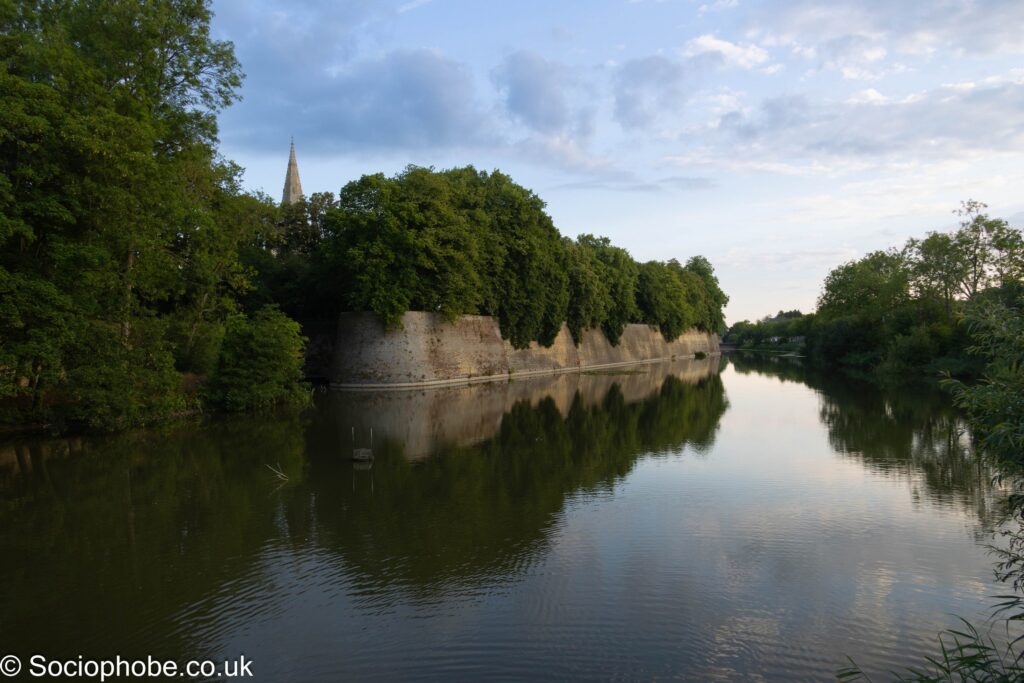
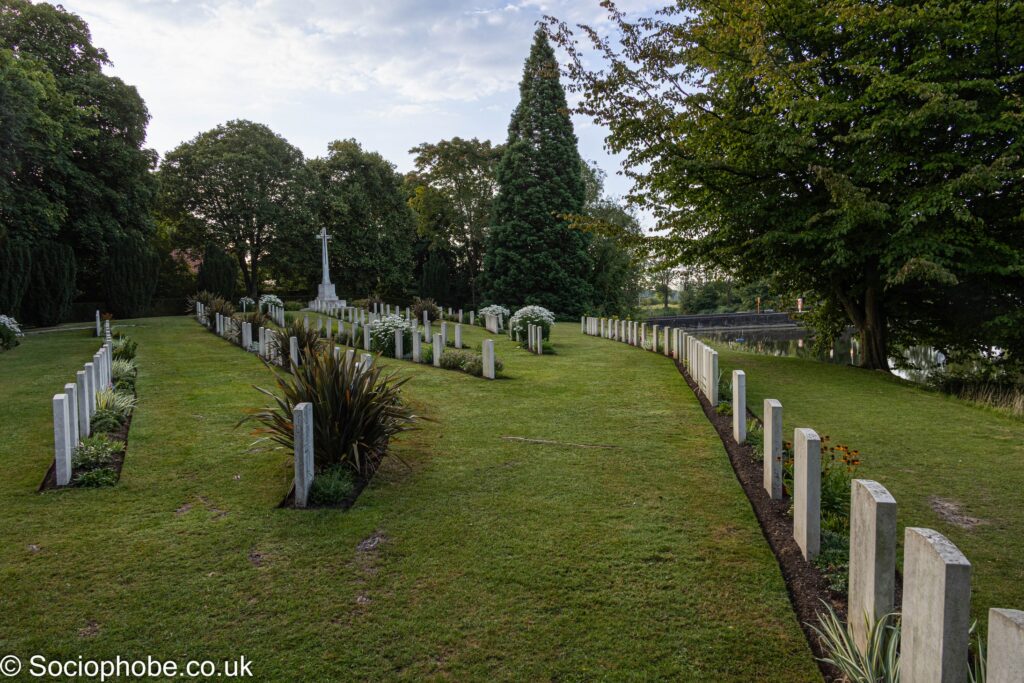
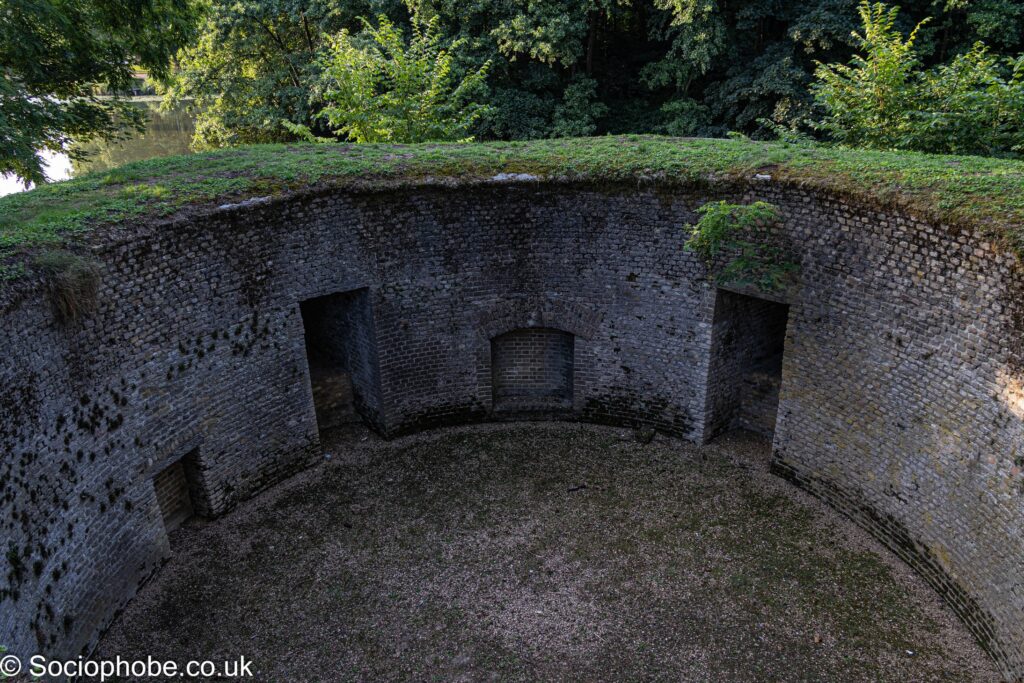
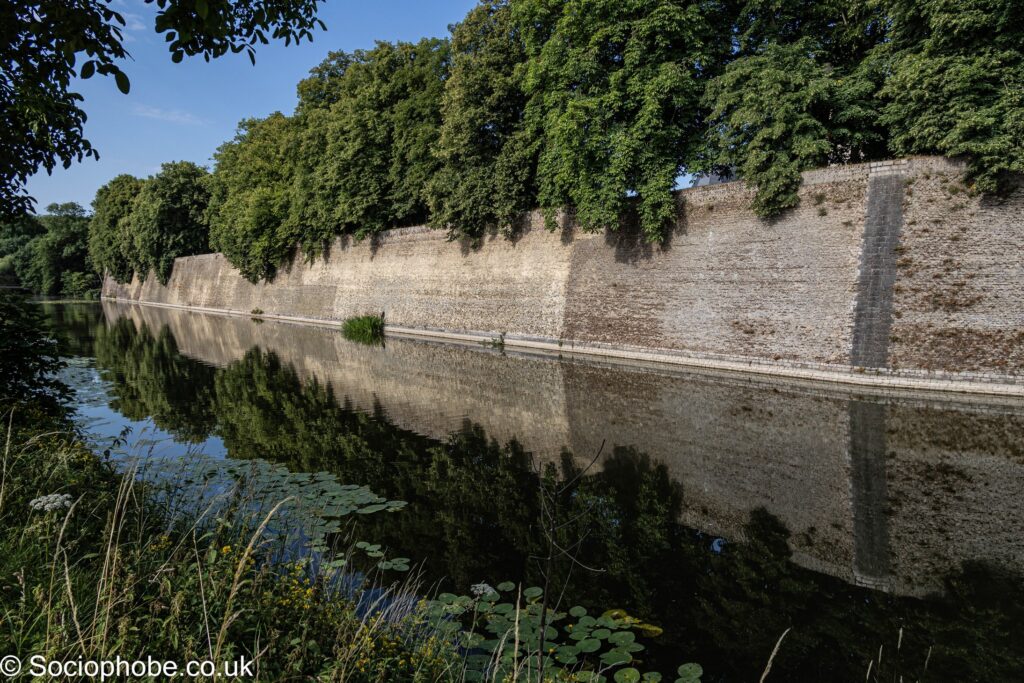
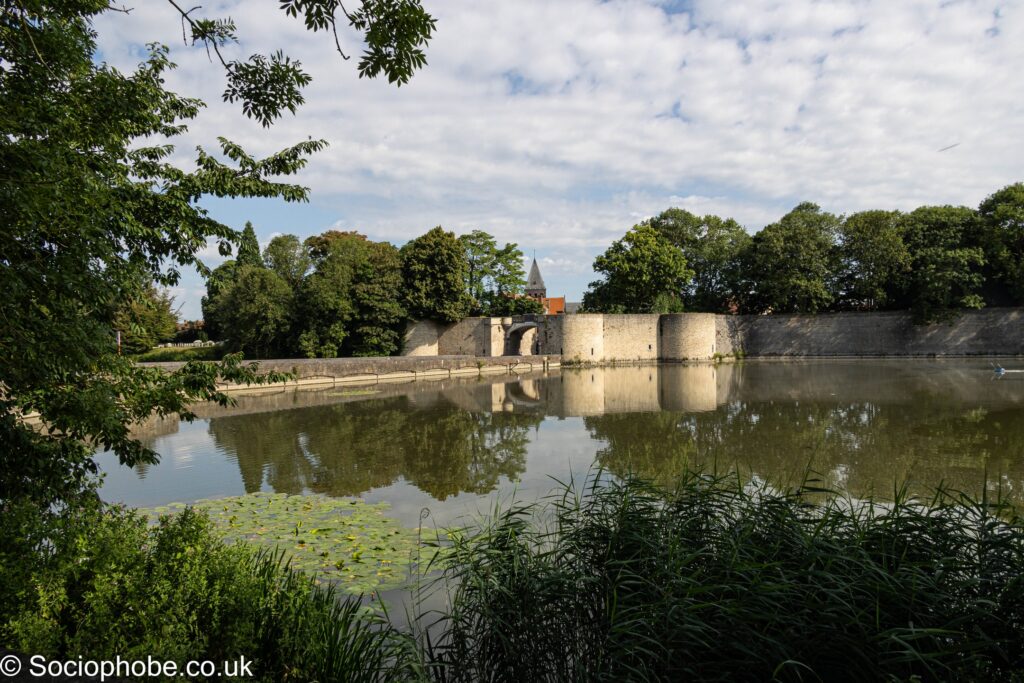
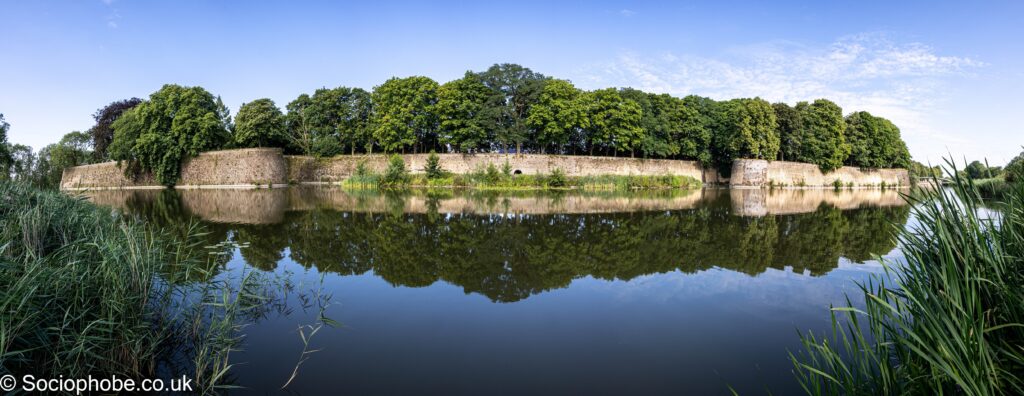
We had a filling breakfast at the hotel before Mum and Steve departed on their taxi tour of the sites that Steve’s Grandfather had served in during WW1 while Deb and I did the ramparts walk again, this time going on the opposite side of the water defences to the Lille Gate and then returning via the ramparts to the Menin Gate. We were ambling, taking photos and playing Pokémon so it took a lot longer than expected! As we were walking back to the hotel we met Mum and Steve so we had a drink and catch up before they went off somewhere else, Deb went back to the room and I went to the Flanders Field Museum.
Flanders Field Museum
The museum costs €14, including access to the Belfry or there’s an option to include the town museum too for a few € more. As expected, the museum is extremely well done, giving a chronology of the lead up to war, the psychological state of the nations (nationalism being extremely important in this era) and was enlightening. It made me wonder if the way the EU and UK governments deride populism, patriotism and nationalism is a knee jerk reaction to a war encouraged by national arrogance and, as is common with governments, they were a conflict or two behind the times.
There were sections showing the equipment the soldiers of each nationality started the war and how this evolved with individual weapons and strategic weapons such as gas being developed in the war. The particular events in the Ypres area were obviously the main focus and the horrendous massacres instigated by largely clueless generals were laid bare. It was an informative but also saddening museum as we really aren’t any better now and we have the tech for a modern war but not the psyche and social media disinformation has left us less aware than 20th century state media.
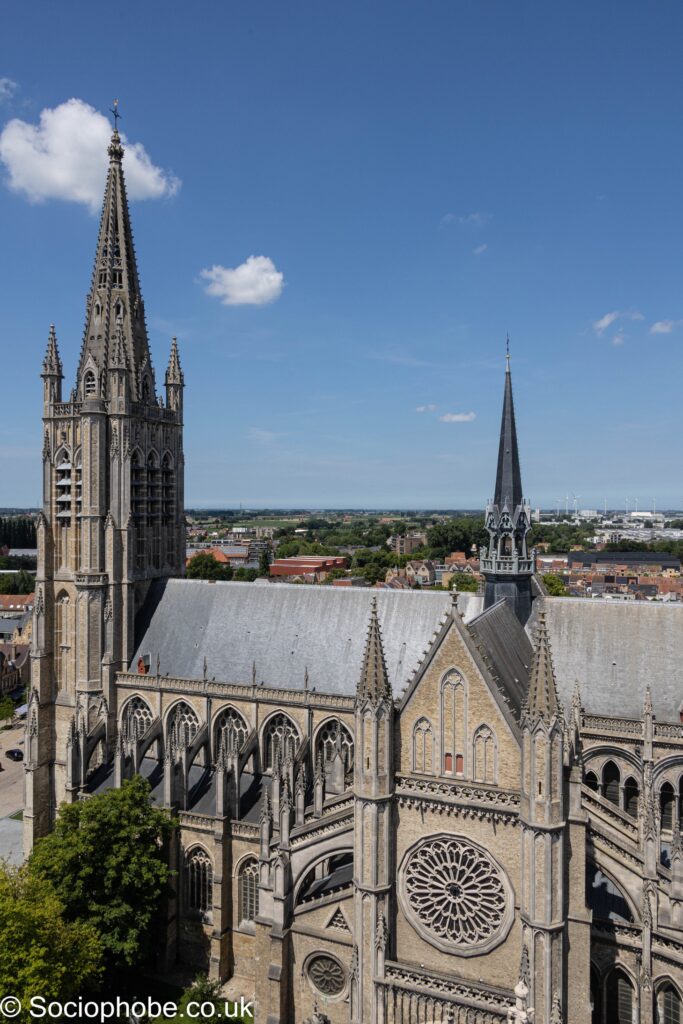
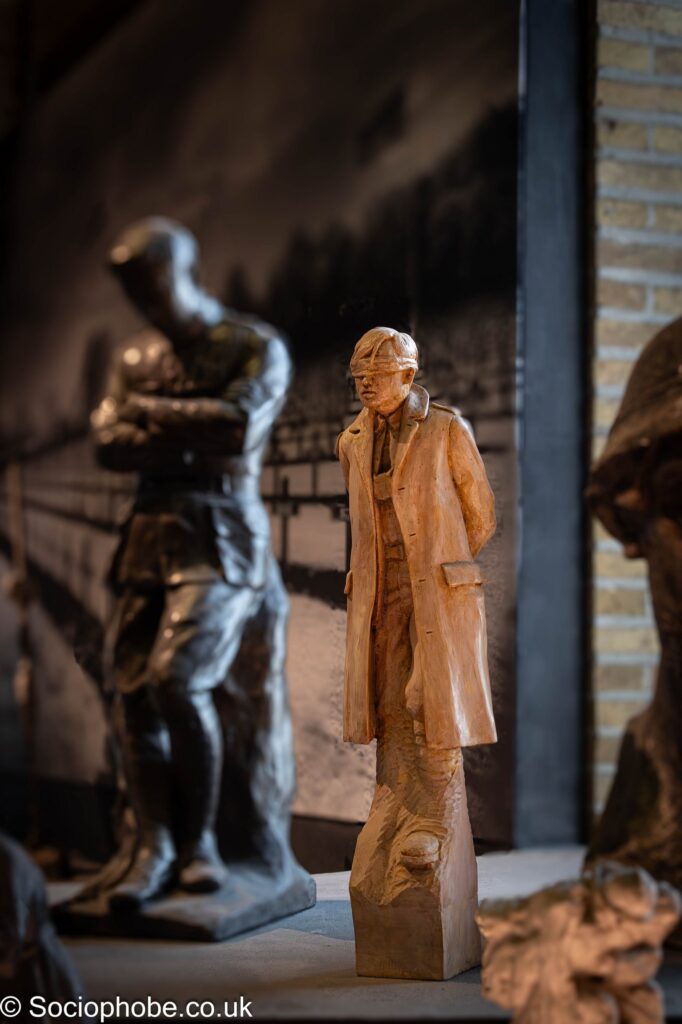
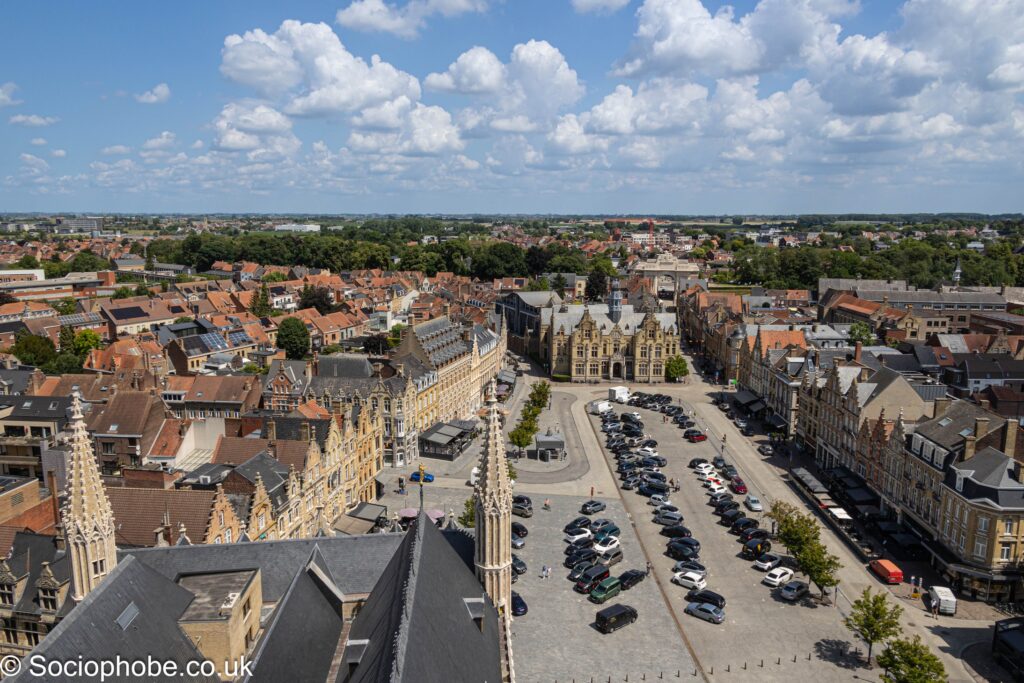
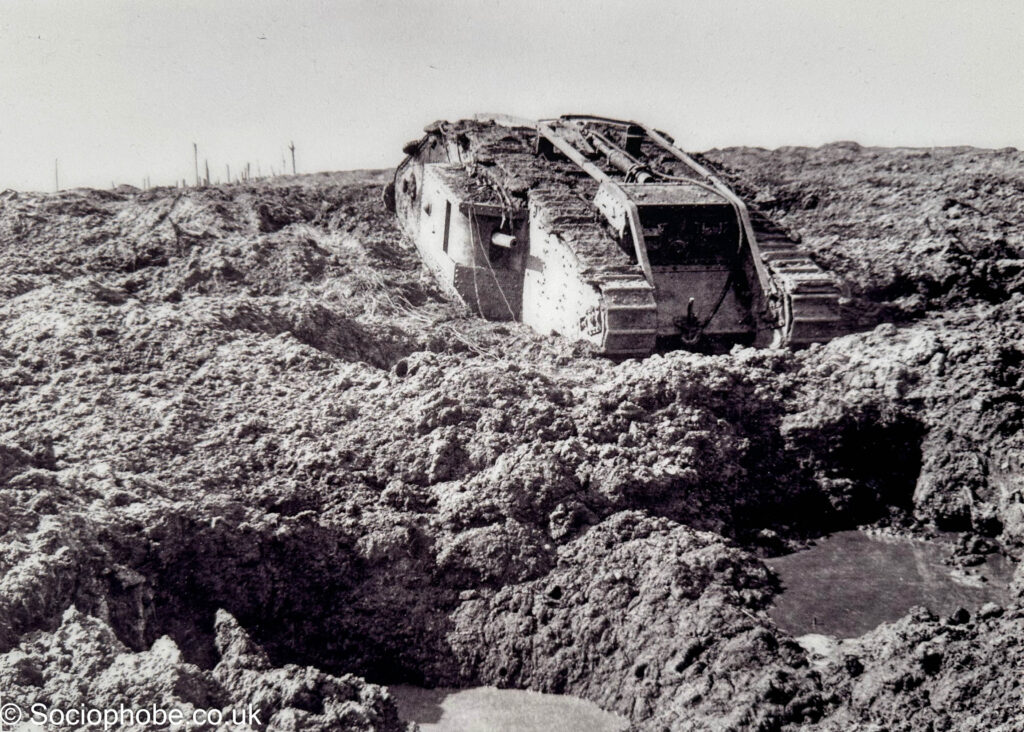
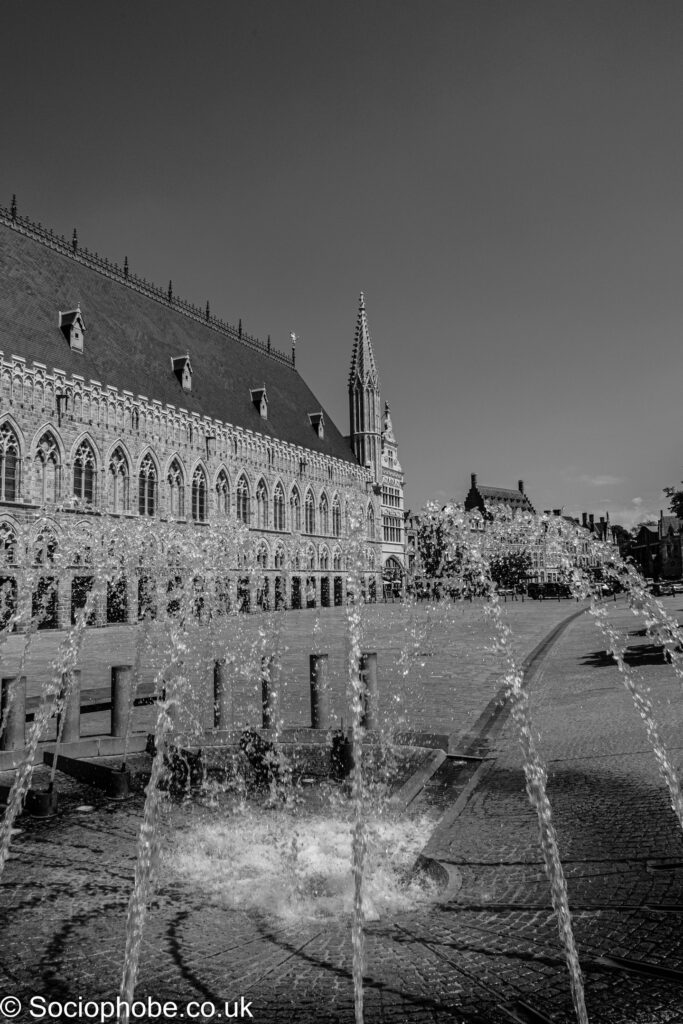
The belfry climb was entertaining with a large number of spiral steps, followed by a metal staircase and then more spiral steps to get to a narrow walkway around the top of the tower. The views were as impressive as you’d expect with the flatness of the local scenery being very apparent as you took in the 360 degree panorama. After seeing the destruction that had been wrought a hundred years before from photos in the museum it was incredible how the town had been restored, nature had largely repaired the human damage and life carried on.
We finished the evening with a lovely meal at Kosmos, on the main square, enjoying the balmy evening and it was somewhere that we were actually able to get vegetable dishes, such a rarity! Obviously I also had lava cake and ice cream, just to balance things out and it was a pleasant end to the holiday before our early start back to the UK tomorrow.


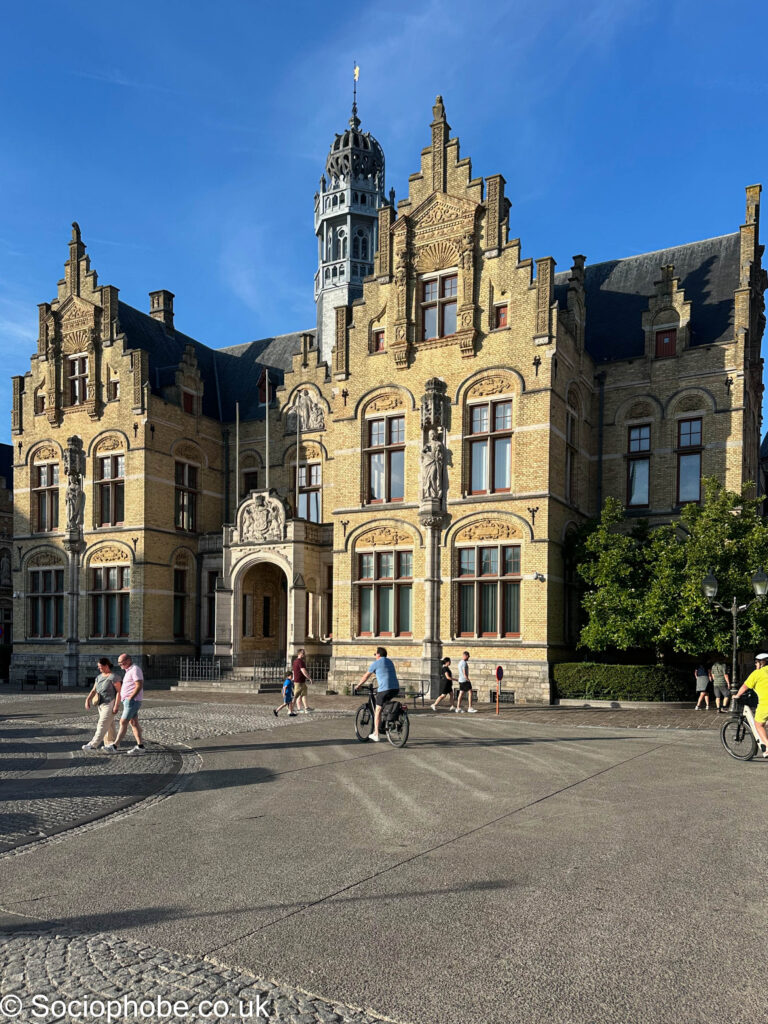
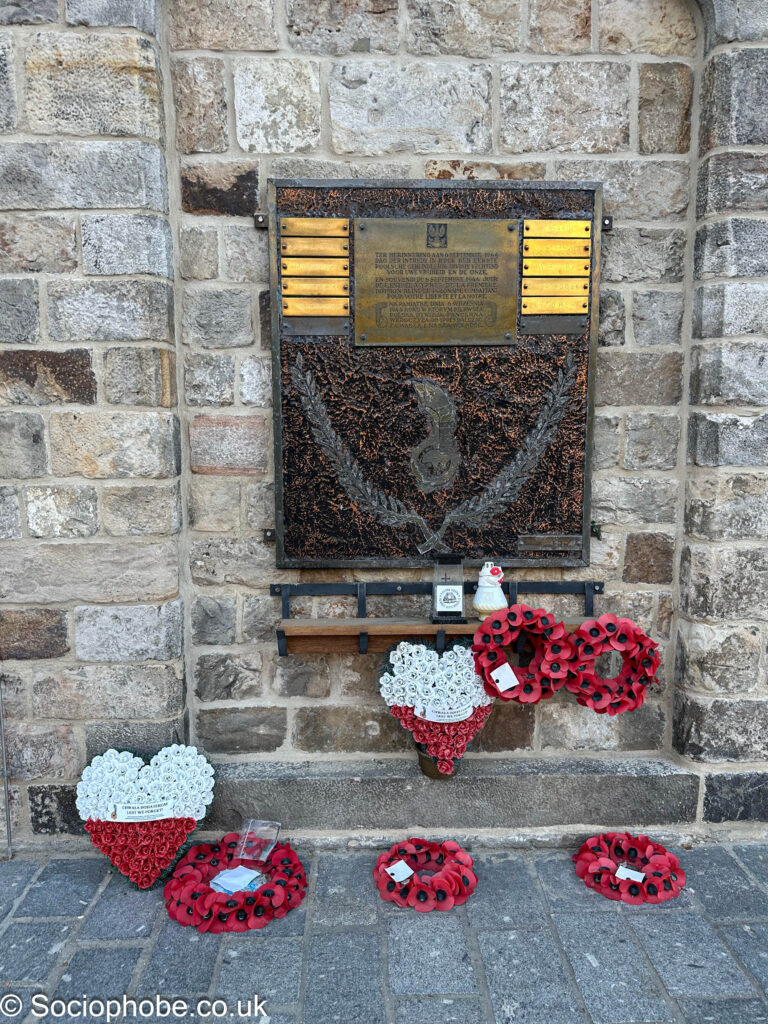
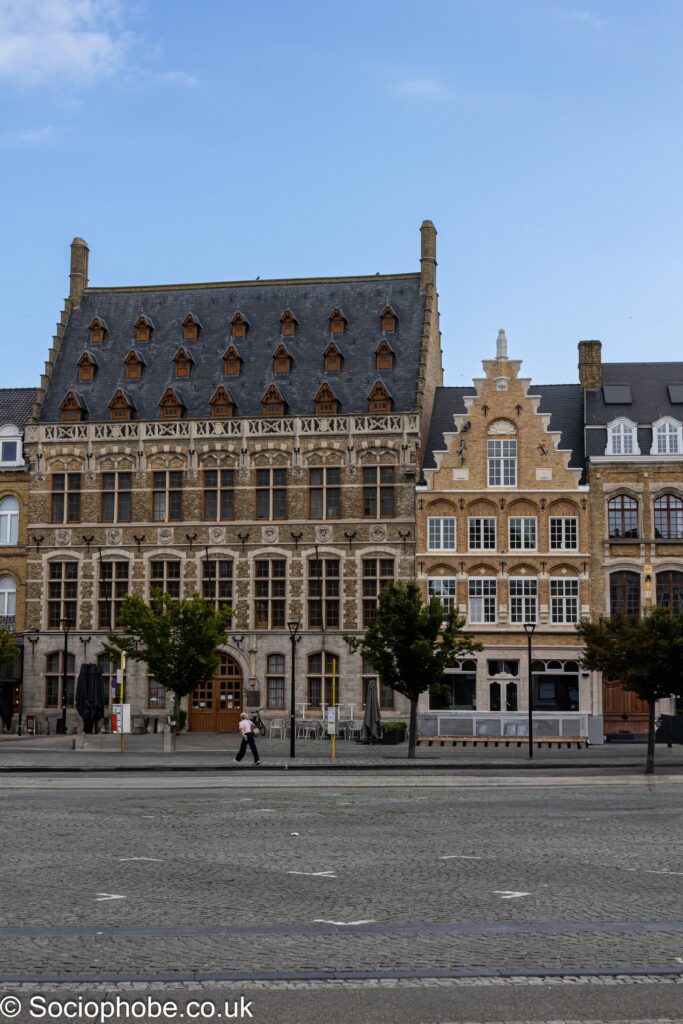
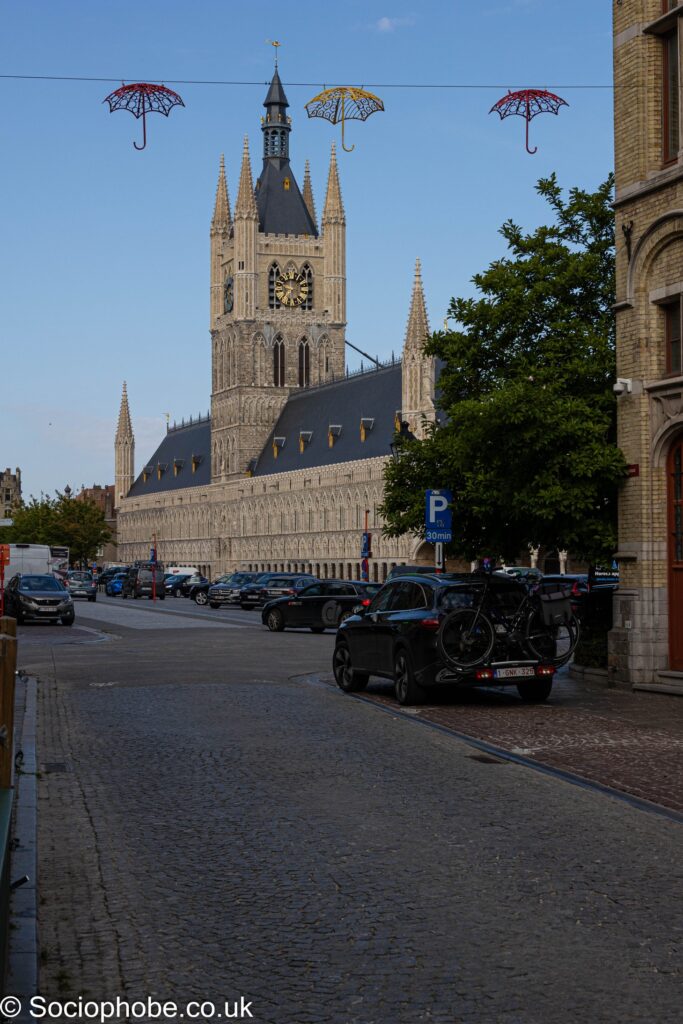
This Belgian road trip was a wonderful experience and allowed us to see some historic and battlefield highlights of this new European country and spend some family time together too. It was unfortunate that the day we had booked to see some gardens was also the day we had torrential rain! In hindsight I could have skipped Mons and spent more time in Dinant and if Natalya hadn’t been in Brussels I certainly wouldn’t have chosen to visit so that is time we could have used elsewhere.
The shuttle was wonderful and will certainly be my chosen option next time, just for the convenience and time saving. There are still plenty of little towns to visit in this corner of Europe with beautiful architecture o there is still plenty to see next time.
Great write up, Marcus.
Lots of good memories.
Looking forward to the next trip 😊