| Holiday Ratings | |
| Recommended days | 2 |
| Budget | £ |
| Difficulty | Easy |
Visiting
I chose a Regensburg city break rather by accident if I’m honest. We were booked to fly back after a week in the Austrian Tyrol (detailed here) when BA cancelled our flight home so we had to book for the next day and find something to do for an extra day.
Regensburg is well located, about an hours drive from Munich airport, although it doesn’t seem to have any motorways leading to it. Either that or my sat nav just hates me. The centre of the city is largely car free so parking is an issue but the benefits are obvious. Be aware that this city seems less cosmopolitan than other German cities with a definite lack of tourist/heritage signage in English. I wanted to visit Regensburg because it is the largest medieval city centre remaining north of the Alps and it has protected UNESCO status so should be impressive.
My Experience
We arrived in Regensburg after about 4 hours and then had to find the hotel. As this was in a pedestrianised area it involved driving several times around the one way system until we worked out how to reach it. After driving along the pedestrian area so we could unload we then did a U turn to drive around to find the car park before walking back to the hotel. Check in was lovely and the room was small but functional although it did lack a kettle. Most importantly it was less than 10 minutes walk to all the attractions.
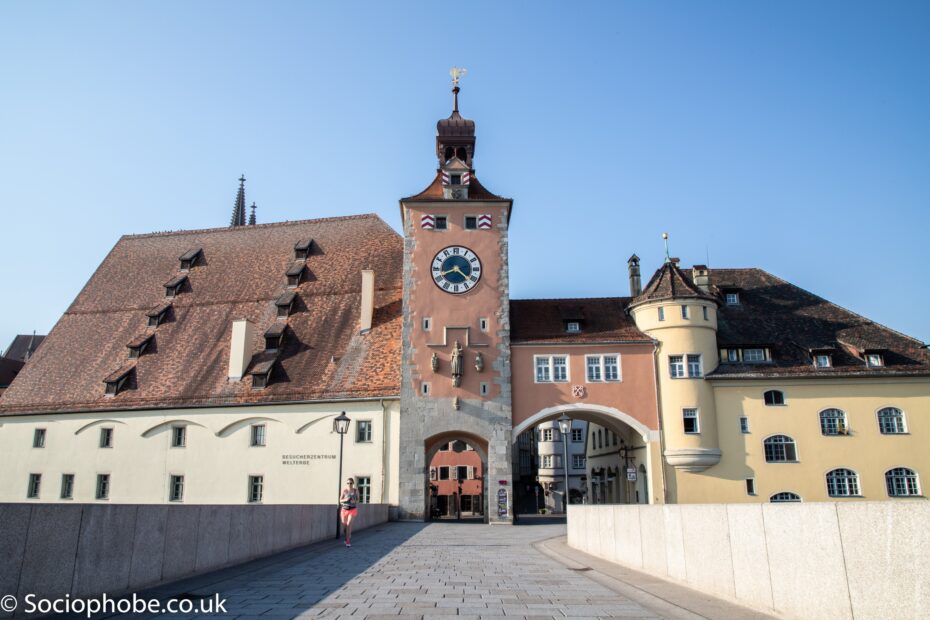
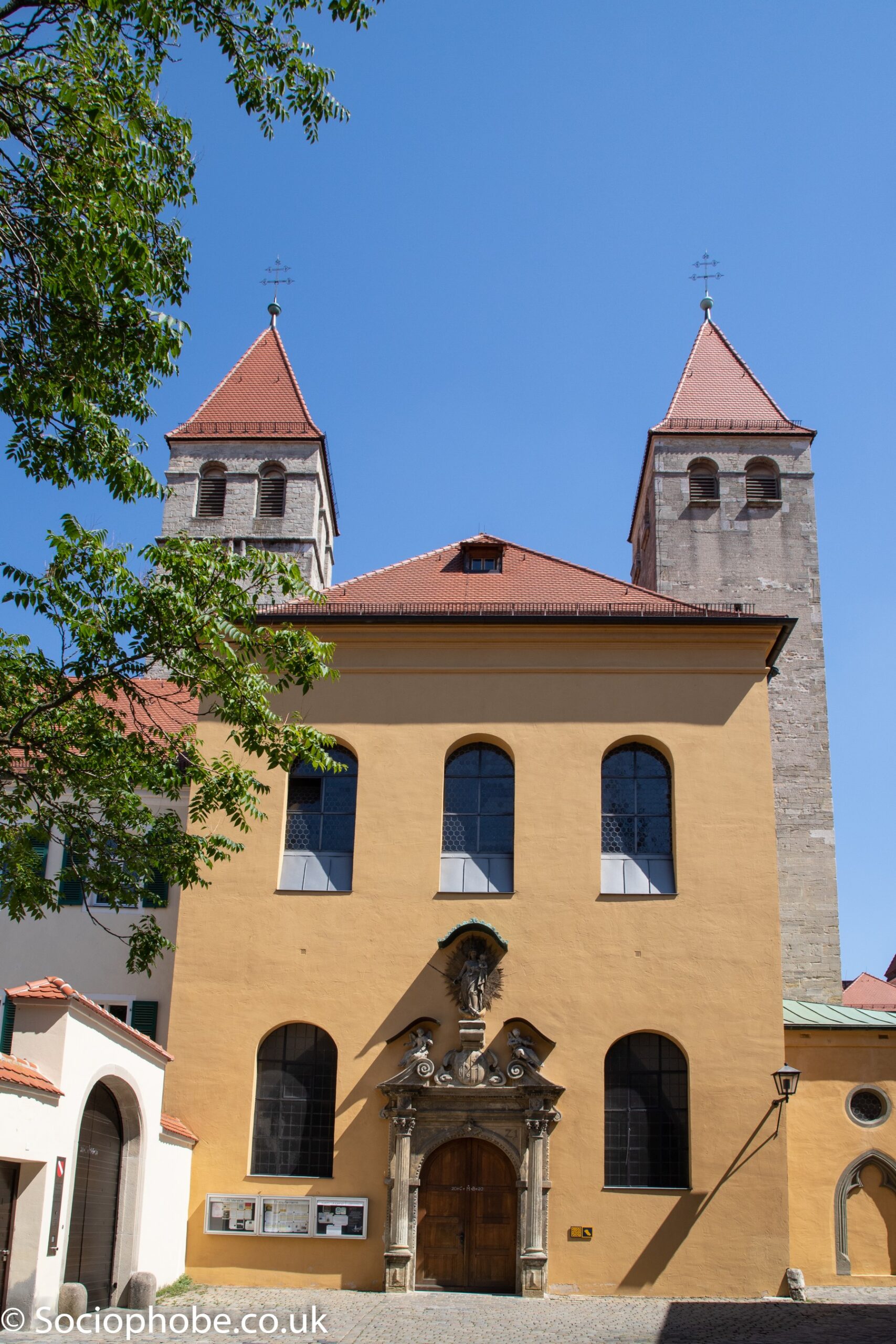
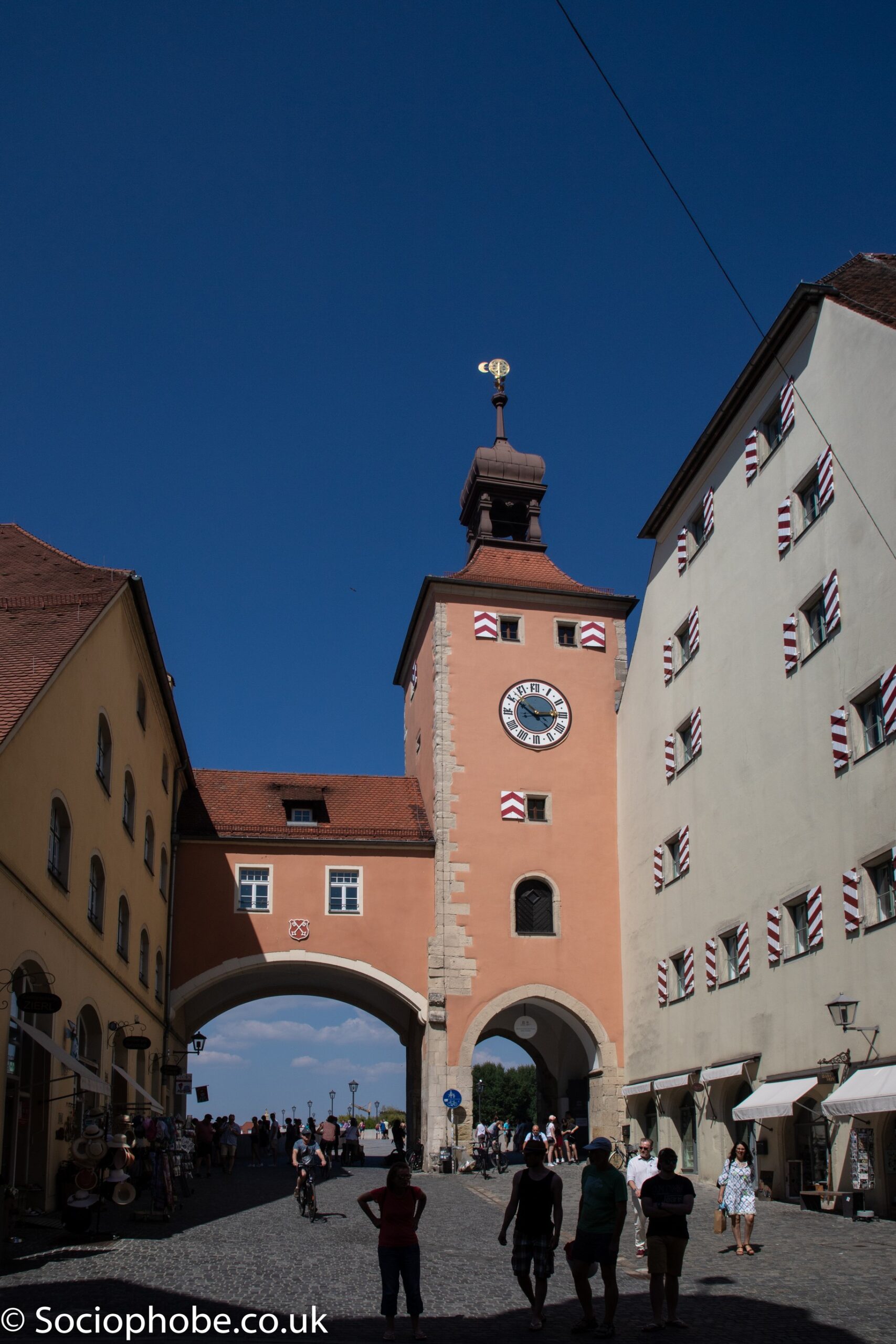
I’m not sure whether it was the fact it was a blisteringly hot day or I was tired from the drive but Regensburg was pretty anti climatic. I was looking forward to exploring a medieval city centre and yes, it had lots of old buildings. However there was also graffiti and litter and none of the buildings seemed to be open as tourist attractions. Maybe I just didn’t notice as I don’t read German but we actually spent just two hours walking around and not visiting anywhere before coming back to the hotel. Deb had a snooze while I footled and then we ventured out for dinner.
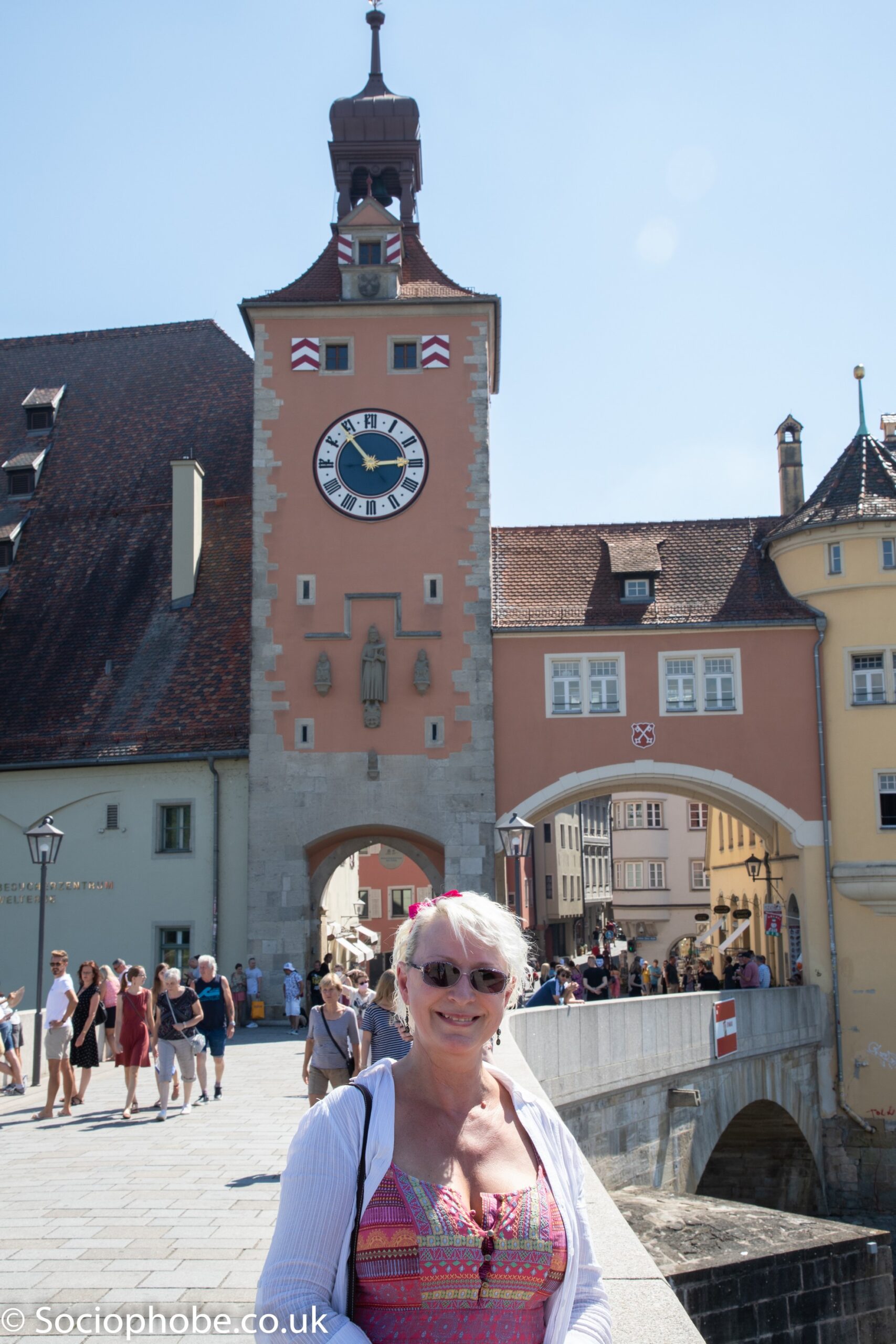
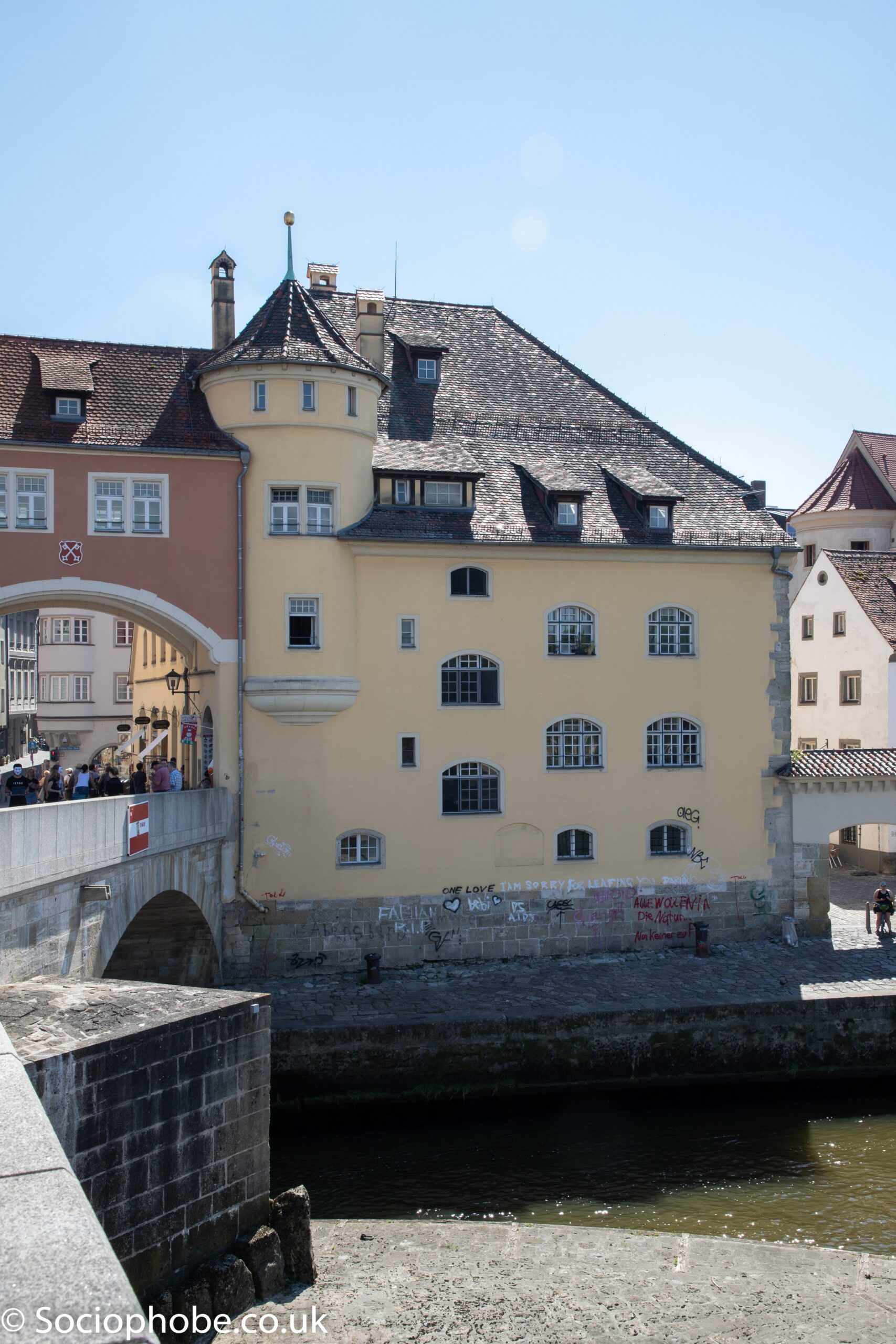
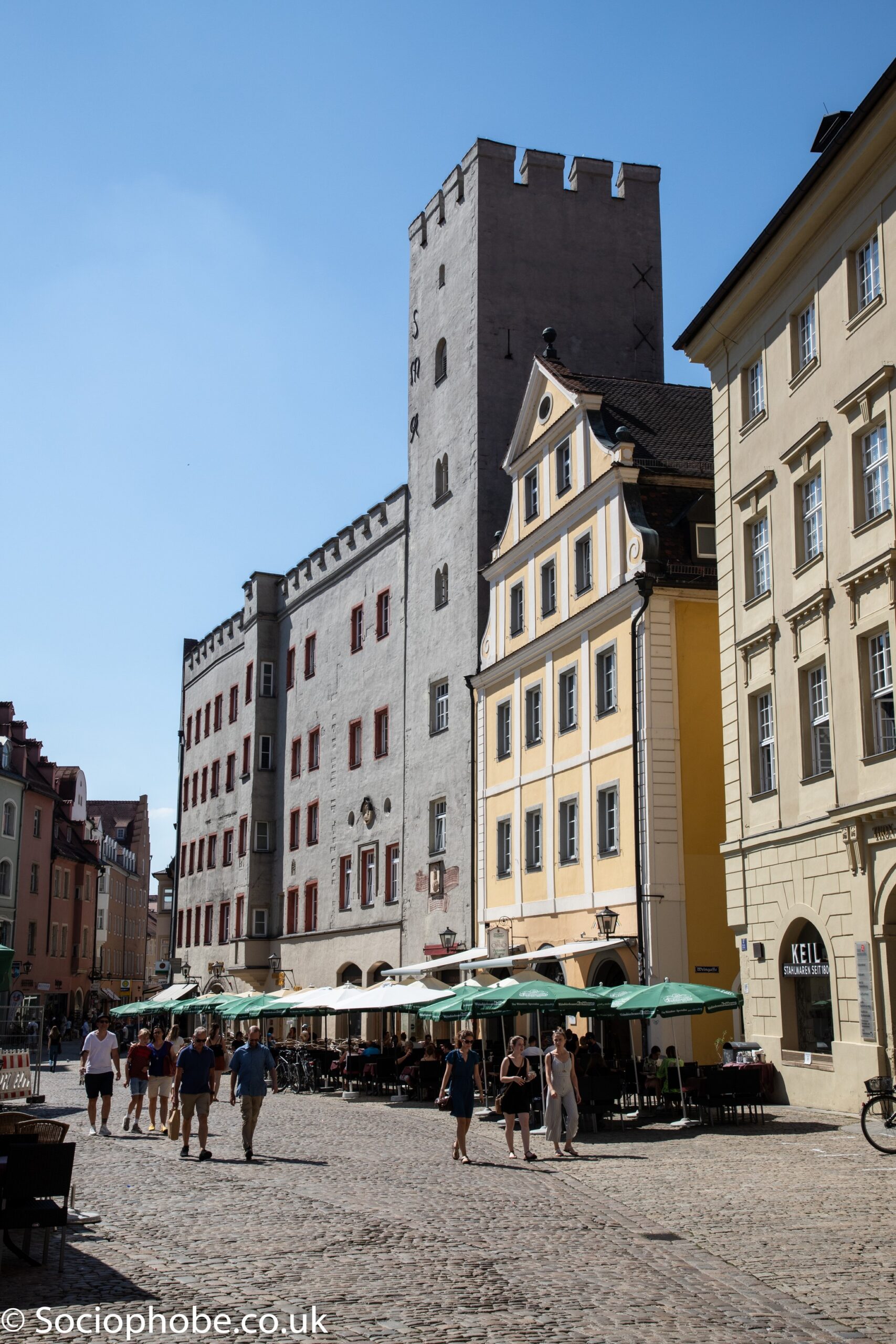
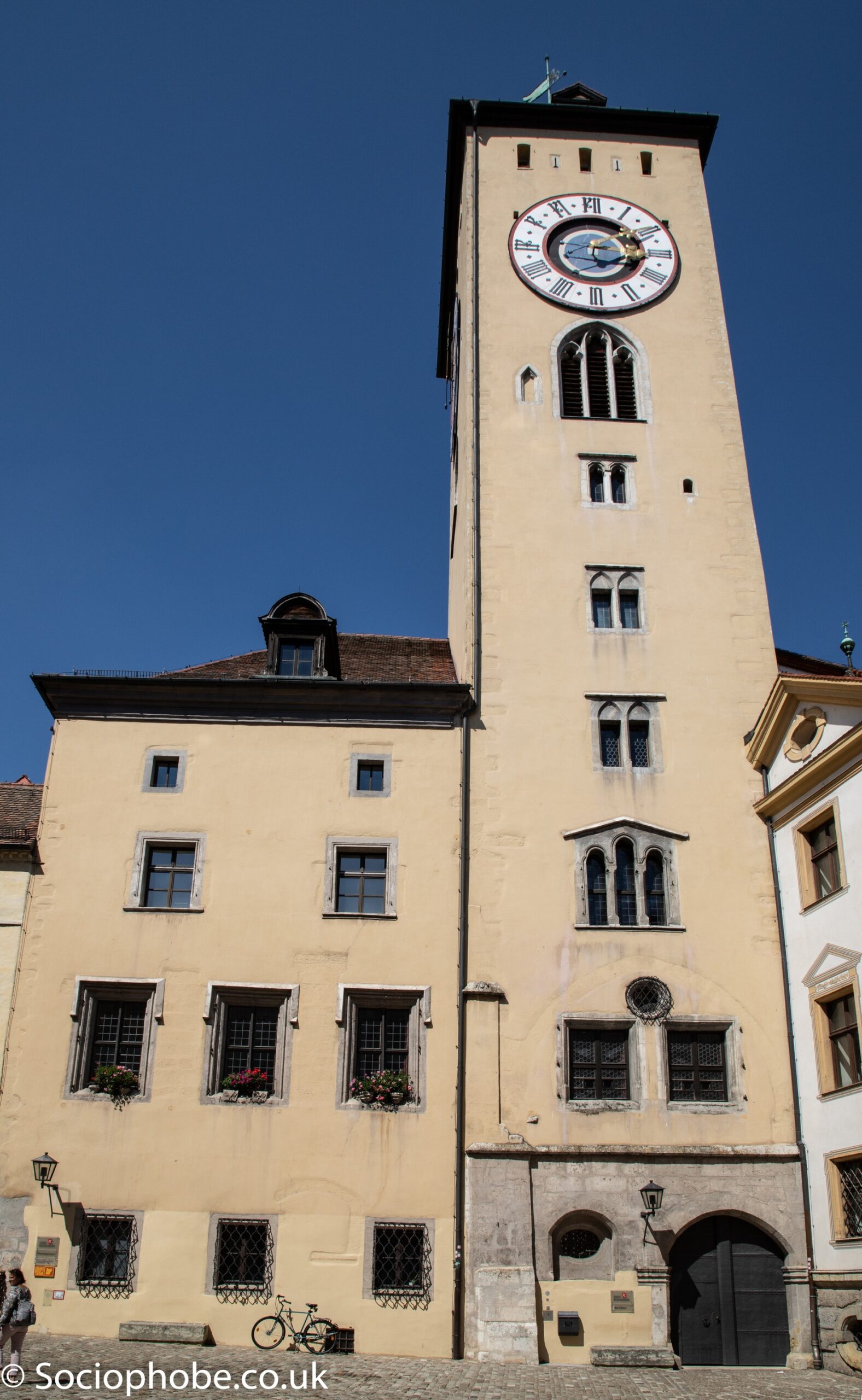
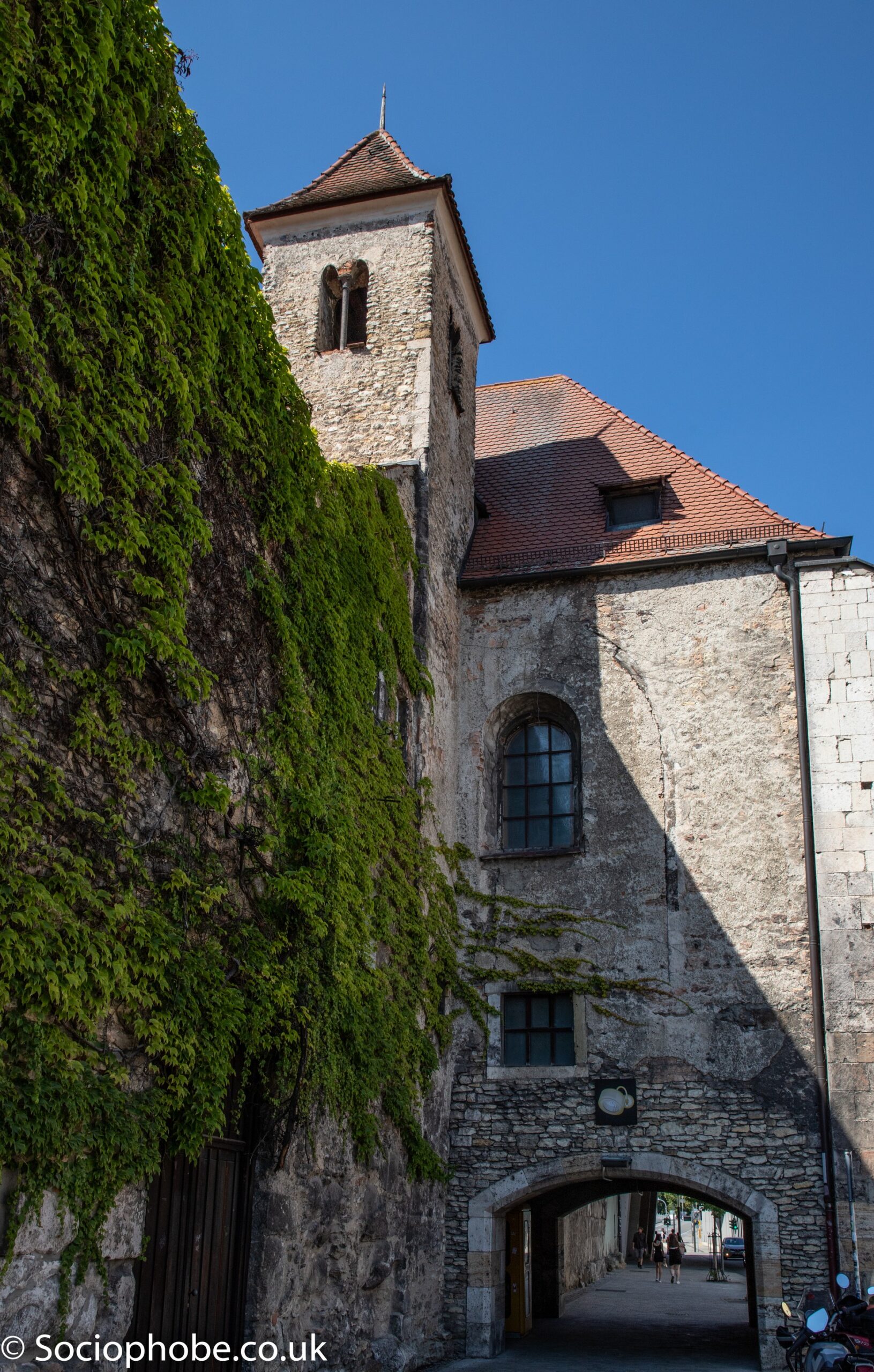
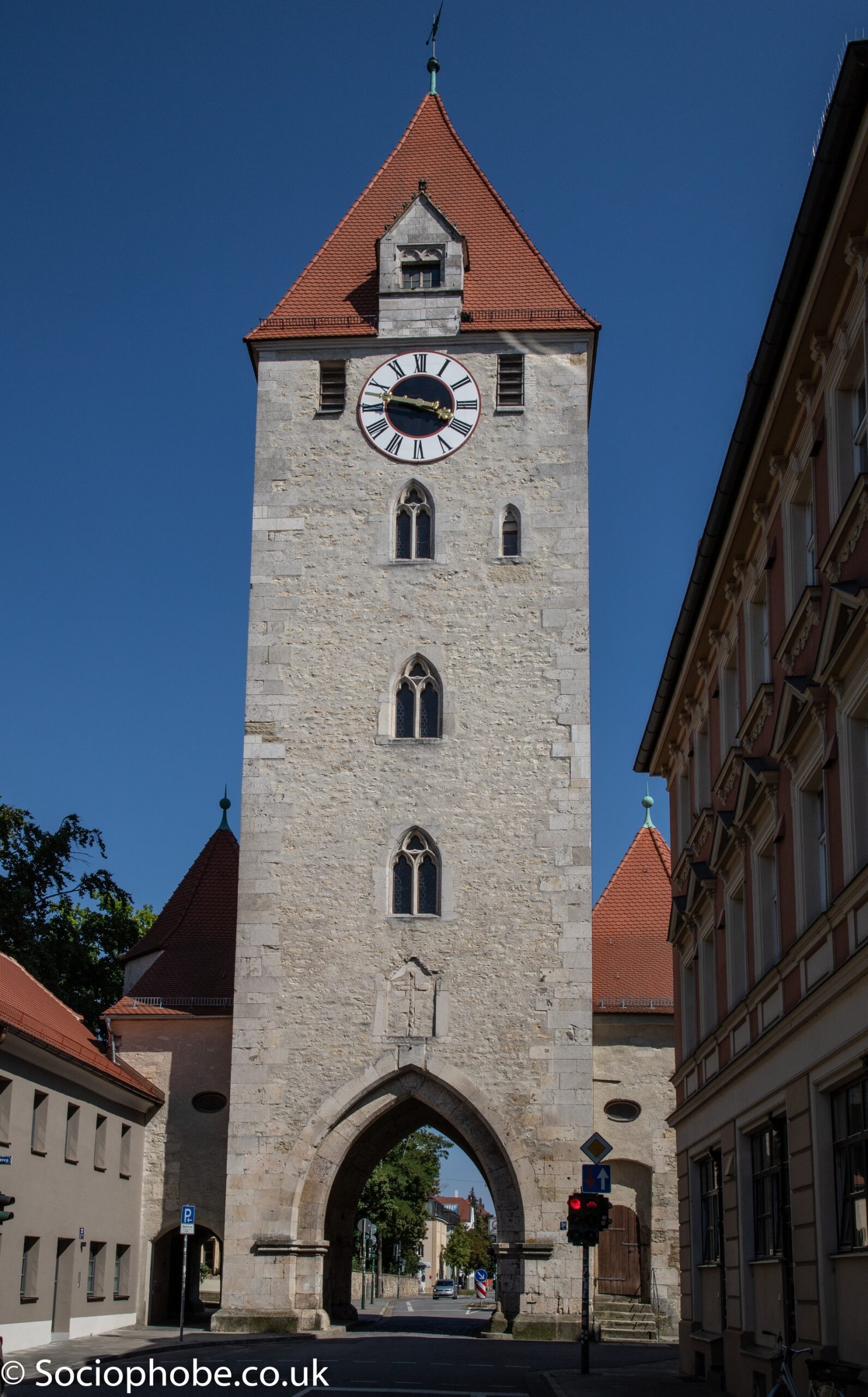
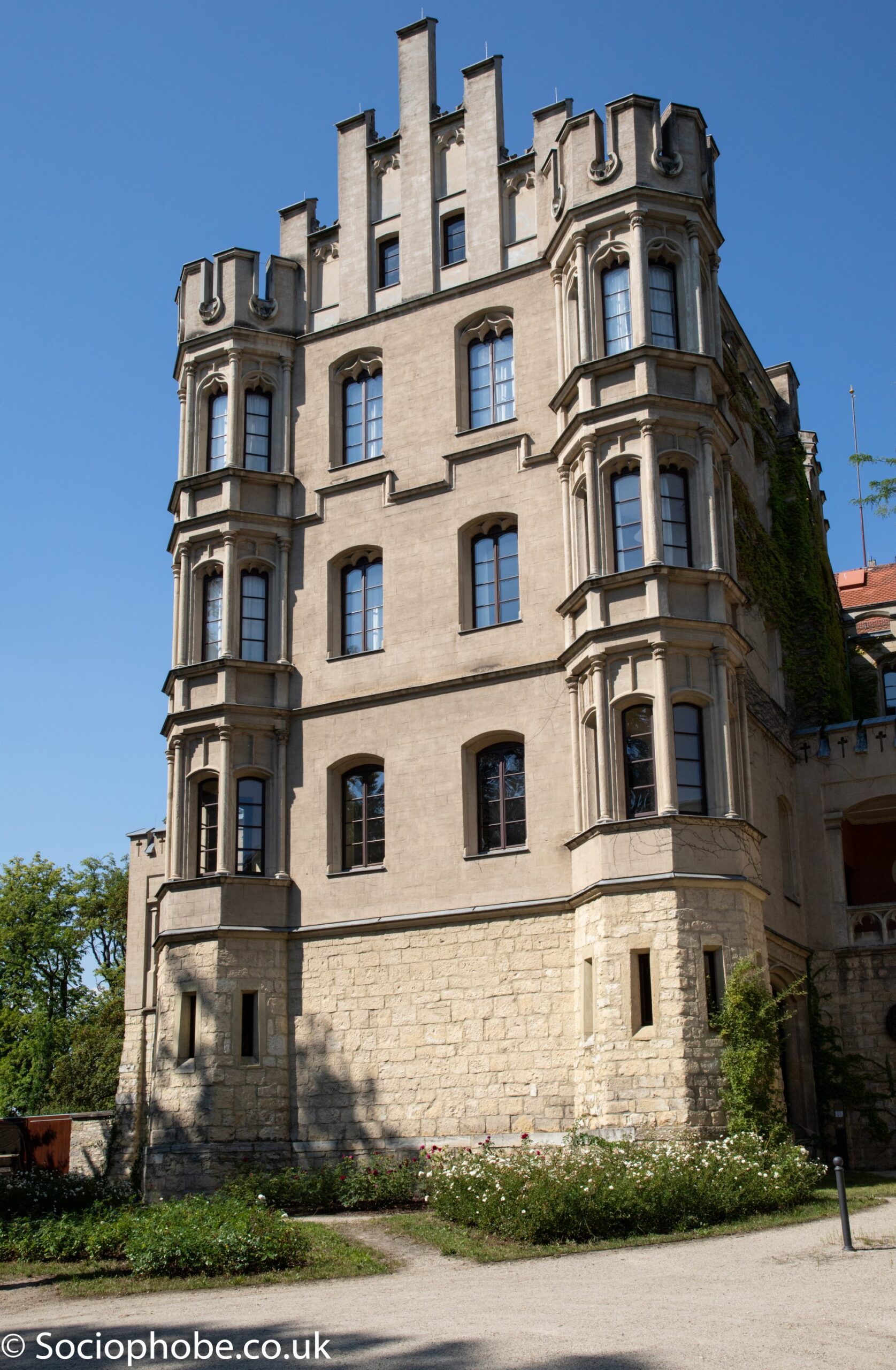
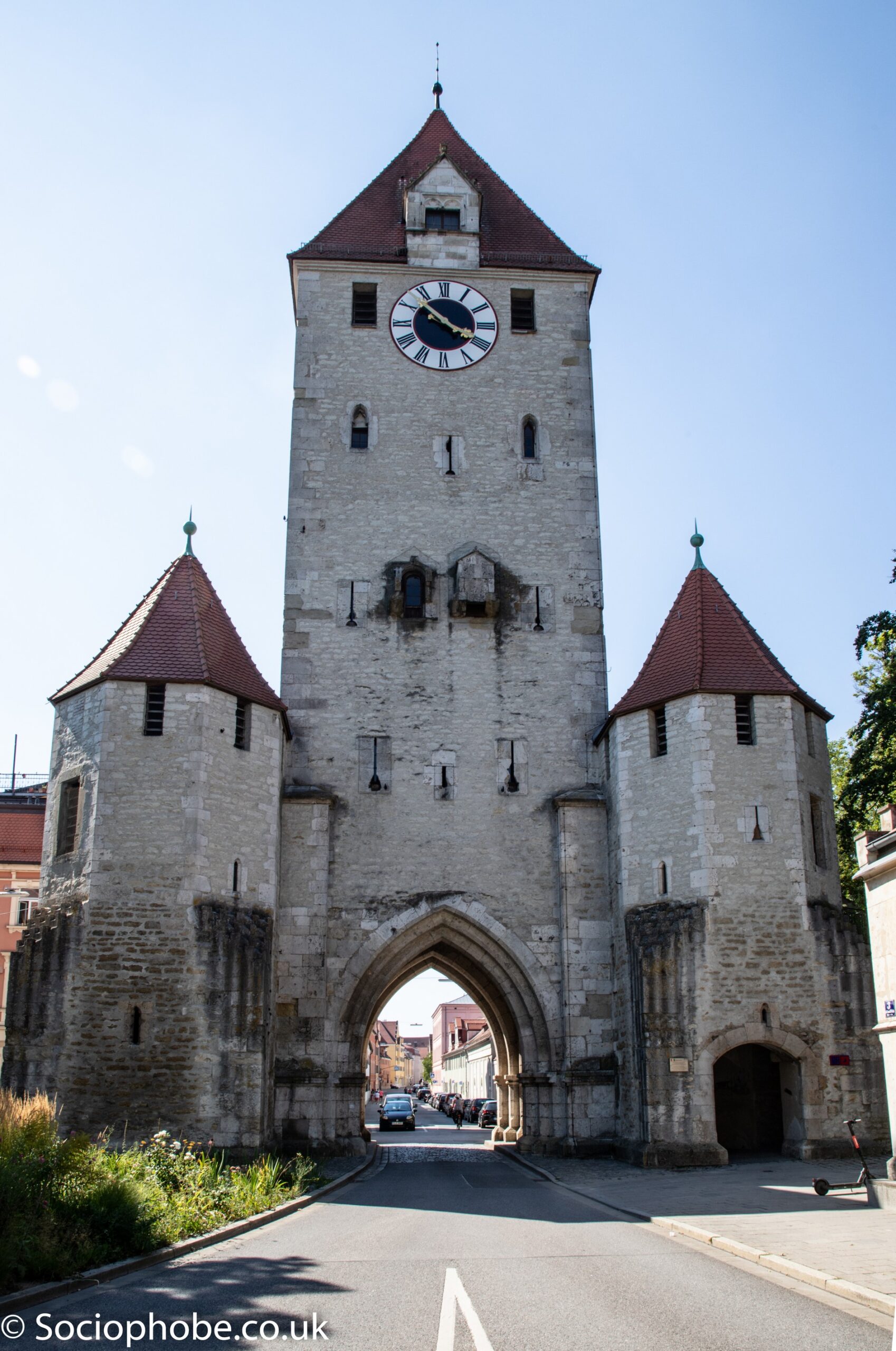
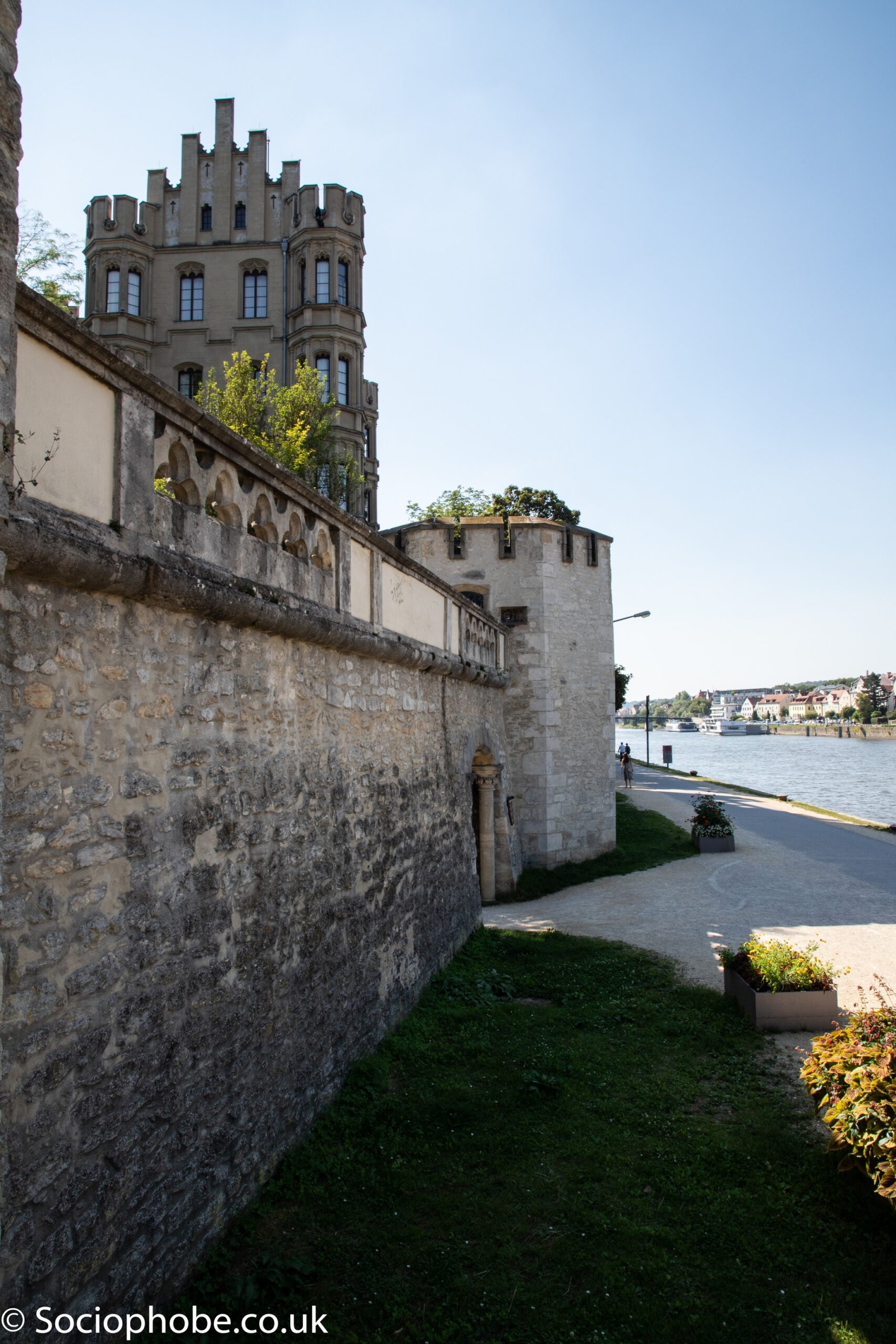
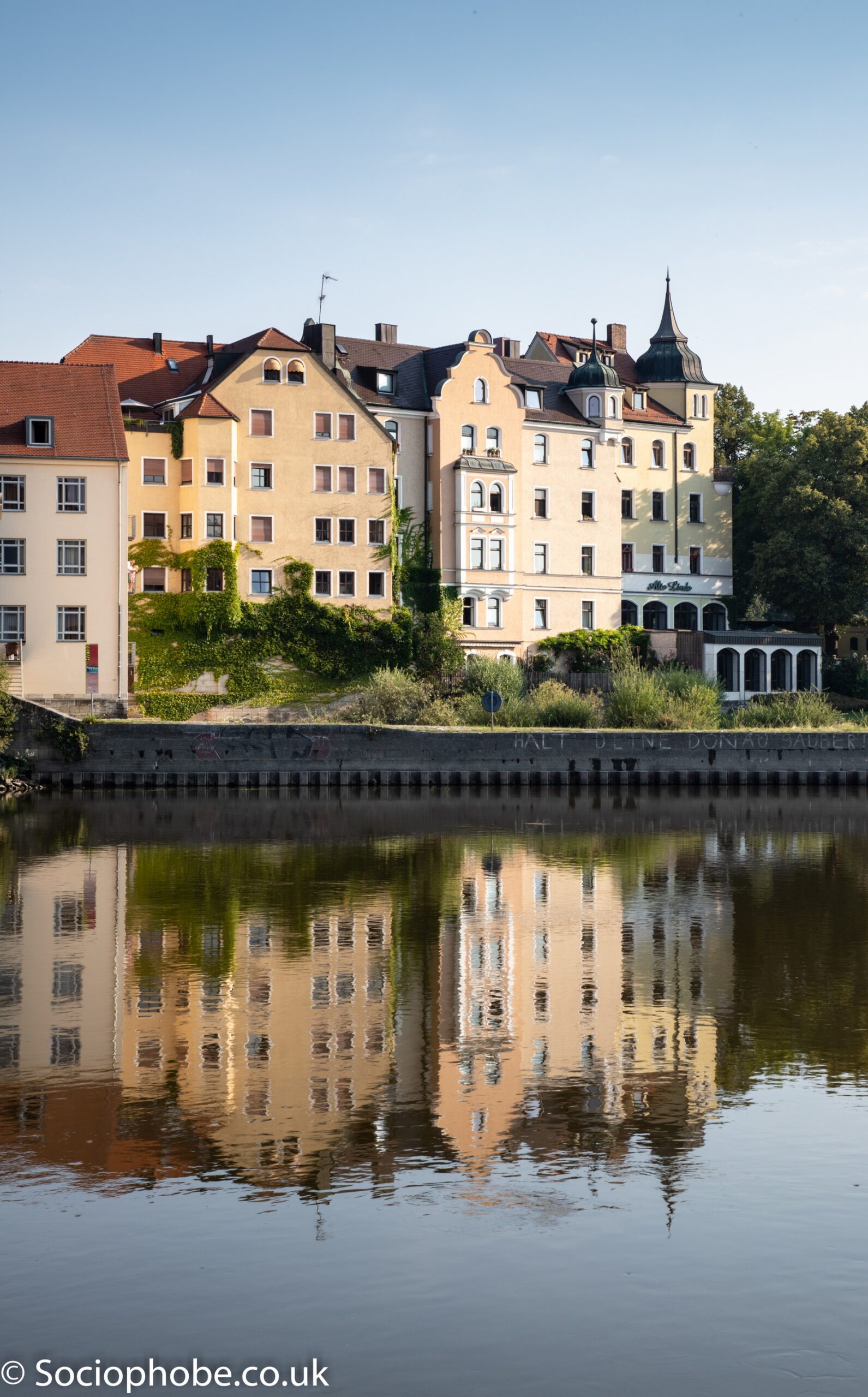
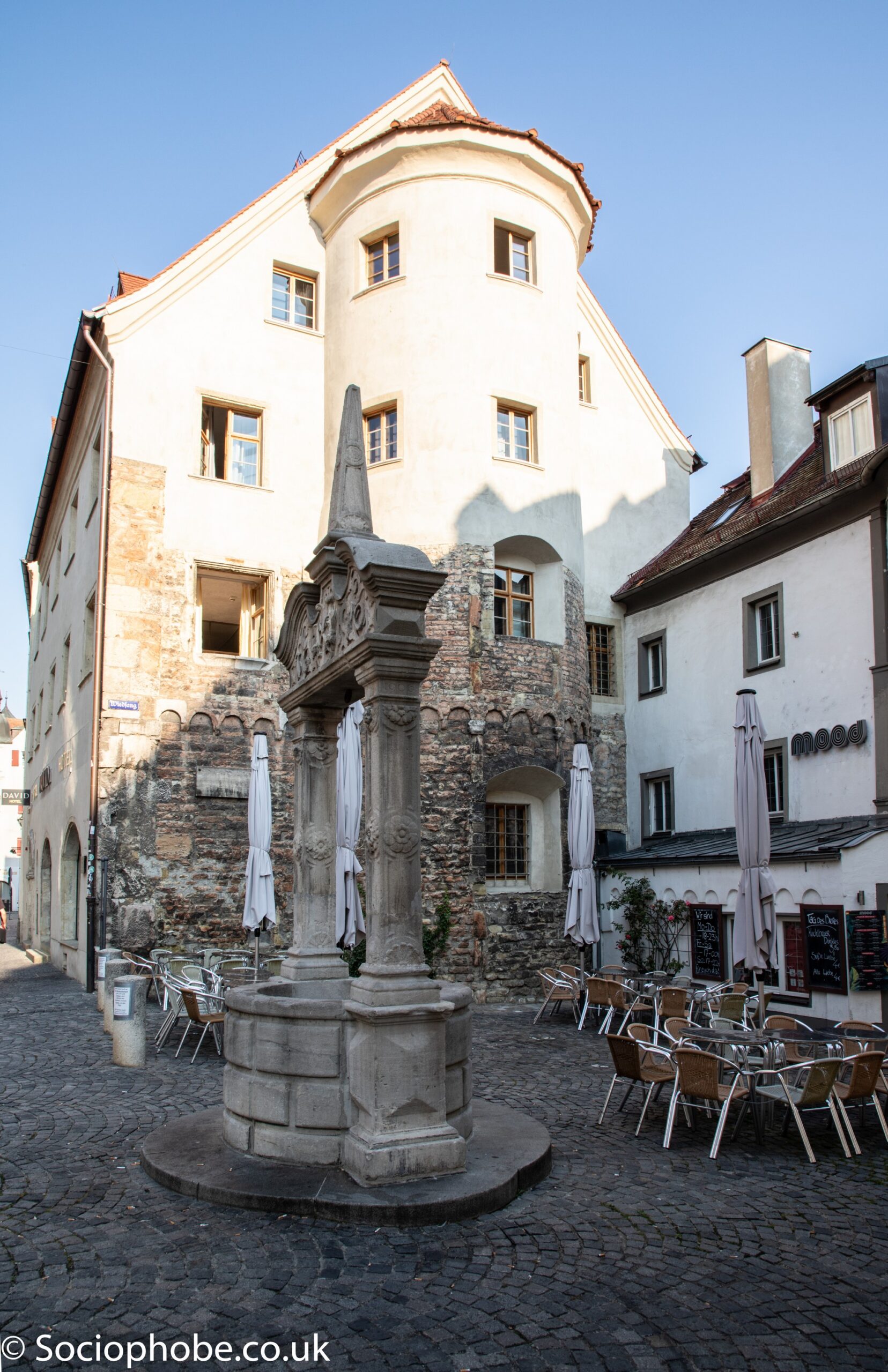
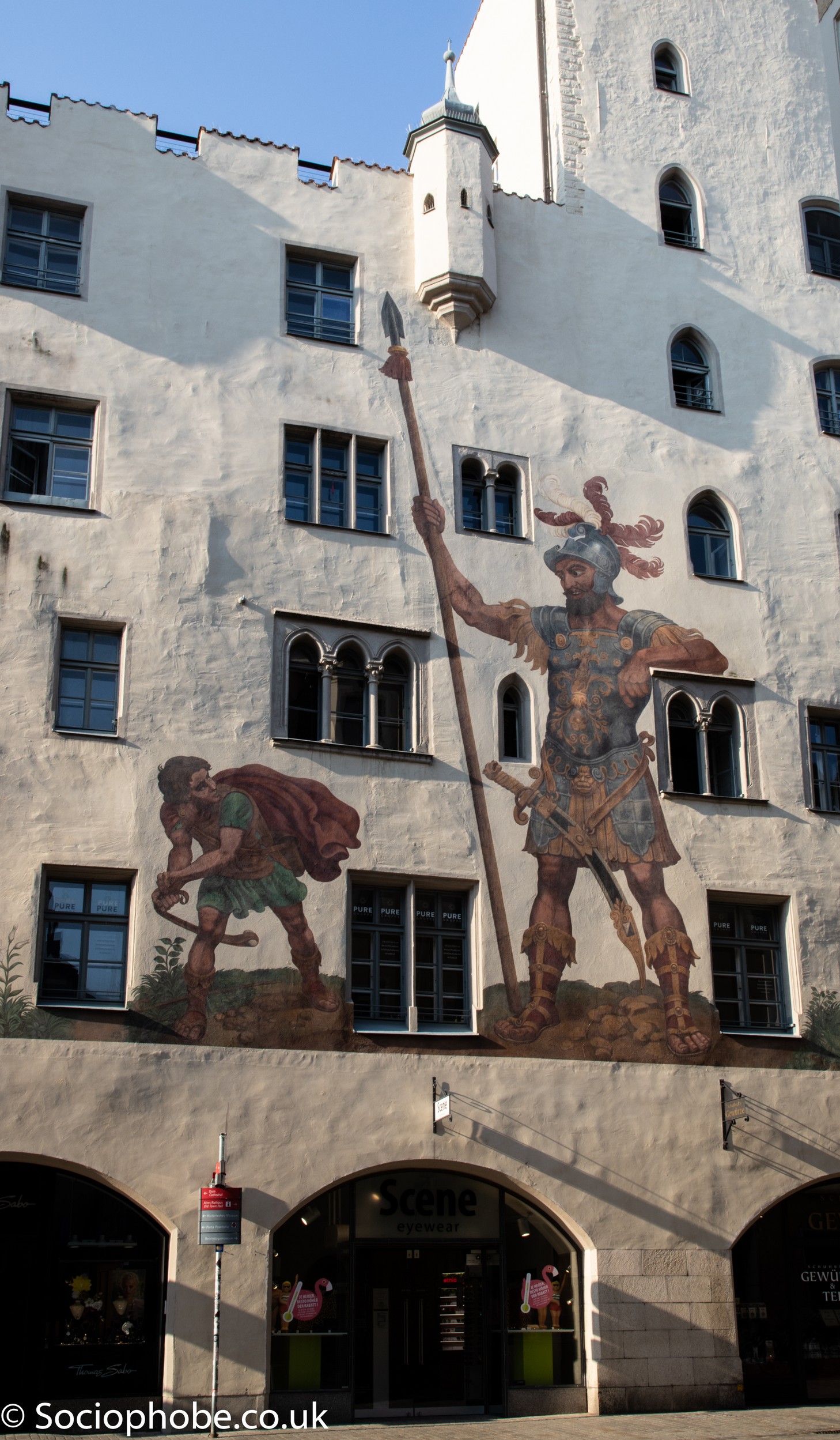
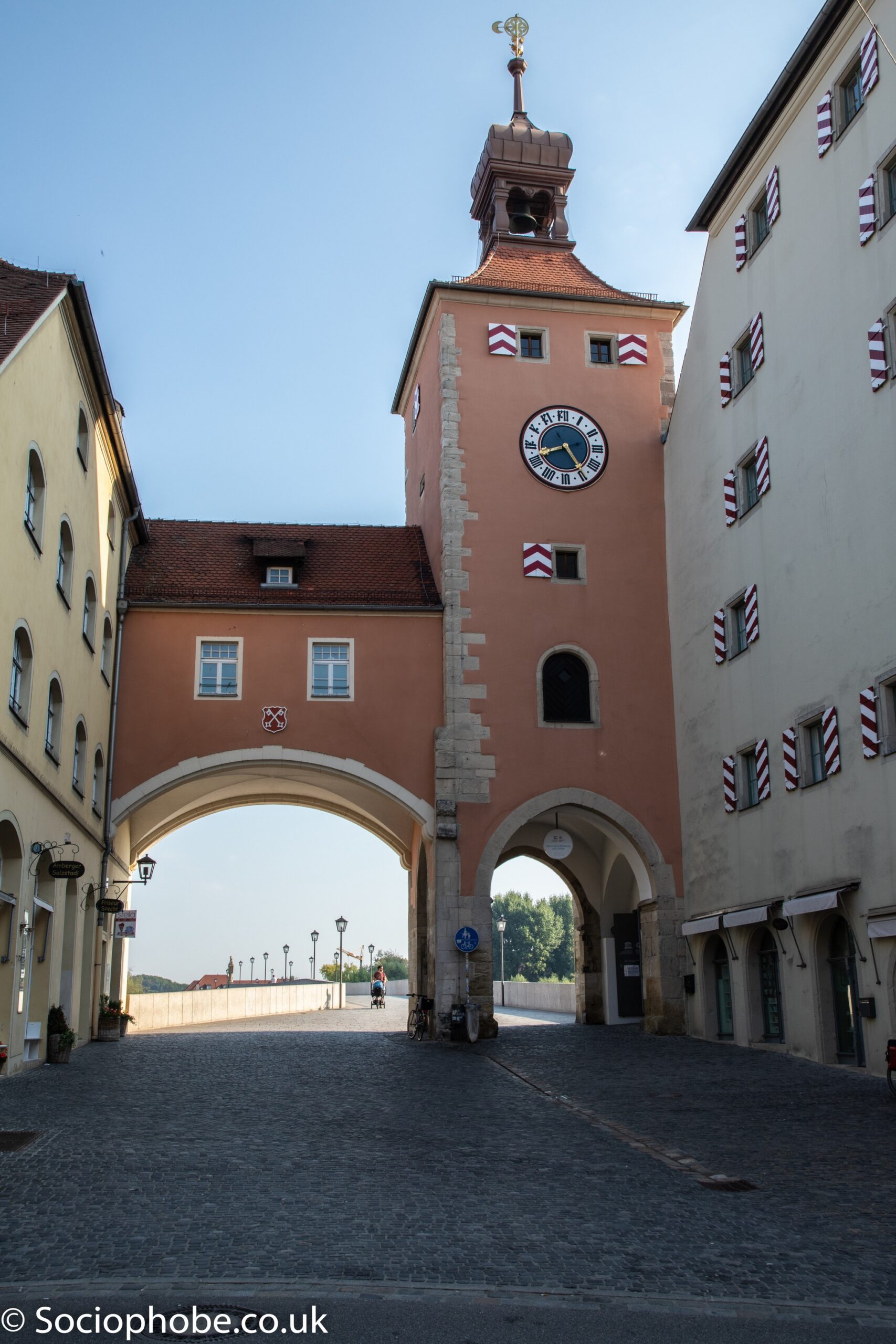
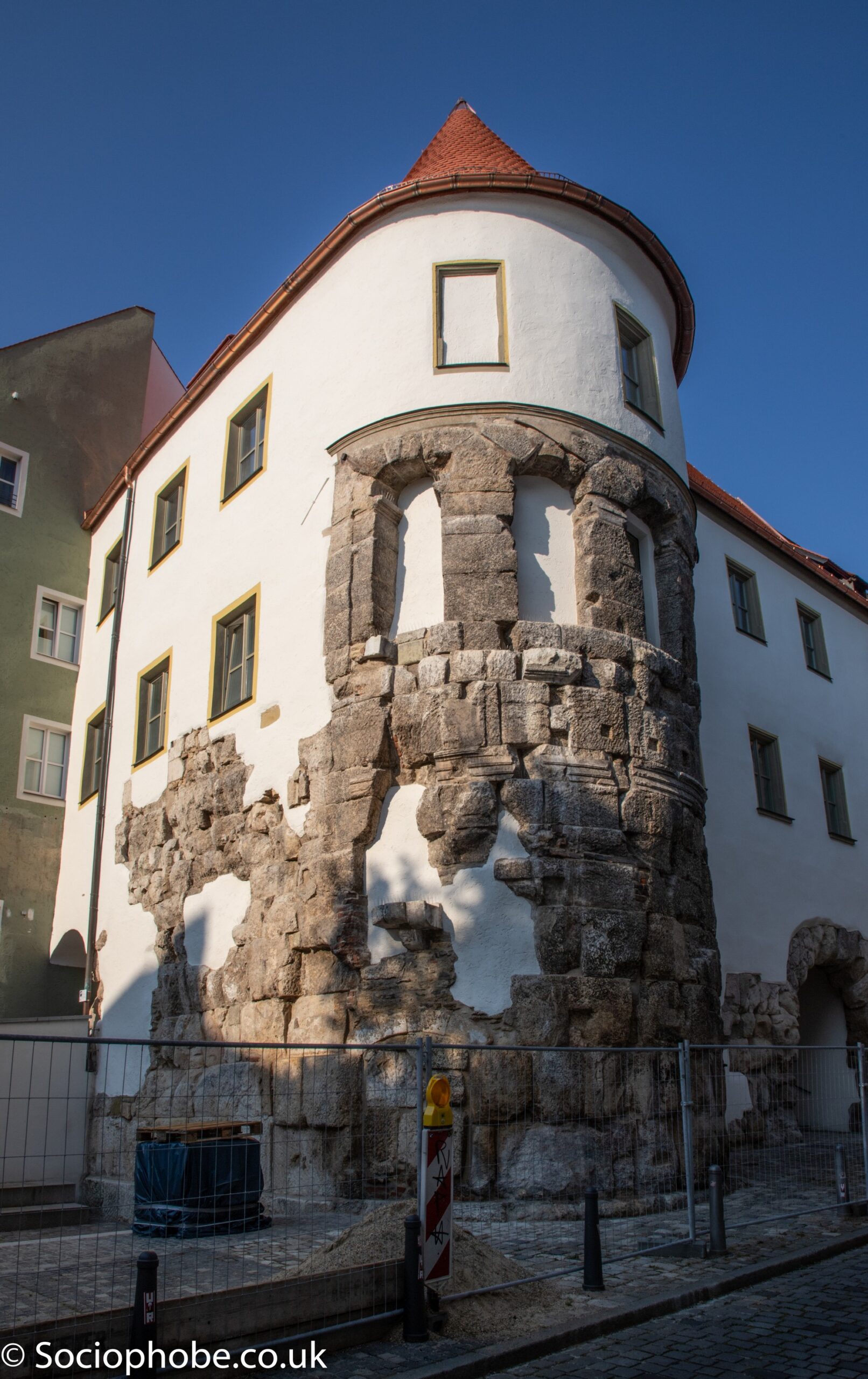
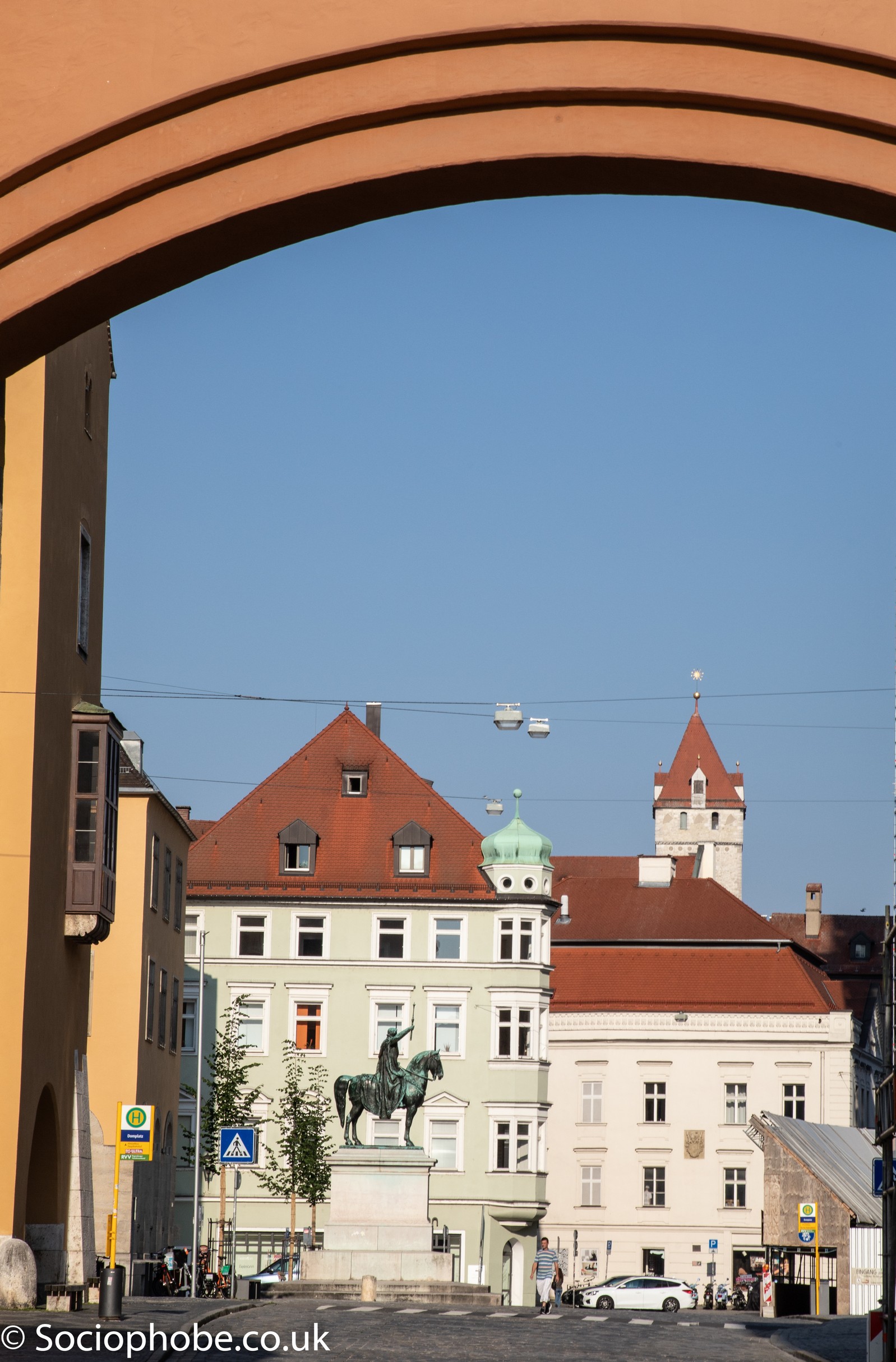
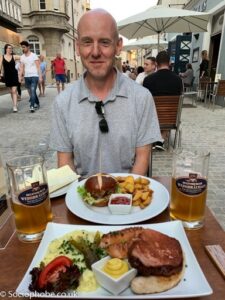
The downsides of the hotel were that the internet was lousy, unsecured and very laggy. Also, being a city centre hotel, it was damned noisy! We wandered around looking for a dinner venue, the first Deb had chosen was fully booked, we didn’t like the second’s menu but the third was an excellent end point. The Weissbrauhauss had a good menu (some of it even in English which was a first for the city!), service was excellent, portions were certainly generous and it was very good value. We left feeling utterly stuffed and waddled back to the hotel for a refreshing shower before bed.
We didn’t sleep well due to noisy gits in the street outside and were woken several times in the night so we weren’t in the best of moods in the morning. I was going to do some sunrise photos but I really couldn’t be bothered. We had breakfast in the hotel which was very good and excellent value.
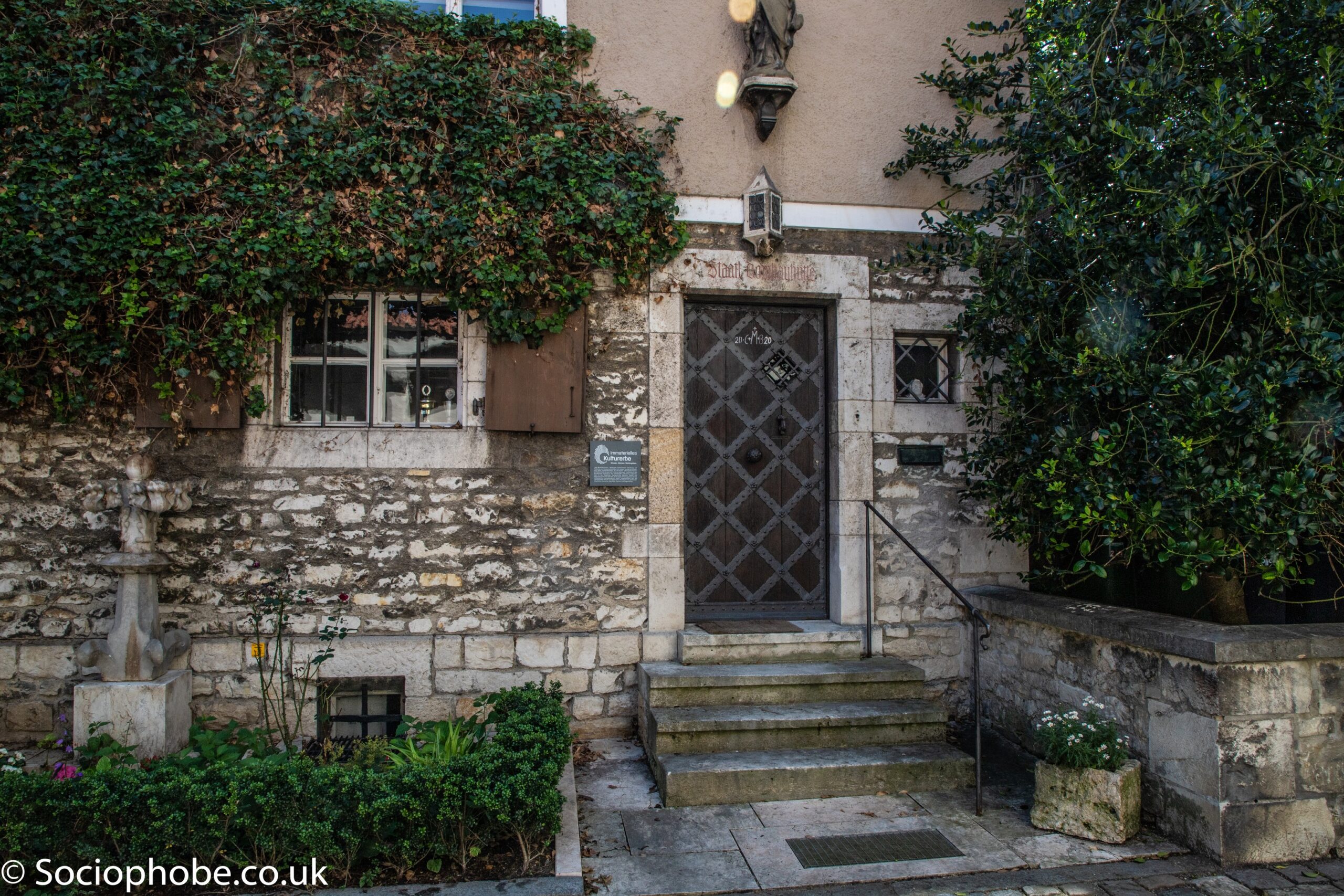
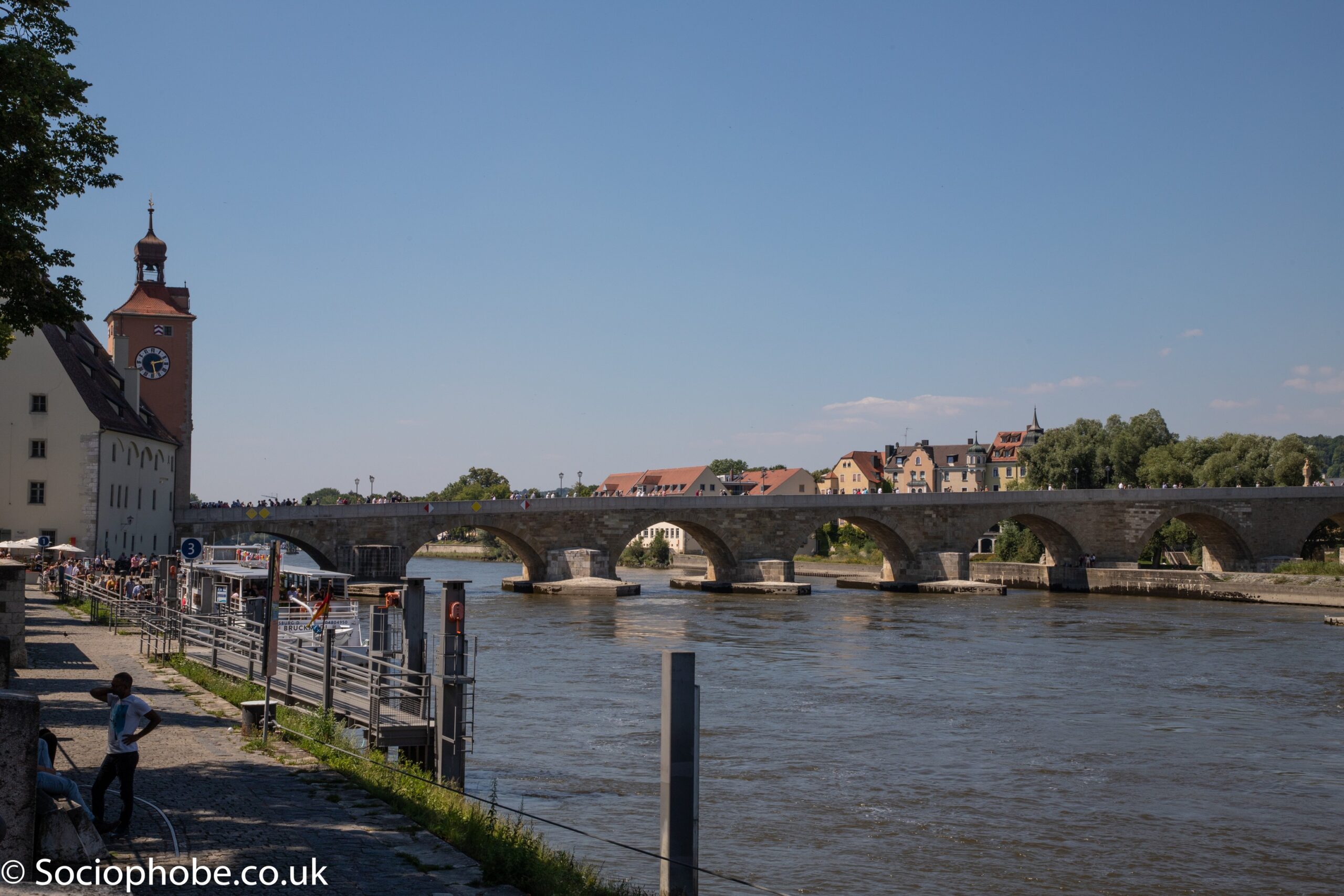
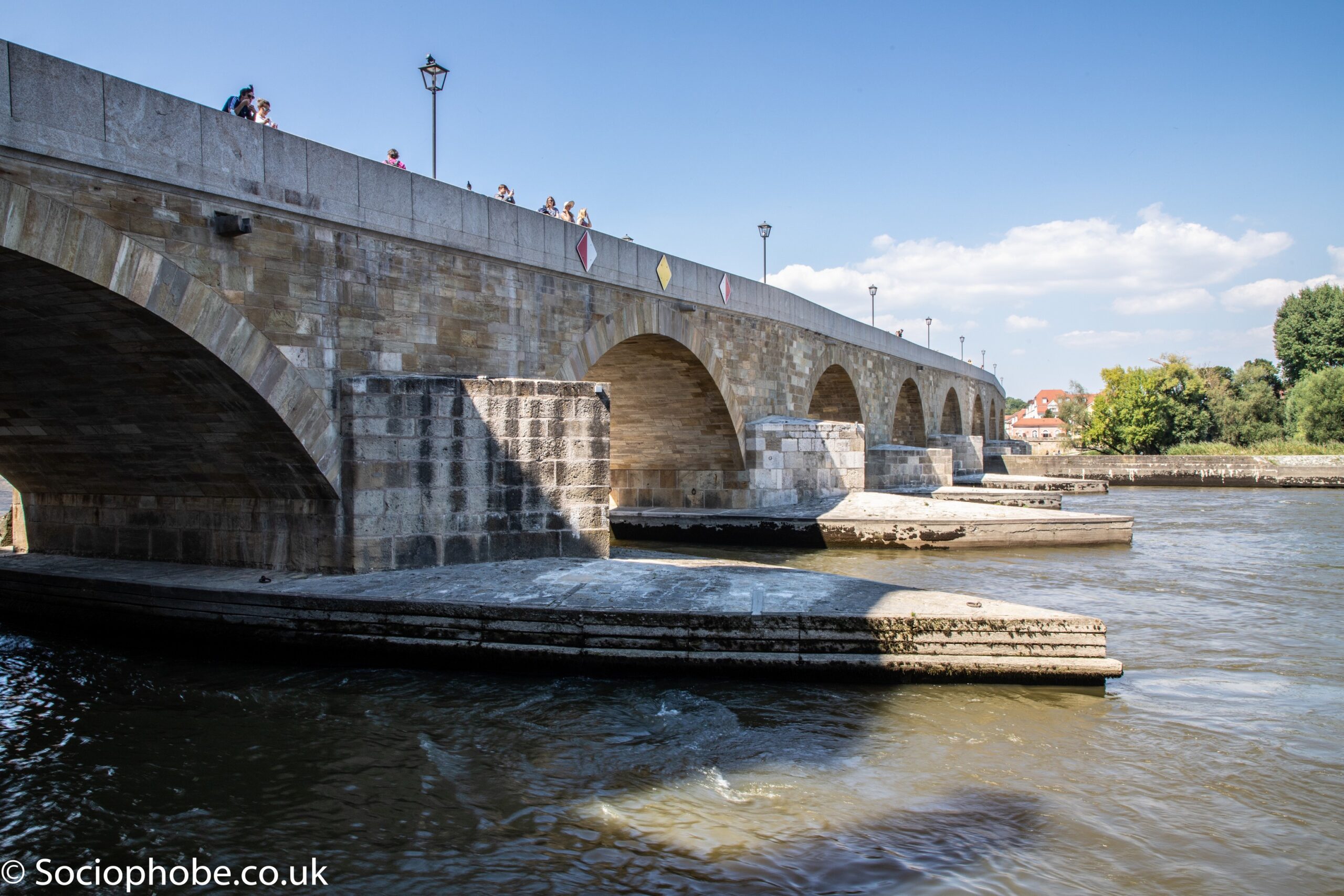
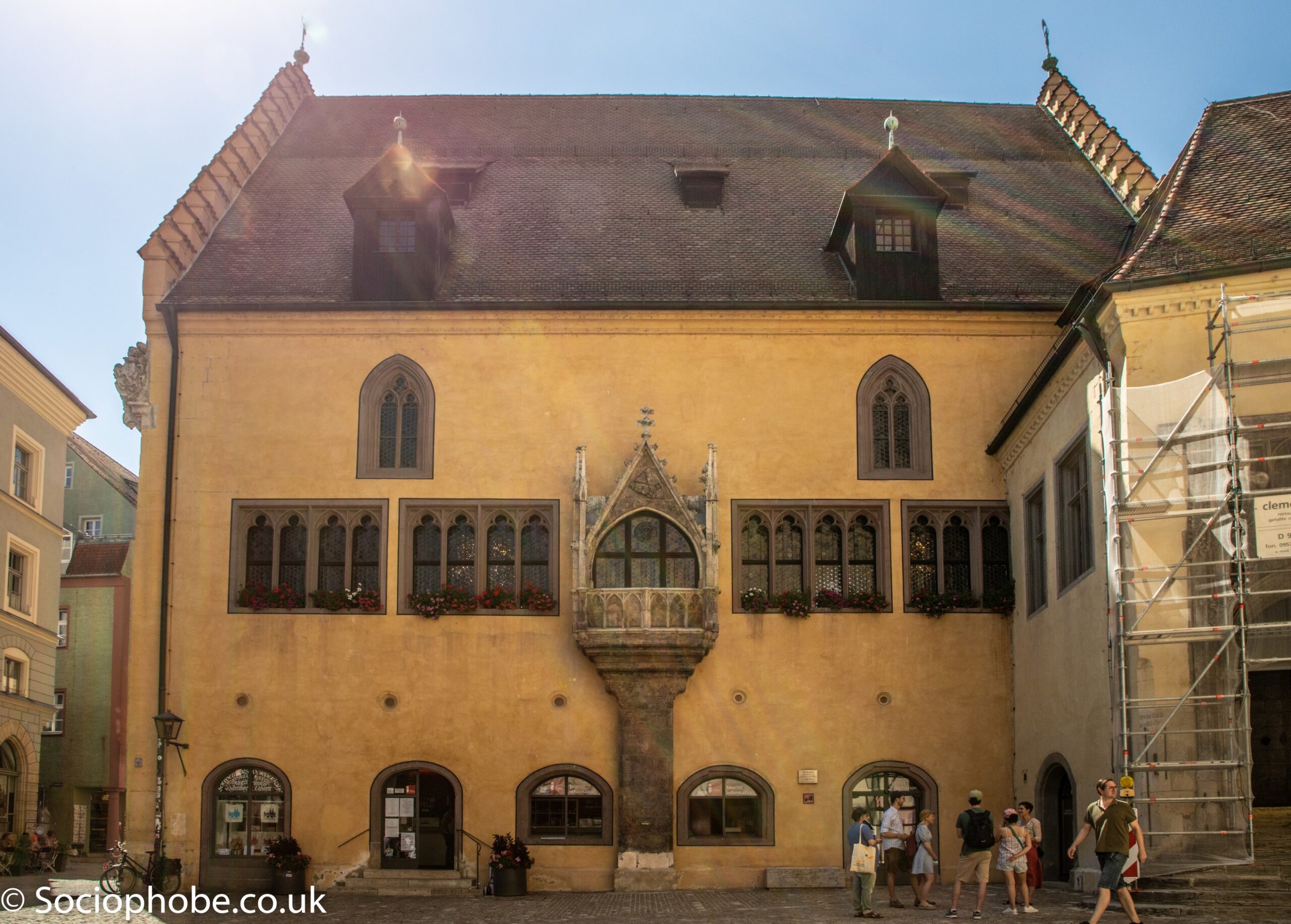
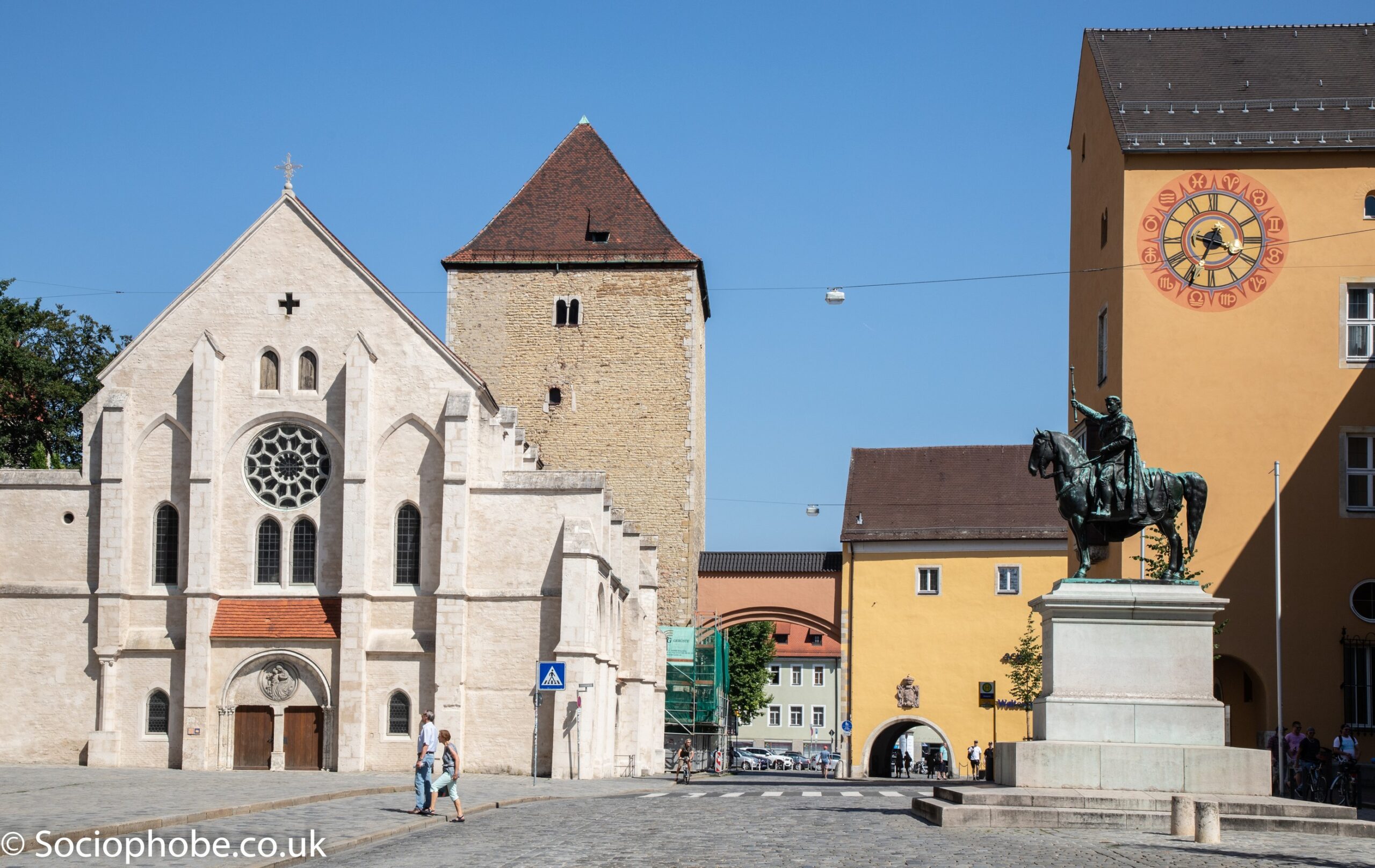
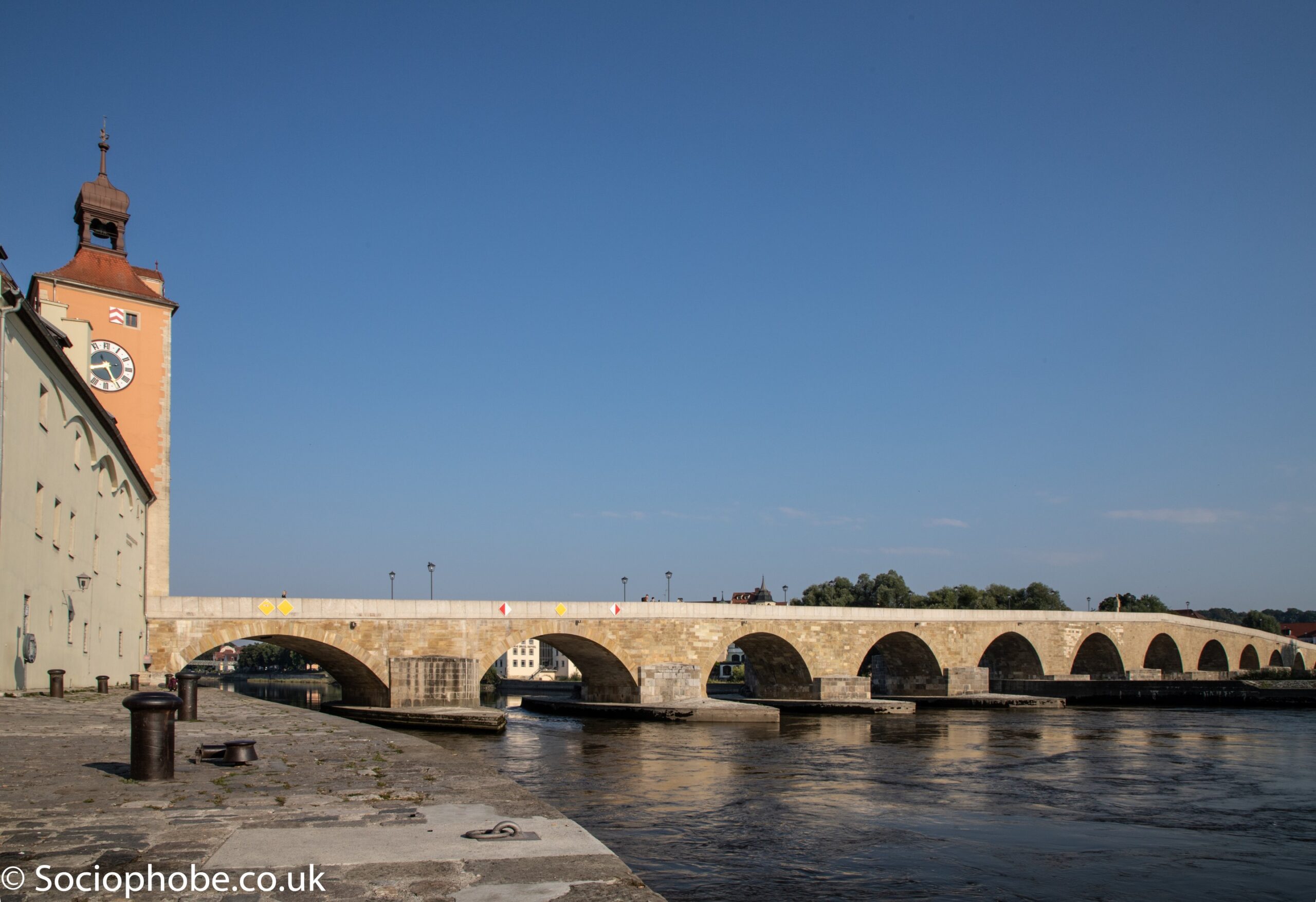
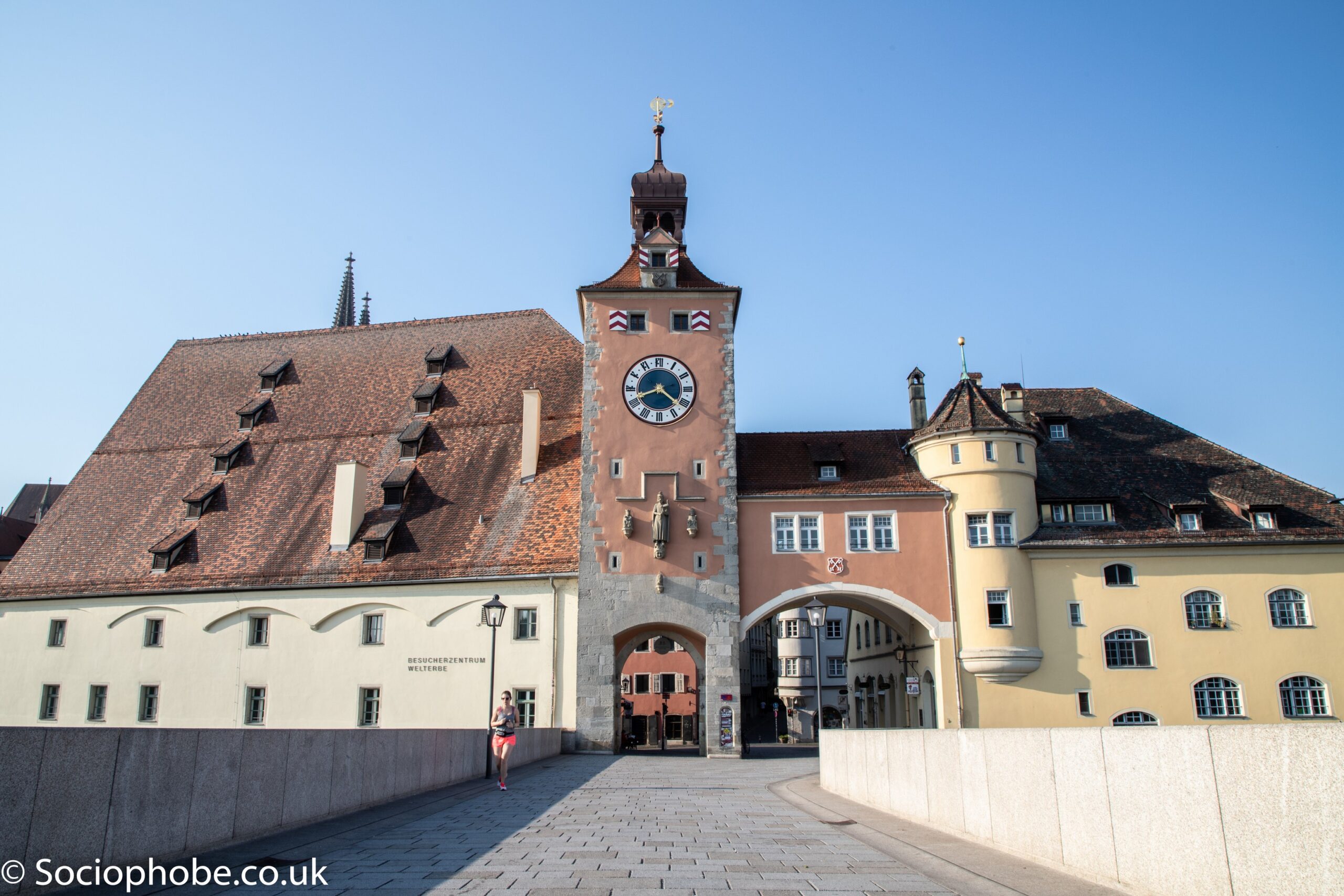
I left Deb to relax in the hotel and I headed out again to view the town. I have to say, in the cooler temperatures and with less people, the town was far nicer. It was still difficult to actually see anywhere and the tourism management in the town is utterly useless but there were lots of lovely buildings and it certainly felt like a medieval town with wonky streets, small alleys permanently in shadow and then large squares dominated by church buildings.
Overall I can look back positively on our Regensburg city break. There are lots of pretty buildings, it feels like a medieval city should and the centre is largely car free. It needs to do more to promote international tourism and make more of the assets it has. There were a couple of palaces that were a bit further out from the centre that we would have visited if we’d had an extra day too.
History
Regensburg is a city with more than 2,500 years of history. The Celts arrived somewhere around 500 B.C.; four centuries later, around 90 B.C., the Romans established a military camp nearby.
By 179 A.D., in the time of Emperor Marcus Aurelius, there was a permanent fortress named Castra Regina within the boundaries of what is now Regenburg’s Altstadt. In the 6th Century A.D., the first Duke of Agilofinger established his royal seat in “Reganespurc,” which became the first capital of Bavaria.
St. Boniface founded a bishopric in Regensburg in 739, and Charlemagne ousted the Agilofinger dynasty in 788. The city continued to grow, albeit slowly, until the Steinerne Brücke was built between 1135 and 1146. This unprecedented stone bridge across the Danube opened major international trade routes between Northern Europe and Venice, and much of Regensburg as it exists today was built by wealthy merchant families over the next few centuries. These traders had no compunctions about flaunting their wealth; some of their houses had purely decorative towers that made them the McMansions of the Middle Ages.
The Free Imperial City of Regensburg existed for 600 years. But as trade routes changed, the city’s fortunes declined and many of the patrician families left for better opportunities elsewhere.
Regensburg got a second wind in 1663, when a permanent Reichstag or Imperial Diet of the Holy Roman Empire was established within its walls. The old merchants’ houses were taken over by bureaucrats and emissaries, and Regensburg was the seat of Germany’s first parliament for 150 years.
The empire was dissolved in 1806; three years later, the city was conquered by Napoleon’s troops and turned over to Bavaria. Although many events have taken place since, Regensburg’s Altstadt looks much as it did during its heyday as a Free Imperial City, with some 1,400 registered and carefully preserved medieval buildings that coexist with structures from the Roman Era.
References
The summary history above is copied from this site.
There is more information on Wikipedia here.
Like!! Really appreciate you sharing this blog post.Really thank you! Keep writing.
Thanks you, I certainly will! 🙂