Three nights in the Tibetan capital
| Recommended days | 3 |
| Budget | ££ |
| Difficulty | Difficult |
Our Lhasa city break was a very strange visit. The general feel of the place was medieval but it was also very much an occupied nation. There were sandbagged police checkpoints at every junction and, other than the hotel, everywhere we were you could always see a group of heavily armed police. This trip was booked with On The Go Tours.
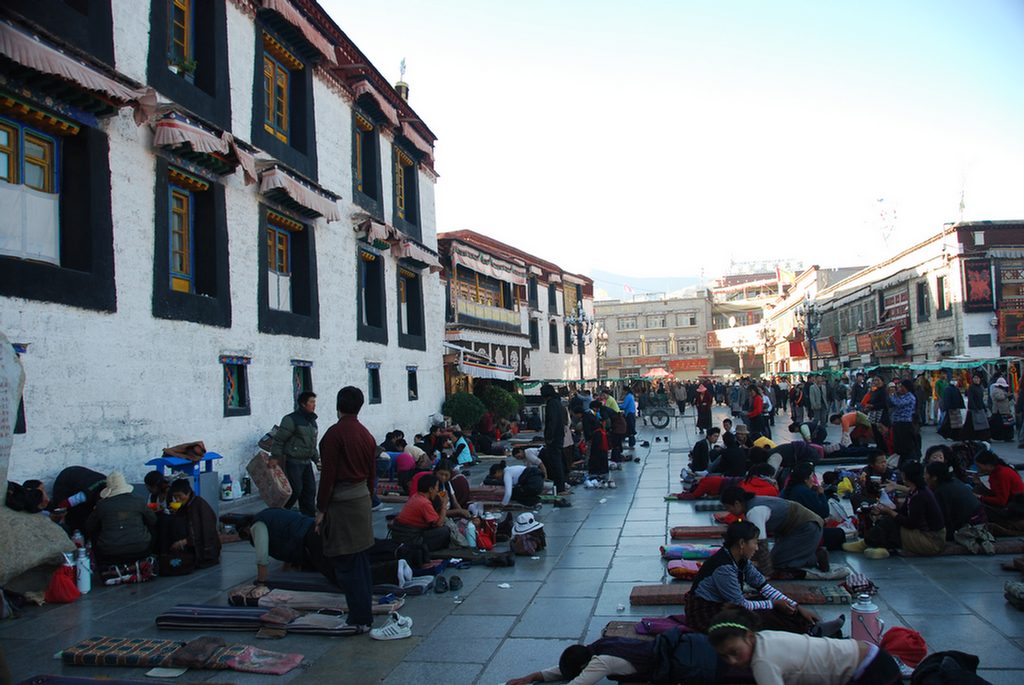
That being said, daily life went on. There were large numbers of monks and large numbers of worshipers in the temples. I actually thought we were being shot at because of a noise that turned out to be a pilgrim who had plastic ice cream tubs strapped to her knees. Every few paces she’d fall to her knees and prostrate herself and the impact of the plastic sounded like gunfire, at least to me.
We were escorted for the entirety of our visit which wasn’t a wholly bad thing. We didn’t see anything like the kind of cafe culture where you can wander round, sit and have a coffee and cake and then do some more sightseeing. English was very rare too although this may have changed by now.
We travelled here by train from Xi’an. Getting on the train was confusing but we managed it and our compartments (4 of us in 2 separate cabins) were sparse but clean and decent. The train journey was fascinating, especially the second day when we were in Tibet and could look out the window and see no signs of humanity at all.
Food on the train was good too, as long as you like chicken and spinach as that’s all there was for 2 days. By the time we arrived in Lhasa the toilets had overflowed but luckily there was matting down so as long as you were careful you didn’t get splashed too much!
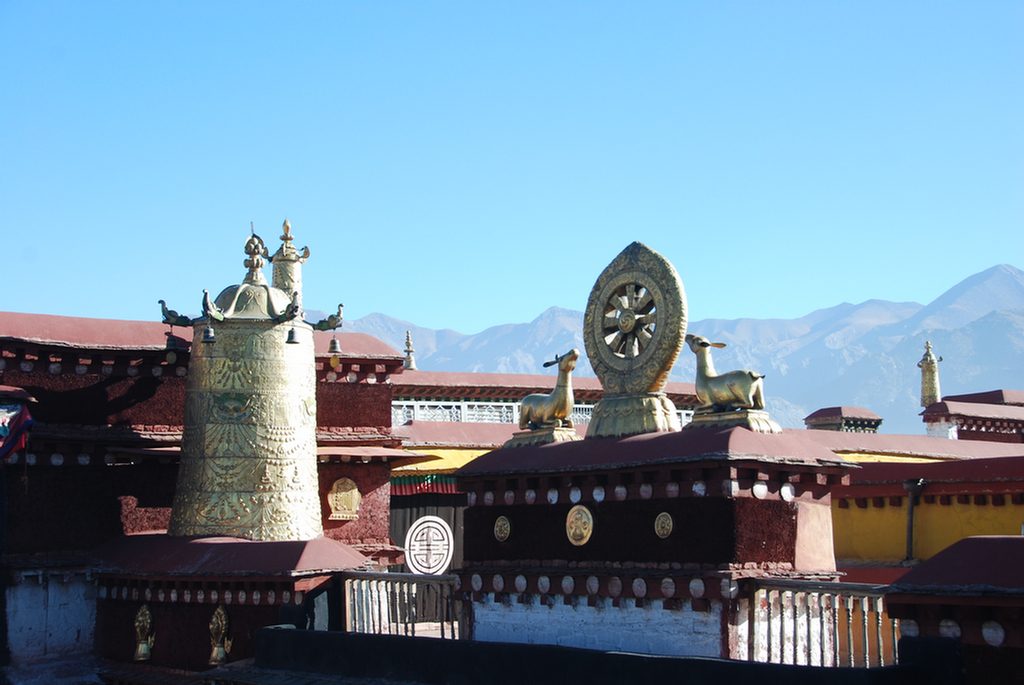
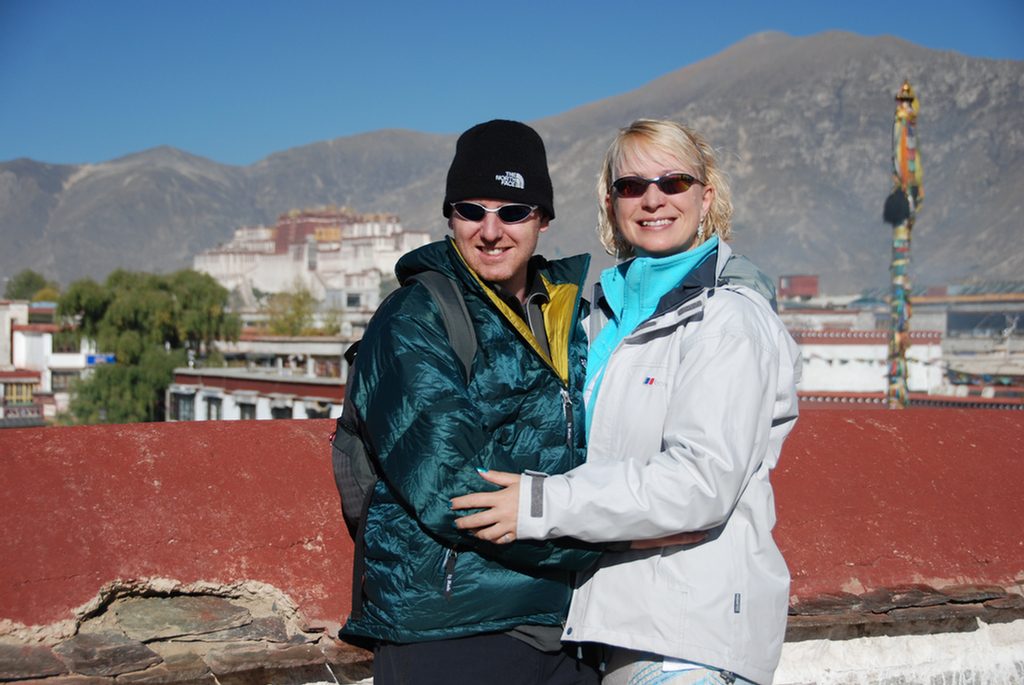
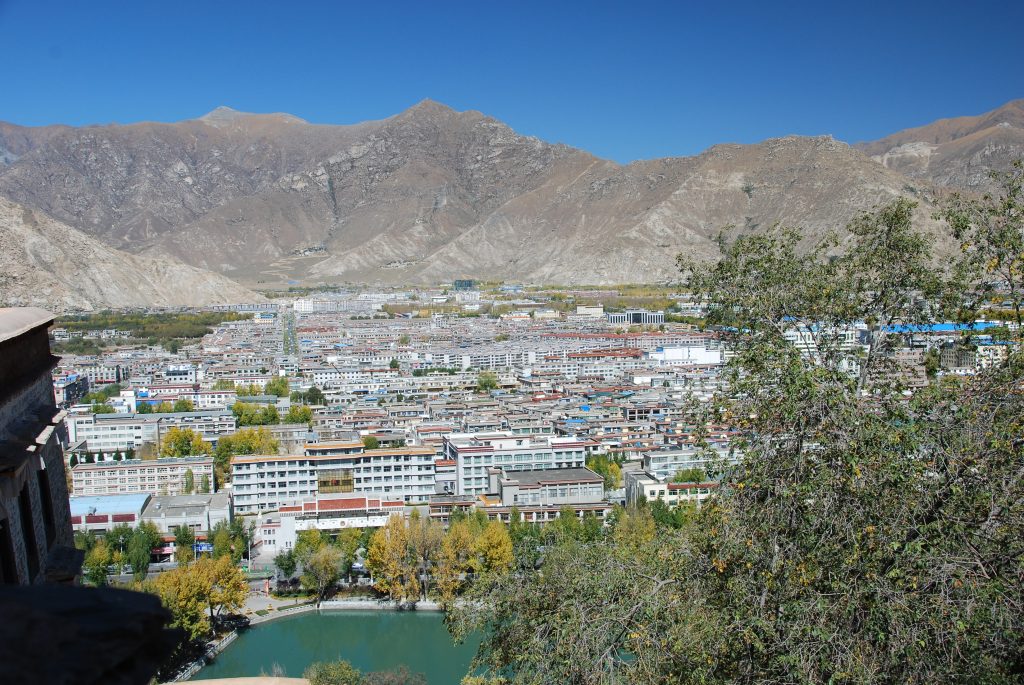
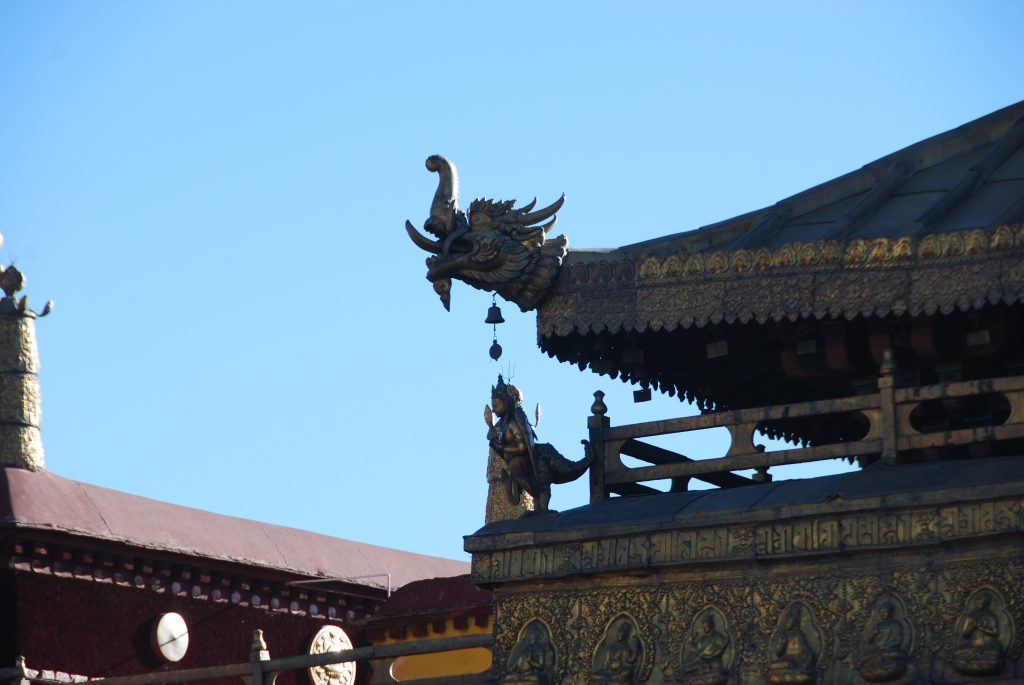
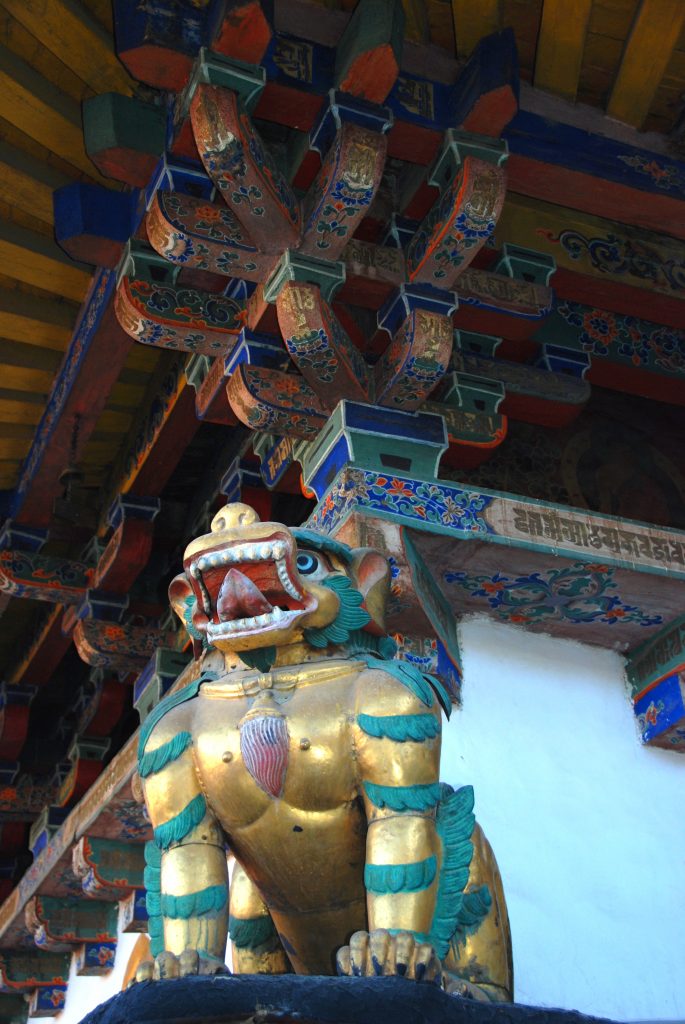
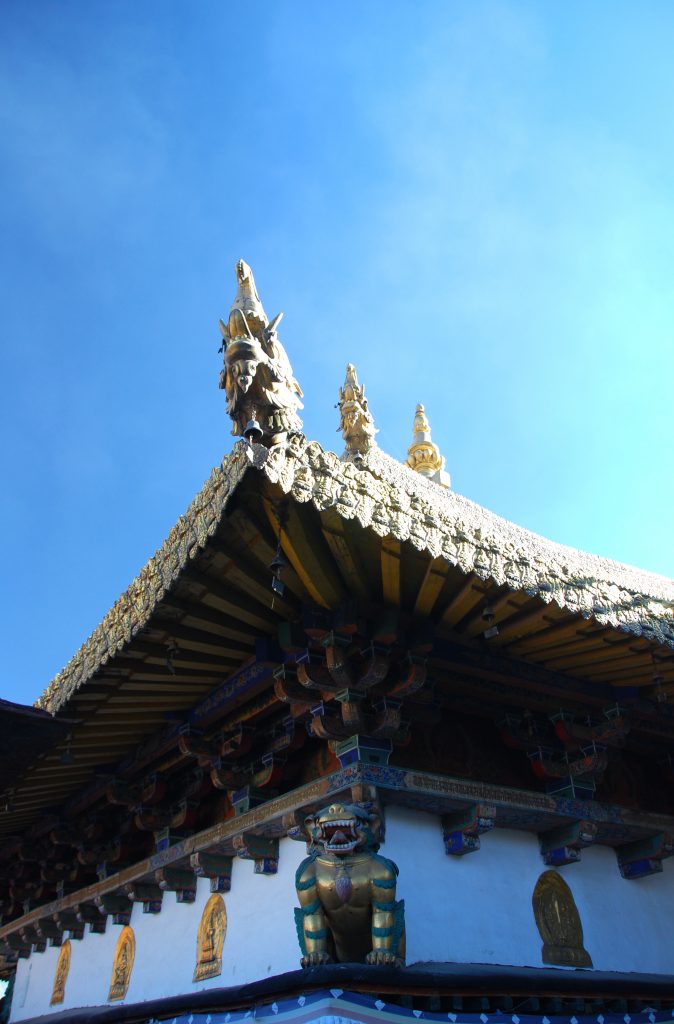
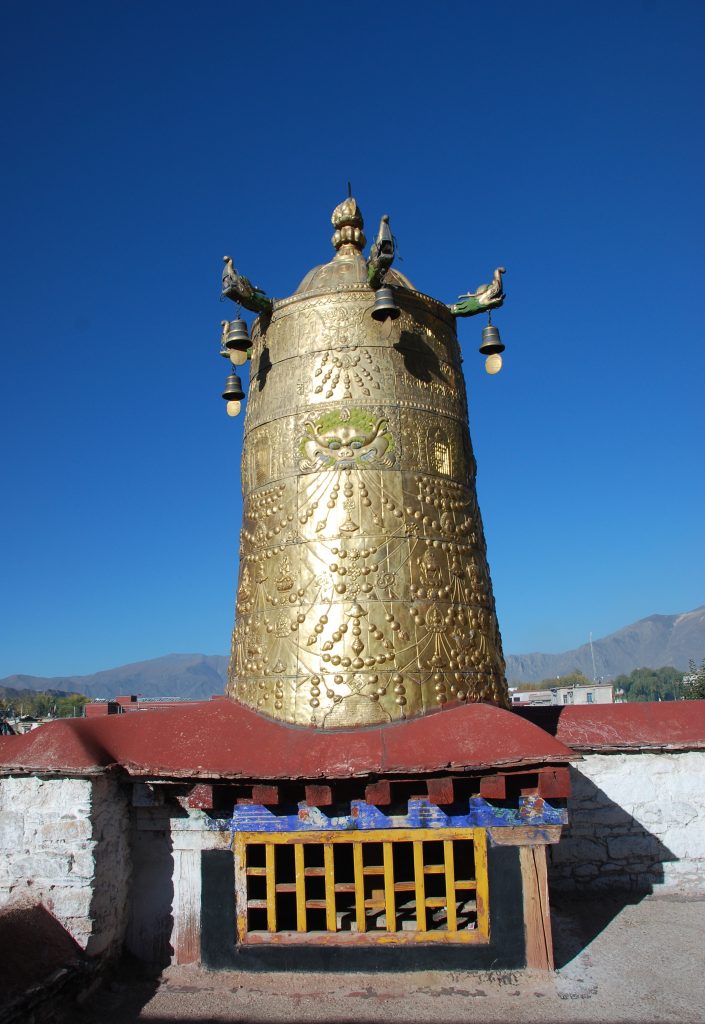
Jokhang Temple
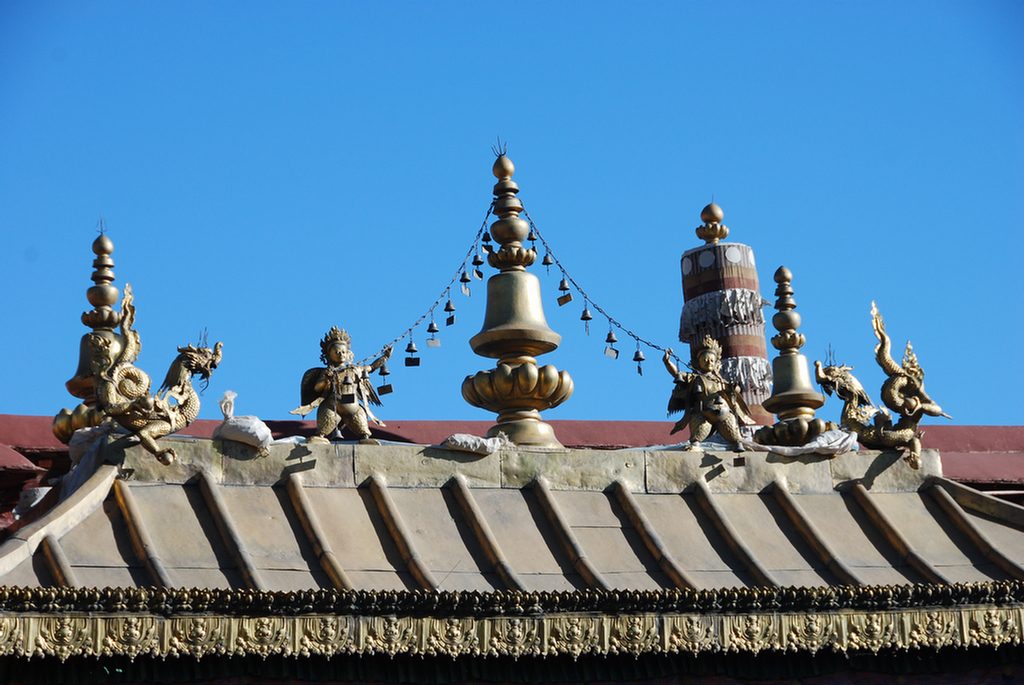
The Jokhang Temple was impressive but felt kinda strange, like people were just going through the motions. I don’t know whether prayer was an act of defiance against the Chinese or just a dying habit of a fading generation. It was a pretty fusion of Chinese and south Asian styles though.
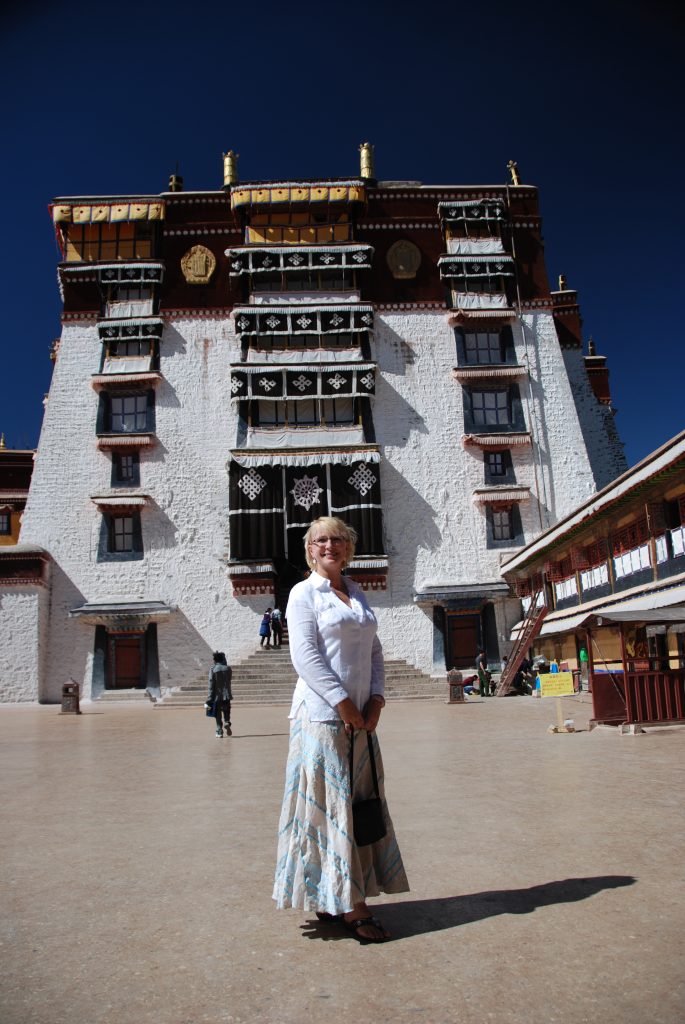
Potala Palace
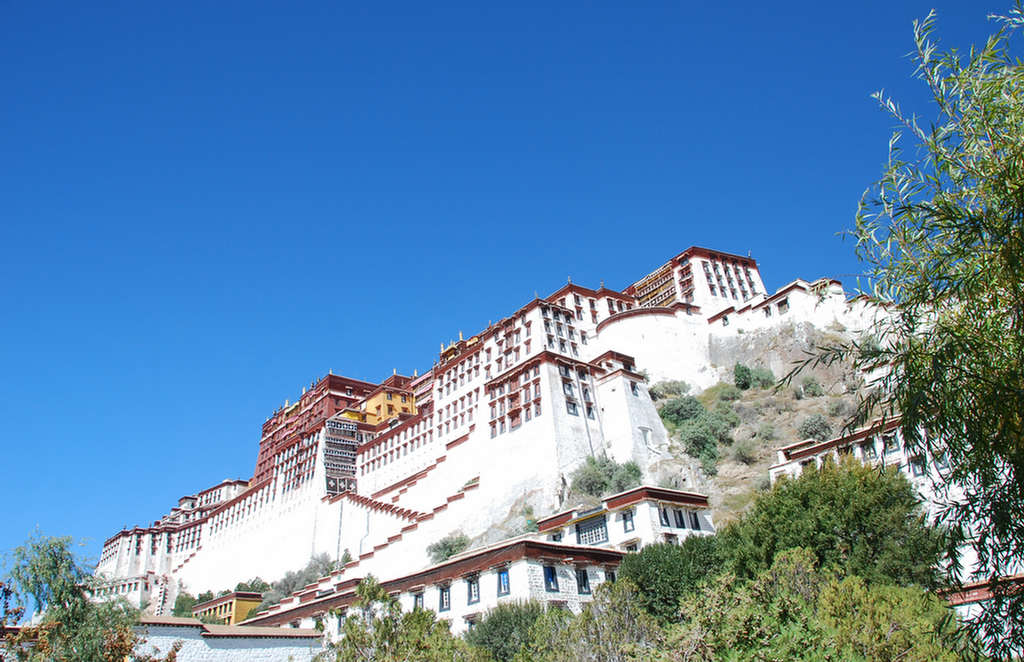
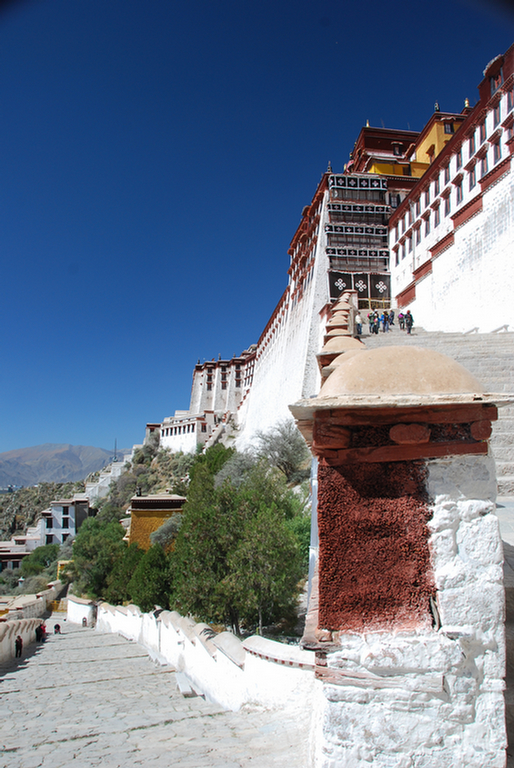
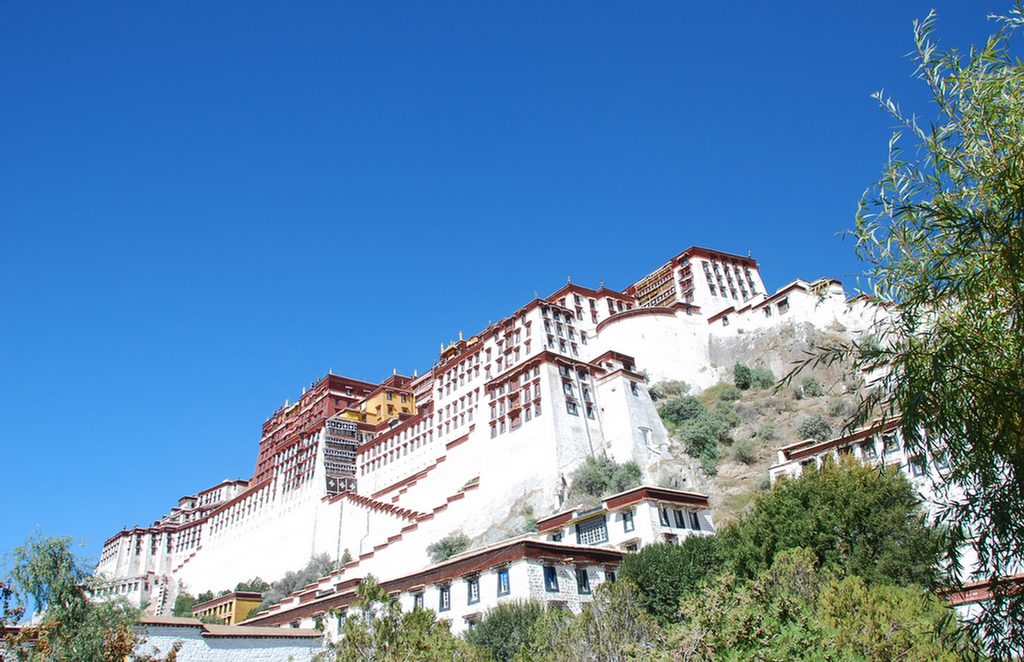
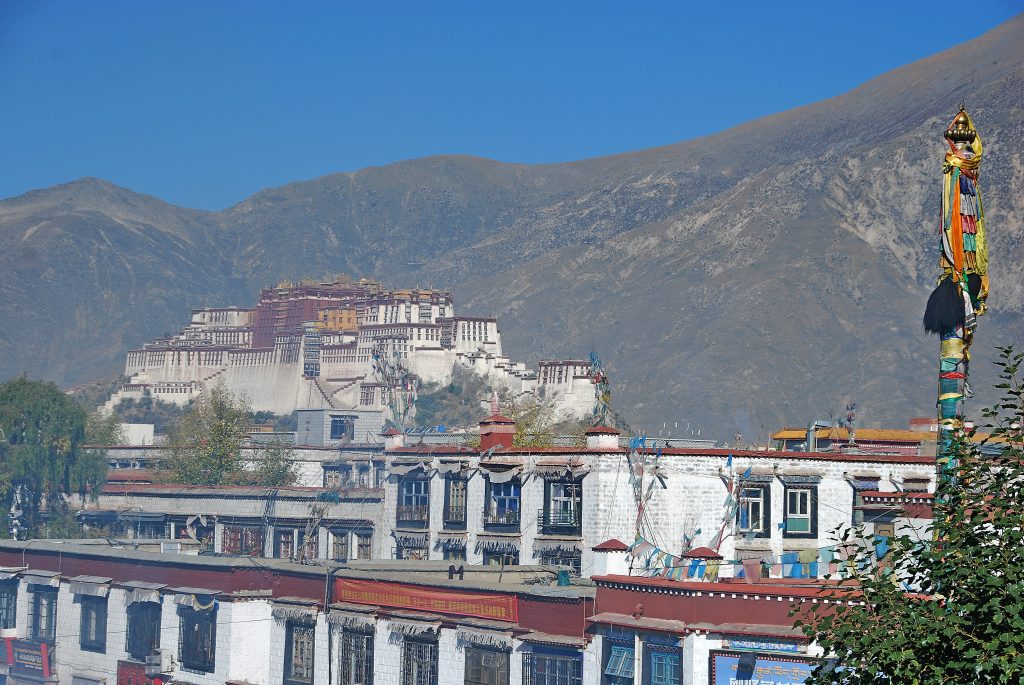
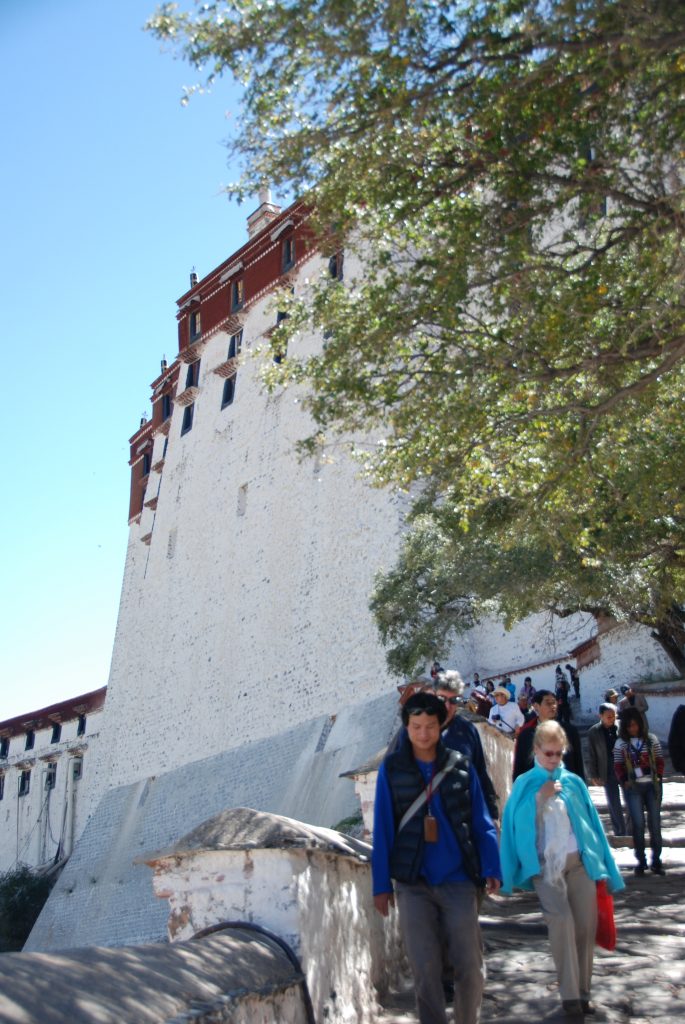
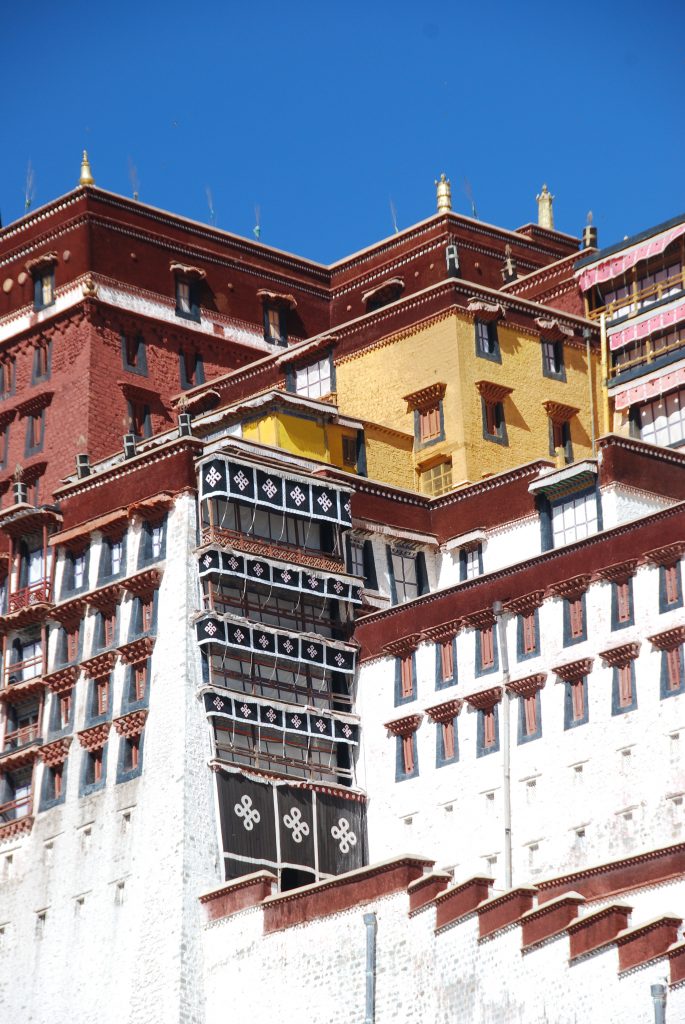
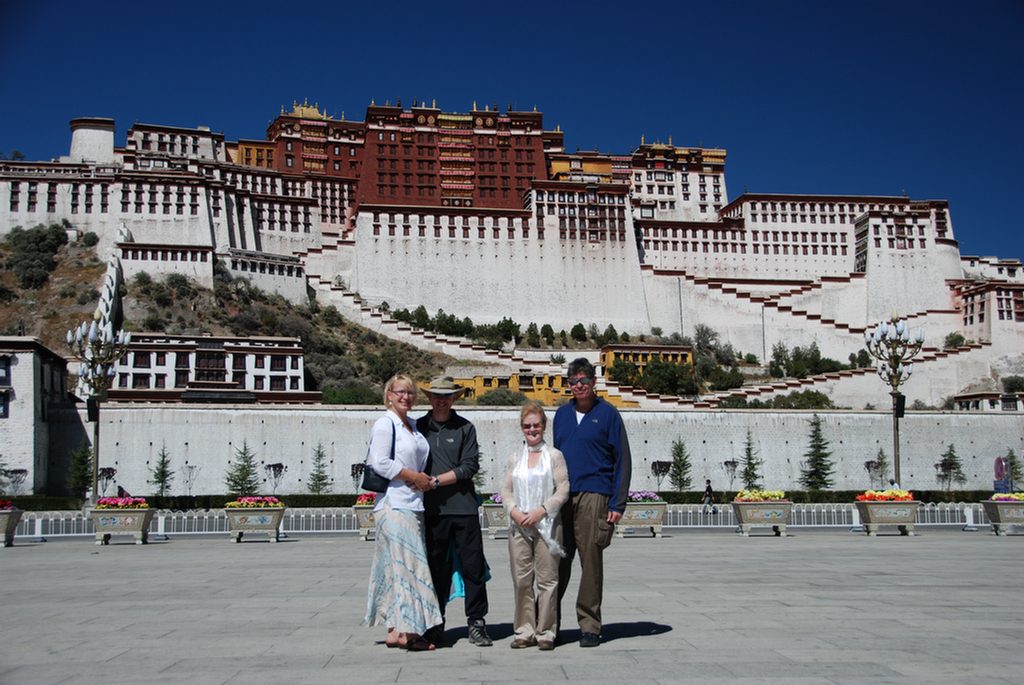
The highlight of Lhasa and reason for our visit was the Potala Palace. This was, to be frank, anti-climatic. From the outside the temple is a vast and sprawling giant, dominating the city of Lhasa. It’s so large that it was actually difficult to get a good photo and we should have gone to a viewpoint elsewhere in the city to appreciate it.
The tour lasted a few hours and there was amazing wealth and opulence inside with huge gemstones and golden buddhas as well as ornate decorations. As always these displays of wealth in ostensibly religious houses made us question their worth. Surely the money could be better spent on raising the worshippers from dire poverty but I guess the counter argument is that the palace and its treasures endure while people are ephemeral.
Yamdrok Yumtso Lake
Although we had been worried about altitude sickness it didn’t seem to really affect us. Obviously we took things steady but there was no shortness of breath or headaches although Steve did drink lots of yak butter tea as a precaution! Our final trip was a visit to Yamdrok Yumtso lake.
Getting to the lake involved driving up an amazing winding road through the mountains that the Chinese probably built in less time than our council take to fill in a pothole. The viewpoint we stopped at was a tourist trap with costumed locals posing with their yaks and wanting cash for photos. Not a bad thing as everyone gets something from it but just be aware of it. We did actually try a run here but the air really was too thin for us!
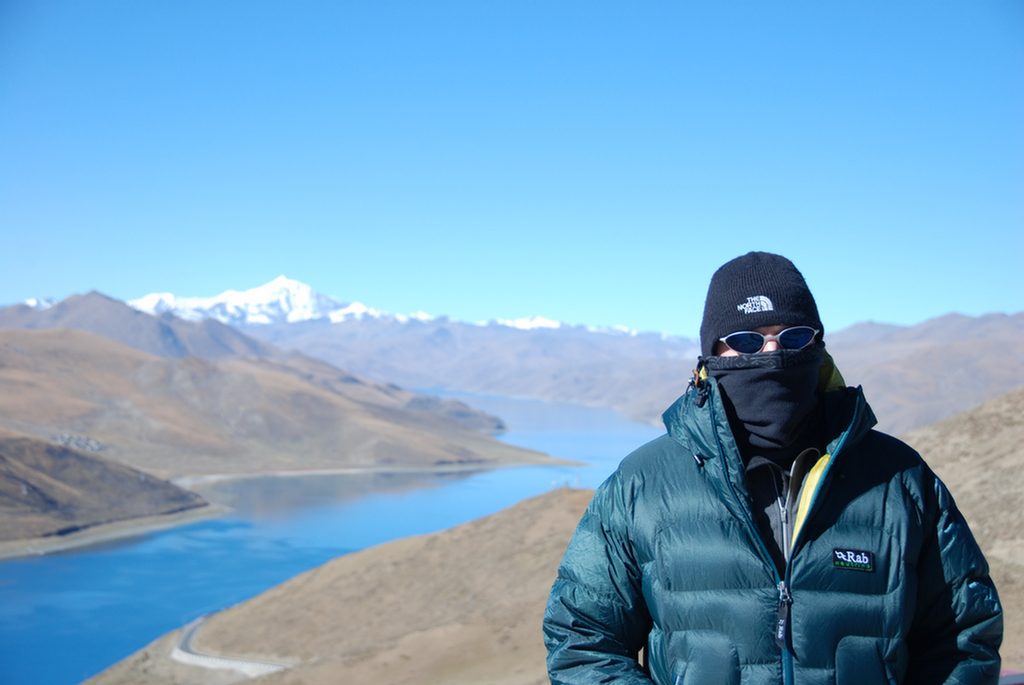
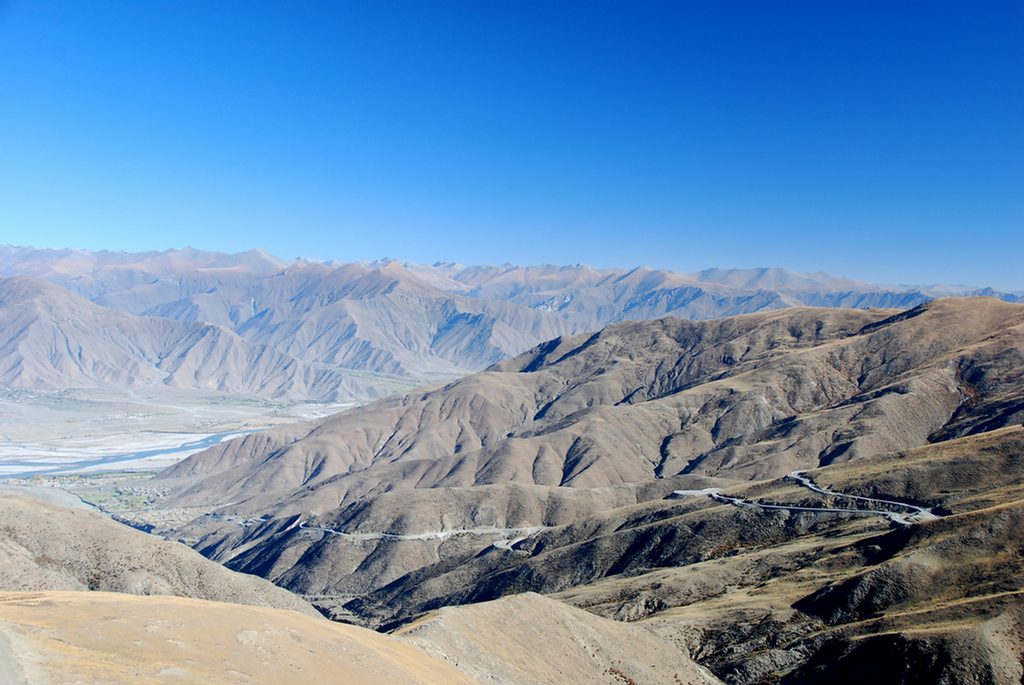
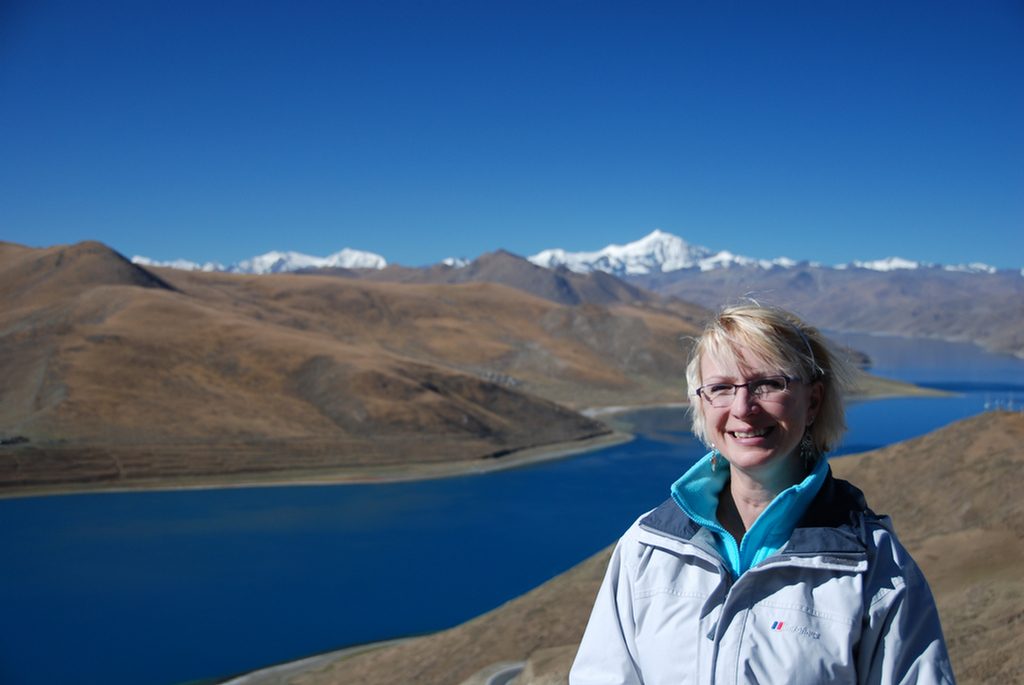
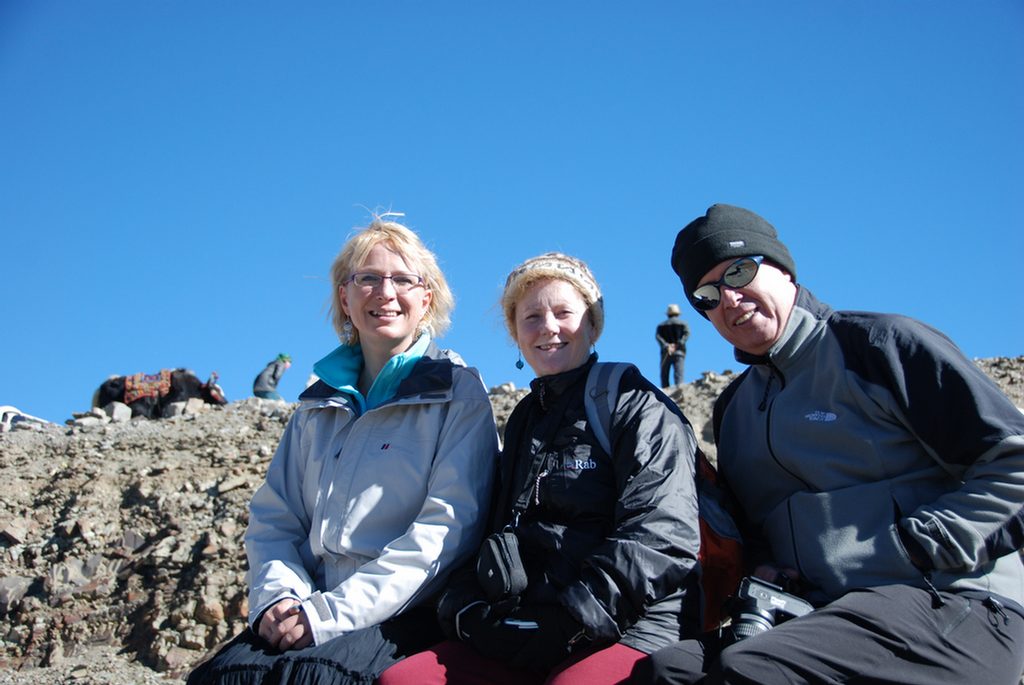
The lake was impressive and pristine. The colours in Tibet were amazing with such a blue sky! I couldn’t imagine staying there too long as I like my home comforts and Tibet was certainly not Westernised at this time so I’d have been pretty lost. A Lhasa city break isn’t the easiest thing to do but does show a very different side of China.
The country was fascinating though with the same depth of religion as many of the Islamic countries I’ve visited but in a more insular way. It’s their religion and what you believe is of complete indifference to them although with the numbers of Han moving to the area that may change in a couple of generations. I’m certainly glad I went but it felt like visiting a dying great aunt, not someone you really know well and you can see they’re on their way out.
2009