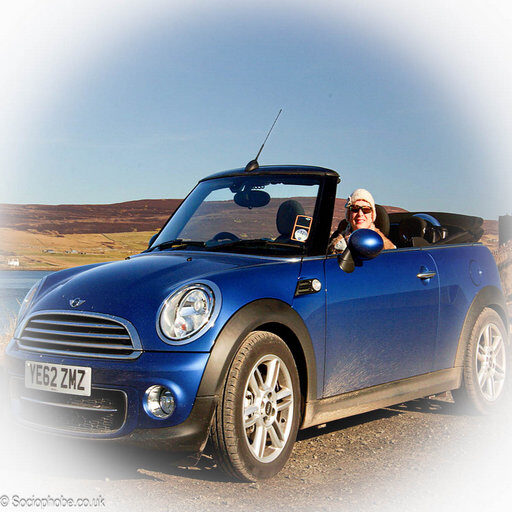
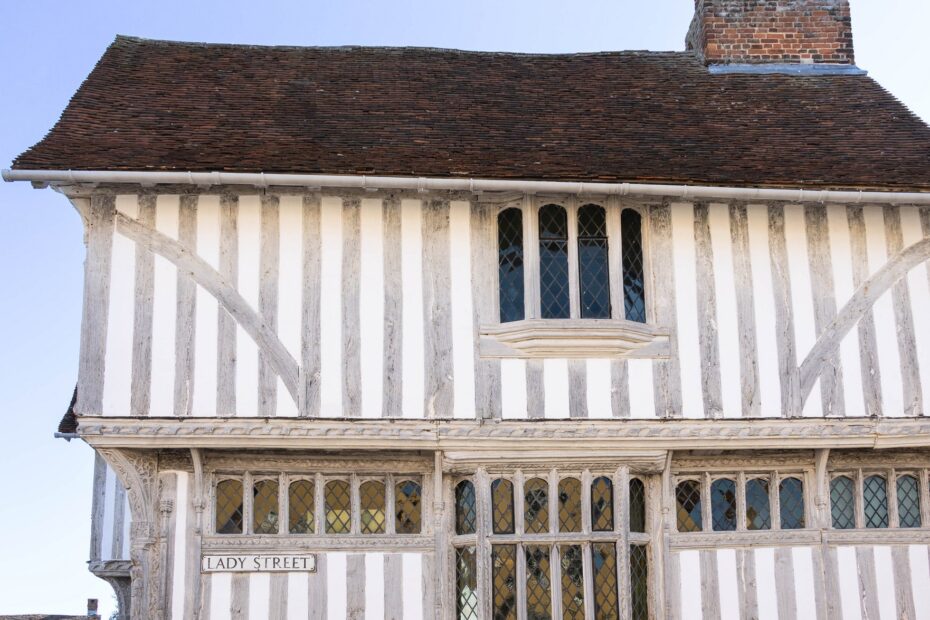
Essex is a maligned county within the UK but it actually has some beautiful scenery and quintessentially English villages for a weekend road trip This was a short road trip to see some sights that had been on my list for a while and also some unexpected ones to break up the travelling. We also used the time to finally meet up with my brother for the first time in a couple of years.
| Holiday Ratings | |
| Recommended days | 2 |
| Budget | £ |
| Difficulty | Easy |
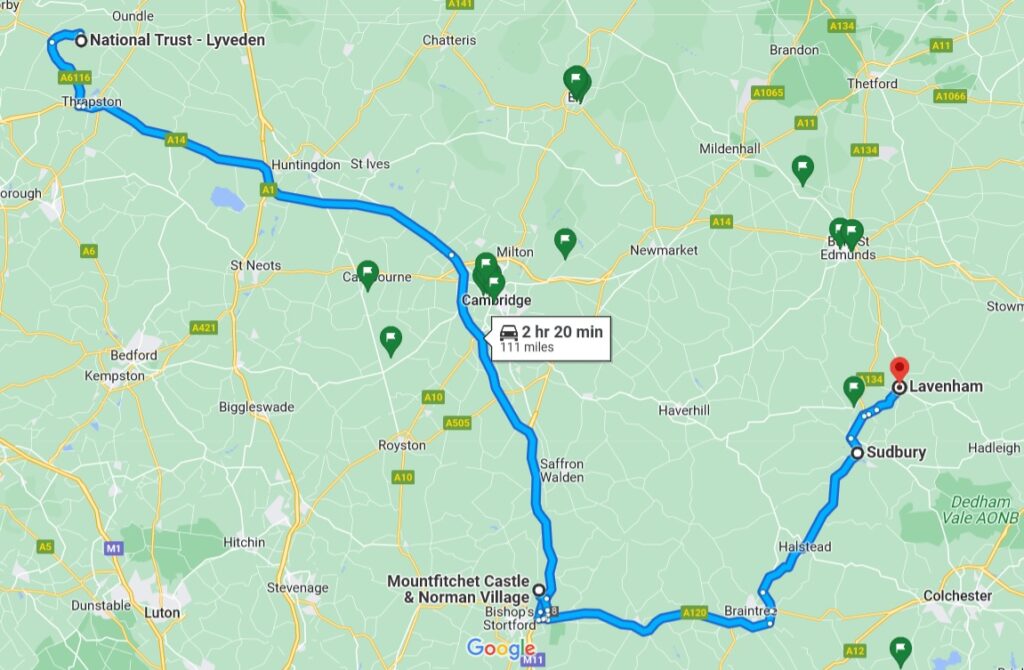
From Leicester to Lyveden
We started this trip from Leicester so we arrived at Lyveden around 11AM. The place is well signposted along mostly B roads and whatever is lower than that with limited passing places. We parked up and were given a lovely introduction to the property and a map before we walked in.
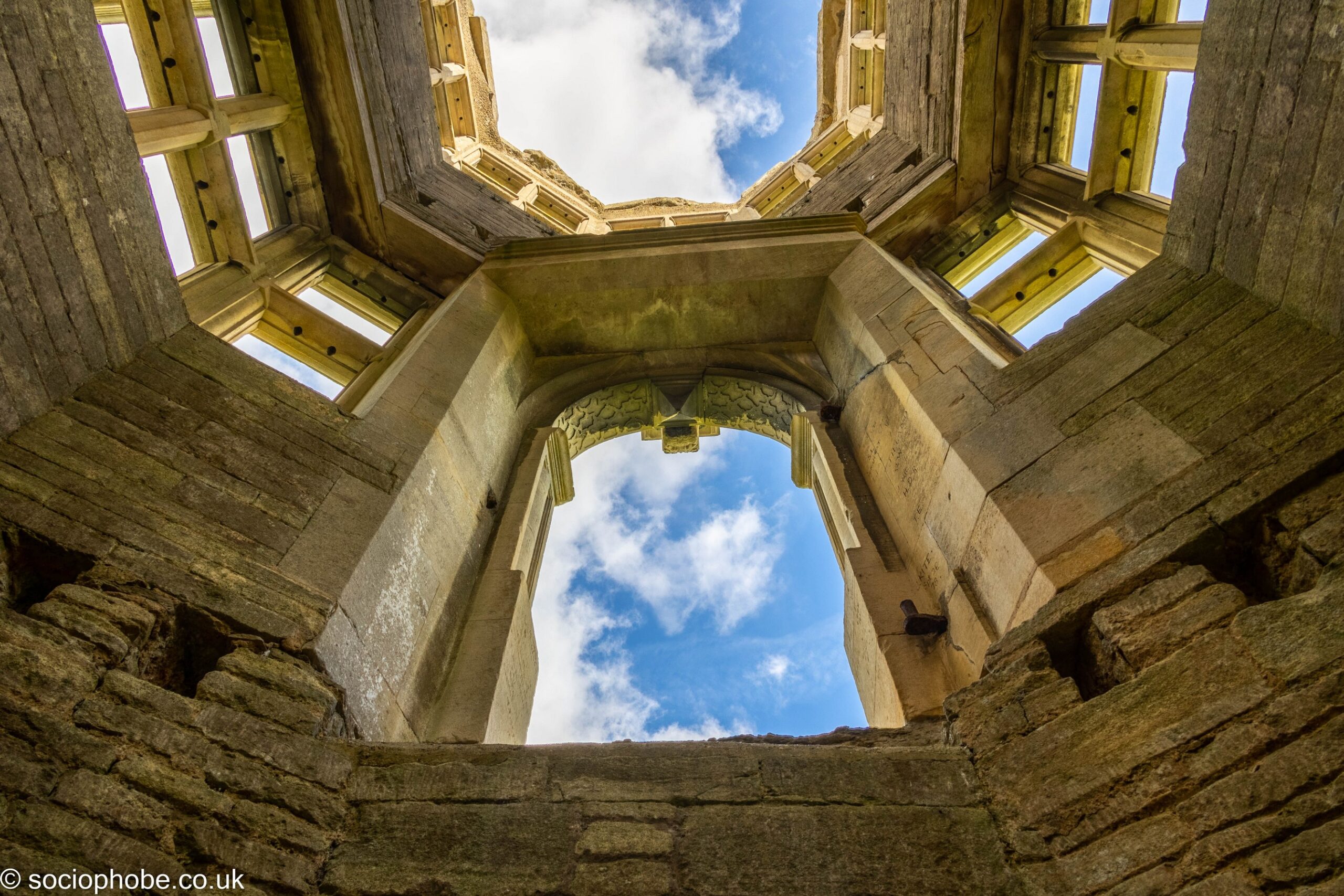
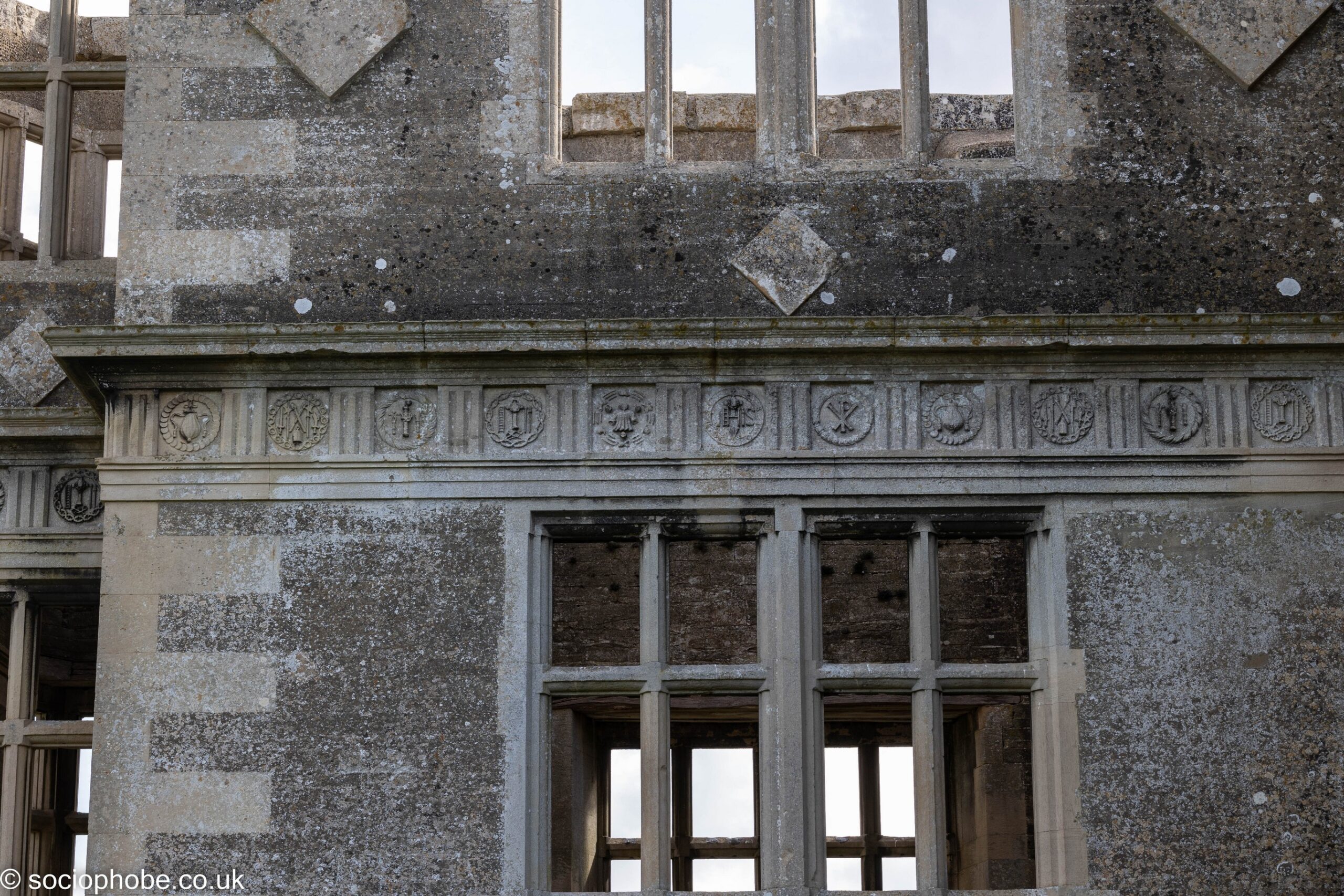
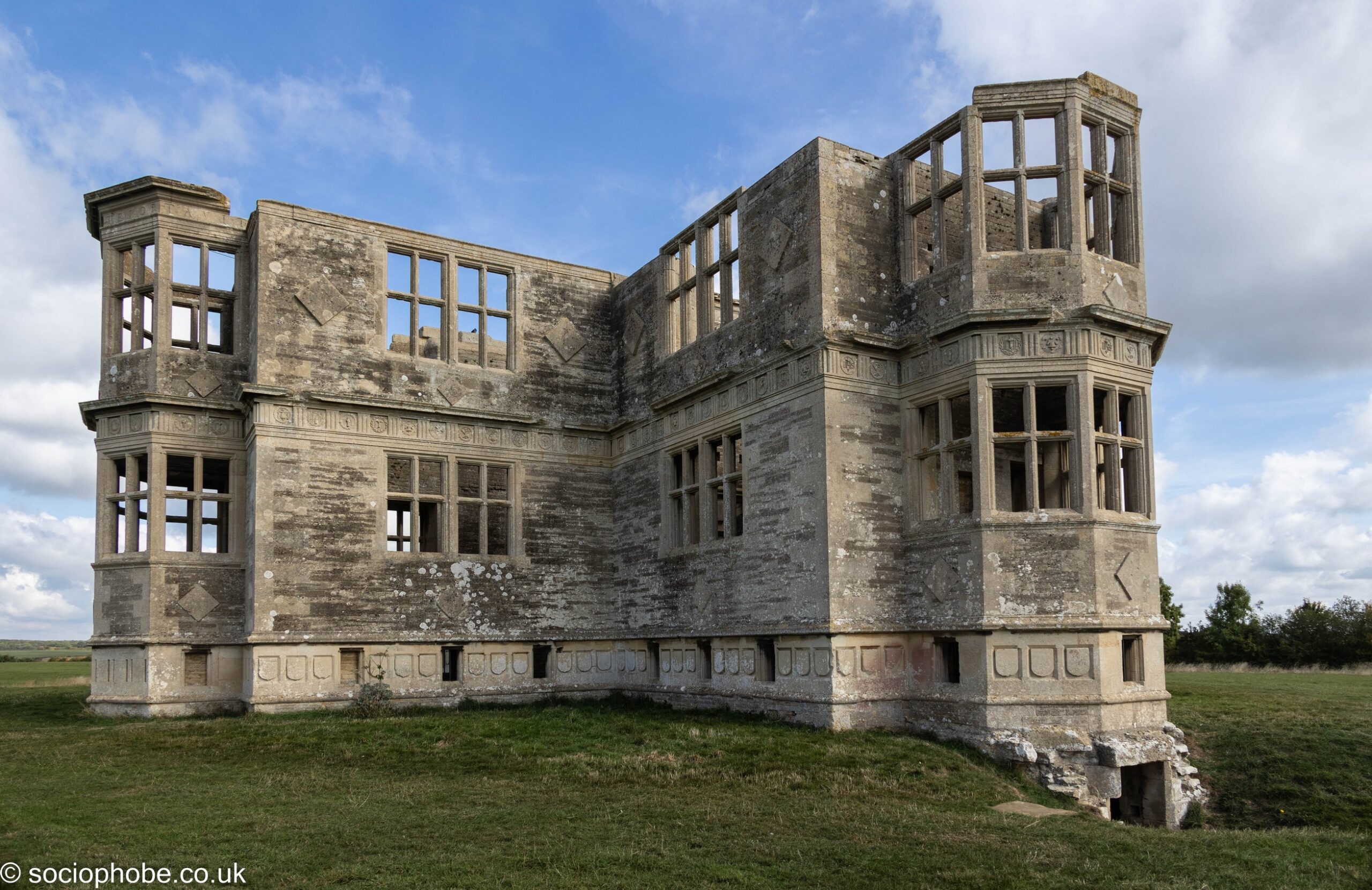
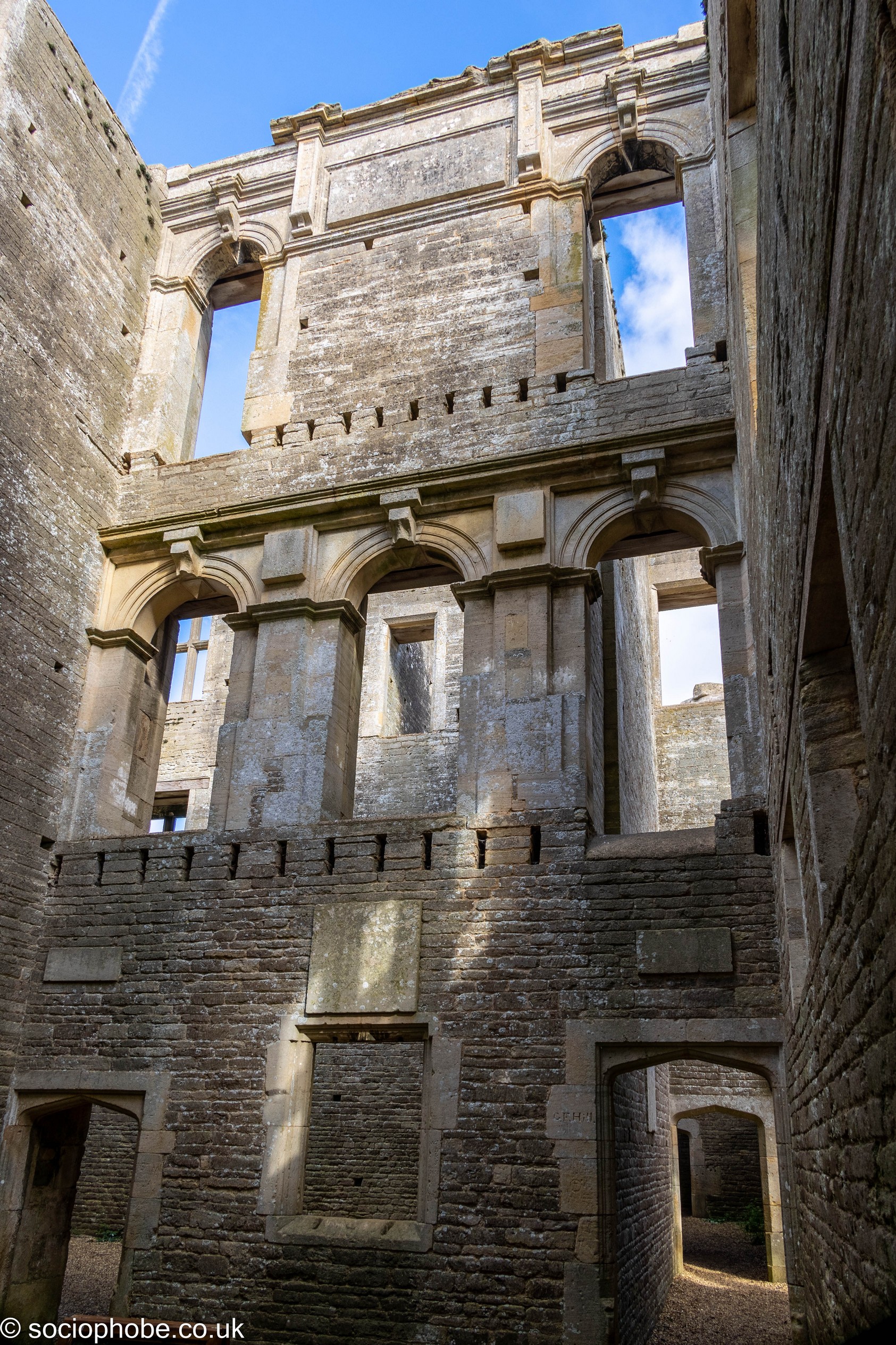
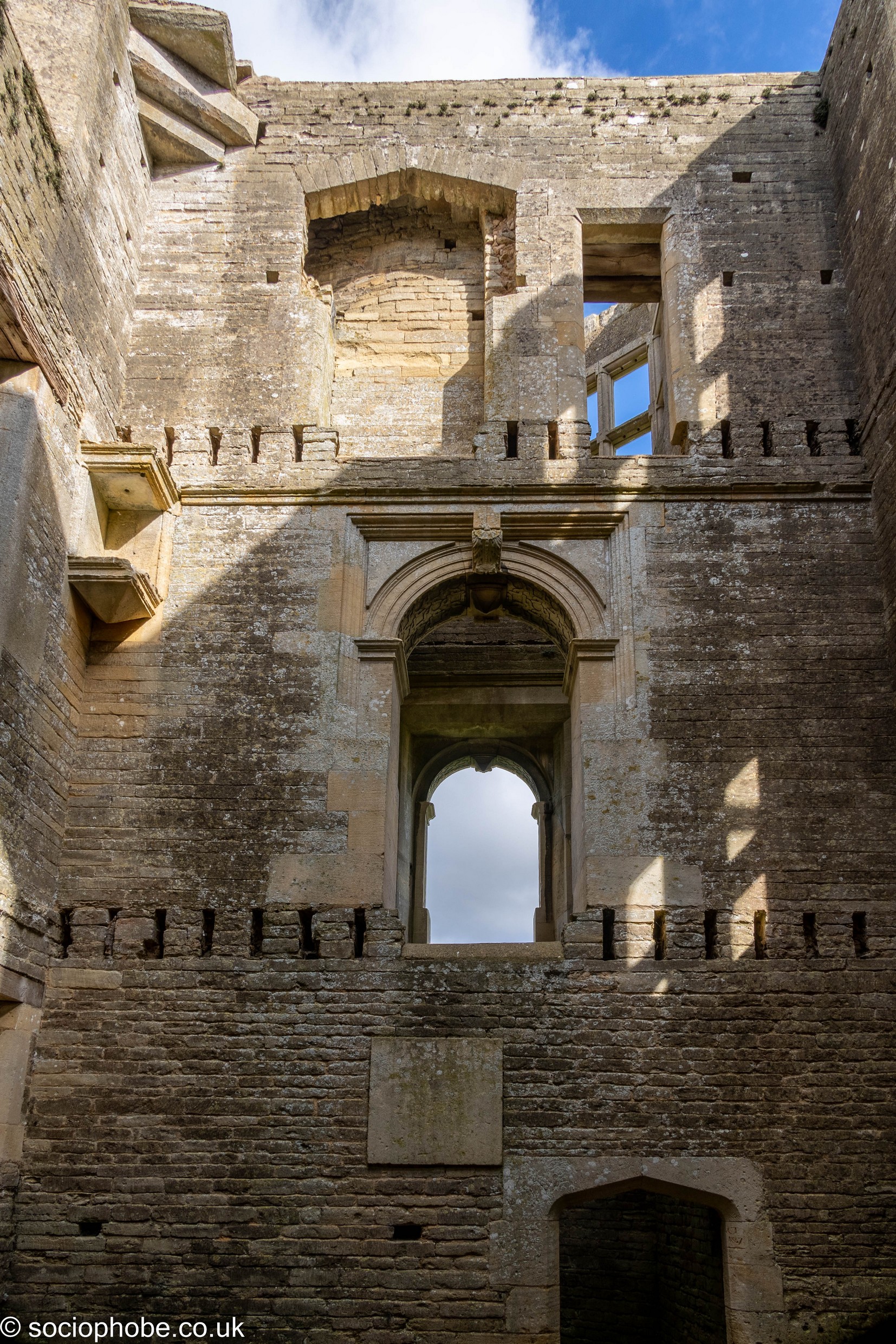
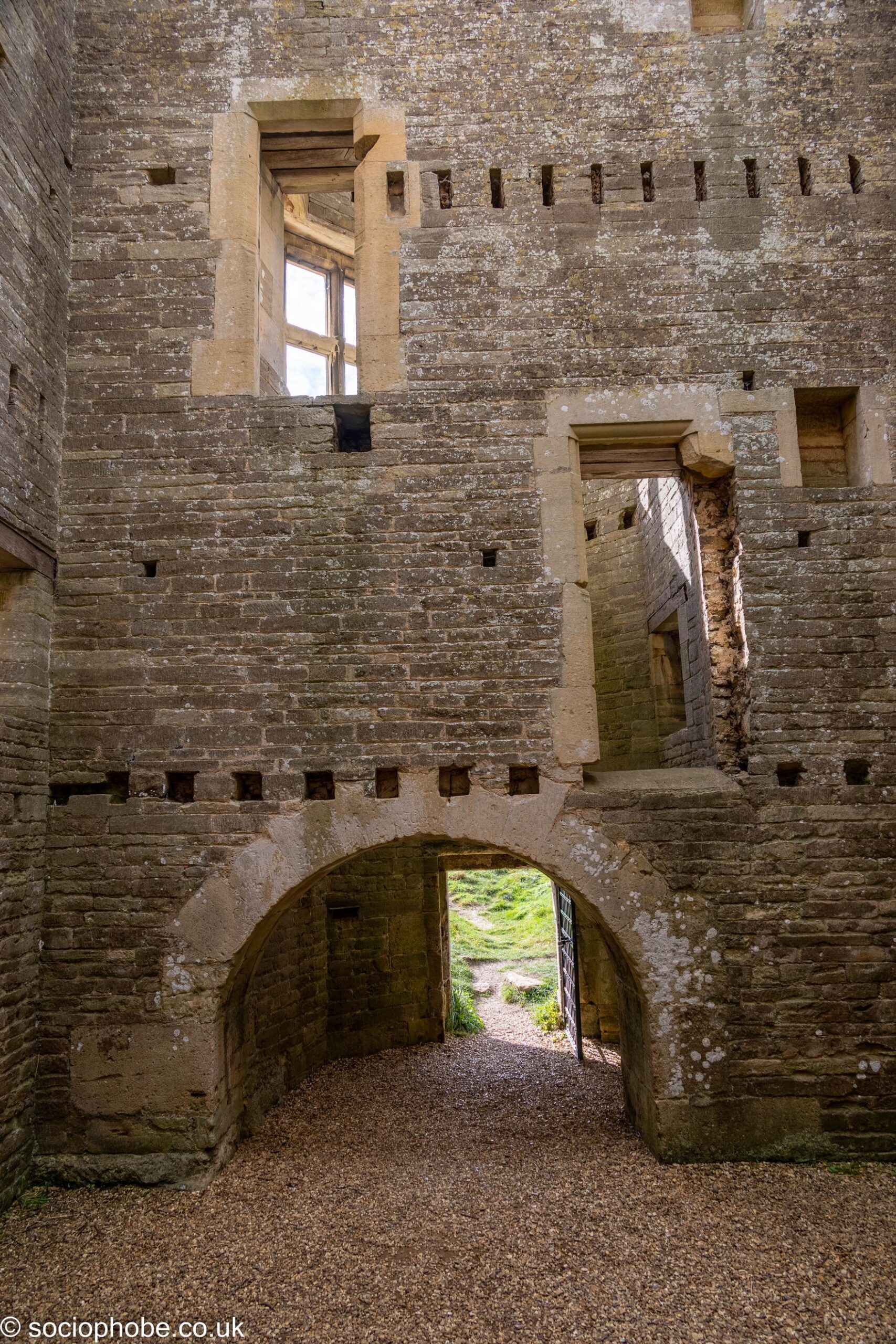
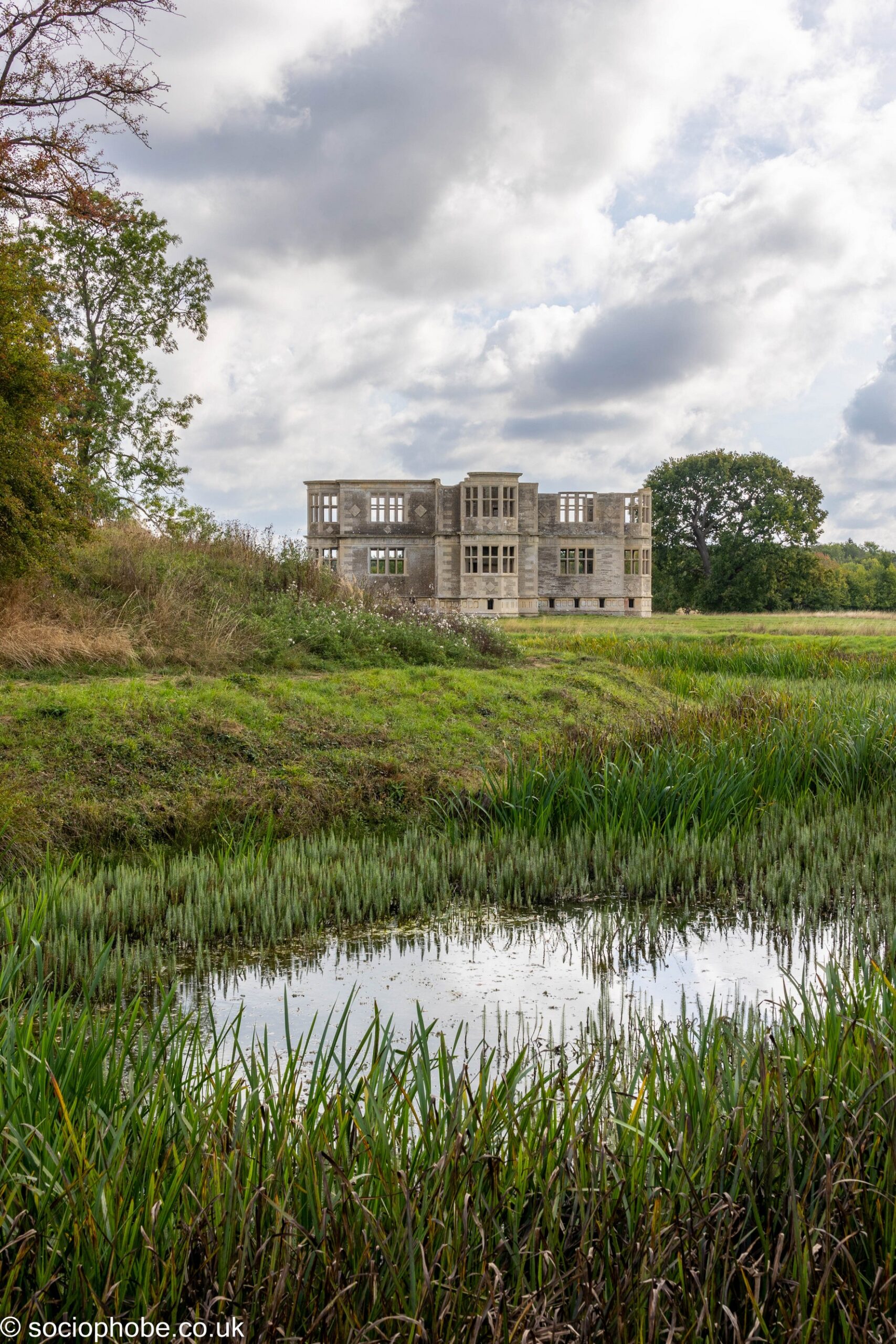
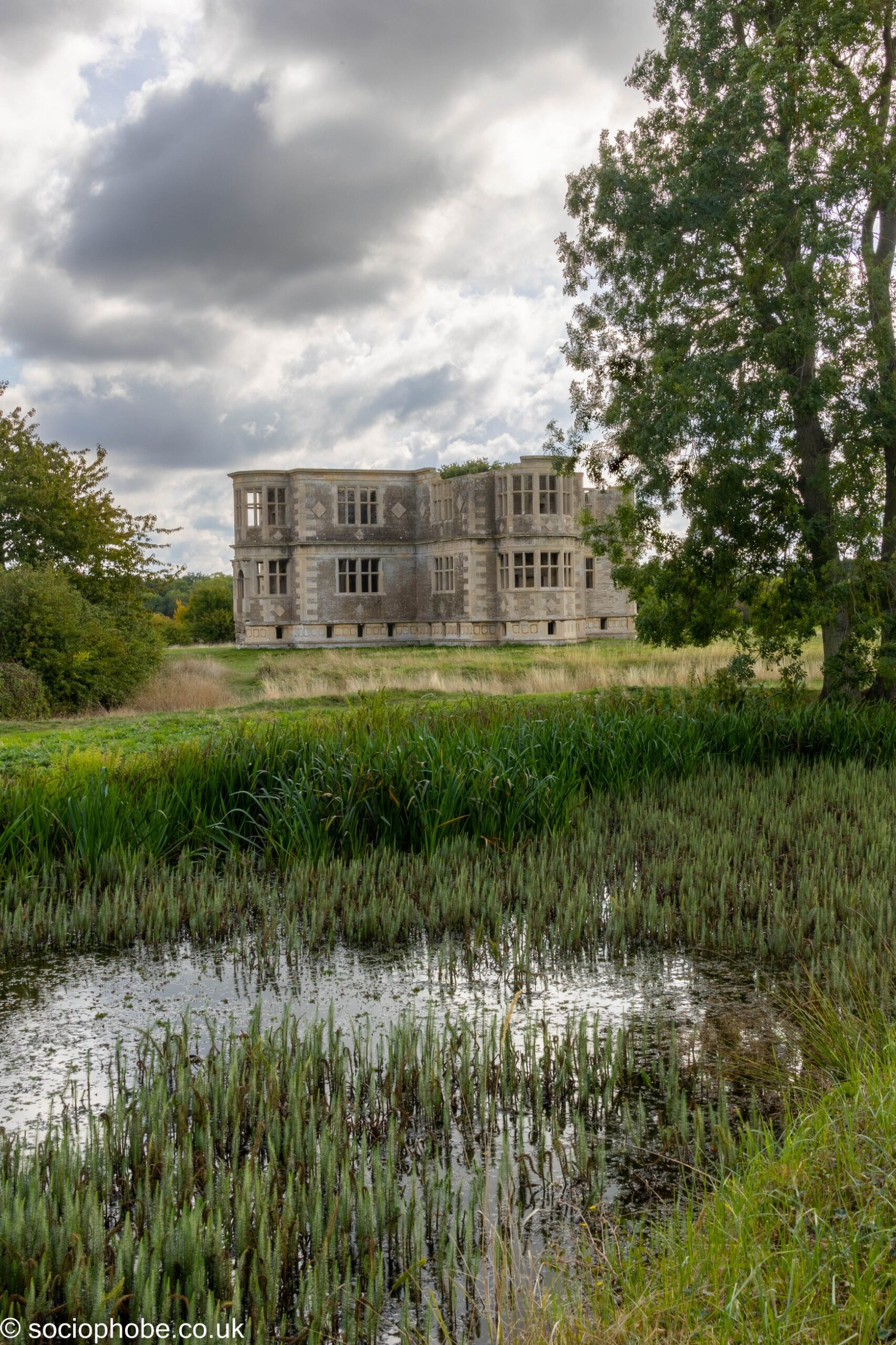
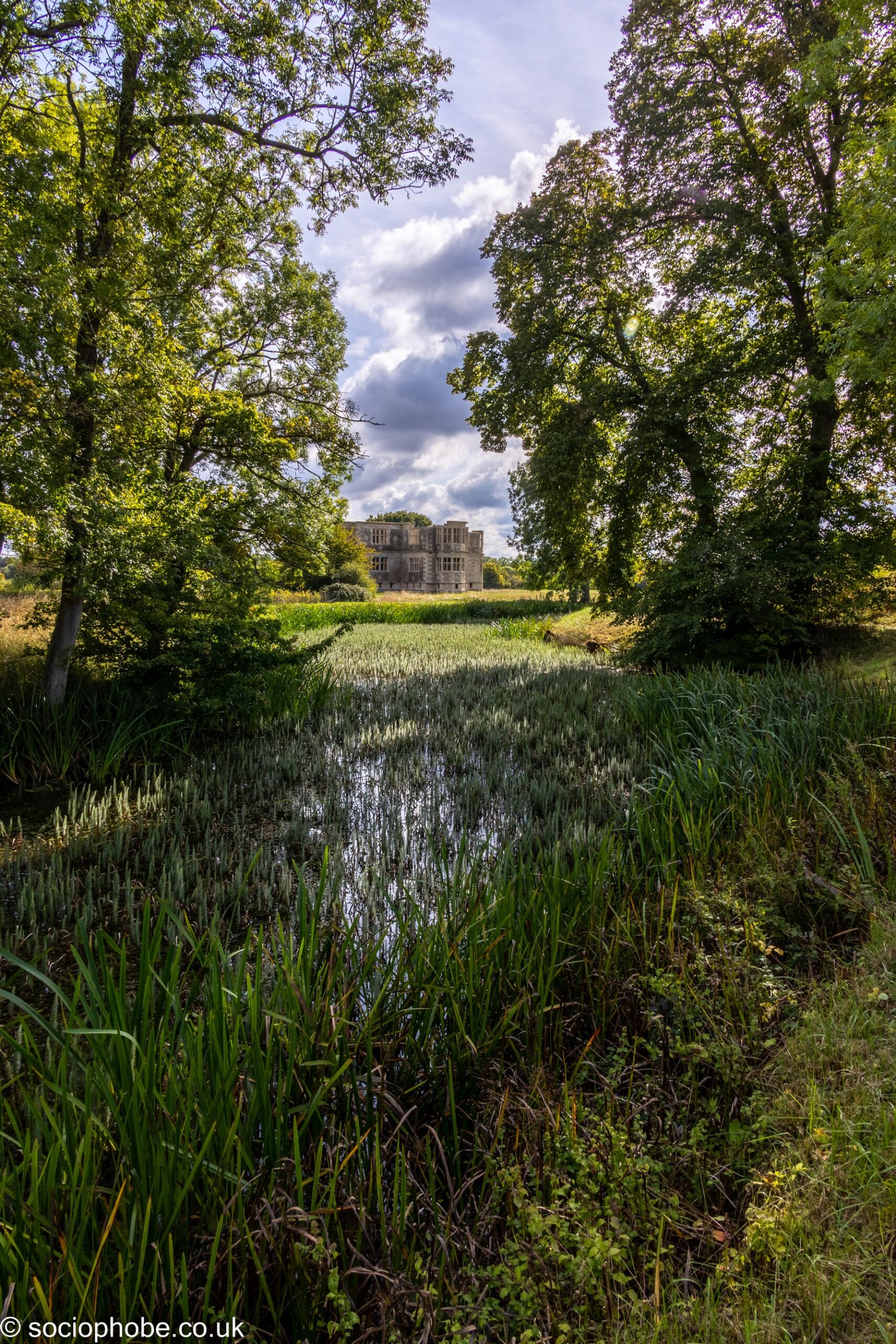
Lyveden is both beautiful and sad. It was also ironic that we left Leicester, recently the scene of religious strife between opposing Muslim and Hindu groups, to visit a ruined house, built as a testament to the owner’s faith in Catholicism in the face of Protestant persecution.
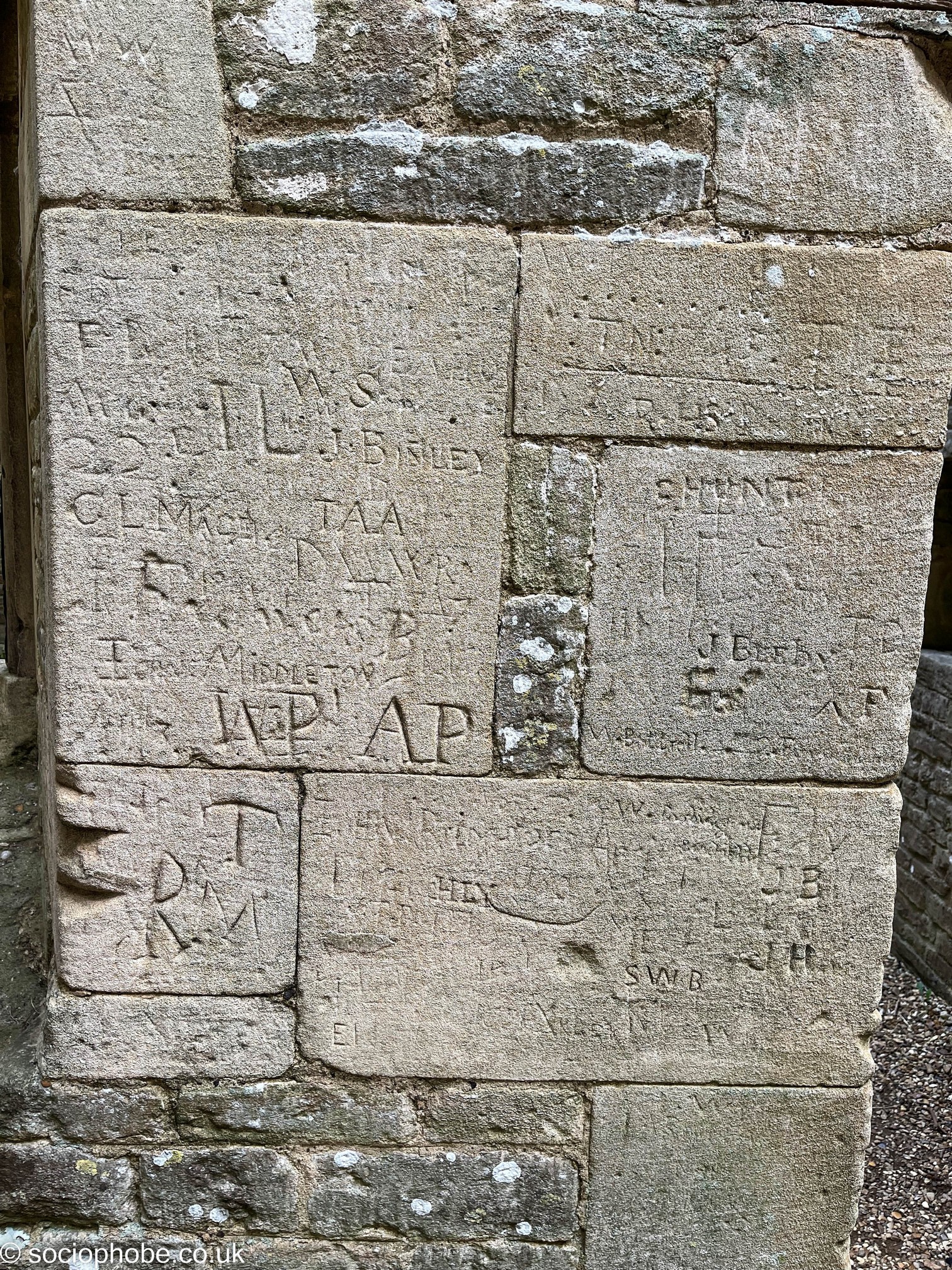
Built at the turn of the seventeenth century the lodge and the gardens were never finished and are remarkably well preserved. There is graffiti etched on to some of the stones from short after it was built, up to the modern era. The gardener’s cottage, next to the lodge, is now an NT holiday let and it was incredibly peaceful.
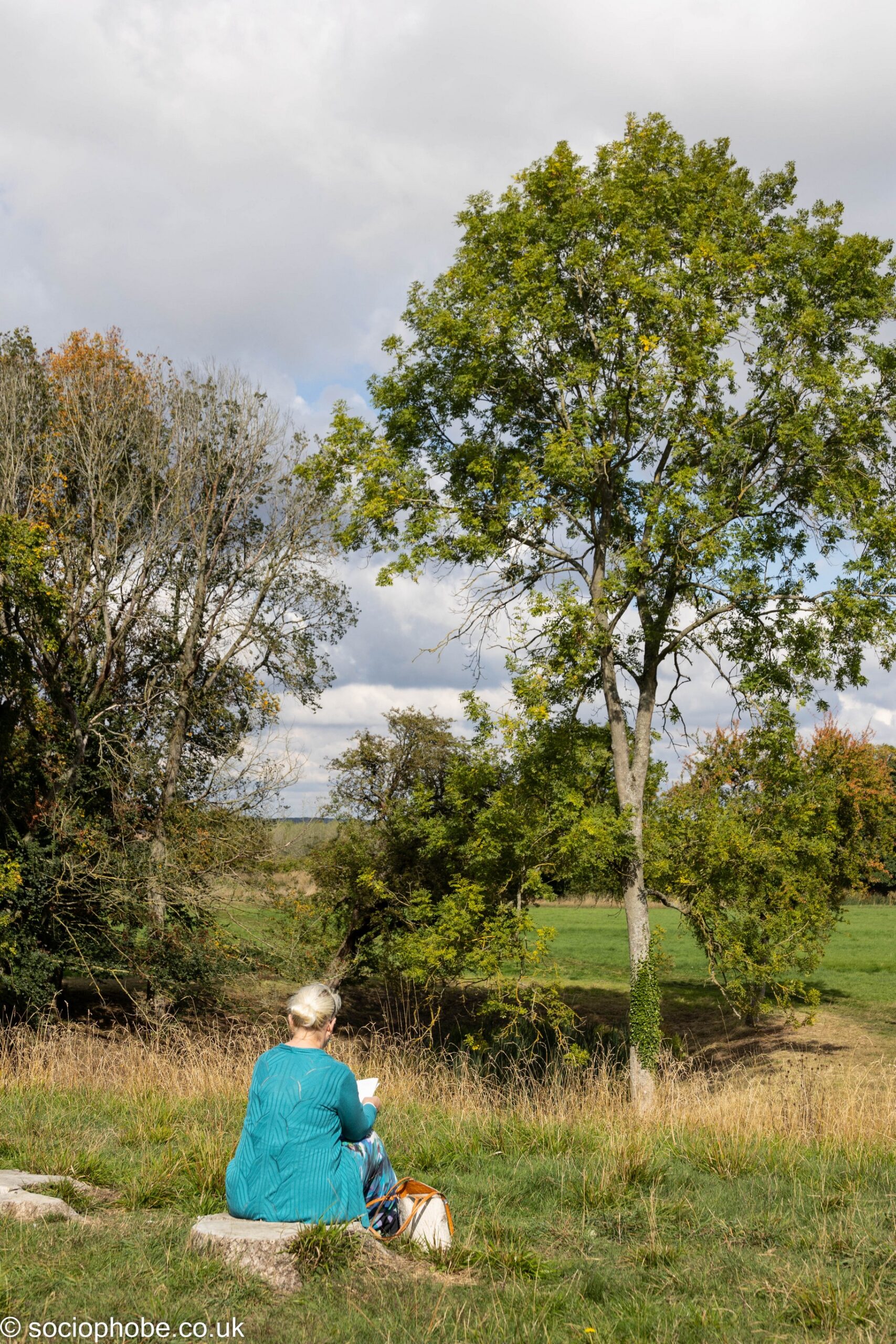
The main manor house, which is intact, had a museum of the life of Sir Thomas Tresham, the owner, and a beautifully serene reading room upstairs. The obligatory NT cafe was in the courtyard so that was obviously a must visit!




Lyveden to Mountfitchet
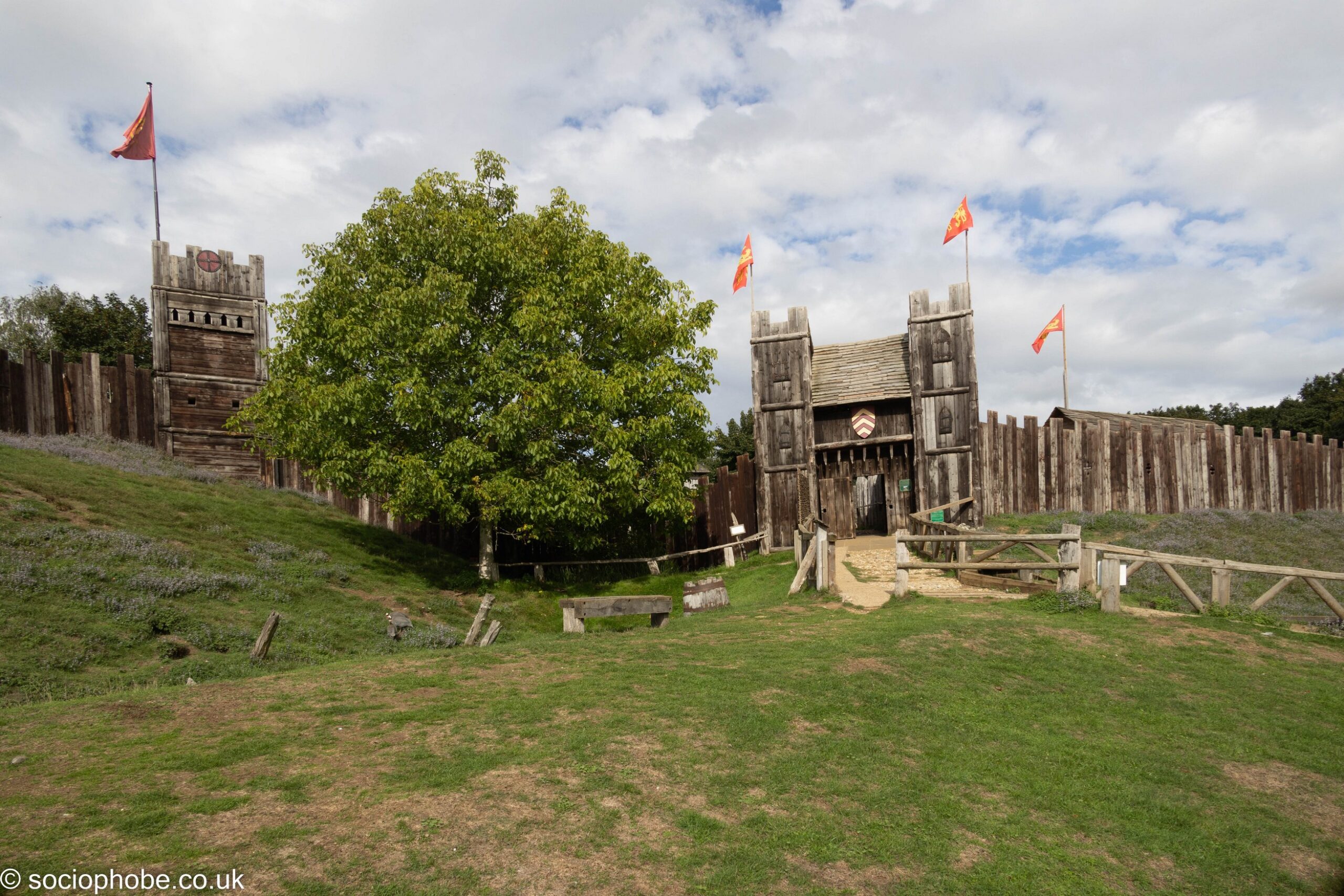
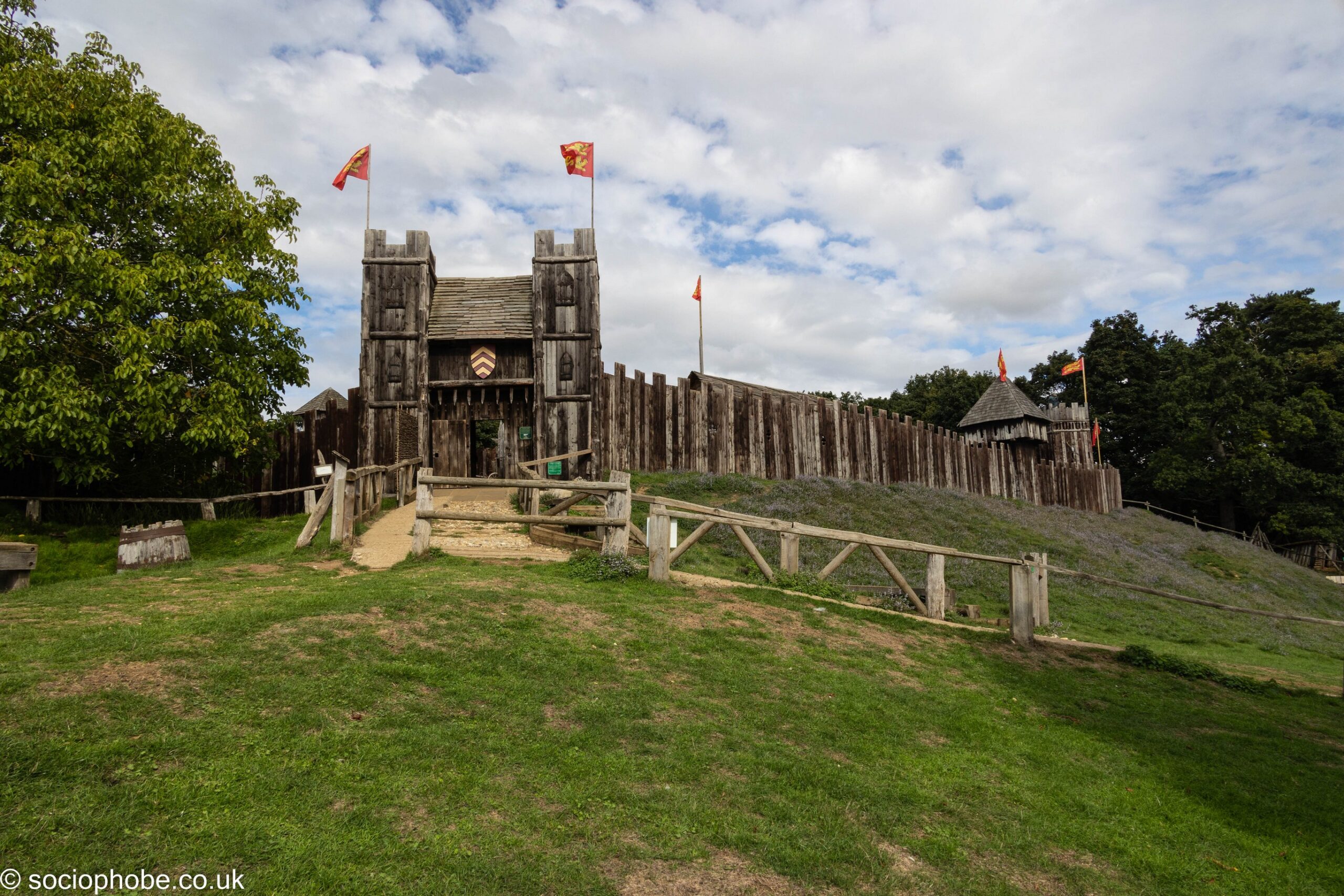
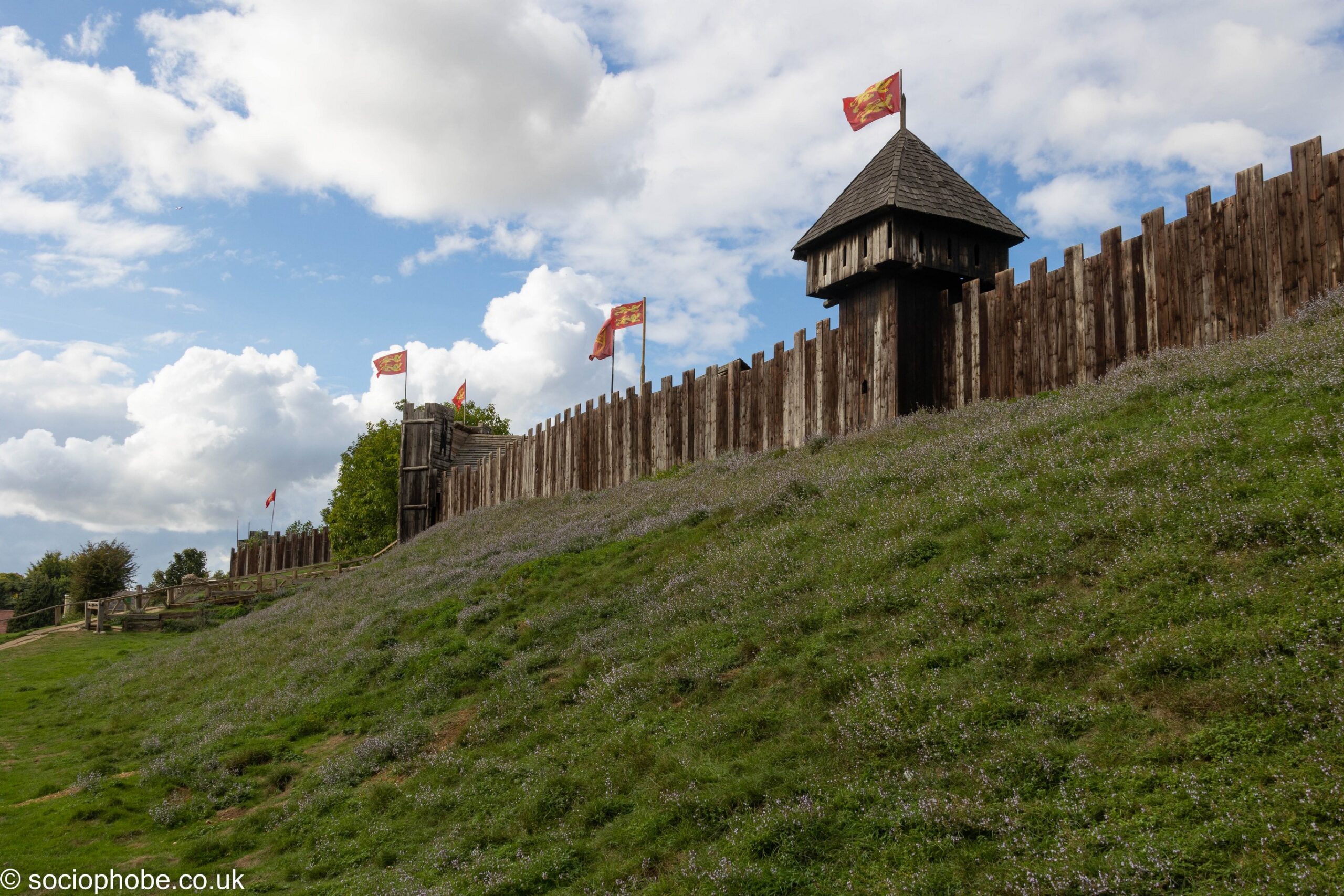
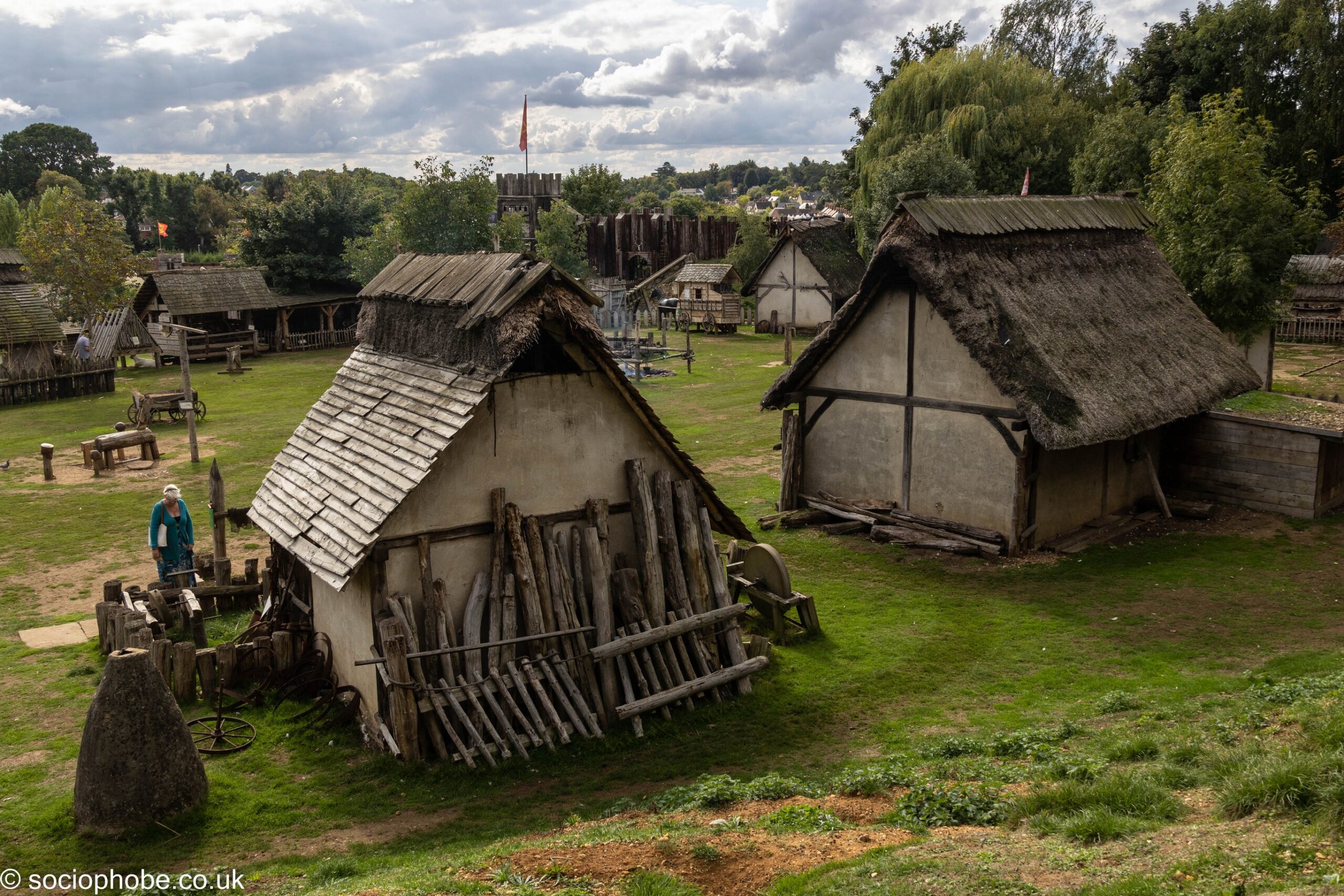
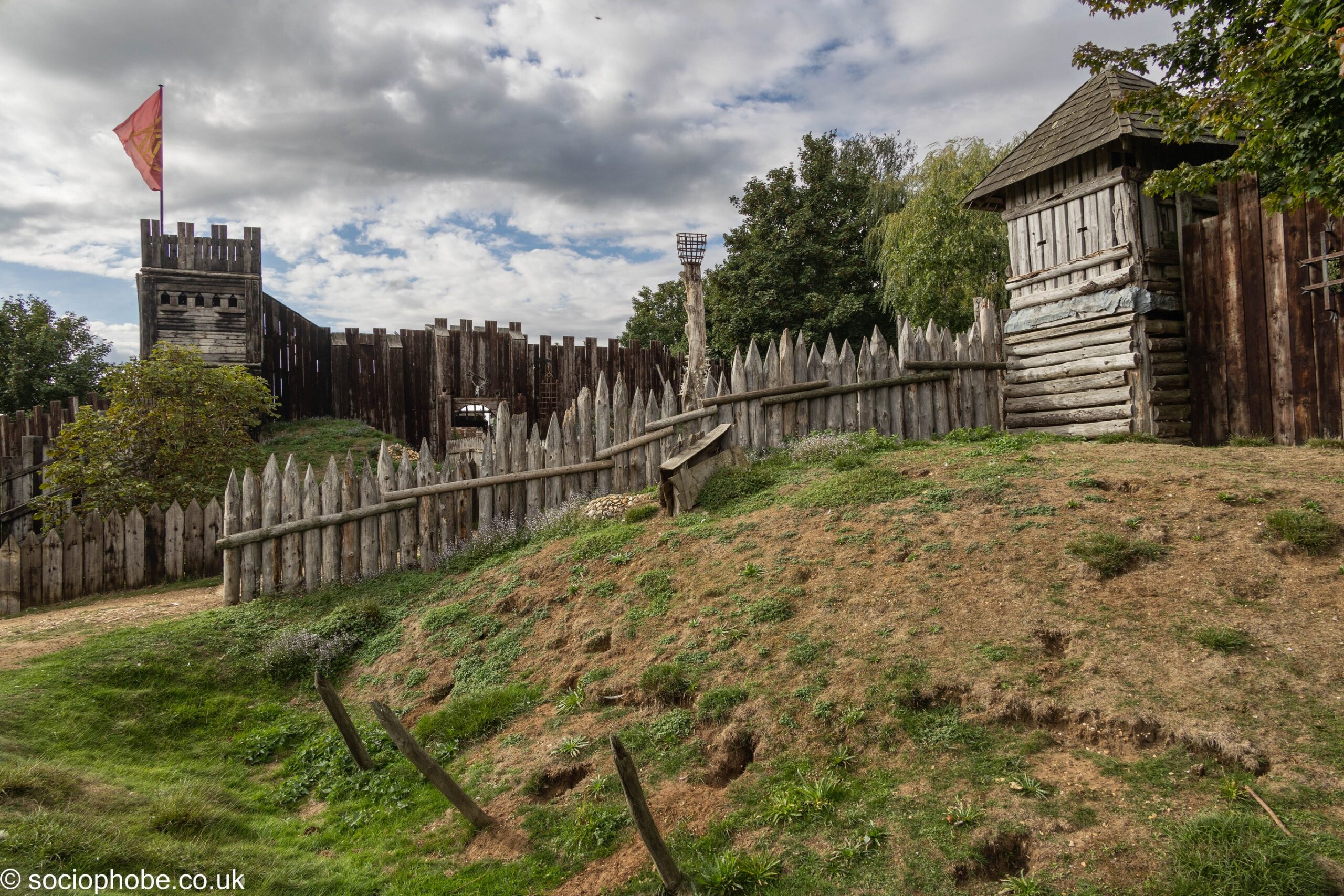
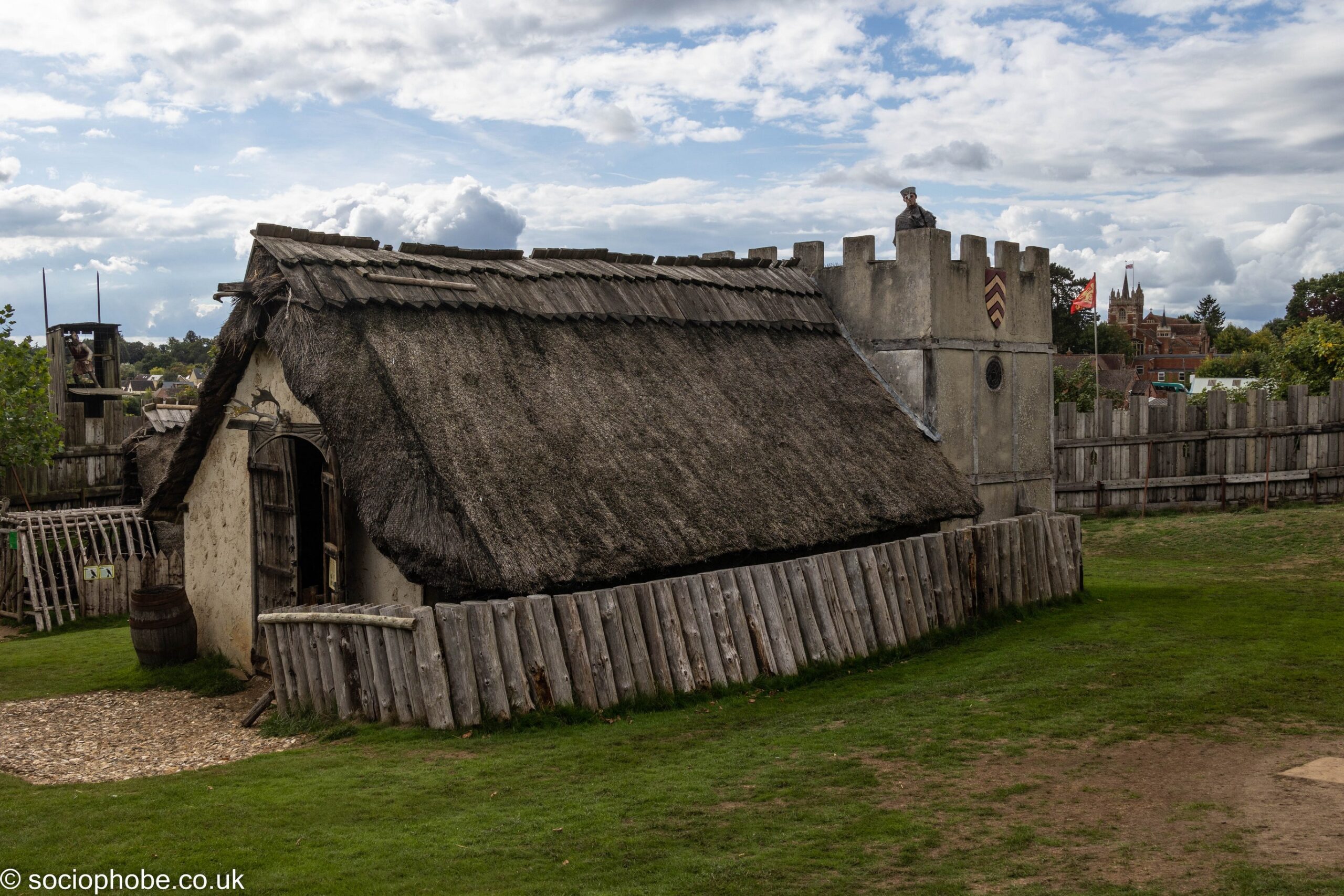
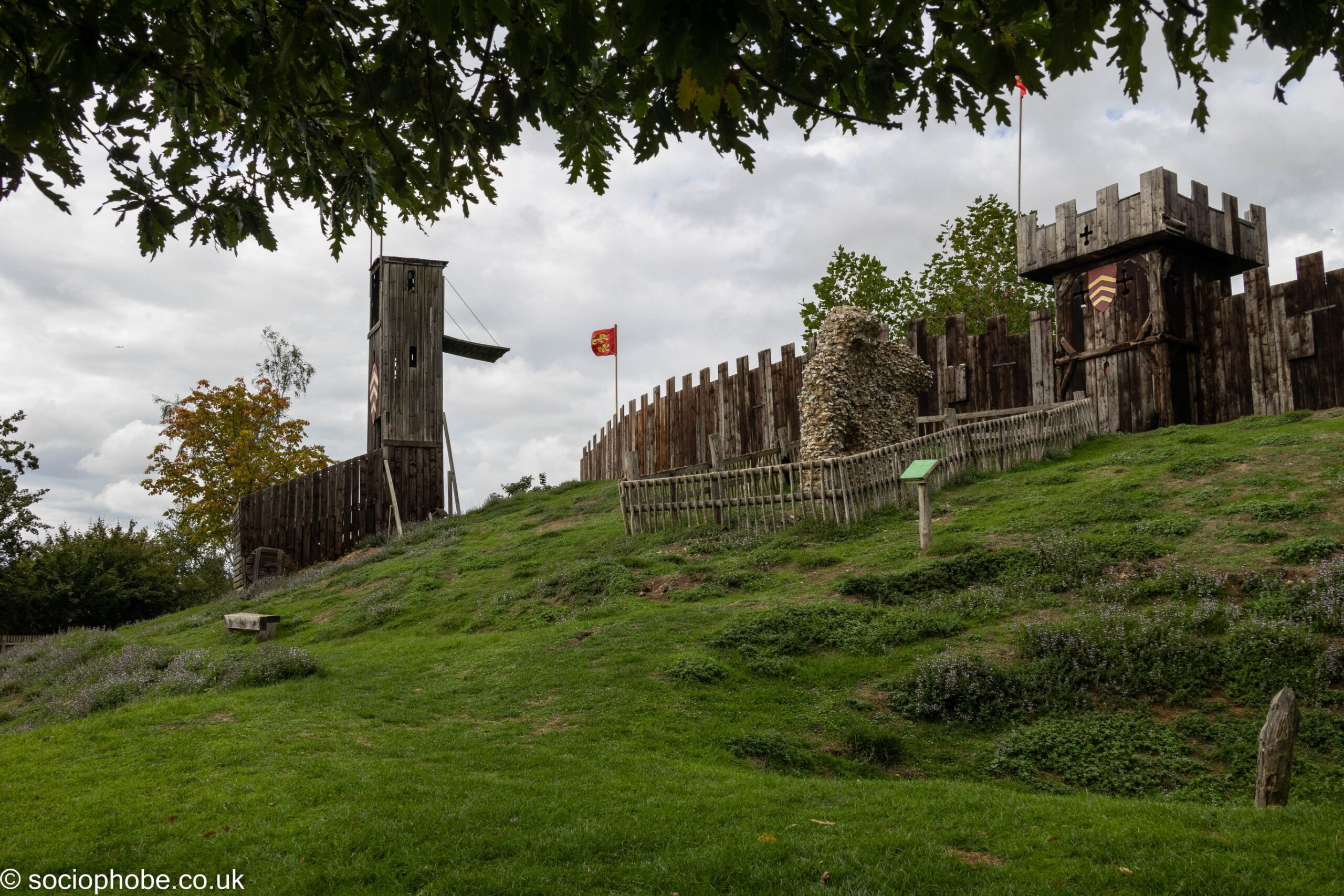
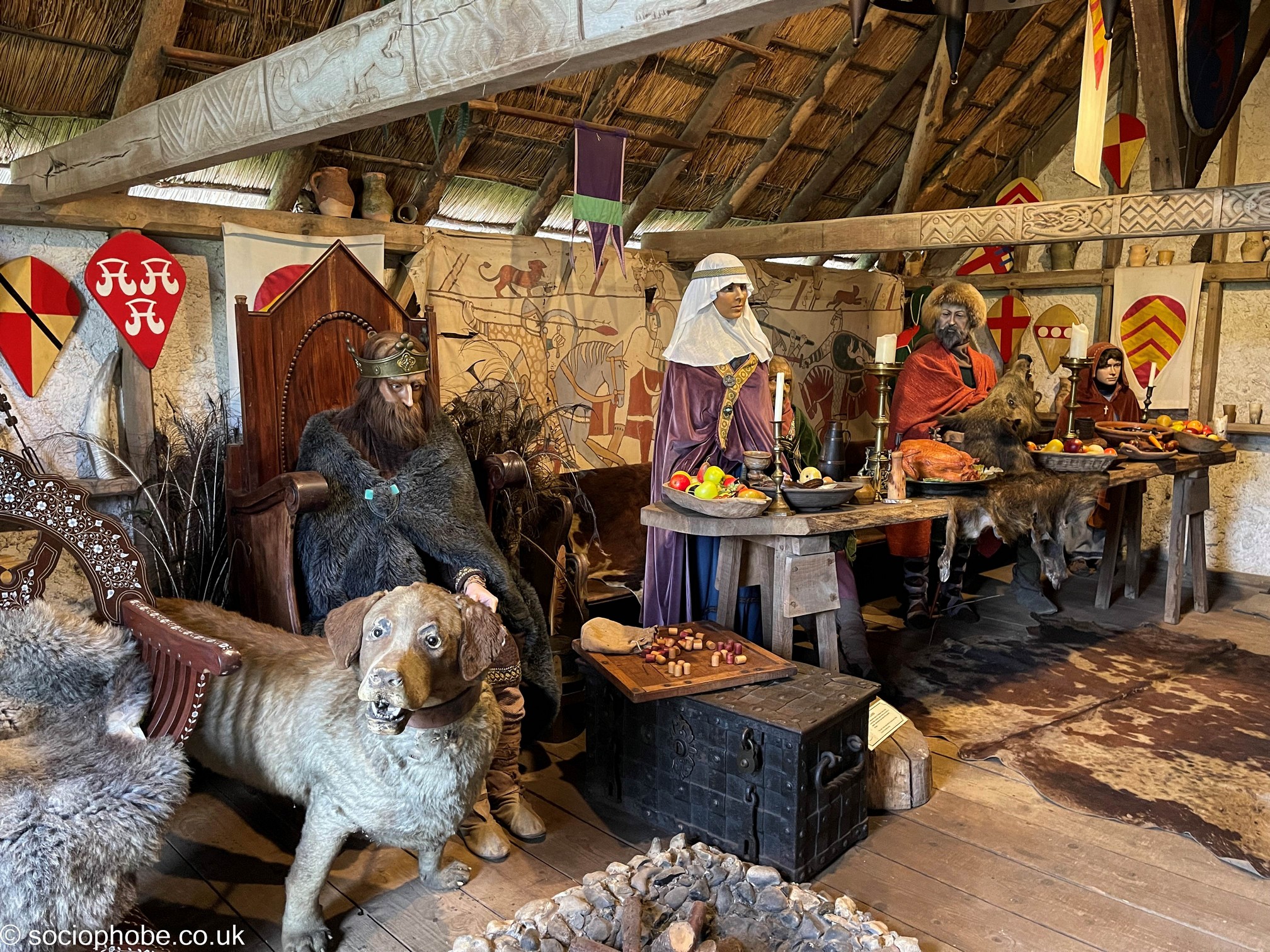
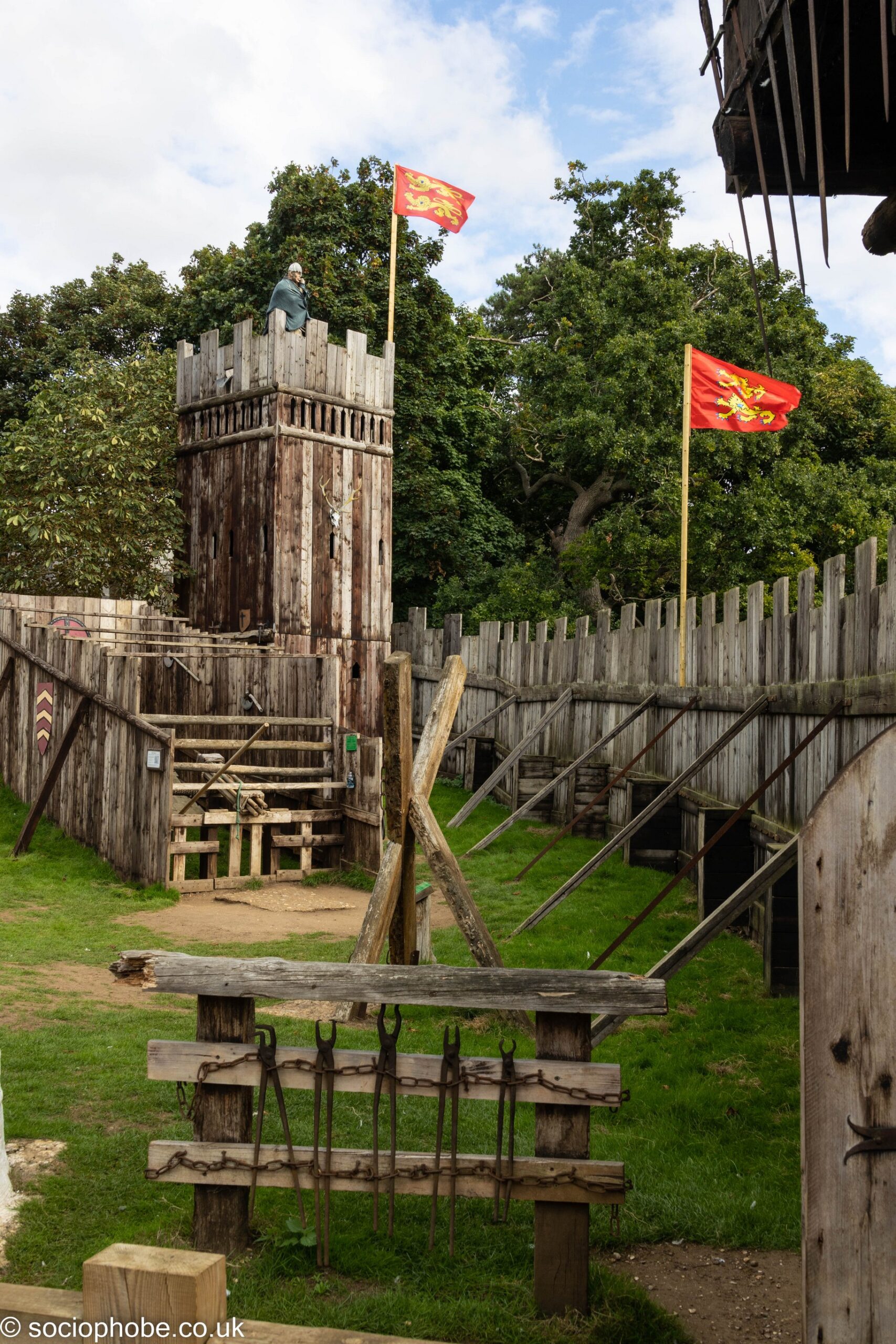
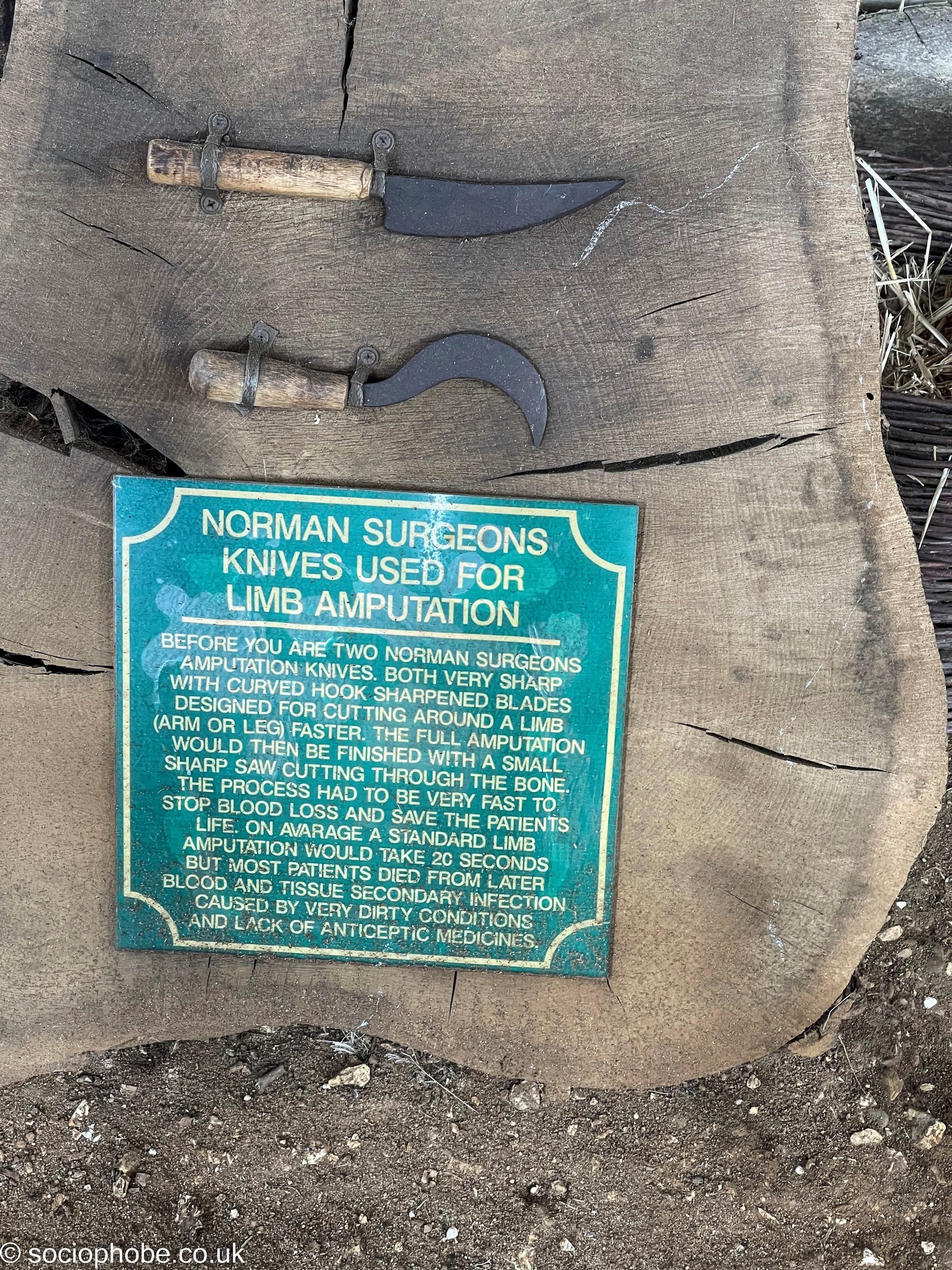
From this archetypical English ruin we drove along mostly boring motorways to Mountfitchet Castle and Norman village. I’d seen the signs to the place every time we flew from Stanstead but this was the first time we had visited it. The castle is actually a 1980’s authentic reproduction of an early Norman timber fort and the associated village buildings.
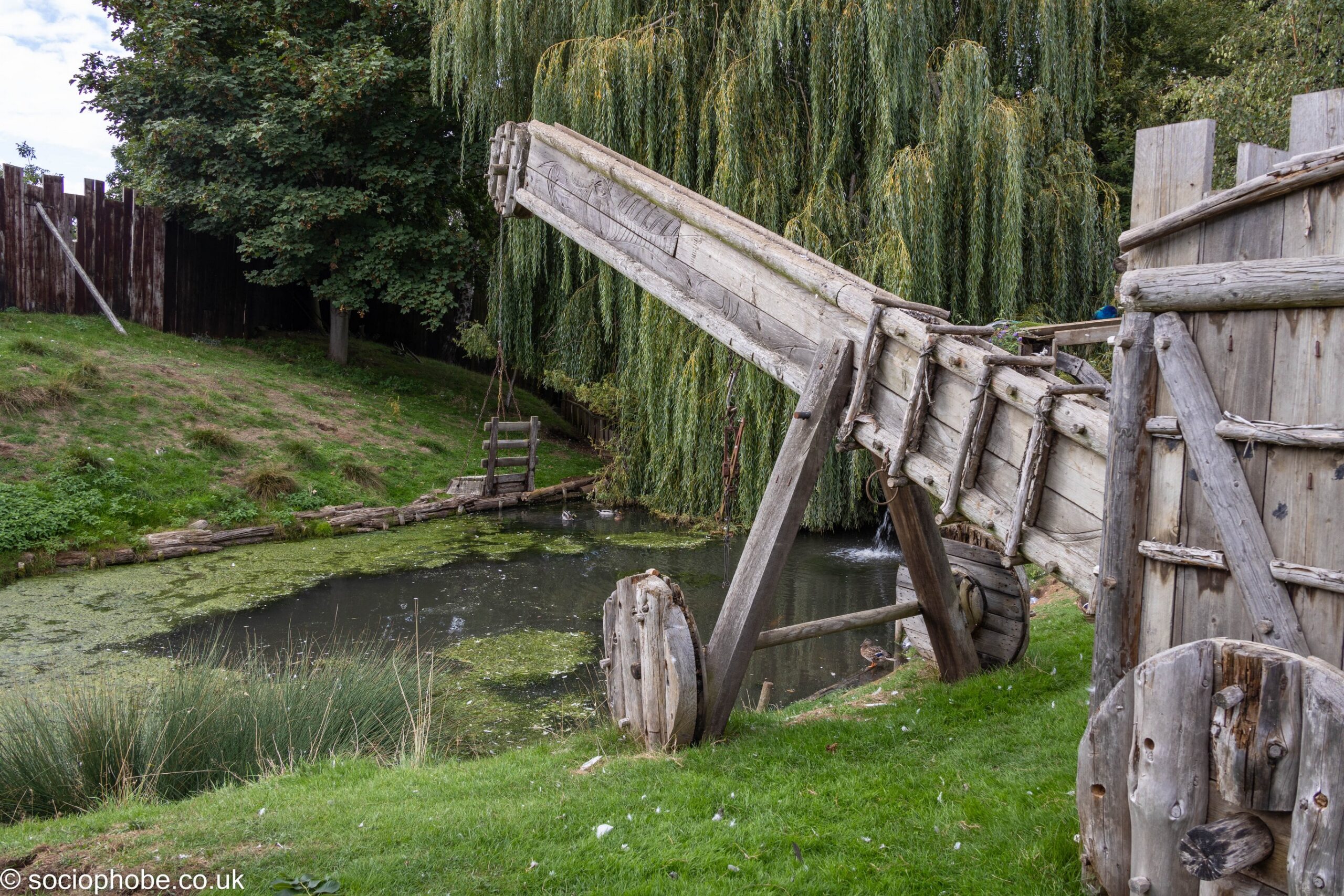
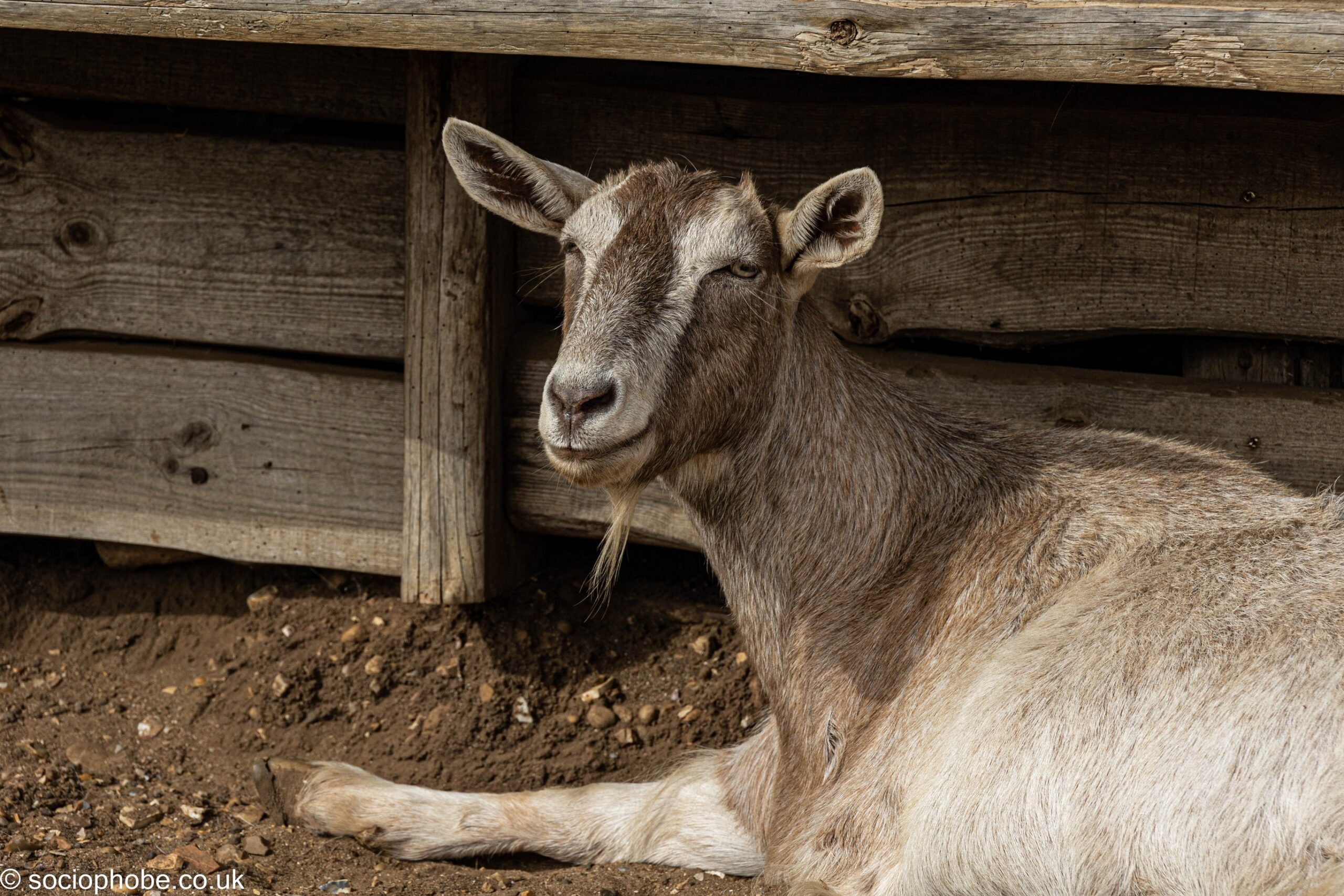
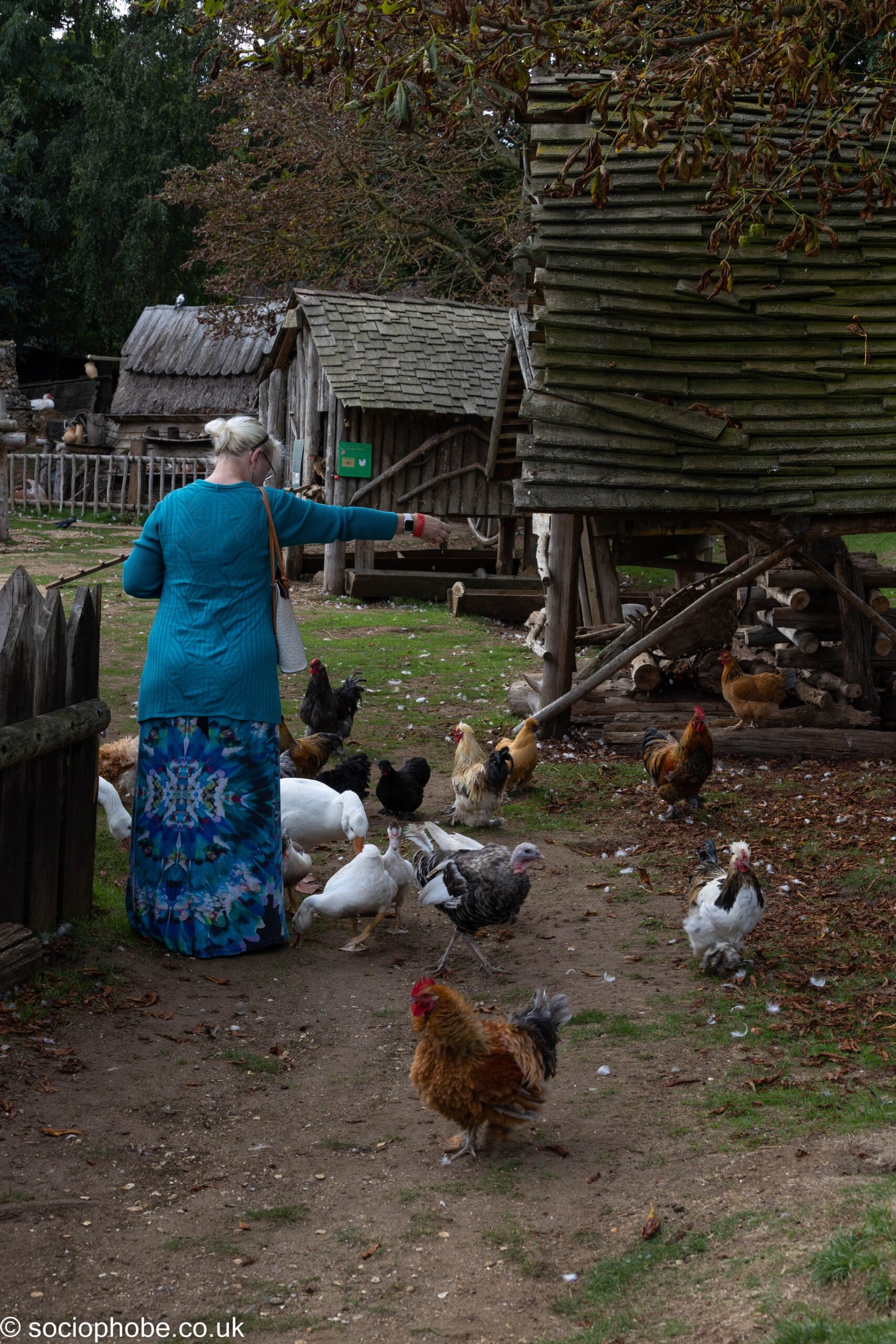
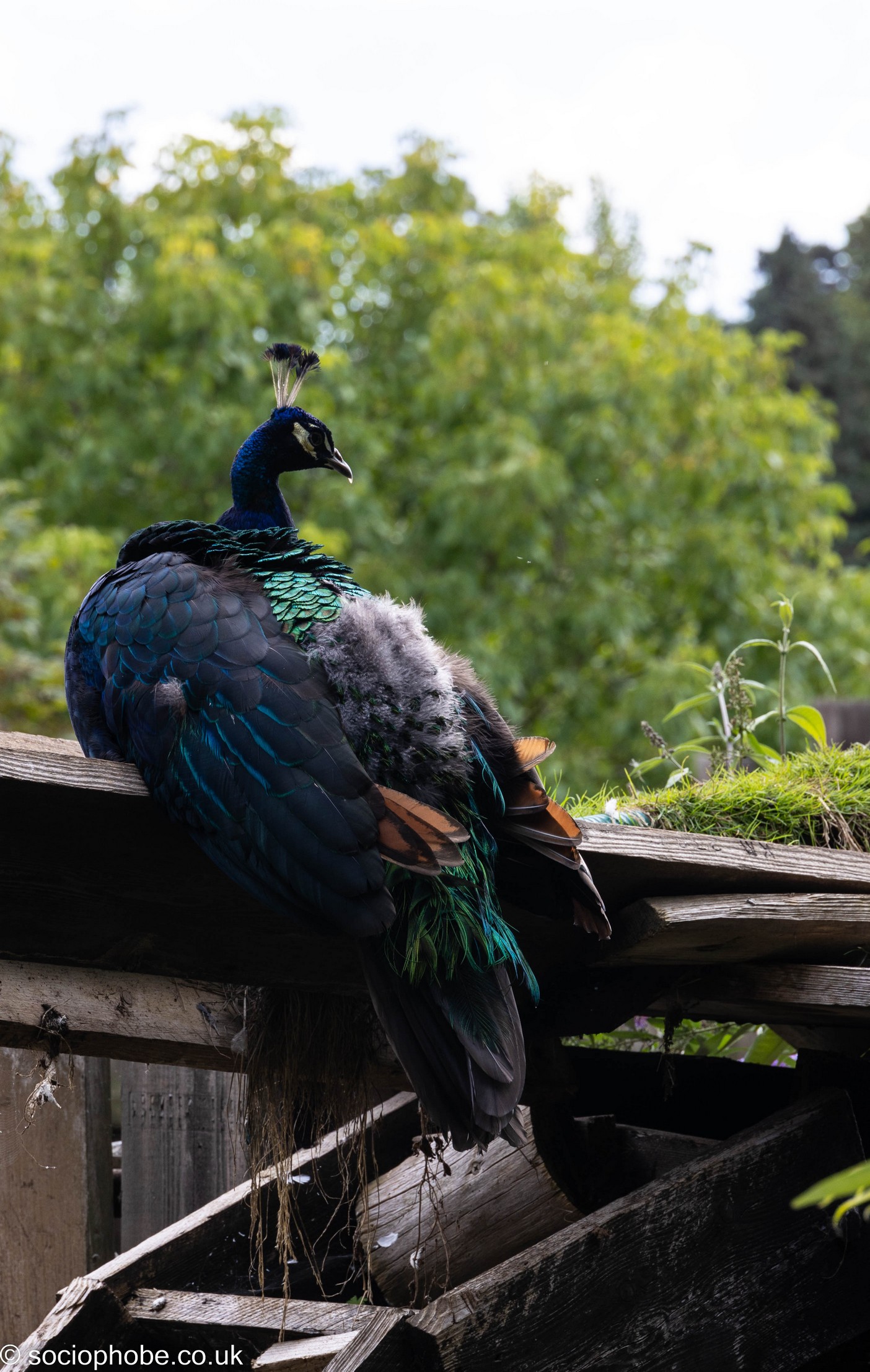
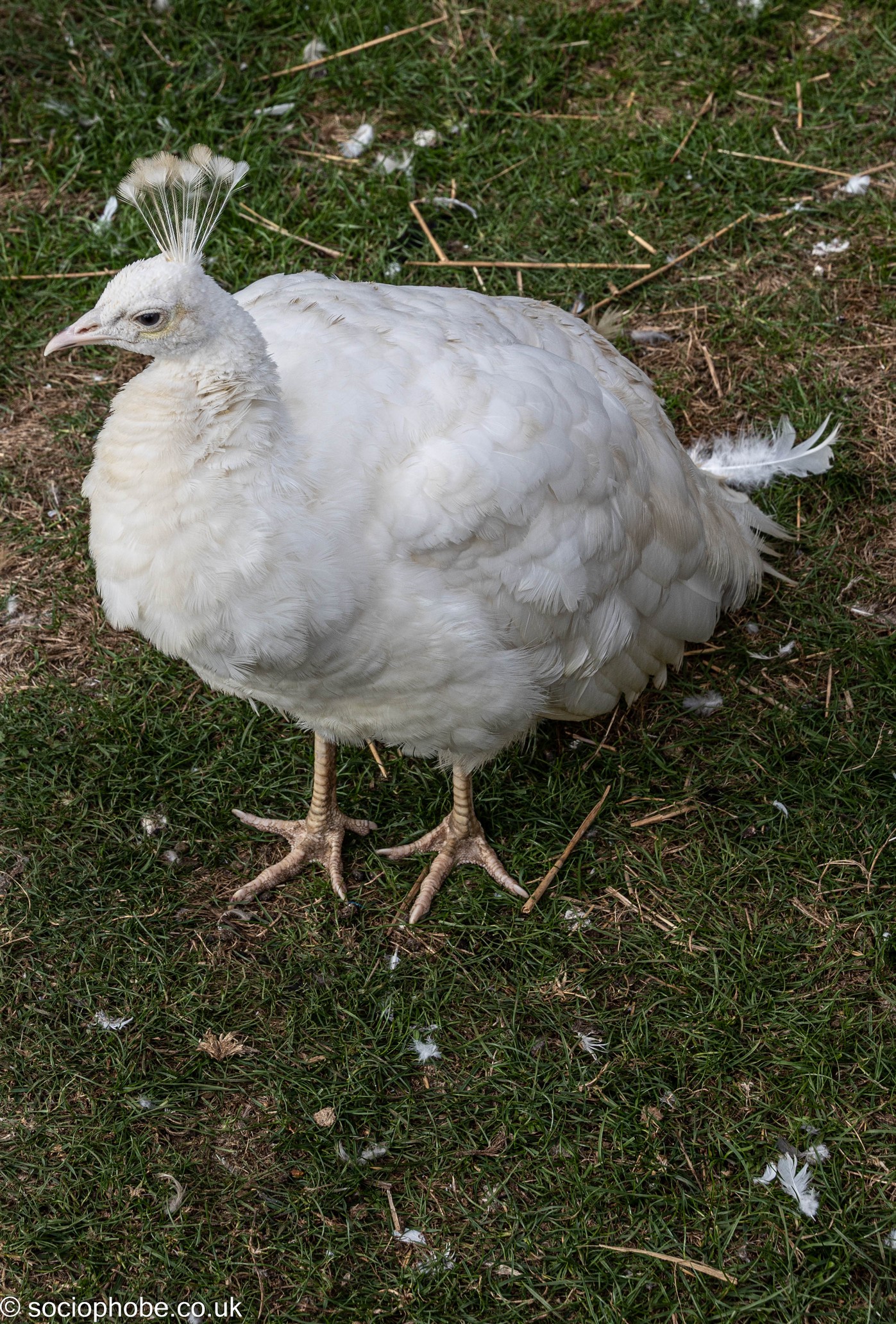
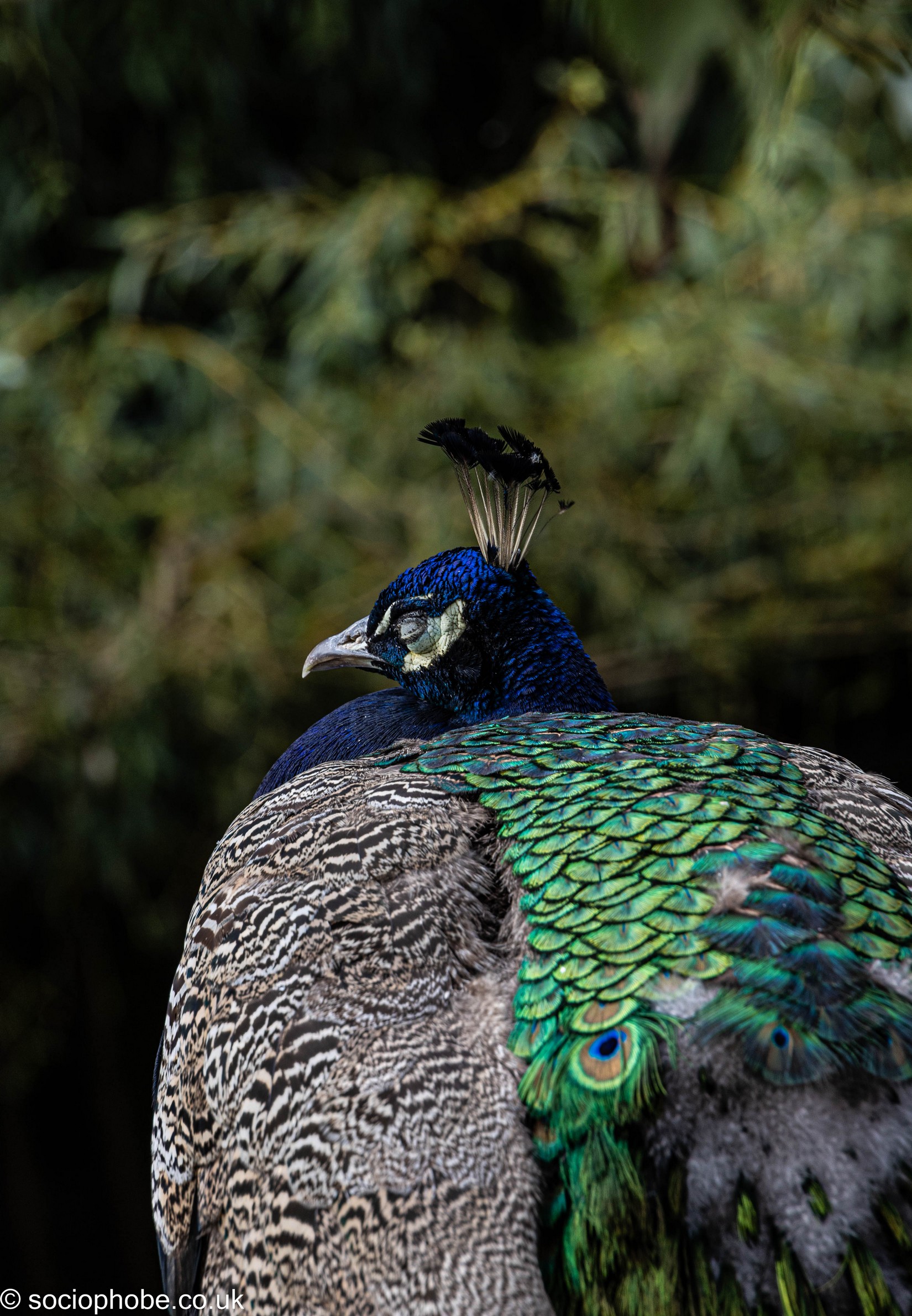
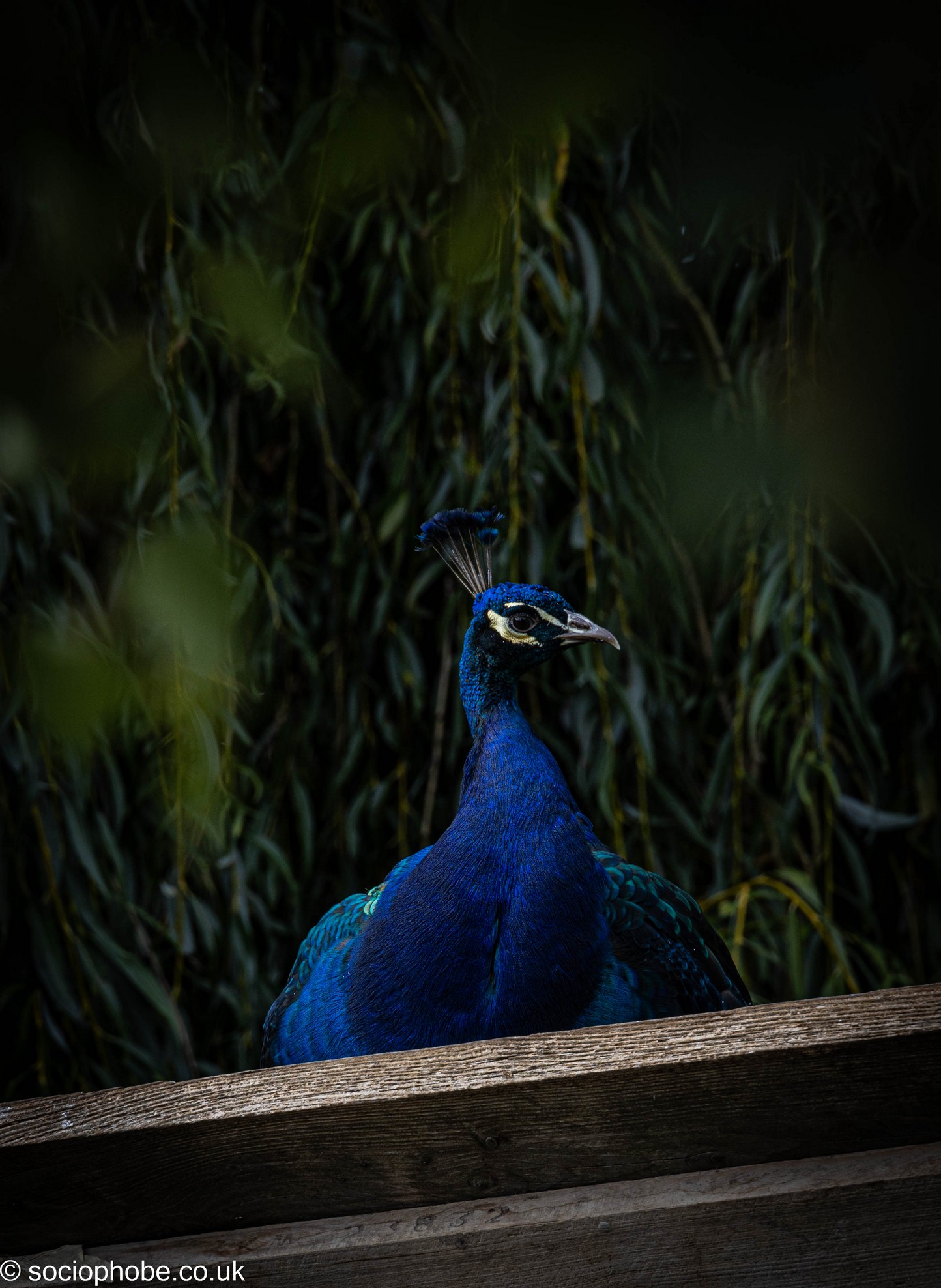
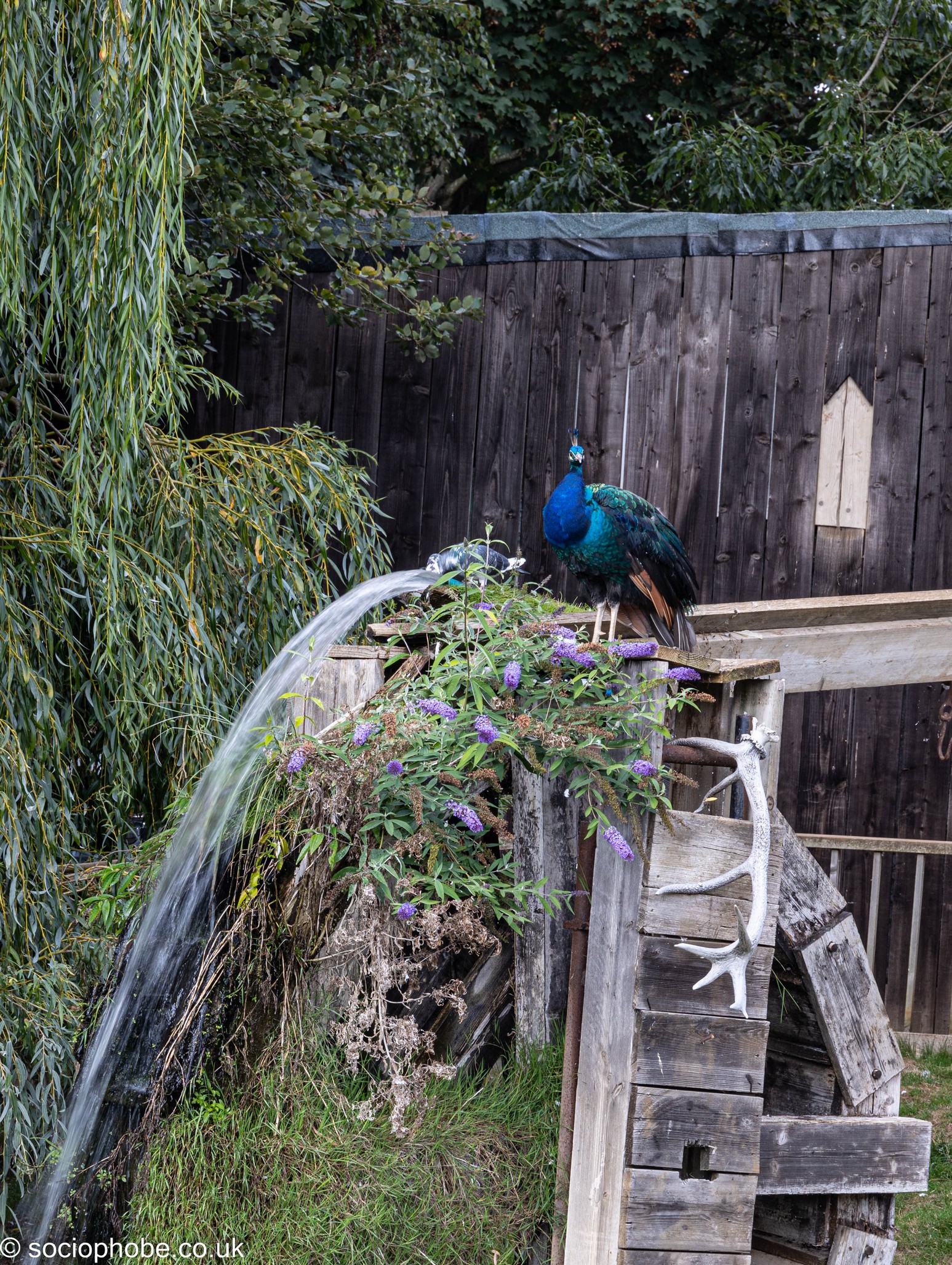
The site is built mostly as an educational attraction for schools and families with children. It is actually rather well laid out with plenty of information boards, interactive siege engines and various rescue animals wandering the site. The goats were predictably greedy and there was a little stream of assorted poultry following Deb and he food bag around!
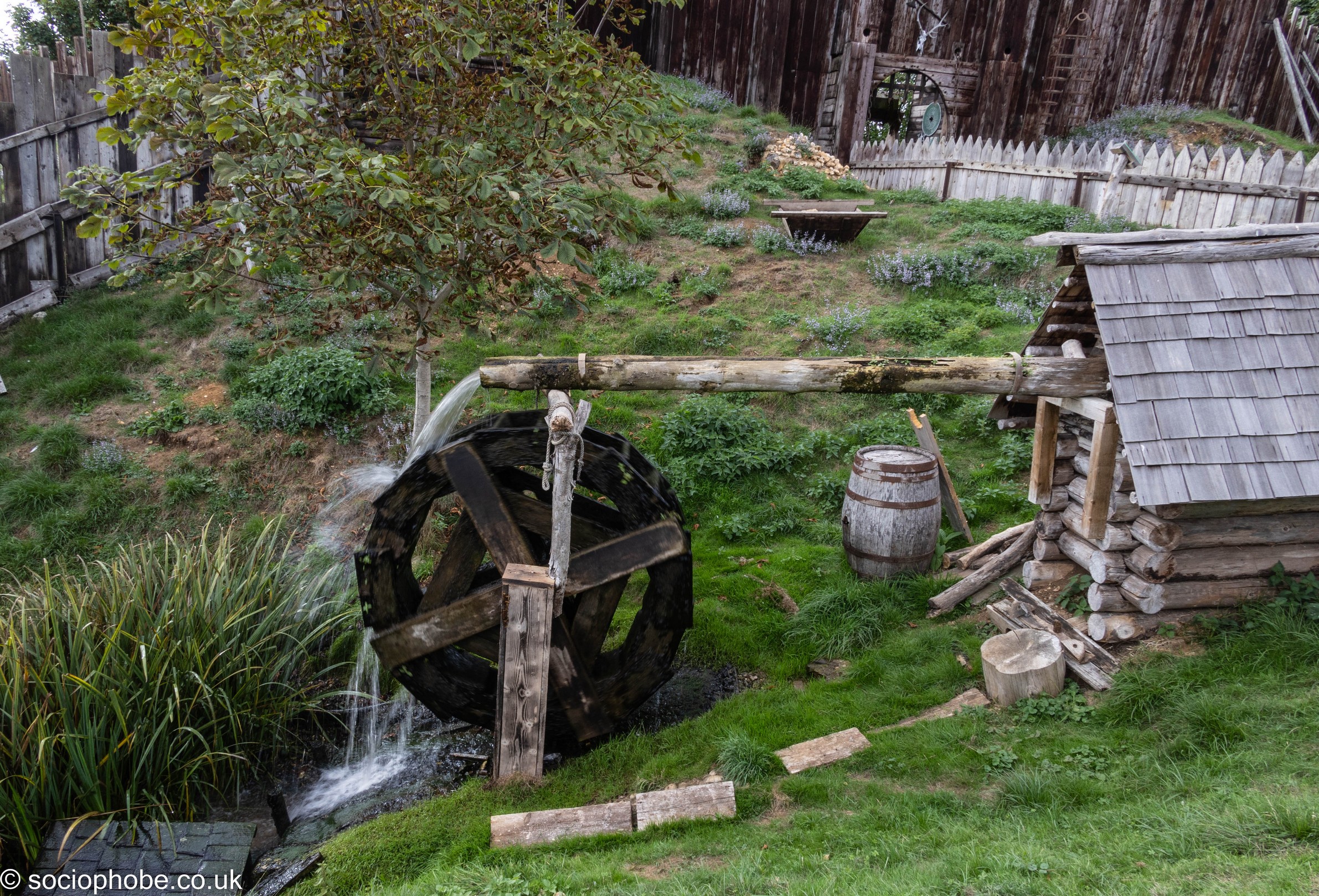
The village had the usual delights of early Medieval civilisation – a blacksmith, watermill, ducking stool, stocks, whipping post, gallows, kiln and assorted trades houses. The emphasis was on showing how the community ran on low tech, just using items that were naturally available and how everything had a use.
Sudbury
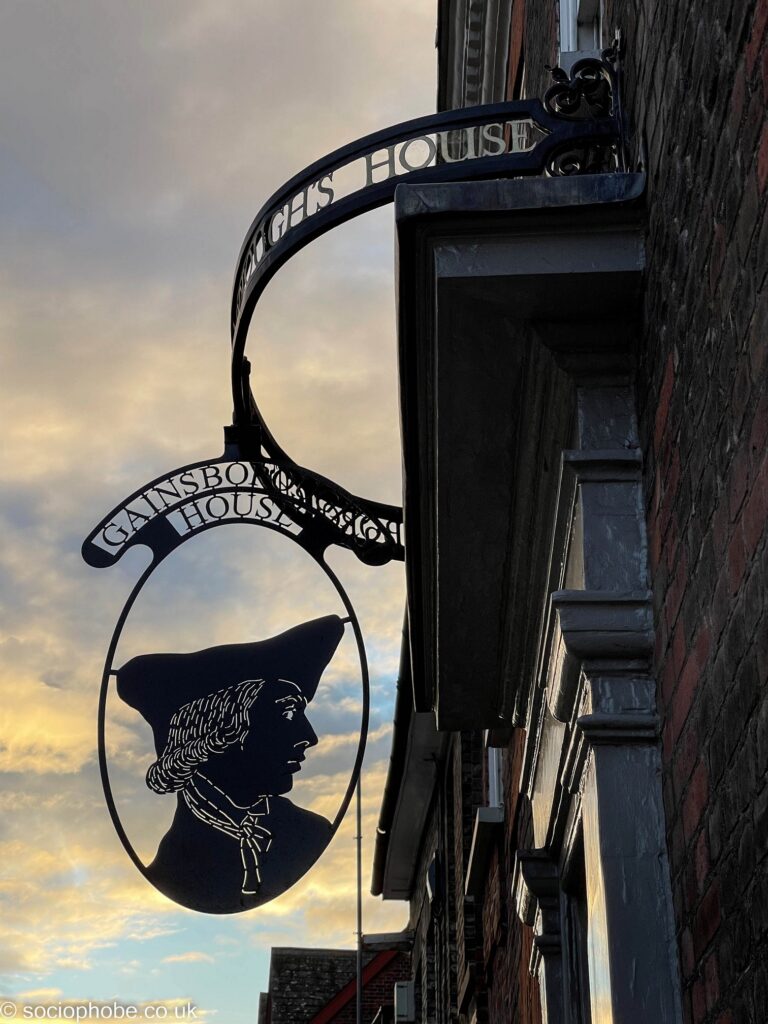
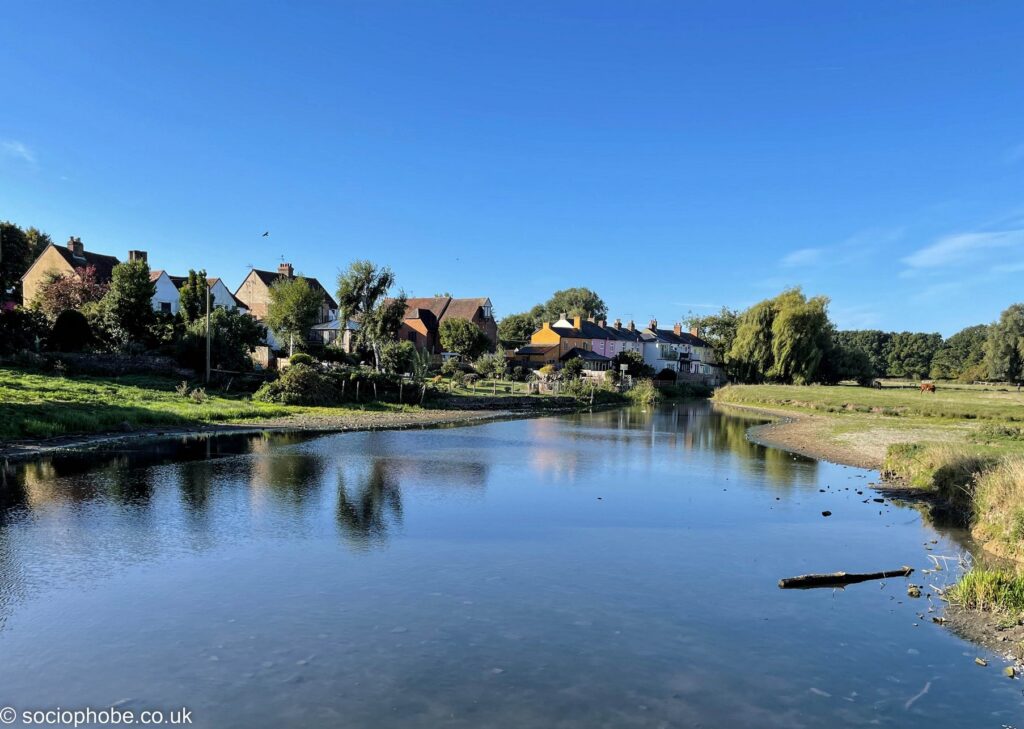
Our overnight stop was the Mill Hotel in Sudbury. I’d never even heard of the town but apparently Gainsborough lived there for a while and it was a pretty place with some lovely buildings. We had a brief walk around but I’d forgotten my coat (moron, I know!) and it was rather chilly so it was just a brief walk.
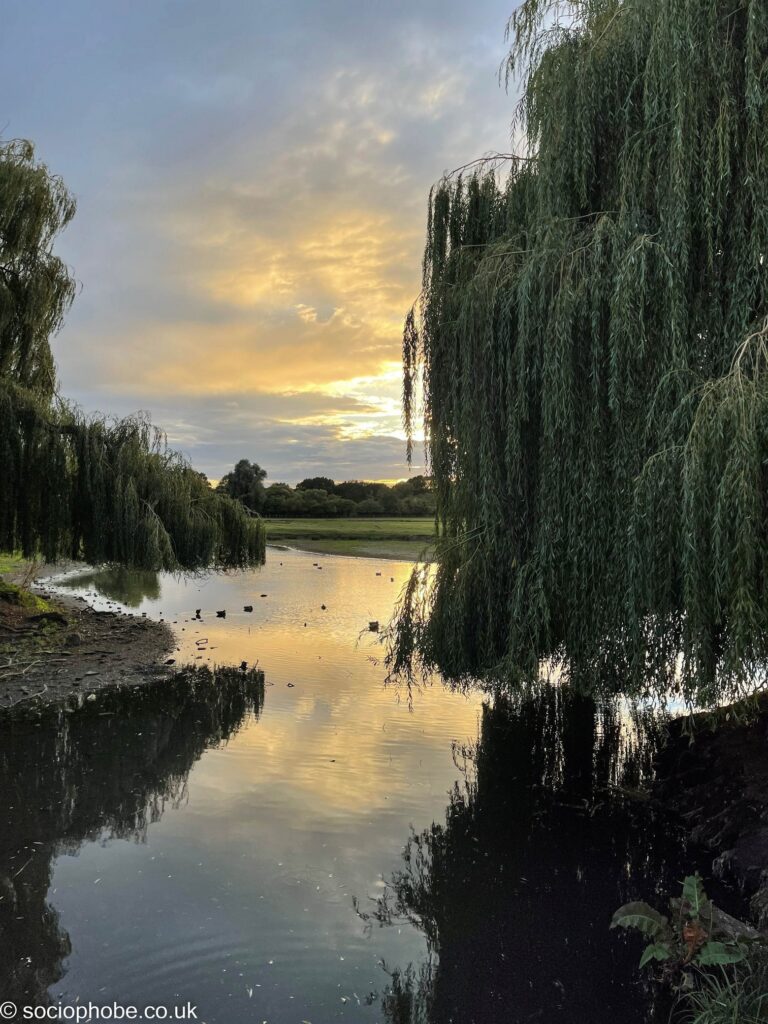
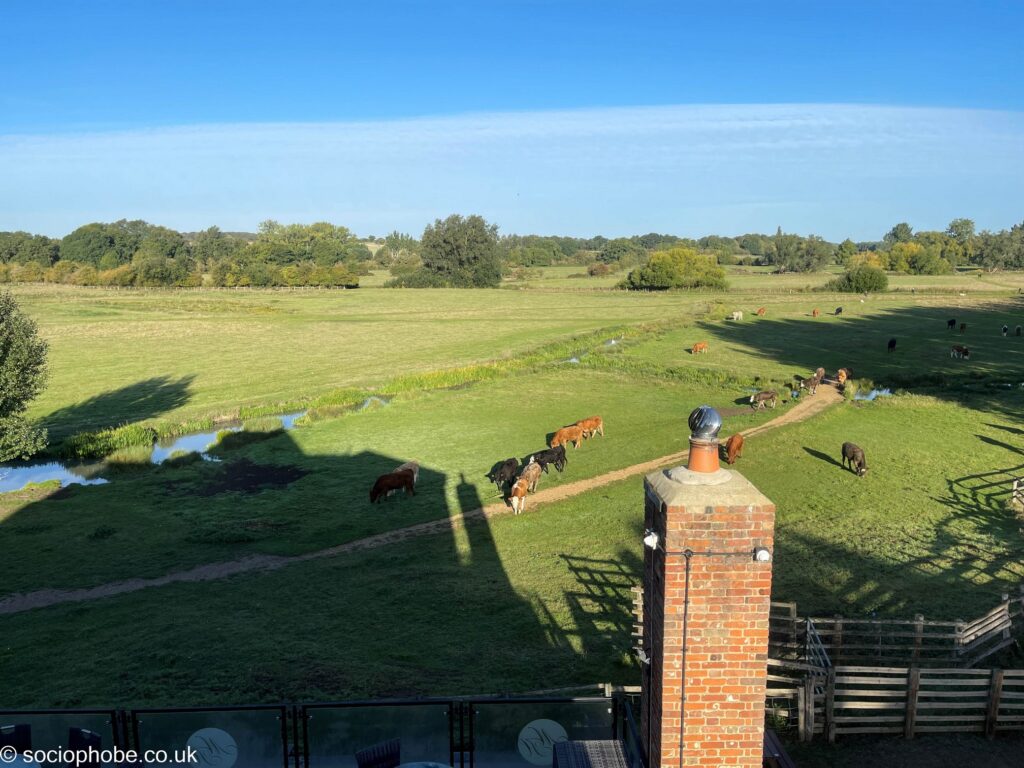
We had dinner at the excellent Lydia Turkish Kitchen where, predictably, we ate far too much and then a brisk walk back to the hotel stopped us getting too cold! The views from our room were lovely, there were water meadows and then cows steadily grazing which was very calming to watch. Next to the breakfast room was the original waterwheel from the nineteenth century, which was massive.
Sudbury to Lavenham
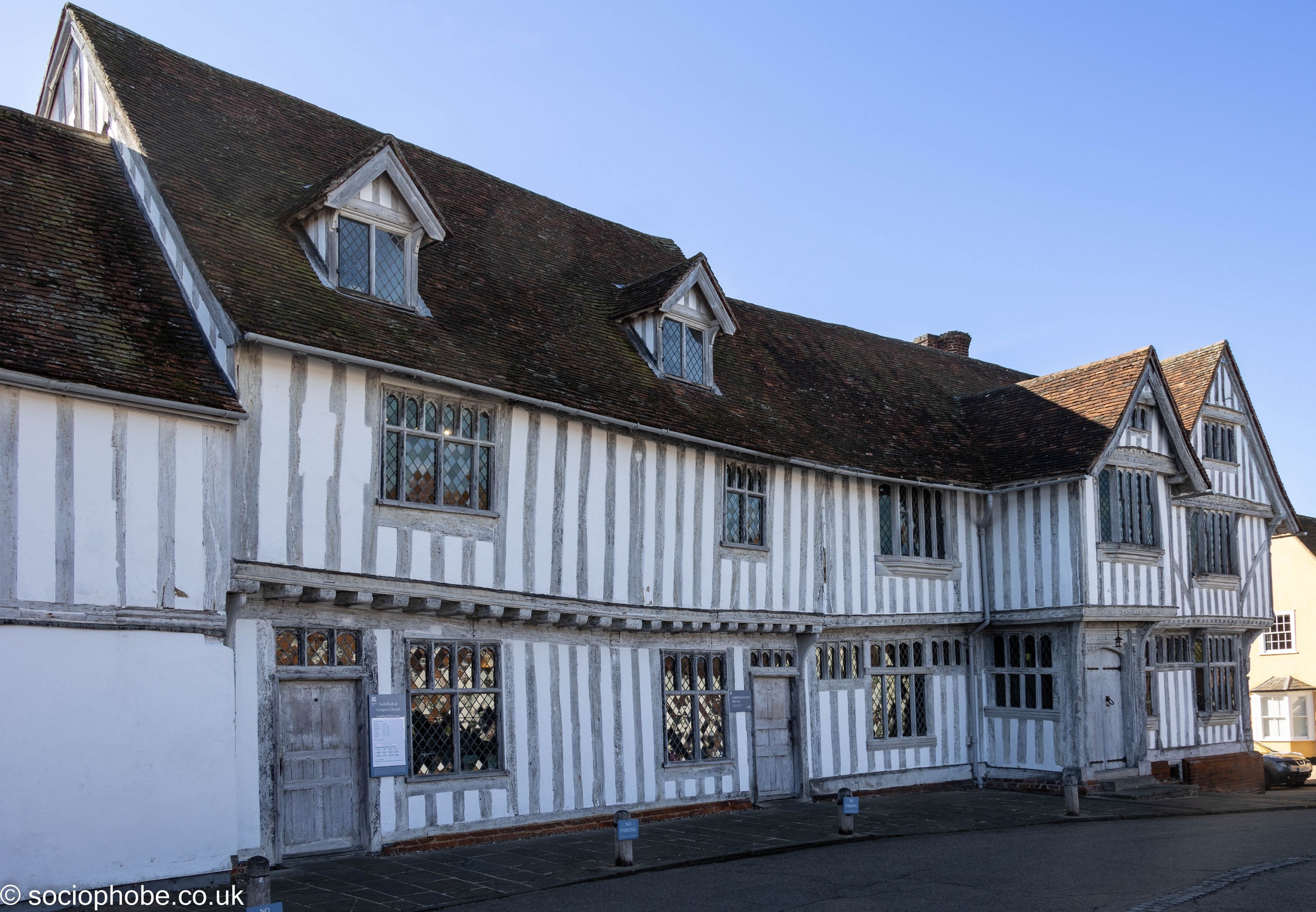
Day two of our Essex weekend road trip was to Lavenham, where we were meeting Russ. The town used to be massively wealthy due to the wool trade, exported as a raw material rather than cloth. The collapse of this trade meant that a lot of the rich buildings of the town remained relatively untouched for hundreds of years and it is now the best preserved medieval wool town in the country.

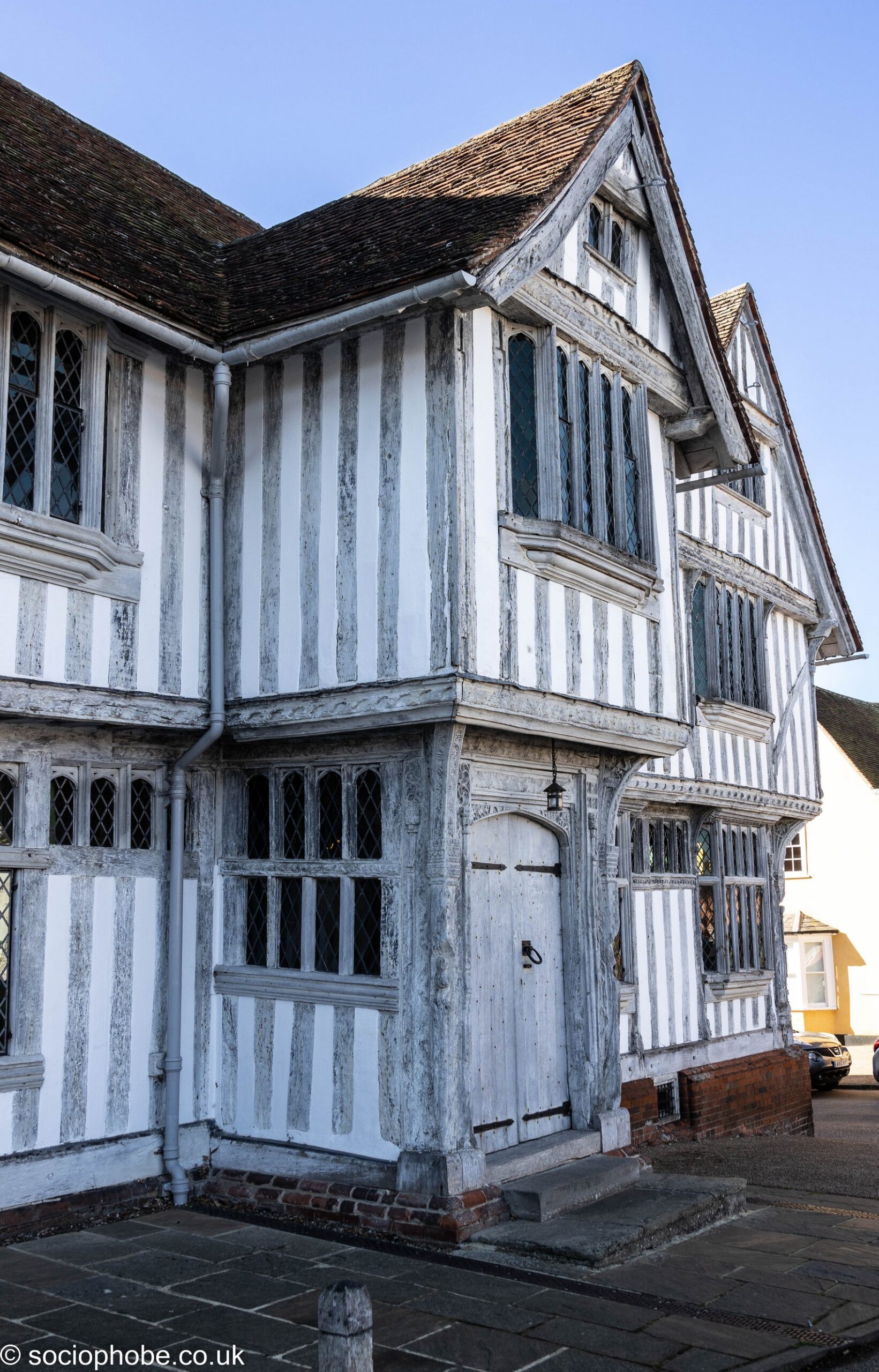
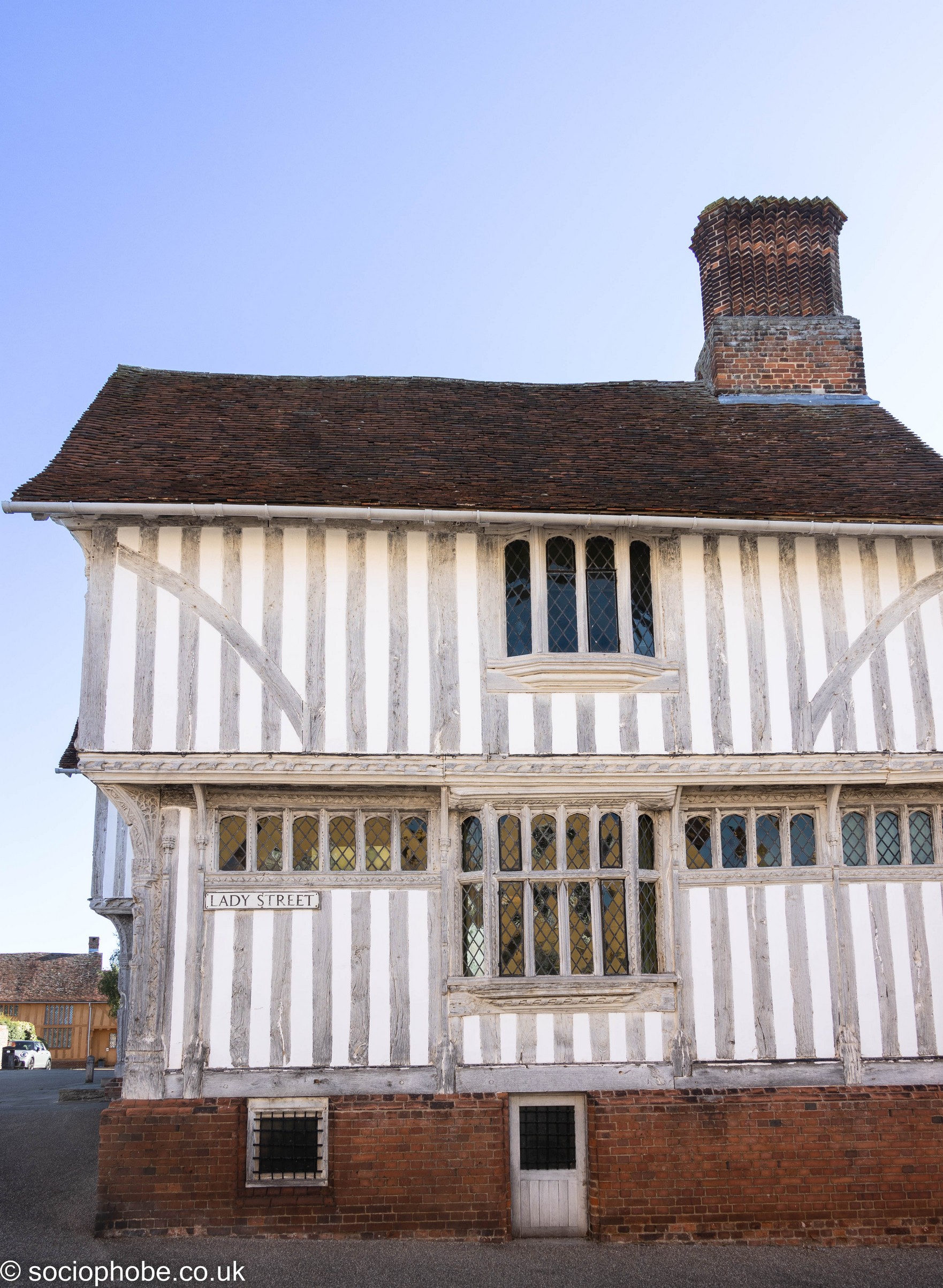
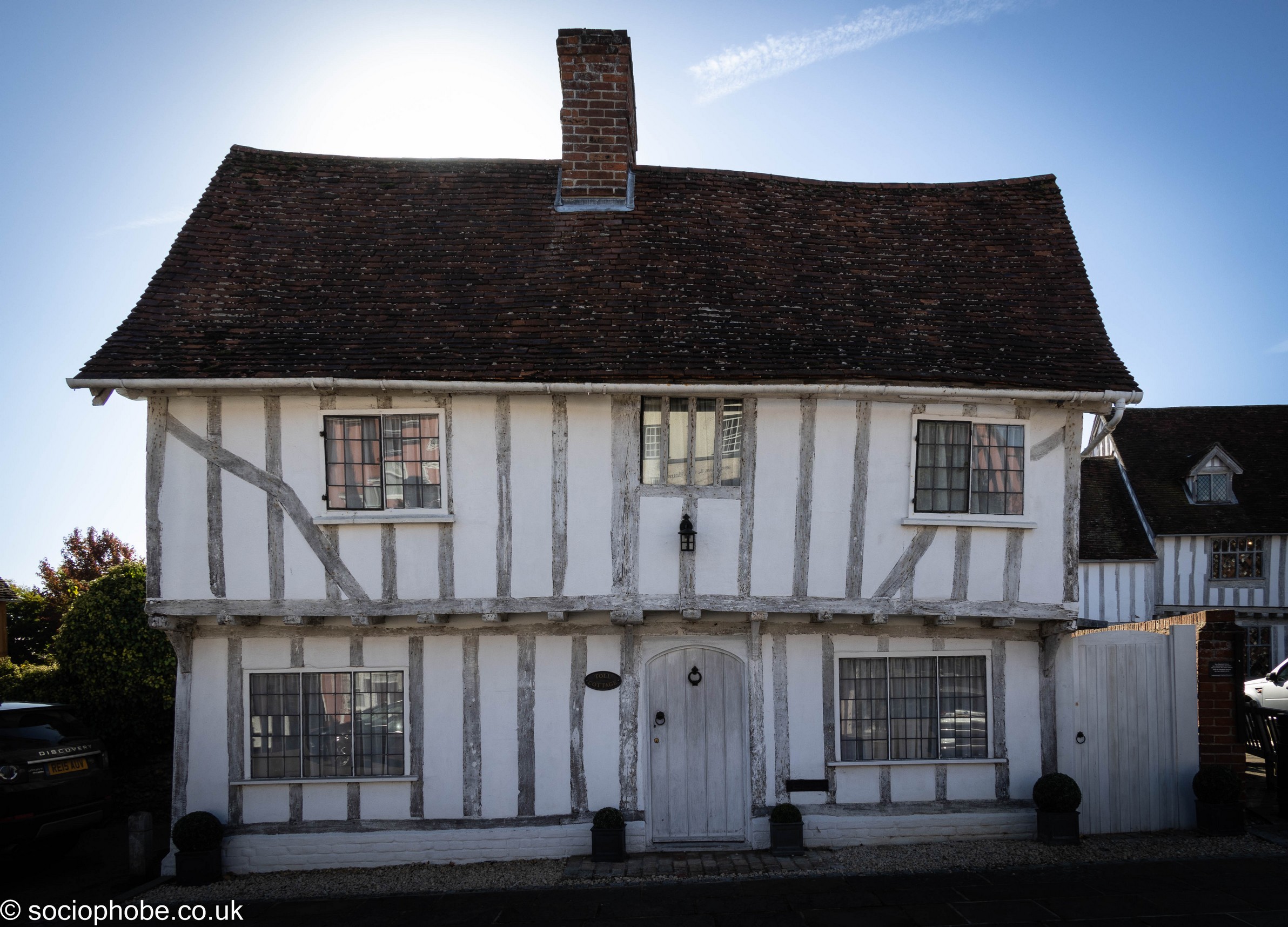
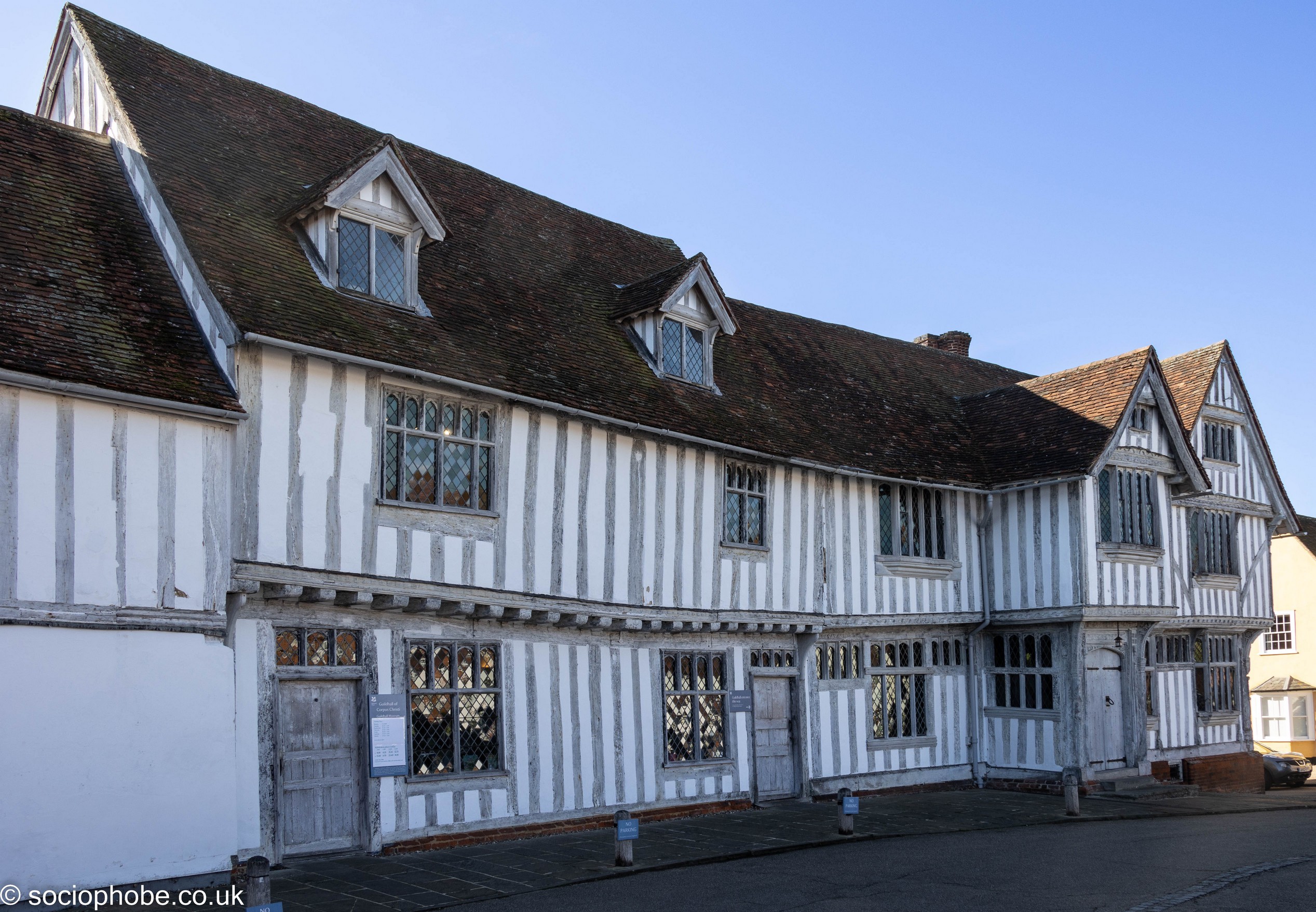
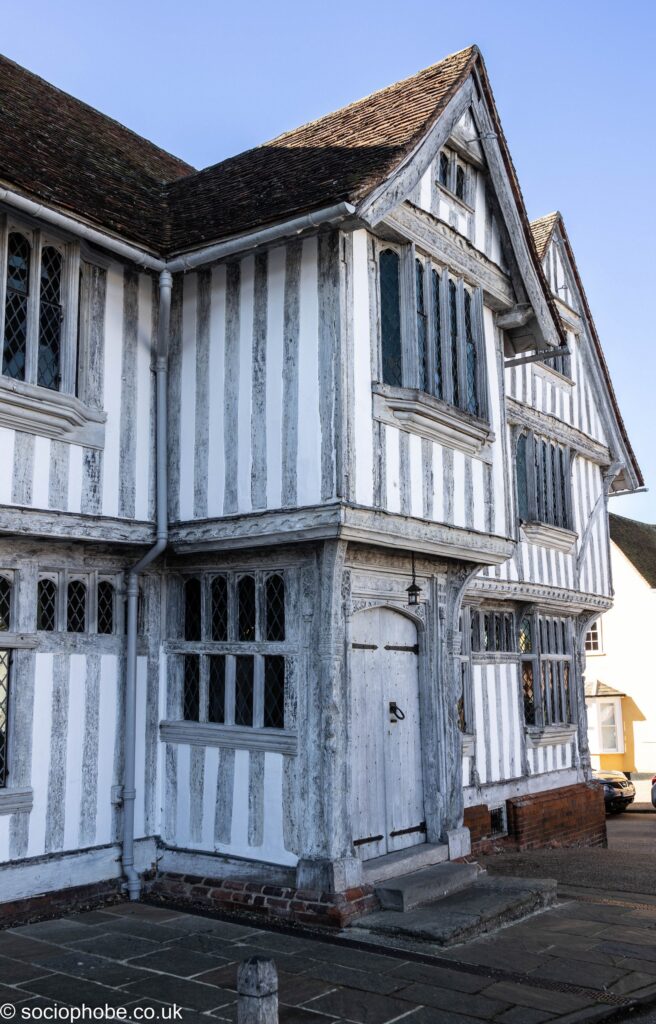
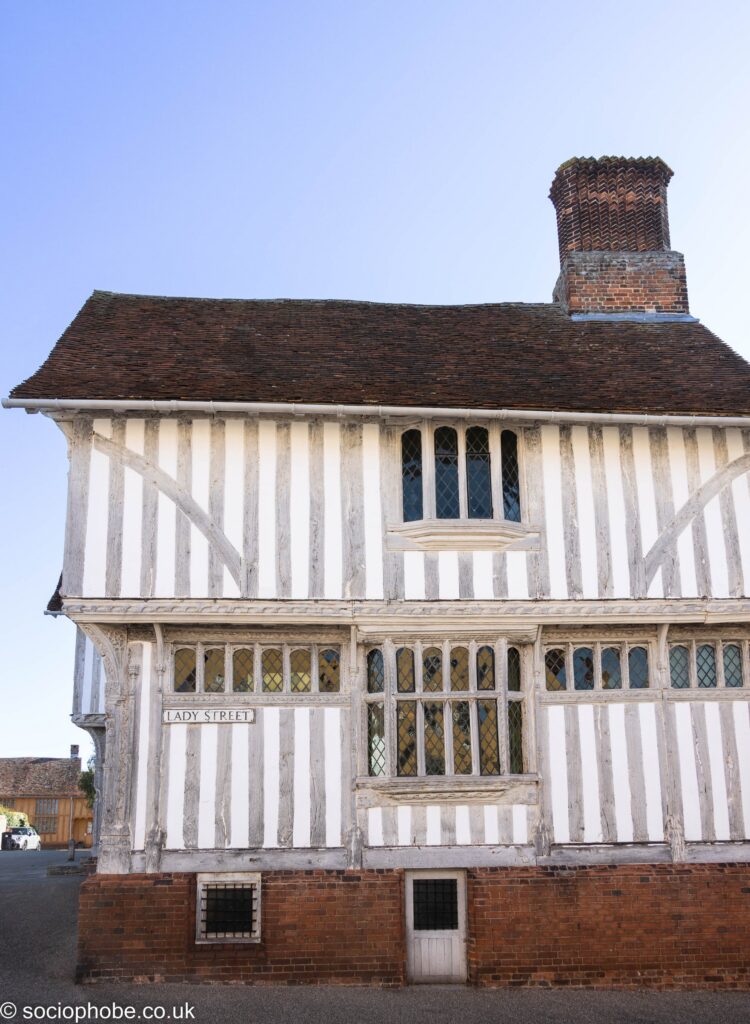
Lavenham Guildhall
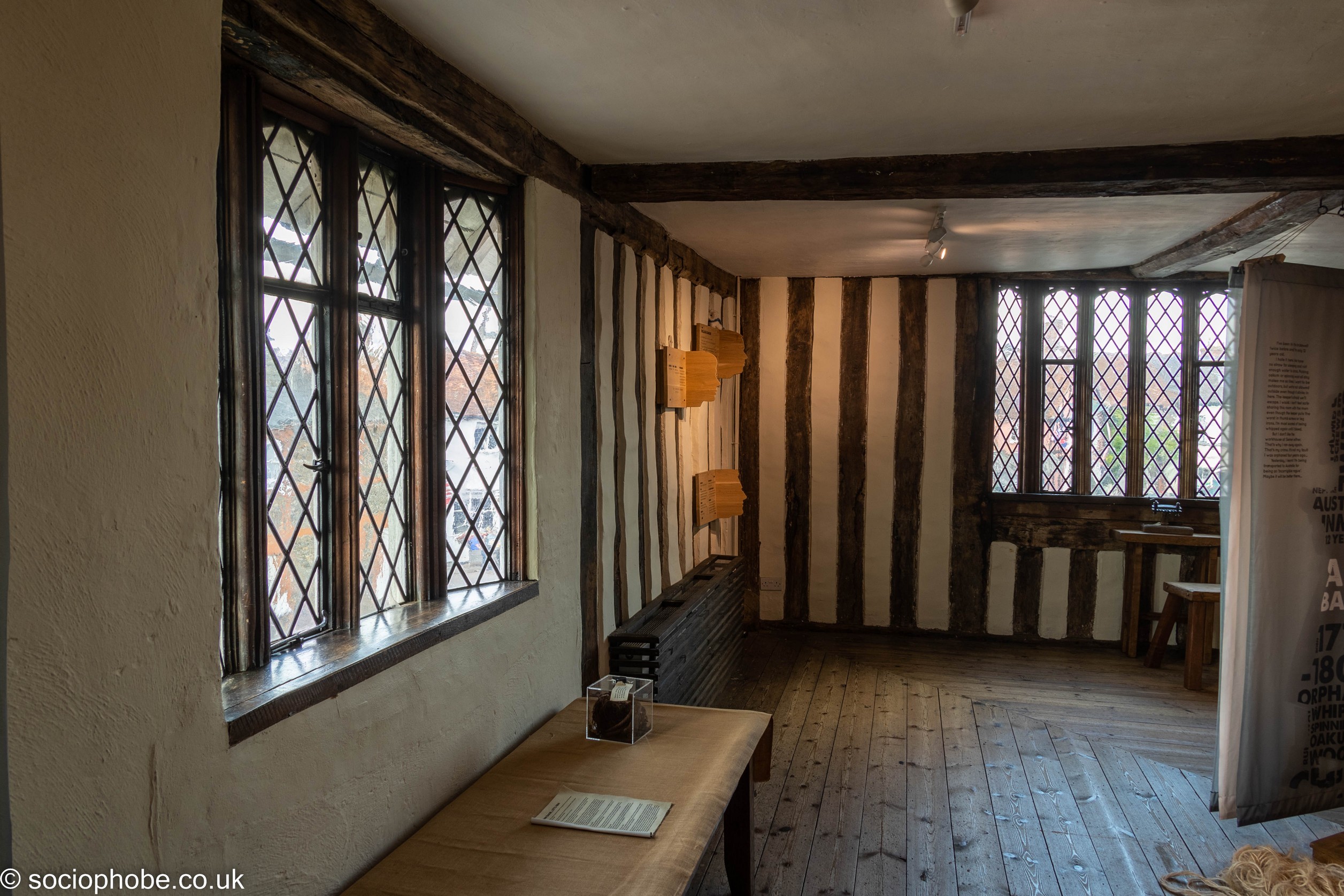
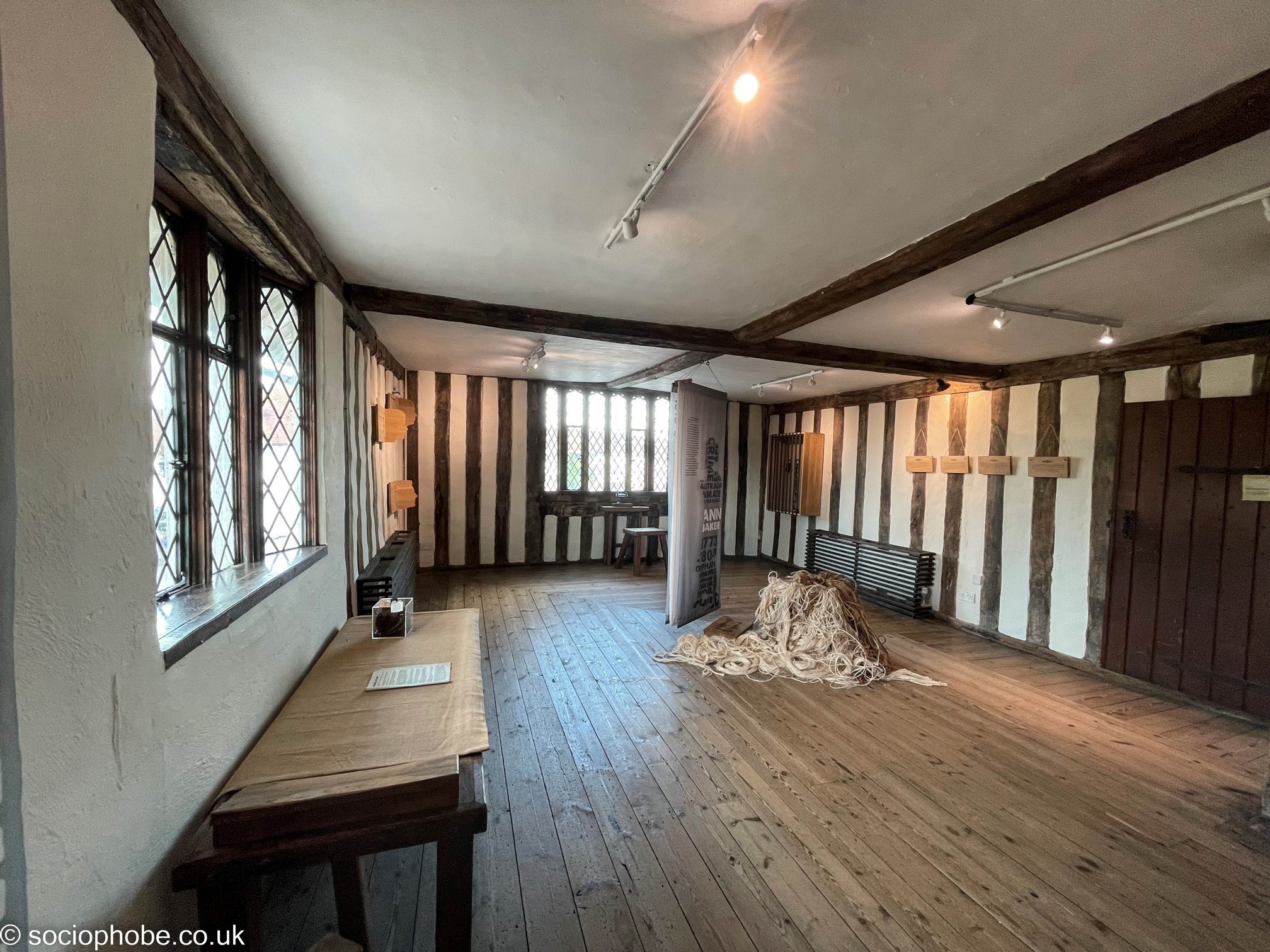
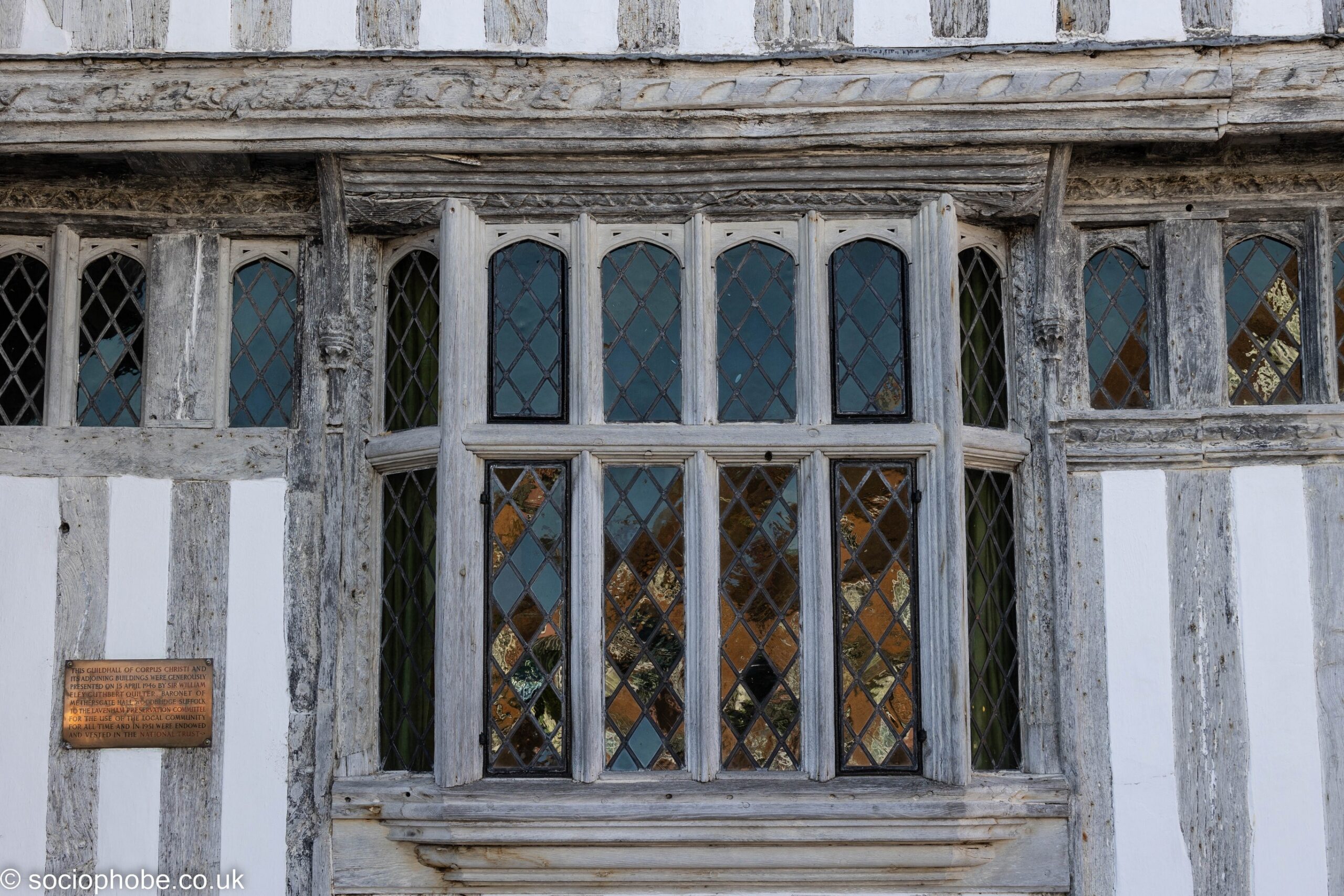
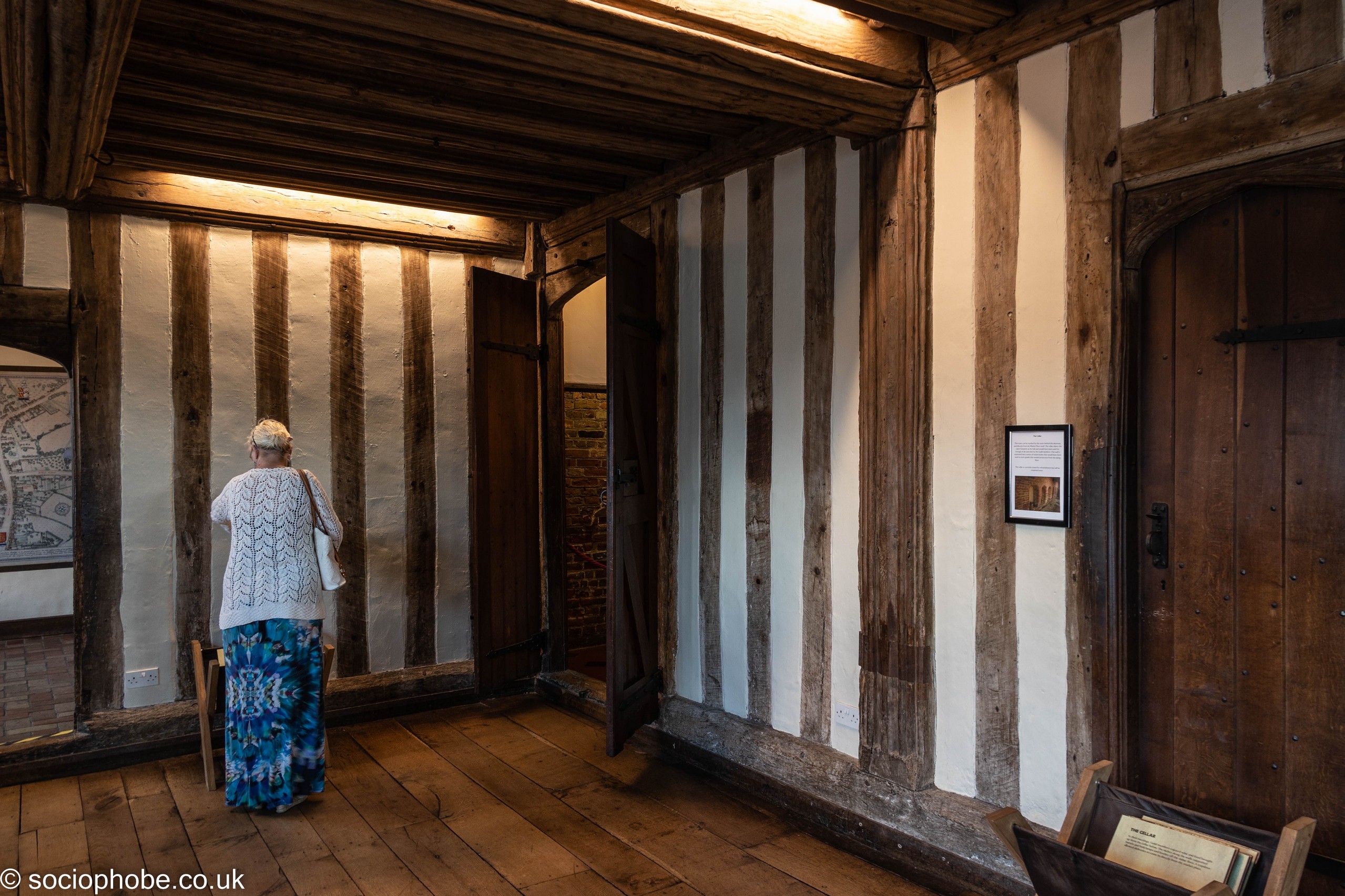
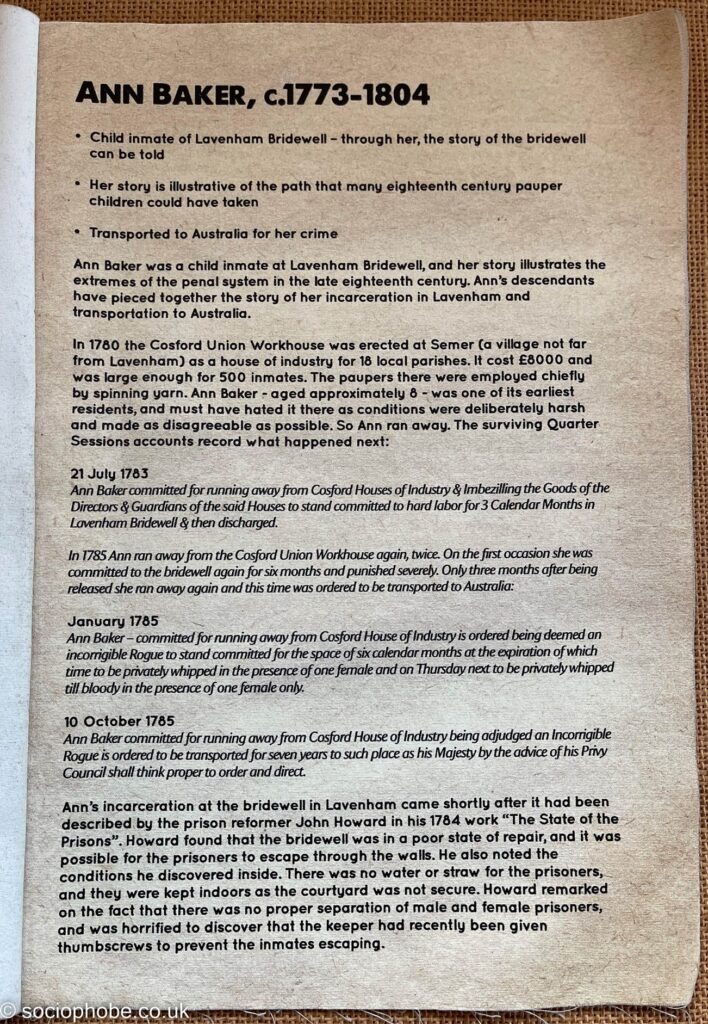
After a long overdue catch up with Russ, we crossed the Market Square to Lavenham Guildhall. This is an early sixteenth century building that was used by one of the guilds that regulated the wool trade. After about a hundred years of prestige, the declining trade meant the building became a Bridewell for petty prisoners and then a workhouse before being divided into small tenements. At the end of the nineteenth century restoration work started that leaves us with the building as it is now.
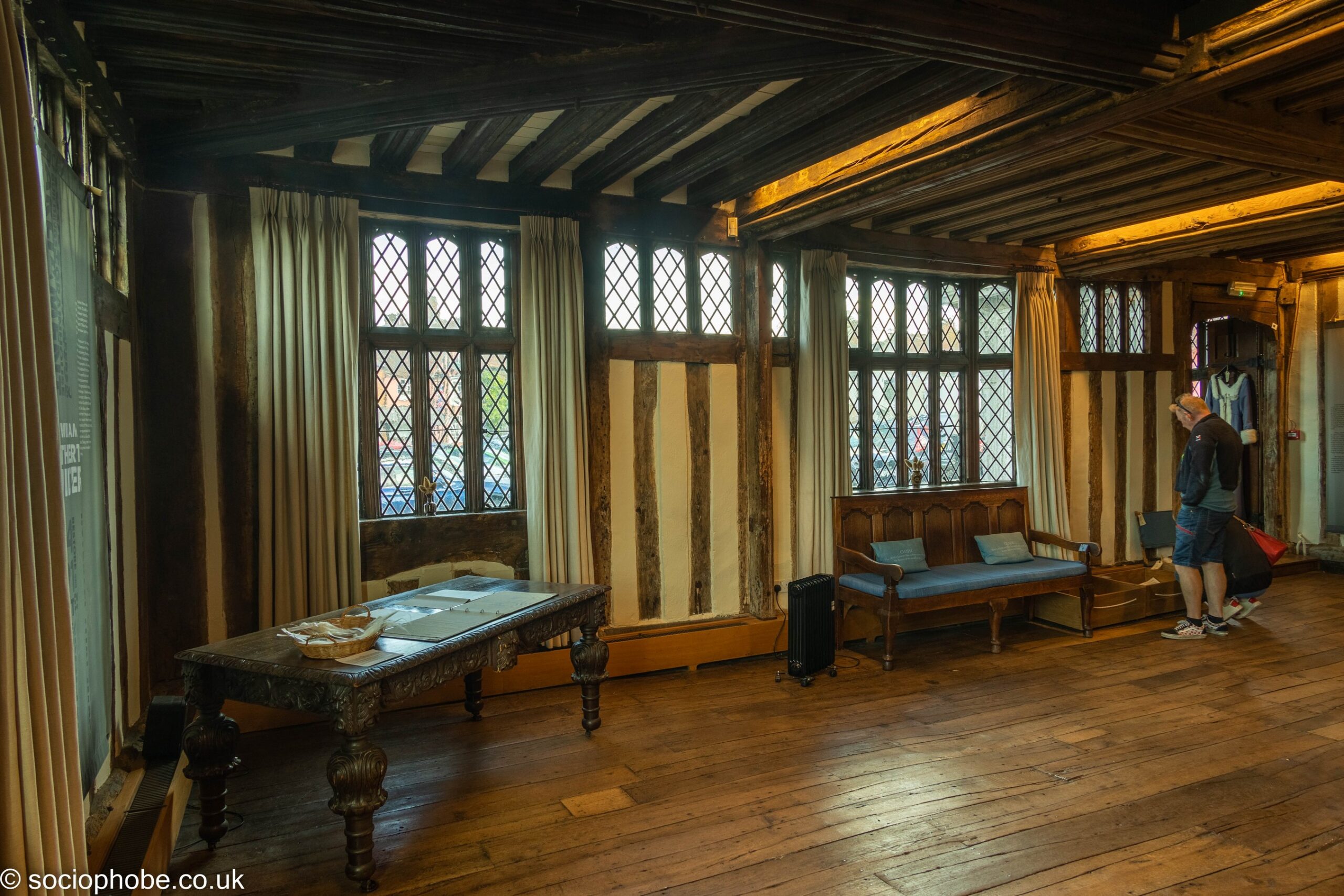
The building is run by the National Trust and now hosts an exhibition of the building’s history as well as the role of Lavenham in WW2 with the US bomber base nearby. Outside is a pretty garden with an old fire engine and hearse in the outbuildings and a cafe in the courtyard.

Lavenham Little Hall
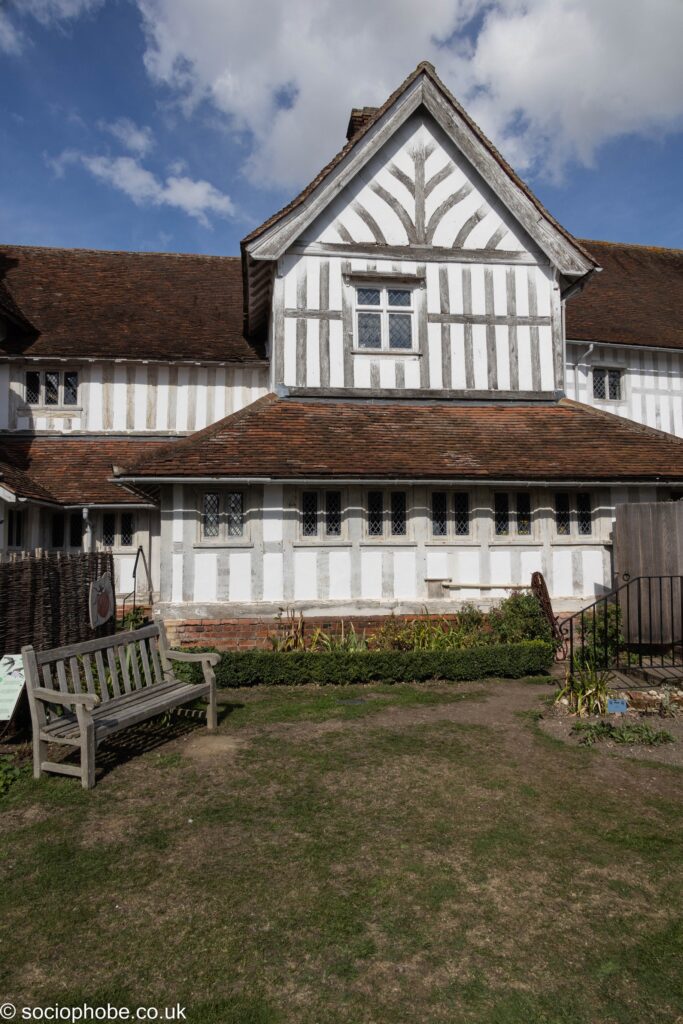
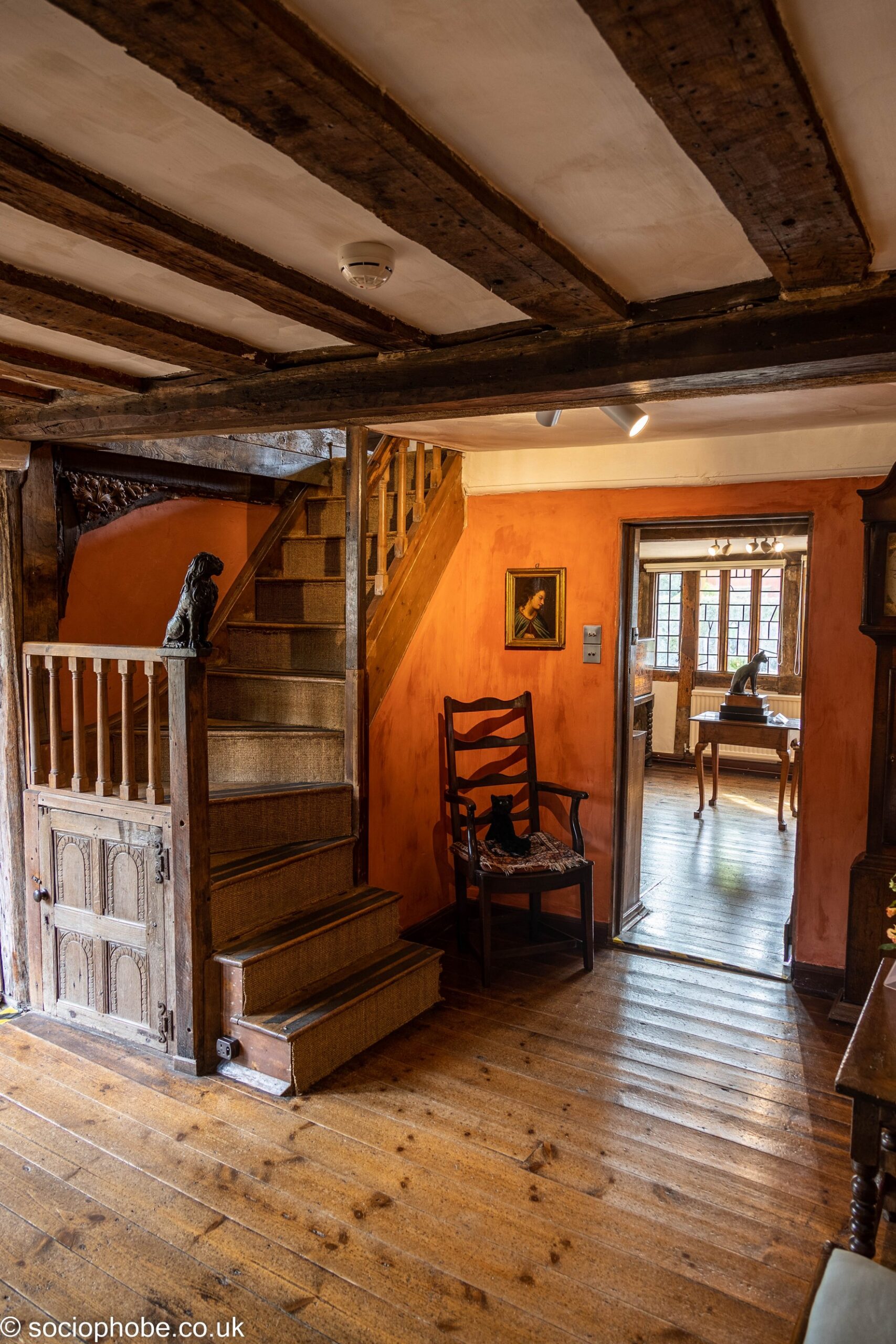
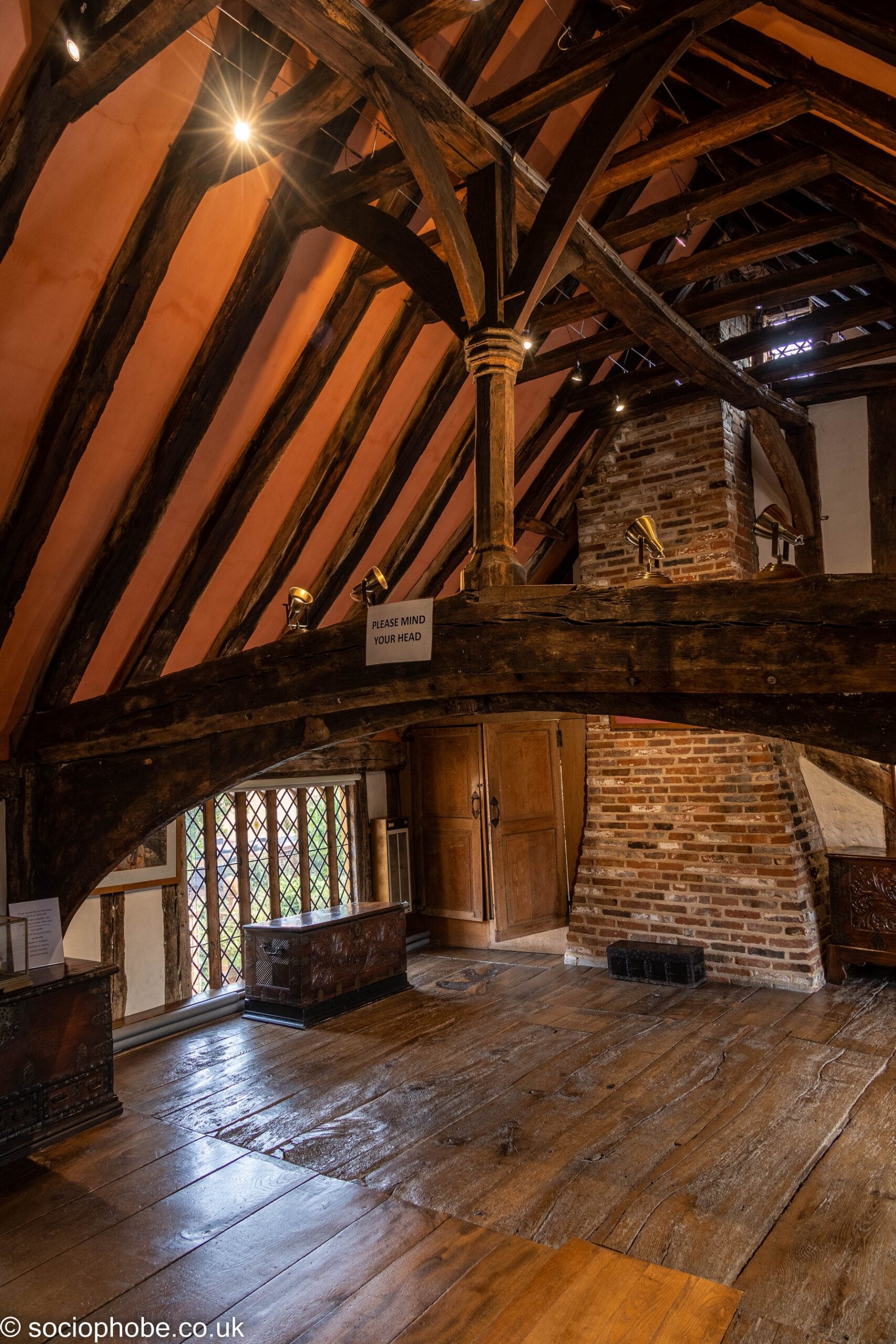
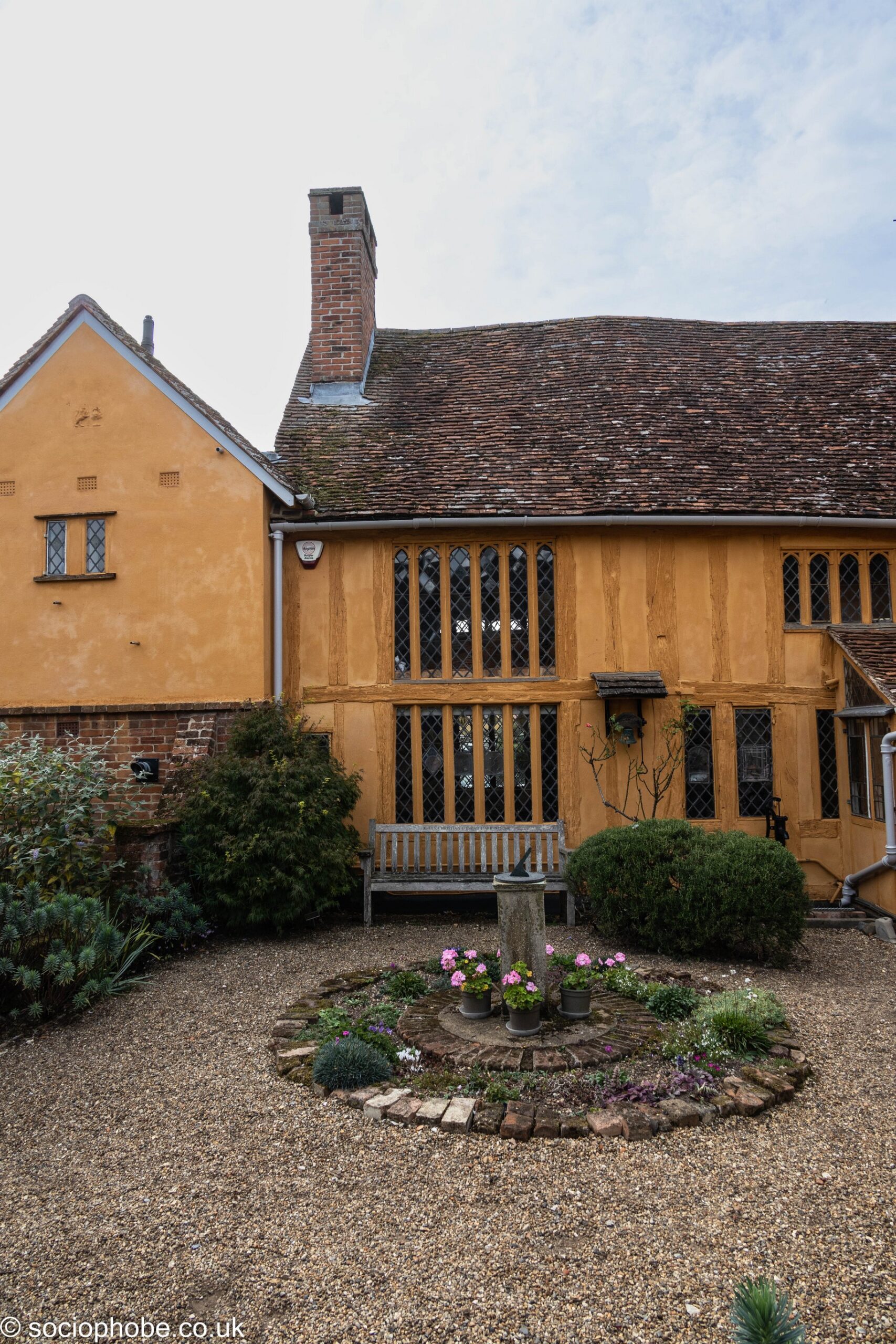
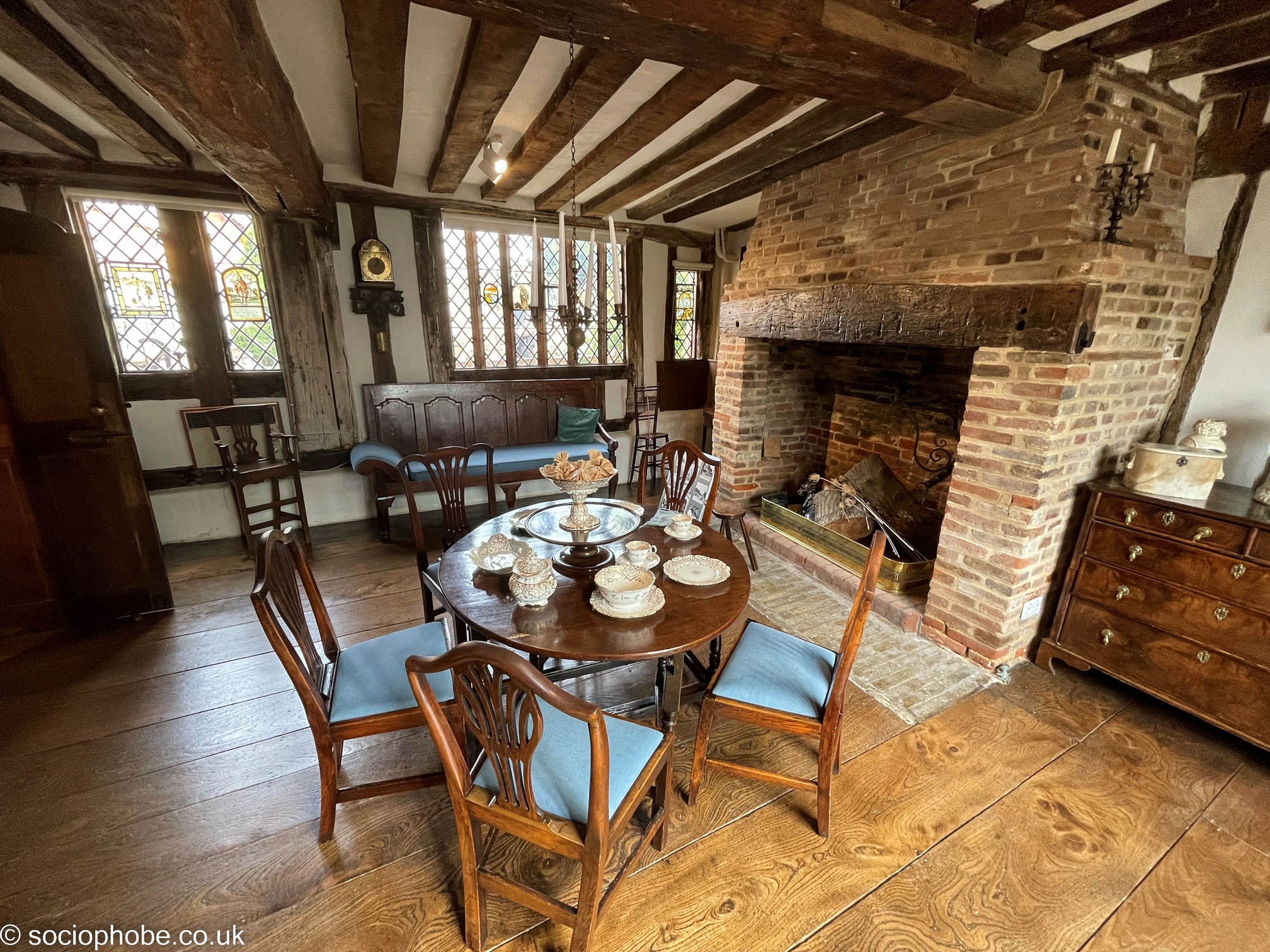
Overshadowed by the prestigious Guild hall that dominates the town’s market square, the Little Hall is believed to have started as the home of a prosperous merchant. Originally built in the fourteenth century it was then enlarged and later modernised in Tudor times. These modernisations included glazed windows and adding a second floor to the central hall as well as replacing the firepit with a fireplace.
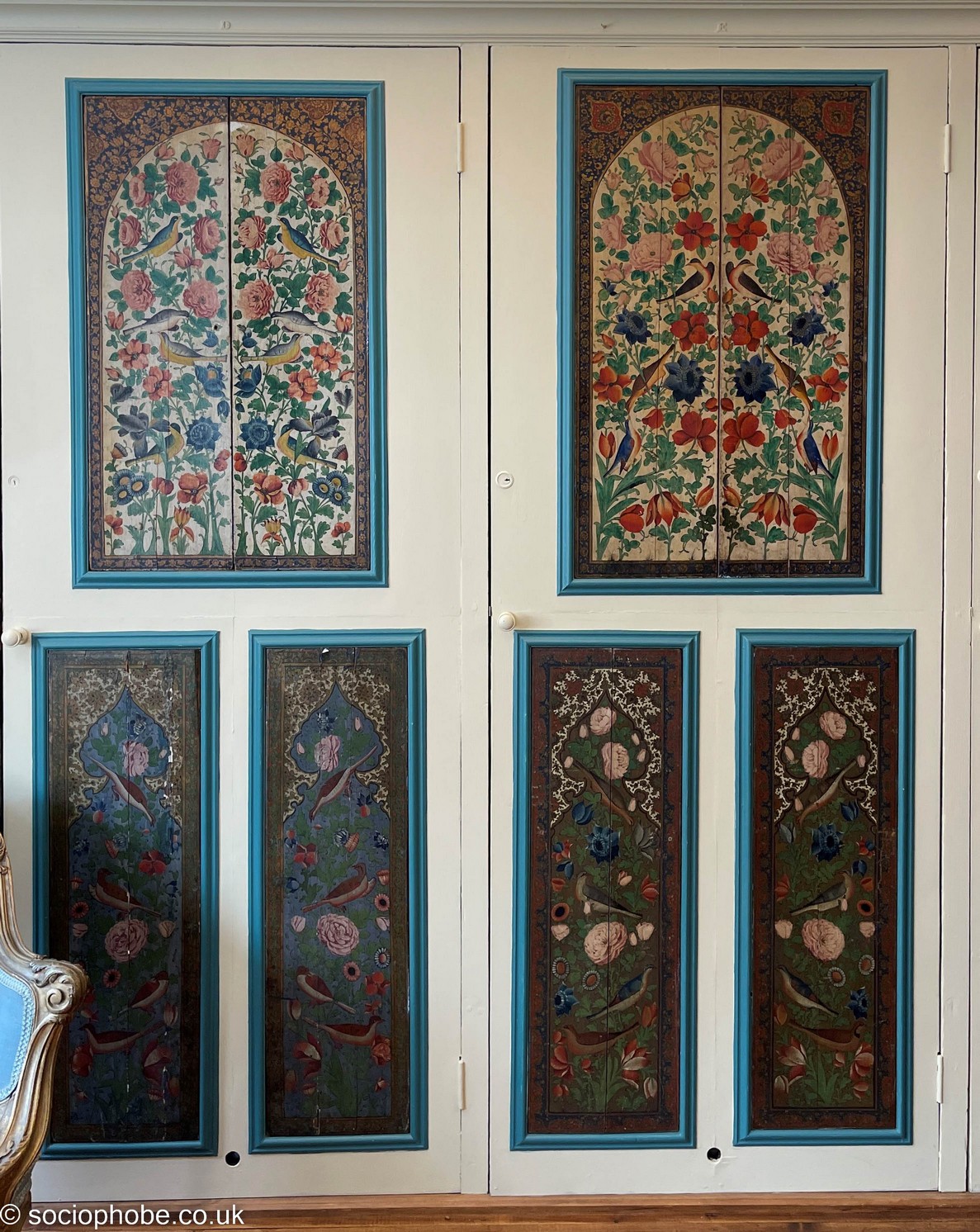
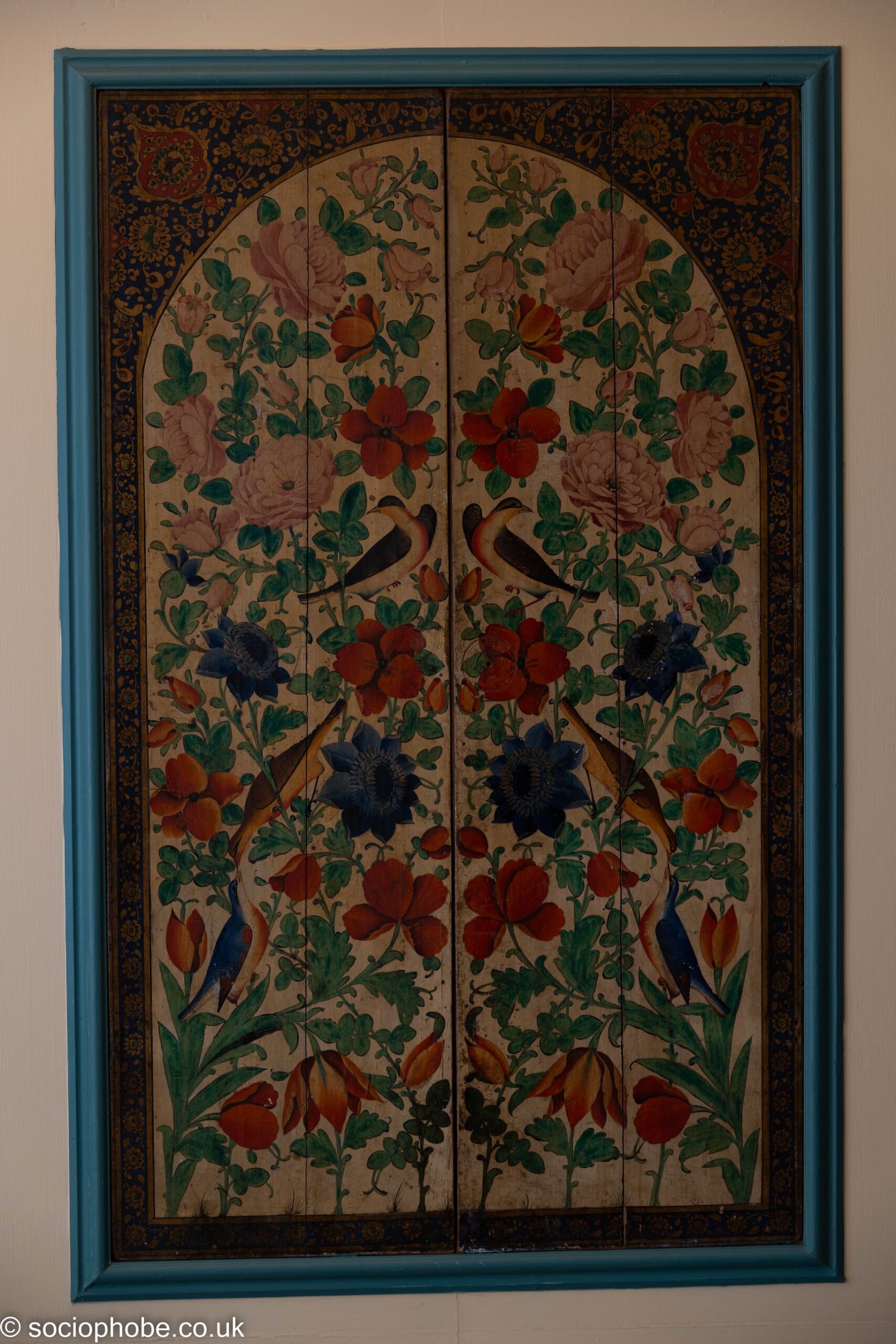
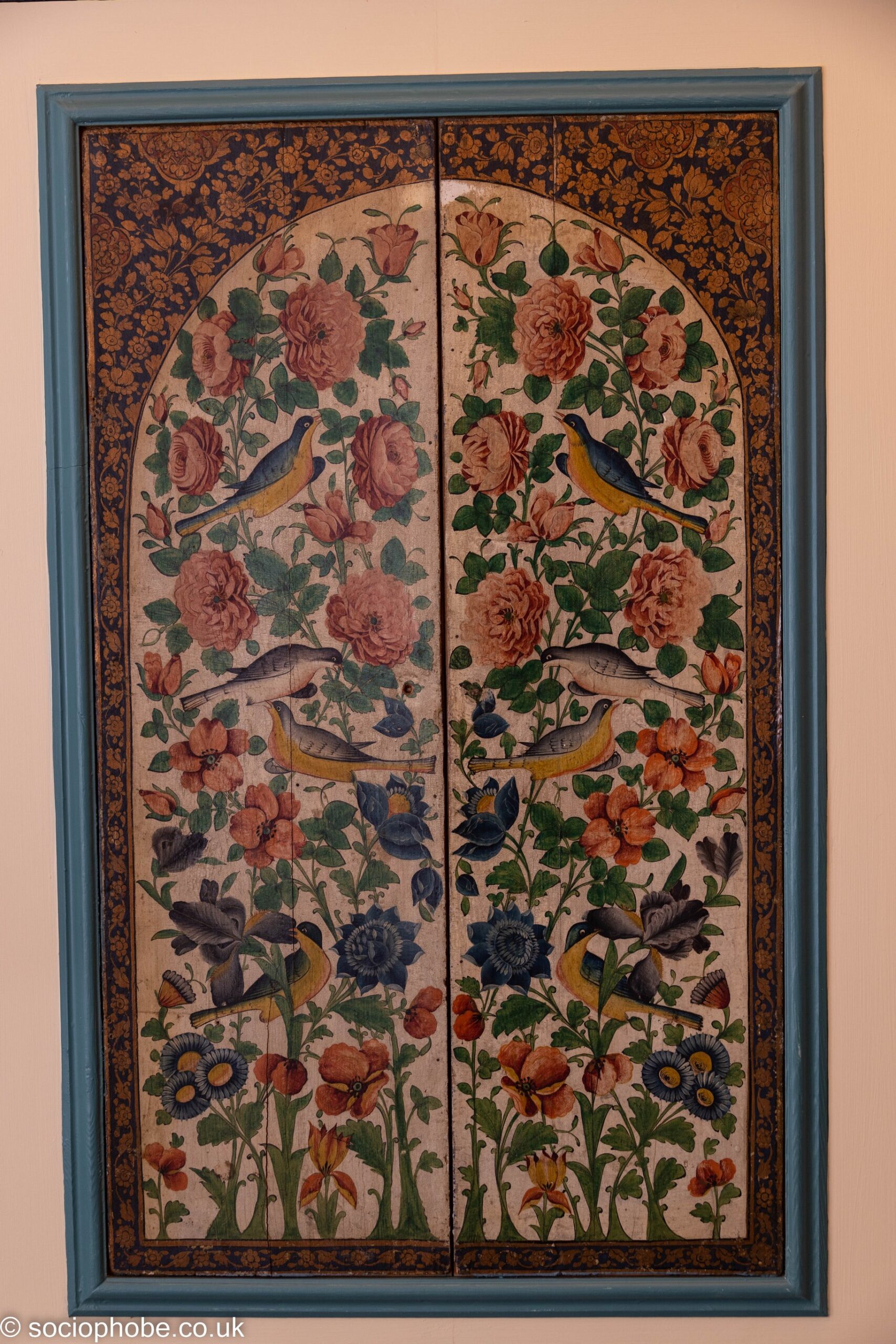
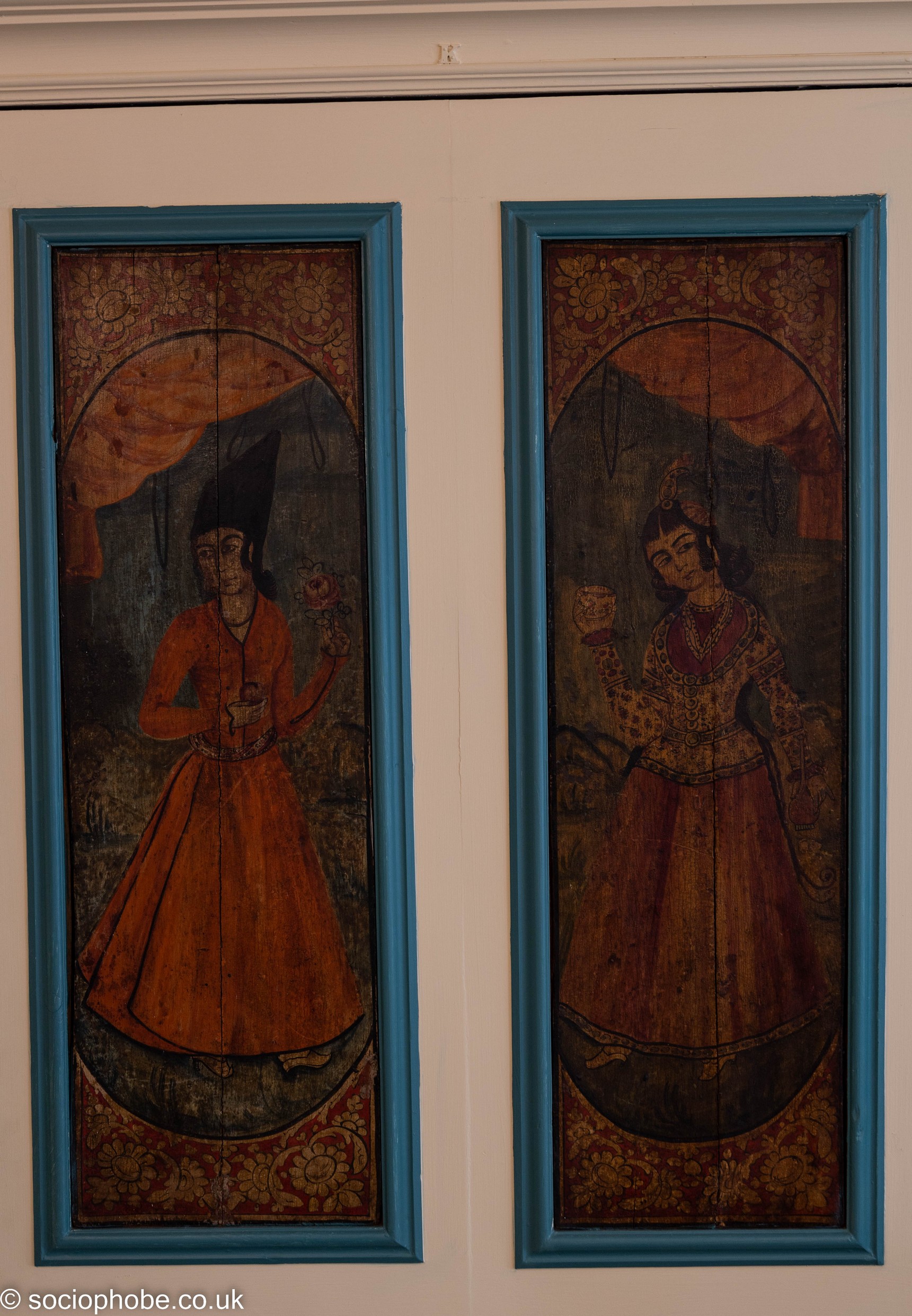
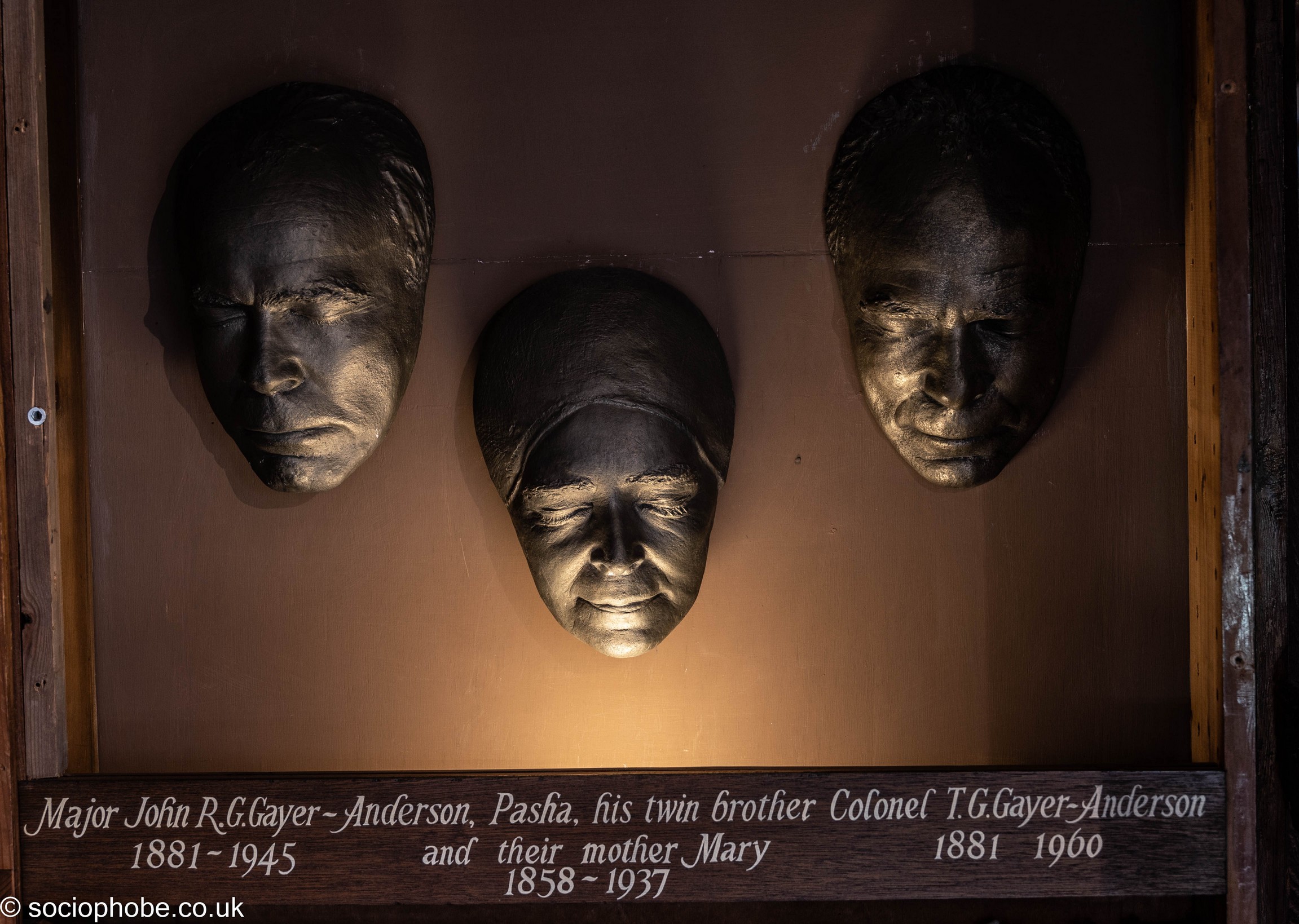
Very little is known for sure about the middle period if the houses’s life – it was split up into six tenements and at one time had twenty people recorded as living there. In the 1920’s the house was reunited after each unit was bought by the Gayer-Anderson brothers, British officers that both served in the Middle East. We had a passionate introduction to the building and its history from one of the volunteer ladies and were then free to explore on our own.
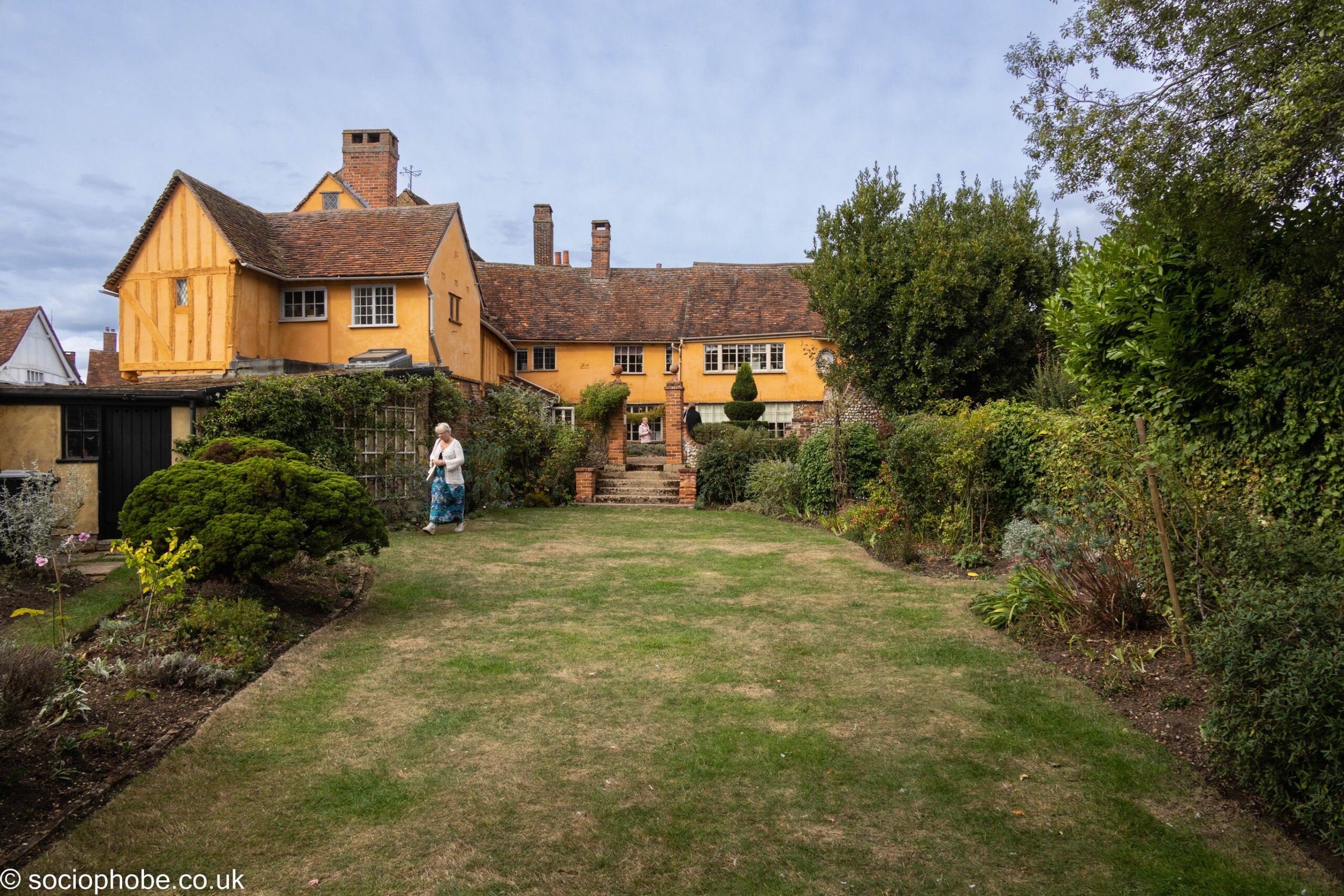
The eastern influence was used to decorate the house and it now contains various Egyptian and Persian artifacts as well as other curious gathered on their travels. Outside is a small knot garden and then a larger lawned garden down some steps. The enthusiasm of the volunteers in this property was fantastic and we actually spent longer here than in the Guild Hall.

Home
So that was it for a weekend road trip in Essex. Good to see Russ, saw some interesting new sites and as always, discovered a lot more to add to future itineraries.