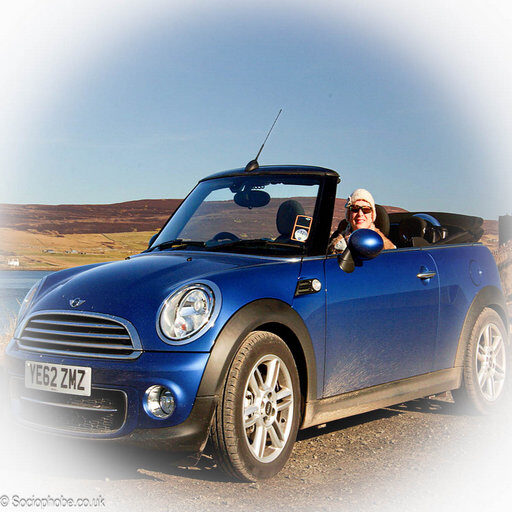
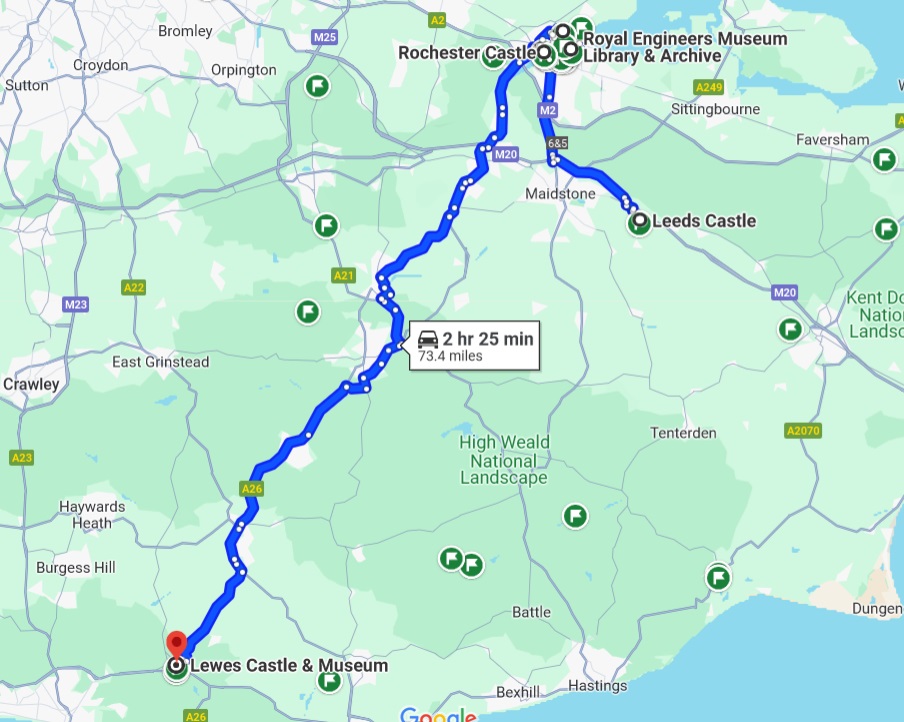
The south east of England is a beautiful place for a road trip so we had a long weekend exploring castles and even stayed overnight in one. On this trip we drove to Leeds Castle and stayed overnight there before visiting Rochester and Upnor Castles and the Royal Engineers museum and then returning home via Lewes Castle. If I’m honest there is so much to see here we could have easily made this a week or two break.
- Recommended days 3
- Budget £
- Difficulty Easy
Why South East England
We wanted somewhere a bit further than a day trip but not too far as we were only away two nights. For the group we had it also had to be an area with a profusion of castles and military sites. Add in to the mix that I wanted to stay at Leeds Castle again and that was the area decided upon! Sadly it was also the same weekend that the M25 was being closed for bridge work so the trip back took over 6 hours.
Our Accomodation
Leeds Castle is somewhere I had stayed before but our visit was very rushed as I was working in the area so didn’t get to the castle until almost closing time and had to leave before the main buildings had opened for visitors. It was fantastic to be able to stay there and have the freedom of the grounds once day visitors had left but this was an opportunity to get more time there.
The second night we stayed at the King Charles Hotel in Gillingham. This was chosen for it’s location and value and didn’t disappoint on either count.
Leeds Castle
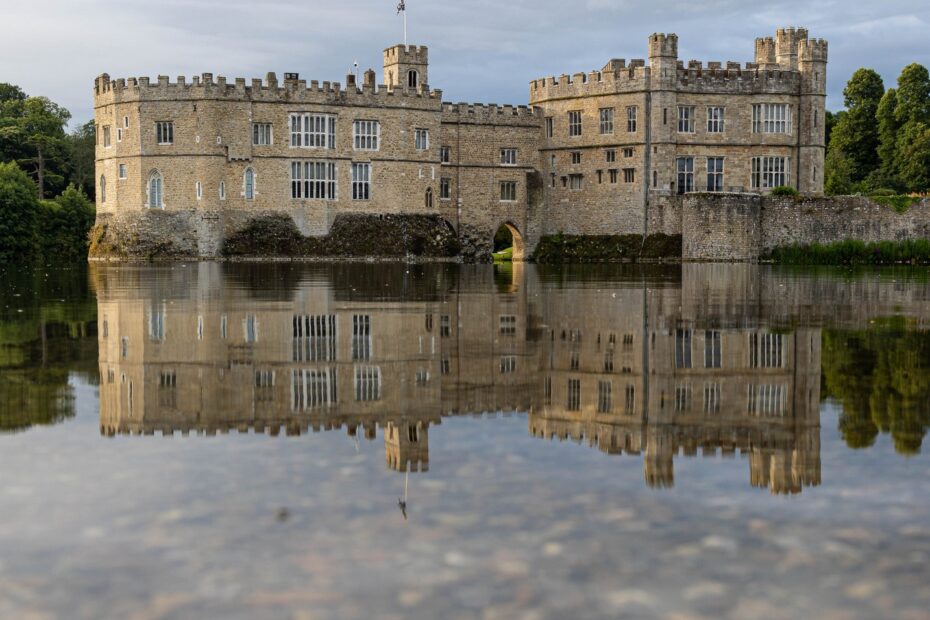
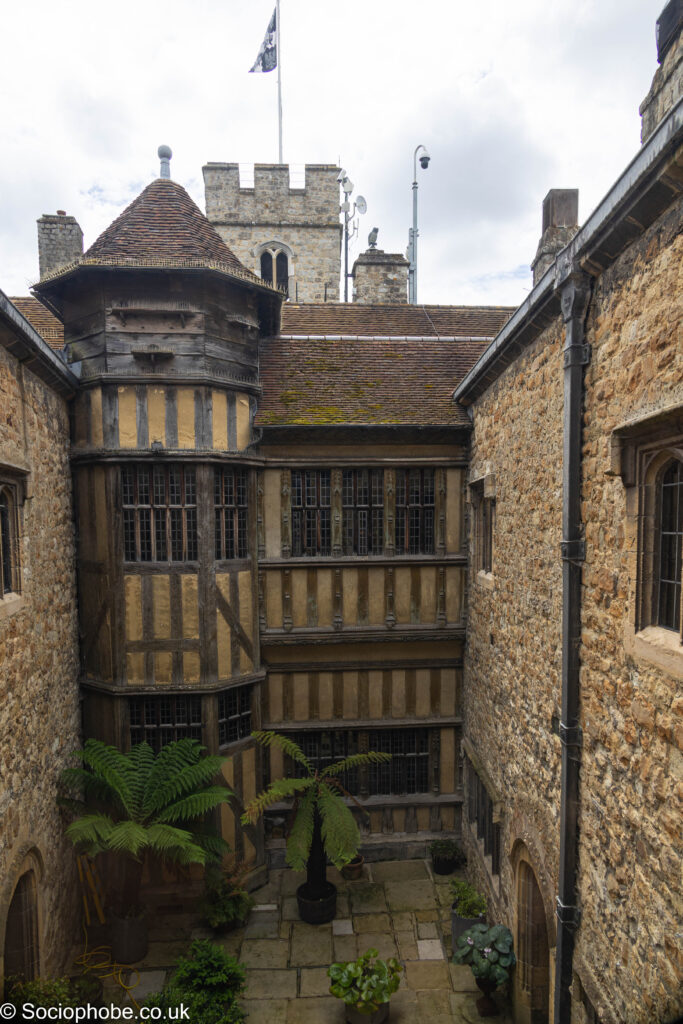
The first destination on our southeast England road trip was Leeds Castle and an overnight stay at the castle allowed us plenty of time to both visit the interior rooms and walk around the exterior as well as see the falconry display. The interior was largely focused on the castle as a 1920’s social retreat for Lady Baille, the woman who bought and restored the castle to its current state. There was also an AV display on the various queens that had lived in the castle but I’d have liked to have seen more on the castle history as a whole.
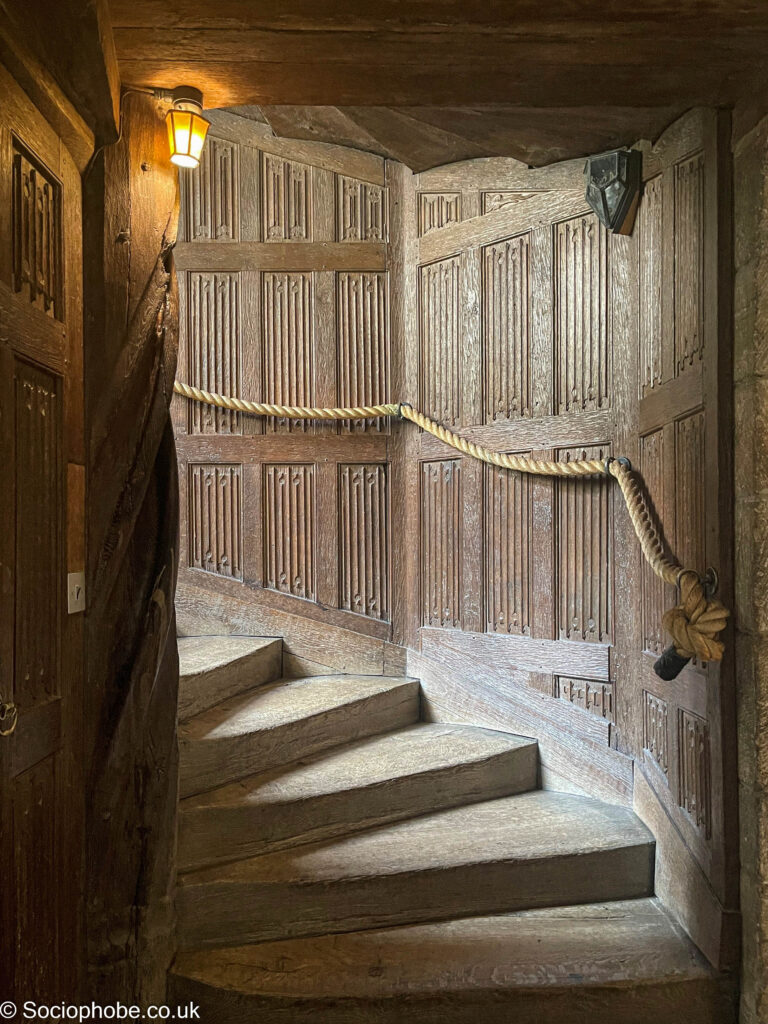
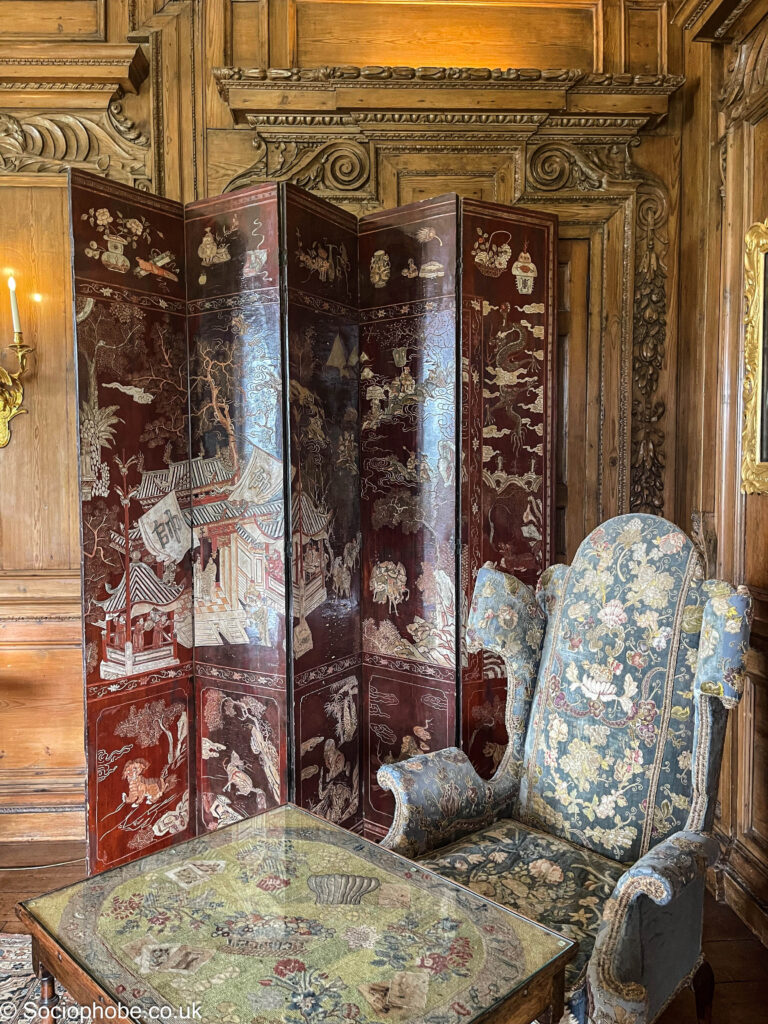
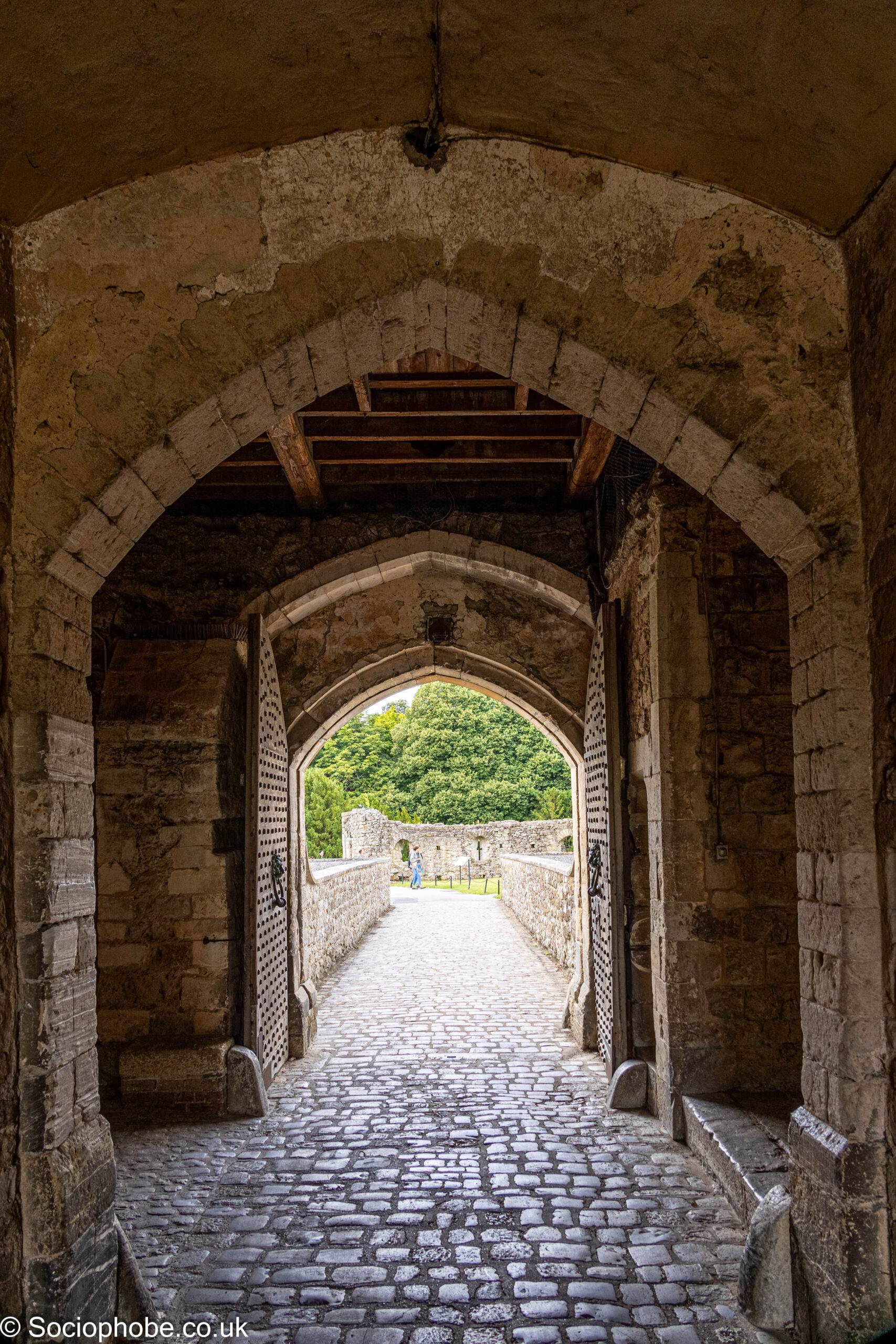
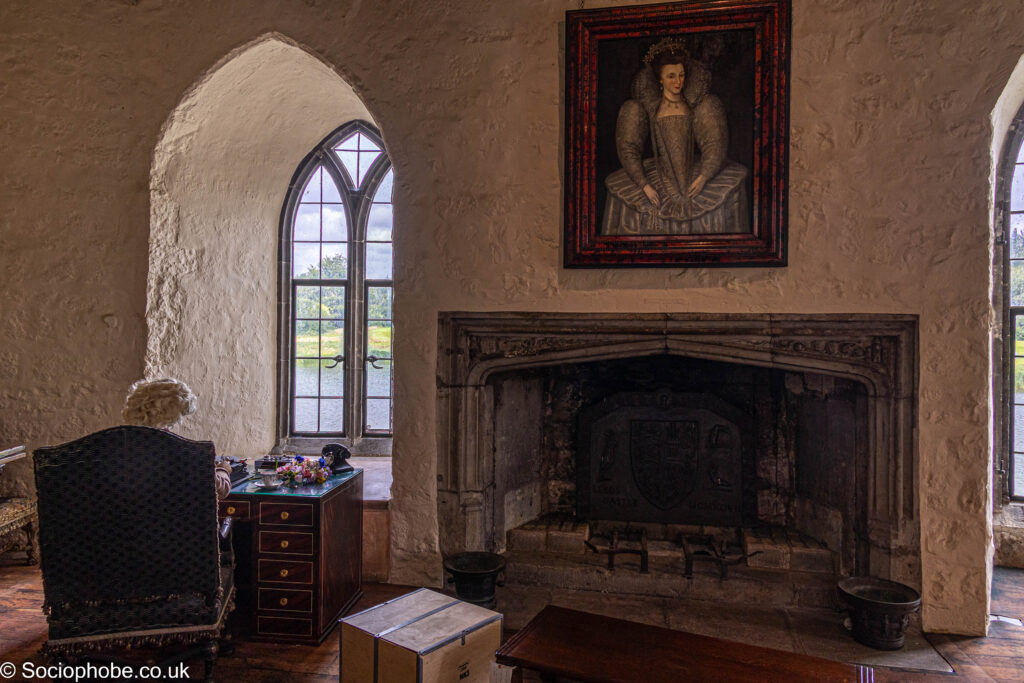
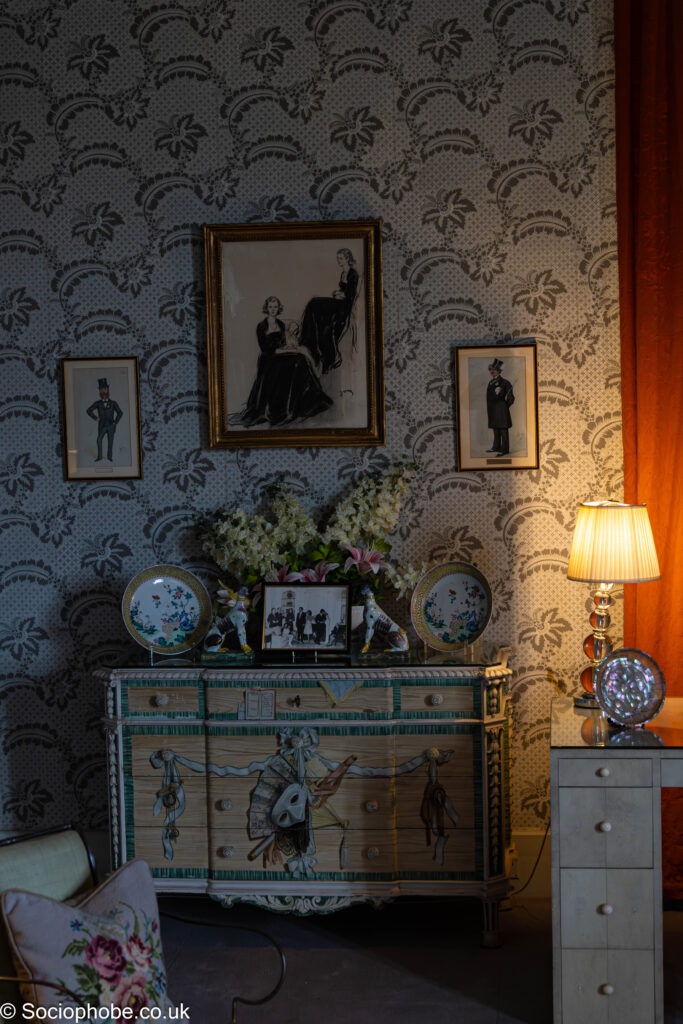
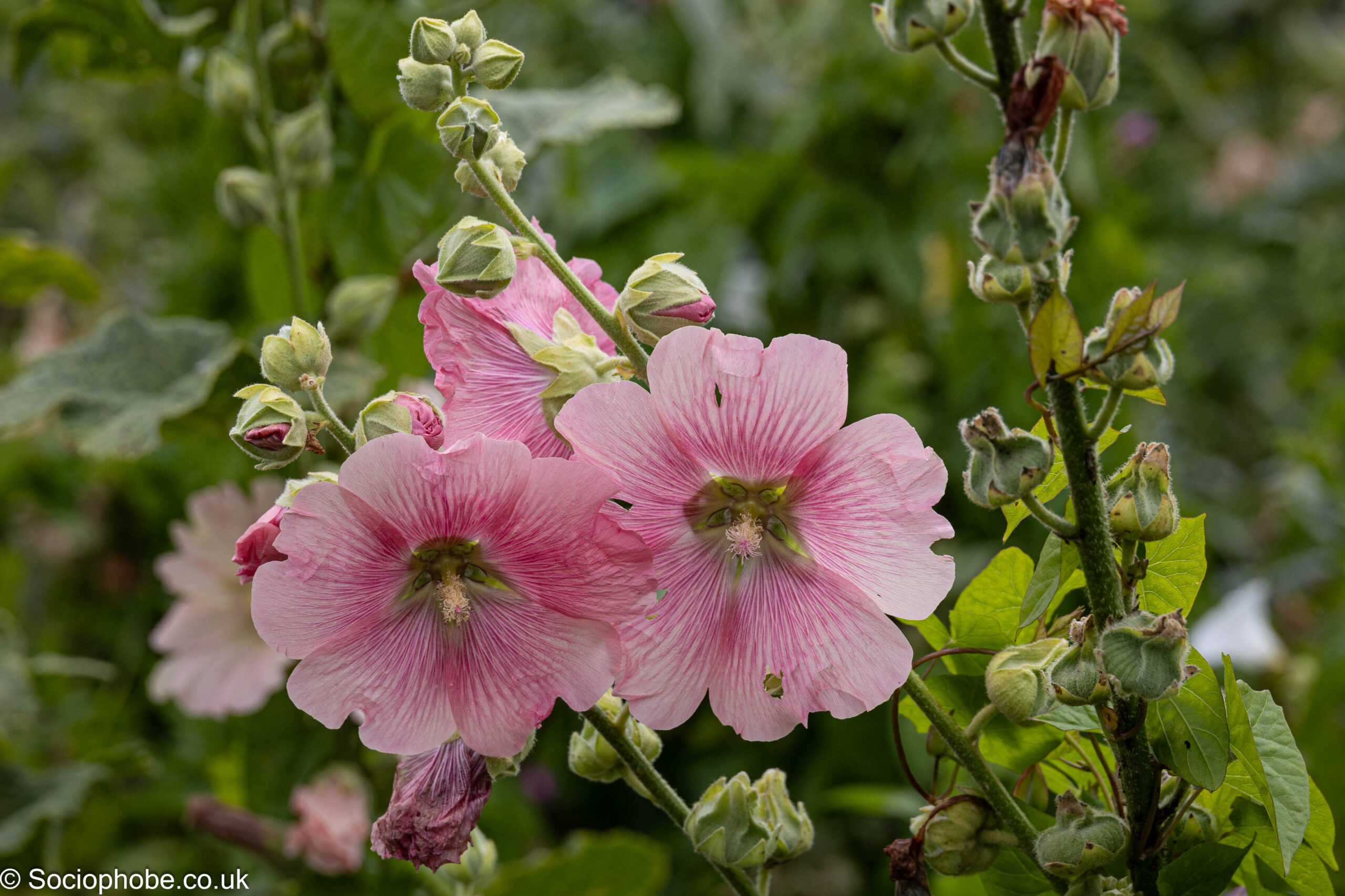
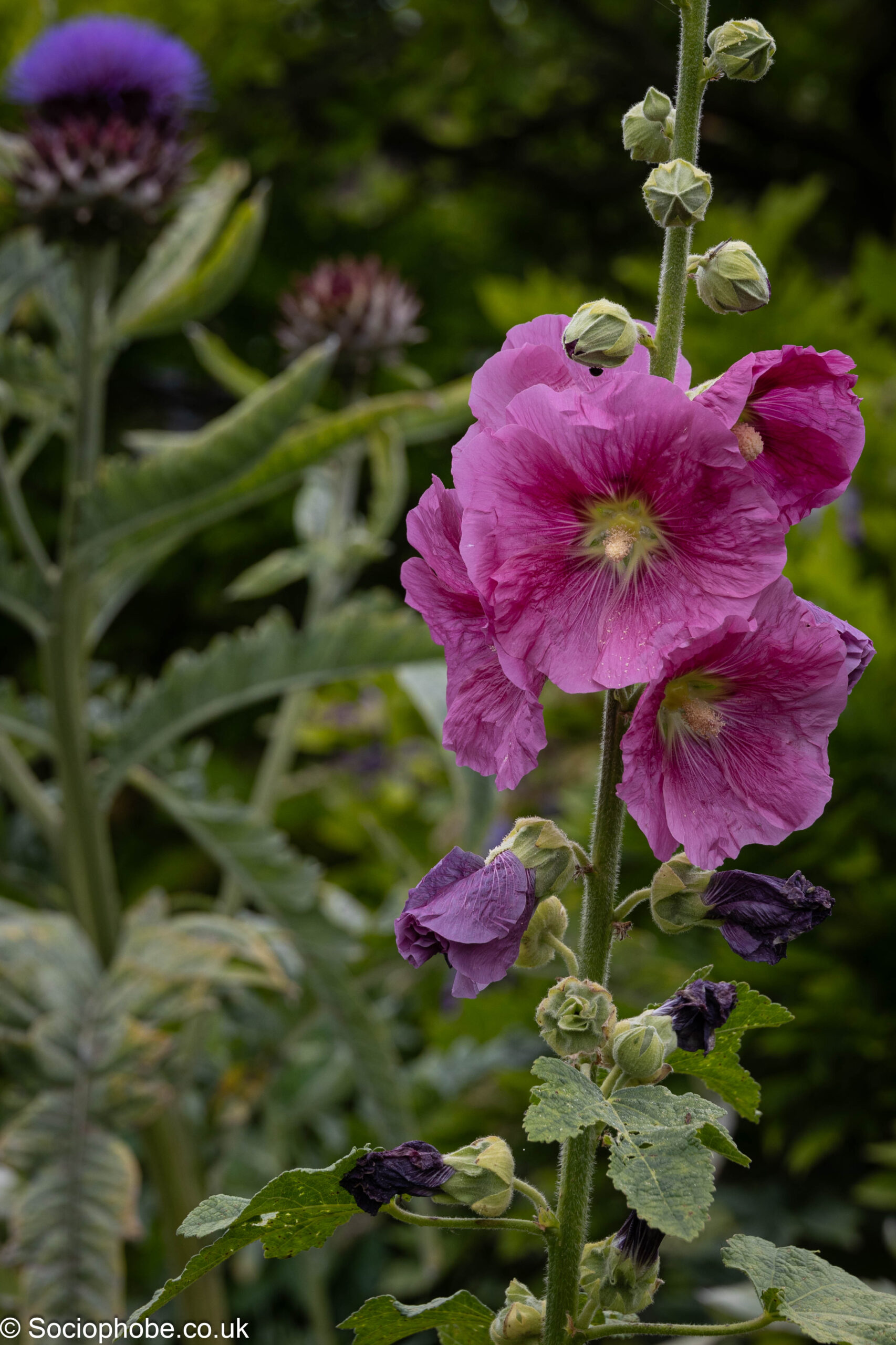
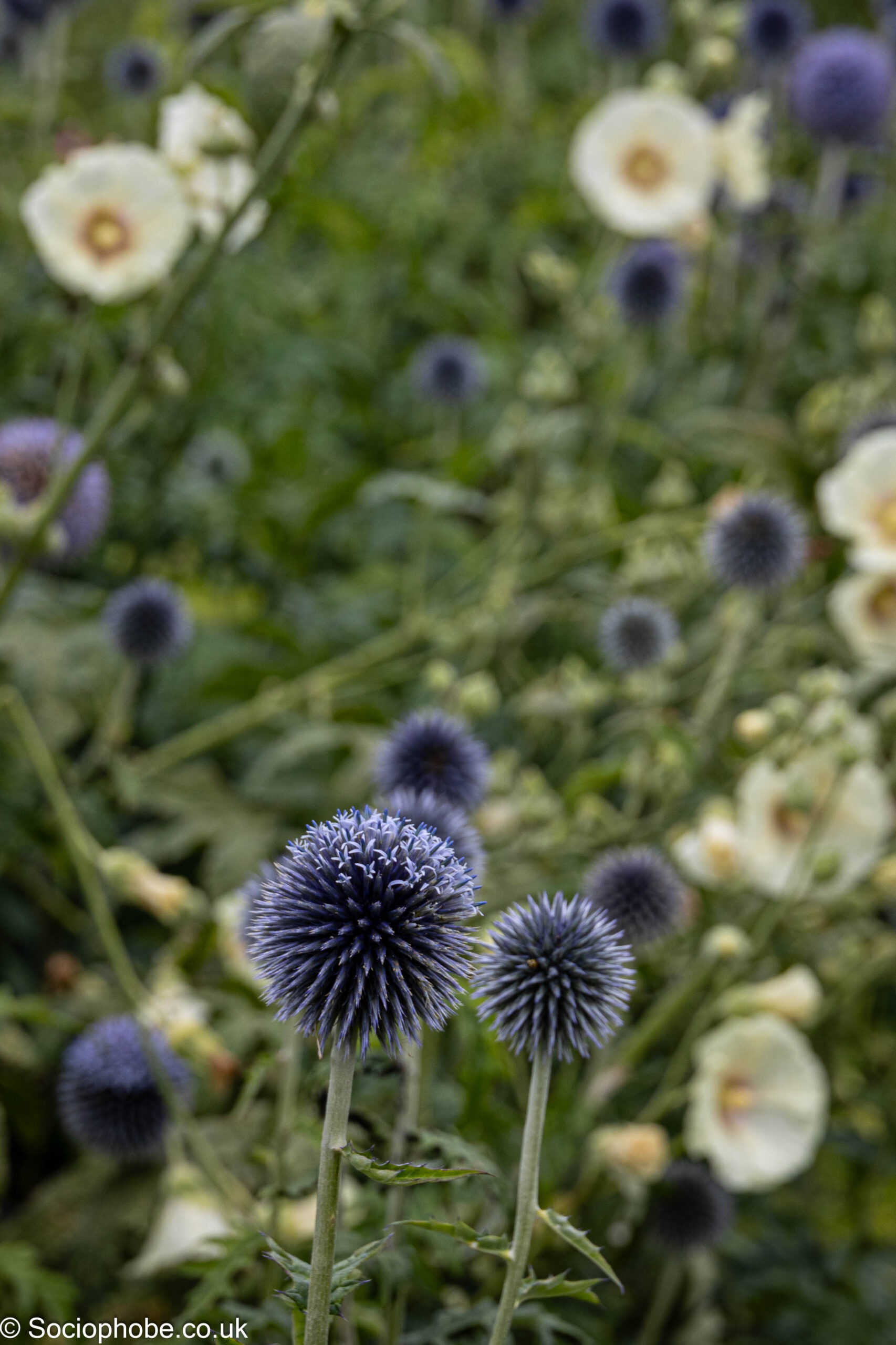
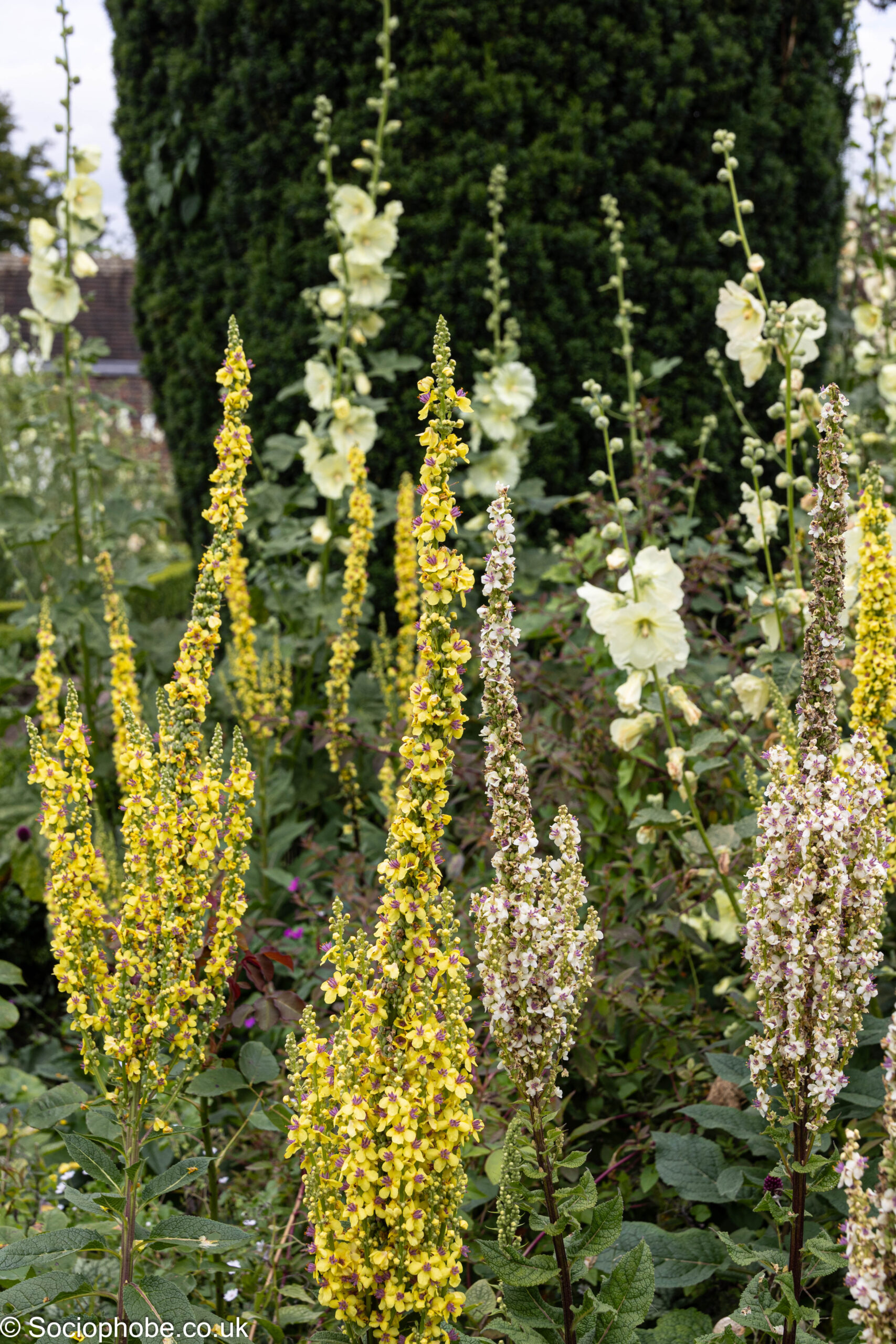
The grounds are just beautiful, as you’d expect. Next to the reception for the accommodation there is the Culpeper Garden, a bit of a strange creation with knot garden style hedging to give it its form but then wild cottage garden planting. There were some spectacular plants and colours though and it was lovely to walk through.


The falconry display was definitely worth a visit although I wish I had thought about it more and set the camera up better as a lot of the shots I took were out of focus or too slow a shutter speed. The guys running it made sure that they walked around the crowd so the birds were flying between us which was quite awesome. The owl flew within 30cm of me and was utterly silent and almost skimmed the grass. It was a fascinating and educational show and the children we saw there were entranced by it.
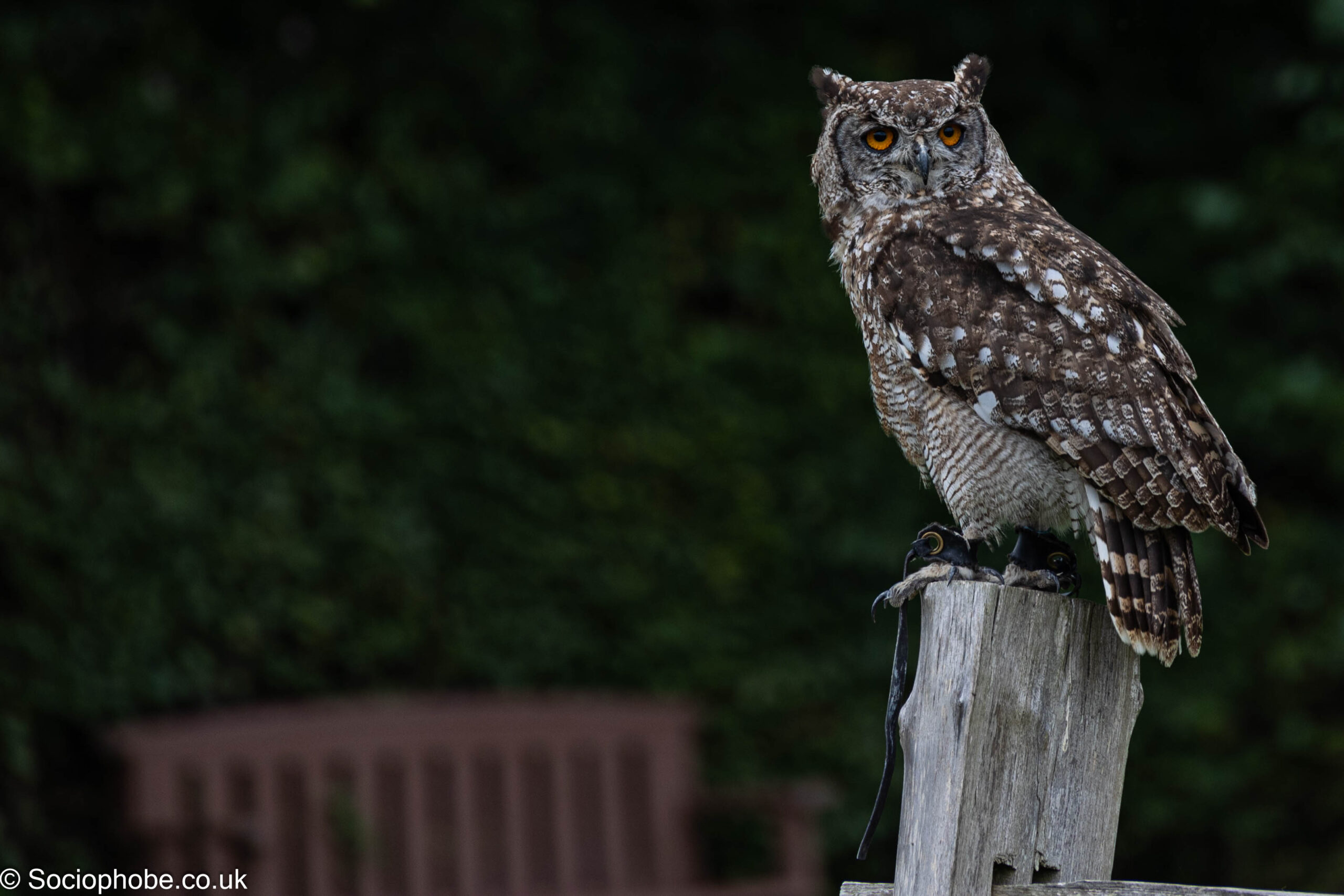
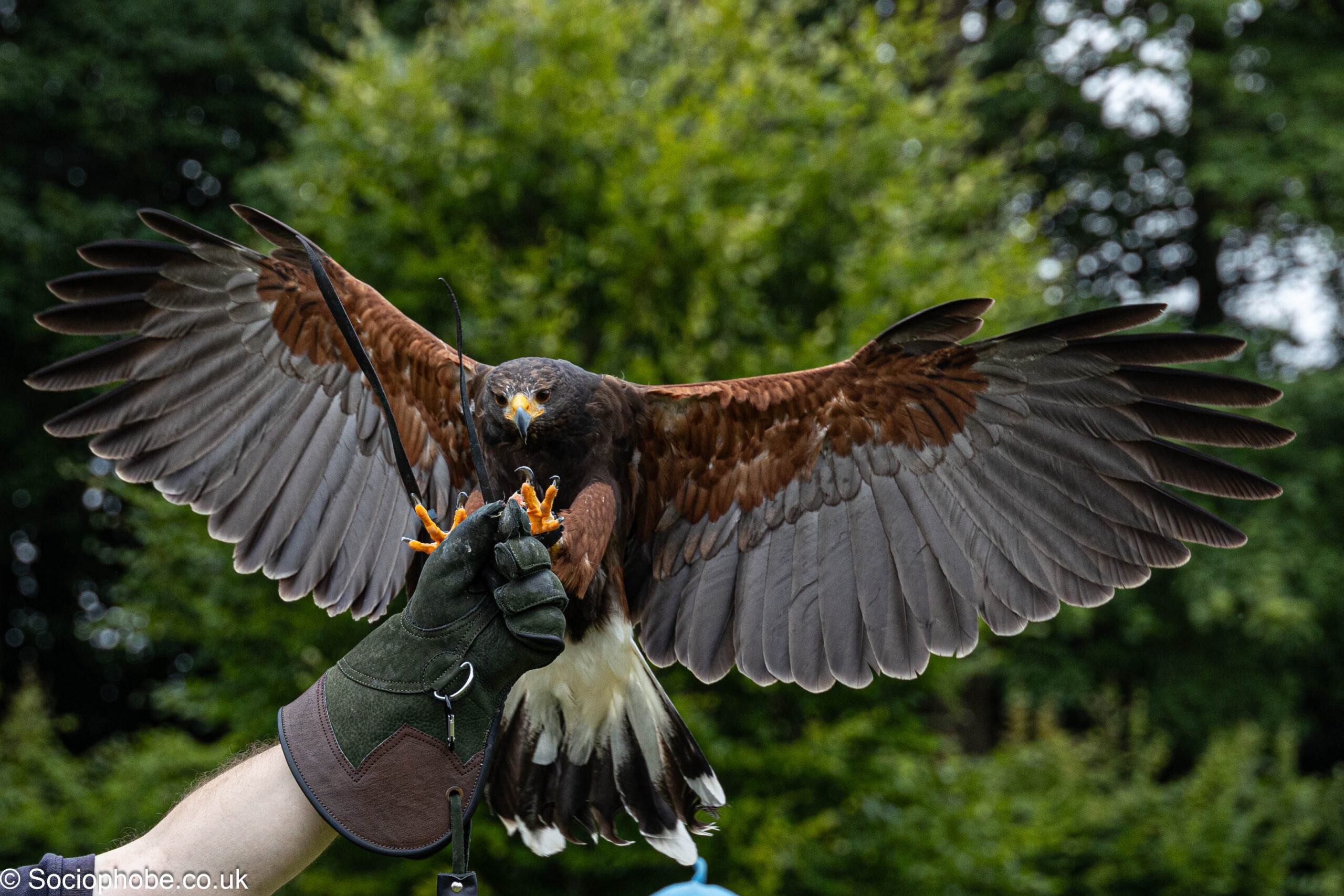
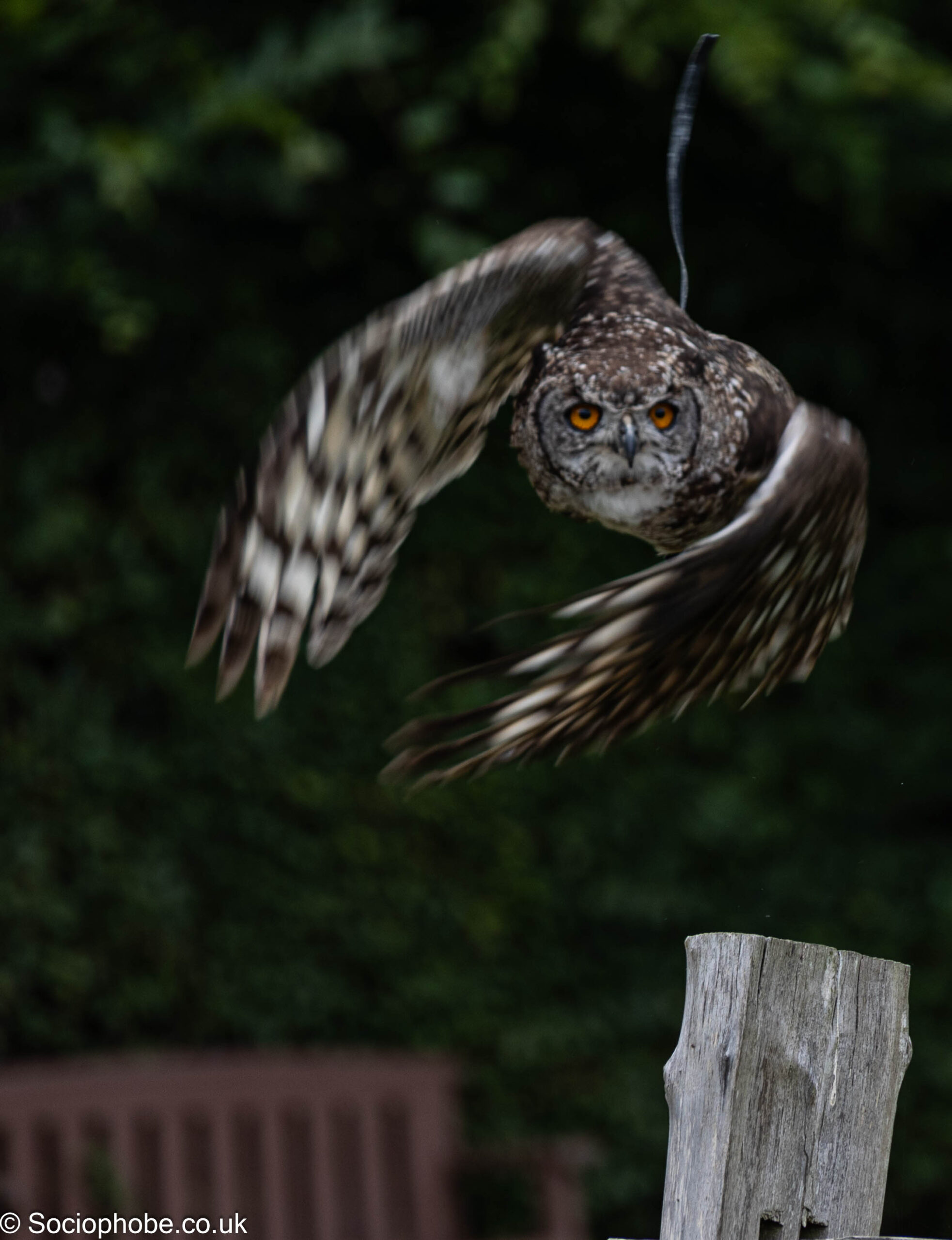
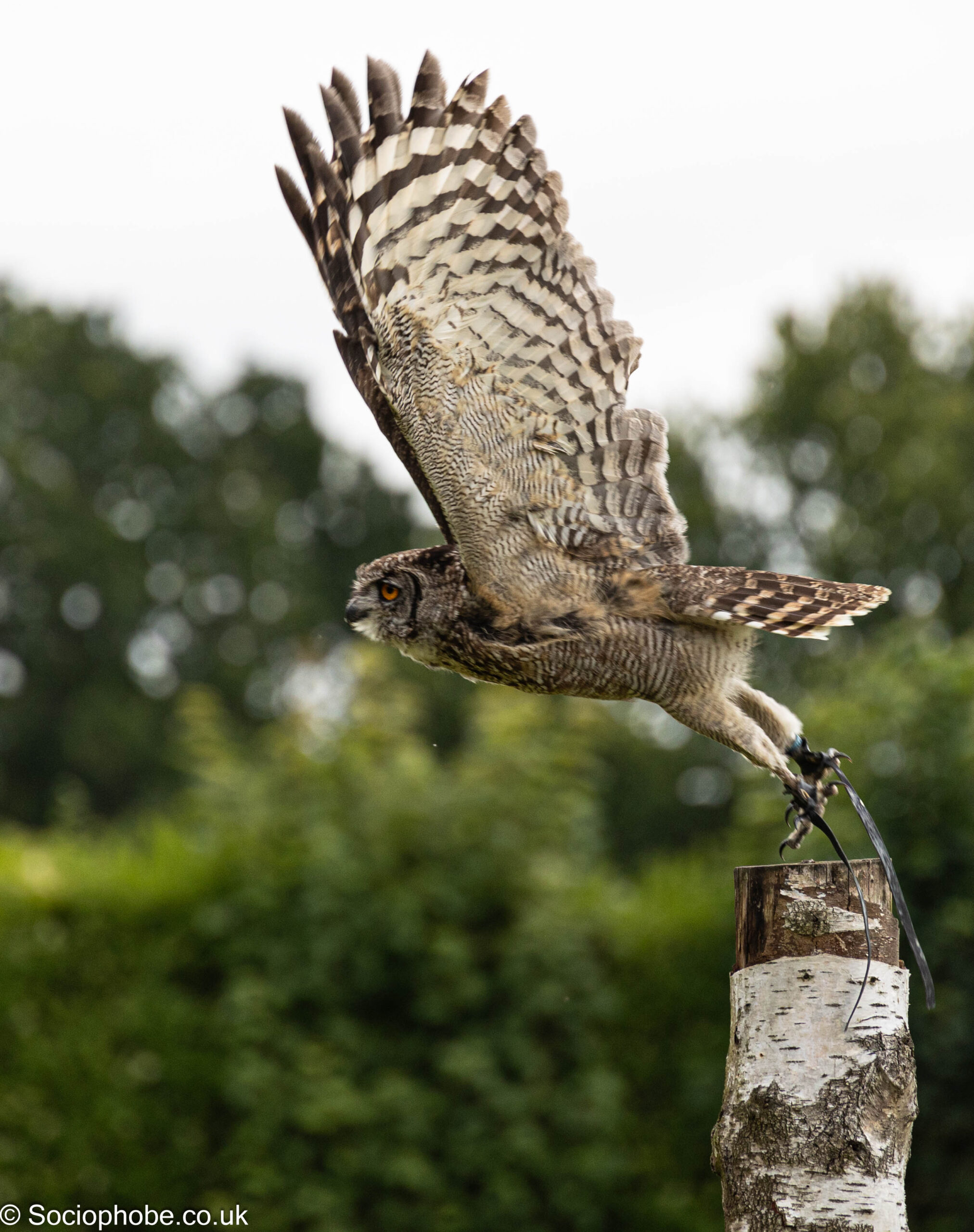
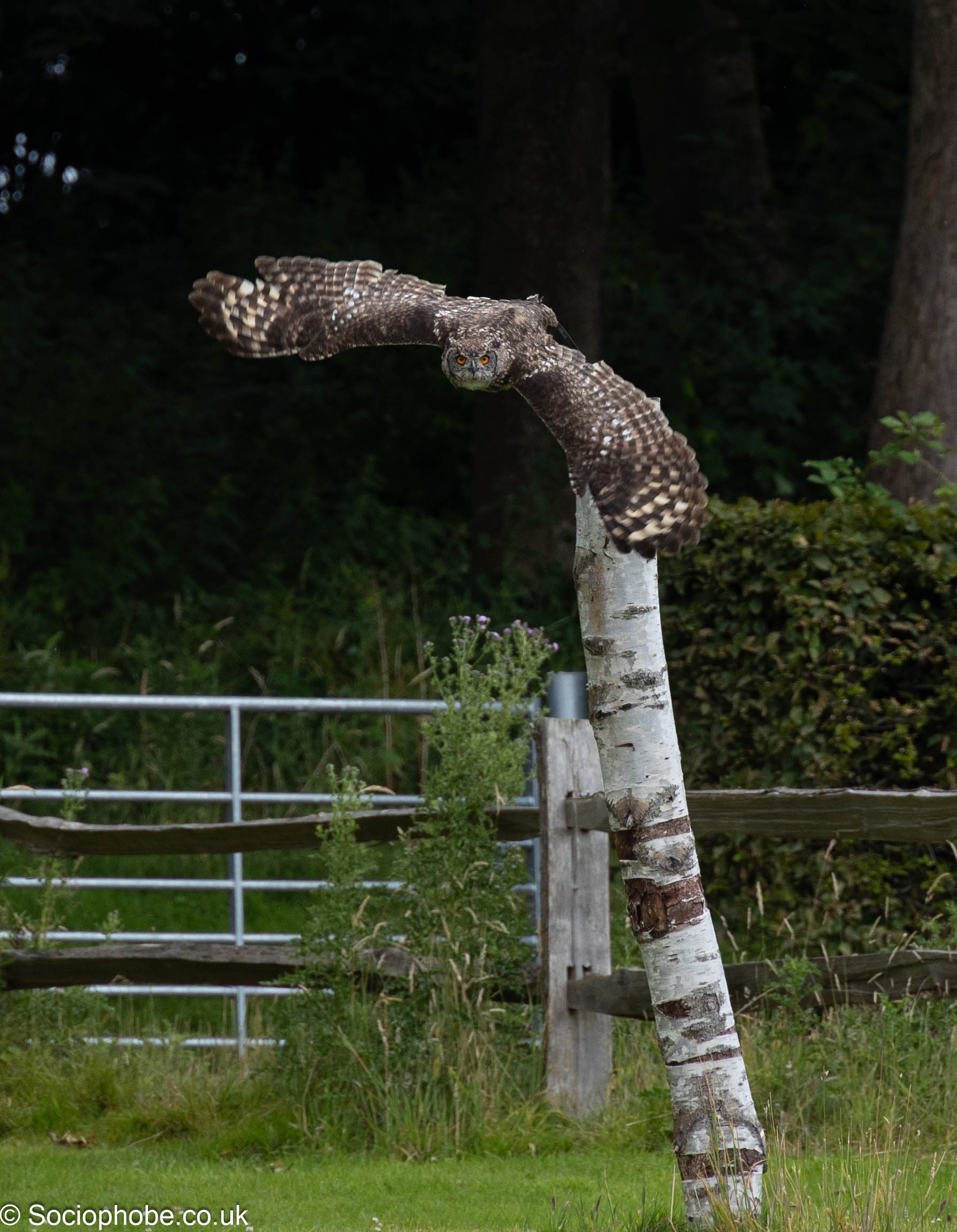
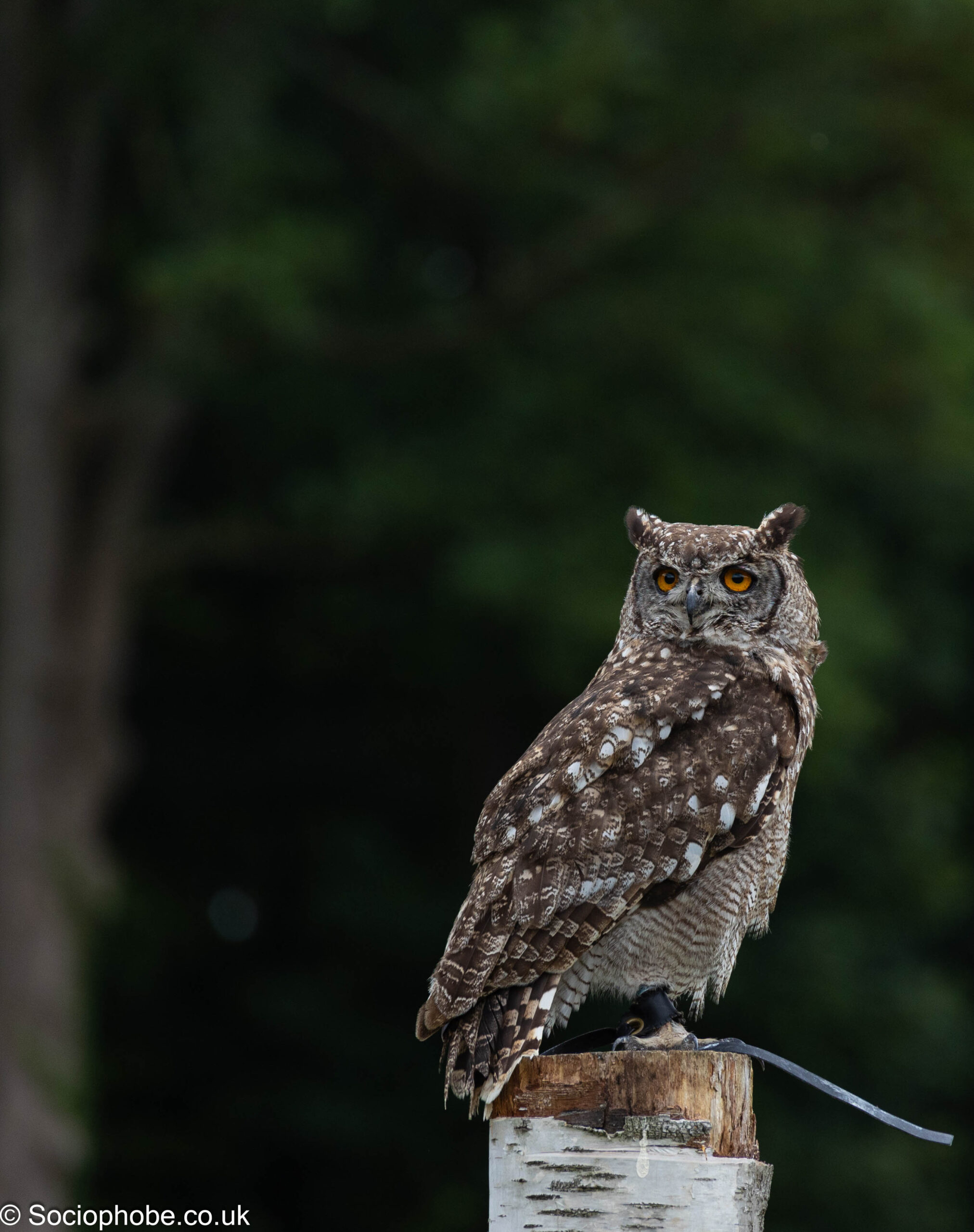
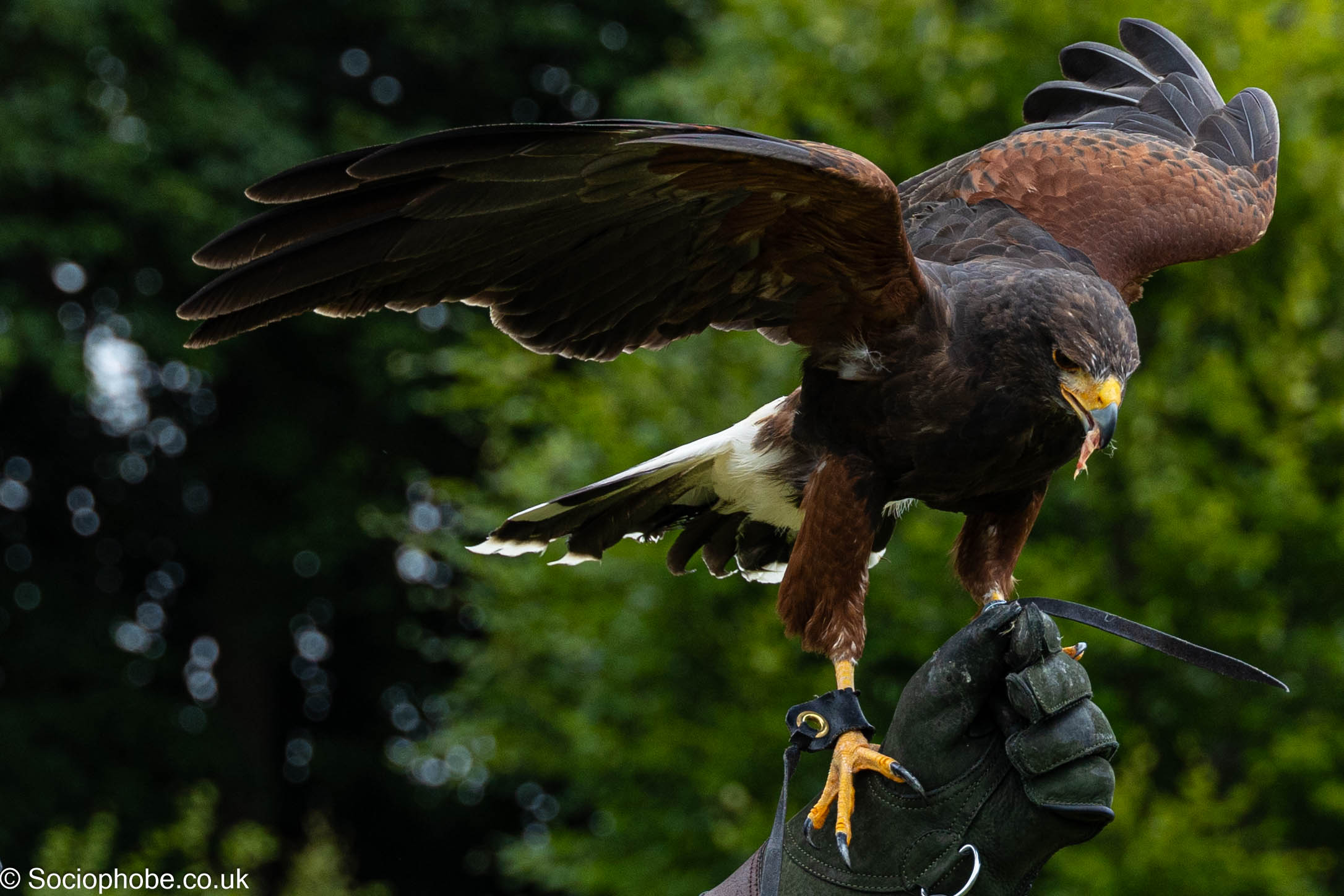
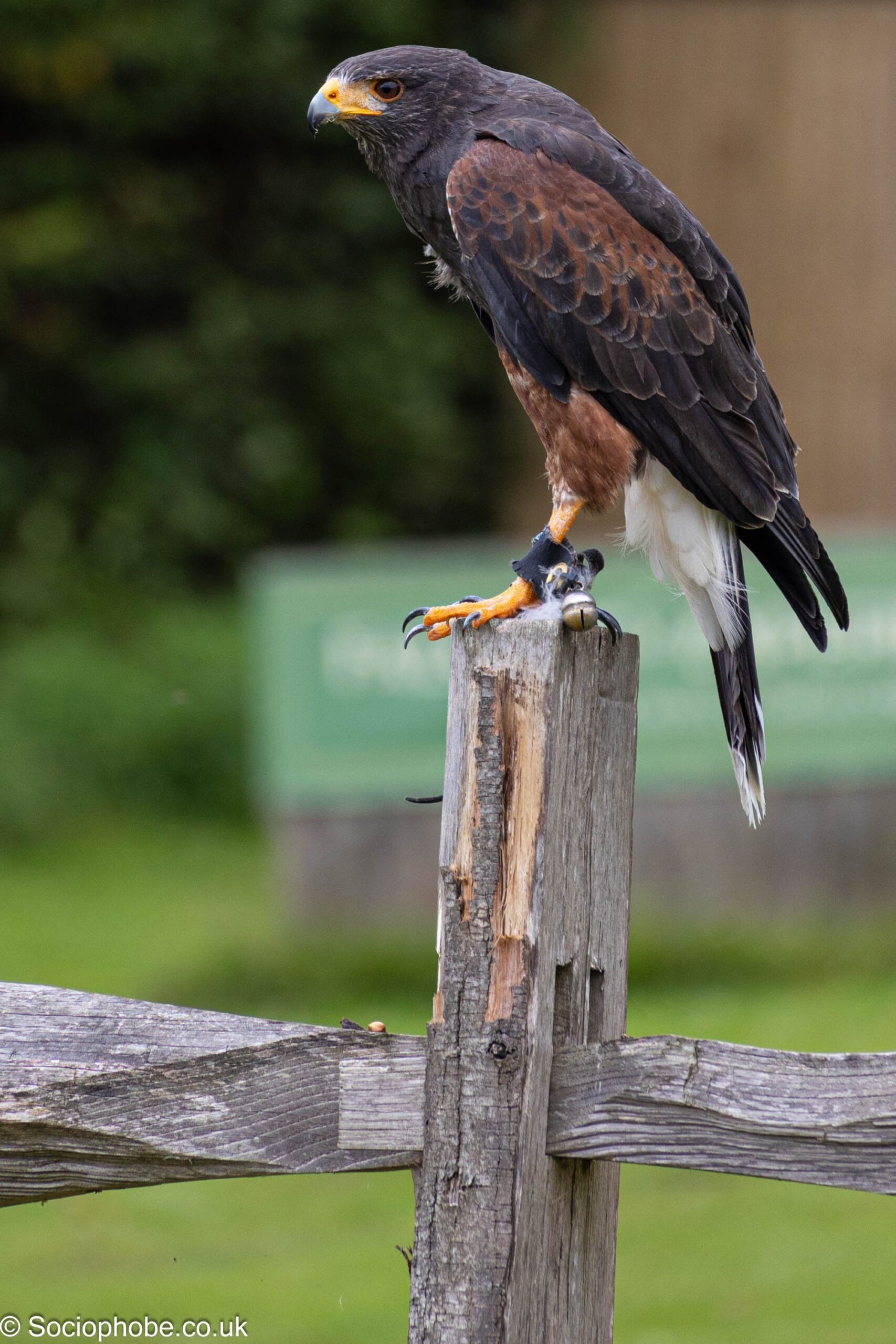
In the same area as the display there was a large sandpit and an impressive adventure playground as well as a cafe and aviaries for the birds. There is a little train that runs from this activity area to the castle entrance although it’s only about 10 minutes walk.
We didn’t explore the whole estate but we did do several circuits of the castle so we could view it across the moat but the weather was a bit too dull to get a decent sunrise or sunset photo. The castle is a fabulously photogenic location and despite extensive renovations and remodelling, still retains its medieval core.
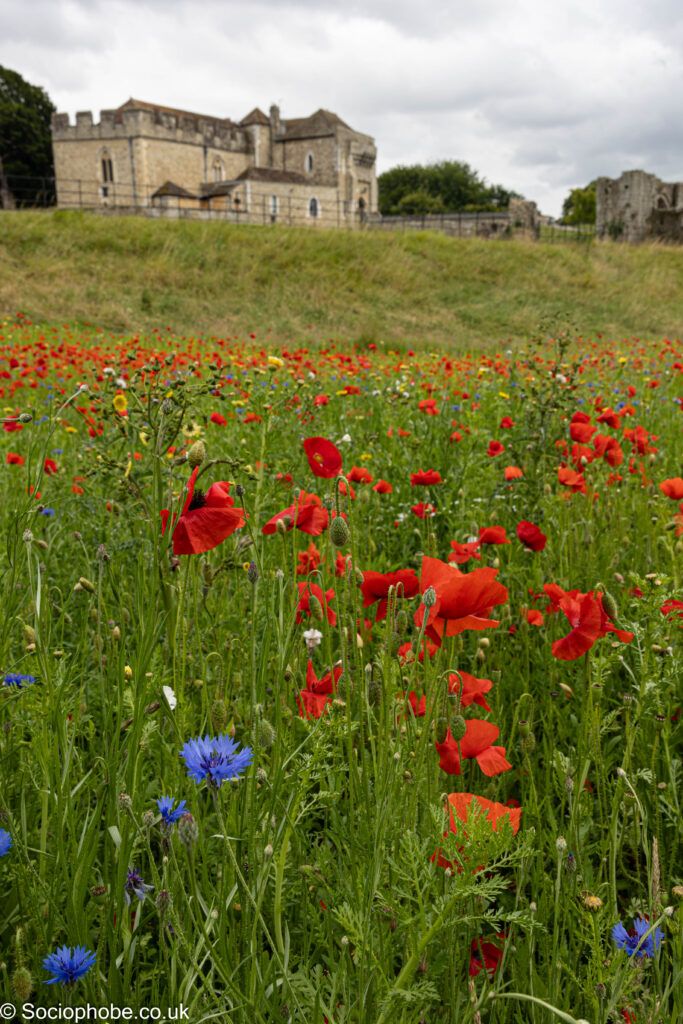
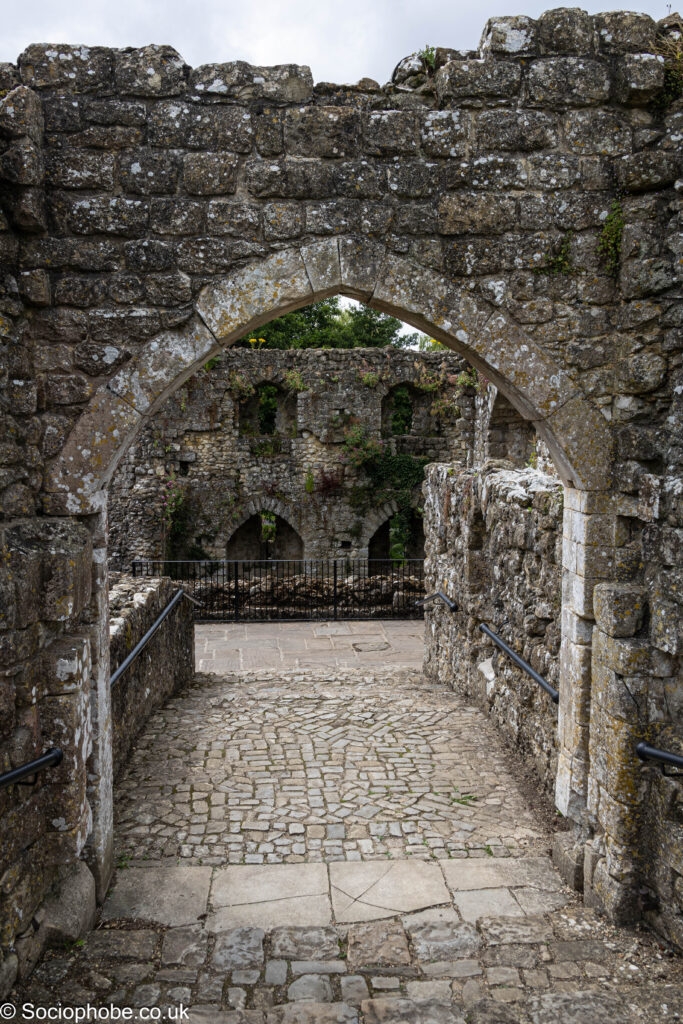
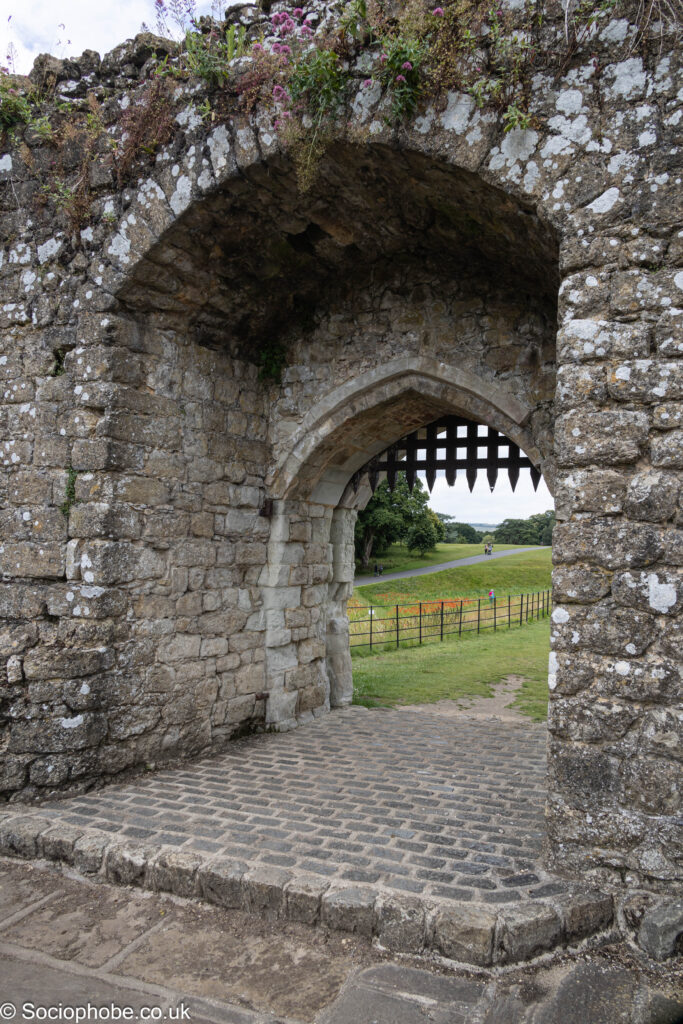
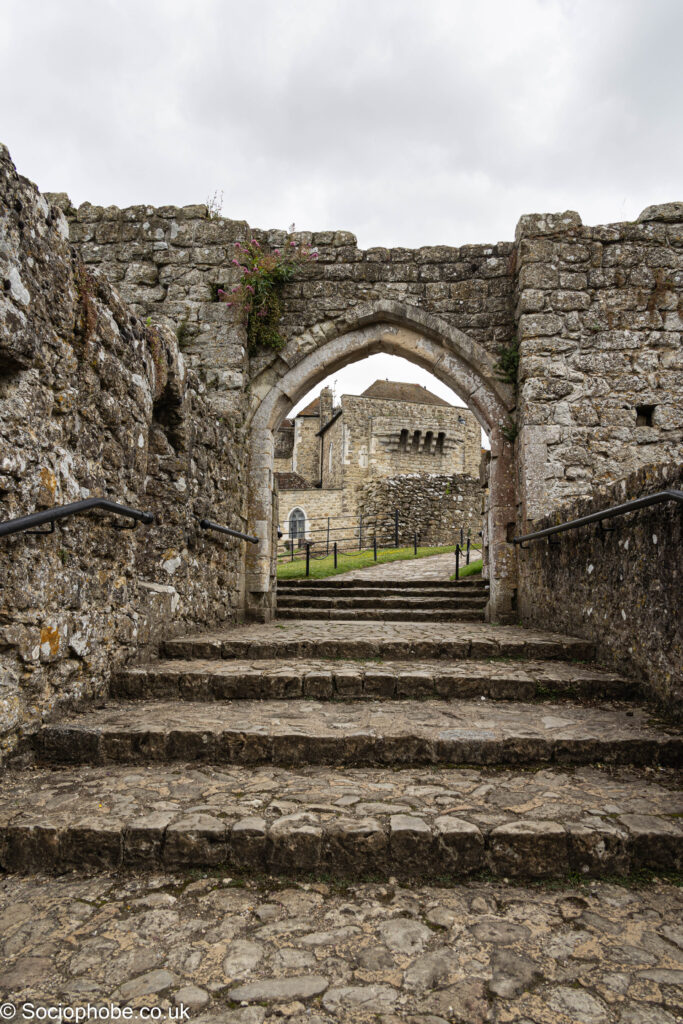
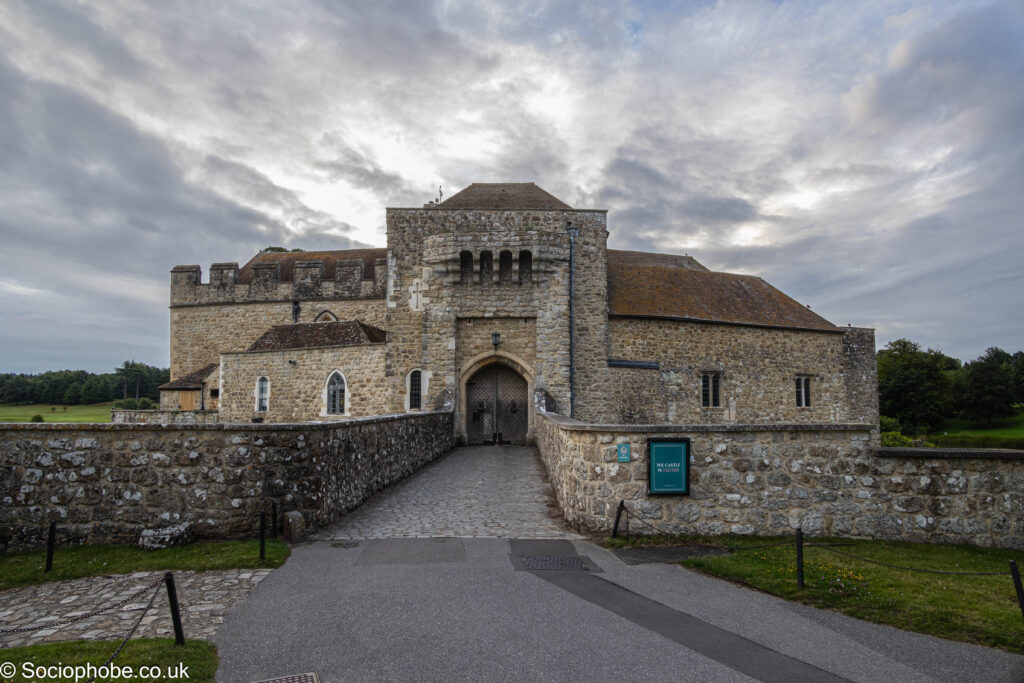
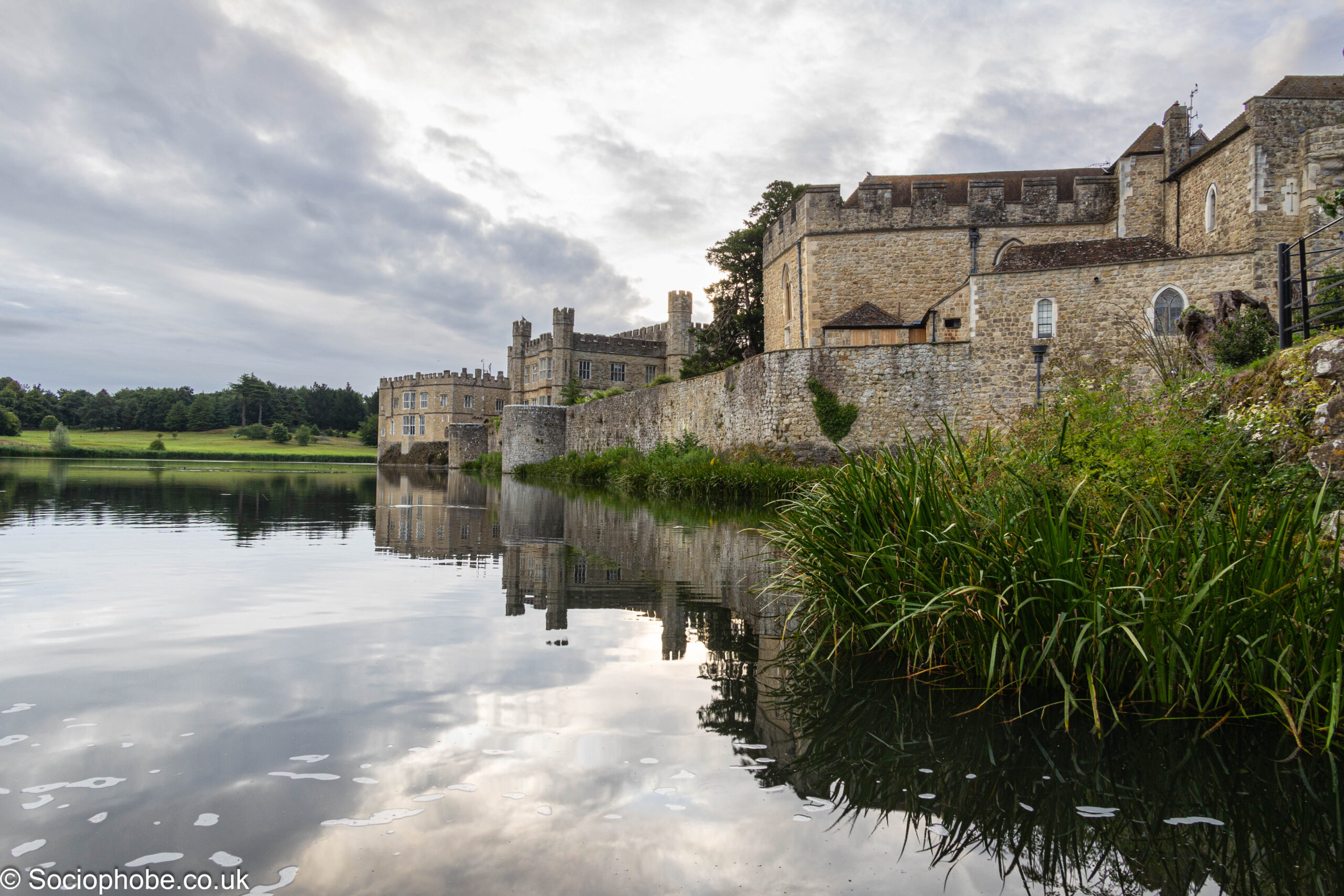
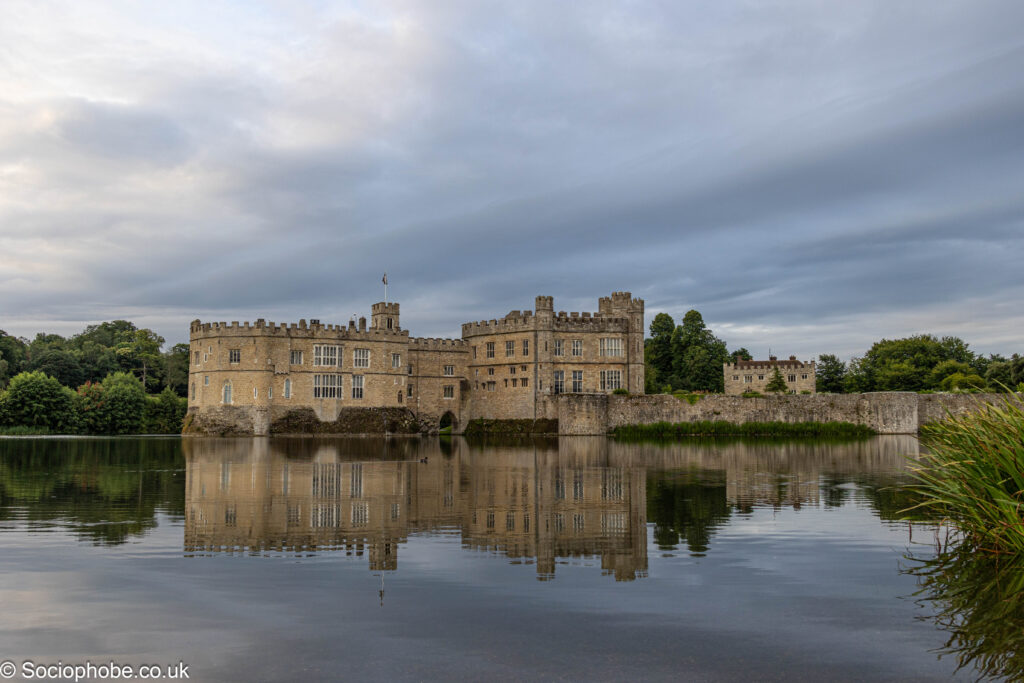
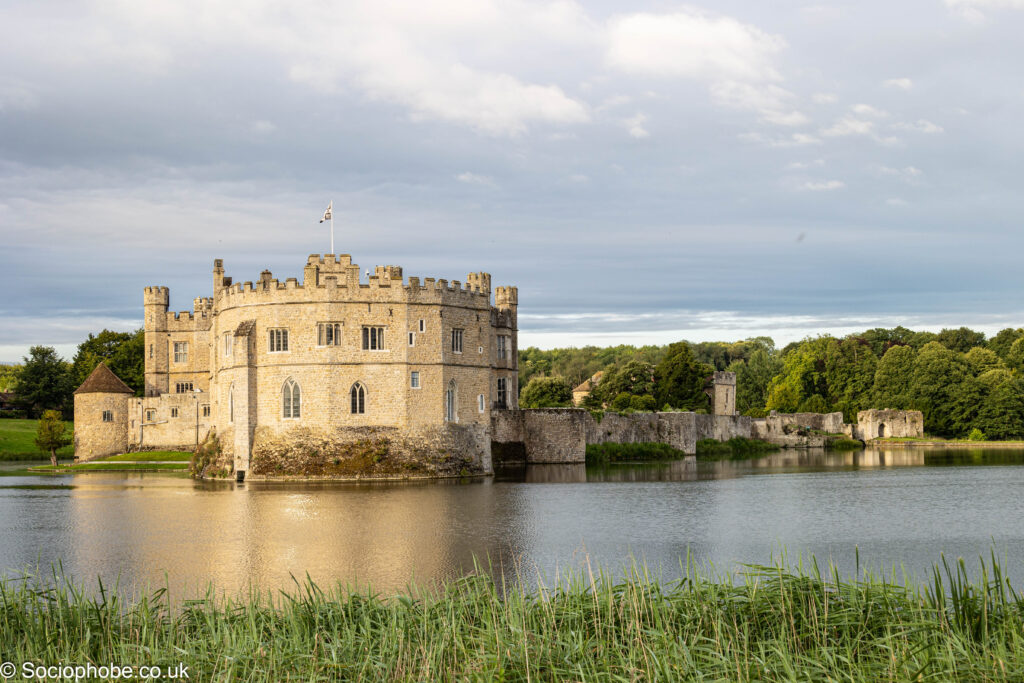
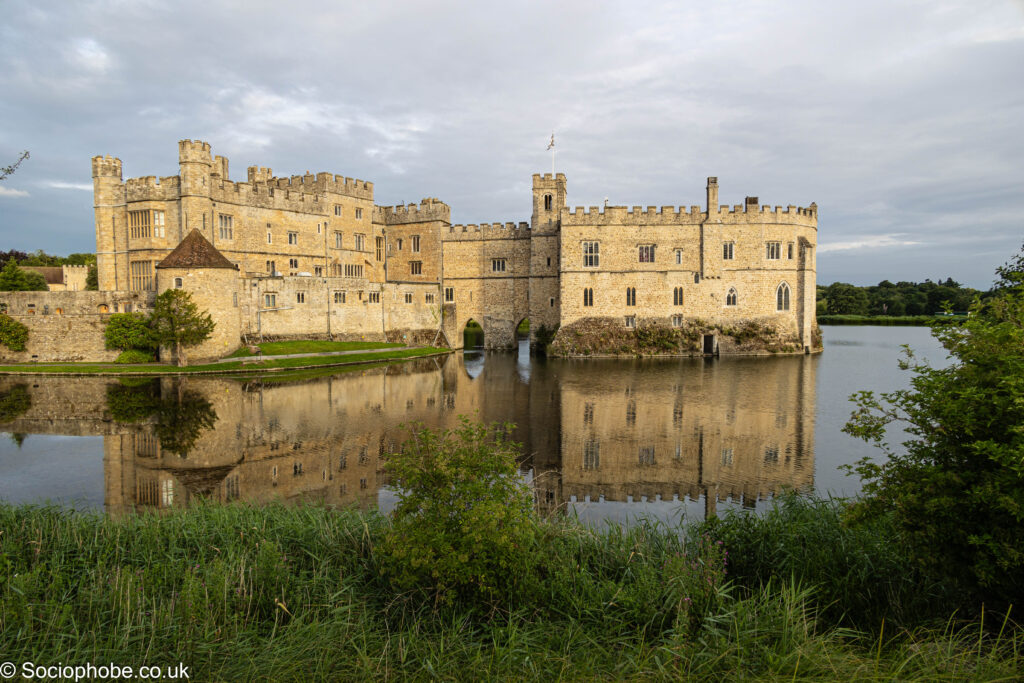
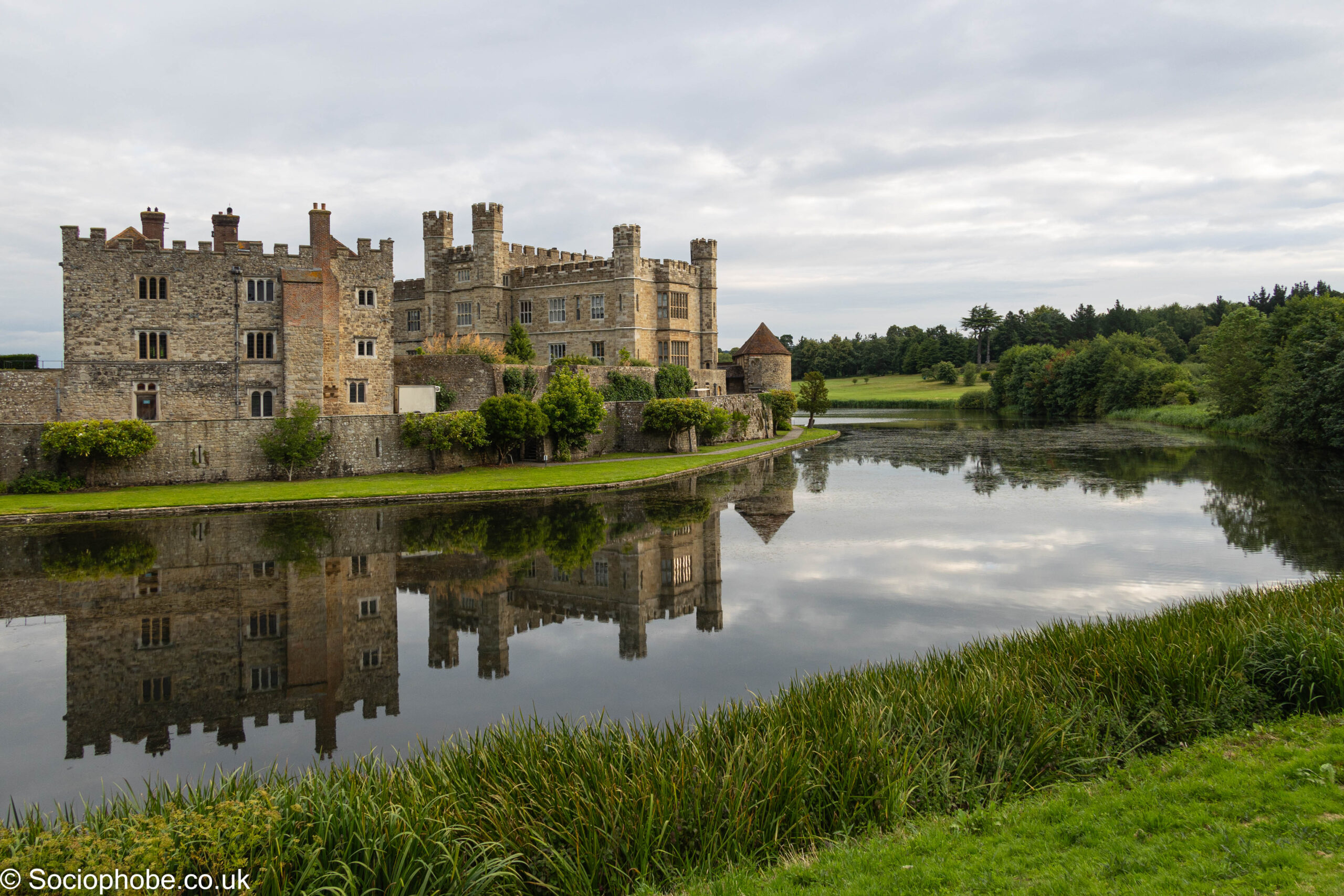
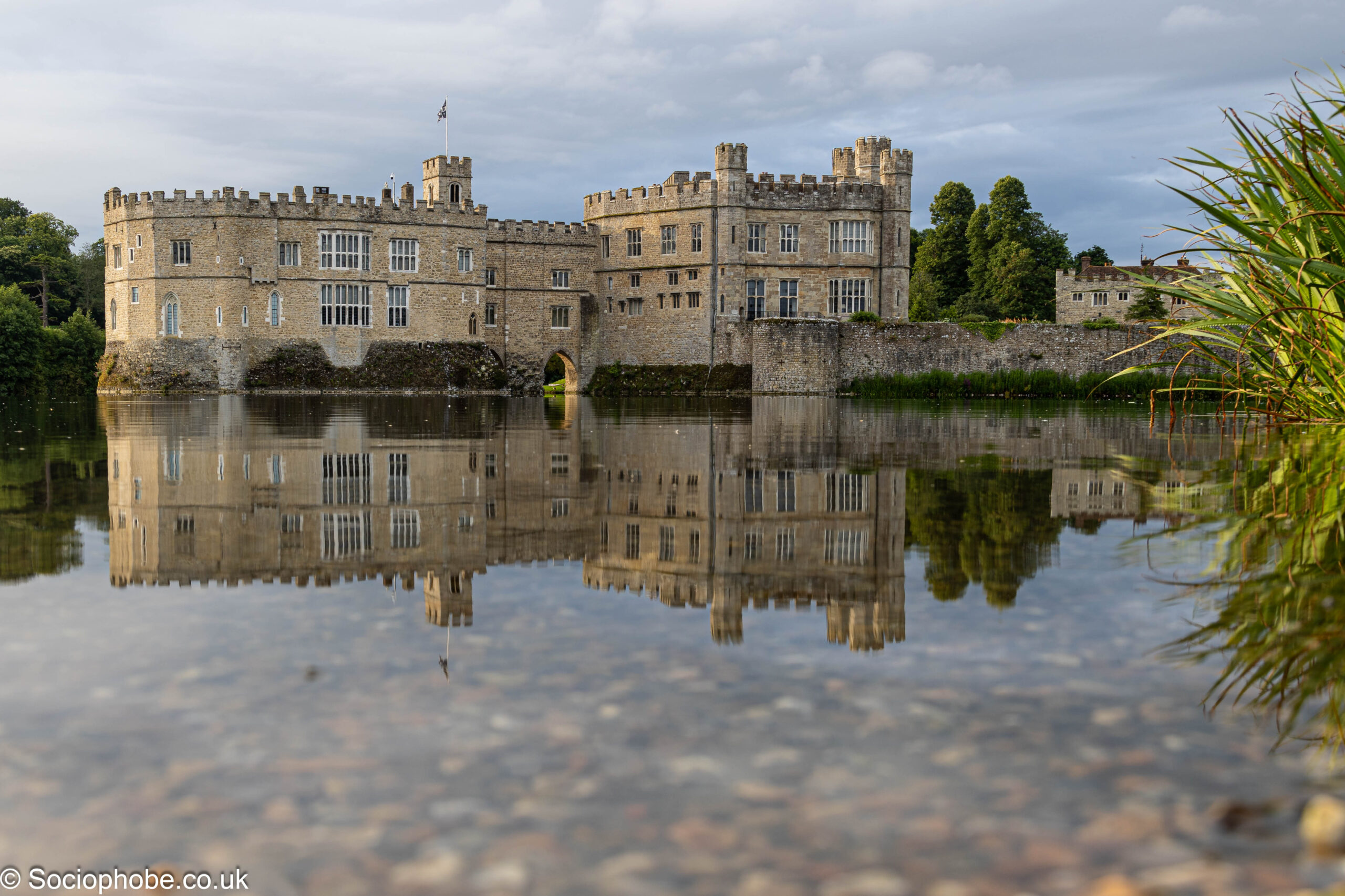
To continue the destination theme, there is also a lovely restaurant and various accommodation options on the site. We stayed in the Stable block rooms but there are also lakeside lodges, glamping options and rooms in the main castle itself. Some of these look quite awesome and although expensive, aren’t prohibitive for the experience you get. The restaurant provided a comprehensive breakfast and some lovely dining options in the evening although I felt there was a shortage a vegetable side dishes and the main dishes were quite small. The staff throughout for fabulous, polite and helpful and really made this stay an experience I won’t forget for a long time.
Rochester Castle
After our stay at Leeds Castle our next destination on our South East England road trip was Rochester. This is an ancient town on the banks of the river Medway that has a Norman Castle and cathedral as well as an Elizabethan fort and various later forts protecting Chatham dockyard.
The castle at Rochester was originally built just after the Norman invasion, in the 1080’s but the iconic keep is a twelfth century creation. The castle survived two sieges despite being heavily damaged in both and was also heavily damaged in Peasants Revolt but then fell into decline and eventually just became a source of stone for local buildings, including Upnor castle.
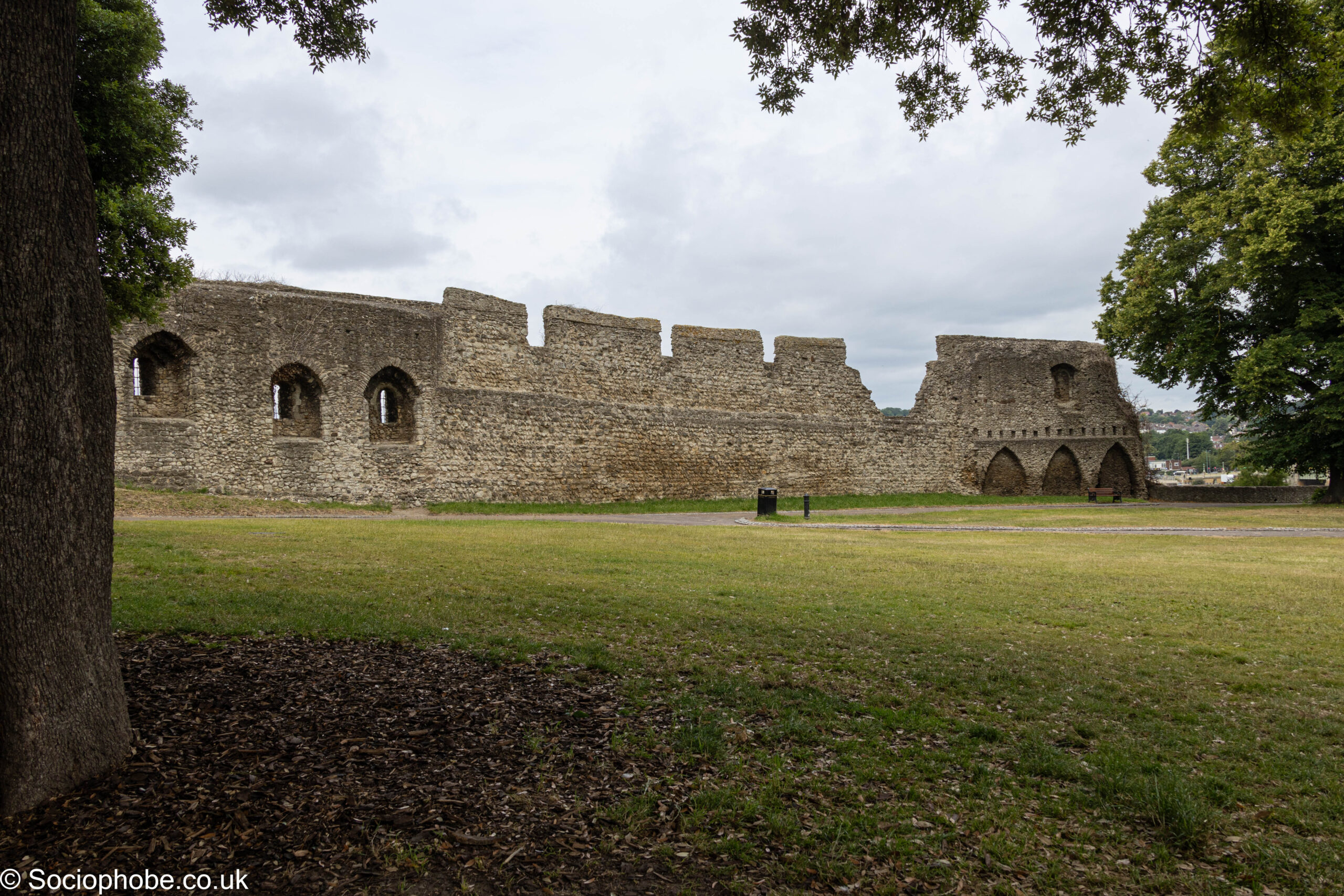
The site is run by Medway Council although English Heritage members get in for free. There is a very small car park at the front of the castle but we parked at the rail station and walked a few minutes to reach the castle. You can wander round the bailey of the castle inside the curtain walls and look over the Medway – it’s surprising how much higher the castle is than the river.
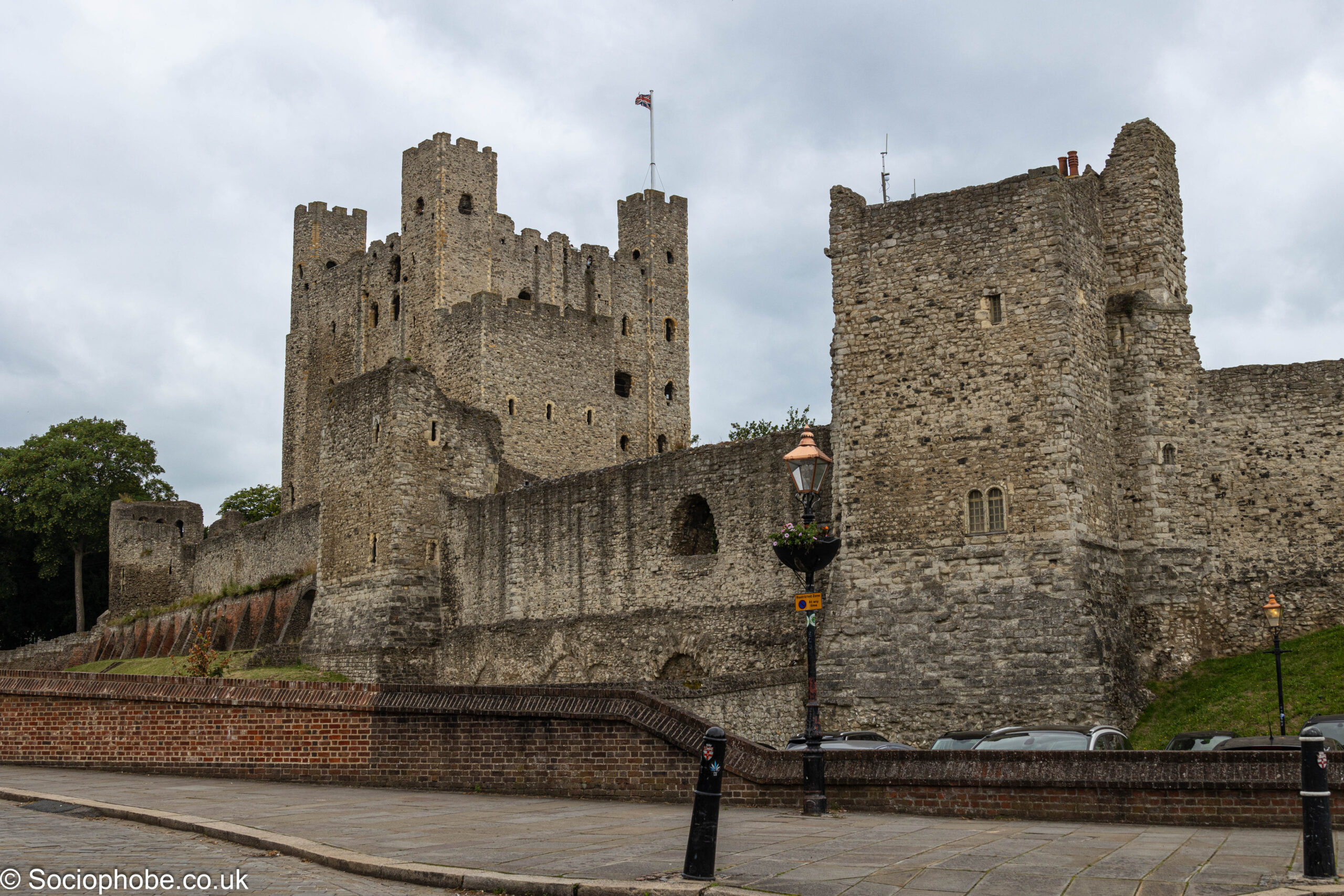
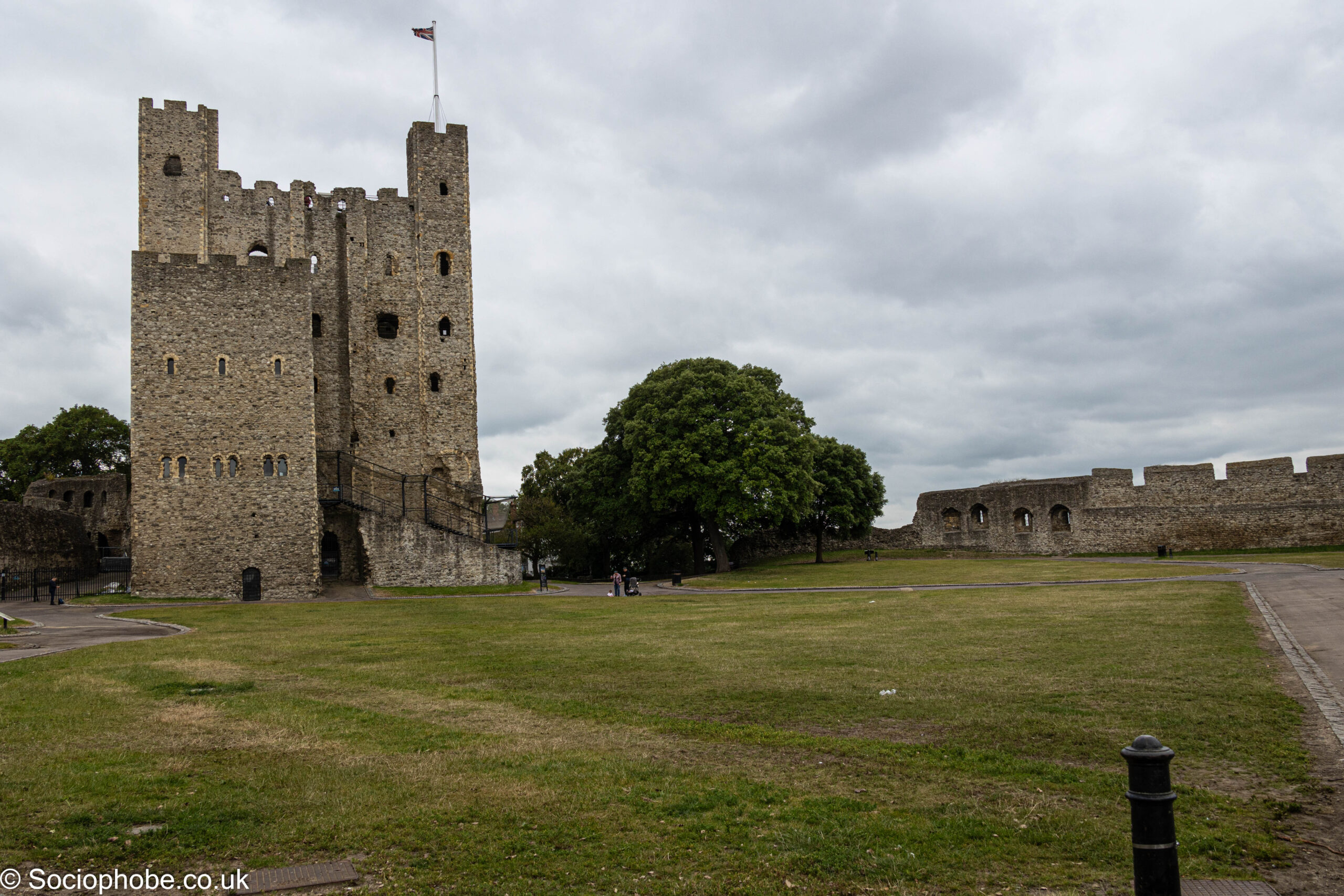
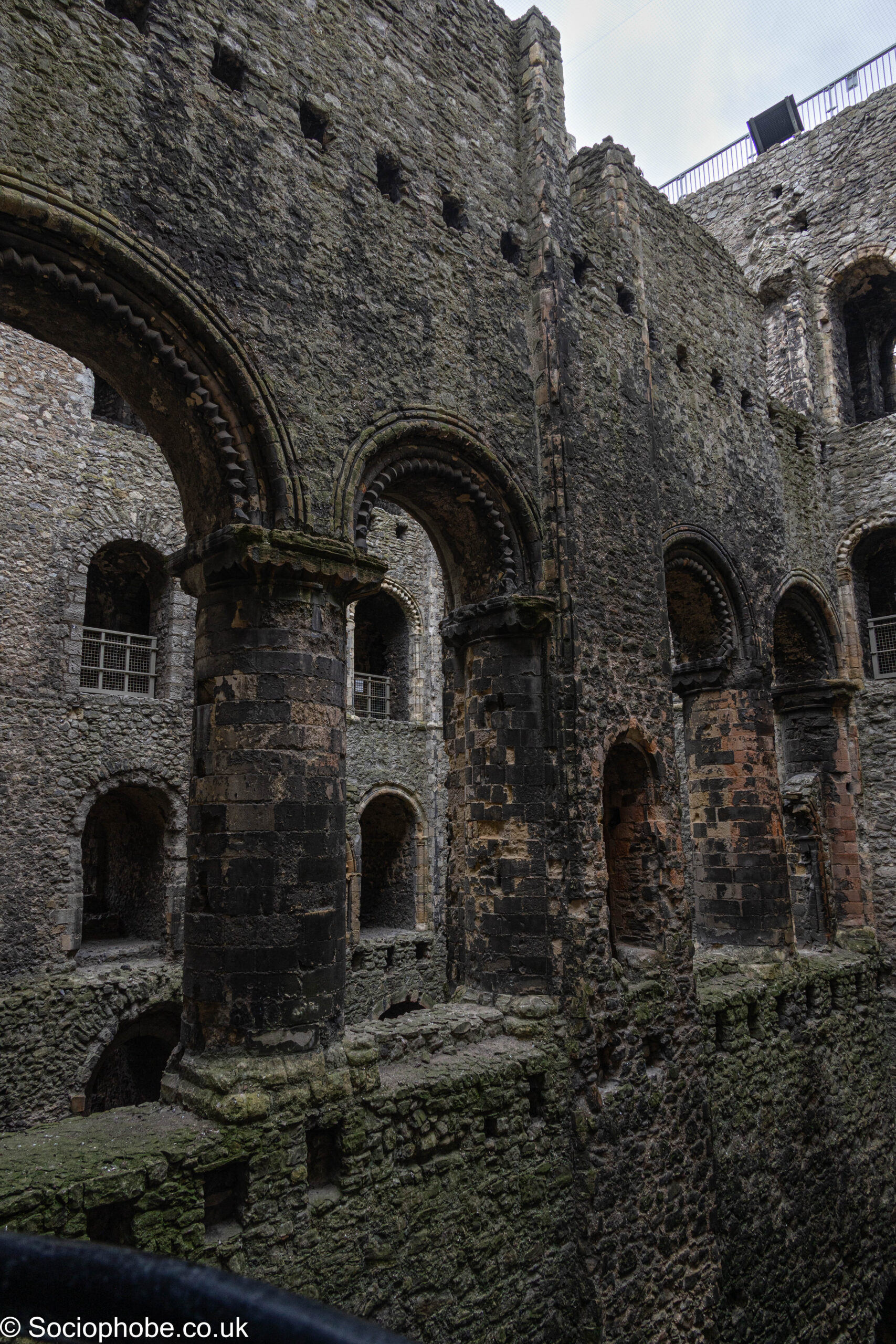
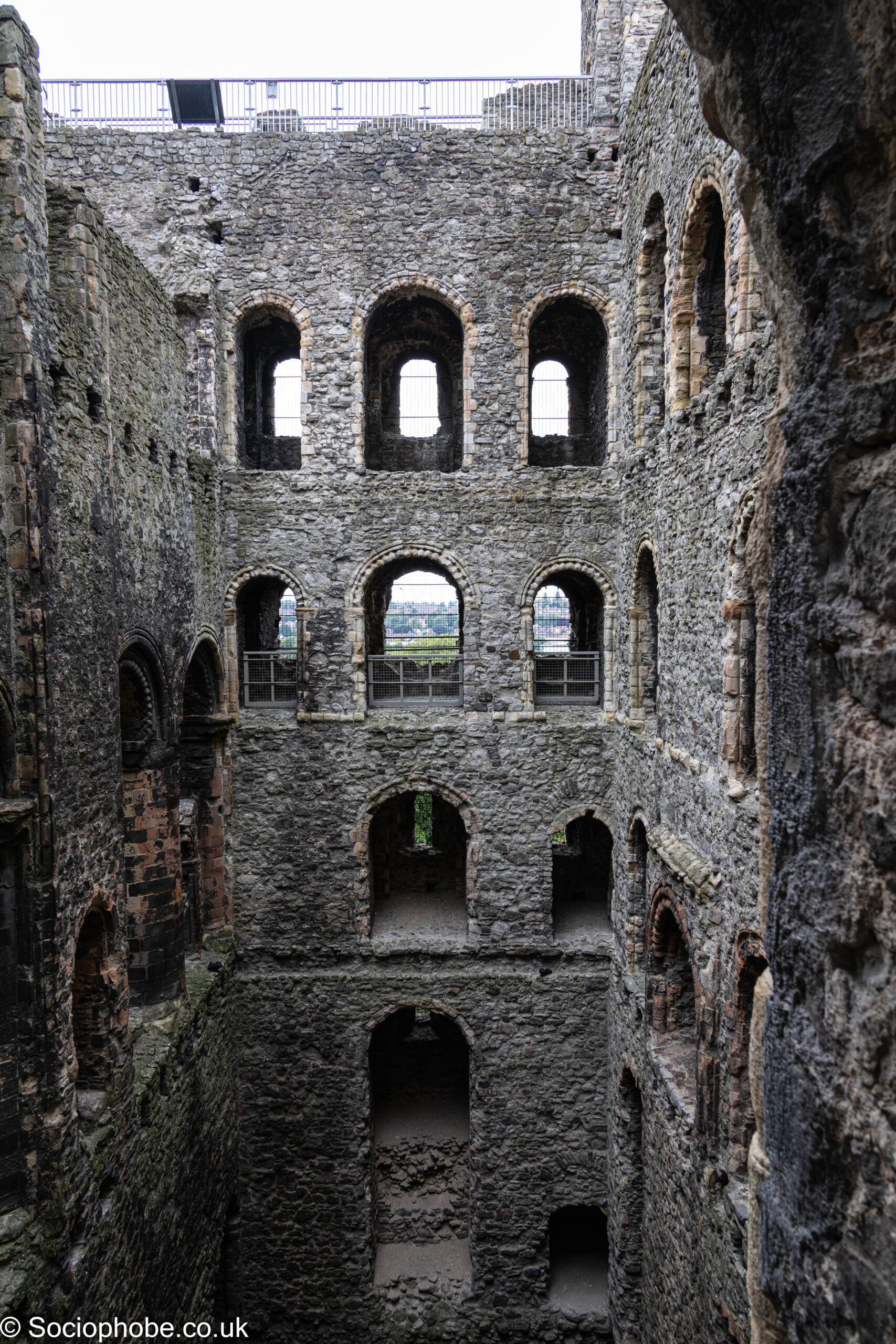
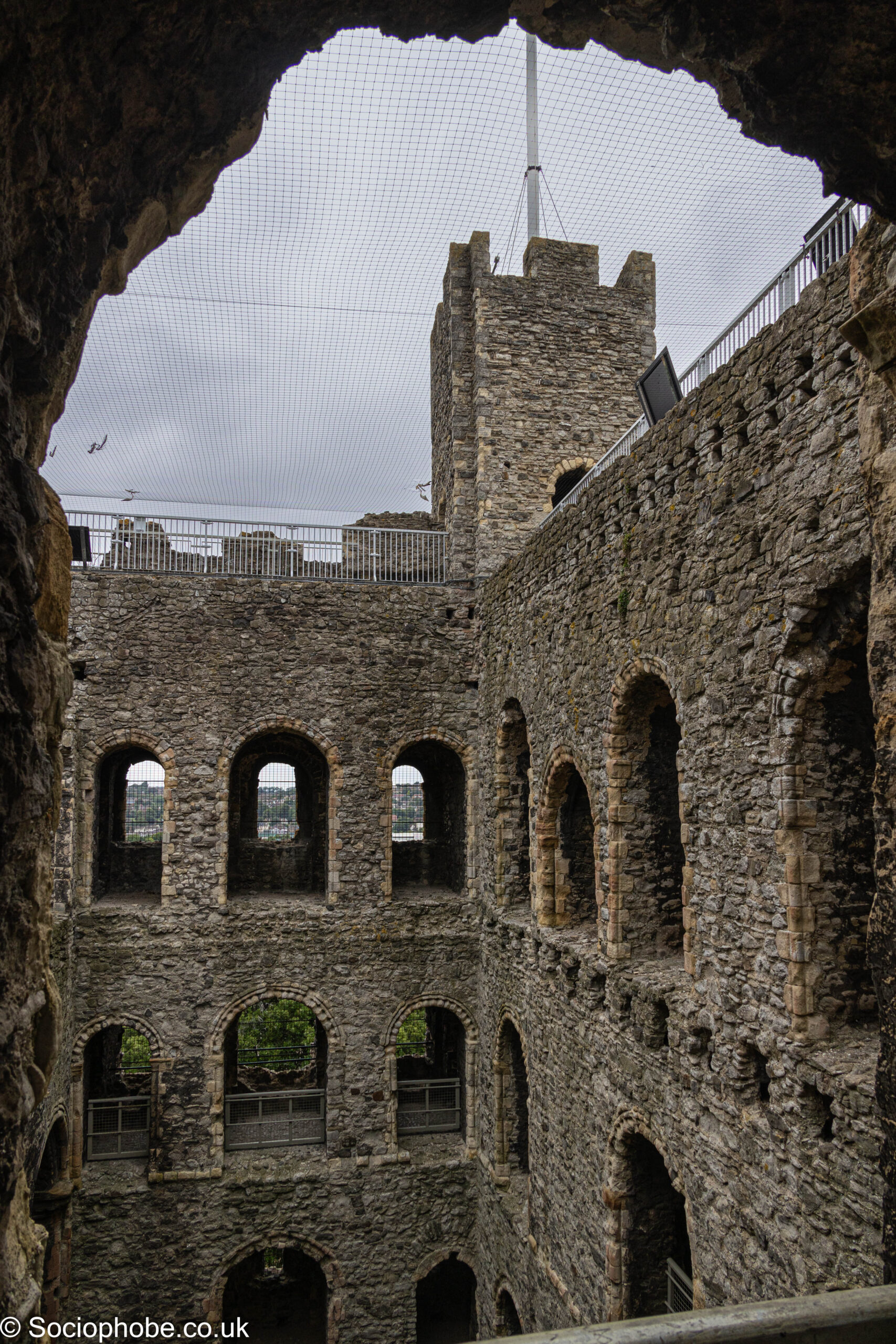
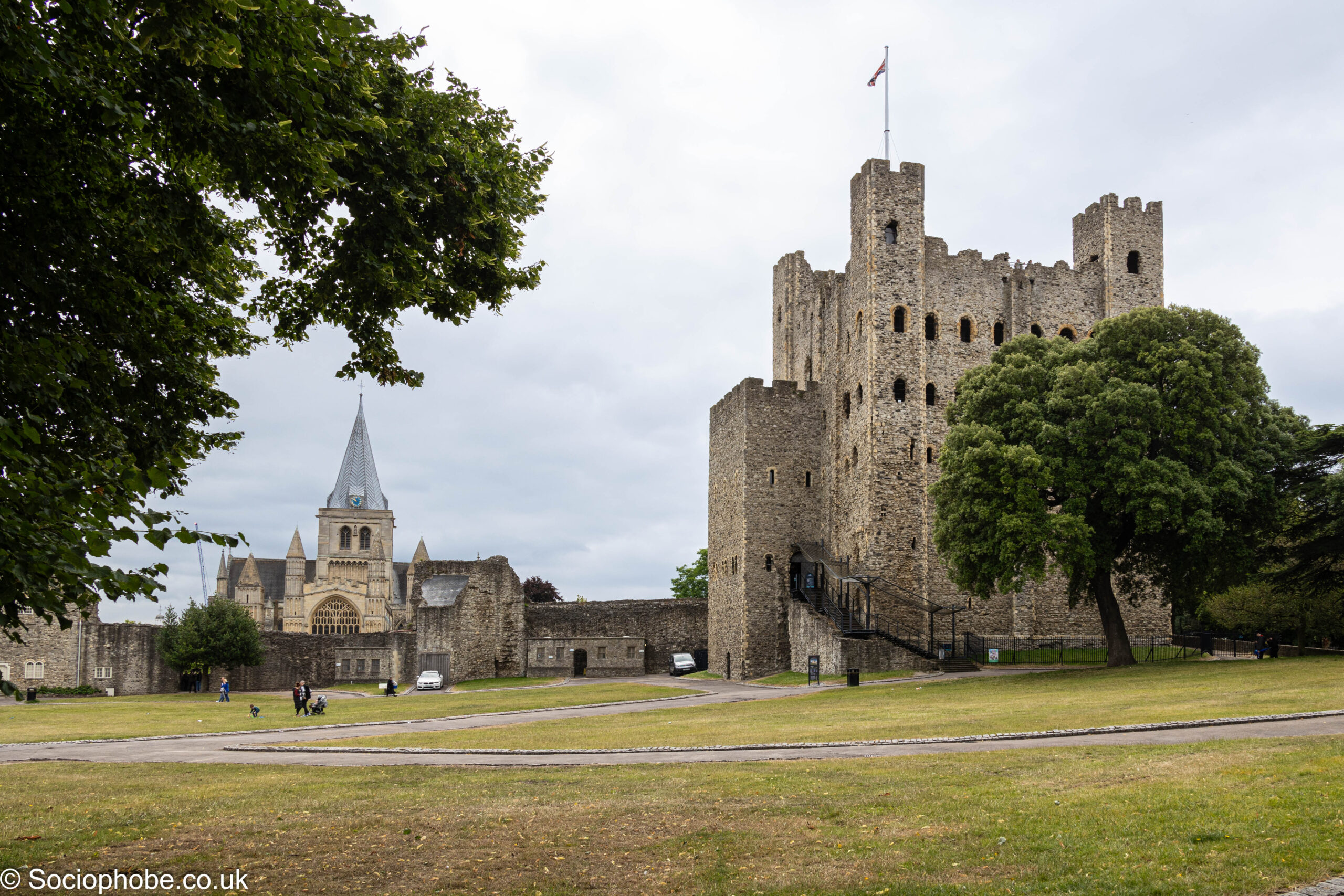
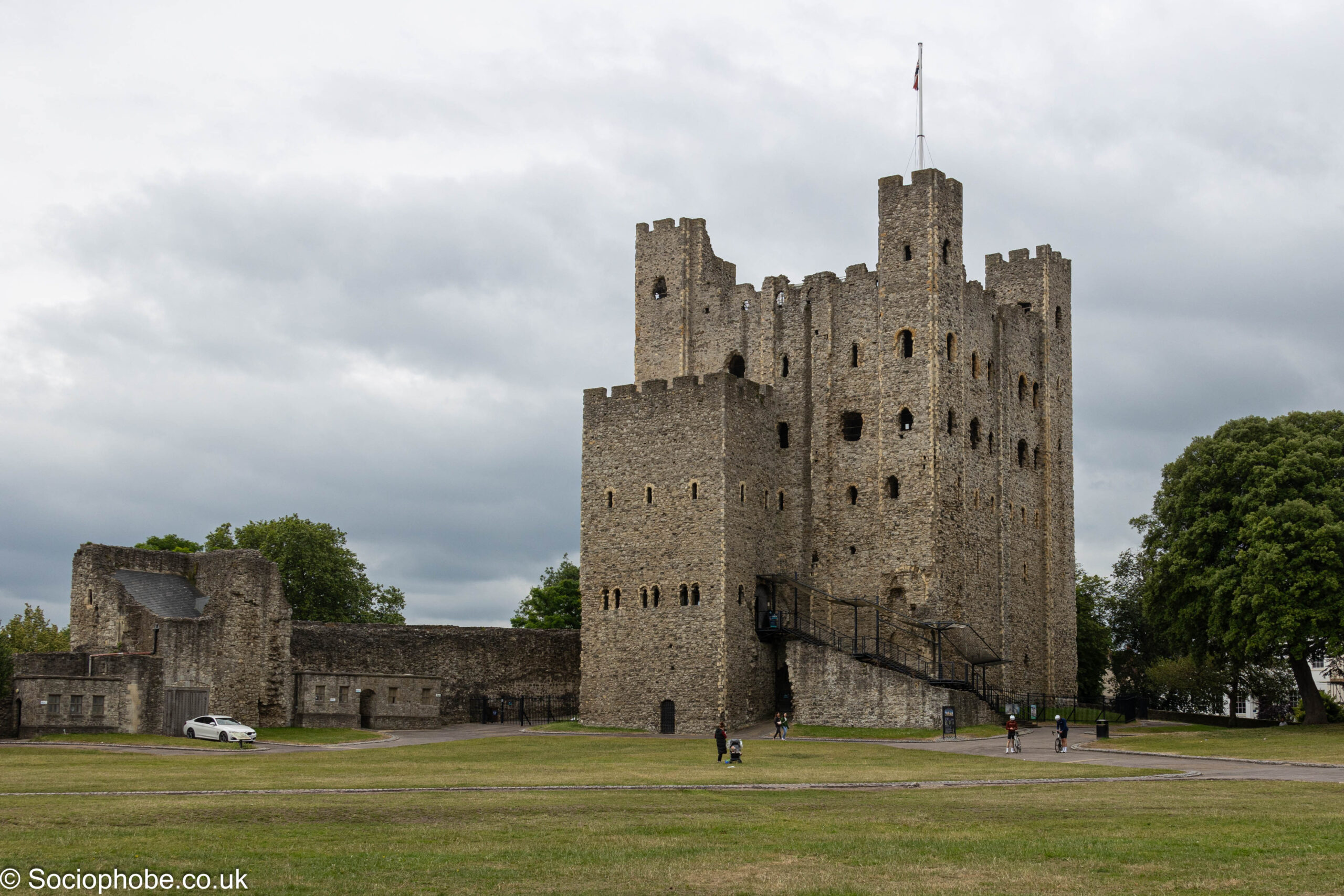
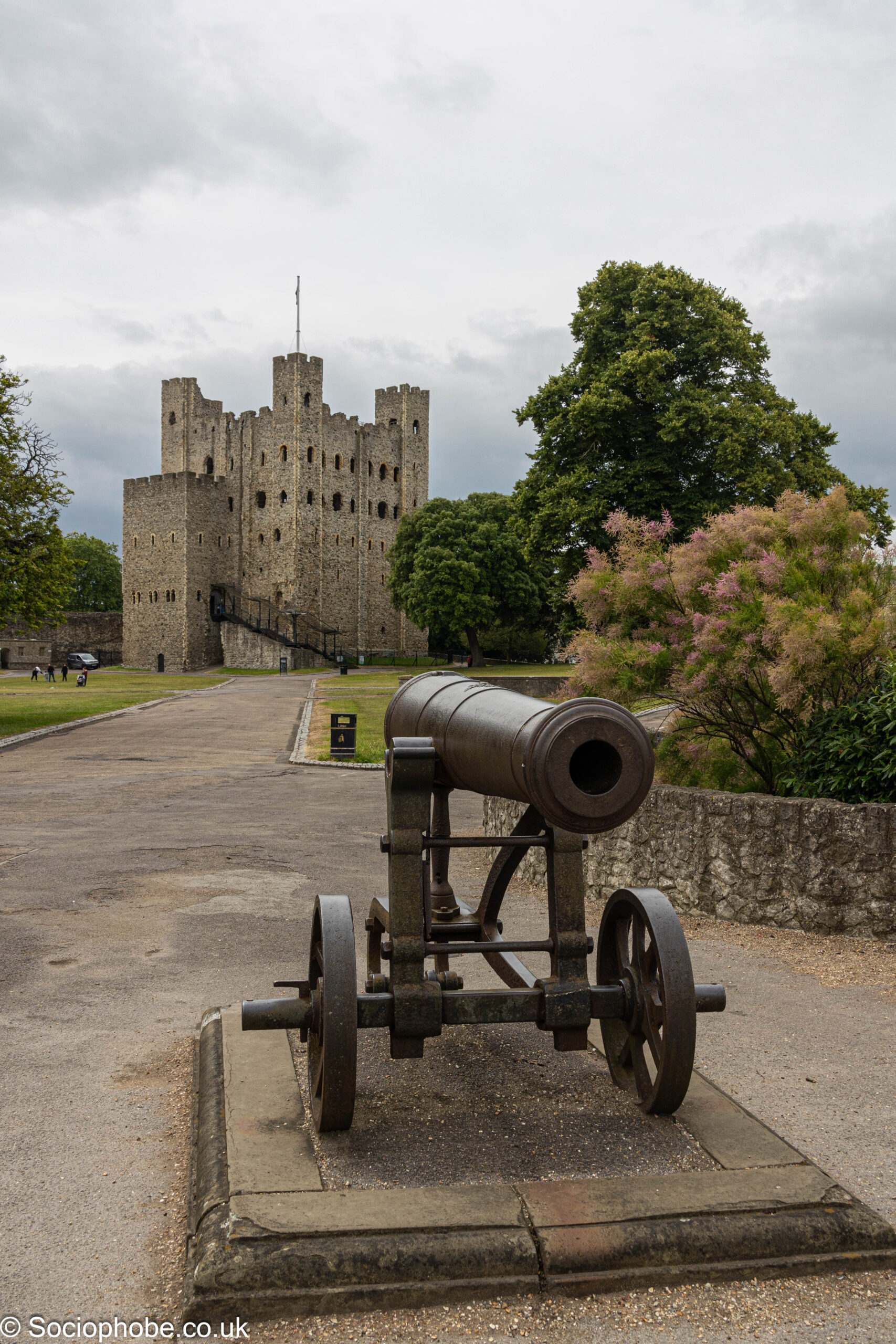
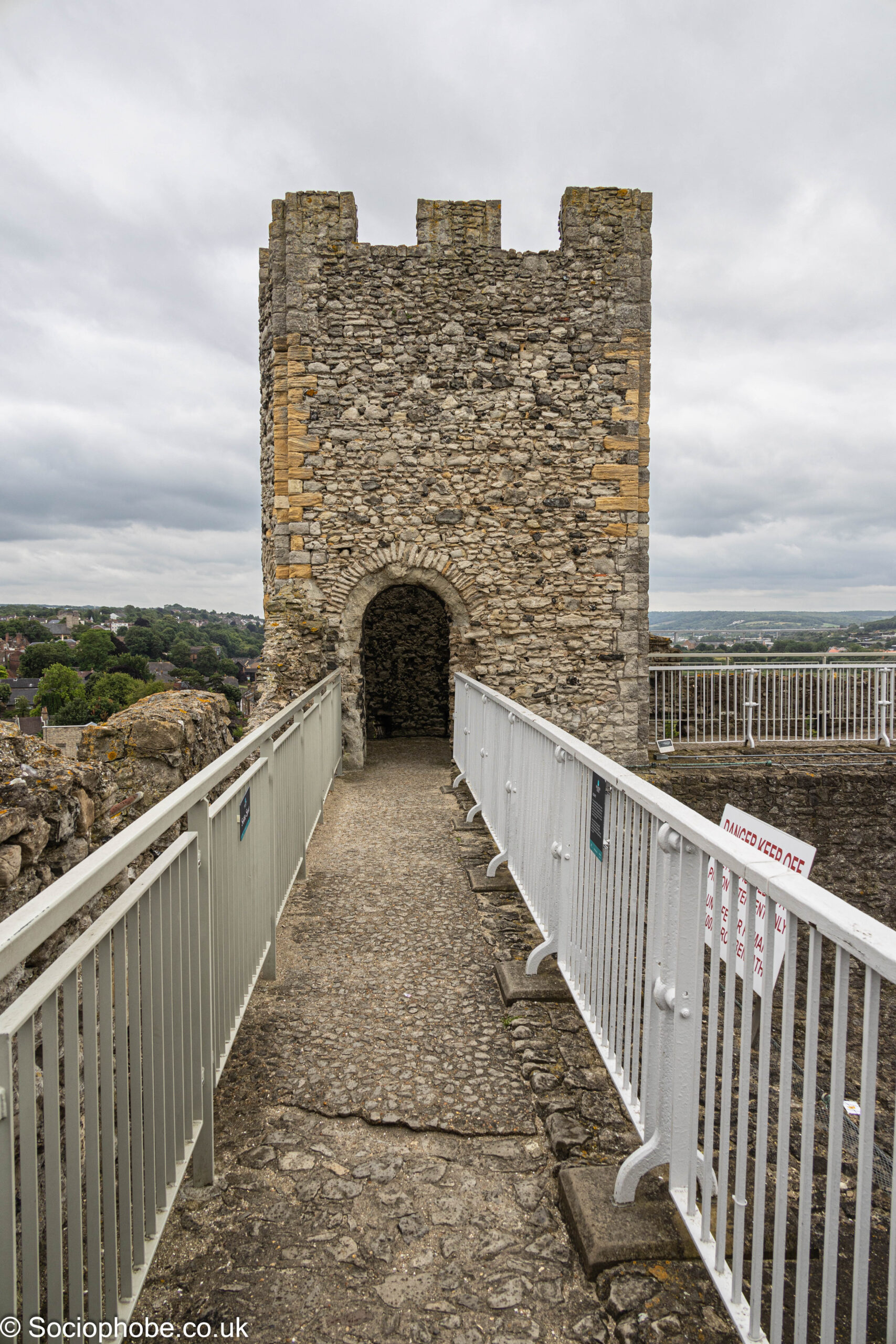
There is a small defensive building outside the keep, with an information board showing how it all worked, which you use to gain access to the keep interior. The floors and roof are all long gone but you can go into the basement – the old midden, conveniently next to the food storage areas! There is then a staircase that leads up to the roof and some gallery corridors inside the walls that allow you to explore a little. There is some lovely trademark Norman carving around some of the internal windows but it is otherwise a very functional building.
Rochester Cathedral
The castle didn’t take as long as expected to visit as there weren’t any internal rooms to visit so once we left there we crossed the street to the cathedral. The town centre, the historic part at least, is very pretty and well work an amble.
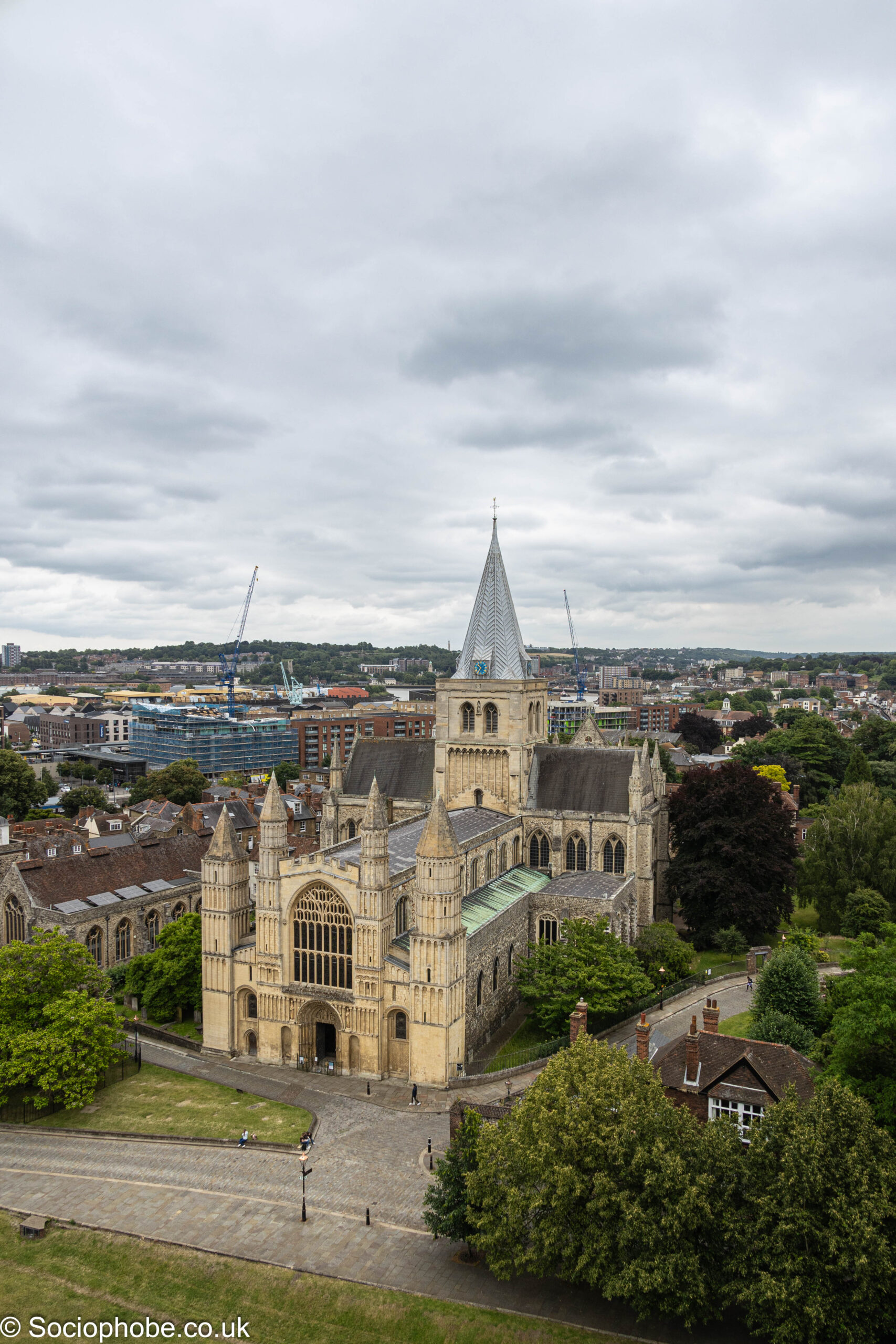
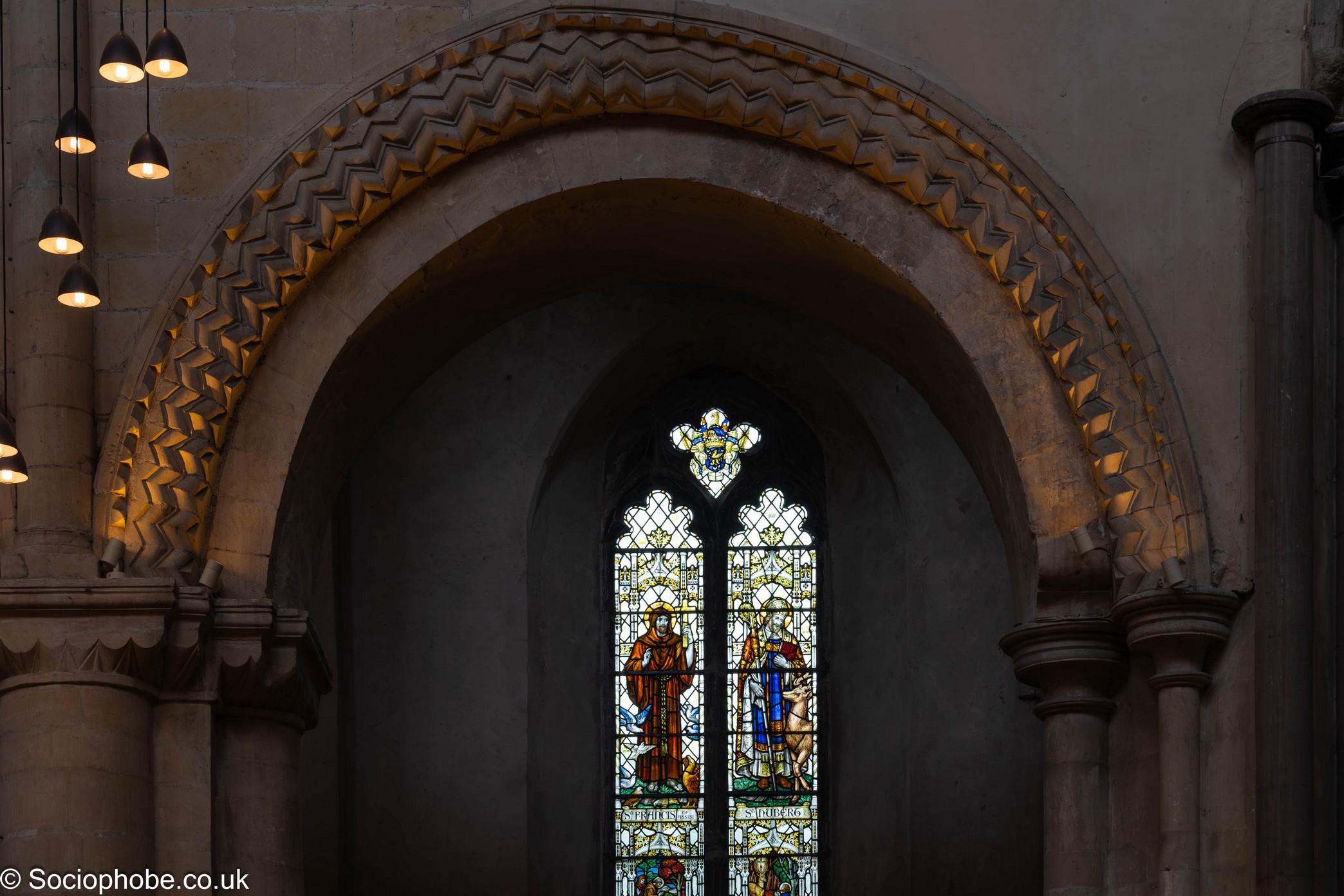
Rochester Cathedral is a Norman creation started in the 1080’s, built on the site of the 7th century Saxon original and is the second oldest bishopric in the country after Canterbury. It has had quite a tumultuous life, being sacked by both King John and Simon de Montfort in the 13th century, suffering severe neglect after the Reformation and more damage in the English Civil War. At the end of the seventeenth century the restoration of the building started and its been an ongoing process ever since.
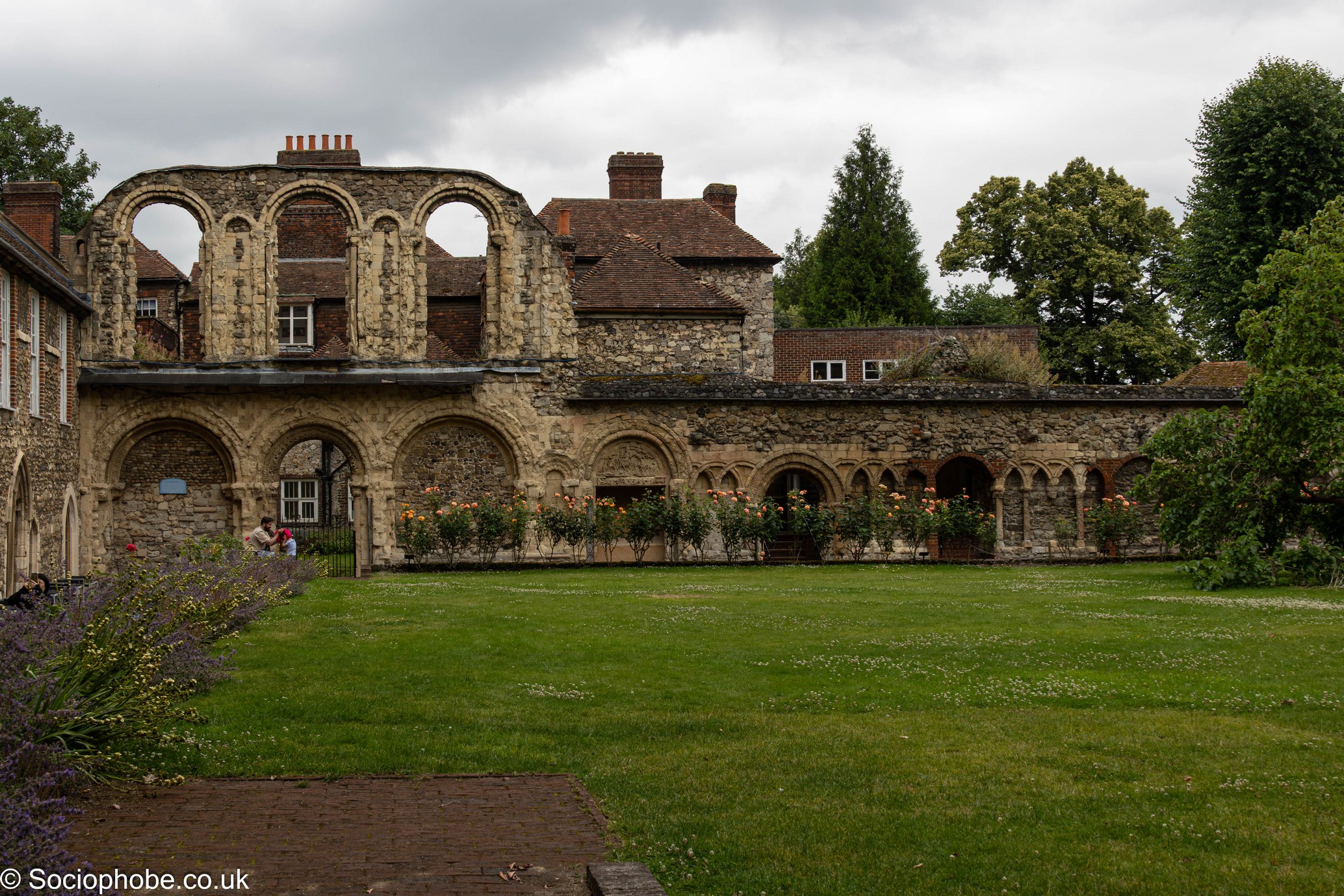
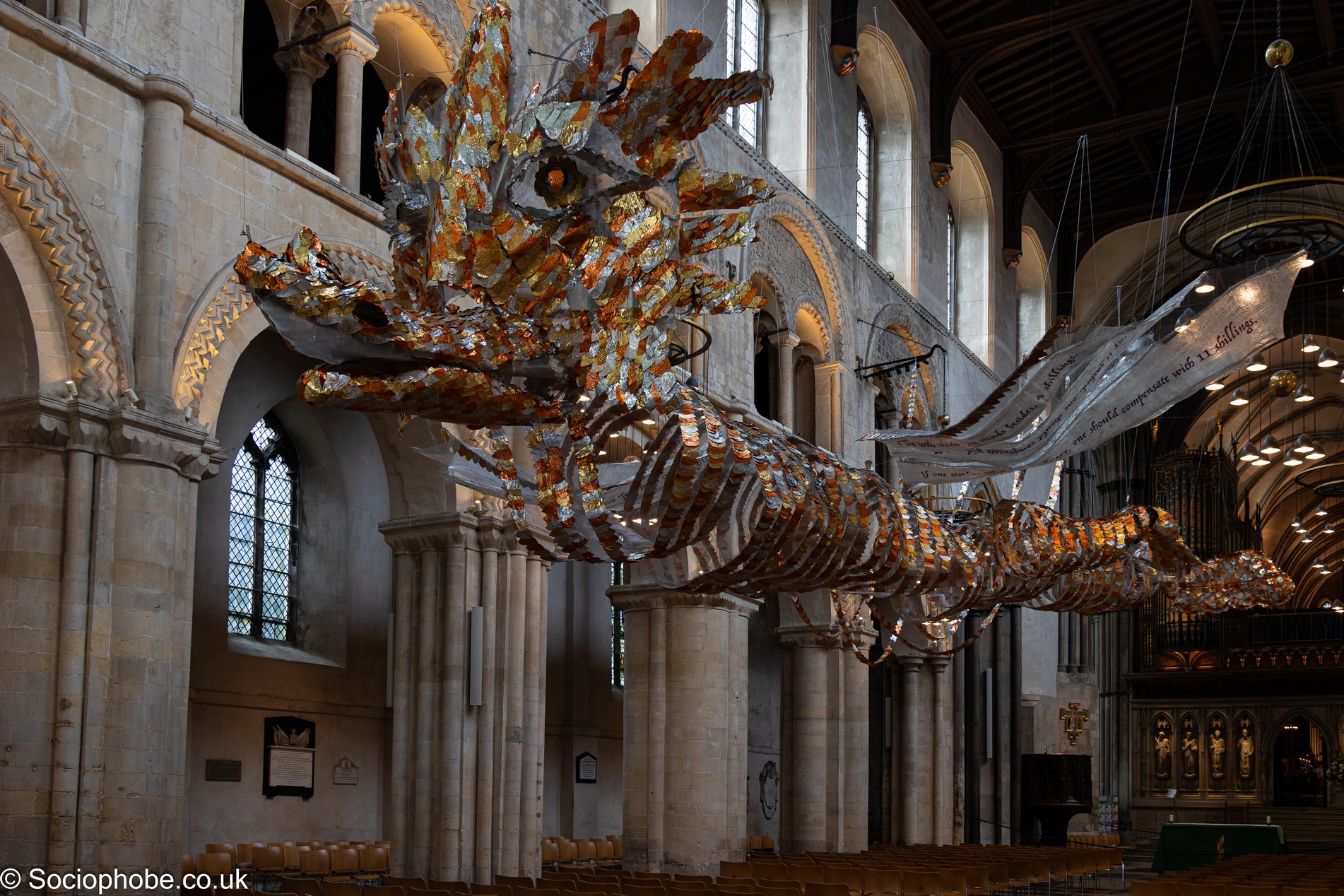
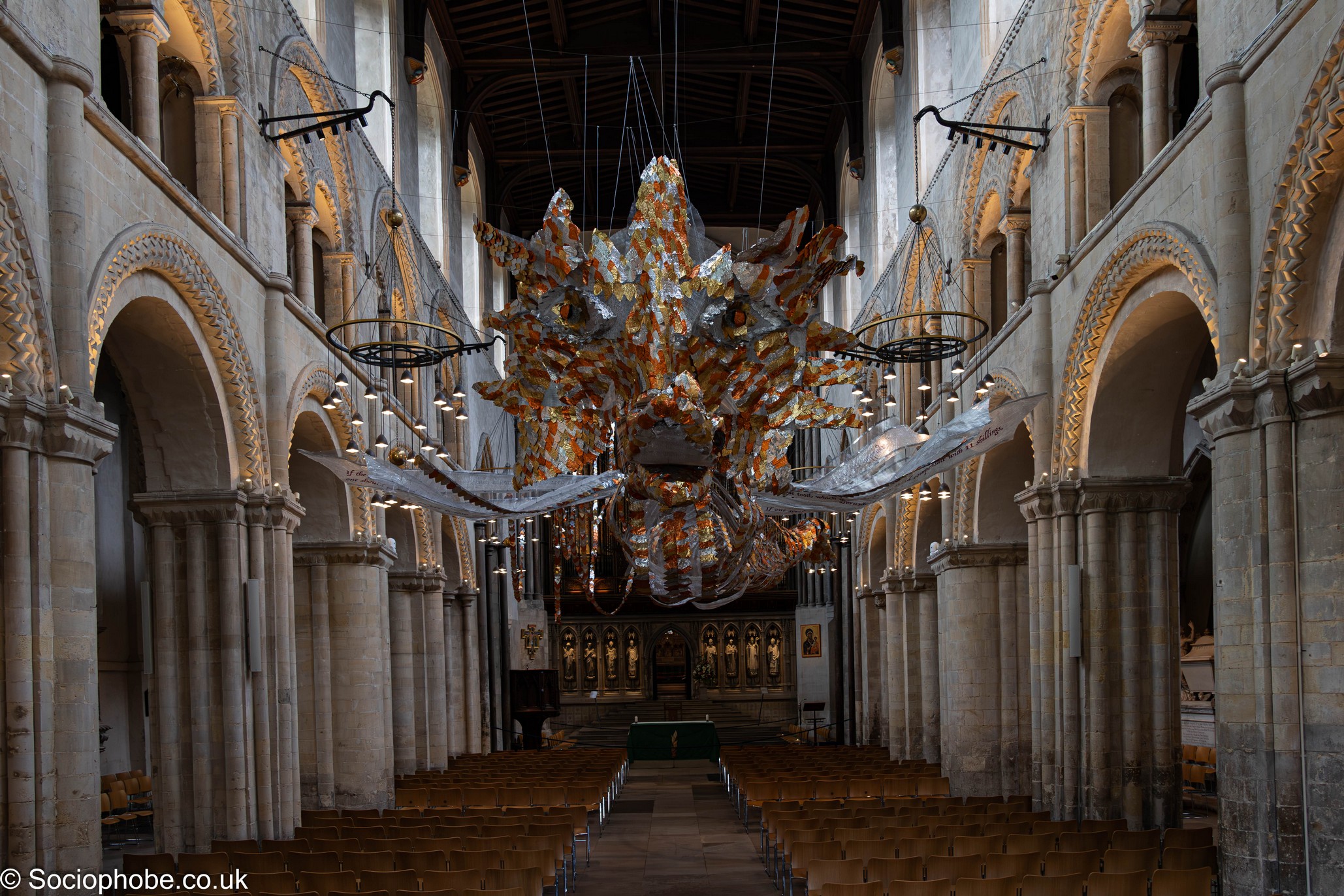
In the crypt there is an ancient lawbook, Textus Roffensis, which contains laws dating back to the 7th century and is the oldest written record in English. The crypt also contains an excellent exhibition about monastic scriptoriums and their output. There is a dragon made form gold foil that was in the cathedral when we visited, to celebrate the illustrations from the Textus Roffensis. Finally it’s worth visiting the monastic garden and looking at some of the excellent stonework in the ruined walls.
Upnor Castle
Even after visiting the cathedral we were still too early to check in to the hotel so we drove the short distance to Upnor Castle. This is an Elizabethan artillery fort built in a bend in the river the was designed to block access to Chatham Dockyard.
Although it is a small place, both the village and castle of Upnor, it is worth spending a bit of time there. The main street that you walk down from the car park has several 17th century houses, including one built by James Monck, the Civil War general and Restoration general and admiral.
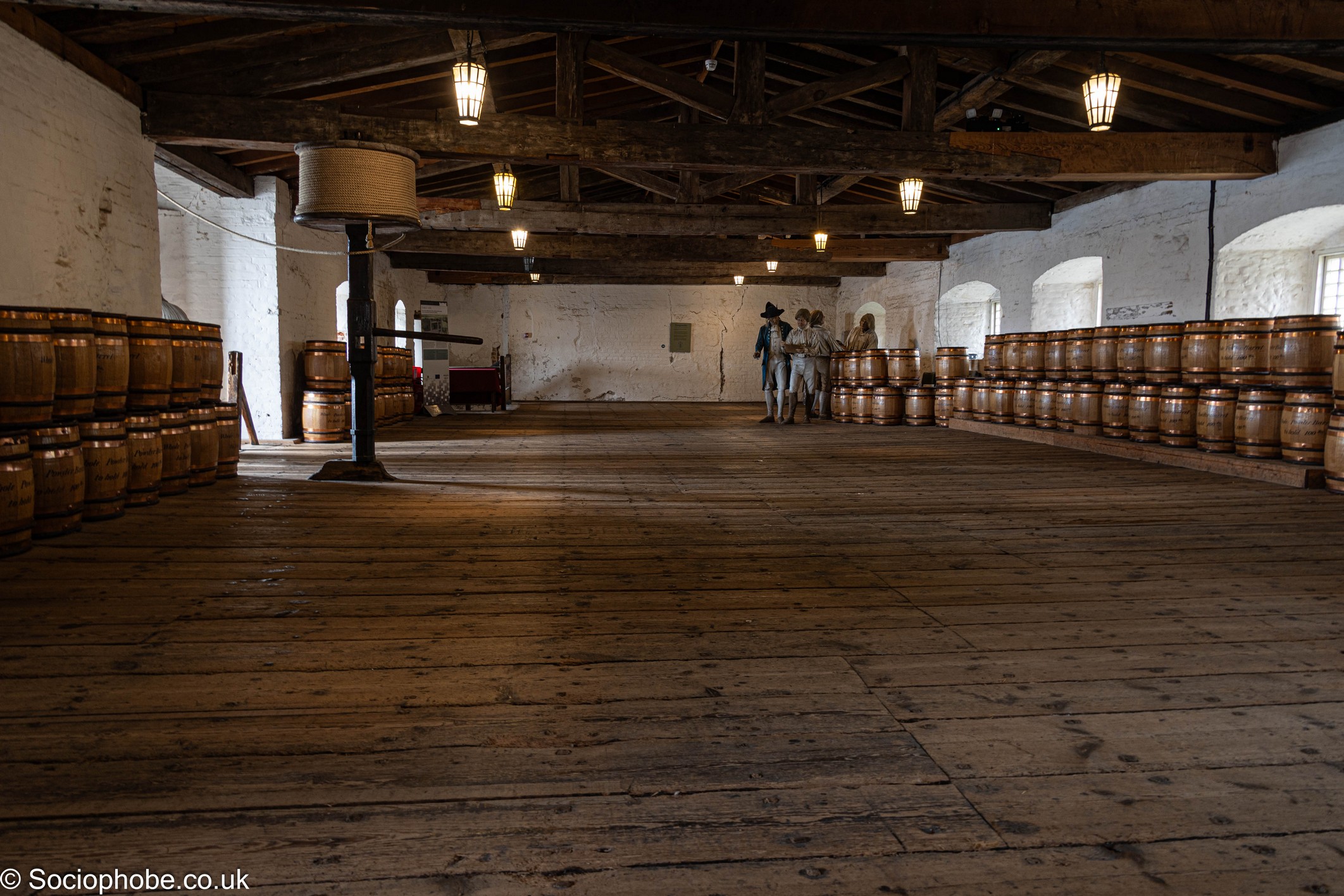
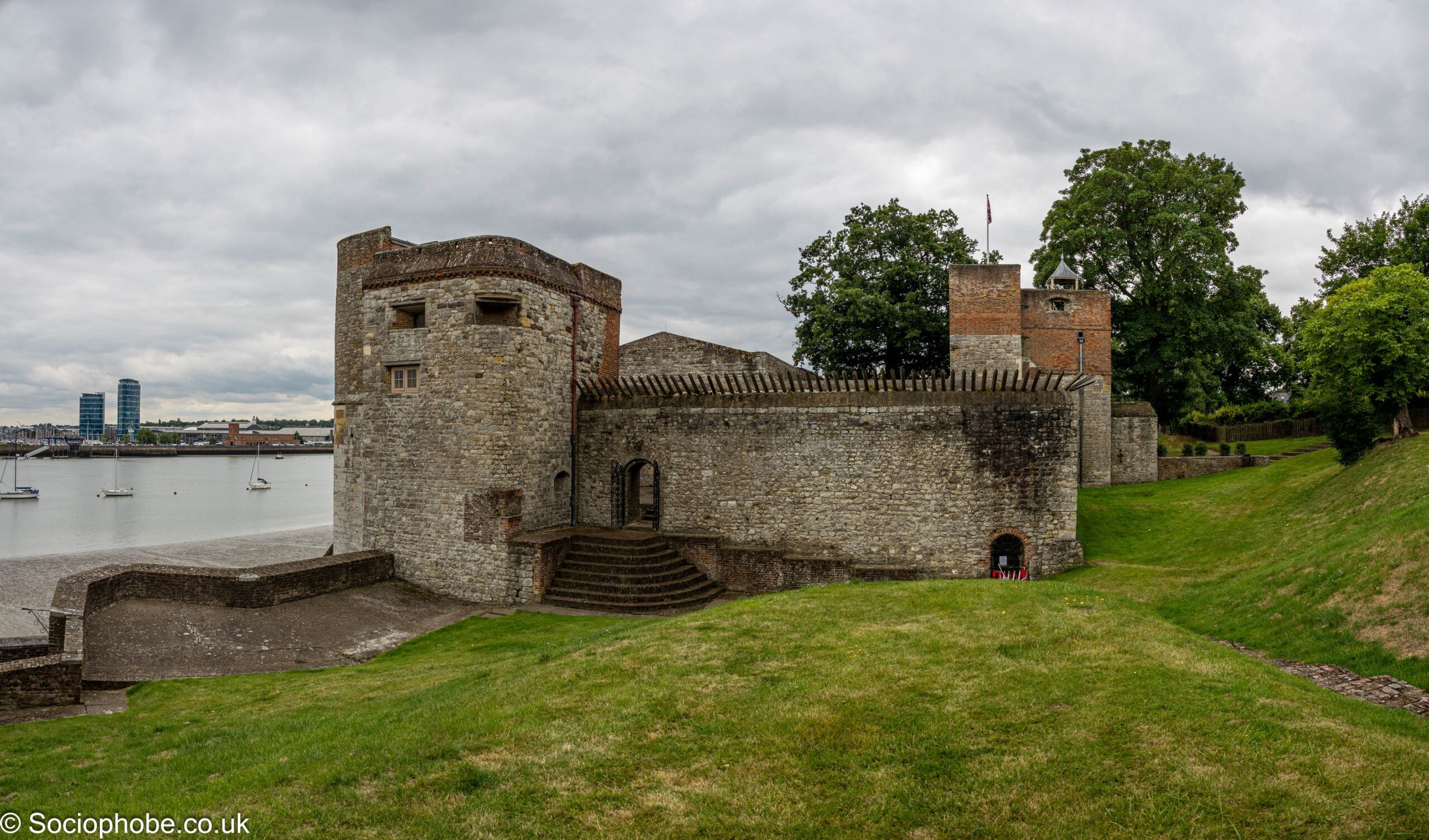
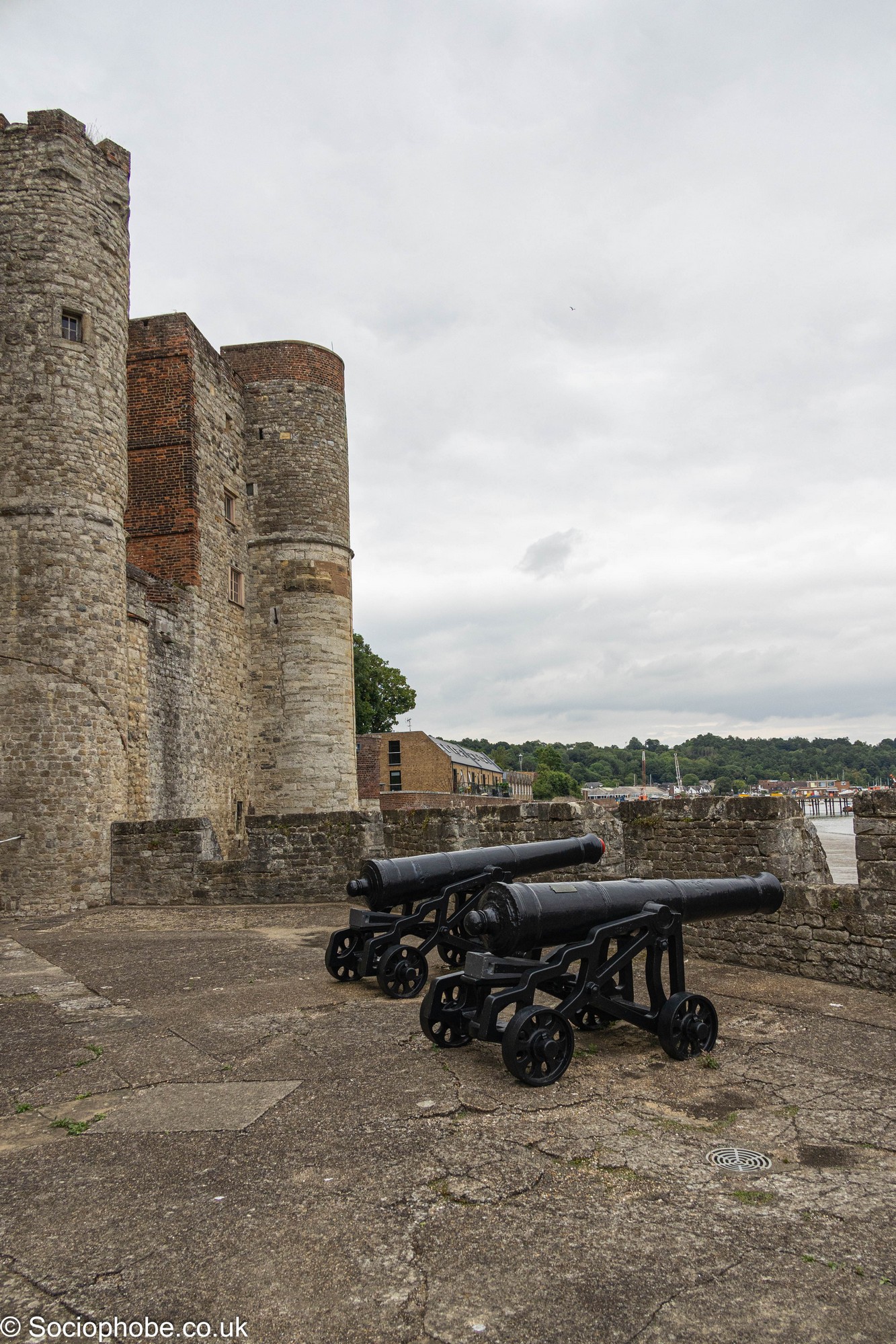
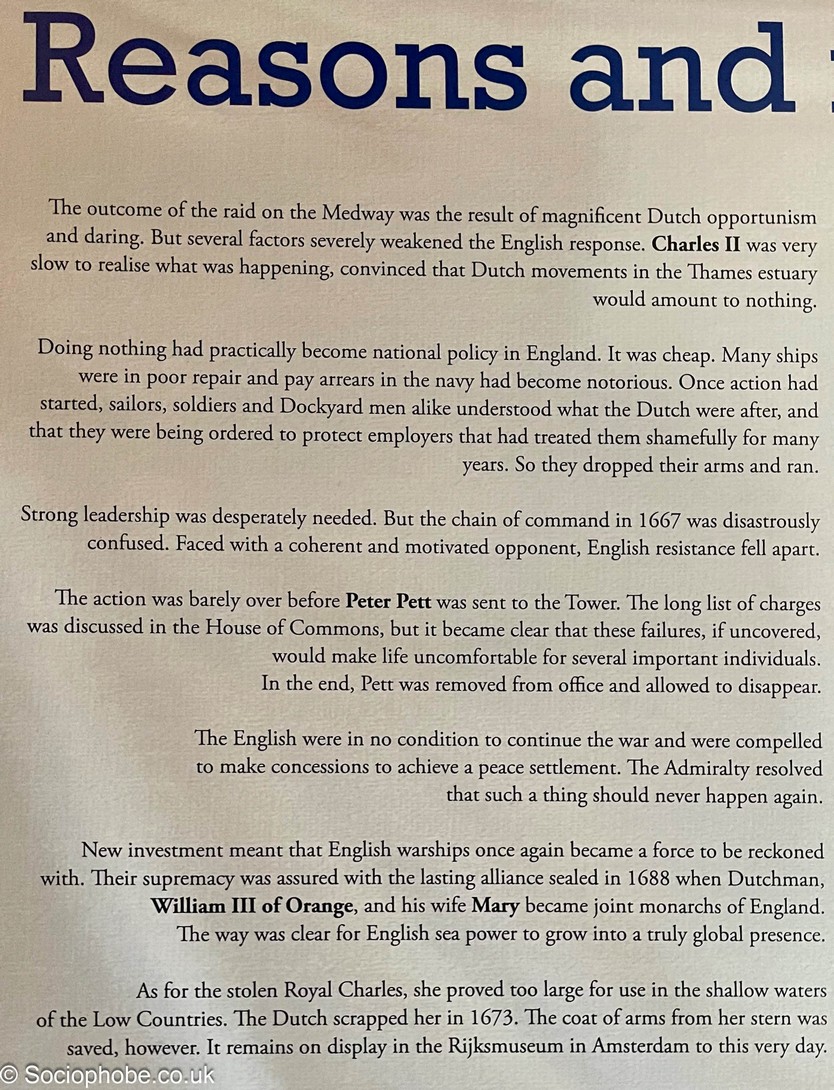
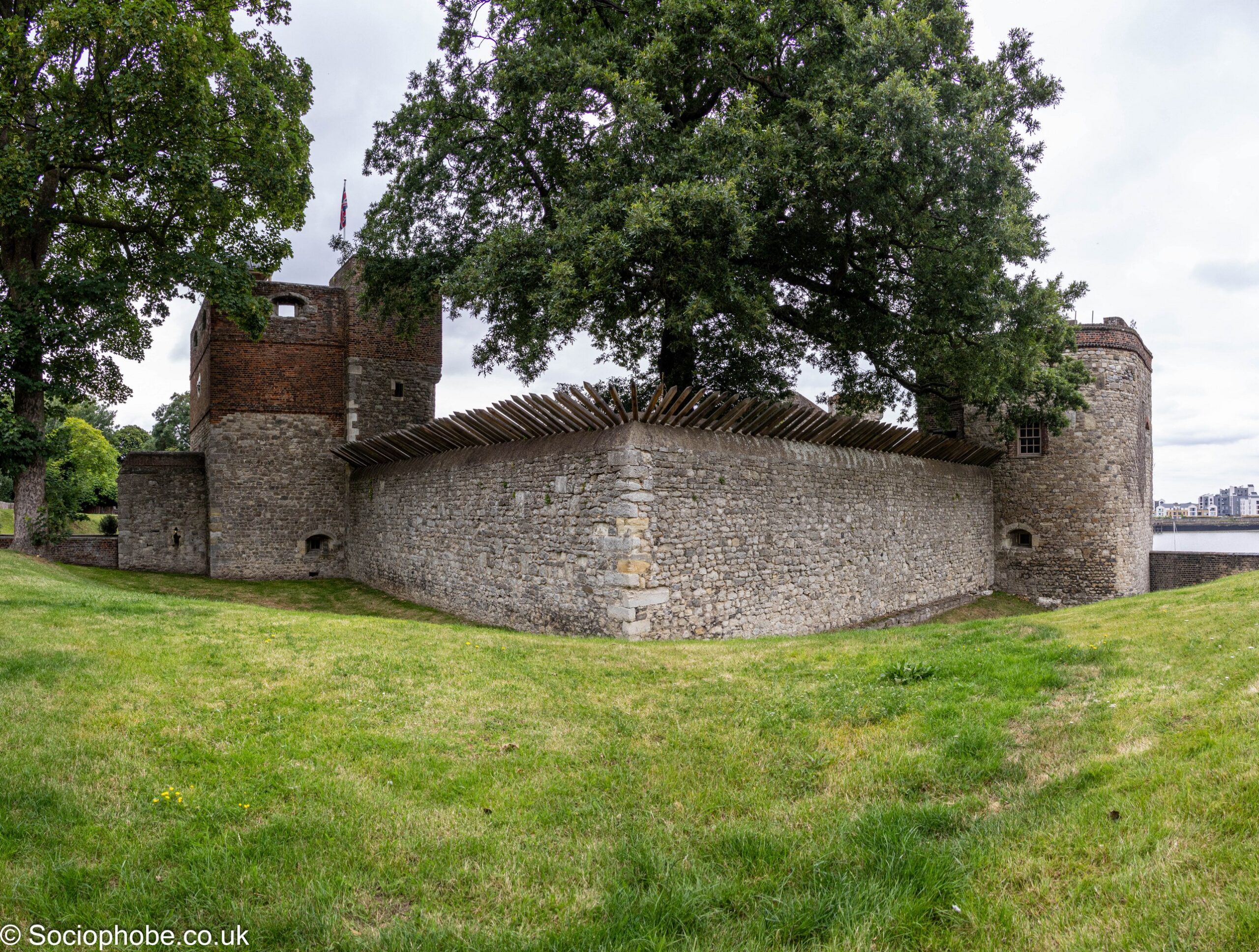
The site at Upnor is run by English Heritage and inside the main building there was an excellent video, supported by information boards, detailing the Dutch attack, how it unfolded and our response and it is well worth sitting through the 10 minutes or so to watch it. The attack took place in 1667 and the English had cut funding for the army and navy so much that the Dutch were able to destroy some forts, bypass others and destroy several English ships, even capturing the flagship the Royal Charles. There’s a lesson there that we sadly never learn.
Royal Engineers Museum
After checking in to our hotel and having a quick freshen up we walked the short distance along the road to the Royal Engineers Museum. This was pretty easy to find as it had a huge number of bridging tanks and other armoured engineering vehicles outside! Entrance was £14 but that covers a year of visits although as it was a 4 hour drive away that was less useful for us.
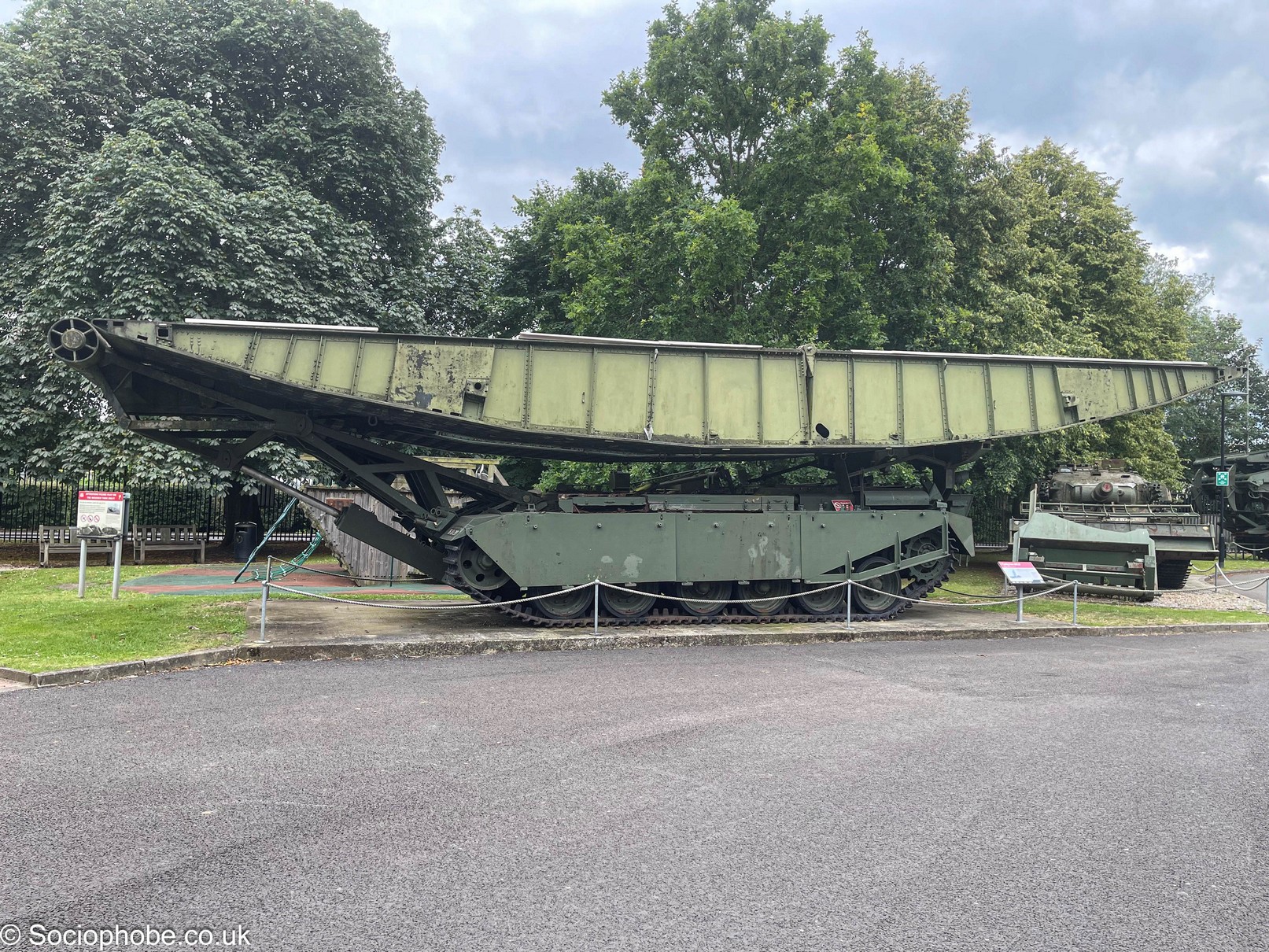
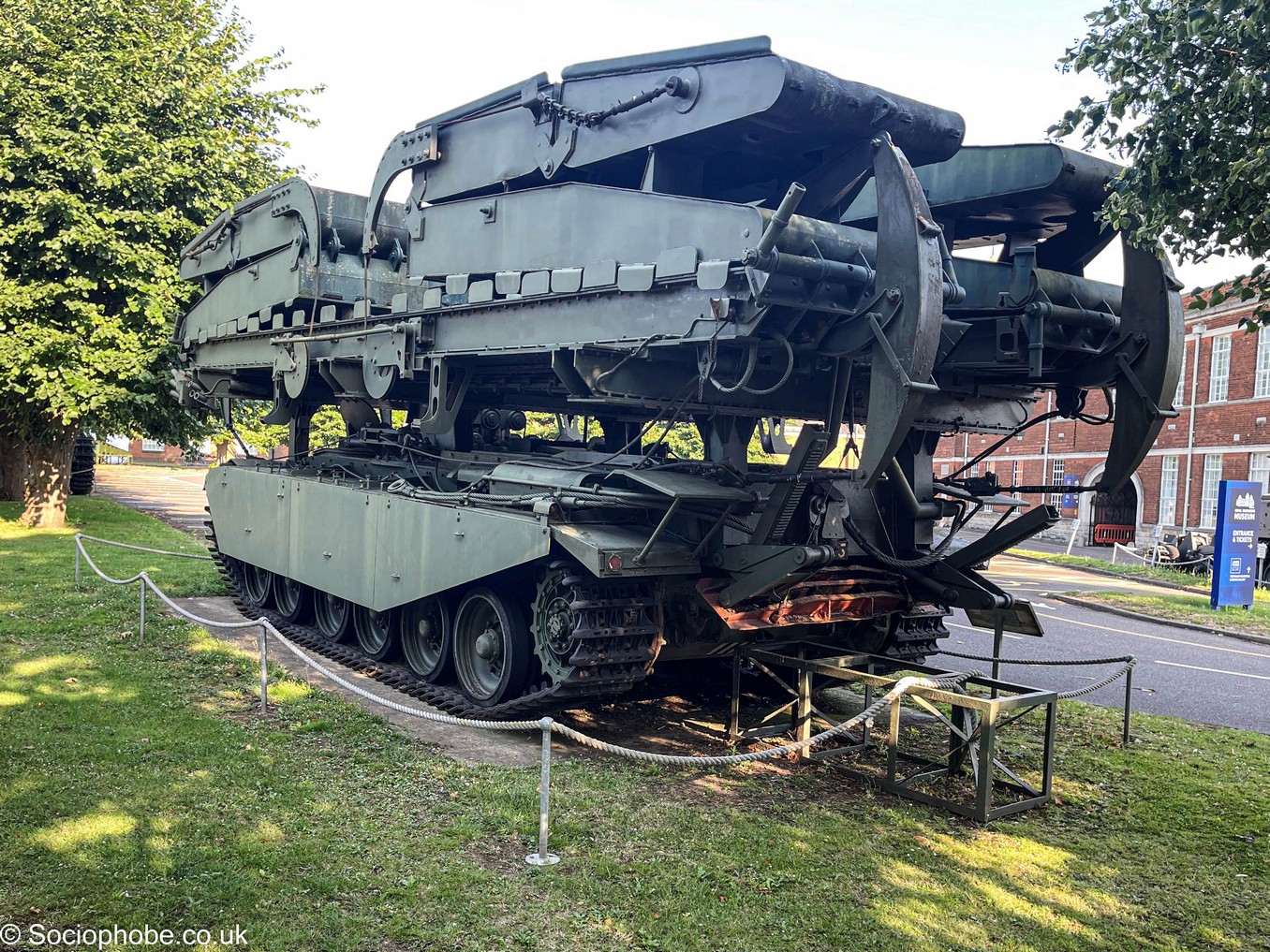
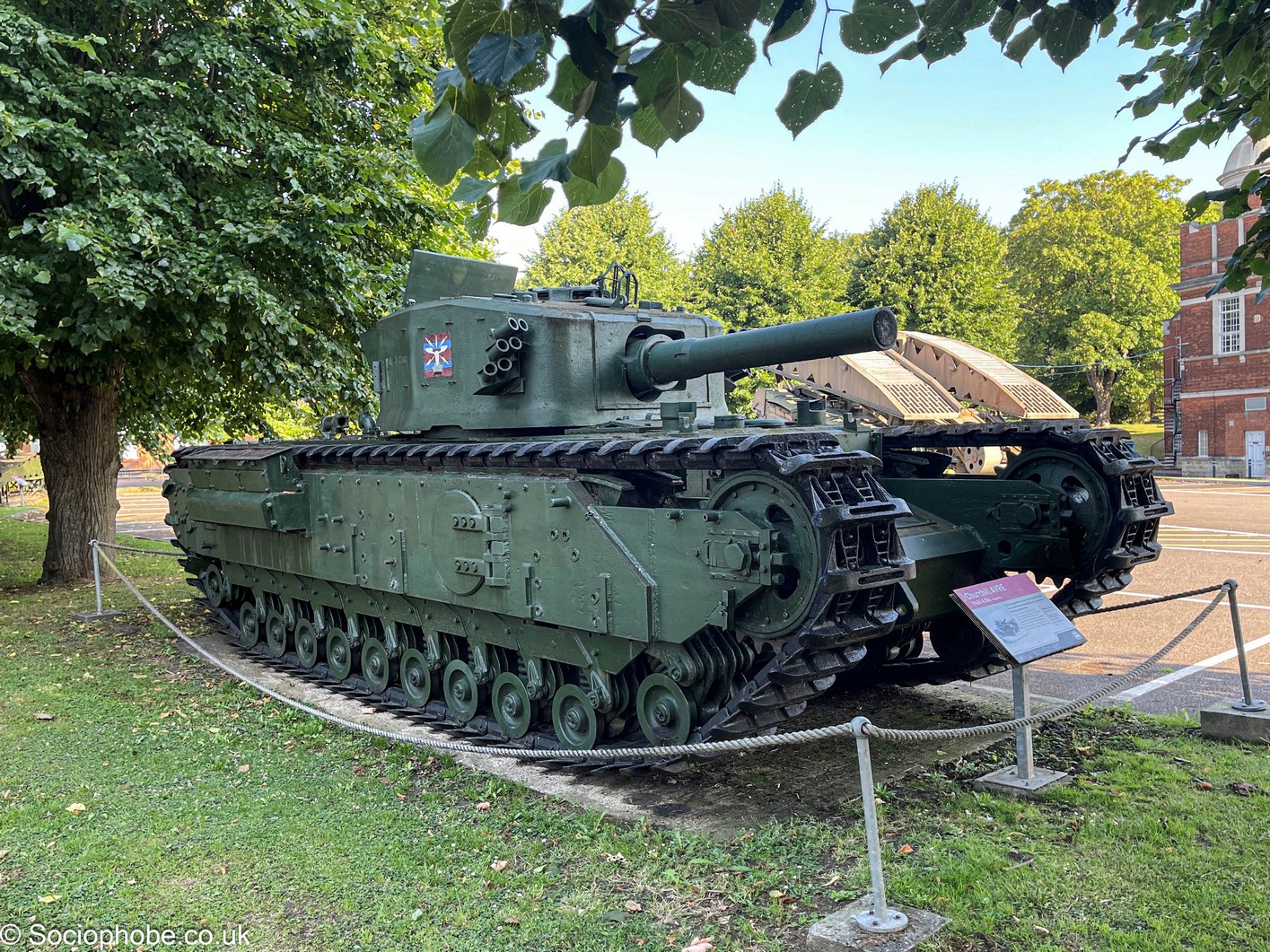
The museum was fabulous inside, we spent over two hours learning about the history and evolution of engineer units from Roman times to the Cold War. There were some great personal details that bought things to life as well as the more historic information.
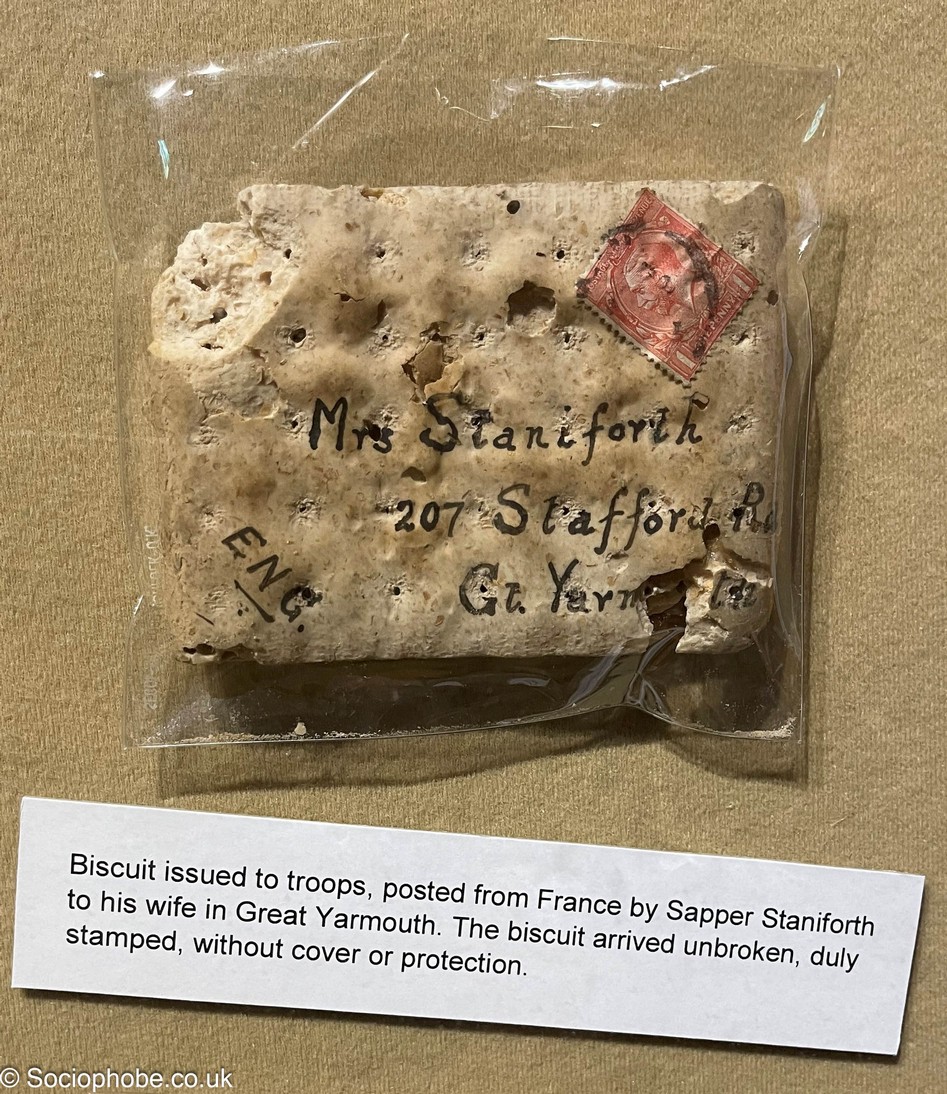
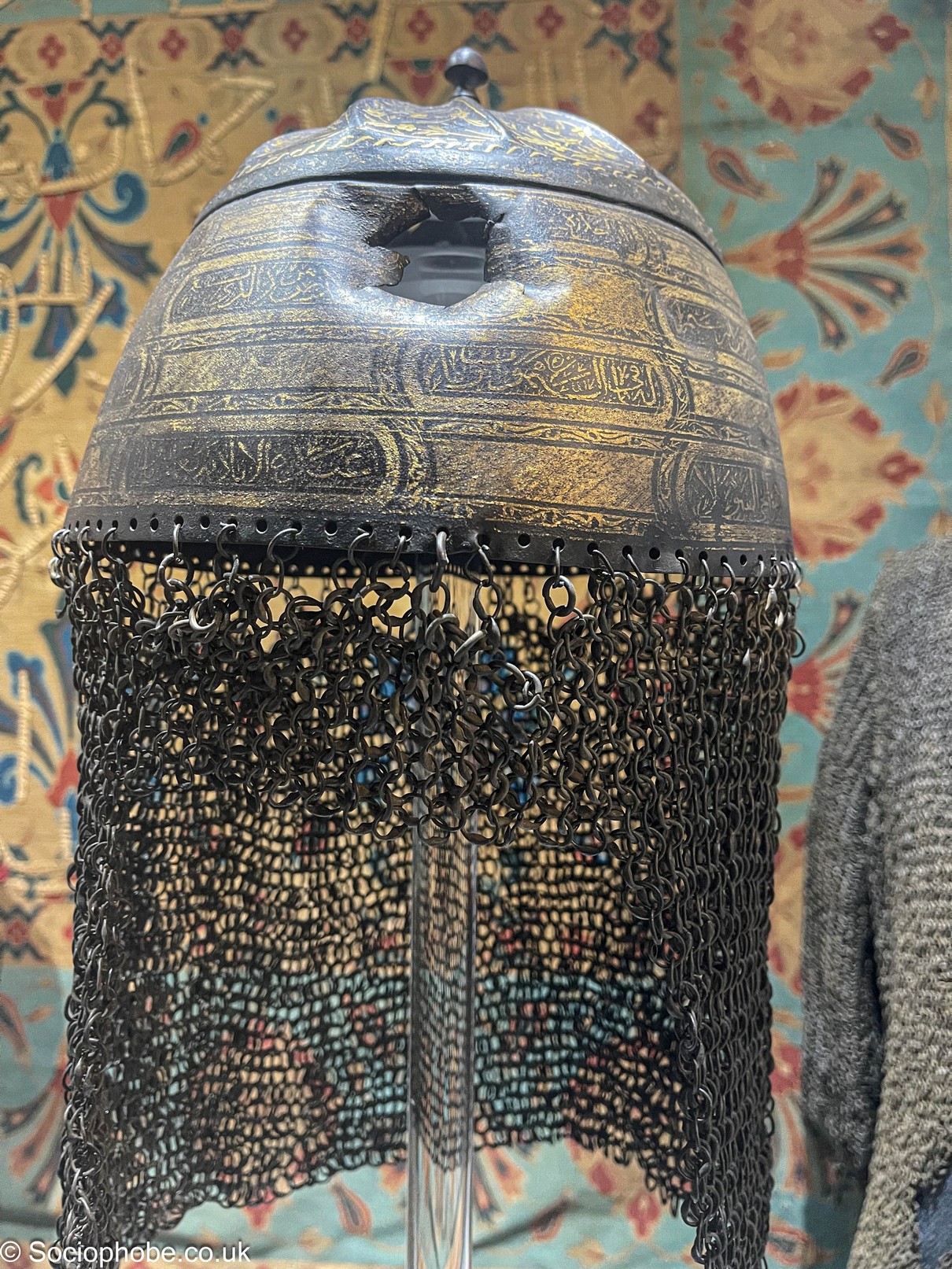
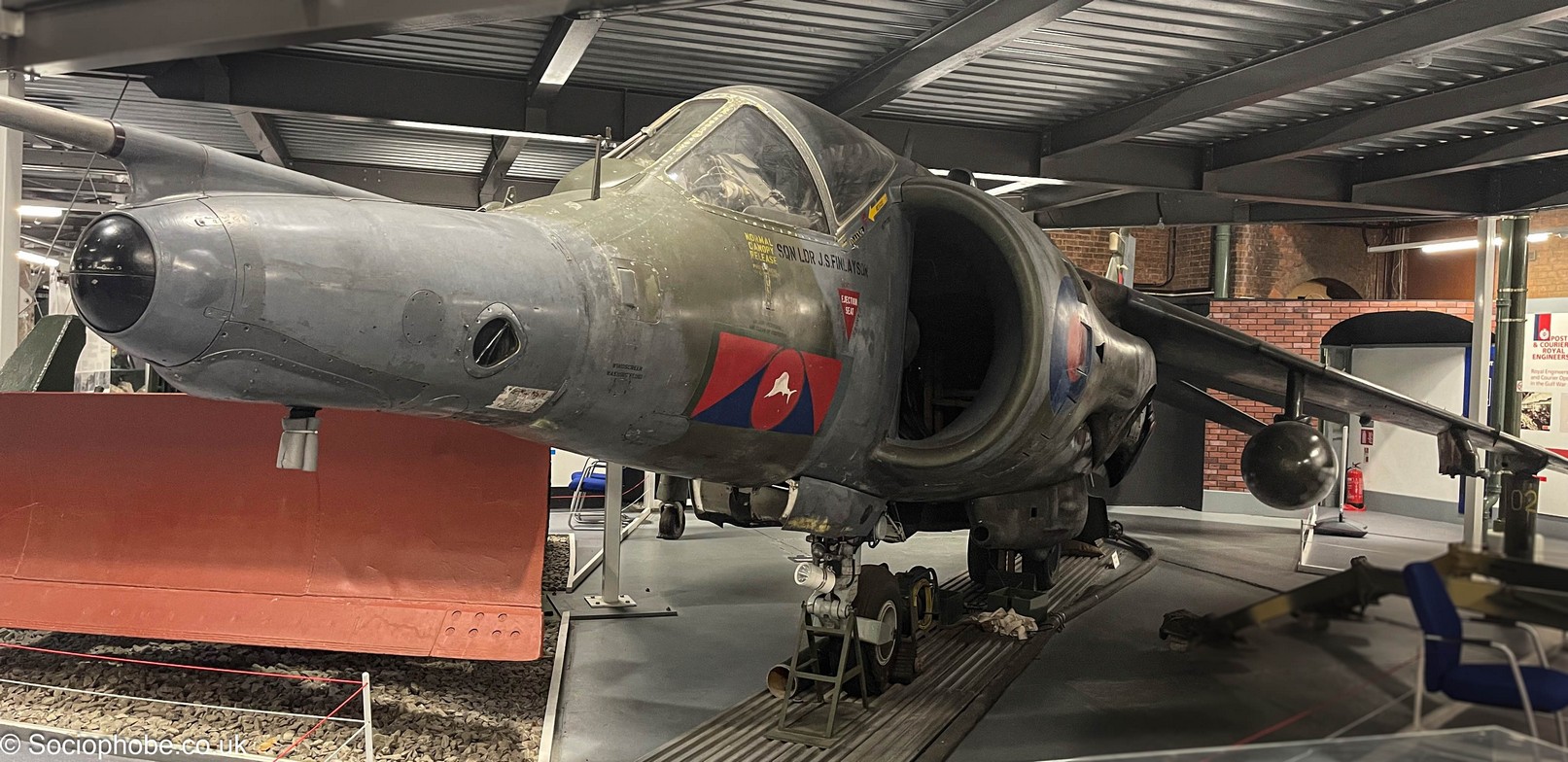
We would have stayed for longer but the cafe was closed and we were getting information overload so we skimmed through the Cold War and current eras but I don’t think 3 hours would be an unreasonable visit. It was fascinating to see the size of a V2 rocket and also good to see a Harrier, one of my favourite aircraft.
Our evening meal was at the unremarkable Hollywood Bowl and after breakfast we ended our south east England road trip with a stop at Lewes Castle on the way home.
Lewes Castle
The castle at Lewes is a Norman fortification that evolved from a wooden twin motte structure to the stone buildings we have today. The building is now in the care of the Sussex Archeological society and the castle ticket also includes entry to their museum on the site.
Lewes is a beautiful old town but visiting isn’t the easiest thing. We used the Market Lane car park but that has limited spaces. The other parking spots we saw are a bit further away but it’s a pretty town with a lot to see anyway. The castle itself is signposted from the High Street and you go into the museum just to the right of the gatehouse. From there you get your castle tickets and get access into the garden that has the walkway up to the shell keep that forms the majority of the castle remains now.
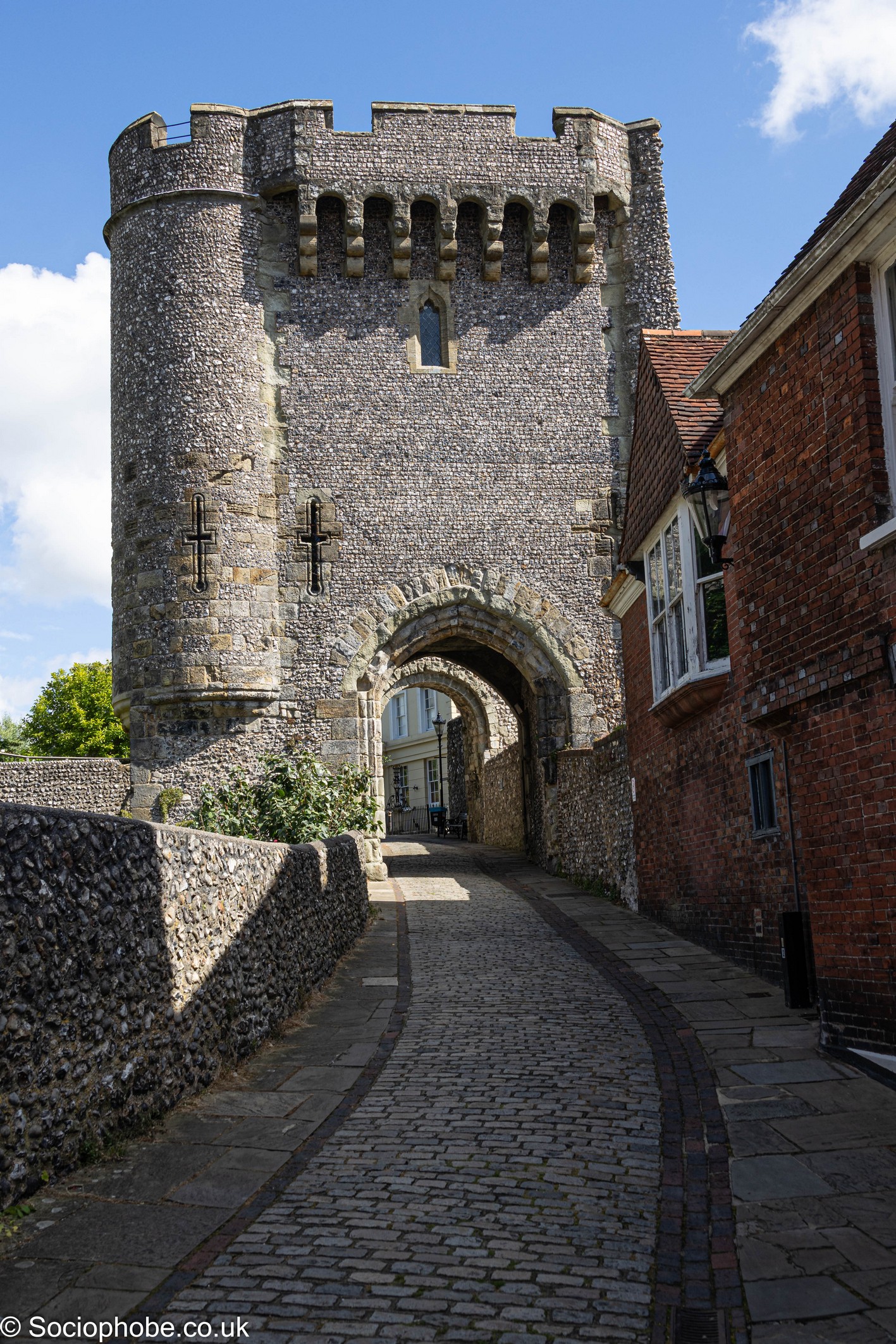
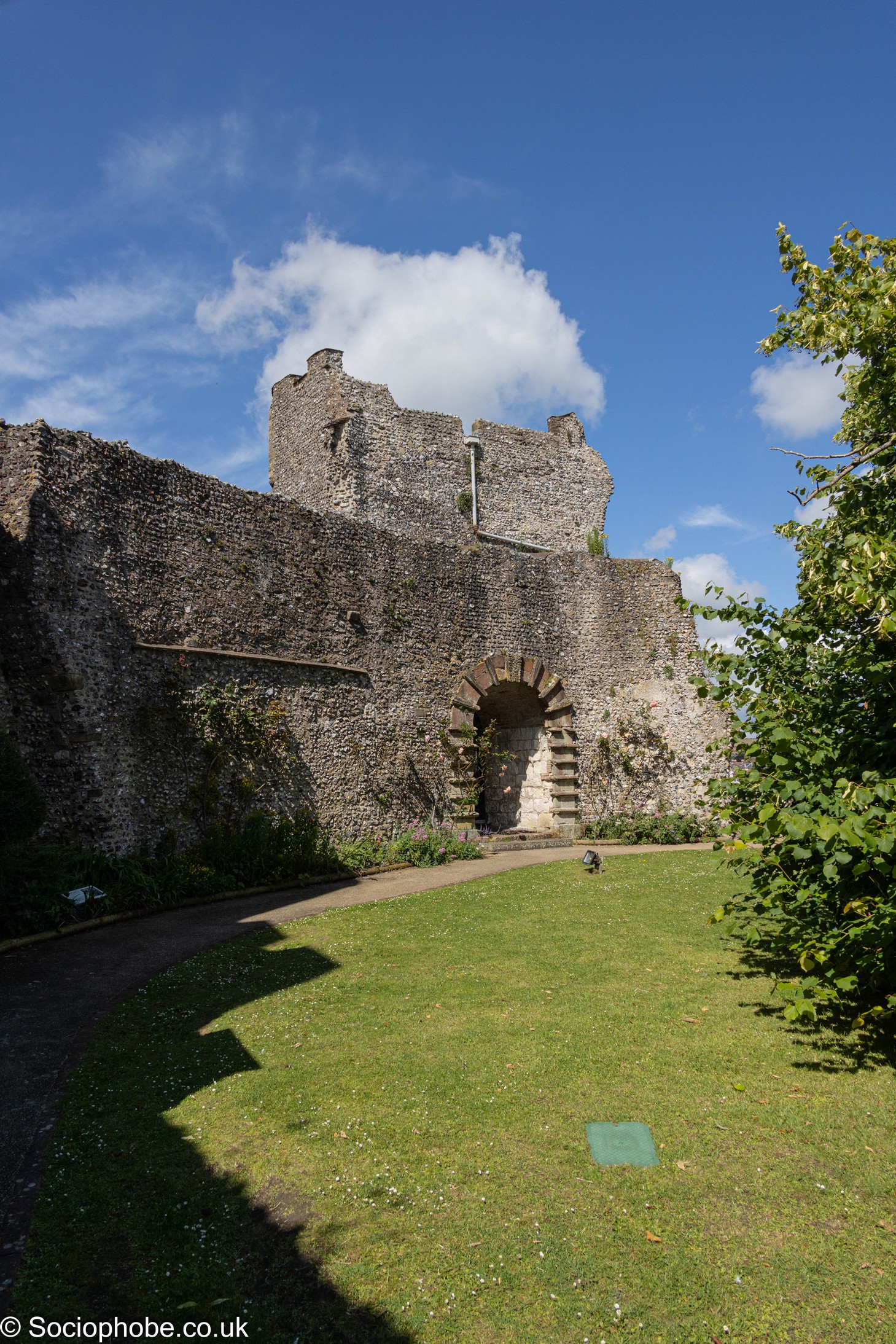
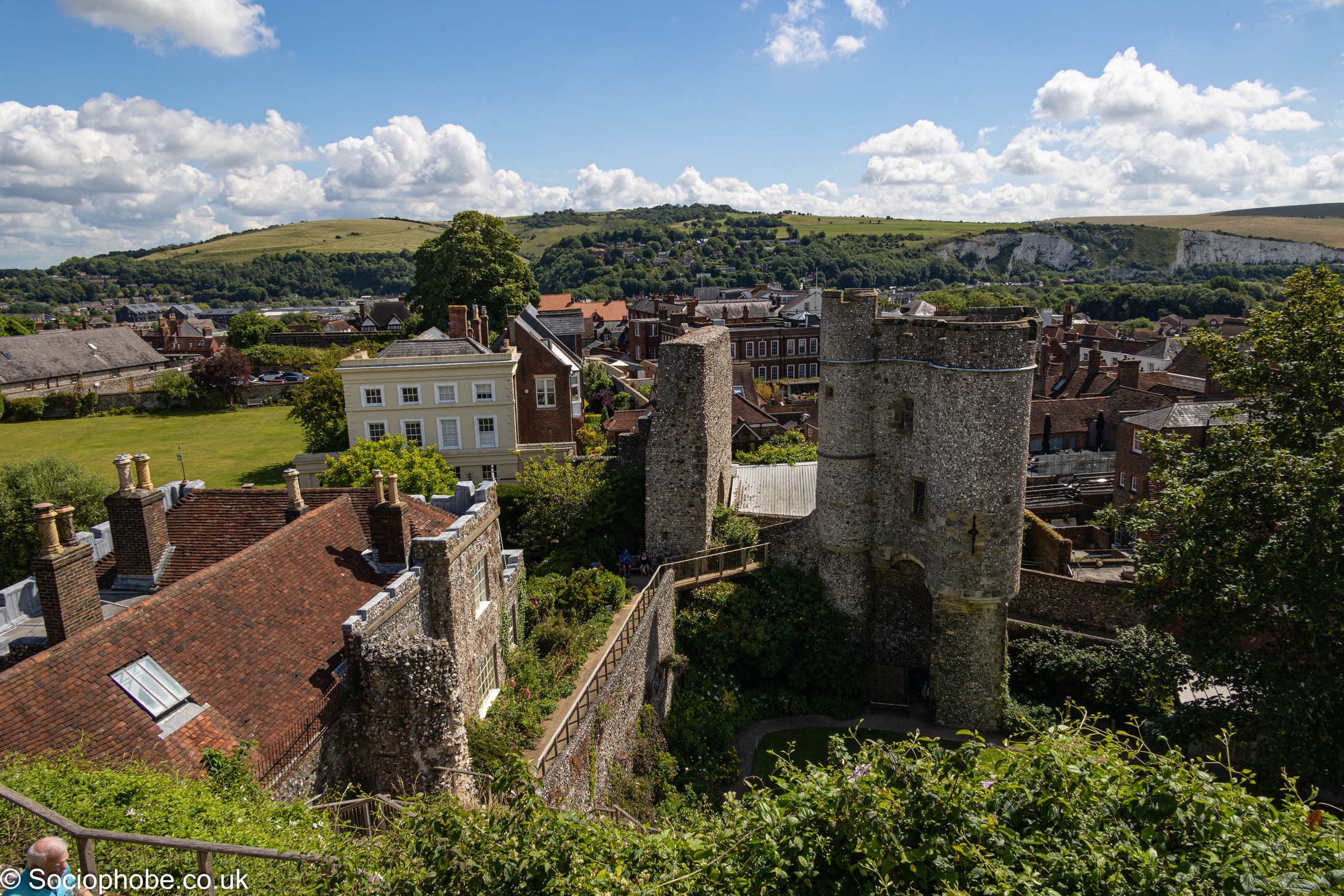
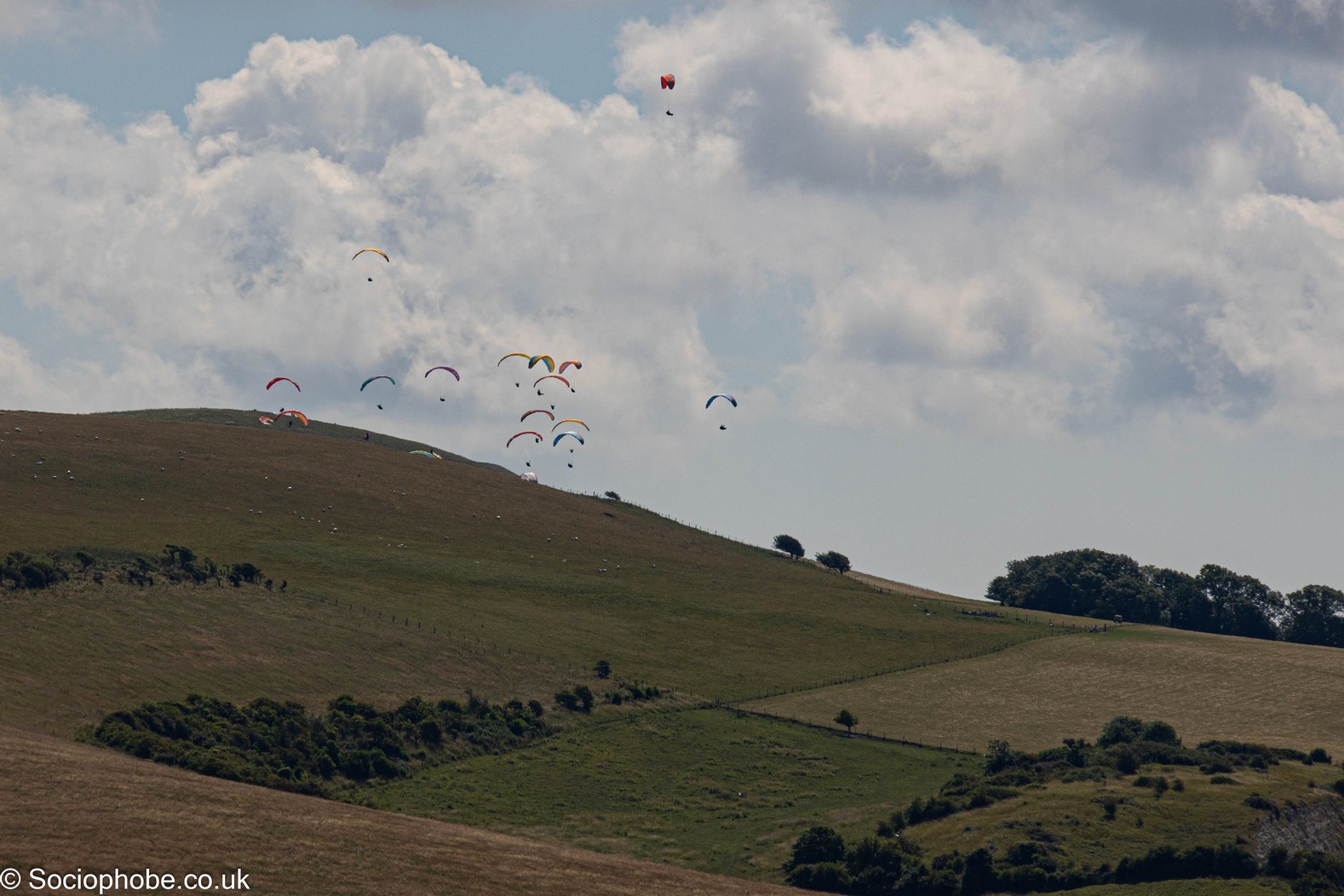
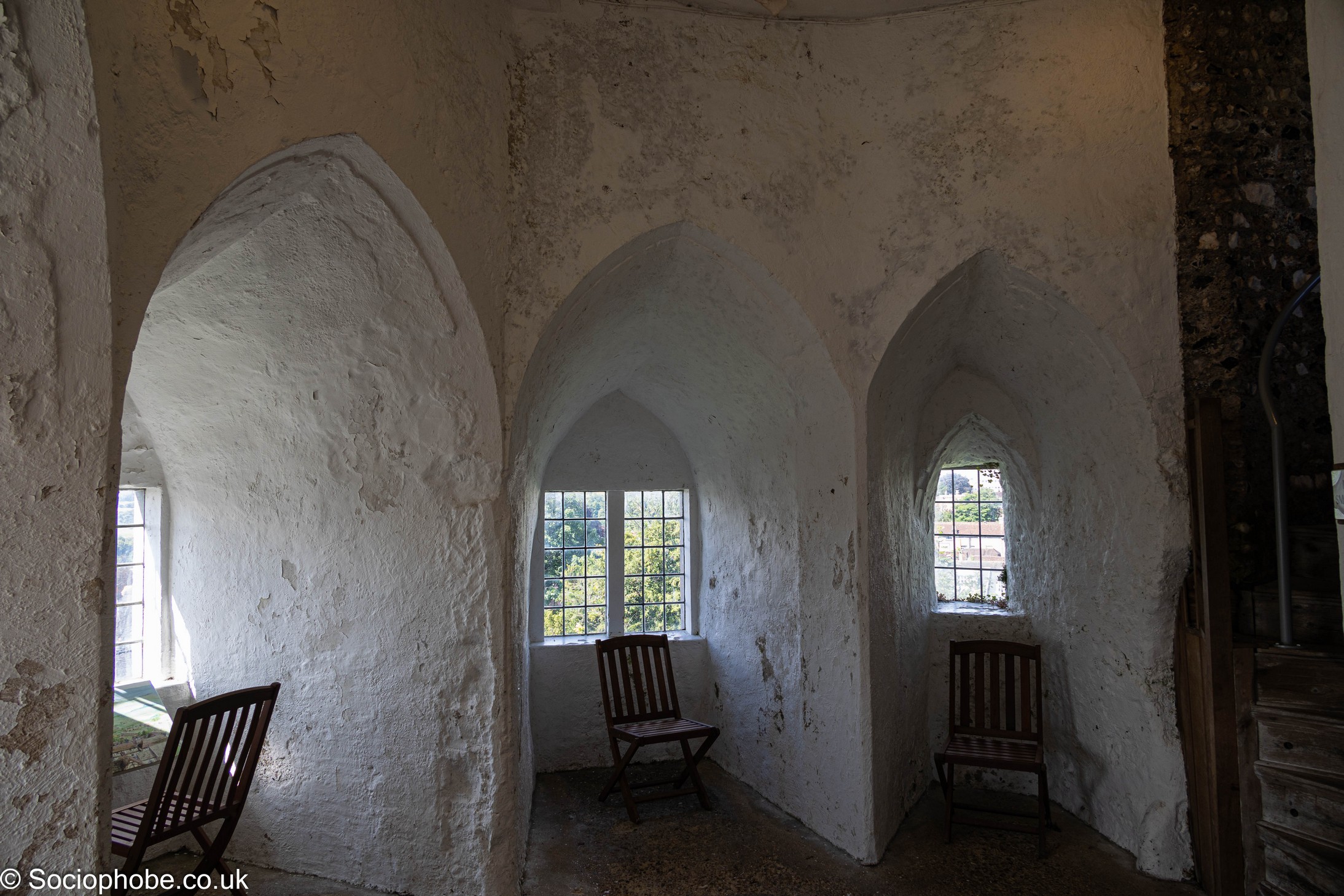
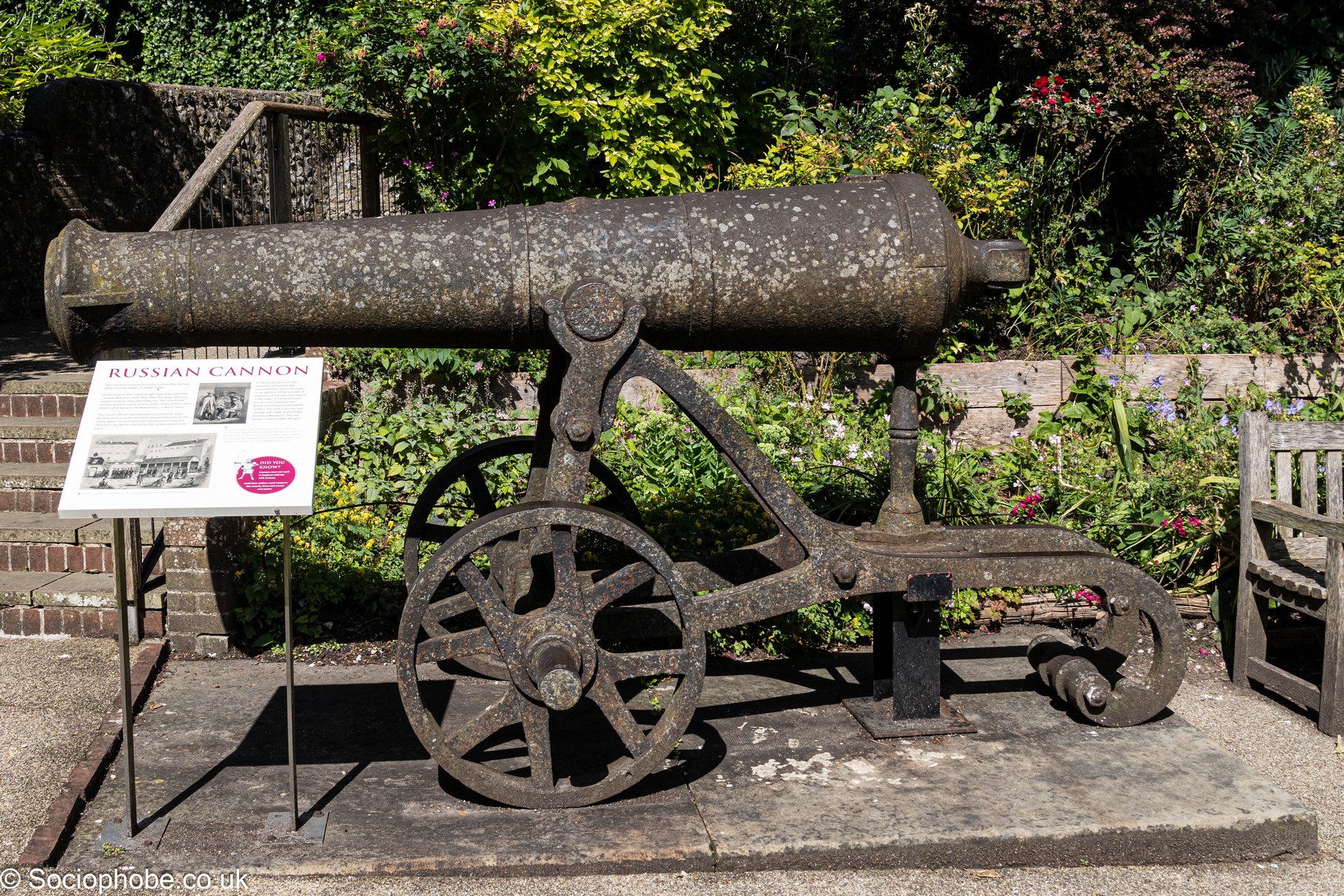
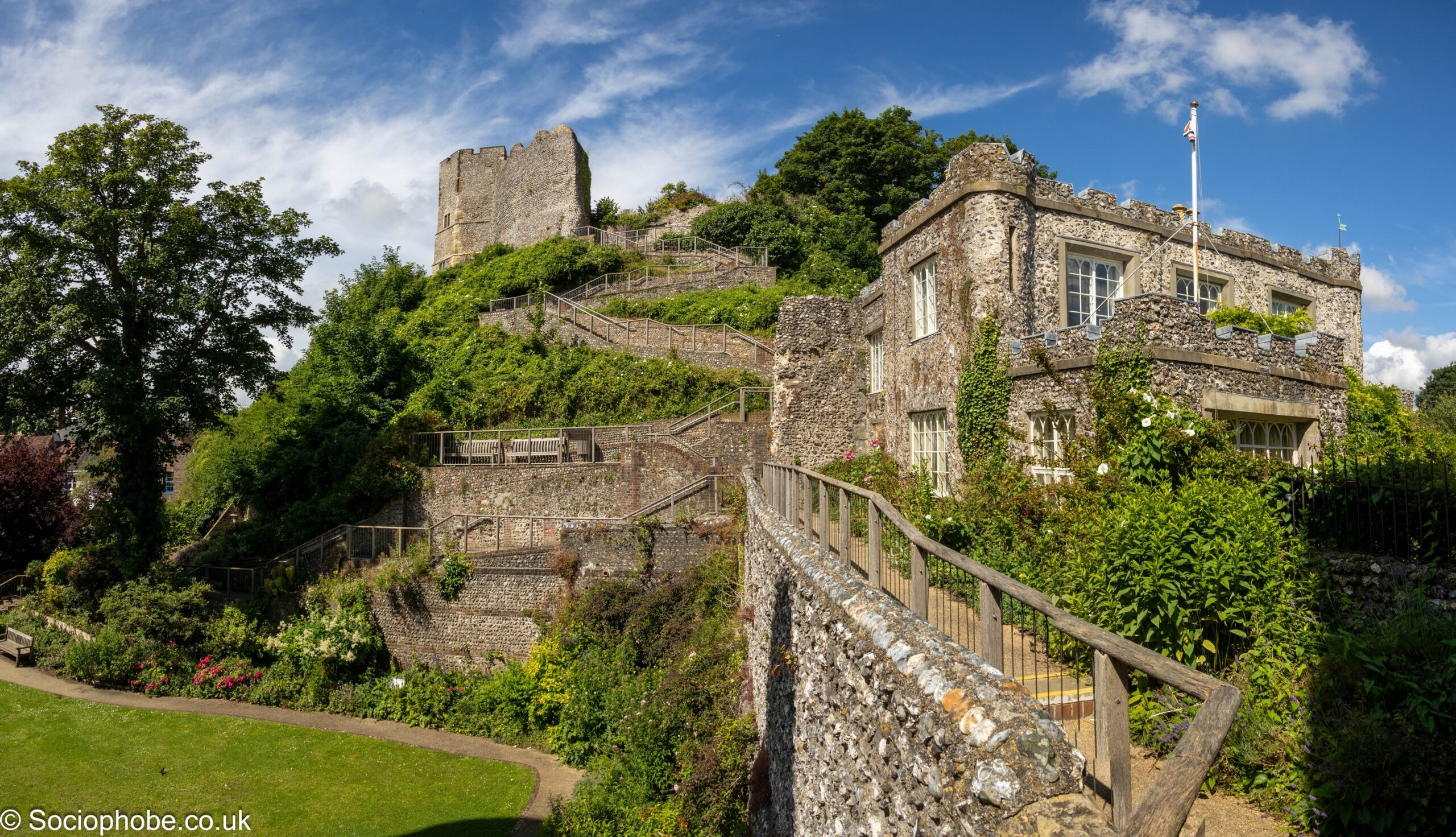
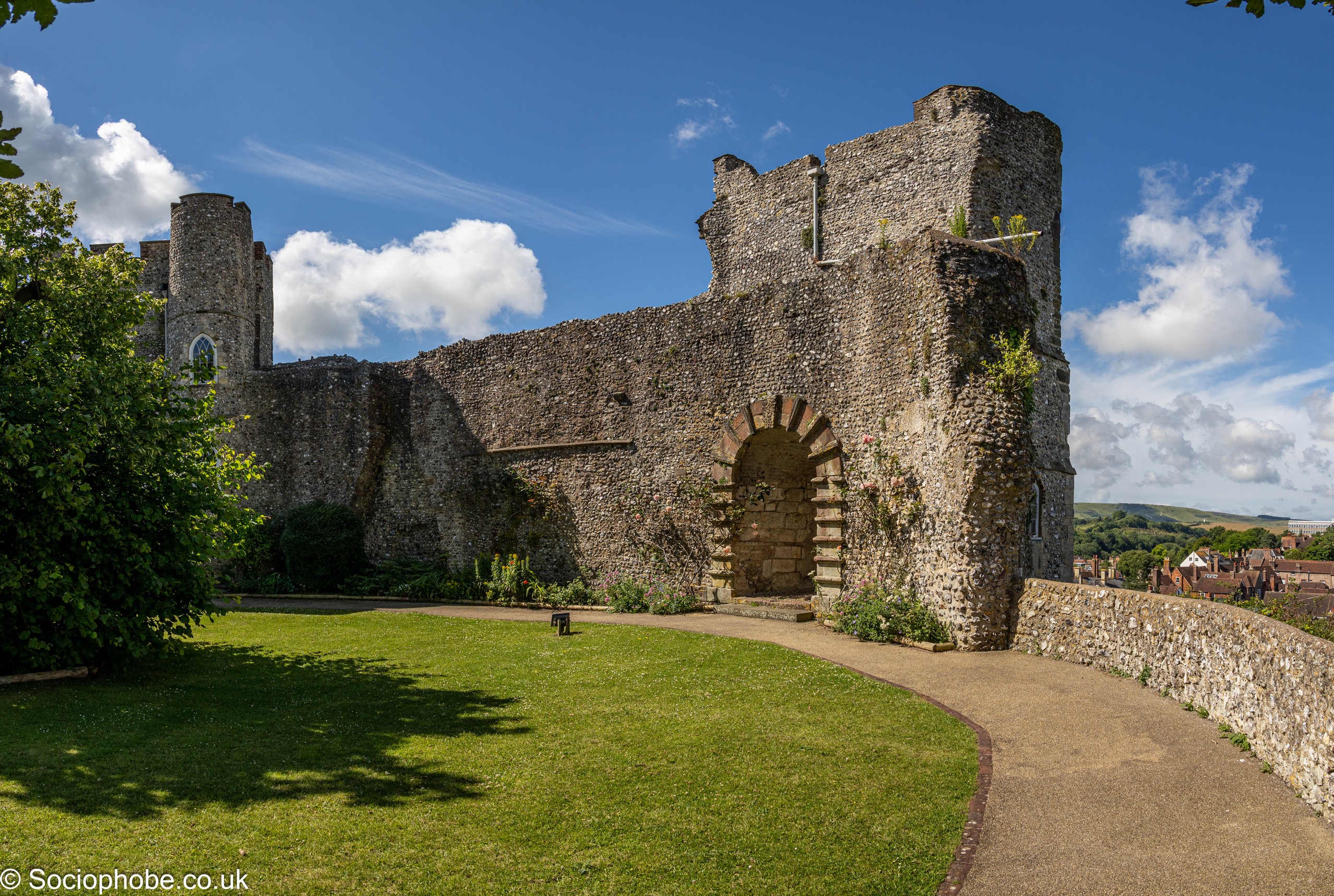
The summit of the motte holds the shell keep with two existing towers and a large fireplace in the outer wall. You can go inside one of the towers and on to the roof to look at the lovely views over the South Downs and read about the history of the castle on various information boards.
From the walkway you can also visit the gatehouse rooms and roof and there are lots of exhibits and children’s activities as well as the views. Part way up, or down, the climb is a path leading to the gatehouse which you enter above ground level and there are rooms with children’s activities and costumes before you reach the roof where you can see the machiolations and views over the town.
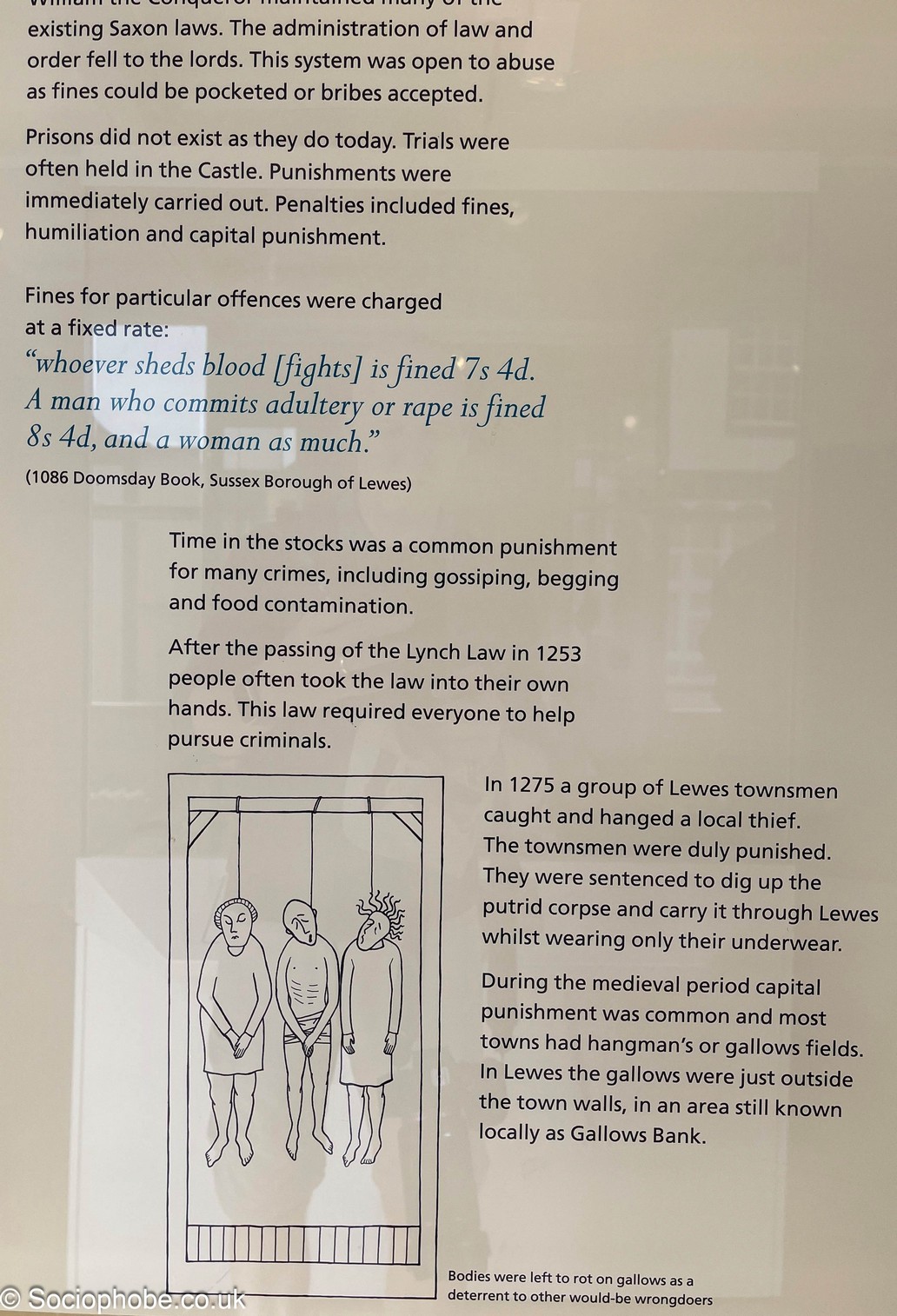
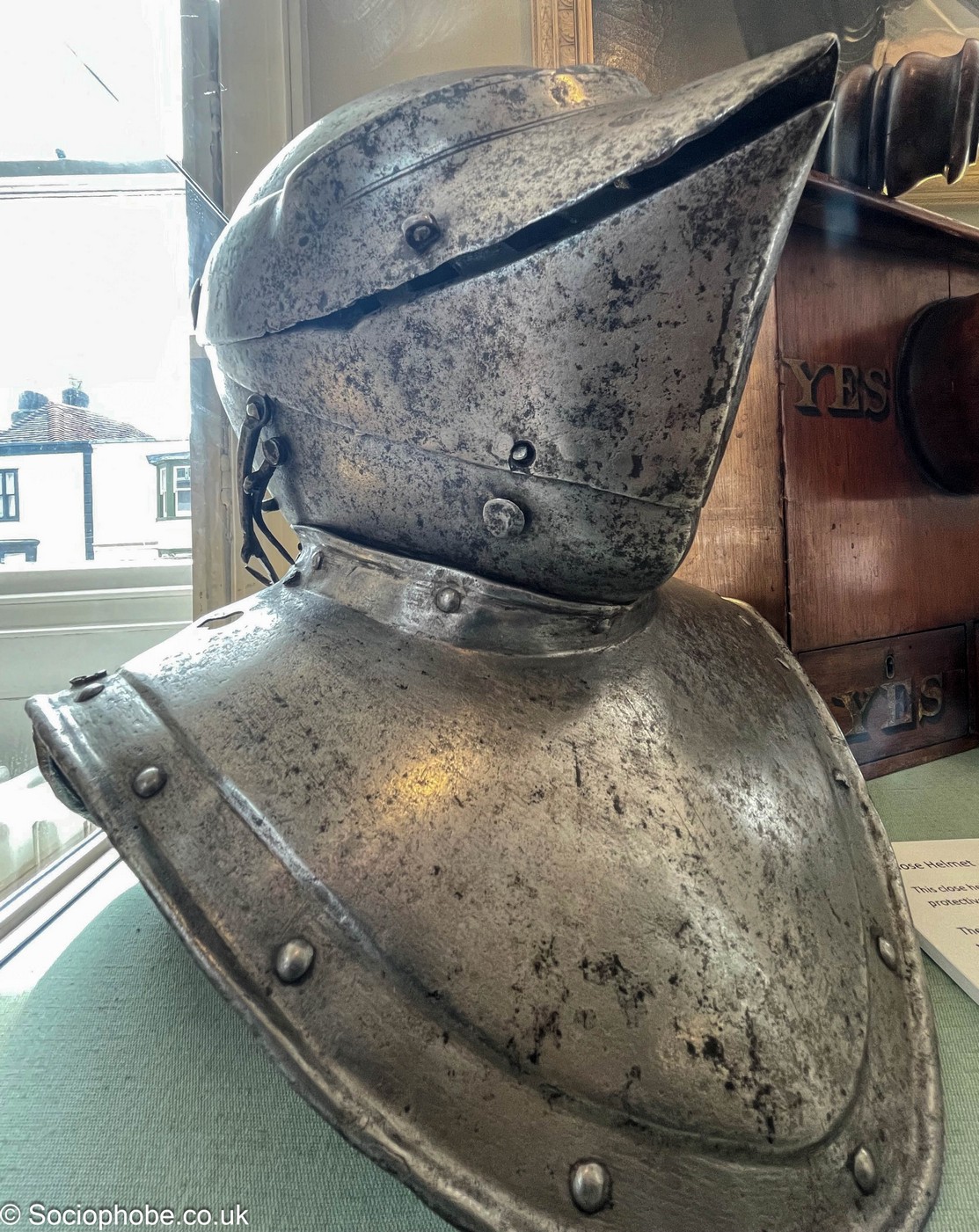
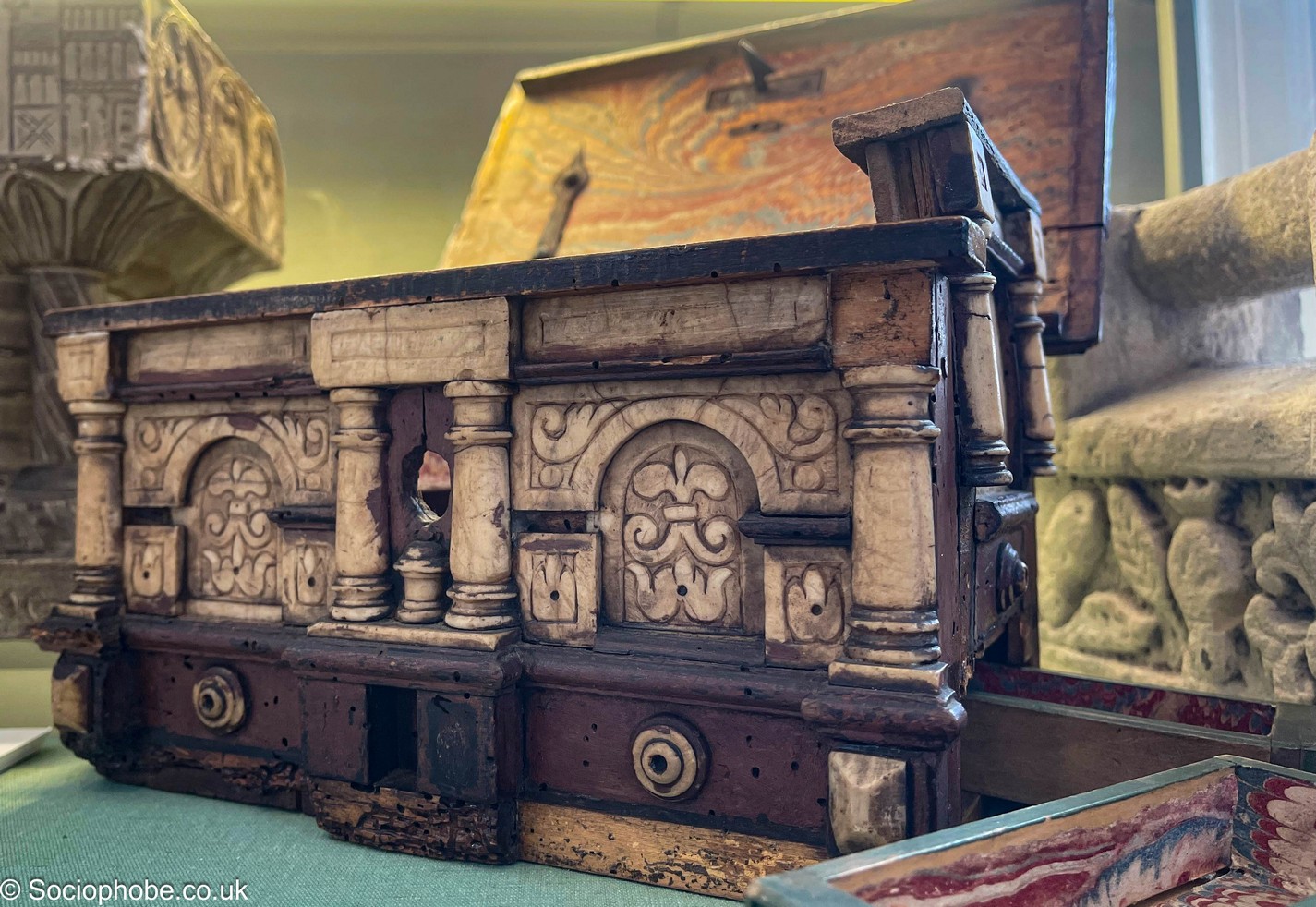
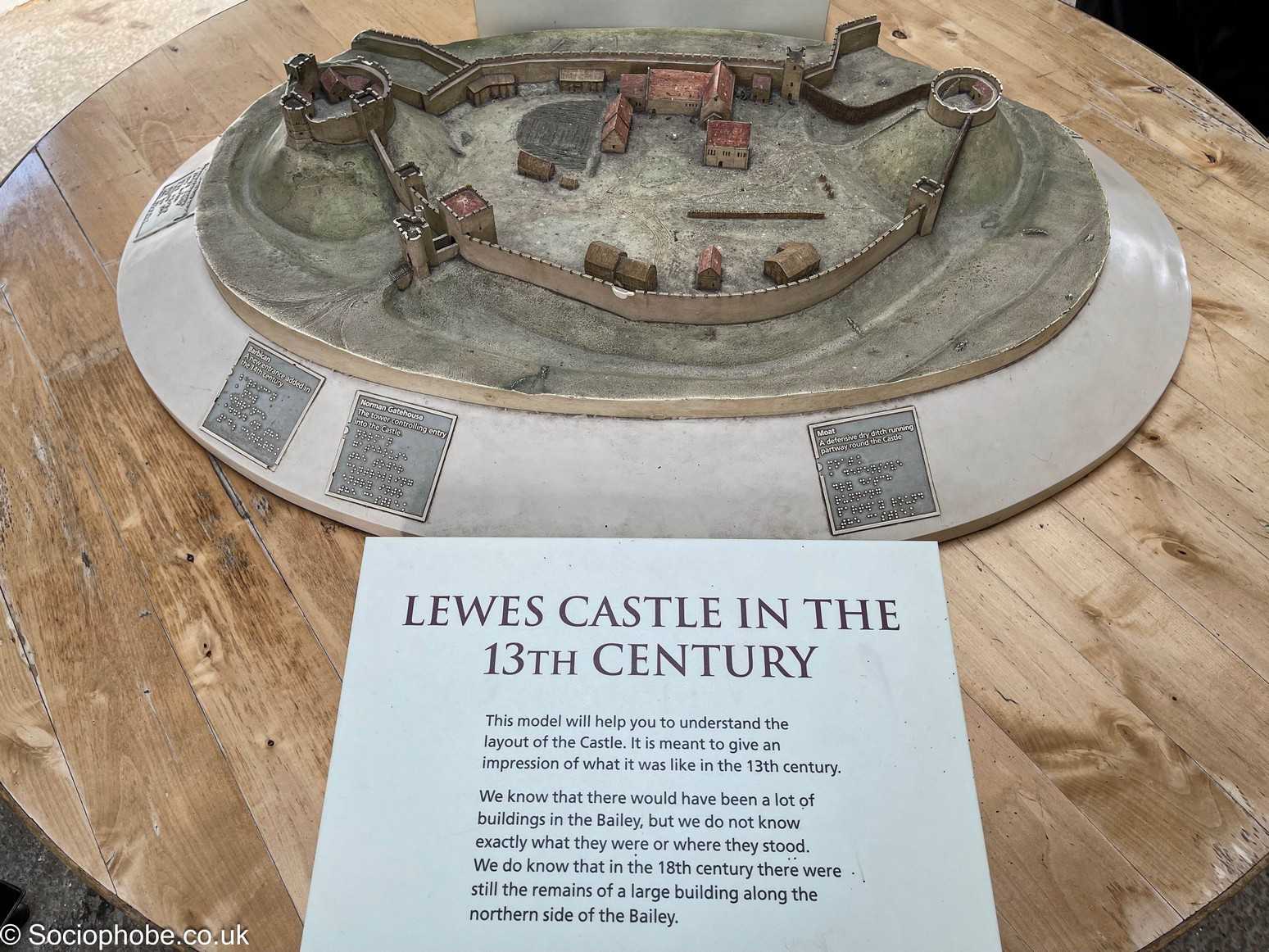
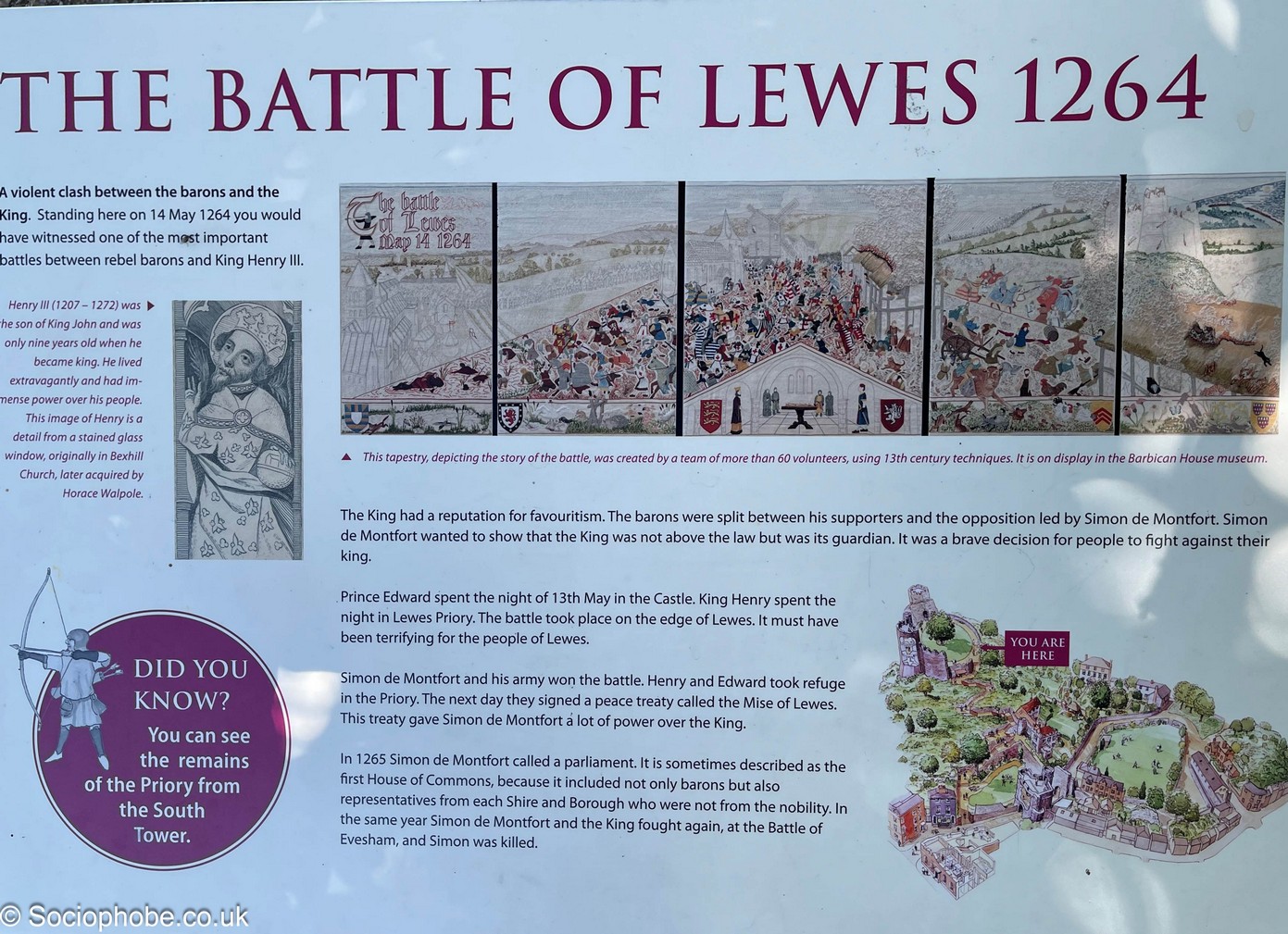
The museum is also excellent – there’s a history of the town and then exhibits that the Sussex Archeological Society have obtained throughout the county.
This was a fantastic road trip and we could easily repeat this many times, choosing different places to visit as the south east of England is awash with sites of interest. This particular trip had a military history slant but we could just as easily have focussed on gardens and country houses, depending on who I was with.
Sounds a great trip, Marcus-and you managed to fit in quite a lot. Lots to see around that area 🙂